
The Forgotten Weapons of the Andes: Lost Technologies and Ancient Secrets

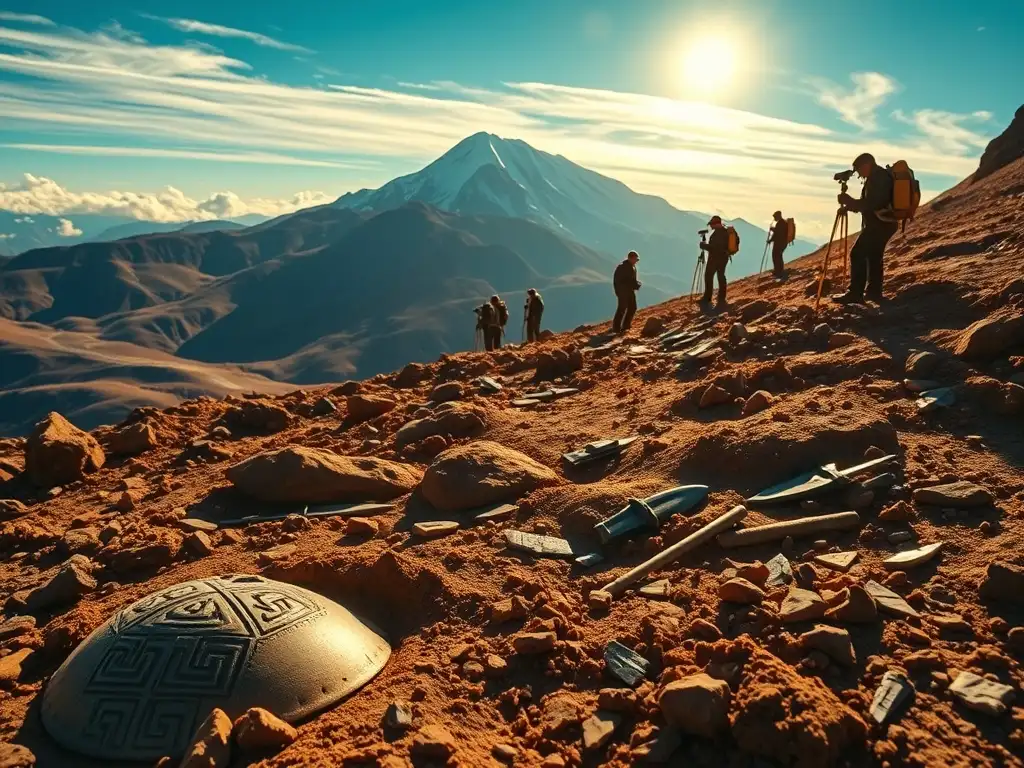
Step into a world lost to time, where the echoes of ancient hammers ring out across the Andes Mountains. Forget everything you think you know about ancient warfare. This isn't just a story of conquest; it's a revelation of ingenuity. Prepare to uncover the astonishing secrets behind Ancient Andean weapons technology, a fascinating glimpse into the sophisticated military might of civilizations like the Incas, Moche, and Nazca. Dare to delve deeper and discover the lost technologies that shaped a continent.
The Andes Mountains, a spine of towering peaks running down the western coast of South America, were home to a succession of remarkable civilizations. While the Inca Empire often dominates narratives of Andean history, a rich tapestry of cultures—including the Moche, Nazca, and Tiahuanaco—preceded them, each leaving behind a legacy of ingenuity and innovation, particularly in the realm of warfare and weaponry.
This article delves into the often-overlooked technological advancements in ancient Andean weapons, exploring the diverse materials, sophisticated techniques, and strategic applications that defined their military prowess. We will uncover the secrets of their forgotten arsenal, examining not only the familiar weapons but also the unique and ingenious tools that shaped Andean conflict and power dynamics for centuries.
Understanding this sophisticated weaponry provides crucial insight into the complex social, political, and economic structures of these fascinating ancient societies and sheds light on the “Ancient Andean weapons technology” that continues to fascinate researchers today.
Introduction to Ancient Andean Warfare and Weaponry
Andean warfare was far from a simple clash of brute force. It was a complex system involving sophisticated strategies, highly organized armies, and remarkably diverse weaponry. The terrain itself—steep mountains, narrow valleys, and dense jungles—dictated the types of weapons employed. While some weapons mirrored those found in other parts of the world, such as spears and clubs, the Andean civilizations adapted and refined them, often incorporating unique materials and techniques.
The availability of resources, ranging from obsidian and copper to wood and textiles, significantly influenced the design and functionality of their arsenal. Furthermore, the social and political structures of each Andean civilization profoundly impacted their military organization and the development of their weapons technology. We will explore how these factors intertwined to create a rich and complex military landscape. The study of “Ancient Andean weapons technology” reveals a surprising level of sophistication and adaptation.
Pre-Incan Weaponry: Unveiling Lost Technologies
Before the rise of the Inca Empire, numerous powerful Andean cultures developed their own distinct forms of weaponry. These pre-Inca societies, including the Moche, Nazca, and Tiahuanaco, created weapons that reflected their unique environments and cultural practices. Their technological ingenuity is evident in the materials they used, the craftsmanship employed, and the strategic thinking reflected in their weapon design.
The study of these weapons offers a crucial window into the military capabilities and societal structures of these pre-Inca civilizations, challenging the often-simplified narratives that focus primarily on the Inca. Analysis of surviving artifacts reveals surprising levels of skill and innovation in metallurgy, stonework, and the use of other available resources.
Early Andean Projectile Weapons: Spears and Atlatls
Spears were a ubiquitous weapon across the Andes, used for both hunting and warfare. However, the Andean civilizations did not simply rely on throwing spears directly. They also utilized the atlatl, a spear-thrower that significantly increased the range and power of their projectiles. The atlatl's design varied across different cultures and time periods, reflecting regional adaptations and technological advancements.
Evidence suggests that the effectiveness of atlatls in Andean warfare was significant, allowing soldiers to engage enemies from a safe distance, particularly advantageous in mountainous terrain. The crafting of both spears and atlatls involved specialized skills in woodworking and the selection of appropriate materials for optimal performance. [Specific data on atlatl design variations across different Andean cultures pending].
The Ingenious Use of Stone in Pre-Incan Weaponry
Stone played a crucial role in the creation of Andean weapons. Obsidian, a volcanic glass, was particularly prized for its sharpness and was used to create incredibly effective spear points, knife blades, and projectile points. The skill involved in shaping obsidian into such precise and lethal weapons is a testament to the advanced technological capabilities of these ancient civilizations.
Beyond obsidian, other types of stone, such as andesite and basalt, were also used to create clubs, axes, and mace heads. The techniques employed in shaping and polishing these stone weapons varied across different regions and cultures, showcasing the diversity of Andean craftsmanship and technological innovation. The durability and effectiveness of stone weapons in Andean warfare are undeniable.
Unique Pre-Incan Combat Tools: Clubs and Axes
In addition to projectile weapons, Andean civilizations employed a variety of melee weapons. Clubs, often made from heavy wood or stone, served as effective blunt force instruments. Their design varied based on the available materials and the specific fighting style of each culture. Axes, crafted from stone or sometimes even copper, were another important melee weapon, capable of delivering devastating blows.
The use of clubs and axes in Andean warfare reflects a practical approach to combat, utilizing readily available materials to create effective weapons suited to the terrain and fighting styles of the region. [Specific examples of unique club and axe designs from different Andean cultures pending]. The combination of these weapons with projectile weapons provided a versatile and formidable arsenal for Andean warriors.
The Rise of Metalworking and its Impact on Andean Arms
The development of metalworking revolutionized Andean warfare, marking a significant shift from primarily stone and wood weaponry. The transition wasn't sudden; it involved a gradual progression, with early experimentation leading to increasingly sophisticated techniques and weaponry. This technological leap significantly impacted the balance of power between different Andean groups, favoring those who mastered these new metalworking skills. The ability to create stronger, more durable, and more lethal weapons provided a considerable military advantage, leading to territorial expansion and the rise of powerful empires.
The impact of metalworking extended beyond the battlefield; it also influenced social structures, religious practices, and artistic expressions within Andean societies. The prestige associated with metalworking and its products solidified the power of elites and shaped the cultural landscape of the Andes. The emergence of metal weaponry is inextricably linked to the growth and consolidation of Andean states.
The Emergence of Copper and Bronze Weapons
The earliest Andean metalworking involved copper, initially used to create simple tools and ornaments. However, the discovery of the potential of copper for weapons was a game-changer. Copper weapons, while not as durable as later bronze weapons, offered a significant advantage over stone implements. They were sharper, more easily sharpened, and less prone to breaking in combat.
Early copper weapons included knives, axes, and spear points. The transition to bronze, an alloy of copper and tin, represented a further technological advance. Bronze was harder, stronger, and more resistant to wear and tear than pure copper.
This allowed for the creation of more effective weapons, such as swords and larger axes, that could inflict greater damage in battle. The precise timing and location of the first bronze weapons in the Andes are still subjects of ongoing research, but their appearance marks a pivotal moment in the development of Andean military technology. The increased effectiveness of bronze weaponry contributed to larger-scale conflicts and the rise of more powerful, centralized states.
The Techniques of Andean Metal Crafting
Andean metalworkers developed remarkably sophisticated techniques, utilizing a variety of methods to shape and refine their materials. They employed techniques like hammering, annealing (heating and cooling to improve malleability), and casting to produce intricate artifacts. Evidence suggests that they employed lost-wax casting, a complex technique that allowed them to create detailed shapes and forms.
The skill and precision required for these techniques indicate a high level of technological expertise. Furthermore, the Andean metalworkers demonstrated a deep understanding of metallurgy, experimenting with different alloys and heat treatments to achieve desired properties in their weapons. Their mastery of these techniques allowed them to create weapons that were not only functional but also aesthetically pleasing, often adorned with intricate designs and embellishments.
The preservation of these techniques, passed down through generations of artisans, is a testament to the ingenuity and resilience of Andean cultures. The study of these techniques continues to reveal new insights into the technological sophistication of ancient Andean civilizations.
Metal Weapons as Symbols of Power and Status
Beyond their practical use in warfare, metal weapons in the Andes also served as potent symbols of power and status. Ownership of metal weapons, especially those crafted from rare or skillfully worked metals, was a clear indication of social standing and elite membership. Such weapons were often displayed during ceremonies and rituals, emphasizing the power and authority of their owners.
The intricate designs and embellishments on many metal weapons further enhanced their symbolic value, often incorporating religious motifs or representations of mythical beings. The creation and distribution of metal weapons served to reinforce social hierarchies and legitimize the power of ruling elites. These weapons were not simply tools of war; they were powerful symbols of authority, wealth, and spiritual significance.
Their presence in tombs and elite burials underscores their importance as markers of social status and power within ancient Andean societies. The study of these artifacts provides valuable insights into the complex interplay between social structure, religious beliefs, and military technology in the Andes.
The Inca Military Arsenal: Sophisticated Weaponry for Conquest
The Inca Empire, renowned for its military prowess and expansive territorial control, possessed a sophisticated arsenal of weapons. Their military technology, while not radically different from that of their predecessors, showcased a level of organization and standardization that contributed to their impressive conquests. The Inca army's effectiveness stemmed not only from its weaponry but also from its highly structured organization, strategic planning, and rigorous training.
Their weapons were designed for both close-quarters combat and ranged attacks, reflecting the diverse terrains and combat styles encountered across their vast empire. The standardization of weaponry across the empire facilitated logistics and ensured that soldiers were equipped with similar, reliable tools.
The Inca Sling: A Deadly Projectile Weapon
The Inca sling was a remarkably effective ranged weapon, capable of launching projectiles with considerable force and accuracy over long distances. It was a simple yet deadly tool, commonly used by Inca soldiers to harass enemy troops and soften defenses before a direct assault. The slings were made from strong, durable materials, often featuring carefully crafted pouches to secure the projectile, typically stones or clay balls.
The skill required to wield a sling effectively was honed through years of practice, making Inca slingers highly proficient and dangerous adversaries. The sling's effectiveness was amplified by the Inca's tactical deployment of slingers, who often positioned themselves at strategic vantage points to rain projectiles upon their enemies. The sling played a crucial role in many Inca military victories, contributing significantly to the empire's expansion and dominance.
The Inca Macana: A Versatile Club Weapon
The Inca maçana was a formidable club weapon, used effectively in close-quarters combat. This heavy club, typically made from wood, was often reinforced with metal studs or bands, increasing its destructive potential. Its design allowed for both crushing blows and slashing attacks, making it a versatile weapon suited for various combat situations.
The maçana's weight and design made it effective at breaking through enemy defenses and inflicting serious injuries. Its use was widespread throughout the Inca army, employed by both infantry and elite warriors. The maçana wasn't just a practical weapon; its association with Inca power and authority made it a potent symbol of military might.
Inca Spear and Lance Technology: From Hunting to Warfare
Spear and lance technology played a vital role in Inca warfare, evolving from hunting tools into specialized military weapons. Inca spears and lances varied in length and design, adapting to different combat scenarios. Shorter spears were used for close-quarters combat, while longer lances were employed for thrusting attacks from horseback or elevated positions.
The spearheads were often crafted from metal, showcasing the Inca's advanced metalworking skills. The use of spears and lances within the Inca military was widespread, reflecting their adaptability and effectiveness in various combat situations. Their use was not limited to the battlefield; these weapons were also essential tools for hunting and self-defense, underscoring their versatility and importance within Inca society.
The Inca Ax: A Symbol of Imperial Power
The Inca ax, often made from bronze or copper, was more than just a tool for felling trees; it served as a powerful symbol of imperial power and authority. The ax's design, often featuring intricate carvings and embellishments, reflected the Inca's sophisticated metalworking skills and artistic sensibilities. Beyond its practical use in warfare and construction, the ax was associated with Inca deities and served as a potent symbol of imperial authority.
Its presence in ceremonial contexts highlights its significance as a symbol of the Inca state's power and control. The Inca ax represents the intersection of practical technology and religious symbolism within the Inca empire.
Beyond Swords and Spears: Specialized Andean Weapons
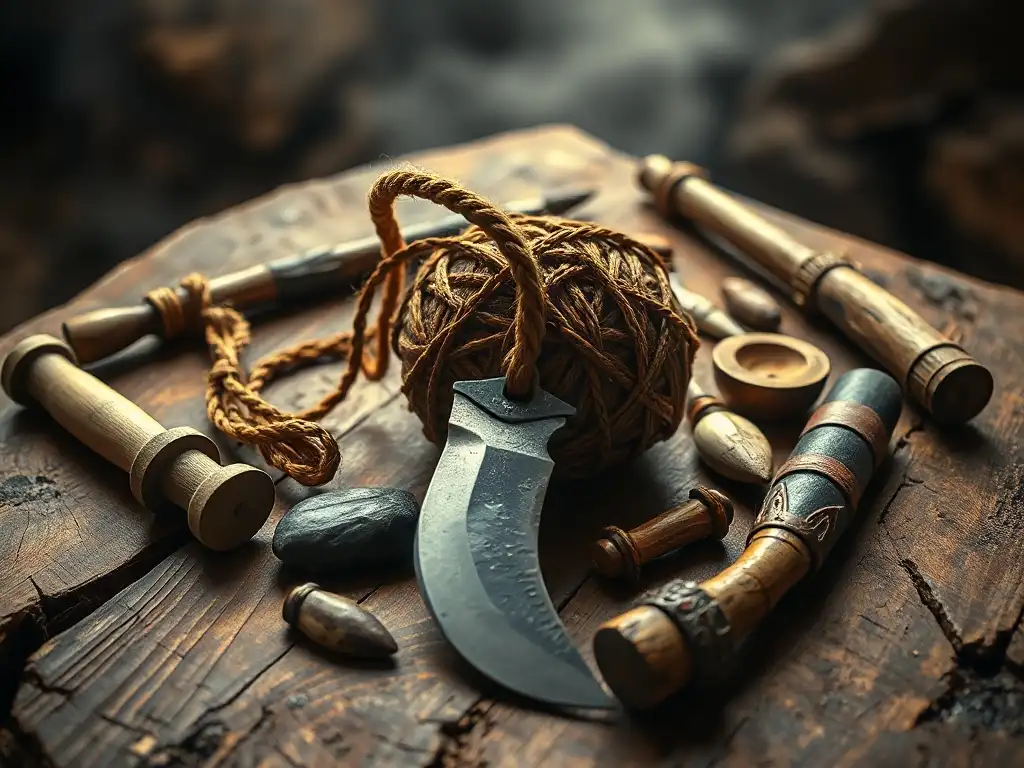
The image of Andean warfare often conjures up visions of swords and spears, but the reality was far more nuanced and sophisticated. Ancient Andean civilizations developed a surprising array of specialized weapons, reflecting their diverse environments and tactical needs. These weapons weren't simply tools of destruction; they were carefully crafted instruments reflecting ingenuity and deep cultural understanding. Their effectiveness stemmed not only from their design but also from the strategic deployment and mastery by the warriors who wielded them.
The diversity of these weapons speaks volumes about the adaptability and innovation of Andean societies in the face of diverse challenges, from hunting to large-scale warfare. Understanding these specialized weapons provides a more complete picture of Andean military prowess and cultural complexity. This section will delve into some of the more unique and intriguing examples of these specialized weapons.
The Andean Bola: A Unique Hunting and Combat Tool
The bola, a weapon consisting of multiple weights attached by cords, is a prime example of Andean ingenuity. This seemingly simple weapon required considerable skill to wield effectively. Hunters used bolas to ensnare guanacos, vicuñas, and other animals crucial for survival. The weights, often made of stone or metal, were carefully balanced to maximize their effectiveness.
The cords, typically made from strong, durable fibers, were of a specific length to ensure the bola would wrap around the target's legs, bringing it down swiftly. In combat, the bola could be used to entangle an opponent, rendering them vulnerable to attack. Archaeological evidence suggests variations in bola design across different Andean cultures, indicating adaptation to specific hunting and warfare strategies. The effectiveness of the bola was directly tied to the skill of the thrower, making it a weapon that demanded years of practice and mastery.
The Use of Blowguns and Poison Darts in Andean Warfare
While less common than other weapons, blowguns and poison darts represent a significant aspect of Andean warfare, particularly in certain regions and time periods. The use of poison added a terrifying element to Andean combat. The toxins, often derived from plants, could incapacitate or kill an opponent quickly, offering a significant advantage in close-quarters combat. Blowguns allowed for silent attacks from a distance, making them suitable for ambush tactics.
The construction of blowguns themselves was a specialized skill, requiring precise knowledge of materials and craftsmanship. The darts, often tipped with bone or metal, were carefully crafted to fit snugly into the barrel of the blowgun, ensuring accuracy and power. The specific types of poisons used and their effects varied across different Andean cultures, reflecting the diverse botanical resources available to them. Further research is needed to fully understand the prevalence and impact of these weapons on Andean warfare.
Andean Shield Design and Materials
Andean shields varied significantly in design and materials depending on the culture and time period. Some were made of wood, often reinforced with layers of leather or textile for added protection. Others were constructed from woven reeds or other plant materials, providing lighter, more flexible defense. The shape and size of shields also differed, reflecting tactical preferences.
Larger shields offered greater protection but reduced mobility, whereas smaller shields allowed for greater agility. Many shields were decorated with intricate designs, often incorporating symbolic or religious motifs. These decorations not only served an aesthetic purpose but may also have had a psychological impact on the battlefield, inspiring confidence in the warrior and possibly intimidating the enemy. The study of shield design and materials provides valuable insights into Andean craftsmanship and military strategies.
The Importance of Leather and Wood in Andean Armor
Leather and wood played crucial roles in the creation of Andean armor. Leather provided flexibility and protection, often used as reinforcement for textile armor or as components of more complex armor systems. Wood, particularly certain hardwoods, provided strength and resilience, used to construct shields and even body armor components. The crafting of leather armor involved specialized tanning techniques, ensuring durability and protection from the elements.
Wooden components were often carefully carved and shaped to fit the body, providing effective protection against blows. The combination of these materials allowed Andean artisans to create armor that was both protective and reasonably mobile, reflecting a deep understanding of materials science and craftsmanship. The construction of this armor showcases the advanced skills and technological knowledge of Andean societies.
Beyond their purely functional role in warfare and hunting, Andean weapons held profound social and cultural significance, deeply interwoven with the fabric of Andean societies. Their importance transcended mere utility, encompassing status, ritual, and symbolic power. The creation, use, and even the decoration of these weapons were imbued with rich meaning, reflecting the intricate social structures and spiritual beliefs of the time.
Weapons as Status Symbols in Andean Societies
The possession and skillful use of certain weapons could serve as powerful status symbols in Andean societies. Elaborately crafted weapons, made from rare materials or adorned with intricate decorations, indicated high social standing and military prowess. These weapons weren't just tools; they were markers of prestige, reflecting the individual's place within the social hierarchy.
Access to these materials and the skills to create these weapons were often restricted to the elite, further emphasizing their significance as status symbols. The ownership of specific types of weapons, along with the mastery of their use, conferred social standing and influence in many Andean societies.
Ritualistic Use of Weapons in Ancient Andean Ceremonies
Weapons played a significant role in various ancient Andean ceremonies and rituals. They were not only used in warfare but also featured prominently in religious practices, often symbolizing power, fertility, and protection. Archaeological evidence reveals the use of weapons in ceremonial contexts, such as burials and temple offerings. The presence of weapons in these contexts suggests a deeper symbolic meaning beyond their military applications. These ritualistic uses of weapons highlight the integration of the military and spiritual aspects of Andean culture. The ceremonial use of weapons provided further layers of meaning and social significance to these objects.
The Symbolic Power of Weapon Decoration
The decoration of Andean weapons was far from arbitrary; it held significant symbolic power. Intricate carvings, paintings, and metalwork often depicted mythological figures, animals, or abstract designs representing spiritual beliefs and social structures. These decorations served as a visual language, conveying messages of power, identity, and social status.
The materials used in decoration, such as precious metals or rare stones, further enhanced the symbolic value of the weapons. The study of weapon decoration provides valuable insights into the religious beliefs, artistic traditions, and social structures of ancient Andean civilizations. The craftsmanship and attention to detail in weapon decoration underscore the cultural importance and symbolic power of these objects.
The Decline and Legacy of Ancient Andean Weapons Technology
The sophisticated weaponry of the Andean civilizations, honed over millennia, didn't simply vanish overnight. Its decline was a gradual process, intricately linked to the dramatic shifts in power and societal structures across the region. The arrival of the Spanish conquistadors in the 16th century marked a pivotal turning point, but the seeds of change were sown long before.
Internal conflicts, shifting alliances between different Andean cultures, and evolving warfare strategies all played a part in the gradual obsolescence of certain weapon types. For instance, the highly specialized weaponry associated with elite warrior classes in societies like the Inca might have lost their prominence as the empire’s centralized control weakened. The intricate metallurgical processes behind the creation of certain weapons, passed down through generations of skilled artisans, began to be disrupted, leading to a decline in both quality and quantity of production.
This wasn't a sudden collapse, but rather a slow erosion of a complex technological system. The legacy, however, persists. The artistry and skill evident in surviving artifacts continue to inspire awe and admiration, providing a tangible link to the past and a testament to the ingenuity of Andean metalworkers and warriors.
The Impact of Spanish Colonization on Andean Weaponry
The Spanish conquest had a devastating impact on Andean weaponry. The introduction of European weaponry, particularly firearms, dramatically shifted the balance of power. Steel swords, muskets, and cannons proved far superior to the traditional Andean weapons, rendering many of them obsolete practically overnight.
The Spanish actively suppressed the production of traditional weapons, fearing uprisings and rebellions. This suppression, coupled with the decimation of the indigenous population through disease and warfare, effectively broke the chain of knowledge and skill transmission that had sustained Andean weapon-making for centuries. The mines that once provided the raw materials for Andean metalworking were redirected to serve the Spanish crown, further hindering the production of traditional weaponry.
The cultural significance of these weapons was also undermined, as the Spanish imposed their own cultural values and military practices. The legacy of this period is a profound disruption of Andean traditions and a significant loss of knowledge regarding the production and use of their unique weaponry. The few remaining examples of pre-Columbian weaponry are now treasured artifacts, offering glimpses into a lost world of military technology.
Rediscovering Lost Andean Military Technologies Through Archaeology
Archaeological excavations across the Andes have been instrumental in uncovering and piecing together the story of ancient Andean weaponry. Sites like the Chan Chan archaeological complex in Peru have yielded significant finds, providing insights into the weaponry of the Chimú culture. Careful analysis of excavated artifacts, including weapons, tools, and metalworking debris, allows researchers to reconstruct the manufacturing processes and understand the technological sophistication of Andean societies.
The study of metallurgical techniques, including alloying, casting, and forging, reveals the advanced skills of Andean metalworkers. Furthermore, the discovery of well-preserved weapons in tombs and burial sites provides valuable information about the social status associated with particular weapon types and their role in warfare.
By studying the chemical composition of artifacts, researchers can trace the origin of the raw materials and understand the trade networks that sustained Andean metalworking. The meticulous work of archaeologists continues to unveil new details about Andean military technology, continually refining our understanding of these advanced ancient societies.
The Continuing Study of Ancient Andean Weapons Today
The study of ancient Andean weapons is far from over. Ongoing research combines archaeological findings with advanced scientific techniques, such as X-ray fluorescence spectroscopy and 3D modeling, to gain deeper insights into the materials, construction, and use of these artifacts. Ethnohistorical studies, which examine historical accounts and oral traditions, can further illuminate the cultural significance and military practices surrounding these weapons.
For example, researchers are actively investigating the metallurgical properties of different Andean alloys to understand their performance characteristics in battle. By comparing the composition and structure of ancient weapons with modern materials, scientists can assess their durability, strength, and effectiveness. Furthermore, experimental archaeology—the recreation and testing of ancient weapons—provides valuable insights into their practical use and effectiveness.
This multidisciplinary approach ensures that our understanding of ancient Andean weapons technology continues to evolve, revealing new facets of these fascinating and significant artifacts. The ongoing research helps us not only appreciate the technological prowess of these ancient civilizations but also provides a crucial perspective on the complex interplay between technology, society, and warfare in the Andean region.
- Introduction to Ancient Andean Warfare and Weaponry
- Pre-Incan Weaponry: Unveiling Lost Technologies
- The Rise of Metalworking and its Impact on Andean Arms
- The Inca Military Arsenal: Sophisticated Weaponry for Conquest
- Beyond Swords and Spears: Specialized Andean Weapons
- The Social and Cultural Significance of Andean Weapons
- The Decline and Legacy of Ancient Andean Weapons Technology
- What types of weapons did the ancient Andean civilizations use?
- How advanced was Andean weapons technology compared to other ancient civilizations?
- What materials were primarily used in creating Andean weapons?
- Did the different Andean cultures have unique weapon styles?
- Where can I learn more about ancient Andean weapons technology?
Frequently Asked Questions
What types of weapons did the ancient Andean civilizations use?
The Andean civilizations employed a diverse range of weaponry, including spears, clubs, sling stones, bows and arrows, and maces. Metalworking, particularly in bronze and later copper, allowed for the creation of more sophisticated weapons like metal-tipped spears and knives.
How advanced was Andean weapons technology compared to other ancient civilizations?
Andean weapons technology was quite advanced for its time, showcasing ingenuity in metallurgy and design. While perhaps not as widely known as some Eurasian examples, their specialized weaponry and innovative techniques are noteworthy. Copper alloying shows a high level of metallurgical skill.
What materials were primarily used in creating Andean weapons?
The materials used varied depending on availability and the weapon type. Stone, particularly obsidian, was common for projectile points and blades. Later, bronze and copper became important for more advanced weaponry. Wood was used extensively for shafts and handles.
Did the different Andean cultures have unique weapon styles?
Yes, each culture possessed distinct weapon preferences and styles. For example, the Inca favored specific types of clubs and slings, while the Moche are known for their elaborate metalwork in weapons. These differences reflect diverse combat strategies and cultural practices.
Where can I learn more about ancient Andean weapons technology?
Further research can be conducted by exploring academic journals and museum collections focusing on Andean archaeology and anthropology. Many books and online resources provide detailed information on ancient Andean civilizations and their weaponry.
Final Reflection: Echoes of the Andes: Unearthing a Legacy of Ingenuity
The sophisticated weaponry of the ancient Andes, long overlooked in the shadow of more widely studied civilizations, offers a compelling case study in human innovation and adaptation. These weren't simply tools of war; they were testaments to a deep understanding of materials science, engineering, and the environment, reflecting a level of technological prowess that continues to surprise and inspire researchers today. The implications of these discoveries extend far beyond the realm of archaeology, challenging our preconceived notions of technological development and highlighting the interconnectedness of human ingenuity across diverse cultures.
The enduring legacy of Andean weaponry extends beyond the battlefield, shaping our understanding of ancient societies and their complex interactions. The meticulous craftsmanship, the strategic use of readily available materials, and the innovative designs all speak to a culture deeply connected to its environment and possessing a profound understanding of its own capabilities. The past is never dead. It's not even past.
– William Faulkner. This quote rings true when considering the ongoing relevance of Andean technological achievements, which continue to inform our understanding of human potential and resilience. Their ingenuity serves as a powerful reminder that innovation can flourish even in the most challenging of circumstances.
Consider the ingenuity of these ancient Andean peoples, their resourcefulness in the face of adversity. Now, consider your own life, your own challenges. What innovative solutions can you discover, what hidden potential can you unlock, by drawing inspiration from the forgotten ingenuity of the Andes? Let the echoes of their achievements resonate within you, inspiring you to approach your own endeavors with the same creativity, resilience, and profound connection to the world around you. Embrace the spirit of innovation, and let the forgotten weapons of the Andes become a catalyst for your own discoveries.
Unveil the Ancient Secrets of the Andes!
Thank you for exploring the remarkable world of the Andes and discovering the ingenious technologies that shaped ancient civilizations. Your curiosity expands your knowledge and honors the legacy of these brilliant cultures. Let's continue your exploration of these incredible secrets.
- Dive deeper: Research a specific Andean technology or artifact—perhaps intricate weaving techniques, sophisticated irrigation systems, or impressive stonework—and share your findings with our community!
- Engage with others: Join our discussion forum on Andean innovations to connect with fellow history enthusiasts and exchange insights.
- Spread the knowledge: Share this article on social media to inspire your friends with the wonders of the Andean civilizations.
What ancient Andean innovation do you find most fascinating, and how do you think it impacted the lives of its creators?