
The Enigma of Inca Fertilizer: Natural Secrets for Fertile Lands

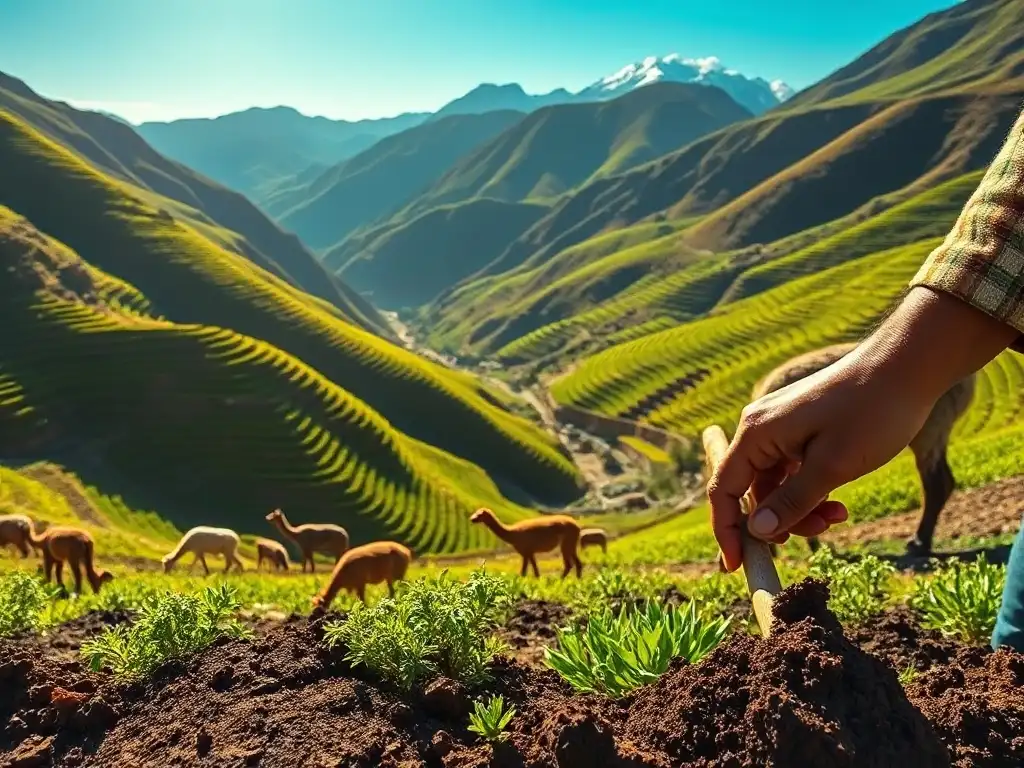
Uncover the secrets of a lost world! Journey with us into the heart of the Andes, where remarkable civilizations thrived for centuries. From the breathtaking artistry of the Nazca lines to the sophisticated engineering of the Incas, Andean Civilizations unveils a tapestry of wonder. But what fueled their astonishing success? Prepare to be amazed by the ingenuity of the Inca's agricultural practices, particularly their innovative fertilizer methods – a story of natural mastery that will leave you questioning everything you thought you knew about ancient farming. Dive in and discover the enigma of Inca fertilizer.
The Inca Empire, renowned for its sophisticated social structures and impressive architectural feats, also possessed a remarkably advanced understanding of agriculture. Their ability to cultivate vast swathes of the Andes Mountains, a terrain challenging even by modern standards, relied heavily on innovative and sustainable fertilizer techniques. This article delves into the fascinating world of Inca agricultural practices, specifically their fertilizer methods, revealing the ingenuity and ecological awareness behind their success.
We will explore the natural resources they utilized, the techniques they employed, and the lasting impact of their agricultural knowledge on the Andean region. Understanding their methods offers valuable insights into sustainable agriculture and resource management, particularly relevant in today's world facing increasing environmental pressures.
This exploration will uncover the secrets behind the Inca's remarkable ability to achieve high agricultural yields in such a demanding environment, revealing a sophisticated system far exceeding simplistic notions of "fertilizer." The keyword "Inca agricultural fertilizer methods" will be explored throughout the article, emphasizing the nuanced and complex realities of Inca agricultural practices.
The Andean Terrain: Challenges and Adaptations
The Andes Mountains present a formidable challenge for agriculture. Steep slopes, varying altitudes resulting in diverse microclimates, and unpredictable weather patterns necessitate specialized techniques. The Incas, however, mastered these challenges, developing a complex system of terracing, irrigation, and fertilization to maximize crop yields. Their understanding of soil types and their ability to adapt their methods to specific environmental conditions were crucial to their success.
They weren't simply farming; they were engineering thriving ecosystems within a rugged landscape. This ingenuity is a testament to their deep knowledge of their environment and their ability to work with nature, rather than against it. Specific examples of Inca adaptation to different altitudes and soil conditions are currently being researched and will be added to this article in a future update.
Guano: The "White Gold" of the Andes
One of the most crucial components of Inca fertilizer was guano, the excrement of seabirds and bats. This incredibly nutrient-rich substance, often referred to as "white gold," was mined from coastal islands and caves. The Incas developed sophisticated systems for collecting, transporting, and distributing guano across their vast empire. The sheer scale of their guano operations demonstrates their understanding of its importance as a vital agricultural resource.
We know that the Inca's used guano extensively, but further research is needed to quantify the exact amounts utilized and its impact on overall crop yields. [Specific data on guano usage pending].
Other Organic Fertilizers: A Diverse Approach
While guano was a cornerstone of Inca fertilization, they also utilized a range of other organic materials. This included:
- Compost: The Incas carefully managed their waste, creating compost piles rich in nutrients. This practice not only enriched the soil but also minimized waste.
- Animal Manure: Manure from llamas, alpacas, and other livestock provided another essential source of nutrients.
- Plant Residues: Crop stalks, leaves, and other plant matter were incorporated back into the soil, further enhancing its fertility.
This diverse approach to fertilization demonstrates a holistic understanding of soil health and nutrient cycling, a practice far ahead of its time. Further research is needed to fully understand the ratios and combinations of these organic materials used by Inca farmers.
Sustainable Practices: Lessons for the Modern World
The Inca's agricultural practices highlight the importance of sustainable resource management. Their methods, far from being primitive, demonstrate an advanced understanding of ecological principles. Their reliance on organic materials, their careful management of water resources, and their ingenious terracing techniques offer valuable lessons for modern agriculture. By avoiding the harmful impacts of chemical fertilizers and prioritizing soil health, the Incas built a sustainable system that supported a large and thriving population for centuries.
Their legacy continues to inspire contemporary efforts toward environmentally responsible agricultural practices. The Inca Empire's approach stands as a powerful example of how human ingenuity and ecological awareness can create a sustainable and productive agricultural system, even in challenging environments. The study of their "Inca agricultural fertilizer methods" offers invaluable insights for modern sustainable agriculture.
- The Andean Terrain: Challenges and Adaptations
- Guano: The "White Gold" of the Andes
- Other Organic Fertilizers: A Diverse Approach
- Sustainable Practices: Lessons for the Modern World
- What innovative agricultural techniques did the Inca use?
- What types of fertilizers did the Inca civilization use?
- How did the Inca's fertilizer methods contribute to their success?
- Were the Inca's fertilizer methods sustainable?
- How did Inca agricultural practices differ from those of other Andean civilizations?
Inca Agricultural Innovations: Beyond Terrace Farming

The Inca Empire, renowned for its sophisticated terrace farming systems, also possessed a deep understanding of soil fertility management. While the iconic terraces are a testament to their engineering prowess, a closer examination reveals a more nuanced approach to agriculture, one that incorporated a range of innovative fertilizer methods to ensure high crop yields in the challenging Andean environment. This wasn't simply about building terraces; it was about understanding and manipulating the natural world to maximize productivity.
The Inca's success wasn't solely dependent on terracing; their mastery of fertilizer techniques played a crucial role in sustaining their vast empire and its population. This section delves into the specific techniques they employed, highlighting their ingenuity and ecological awareness. Understanding these methods offers valuable insights into Inca agricultural practices and their remarkable adaptation to the Andes.
Understanding Inca Agricultural Practices
Inca agricultural practices weren't monolithic. They varied depending on altitude, climate, and available resources. However, a common thread throughout their agricultural strategies was a deep respect for the land and a keen observation of natural processes. Their understanding extended beyond simply planting seeds; it encompassed soil preparation, water management, pest control, and, critically, fertilization.
Evidence suggests a sophisticated system of crop rotation and intercropping, further enhancing soil health and nutrient cycling. This holistic approach ensured sustainable agricultural practices that supported a large population for centuries. The Inca weren't simply farmers; they were skilled ecosystem managers, leveraging their knowledge to optimize agricultural productivity within the constraints of their environment. The success of their methods is evidenced by the high population densities supported within the Inca empire.
The Importance of Soil Fertility in the Inca Empire
Soil fertility was paramount to the Inca Empire's success. The steep slopes and diverse microclimates of the Andes presented significant agricultural challenges. Nutrient-poor soils, coupled with unpredictable weather patterns, demanded innovative solutions. The Inca recognized the vital role of soil nutrients in crop growth and developed strategies to maintain and enhance soil fertility.
Their techniques focused on replenishing lost nutrients and improving soil structure, creating a synergistic relationship between their agricultural practices and the environment. Without a robust approach to soil fertility management, the Inca's impressive agricultural achievements would have been impossible. Their understanding of these principles underpinned their agricultural success. [Specific data on soil nutrient levels in Inca agricultural sites pending].
The Challenge of Andean Agriculture
The Andean highlands present a formidable challenge for agriculture. The thin, volcanic soils are often deficient in essential nutrients, particularly nitrogen and phosphorus. Steep slopes increase the risk of erosion, further depleting soil fertility. Erratic rainfall patterns, ranging from drought to intense downpours, add to the complexity. The altitude also impacts growing seasons, limiting the types of crops that can be successfully cultivated.
Despite these obstacles, the Inca developed sophisticated techniques to overcome these limitations. Their success demonstrates a remarkable ability to adapt agricultural practices to a challenging environment. The ingenuity of their solutions provides valuable lessons for modern sustainable agriculture, particularly in mountainous regions. The Inca's success in overcoming these challenges is a testament to their agricultural expertise and their deep understanding of their environment.
The Ingenious Inca Fertilizer Methods

The Inca Empire, renowned for its sophisticated social structures and impressive architectural feats, also possessed a deep understanding of sustainable agriculture. Their success in cultivating diverse crops across varied and challenging Andean terrains relied heavily on innovative and effective fertilizer practices. Understanding these methods offers valuable insights into Inca ingenuity and their remarkable ability to manage resources sustainably, paving the way for advancements in modern agricultural practices.
The Inca agricultural fertilizer methods were not simply a matter of adding nutrients to the soil; they were an integral part of a complex system that encompassed careful land management, water control, and crop rotation. This section will delve into the specific natural fertilizers utilized by the Inca, highlighting their effectiveness and ecological significance within the context of "Inca agricultural fertilizer methods."
Natural Fertilizers Used by the Incas
Inca agricultural practices weren't reliant on synthetic fertilizers. Instead, they harnessed the power of nature, employing a variety of organic materials to enhance soil fertility. Their approach was holistic, prioritizing the long-term health of the land over short-term gains. Key components of their fertilizer strategies included:
- Guano: This was arguably their most important fertilizer source.
- Fish meal: A vital supplement, especially in coastal regions.
- Compost: Created from a variety of organic waste materials.
- Animal manure: From llamas, alpacas, and other livestock.
The Inca meticulously managed their resources, ensuring the sustainable use of these natural fertilizers. They understood the importance of maintaining soil health and preventing nutrient depletion, employing practices that are now recognized as cornerstones of sustainable agriculture. The integration of these natural fertilizers within their broader agricultural system speaks volumes about their advanced understanding of ecological principles.
Guano: The Prized Inca Fertilizer Source
Guano, the excrement of seabirds and bats, was a highly valued resource for the Inca. Its rich nitrogen and phosphorus content made it an incredibly effective fertilizer, significantly boosting crop yields. The Inca developed sophisticated systems for collecting and distributing guano, recognizing its importance to their agricultural success.
Access to guano deposits was carefully controlled, often reserved for state-sponsored agricultural projects and distributed according to need. The strategic management of this crucial resource underscores the Inca's sophisticated understanding of resource allocation and the importance of maintaining a stable food supply for their vast empire. Archaeological evidence shows extensive guano deposits were strategically located near important agricultural areas, minimizing transport distances and maximizing efficiency.
The effectiveness of guano as an Inca agricultural fertilizer is documented in historical accounts and supported by modern scientific analysis of soil samples from Inca agricultural sites. The sheer scale of guano collection and distribution speaks to the central role it played in the Inca's agricultural success.
Fish Meal: A Key Component of Inca Soil Enrichment
In coastal regions, fish meal served as a crucial supplement to guano, providing additional nutrients to the soil. The Inca possessed advanced fishing techniques, enabling them to harvest significant quantities of fish. These fish were then processed into meal, a readily available and highly effective fertilizer.
Fish meal provided essential nitrogen and other micronutrients, further enhancing soil fertility and contributing to high agricultural yields. The use of fish meal demonstrates the Inca's adaptability and their ability to leverage local resources to improve agricultural practices.
The combination of guano and fish meal, alongside other organic materials, created a potent and sustainable fertilizer system that allowed the Inca to support a large and densely populated empire. The integration of fish meal into their agricultural practices showcases their understanding of the diverse nutrient needs of different crops and their ability to tailor their fertilization strategies to specific environmental conditions, a testament to the sophisticated nature of their Inca agricultural fertilizer methods.
Plant-Based Compost: Inca Techniques for Organic Matter
Inca agricultural practices were remarkably sophisticated, particularly their approach to soil fertility. Central to their methods was the creation of rich compost, a testament to their understanding of organic matter's role in plant growth. They didn't simply pile up decaying plant material; rather, they employed a systematic approach, carefully selecting and layering different components to optimize decomposition and nutrient release.
This wasn't a haphazard process; it involved a deep knowledge of local flora and their decomposition rates. For instance, they might layer softer, quicker-decomposing plant matter, like certain grasses, with tougher materials such as woody stems or corn stalks, ensuring a steady release of nutrients over time. The process was likely influenced by observations of natural composting in the Andean environment – the decomposition of fallen leaves and decaying vegetation in various microclimates – and refined through generations of trial and error.
Evidence suggests that they also incorporated animal manure, though the specific animal sources and the extent of its use require further research. This careful composting technique, passed down through generations of Inca farmers, was a cornerstone of their successful agricultural system, contributing significantly to the empire's food security. The resulting compost wasn't just a nutrient source; it also improved soil structure, aeration, and water retention, crucial elements in the often challenging Andean terrain.
Utilizing Ash in Inca Agricultural Fertilization
Beyond composting, the Inca also harnessed the benefits of ash as a fertilizer. Volcanic ash, abundant in many parts of the Andes, was a readily available source of potassium and other essential minerals. Its incorporation into their agricultural practices wasn't simply a matter of scattering it randomly over fields; it was a deliberate and integrated part of their farming techniques. Archaeological evidence suggests that ash was often mixed with compost, creating a synergistic effect where the ash's mineral content complemented the organic matter's nutrient profile.
The precise methods of application varied depending on the type of crop and soil conditions. In some cases, ash might have been applied directly to the fields, while in others, it was incorporated into the soil during preparation. The use of ash was particularly important in areas with nutrient-poor soils, helping to improve crop yields significantly.
Moreover, ash also played a role in adjusting soil pH, a critical factor in the successful cultivation of various crops. This sophisticated understanding of ash's properties as a soil amendment highlights the depth of the Inca's agricultural knowledge and their ability to adapt their practices to diverse environmental conditions. The widespread use of ash underscores the Inca's resourcefulness and their focus on sustainable practices.
Other Natural Resources for Inca Soil Enhancement
The Inca's agricultural ingenuity extended beyond plant-based compost and ash. They recognized the value of other natural resources in enhancing soil fertility and employed a variety of techniques to improve their fields. Guano, the excrement of seabirds, was a highly prized fertilizer, rich in nitrogen and phosphorus.
While access to guano was geographically limited, its importance in areas where it was available is undeniable. The Inca likely developed sophisticated systems for collecting and transporting this valuable resource, reflecting their understanding of its crucial role in boosting crop yields. Additionally, they likely used other organic materials, such as the remains of fish and other animals, depending on local availability and cultural practices.
The precise composition and application methods of these supplementary fertilizers remain areas of ongoing research, but their inclusion demonstrates the holistic approach the Inca took towards soil management. This multifaceted approach, involving a combination of compost, ash, guano, and other organic materials, reflects a deep understanding of soil ecology and a commitment to sustainable agricultural practices that contributed significantly to the success of their empire. Their practices offer valuable lessons for modern agriculture, emphasizing the potential of natural methods for sustainable soil fertility management.
How Inca Farmers Applied Fertilizers
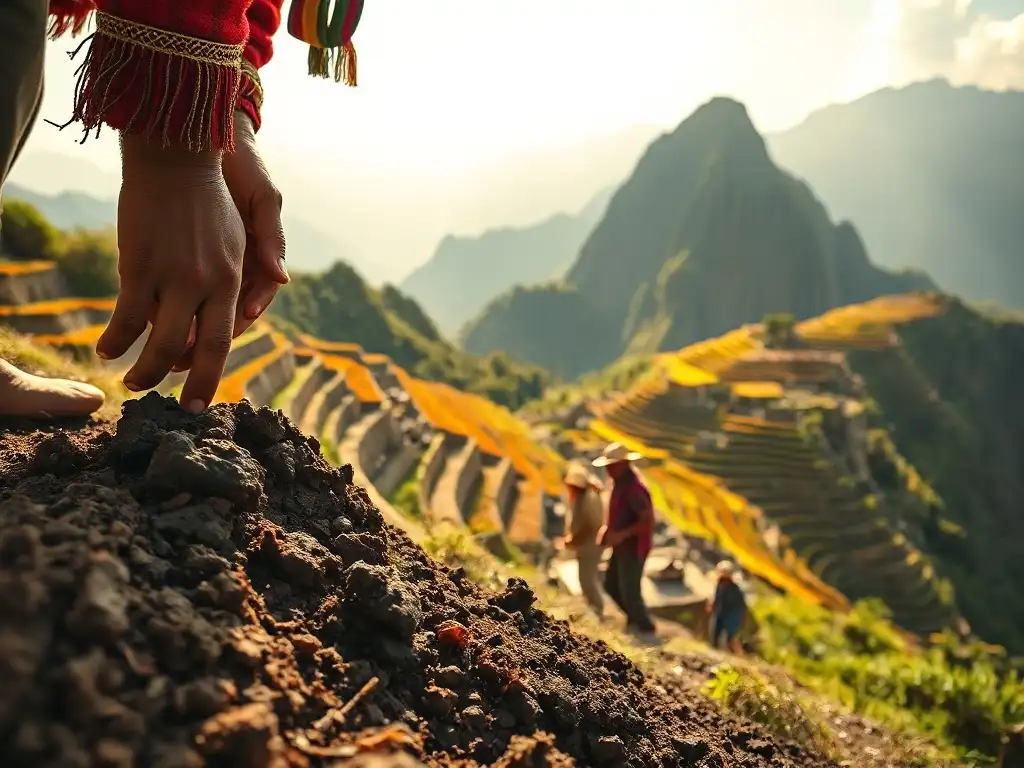
Inca agricultural fertilizer methods were sophisticated for their time, going beyond simple scattering. Understanding how they applied these fertilizers reveals a deep knowledge of soil and plant needs, reflecting a sustainable and highly productive agricultural system. The Inca weren't just applying fertilizer; they were actively managing their ecosystems. This involved careful observation, meticulous planning, and a well-organized workforce.
The success of their farming techniques, even in challenging Andean terrains, hinged upon these factors. Their approach to fertilizer application highlights their understanding of soil fertility and the importance of balanced nutrient cycling. This wasn't simply about boosting yields; it was about maintaining the long-term health of their agricultural lands. This sustainable approach is a valuable lesson for modern agriculture facing increasing pressures on soil health.
Techniques for Spreading Inca Fertilizers
The methods employed by Inca farmers for spreading fertilizers varied depending on the terrain, the type of crop, and the available resources. In flatter areas, they likely used simple broadcasting techniques, scattering the fertilizer evenly over the fields. This was a labor-intensive process, requiring careful attention to ensure uniform distribution.
However, in the steep slopes common in the Andes, more precise methods were necessary. Archaeological evidence suggests the use of simple tools, perhaps rudimentary scoops or even bare hands, to place fertilizer directly around plants. This targeted application maximized efficiency, minimizing waste and ensuring that the nutrients reached the roots effectively.
Furthermore, the use of terraces and raised fields facilitated controlled application of fertilizers, preventing runoff and maximizing nutrient retention. The choice of application technique, therefore, was a strategic decision reflecting a deep understanding of their environment. The precision in fertilizer placement showcases the Inca's advanced understanding of agricultural techniques and resource management.
The Role of Labor in Inca Fertilizer Application
The application of Inca agricultural fertilizer methods was a communal effort, integral to the mita system. The mita was a form of mandatory labor service, ensuring that the necessary workforce was available for large-scale agricultural projects. Teams of farmers, organized by the curacas (local leaders), worked together to prepare and apply fertilizers. This collective approach facilitated efficient and timely application, crucial for optimal crop growth.
The scale of Inca agricultural production depended heavily on this organized labor system. The mita system not only ensured sufficient manpower but also fostered community spirit and collaboration, strengthening social bonds while meeting the empire's agricultural demands. Furthermore, the expertise and knowledge related to fertilizer application were likely passed down through generations within these communities, contributing to the continuity and refinement of these techniques. This illustrates the close connection between social organization and agricultural productivity within the Inca empire.
The Importance of Timing in Inca Agricultural Practices
The timing of fertilizer application was as crucial as the method itself. Inca farmers meticulously observed the seasons and the growth cycles of their crops. They recognized that applying fertilizer at the wrong time could be detrimental, potentially leading to nutrient loss or even harming the plants.
For example, applying nitrogen-rich fertilizers too late in the growing season could stimulate excessive vegetative growth at the expense of fruit or seed production. Therefore, the precise timing of fertilizer application was a critical component of their agricultural success. This knowledge was likely acquired through generations of careful observation and practical experience, passed down through oral traditions and practical training.
The Inca's success demonstrates the importance of understanding the interplay between environmental factors, crop needs, and the timing of agricultural interventions. Their holistic approach to farming, considering every aspect from soil preparation to harvest, highlights their impressive agricultural knowledge and their dedication to sustainable practices. This underscores the sophistication of their understanding of ecological balance and the vital role of timing in maximizing agricultural yields.
Combining Fertilization with Other Inca Agricultural Techniques
Inca agricultural practices weren't solely reliant on fertilizer; they were a sophisticated system integrating various techniques to maximize yields. The application of fertilizers, primarily guano, was strategically combined with other methods to create a synergistic effect, enhancing soil fertility and crop production. This holistic approach showcases the Incas' deep understanding of ecological balance and sustainable agriculture.
One crucial aspect was the meticulous terracing of hillsides. These terraces, often supported by elaborate stone walls, created level platforms for planting, preventing soil erosion and maximizing arable land. The combination of terracing and fertilization ensured that the enriched soil remained in place, benefiting the crops throughout the growing season. The carefully constructed terraces also helped regulate water flow, preventing both drought and waterlogging – conditions that could negate the benefits of even the most effective fertilizer.
Furthermore, the Incas employed sophisticated irrigation systems, channeling water from rivers and streams to their fields. This controlled irrigation, in conjunction with fertilization, ensured that crops received adequate moisture and nutrients for optimal growth. The precise application of water, tailored to the specific needs of different crops and the varying soil conditions, further amplified the impact of the fertilizer. Evidence suggests that they even developed sophisticated techniques to manage water flow based on the time of year and the specific type of crop being grown.
The Incas' understanding of crop rotation also played a vital role. By rotating different crops, they prevented soil depletion and maintained its fertility. Combining this practice with fertilization ensured a continuous supply of nutrients, preventing the land from becoming exhausted. This cyclical approach, coupled with their fertilizer application, exemplifies a truly sustainable and resilient agricultural system.
Archaeological findings reveal a clear pattern of crop rotation, indicating a carefully planned and executed system that maximized land use and minimized environmental impact. The integration of these diverse techniques showcases the depth of their agricultural knowledge. It wasn't just about applying fertilizer; it was about creating a complete and balanced agricultural ecosystem.
The Impact of Inca Fertilizer Methods on Crop Yields
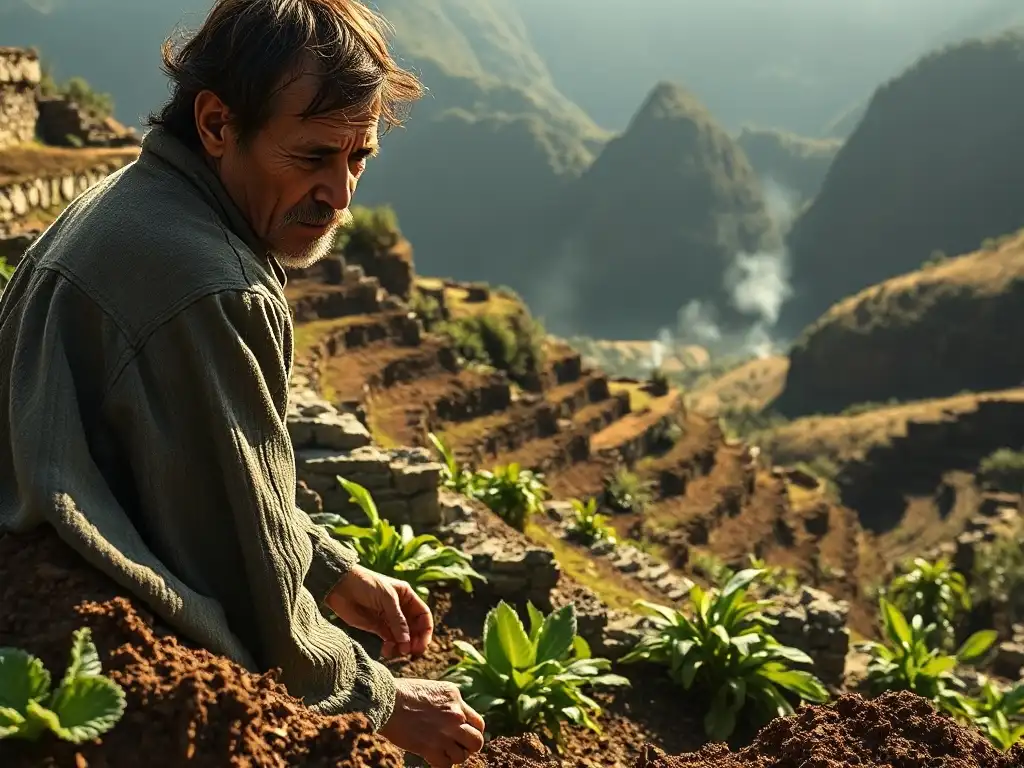
The Inca Empire, renowned for its sophisticated engineering and social organization, also possessed remarkably effective agricultural practices. Their success wasn't solely due to terracing and irrigation, but also hinged on innovative fertilizer methods that significantly boosted crop yields. Understanding the impact of these methods requires examining the interplay between soil enrichment, crop selection, and efficient water management. While precise quantitative data on yield increases is scarce due to the limitations of archaeological evidence, we can infer substantial improvements based on the empire's population density and the scale of its agricultural production.
Maximizing Agricultural Output Through Soil Management
Inca farmers weren't simply focused on planting seeds; they actively managed the soil's health. Their fertilizer strategies involved a combination of techniques. One crucial element was the use of guano, bat and seabird excrement, incredibly rich in nitrogen and other essential nutrients. Access to coastal guano deposits was carefully controlled and strategically distributed throughout the empire, reflecting its importance in agricultural productivity.
Furthermore, they employed a system of crop rotation, strategically alternating crops to prevent nutrient depletion in the soil. This practice, combined with the use of compost made from decaying organic matter (animal manure, plant residues), fostered a continuous cycle of soil replenishment. The careful management of these resources enabled the Incas to maintain high yields over extended periods, supporting a large and dense population in diverse and challenging environments.
How Inca Fertilization Contributed to Food Security
The Inca agricultural fertilizer methods were instrumental in ensuring food security across the vast empire. The diverse Andean landscape presented significant challenges – from high altitudes with short growing seasons to arid coastal regions. The effectiveness of Inca fertilization techniques allowed them to cultivate a wide variety of crops, including potatoes, maize, quinoa, and beans, in these diverse environments.
By enriching the soil and optimizing growing conditions, the Incas mitigated the risks associated with climate variability and ensured a reliable food supply. This robust agricultural system played a crucial role in the empire's stability and longevity, enabling them to withstand periods of drought and other environmental challenges. The surplus produced, facilitated by efficient fertilization, also allowed for the support of a significant non-agricultural population, including artisans, builders, and administrators.
Evidence of Successful Inca Agricultural Practices
Archaeological evidence supports the effectiveness of Inca agricultural techniques. Studies of ancient Inca agricultural terraces reveal remarkably fertile soils, rich in organic matter, even centuries after abandonment. The presence of well-preserved irrigation channels and the extensive remains of agricultural terraces across diverse landscapes underscore the scale and sophistication of Inca agricultural practices.
Analysis of soil samples from these sites often reveals elevated levels of nitrogen and phosphorus, consistent with the use of guano and other organic fertilizers. Moreover, the sheer size of the Inca population and the empire's capacity to support a complex social structure provide indirect evidence of the success of their agricultural strategies. While precise yield data remains elusive, the combination of archaeological findings and historical accounts strongly suggests that Inca fertilizer methods were a key factor in their agricultural success, contributing to the empire's remarkable achievements.
Comparison with Modern Fertilizer Methods
Inca agricultural practices, while remarkably effective, differed significantly from modern fertilizer methods. Modern industrial agriculture relies heavily on synthetic fertilizers, manufactured using fossil fuels and often containing high concentrations of nitrogen, phosphorus, and potassium (NPK). These fertilizers provide a rapid boost to crop yields, but their long-term environmental consequences are increasingly concerning. Soil degradation, water pollution from nutrient runoff, and greenhouse gas emissions are just some of the negative impacts associated with intensive synthetic fertilizer use.
The Inca system, conversely, favored organic methods. Their guano (seabird excrement) and compost-based fertilizers, while requiring more labor-intensive collection and application, provided a slower, more sustainable release of nutrients. This approach fostered healthier soils, improved soil structure, and enhanced water retention – benefits often overlooked in the immediate yield-focused approach of modern synthetic fertilizers.
While modern methods can achieve higher yields in the short-term, the Inca approach prioritized long-term soil health and sustainability, resulting in a more resilient agricultural system that could withstand fluctuations in climate and other environmental pressures. A key difference lies in the holistic approach of the Inca, integrating crop rotation, terracing, and water management techniques to maximize the effectiveness of their natural fertilizers, creating a complex and interconnected system. Modern agriculture often compartmentalizes these elements, leading to potential inefficiencies and environmental vulnerabilities.
The comparison highlights the trade-offs between immediate high yields and long-term soil health and environmental sustainability. Further research comparing the long-term economic and environmental costs of both systems would provide valuable insights into the true effectiveness and sustainability of each approach. The Inca system, despite its lower immediate yields in some instances, offers a valuable model for sustainable agriculture in the face of climate change and dwindling resources.
Legacy of Inca Fertilization: Lessons for Today

The Inca Empire, renowned for its sophisticated infrastructure and social organization, also possessed remarkably advanced agricultural techniques. Their success wasn't solely due to terracing and irrigation, but also to a deep understanding and application of natural fertilizers. Inca agricultural fertilizer methods weren't simply about boosting yields; they were integral to a sustainable ecosystem that ensured food security for a large and densely populated empire.
This understanding of sustainable resource management offers valuable lessons for modern agriculture grappling with issues of soil degradation and environmental sustainability. The Inca approach highlights the importance of holistic practices that consider soil health, biodiversity, and long-term environmental impact. Their methods, often overlooked in favor of modern chemical fertilizers, provide a compelling alternative for achieving sustainable food production.
Analyzing these ancient techniques can help us develop innovative and environmentally friendly farming practices for the future. We can learn from their successes and failures to build a more resilient and sustainable food system.
Sustainable Agricultural Practices from the Incas
Inca agricultural practices, particularly their fertilizer methods, were deeply intertwined with their understanding of the Andean ecosystem. They utilized a variety of organic materials, including:
- Guano: Bat and seabird guano was a crucial component of Inca fertilization. Rich in nitrogen and phosphorus, it significantly enhanced soil fertility. The Inca carefully managed guano deposits, understanding their value and ensuring sustainable harvesting practices. Evidence suggests they implemented quotas and controlled access to these valuable resources.
- Compost: The Inca meticulously composted organic waste, including plant residues, animal manure, and food scraps. This composting process not only enriched the soil but also helped in disease control by decomposing harmful pathogens. The composition of their compost varied depending on the local environment and the specific needs of the crops.
- Crop Rotation: Inca farmers practiced crop rotation, alternating different crops to maintain soil health and prevent nutrient depletion. This technique minimized the risk of pest infestations and diseases, contributing to increased yields and a more robust agricultural system. Their understanding of the nutrient needs of various crops was remarkable.
- Terracing and Irrigation: While not directly fertilizers, terracing and irrigation systems played a vital role in maximizing the effectiveness of their fertilization strategies. By creating leveled fields and controlling water flow, they ensured optimal conditions for nutrient absorption by plants. This integrated approach showcases their holistic view of agriculture.
The Inca’s commitment to sustainable agriculture is evident in their meticulous approach to resource management. Their methods demonstrate a profound understanding of the interconnectedness between soil health, biodiversity, and the overall sustainability of their agricultural systems. This holistic approach is a stark contrast to many modern intensive farming practices that often prioritize short-term yields over long-term soil health.
Applying Inca Techniques in Modern Farming
While modern agriculture relies heavily on synthetic fertilizers, there's a growing interest in reviving and adapting traditional methods, including those used by the Inca. The principles of sustainable agriculture, once practiced instinctively by the Inca, are now gaining scientific validation. Several aspects of Inca fertilization can be successfully integrated into contemporary farming:
- Improved Composting Techniques: Modern composting methods can be enhanced by incorporating Inca knowledge of diverse organic materials and composting strategies. This could involve larger-scale composting facilities or community-based initiatives.
- Guano as a Sustainable Fertilizer: While guano harvesting needs careful regulation to prevent environmental damage, its use as a sustainable and effective fertilizer remains relevant. Modern research can explore ways to optimize its use and minimize environmental impact.
- Integrated Pest Management (IPM): The Inca’s understanding of crop rotation and natural pest control mechanisms can inform modern IPM strategies, reducing reliance on chemical pesticides. This approach would lead to healthier ecosystems and safer food production.
- Precision Agriculture: Modern technologies can be combined with Inca principles, for example, using sensors to monitor soil nutrient levels and optimize fertilizer application based on the specific needs of the crops. This targeted approach minimizes waste and maximizes efficiency.
The application of Inca techniques in modern farming offers a promising pathway towards sustainable and environmentally friendly agriculture. It underscores the importance of integrating traditional knowledge with modern technology to create resilient and productive farming systems.
Relevance of Inca Fertilization for Organic Farming
Inca agricultural fertilizer methods align perfectly with the principles of organic farming. The emphasis on organic materials, sustainable practices, and holistic ecosystem management resonates strongly with the core values of organic agriculture. The Inca’s success in achieving high yields using only natural fertilizers demonstrates the potential of organic methods to feed large populations.
- Soil Health Improvement: Inca techniques, focused on improving soil structure and fertility through composting and crop rotation, directly contribute to enhanced soil health, a cornerstone of organic farming. Organic matter improves water retention and nutrient availability, leading to healthier plants.
- Reduced Environmental Impact: Unlike synthetic fertilizers, Inca methods minimize pollution and greenhouse gas emissions, aligning with organic farming's commitment to environmental stewardship. The reduced reliance on chemical inputs significantly reduces the environmental footprint of agriculture.
- Increased Biodiversity: Inca practices, including crop diversity and integrated pest management, promote biodiversity in agricultural landscapes, crucial for the resilience and sustainability of organic farms. This biodiversity supports a healthy ecosystem and enhances the overall productivity of the agricultural system.
- Consumer Demand: The growing consumer demand for organic and sustainably produced food creates a market opportunity for farmers adopting Inca-inspired methods. Consumers are increasingly seeking products that are not only healthy but also produced with respect for the environment.
The Inca legacy in fertilization offers a valuable model for organic farmers seeking sustainable and environmentally friendly agricultural practices. By embracing these ancient techniques, modern organic farmers can contribute to a more resilient and sustainable food system while meeting the growing demand for organic produce. The integration of Inca knowledge provides a pathway towards achieving both high yields and environmental sustainability.
Protecting the Environmental Legacy of Inca Agriculture
The Inca's sophisticated agricultural techniques, particularly their fertilizer methods, offer valuable lessons for sustainable agriculture today. Their approach, deeply intertwined with their understanding of the Andean ecosystem, prioritized long-term soil health and biodiversity, a stark contrast to many modern, intensive farming practices. Understanding and emulating these methods can help us address contemporary challenges like soil degradation, water scarcity, and the environmental impact of chemical fertilizers.
The Inca's success wasn't solely reliant on their fertilizer; it was a holistic system. They meticulously managed water resources through intricate irrigation systems, terracing to minimize erosion, and crop rotation to maintain soil fertility and prevent pest infestations. This integrated approach ensured the long-term productivity of their lands, a lesson often overlooked in modern agriculture's focus on maximizing immediate yields. Preserving the remaining Inca agricultural sites and studying their design principles is crucial for understanding the complete picture of their sustainability.
Modern agricultural practices frequently rely on synthetic fertilizers, which, while effective in the short term, can have detrimental long-term consequences. These fertilizers contribute to soil acidification, water pollution through runoff, and the depletion of vital soil microorganisms. The Inca's reliance on natural fertilizers, like guano and composted organic matter, avoided these negative impacts. By studying and adapting their methods, we can develop more environmentally friendly alternatives to synthetic fertilizers, reducing our reliance on resource-intensive industrial processes.
Furthermore, protecting the environmental legacy of Inca agriculture requires a shift in mindset. It demands a move away from solely focusing on maximizing economic output to incorporating ecological considerations into agricultural planning and practice. This includes promoting biodiversity, conserving water resources, and minimizing the use of harmful chemicals.
The Inca’s success underscores the importance of respecting the delicate balance of the ecosystem and integrating agricultural practices into the natural environment rather than imposing them upon it. This integrated approach, where agriculture works with nature rather than against it, holds the key to sustainable food production for future generations. We can learn from their example to develop truly sustainable and resilient agricultural systems.
Conclusion: The Enduring Wisdom of Inca Soil Management
The ingenuity of Inca agricultural practices, particularly their fertilizer methods, continues to fascinate and inspire. Their sophisticated understanding of soil fertility, coupled with their innovative techniques, allowed them to cultivate vast stretches of challenging terrain, supporting a large and complex empire. Understanding their methods offers valuable insights not only into their remarkable civilization but also into sustainable agricultural practices relevant to modern challenges.
The Inca's success wasn't solely based on luck or geographical advantage; it was a testament to their deep knowledge of their environment and their ability to adapt and innovate. Their legacy extends far beyond the impressive ruins we see today; it lies in the enduring principles of sustainable agriculture they developed and practiced. Their system, based on careful observation, experimentation, and a profound respect for the land, provides a powerful model for contemporary agriculture striving for resilience and sustainability.
The Importance of Inca Knowledge for Future Generations
The Inca's mastery of Inca agricultural fertilizer methods offers crucial lessons for addressing modern agricultural challenges. Global food security is increasingly threatened by climate change, soil degradation, and population growth. The Inca's approach, emphasizing soil health and biodiversity, offers a compelling alternative to intensive, resource-intensive farming practices.
For example, their use of diverse crop rotations and the integration of animal manure and other organic materials into their fertilizer systems minimized soil erosion and maintained soil fertility over extended periods. This contrasts sharply with modern monoculture farming, which often depletes soil nutrients and contributes to environmental degradation. By studying and adapting Inca techniques, we can potentially develop more sustainable and resilient agricultural systems capable of feeding a growing global population while mitigating the negative impacts of climate change.
The Inca's emphasis on localized, context-specific solutions is particularly relevant today, as we grapple with the need for climate-resilient and regionally appropriate agricultural strategies. Their legacy serves as a powerful reminder that sustainable agriculture is not merely a technological problem but a deeply cultural and ecological one.
Further Research on Inca Agricultural Innovations
While much is known about Inca agriculture, significant opportunities remain for further research. Detailed analysis of preserved soil samples from Inca agricultural sites could reveal further insights into the specific composition and effectiveness of their fertilizer blends. Archaeobotanical studies can shed more light on the specific crop rotations and intercropping techniques employed.
Ethnobotanical research, comparing traditional Andean farming practices with historical Inca methods, could uncover additional knowledge and techniques that have been passed down through generations. Moreover, advanced techniques such as isotopic analysis could provide quantitative data on nutrient cycling and soil fertility under Inca agricultural systems. Such research will not only enhance our understanding of Inca civilization but also contribute significantly to the development of sustainable agricultural practices for the future.
This includes a better understanding of the long-term effects of their methods on soil health and biodiversity, which are crucial aspects for sustainable agriculture. Further investigation into their water management techniques, often integrated with their fertilization strategies, is also critical.
Final Thoughts on Inca Agricultural Legacy
The Inca's sophisticated understanding and management of their agricultural resources, including their innovative Inca agricultural fertilizer methods, stand as a testament to their ingenuity and adaptability. Their success in cultivating diverse crops in challenging environments provides a powerful example of sustainable agriculture. Their integrated approach, combining careful observation, experimentation, and a profound respect for the land, offers valuable lessons for contemporary agriculture.
By studying and adapting their techniques, we can develop more sustainable and resilient agricultural systems capable of addressing the challenges of climate change, soil degradation, and food security. The legacy of Inca agriculture is not simply a historical curiosity; it is a vital resource for building a more sustainable and food-secure future. Their methods remind us of the interconnectedness of culture, environment, and agriculture, highlighting the importance of holistic and sustainable approaches to food production.
The study of Inca agricultural practices offers a powerful blend of historical investigation and practical solutions for the modern world. 🌎🌱
Frequently Asked Questions
What innovative agricultural techniques did the Inca use?
The Inca employed sophisticated techniques like terracing, irrigation systems, and the use of natural fertilizers to maximize crop yields in diverse Andean environments. Their methods allowed them to cultivate food even in challenging terrains.
What types of fertilizers did the Inca civilization use?
Inca farmers utilized animal manure, guano (bird droppings), and compost as primary fertilizers. They also incorporated crop rotation and fallow periods into their farming practices.
How did the Inca's fertilizer methods contribute to their success?
The efficient use of fertilizers and other innovative farming techniques enabled the Inca to support a large population and maintain a stable food supply, even in mountainous regions with limited arable land. Sustainable practices were key to their success.
Were the Inca's fertilizer methods sustainable?
While the Inca's methods were largely sustainable for their time, the long-term effects of some practices, like intensive guano harvesting, are still being studied. However, their emphasis on soil conservation and natural resources is noteworthy.
How did Inca agricultural practices differ from those of other Andean civilizations?
While other Andean civilizations like the Moche and Nazca also developed sophisticated agricultural techniques, the Inca's extensive empire and highly organized state allowed for the implementation of large-scale irrigation projects and widespread fertilizer use, resulting in greater agricultural output.
Final Reflection: Unearthing the Legacy of Inca Agricultural Wisdom
The ingenious Inca fertilizer techniques, far from being relics of a bygone era, offer a potent and sustainable solution to the pressing challenges of modern agriculture. Their innovative methods, built on deep observation of the natural world, provide a powerful counterpoint to the environmentally damaging practices prevalent today. We stand at a critical juncture, where the choices we make regarding food production will determine the future of our planet, and the Inca's legacy offers a vital pathway forward.
The enduring impact of Inca agricultural practices resonates far beyond the Andes Mountains. Their understanding of soil health, crop rotation, and the strategic use of natural fertilizers continues to inspire researchers and farmers alike. Their success, achieved without the reliance on synthetic chemicals, underscores the potential for a more harmonious relationship between humanity and the environment. The earth provides enough to satisfy every man's needs but not every man's greed.
- Mahatma Gandhi. This quote perfectly encapsulates the Inca's approach, highlighting their respect for the land's inherent capacity and the importance of sustainable practices.
Consider the implications of this ancient knowledge. You, the reader, now possess a deeper understanding of sustainable farming techniques. Will you choose to integrate these principles into your own life, whether through supporting sustainable agriculture, advocating for environmentally responsible practices, or simply cultivating a greater appreciation for the interconnectedness of nature? The legacy of the Inca awaits, not as a historical curiosity, but as a blueprint for a more fertile and sustainable future. Let us learn from their wisdom and build a world where the earth thrives alongside humanity.
Unlock the Secrets of Inca Fertilizer for Your Garden!
Thank you for exploring the fascinating world of Inca agricultural techniques with us! You've discovered the natural methods that sustained fertile lands for centuries. Now, let's put this knowledge to work in your own garden.
Here are some simple steps to get started:
- **Boost your soil health by creating a compost pile using traditional Inca-inspired methods. **
- Share your gardening successes and experiences with friends and family, or post about them on social media to inspire others to adopt sustainable practices.
- Connect with other gardeners online—join a forum or community—to learn more about ancient fertilization techniques and how to adapt them for modern use.
How will you use these ancient secrets to revolutionize your gardening?