
Nazca Food Production: Feeding a Growing Population in the Desert

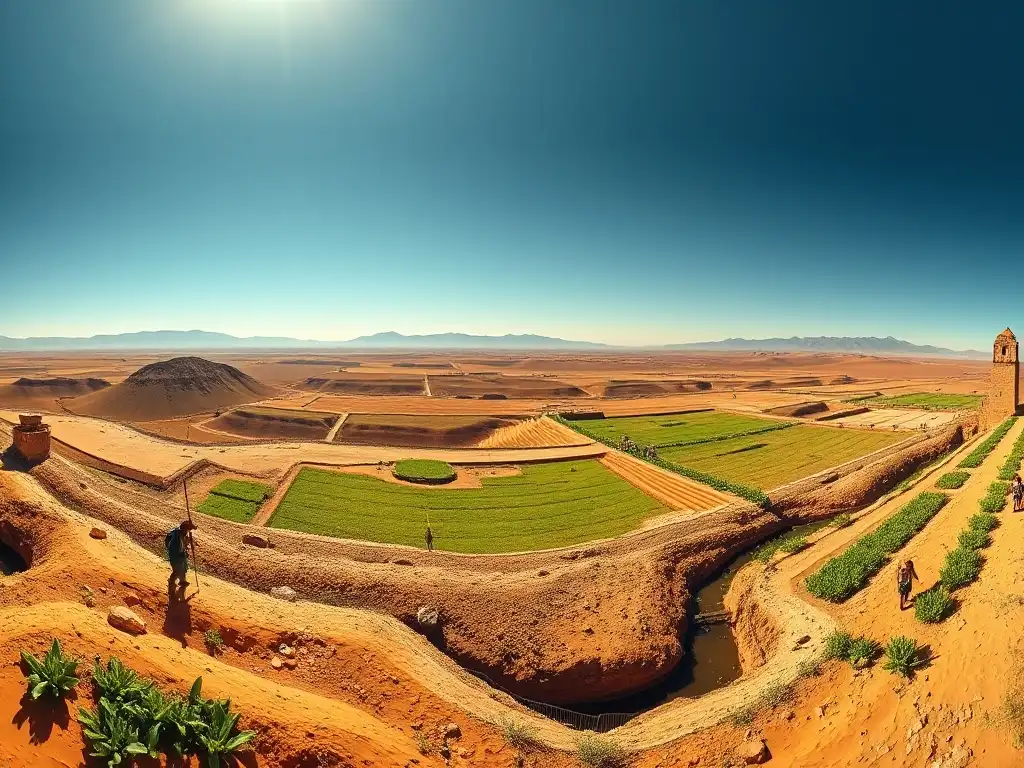
Unravel the mysteries of the ancient Andes! Journey with us through a landscape of breathtaking ingenuity and discover how civilizations thrived against all odds. Prepare to be amazed by the remarkable Nazca agriculture techniques that allowed a flourishing population to thrive in the seemingly barren desert. How did they achieve such remarkable feats of engineering and sustainable food production? Dive into the fascinating story of the Nazca and uncover the secrets behind their success.
The Nazca civilization, flourishing in the arid coastal plains of southern Peru between 100 BCE and 800 CE, presented a remarkable feat of human ingenuity: sustaining a complex society in one of the world's most challenging environments. This article delves into the impressive agricultural techniques employed by the Nazca people, showcasing their mastery of water management and innovative farming practices that allowed them to thrive in the seemingly inhospitable Nazca desert.
We will explore the ingenious methods they developed to cultivate crops, providing a fascinating glimpse into their resourcefulness and understanding of their environment, ultimately examining how these "Nazca agriculture techniques" enabled the growth and prosperity of their civilization. We'll uncover the secrets behind their success, revealing how they transformed a seemingly barren landscape into a productive agricultural powerhouse.
This exploration will highlight not just the what of their farming practices, but also the why, illustrating the deep connection between the Nazca people and their environment, a relationship crucial to their survival and cultural development.
The Challenge of Sustaining Life in the Arid Nazca Region
The Nazca desert is characterized by extreme aridity, receiving minimal rainfall annually. The seemingly insurmountable challenge of cultivating crops in such a harsh environment was met with innovative solutions by the Nazca people. Their survival depended on overcoming significant obstacles: scarcity of water, infertile soil, and intense sunlight.
However, archaeological evidence reveals a sophisticated understanding of hydrology and agriculture, enabling them to transform the desert into a productive agricultural region. The success of Nazca agriculture wasn't a matter of luck; it was a testament to their deep knowledge of their environment and their ability to adapt and innovate. They didn't simply survive; they thrived, building a complex society supported by their remarkable agricultural achievements.
The ingenuity displayed in their water management systems is particularly noteworthy, as it directly impacted their ability to cultivate sufficient food to support a growing population. The development of these systems represents a significant achievement in ancient engineering and a testament to the Nazca people’s resilience and resourcefulness. Their ability to harness scarce resources is a compelling example of human adaptation in the face of environmental adversity.
Understanding the Nazca Environment: A Desert Landscape
The Nazca environment is defined by its aridity and unique geological features. The coastal desert is characterized by extremely low rainfall, often less than [specific rainfall data pending] millimeters per year. The soil is generally poor and lacking in essential nutrients, posing a significant challenge to agricultural production.
However, the presence of underground water sources, along with seasonal variations in humidity, provided opportunities for cultivation. The Nazca people skillfully exploited these limited resources, developing sophisticated irrigation systems to channel water to their fields. Understanding the subtle nuances of their environment – the underground aquifers, the seasonal variations in humidity, and the specific microclimates within the desert – was crucial to their agricultural success.
They didn't simply ignore the challenges; they learned to work with the environment, using their detailed knowledge to maximize their limited resources. This intimate understanding of their surroundings allowed them to develop highly effective, sustainable agricultural practices that allowed their civilization to flourish for centuries. The success of Nazca agriculture is a remarkable example of human adaptation to a challenging environment, highlighting the importance of environmental understanding in the development of sustainable agricultural practices.
Innovative Nazca Agriculture Techniques
The Nazca people, inhabiting one of the most arid regions of the world, developed remarkably ingenious agricultural techniques to support their growing population. Their success wasn't merely a matter of survival; it was a testament to their deep understanding of their environment and their ability to adapt and innovate. These techniques, honed over centuries, allowed them to flourish in a seemingly inhospitable landscape. The Nazca weren't simply farmers; they were masterful engineers, shaping the desert to meet their needs.
Their achievements in water management and land cultivation are still studied and admired today, offering valuable insights into sustainable agricultural practices in challenging environments. The ingenuity of their systems is particularly impressive considering the limited tools and technology available to them. Their innovations highlight the resilience and resourcefulness of the Nazca civilization.
The Use of Puquios: Underground Aqueducts for Irrigation
One of the most remarkable feats of Nazca engineering was the construction of puquios, intricate underground aqueducts. These weren't simple channels; they were carefully designed systems that tapped into underground water sources, channeling water from the higher altitudes to the fields below. The construction involved digging shafts and tunnels, often extending for kilometers, to reach subterranean water tables.
The design incorporated ventilation shafts and strategically placed access points for maintenance and cleaning. The puquios demonstrate a sophisticated understanding of hydrology and engineering principles, allowing the Nazca to access a reliable water source even during prolonged periods of drought. The precise techniques used in the construction and maintenance of these underground systems remain a subject of ongoing research, highlighting the advanced knowledge of the Nazca civilization.
Many puquios are still in use today, a testament to their enduring effectiveness. The construction of these systems required significant community effort and cooperation, further illustrating the sophisticated social organization of Nazca society.
Cultivating with Raised Fields: Adapting to Limited Water Resources
Facing limited water resources, the Nazca developed a clever system of raised fields. These weren't simply mounds of earth; they were carefully constructed platforms built above the surrounding desert floor. This elevation allowed for better drainage and reduced water loss through evaporation. The raised fields also provided better soil aeration and improved soil fertility. The construction of these fields involved careful planning and the use of locally available materials.
The size and shape of the fields varied depending on the terrain and the availability of water. Studies suggest that the raised fields were often associated with irrigation systems, further enhancing their effectiveness. The use of raised fields highlights the Nazca's understanding of soil science and water management, showcasing their ability to optimize agricultural practices in a challenging environment. Archaeological evidence suggests that these fields were used for cultivating a variety of crops.
Terraced Farming in Nazca: Maximizing Land Use on Slopes
The Nazca also utilized terraced farming to maximize land use on sloped areas. These weren't simply steps cut into hillsides; they were meticulously constructed terraces that created flat, arable surfaces. This method prevented soil erosion and allowed for efficient irrigation. The terraces were often supported by retaining walls made of stone or adobe, further enhancing their stability.
The construction required considerable labor and planning, demonstrating the coordinated efforts of Nazca communities. The terraces were carefully oriented to optimize sunlight exposure and minimize water runoff. The effectiveness of terraced farming allowed the Nazca to cultivate crops on land that would otherwise have been unusable. The precise techniques used in terrace construction varied depending on the slope and the type of soil, indicating a deep understanding of the local environment.
Canal Systems in the Nazca Desert: Efficient Water Management
Besides puquios, the Nazca also constructed extensive canal systems to manage surface water. These canals, often carved into the bedrock, transported water from rivers and streams to the fields. The canals were carefully designed to minimize water loss through seepage and evaporation. The construction of these systems required a sophisticated understanding of hydraulic engineering.
The canals were often lined with stones or other materials to prevent erosion and improve water flow. The precise alignment and construction of the canals demonstrate the Nazca's advanced surveying and engineering skills. The canal systems played a crucial role in supporting the Nazca's agricultural production, ensuring a reliable water supply for their crops. The maintenance of these systems required ongoing community effort and cooperation, highlighting the social organization and communal spirit of the Nazca people.
Key Crops of the Nazca Civilization
The Nazca diet was diverse and relied heavily on the crops they successfully cultivated using their innovative agricultural techniques. The availability of these crops sustained their population and contributed significantly to their cultural and societal development. The careful selection and cultivation of these plants reflect a deep understanding of agricultural principles and the local environment.
Maize Cultivation: A Staple Crop in Nazca Diet
Maize was a staple crop for the Nazca, providing a significant source of carbohydrates in their diet. Archaeological evidence suggests that they cultivated various maize varieties, adapted to the local conditions. The cultivation of maize was likely integrated into their broader agricultural systems, often utilizing irrigation and terracing techniques. The importance of maize is evident in its depiction in Nazca art and its presence in archaeological sites. The specific varieties of maize cultivated by the Nazca and their methods of cultivation are still being investigated by researchers today.
Bean Varieties: Essential Protein Sources for Nazca People
Beans provided an essential source of protein for the Nazca people. They cultivated several varieties of beans, each with its own unique characteristics and nutritional value. The cultivation of beans was likely integrated with other crops, such as maize, in a system of intercropping. This practice enhanced soil fertility and provided a diverse source of nutrients. The types of beans cultivated by the Nazca and their methods of cultivation are still being studied, providing valuable insights into the agricultural practices of this ancient civilization.
Squash Production: Important for Food and Storage
Squash was another important crop for the Nazca, providing both food and storage resources. Various types of squash were cultivated, offering a variety of nutritional benefits. Squash was likely stored for use during lean periods, ensuring a reliable food source throughout the year. The cultivation of squash, like other crops, was likely integrated into the overall agricultural system, taking advantage of irrigation and other techniques. The specific varieties of squash cultivated by the Nazca are a topic of ongoing research.
Peanut Cultivation: A Significant Source of Protein and Oil
Peanuts provided a significant source of protein and oil for the Nazca diet. The cultivation of peanuts was likely adapted to the local conditions, taking advantage of the available water resources and soil types. Peanuts were likely an important part of the Nazca diet, providing essential nutrients and contributing to their overall health and well-being. The specific methods used in peanut cultivation by the Nazca are a subject of ongoing research, providing valuable insights into their agricultural practices.
The Impact of Nazca Agricultural Practices

Supporting a Dense Population through Efficient Farming
The Nazca's remarkable success in cultivating a thriving civilization in the arid coastal plains of southern Peru is a testament to their sophisticated agricultural techniques. Their ingenuity in overcoming the challenges of a desert environment allowed them to support a surprisingly dense population. The development of intricate irrigation systems, such as canals and aqueducts, played a crucial role in channeling scarce water resources from rivers and underground sources to their fields.
This allowed for the cultivation of crops like cotton, beans, maize, and squash, providing a diverse and nutritious diet. The effectiveness of these systems is evidenced by the extensive network of canals still visible today, a lasting legacy of their agricultural prowess. Estimates suggest that the Nazca population reached [specific information pending] at its peak, a figure significantly higher than what would be expected in such a harsh environment without advanced water management.
The population density was not uniform across the territory, with certain areas benefiting from more favorable conditions and supporting larger concentrations of people. This highlights the importance of efficient farming practices in enabling the growth and stability of Nazca society.
The Role of Agriculture in Nazca Social Organization
Agriculture wasn't merely a means of sustenance for the Nazca; it was deeply intertwined with their social structure and religious beliefs. The control and management of water resources, essential for successful farming, likely held significant social and political power. Evidence suggests a hierarchical system where elites controlled access to water and land, influencing food production and distribution.
This control could have been reflected in the elaborate ceremonial centers and temples built throughout the Nazca region, suggesting a close connection between religious rituals and agricultural practices. Furthermore, the creation and maintenance of the vast irrigation systems required a coordinated effort, implying a degree of social organization and cooperation among the Nazca people.
Archaeological findings, such as the remains of communal work areas and storage facilities, further support this idea of collective participation in agricultural activities. The success of Nazca agriculture was, therefore, not solely a technological achievement but also a product of a well-organized and socially cohesive society.
Evidence of Advanced Agricultural Knowledge in Nazca Culture
The Nazca's agricultural expertise extended beyond simple irrigation. They demonstrated an understanding of soil fertility and crop rotation, techniques that enhanced yields and sustained productivity over the long term. Their knowledge of plant domestication is evident in the variety of crops they cultivated, adapted to the specific conditions of the desert environment.
Furthermore, the discovery of sophisticated agricultural tools, such as specialized spades and digging implements, showcases their technological advancements in farming. The use of raised fields or “waru waru” agriculture, a technique used in other Andean cultures, may also have been employed by the Nazca, although further research is needed to confirm its prevalence in this region. This technique involved creating raised plots of land separated by canals, allowing for better water management and improved drainage.
The Nazca's advanced understanding of agriculture, therefore, was not limited to irrigation but encompassed a holistic approach to optimizing crop production within the constraints of their environment. This sophisticated knowledge contributed significantly to the prosperity and stability of their civilization.
Nazca Food Storage and Distribution Systems
Preserving Harvests: Techniques for Food Preservation
The Nazca developed various methods to preserve their harvests, ensuring food security throughout the year. Given the arid climate, natural methods of preservation, such as sun-drying, were likely employed extensively for fruits, vegetables, and possibly even meats. The creation of storage facilities, as discussed below, also played a significant role in extending the lifespan of harvested goods.
Evidence suggests that the Nazca may have also used techniques like fermentation or salting to preserve certain foods, although the extent to which these methods were used remains to be fully investigated. The challenge of preserving food in the desert environment necessitated the development of efficient preservation strategies, which were crucial for the survival and well-being of the Nazca population. These techniques were likely passed down through generations, forming an integral part of their agricultural knowledge.
Storage Facilities in Nazca Settlements: Ensuring Food Security
The construction of substantial storage facilities was essential for the Nazca to maintain food security. Archaeological excavations have uncovered numerous storage structures in Nazca settlements, ranging from simple pits to more elaborate subterranean chambers. These structures were strategically located to protect the stored food from the elements and pests.
The size and number of these facilities suggest a significant investment in food storage, indicating the importance of managing food resources effectively. The design and construction of these facilities likely varied depending on the size and social status of the settlement, with larger and more complex structures potentially associated with elite groups or communal use. The existence of such structures underscores the Nazca’s understanding of the need for long-term food security and their capability to organize and implement large-scale storage projects.
Distribution Networks: Managing Food Resources across the Territory
Efficient distribution networks were crucial for ensuring that food resources reached the entire Nazca population. While the precise mechanisms of food distribution remain unclear, it is likely that a combination of factors played a role. The hierarchical social structure might have facilitated the channeling of surplus food from productive areas to other settlements. Trade networks, potentially involving the exchange of agricultural products for other goods, could have also contributed to food distribution.
The construction of roads and pathways across the Nazca territory may have facilitated the transportation of food resources. Understanding the intricacies of Nazca food distribution requires further research, but the evidence suggests a sophisticated system capable of managing food resources across a geographically diverse and relatively large territory. This complex network was essential to the social and economic stability of the Nazca civilization.
The Legacy of Nazca Agriculture
The Nazca people, renowned for their enigmatic lines etched into the desert landscape, were equally masterful in their agricultural practices. Their success in cultivating a thriving society in one of the world's most arid regions stands as a testament to their ingenuity and deep understanding of their environment. Their sophisticated techniques allowed them to overcome the challenges of scarce water and infertile soil, resulting in a remarkably productive agricultural system that sustained a substantial population for centuries.
This legacy extends far beyond the impressive geoglyphs; it represents a profound achievement in human adaptation and resource management, offering valuable insights into sustainable agriculture even today. The ingenuity of their irrigation systems, their understanding of soil fertilization, and their crop diversification strategies all contributed to their remarkable success.
The Nazca's ability to flourish in such a challenging environment serves as a powerful example of human resilience and adaptability in the face of environmental limitations. Their achievements continue to inspire research and innovation in modern agricultural practices.
Lessons from Nazca Farming for Sustainable Agriculture Today
The Nazca's innovative approach to water management and soil enrichment offers crucial lessons for modern sustainable agriculture. Their sophisticated irrigation canals, expertly designed to maximize water distribution, provide a model for efficient water use in arid and semi-arid regions. In a world facing increasing water scarcity, understanding and applying Nazca water management techniques could significantly improve agricultural productivity while minimizing water waste.
Furthermore, their techniques of enriching the soil with organic matter and utilizing diverse cropping systems can inspire more sustainable agricultural practices that reduce reliance on chemical fertilizers and pesticides. By studying their methods, we can learn how to create more resilient and environmentally friendly farming systems, crucial for addressing the challenges of climate change and food security in the 21st century.
The Nazca civilization offers a powerful case study in sustainable agriculture, demonstrating the importance of understanding local ecosystems and working with nature, not against it. Their example emphasizes the long-term benefits of environmentally conscious farming practices, offering a path towards more sustainable food production.
The Importance of Water Management in Arid Regions
The Nazca's success hinged on their mastery of water management. Living in a hyper-arid environment, they developed intricate systems of canals and aqueducts to transport water from distant sources to their fields. These weren't simply ditches; they were carefully engineered structures, often utilizing gravity and strategically placed reservoirs to optimize water distribution.
Their understanding of water flow, topography, and soil permeability allowed them to create remarkably efficient irrigation systems that maximized the limited water resources available. This sophisticated approach is a stark contrast to many modern agricultural practices, which often rely on unsustainable levels of water extraction. The Nazca's achievements highlight the crucial role of water management in arid regions and the importance of developing innovative solutions for efficient water use in agriculture.
Their legacy serves as a valuable reminder of the need to conserve water and to develop sustainable agricultural practices that do not deplete precious water resources. The Nazca’s techniques, with their emphasis on careful planning and efficient distribution, remain relevant even in today's world of increasing water stress.
Preserving the Knowledge of Ancient Nazca Agricultural Practices
Preserving the knowledge of ancient Nazca agricultural practices is crucial for both historical understanding and future agricultural innovation. Archaeological research continues to uncover new insights into their farming techniques, revealing the complexity and sophistication of their systems. However, this knowledge is fragile and needs to be carefully documented and preserved.
Efforts to protect and study ancient Nazca irrigation systems, agricultural terraces, and other related sites are essential. Furthermore, disseminating this knowledge to modern agricultural communities can help promote the adoption of sustainable farming practices. By learning from the Nazca's successes and failures, we can develop more resilient and environmentally friendly agricultural systems.
This involves not only preserving physical remnants but also engaging in interdisciplinary research that combines archaeology, anthropology, and agricultural science to fully understand and apply their knowledge. The preservation of this knowledge is not merely an academic pursuit; it is a vital resource for addressing contemporary challenges in food security and sustainable development. The Nazca's legacy provides a rich source of wisdom that we can and should tap into for the future.
The Enduring Influence of Nazca Farming Techniques
The influence of Nazca farming techniques extends far beyond their own civilization. Their innovative methods, particularly their mastery of water management, likely influenced subsequent Andean cultures. Elements of their sophisticated irrigation systems can be seen in later agricultural practices across the region, demonstrating the lasting impact of their innovations.
The Nazca's success in adapting to a challenging environment provided a model for other Andean communities facing similar challenges, contributing to the overall development of Andean agriculture. Their techniques of soil enrichment and crop diversification also likely played a role in shaping subsequent agricultural practices. The legacy of the Nazca's agricultural ingenuity is a testament to the power of human innovation and adaptation in the face of environmental adversity.
Their achievements offer valuable lessons for sustainable agriculture in the present day and continue to inspire research and innovation in the field. The enduring influence of their techniques underscores their importance as pioneers of sustainable agriculture in the harsh Andean environment. Their advanced water management systems, for example, are a testament to their ingenuity and continue to be studied and imitated.
- The Challenge of Sustaining Life in the Arid Nazca Region
- Understanding the Nazca Environment: A Desert Landscape
- Innovative Nazca Agriculture Techniques
- Key Crops of the Nazca Civilization
- The Impact of Nazca Agricultural Practices
- Nazca Food Storage and Distribution Systems
- The Legacy of Nazca Agriculture
- The Enduring Influence of Nazca Farming Techniques
Frequently Asked Questions
How did the Nazca people manage to farm in the desert?
The Nazca utilized ingenious irrigation systems, including canals and underground aqueducts (puquios), to channel water from rivers and underground sources to their fields. This allowed them to cultivate crops in the otherwise arid landscape.
What were the main crops grown by the Nazca?
The Nazca primarily cultivated cotton, maize, beans, squash, and various tubers like potatoes. These crops provided a diverse and relatively stable food supply.
How effective were Nazca agricultural techniques?
Nazca agricultural techniques were remarkably effective, enabling them to support a relatively large population in a harsh environment. Their sophisticated water management systems were crucial to their success.
What role did technology play in Nazca agriculture?
The Nazca developed advanced technologies for water management, including intricate canal systems and the innovative puquios. These technologies were essential to their agricultural success.
What evidence supports our understanding of Nazca agriculture?
Archaeological evidence, including extensive irrigation canals, remnants of agricultural fields, and the discovery of preserved plant remains, provides crucial insight into Nazca farming practices. These findings illustrate their remarkable adaptation to the desert environment.
Final Reflection: Harvesting the Lessons of Nazca Agriculture
The ingenuity of Nazca agricultural techniques remains a powerful testament to human adaptability, offering crucial lessons for sustainable food production in a world grappling with climate change and population growth. Their innovative solutions to aridity, while developed centuries ago, resonate profoundly with the challenges we face today, highlighting the enduring relevance of understanding ancient practices.
The Nazca's mastery of water management and their sophisticated understanding of their environment continue to inspire awe. Their ability to cultivate a thriving civilization in one of the world's most challenging landscapes underscores the potential for human ingenuity to overcome seemingly insurmountable obstacles. Necessity is the mother of invention,
a proverb that perfectly encapsulates the spirit of Nazca innovation. Their legacy serves as a potent reminder that sustainable practices, born out of necessity, can be both remarkably effective and deeply enriching for society. The impact of their methods extends beyond mere sustenance; they shaped the very fabric of Nazca society, influencing their social structures, religious beliefs, and artistic expressions.
Consider the ingenuity of the Nazca's techniques. Imagine the dedication and collaboration required to build and maintain their intricate irrigation systems. Now, consider how you can apply this spirit of innovation and collaboration to address the food security challenges of our time. Let the legacy of Nazca agriculture inspire you to explore sustainable practices in your own life, whether it's through reducing food waste, supporting local farmers, or advocating for responsible land management. The future of food security depends on our ability to learn from the past and embrace innovative solutions – just as the Nazca did centuries ago.
**Nourish the Future: Embrace Sustainable Ways to Feed Our Growing World! **
Thank you for your interest in the fascinating topic of Nazca food production! Understanding the ingenious methods they used to sustain communities in challenging environments provides valuable insights into creating more sustainable food systems today. Let's explore how we can put this knowledge into practice.
Here are some impactful ways you can contribute to sustainable food practices:
- **Grow your own food**. Plant drought-resistant varieties, drawing inspiration from the Nazca's clever techniques, to create a sustainable and resilient food source for your family.
- **Spread the word**. Share this article with friends and family to encourage them to consider the challenges of food production in arid regions and brainstorm innovative solutions.
- **Get involved in your community**. Join a local group focused on sustainable agriculture. This is a great way to learn from others, share your own experiences, and contribute to local efforts.
Considering these actions, what innovative approaches do you think could significantly improve food production in our changing world? Let's discuss!