
The Rise of Complexity: Exploring Regional Cultures in the PreIncan Andes

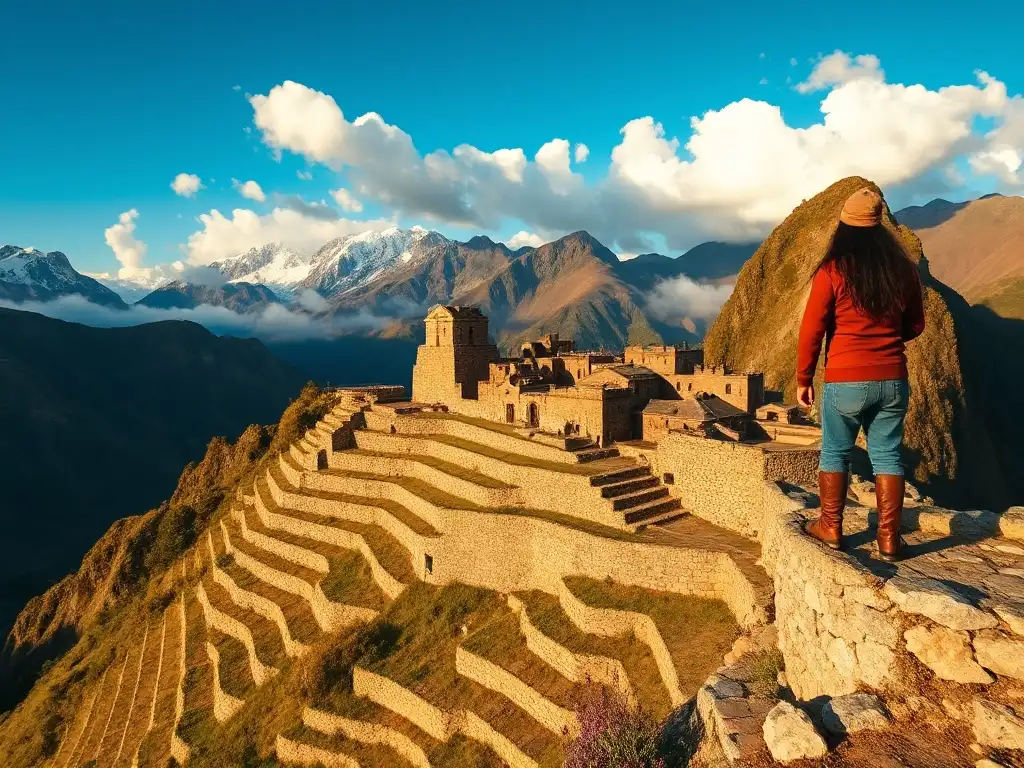
Step into a world lost to time, yet echoing with the whispers of empires. Imagine a landscape sculpted by ancient hands, where the Andes themselves bear witness to the rise of extraordinary civilizations. This is the realm of Ancient Andean regional cultures, a tapestry woven from the ingenuity of the Moche, Nazca, Tiahuanaco, and countless others who shaped the pre-Inca world.
Discover their breathtaking artistry, astonishing engineering feats, and the complex societies that thrived long before the Inca Empire. Unravel the mysteries of their rise in our exploration of The Rise of Complexity: Exploring Regional Cultures in the PreIncan Andes—a journey that will leave you captivated.
The Andes Mountains, a spine of towering peaks running down the western coast of South America, nurtured a remarkable diversity of ancient cultures long before the Inca Empire rose to prominence. This article delves into the fascinating tapestry of Ancient Andean regional cultures, exploring the sophisticated societies that flourished in the pre-Inca era.
We'll examine the unique characteristics of several key regional groups, highlighting their advancements in agriculture, architecture, social organization, and religious beliefs. Understanding these pre-Inca societies is crucial to appreciating the full complexity and richness of Andean civilization and its lasting legacy.
From the coastal ingenuity of the Moche to the enigmatic Nazca lines and the monumental architecture of Tiahuanaco, we will unravel the threads of innovation and adaptation that shaped these vibrant cultures. This journey through time will reveal how these diverse groups, each responding to their unique environment and challenges, contributed to the foundation upon which the Inca Empire would later be built.
The Moche: Masters of the Coastal Desert
The Moche civilization (circa 100-800 CE) thrived along the arid northern coast of Peru. Their ingenuity in harnessing scarce resources is breathtaking. They developed sophisticated irrigation systems to cultivate fertile valleys amidst the desert landscape, enabling them to support a large and complex society. Moche artistry is equally impressive, renowned for its exquisite pottery depicting scenes of daily life, warfare, and religious rituals.
These ceramic pieces provide invaluable insights into their social structure, beliefs, and worldview. The Moche also excelled in metalworking, creating elaborate gold and silver ornaments and tools. Evidence suggests a hierarchical society with powerful rulers, skilled artisans, and a dedicated workforce.
Their impressive monumental architecture, including large adobe pyramids, further underscores their organizational capabilities and sophisticated engineering skills. The intricate details found in their artwork showcase a deep understanding of their environment and a rich symbolic language. Their mastery of hydraulic engineering, artistic expression, and social organization makes the Moche a pivotal example of pre-Inca coastal development.
The Nazca: A Legacy Etched in the Desert
The Nazca culture (circa 100 BCE – 800 CE), also located along the southern coast of Peru, left behind an enduring mystery: the Nazca Lines. These massive geoglyphs, etched into the desert surface, depict animals, plants, and geometric shapes, visible only from the air. Their purpose remains debated, with theories ranging from astronomical calendars to religious rituals.
Beyond the enigmatic lines, the Nazca people were skilled artisans, creating intricately woven textiles and delicate ceramics. Their sophisticated irrigation techniques allowed them to cultivate the arid coastal lands, supporting a relatively dense population. The Nazca's mastery of textile production is particularly notable, with intricate designs and vibrant colors demonstrating a high level of technical skill and artistic creativity.
Analysis of their burial sites reveals insights into their social structure and religious practices. While the precise meaning of the Nazca Lines remains elusive, their creation speaks to a remarkable level of societal organization and engineering capability.
Tiahuanaco: A Monumental Civilization of the Altiplano
Located on the high-altitude plains of the Andes (present-day Bolivia), Tiahuanaco (circa 500-1000 CE) stands as a testament to the ingenuity of Andean cultures in adapting to challenging environments. The city's monumental architecture, including the iconic Gateway of the Sun, is a marvel of engineering and stonework. The precise methods used in the construction of these massive structures remain partly unexplained, highlighting the advanced technical skills of the Tiahuanaco builders.
Tiahuanaco's influence extended far beyond its immediate surroundings, suggesting a powerful and organized empire. Their sophisticated agriculture techniques, adapted to the high-altitude environment, allowed them to cultivate crops such as potatoes and quinoa. Religious beliefs played a central role in Tiahuanaco society, with evidence suggesting a complex pantheon of gods and elaborate rituals.
The city's impressive scale and the widespread influence of its culture underscore its significance as a major power in the pre-Inca Andes. Further research is needed to fully understand the political and economic organization of this remarkable civilization.
A Foundation for the Inca
The remarkable achievements of the Moche, Nazca, and Tiahuanaco, along with numerous other regional cultures, laid the groundwork for the later rise of the Inca Empire. Their innovations in agriculture, architecture, social organization, and religious practices provided a rich legacy upon which the Inca built their vast empire. Understanding the complexities and diversity of these pre-Inca societies is crucial to a complete understanding of Andean history and its enduring impact on the world.
Further research continues to uncover new details about these fascinating cultures, adding layers to our appreciation of their sophistication and ingenuity. The study of “Ancient Andean regional cultures” is an ongoing process of discovery, revealing ever more about the remarkable achievements of these pre-Columbian societies.
- The Moche: Masters of the Coastal Desert
- The Nazca: A Legacy Etched in the Desert
- Tiahuanaco: A Monumental Civilization of the Altiplano
- A Foundation for the Inca
- What were some of the major pre-Inca Andean cultures?
- How did the geography of the Andes influence the development of these cultures?
- What were some of the technological achievements of the pre-Inca Andean cultures?
- How did these pre-Inca cultures interact with each other?
- How did the Inca Empire eventually impact these regional cultures?
Understanding Pre-Incan Andean Regionalism
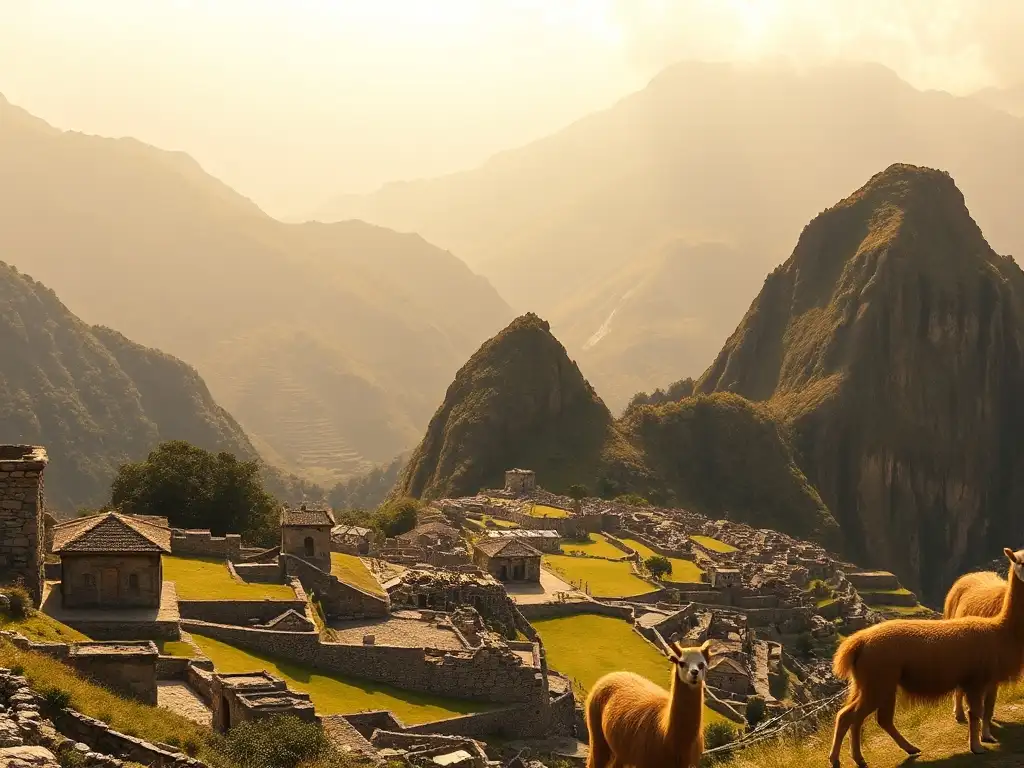
This section delves into the fascinating tapestry of Ancient Andean regional cultures, exploring the factors that contributed to the development of diverse and sophisticated societies in the pre-Inca Andes. We move beyond a monolithic view of Andean civilization, acknowledging the rich heterogeneity that existed across various regions. Understanding this regionalism is crucial to appreciating the complexity and dynamism of pre-Columbian Andean history. The Andes weren't a single, unified entity; instead, a vibrant mosaic of interacting cultures flourished, each with its unique characteristics and contributions.
The Diverse Landscape of Ancient Andean Cultures
The Andes Mountains, stretching along the western coast of South America, presented a formidable challenge and an unparalleled opportunity for human settlement. The diverse geography – from arid coastal deserts to high-altitude plains and lush valleys – fostered the development of distinct ecological niches and, consequently, unique cultural adaptations. The availability of resources, such as water, arable land, and minerals, varied significantly across these regions, shaping the economic activities and social structures of the inhabiting communities.
For example, the coastal cultures, like the Moche, thrived on fishing and agriculture in fertile river valleys, developing sophisticated irrigation systems and creating remarkable ceramics depicting their daily lives and religious beliefs. In contrast, the highland cultures, such as the Tiahuanaco, adapted to the challenging high-altitude environment, developing sophisticated agricultural techniques to cultivate crops in thin soils and utilizing readily available materials like stone for monumental architecture.
This inherent variation in environmental conditions directly influenced the development of distinct cultural identities and trajectories. The resulting regional variations in technology, social organization, and artistic expression are a testament to the remarkable adaptability of Andean peoples.
The Emergence of Distinct Regional Identities
Several factors contributed to the emergence of distinct regional identities in the pre-Inca Andes. Beyond the environmental pressures already discussed, political organization played a crucial role. While some regions were characterized by relatively centralized states with powerful rulers and complex bureaucracies (like the Wari empire), others consisted of smaller, independent communities with decentralized power structures. This variation in political organization influenced social hierarchies, economic systems, and artistic styles.
Furthermore, religious beliefs and practices differed significantly across regions. While some cultures emphasized ancestor veneration, others focused on specific deities associated with natural forces or agricultural cycles. These religious differences are reflected in the iconography found in their art and architecture, providing valuable insights into their worldview and social values.
The development of distinct artistic styles, including pottery, textiles, and metalwork, further cemented regional identities. Each culture developed its own unique aesthetic preferences, reflecting the specific materials available, technological capabilities, and cultural beliefs of the region. These stylistic variations are readily apparent in archaeological findings, allowing researchers to pinpoint the geographical origins of artifacts and reconstruct the cultural landscape of the pre-Inca Andes.
Chronological Overview of Pre-Incan Cultural Development
Understanding the development of Ancient Andean regional cultures requires a chronological perspective. While precise dating varies depending on the specific region and archaeological findings, a general framework can be established. The early phases (roughly 3000-1000 BCE) saw the emergence of initial agricultural settlements and the development of basic technologies. This period witnessed the growth of village-level societies with increasing social complexity.
The middle periods (roughly 1000 BCE – 1000 CE) were characterized by the rise of larger, more complex societies, including the development of powerful regional states like the Moche, Nazca, and Tiahuanaco. These states established extensive networks of trade and exchange, influencing the development of other nearby communities. Technological innovations, such as improved irrigation systems and sophisticated metalworking techniques, contributed to the growth of these societies.
The late pre-Inca period (roughly 1000-1438 CE) saw the expansion of the Wari and Tiwanaku empires, followed by their decline and the emergence of smaller regional kingdoms that eventually paved the way for the Inca Empire. This dynamic interplay of rise, fall, and interaction among various regional powers underscores the complexity of Andean prehistory and the constant reshaping of the cultural landscape. Further research and archaeological discoveries continually refine our understanding of this intricate process.
Key Pre-Incan Regional Cultures of the Andes
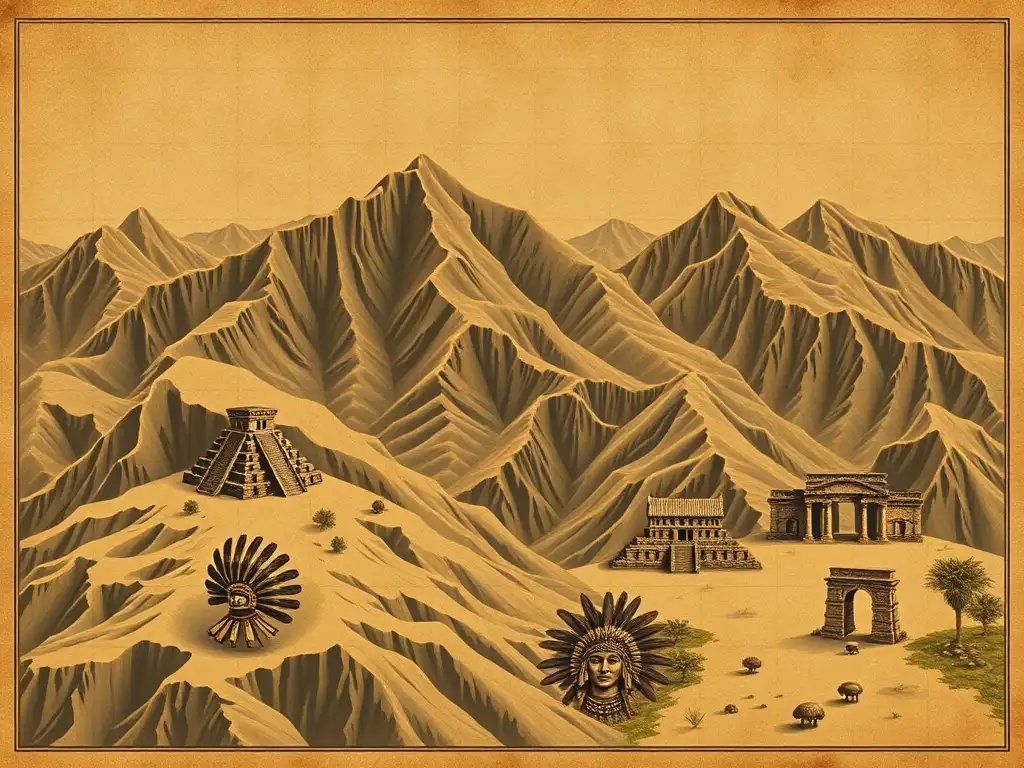
This section delves into the remarkable diversity of the Ancient Andean regional cultures that flourished before the Inca Empire's rise. Understanding these distinct societies is crucial to appreciating the complexity and richness of Andean history. We'll examine three prominent examples: the Moche, Nazca, and Tiahuanaco, highlighting their unique achievements in art, technology, and social organization. These cultures, while geographically proximate, developed vastly different adaptations and expressions of their Ancient Andean heritage. The study of these distinct societies provides a rich tapestry of "Ancient Andean regional cultures," revealing the vibrant and multifaceted nature of pre-Columbian Andean civilization.
The Moche Civilization: Coastal Mastery and Artistic Expression
The Moche, inhabiting the northern coast of present-day Peru (approximately 100-800 CE), were master engineers and artists. Their sophisticated irrigation systems, vital for agriculture in the arid coastal desert, are a testament to their advanced understanding of hydraulics. They constructed intricate canals and reservoirs, allowing them to cultivate fertile valleys and support a large population. This mastery of their environment is mirrored in their remarkable artistic achievements.
The Moche are renowned for their exquisite pottery, showcasing incredibly detailed and lifelike depictions of their daily lives, religious beliefs, and warfare. These ceramics, often featuring vibrant colors and intricate designs, provide invaluable insights into their social structure, religious practices, and worldview. Indeed, the Moche's artistic legacy is unparalleled in the pre-Inca period. Their work reveals a highly organized society with complex social hierarchies, reflected in the elaborate tombs and funerary practices associated with their elite. Further study of their iconography reveals sophisticated cosmological beliefs and a deep connection to the natural world.
The Nazca Culture: Geoglyphs and Desert Adaptations
The Nazca culture (c. 100 BCE – 800 CE), also located along the southern coast of Peru, is perhaps most famous for its enigmatic geoglyphs—massive line drawings etched into the desert surface. These immense figures of animals, plants, and geometric shapes, visible only from the air, remain a source of fascination and debate among scholars. While the exact purpose of these geoglyphs remains uncertain, theories range from astronomical alignments to ritualistic practices. The creation of these massive works demonstrates a remarkable understanding of geometry and landscape manipulation.
However, the Nazca's achievements extend far beyond their iconic geoglyphs. Their mastery of irrigation in the extremely arid environment of the Nazca desert is equally impressive. They developed sophisticated techniques to capture and store scarce water resources, supporting a complex agricultural system that sustained their population. Their intricate textiles, showcasing intricate designs and vibrant colors, are another testament to their artistic skill. The Nazca's ability to thrive in one of the most challenging environments in the world showcases their remarkable ingenuity and adaptability, solidifying their place within the diverse tapestry of "Ancient Andean regional cultures".
The Tiahuanaco Empire: Highland Power and Innovation
The Tiahuanaco culture (c. 500 – 1000 CE) dominated the southern Andes highlands, establishing a powerful empire centered around Lake Titicaca. Unlike the coastal cultures, Tiahuanaco thrived in a high-altitude environment, developing innovative agricultural techniques to cope with the challenging climate. Their mastery of terracing allowed them to cultivate steep slopes, significantly increasing arable land. This sophisticated agricultural system supported a large population and fueled the growth of their empire.
Tiahuanaco's influence extended far beyond their immediate surroundings. Their distinctive monumental architecture, characterized by massive stone structures and intricate carvings, is found throughout the region. The precision and scale of their construction demonstrate remarkable engineering skill and a highly organized workforce.
Their artistic style, featuring distinctive iconography and motifs, influenced subsequent Andean cultures. The Tiahuanaco empire's sophisticated social organization, evidenced by its vast infrastructure and centralized control, represents a distinct chapter in the story of "Ancient Andean regional cultures," highlighting the powerful influence of highland Andean societies. Their legacy continues to shape our understanding of the complexity and sophistication of pre-Inca Andean civilizations.
The Wari Empire: Expansion and Integration
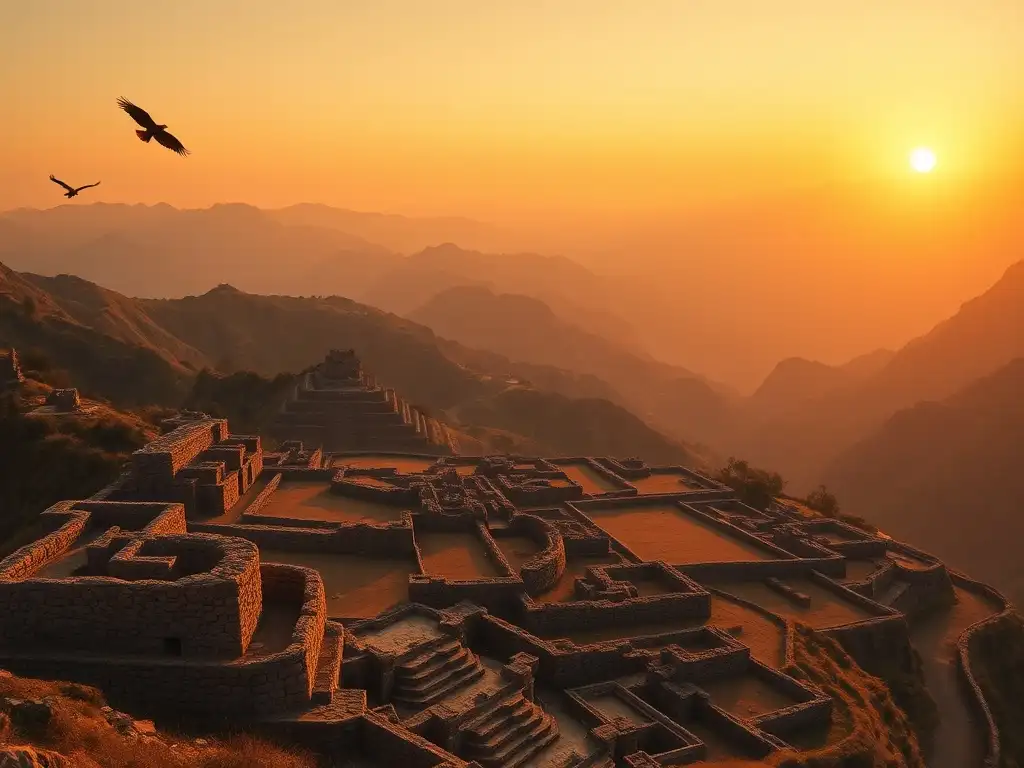
The Wari Empire, flourishing between roughly 600 and 1000 CE, represents a pivotal moment in the development of Ancient Andean regional cultures. Unlike the later Inca, the Wari didn't impose a unified language or administrative system across their vast territory. Instead, their strategy leaned towards integration, establishing a network of strategically placed administrative centers throughout the Andes. These centers, often located in fertile valleys and along major trade routes, served as hubs for managing resources and facilitating communication.
Archaeological evidence suggests a sophisticated system of roads and pathways connecting these centers, further supporting the idea of a well-organized and connected empire. The Wari exerted their influence through a combination of military might, economic control, and perhaps, the adoption of Wari cultural practices by subordinate groups. This approach allowed for a degree of cultural diversity within the empire, while simultaneously maintaining a degree of centralized control over key resources and trade networks. The collapse of the Wari Empire, the exact causes of which remain debated among scholars, left a significant impact on subsequent Andean cultures, paving the way for the rise of other powerful regional entities, including the Tiwanaku and ultimately, the Inca.
The Wari's legacy is visible in the architectural styles and administrative strategies adopted by later Andean civilizations. Their sophisticated irrigation systems, for example, stand as a testament to their engineering prowess and their understanding of the Andean environment. The influence of Wari pottery and metalwork can also be seen in the art of succeeding cultures, showcasing the enduring impact of this remarkable Andean civilization.
Other Significant Regional Cultures: Chavín, Paracas, Chimú
Beyond the Wari Empire, several other significant cultures contributed to the rich tapestry of Ancient Andean regional cultures. The Chavín culture (c. 900-200 BCE), located in the northern Andes, is renowned for its iconic temple architecture and its distinctive artistic style. The Chavín de Huántar site, with its intricate carvings and monumental structures, stands as a testament to the religious and political importance of the culture.
Their influence, however, extended far beyond their core territory, as evidenced by the widespread distribution of Chavín-style artifacts across the Andes. This suggests a significant degree of cultural exchange and interaction, possibly facilitated by trade networks and religious pilgrimage. The Chavín culture played a crucial role in shaping the religious and artistic landscape of the early Andean world.
The Paracas culture (c. 700-100 BCE), known for their elaborate textiles and mummification practices, flourished along the southern coast of Peru. Their mastery of textile production is truly remarkable, with intricate designs and vibrant colors showcasing their advanced weaving techniques. The Paracas Necropolis, a vast burial ground, provides invaluable insights into their funerary rituals and social organization. The intricate textiles found within the tombs, often adorned with symbolic imagery, represent a significant contribution to Andean art and craft. Their distinctive style and sophisticated technology influenced subsequent coastal cultures.
Finally, the Chimú culture (c. 1300-1470 CE), located along the northern coast of Peru, built a powerful kingdom characterized by its advanced irrigation systems and urban planning. The capital city, Chan Chan, is a sprawling adobe city, a testament to Chimú engineering and urban design. The Chimú state controlled vast coastal territories, demonstrating impressive political and administrative capabilities. Their sophisticated metalwork and pottery are also notable, showcasing advanced technological skills and artistic talent.
The Chimú Kingdom ultimately fell under Inca rule, but their legacy remains visible in the cultural and architectural features of the later empire. The Chimú’s advanced irrigation techniques, for example, were likely adopted and further developed by the Inca. Their contributions to Andean art and technology are significant, and their story adds another layer of complexity to the understanding of Ancient Andean regional cultures.
Factors Contributing to Regional Cultural Diversity
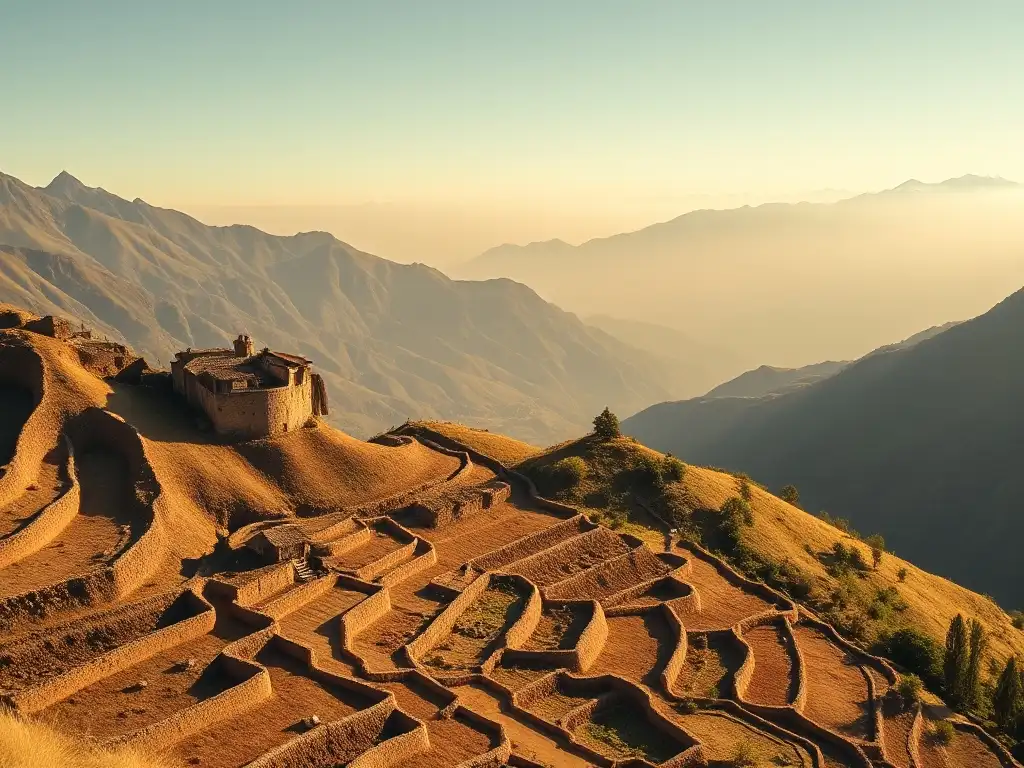
The remarkable diversity of Ancient Andean regional cultures wasn't a random occurrence; rather, it stemmed from a complex interplay of factors. Understanding the rise of these distinct societies requires examining the intricate relationship between their environments, social structures, and belief systems. This section delves into the key elements that shaped the unique character of each pre-Inca Andean region, highlighting the specific adaptations and innovations that defined their identities.
Analyzing these factors reveals a fascinating tapestry of human ingenuity and resilience in the face of diverse challenges. The development of distinct regional identities was not a uniform process, but rather a dynamic interplay of environmental pressures, social innovations, and religious beliefs that resulted in a multitude of unique cultural expressions across the Andean landscape.
Environmental Influences on Andean Societies
The Andes' dramatic topography—from arid coastal deserts to high-altitude plains and lush Amazonian foothills—played a crucial role in shaping the diverse Ancient Andean regional cultures. Environmental variation directly impacted resource availability, agricultural practices, and settlement patterns.
For instance, the coastal regions, characterized by deserts and oases, fostered specialized fishing communities and intricate irrigation systems like those seen in the Nazca culture. Their mastery of water management allowed for intensive agriculture, supporting a relatively dense population and the development of complex social structures. In contrast, the high-altitude regions, with their challenging terrain and limited arable land, saw the development of specialized agricultural techniques, such as terracing and freeze-drying (chuño), showcasing remarkable adaptation to harsh conditions.
The varied climates and altitudes directly influenced food production, leading to distinct dietary habits and economic strategies across different regions. The availability of specific resources, such as minerals or particular plant species, also contributed to the development of specialized crafts and trade networks.
The impact of El Niño events, unpredictable yet recurring climate shifts, further challenged Andean societies, necessitating flexible agricultural strategies and potentially contributing to societal changes or migrations. Understanding these environmental pressures is vital to grasping the adaptive strategies employed by different pre-Inca groups and the resulting cultural diversity. The intricate relationship between the environment and human activity is a recurring theme in understanding the trajectory of Ancient Andean regional cultures.
The social and political organization of Ancient Andean regional cultures varied significantly, reflecting their unique environmental adaptations and resource management strategies. While some regions developed centralized states with powerful rulers, others remained organized into smaller, more decentralized communities.
The Moche civilization, for example, is known for its highly stratified society, with a powerful elite controlling vast resources and manpower. Their sophisticated irrigation systems and monumental architecture suggest a centralized authority capable of mobilizing large-scale labor. In contrast, the Nazca, while possessing sophisticated irrigation technology, seem to have been less centralized politically, possibly organized into a network of independent communities. This difference in political organization impacted aspects of their art, architecture, and social practices.
The evidence suggests a range of political structures, from theocratic states to chiefdoms and even egalitarian communities, all reflecting different levels of social complexity and control over resources. Further research is needed to fully understand the nuanced dynamics of power and authority in these diverse societies. [Specific information pending] on the internal governance structures of various smaller regional groups.
Religious Beliefs and Ritual Practices in Regional Contexts
Religious beliefs and ritual practices were integral to the lives of Ancient Andean regional cultures, playing a significant role in shaping their social structures, political systems, and artistic expressions. While certain themes and motifs recur across different regions, the specific manifestations of religious belief and ritual varied considerably, reflecting the unique cultural identities of each group.
The Nazca are particularly renowned for their enigmatic geoglyphs, vast earthworks etched into the desert landscape, which are believed to have had religious significance. These massive designs, visible only from the air, suggest a profound understanding of astronomy and possibly a connection to celestial events. The Moche, on the other hand, are known for their elaborate funerary rituals and the depiction of deities and mythological beings in their ceramics.
Their artistic representations provide valuable insights into their cosmology and religious practices. The diversity of religious expression across the Andes suggests a complex interplay of local traditions and shared beliefs, highlighting the dynamism of religious thought in the pre-Inca period.
[Further research is required] to fully understand the nuances of religious syncretism and the exchange of religious ideas across different Andean regions. The study of religious practices offers a powerful lens through which to understand the unique worldviews and social structures of Ancient Andean regional cultures.
Legacy of Pre-Incan Regional Cultures
The Andes Mountains, a spine of colossal proportions running down the western edge of South America, nurtured a tapestry of vibrant and sophisticated cultures long before the Inca Empire rose to prominence. Understanding these "Ancient Andean regional cultures" is crucial to grasping the full complexity of Andean history. These pre-Inca societies, each with its unique characteristics and achievements, left an indelible mark on the region, shaping the landscape, influencing subsequent cultures, and leaving behind a legacy of breathtaking artistry and engineering prowess.
Their advancements in agriculture, architecture, and social organization laid the groundwork for later Andean civilizations, including the Inca, demonstrating a remarkable capacity for adaptation and innovation within diverse ecological niches. The interaction and sometimes conflict between these regional groups formed a dynamic and evolving cultural landscape, far richer than a simple linear progression towards Inca dominance.
Influence on Inca Culture and Society
The Inca Empire, while undeniably powerful and influential, didn't emerge in a vacuum. Its success was built upon the foundations laid by preceding Andean cultures. The Inca inherited and adapted many aspects of their predecessors’ societal structures, technological innovations, and artistic styles.
For instance, the sophisticated agricultural techniques developed by cultures like the Nazca and the Tiahuanaco, including terracing and irrigation systems, were adopted and expanded upon by the Inca to support their vast empire. Their mastery of stonework, evident in structures like Machu Picchu, also shows clear influences from earlier architectural traditions. The Inca’s intricate system of record-keeping, using quipus (knotted strings), might have been inspired by, or at least built upon, earlier forms of record-keeping utilized by preceding cultures.
The Inca religion also incorporated elements from various pre-existing Andean belief systems, suggesting a complex process of cultural synthesis and adaptation rather than outright replacement. Analyzing the Inca's legacy requires acknowledging the substantial contributions of these "Ancient Andean regional cultures" that came before them.
Archaeological Discoveries and Ongoing Research
The study of Ancient Andean regional cultures relies heavily on archaeological discoveries. Ongoing excavations across the Andean region continue to reveal new insights into the lives, beliefs, and achievements of these fascinating societies. Recent findings in the Nazca desert, for example, have shed light on their complex irrigation systems and sophisticated understanding of astronomy.
Analysis of Moche ceramics provides invaluable information about their social structures, religious practices, and daily life. Furthermore, the ongoing investigation of Tiahuanaco’s monumental architecture offers clues about their urban planning and societal organization. Researchers utilize a variety of techniques, including radiocarbon dating, ceramic analysis, and DNA studies, to reconstruct the history and interactions of these different groups.
These ongoing research efforts are essential for a more complete understanding of the complexities of pre-Inca Andean societies and their contributions to the overall Andean cultural heritage. This continuous uncovering of artifacts and data allows for a constantly evolving and refined understanding of “Ancient Andean regional cultures”.
Preserving the Heritage of Ancient Andean Regional Cultures
Preservation of the heritage of Ancient Andean regional cultures is a crucial undertaking facing both governments and researchers alike. The delicate balance between tourism, which can generate income for local communities, and the protection of fragile archaeological sites presents ongoing challenges. Sustainable tourism practices, focused on minimizing environmental impact and maximizing community benefits, are essential.
Furthermore, efforts to document and catalog existing artifacts and sites are critical, as are initiatives to educate the public about the importance of these cultures and the need to safeguard their legacy for future generations. This involves not only the physical preservation of sites but also the protection of intangible cultural heritage, including traditional knowledge, languages, and artistic practices.
These combined efforts are vital to ensuring that the rich history and cultural achievements of these “Ancient Andean regional cultures” are not only preserved but also celebrated and understood. The task requires international cooperation, community involvement, and sustained investment in research and preservation programs.
Frequently Asked Questions
What were some of the major pre-Inca Andean cultures?
The pre-Inca Andes saw the rise of many significant cultures, including the Moche, Nazca, Tiahuanaco, and Wari. These civilizations each developed unique artistic styles, technologies, and social structures.
How did the geography of the Andes influence the development of these cultures?
The diverse geography of the Andes—from coastal deserts to high-altitude mountains—shaped the development of distinct regional cultures. Access to resources and the challenges of the terrain influenced their technologies and social organization.
What were some of the technological achievements of the pre-Inca Andean cultures?
Pre-Inca Andean cultures were remarkably innovative. They developed advanced irrigation systems, metallurgy (especially gold and silver work), and complex architectural techniques such as stone masonry.
How did these pre-Inca cultures interact with each other?
Interactions between pre-Inca cultures were complex and varied, involving trade, conflict, and cultural exchange. Some periods saw significant integration, while others were marked by competition and rivalry.
How did the Inca Empire eventually impact these regional cultures?
The Inca Empire ultimately conquered and incorporated many of these pre-Inca regional cultures. While the Inca imposed their own political and administrative systems, they also integrated aspects of local traditions and knowledge.
Final Reflection: Echoes of the Andes: A Legacy of Complexity
The intricate tapestry of pre-Incan Andean cultures continues to resonate today, reminding us of the power of diverse societies to thrive and innovate in the face of challenging environments. Understanding their complexities isn't just an academic exercise; it's a crucial lens through which we can examine our own interconnected world and the enduring human capacity for adaptation and resilience. The sophisticated agricultural techniques, the unique artistic expressions, and the intricate social structures of these societies offer invaluable lessons for contemporary challenges.
The enduring legacy of these cultures is not merely found in the archaeological record, but also in the vibrant traditions and identities that persist in the Andes today. Their influence shapes the cultural landscape, from the textiles and music to the social structures and spiritual beliefs of modern Andean communities. The past is never dead. It's not even past,
wrote William Faulkner, and this rings profoundly true when considering the enduring impact of these ancient societies. Their stories, though fragmented by time, speak to the enduring human spirit and the importance of preserving and understanding our shared heritage.
Consider the ingenuity of these ancient peoples, their ability to cultivate diverse ecosystems and build complex societies in a challenging terrain. Let their achievements inspire you to appreciate the richness of human experience and the importance of celebrating diversity. You, too, are part of a complex and interconnected world; embrace the lessons of the past to build a more understanding and sustainable future. Let the echoes of the Andes guide you towards a deeper appreciation of the human story and the power of cultural resilience.
**Unveil the Rich Tapestry of Andean Cultures! **
Thank you for exploring the diverse and complex regional cultures of the pre-Inca Andes with us! Your curiosity is a key to unlocking a deeper understanding of this fascinating historical period. Let's continue this journey together and engage with these cultures in meaningful ways.
- **Dive deeper:** Explore our resources on local traditions and archaeological discoveries to expand your knowledge.
- **Share your insights:** Join our online community to connect with fellow enthusiasts and share your discoveries and inspirations.
- **Experience the culture:** Plan a visit to a museum showcasing pre-Inca artifacts or attend an Andean cultural festival.
What aspect of pre-Inca culture most captivates you, and how will you integrate that fascination into your daily life?