
The Nazca Textile Artists: Weaving Intricate Designs

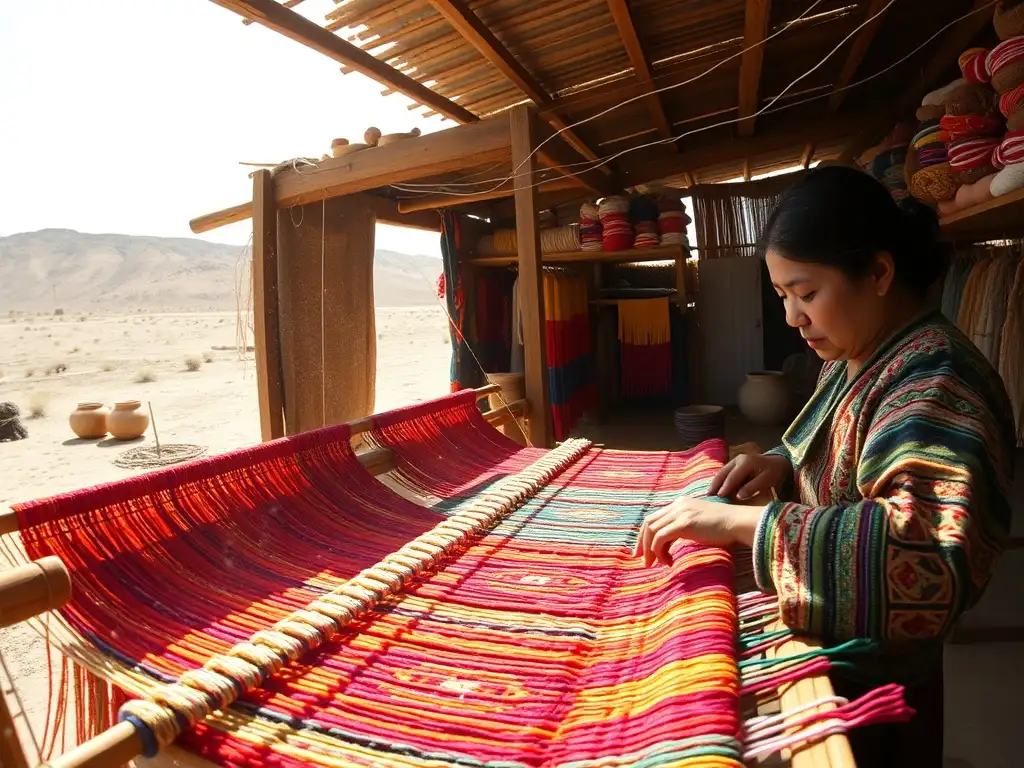
Unravel the mysteries of the Andes! Prepare to be captivated by the remarkable artistry of ancient Andean civilizations. From the towering heights of the Incas to the enigmatic Nazca lines, their legacy lives on—most vividly perhaps, in their breathtaking textiles. Discover the secrets behind Nazca textiles design techniques, and delve into a world of intricate weaving, vibrant colors, and symbolic power. Journey with us as we explore the lives and artistry of these master weavers.
The Nazca civilization, famed for its enigmatic geoglyphs etched into the Peruvian desert, also possessed a sophisticated and highly developed textile tradition. Far from being a mere utilitarian craft, Nazca textile production was a complex art form deeply intertwined with their social, religious, and economic life.
This article delves into the artistry and techniques employed by Nazca textile artisans, exploring the intricate designs and the profound significance of their work within the broader context of Nazca society. We will examine the specific techniques used, revealing the ingenuity and skill of these ancient weavers and shedding light on how their textiles provide invaluable insights into their culture and worldview.
Understanding Nazca textile design techniques offers a unique window into the daily lives, beliefs, and artistic sensibilities of this remarkable civilization, highlighting their mastery of natural fibers and their capacity for complex symbolic expression. This exploration will reveal the fascinating interplay between artistry, technology, and social structure within Nazca culture, solidifying their position as masters of textile creation in the ancient Andean world.
Unveiling the Art of Nazca Textile Production
The creation of Nazca textiles was a laborious and intricate process, demanding significant skill and expertise. The artisans primarily utilized cotton, a readily available resource in the coastal regions where they thrived. However, they also incorporated other fibers, including camelid wool (alpaca and llama) for certain textiles, demonstrating their adaptability and resourcefulness. The process began with the cultivation and harvesting of cotton, followed by meticulous cleaning and preparation of the fibers.
Evidence suggests the use of specialized tools for carding and spinning, creating exceptionally fine and strong yarns. The spinning technique itself is believed to have been highly advanced, enabling the creation of incredibly detailed and intricate designs. The most striking aspect of Nazca textiles is the vibrant and diverse range of colors achieved through natural dyes derived from plants, minerals, and insects.
These dyes were carefully prepared and applied, resulting in remarkably durable and long-lasting colors, a testament to the artisans' mastery of this crucial aspect of the production process. The dyeing process itself often involved multiple stages and techniques, allowing for complex color combinations and gradients. Finally, the weaving techniques employed were exceptionally sophisticated, with evidence of both plain weave and more complex techniques like tapestry and brocade, allowing for the creation of highly detailed and intricate patterns.
The Significance of Textiles in Nazca Society
Nazca textiles were far more than simple garments or household items; they held significant social and religious importance. They served as indicators of social status, with elaborate and intricately woven textiles often associated with elite members of society. The complexity of the design and the quality of the materials used directly reflected the wearer's position within the social hierarchy.
Furthermore, textiles played a crucial role in religious ceremonies and rituals. Many textiles feature complex iconography, including representations of deities, mythical creatures, and sacred symbols, suggesting their use in religious contexts. These textiles may have been used as offerings, worn by priests or shamans, or displayed during important rituals.
The discovery of textiles in elite tombs further underscores their importance as grave goods, suggesting beliefs about the afterlife and the continued significance of these objects in the spiritual realm. The presence of specific motifs and symbols on certain textiles also suggests a connection to specific clans, lineages, or social groups, highlighting the role of textiles in reinforcing social structures and identities. The intricate designs and the use of high-quality materials demonstrate the significant investment of time, resources, and expertise in the production of these textiles, reflecting their profound cultural and social value.
Nazca Textile Design Techniques: An Overview
The hallmark of Nazca textiles is their exquisite designs, characterized by intricate geometric patterns, stylized representations of flora and fauna, and depictions of human figures. These designs were created using a variety of techniques, including tapestry weaving, which allowed for the incorporation of multiple colors and the creation of complex images. Brocade, another sophisticated weaving technique, was also employed, resulting in raised, textured patterns that added depth and dimension to the textiles. The motifs frequently depicted in Nazca textiles include stylized birds, feline figures, snakes, and geometric patterns like stepped frets, zigzags, and concentric circles.
These designs are often interpreted as representing aspects of the Nazca worldview, reflecting their beliefs about nature, the cosmos, and the supernatural. The use of negative space and the careful placement of colors and patterns demonstrate a sophisticated understanding of design principles and an appreciation for visual harmony. Analyzing the techniques used in Nazca textiles reveals a remarkable level of skill and precision, underscoring the expertise of the artisans and the importance of textile production within Nazca society.
The consistent use of certain motifs and the evolution of design styles over time provide valuable insights into the cultural continuity and change within the Nazca civilization. Further research and analysis of existing textiles are crucial for a comprehensive understanding of the full range of Nazca textile design techniques and their cultural significance. Detailed study of these textiles continues to reveal new information about the artistry and ingenuity of the Nazca people and their enduring legacy.
- Unveiling the Art of Nazca Textile Production
- The Significance of Textiles in Nazca Society
- Nazca Textile Design Techniques: An Overview
Master Weavers of the Nazca Culture
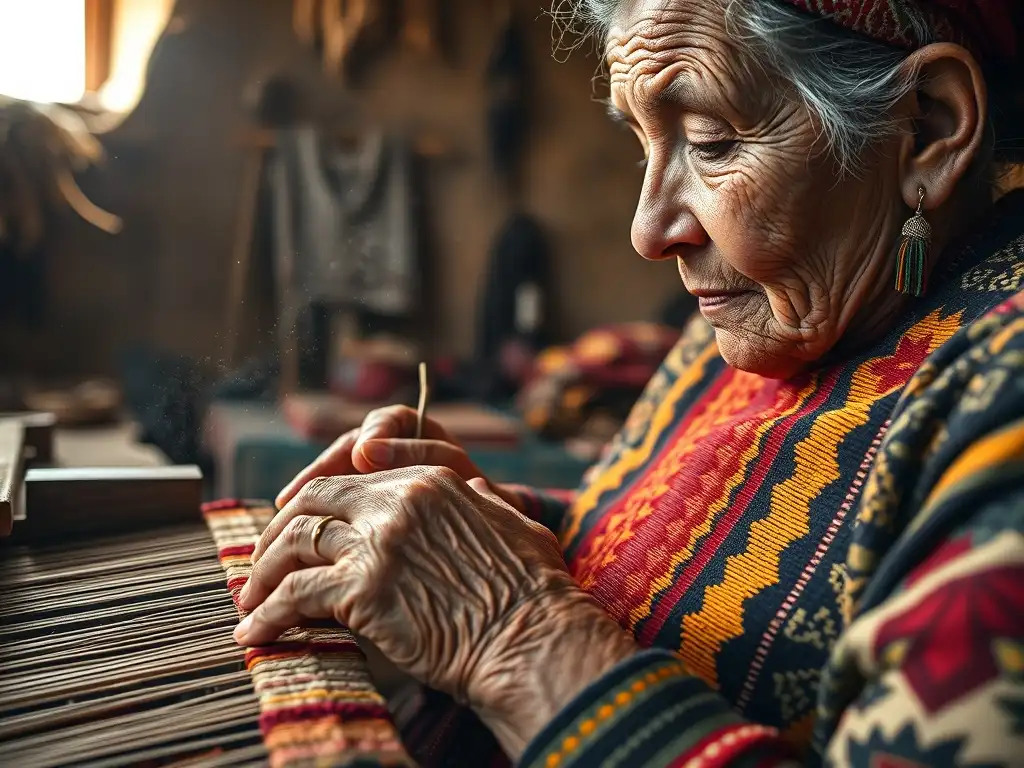
The Nazca culture, famed for its enigmatic geoglyphs, also possessed a sophisticated textile tradition. Nazca textile design techniques were far more than mere decoration; they were integral to the social, religious, and economic fabric of their society. These weren't simply utilitarian items; they were imbued with symbolic meaning, reflecting the complex worldview of the Nazca people.
The creation of these textiles was a highly specialized craft, demanding years of apprenticeship and mastery of intricate techniques. Evidence suggests a strong division of labor, with specialized artisans dedicated to particular aspects of the weaving process, from preparing the fibers to creating the finished product. The high quality and artistic merit of these textiles indicate a high social status afforded to the weavers themselves, perhaps even a specialized priestly class involved in their creation.
The survival of these textiles, often found in burial contexts, speaks volumes about their importance in Nazca funerary rituals and beliefs about the afterlife. Analysis of the designs and materials used reveals a deep connection to the environment and a rich symbolic language that continues to fascinate researchers today. The intricate designs, vibrant colors, and remarkable preservation of some examples showcase the advanced techniques and artistic skill of Nazca textile artists.
Nazca Textile Artists: Their Role in the Community
The role of Nazca textile artists within their community extended far beyond mere craftsmanship. They occupied a position of significant social standing, likely holding specialized roles within the social hierarchy. Their creations weren't just clothing or household items; they were powerful symbols of status, religious belief, and social identity.
Textiles adorned elites, were used in ceremonies, and served as valuable trade goods. The complexity of the designs and the skill required to produce them suggest a dedicated group of artisans who likely underwent extensive training and apprenticeship. We can infer a hierarchical structure within the weaving workshops, with master weavers overseeing apprentices and directing the production of complex pieces.
The detailed nature of the surviving textiles hints at a strong social organization and specialized knowledge passed down through generations. Some designs might have been reserved for particular social classes or religious ceremonies, further emphasizing the textiles’ social and ritual significance. The sheer number of surviving textiles, and the diversity of their styles and designs, underscores the importance of weaving in the daily lives and cultural expression of the Nazca people.
The Materials Used in Nazca Textile Creation
The remarkable durability and vibrancy of many surviving Nazca textiles are a testament to the quality of the materials and the sophisticated techniques employed in their creation. The primary materials were, of course, plant and animal fibers. Careful selection and preparation of these materials were crucial to achieving the desired results. The choice of fiber often dictated the type of textile produced, influencing both its texture and the complexity of the design that could be woven into it.
The Nazca artisans demonstrated a deep understanding of the properties of different fibers, skillfully combining them to achieve specific effects. Beyond the fibers themselves, the dyes used added another layer of complexity. The brilliant colors, ranging from deep reds and yellows to subtle greens and blues, were obtained from a variety of natural sources, including plants, minerals, and insects. The process of preparing and applying these dyes was undoubtedly time-consuming and required specialized knowledge.
The remarkable longevity of the colors, despite the passage of centuries, suggests a mastery of both dye extraction and application techniques. Further research is needed to fully understand the precise methods used in dye preparation and application, as well as the specific sources of the dyes themselves. However, the surviving textiles serve as a powerful testimony to the sophistication of Nazca material culture.
Wool and Cotton: The Foundations of Nazca Fabrics
Wool and cotton formed the backbone of Nazca textile production. Wool, sourced from camelids like alpacas and llamas, provided a soft, warm, and durable fiber, ideal for clothing and blankets. The quality of the wool, its fineness and length, would have varied depending on the animal's breed and the altitude at which it grazed. Nazca artisans likely employed techniques to improve the wool’s properties, such as spinning and combing, to create a uniform and strong yarn.
Cotton, on the other hand, offered a lighter, breathable fabric, perfect for warmer climates and lighter garments. The cultivation of cotton required specific conditions, and the availability of suitable land would have influenced the scale of cotton production. The combination of wool and cotton, or the use of one fiber exclusively, would have depended on the intended use of the textile and the desired properties of the final product.
The skillful blending of these fibers, or their separate use, demonstrates a sophisticated understanding of material properties and their manipulation. The remarkable preservation of some textiles allows for detailed analysis of the fiber structure and the techniques used in spinning and weaving, revealing the high level of skill and craftsmanship involved in Nazca textile production. The analysis of these fibers provides valuable insights into Nazca agricultural practices and their relationship with their environment.
Decoding the Intricate Nazca Textile Designs
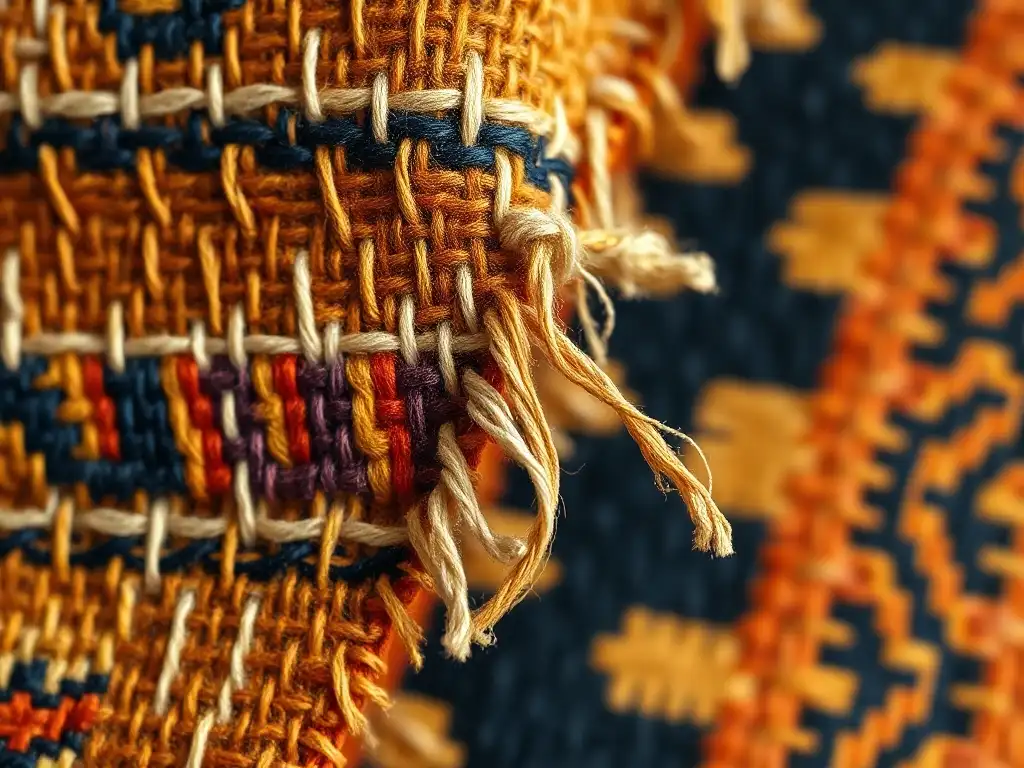
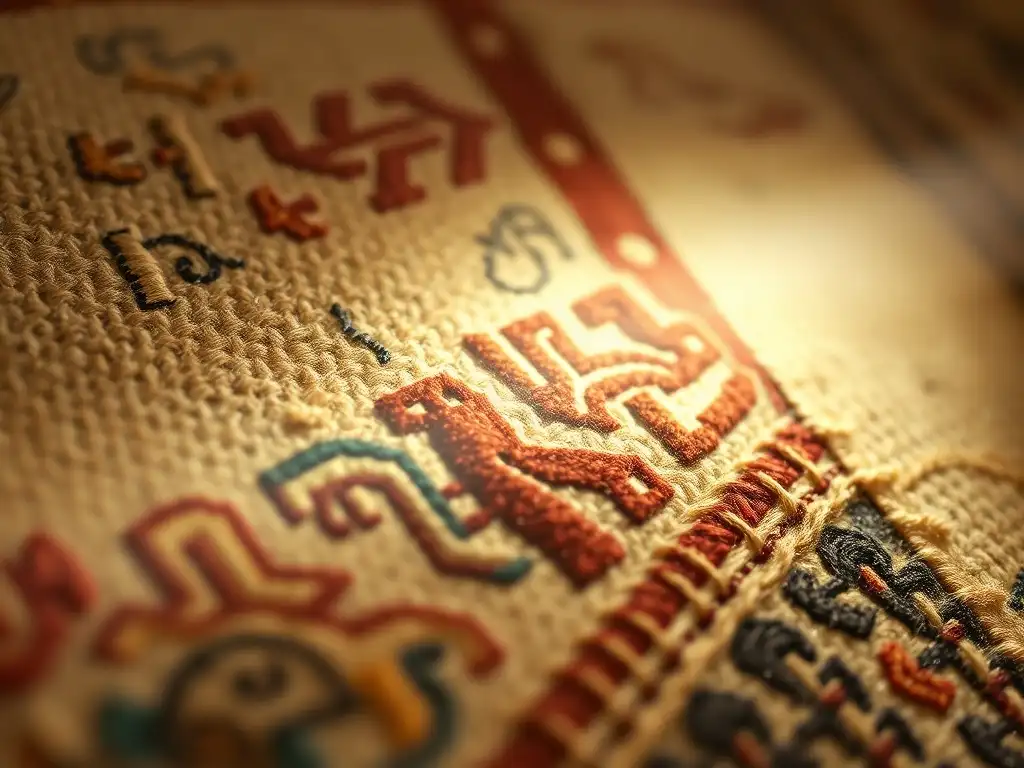
The Nazca people, renowned for their enigmatic geoglyphs, were also masters of textile art. Their weaving techniques, unparalleled in their complexity and artistry, offer a captivating glimpse into their worldview, social structures, and daily life. Analyzing Nazca textiles provides invaluable insights into their sophisticated design aesthetics and the symbolic language embedded within their intricate patterns.
Understanding the Nazca textiles design techniques requires a careful examination of the motifs, colors, and the very fibers used in their creation. The survival of these textiles, often found in remarkably preserved condition within arid tombs, allows for detailed study and interpretation, revealing a rich tapestry of cultural significance. The precision and artistry displayed are a testament to the skill and dedication of Nazca textile artisans, whose legacy continues to inspire awe and wonder.
Common Motifs in Nazca Textile Art
A recurring theme in Nazca textile art is the use of highly stylized motifs. These motifs, often repeated and combined in complex arrangements, appear to represent a combination of natural elements and symbolic figures. Common motifs include:
- Birds: Various bird species, including hummingbirds, condors, and other avian creatures, are frequently depicted. These representations likely held significant symbolic meaning, potentially related to deities, shamanic practices, or agricultural cycles. The vibrant colors and intricate details used in portraying these birds highlight the artisans' exceptional skill.
- Plants: Stylized representations of plants, such as cacti and other desert flora, are also common. These botanical motifs may reflect the importance of agriculture and the environment in Nazca society. The meticulous rendering of plant details, even in miniature scale, is remarkable.
- Geometric Shapes: Squares, triangles, and other geometric forms are interwoven with the zoomorphic and botanical motifs, creating a complex interplay of imagery. These geometric patterns appear to have a structural role, framing and organizing the more figurative elements.
- Anthropomorphic Figures: While less frequent than other motifs, stylized human figures occasionally appear, often in a ceremonial or ritual context. These figures are typically depicted in a highly symbolic manner, highlighting specific attributes or roles within the community.
Geometric Patterns and Their Meaning in Nazca Textiles
The geometric patterns in Nazca textiles are far from mere decoration. Detailed analysis suggests these patterns hold significant cultural and possibly even cosmological meaning. The precise arrangement of lines, angles, and shapes within these patterns often follows specific mathematical principles, hinting at a sophisticated understanding of geometry and its symbolic implications.
| Pattern Type | Description | Possible Interpretation |
|---|---|---|
| Step Pattern | A series of interlocking steps or zigzags. | Representation of mountains, agricultural terraces, or social hierarchy. |
| Cross Pattern | Intersecting lines forming crosses or grids. | Symbolic representation of the cosmos, or a map of the landscape. |
| Swastika Pattern | A swastika-like motif (pre-dating its later appropriation). | Possibly linked to sun worship or cyclical processes. |
For example, the intricate cross patterns, often found in central panels of textiles, might represent the four cardinal directions or the cycles of life and death. Further research is needed to fully decipher the meanings encoded within these geometric designs, but their complexity and precision suggest a deep-rooted cultural significance.
Zoomorphic Representations in Nazca Textile Weaving
Zoomorphic representations, particularly of birds and felines, feature prominently in Nazca textile art. These animals, depicted with remarkable accuracy and detail, often appear in dynamic poses, suggesting a keen observation of the natural world. The use of vibrant colors and intricate weaving techniques further enhances their visual impact. These representations are not merely realistic depictions; they seem to convey deeper symbolic meanings within a sophisticated mythological framework.
The choice of specific animals and their depiction in various contexts suggests their importance in Nazca belief systems. For instance, the condor, a powerful bird of prey, is often portrayed in prominent positions, possibly signifying its role as a sacred animal or a symbol of power and authority. Similarly, other animals, such as snakes and jaguars, might represent specific deities or embody particular attributes valued within Nazca society.
The careful study of these zoomorphic representations, combined with anthropological and archaeological evidence, offers valuable insights into the religious beliefs and social structures of the Nazca civilization. 🦙 Further research into specific color palettes and their associations with particular animals could shed more light on this fascinating aspect of Nazca textile art.
Anthropomorphic Figures in Nazca Textile Designs
Anthropomorphic figures—representations of human forms—are a prominent feature in Nazca textile designs, showcasing the sophisticated artistic skills and worldview of the Nazca culture. These figures are not simply realistic portraits; they are often stylized and symbolic, imbued with deeper meanings related to their cosmology, social structures, and rituals. The level of detail in these depictions is remarkable, considering the tools and materials available to the Nazca weavers. We see variations in posture, clothing, and adornments, suggesting different social roles or perhaps even depictions of deities or ancestors. Some figures are depicted in dynamic poses, perhaps engaged in ceremonial activities or dances, while others are shown in more static, contemplative postures. The use of color further enhances the narrative, with certain colors possibly signifying specific attributes or identities.
For example, red might represent power or vitality, while other colors could indicate social status or spiritual significance. Further research is needed to fully decipher the meanings embedded within these complex anthropomorphic representations, but their prevalence in Nazca textiles underlines their importance in Nazca society. Analyzing the context in which these textiles were found—whether in tombs, ceremonial sites, or everyday dwellings—can provide valuable clues to their intended function and meaning. The careful study of these anthropomorphic figures offers a unique window into the beliefs and practices of the Nazca people, enriching our understanding of their rich cultural heritage and artistic expression. The intricate weaving techniques used to create these figures, often involving multiple colors and complex patterns, are a testament to the skill and patience of the Nazca textile artists.
These textiles are not merely decorative items; they are powerful visual narratives that convey important cultural messages across generations. Detailed studies of individual figures and their accompanying motifs are crucial for understanding the full range of meaning embedded within these remarkable works of art. The subtle variations in facial features, clothing styles, and body postures suggest a nuanced system of representation that warrants further investigation. The use of negative space and the interplay of colors within these designs further contribute to their complexity and visual impact. These anthropomorphic figures serve as a powerful reminder of the sophisticated artistic and cultural achievements of the Nazca civilization.
Advanced Techniques in Nazca Weaving
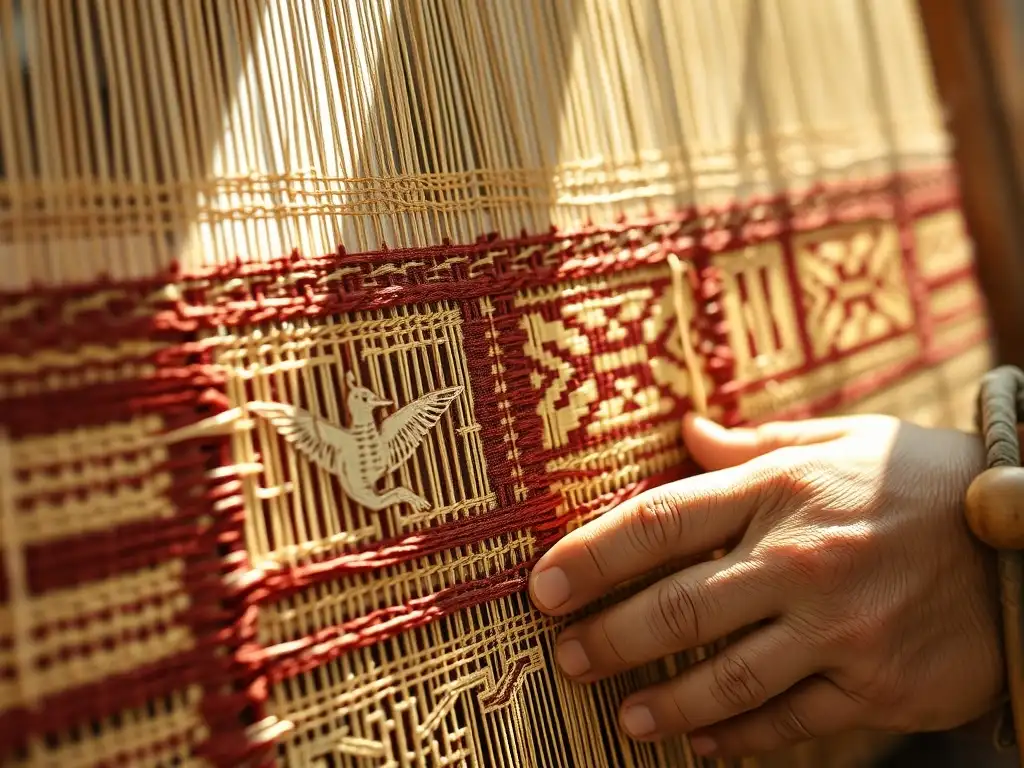
The Nazca people, renowned for their enigmatic geoglyphs, were also masters of textile production, developing sophisticated techniques that resulted in incredibly intricate and vibrant fabrics. Their mastery of weaving, dyeing, and design demonstrates a deep understanding of both artistry and technology, reflecting their advanced societal development. Understanding their "Nazca textiles design techniques" provides crucial insight into their culture and worldview. The complexity of their work surpasses simple craft; it represents a sophisticated system of knowledge transfer and artistic expression. This section will explore some of the advanced techniques employed by Nazca textile artisans.
The Use of Dyeing Techniques in Nazca Textiles
The vibrant colors found in Nazca textiles are a testament to their advanced dyeing techniques. They utilized a range of natural dyes derived from plants, minerals, and insects, achieving a remarkable spectrum of hues. For example, cochineal insects provided brilliant reds and crimsons, while various plants yielded yellows, browns, and greens. The precise methods for extracting and preparing these dyes remain partially understood, but archeological evidence suggests a complex process involving meticulous preparation and careful application.
The durability of these dyes, even after centuries, speaks to the expertise of Nazca dyers. Furthermore, the consistent application of color across large textile pieces hints at standardized processes and possibly specialized roles within the production process. Analysis of surviving textiles reveals a detailed understanding of mordants – substances used to fix the dye to the fibers – indicating a sophisticated chemical knowledge.
The subtle variations in shade and tone also suggest a remarkable level of control over the dyeing process, allowing for nuanced color gradations within a single piece. The use of multiple dyes and layering techniques further enhanced the depth and complexity of the finished products. Further research is needed to fully unravel the intricacies of Nazca dyeing techniques, but existing evidence clearly indicates a highly developed and sophisticated system.
Creating Vibrant Colors in Nazca Fabrics
Achieving the vibrant and long-lasting colors seen in Nazca textiles required a multifaceted approach. The selection of raw materials, including the type of fiber (often cotton or camelid wool), directly impacted the final color intensity and vibrancy. The process wasn't simply about applying dye; it involved careful preparation of both the fibers and the dyes themselves.
This included cleaning and pre-treating the fibers to ensure optimal dye absorption and colorfastness. The precise recipes for the mordants used remain a subject of ongoing research, but evidence suggests the use of natural substances like tannins from plants or minerals like alum. The application of dye itself could involve multiple steps, with dyes applied sequentially or in combination to achieve specific shades.
Evidence suggests the use of techniques like resist dyeing, where parts of the fabric are protected to create patterns, showcasing an advanced understanding of dye chemistry and application. The careful control of temperature and time during the dyeing process was also crucial for achieving the desired results. The remarkable longevity of the colors found in surviving Nazca textiles testifies to the effectiveness of these methods, demonstrating a high level of skill and knowledge passed down through generations of artisans.
Weaving Methods Employed by Nazca Artisans
Nazca weavers employed a variety of techniques to create their intricate textiles. The most common was tapestry weaving, a complex method involving the interlacing of multiple colored threads to create detailed designs. This technique allowed for the creation of finely detailed images and intricate patterns, often depicting animals, plants, and geometric motifs.
The high degree of precision found in Nazca tapestries suggests a high level of skill and dexterity among the weavers. Beyond tapestry, other weaving techniques were employed, including plain weave, which created a simpler, more utilitarian fabric often used as a base for more elaborate embellishments. The use of different weaving techniques within a single textile demonstrates a mastery of the craft and an ability to adapt techniques to achieve specific aesthetic and functional goals.
The choice of weaving technique was often influenced by the intended use of the textile, with finer techniques reserved for ceremonial garments or elite items, while simpler techniques were used for everyday clothing or household items. Analysis of the surviving textiles reveals a nuanced understanding of textile construction, showcasing a sophisticated mastery of weaving techniques and an understanding of the relationship between technique, material, and final product. The complex interplay of various techniques demonstrates the advanced capabilities of Nazca textile artisans and their contribution to Andean weaving traditions.
The Legacy of Nazca Textile Art
The Nazca culture, renowned for its enigmatic geoglyphs, also possessed a sophisticated and highly developed textile tradition. Their artistry in weaving surpasses mere functionality; it's a powerful testament to their cultural beliefs, social structures, and technological prowess. Nazca textiles represent a significant contribution to the broader tapestry of Andean textile art, influencing subsequent cultures and providing invaluable insights into their worldview.
The intricate designs and vibrant colors, achieved through innovative techniques, continue to captivate and inspire researchers and art enthusiasts alike. The legacy of Nazca textile art is not just about aesthetically pleasing fabrics; it's a window into a complex and fascinating civilization. Analyzing these textiles allows us to understand their social hierarchy, religious practices, and daily life with unprecedented detail.
The unique characteristics of Nazca textiles, such as their complex designs and the use of camelid fibers, set them apart from other Andean textile traditions. Their influence can be traced in the textile arts of later Andean cultures, showcasing a continuous thread of artistic innovation and cultural exchange.
The Preservation of Nazca Textiles
The preservation of Nazca textiles presents unique challenges. The arid climate of the Nazca region, while contributing to the survival of the geoglyphs, can also cause fragility in organic materials like textiles. Many examples have been found in burial contexts, often within the dry desert sands, offering some level of protection from the elements. However, the very conditions that aided in preservation can also make them vulnerable to damage upon exposure to humidity and light.
Careful excavation and conservation techniques are crucial for ensuring the longevity of these fragile artifacts. Museums and research institutions play a vital role in safeguarding these treasures, employing specialized techniques including climate control, careful handling, and the use of non-invasive imaging technologies to study their composition and structure without causing further harm. Detailed records are kept, documenting each textile’s condition and any conservation interventions. This meticulous approach is essential for preserving these irreplaceable pieces of Andean heritage for future generations.
The ongoing effort to preserve Nazca textiles is a testament to the importance of understanding and protecting our cultural past. Future research may explore innovative preservation methods to ensure the long-term survival of these priceless artifacts. [Specific information pending on current preservation techniques used by major museums holding Nazca textiles].
Nazca Textile Design Influences on Later Cultures
The distinctive style of Nazca textile design profoundly impacted subsequent Andean cultures. The use of vibrant colors, intricate geometric patterns, and representations of stylized flora and fauna clearly influenced the textile traditions of the Wari and Inca empires. While the exact nature of the cultural exchange remains a topic of ongoing research, the stylistic similarities are undeniable.
For example, the use of specific color palettes and motifs, such as stylized birds and feline figures, can be traced from Nazca textiles to later Andean weavings. This cultural transmission highlights a continuous thread of artistic innovation across different Andean societies. Analyzing the evolution of these design elements provides valuable insights into the processes of cultural exchange and adaptation throughout Andean history.
The persistence of certain motifs and techniques across centuries suggests a powerful legacy and a shared artistic heritage amongst diverse Andean groups. Further research into the stylistic similarities between Nazca and later Andean textiles could reveal more about the nature of these cultural interactions and the extent of Nazca influence. [Specific examples of stylistic similarities between Nazca and later Andean textiles pending].
Understanding Nazca Culture Through Their Textiles
Nazca textiles offer a unique window into the social, religious, and daily lives of the Nazca people. The designs woven into these fabrics often depict scenes of ritual activities, mythical creatures, and everyday life. The use of specific colors and motifs can be interpreted as symbolic representations of religious beliefs, social status, and cosmological concepts. For instance, certain colors might be associated with specific deities or ritual practices, while particular patterns could represent clan affiliations or social hierarchies.
The intricate details woven into these textiles provide a level of detail unmatched by other archaeological sources. Analyzing the iconography and symbolism within these textiles allows researchers to reconstruct aspects of Nazca religious beliefs, social organization, and worldview. The textiles act as visual records, offering a glimpse into the daily lives and cultural practices of this fascinating civilization.
By studying the techniques, materials, and designs employed in Nazca textiles, we can gain a deeper understanding of their society, beliefs, and artistic achievements. The study of Nazca textiles continues to yield new insights into this enigmatic culture, enriching our understanding of Andean history and civilization. The more we learn about these textiles, the richer our understanding of Nazca culture becomes.
Frequently Asked Questions
What makes Nazca textiles so unique?
Nazca textiles are renowned for their vibrant colors and intricate designs. The complex weaving techniques employed, including multiple warp and weft systems, created incredibly detailed patterns. These techniques are still being studied today.
What types of designs are commonly found in Nazca textiles?
Nazca textiles feature a wide array of designs, including geometric patterns, stylized animals (like birds and felines), and anthropomorphic figures. Mythological creatures and plant motifs are also frequently depicted.
What materials did Nazca textile artists use?
The primary materials used were cotton and camelid fibers (alpaca and llama). Natural dyes derived from plants, minerals, and insects produced the textiles' striking colors. These dyes were remarkably durable.
What were the techniques used to create Nazca textile designs?
Nazca weavers employed various techniques, including brocade, tapestry, and embroidery. Supplementary weft weaving allowed for incredibly fine detail. The precision and complexity of these techniques were exceptional.
How did Nazca textile designs reflect their culture?
Textile designs offered insights into Nazca beliefs and society. Religious iconography, social status, and daily life are all reflected in the imagery and patterns. Textiles served both ceremonial and everyday purposes.
Final Reflection: The Enduring Legacy of Nazca Textile Art
The intricate designs woven into Nazca textiles remain a powerful testament to the ingenuity and artistry of a lost civilization, a legacy that continues to inspire and challenge textile artists today. Their mastery of color, technique, and symbolic representation offers a profound insight into a culture that thrived centuries ago, leaving behind a visual language that still speaks volumes. The precision and complexity of their work are truly breathtaking, a stark reminder of human creativity's enduring power.
The impact of Nazca textile techniques extends far beyond the realm of archaeology; their influence can be seen in contemporary art, fashion, and design. The vibrant colors and geometric patterns continue to resonate, inspiring modern artists to explore similar themes and techniques. Their innovative use of natural dyes and complex weaving methods remains a source of fascination and study. The past is never dead. It's not even past.
- William Faulkner. This quote perfectly encapsulates the enduring relevance of Nazca textile art, a testament to the timeless nature of human creativity and its capacity to transcend time.
Now, consider the intricate details, the vibrant hues, the stories woven into each thread. What inspires you about the artistry and resilience of the Nazca people? How can we, in our own lives, strive to create something as enduring and meaningful? Let the legacy of Nazca textile art inspire you to explore your own creativity, to find beauty in complexity, and to leave your own unique mark on the world, a legacy as vibrant and enduring as the textiles themselves.
**Unravel the Art of Weaving – Join the Legacy! **
Thank you for exploring the rich tapestry of Nazca textile art with us! Discovering their intricate designs offers a deeper appreciation for Andean artistry and cultural heritage. Let's continue this journey together and explore this fascinating world further!
Here are some suggestions to deepen your engagement:
- **Visit a local museum or art gallery** to see textile exhibits firsthand and experience their beauty up close.
- **Try your hand at textile arts:** Experiment with weaving or embroidery, and share your creations with loved ones.
- **Join a textile arts community group:** Connect with fellow enthusiasts, learn new techniques, and share your passion.
Which Nazca designs or patterns resonate most with you, and how might you incorporate them into your own creative work?