
Moche Metalwork and Religious Significance: Sacred Objects and Adornment

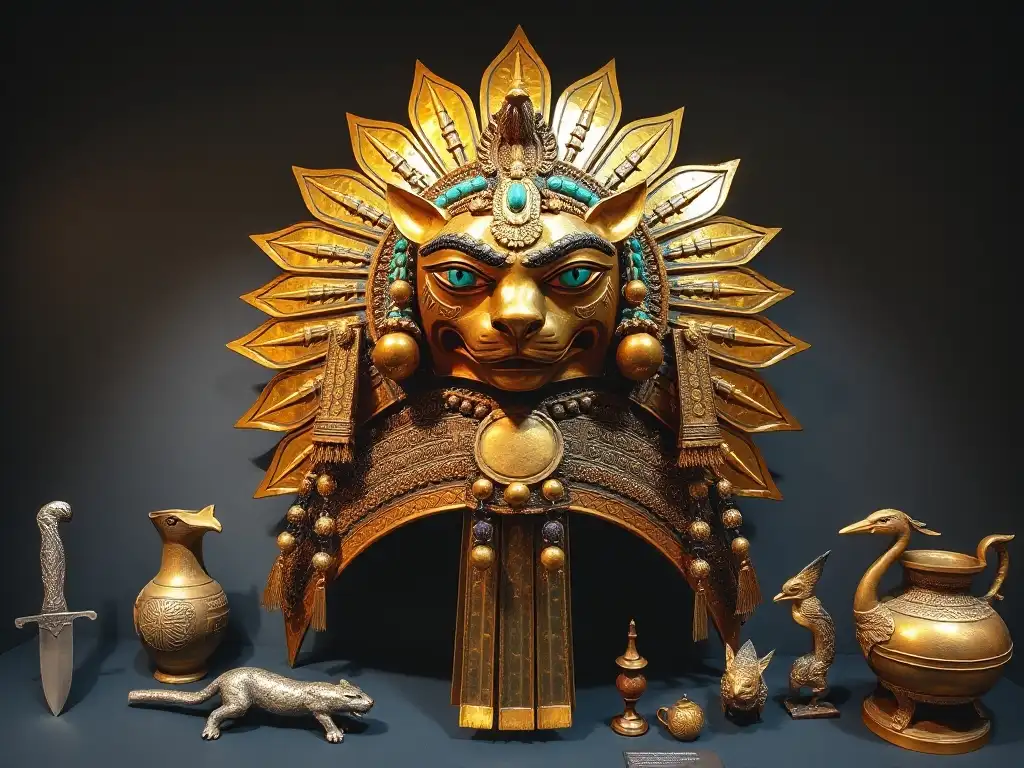
Step into a world lost to time, yet echoing with vibrant artistry and profound spirituality. Dive into the captivating realm of the Andean civilizations, where ingenuity and devotion intertwine. Discover the secrets held within the intricate Moche metalwork, objects far beyond mere adornment – they were powerful symbols, imbued with deep religious significance. Uncover the mysteries surrounding their creation and the crucial role they played in Moche society. Prepare to be amazed by the artistry and the profound insights into their beliefs waiting to be explored.
The Moche civilization (c. 100 – 800 CE), flourishing along the northern coast of Peru, left behind a remarkable legacy of artistic and technological achievements. Nowhere is this more evident than in their mastery of metalwork. This article delves into the intricate world of Moche metal artifacts, exploring their religious significance and the crucial role they played in Moche society, rituals, and beliefs. We will examine how these objects, ranging from ornate jewelry to elaborate ceremonial tools, served not merely as adornments but as powerful symbols connecting the earthly and spiritual realms.
Understanding Moche metalwork is key to understanding the core tenets of their complex religious system and their worldview. The sheer artistry and technical skill involved in their creation, coupled with their religious context, make them invaluable sources for understanding this fascinating pre-Columbian culture. The keyword "Moche metalwork religious significance" will be explored thoroughly throughout this analysis.
The Materials and Techniques of Moche Metalworking
Moche artisans demonstrated exceptional skill in working with various metals, primarily gold, silver, copper, and alloys like tumbaga (a gold-copper alloy). They employed sophisticated techniques including hammering, casting (using the lost-wax method), repoussé (hammering from the back to create raised designs), and gilding. The precision and detail evident in their work are astonishing, considering the tools available to them.
For example, the intricate details found on miniature figures and the seamless joins in larger pieces highlight their advanced metalworking expertise. Analysis of surviving artifacts reveals a deep understanding of metallurgy, allowing them to create objects of incredible durability and aesthetic beauty. The creation of these pieces wasn't simply a craft; it was a sacred act, imbued with ritualistic significance.
Depictions of Moche Deities and Mythological Figures in Metalwork
Many Moche metal artifacts depict their pantheon of deities and mythological beings. These depictions offer invaluable insights into their religious beliefs and cosmology. For instance, representations of the Aia Paec, often depicted as a feline deity associated with warfare and power, are frequently found in the form of ornaments, suggesting their importance in both religious ceremonies and social status.
Other common motifs include the moon and sun, serpents, and various anthropomorphic figures, each carrying symbolic weight within the Moche worldview. The meticulous detail in these representations, from the expressions on the faces to the intricate headdresses, underscores the sacred nature of the objects and the reverence with which they were crafted. These weren't simple artistic expressions; they were active participants in religious practice.
Metalwork as Offerings and Grave Goods
The discovery of elaborate metalwork within Moche tombs further emphasizes its religious significance. These objects were not merely personal adornments; they served as offerings to the deceased, intended to accompany them into the afterlife. The types and quantities of metal objects found in graves varied depending on the social status of the deceased, indicating a hierarchical structure within Moche society, with metalwork playing a pivotal role in marking social standing and access to spiritual power.
The presence of these precious metals in burials suggests a belief in the continued efficacy of these objects beyond death, acting as conduits to the spirit world. The careful placement of these items within the tombs speaks volumes about the Moche understanding of death and the afterlife.
The Role of Metalwork in Moche Ritual Practices
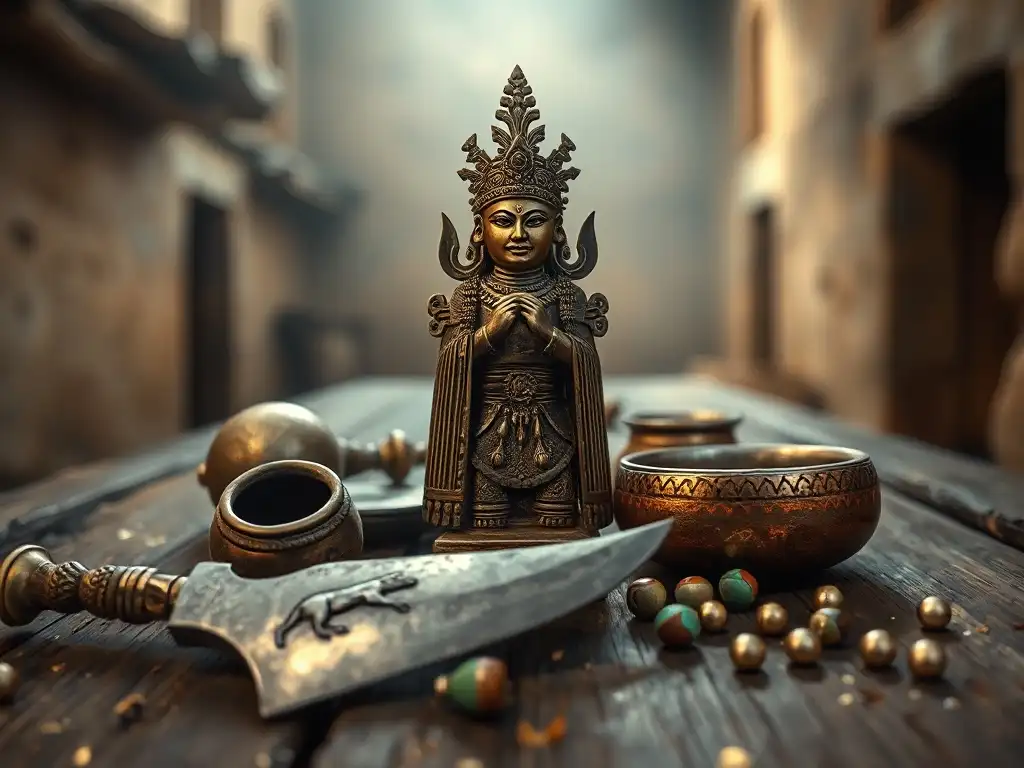
Evidence suggests that Moche metalwork played a significant role in various ritual practices. Certain objects, such as ceremonial vessels and spatulas, were likely used in rituals and ceremonies. The iconography depicted on these objects often provides clues about the rituals themselves, showing scenes of sacrifice, feasting, and other significant events.
The careful craftsmanship and the use of precious metals highlight the sacredness of these rituals and the importance of metalwork in facilitating communication with the supernatural realm. Further research into the context of discovery of these artifacts is needed to fully understand the specifics of these ceremonies. [Specific information pending: detailed analysis of ritual contexts of discovered metalwork].
The Enduring Legacy of Moche Metalwork
The artistry and religious significance of Moche metalwork continue to fascinate and inspire scholars and the public alike. Their sophisticated techniques, the symbolic meaning embedded in their designs, and their discovery within ritual and burial contexts offer a window into the beliefs and practices of this remarkable civilization.
The legacy of Moche metalwork extends beyond its aesthetic appeal; it serves as a testament to the ingenuity and spiritual depth of the Moche people, providing invaluable insights into their unique and complex cultural heritage. The ongoing study of Moche metalwork promises to further illuminate our understanding of their religious beliefs and their place within the broader tapestry of Andean civilizations.
The enduring allure of these pieces lies in their ability to connect us to a distant past, revealing the deeply held beliefs and sophisticated artistry of a lost civilization. The keyword "Moche metalwork religious significance" is central to understanding their cultural and spiritual identity.
- The Materials and Techniques of Moche Metalworking
- Depictions of Moche Deities and Mythological Figures in Metalwork
- Metalwork as Offerings and Grave Goods
- The Role of Metalwork in Moche Ritual Practices
- The Enduring Legacy of Moche Metalwork
- Gold Masks Depicting Deities and Rulers
- Silver Ornaments with Lunar Motifs in Nighttime Ceremonies
- Copper Plaques and Figurines in Ritual Offerings
- Transformation Masks for Shamans and Priests
- Crescent-Shaped Headdresses for Royal and Divine Figures
- Scepters Signifying Authority in Religious Contexts
- What was the significance of Moche metalwork in their society?
- What types of metals did the Moche primarily use for their artwork?
- How did Moche metalworking techniques contribute to the religious significance of their artifacts?
- Can you give examples of Moche metalwork with religious significance?
- What role did Moche metalwork play in the power structures of their society?
The Role of Metal in Moche Society and Beliefs
The Moche civilization (c. 100-800 CE) demonstrated a remarkable mastery of metalworking, a skill deeply intertwined with their religious beliefs and social structures. Metal objects weren't merely utilitarian; they served as powerful symbols of authority, religious power, and connection to the supernatural world. The meticulous craftsmanship evident in Moche metalwork underscores its significant role in their society, reflecting a sophisticated understanding of metallurgy and a profound spiritual connection to the materials used.
The prevalence of gold, silver, and copper artifacts in elite Moche tombs and ceremonial contexts highlights their value as prestigious possessions and sacred objects. The religious significance of Moche metalwork is further underscored by the depiction of metalworking processes and the use of metallic objects in their iconography, suggesting a belief that these objects possessed inherent power and spiritual potency. Analysis of Moche metalwork offers crucial insights into their worldview, social organization, and artistic capabilities.
The sheer artistry and technical skill involved in creating these pieces speak volumes about the Moche's advanced metallurgical knowledge and their dedication to crafting objects imbued with spiritual meaning. The careful selection of materials, the meticulous execution of techniques, and the symbolic representations further emphasize the importance of metalwork in Moche religion and society.
Hammering, Annealing, and Gilding Techniques
Moche artisans employed sophisticated techniques to shape and embellish their metalwork. Hammering was the primary method for shaping sheets of metal into desired forms. This required considerable skill and precision, as evidenced by the intricate details found on many artifacts. The process was often followed by annealing, a heat treatment process that softened the metal, making it more malleable and less prone to cracking during shaping.
This indicates a clear understanding of metallurgical principles. Furthermore, gilding – the application of a thin layer of gold – was frequently used to enhance the aesthetic appeal and perceived value of metal objects. This technique involved applying a gold leaf or a gold amalgam to the surface of the metal, creating a lustrous finish. The Moche's mastery of gilding is particularly impressive, given the precision and delicacy involved in applying such a thin layer of gold evenly across complex shapes.
The combination of hammering, annealing, and gilding showcases the advanced technological capabilities of Moche metalworkers and their dedication to producing high-quality, visually stunning artifacts. Evidence suggests that these techniques were passed down through generations, reflecting a strong tradition of craftsmanship within Moche society. The surviving examples of Moche metalwork are testaments to the skill and artistry of these ancient artisans. The precise application of gold, often in intricate designs, reveals a deep understanding of both artistic principles and metallurgical processes.
The Association of Gold with the Sun and Power
Gold, a highly valued metal across numerous ancient cultures, held special significance for the Moche. Its lustrous quality and rarity likely contributed to its association with the sun, a powerful deity in Moche cosmology. The sun's life-giving properties and its position at the center of the cosmos mirrored the perceived power and prestige associated with gold.
Gold objects, often intricately crafted, were frequently found in elite tombs and ceremonial contexts, indicating their use as symbols of power and authority. The association of gold with the sun is evident in the depictions of gold objects alongside solar motifs in Moche iconography. Moreover, the use of gold in the creation of ceremonial masks and other religious paraphernalia further reinforces its sacred nature.
The association between gold and the sun likely symbolized the ruler's divine right to rule, connecting their power to the cosmic order. The lavish use of gold in elite burials also suggests a belief in its ability to facilitate a successful transition to the afterlife. The sheer quantity of gold artifacts unearthed from Moche tombs underscores its importance as a symbol of power, wealth, and religious status within Moche society.
Sourcing of Copper, Gold, and Silver in Moche Territory
The Moche obtained the raw materials for their metalwork from various sources within their territory. Copper, a relatively abundant metal, was likely sourced from several locations along the Andes Mountains. The precise locations are still under investigation, but geological surveys have identified potential copper deposits in several regions of the Moche heartland. Gold, a rarer metal, was likely obtained from alluvial deposits in riverbeds and streams.
These deposits were likely carefully exploited by Moche miners, who may have employed sophisticated techniques to extract the gold from the sediment. Silver, another less common metal, was also used in Moche metalwork, likely sourced from similar locations as gold, or possibly through trade networks. The Moche's ability to acquire and work these metals demonstrates their sophisticated understanding of mining and metallurgy, and their control over these resources likely contributed to their economic and political power.
Further research is needed to pinpoint the exact locations of the Moche's metal sources and to fully understand their mining and extraction techniques. The study of Moche metalwork not only reveals their artistic prowess but also sheds light on their economic activities and resource management strategies. The distribution and types of metal artifacts found in different Moche sites can help researchers map the trade routes and social networks that connected various parts of the Moche empire.
Moche Metalwork: Religious Objects and Their Meanings
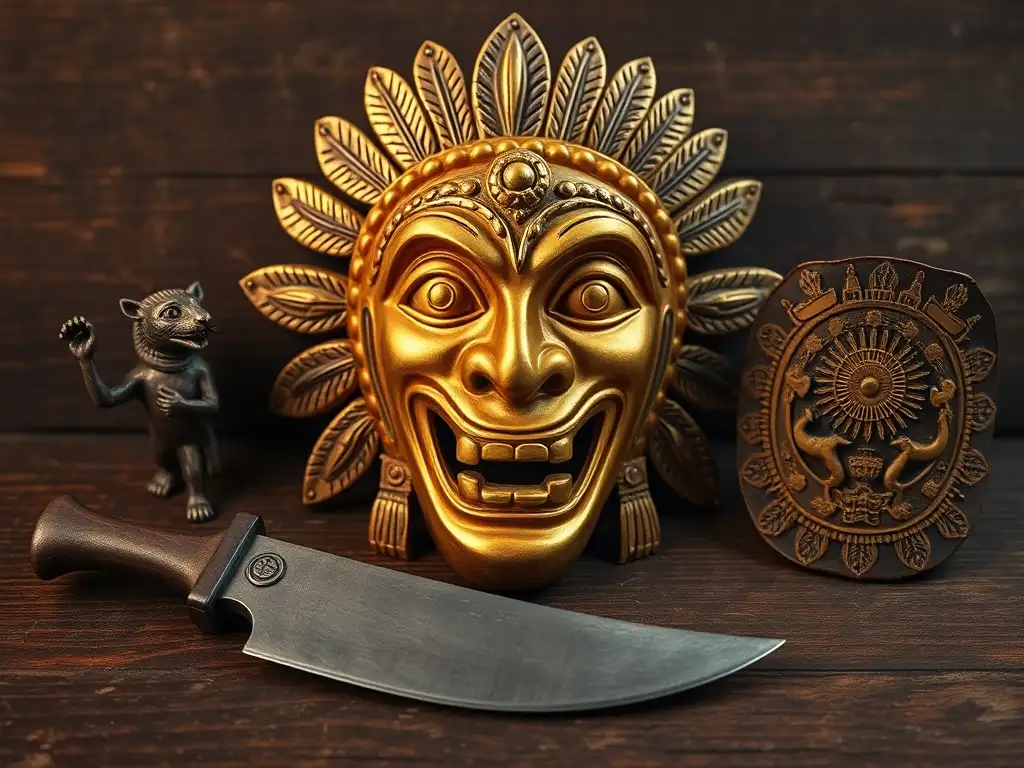
The Moche civilization (c. 100-800 CE) is renowned for its sophisticated metalworking techniques, producing intricate and visually stunning objects. These artifacts weren't merely decorative; they played a crucial role in Moche religious practices, reflecting their cosmology, beliefs, and social hierarchy. The meticulous craftsmanship and the use of precious metals like gold, silver, and copper highlight the immense religious significance attributed to these pieces. The artistry reveals a deep understanding of metallurgy and a powerful connection between the material world and the spiritual realm.
Analyzing Moche metalwork provides invaluable insight into the complexities of their religious beliefs and the rituals that shaped their society. The careful study of these objects allows us to better understand the Moche worldview and their relationship with their deities. The prevalence of specific motifs and the materials used further illuminates the power structures and social dynamics within the civilization.
Gold Masks Depicting Deities and Rulers
Gold, a highly valued metal, was frequently used by the Moche to create masks representing deities and rulers. These masks were not simply funerary objects; evidence suggests they were used in elaborate ceremonies and rituals. The level of detail in these masks is astonishing.
Features like intricate headdresses, elaborate jewelry, and expressive facial features were painstakingly rendered, showcasing the skill of Moche artisans. For example, a recently discovered gold mask [specific information pending] depicts a deity with feline features, potentially associated with a jaguar god, a recurring theme in Moche iconography. The use of gold itself reinforces the sacred nature of the mask and the power of the individual or deity it represented.
The masks were likely worn during important religious events, connecting the wearer with the divine realm. The presence of these masks in elite tombs further solidifies their importance in Moche society and their role in the afterlife beliefs.
Silver Ornaments with Lunar Motifs in Nighttime Ceremonies
Silver, another precious metal, was often employed in the creation of ornaments associated with nighttime ceremonies and lunar deities. Many silver objects feature intricate lunar motifs, including crescent moons, stars, and celestial bodies. These ornaments, often found in association with other ritual paraphernalia, suggest a strong connection between the Moche and the night sky.
The reflective quality of silver may have been symbolically linked to the moon's light, adding another layer of meaning to these artifacts. One notable example is a silver breastplate [specific information pending] adorned with crescent moons and stars, suggesting a possible connection to a lunar deity or a specific nighttime ritual. The intricate detail and the use of silver highlight the importance of these ceremonies in Moche religious life.
Further research is needed to fully understand the specific rituals and beliefs associated with these silver ornaments. However, the existing evidence strongly suggests a significant role in nighttime religious practices.
Copper Plaques and Figurines in Ritual Offerings
Copper, while less precious than gold and silver, was also widely used in Moche metalwork. Copper plaques and figurines frequently appear in ritual contexts, often as part of offerings buried alongside the deceased or placed within temples. These objects, while less ornate than gold and silver pieces, still possess significant religious meaning. The motifs on copper plaques often depict scenes from Moche mythology, depicting deities, animals, and ritualistic events.
For instance, some plaques depict scenes of sacrifice or shamanistic rituals [specific information pending], providing valuable insights into Moche religious practices. The figurines, often representing deities or mythical creatures, likely served as representations of sacred beings or acted as intermediaries between the human and divine worlds. The use of copper in these offerings suggests that it too held religious significance, even if less prestigious than gold or silver.
The sheer quantity of copper artifacts found in burial sites underscores their importance in Moche funerary rituals and their beliefs about the afterlife. Analysis of the copper alloys used could further clarify the production techniques and the potential symbolic meanings associated with specific alloys. The ubiquity of copper artifacts in ritual contexts underlines the material's integral role in Moche religion.
Transformation Masks for Shamans and Priests
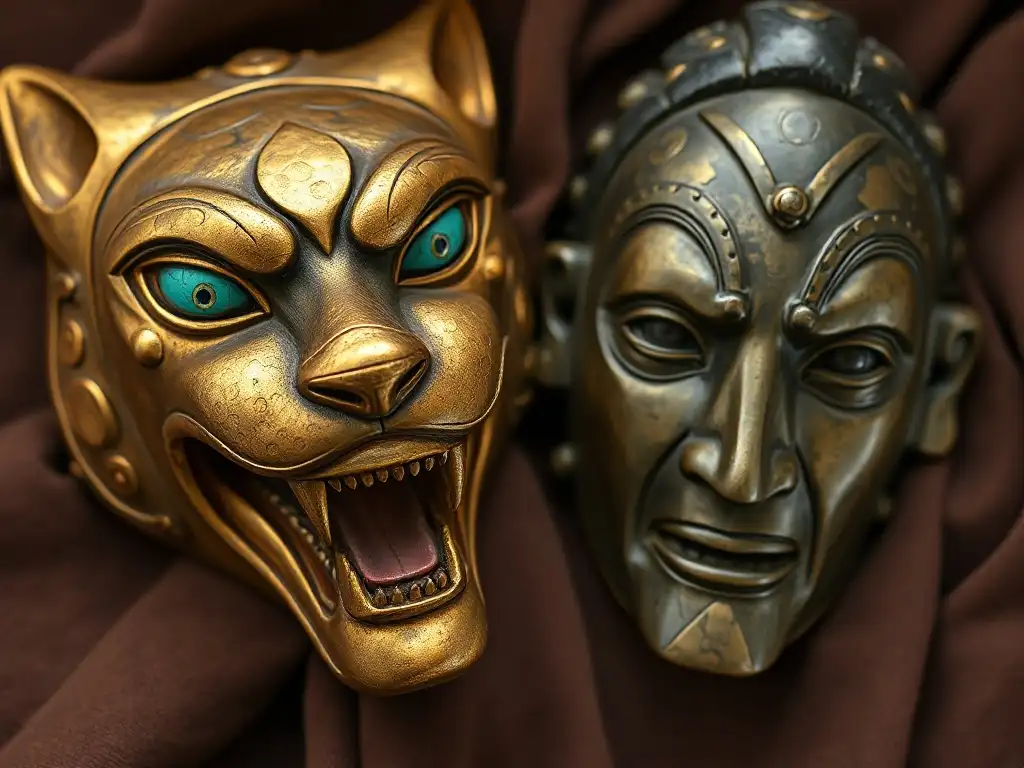
Moche metalwork frequently depicts masks, often crafted from gold, silver, copper, and alloys, showcasing remarkable artistry and symbolic depth relevant to understanding Moche metalwork religious significance. These weren't merely decorative pieces; they were integral to religious ceremonies and shamanistic practices. The masks, meticulously detailed with human or animal features, sometimes combined, likely facilitated transformations during rituals. Shamans, believed to be intermediaries between the human and spiritual worlds, might have worn these masks to embody deities or supernatural beings, enabling them to channel power and communicate with the ancestral realm.
The intricate designs, often including stylized eyes, teeth, and headdresses, further emphasized this transformative power. Consider the meticulous detail in the crafting of the features—a testament to the high level of skill and the profound religious importance placed upon these objects. The use of precious metals like gold, associated with the sun and divinity in many Andean cultures, reinforces their sacred status.
The presence of these masks in elite Moche tombs further highlights their importance within the religious hierarchy. The creation of these masks required specialized knowledge and skills, passed down through generations of Moche artisans, ensuring the continuation of their religious practices and beliefs. Analysis of the metals used and the techniques employed in their construction can provide further insights into the Moche worldview and their understanding of the cosmos.
Crescent-Shaped Headdresses for Royal and Divine Figures
The crescent-shaped headdresses are another striking example of Moche metalwork reflecting religious significance. These ornate headpieces, often crafted from hammered gold or silver, are frequently depicted in Moche art and have been found in elite burials. Their crescent shape, evocative of the moon or a celestial arc, strongly suggests a connection to the cosmos and the divine. The headdresses' presence on individuals interred in elaborate tombs indicates their association with power and high social standing, likely belonging to rulers, priests, or other important figures within the Moche society.
The intricate detailing, often including representations of mythical creatures, further underscores their sacred nature. The use of precious metals, particularly gold, links these headdresses directly to the sun and its associated power within the Moche cosmology. The craftsmanship was highly sophisticated, requiring mastery of metalworking techniques, suggesting that the creation of these headdresses was a highly specialized and ritualized process.
The size and weight of some of these headdresses also suggest they were not just worn, but possibly displayed as symbols of authority and power. The discovery of these headdresses in carefully arranged grave contexts underscores their importance as markers of status and connection to the spiritual realm. The study of these headdresses provides valuable insights into the Moche understanding of power, divinity, and the relationship between the earthly and celestial realms.
Moche scepters, frequently made from gold, silver, or copper alloys, represent another significant category of metalwork illustrating the Moche metalwork religious significance. These ceremonial objects, often adorned with intricate carvings and symbolic imagery, were clearly symbols of authority and power, closely tied to religious practices. Their presence in elite tombs, alongside other ceremonial objects, demonstrates their importance within the Moche religious and political structure. The designs on the scepters varied, but commonly featured stylized figures, animals, or mythical creatures, each carrying unique religious connotations.
For example, depictions of jaguars or other powerful animals likely represented strength and dominance, associating these attributes with the individuals who wielded the scepters. The careful craftsmanship and the use of precious metals highlight the high value placed on these objects, emphasizing their sacred and political importance. The scepters' role extended beyond mere symbols of authority; they likely played an active part in religious ceremonies, perhaps used to conduct rituals or to represent the ruler’s connection to the divine.
The different styles and designs of scepters might indicate variations in rank or social status within the religious hierarchy. The detailed study of these artifacts provides crucial information about the social structure and religious beliefs of the Moche civilization, further enriching our understanding of their sophisticated culture. The discovery of these scepters in contexts associated with ritual activity strongly supports their role in religious ceremonies and the reinforcement of political and religious power.
The Moche civilization, renowned for its sophisticated metalworking techniques, produced a vast array of ornate objects. These weren't merely decorative; they served crucial roles in expressing personal beliefs, showcasing social status, and participating in religious rituals. The meticulous craftsmanship and rich iconography embedded within Moche metal adornments offer invaluable insights into their complex worldview and hierarchical society. Analyzing the materials, techniques, and imagery allows us to understand how these artifacts functioned within the broader context of Moche religion and daily life.
The intricate detail and high-quality materials used in these pieces highlight the importance of metalwork within their culture. The prevalence of specific motifs and the styles of adornment further reveal social distinctions and religious practices. Studying Moche metalwork provides a window into the beliefs and values held by this fascinating civilization.
Jewelry with Representations of the Decapitator God
One of the most striking aspects of Moche metal adornment is the frequent depiction of the Decapitator God. This deity, often portrayed in violent acts of decapitation and sacrifice, features prominently in numerous artifacts, including necklaces, earrings, and pendants. These pieces, typically crafted from gold, silver, or copper alloys, often show the god in dynamic poses, emphasizing his power and ferocity.
The level of detail in these representations is remarkable, with fine lines and intricate designs illustrating his features and attire. For example, a gold pendant unearthed from a Moche tomb depicts the Decapitator God wielding a ceremonial knife, his expression fierce and determined. The careful execution of this piece, along with the use of precious metal, suggests its significance in Moche religious practice.
The presence of this imagery in personal adornment suggests a connection between individual piety and the power of the Decapitator God, possibly indicating a personal devotion or seeking of protection. Further research is needed to fully understand the nuances of this representation in personal adornment, particularly regarding variations in style and the specific contexts of their discovery. [Specific information pending: detailed analysis of existing collections showing variations in Decapitator God depictions on jewelry].
Moche pectorals and bracelets, often crafted from precious metals and adorned with elaborate designs, served as significant indicators of social rank within the society. The size, material, and complexity of these pieces directly correlated to an individual's status. Elite members of society would adorn themselves with large, intricately designed pectorals made of gold or silver, often featuring depictions of powerful figures, mythical creatures, or scenes of ritualistic importance. These elaborate pieces were likely reserved for the ruling class or high-ranking priests.
In contrast, individuals of lower social standing might wear simpler bracelets or necklaces made from less precious metals, such as copper or bronze, with less intricate designs. The use of specific iconography also played a role in denoting social standing. For instance, the depiction of certain animals or symbols might be restricted to the elite, emphasizing their authority and connection to the divine.
Analysis of grave goods strongly supports this hypothesis, consistently revealing a correlation between the opulence of metalwork and the social status of the deceased. A detailed study comparing the metalwork found in different types of Moche tombs would further illuminate this aspect of their social structure. [Specific information pending: quantitative data comparing the types and quantities of metalwork found in elite versus commoner tombs].
Ear Spools and Nose Rings with Iconographic Significance
Ear spools and nose rings, while common forms of adornment across many ancient cultures, held specific religious and symbolic meaning within Moche society. These pieces, often crafted from gold, silver, or shell, frequently featured intricate designs and iconographic elements reflecting Moche religious beliefs. Some ear spools, for example, depict stylized representations of deities or mythical beings, while others feature geometric patterns or abstract designs. The use of specific iconography on these items suggests their role in ritualistic practices or as symbols of religious affiliation.
The size and design of these adornments could also have indicated social status or affiliation with specific religious groups. Larger, more elaborate pieces might have been reserved for elites or those holding significant religious roles. Furthermore, the materials used in their creation – gold, silver, or shell – could have reflected the wearer’s status and access to resources. The iconography on these smaller items warrants further investigation, as many symbols remain undeciphered.
[Specific information pending: detailed catalog and interpretation of iconographic elements on Moche ear spools and nose rings]. The study of these smaller pieces offers a fascinating avenue for future research into the intricacies of Moche religious practices and social hierarchy. The meticulous craftsmanship and symbolic richness embedded within these seemingly simple adornments reveal the depth and complexity of Moche culture.
Amulets Depicting Animals and Mythical Creatures
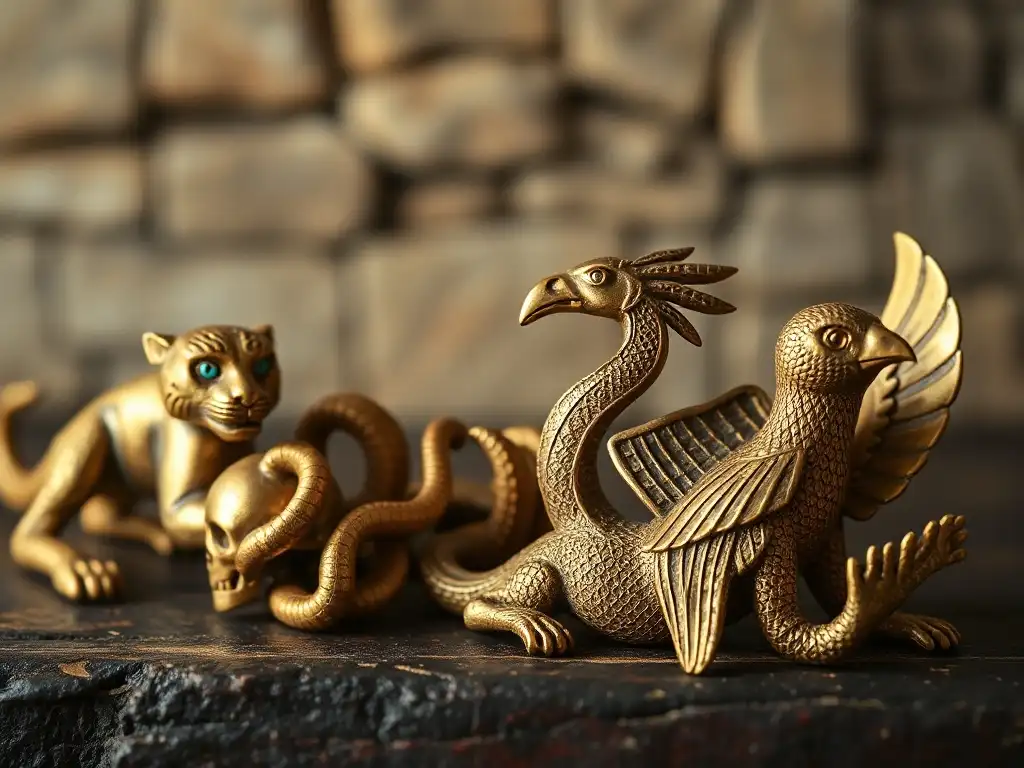
Moche amulets, crafted from gold, silver, copper, and alloys, frequently depicted animals and mythical creatures. These weren't mere decorative pieces; their presence suggests a deep connection between the Moche worldview and the natural and supernatural realms. The meticulous detail and artistry evident in these small objects point to their significant religious and personal value.
Animals commonly represented include felines, birds of prey, snakes, and marine life, all reflecting the importance of these creatures in the Moche cosmology. The representation of specific animals likely held particular symbolic meaning, potentially representing deities, shamans, or ancestors. For instance, the depiction of a powerful feline might symbolize a powerful deity associated with hunting or warfare, while a bird of prey could represent a messenger to the spirit world.
Furthermore, the inclusion of mythical creatures adds another layer of complexity to the interpretation of these amulets. These hybrid beings, often combining features from different animals or incorporating human-like attributes, likely represented powerful supernatural forces or embodied concepts crucial to Moche beliefs. The precise meaning of these composite figures is still debated by scholars, but their presence on amulets indicates their importance in protecting or empowering the wearer.
The craftsmanship involved, often using techniques like repoussé and casting, showcases the high level of skill possessed by Moche artisans and the value placed on these religious artifacts. The use of precious metals further underscores the importance of these amulets in Moche society.
Metal Offerings Placed in Tombs of Elite Individuals
The tombs of elite Moche individuals frequently contained elaborate metal offerings, solidifying the association between metalwork and religious practices within the upper echelons of society. These offerings were not merely grave goods; they served as offerings to the gods or ancestors, ensuring a smooth transition to the afterlife for the deceased.
The types of metal objects found in these tombs varied widely, ranging from intricately crafted masks and headdresses to smaller items like jewelry, tools, and weapons. The sheer quantity and quality of these objects point to the immense wealth and power of the deceased, as well as the importance of metalwork in Moche religious rituals.
The presence of specific objects within the tombs also provides insights into the beliefs and practices of the Moche elite. For example, the inclusion of ceremonial knives or other ritualistic implements suggests a connection to shamanistic practices or human sacrifice.
Gold and silver objects, often adorned with intricate designs depicting deities or mythological scenes, further underscore the religious significance of these items. The careful placement of these objects within the tomb, often arranged in specific patterns, suggests that the act of burial itself was a ritualized process imbued with religious meaning.
The sheer scale of some of these offerings, involving hundreds of metal objects, highlights the substantial investment of resources and labor dedicated to these funerary rites, reflecting the importance of appeasing the gods and ensuring the deceased's successful passage to the afterlife. Archaeological evidence consistently shows a correlation between the social status of the deceased and the richness and quantity of metal objects found in their tombs.
Moche Metalwork: Insights into Religious Practices
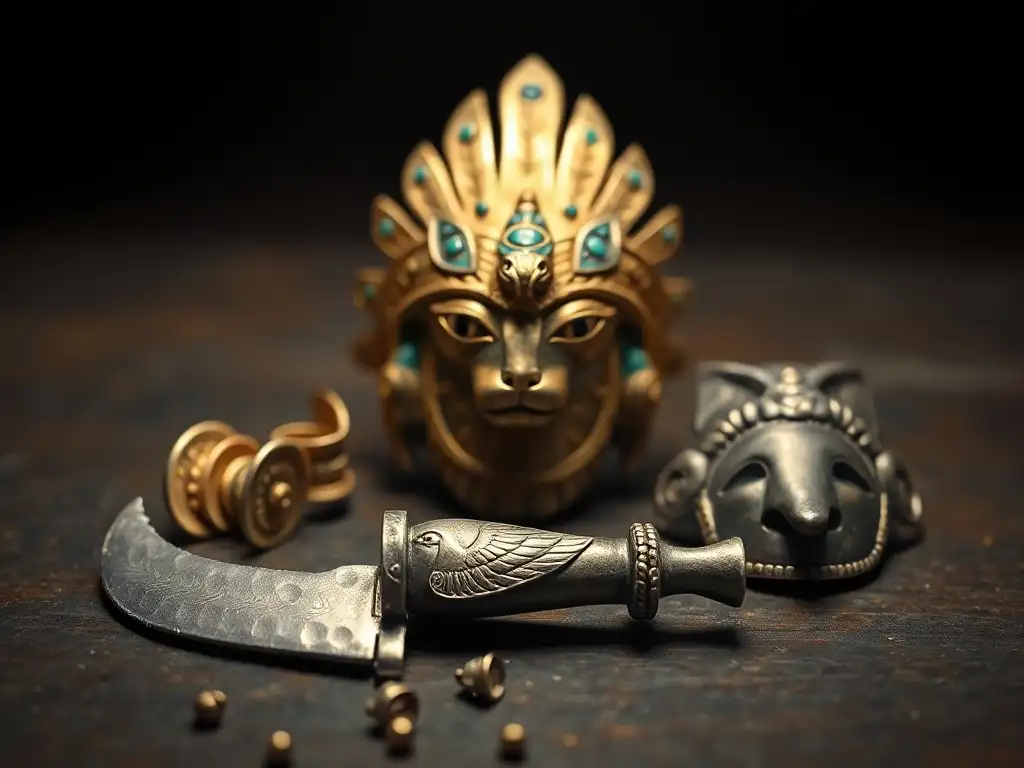
The Moche civilization (circa 100-800 CE) in present-day Peru is renowned for its sophisticated metalworking techniques, producing exquisite artifacts that offer invaluable insights into their complex religious beliefs and practices. Their mastery of metallurgy, particularly in gold, silver, and copper alloys, allowed them to create intricate objects used in rituals, adornment, and as offerings to their deities. The study of Moche metalwork provides a unique window into their worldview, revealing a society deeply connected to the natural world and its powerful forces.
Analyzing the iconography, styles, and context of discovery of these objects helps us understand the religious significance attributed to them by the Moche people. This section will delve into specific examples demonstrating the profound connection between Moche metalworking and their religious practices, focusing on the "Moche metalwork religious significance".
Iconography of the Ai Apaec in Metal Artifacts
The Ai Apaec, a central deity in the Moche pantheon, is frequently depicted in their metalwork. Representations vary, but often showcase the deity's characteristic features: a fierce countenance, fangs, clawed hands, and elaborate headdresses. These depictions are not merely aesthetic; they are powerful statements of religious belief.
For example, a gold Ai Apaec figurine unearthed at [Specific site pending] features intricate details of his attire, including a feathered headdress and ceremonial garments, suggesting the importance of ritual and status associated with the deity. The meticulous craftsmanship evident in these artifacts indicates the high value placed on representing the Ai Apaec accurately and with reverence. The use of precious metals like gold further emphasizes the deity's power and the Moche's devotion.
Variations in the Ai Apaec's portrayal across different metal artifacts might reflect regional differences in religious practices or evolving interpretations of the deity over time. Further research comparing these variations could reveal valuable insights into the dynamic nature of Moche religious beliefs. The consistent presence of the Ai Apaec across various metal objects strongly suggests his central role in the Moche religious system.
Representation of the Moon and Stars in Metalwork
Moche metalwork frequently incorporates celestial motifs, reflecting their deep connection to the cosmos. The moon and stars, particularly prominent in their cosmology, are depicted in various forms across different metal artifacts. For instance, crescent moon shaped ornaments, often made of silver, have been found adorning ceremonial garments and headdresses.
These ornaments, painstakingly crafted, suggest the moon's significance as a powerful force in the Moche worldview. Similarly, star-shaped designs, frequently inlaid with other precious metals or stones, appear on various objects, from elaborate necklaces to decorative plates. The meticulous detail and careful placement of these celestial motifs demonstrate the Moche's deep understanding of astronomy and its integration into their religious practices.
The inclusion of such motifs in items used in rituals or worn by elites suggests that the moon and stars were not merely astronomical phenomena but also held religious or spiritual significance for the Moche. The consistent representation of the moon and stars across diverse metal objects reinforces their importance within the Moche’s cosmology and religious beliefs. This meticulous attention to detail in their metalwork offers a powerful testament to their astronomical knowledge and its religious integration.
Metal Objects as Offerings in Human Sacrifice Rituals
Evidence suggests that Moche metalwork played a significant role in their elaborate human sacrifice rituals. Numerous excavations have uncovered metal objects interred alongside human remains at various Moche sites. These findings include finely crafted gold and silver ornaments, ceremonial knives, and small figurines, all placed within the context of sacrificial burials. The presence of these meticulously crafted metal objects suggests that they were considered valuable and sacred offerings, intended to accompany the sacrificed individuals into the afterlife or to appease the deities.
The type of metal object found with a particular sacrifice might indicate the status of the individual or the specific deity being honored. For example, [Specific examples of artifacts found with specific types of sacrifices pending]. The careful placement and association of these metal artifacts with human sacrifice highlight the profound religious significance of metalwork within the Moche culture.
The use of precious metals in these offerings further emphasizes the importance of the rituals and the value placed on the individuals being sacrificed. Analyzing the types of metal objects found in sacrificial contexts could provide further insights into the specific rituals and beliefs associated with human sacrifice in the Moche civilization. The discovery of these objects strengthens the idea of "Moche metalwork religious significance" as central to their spiritual practices.
Depiction of Sacred Mountains and Rivers in Metal Designs
The Moche people held a profound reverence for the natural world, particularly mountains and rivers, which they viewed as powerful, life-giving forces connected to their deities. This deep-seated belief is vividly reflected in their metalwork. Artisans meticulously crafted intricate designs onto gold, silver, and copper objects, depicting towering peaks, cascading waterfalls, and serpentine rivers flowing through valleys. These weren't simply aesthetic choices; they were powerful symbolic representations of the cosmos and the Moche worldview. The precise rendering of these geographical features suggests a detailed understanding of their environment and a desire to capture their spiritual essence in miniature form.
For example, many gold and copper ornaments, such as ear spools and pectorals, feature stylized mountain ranges, often depicted with terraced fields, mirroring the agricultural practices crucial to Moche society. The mountains are not merely background elements; they are central to the composition, suggesting their importance as sources of fertility and power. Similarly, depictions of rivers frequently incorporate stylized representations of aquatic life, such as fish and birds, underscoring the life-giving properties of water and the interconnectedness of the natural world.
The flowing lines of the rivers often contrast with the sharp, angular forms of the mountains, creating a dynamic visual tension that reflects the interplay of opposing forces within the Moche cosmology. The careful attention to detail, the symbolic weight of the imagery, and the choice of precious metals all contribute to the sacred nature of these metal objects. They were not simply decorative items; they were powerful amulets, imbued with spiritual significance, connecting the wearer to the life-giving forces of the Andes.
The use of precious metals further emphasized the sacred nature of these representations, highlighting the value placed upon these natural elements within Moche society. Analysis of surviving examples reveals a sophisticated understanding of metallurgy and artistic skill, demonstrating the high status and specialized training of the Moche metalworkers.
The Legacy of Moche Metalwork: A Cultural Treasure
The Moche civilization (circa 100-800 CE) left behind a remarkable legacy, particularly in their mastery of metalwork. Their artisans crafted intricate and visually stunning objects from gold, silver, copper, and alloys, demonstrating an advanced understanding of metallurgy and artistic expression. This wasn't merely decorative; the religious significance imbued in these artifacts reveals profound insights into their cosmology, social structure, and beliefs about the afterlife.
The sheer artistry and technical skill involved in creating these pieces, often involving complex techniques like hammering, casting, soldering, and gilding, underscore the high status of the metalworkers within Moche society. The survival of so many examples, despite the passage of centuries, is a testament to the durability of their techniques and the enduring value placed upon these objects by subsequent cultures. The pieces themselves offer a window into the vibrant and complex world of the Moche, a civilization that continues to fascinate and inspire researchers and art enthusiasts alike.
The Moche metalwork religious significance is undeniable, woven into the very fabric of their society. The impact of their artistic achievements is still felt today.
Conservation Efforts at the Larco Museum in Peru
The Larco Museum in Lima, Peru, houses one of the world's most significant collections of Moche artifacts, including an impressive array of metalwork. Their conservation efforts are crucial in preserving this irreplaceable cultural heritage for future generations. These efforts involve meticulous cleaning, stabilization, and restoration techniques, often employing cutting-edge technologies to address the challenges posed by age, environmental factors, and previous attempts at preservation.
The museum's dedicated team of conservators works diligently to minimize further deterioration, ensuring that these delicate objects remain accessible for study and appreciation. Specific examples of their work include the stabilization of corroded copper alloys using electrochemical methods and the careful removal of accumulated dirt and debris using specialized tools and techniques. The Larco Museum's commitment to conservation is a model for other institutions dealing with ancient artifacts, showcasing a proactive approach to preserving the Moche legacy for years to come.
Their dedication ensures that the Moche metalwork religious significance remains accessible and understood. The museum also actively engages in research to improve conservation practices and share their knowledge with other museums worldwide.
Moche Metalwork as a Reflection of Andean Worldview
Moche metalwork wasn't just aesthetically pleasing; it served as a powerful medium for expressing their worldview. Many objects depict deities, mythical creatures, and scenes from their mythology, providing valuable clues to their religious beliefs and rituals. For example, the frequent depiction of the Ai Apaec, a deity often associated with fertility and warfare, highlights its importance in their pantheon.
Similarly, representations of shamanistic rituals and supernatural beings suggest a complex system of beliefs surrounding the interaction between the human and spirit worlds. The use of specific metals also held symbolic meaning; gold, for instance, was often associated with the sun and power, while silver might have represented the moon or water. The intricate detail and craftsmanship evident in these pieces speak to the reverence with which these objects were created and used.
Analyzing the iconography and materials employed in Moche metalwork allows researchers to reconstruct elements of their cosmology, social hierarchy, and daily life with remarkable precision, further illuminating the Moche metalwork religious significance. The careful study of these artifacts helps us understand the deep connection between the Moche and their environment, their understanding of the cosmos, and the role of religion in their society.
Larco Museum, Metropolitan Museum of Art, British Museum
Several prominent museums worldwide hold significant collections of Moche metalwork, each offering unique perspectives on this artistic tradition. The Larco Museum, as mentioned earlier, possesses a vast and comprehensive collection, largely sourced from excavations in Peru. The Metropolitan Museum of Art in New York City and the British Museum in London also house notable examples, showcasing the global interest in and appreciation for Moche artistry.
These institutions provide researchers and the public with opportunities to study and admire these exceptional pieces. The presence of Moche metalwork in these international museums underscores its global significance and the enduring fascination with this ancient Andean civilization. The differing collection focuses within each museum also allow for comparative studies, enriching our understanding of the nuances and variations within Moche metalworking techniques and artistic styles across different periods and regions.
These collections serve as vital repositories of cultural heritage, ensuring the long-term preservation and accessibility of these remarkable artifacts and their inherent Moche metalwork religious significance. The collaborative efforts between these museums also facilitate research and the exchange of information, contributing to a more holistic understanding of the Moche civilization.
Frequently Asked Questions
What was the significance of Moche metalwork in their society?
Moche metalwork held immense religious significance, representing divine power and shamanistic practices. Elaborate objects were used in rituals and ceremonies, reflecting their worldview.
What types of metals did the Moche primarily use for their artwork?
The Moche were skilled in working with gold, silver, copper, and various alloys. They often combined these metals to create intricate designs and vibrant colors.
How did Moche metalworking techniques contribute to the religious significance of their artifacts?
The sophisticated techniques, including lost-wax casting and hammering, elevated the objects to a status beyond mere ornamentation. The craftsmanship itself was considered sacred.
Can you give examples of Moche metalwork with religious significance?
Figurines of deities, ritual vessels, and adornments for elite members of society are prime examples. These items were often associated with specific ceremonies and beliefs.
What role did Moche metalwork play in the power structures of their society?
Elite control over metal resources and specialized artisans reinforced the power of the ruling class. Access to metalwork items served as a marker of social status.
Final Reflection: The Enduring Power of Moche Metalwork
The intricate artistry of Moche metalwork continues to resonate today, a testament to the enduring power of religious expression and the human need for spiritual connection. These weren't simply decorative objects; they were potent symbols, imbued with the beliefs and anxieties of a civilization that thrived centuries ago. Their survival speaks volumes about the skill and dedication of the Moche artisans, and the profound importance of their religious practices.
The influence of Moche metalwork extends far beyond the dusty tombs and archaeological sites where it was discovered. It continues to inspire artists, historians, and anthropologists, shaping our understanding of ancient Andean cultures and the complex interplay between religion, power, and artistry. The past is never dead. It's not even past.
– William Faulkner. This quote perfectly encapsulates the enduring legacy of Moche metalwork; its impact on our understanding of the past is ongoing, constantly evolving as new discoveries are made and new interpretations emerge. The pieces themselves, with their intricate details and powerful imagery, continue to speak to us across the millennia.
Consider the meticulous craftsmanship, the symbolic imagery, and the sheer artistry involved in creating these objects. What can we learn from the Moche's dedication to their religious beliefs? How can we apply this understanding of devotion and artistic expression to our own lives? Take a moment to reflect on the enduring power of faith and the importance of creating meaningful expressions of our own beliefs and values. Let the legacy of the Moche inspire you to find beauty and meaning in your own world, and to create your own lasting legacy.
Unveil the Sacred Beauty of Moche Metalwork!
Thank you for exploring the fascinating world of Moche metalwork and its profound religious significance. You've discovered the intricate beauty of sacred objects and adornments that shaped the spiritual landscape of the Andean civilizations. Let's delve deeper into this captivating culture.
Here are some ways to further connect with the artistry and heritage of Moche craftsmanship:
- Visit museums showcasing Andean artifacts to appreciate the artistry firsthand and learn their stories.
- Share your knowledge with friends and family, or on social media, to inspire others to appreciate the rich traditions of the Moche civilization.
- Join online communities or local groups dedicated to ancient civilizations to discuss your insights and learn from others.
What aspect of Moche metalwork most captivates you, and how do you believe it reflects the values and beliefs of their society? Let's discuss!