
Moche Ceramics and Shamanism: Visions and Rituals in Clay

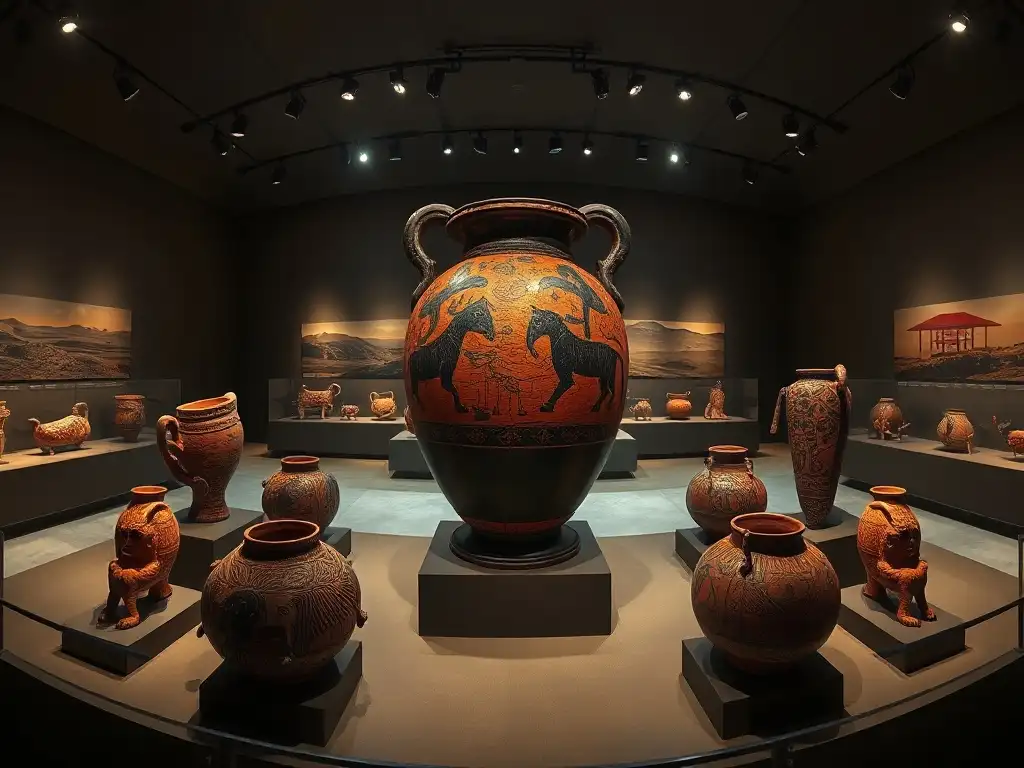
Step into a world lost to time, where vibrant artistry intertwined with profound spiritual beliefs. Prepare to be captivated by the enigmatic world of the Andean Civilizations, a realm of breathtaking ingenuity and deeply held mysteries. Discover how the Moche people channeled their shamanistic rituals into breathtaking ceramic masterpieces, revealing secrets whispered through centuries of clay. Uncover the astonishing story of Moche pottery shamanistic rituals—a journey into the heart of a civilization that continues to inspire awe and wonder. Explore further and unlock the narratives etched in clay.
The Moche civilization (c. 100 – 800 CE), flourishing along the northern coast of Peru, left behind a legacy of breathtaking artistry and intricate social structures. Their mastery of ceramics is particularly striking, revealing not only exceptional technical skill but also profound insights into their religious beliefs and practices. This article delves into the fascinating intersection of Moche pottery and shamanism, exploring how these meticulously crafted vessels served as conduits to the supernatural world, reflecting the complex rituals and spiritual visions that shaped Moche society.
We will analyze the iconography prevalent in Moche pottery, examining its symbolic language to understand the role of shamans and their connection to the supernatural realm within the Moche worldview. Understanding this intricate relationship between Moche pottery and shamanistic rituals provides a crucial key to unlocking the secrets of this remarkable ancient culture and appreciating the depth of their spiritual beliefs.
The vibrant colors, detailed scenes, and powerful imagery etched onto these ceramic pieces offer a window into a world deeply connected to the spiritual, a world where the line between the physical and the supernatural was blurred. The keyword "Moche pottery shamanistic rituals" will be explored through the lens of both archaeological findings and scholarly interpretations, aiming to provide a comprehensive understanding of this captivating aspect of Moche culture.
Understanding Moche Shamanism: Connecting with the Supernatural
Moche shamanism was a complex system of beliefs and practices centered around intermediaries who communicated with the spirit world. These shamans, often depicted in Moche pottery, played a crucial role in Moche society, acting as healers, diviners, and mediators between the human and supernatural realms. Archaeological evidence suggests that Moche shamans utilized a variety of techniques to achieve altered states of consciousness, including the ingestion of hallucinogenic plants like San Pedro cactus.
The effects of these substances are often vividly portrayed in Moche ceramics, showcasing scenes of ritualistic practices, supernatural beings, and transformative experiences. These depictions are not merely decorative; they are powerful visual representations of shamanistic journeys and their significance in the Moche worldview.
The imagery frequently includes anthropomorphic figures with exaggerated features, supernatural creatures, and scenes of ritual sacrifice, all contributing to a rich tapestry of symbolic meaning that reflects the shamans’ role in connecting with and manipulating the supernatural forces believed to govern their world. Furthermore, the careful preparation and presentation of these artifacts suggest a deep reverence for the spiritual power they embodied.
The Role of Moche Pottery in Religious Practices
Moche pottery served far more than a utilitarian purpose; it was an integral component of their religious practices. Elaborately decorated vessels, often depicting shamanistic rituals and supernatural beings, were used in ceremonies and offerings. The meticulous detail and vibrant colors employed in these ceramics underscore their sacred significance. For example, vessels depicting scenes of shamanistic trances, often featuring individuals in altered states of consciousness interacting with deities or spirits, provide valuable insights into the rituals themselves.
These depictions offer visual narratives of the transformative experiences believed to be central to Moche shamanistic practices. Moreover, the discovery of pottery fragments in tombs and burial sites further emphasizes their importance in funerary rituals, suggesting that these vessels served as containers for offerings to the deceased or as symbolic representations of the journey into the afterlife. The presence of specific motifs and iconography on these vessels helps researchers decipher the complex symbolic language of Moche religion, revealing a sophisticated understanding of the cosmos and their place within it.
The careful placement of these artifacts, alongside other grave goods, demonstrates the importance attributed to these objects in the Moche worldview. The sheer number and variety of Moche pottery discovered today provides a vast and invaluable resource for understanding their beliefs and practices. Careful analysis of these artifacts continues to reveal new insights into the fascinating world of Moche shamanism and its intricate relationship with their ceramic art.
- Understanding Moche Shamanism: Connecting with the Supernatural
- The Role of Moche Pottery in Religious Practices
- What role did pottery play in Moche shamanistic rituals?
- How did Moche shamans use pottery in their practices?
- What are some common themes depicted in Moche pottery related to shamanism?
- What materials and techniques did the Moche use to create their shamanistic pottery?
- Where can I learn more about the connection between Moche pottery and shamanism?
Moche Pottery: A Canvas for Shamanistic Visions
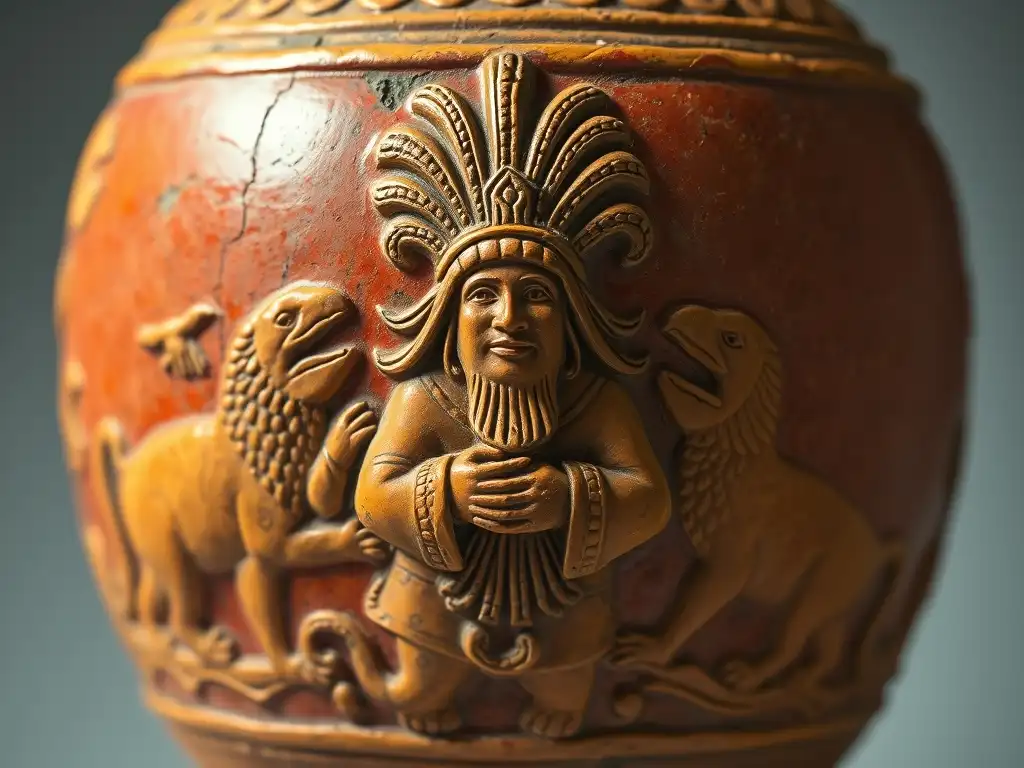
Moche pottery, renowned for its vibrant colors and intricate detail, serves as a captivating window into the spiritual world of this ancient Andean civilization. The creation and use of these ceramic pieces were deeply intertwined with shamanistic practices, offering invaluable insights into their rituals, beliefs, and understanding of the cosmos. Analyzing Moche pottery allows us to reconstruct aspects of their religious life that would otherwise remain hidden.
The sheer artistry and the meticulously rendered scenes provide concrete evidence of the importance of shamanism within Moche society. This section will delve into specific examples to illustrate the profound connection between Moche pottery and their shamanistic rituals, focusing on the depictions of shamans, symbolic imagery, and the iconography of transformation.
The prevalence of shamanistic themes in Moche ceramic art underscores its significance as a tool for both ritual practice and the dissemination of religious beliefs. Understanding this relationship allows for a richer comprehension of Moche culture and its unique spiritual landscape.
Depictions of Shamans in Moche Ceramic Art
Moche ceramic art frequently depicts individuals exhibiting characteristics consistent with shamanistic roles. These figures are often portrayed in dynamic poses, engaged in ritualistic actions or displaying attributes that identify them as spiritual leaders. For example, many vessels show figures adorned with elaborate headdresses, often featuring feline features or stylized representations of supernatural beings. These headdresses are not merely decorative; they are powerful symbols of authority and connection to the spirit world.
Furthermore, the depiction of shamans interacting with supernatural entities is a recurring motif. We see shamans engaging in ritualistic dances, possibly entering altered states of consciousness, alongside depictions of spirits, deities, or mythical creatures. These scenes are not static narratives but rather dynamic representations of ritual processes.
The detail in these depictions, from the intricate weaving of textiles to the precise rendering of facial expressions, suggests a deep understanding of the shaman's role and the significance of these rituals within Moche society. The consistent presence of these shamanic figures across a wide range of Moche pottery styles emphasizes their central role in the culture's religious and social fabric. The sheer volume of these depictions indicates the importance attributed to shamans and the rituals they performed.
Symbolic Imagery in Moche Ceramics: Interpreting Ritual Motifs
Beyond the explicit depictions of shamans, Moche pottery is replete with symbolic imagery that speaks to the practices and beliefs associated with shamanistic rituals. Recurring motifs, such as stylized plants, animals (particularly felines and birds of prey), and geometric patterns, likely held profound spiritual significance. For instance, the frequent appearance of snakes might represent connections to the underworld or the transformative power of nature. Similarly, the use of specific colors, such as red (associated with blood and sacrifice) and yellow (often linked to the sun and fertility), may indicate the different stages or aspects of a ritual.
Analyzing the placement and context of these symbols within the ceramic artwork provides further clues to their meaning. For example, the combination of a specific animal with a particular plant or geometric pattern could suggest a complex symbolic narrative related to a specific ritual. Detailed studies of Moche iconography are crucial for deciphering these complex visual languages.
The meticulous attention to detail in the creation of these symbols suggests the deep-seated beliefs and the ritual significance attached to them. Further research, including cross-referencing with other archaeological findings, is needed to fully understand the nuanced meanings embedded within this rich symbolic system. This ongoing process of interpretation reveals the sophisticated and layered understanding of the cosmos held by the Moche people.
Moche Iconography: Deciphering Shamanic Transformations
The iconography of Moche pottery also vividly portrays shamanic transformations and journeys to the spirit world. Many vessels depict figures undergoing metamorphosis, blending human and animal characteristics, or interacting with supernatural beings in otherworldly settings. These scenes likely represent the shaman's ability to shift between states of consciousness, accessing different realms and interacting with the supernatural. The imagery often depicts a dynamic process, suggesting a journey of transformation rather than a static state.
The use of perspective and composition further enhances the narrative power of these scenes. The artist's skill in depicting movement and emotion adds depth and complexity to the depiction of the shaman's experience. For example, the use of exaggerated features or unusual proportions might represent the altered perception of reality during a shamanic trance.
The analysis of these transformations provides crucial insights into Moche beliefs about the nature of reality, the spirit world, and the shaman's role as a mediator between the two. The detailed and expressive nature of Moche pottery allows us to glimpse the profound spiritual experiences at the heart of their shamanistic practices. Further investigation into the specific iconographic elements and their arrangement within the artwork will continue to shed light on the intricacies of Moche shamanic beliefs and rituals.
Rituals and Ceremonies Depicted in Moche Ceramics
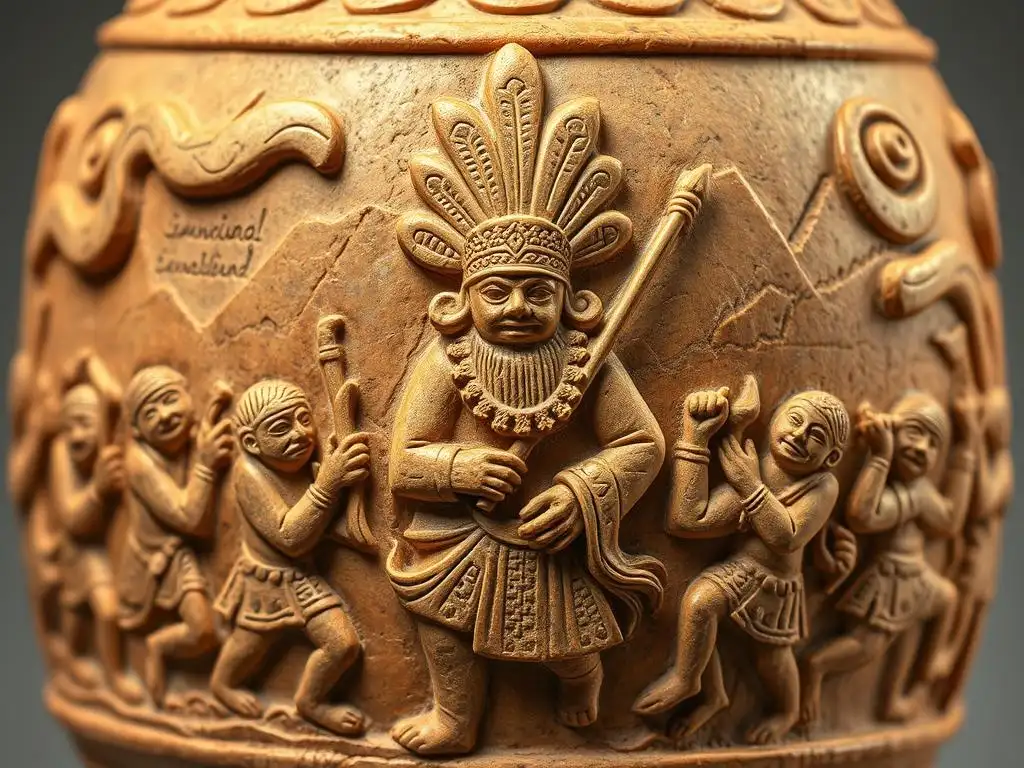
The Moche civilization (circa 100-800 CE) left behind a remarkable legacy, particularly in their exquisite ceramics. These aren't merely vessels; they are vibrant chronicles of their daily life, religious beliefs, and complex social structures. Moche pottery, often characterized by its intricate detail and lifelike depictions, provides invaluable insights into their shamanistic rituals and spiritual world, offering a unique window into their worldview.
The artistry isn't just aesthetic; it's a powerful tool for understanding their beliefs and practices, shedding light on the role of shamans and the significance of ritual in their society. The meticulous detail in these pieces, from the expressions on the figures' faces to the precise rendering of ritual objects, suggests a profound reverence for these ceremonies and a deep understanding of their symbolic meaning. Analyzing these depictions allows us to reconstruct, with a degree of accuracy, the rituals central to Moche life.
The frequency with which certain themes appear in the pottery further reinforces their importance within their culture. For example, the prevalence of depictions of sacrifices and offerings suggests the significant role these played in maintaining the cosmic order.
Moche Shamanistic Rituals: Insights from Pottery
Moche pottery frequently depicts scenes of shamanistic rituals, showcasing figures in ritual attire performing ceremonies. These figures, often identifiable by their distinctive headdresses, staffs, and other paraphernalia, are frequently shown interacting with supernatural beings or engaging in acts of healing and divination. Detailed analysis of these scenes reveals a complex system of beliefs and practices.
For instance, the depiction of shamans in communication with deities or spirit animals highlights the importance of intermediaries in bridging the gap between the human and supernatural realms. Many pots portray shamans in trance-like states, suggesting the use of psychotropic substances to achieve altered states of consciousness, a practice supported by other archaeological evidence. The vibrant colors and dynamic compositions of these scenes emphasize the power and importance of these rituals within Moche society.
Consider, for example, the detailed depiction of a shaman holding a ceremonial staff while surrounded by supernatural figures – this isn't simply decoration; it's a visual narrative of a ritual act, providing a tangible glimpse into their religious practices. This visual record is invaluable for understanding the complexity of Moche shamanistic rituals and their significance within their socio-religious structure. Further research into similar depictions across various Moche pottery styles could reveal regional variations in ritual practices and beliefs.
Moche Healing Practices: Portrayals in Ceramic Art
The Moche's understanding of healing is also vividly portrayed in their ceramic art. Pottery depicts shamans engaging in healing rituals, often shown tending to the sick or injured. These scenes frequently include the use of ritual instruments, herbs, or other medicinal substances, illustrating a sophisticated understanding of herbal remedies and medical practices.
The detailed rendering of these scenes allows us to explore the Moche approach to healthcare, revealing a complex interplay between spiritual and physical healing. The pottery showcases not only the shaman's role in healing but also the community's involvement in the process. The presence of onlookers or participants in these scenes suggests a communal aspect to healing, emphasizing the social support system that surrounded individuals during illness.
We can even speculate on the types of illnesses depicted based on the symptoms displayed by the patients in the pottery, although further research is needed to confirm these hypotheses. The meticulous depiction of tools and procedures hints at a level of medical knowledge surpassing what might be initially assumed for a pre-Columbian society. The combination of shamanistic practices and practical medical knowledge suggests a holistic approach to healing that integrated spiritual and physical elements.
The Use of Psychotropic Substances in Moche Shamanism: Ceramic Evidence
Moche pottery provides compelling evidence for the use of psychotropic substances in shamanistic rituals. Depictions of individuals in altered states of consciousness, often alongside representations of hallucinogenic plants like San Pedro cactus, strongly suggest the ritualistic consumption of these substances to induce altered states. The combination of such imagery with scenes of ritualistic ceremonies strengthens this interpretation. These scenes frequently include depictions of specific plants or paraphernalia associated with the preparation and consumption of these substances.
The detailed portrayal of these elements emphasizes their importance in the rituals. For example, the careful rendering of specific plants and their associated paraphernalia indicates a precise understanding of their properties and their role in inducing altered states of consciousness. This level of detail suggests a deep understanding of the effects of these substances and their role in facilitating communication with the spirit world.
Furthermore, the frequency with which these scenes appear across various Moche pottery styles suggests the widespread use of these practices throughout the civilization. The analysis of these depictions allows us to reconstruct, to a certain extent, the methods of preparation and consumption of these substances, further enriching our understanding of their role in Moche shamanistic practices. Further research focusing on the specific types of plants depicted and their chemical compositions could provide more precise insights into the nature and effects of the substances used.
The Significance of Moche Ceramics in Understanding Shamanic Beliefs
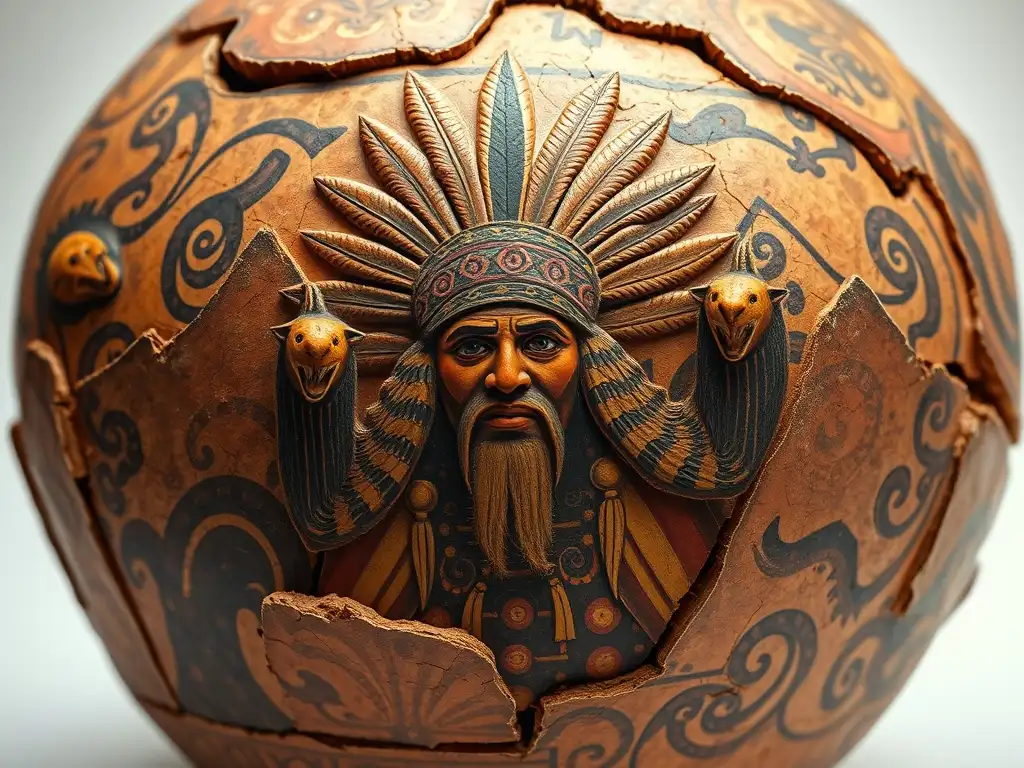
The Moche civilization (circa 100-800 CE) left behind a remarkable legacy, most notably their sophisticated ceramics. These aren't simply decorative objects; they're invaluable windows into the Moche worldview, offering profound insights into their complex shamanistic beliefs and practices. The intricate detail and symbolic imagery found on Moche pottery provide compelling evidence of a society deeply intertwined with the spiritual realm.
By studying the iconography, we can begin to unravel the mysteries of their rituals, beliefs about the afterlife, and the role of shamans in their society. The sheer volume of surviving Moche pottery, its remarkable preservation, and the consistent themes depicted make it a uniquely rich source for understanding their shamanistic rituals. The diversity in styles and subject matter also suggests a complex and nuanced understanding of the spiritual world, far beyond simple depictions of deities or ceremonies.
Analysis of these artifacts reveals a sophisticated cosmology, reflecting a deep engagement with the natural world and its supernatural forces. This section will delve into specific examples to illustrate how Moche pottery illuminates their shamanistic practices.
Moche Pottery as a Medium for Transmitting Shamanic Knowledge
Moche potters weren't simply artisans; they were likely active participants in religious life, acting as conduits for transmitting shamanic knowledge through their creations. The meticulous detail and symbolic representations found on the vessels suggest a deep understanding of shamanistic practices, possibly indicating a close relationship between potters and shamans. Many pieces depict shamanistic figures in dynamic poses, engaging in rituals or interacting with supernatural beings.
These depictions aren't simply decorative; they serve as visual manuals, illustrating specific rituals or spiritual beliefs. For instance, depictions of shamans undergoing transformation, often depicted with altered features or surrounded by supernatural creatures, provide clues about the transformative experiences central to shamanistic practice. The consistent repetition of certain motifs across different vessels further strengthens the idea that these were not merely artistic choices but rather intentional attempts to convey specific spiritual messages across generations.
Analyzing the iconography reveals a rich tapestry of beliefs about the spirit world, the cosmos, and the interaction between the human and supernatural realms. Further research into the specific pigments and materials used in the pottery could reveal additional insights into the ritualistic significance of the creation process itself.
Moche Ceramic Vessels: Ritual Objects and Their Meaning
Many Moche ceramic vessels were clearly created for ritual use. Their forms, decorations, and contents suggest a variety of functions within shamanistic ceremonies. For example, stirrup-spout vessels, a hallmark of Moche pottery, are often intricately decorated with scenes of ritual sacrifice, warfare, or shamanistic encounters.
The shape itself may have held symbolic meaning, potentially representing a connection between the earthly and spiritual realms. Furthermore, the contents of some vessels, when discovered intact, provide direct evidence of their ritual use. [Specific examples of vessel contents and their interpretations pending].
The presence of specific substances within these vessels, combined with the iconography on the exterior, allows for a deeper understanding of the rituals in which they were employed. The size and scale of some vessels also suggest their use in communal rituals, indicating the importance of shamanistic practices within the broader Moche society. Studying the distribution of these vessels across different Moche sites could further illuminate the geographical variations in their ritual practices.
Moche Ceramic Offerings: A Reflection of Spiritual Devotion
Moche ceramic offerings represent a tangible demonstration of spiritual devotion. The careful placement of these objects in tombs, alongside human remains and other grave goods, suggests a belief in the afterlife and the continued importance of these objects in the spiritual realm. The types of offerings varied, reflecting both the status of the deceased and the specific beliefs associated with the afterlife.
[Specific examples of types of offerings and their symbolic meaning pending]. The sheer number of offerings, often comprising hundreds of vessels, underscores the significance of these rituals and the scale of their spiritual investment. The careful arrangement of the offerings within burial contexts suggests a structured and deliberate approach to funerary rites, indicating a well-defined cosmology and belief system.
The presence of both elaborate and simple offerings within the same burial context may suggest a complex social hierarchy even within the afterlife. Analyzing the geographical distribution of these offerings could reveal regional variations in mortuary practices and beliefs. The study of Moche ceramic offerings provides invaluable insights into the Moche understanding of death, the afterlife, and the ongoing relationship between the living and the deceased.
Moche Shamanistic Pottery: A Legacy of Ancient Andean Spirituality
This section delves into the fascinating world of Moche pottery and its profound connection to shamanistic rituals. The Moche, a pre-Columbian culture flourishing on the northern coast of Peru (circa 100-800 CE), left behind a remarkable artistic legacy, particularly in their intricate and highly expressive ceramics. These aren't merely vessels; they are powerful visual representations of their spiritual beliefs, social structures, and daily life, offering invaluable insights into their complex worldview.
The Moche's sophisticated understanding of shamanism is vividly depicted through the detailed imagery found on their pottery, providing us with a window into their rituals and beliefs. By analyzing the iconography and stylistic choices employed by Moche artisans, we can begin to unravel the mysteries of their spiritual practices and their understanding of the supernatural world. The meticulous detail and vibrant colors used in Moche pottery showcase their artistic skill and cultural significance, making them exceptional artifacts for studying ancient Andean spirituality.
The enduring legacy of Moche shamanistic practices can be traced through subsequent Andean cultures, highlighting the continuous thread of spiritual beliefs across time. Understanding Moche pottery allows us to appreciate the richness and complexity of Andean shamanism and its lasting impact.
The Enduring Influence of Moche Shamanism on Andean Cultures
The spiritual practices depicted in Moche pottery weren't isolated phenomena; they reflect a broader Andean shamanistic tradition that continued to evolve and adapt throughout subsequent periods. Many elements found in Moche ceramics—such as depictions of shamans interacting with supernatural beings, the use of specific motifs associated with altered states of consciousness, and the representation of ritual paraphernalia—can be found in later Andean cultures. For example, the emphasis on hallucinogenic plants, a prominent theme in Moche art, persisted in the religious practices of later cultures like the Inca.
While the specific rituals and iconography might have changed over time, the underlying spiritual beliefs and the role of the shaman as a mediator between the human and supernatural worlds remained central. This continuity underscores the deep-rooted nature of Andean shamanism and the significant influence of the Moche culture on the religious landscape of the region. The study of Moche shamanistic pottery thus provides a crucial foundation for understanding the development and evolution of Andean spiritual traditions, demonstrating a clear lineage and continuity across centuries.
Further research into this area could reveal even more nuanced connections between Moche practices and those of later Andean cultures. The enduring legacy of Moche shamanism is a testament to the power and resilience of Andean spiritual beliefs.
Moche Art and its Relevance to Understanding Pre-Columbian Beliefs
Moche pottery offers a unique and invaluable perspective on pre-Columbian beliefs, providing a visual record of rituals, mythology, and cosmology. The detailed depictions found on these vessels, often featuring scenes of shamanistic rituals, supernatural beings, and mythical creatures, offer tangible evidence of their spiritual world. The vibrant colors, intricate designs, and realistic portrayals of humans and animals demonstrate a sophisticated artistic skill and a deep understanding of their environment.
Analyzing the iconography—for example, the recurring motifs of feline deities, supernatural beings with exaggerated features, and scenes of ritual sacrifice—helps us decipher their beliefs and practices. The presence of specific objects in these scenes, such as hallucinogenic plants or ritual paraphernalia, further illuminates their religious practices. Moreover, the stylistic variations observed across different Moche pottery styles suggest regional differences in beliefs and practices, hinting at a diverse yet interconnected spiritual landscape.
The study of Moche art, therefore, is not merely an appreciation of aesthetic beauty; it's a crucial step in understanding the intricate tapestry of pre-Columbian beliefs and practices, providing tangible evidence of their rich spiritual world. The intricate details and symbolism embedded in Moche pottery serve as a powerful testament to the sophistication and depth of their spiritual understanding. The study of Moche pottery helps to illuminate aspects of pre-Columbian life that might otherwise remain hidden, making it a cornerstone of our understanding of "Moche pottery shamanistic rituals".
Frequently Asked Questions
What role did pottery play in Moche shamanistic rituals?
Moche pottery served as a vital tool for understanding their shamanistic rituals. Ceramics depicted scenes of ceremonies, spiritual journeys, and interactions with the supernatural, offering invaluable insights into their beliefs.
How did Moche shamans use pottery in their practices?
Pottery may have been used in rituals as containers for offerings, or as tools to facilitate altered states of consciousness. Some believe vessels depicted specific ritual contexts, guiding the shaman during ceremonies.
Common themes include figures in trance-like states, interactions with supernatural beings (e.g., deities and spirits), and scenes of healing and divination. These provide glimpses into their spiritual world.
What materials and techniques did the Moche use to create their shamanistic pottery?
Moche potters were skilled artisans, using high-fired clay and employing techniques like modeling, mold-making, and painting to create intricate and realistic depictions of their rituals.
Where can I learn more about the connection between Moche pottery and shamanism?
You can explore museums with Moche collections and delve into academic journals and books specializing in Andean archaeology and art history. Many online resources also provide information about Moche culture and shamanism.
Final Reflection: Echoes of the Moche Shaman in Modernity
The vibrant artistry of Moche ceramics isn't merely a historical artifact; it's a living testament to the enduring power of shamanistic practice and its profound connection to the human spirit. These intricately detailed vessels, depicting ritualistic scenes and supernatural beings, offer a window into a worldview that, while ancient, resonates deeply with contemporary explorations of consciousness and spirituality. The Moche's profound engagement with the unseen world continues to fascinate and inspire us today.
The enduring influence of Moche shamanism extends beyond the realm of art history. Their belief system, expressed so vividly through their pottery, speaks to a universal human need to connect with something larger than ourselves, to grapple with the mysteries of life and death. Art washes away from the soul the dust of everyday life.
- Pablo Picasso. This quote, while not directly about Moche pottery, perfectly encapsulates the power of their art to transcend time and connect us to a deeper understanding of the human experience. The Moche's bold exploration of the spiritual realm, captured in their ceramics, challenges us to confront our own relationship with the unseen and the unknown.
Consider the intricate details, the vibrant colors, the sheer audacity of the Moche's artistic vision. Let these echoes of a lost civilization inspire you to explore your own inner world, to connect with your own spiritual landscape. Don't just view these ceramics as objects; see them as portals, offering a glimpse into the enduring human quest for meaning and connection. Engage with the legacy of the Moche, and allow their artistry to ignite your own creative spirit and deepen your understanding of the enduring power of shamanism.
Unveil the Mysteries of Moche Ceramics Today!
Thank you for exploring the fascinating world of Moche ceramics and shamanism! You've gained valuable insights into how these remarkable artworks reflect ancient rituals and beliefs. Let's delve deeper into this rich cultural heritage.
Here are some ways to further your understanding and connection with this captivating subject:
- Visit a local museum to examine their collection of pre-Columbian pottery and related exhibits. Many museums feature significant holdings of Moche artifacts.
- Join an online community dedicated to Andean cultures. Sharing your thoughts and learning from other enthusiasts will enhance your appreciation of Moche artistry and spirituality.
- Consider creating your own ceramic piece inspired by Moche designs. Sharing your artwork on social media with the hashtag #MocheArt will connect you with a wider community of art lovers and history buffs.
How will you integrate the principles of Moche shamanism into your own creative endeavors or spiritual path?