
Metallurgy Before the Inca: Uncovering the Secrets of Early Andean Metalworking

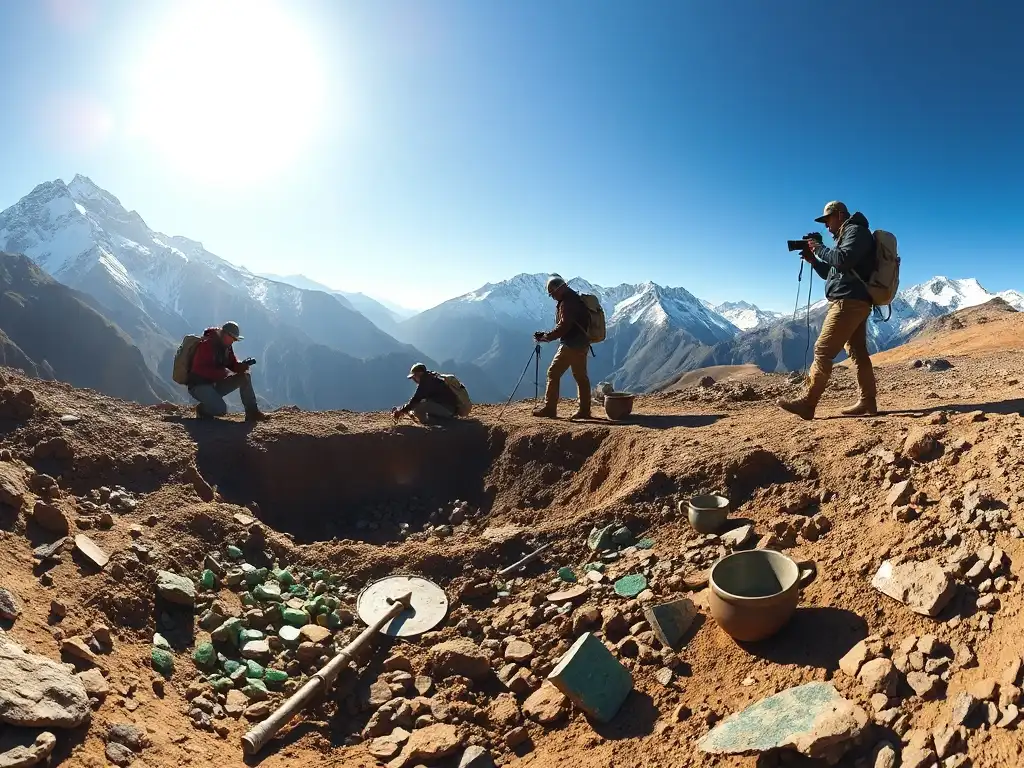
Step into a world lost to time, where mountains whisper secrets of ancient artistry. For centuries, the Andes have held the key to a dazzling past – a past far richer and more complex than you imagine. Prepare to be amazed as we delve into the fascinating world of Andean pre-Inca metallurgy, uncovering the ingenious techniques and breathtaking artistry that predate even the mighty Inca Empire. Discover how these masterful metalworkers shaped the very destiny of the Andes – a story waiting to be unfolded, one shimmering artifact at a time.
- Andean Pre-Inca Metallurgy: Unveiling Ancient Metalworking Secrets
- The Dawn of Andean Metalworking: Pre-Inca Metallurgical Origins
- Regional Variations in Pre-Inca Metal Technology
- Key Metals and Materials in Pre-Inca Metal Production
- The Social and Cultural Context of Pre-Inca Metal Use
- Analyzing Pre-Inca Metal Artifacts: Archaeological Insights
- The Legacy of Pre-Inca Metalworking
-
Frequently Asked Questions
- What is Andean pre-Inca metallurgy?
- Which Andean cultures practiced advanced metallurgy before the Inca?
- What types of metals were primarily used in Andean pre-Inca metallurgy?
- What were some of the common objects created through Andean pre-Inca metallurgy?
- How did Andean pre-Inca metallurgy influence later Inca metalworking?
- Final Reflection: Echoes of the Andes: A Legacy Forged in Metal
- Unveil the Secrets of Ancient Andean Metallurgy!
Andean Pre-Inca Metallurgy: Unveiling Ancient Metalworking Secrets
The Andes Mountains, a spine of towering peaks running down the western coast of South America, are not only a breathtaking geographical feature but also a cradle of remarkable civilizations. Long before the Inca Empire rose to prominence, sophisticated cultures thrived in these challenging yet resource-rich environments, developing innovative techniques in agriculture, architecture, and, importantly, metallurgy. This article delves into the fascinating world of Andean pre-Inca metallurgy, exploring the techniques, artistry, and societal impact of metalworking that predates the Inca, significantly shaping the cultural landscape of the region.
We will examine the diverse styles and materials used across different Andean cultures, highlighting the ingenuity and skill of these early metalworkers and their lasting legacy. Understanding Andean pre-Inca metallurgy offers crucial insights into the complex social structures, religious beliefs, and technological advancements that characterized these remarkable societies.
This exploration will reveal how these ancient masters of metalworking laid the foundation for later Andean achievements, including those of the Inca themselves. The keyword "Andean pre-Inca metallurgy" will be explored throughout the article, revealing its multifaceted nature.
Early Andean Metals and Their Sources
The Andean region boasts a rich diversity of metallic ores, including gold, silver, copper, and tin. Early Andean metalworkers skillfully exploited these resources, developing techniques to extract, refine, and shape them into a stunning array of objects. Copper, readily available in various locations across the Andes, was among the earliest metals worked, with evidence suggesting its use dating back to the early centuries CE.
The precise methods of extraction and smelting remain a subject of ongoing research, but archaeological findings indicate sophisticated knowledge of high-temperature furnaces and the use of reducing agents to extract pure copper from its ores. The discovery of copper artifacts in various contexts, from ceremonial objects to everyday tools, underscores its significance in pre-Inca Andean societies. Gold, with its inherent beauty and symbolic value, also held a prominent place in pre-Inca metallurgy.
Its malleability allowed for intricate designs and delicate craftsmanship, often associated with elite status and religious practices. Silver, similarly, was highly valued and used in a variety of forms, showcasing the diverse applications of Andean metalworking skills.
Technological Advancements in Pre-Inca Metalworking
Andean metalworkers were not merely adept at extracting and shaping metals; they also demonstrated remarkable innovation in their techniques. The development of alloys, such as bronze (a copper-tin alloy) and tumbaga (a copper-gold alloy), significantly expanded the possibilities of metalworking. Bronze, with its increased strength and durability compared to pure copper, allowed for the creation of more robust tools and weapons. Tumbaga, with its distinctive golden hue, was often used for prestigious objects, highlighting the artistic and symbolic significance of metallurgy.
The intricate casting techniques employed by pre-Inca metalworkers are particularly noteworthy. The "lost-wax" casting method, for example, allowed for the creation of highly detailed and complex forms, showcasing a level of technical sophistication rarely seen in other contemporary societies. Evidence suggests that these advanced techniques were not uniformly distributed across all Andean cultures, indicating regional variations in metalworking practices and potentially different levels of technological development.
Regional Variations in Andean Pre-Inca Metallurgy
The Andean region is geographically diverse, and this diversity is reflected in the regional variations of pre-Inca metallurgy. While certain techniques, such as hammering and casting, were common across different cultures, stylistic preferences and the specific types of metals used varied considerably. For instance, the Moche culture of the northern coast is renowned for its elaborate gold and silver work, often depicting scenes of warfare, ritual, and daily life.
Their mastery of repoussé (hammering from the back to create raised designs) and filigree (creating intricate patterns with thin wires) resulted in breathtakingly detailed objects. In contrast, the Nazca culture of the southern coast is known for its distinctive style of hammered copper sheets, often adorned with geometric patterns.
These regional variations highlight the significant role of local traditions and cultural identities in shaping the development of Andean pre-Inca metallurgy. The differences observed underscore the need for further research to fully understand the complex interplay between technology, culture, and geography in shaping this rich metallurgical heritage.
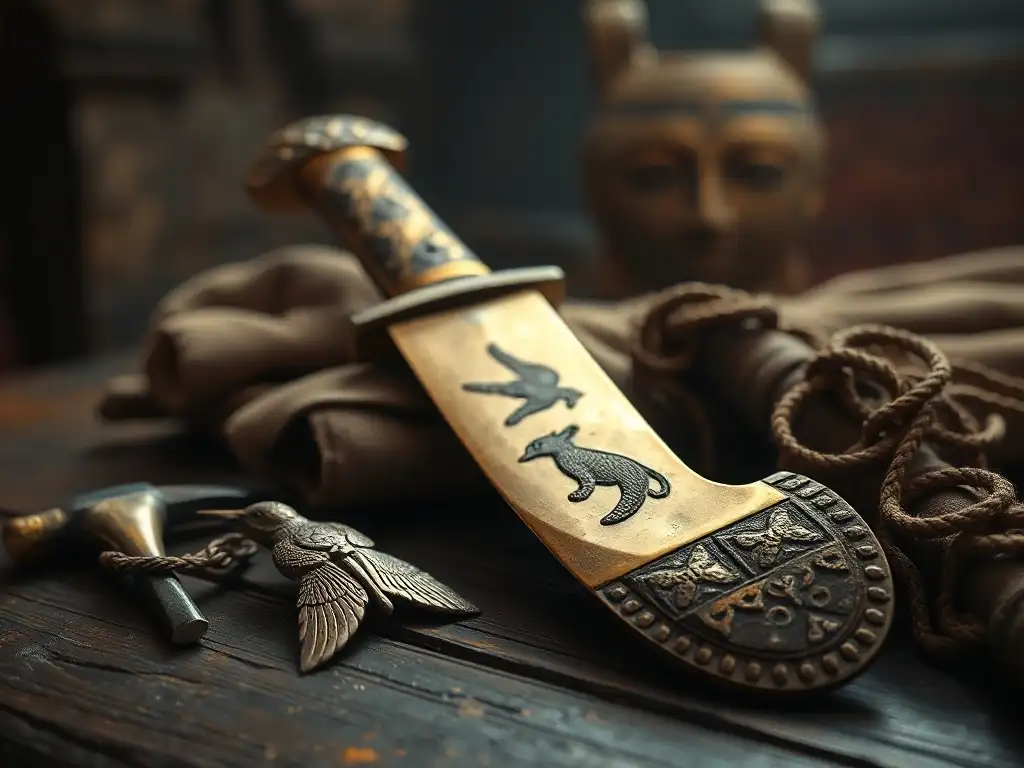
Metal objects in pre-Inca Andean societies were not merely functional tools; they also held significant social and religious value. Elaborate gold and silver ornaments, often associated with elite burials, suggest that metalwork played a crucial role in expressing power and status. Ceremonial objects, such as intricately crafted vessels and figurines, highlight the connection between metallurgy and religious practices.
The use of specific metals and alloys in religious contexts may have held symbolic meaning, reflecting beliefs about the power and properties of different materials. The careful craftsmanship and artistic skill evident in these objects suggest that metalworkers held a privileged position within their societies, potentially possessing specialized knowledge and skills that were highly valued.
Further research into the social organization and religious beliefs of pre-Inca Andean cultures is necessary to fully understand the multifaceted role of metallurgy in their societies. The intricate details found on many objects suggest a complex symbolic language which requires further study.
The Legacy of Andean Pre-Inca Metallurgy
The advanced techniques and artistic achievements of Andean pre-Inca metalworkers left a lasting legacy, influencing the development of later Andean cultures, including the Inca. The Inca themselves inherited and built upon the existing knowledge and traditions of metalworking, further refining techniques and expanding the scale of production. However, the unique styles and innovations of pre-Inca metallurgy continue to inspire and fascinate, demonstrating the remarkable creativity and ingenuity of these ancient Andean societies.
The study of Andean pre-Inca metallurgy not only enriches our understanding of these past cultures but also provides valuable insights into the broader history of technology and human creativity. The enduring appeal of these artifacts underscores their significance in shaping the cultural heritage of the Andes. Preserving and studying these objects remains crucial for future generations to appreciate the ingenuity of these early Andean metalworkers.
The Dawn of Andean Metalworking: Pre-Inca Metallurgical Origins
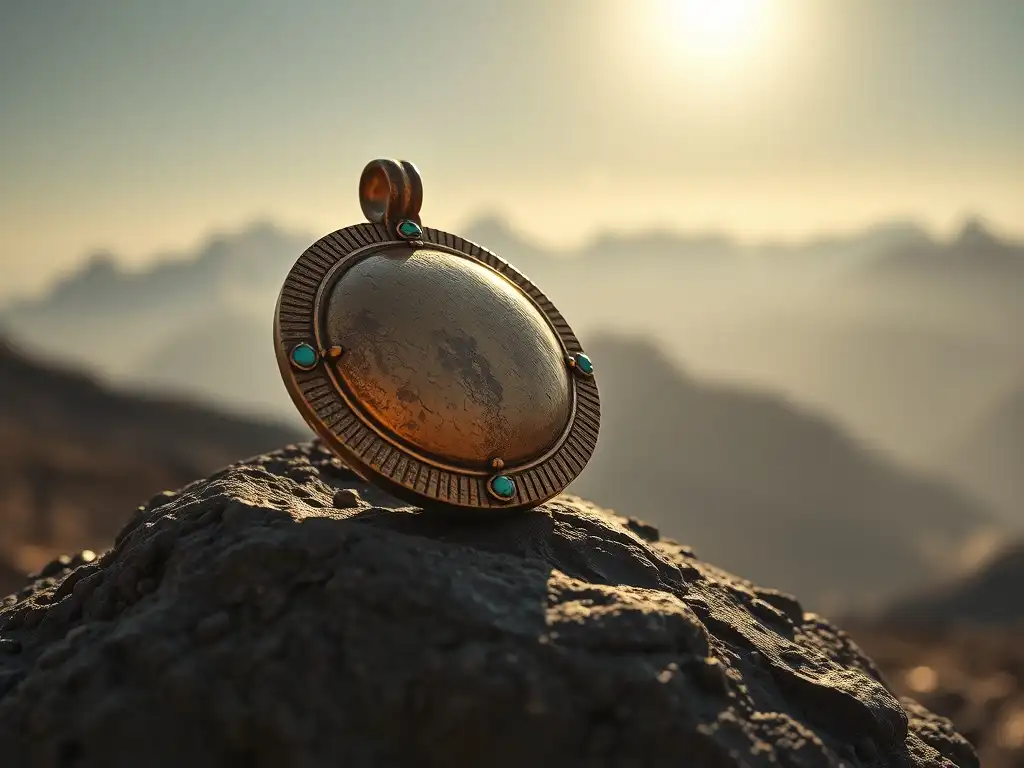
The Andes Mountains, a spine of towering peaks running down the western coast of South America, were not only a formidable geographical barrier but also a crucible where early Andean civilizations forged remarkable advancements in metallurgy, long before the rise of the Inca Empire. Understanding Andean pre-Inca metallurgy requires delving into a complex interplay of geographical factors, technological innovation, and socio-cultural development.
The earliest evidence points to the initial use of copper, a readily available metal in certain Andean regions, paving the way for more sophisticated techniques and the eventual incorporation of gold and silver. This early mastery of metalworking significantly shaped the social structures, religious practices, and artistic expressions of these pre-Inca societies.
The sheer ingenuity displayed in their metallurgical achievements showcases a level of technological advancement that continues to fascinate and inspire researchers today. The development of Andean pre-Inca metallurgy wasn't a sudden event but a gradual process, evolving over centuries with distinct regional variations.
Early Copper Smelting Techniques in the Andes
The earliest Andean metalworking centered around copper, with evidence suggesting its use as early as 3000 BCE in the central Andes. Initially, the process was likely quite rudimentary, involving simple techniques like hammering native copper to shape tools and ornaments. However, by approximately 2000 BCE, significant advancements are evident.
Archaeological findings reveal evidence of early smelting techniques, although the precise methods remain a subject of ongoing research. It's believed that early Andean metallurgists utilized simple furnaces, possibly consisting of shallow pits lined with clay or stone, fueled by charcoal or other readily available materials. The process involved heating copper ores to high temperatures, resulting in the extraction of molten copper.
This molten copper was then cast into simple shapes or further refined through hammering and annealing. The production of copper artifacts, ranging from simple tools like knives and chisels to more elaborate ornaments, signifies a crucial step towards more complex metalworking practices. The distribution of early copper artifacts across the Andes suggests a network of exchange and interaction among different pre-Inca communities, fostering the dissemination of metallurgical knowledge and techniques.
Gold and Silver Working: Ancient Andean Traditions
The mastery of copper smelting laid the foundation for the subsequent exploitation of gold and silver, metals highly valued for their aesthetic appeal and symbolic significance. While the precise timeline of gold and silver working remains debated among scholars, evidence suggests that these precious metals were being worked in the Andes by at least 1500 BCE. The techniques involved were considerably more advanced than those used for copper, requiring specialized knowledge and equipment.
The process involved extracting gold and silver from their ores, often employing techniques like amalgamation (using mercury to separate the precious metals from other materials). The resulting gold and silver were then hammered, cast, and often inlaid or combined with other materials like turquoise or shell to create intricate and visually stunning objects.
These objects, including jewelry, ceremonial items, and tools, were often associated with elite members of society, highlighting the social and economic importance of gold and silver in pre-Inca Andean cultures. The artistry and skill displayed in the creation of these artifacts demonstrate a high level of technical proficiency and artistic sensibility.
The Significance of Pre-Inca Metal Artifacts
The study of Andean pre-Inca metal artifacts offers invaluable insights into the social, political, and religious aspects of these ancient societies. These objects were not merely functional tools but served as powerful symbols of status, authority, and religious beliefs. For instance, elaborate gold and silver ornaments, often depicting deities or mythical creatures, were likely used in religious ceremonies and worn by individuals of high social standing.
The intricate designs and craftsmanship of these artifacts reflect a deep understanding of metallurgy and a high degree of artistic skill. Furthermore, the distribution patterns of metal artifacts provide clues about trade networks, inter-regional interactions, and the spread of technological innovations across the Andes. Analyzing the composition of the metals, the techniques used in their production, and the stylistic features of the finished objects enables researchers to reconstruct the history of Andean metallurgy and understand its role in the development of pre-Inca cultures.
The legacy of Andean pre-Inca metallurgy is undeniable; it laid the groundwork for the later Inca Empire's remarkable metalworking achievements and continues to inspire awe and wonder today. Further research and analysis of existing and future discoveries are crucial to continue unlocking the secrets of this fascinating aspect of Andean prehistory.
Regional Variations in Pre-Inca Metal Technology
The Andean region, prior to the Inca Empire's rise, showcased remarkable diversity in its metallurgical achievements. While gold, silver, and copper were widely utilized across different cultures, the specific techniques, styles, and even the preferred metals varied significantly depending on geographical location and cultural practices. This regional variation in Andean pre-Inca metallurgy is a key aspect in understanding the sophistication and ingenuity of these early Andean societies.
Analyzing these differences reveals not only technical prowess but also distinct artistic expressions and societal structures. The development of metallurgy wasn't a monolithic process; instead, it unfolded through a series of independent innovations and exchanges across different Andean cultures, resulting in a rich tapestry of metalworking traditions.
Understanding these regional variations provides a more nuanced and complete picture of Andean pre-Inca societies. The following sections delve deeper into the unique metallurgical practices of three prominent pre-Inca cultures: the Moche, the Nazca, and the Tiahuanaco.
Metallurgy in the Moche Culture: Advanced Techniques
The Moche civilization (c. 100-800 CE), known for its intricate pottery and impressive architecture, also possessed advanced metallurgical skills. Their metalworking, primarily focused on gold, silver, and copper, is characterized by its high level of technical sophistication. Moche artisans mastered techniques such as lost-wax casting, allowing them to create complex and detailed objects.
Evidence suggests they also employed hammering, annealing, and soldering to refine and shape their metalwork. Remarkably, they were able to create intricate figures of humans and animals, often incorporating inlaid elements for added detail. These artifacts, including elaborate headdresses, ceremonial objects, and finely crafted weaponry, demonstrate a deep understanding of metallurgy and a high degree of artistic skill.
The Moche's mastery of these techniques allowed them to produce pieces of exceptional quality and beauty, reflecting their advanced societal organization and technological capabilities. Examples include the iconic Moche gold masks, often depicting powerful figures or deities, showcasing their advanced understanding of metallurgy and artistic expression. Further research is needed to fully understand the specific alloys they used and the intricacies of their casting processes, but existing evidence indicates a level of technical proficiency rivaling that of many other contemporary civilizations.
Andean Metalwork of the Nazca: Repoussé and Gilding Techniques
The Nazca culture (c. 100 BCE – 600 CE), famous for its enigmatic geoglyphs, also displayed significant metallurgical skills, albeit with a distinct style compared to the Moche. While gold and copper were used, the Nazca are particularly known for their expertise in repoussé and gilding techniques. Repoussé, a metalworking technique where a metal sheet is shaped by hammering from the reverse side, allowed Nazca artisans to create three-dimensional forms with remarkable detail.
They frequently used this technique to produce thin sheets of gold and copper, often depicting stylized figures or abstract patterns. Gilding, the process of applying a thin layer of gold to another metal, further enhanced their metalwork, adding a lustrous finish that greatly increased the value and aesthetic appeal of their artifacts. The combination of repoussé and gilding allowed for the creation of visually stunning objects, often found in elite burials.
While the exact processes for gilding remain under investigation, analysis of surviving artifacts points towards sophisticated techniques involving mercury amalgamation. The delicate nature of Nazca metalwork highlights their refined techniques and artistic sensibilities, representing a unique approach to Andean pre-Inca metallurgy. It is important to note that the scarcity of surviving Nazca metalwork compared to that of other cultures might reflect both the fragility of the techniques and potentially biased archaeological sampling.
Tiahuanaco Metal Craftsmanship: Use of Bronze and Unique Iconography
The Tiahuanaco culture (c. 500-1000 CE), located on the shores of Lake Titicaca, developed a unique metallurgical tradition, notably incorporating bronze into their metalwork. Unlike the Moche and Nazca who primarily used gold, silver, and copper, the Tiahuanaco also mastered the production of bronze, an alloy of copper and tin. This demonstrates a further advancement in metallurgical knowledge, requiring a more complex understanding of material science and alloying techniques.
Tiahuanaco metalwork often features distinct iconography, reflecting their religious beliefs and artistic style. Their artifacts frequently depict stylized figures, geometric patterns, and symbolic representations associated with their pantheon of deities. The use of bronze allowed for the creation of larger, more durable objects, such as ceremonial tools and ornaments.
The Tiahuanaco's bronze casting techniques, while less understood than those of the Moche, appear to have been highly skilled, producing objects with fine detail and a characteristic dark patina. Further study of Tiahuanaco metallurgy could reveal more about their trade networks and interactions with other Andean cultures. The unique stylistic features of Tiahuanaco metalwork, combined with their use of bronze, clearly distinguish them from other contemporaneous Andean metalworking traditions, highlighting the rich diversity of pre-Inca metallurgical practices.
Metallurgical Practices in the Chimor Culture: Mass Production of Metal Objects
The Chimor culture, flourishing along the northern coast of Peru from roughly 900 to 1470 CE, stands out for its remarkable achievements in metallurgy, particularly its capacity for mass production of metal objects. Unlike some of their Andean contemporaries who focused on elaborate, individually crafted pieces, the Chimor excelled at creating large quantities of standardized metal goods. This was facilitated by several key factors, including their advanced understanding of alloying techniques and the organization of their workforce.
Chimor metallurgists demonstrated a sophisticated understanding of copper alloys, notably bronze. They skillfully combined copper with tin and other elements to achieve desired properties like hardness and durability. This allowed them to produce a wide range of tools, weapons, and decorative items with consistent quality. Archaeological evidence suggests they employed a system of standardized molds, allowing for the efficient replication of objects. This is a significant departure from the more individualized approach seen in earlier Andean metallurgical traditions. The scale of production implies a well-organized system, likely involving specialized workshops and a division of labor among artisans.
Evidence suggests that the Chimor also developed efficient smelting techniques. While the precise methods remain a subject of ongoing research, the sheer volume of metal artifacts recovered from Chimor sites points towards effective and large-scale smelting operations. This likely involved sophisticated furnaces capable of reaching the high temperatures needed to extract metal from ore. The organization of these smelting operations, coupled with their mold-making and casting techniques, allowed for a level of mass production unprecedented in earlier Andean societies.
The mass-produced nature of Chimor metalwork isn't solely a reflection of technological prowess; it also speaks volumes about the Chimor social and economic structure. The ability to produce large quantities of standardized metal goods suggests a complex and centralized economy capable of supporting specialized labor and the distribution of finished products across a wide geographical area. The widespread presence of Chimor metal objects in archaeological sites across their territory supports this interpretation.
The objects themselves – from simple tools to elaborate ceremonial items – reveal a society that valued both functionality and aesthetic appeal in their metalwork. The sheer number of these objects, however, emphasizes the practical and economic significance of Chimor metallurgy. Further research into the organization of Chimor workshops and the distribution networks for their metal products is crucial to a more complete understanding of their remarkable metallurgical achievements.
Key Metals and Materials in Pre-Inca Metal Production
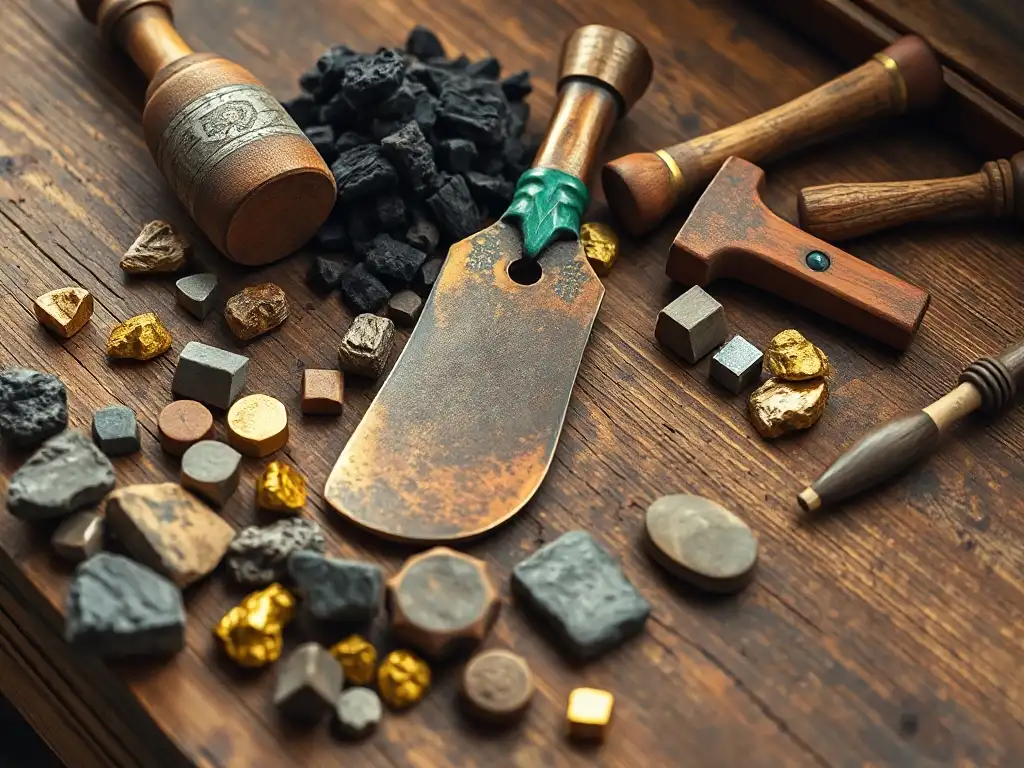
Andean pre-Inca metallurgy represents a remarkable achievement in ancient technology, showcasing sophisticated techniques far exceeding the capabilities of many contemporary cultures. Understanding the metals and materials used is crucial to appreciating the artistry and engineering prowess of these civilizations. While gold and silver are often associated with Andean metalwork, copper and its alloys played a significantly more prevalent role in daily life, shaping tools, weapons, and agricultural implements.
The availability and accessibility of these resources heavily influenced the development of distinct regional metallurgical traditions across the Andes. The strategic location of mines and the establishment of sophisticated processing techniques ensured a continuous supply of metal for these thriving societies. This section explores the primary metals and their processing methods.
Copper Ore Sources and Processing
Copper, the most commonly used metal in Andean pre-Inca metallurgy, was sourced from numerous locations throughout the Andes Mountains. High-quality copper ores, particularly chalcopyrite and native copper, were readily available. The extraction methods varied depending on the ore type and location, ranging from simple open-pit mining to more complex underground operations. Evidence suggests that advanced techniques, such as fire-setting, were employed to break up the rock and facilitate ore extraction.
Following extraction, the copper ore underwent a series of processing steps to produce usable metal. These steps typically involved crushing and grinding the ore to a fine powder, followed by smelting. Smelting involved heating the ore in furnaces, often using charcoal as fuel, to separate the copper from the impurities. The resulting copper, though often impure, could be used directly or further refined to improve its properties.
The sophistication of their smelting techniques is evident in the high quality of many recovered artifacts, showing a deep understanding of metallurgy, temperature control, and material science. Analysis of ancient Andean smelting furnaces reveals ingenious designs optimized for efficient extraction and minimal fuel consumption. For example, some designs incorporated draft systems to improve airflow and combustion efficiency.
The development of alloys, particularly bronze (copper and tin), significantly expanded the range of applications for Andean metals. The addition of tin to copper increased its hardness and durability, making it ideal for creating more robust tools and weapons. While tin was less abundant than copper, its strategic incorporation demonstrates a high level of metallurgical understanding and control over material properties. The precise sources of tin used by Andean metalworkers are still under investigation, adding another layer of complexity to the study of Andean pre-Inca metallurgy.
Gold Extraction and Refining Methods
Gold, revered for its beauty and symbolic significance, played a vital role in Andean pre-Inca societies. While less commonly used for utilitarian purposes than copper, gold's malleability and resistance to corrosion made it highly desirable for crafting elaborate ornaments, religious objects, and prestigious items. The extraction of gold typically involved exploiting alluvial deposits—areas where gold particles accumulated in riverbeds and streams. Techniques included panning, sluicing, and other methods to separate the denser gold from lighter sediment. The process was labor-intensive but effective, yielding significant quantities of gold, particularly in regions with rich alluvial deposits.
Refining gold to a high degree of purity was another significant technological achievement. Andean metalworkers developed methods to separate gold from other metals and impurities. These techniques likely involved a combination of heating, melting, and chemical processes, though the precise methods remain somewhat elusive. The remarkable purity of some gold artifacts suggests a sophisticated understanding of gold's properties and the ability to manipulate them precisely. The artistry displayed in intricate goldwork, such as the intricate sheets and delicate filigree found in many artifacts, further underlines the advanced techniques employed in gold refining and craftsmanship.
Silver Mining and Handling in the Pre-Inca Period
Silver, like gold, held significant cultural and religious importance in Andean pre-Inca societies. While less frequently used than copper, silver's unique properties—malleability, ductility, and resistance to corrosion—made it suitable for crafting ornaments and decorative objects. Silver mining was typically carried out in areas where silver-bearing ores were found, often associated with other metals like lead and copper. The extraction methods were similar to those used for copper, involving digging, crushing, and smelting.
The handling and processing of silver presented unique challenges due to its higher reactivity compared to gold. Andean metalworkers developed techniques to refine and work with silver, creating a variety of objects, including intricate jewelry, ceremonial vessels, and decorative elements. The precise methods used for silver refining are still being investigated by archaeologists and metallurgists, but it's clear that Andean pre-Inca societies possessed the knowledge and skills to extract, refine, and work with this precious metal, adding another dimension to their impressive metallurgical achievements.
The presence of silver artifacts, often combined with other metals, shows a keen understanding of alloying and the creation of visually stunning and culturally significant items. The scarcity of readily available silver compared to copper is reflected in the smaller number of silver artifacts, highlighting its special status within Andean society.
The Use of Alloys in Ancient Andean Metallurgy
The mastery of metallurgy in the Andes wasn't solely about working with single metals. Ancient Andean metalworkers demonstrated a sophisticated understanding of alloys, significantly enhancing the properties of their finished products. The creation of alloys involved combining two or more metals, often copper and tin, to produce bronze, a material far superior to its constituent parts in terms of strength, durability, and workability. This technological advancement allowed for the creation of more intricate and resilient tools, weapons, and ornaments.
The precise ratios of copper and tin varied depending on the desired properties and the specific cultural context, reflecting a nuanced understanding of material science. For example, some alloys were designed for strength, ideal for creating durable tools like axes and chisels, while others were formulated for malleability, suitable for crafting delicate jewelry and decorative objects. The development and application of these alloys represent a critical step in the evolution of Andean metallurgy and a testament to the ingenuity of the pre-Inca artisans. Evidence suggests that experimentation with different alloy compositions was ongoing, with artisans continually refining their techniques to achieve optimal results.
This ongoing refinement is evidenced by the diverse range of bronze objects discovered across different Andean regions, showcasing subtle variations in alloy composition and resulting properties. Analysis of these artifacts reveals a complex interplay of metallurgical knowledge, technological skill, and artistic vision. The use of alloys wasn't limited to bronze; pre-Inca metallurgists also experimented with other alloys, including those incorporating silver and gold, further highlighting the advanced nature of their metalworking practices. Understanding the intricacies of Andean alloying provides invaluable insight into the technological sophistication and resourcefulness of these ancient societies.
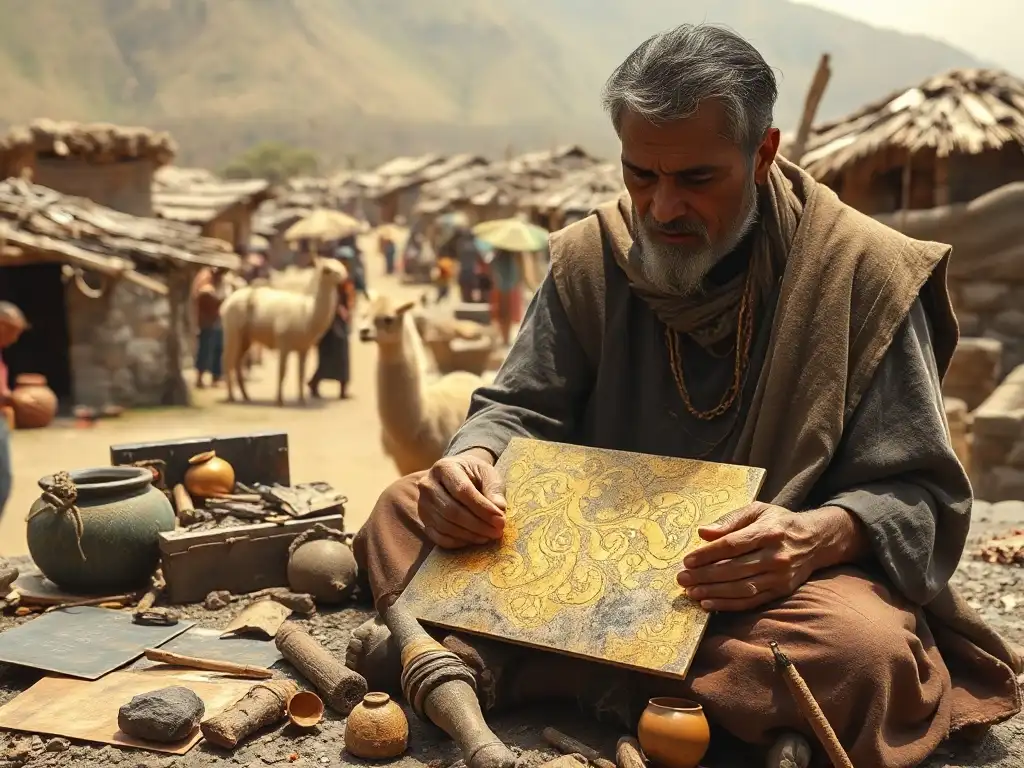
The rise of metallurgy in the Andes predates the Inca Empire significantly, representing a complex interplay of social, cultural, and technological advancements. Understanding Andean pre-Inca metallurgy requires acknowledging the profound impact metalworking had on the societies that practiced it. It wasn't merely a technological feat; it was deeply interwoven with the fabric of their daily lives, shaping social structures, religious beliefs, and economic systems.
The availability and manipulation of metals like gold, silver, copper, and bronze fundamentally altered power dynamics, religious rituals, and trade patterns across diverse Andean cultures. This section will delve into specific examples showcasing the intricate relationship between Andean societies and their metalworking traditions. The evolution of Andean pre-Inca metallurgy was not a linear process; rather, it was a vibrant tapestry of regional styles and innovations, reflecting the unique characteristics of each cultural group.
Metal Objects as Symbols of Power and Status
Metal objects, particularly those crafted from gold and silver, served as potent symbols of power and status within pre-Inca Andean societies. Their rarity and the technical expertise required to work them ensured that only elites could afford to own and display such items. For example, the Moche culture (100-800 CE) is renowned for its exquisite gold and silver artifacts, including elaborate headdresses, masks, and ornaments that adorned the bodies of their rulers and priests.
These weren't merely decorative; they visually reinforced the authority and divine connection of the elite. The intricate craftsmanship, often depicting mythical beings or scenes of ritual sacrifice, further underscored the sacred nature of these objects and their role in legitimizing power. Similar patterns can be observed in other pre-Inca cultures, such as the Nazca and Tiahuanaco, where gold and silver ornaments were used to distinguish high-ranking individuals within their hierarchical societies.
The sheer weight of the gold and silver used in these items also speaks volumes about the wealth and resources controlled by the elite. The presence of these metals in tombs further emphasizes their importance in the afterlife and the continuity of power beyond death. Analysis of these artifacts provides invaluable insights into the social stratification and power structures of these ancient Andean societies.
Pre-Inca Metalworking and Religious Practices
Metallurgy played a crucial role in pre-Inca Andean religious practices. Many metal objects served as ritual paraphernalia, used in ceremonies and offerings to deities. The intricate designs and iconography found on these objects often reflect mythological beliefs and cosmological concepts. For instance, the Tiahuanaco culture (500-1000 CE) created sophisticated bronze tools and ornaments, many featuring stylized representations of their deities and sacred animals.
These artifacts were likely used in religious rituals to connect the human world with the supernatural realm. Furthermore, the process of metalworking itself might have held religious significance. The transformation of raw materials into valuable objects could have been seen as a sacred act, mirroring the creation of the world or the rebirth of the sun.
Evidence suggests that metalworkers held a special status within their communities, potentially viewed as shamans or intermediaries between the human and divine realms. The discovery of workshops and smelting sites associated with religious complexes further supports the close relationship between metallurgy and religious practices in pre-Inca Andean societies. The precise details of these rituals remain largely unknown, but the artifacts themselves offer tantalizing clues to their significance.
The Role of Metal in Andean Trade Networks
The production and distribution of metal artifacts played a significant role in shaping Andean trade networks before the Inca Empire. The uneven distribution of metal ores across the region meant that some areas were centers of production, while others relied on trade to obtain metal goods. This led to the development of complex exchange systems that connected different Andean cultures. For example, the coastal regions were rich in copper, while the highlands possessed significant gold and silver deposits.
This geographical variation fueled trade, with coastal communities exchanging copper for highland products, including gold and silver objects. The presence of similar metalworking styles and techniques across geographically distant regions suggests extensive interaction and exchange of knowledge and materials among different Andean groups. The sophistication of these trade networks is evident in the wide distribution of metal artifacts, demonstrating the far-reaching influence of Andean metallurgy.
Further research is needed to fully understand the complexities of these trade routes and the social and economic relationships they fostered. The extent of long-distance trade in pre-Inca Andean societies is still an active area of research, with new discoveries constantly refining our understanding of the intricate web of connections that existed across the Andes. Analyzing the chemical composition of metal artifacts can help pinpoint the origin of the ores and trace the flow of goods across these ancient trade routes.
Metal Production and its Association with Elites
The production of metal artifacts in the pre-Inca Andes wasn't a widespread activity; rather, it was heavily concentrated in the hands of a select few. The sheer technical expertise required—from ore extraction and smelting to the intricate shaping and finishing of the final products—points to a highly specialized workforce. This specialization, in turn, suggests a strong association between metalworking and elite social groups.
We see evidence of this in the types of objects produced. Elaborate ceremonial items, such as gold and silver masks, intricate headdresses, and finely crafted weaponry, were clearly not intended for everyday use. These pieces were reserved for the upper echelons of Andean society, serving as symbols of power, status, and religious authority.
The control over metal production, therefore, served as a powerful tool for maintaining social hierarchies and reinforcing the dominance of the elite. The sheer rarity of the materials, coupled with the complex technological processes involved, ensured that only those with significant resources and influence could access and utilize them. This exclusivity further cemented the elite's position within Andean society.
The distribution patterns of metal artifacts also support this hypothesis. Archaeological excavations consistently reveal a concentration of high-quality metalwork in elite tombs and ceremonial centers. These locations are rarely found in common settlements, indicating a restricted circulation and usage pattern. Furthermore, the presence of metal workshops in proximity to elite residences or palaces strongly suggests a direct link between metal production and the power structure.
In some cases, evidence suggests that metalworkers themselves held a privileged position within society, possibly operating under the direct patronage of the ruling class. This arrangement further solidified the elite's control over this valuable resource and the prestige associated with it. The study of pre-Inca Andean metallurgy thus provides valuable insights into the complex social and political dynamics of these societies, highlighting the critical role of metalworking in shaping their social structures. 👑 The control over metal was, in essence, control over power.
Analyzing Pre-Inca Metal Artifacts: Archaeological Insights
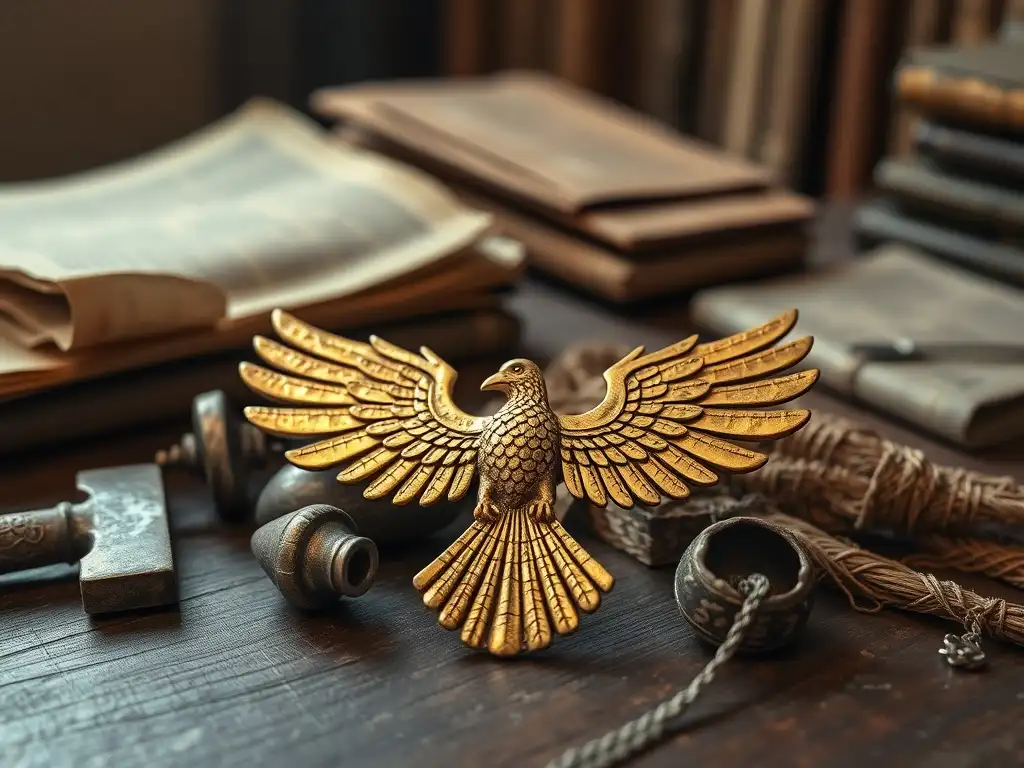
The study of Andean pre-Inca metallurgy offers a fascinating glimpse into the technological prowess and artistic sensibilities of ancient Andean societies. Archaeological excavations across the Andes have yielded a wealth of metal artifacts, providing invaluable insights into the techniques, materials, and cultural significance of pre-Inca metalworking. These artifacts, ranging from simple tools to elaborate ceremonial objects, reveal a complex and evolving metallurgical tradition that predates the Inca Empire by centuries.
The careful analysis of these objects, through techniques like metallurgical analysis and stylistic comparisons, helps us reconstruct the history and development of Andean pre-Inca metallurgy, shedding light on the societies that created them. This analysis provides crucial context for understanding the later achievements of Inca metalworkers, demonstrating a long and rich history of innovation in metalworking across the Andes. The sheer diversity of artifacts found highlights the regional variations in techniques and artistic expression.
Studying Ancient Metal Tools and Weapons
Pre-Inca Andean metalworkers crafted a diverse range of tools and weapons, reflecting the practical needs and technological capabilities of the time. Copper, bronze, and later gold and silver, were used to create tools for agriculture, such as hoes and sickles, significantly improving agricultural efficiency. The analysis of these tools reveals sophisticated techniques like hammering, annealing, and casting. For example, the intricate shaping of some copper chisels suggests a high level of skill and precision. Similarly, weapons such as knives, spear points, and mace heads, demonstrate both functional design and artistic embellishment. The metallurgical properties of these weapons, such as hardness and sharpness, have been studied to understand their effectiveness in warfare and hunting. The distribution and stylistic variations of these tools and weapons across different regions of the Andes provide insights into trade networks and cultural interactions. The discovery of specific alloys and their regional distribution help us map the flow of resources and the development of distinct metallurgical traditions.
Detailed analysis of the wear patterns on these tools also provides valuable information about their usage and the daily lives of the people who used them. This provides a more complete picture beyond the simple observation of their form and composition. For example, the wear patterns on a copper axe head might reveal the type of wood it was used to chop, shedding light on the prevalent forestry practices of the time.
Understanding Pre-Inca Jewelry and Ornaments
Beyond utilitarian objects, pre-Inca Andean metalworkers produced exquisite jewelry and ornaments, showcasing their artistic skills and the societal value placed on precious metals. Gold, silver, and copper were fashioned into intricate necklaces, earrings, headdresses, and other adornments. The artistry displayed in these pieces is remarkable, with intricate designs, detailed craftsmanship, and the use of various techniques such as repoussé, filigree, and granulation.
The stylistic variations across different regions and time periods reflect the diverse cultural identities and beliefs of the Andean societies. The use of precious metals in these ornaments points to the importance of these materials as symbols of status, power, and religious significance. The discovery of elaborate burial sites containing significant quantities of gold and silver jewelry further underscores their social and ceremonial value.
Analyzing the iconography depicted in these ornaments, such as stylized animals and deities, provides valuable insights into the religious beliefs and cosmological worldview of pre-Inca Andean cultures. The meticulous craftsmanship and artistic skill evident in these objects stand as a testament to the advanced level of metalworking achieved before the Inca.
The Sican Gold Mask: A Case Study in Pre-Inca Metalwork
The Sican civilization (900-1300 CE), located on the northern coast of Peru, is renowned for its exceptional goldwork. The Sican gold masks are particularly striking examples of pre-Inca Andean metallurgy. These masks, often depicting stylized human faces with intricate details, were likely used in religious ceremonies and burials. The production of such complex and detailed pieces required advanced metallurgical knowledge and considerable skill.
The techniques employed, including lost-wax casting and hammering, demonstrate the mastery of metalworking achieved by Sican artisans. The iconography on these masks, often depicting powerful figures or deities, provides important clues about Sican religious beliefs and social hierarchy. The discovery of numerous Sican tombs filled with gold artifacts highlights the importance of gold in Sican society and its role in religious rituals and funerary practices.
The Sican gold masks represent a high point of pre-Inca Andean metallurgy and showcase the level of artistic and technological sophistication achieved in this region. The analysis of these masks, combined with archaeological evidence from Sican sites, offers a deeper understanding of this remarkable civilization and its contribution to Andean metalworking traditions. The detailed study of the alloys used, the techniques employed, and the iconography represented, provides a rich tapestry of information about Sican culture and the wider context of Andean pre-Inca metallurgy.
The Importance of Archaeological Discoveries for Understanding Andean Metallurgy
Archaeological discoveries are paramount to understanding the complexities of Andean pre-Inca metallurgy. Without the painstaking excavation and analysis of artifacts, our knowledge would remain incredibly limited. The sheer volume of metal objects unearthed—from intricate gold ornaments to functional tools—provides invaluable insights into the techniques, materials, and cultural significance of metalworking in different Andean societies.
For example, the discovery of elaborate gold masks and ceremonial objects in the Moche tombs of the northern coast sheds light on the elite's power and their sophisticated metallurgical practices. These finds are not merely aesthetically pleasing; they offer tangible evidence of specialized workshops, advanced casting techniques, and the social hierarchy that underpinned metal production.
The careful study of these artifacts extends beyond simple observation. Scientific analysis, including metallurgical assays, allows researchers to determine the precise composition of the alloys used, tracing the origins of the metals and revealing the sophistication of their smelting and refining processes. For instance, analyses of pre-Inca copper alloys have revealed the intentional addition of arsenic or tin to enhance the metal's properties, demonstrating a level of metallurgical knowledge far exceeding what was previously assumed.
Furthermore, the study of tool marks and manufacturing residues on metal artifacts provides direct evidence of the techniques employed, such as hammering, casting, and gilding. This granular level of analysis allows us to reconstruct the entire process of metal production, from ore extraction to the final finishing of the object.
The geographical distribution of metal artifacts also provides crucial information. The discovery of certain alloys or specific types of objects in particular regions helps to define the boundaries of metallurgical traditions and identify potential trade networks. For example, the presence of similar goldworking techniques across geographically distant sites suggests the existence of cultural exchange or even the migration of skilled artisans. By mapping the distribution of metal artifacts and analyzing their stylistic features, archaeologists can reconstruct the complex interplay of cultural influences and technological innovations across the Andes.
This geographical analysis is vital for understanding the spread and evolution of Andean metallurgy, highlighting both regional variations and shared cultural practices. The meticulous recording of context—where the artifact was found within a site—also plays a significant role in interpreting the social and ritual significance of metal objects. Were they buried with elites?
Used in ceremonies? Or were they everyday tools? The answers to these questions help us understand the role of metallurgy in Andean societies.
The Legacy of Pre-Inca Metalworking
The Andean region boasts a rich history of metalworking that significantly predates the Inca Empire. While the Incas are renowned for their sophisticated metalwork, their achievements built upon centuries of experimentation and innovation by earlier Andean cultures. This pre-Inca metallurgical tradition, encompassing diverse techniques and styles across different regions, laid the groundwork for the later Inca mastery.
Understanding this legacy is crucial to appreciating the full scope of Andean metallurgy and its evolution. The sophistication of pre-Inca techniques, evident in the intricate designs and advanced casting methods, challenges the notion of a sudden technological leap with the Inca rise. Instead, it reveals a gradual, continuous development spanning millennia, a testament to the ingenuity and perseverance of Andean societies.
Analyzing Andean pre-Inca metallurgy reveals a complex interplay of cultural exchange, technological innovation, and resource management that shaped the region's artistic and technological landscape. The sheer variety of alloys, casting techniques, and decorative styles demonstrates a level of metallurgical expertise that was truly remarkable for its time.
Influences on Inca Metal Technology
The Inca Empire inherited a robust metallurgical tradition. The techniques and styles developed by preceding cultures, such as the Moche, Nazca, and Tiahuanaco, directly influenced Inca metalworking. For example, the lost-wax casting method, perfected by earlier Andean civilizations, was adopted and refined by the Incas, allowing them to create large-scale works of art and intricate jewelry. Similarly, the Inca's use of specific alloys, like tumbaga (a gold-copper alloy), can be traced back to earlier experimentation with these materials.
Evidence suggests the Incas actively incorporated and adapted pre-existing techniques, rather than inventing them de novo. This continuity is reflected in the stylistic similarities between pre-Inca and Inca artifacts, particularly in the use of specific motifs and decorative elements. The Inca's vast empire facilitated the centralization and standardization of metalworking practices, but the underlying technological base was undeniably rooted in the achievements of their predecessors.
The Incas, therefore, were not solely innovators but also shrewd inheritors and synthesizers of a long-standing tradition. Analyzing the chemical composition of Inca artifacts often reveals a direct lineage to earlier alloys and techniques, highlighting the strong influence of pre-Inca metallurgy. This continuity is a crucial aspect of understanding the full trajectory of Andean metalworking.
The Continuation of Metallurgical Traditions
The transition from pre-Inca to Inca metalworking wasn't a sudden break but a gradual evolution. While the Inca Empire centralized production and standardized certain styles, many regional variations persisted. This suggests that local metallurgical traditions continued alongside the imperial styles, demonstrating a remarkable degree of cultural resilience.
Even after the Inca conquest, many of the techniques and styles from earlier periods continued to be practiced, albeit often integrated with Inca-influenced elements. The continued use of specific alloys, casting methods, and decorative motifs across different regions and time periods highlights the deep-rooted nature of these traditions. Archaeological evidence supports this continuity, showing a clear link between the stylistic features and technological methods employed in pre-Inca and post-Inca metalwork.
The persistence of these traditions underlines the importance of understanding the broader context of Andean metalworking, rather than focusing solely on the Inca period. This nuanced view of metallurgical development reveals a dynamic interplay between imperial control and local adaptation, demonstrating the powerful influence of pre-existing cultural practices.
Understanding Ancient Casting Methods Through Modern Analysis
Modern scientific techniques, such as X-ray fluorescence (XRF) spectroscopy and scanning electron microscopy (SEM), provide invaluable insights into pre-Inca casting methods. These analyses allow researchers to determine the precise composition of ancient alloys, identify the types of crucibles used, and understand the temperatures reached during the casting process. For instance, analyzing the chemical composition of a bronze artifact can reveal the specific proportions of copper and tin used, providing clues about the metallurgists' knowledge and skill.
Similarly, examining the microstructure of a cast object can reveal information about the cooling rate and the presence of impurities, shedding light on the casting technique employed. By combining these scientific analyses with archaeological evidence, such as the remains of furnaces and casting molds, researchers can reconstruct the entire process of pre-Inca metalworking with remarkable detail. This interdisciplinary approach allows for a deeper understanding not only of the technical aspects but also of the social and economic contexts in which these technologies were developed and used.
The application of modern scientific methods to the study of Andean pre-Inca metallurgy continues to reveal new information, constantly refining our understanding of this remarkable technological achievement. Further research using advanced techniques promises to unveil even more secrets about the ingenuity of Andean metalworkers.
Preserving the Heritage of Pre-Inca Metallurgy
The preservation of Andean pre-Inca metallurgical artifacts presents unique challenges. These objects, often crafted from copper, gold, silver, and alloys, are susceptible to deterioration from environmental factors like humidity, temperature fluctuations, and exposure to pollutants. The delicate nature of many pieces, particularly those featuring intricate designs or thin sheets of metal, necessitates specialized handling and storage techniques. Museums and archaeological institutions employ a multi-pronged approach to conservation, combining careful environmental controls with meticulous cleaning and restoration methods.
This often involves the use of advanced imaging technologies, such as X-ray fluorescence (XRF) spectroscopy, to analyze the composition of the metals and identify areas of weakness or damage before initiating any intervention. Furthermore, ongoing research into the chemical processes that cause deterioration is crucial for developing more effective long-term preservation strategies. The goal is not only to maintain the physical integrity of these artifacts but also to ensure their accessibility for future generations of researchers and the public, allowing us to continue to learn from the ingenuity of Andean metalworkers.
This includes developing digital archives and 3D models of particularly fragile pieces, enabling virtual study and reducing the need for repeated physical handling. The careful preservation of these artifacts is vital for understanding Andean pre-Inca metallurgy and its profound impact on the region's history and culture. The work is painstaking, requiring specialized expertise and significant resources, but the rewards—preserving a tangible link to the past—are immeasurable.
The ethical considerations surrounding the preservation and display of these artifacts are also paramount. Many pieces were associated with religious or ceremonial practices, holding deep cultural significance for the communities from which they originated. Collaborative efforts between archaeologists, museum curators, and indigenous communities are increasingly vital in ensuring respectful handling and repatriation of artifacts when appropriate.
Open communication and mutual respect are crucial in navigating these sensitive issues and ensuring that the preservation efforts align with the values and perspectives of those whose heritage is represented in these objects. This collaborative approach ensures that the legacy of Andean pre-Inca metallurgy is not only preserved physically but also honored culturally. The ultimate aim is to create a sustainable framework for preserving and sharing this invaluable cultural heritage for both present and future generations.
This includes education and outreach programs designed to increase public awareness of the importance of these artifacts and the challenges involved in their preservation. Only through a concerted and ethically informed approach can we ensure that the legacy of Andean pre-Inca metalworking continues to thrive.
Frequently Asked Questions
What is Andean pre-Inca metallurgy?
Andean pre-Inca metallurgy refers to the metalworking techniques and traditions practiced by various Andean cultures before the Inca Empire's rise. This encompasses a wide range of societies and their unique styles, from the Moche to the Nazca. It demonstrates sophisticated metallurgical skills.
Which Andean cultures practiced advanced metallurgy before the Inca?
Several cultures excelled in pre-Inca metallurgy, including the Moche, Nazca, Tiahuanaco, and Wari. Each group developed distinct styles and techniques, showcasing the diverse evolution of metalworking in the Andes. Their skills were remarkably advanced for their time.
What types of metals were primarily used in Andean pre-Inca metallurgy?
The most common metals were gold, silver, copper, and bronze. These were often combined or alloyed to create a range of colors and properties, demonstrating a high level of metallurgical understanding and artistry. Alloying was a crucial skill.
What were some of the common objects created through Andean pre-Inca metallurgy?
Andean metalworkers crafted a wide variety of objects, including jewelry, tools, weapons, and religious artifacts. These items often featured intricate designs and showcased a deep understanding of metalworking techniques and artistic expression. Religious significance was often a key factor.
How did Andean pre-Inca metallurgy influence later Inca metalworking?
Pre-Inca metallurgical traditions significantly impacted Inca metalworking. The Inca built upon existing techniques and styles, refining them and incorporating them into their own imperial artistic and technological practices. It provided a foundation for Inca achievements.
Final Reflection: Echoes of the Andes: A Legacy Forged in Metal
The mastery of Andean pre-Inca metallurgy wasn't merely a technological achievement; it was a cultural revolution that continues to resonate today. The intricate artistry and sophisticated techniques employed in shaping gold, silver, and copper centuries before the Inca Empire laid the foundation for a rich artistic tradition and a complex social structure, profoundly impacting the development of the region. Understanding this legacy allows us to appreciate the ingenuity and resilience of these early Andean societies.
The enduring influence of pre-Inca metallurgy is evident not only in the surviving artifacts but also in the ongoing fascination with their creation. These objects, often imbued with deep spiritual significance, speak to a profound connection between humans and the natural world. The metalworker was not merely a craftsman, but a shaman, a bridge between the earthly and the spiritual realms.
This perspective, while speculative, highlights the integral role of metalworking within the broader Andean worldview, shaping beliefs, rituals, and social hierarchies. The echoes of this rich cultural heritage continue to inspire artists, historians, and archaeologists alike, driving further research and a deeper understanding of these ancient societies.
Consider, for a moment, the sheer skill and dedication required to create these breathtaking artifacts. Imagine the generations of knowledge passed down, the intricate techniques perfected over centuries. You too can carry forward this legacy by engaging with the history of Andean pre-Inca metallurgy, by seeking out museums and exhibitions showcasing these remarkable objects, and by supporting the ongoing efforts to preserve and understand this incredible cultural heritage. Let the echoes of the Andes inspire your own creativity and appreciation for the enduring power of human ingenuity.
Unveil the Secrets of Ancient Andean Metallurgy!
Thank you for exploring the fascinating world of Andean metallurgy! We hope you've gained valuable insights into the artistry and innovation of these early metalworkers. Now, let's delve even deeper into this rich history.
Here are some ways to continue your exploration:
- **Visit local museums or exhibitions:** See ancient metalwork firsthand and appreciate the skill of the artisans by visiting a museum or exhibition focusing on Andean civilizations.
- **Join an online community:** Connect with other enthusiasts to share your discoveries and insights about Andean and other ancient metallurgical techniques.
- **Try your hand at metalworking:** Experiment with a simple metalworking project at home; it's a great way to appreciate the techniques used by ancient artisans.
What aspect of early Andean metallurgy most captivates you, and how will you further explore it?