
Moche Iconography: The Meaning of the Fish

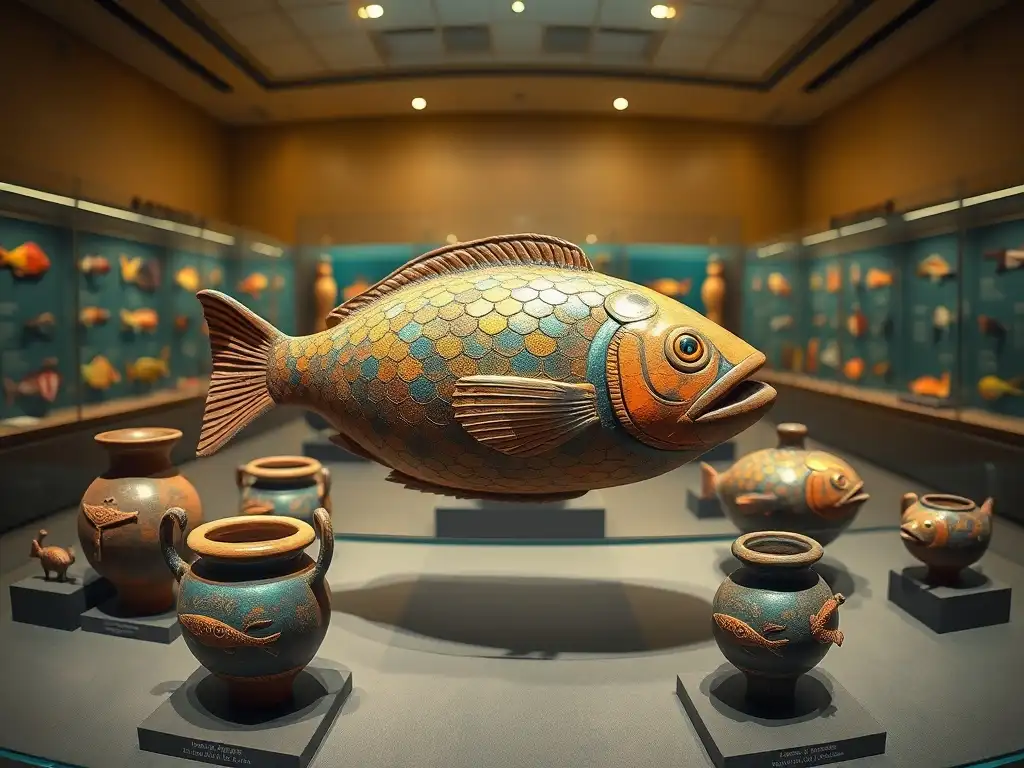
Dive into the enigmatic world of the Andean civilizations! Prepare to be captivated by the artistry and ingenuity of cultures that thrived for millennia. But first, let's unravel a fascinating mystery: what secrets do the intricately decorated Moche pottery fish reveal? Their symbolism holds the key to understanding a complex society, and this exploration of Moche pottery fish symbolism is just the beginning of your journey. Uncover the hidden meanings and immerse yourself in the vibrant tapestry of Andean history.
- Moche Iconography: Unveiling the Meaning of the Anchovy in Moche Pottery
- Moche Pottery Anchovy Symbolism: A Deep Dive
- Interpreting the Moche Anchovy: Beyond Simple Representation
- Moche Ceramic Anchovy Imagery: Analysis and Insights
- Moche Pottery Anchovy Symbolism: Connections to Other Andean Cultures
- Conclusion: Deciphering the Moche Anchovy in Andean Art
-
Frequently Asked Questions
- What is the significance of fish in Moche pottery?
- How did the Moche depict fish in their art?
- What other symbols are commonly found alongside fish in Moche pottery?
- Are there specific types of fish more prevalent in Moche pottery than others?
- Where can I see examples of Moche pottery featuring fish symbolism?
- Final Reflection: Unraveling the Moche Fish: A Legacy in Clay
- Unveiling the Secrets of Moche Fish Iconography
Moche Iconography: Unveiling the Meaning of the Anchovy in Moche Pottery
The Moche civilization, flourishing along the northern coast of Peru from approximately 100 CE to 800 CE, left behind a remarkable legacy of artistic expression, particularly in their exquisite pottery. These ceramic masterpieces, often vibrant and intricately detailed, are not merely decorative objects; they are rich repositories of information about Moche beliefs, rituals, and daily life. One recurring motif, prominent in their iconography and a key element of their worldview, is the depiction of fish, specifically the anchovy.
This article delves into the symbolic meaning of the anchovy in Moche pottery, exploring its significance within the broader context of Moche culture and its importance in understanding their complex society. We will analyze the various ways anchovies are represented, considering their artistic styles, accompanying imagery, and potential links to religious practices and societal structures.
Understanding the Moche pottery fish symbolism is key to unlocking a deeper appreciation for this fascinating civilization. This exploration will illuminate the profound connection the Moche people had with the sea and its bounty, showcasing how their art reflects their deep understanding and reliance on the marine environment.
The Significance of Marine Life in Moche Culture
The Moche people were deeply reliant on the sea for sustenance. Anchovies, in particular, formed a crucial part of their diet, providing a vital source of protein. However, the significance of marine life in Moche culture extended far beyond mere sustenance. Evidence suggests that fish, including anchovies, held important religious and symbolic meaning.
Their frequent depiction in elaborate ceremonies and ritual contexts hints at a complex relationship between the Moche and the marine world, possibly involving beliefs about fertility, abundance, and the cyclical nature of life and death. The precision and detail with which the anchovies are depicted in Moche pottery further emphasizes their importance. Many pieces showcase not only the fish themselves but also their interaction with other elements of the Moche worldview, such as deities, mythical creatures, and scenes of daily life. This intricate interplay of imagery provides valuable clues to unraveling the deeper symbolic meanings associated with these marine creatures.
Archaeological findings, such as the discovery of fish remains in burial sites, further support the idea that fish were integral to Moche religious practices and beliefs, bolstering the notion that the anchovy's representation in their art wasn't merely decorative, but deeply symbolic. The meticulous detail in the portrayals suggests a level of reverence and understanding that transcended mere utilitarian representation. 🐠
Moche Pottery and the Depiction of Anchovies
Moche potters masterfully depicted anchovies in a variety of styles and contexts. Some ceramics feature realistic portrayals, capturing the fish's anatomy with remarkable accuracy. Others incorporate stylized representations, emphasizing certain features like the fish's elongated body or distinctive fins. The context in which the anchovy is depicted is equally significant.
Sometimes, they appear as isolated figures, while other times they are integrated into larger narrative scenes, often alongside human figures engaged in various activities, suggesting a close relationship between humans and the marine environment. The use of color and texture also plays a crucial role in conveying meaning. For example, the vibrant hues used to depict the fish might represent specific qualities or attributes associated with them within the Moche worldview. We can also observe variations in the depiction of anchovies across different periods of the Moche civilization, perhaps reflecting changes in beliefs or artistic styles over time.
Further research is needed to fully understand the subtle nuances in these variations and their potential implications for interpreting the symbolic meaning of the anchovy. Detailed analysis of individual pieces, combined with a broader understanding of Moche culture and religion, is essential for unlocking the secrets hidden within these remarkable artworks. The sheer diversity of these depictions highlights the enduring importance of the anchovy within the Moche cultural landscape. 🌊
Moche Pottery Anchovy Symbolism: A Deep Dive
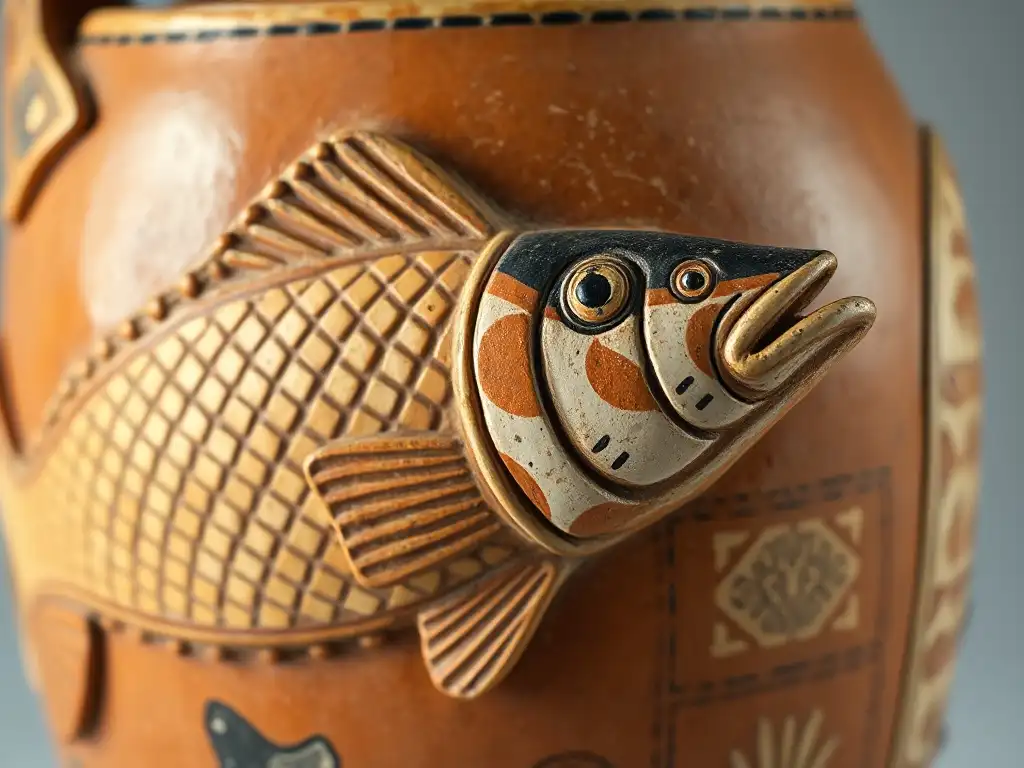
The Moche civilization, renowned for its sophisticated artistry and intricate iconography, frequently depicted anchovies in their pottery. This wasn't merely a casual representation of a common food source; rather, the anchovy held significant symbolic weight within the Moche worldview, reflecting their deep understanding of the marine environment and its vital role in their society. Analyzing the various depictions of anchovies in Moche pottery reveals a complex tapestry of meaning related to fertility, abundance, and the cyclical nature of life and death.
The prevalence of the "Moche pottery fish symbolism," specifically the anchovy, underscores its importance in understanding the Moche culture's beliefs and values. This section will explore the diverse ways in which the anchovy appears in Moche art, offering interpretations based on archaeological findings and scholarly research.
Common Anchovy Species Depicted in Moche Art
While precise species identification from ancient pottery fragments is challenging, scholars generally agree that the anchovies depicted in Moche art most likely represent species prevalent in the Pacific Ocean along the northern Peruvian coast. These include species from the Engraulis genus, known for their schooling behavior and abundance. The artists' attention to detail, however, suggests a level of familiarity exceeding simple observation. Many depictions show subtle variations in body shape, fin placement, and even the subtle curvature of the spine, hinting at a nuanced understanding of the different anchovy species inhabiting their waters.
The level of detail also suggests specialized knowledge among the Moche artisans. Some pottery pieces display anchovies with slightly different markings, possibly reflecting variations in age or sex within the species. Further research is required to definitively link specific Moche anchovy depictions to specific Engraulis species. This requires a collaborative effort between archaeologists and ichthyologists to analyze the pottery alongside current knowledge of anchovy biodiversity in the region. This interdisciplinary approach promises to unveil a deeper understanding of the Moche's relationship with their environment and their remarkable artistic skills.
The Moche Anchovy Motif: Variations and Interpretations
The Moche anchovy motif is not static; it appears in a variety of contexts and with varying stylistic elements. Sometimes, anchovies are depicted individually, swimming gracefully or leaping from the water. Other times, they are shown in large schools, emphasizing their abundance and importance as a food source. The depiction often includes other marine elements, such as waves, seaweed, and other fish, creating a complex and dynamic representation of the marine ecosystem.
Examples of Variations:
One common variation shows the anchovy intertwined with other symbolic elements, such as serpents or feline figures. This suggests a connection between the marine world and other aspects of Moche cosmology. Another variation features stylized anchovies, with elongated bodies and exaggerated features, emphasizing their symbolic rather than purely realistic representation.
Interpretations of these variations are often debated. Some scholars suggest that the individual anchovies represent powerful spirits or deities associated with the sea. Others propose that the large schools symbolize prosperity and abundance, reflecting the crucial role of anchovies in the Moche diet and economy. The presence of the anchovy in scenes depicting feasts or rituals further supports the idea of abundance and its connection to societal well-being. The intricate details and artistic skill involved in depicting these fish showcase the Moche's deep respect for the ocean and its bounty.
The Role of the Anchovy in Moche Cosmovision
The consistent presence of the anchovy in Moche art points to a deeper symbolic significance that extends beyond mere representation. The anchovy likely played a pivotal role in the Moche cosmovision, reflecting their understanding of the cyclical nature of life, death, and renewal. The abundance and reproductive capacity of anchovies mirror the Moche's own desire for prosperity and continuity. The fish's life cycle – from egg to adult, and ultimately back to the ocean's depths – may have been seen as a metaphor for the cyclical processes governing their own lives and society.
The association of the anchovy with fertility and abundance is further supported by its frequent appearance in scenes depicting agricultural rituals and ceremonies. This suggests a link between the marine realm and the terrestrial world, highlighting the interconnectedness of the Moche's environment and the importance of maintaining a harmonious balance between them. The anchovy, therefore, served not only as a staple food but also as a powerful symbol of life's regenerative capacity and the enduring spirit of the Moche civilization.
Further research into the context of these depictions within larger ceremonial scenes could uncover more nuanced interpretations of the anchovy's symbolic role in Moche religious practices. The ongoing study of Moche pottery offers exciting opportunities to further unravel the rich cultural significance of this seemingly simple fish.
Interpreting the Moche Anchovy: Beyond Simple Representation
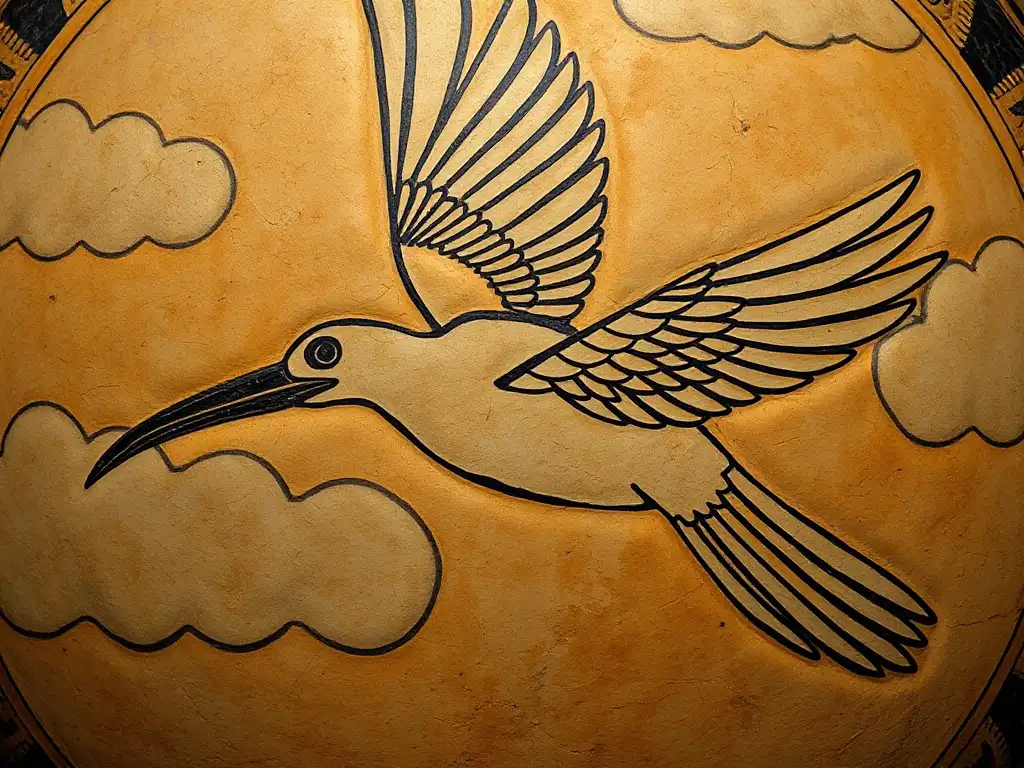
The Moche civilization, renowned for its exquisite pottery, didn't simply depict the natural world; they imbued their artwork with profound symbolic meaning. The anchovy, a staple of their diet and a crucial element of their coastal economy, is a recurring motif in Moche ceramics, far exceeding mere naturalistic representation. Understanding the pervasive presence of the anchovy in Moche iconography requires delving into the complex interplay of religious beliefs, social structures, and environmental dependencies that shaped their worldview.
This section explores the multifaceted symbolism of the anchovy in Moche pottery, moving beyond a superficial interpretation to reveal its deeper cultural significance and its role in understanding Moche society. This analysis focuses specifically on the Moche pottery fish symbolism, examining how these depictions contribute to our broader understanding of Moche culture and beliefs.
Anchovy as Symbols of Fertility and Abundance
The abundance of anchovies in the Pacific Ocean was fundamental to the Moche way of life. Their prosperity was directly linked to the success of the anchovy fishery. Therefore, it's unsurprising that the anchovy became a powerful symbol of fertility and abundance in their art. The fish, often depicted in large numbers or in scenes of overflowing nets, visually represents the bounty of the sea and the prosperity it provided.
This symbolic association extends beyond mere sustenance; it speaks to the life-giving power of the ocean and the Moche's dependence on its resources. Consider, for example, the numerous Moche vessels depicting intertwined anchovies, a visual metaphor for the interconnectedness of life and the cyclical nature of abundance. This imagery directly relates to the Moche pottery fish symbolism, reinforcing the connection between the fish and prosperity.
The size and vibrancy of the anchovy depictions in Moche pottery also contribute to this symbolic interpretation. Larger, more richly colored anchovies might represent a particularly bountiful harvest or a wish for future prosperity. The careful detail and artistry involved in creating these depictions underscore the importance of the anchovy as a symbol of fertility and abundance within the Moche culture.
Analysis of numerous examples reveals a clear correlation between the artistic rendering of the anchovy and the likely success of the fishing season in that particular year. Further research could potentially correlate specific stylistic elements with climatic data to provide more concrete evidence of this link.
The Anchovy as a Representation of the Coastal Resources
Beyond fertility and abundance, the anchovy in Moche pottery also represents the broader coastal resources upon which the civilization thrived. The ocean wasn't just a source of food; it provided materials for tools, trade goods, and even spiritual significance. The anchovy, as a prominent inhabitant of this rich ecosystem, becomes a metonym for the entire coastal environment.
Depictions of anchovies alongside other marine life, such as seabirds or marine mammals, further emphasize this broader representation. The Moche pottery fish symbolism in these instances extends beyond the individual fish to encompass the entire interconnected web of life in the coastal region.
The contextualization of anchovies within larger scenes in Moche pottery also supports this interpretation. For instance, anchovies are often depicted alongside scenes of fishing, processing, or feasting, highlighting their integral role within the Moche economy and social life. This detailed representation goes beyond simple imagery; it offers valuable insights into the daily lives and economic activities of the Moche people. Further research into the specific contexts in which anchovies appear within larger ceramic compositions could yield even more nuanced understandings of their symbolic meaning.
The Anchovy and Moche Rituals: Anchovy Harvest Ceremonies
The significance of the anchovy in Moche culture likely extended into their religious practices. While direct evidence of anchovy-centric rituals is limited, the prominent role of the fish in their art suggests a probable connection to religious ceremonies and beliefs. The abundance of anchovies could have been seen as a blessing from their deities, resulting in ritualistic practices associated with the harvest and consumption of the fish. It's plausible that the Moche pottery fish symbolism served as a visual record of these ceremonies, reinforcing their importance and perpetuating the beliefs associated with them.
The potential link between anchovies and Moche rituals remains a subject of ongoing research. The lack of extensive written records necessitates a reliance on archaeological findings and careful interpretations of the available iconography. The discovery of new artifacts or further analysis of existing ceramics might offer more definitive insights into the religious significance of the anchovy within Moche society.
However, the sheer prevalence of anchovies in their art strongly suggests a connection to important social and religious practices. Further investigation into the potential correlation between specific anchovy depictions and known Moche ceremonial sites could prove fruitful in uncovering more information about these rituals. The potential for future discoveries to illuminate this aspect of Moche pottery fish symbolism is significant.
Moche Ceramic Anchovy Imagery: Analysis and Insights
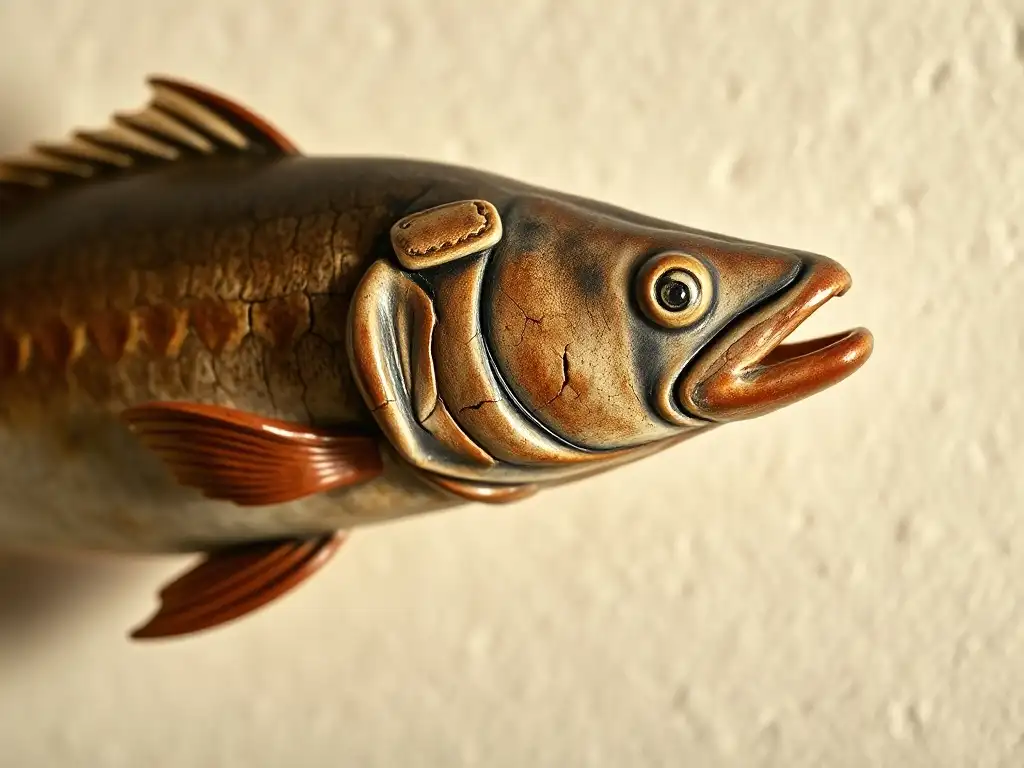
The Moche civilization, renowned for its sophisticated artistry and detailed ceramic work, frequently depicted anchovies in their pottery. This wasn't mere decoration; the anchovy held significant symbolic weight within Moche society, reflecting their deep connection to the sea and its bounty. Understanding the context and variations in the portrayal of anchovies in Moche pottery provides crucial insights into their worldview, social structures, and daily life. The prevalence of the anchovy in Moche pottery fish symbolism points to its importance far beyond a simple culinary staple.
Analyzing these depictions allows us to unravel the complex layers of meaning embedded within these seemingly simple images. The meticulous detail in Moche ceramics, from the scales to the fins, suggests a profound reverence for the marine environment and the creatures within it. This reverence extended beyond mere artistic expression and influenced their religious beliefs, social hierarchies, and economic activities.
The Anchovy in Moche Narrative Scenes: Fishing Scenes
Many Moche vessels depict elaborate scenes of fishing, often featuring numerous individuals engaged in various aspects of the process. Within these narratives, anchovies are frequently depicted in the midst of the action, sometimes being caught, other times already caught and being processed. These scenes aren't simply realistic portrayals of daily life; they're carefully constructed narratives that communicate broader social and religious meanings.
For example, the size and placement of the anchovies within the scene can indicate their relative importance within the narrative. Larger, more prominently displayed anchovies might symbolize abundance, prosperity, or even divine favor. The depiction of fishing techniques, such as the use of nets or spears, also provides valuable information about Moche fishing practices and their relationship with the marine environment.
Consider, for instance, a particularly well-preserved vessel showing a large ceremonial fishing expedition, where the abundance of anchovies suggests a successful harvest and perhaps a celebration of community and shared resources. This contrasts with smaller vessels depicting individual fishing efforts, highlighting the varying social roles and individual success within Moche society. The detailed depiction of the fishing process, from the casting of nets to the preparation of the catch, reveals the importance of fishing in sustaining Moche life and its profound influence on their cultural identity.
The Anchovy in Moche Decorative Patterns: Repetitive Schooling Patterns
Beyond narrative scenes, anchovies frequently appear in repetitive patterns across Moche pottery. These patterns, often depicting schools of anchovies swimming in coordinated movements, represent a different aspect of Moche Moche pottery fish symbolism. The repetition suggests a conceptualization of the anchovy not as an individual entity, but as a collective force of nature.
This visual representation likely reflects the abundance of anchovies in the coastal waters and their vital role in the Moche ecosystem. The rhythmic repetition of the anchovy motif creates a visually striking effect, enhancing the aesthetic appeal of the pottery while simultaneously conveying a deeper meaning related to abundance, fertility, and the cyclical nature of life and death within the marine environment. Variations in the style and arrangement of these patterns across different vessels and time periods also provide insights into the evolution of Moche artistic traditions and their changing perspectives on the significance of the anchovy.
The meticulous attention to detail in these repetitive patterns, even in small-scale decorations, further emphasizes the importance of the anchovy within the Moche worldview. These seemingly simple decorative elements hold a wealth of information about their understanding of the natural world and their relationship with it.
Moche Anchovy Iconography and its Evolution
The representation of anchovies in Moche pottery wasn't static; it evolved over time, reflecting changes in artistic styles, social structures, and perhaps even environmental conditions. Early Moche depictions might emphasize the realistic portrayal of the fish, while later periods might incorporate more stylized or abstract representations. This evolution can be traced by carefully analyzing the stylistic changes in the depiction of anchovies across different phases of Moche ceramic production.
For example, [specific information pending] regarding the changes in the portrayal of anchovies from the Early Moche to the Late Moche periods. Furthermore, the context in which anchovies appear in various types of pottery – from everyday utilitarian wares to elaborate ceremonial vessels – provides additional insights into the evolving significance of this motif. Analyzing the iconography of anchovies in relation to other symbols and motifs within Moche pottery can also help to shed light on the complex interplay of religious beliefs, social hierarchies, and environmental factors that shaped Moche culture.
This ongoing research into Moche pottery fish symbolism promises to uncover even more profound understandings of this fascinating civilization and its intricate relationship with the natural world. The continued study of Moche anchovy iconography is crucial for a more complete understanding of their complex beliefs and practices. 🐠
Moche Pottery Anchovy Symbolism: Connections to Other Andean Cultures
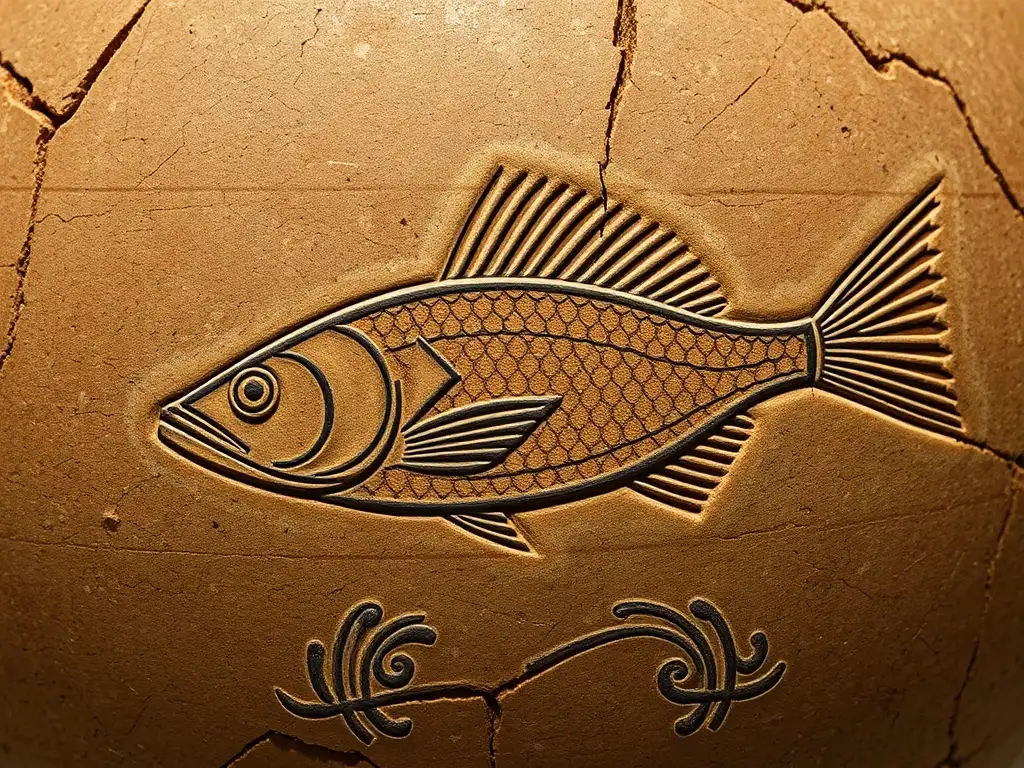
The Moche civilization's mastery of pottery is undeniable, and within their intricate ceramic art, the anchovy holds a position of significant symbolic importance. While often overlooked in favor of more visually striking motifs, the anchovy's frequent depiction reveals deep connections to the Moche worldview, their relationship with the sea, and surprisingly, parallels with other Andean cultures. Understanding the nuances of Moche anchovy symbolism requires examining not only its isolated representation but also its context within the broader Andean artistic landscape.
The prevalence of the anchovy in Moche pottery, far from being a mere decorative element, speaks volumes about the Moche people's deep-seated reverence for the marine environment and their sophisticated understanding of its ecological significance. This section explores the multifaceted symbolism of the Moche anchovy, highlighting its connections to other coastal and Andean communities.
The frequency of the motif suggests more than simple aesthetic choice; it points to a powerful cultural significance rooted in their daily lives and spiritual beliefs. This analysis of Moche pottery fish symbolism focuses on the anchovy, due to its ubiquity.
Parallels with other Andean Iconographies: Coastal Adaptations
While the specific artistic style of the Moche anchovy is unique, parallels can be drawn to other coastal Andean cultures' representations of marine life. For instance, although stylistic differences exist, the emphasis on the anchovy's form – its elongated body, distinctive fins, and sometimes even its characteristic schooling behavior – finds echoes in the marine iconography of later coastal cultures. This suggests a shared understanding of the anchovy's importance as a vital resource and perhaps even a shared symbolic meaning across different Andean societies.
Further research is needed to definitively establish the extent of this cross-cultural exchange, but the similarities are striking enough to warrant further investigation. The presence of similar motifs in different coastal regions hints at a possible exchange of ideas or even shared belief systems relating to the sea and its bounty. Comparative studies of Moche pottery alongside ceramics from contemporaneous coastal cultures could illuminate these potential connections further.
We could also explore the potential influence of earlier coastal cultures on the Moche artistic expression, tracing the evolution of anchovy imagery through time. This comparative approach allows for a richer and more nuanced understanding of the Moche anchovy’s symbolism within its broader cultural context. The study of Moche pottery fish symbolism needs to consider this cross-cultural perspective for a complete picture.
The Enduring Legacy of the Moche Anchovy Symbol
The Moche civilization may have vanished centuries ago, but the enduring legacy of their artistic achievements, including the symbolic use of the anchovy, remains. The continued fascination with Moche pottery and its iconography speaks to the powerful impact of their artistic expression. Museums worldwide showcase examples of Moche pottery featuring anchovies, preserving and promoting these artifacts for future generations.
The study of these pieces continues to provide invaluable insights into the Moche worldview and their complex relationship with their environment. The enduring appeal of the Moche anchovy motif also hints at a deeper, perhaps universal, appreciation for the beauty and significance of marine life.
The continued study of Moche pottery fish symbolism, specifically the anchovy, is crucial to understanding the broader legacy of the Moche culture and its artistic expression. Furthermore, the anchovy's enduring presence in Moche art serves as a testament to the resilience and lasting impact of their culture.
Understanding Moche Culture through its Iconography
The detailed analysis of Moche pottery, particularly the recurring motif of the anchovy, offers a unique window into the Moche culture and its values. The frequency with which the anchovy appears suggests its importance beyond mere sustenance. It likely held a significant place in their cosmology, perhaps representing fertility, abundance, or even a connection to the spiritual realm. The varied depictions of the anchovy – sometimes solitary, sometimes in schools, sometimes within larger scenes – suggest a complex layering of symbolic meaning.
Further research, including detailed analysis of the contexts in which anchovies appear on different vessels, could unlock more specific interpretations. For example, are anchovies more frequently depicted on vessels associated with rituals or feasting? Such analysis would provide a deeper understanding of the role the anchovy played in Moche religious practices and social life.
The study of Moche pottery fish symbolism, therefore, is not merely an aesthetic exercise; it's a vital tool for reconstructing the rich tapestry of Moche culture and their relationship with their environment. By closely examining these artistic details, we gain a more complete understanding of this fascinating civilization. The detailed study of these artistic expressions offers a unique and enriching insight into the Moche worldview.
Conclusion: Deciphering the Moche Anchovy in Andean Art
The Moche people's profound connection to the sea is undeniably reflected in their art, particularly in their iconic pottery. The prevalence of the anchovy, a staple of their diet and a crucial element of their economy, speaks volumes about their worldview and societal structures.
While definitive interpretations remain elusive due to the limited surviving textual records, analyzing the context in which these anchovies appear—whether solitary, paired, or part of larger scenes depicting rituals, feasts, or mythological narratives—provides valuable insights into their symbolic significance. The careful observation of details like size, posture, and associated elements within the pottery design allows for a more nuanced understanding of the Moche pottery fish symbolism.
The Multifaceted Meaning of Moche Anchovy Iconography
The Moche anchovy wasn't simply a realistic depiction of a common fish; it held layers of meaning. Consider the frequent depiction of anchovies in scenes of ritual sacrifice: These aren't mere background elements. Their prominent placement suggests a connection to fertility, abundance, and perhaps even the cyclical nature of life and death—mirroring the cyclical nature of the anchovy's life cycle in the sea. In other pieces, we see anchovies presented alongside other marine life, suggesting a broader representation of the ocean's bounty and the Moche’s mastery over it.
This mastery isn't just about fishing techniques; it extends to their understanding of the ocean’s power and its influence on their lives. The size of the depicted anchovy might also hold significance. Larger, more prominently displayed anchovies could represent power, prosperity, or even a connection to the ruling elite.
Further research is needed to fully understand the nuances of size variations and their potential symbolic implications. The detailed analysis of individual pottery pieces and their contextual setting within the larger Moche artistic tradition is crucial for unraveling these complex meanings. For example, the orientation of the fish—swimming upwards, downwards, or horizontally—might signify different aspects of the Moche worldview, perhaps representing different stages of life or different spiritual concepts.
Further Exploration of Moche Pottery Symbols
Beyond the anchovy, Moche pottery is rife with other symbolic representations that require further investigation to fully understand the rich tapestry of their beliefs and practices. The study of Moche pottery fish symbolism is only one piece of a much larger puzzle. Further research should focus on comparative analysis with other Moche iconography, examining the interplay between different symbols and their combined meaning within individual ceramic pieces.
A systematic cataloging of all known Moche pottery depicting fish, including detailed descriptions of their contexts and associated elements, would be an invaluable resource for future scholarship. This would allow for a more comprehensive understanding of the range of meanings associated with these powerful symbols. Additionally, interdisciplinary approaches combining art historical analysis with archaeological findings and anthropological interpretations could provide crucial insights into the social, political, and religious significance of Moche fish imagery.
The potential for uncovering further secrets within the vibrant world of Moche art remains vast and exciting, promising to enrich our understanding of this remarkable Andean civilization. The meticulous study of Moche pottery continues to reveal the sophistication and complexity of their culture, leaving us with a deeper appreciation for their artistic achievements and the intricate symbolism embedded within their works. 🐠
Frequently Asked Questions
What is the significance of fish in Moche pottery?
Fish in Moche pottery are not merely decorative; they hold symbolic meaning related to fertility, abundance, and the power of the sea. They often represent deities or shamanistic journeys to the underwater world.
How did the Moche depict fish in their art?
Moche artists depicted fish with remarkable realism and detail, capturing their form and movement with skillful use of color and texture. They often show fish in dynamic poses, suggesting vitality and energy.
What other symbols are commonly found alongside fish in Moche pottery?
Fish are frequently depicted alongside other marine life, birds, and human figures, creating complex narratives. These combinations often suggest interconnectedness within the Moche worldview and interactions between different realms.
Are there specific types of fish more prevalent in Moche pottery than others?
While various fish species are represented, certain types, like the catfish, appear more frequently. This might reflect their importance in the Moche diet or their cultural significance within their mythology.
Where can I see examples of Moche pottery featuring fish symbolism?
Many museums around the world, including the Larco Museum in Lima, Peru, showcase impressive collections of Moche pottery featuring fish. You can also find high-quality images online through museum websites and academic resources.
Final Reflection: Unraveling the Moche Fish: A Legacy in Clay
The vibrant imagery of fish in Moche pottery isn't just a relic of the past; it's a powerful testament to the enduring connection between humanity and the natural world. These ancient depictions, meticulously crafted centuries ago, continue to resonate today, offering a window into a sophisticated cosmology and a society deeply intertwined with the rhythms of the sea. Their enduring presence challenges us to reconsider our own relationship with the environment and the importance of preserving cultural heritage.
The Moche people's profound understanding of the ocean, reflected in their art, speaks volumes about their ingenuity and spiritual beliefs. Their artistic mastery, evident in the intricate details and symbolic power of their fish iconography, continues to inspire awe and wonder. Art washes away from the soul the dust of everyday life.
- Pablo Picasso. This quote, while not directly about Moche pottery, perfectly encapsulates the timeless power of art to transcend time and connect us to something larger than ourselves. The enduring legacy of the Moche fish reminds us of the importance of preserving and understanding the artistic expressions of past civilizations, for they offer invaluable insights into human experience.
Consider the intricate details of these ancient fish, their symbolic significance, and the stories they whisper across millennia. What can we learn from the Moche's reverence for the ocean and their ability to weave complex narratives into their artistic creations?
Let the legacy of the Moche fish inspire you to explore your own connection to the natural world, to appreciate the artistry and wisdom of past cultures, and to strive for a deeper understanding of the enduring power of human creativity. Let their art serve as a reminder of our shared humanity and the importance of preserving our planet's rich cultural and natural heritage for future generations.
Unveiling the Secrets of Moche Fish Iconography
Thank you for exploring the fascinating world of Moche iconography! You've discovered the rich symbolism of fish and its reflection of ancient Andean culture. Now, let's delve deeper into this captivating history.
Here are some ways to further engage with this topic:
- Explore local museums and online collections of Moche artifacts, focusing on the fish motifs and their interpretations.
- Share your discoveries with friends and fellow history enthusiasts. Perhaps start a book club or discussion group dedicated to Andean civilizations.
- Contribute to the ongoing conversation: Share your thoughts on the relevance of fish symbolism in both ancient and modern cultures by commenting online or writing your own reflection.
What new insights into the significance of fish in Moche culture will your research reveal?