
Moche Ceramics: Variations in Style and Regional Differences

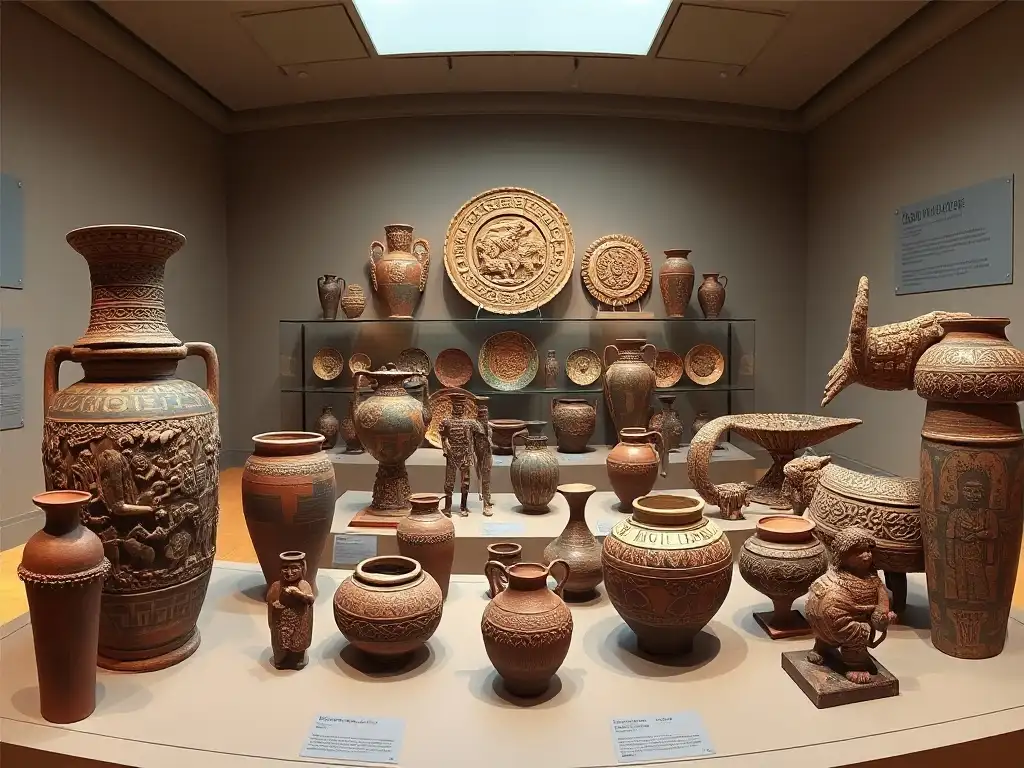
Step into a world lost to time, yet vibrantly alive in its artistry. Imagine the intricate detail, the bold colors, the sheer power contained within each piece… This is the legacy of the Moche, a civilization that mastered the art of pottery like no other. Uncover the secrets behind Moche pottery regional styles, and prepare to be amazed by the diverse expressions of a culture that flourished in the Andes. Their mastery of form and color tells a story far richer than any history book; are you ready to discover it?
The Moche civilization (c. 100 – 800 CE), flourishing along the northern coast of Peru, left behind a remarkable legacy: their intricate and expressive pottery. This article delves into the fascinating world of Moche ceramics, exploring the diverse stylistic variations and regional differences that reveal the complexity and sophistication of this ancient culture.
We'll examine how these variations in pottery styles reflect not only artistic expression but also social structures, religious beliefs, and the geographical distribution of Moche settlements. Understanding the regional styles of Moche pottery provides crucial insights into the organization and interconnectedness of this powerful pre-Columbian society, shedding light on their daily lives, rituals, and beliefs.
Analyzing these stylistic nuances allows us to piece together a more complete picture of Moche society, going beyond the grand narratives and focusing on the intricate details embedded within their artistic creations. This exploration will illuminate the subtle yet significant differences in pottery production across various Moche regions, revealing a vibrant tapestry of artistic expression.
Introduction to Moche Pottery and its Significance
Moche pottery is renowned for its exceptional artistry and realism. Unlike many other ancient ceramic traditions, Moche artisans achieved a level of detail and technical mastery that is truly breathtaking. Their skill in modeling three-dimensional forms, using a variety of techniques like modeling, molding, and slip painting, resulted in incredibly lifelike depictions of people, animals, and mythical creatures.
The significance of Moche pottery extends beyond its aesthetic appeal. These vessels served a wide range of functions, from everyday use in domestic settings to ceremonial contexts in religious rituals. Many pieces depict scenes of daily life, warfare, religious ceremonies, and mythological narratives, providing invaluable insights into Moche society and beliefs.
The vibrant colors, intricate details, and realistic portrayals make Moche pottery a crucial source for understanding the social, political, and religious structures of this remarkable civilization. The themes commonly found on Moche pottery, such as depictions of elite figures, sacrifices, and mythological beings, offer a unique window into their worldview and their complex social hierarchy. The detailed craftsmanship evident in the pottery underscores the high level of skill and specialization within Moche society.
Understanding Moche Pottery Chronology: A Timeline of Styles
Establishing a precise chronology for Moche pottery styles remains a complex task, with ongoing research refining our understanding. However, archaeologists generally agree on a broad chronological framework, identifying several distinct phases or styles based on changes in vessel shapes, decoration techniques, and iconography. These stylistic changes often correlate with broader shifts within Moche society, such as political changes or economic fluctuations.
Further Breakdown of Moche Pottery Styles (More data needed)
While a comprehensive timeline requires further research and detailed analysis, we can tentatively identify some key stylistic developments. For instance, early Moche pottery often displays simpler forms and less elaborate decoration compared to later periods. As the Moche civilization evolved, so did its artistic expression, leading to increasingly complex and detailed designs. More specific information on the stylistic differences between each phase, including examples and illustrations, would further enhance our understanding. [Specific information pending: detailed descriptions and examples of pottery styles for each chronological phase.]
The study of Moche pottery chronology is not only about identifying stylistic changes but also about understanding the social and cultural contexts in which these changes occurred. By carefully analyzing the evolution of Moche pottery styles, we can gain a deeper appreciation for the dynamism and complexity of this remarkable civilization. Further research and analysis of newly discovered artifacts are crucial for refining our understanding of Moche pottery chronology and its significance in reconstructing the history of the Moche civilization.
- Introduction to Moche Pottery and its Significance
- Understanding Moche Pottery Chronology: A Timeline of Styles
Regional Variations in Moche Ceramic Styles
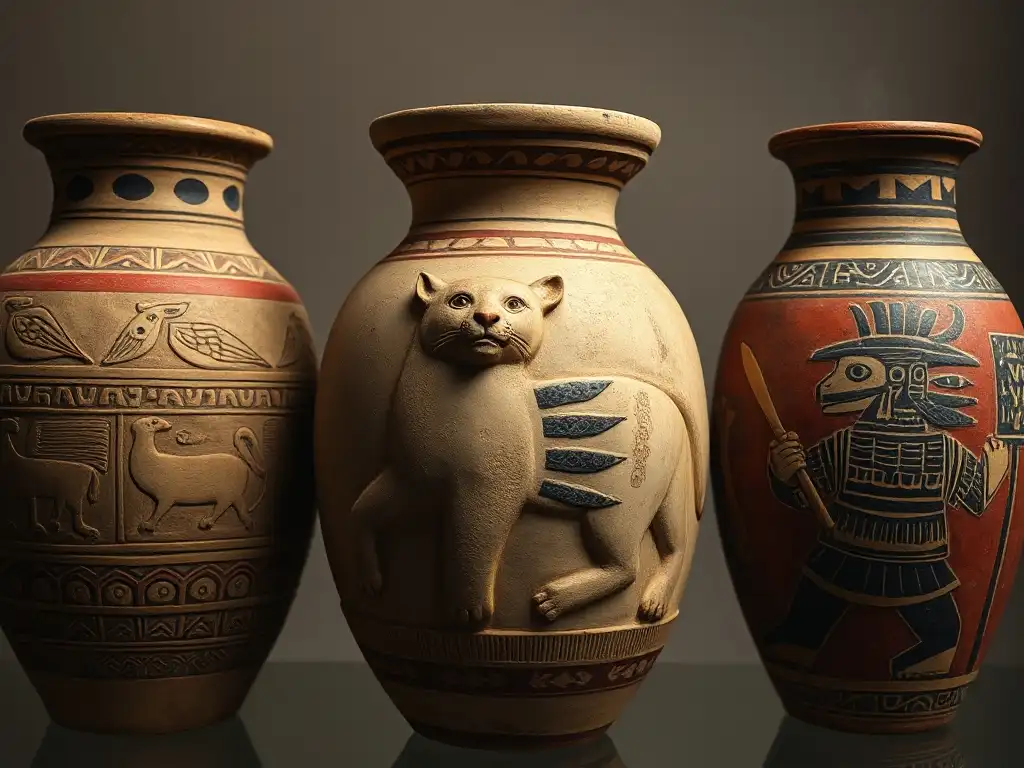
The Moche civilization, renowned for its sophisticated artistry, displayed significant regional variations in its ceramic production. Understanding these differences provides crucial insights into the social, political, and economic structures of this complex society. Analyzing Moche pottery regional styles reveals not just aesthetic preferences, but also potential indicators of distinct cultural identities and interactions between different Moche communities. This section will explore the key characteristics differentiating the Northern and Southern Moche styles, focusing on iconography, forms, and techniques.
The Northern Moche Style: Characteristics and Distinguishing Features
The Northern Moche style, encompassing the coastal areas north of the Chicama Valley, is characterized by a vibrant palette and bold, dynamic imagery. Pottery from this region often showcases a higher degree of detail and complexity in its decoration compared to its Southern counterparts. The use of color is particularly striking, with frequent applications of red, white, black, and yellow pigments, sometimes layered to create sophisticated effects.
The overall impression is one of exuberance and a highly developed artistic skill. Further research is needed to fully quantify the exact pigment ratios and their geographic distribution across northern sites. [Specific information pending on pigment analysis across Northern Moche sites].
Iconography and Motifs of Northern Moche Pottery
Northern Moche pottery frequently depicts scenes of warfare, hunting, and ritual ceremonies. Representations of powerful figures, often adorned with elaborate headdresses and jewelry, are common. Mythological creatures and stylized depictions of flora and fauna also frequently appear. One distinctive motif found predominantly in northern Moche ceramics is the portrayal of "decapitated figures," often interpreted as representations of sacrifices or rituals.
The prevalence of these specific images suggests a possible emphasis on ritualistic practices in this region, though further research is needed to confirm this hypothesis. A detailed catalog of Northern Moche iconography, with statistical analysis of motif frequency, would provide a more complete understanding. [Specific information pending: Complete catalog of Northern Moche iconography].
Common Forms and Techniques in Northern Moche Ceramics
Northern Moche potters employed a range of techniques, including modeling, molding, and painting. The most common forms included stirrup-spout vessels, which were used for ceremonial purposes, and jars for storing food and liquids. However, a remarkable diversity of forms exists, reflecting the versatility of Moche ceramic production. Advanced techniques such as negative painting and the use of slip were frequently employed to create intricate designs and textures.
The use of "stirrup-spout" vessels, while present in the south, often displays subtle variations in size and shape, further emphasizing the regional differences. Analysis of the manufacturing techniques (e.g., wheel-throwing vs. hand-building) could reveal further information about production centers and specialization. [Specific information pending: Detailed analysis of production techniques and their regional distribution].
The Southern Moche Style: Unique Traits and Artistic Expressions
The Southern Moche style, which spans the area south of the Chicama Valley, exhibits a distinct aesthetic characterized by a more restrained use of color and simpler, less elaborate designs. While still impressive in its craftsmanship, it displays a different artistic sensibility compared to the Northern style. The colors used are often more muted, with a greater emphasis on black, white, and red. The overall effect is one of elegance and sophistication, but with a less overtly flamboyant style.
Southern Moche Pottery Iconography: Key Symbols and Meanings
Southern Moche pottery iconography tends to focus on themes of fertility, agriculture, and the natural world. Depictions of plants, animals, and human figures engaged in agricultural activities are common. While representations of warfare exist, they are less prevalent than in the Northern style.
A notable difference lies in the symbolic representation of deities and mythical beings; these figures often appear less aggressive and more integrated into the natural landscape. Further studies comparing the iconographic themes between the north and south could illuminate the regional variations in belief systems and worldview. [Specific information pending: Comparative analysis of Northern and Southern Moche iconography and their cultural implications].
Regional Variations in Southern Moche Pottery Shapes and Decorations
Southern Moche pottery forms often feature simpler shapes compared to their northern counterparts. While stirrup-spout vessels are still present, they often exhibit variations in size and profile. The use of mold-made vessels is also notable in the southern region, which may indicate a different approach to ceramic production compared to the more individualized techniques observed in the north.
Decorative techniques frequently involve the use of incised lines and geometric patterns, often creating a more refined and understated aesthetic. Further research into the manufacturing processes, specifically concerning the use of molds, could reveal information about production organization and labor practices in southern Moche communities. [Specific information pending: Detailed analysis of the manufacturing processes and their relationship to regional styles].
Comparing Northern and Southern Moche Ceramic Traditions
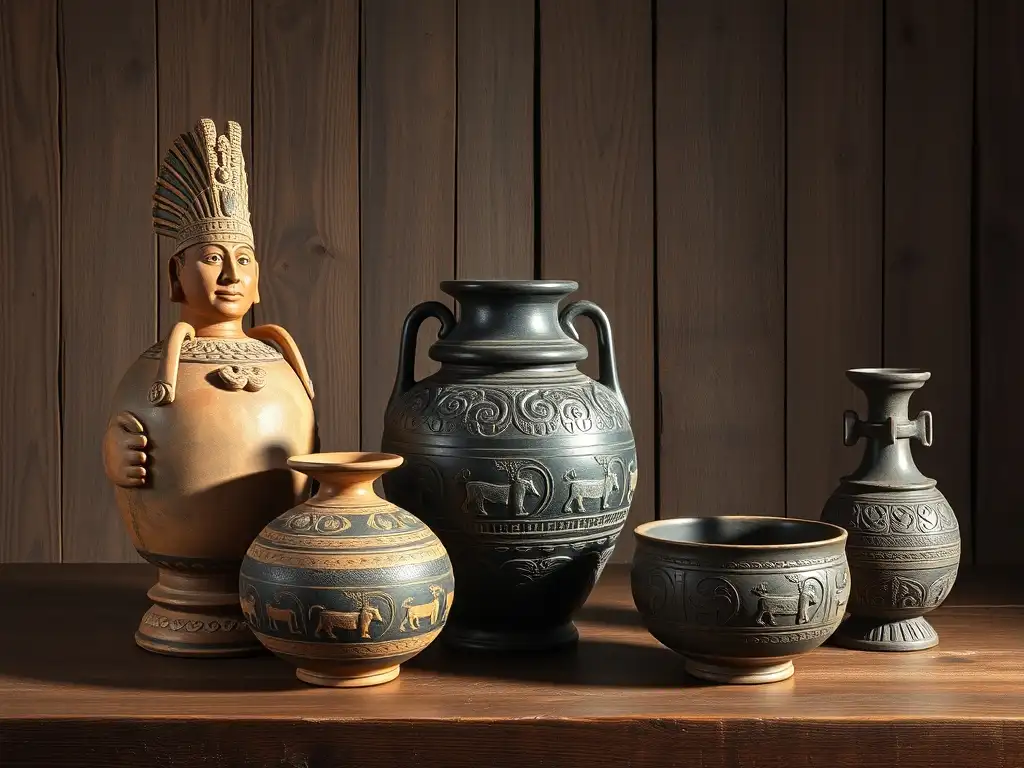
The Moche civilization, flourishing along the northern coast of Peru from roughly 100 CE to 800 CE, wasn't a monolithic entity. Significant regional variations existed in their artistic expressions, particularly evident in their renowned pottery. While sharing core stylistic elements, northern and southern Moche ceramics exhibit distinct characteristics reflecting differing artistic sensibilities and access to resources.
Understanding these nuances is crucial to appreciating the breadth and depth of Moche artistic achievement and the complexity of their societal structure. This section focuses on pinpointing the key distinctions between the ceramic traditions of these two major Moche regions, contributing to a more comprehensive understanding of Moche pottery regional styles.
Key Differences in Moche Pottery: A Stylistic Overview
Northern Moche pottery is often characterized by its more elaborate and dynamic style. Figurative representations, particularly of humans and animals, tend towards a greater degree of realism and movement. The use of vibrant colors, including deep reds, yellows, and blacks, is more prevalent. Intricate details, such as finely rendered facial features, clothing patterns, and even individual strands of hair, are common. Many scholars note a greater emphasis on portraying scenes of ritual, warfare, and daily life. These narratives are often complex and multifaceted, requiring careful study to decipher their meaning.
Conversely, southern Moche pottery exhibits a slightly more restrained aesthetic. While still highly skilled and detailed, the figures tend to be more stylized and less overtly dynamic. Color palettes often favor muted tones, with browns, creams, and muted reds being more prominent.
While detailed, the level of intricate detail is sometimes less pronounced compared to northern examples. The narrative focus seems to shift slightly, with less emphasis on elaborate scenes and more on individual figures or simpler symbolic motifs. This isn't to say southern Moche pottery lacks complexity; rather, its complexity manifests differently, often through subtle variations in form and the use of symbolic imagery.
Influence of Local Materials on Moche Pottery Styles
The availability of raw materials significantly impacted the stylistic variations in Moche pottery across different regions. Northern Moche potters had access to a wider range of clays and pigments, leading to the vibrant color palettes observed in their work. The specific geological composition of the clay itself might also have influenced the texture and firing techniques employed, resulting in variations in surface finish. For instance, the presence of certain minerals in the clay could have affected the final color and durability of the finished product. [Specific mineral composition data pending for northern and southern regions].
Southern Moche potters, while skilled, might have had access to a more limited range of resources. This could explain the more muted color palettes and potentially, the slightly different firing techniques employed. The type of clay and its inherent properties might have dictated a more stylized approach to shaping and decorating the vessels.
Further research is needed to fully understand the correlation between the geological context and the stylistic variations observed in Moche pottery across the different regions. This includes detailed analysis of the clay composition, pigment sources, and firing methods used in both northern and southern Moche pottery production.
Trade and Exchange: The Spread of Moche Pottery Styles Across Regions
While regional variations existed, evidence suggests a degree of interaction and exchange between northern and southern Moche communities. The presence of stylistic elements from one region in the pottery of the other indicates a degree of cultural diffusion. This wasn't necessarily a wholesale adoption of styles, but rather a selective borrowing and adaptation of certain techniques or motifs.
This could have occurred through various mechanisms, including trade networks, migration, or inter-community alliances. The spread of Moche pottery regional styles wasn't uniform; instead, it likely involved a complex interplay of factors, reflecting the dynamic nature of Moche society and its internal interactions.
The exact nature and extent of this exchange remain areas of ongoing research. Further analysis of ceramic fragments found in archaeological sites across the Moche territory, combined with detailed stylistic comparisons, could reveal more about the pathways of cultural exchange and the level of interaction between different Moche communities. This will help us better understand the complex relationship between regional identity and cultural diffusion within the Moche civilization.
The discovery of similar motifs or techniques in seemingly disparate regions could point to the existence of previously unknown trade routes or alliances, enriching our understanding of Moche social organization and cultural exchange. 🗺️
Moche Pottery: Beyond Regional Styles
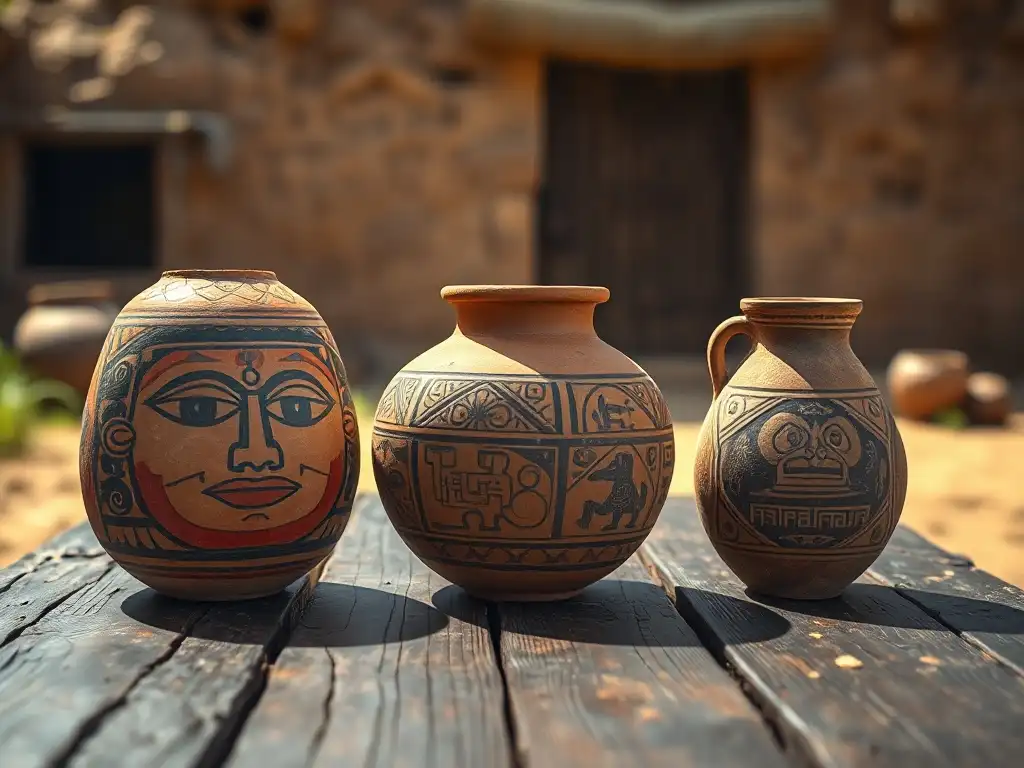
This section delves into the nuances of Moche pottery, moving beyond simple regional classifications to explore the complex interplay of stylistic variations and their socio-cultural significance. While geographical location undoubtedly influenced certain stylistic elements, a reductionist approach focusing solely on "Moche pottery regional styles" overlooks the intricate social messaging embedded within these remarkable artifacts. The Moche masterfully used ceramic production to convey a wealth of information about their society, beliefs, and daily lives.
We will explore this multifaceted aspect of Moche culture, uncovering the deeper meanings hidden within the seemingly simple variations in their pottery. Understanding these subtleties allows for a richer appreciation of Moche artistry and its profound impact on their civilization.
The Role of Moche Ceramics in Society and Ritual
Moche ceramics were far more than mere vessels; they were integral components of daily life and elaborate ritual practices. Their ubiquitous presence in Moche tombs, temples, and domestic settings underscores their importance. Elaborate burial practices frequently included a rich array of pottery, reflecting the deceased's social standing and providing them with necessities and symbolic objects for the afterlife.
For example, the presence of specific types of stirrup-spout vessels in elite tombs suggests their use in ritual libations or offerings to the gods. Furthermore, the sheer scale of ceramic production implies a significant portion of the Moche population was involved in its creation, either directly as artisans or indirectly through supporting industries. This widespread involvement cemented pottery's position as a central element in Moche social and economic structures.
Analysis of chemical residues found on some vessels provides further insight into their functions, revealing traces of food, beverages, and even psychoactive substances, further illustrating their diverse roles in both secular and ritual contexts. The complexity and diversity of Moche ceramic forms directly reflect the multifaceted nature of their society and beliefs. The meticulous craftsmanship evident in even the humblest pieces highlights the value placed upon this art form.
The intricate details and stylistic variations in Moche pottery provide valuable clues about social hierarchy and power dynamics. The size, decoration, and type of vessel often correlated with the social status of its owner. Elite individuals were frequently buried with large, elaborately decorated vessels depicting scenes of warfare, religious ceremonies, or mythological figures.
These vessels, often made from fine materials and showcasing exceptional craftsmanship, clearly marked the owner's high position within society. In contrast, simpler vessels, possibly mass-produced, were associated with commoners. The presence of specific motifs, such as depictions of rulers or deities, further reinforces the link between pottery and social status.
For instance, vessels depicting the Moche Lord are invariably found in elite contexts, emphasizing the ruler's power and divine connection. The study of Moche pottery therefore offers a unique window into the social stratification of this ancient civilization, revealing a complex system of social hierarchy reflected in the very objects that surrounded individuals in life and death. Further research on the distribution of different pottery styles across various archaeological sites could provide even more detailed information about social structures and interactions.
Moche Pottery as a Form of Communication and Storytelling
Moche pottery serves as a powerful visual record of their culture, beliefs, and history. The intricate scenes depicted on the vessels narrate stories of daily life, warfare, religious rituals, and mythology. These narratives, often vividly rendered, offer insights into Moche worldview and their understanding of the cosmos.
The use of specific iconographic elements, such as stylized representations of animals, plants, and human figures, carries symbolic meaning, allowing researchers to decipher the underlying messages conveyed by the artisans. For example, the frequent depiction of predatory birds and felines might symbolize power and authority, while scenes of agricultural activities could represent the importance of farming in their society. The use of vibrant colors and detailed craftsmanship further enhances the storytelling aspect of Moche pottery, making it a captivating and informative source of information about this fascinating culture.
The development of a comprehensive iconographic index would greatly enhance our understanding of these visual narratives and the broader cultural context in which they were created. Analyzing these narratives offers a compelling glimpse into the minds and lives of the Moche people, transforming simple vessels into powerful instruments of communication that transcend time.
Analysis of Specific Moche Pottery Examples by Region
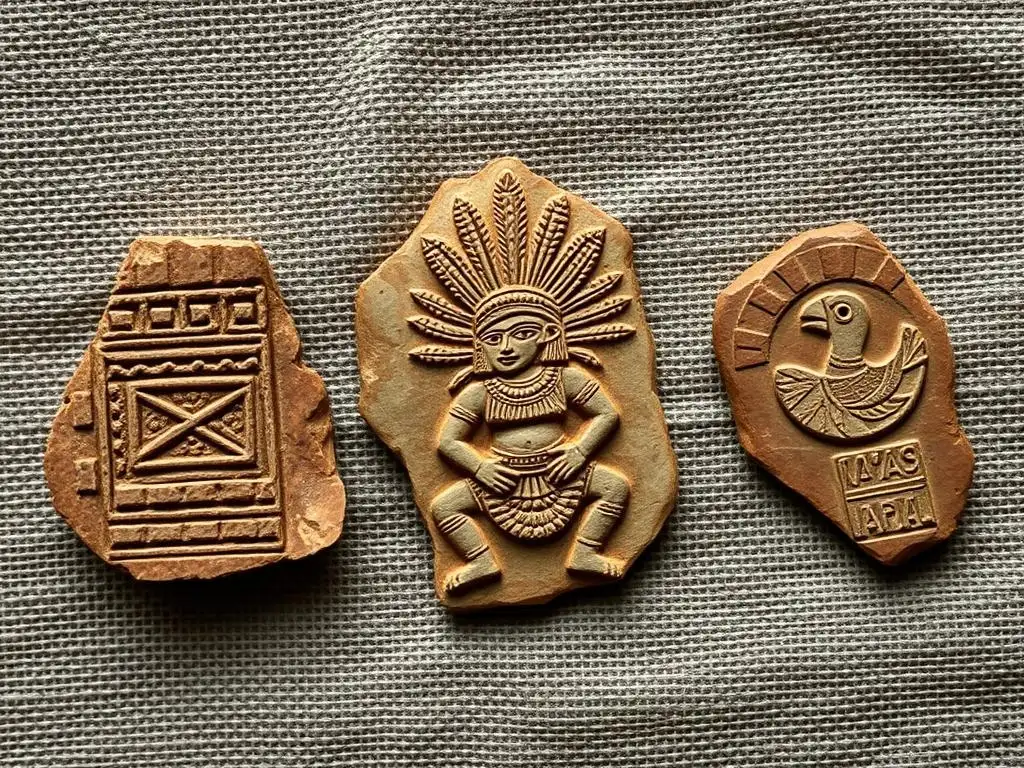
This section delves into the fascinating regional variations in Moche pottery styles, showcasing specific examples to highlight the nuances of artistic expression across the Moche heartland. Analyzing these pieces allows us to appreciate the sophisticated techniques and rich iconography that characterized Moche ceramic production, and to better understand the distribution and stylistic differences in Moche pottery regional styles. We'll examine both the stylistic choices and the implications of these choices for understanding Moche society and beliefs.
Example 1: Northern Moche Stirrup Spout Vessel with Warrior Depiction
This example showcases a classic Northern Moche stirrup-spout vessel, a hallmark of the region's ceramic production. The vessel's overall form is characteristic of Northern Moche styles: a relatively slender body, a pronounced stirrup spout, and a meticulously painted surface.
Analysis of Combat Scene, Headdress, and Use of Negative Painting
The most striking feature is the detailed depiction of a warrior engaged in combat. The warrior is portrayed with intricate details: a feathered headdress, elaborate body paint, and weapons. The artist masterfully utilizes negative space painting, a technique where the background is painted, leaving the figure unpainted, to highlight the warrior's form.
This technique, prevalent in Northern Moche pottery, provides a striking contrast and emphasizes the dynamism of the scene. The combat scene itself likely depicts a mythological battle or a significant historical event, reflecting the Northern Moche's preoccupation with warfare and their complex social hierarchy. The warrior's headdress, a particularly detailed element, may indicate his rank or status within the society.
The use of red and white pigments, typical of Northern Moche palettes, further emphasizes the overall visual impact. The detailed rendering of the warrior's features, weapons, and attire suggests a high level of artistic skill and a profound understanding of human anatomy and weaponry. Further research is needed to definitively identify the specific type of weaponry depicted, and the exact meaning of the symbols and patterns surrounding the warrior figure.
Example 2: Southern Moche Figural Bottle with Depiction of a Deity
This example represents a distinct Southern Moche style, contrasting sharply with the Northern examples in both form and decorative motifs. This particular piece is a figural bottle, molded in the shape of a seated deity. Unlike the more streamlined vessels from the North, Southern Moche pottery often features more robust, three-dimensional forms.
Analysis of Form, Mold-Made Technique, and Symbolism
The use of mold-made techniques is evident in the consistent and precise rendering of the deity's features. This technique, while used throughout Moche territory, seems to have been more prevalent in the South, suggesting a possible specialization or preference for mass production in certain areas. The deity's iconography is crucial for understanding Southern Moche religious beliefs.
The specific attributes—the headdress, ornaments, and posture—provide clues to the deity's identity and role within the pantheon. Further study is required to determine the specific deity depicted, and the significance of the associated symbols and motifs. The prevalence of such figural bottles in Southern Moche contexts suggests a strong emphasis on ancestor veneration or ritual practices centered around specific deities.
The use of a more limited color palette compared to Northern Moche pieces, often relying on earth tones and muted colors, is also a defining characteristic of Southern Moche pottery. The less vibrant colors may reflect the available pigments in the region or a deliberate stylistic choice, representing a more subdued religious or artistic expression. Analyzing the specific pigments used could reveal further details about the production methods and the geographic origin of the materials.
The Legacy of Moche Pottery: Its Impact on Andean Art
The Moche civilization's mastery of ceramic artistry left an undeniable mark on subsequent Andean cultures and continues to resonate in contemporary art. Their innovative techniques, vibrant colors, and intricate depictions of daily life, mythology, and ritual practices served as a powerful source of inspiration for generations of artisans. The legacy of Moche pottery isn't merely aesthetic; it represents a crucial link in the chain of Andean artistic development, influencing styles and techniques for centuries.
The enduring popularity of Moche pottery, even today, speaks volumes about the sophistication and enduring appeal of their artistic achievements. Understanding this legacy requires examining both its direct influence on later Andean styles and its continued presence in modern interpretations. The detailed, lifelike representations found in Moche pottery, particularly their portraits and depictions of ceremonies, provided a blueprint for artists working in later periods.
Moche Ceramics in Modern Collections and Museums
Many prestigious museums worldwide proudly showcase remarkable examples of Moche pottery. These collections not only preserve invaluable pieces of history but also serve as a vital resource for researchers and art enthusiasts alike. The sheer variety on display – from the delicately painted vessels depicting mythical creatures to the imposing portrait jars – highlights the breadth and depth of Moche ceramic production.
For instance, the Larco Museum in Lima, Peru houses one of the most extensive and impressive collections of Moche pottery, offering a comprehensive overview of their artistic achievements. Similarly, museums such as the Metropolitan Museum of Art in New York and the British Museum in London possess significant holdings of Moche ceramics, allowing for international appreciation of this unique artistic heritage. The careful preservation and exhibition of these artifacts ensure the continuation of the legacy of Moche pottery and its accessibility to a global audience.
Detailed catalogs and scholarly publications accompanying these collections further contribute to the understanding and appreciation of Moche pottery regional styles. The meticulous documentation of these pieces, including their provenance and stylistic analysis, provides invaluable insights into the craftsmanship and cultural significance of Moche ceramics.
Moche Pottery's Influence on Contemporary Andean Art
The influence of Moche pottery extends far beyond historical collections; it continues to inspire contemporary Andean artists. Modern artisans draw upon the vibrant colors, intricate designs, and powerful imagery of Moche ceramics to create new works that reflect both tradition and innovation. Many contemporary artists incorporate Moche motifs and techniques into their own creations, thereby paying homage to the rich artistic heritage of the Moche civilization.
This revival is evident in various mediums, including ceramics, textiles, and even jewelry. The use of traditional Andean pigments and techniques, combined with contemporary artistic sensibilities, results in a unique fusion of styles.
This artistic dialogue between the past and the present ensures that the spirit of Moche pottery lives on, enriching the contemporary Andean art scene and keeping the legacy of Moche pottery regional styles alive. Furthermore, the study of Moche pottery techniques is actively employed in workshops and art schools across the Andes, ensuring the transmission of traditional skills and knowledge to new generations of artists.
Conclusion: Appreciating the Diversity of Moche Pottery
The study of Moche pottery regional styles reveals a civilization of remarkable artistic skill and cultural complexity. From the meticulous craftsmanship evident in individual pieces to the broad range of styles and iconography, Moche ceramics offer a window into the beliefs, practices, and social structures of this fascinating ancient culture. The enduring legacy of Moche pottery is a testament to the power of art to transcend time and inspire future generations.
The continued study and appreciation of these remarkable artifacts are essential for preserving and understanding this significant contribution to Andean art and its lasting impact on the cultural landscape of Peru. The diverse regional styles, each with its unique characteristics, underscore the vibrant and multifaceted nature of Moche society and its artistic achievements.
Appreciating this diversity allows for a deeper understanding of the rich tapestry of Andean culture and the enduring legacy of Moche pottery. The meticulous attention to detail, the bold use of color, and the compelling narratives embedded within these ceramics continue to captivate and inspire, ensuring that the Moche legacy will endure for centuries to come.
Frequently Asked Questions
What makes Moche pottery so unique?
Moche pottery is renowned for its exceptional craftsmanship, realistic depictions of people and animals, and vibrant, lifelike colors. The pottery often portrays scenes of daily life, mythology, and rituals.
How did the Moche create such intricate designs?
The Moche employed advanced techniques, including slipware, negative painting, and modeling, to create their detailed designs. They used a variety of pigments derived from natural minerals.
Were there different regional styles in Moche pottery?
Yes, regional variations are evident in Moche pottery. Styles differed in terms of vessel shapes, decorative motifs, and color palettes, reflecting local traditions and artistic preferences. This is important for understanding Moche pottery regional styles.
What are some common themes depicted in Moche pottery?
Common themes include portraits of rulers, religious ceremonies, warfare, daily life activities, and erotic scenes. These offer valuable insights into Moche society and beliefs.
How can I identify the region of origin of a Moche pot?
Identifying the exact region can be challenging but examining specific motifs, vessel forms, and color combinations can provide clues. Studying published scholarly resources is crucial for accurate identification of Moche pottery regional styles.
Final Reflection: Echoes of the Moche: A Legacy in Clay
The vibrant artistry of Moche ceramics continues to resonate today, a testament to the ingenuity and cultural richness of a civilization lost to time. Their intricate designs and diverse regional styles offer not just a glimpse into their past, but a powerful reminder of the enduring power of artistic expression and the importance of preserving cultural heritage. The meticulous detail and stylistic variations found across different Moche regions highlight the complexity and sophistication of their society, a society that continues to fascinate and inspire archaeologists and art lovers alike.
The enduring influence of Moche pottery extends far beyond the dusty shelves of museums; it permeates our understanding of ancient Andean cultures and challenges our preconceived notions of what constitutes "primitive" art. Their mastery of form and color, their ability to convey narrative and emotion through intricate depictions, speaks to a level of artistic sophistication rarely seen in other pre-Columbian cultures. The Moche were not simply creating vessels; they were creating narratives, expressing beliefs, and shaping their identity through clay.
This quote encapsulates the profound cultural significance of their work and its lasting impact on our understanding of their world.
Consider, for a moment, the intricate details you've learned about the different regional styles of Moche pottery. Let those images, those stories etched in clay, inspire you to appreciate the diversity and complexity of human cultures, past and present. Seek out opportunities to learn more about the rich tapestry of human history, to engage with the art and artifacts that connect us to our shared past, and to champion the preservation of cultural heritage for future generations. The legacy of the Moche awaits your exploration.
Unveil the Richness of Moche Ceramics Today!
Thank you for exploring the fascinating world of Moche ceramics! You've discovered not only their intricate designs but also the rich history and cultural significance embedded in each piece. Let's now delve deeper into this incredible art form.
Here's how you can further explore and share the marvels of Moche ceramics:
- Become a Moche Ceramic Expert: Visit a local museum to see authentic Moche artifacts and learn more about their stories. Consider researching the historical context of specific pieces to gain a deeper understanding.
- Join a Community of Enthusiasts: Connect with fellow enthusiasts through online forums or local workshops dedicated to Andean art and culture. Sharing your passion with others can enrich your own appreciation.
- Share Your Discoveries: Write a blog post or create a social media post about your favorite aspects of Moche ceramics, inviting others to share their perspectives. High-quality photographs can greatly enhance your presentation.
What specific Moche pottery piece intrigues you the most, and why does it resonate with you personally? Let's continue the discussion!