
Were Andean Granaries More Than Just Storage?: The Cultural Implications

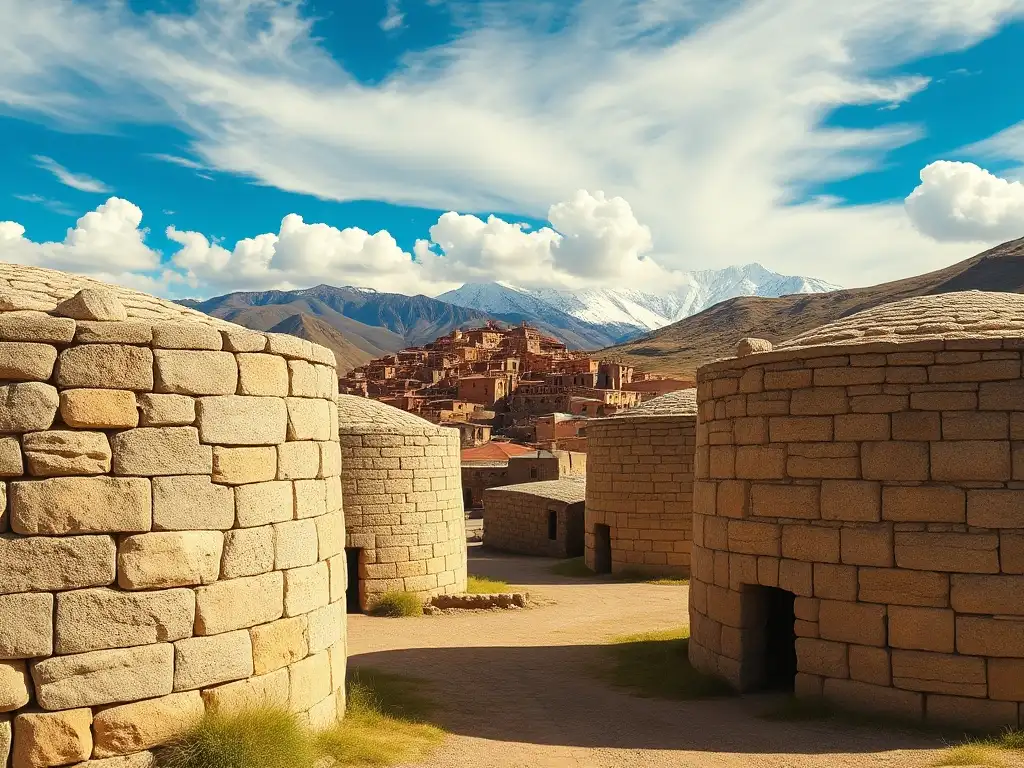
Uncover the secrets whispered through the ages in the heart of the Andes! Journey with us as we delve into the fascinating world of ancient Andean civilizations, exploring their remarkable ingenuity and breathtaking artistry. But what if the towering Andean granaries held a significance far beyond simple food storage? Discover the surprising cultural implications that lie within these enigmatic structures – a story of ingenuity, community, and power waiting to be unveiled. Continue reading to unravel the mysteries behind their true purpose.
- Andean Granaries: Unveiling the Cultural Significance Beyond Simple Storage
- The Multifaceted Role of Granaries in Andean Society
- Andean Granaries and Ritual Practices
- Case Studies: Exploring Different Granary Uses Across Andean Civilizations
- The Lasting Legacy of Andean Granaries
- Frequently Asked Questions
- Final Reflection: Unearthing the Enduring Legacy of Andean Granaries
- **Unveil the Secrets of Andean Culture! **
Andean Granaries: Unveiling the Cultural Significance Beyond Simple Storage
The vast, arid landscapes of the Andes Mountains belie a rich history of sophisticated agricultural practices. For centuries, Andean civilizations, including the Inca, Moche, Nazca, and Tiahuanaco, developed ingenious methods for cultivating and preserving their crops, essential for survival in challenging environments.
While often viewed simply as storage facilities, Andean granaries played a far more significant role in the social, economic, and religious life of these societies. This article delves into the fascinating world of Andean granaries, exploring their physical characteristics, construction techniques, and ultimately, their profound cultural implications, revealing how these structures transcended their practical function to become integral components of Andean worldview and social organization.
Understanding the cultural significance of these granaries provides crucial insights into the complex societal structures and beliefs that shaped these remarkable civilizations. We will analyze how these seemingly simple structures reflect intricate social hierarchies, economic strategies, and religious beliefs, revealing the deep-rooted connection between food security and cultural identity in the Andes.
Introduction to Andean Granaries and Their Purpose
Andean granaries were not merely repositories for surplus crops; they were strategically located and meticulously designed structures reflecting a sophisticated understanding of agriculture, resource management, and societal needs. Their purpose extended far beyond simple food storage. These structures served as vital components of a complex system that ensured the survival and prosperity of Andean communities. The strategic placement of granaries, often near agricultural fields or in easily defensible locations, demonstrates a keen awareness of logistical and security considerations.
Furthermore, the size and design of granaries varied considerably depending on the specific needs of the community, reflecting factors such as population size, agricultural yield, and social organization. The efficient storage of food was directly linked to the stability and social cohesion of Andean societies. The successful management of food reserves was critical for mitigating the impact of unpredictable weather patterns and ensuring the community's resilience during times of scarcity.
The Physical Characteristics of Andean Storage Structures
The physical characteristics of Andean granaries reveal much about the technological ingenuity and cultural values of the builders. Construction techniques varied across different regions and time periods, reflecting the adaptation of building methods to local materials and environmental conditions. However, common features highlight the importance placed on functionality, durability, and protection from the elements.
These structures were built to withstand harsh weather conditions, protect stored food from pests and animals, and ensure the long-term preservation of vital resources. The construction materials, the architectural design, and the overall size of the granaries offer unique insights into the technological capabilities and socio-economic organization of the various Andean cultures.
Types of Granaries: Underground, Above-Ground, and Cliffside
Andean granaries exhibit a remarkable diversity in their design and placement. Three primary types are commonly identified: underground, above-ground, and cliffside granaries. Underground granaries, often constructed using subterranean chambers, offered protection from extreme temperature fluctuations and provided a natural defense against pests and animals. Above-ground granaries, built from stone, adobe, or other local materials, were commonly found in areas with less risk of flooding.
These structures frequently featured intricate ventilation systems to maintain optimal storage conditions. Cliffside granaries, carved into rock faces, represent a unique adaptation to challenging terrain, offering both protection and security. The choice of granary type was largely determined by factors such as topography, climate, and the availability of building materials. The diversity in granary types reflects the adaptive nature of Andean societies and their ability to develop innovative solutions tailored to diverse environmental contexts.
Materials Used in Granary Construction: Stone, Adobe, and Natural Fibers
The materials used in the construction of Andean granaries reveal the resourcefulness and environmental awareness of these civilizations. Stone, readily available in many Andean regions, was a common building material, particularly for larger, more permanent structures. Adobe, a sun-dried brick made from clay and other organic materials, was widely used, especially in regions with less access to suitable stone.
Natural fibers, such as reeds and grasses, were also employed in the construction of granaries, providing insulation and contributing to the overall durability of the structures. The selection of building materials was influenced by factors such as availability, durability, and local environmental conditions. The skillful use of locally sourced materials demonstrates the sustainable building practices employed by Andean societies.
The careful consideration of material properties ensured the long-term preservation of stored food and the longevity of the granaries themselves. The construction techniques, reflecting a deep understanding of building science, further underscore the advanced technological capabilities of Andean civilizations.
The Multifaceted Role of Granaries in Andean Society
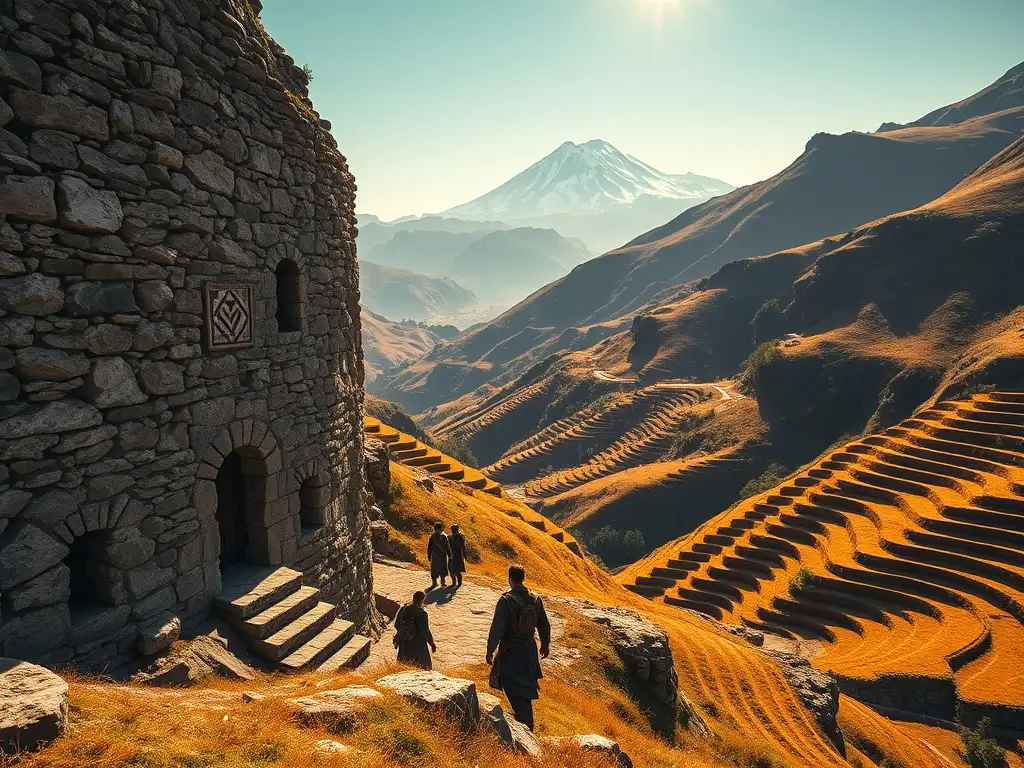
The Andean granaries, often overlooked as mere storage facilities, played a far more complex and crucial role in the social, economic, and political fabric of ancient Andean societies. Their significance extended far beyond the practical function of food preservation, deeply intertwining with the cultural values and power structures that shaped these civilizations. Examining these structures reveals profound insights into the Andean worldview and their sophisticated systems of resource management. Understanding the Andean granaries' cultural significance allows us to appreciate the ingenuity and complexity of these ancient societies.
The economic and social impact of Andean granaries was substantial. Their capacity to store surplus agricultural production allowed for the mitigation of the risks associated with fluctuating harvests. This stability had far-reaching consequences, fostering population growth and supporting specialized labor beyond basic agriculture. The existence of large-scale granaries indicates a highly organized system of agricultural production and distribution, a testament to the advanced understanding of Andean agricultural practices.
The sheer scale of some granaries, like those found at [specific location pending], speaks to the significant surplus generated and the societal capacity to manage it. This surplus wasn't just about survival; it fueled economic growth and social complexity. The presence of granaries also suggests a level of social stratification, with certain individuals or groups responsible for their construction, maintenance, and management. The control and distribution of stored goods directly influenced social hierarchies and power dynamics within Andean communities.
Granaries as a Symbol of Wealth and Power
The construction and maintenance of large granaries were significant undertakings, requiring considerable labor and resources. This fact alone made them potent symbols of wealth and power. Larger, more impressive granaries likely belonged to elites, reinforcing their status and authority within the community. The size and architectural sophistication of a granary could directly correlate to the power and influence of its owner or the community it served.
Archaeological evidence suggests that certain granaries were strategically located within or near important ceremonial centers, further emphasizing their symbolic importance and connection to religious beliefs. This strategic placement highlights their function not only as storage facilities but also as powerful visual representations of social hierarchy and political control. For instance, the [specific example pending] showcases the intricate craftsmanship and monumental scale often associated with elite granaries.
Control of Granaries and its Influence on Andean Political Structures
Control over granaries was intrinsically linked to political power in Andean societies. The ability to store and distribute food resources provided a significant lever of influence. Elites who controlled granaries could exert control over the population by regulating food distribution, rewarding allies, and punishing dissenters. This control extended beyond mere subsistence; it allowed for the mobilization of labor for public works projects or military campaigns, further solidifying their authority.
The strategic placement of granaries, often near administrative centers or along trade routes, suggests a deliberate strategy to control resource flow and exert political influence across wider regions. The organization and management of granaries involved complex administrative systems, hinting at the sophisticated bureaucratic structures present in some Andean societies. The [specific information pending] on granary management further demonstrates the intricate relationship between granaries and political power.
Granaries and the Andean Concept of Reciprocity
The Andean concept of ayni, a system of reciprocal exchange, deeply influenced the function and significance of granaries. While elites controlled many granaries, the distribution of stored food wasn't solely based on power dynamics. Granaries served as crucial components of community-based systems of reciprocal exchange, ensuring the survival and well-being of all community members.
The storage of surplus allowed for aid during times of hardship, reinforcing social bonds and fostering community cohesion. This system of reciprocity wasn't solely based on immediate exchange; it fostered long-term social obligations and ensured the stability of the community as a whole. The concept of ayni is crucial to understanding the deeper cultural significance of Andean granaries, moving beyond a purely economic interpretation.
The Role of Granaries in Community-Based Food Distribution
Granaries weren't simply repositories for elite consumption; they facilitated the distribution of food within the community. During lean times or periods of scarcity, stored resources were distributed to those in need, ensuring the survival of the community as a whole. This distribution system, often managed by community leaders or religious figures, played a vital role in maintaining social order and stability.
[Specific details on distribution mechanisms pending]. The existence of these systems highlights the social responsibility associated with controlling food resources, emphasizing the community's collective well-being over individual gain. This communal aspect of granary management is a testament to the strong social fabric of Andean societies.
The Significance of Shared Resources in Andean Culture
The significance of shared resources, as exemplified by the role of granaries, reflects a broader Andean worldview that prioritized collective well-being over individual accumulation. The concept of ayni extended beyond food; it encompassed all aspects of community life, reinforcing social harmony and cooperation. The granaries served as physical manifestations of this shared responsibility, symbolizing the community's commitment to mutual support and collective survival.
The importance of shared resources is crucial to understanding the Andean granaries' cultural significance within the broader context of Andean values and social organization. The very existence and function of these structures demonstrate a sophisticated understanding of resource management and a strong emphasis on social responsibility – a key element of Andean cultural identity.
Andean Granaries and Ritual Practices
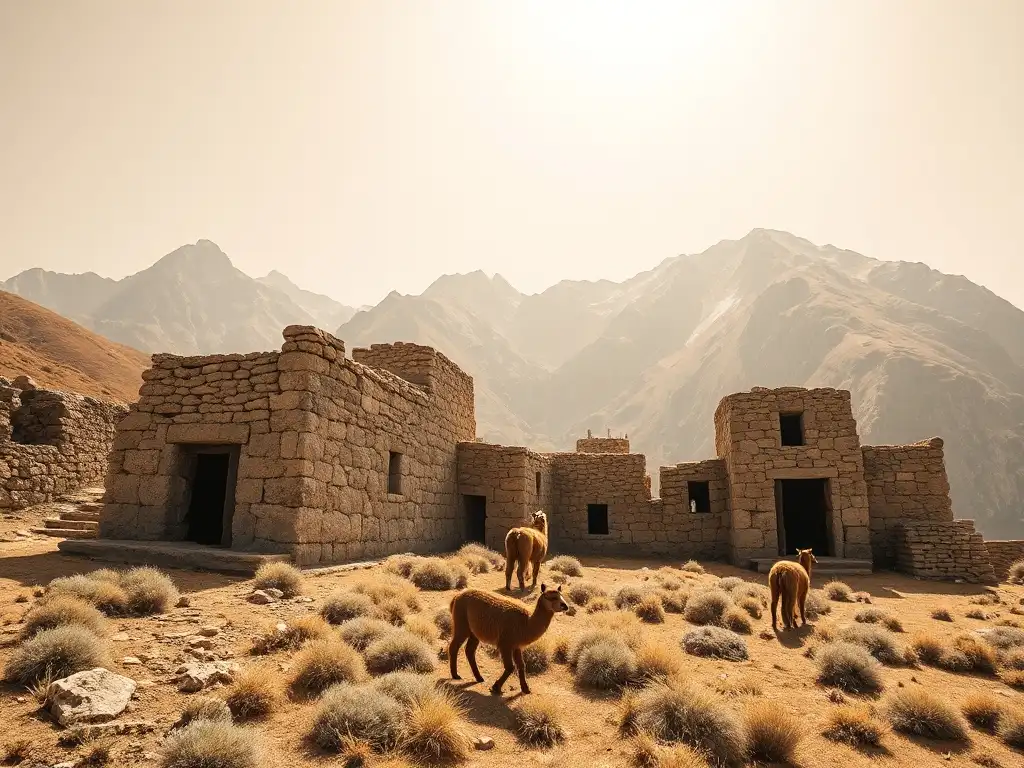
Andean granaries, far from being mere repositories of food, played a crucial role in the religious and social life of ancient Andean societies. Their construction, use, and even their eventual abandonment were deeply intertwined with complex ritual practices reflecting the profound spiritual connection between the people and their agricultural landscape. Understanding these rituals is key to appreciating the full cultural significance of Andean granaries. The keyword "Andean granaries cultural significance" is deeply embedded in the very fabric of their existence.
Ceremonies and Rituals Associated with Harvest and Storage
The harvest season wasn't simply a time of reaping the rewards of labor; it was a sacred period marked by elaborate ceremonies. These rituals, often involving community participation, ensured a bountiful harvest in the coming year and expressed gratitude to the gods and spirits believed to control agricultural cycles. Specific offerings, such as coca leaves, chicha (a fermented corn beverage), and other agricultural products, were frequently placed within or near the granaries as a form of appeasement and thanksgiving.
The act of storing the harvest itself was imbued with ritual significance, often performed according to precise, time-tested methods passed down through generations. Failure to adhere to these practices could be viewed as an affront to the supernatural realm, potentially leading to crop failure or other misfortunes.
The Spiritual Connection to Agricultural Cycles and Granaries
The Andean worldview deeply intertwined agricultural cycles with the spiritual realm. The cyclical nature of planting, growth, harvest, and storage mirrored the cyclical patterns observed in the cosmos. Granaries, therefore, became symbolic representations of this cosmic order, acting as microcosms of the universe.
Their design, often incorporating astronomical alignments or featuring symbolic motifs, further reinforced this connection. The positioning of granaries within the landscape also held symbolic meaning; their placement often reflected specific geographic and energetic considerations. For instance, some granaries were strategically situated near water sources or on elevated ground, possibly reflecting beliefs about the flow of energy or the influence of celestial bodies.
Granaries as Sacred Spaces in Andean Belief Systems
Many researchers propose that Andean granaries were not simply utilitarian structures but also served as sacred spaces. The act of entering a granary might have involved specific rituals or required adherence to certain taboos. The granaries themselves may have housed sacred objects or served as locations for specific rituals.
Evidence of offerings and ritual deposits found within or near some granaries supports this hypothesis. Furthermore, the meticulous construction and careful maintenance of these structures suggest a level of reverence exceeding mere practical concerns. The careful placement of stones, the use of specific materials, and the intricate designs all point to a deeper symbolic and spiritual significance.
Granaries and the Preservation of Cultural Memory
Beyond their immediate practical function, Andean granaries served as crucial repositories of cultural memory. They weren't just storing food; they were preserving vital knowledge and traditions passed down through generations. This preservation extended beyond agricultural techniques to encompass a broader understanding of the Andean worldview and societal structure.
The Role of Granaries in Maintaining Agricultural Knowledge
The careful storage of seeds within granaries ensured the continuity of agricultural practices. Different varieties of crops were often stored separately, reflecting a sophisticated understanding of plant genetics and adaptation to various environmental conditions. This knowledge, meticulously maintained through generations, allowed Andean societies to adapt to changing climate conditions and maintain agricultural productivity. The granaries themselves became living archives of agricultural knowledge, embodying the accumulated wisdom of past generations. The methods of storage – including techniques for pest control and preservation – were also part of this invaluable legacy.
Transmission of Traditions Through Storage Practices
The practices surrounding the construction, use, and maintenance of granaries served as a powerful mechanism for the transmission of cultural knowledge and traditions. These activities were often performed communally, providing opportunities for the transfer of skills and beliefs from elders to younger generations. The rituals associated with harvest and storage reinforced social cohesion and helped maintain cultural identity.
Learning these practices wasn't simply about acquiring practical skills; it was a rite of passage that embedded individuals within the cultural fabric of their community. The knowledge incorporated into the construction and use of granaries ensured the continuity of Andean agricultural traditions for centuries. The very act of building and using a granary was a living testament to the cultural significance of this vital structure.
Case Studies: Exploring Different Granary Uses Across Andean Civilizations
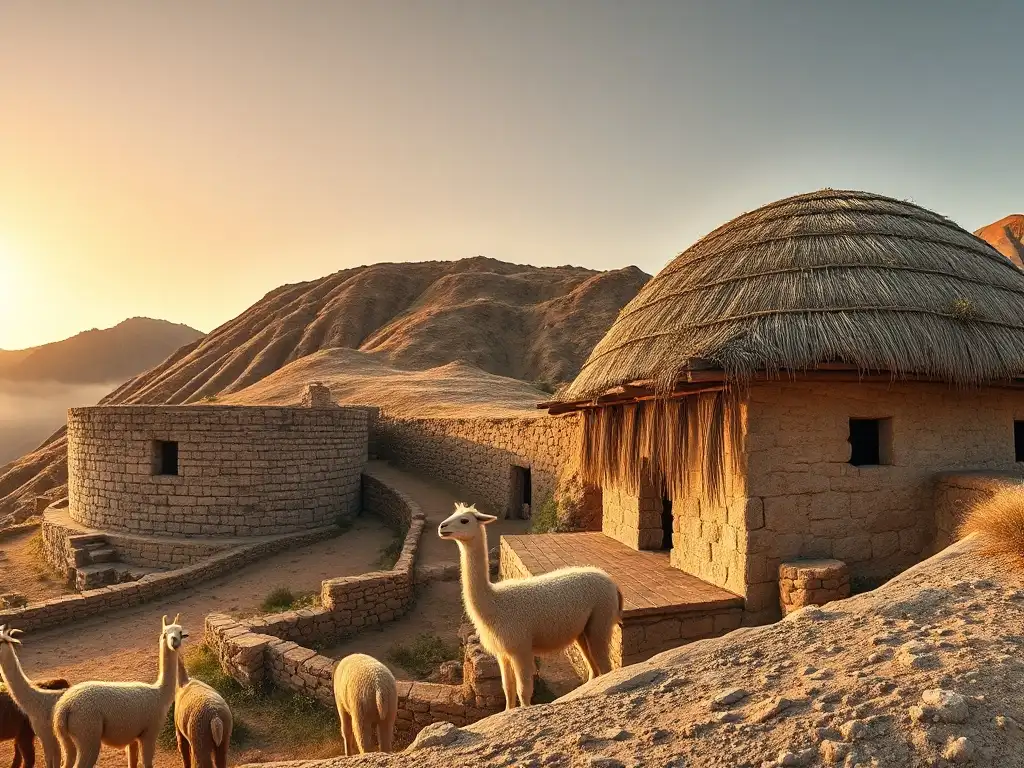
This section delves into specific examples of Andean granaries, analyzing their construction, function, and cultural significance to demonstrate that these structures transcended mere food storage. We will examine how different Andean civilizations adapted granary design and usage to their unique social and environmental contexts, revealing the multifaceted role these structures played in their societies. Understanding the nuances of Andean granary systems provides crucial insights into the complexities of Andean social organization, economic strategies, and religious beliefs. This analysis will highlight the diverse ways in which "Andean granaries cultural significance" manifested across time and space.
The Inca Granaries: A Model of State-Controlled Storage
The Inca Empire's sophisticated administrative system is inextricably linked to its impressive network of granaries. These weren't simply repositories for surplus crops; they were integral components of a centralized economy that ensured food security and social stability across a vast and diverse empire. The Inca state meticulously controlled food production and distribution, using granaries as crucial tools for managing resources, supporting its vast population, and maintaining power.
The strategic placement of granaries near administrative centers, along major trade routes, and in strategically important regions further underscores their importance in the Inca's imperial project. The construction itself, often using meticulously cut stone, reflects the Inca's engineering prowess and their commitment to long-term stability and sustainability. Their design, often incorporating sophisticated ventilation systems to prevent spoilage, showcases an advanced understanding of agricultural practices.
Ollantaytambo Granaries and their Cultural Context
The granaries at Ollantaytambo, a significant Inca archaeological site, serve as a prime example of this state-controlled system. These impressive structures, built into the hillside, are characterized by their precise stonework and their integration into the overall urban planning of the site. Their size and number suggest a considerable capacity for storing agricultural surpluses.
More than just storage facilities, these granaries likely also served symbolic purposes, potentially reflecting the Inca's control over the land and its resources. Their location within a prominent ceremonial center hints at a possible connection to religious rituals or state ceremonies. Further research is needed to fully understand the intricate interplay between the economic and symbolic roles of these Ollantaytambo granaries.
The precise capacity of these structures, and the types of grains stored, remains a subject of ongoing investigation, however, preliminary studies suggest a significant capacity for storing various grains and potentially dried goods for extended periods. This highlights the sophistication of Inca agricultural practices and their ability to manage large-scale food storage.
Regional Variations: Granary Systems in the Moche and Nazca Cultures
While the Inca granaries exemplify a state-controlled system, other Andean civilizations developed unique granary systems reflecting their specific socio-political structures and environmental adaptations. The Moche and Nazca cultures, for example, demonstrate significant regional variations in granary design and function, highlighting the diverse ways in which Andean societies approached food storage and distribution.
Moche Granaries at Cerro Chepen and their unique characteristics
The Moche culture, known for its elaborate artistic traditions and sophisticated irrigation systems, constructed granaries that reflect their unique social organization. Granaries at sites like Cerro Chepen often show a more decentralized pattern compared to the Inca system. This suggests a potentially less centralized control over food resources, perhaps reflecting a different balance of power between the elite and the common population.
The architectural styles of these granaries often incorporate features specific to Moche aesthetics, such as intricate painted murals or distinctive ceramic decorations. These decorative elements might have had both functional and symbolic significance, potentially reflecting clan affiliations or religious beliefs.
Further research into the materials used in the construction of these granaries and their structural features could provide more detailed insights into their capacity, construction techniques, and longevity. Analysis of organic residues found within these structures could also shed light on the types of crops stored and the Moche's agricultural practices.
Nazca Granaries at Cahuachi and their distinctive features
The Nazca culture, famous for its enigmatic geoglyphs, also constructed granaries, though their design and function differed from both the Inca and Moche examples. Granaries at Cahuachi, a major ceremonial center, often exhibit a distinct architectural style, reflecting the Nazca's unique artistic and engineering capabilities. The location of these granaries in close proximity to major ceremonial centers suggests a possible connection between food storage and religious rituals or elite power.
Unlike the Inca's centralized system, the Nazca granaries at Cahuachi may have played a role in supporting large-scale religious gatherings or ceremonies, possibly serving as a mechanism for distributing resources to participants. The size and distribution of these granaries, along with their architectural features, suggest that they played a crucial role in the socio-religious life of the Nazca civilization.
Further research is required to fully understand the interplay between the ceremonial and practical functions of these Nazca granaries at Cahuachi and other sites. The scale of the structures at Cahuachi points to a significant level of social organization and resource management within the Nazca society.
The Lasting Legacy of Andean Granaries
The Andean granaries, far from being mere repositories of grain, represent a complex interplay of agricultural practices, social structures, and spiritual beliefs, deeply influencing the cultural landscape of the Andes. Their enduring legacy extends beyond their practical function, shaping societal organization, religious rituals, and even modern agricultural techniques. Understanding their cultural significance unveils a fascinating perspective on the ingenuity and resilience of Andean civilizations.
The meticulous design, strategic placement, and symbolic importance of these structures reflect a sophisticated understanding of resource management and a profound connection to the land. Analyzing the architectural details, the societal roles involved in their construction and maintenance, and their integration into religious ceremonies provides a rich tapestry of Andean life. The keyword "Andean granaries cultural significance" accurately captures this multifaceted impact.
Understanding Andean Food Security Strategies
Andean food security strategies were intricately linked to the effective management of their granaries. These weren't simply storage facilities; they were integral components of a complex system designed to mitigate the risks associated with fluctuating harvests and unpredictable climatic conditions. The sheer scale of some granary complexes, like those found at Ollantaytambo, speaks volumes about the sophistication of Inca agricultural planning.
These structures ensured food availability during lean times, preventing widespread famine and social unrest. The meticulous organization of storage, the selection of appropriate building materials (considering factors like climate and pest control), and the implementation of effective preservation techniques all contributed to the success of these strategies.
Furthermore, the strategic location of granaries—often near agricultural lands and along trade routes—facilitated efficient distribution networks, ensuring that food reached even the most remote communities. The successful implementation of these strategies showcases the deep understanding Andean civilizations had of environmental factors and their impact on food production.
The Influence of Andean Granary Systems on Modern Agricultural Practices
The ingenuity of Andean granary systems continues to resonate in modern agricultural practices. While contemporary technologies have advanced significantly, the fundamental principles underlying efficient storage and preservation remain relevant. For example, the use of natural ventilation and sun-drying techniques, prevalent in Andean granary design, minimizes spoilage and reduces the need for artificial preservation methods.
This echoes current sustainable agriculture movements emphasizing environmentally friendly practices that minimize the use of chemicals and energy. Moreover, the Andean emphasis on community-based resource management—evident in the collective effort required to construct and maintain granaries—offers valuable lessons for modern agricultural cooperatives and initiatives focused on food security in developing countries. Studying the Andean model provides valuable insights into developing resilient and sustainable agricultural systems.
Lessons from the Past: Sustainable Storage Techniques
Andean civilizations employed remarkably effective sustainable storage techniques within their granaries. These techniques, refined over centuries, minimized food loss and ensured long-term preservation. Examples include:
- Elevated structures: Raising the granaries off the ground prevented moisture damage and protected the stored food from rodents and other pests.
- Natural ventilation: Ingenious ventilation systems allowed for air circulation, preventing mold growth and maintaining optimal humidity levels.
- Sun-drying techniques: Pre-storage sun-drying reduced moisture content, significantly extending the shelf life of grains and other produce.
- Use of natural materials: The use of locally sourced, sustainable materials like stone and wood minimized environmental impact.
These techniques, combined with careful selection and preparation of stored goods, demonstrate a deep understanding of food preservation principles, highlighting the sophisticated knowledge of Andean agricultural practices. Understanding these techniques offers valuable insights for developing sustainable and environmentally friendly storage solutions in modern agriculture. The lasting impact of these practices on food security and environmental stewardship is undeniable.
Conclusion: Andean Granaries – More Than Just Storage, They Were Cultural Cornerstones
Andean granaries, as we've explored, transcended their purely functional role as simple storage facilities. Their construction, location, and the rituals surrounding them reveal a deep-seated cultural significance within Andean societies. These structures weren't merely practical solutions to food preservation; they were integral components of a complex social, economic, and religious system. The meticulous craftsmanship evident in many granaries, often incorporating sophisticated architectural techniques and symbolic designs, underscores their importance beyond mere utility.
Their strategic placement within the landscape, frequently integrated into broader settlement patterns and linked to sacred sites, further emphasizes their symbolic value. The very act of communal construction and maintenance fostered social cohesion and reinforced collective identity. The careful management of stored resources within these granaries played a crucial role in the survival and prosperity of Andean communities, highlighting their role in risk management and social stability.
Understanding the multifaceted nature of Andean granaries allows us to appreciate the ingenuity and cultural depth of these ancient civilizations. Their legacy extends far beyond the physical structures themselves; they represent a testament to the intricate relationship between Andean people and their environment, a relationship deeply intertwined with their spiritual beliefs and social organization. The sophisticated systems of food production and distribution, facilitated by these granaries, contributed significantly to the remarkable achievements of Andean societies.
The Enduring Cultural Significance of Andean Granaries
Even today, the cultural significance of Andean granaries resonates. Their presence in the landscape continues to evoke a sense of history and tradition. Many are still standing, albeit often in a state of disrepair, serving as silent witnesses to the ingenuity and resilience of past generations.
The architectural styles and construction techniques employed in their creation continue to inspire awe and admiration, offering valuable insights into the advanced engineering skills of Andean builders. The study of these granaries provides a tangible link to the past, fostering a deeper understanding of Andean culture and its enduring legacy. Furthermore, their continued presence offers opportunities for cultural tourism and heritage preservation, promoting awareness and appreciation for the rich history of the Andes.
The ongoing research and preservation efforts dedicated to these granaries ensure that their cultural significance remains recognized and celebrated, ensuring that the knowledge and traditions associated with them are passed on to future generations. The Andean granaries stand as powerful symbols of community, resilience, and the enduring connection between people and their environment. Their story is one of ingenuity, adaptation, and the deep-rooted cultural values that shaped Andean civilizations.
Frequently Asked Questions
What is the primary function of Andean granaries?
While primarily used for food storage, Andean granaries served a much broader purpose within their societies. They were crucial for managing resources and ensuring community survival, especially during lean times.
What makes Andean granaries culturally significant?
Andean granaries held immense cultural and religious significance. Their construction, location, and even the stored goods often reflected social hierarchies and spiritual beliefs. They were more than just buildings; they were integral parts of the social fabric.
How did the design of Andean granaries reflect the culture?
The architecture and materials used in constructing granaries varied across different Andean cultures, reflecting their unique artistic styles and technological capabilities. Their designs often incorporated symbolic elements and were carefully integrated into the landscape.
Granaries were central to the social and economic organization of Andean societies. Their control and management often resided with elite groups or religious leaders, highlighting their importance in resource distribution and power dynamics.
Beyond storage, what other purposes did Andean granaries serve?
Andean granaries sometimes served as ceremonial spaces or held symbolic importance related to fertility and abundance. Their location and design often reflected a deep connection between humans and the spiritual world.
Final Reflection: Unearthing the Enduring Legacy of Andean Granaries
The ingenious architecture of Andean granaries continues to resonate today, a testament to the ingenuity and sophisticated social structures of pre-Columbian societies. Their existence challenges simplistic notions of "storage" and reveals a profound connection between agriculture, community, and spiritual belief that remains relevant in our increasingly interconnected world. Understanding their significance offers valuable insights into sustainable resource management and the enduring power of collective action.
The impact of these granaries extends far beyond their practical function; they represent a powerful symbol of community resilience and social organization. Their construction and maintenance required collaborative effort, highlighting the importance of shared responsibility and mutual support within Andean communities. The granaries were not merely structures of wood and stone, but rather embodiments of the social fabric itself,
as one scholar eloquently put it. This principle of collective action, so vividly demonstrated in the creation and use of these structures, offers a potent lesson for contemporary society grappling with issues of resource scarcity and social inequality.
Consider the enduring legacy of these ancient structures. How can we, in our own lives, cultivate a similar sense of community responsibility and sustainable resource management? You too can contribute to building a more resilient and equitable future by embracing the spirit of collaboration and mindful resource use inspired by the wisdom of the Andean people. Let the echoes of their ingenuity inspire you to create positive change in your own community, fostering a spirit of shared responsibility and sustainable practices for generations to come.
**Unveil the Secrets of Andean Culture! **
Thank you for exploring the fascinating world of Andean granaries! You've discovered that these structures were far more than simple storage facilities; they were vital to the cultural identity and social fabric of Andean communities. Now, let's delve even deeper!
Here are some ways to further your understanding and appreciation:
- **Expand your knowledge:** Learn more about the daily lives of Andean civilizations and how their agricultural practices shaped their societies and beliefs.
- **Share your discoveries:** Discuss your newfound knowledge with friends, family, or community groups, inspiring others to learn about the rich history of the Andes.
- **Join the discussion:** Connect with us on social media or our online platform to share your thoughts and ask questions about Andean culture and traditions.
What aspect of Andean culture captivates you the most, and why? We'd love to hear your thoughts!