
The Role of Llamas in Inca Agriculture: More Than Just Beasts of Burden


Step into a world lost to time, yet echoing with the ingenuity of a vanished empire. Prepare to unravel the mysteries of the Andes, a land sculpted by ancient civilizations and their remarkable achievements. Forget everything you think you know about llamas – our exploration of the Inca llama agricultural system reveals a far more complex and vital role for these animals than simply beasts of burden. Discover the secrets behind their contribution to the Inca Empire's astonishing agricultural prowess – a story of innovation and resilience that will leave you breathless. Dive in and uncover the truth.
The Inca Empire, renowned for its sophisticated agricultural techniques and impressive infrastructure, relied heavily on a complex system that intertwined human ingenuity with the unique capabilities of the llama. This article delves into the multifaceted role of llamas within the Inca agricultural system, revealing them as far more than mere beasts of burden. We will explore their contributions to transportation, fertilization, textile production, and even their symbolic significance within the Inca worldview, demonstrating how their integration was crucial to the empire's success and sustainability.
Understanding the Inca llama agricultural system provides crucial insight into the ingenuity and adaptability of this remarkable civilization, highlighting their deep connection with their environment and the animals that sustained them. This exploration will reveal the intricate web of interdependence that allowed the Inca to thrive in the challenging Andean landscape.
Llamas as Pack Animals: Efficient Transportation in Difficult Terrain
The Andes Mountains present significant geographical challenges, with steep slopes, narrow passes, and unpredictable weather. The Inca cleverly utilized llamas' remarkable ability to navigate this challenging terrain. Unlike horses or oxen, llamas were well-suited to the high altitudes and rocky paths, carrying essential goods such as agricultural produce, building materials, and textiles across vast distances.
Their surefootedness and endurance allowed the Inca to efficiently transport vital resources throughout their extensive empire, fueling economic growth and facilitating communication between distant communities. Evidence suggests that llamas could carry up to 1/3 of their body weight for extended periods, making them highly efficient pack animals, especially considering the lack of wheeled vehicles in the Inca Empire. This efficient transportation system was crucial for the functioning of the Inca agricultural system, allowing for the distribution of surplus crops and the movement of agricultural labor.
Llama Dung: A Valuable Fertilizer in Andean Agriculture
Beyond their transportation capabilities, llamas played a critical role in enriching Inca agricultural lands. Their dung, rich in nutrients, served as a valuable fertilizer, enhancing crop yields in the often-poor Andean soils. The Inca carefully managed llama herds, strategically grazing them in different areas to optimize fertilization and prevent overgrazing.
This practice, combined with other sophisticated agricultural methods like terracing and irrigation, contributed significantly to the empire's ability to feed its substantial population. While precise figures on crop yield increases due to llama dung are unavailable, [specific information pending] archaeological evidence supports the widespread use of animal manure as a crucial component of Inca agricultural practices. The strategic placement of llama pastures near cultivated fields further underscores the importance of llama dung in the Inca agricultural system.
Textile Production: Llama Fiber as a Key Resource
Llama fiber was a crucial resource for the Inca, contributing significantly to their textile industry. The soft, warm wool was used to create a variety of textiles, from everyday clothing to elaborate ceremonial garments. The quality and versatility of llama fiber allowed the Inca to produce textiles of exceptional quality, showcasing their advanced weaving techniques and artistic skills.
The production of textiles was not only economically significant but also held deep cultural and religious importance within Inca society. The availability of llama fiber, therefore, directly impacted various aspects of Inca life, indirectly contributing to the stability and prosperity of the agricultural system by providing essential clothing and materials for trade.
The Symbolic Importance of Llamas in Inca Culture
Beyond their practical contributions, llamas held significant symbolic importance within Inca culture. They were often depicted in art and religious ceremonies, representing wealth, prosperity, and the connection between humans and the natural world. This symbolic association further reinforced the importance of llamas within the Inca worldview, highlighting their integral role in the empire's overall functioning. The reverence for llamas, therefore, transcended their purely utilitarian value, underscoring their deeper integration into Inca society and the agricultural system. This spiritual connection fostered responsible management practices, ensuring the sustainability of llama populations and their continued contribution to Inca life.
The Inca llama agricultural system is a testament to the ingenuity and resourcefulness of the Inca civilization. The multifaceted role of llamas, extending far beyond simple beasts of burden, reveals a sophisticated understanding of animal husbandry and its integration into a complex, sustainable agricultural model. Further research into this fascinating topic could uncover even more details about the intricate relationship between the Inca and their invaluable llama herds.
- Llamas as Pack Animals: Efficient Transportation in Difficult Terrain
- Llama Dung: A Valuable Fertilizer in Andean Agriculture
- Textile Production: Llama Fiber as a Key Resource
- The Symbolic Importance of Llamas in Inca Culture
- What role did llamas play in Inca agriculture beyond carrying burdens?
- How did the Inca utilize llama dung for their crops?
- What other animals were important to Inca agricultural practices?
- Did the Inca develop any special techniques for managing their llama herds?
- How did the Inca llama agricultural system contribute to their societal success?
The Significance of Llamas in the Inca Empire
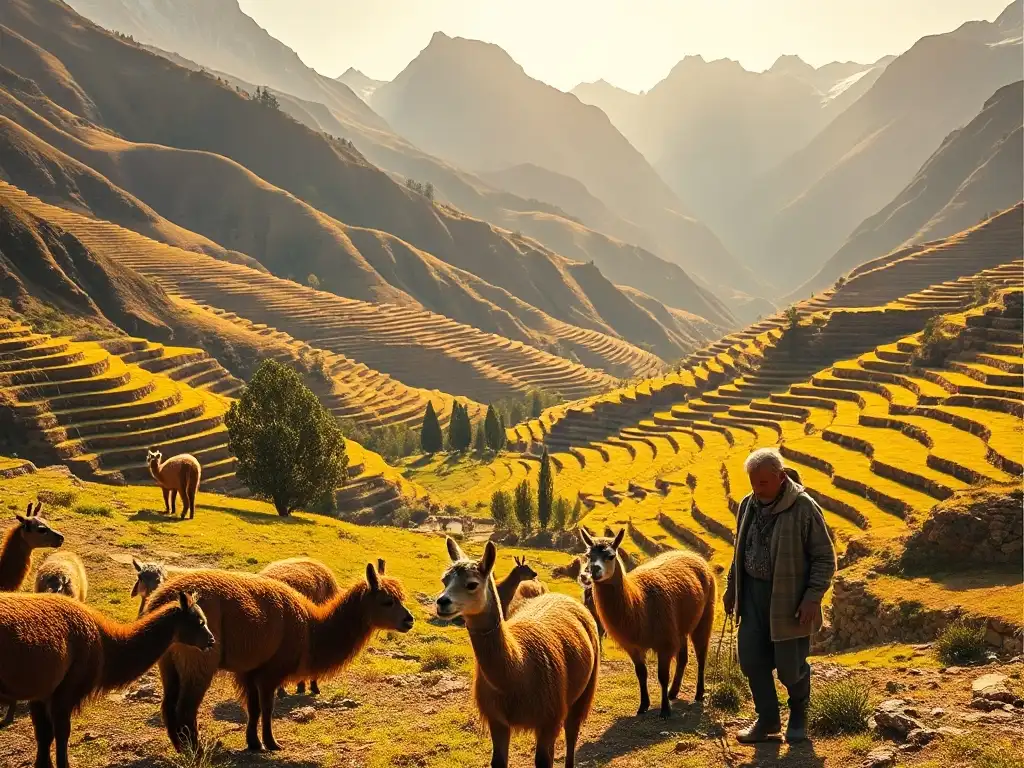
The Inca llama agricultural system was far more sophisticated than simply using llamas as beasts of burden. These animals were deeply interwoven into the fabric of Inca society, playing a crucial role in their economy, spirituality, and daily life. Understanding their significance requires appreciating their multifaceted contributions to Inca agriculture and beyond.
The Inca civilization's success, in part, hinged on their ability to effectively integrate llamas into their complex agricultural practices and social structures. This symbiotic relationship ensured the sustainability and productivity of their empire. Their importance transcended mere utility; llamas held symbolic and religious value, further cementing their integral role within the Inca worldview.
Llamas: A Cornerstone of Inca Society
Llamas were not merely livestock; they were a cornerstone of Inca society, providing a wide array of essential resources. Their wool was used to create warm clothing, blankets, and ropes, crucial for survival in the harsh Andean climate. Their dung served as a valuable fertilizer, enriching the soil and boosting crop yields. This organic fertilizer was particularly important given the challenging terrain and the need for sustainable agricultural practices in the high altitudes.
Furthermore, llama meat provided a vital source of protein for the Inca population, supplementing their agricultural production. This intricate system ensured a balanced and resilient food supply, capable of supporting a large and expanding empire. The efficient management of llama herds was a key element of Inca agricultural success, reflecting their advanced understanding of animal husbandry and resource management.
Beyond Transport: Unveiling the Multifaceted Uses of Llamas
The Inca llama agricultural system extended far beyond transportation. While llamas were undoubtedly used to carry goods across the vast Inca empire, their contributions to agriculture were equally, if not more, significant. Their role as pack animals facilitated trade and the movement of agricultural products, connecting different regions and ensuring food security across the empire. However, their contribution to the agricultural process itself was paramount.
The meticulous management of llama herds, including controlled breeding and grazing practices, played a critical role in maintaining soil fertility and preventing overgrazing. This demonstrates a deep understanding of ecological balance and sustainable resource management, far ahead of its time. Their dung, rich in nutrients, was strategically utilized to fertilize fields, enhancing crop yields and ensuring the success of agricultural endeavors. The systematic integration of llamas into the agricultural cycle highlights the Inca's ingenuity and adaptability.
The Inca Reliance on Llamas: A Historical Overview
Archaeological evidence strongly supports the profound reliance the Inca placed upon llamas within their agricultural system. Excavations of Inca agricultural terraces frequently uncover remnants of llama dung, providing direct evidence of its use as fertilizer. The meticulous organization of Inca settlements, often strategically located near llama pastures, points to a well-planned system of animal husbandry integrated into their agricultural practices.
Chronicles from Spanish conquistadors, while often biased, corroborate the importance of llamas in Inca society, describing their roles in transportation, agriculture, and textile production. The detailed records of Inca tribute systems often included llama herds as a significant component, further underscoring their economic importance. This historical evidence, combined with anthropological studies, paints a compelling picture of the integral role llamas played in supporting the Inca empire’s agricultural productivity and overall success, solidifying the Inca llama agricultural system as a remarkable example of ancient Andean ingenuity.
Llamas and the Inca Agricultural System
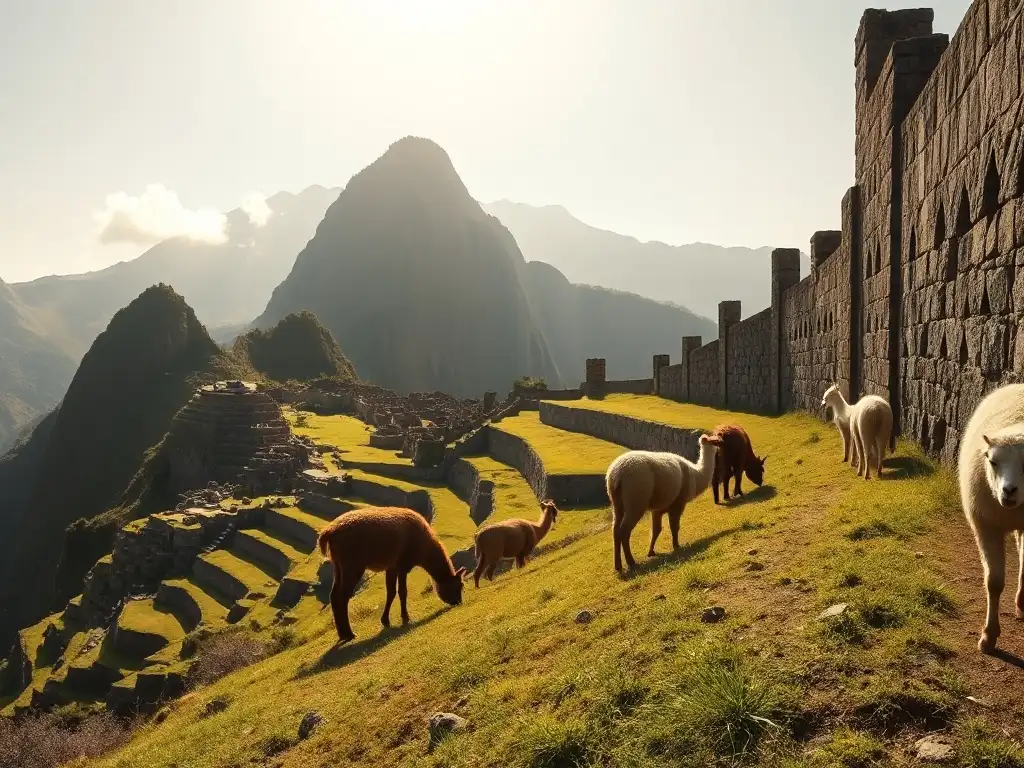
The Inca llama agricultural system was far more intricate than simply utilizing llamas as pack animals. Llamas played a multifaceted role, deeply interwoven with the success of Inca agricultural practices and the overall sustainability of their empire. Their contributions extended beyond transportation, impacting fertilization, land management, and even the social fabric of Inca communities. Understanding the Inca's sophisticated use of llamas provides crucial insight into their remarkable achievements in agriculture, particularly considering the challenging Andean terrain. This section will explore the various ways llamas contributed to the efficiency and resilience of Inca farming.
Llama Contribution to Inca Farming Practices
Llamas were integral to several key aspects of Inca farming. Their primary contribution was as beasts of burden, transporting essential goods such as crops, tools, and building materials across the vast and often treacherous Andean landscape. This efficient transportation network was crucial for the distribution of agricultural products and the maintenance of the empire's extensive infrastructure. However, their role extended far beyond simple transportation.
Llamas also assisted in land preparation, particularly in mountainous regions. Their hooves, while not as effective as plows, helped to break up the soil, aiding in planting and reducing erosion. Furthermore, the careful management of llama herds helped to shape the landscape itself, with grazing patterns contributing to the creation and maintenance of terraces and pastures.
The Inca's meticulous attention to llama husbandry demonstrates a deep understanding of the delicate balance between animal husbandry and agricultural productivity. This integrated approach ensured the sustainability of both llama herds and crop yields, a testament to their sophisticated understanding of ecological principles. The symbiotic relationship between llamas and Inca agriculture was a cornerstone of their success.
Llama Dung as a Vital Fertilizer in Inca Agriculture
Llama dung was a crucial component of the Inca agricultural system, providing a vital source of fertilizer for their crops. Unlike many other civilizations, the Inca didn't rely solely on natural soil nutrients. They actively managed and enhanced soil fertility through the systematic collection and application of llama manure.
This organic fertilizer enriched the soil, boosting crop yields and contributing to the overall productivity of their agricultural lands. The Inca likely developed sophisticated techniques for collecting, storing, and applying llama dung, optimizing its effectiveness. Evidence suggests they may have composted the dung, combining it with other organic materials to create a richer, more nutrient-dense fertilizer.
The strategic use of llama dung highlights the Inca's advanced understanding of soil science and their commitment to sustainable agricultural practices. The availability of this readily available, high-quality fertilizer was a significant advantage, particularly in the challenging conditions of the Andes. This practice was fundamental to the Inca's ability to sustain a large population and maintain a powerful empire.
The Role of Llama Herds in Sustainable Inca Farming
The management of llama herds was intrinsically linked to the sustainability of Inca farming. The Inca implemented sophisticated systems for rotational grazing, carefully controlling the movement of their herds to prevent overgrazing and soil degradation. This ensured the long-term health of pastures and the continued productivity of their agricultural lands. Moreover, llama herding was not a haphazard activity but a highly organized and regulated practice, reflecting the Inca's centralized and efficient governance.
The careful control of herd size and grazing patterns demonstrates a deep understanding of ecological principles and a commitment to sustainable resource management. This integrated approach to llama herding and agriculture exemplifies the Inca's remarkable ability to adapt their farming practices to the challenging environment of the Andes, ensuring the long-term prosperity of their empire. The Inca llama agricultural system serves as a compelling example of sustainable resource management, a practice relevant even in contemporary agriculture. 🦙
Llama Wool and its Impact on Inca Agricultural Communities

The Inca llama agricultural system wasn't solely reliant on the animal's labor; the wool itself played a crucial role in the economic and social fabric of Inca agricultural communities. Understanding the significance of llama wool provides a more complete picture of Inca agricultural practices and their ingenuity. Far from being a mere byproduct, llama wool was a vital resource, intricately woven into the daily lives of Inca farmers and their families.
Its impact extended beyond simple clothing; it influenced trade, social status, and even agricultural techniques. The meticulous attention given to llama wool production reflects the sophisticated understanding the Inca had of their environment and its resources. This section will delve into the multifaceted role of llama wool within the context of Inca agriculture.
The Importance of Llama Wool for Agricultural Workers
Llama wool provided essential protection for Inca agricultural workers, who toiled in diverse and often challenging climates. The Andean highlands, characterized by fluctuating temperatures and harsh weather conditions, demanded robust and warm clothing. Llama wool, with its natural insulating properties, provided the perfect material for creating durable garments that shielded workers from the elements. This protection was critical for maintaining productivity and ensuring the health of the agricultural workforce.
Imagine the harsh conditions of planting potatoes at high altitudes in the cold Andean winds: The warmth provided by llama wool clothing was paramount. Without it, productivity would have been significantly hampered, impacting the overall success of Inca agricultural endeavors. Furthermore, the creation and maintenance of this clothing was often communal, fostering social bonds and cooperation within the agricultural communities.
Llama Wool: From Textile Production to Agricultural Labor
The production of llama wool itself wasn't separate from agricultural activities. The herding and shearing of llamas were integral parts of the Inca agricultural calendar, often coordinated with planting and harvesting cycles. Shearing, a crucial step, usually took place during the dry season, freeing up time for other agricultural tasks. The meticulous process of spinning and weaving llama wool into textiles also often involved women from agricultural families, contributing to their household economies and providing additional income to supplement agricultural earnings.
This integrated approach maximized resource utilization and minimized downtime for agricultural workers. The wool's transformation into textiles wasn't simply a separate industry; it was an activity interwoven with the agricultural cycle, optimizing the use of labor and resources. This symbiotic relationship between textile production and agricultural labor is a key aspect of the Inca llama agricultural system.
The Economic Significance of Llama Wool in Inca Society
Llama wool held significant economic value within Inca society. It served as a medium of exchange, facilitating trade both within the empire and with neighboring communities. High-quality llama wool textiles, often intricately woven with complex designs, were highly prized and could be exchanged for other goods and services, including food, tools, and other necessities for agricultural production.
Furthermore, the control and distribution of llama wool by the Inca state played a crucial role in the empire's economic stability. The state's control over llama herds and textile production ensured the availability of essential goods and facilitated the redistribution of wealth across the vast Inca empire. The economic value of llama wool underpins the importance of the Inca llama agricultural system.
The detailed records kept by the Inca, although incomplete, suggest a sophisticated understanding and management of this vital resource. The economic impact of llama wool extended beyond the immediate agricultural communities, contributing to the overall prosperity and stability of the Inca empire. This aspect is often overlooked when discussing the role of llamas in Inca agriculture, yet it was undeniably a critical element of their economic success.
Llama Meat and its Role in Inca Food Security
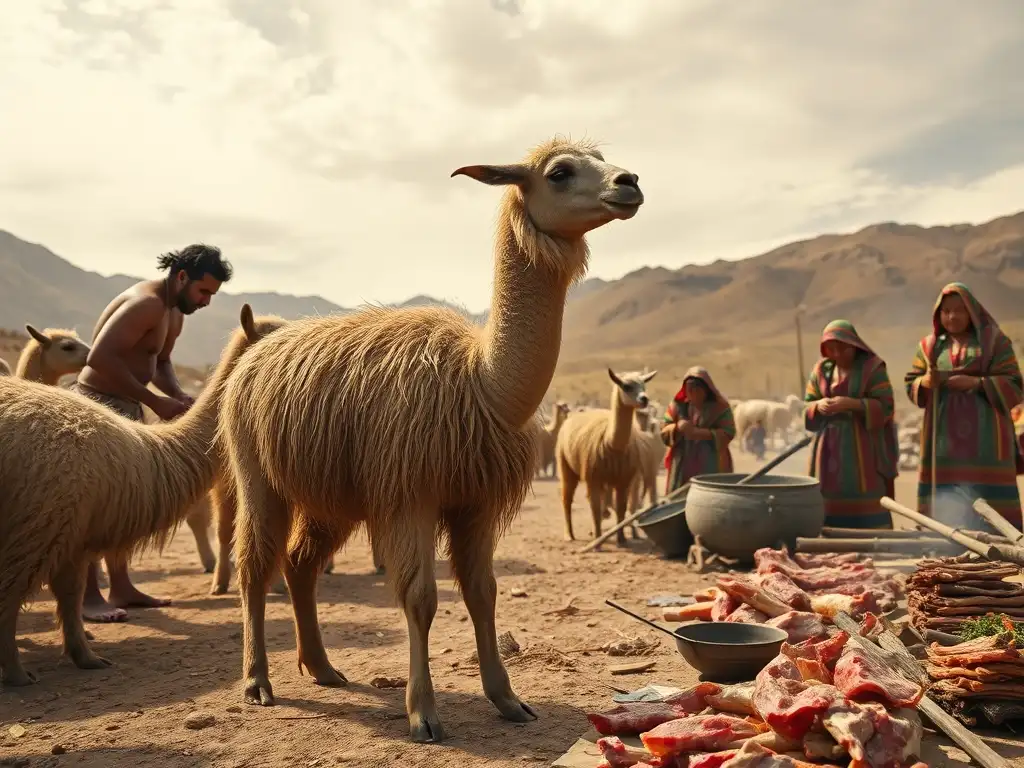
The Inca llama agricultural system was far more sophisticated than simply utilizing llamas as beasts of burden. Llamas played a crucial role in Inca food security, providing a vital source of protein through their meat. Understanding the importance of llama meat within the broader context of Inca agriculture reveals a complex and interconnected system of resource management and societal sustenance. The Inca's ability to effectively manage their llama herds directly impacted their agricultural productivity and overall societal well-being. This section delves into the specifics of llama meat's contribution to the Inca diet and its integration into their agricultural practices.
Llama Meat Consumption and its Importance to Inca Agriculture
Llama meat was a staple protein source for the Inca population, particularly in the higher altitudes where crop yields were often limited. Unlike modern farming practices where livestock often represent a separate economic sector, llama herding was deeply integrated into Inca agriculture. The manure from llamas provided crucial fertilizer for crops, creating a synergistic relationship between livestock and arable land.
Archaeological evidence suggests that llama meat consumption was widespread, with bones frequently found in Inca settlements across a wide geographical range. The frequency of llama bones in these sites, in comparison to other animal remains, underscores its significant role in the Inca diet. Furthermore, the distribution of llama remains across various altitudes indicates a strategic management of llama herds to ensure a consistent supply of meat throughout the empire.
This strategic approach highlights the Inca's sophisticated understanding of both livestock management and agricultural resource distribution. The Inca's success in managing their llama herds, and thus their meat supply, was essential to maintaining stability and preventing widespread food shortages, especially during times of hardship or environmental stress.
Llama Meat as a Source of Protein for Inca Farmers
The protein content of llama meat was crucial for the health and productivity of Inca farmers. A diet rich in protein is essential for physical strength and endurance, vital for the physically demanding tasks associated with Inca agriculture, such as terracing slopes and cultivating crops at high altitudes.
The availability of llama meat ensured a consistent supply of this crucial nutrient, contributing to a healthier and more productive workforce. This is supported by anthropological studies of similar Andean communities, where llama meat continues to be a significant dietary component and contributes to the overall health and vigor of the population.
The high nutritional value of llama meat helped reduce the risk of protein deficiency-related illnesses, ensuring a robust and capable population capable of sustaining the Inca Empire's agricultural demands. This nutritional benefit is often overlooked when discussing the Inca llama agricultural system, but it is a crucial element in understanding the overall success of their agricultural practices.
The Management of Llama Herds for Food and Agriculture
The Inca managed their llama herds with remarkable efficiency. This involved careful breeding programs to maintain the health and productivity of the herds, as well as sophisticated herding techniques adapted to the diverse Andean terrain. These techniques included seasonal migration to higher or lower pastures depending on the availability of grazing land and climatic conditions.
The Inca also developed a system of communal herding, where llamas were managed collectively by communities, ensuring equitable access to meat and other llama products. This communal approach fostered social cohesion and helped prevent conflicts over resources. Evidence suggests that Inca llama herding practices were highly sustainable, minimizing overgrazing and ensuring the long-term health of both the llamas and the surrounding ecosystem.
The meticulous management of these herds was essential to the success of the Inca llama agricultural system, highlighting the Inca's deep understanding of both animal husbandry and sustainable resource management, demonstrating a sophisticated approach to integrating livestock into their agricultural practices. This integrated system ensured a reliable supply of meat and fertilizer, contributing significantly to the overall success and stability of the Inca Empire.
The Inca Llama Agricultural System: A Model of Sustainability

The Inca llama agricultural system wasn't merely about utilizing llamas as pack animals; it represented a sophisticated, integrated approach to resource management that ensured the empire's food security for centuries. This system skillfully intertwined animal husbandry with crop cultivation, creating a remarkably sustainable model. Understanding this synergy reveals a level of agricultural ingenuity far surpassing simplistic notions of "beasts of burden."
The Inca's success stemmed from their meticulous attention to detail in every aspect of llama management, from breeding strategies to waste product utilization. Their approach offers valuable insights into sustainable agricultural practices relevant even today. The keyword "Inca llama agricultural system" perfectly encapsulates this complex interplay.
How the Inca Managed Llama Populations for Agriculture
The Inca meticulously managed their llama populations to optimize their contribution to agriculture. This wasn't simply a matter of counting heads; it involved sophisticated breeding programs designed to maintain specific traits. Llamas were selected based on factors like wool quality, meat yield, and pack-carrying capacity. Selective breeding ensured a robust and productive herd, capable of fulfilling diverse agricultural needs. Furthermore, the Inca implemented strict regulations on llama slaughter, preventing overexploitation and maintaining a healthy population.
Evidence suggests the use of rotational grazing techniques to prevent overgrazing and maintain pasture health, reflecting an understanding of ecological balance. This careful management ensured a consistent supply of manure, an invaluable fertilizer in the Inca system, and a steady workforce for tasks like plowing and transporting goods. The careful management of the llama population was, therefore, a cornerstone of the Inca agricultural system's success. 🦙
The Interconnectedness of Llama Husbandry and Inca Farming
The Inca llama agricultural system wasn't a collection of separate practices; it was a seamlessly integrated whole. Llama dung, rich in nutrients, served as a crucial fertilizer, significantly boosting crop yields. This “circular economy” minimized waste and maximized resource utilization. The system's effectiveness is evident in the Inca's ability to cultivate diverse crops, including potatoes, maize, and quinoa, in challenging Andean terrains.
Furthermore, llama fiber provided essential textiles, crucial for clothing and other necessities. Their meat provided a vital source of protein, supplementing the agrarian diet. The interconnectedness of llama husbandry and farming is best illustrated by considering the symbiotic relationship: llamas provided essential resources for agriculture, while agriculture provided sustenance for the llamas. This mutually beneficial relationship highlights the sophistication and efficiency of the Inca agricultural model.
Lessons from the Inca Llama Agricultural System for Modern Agriculture
The Inca llama agricultural system offers several valuable lessons for modern agriculture, especially in the face of growing concerns about sustainability and resource management. Their emphasis on integrated systems, minimizing waste, and maximizing resource utilization provides a compelling alternative to intensive, resource-intensive farming practices. The Inca's understanding of animal-crop interactions and their careful management of grazing lands can inform sustainable livestock management strategies. The emphasis on selective breeding for desirable traits can contribute to the development of more resilient and productive livestock breeds.
The Inca's success serves as a potent reminder that sustainable agricultural practices are not merely an idealistic goal but a proven path to long-term food security. By studying and emulating aspects of the Inca llama agricultural system, we can foster more resilient and sustainable agricultural practices for the future. The principles of this ancient system remain remarkably relevant to modern challenges.
The Legacy of Llamas in Andean Agriculture Today
The Inca llama agricultural system, a marvel of ancient Andean ingenuity, continues to resonate in modern farming practices. While tractors and other modern technologies have made inroads, the llama remains a vital component of agricultural life in many Andean communities. Their role has evolved, but their importance persists, showcasing the enduring adaptability and sustainability of this ancient relationship between humans and animals.
Understanding this legacy is crucial to appreciating the holistic approach to resource management employed by the Inca, and its continuing relevance in a changing world. The resilience of the llama itself, its ability to thrive in harsh, high-altitude environments, is a testament to its value as a key component of the Andean ecosystem.
The Continued Importance of Llamas in Modern Andean Farming
Llamas continue to provide invaluable services to Andean farmers. Their primary role remains as pack animals, transporting goods across challenging terrain where roads are scarce or impassable. This is especially crucial for transporting agricultural products to markets, a task that would be significantly more difficult and expensive without them. Beyond transportation, llamas provide fertilizer in the form of dung, a natural and readily available resource that enriches the soil.
This organic fertilizer is particularly valuable in sustainable agriculture practices, reducing reliance on chemical fertilizers which can be costly and environmentally damaging. Furthermore, llama wool remains a significant source of income for many communities, providing both clothing and a valuable export commodity. The versatility of the llama, contributing to both subsistence farming and generating income, underscores its enduring importance in the modern Andean economy. This multifaceted contribution allows for a more resilient and self-sufficient agricultural system.
The Enduring Impact of the Inca Llama Agricultural System
The Inca llama agricultural system wasn't just about using llamas for transport and wool; it was a sophisticated integration of animal husbandry with crop production and land management. The Inca understood the vital role of llamas in maintaining soil fertility. Their grazing patterns, carefully managed to prevent overgrazing, contributed to the health of the pastures.
Llama dung, rich in nutrients, was strategically used to fertilize fields, improving crop yields. This integrated approach to agriculture stands in stark contrast to many modern, industrialized agricultural systems which often rely on resource-intensive and environmentally damaging practices. The Inca system, though ancient, offers valuable lessons in sustainable and resilient agriculture, particularly relevant in the face of climate change and increasing pressure on natural resources.
The sustainable practices inherent in the Inca model continue to inform modern efforts to develop environmentally friendly farming methods in the Andes. The system's resilience is evident in its continued use and adaptation.
Contemporary Llama Management and Conservation in Andean Regions
The continued success of llama farming depends on effective management and conservation strategies. Modern practices often incorporate elements of traditional knowledge with advancements in veterinary care and animal husbandry. However, challenges remain.
Climate change, habitat loss, and disease outbreaks pose significant threats to llama populations. Sustainable grazing practices, disease prevention programs, and community-based conservation initiatives are crucial to ensuring the long-term survival of llamas and the preservation of this vital component of Andean agriculture. Efforts to document and share traditional knowledge of llama husbandry are essential for maintaining biodiversity and ensuring the continuation of this ancient and valuable relationship between humans and animals.
The ongoing research into llama genetics and breeding programs further support these conservation efforts. These initiatives are vital not only for the economic well-being of Andean communities but also for the preservation of a unique and valuable part of the Andean cultural heritage. The preservation of the Inca llama agricultural system is a testament to the enduring legacy of the Inca Empire.
Frequently Asked Questions
What role did llamas play in Inca agriculture beyond carrying burdens?
Llamas served many crucial roles in Inca agriculture. They provided fertilizer through their dung, which was a vital component for enriching the soil. Their wool was also a valuable resource.
How did the Inca utilize llama dung for their crops?
Inca farmers carefully collected llama dung and used it as a natural fertilizer, spreading it across their fields to improve soil fertility and increase crop yields. This was a crucial aspect of their sustainable agricultural practices.
What other animals were important to Inca agricultural practices?
While llamas were central, alpaca also played a significant role, providing wool and fertilizer. Guinea pigs were a source of protein, while other animals contributed to the overall ecosystem.
Did the Inca develop any special techniques for managing their llama herds?
The Inca developed sophisticated techniques for herding and managing their llama herds, ensuring a sustainable supply of wool, meat, and fertilizer. These techniques involved careful grazing patterns and seasonal migrations.
How did the Inca llama agricultural system contribute to their societal success?
The integrated system of llama herding and agriculture was essential to the Inca Empire's success, providing food, textiles, and transportation. This symbiotic relationship was a key factor in their societal and economic stability.
Final Reflection: The Enduring Legacy of the Llama in Inca Agriculture
The intricate relationship between the Inca and the llama wasn't merely a matter of practicality; it was a cornerstone of their sophisticated agricultural system, a testament to their deep understanding of symbiotic coexistence and sustainable resource management, a model surprisingly relevant to our modern challenges. The Inca's innovative approach, far from being a relic of the past, offers valuable lessons for contemporary agricultural practices struggling with issues of sustainability and environmental impact.
The Inca's reverence for the llama, extending beyond its economic value to encompass its spiritual significance, profoundly shaped their cultural identity and agricultural practices. Their understanding of the llama's role in fertilizing fields, transporting goods, and providing essential resources like wool and meat, demonstrates a holistic approach to agriculture that we are only beginning to fully appreciate. The Inca civilization's success was intrinsically linked to its ability to manage its resources effectively, and the llama was central to this success.
This quote highlights the interconnectedness of their society and their environment, a lesson we must heed as we grapple with the consequences of unsustainable practices.
Consider the implications of the Inca's approach. What can we learn from their sustainable methods of animal husbandry and land management? How can we integrate a more holistic perspective into our own agricultural systems, moving beyond purely economic considerations to embrace the ethical and environmental dimensions of food production? You, the reader, hold the power to integrate these lessons into your own understanding of sustainable practices and advocate for a future where human needs and environmental stewardship are harmoniously balanced.
Unveil the Power of Llamas in Agriculture!
Thank you for exploring the fascinating role of llamas in Inca agriculture. You've discovered how these remarkable animals were integral to sustaining life and culture in the Andes, serving not merely as beasts of burden, but as vital partners. Now, let's put that knowledge to use!
Here are some ways to deepen your understanding and share this rich legacy:
- Experience the unique capabilities of llamas firsthand by **joining a llama trekking group** and enjoying the beauty of nature.
- Spread the word about the importance of llamas in ancient Andean agriculture by **sharing this article with friends and family**.
- Delve further into Andean culture by **visiting museums or cultural sites** that showcase Incan history.
What aspect of llamas surprised you most? Share your thoughts and let's continue the discussion!