
The Daily Life of an Andean Child: Games, Learning, and Growing Up

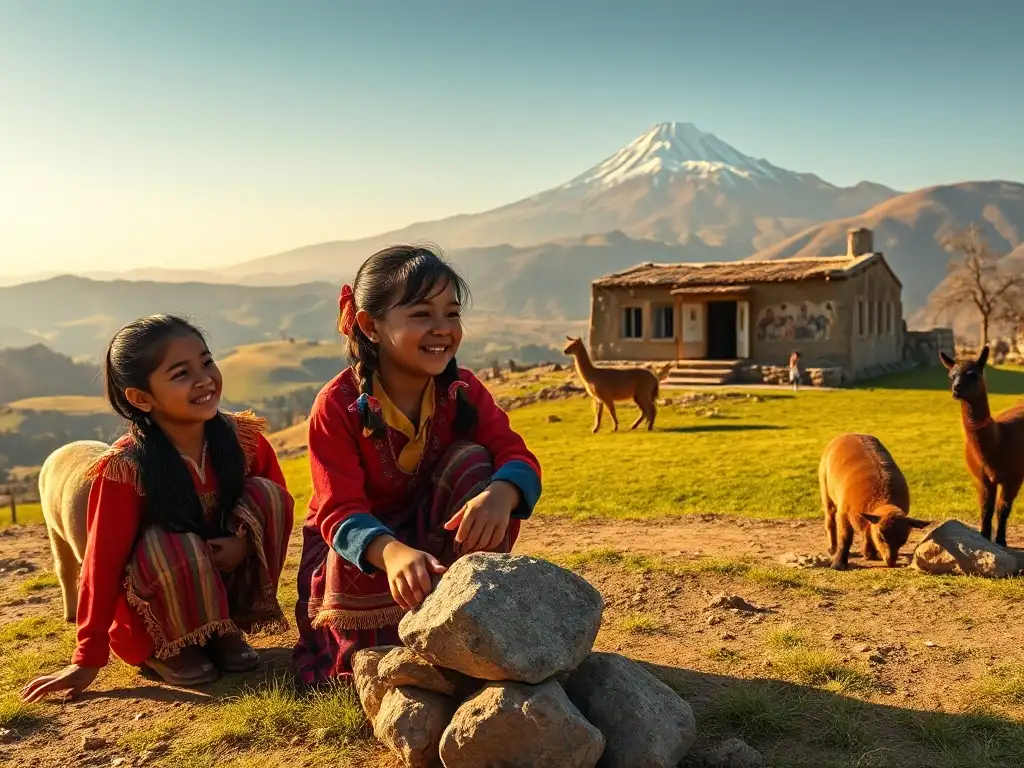
Step into a world lost to time, yet echoing with vibrant life. Imagine the bustling streets of a pre-Columbian city, the laughter of children playing games unlike any you've seen before. This is the fascinating world of the Andean civilizations, and we invite you to uncover the secrets of Andean child daily life. Journey with us as we explore the unique experiences of growing up in these ancient societies – their games, their learning, and the intricate social structures that shaped their lives. Prepare to be captivated by a story far richer and more complex than you ever imagined.
The daily life of an Andean child varied significantly depending on the specific civilization, geographic location, and social standing within the complex tapestry of ancient Andean societies. This article delves into the fascinating world of childhood in the Andes, exploring the games they played, the ways they learned, and how they grew up within their vibrant communities. From the cradle to adolescence, Andean children's lives were deeply intertwined with the natural environment, their families, and the intricate social structures of their time.
We will examine the experiences of children across various Andean cultures, such as the Inca, Moche, Nazca, and Tiahuanaco, highlighting both common threads and unique cultural practices that shaped their formative years. Understanding the daily life of an Andean child provides crucial insights into the broader social, economic, and religious aspects of these remarkable ancient civilizations. This exploration will illuminate how these children contributed to the continuity and evolution of their societies, leaving behind a legacy that continues to fascinate and inspire us today.
Prepare to journey back in time and uncover the secrets of childhood in the heart of the Andes! 🎉
Introduction to Childhood in the Ancient Andes
Childhood in the Andes wasn't a uniformly defined stage of life as we understand it today. The transition from infancy to adulthood was a gradual process, with children assuming responsibilities and participating in community life from a surprisingly young age. The concept of "childhood" itself varied across different Andean cultures and social classes.
While archaeological evidence and ethnohistorical accounts offer glimpses into their lives, interpreting these remains challenging. We must consider that our modern perceptions of childhood may not fully align with the realities of ancient Andean societies. For instance, the age at which children began contributing to family labor and community tasks differed depending on factors such as climate, altitude, and the specific economic activities of their communities.
The absence of extensive written records necessitates a careful analysis of archaeological findings, such as skeletal remains, textiles, and artwork, to reconstruct a comprehensive picture of Andean childhood. This reconstruction will include looking at the role of children in agriculture, weaving, and other essential aspects of Andean life.
The Early Years: Nurturing Andean Children
The early years of an Andean child were characterized by close family bonds and a strong emphasis on nurturing. From the moment of birth, children were integrated into the fabric of their communities. The survival and well-being of children were paramount, reflecting the importance of continuity and the continuation of family lineage within these societies. The physical environment, often harsh and challenging, played a significant role in shaping the experiences of young children. High-altitude living and exposure to the elements meant that survival skills and resilience were developed from an early age.
Infant Care and Family Bonds
Infant care in the Andes involved a complex interplay of family members and community support. Mothers played a central role in nurturing their infants, often practicing breastfeeding for extended periods. Extended family members, such as grandmothers and aunts, often assisted with childcare, providing a strong network of support for mothers.
Archaeological evidence suggests the use of cradles and carrying devices to ensure the safety and comfort of infants. These practices facilitated close physical contact between infants and caregivers, fostering a strong bond between the child and their family and community. The importance of family bonds is evident in the close-knit social structures of Andean societies, where family units often lived in close proximity to each other, providing mutual support and assistance.
Early Education and Socialization
Formal schooling as we know it didn't exist in the same way in ancient Andean societies. However, education was a crucial aspect of a child's development, taking place informally within the family and community. Children learned practical skills essential for survival and contributing to their communities.
Girls often learned domestic skills such as weaving, cooking, and childcare from their mothers and other female family members. Boys were typically trained in agricultural practices, animal husbandry, and other tasks related to the economic activities of their communities. Socialization occurred through observation, imitation, and participation in community activities.
Children witnessed and participated in religious ceremonies, agricultural rituals, and other communal events, learning the values, beliefs, and customs of their culture. Games and play were also integral to the socialization process, teaching children cooperation, competition, and problem-solving skills. The integration of play and work in the daily life of Andean children is a key aspect to consider, reflecting the holistic approach to education and development within their societies.
Games and Recreation in Andean Daily Life
The daily lives of Andean children weren't solely focused on chores and responsibilities. Play and recreation held significant importance, contributing to their physical, cognitive, and social development. Games weren't simply idle pastimes; they often mirrored adult activities, providing a crucial avenue for learning and social interaction within the community.
The types of games played varied depending on the specific Andean culture and the available resources, but the underlying purpose of play remained consistent across different groups. Archaeological findings, such as depictions on pottery and textiles, provide valuable glimpses into the playful activities of ancient Andean children. These depictions often show children engaging in activities that mimic adult work, suggesting a seamless integration of play and learning in their daily routines.
Furthermore, the vibrant colors and intricate designs found on these artifacts hint at the joy and creativity inherent in these games. The importance of play in Andean culture is further underscored by the presence of dedicated spaces, like open plazas or designated areas within settlements, where children could gather and play without interfering with adult activities.
Traditional Andean Children's Games
Many traditional Andean children's games involved simple objects readily available in their environment. These games often required skill, strategy, and coordination, fostering important life skills. For example, games involving throwing and catching small objects, like pebbles or seeds, honed hand-eye coordination and precision.
Other games involved running, jumping, and balancing, promoting physical fitness and agility. One could imagine children playing variations of tag, mimicking the movements of animals they observed in their surroundings. These games were not only entertaining but also served as a form of physical training, preparing them for the physical demands of adult life in an often challenging mountainous environment.
Evidence suggests that many games were played in groups, fostering teamwork, cooperation, and social skills. The competition inherent in many games also helped develop a sense of sportsmanship and resilience. The absence of detailed written records about these games necessitates relying on archaeological evidence and anthropological studies to reconstruct a comprehensive picture of Andean children's play.
The Role of Play in Development
Play wasn't simply a diversion for Andean children; it played a crucial role in their overall development. Through play, children learned essential social skills such as cooperation, negotiation, and conflict resolution. Games often involved rules and strategies, teaching children about fairness, competition, and the importance of following guidelines. The imaginative play often engaged in by Andean children helped develop their creativity, problem-solving abilities, and critical thinking skills.
By mimicking adult activities, children were unconsciously learning and practicing essential life skills, preparing them for the responsibilities they would eventually assume as adults. Furthermore, play provided an outlet for emotional expression and stress relief, fostering emotional intelligence and resilience. This holistic approach to childhood development, where play wasn't seen as a frivolous activity but as an integral part of learning and growth, is a testament to the wisdom of Andean cultures.
Toys and Playthings of Ancient Andean Kids
While sophisticated toys made of precious metals are rarely found, archaeological excavations reveal a variety of simpler toys and playthings used by Andean children. These included miniature versions of tools and utensils used by adults, such as miniature weaving tools or small pottery vessels. These toys served as a way for children to engage in imitative play, learning about the tools and techniques of their culture.
Additionally, natural materials like stones, wood, and clay were used to create simple toys, such as dolls, animals, or balls. These toys were often found in burial sites, suggesting their importance in the lives of these children. The limited availability of resources meant that toys were often simple and functional, but their purpose was still to stimulate imagination, creativity, and social interaction.
The simplicity of these toys also highlights the importance placed on the process of play itself, rather than the complexity of the toys themselves. Further research into the types and distribution of these toys could provide invaluable insights into the diversity of Andean childhood experiences.
Learning and Education of Andean Children
Andean societies didn't have formal schools in the same way as modern societies. Education was largely informal, integrated into the daily lives of children and transmitted through observation, participation, and mentorship. Children learned by watching and assisting their parents and other adults in their daily activities. This practical, hands-on approach ensured that children acquired the skills necessary to contribute to their communities.
The transmission of knowledge was often deeply intertwined with spiritual and cultural beliefs, shaping the worldview and values of the next generation. This informal education system provided a holistic approach to learning, encompassing practical skills, cultural knowledge, and social values. The effectiveness of this system is evident in the sophisticated technologies and intricate social structures developed by Andean civilizations.
Informal Education: Skills and Traditions
The process of learning in Andean societies was a gradual and continuous one, starting from a young age. Children learned basic skills like weaving, pottery making, agriculture, and animal husbandry by observing and assisting adults in their tasks. This hands-on approach provided a practical understanding of these essential skills, laying the foundation for their future roles in the community. Additionally, children learned about traditional stories, songs, and dances, which served to transmit cultural knowledge, history, and values across generations.
These narratives were not simply entertainment; they conveyed moral lessons, social norms, and a deep understanding of their environment and cosmology. The integration of practical skills and cultural knowledge ensured that children developed a holistic understanding of their world and their place within it. The absence of written records makes reconstructing the exact curriculum challenging, but archaeological and anthropological evidence suggest a rich and effective system of informal education.
The Transmission of Cultural Knowledge
The transmission of cultural knowledge was a crucial aspect of Andean education. This knowledge encompassed not only practical skills but also the beliefs, values, and traditions that shaped Andean societies. Stories, myths, and legends were used to transmit historical knowledge, moral lessons, and a deep understanding of their world. Rituals and ceremonies also played a crucial role in this process, teaching children about their religious beliefs and their place within the community.
The close-knit family and community structures ensured that children were surrounded by adults who actively shared their knowledge and experiences, reinforcing the values and traditions of their culture. This continuous process of cultural transmission ensured the continuity of Andean traditions and beliefs across generations, shaping their identity and worldview. The preservation of these traditions is a testament to the effectiveness of this informal educational system.
Specialization and Apprenticeships for Andean Youth
As Andean children matured, they often began to specialize in specific skills or crafts. This specialization wasn't a rigid system; rather, it was a gradual process shaped by individual aptitudes, family traditions, and community needs. Young people often learned through apprenticeships, working alongside skilled artisans or specialists to learn their craft. This mentorship-based approach ensured that skills and knowledge were passed down accurately and effectively.
The apprenticeship system fostered a strong bond between the master and apprentice, promoting mutual respect and the transmission of not only technical skills but also cultural values and ethical principles. This system ensured that the skills and knowledge necessary for the survival and prosperity of Andean communities were passed down effectively across generations. The level of sophistication found in Andean crafts and technologies is a testament to the effectiveness of this apprenticeship system.
The Daily Chores and Responsibilities of an Andean Child
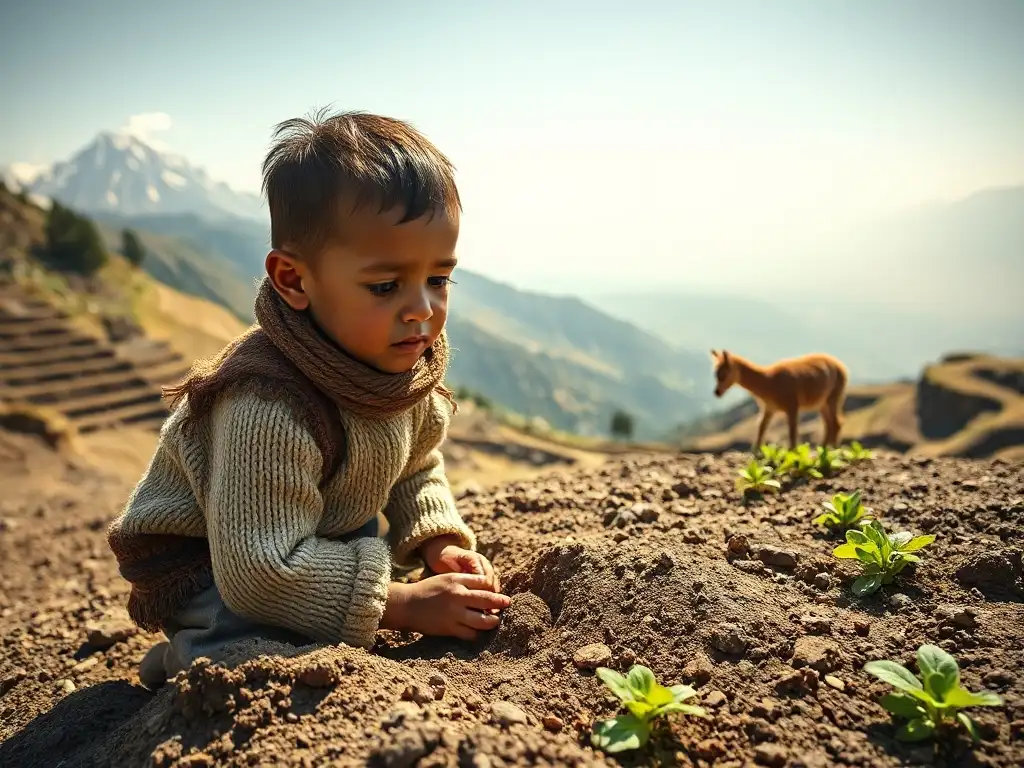
Andean children, from a young age, participated actively in the daily life of their communities. Their contributions were essential to the smooth functioning of the household and the wider society. The specific tasks varied depending on age, gender, and the specific community's needs, but generally involved a combination of household chores and activities contributing directly to the family's economic well-being. Even the youngest children had assigned tasks, fostering a sense of responsibility and community from an early age.
This early integration into the workforce was not exploitative but rather a natural part of the social fabric, where children learned valuable skills and contributed to the collective good. The responsibilities instilled a strong work ethic and a deep understanding of communal interdependence. This system fostered a sense of belonging and shared purpose within the family and community.
Contributing to the Household Economy
Children's contributions to the household economy were significant. While adults handled the more complex aspects of economic activity, children played a crucial supporting role. This often included tending smaller livestock like llamas or alpacas, collecting firewood, fetching water, and assisting with food preparation. The tasks were age-appropriate, teaching valuable life skills while contributing to the family's survival and prosperity.
For example, younger children might be responsible for collecting herbs and berries, while older children could assist in weaving or pottery-making. This early exposure to economic activity instilled valuable skills and a sense of financial responsibility, shaping their future roles within the community. The integration of children into the economic system was a cornerstone of Andean social organization.
Children's Roles in Agriculture and Craftwork
Agriculture was the backbone of Andean economies, and children played a vital role in agricultural practices. Their contributions ranged from tending to smaller crops and weeding fields to helping with harvesting. Older children often assisted in more complex tasks, such as irrigation and animal husbandry. Similarly, children participated in craftwork, learning skills from a young age.
Girls typically learned weaving, pottery, and other domestic arts, while boys often learned skills related to metalwork, carpentry, or stonework. This division of labor was not rigid, however, and many children learned a range of skills depending on their aptitude and the needs of their families. This hands-on training ensured the transmission of traditional knowledge and skills across generations, preserving the cultural heritage of Andean societies. The practical skills acquired were invaluable, ensuring their future economic independence.
The Importance of Community Participation
Beyond household responsibilities, Andean children also participated actively in community life. They were involved in communal work projects, religious ceremonies, and social gatherings. This participation fostered a strong sense of community and social responsibility. Children might help with tasks such as building irrigation canals, cleaning public spaces, or preparing for festivals.
These shared experiences strengthened community bonds and instilled a sense of shared purpose. This communal participation also provided opportunities for social interaction and learning, fostering a sense of belonging and shared identity within the larger community. The emphasis on community participation shaped their values and instilled a deep sense of social responsibility.
Growing Up: Rites of Passage in Andean Society
The transition to adulthood in Andean societies was marked by significant rites of passage, signifying the child's integration into the adult world and their assumption of adult responsibilities. These ceremonies varied across different Andean cultures, reflecting the diverse traditions and beliefs of each community. However, they all shared a common purpose: to acknowledge the individual's growth, maturity, and readiness to take on adult roles within the community. These events were not merely social occasions but pivotal moments in an individual's life, shaping their identity and social standing within the community.
Coming-of-Age Ceremonies
Coming-of-age ceremonies in Andean societies often involved elaborate rituals and celebrations. These ceremonies could mark the transition to adulthood for both boys and girls, though the specifics often differed according to gender and local customs. For example, some ceremonies might involve tests of physical strength, endurance, or skill, demonstrating the individual's readiness to contribute to the community's well-being.
Others might involve spiritual or religious elements, signifying the individual's connection to the ancestral spirits and the community's spiritual heritage. These ceremonies were often accompanied by feasting, music, and dancing, bringing the entire community together to celebrate this significant milestone. The rituals were designed to reinforce social bonds and reaffirm the individual's place within the social structure.
Transition to Adulthood
The transition to adulthood in Andean societies was a gradual process, not a sudden shift. Children gradually assumed more responsibilities as they grew older, learning through apprenticeship and participation in community activities. The coming-of-age ceremonies marked a formal recognition of this transition, but the actual process was ongoing and integrated into daily life.
This gradual integration ensured a smooth transition to adulthood, allowing young people to develop the skills and experience necessary to fulfill their roles within the community. The emphasis was on practical training and social integration, rather than abrupt separation from childhood. This approach fostered a sense of continuity and stability within Andean communities.
The Changing Role of the Andean Youth
As Andean youth transitioned to adulthood, their roles within the community evolved. They assumed greater responsibilities in economic production, social organization, and political participation. This change was not simply a matter of increased workload but also involved a shift in social status and power.
Young adults gained greater autonomy and influence within their communities, contributing to decision-making processes and shaping the future direction of their societies. This gradual progression of responsibilities ensured a smooth transfer of power and knowledge across generations, preserving the social structures and cultural traditions of Andean societies. The changing roles of Andean youth were integral to the continuity and prosperity of their communities.
The Diet and Health of Andean Children
The daily diet of an Andean child varied significantly depending on geographical location, altitude, and the specific civilization. However, certain staples remained consistent across many Andean cultures. Understanding the nutritional intake of these children is crucial to understanding their overall health and development.
Common Foods and Nutritious Meals
The Andean diet was, and in many areas remains, remarkably diverse and nutritious. Children commonly consumed potatoes in various forms – boiled, roasted, or mashed – supplemented by quinoa, a complete protein source, and maize, a staple grain used in various preparations. Legumes like beans and lentils provided additional protein and fiber. Fruits, such as lúcuma and chirimoya, were seasonal treats providing essential vitamins and minerals.
The inclusion of these foods in a child's diet contributed to their overall well-being and resilience against disease. Children often helped with gathering food, learning from an early age the importance of agricultural practices and the interconnectedness of their diet with their environment. This hands-on experience fostered a deep appreciation for the land and its bounty.
Health Challenges and Medical Care
Despite the nutritional value of their diet, Andean children faced significant health challenges. Malnutrition, particularly protein-energy malnutrition, was a recurring issue, especially in times of drought or crop failure. Infectious diseases, such as measles, influenza, and various parasitic infections, were also prevalent. Medical care was largely based on traditional practices, with healers utilizing herbal remedies, rituals, and spiritual interventions.
The knowledge of medicinal plants and their application was often passed down through generations within families. While effective for some ailments, the lack of advanced medical technology meant that serious illnesses often proved fatal. The harsh environmental conditions, including high altitude and exposure to the elements, further exacerbated these health challenges.
Impact of Altitude on Child Development
The high altitude of the Andes significantly impacted the development of Andean children. The thinner air at high altitudes resulted in lower oxygen levels, which could affect physical growth and cognitive development. Studies suggest that children born and raised at high altitudes may develop larger lung capacities and higher red blood cell counts to compensate for the lower oxygen levels.
However, this adaptation does not fully negate the challenges posed by hypoxia (low blood oxygen). Chronic mountain sickness, a condition affecting oxygen transport in the blood, was a potential concern, particularly for individuals with genetic predispositions. The impact of altitude on child development remains a complex area of research, with ongoing studies exploring the long-term effects.
The Spiritual World of Andean Children
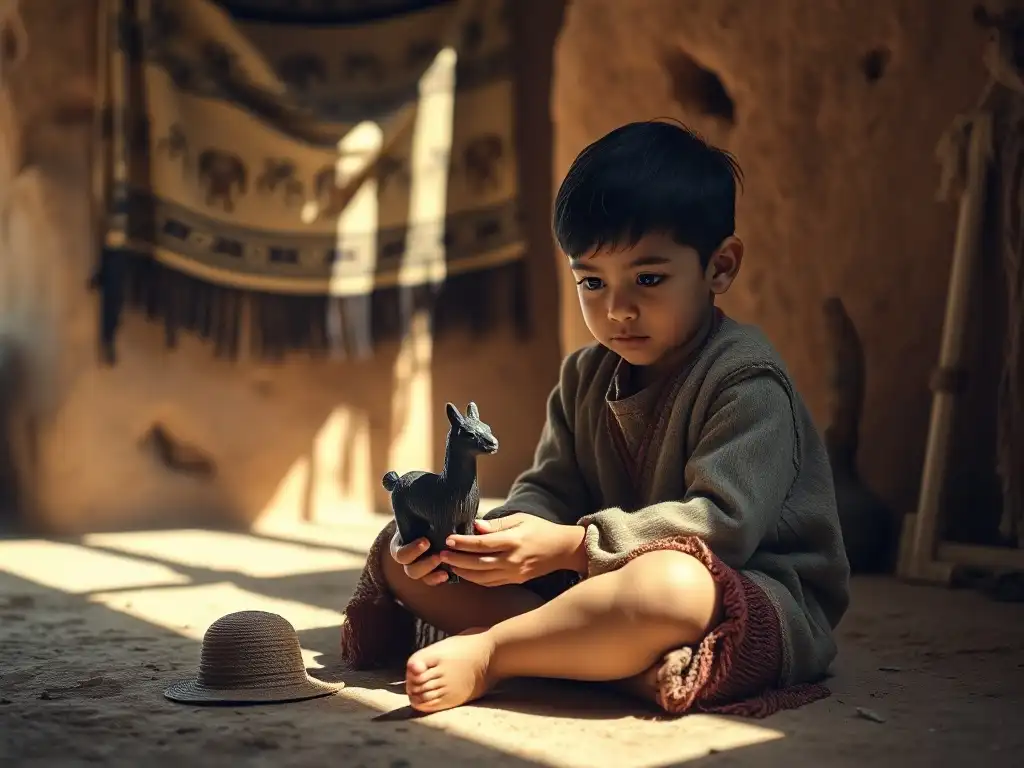
The spiritual world held immense significance in the lives of Andean children. From a young age, they were immersed in a worldview that intertwined the natural world, ancestors, and spiritual beings. This deep connection shaped their understanding of the world and their place within it.
Connection with Nature and Ancestors
Andean children developed a profound connection with nature, viewing the mountains, rivers, and animals as sacred entities. Stories and traditions passed down through generations emphasized the importance of respecting and living in harmony with the natural world. They learned about the interconnectedness of all living things and their role in maintaining ecological balance. Similarly, ancestors played a vital role in Andean spirituality. Children were taught to respect and honor their ancestors, believing that their spirits continued to influence the living world. This connection fostered a sense of continuity and belonging within their communities.
Beliefs and Myths Shared with Children
Andean cultures were rich in mythology and folklore, with stories passed down through oral tradition. These narratives often featured powerful deities, spirits, and mythical creatures, teaching children about moral values, societal norms, and the consequences of actions. Many myths explained the origins of the world, the creation of humans, and the importance of respecting natural laws.
These stories instilled a deep sense of awe and wonder about the world, shaping their understanding of the cosmos and their place within it. The narratives served as powerful tools for transmitting cultural values and beliefs across generations, ensuring the continuity of Andean traditions.
Religious Practices and Rituals
Religious practices and rituals were integral aspects of Andean life. Children participated in various ceremonies and festivals, learning about their cultural heritage and religious obligations. These rituals often involved offerings to deities, ancestor veneration, and prayers for good harvests and health. Children's involvement in these practices helped solidify their understanding of religious beliefs and their role within their communities. The participation in rituals instilled a sense of community and belonging, strengthening social bonds and reinforcing cultural identity. These experiences were formative, shaping their worldview and providing a framework for understanding their place in the broader Andean cosmology.
The Legacy of Andean Childhood
The legacy of Andean childhood is a complex tapestry woven from threads of tradition, resilience, and adaptation. Understanding the daily lives of Andean children in ancient societies offers a profound insight into the values, beliefs, and social structures that shaped these remarkable cultures.
Their experiences, though vastly different from modern childhoods, resonate with universal themes of play, learning, and the transition to adulthood. The echoes of their games, their educational practices, and their responsibilities continue to influence the lives of children in the Andes today, highlighting the enduring impact of their heritage.
From the intricate weaving techniques passed down through generations to the storytelling traditions that preserved history and culture, the legacy of Andean childhood remains a vital part of the region's identity. The resilience displayed by these children in the face of challenging environments and circumstances serves as a powerful example of human adaptability and the strength of community bonds.
How Ancient Practices Shaped Modern Communities
Many ancient Andean practices related to child rearing continue to shape modern communities in the Andes. For example, the emphasis on communal living and shared responsibilities, evident in archeological findings depicting children participating in agricultural tasks and household chores, remains a cornerstone of many Andean communities. The strong family ties and intergenerational support systems, which were crucial for survival in the harsh Andean environment, are still prevalent.
The importance of storytelling and oral tradition in transmitting knowledge and cultural values continues to be a significant aspect of child development in the region. Even the types of games played, though adapted to modern contexts, often retain elements of ancient Andean games that developed fine motor skills and fostered cooperation.
This continuity between past and present showcases the remarkable resilience and adaptability of Andean cultures, demonstrating how ancient practices have been integrated into contemporary life, shaping the experiences of Andean children today. The enduring strength of these traditions speaks volumes about their relevance and enduring value.
Preserving the Traditions of Andean Children
Preserving the traditions of Andean children is crucial for maintaining cultural heritage and ensuring the continuity of unique practices and perspectives. Efforts to document and understand the historical experiences of Andean children, through archeological research, ethnographic studies, and oral histories, are vital. Educational initiatives focusing on Andean history and culture play a significant role in fostering a sense of identity and pride among children.
Museums and cultural centers dedicated to Andean civilizations actively engage young people through interactive exhibits and educational programs. Community-based projects that promote traditional crafts, music, and dance offer children opportunities to connect with their heritage.
The preservation of these traditions is not merely a historical endeavor; it is a dynamic process that involves the active participation of Andean communities and aims to empower future generations to carry forward the rich legacy of their ancestors. The survival of these traditions is intrinsically linked to the well-being and cultural identity of Andean children.
The Importance of Understanding Andean Child Daily Life
Understanding the daily life of an Andean child offers invaluable insights into the complexities of ancient Andean societies. By studying their games, we gain a better understanding of their social structures, values, and beliefs. Analyzing their learning processes reveals the methods of knowledge transmission and the importance of oral tradition. Reconstructing their daily routines sheds light on the roles and responsibilities assigned to children within their communities.
The study of Andean childhood, therefore, is not merely a niche area of historical research; it is a crucial component of a broader understanding of Andean civilizations. This understanding contributes to a more nuanced and complete picture of these societies, moving beyond simplistic narratives and acknowledging the diverse experiences of the people who lived within them. The more we learn about the daily lives of these children, the richer and more complete our understanding of Andean history becomes.
Conclusion: The Enduring Spirit of Andean Children
The enduring spirit of Andean children, shaped by generations of resilience and adaptation, continues to inspire and captivate. From the echoes of their ancient games to the vibrant traditions that persist today, their story is one of strength, community, and cultural continuity. Understanding their past illuminates the present, highlighting the importance of preserving cultural heritage and empowering future generations.
The legacy of Andean childhood serves as a powerful reminder of the enduring human spirit and the ability of cultures to adapt and thrive across time and circumstances. The vibrant tapestry of Andean life, woven with threads of tradition and innovation, continues to inspire awe and wonder, showcasing the rich and enduring legacy of Andean children. Their story is a testament to the human capacity for resilience and the power of cultural continuity.
- Introduction to Childhood in the Ancient Andes
- The Early Years: Nurturing Andean Children
- Games and Recreation in Andean Daily Life
- Learning and Education of Andean Children
- The Daily Chores and Responsibilities of an Andean Child
- Growing Up: Rites of Passage in Andean Society
- The Diet and Health of Andean Children
- The Spiritual World of Andean Children
- The Legacy of Andean Childhood
- Conclusion: The Enduring Spirit of Andean Children
- What were the typical daily activities of an Andean child?
- What types of games did Andean children play?
- How did Andean children learn and receive their education?
- What role did family and community play in the life of an Andean child?
- How did the environment influence the daily life of an Andean child?
Frequently Asked Questions
What were the typical daily activities of an Andean child?
Andean children's days involved a mix of chores, learning basic skills, and play. Girls often helped with domestic tasks, while boys assisted with farming or herding. They also spent time playing games and learning from elders.
What types of games did Andean children play?
Games varied by region and age, but often included imitative games reflecting adult activities, like farming or weaving. Ball games were popular, as were games involving stones, sticks, and dolls. Simple toys were also commonly crafted and used.
How did Andean children learn and receive their education?
Education was largely informal, with children learning through observation and participation in daily life. Elders played a key role in transmitting knowledge and skills through storytelling, practical demonstrations, and mentorship. Formal schooling was less common.
What role did family and community play in the life of an Andean child?
Family and community were central to an Andean child's life. Children were raised within a strong extended family network, with responsibilities shared among members. The community provided support and social interaction, shaping their values and worldview.
How did the environment influence the daily life of an Andean child?
The environment significantly shaped an Andean child's daily life. Children in mountainous regions had different experiences than those in coastal areas. Their activities and games reflected the available resources and the challenges of their specific environment.
Final Reflection: Echoes of the Andes in a Changing World
The vibrant tapestry of Andean childhood, woven with threads of tradition and resilience, continues to resonate in the face of globalization. Understanding the daily lives of Andean children isn't just a historical exercise; it's a crucial lens through which we can examine the complexities of cultural preservation, economic disparity, and the enduring power of community in a rapidly changing world. The challenges and triumphs of these young lives offer invaluable insights into the human experience itself.
The enduring spirit of Andean children, their resourcefulness in the face of adversity, and their deep connection to their ancestral heritage profoundly impacted my understanding of childhood itself. Their games, their learning, their family structures – all speak to a rich cultural legacy that deserves our respect and protection. The future belongs to those who believe in the beauty of their dreams.
- Eleanor Roosevelt. This quote rings especially true when considering the potential of these children, and the importance of fostering an environment where those dreams can flourish.
Now, consider the echoes of the Andes in your own life. How can we, as global citizens, contribute to a future where the unique cultural heritage of Andean children is not only preserved but celebrated? What steps can you take, however small, to support initiatives that promote education, access to resources, and the preservation of indigenous traditions? Let the stories of these resilient children inspire you to act, to learn, and to connect with the rich diversity of human experience.
Embrace the Andean Experience Today!
Thank you for exploring the vibrant daily life of an Andean child! We hope you gained insight into their unique games, their learning experiences, and the beauty of growing up within such a rich culture. Now, let's put that knowledge into action!
Here are some ways to connect with and immerse yourself in Andean culture:
- **Discover** local events celebrating Andean traditions—experience the music, dance, and art firsthand!
- **Share** this article with friends and family to spark conversations about diverse cultures and your newfound appreciation for Andean heritage.
- **Join** a community group or online forum dedicated to indigenous cultures to exchange ideas and hear stories from others passionate about the Andean world.
Which aspect of the Andean child's life resonated most with you, and how will you incorporate that inspiration into your own life?