
Moche Ceramics: A Window into Daily Life in Ancient Peru

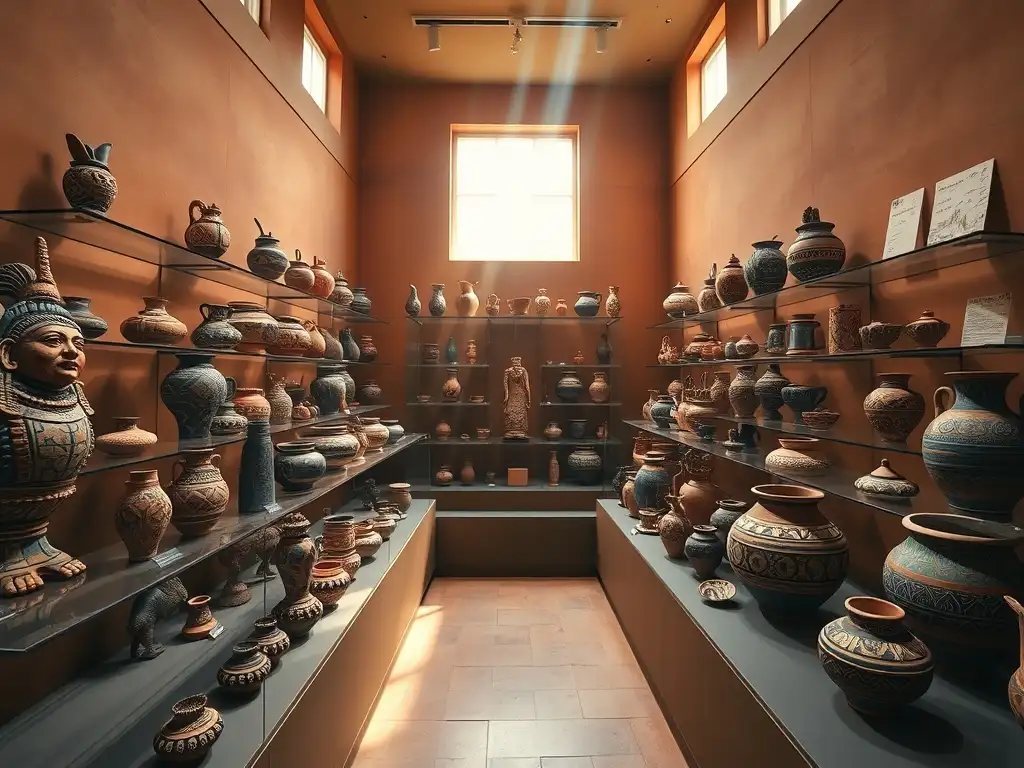
Uncover the secrets whispered by the sands of time! Journey with us into the captivating world of the Andean civilizations, where artistry and ingenuity flourished. Prepare to be amazed by the intricate Moche pottery styles of Peru, a vibrant testament to a culture that thrived centuries ago. Delve into the stunning detail of their ceramics and discover how these artifacts offer a unique window into the daily lives and beliefs of the Moche people. Prepare to be captivated.
The arid coastal plains of northern Peru, seemingly barren at first glance, once teemed with a vibrant civilization—the Moche. Flourishing between approximately 100 and 800 CE, this sophisticated society left behind a remarkable legacy, most strikingly exemplified by their exquisite ceramics. More than just beautiful objects, Moche pottery serves as an invaluable window into their daily lives, religious beliefs, social structures, and artistic mastery.
This article delves into the diverse styles of Moche pottery, exploring how these artifacts illuminate the complexities of this fascinating ancient Peruvian culture and rank highly for the keyword "Moche pottery styles Peru". We will examine the intricate details, symbolic representations, and the sheer artistry that makes Moche ceramics a unique and enduring testament to human creativity and ingenuity. Prepare to be captivated by the vibrant colors, intricate designs, and the stories whispered from the clay itself.
Introduction to Moche Pottery and its Significance
Moche pottery is renowned for its exceptional craftsmanship and remarkable realism. Potters used a variety of techniques, including modeling, molding, and slip painting, to create incredibly detailed representations of people, animals, plants, and scenes from daily life. The sheer volume of surviving pottery—thousands of pieces have been unearthed—is a testament to the widespread practice of this art form across all social strata. This widespread prevalence suggests that pottery played a crucial role in Moche society, extending beyond mere utilitarian purposes. Indeed, Moche ceramics served various functions:
- Ceremonial Use: Many vessels were used in religious rituals and ceremonies, often depicting deities, mythical creatures, and scenes of sacrifice.
- Daily Life: Other pieces were used for storing food, water, and other goods, reflecting the everyday activities of the Moche people.
- Burial Practices: Elaborately decorated pottery was frequently included in burials, suggesting a belief in the afterlife and the importance of material possessions in the next world.
- Social Status: The style, size, and decoration of pottery pieces could indicate the social standing of their owners. More elaborate pieces, often showcasing intricate scenes and high-quality materials, were likely associated with the elite.
The significance of Moche pottery extends beyond its functional and social roles. The remarkable realism and detailed depictions provide unparalleled insights into the Moche worldview, their artistic sensibilities, and their understanding of the natural world. The vibrant colors and intricate designs showcase a level of technical skill and artistic vision that continues to amaze and inspire researchers and art enthusiasts alike.
The styles varied across different periods and regions, reflecting the evolution of Moche culture and the diverse artistic expressions within the society. For example, early Moche pottery often features simpler designs and less vibrant colors, while later styles become increasingly complex and elaborate, showcasing a remarkable evolution in artistic technique.
Understanding Moche Culture through Ceramic Art
Moche pottery provides a rich tapestry of information about the culture's diverse aspects. The depictions found on the pottery pieces offer a glimpse into various aspects of Moche life, including:
- Religious Beliefs: Many vessels depict scenes of religious ceremonies, sacrifices, and mythical beings, providing valuable insights into the Moche pantheon and their religious practices. These often include depictions of powerful deities, often associated with fertility, warfare, and the supernatural.
- Social Structure: The variations in pottery styles and the presence of certain motifs on specific vessels suggest a hierarchical social structure. For example, large, elaborately decorated vessels were likely reserved for the elite, while simpler pieces were used by the common people.
- Daily Life Activities: The realistic portrayal of everyday scenes, such as fishing, agriculture, and warfare, provides invaluable insights into the daily lives of the Moche people. These scenes capture the vibrancy and dynamism of their society, showcasing their interaction with the environment and their social dynamics.
- Technological Advancements: The advanced techniques used in the creation of Moche pottery, including the use of molds, slipware, and intricate painting styles, highlight the technological sophistication of the Moche civilization. The precision and detail achieved in these pieces indicate a high level of skill and artistry.
Analyzing Moche pottery styles across different regions and time periods reveals a complex picture of cultural exchange, artistic innovation, and the evolution of the Moche civilization. Some regions developed unique styles, reflecting local artistic traditions and preferences. While there is a clear continuity in certain motifs and techniques across different periods, the evolution of styles also shows adaptation, change, and the impact of interaction with neighboring cultures.
Studying these changes helps us understand the dynamics of the Moche society and its interactions with the broader Andean world. The detailed study of Moche pottery, therefore, offers a unique and compelling narrative of a remarkable civilization, showcasing its artistic achievements and offering a glimpse into the lives and beliefs of its people. The intricate details and vibrant colors continue to inspire awe and wonder, leaving a lasting legacy for future generations to explore and appreciate.
Moche Pottery Styles Peru: A Diverse Artistic Tradition
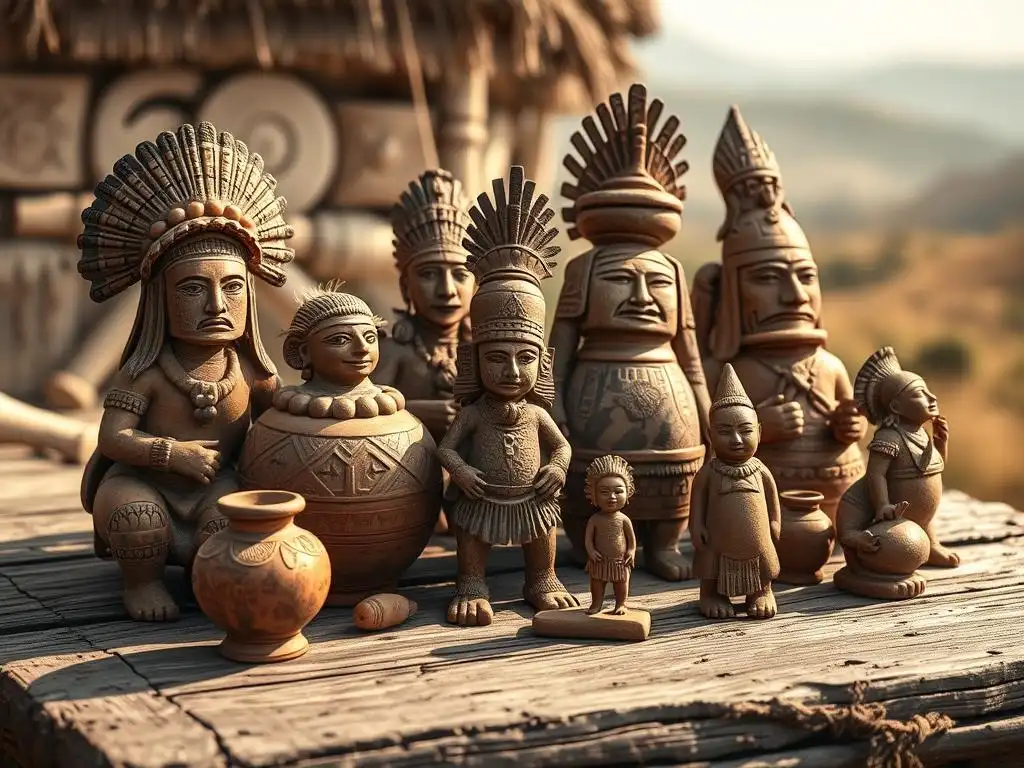
The Moche civilization, flourishing along the northern coast of Peru from approximately 100 CE to 800 CE, left behind a remarkable legacy: their exquisite pottery. These aren't mere vessels; they are intricate narratives, vibrant depictions of daily life, religious beliefs, and societal structures. Understanding the evolution of Moche pottery styles offers a fascinating glimpse into the cultural shifts and artistic development of this remarkable Andean society.
The diversity in Moche pottery styles across Peru reflects not only artistic innovation but also regional variations and evolving social dynamics. This exploration of Moche pottery styles in Peru will delve into the chronological development and regional distinctions within this significant artistic tradition. Analyzing these variations allows us to better understand the complexity and dynamism of Moche culture.
Early Moche Ceramic Styles: Gallinazo Influences and Simple Forms
Early Moche pottery (roughly 100-200 CE), often referred to as Early Moche or Moche I, shows clear influences from the preceding Gallinazo culture. Simple forms, predominantly monochrome in earthy tones like red, brown, and black, were common. While lacking the intricate detail of later periods, these pieces still provide valuable insights. Many vessels are characterized by their utilitarian nature, with relatively plain surfaces and straightforward shapes.
However, even in these early examples, we can see the seeds of the later Moche artistic explosion. Some vessels display simple painted motifs, often geometric patterns or stylized representations of animals. The techniques employed, like the use of slip and the application of paint, were foundational to the more advanced techniques developed in subsequent periods.
The study of these early forms provides a crucial baseline for understanding the subsequent development of Moche artistic techniques and iconography. Analysis of the clay types and manufacturing processes reveals information about the resources available and the technological skills of the Early Moche potters. These early styles set the stage for the remarkable artistic achievements of the Middle Moche period.
Middle Moche Pottery: Complex Iconography and Molded Vessels
The Middle Moche period (roughly 200-600 CE), or Moche II and III, marks a significant turning point in Moche ceramic production. This era witnessed an explosion of artistic innovation, characterized by highly detailed and complex iconography. The pottery became more sophisticated, employing a wider range of colors and techniques. Molded vessels, often depicting scenes of daily life, rituals, and mythology, became increasingly common.
We see a dramatic increase in the representation of human figures, both realistically and stylized, often engaged in various activities. These depictions provide invaluable information about Moche social structures, religious practices, and warfare. Famous examples include portraits of rulers, warriors, and priests, demonstrating the power and hierarchy within the society. The use of mold-made vessels allowed for greater consistency and the replication of complex designs, suggesting a level of specialization and organization within Moche pottery production.
The detail in these pieces is astonishing, from the intricate rendering of facial features and clothing to the subtle variations in color and texture. The use of multiple colors, often vibrant reds, yellows, whites, and blacks, added depth and complexity to the scenes. The narrative quality of Middle Moche pottery is striking, with individual vessels often telling complete stories or presenting detailed depictions of specific events or rituals. This level of detail and narrative complexity makes Middle Moche pottery some of the most compelling examples of ancient Andean art.
Late Moche Ceramic Traditions: Increased Regionalization and Stylistic Change
The Late Moche period (roughly 600-800 CE), or Moche IV and V, exhibits a shift towards increased regionalization and stylistic diversity. While the high level of artistic skill persists, we observe a departure from the uniformity seen in the Middle Moche era. Regional styles began to emerge, reflecting variations in artistic preferences and access to resources across different parts of the Moche territory. While some regions continued to produce pottery similar to the Middle Moche style, others developed distinct characteristics.
This diversification suggests a decentralization of power or perhaps a weakening of centralized control over the production and distribution of pottery. The iconography, while still intricate, sometimes shows a simplification or stylization compared to the earlier periods. Some scholars suggest this reflects changing social or religious beliefs. The use of certain motifs and color palettes became more localized, reflecting the unique cultural identities of different Moche communities.
The exact nature of these regional variations is still under investigation, and ongoing research is continually uncovering new information about the diversity of Late Moche ceramic traditions. Analyzing the stylistic changes in Late Moche pottery helps us understand the dynamic processes at play within the society during its final centuries. The decline of the Moche state is likely reflected in the increased regional variation and stylistic changes observed in their pottery. The study of these late styles offers crucial insights into the eventual collapse of the Moche civilization.
Iconography in Moche Pottery: Deciphering Ancient Symbols
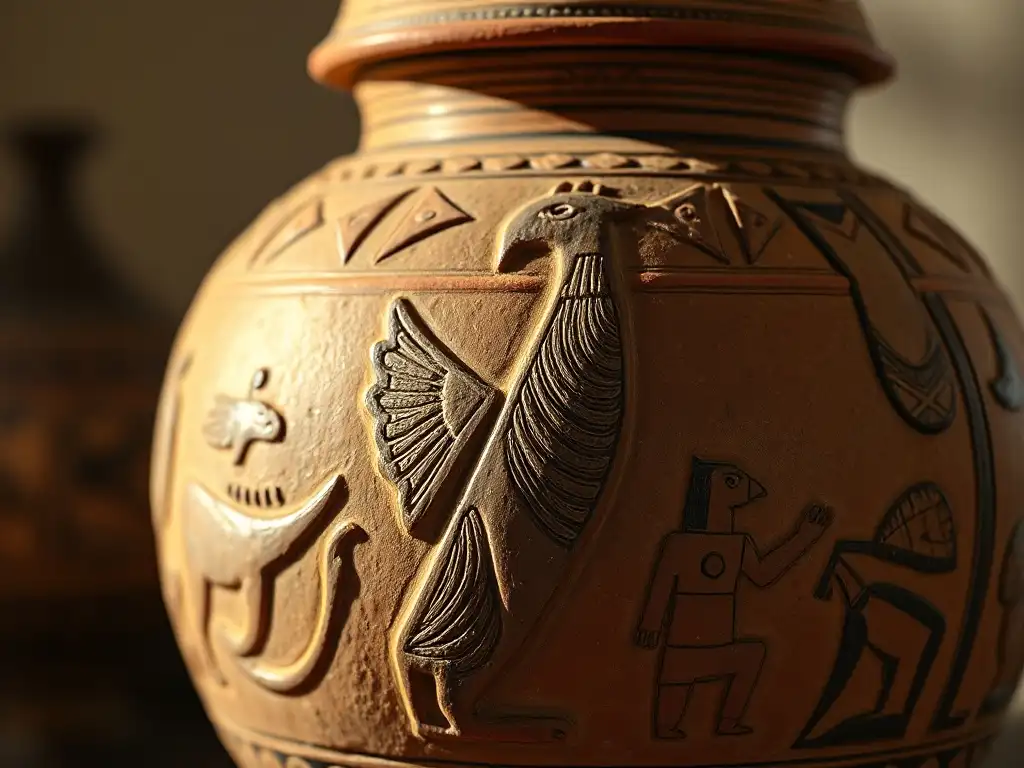
The vibrant and intricate iconography adorning Moche pottery offers invaluable insights into the beliefs, rituals, and daily lives of this ancient Peruvian civilization. Moche artisans weren't simply creating aesthetically pleasing vessels; they were crafting visual narratives, meticulously detailing their world through symbolic representations. Understanding these symbols is key to unlocking a deeper comprehension of Moche culture and its complexities.
The sheer variety of motifs – from stylized depictions of flora and fauna to complex scenes of ritual and warfare – demonstrates a sophisticated artistic and symbolic system. Careful analysis of these motifs, combined with archaeological context, allows researchers to piece together a more complete picture of Moche society.
The use of color, composition, and the specific placement of figures all contribute to the meaning and interpretation of these ceramic masterpieces. Studying Moche pottery styles in Peru reveals a dynamic and evolving artistic tradition, reflecting changes in beliefs and societal structures over time.
Depictions of Moche Deities and Mythology
Moche pottery frequently features depictions of deities and mythological beings, offering glimpses into their religious beliefs. These representations are often highly stylized, with exaggerated features and symbolic attributes that help identify specific divinities. For example, the Ai Apaec, a prominent Moche deity, is often depicted with a fanged mouth, feline features, and elaborate headdresses, reflecting his association with both fertility and warfare.
Other deities, representing aspects of nature or the underworld, are recognizable through their unique iconography. The careful observation of these representations allows researchers to reconstruct a complex pantheon and understand the roles these deities played in Moche society. Detailed analysis of the context in which these figures appear, such as in funerary contexts or within larger narrative scenes, further enriches our understanding of their significance.
The consistent stylistic choices in portraying these figures across different pottery pieces suggest a standardized system of religious iconography, reflecting a shared cultural understanding of the divine realm. Further research into the specific attributes and contexts of these depictions will undoubtedly shed more light on the intricacies of Moche mythology.
Moche Ceramic Art: Narrative Scenes of Daily Life
Beyond depictions of deities, Moche pottery presents remarkably detailed scenes of daily life. These narrative scenes, often unfolding across the entire surface of a vessel, provide unparalleled insight into Moche social structures, activities, and technology. These depictions range from scenes of fishing and agriculture – showcasing their economic activities – to intricate portrayals of feasts and ceremonies, revealing aspects of their social organization and rituals.
For instance, depictions of elaborate feasts might show social hierarchy through differences in attire and the placement of individuals. Similarly, scenes of agricultural practices illuminate their sophisticated irrigation systems and agricultural techniques. The level of detail in these scenes, from the tools used to the expressions on the faces of the depicted individuals, is truly remarkable.
This level of detail allows researchers to make inferences about social interactions, daily routines, and the overall organization of Moche society. By studying multiple examples of these narrative scenes, researchers can piece together a comprehensive understanding of how Moche people lived their day-to-day lives.
Moche Pottery: Warfare and Ritual Representations
Moche pottery also provides compelling evidence of warfare and ritual practices. Many vessels depict scenes of battle, showcasing weaponry, combat techniques, and the capture of prisoners. These portrayals often feature highly stylized warriors with elaborate headdresses and weaponry, highlighting their importance within Moche society.
The depictions are not simply records of events; they likely served a ritualistic function, possibly commemorating victories or reinforcing social hierarchies. Furthermore, the presence of human sacrifice depicted on some vessels reveals the role of ritual violence in Moche culture. The detail and intensity of these scenes suggest that warfare and ritual sacrifice were significant aspects of Moche life, reflecting their social organization and belief systems.
Analysis of the stylistic elements and the context in which these scenes appear can provide further insights into the meaning and purpose behind these depictions. The careful study of Moche pottery styles in Peru related to warfare and ritual offers a unique perspective on the violent and ceremonial aspects of this fascinating civilization. Further research into these representations will undoubtedly illuminate the complex interplay between warfare, ritual, and societal structures in Moche society.
Techniques and Materials in Moche Ceramic Production
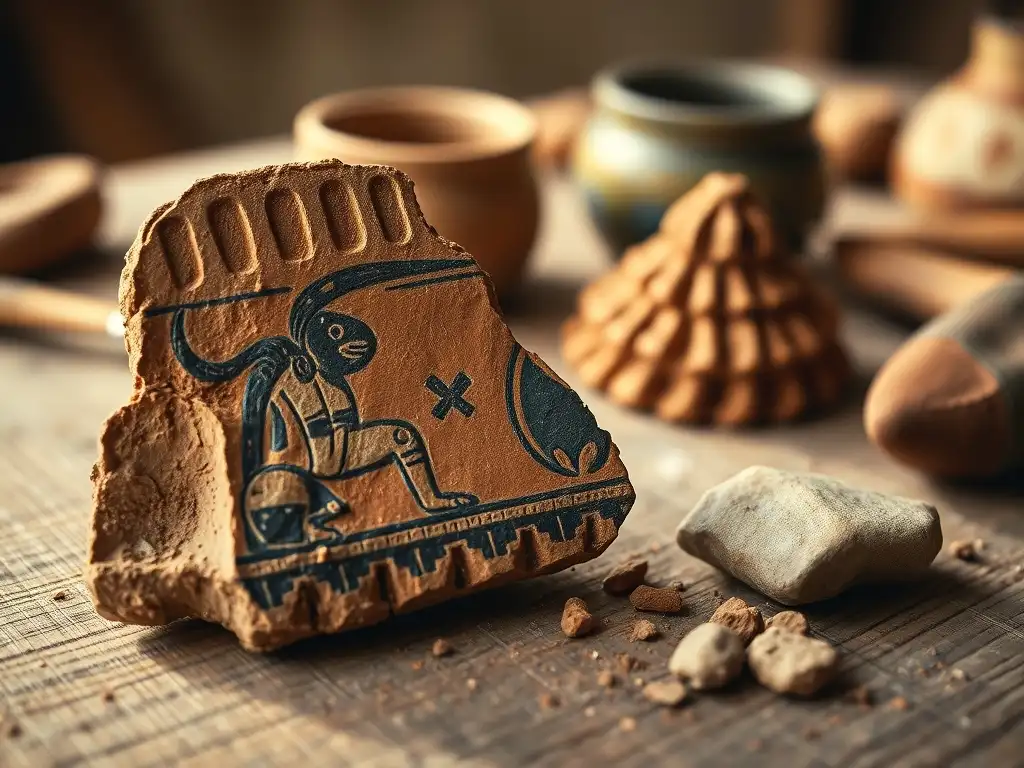
The remarkable artistry of Moche pottery styles in Peru wasn't achieved by accident. It resulted from a sophisticated understanding of materials and techniques, honed over generations. Moche artisans demonstrated impressive skill in shaping, decorating, and firing their ceramics, resulting in pieces that are both aesthetically pleasing and historically informative.
The careful selection and preparation of clays, the innovative molding processes, and the mastery of firing techniques all contributed to the unique characteristics of Moche pottery, offering a fascinating glimpse into their advanced technological capabilities. Their expertise in ceramic production reflects a level of societal organization and specialized labor rarely seen in other contemporary cultures.
The Shaping and Molding of Moche Pottery
Moche potters utilized a variety of techniques to shape their vessels, ranging from hand-building methods to more advanced mold-making processes. Hand-building, involving the coiling and pinching of clay, was likely used for simpler forms. However, the intricate details and consistent shapes found in many Moche pieces suggest a widespread use of molds.
These molds, often made of clay themselves, allowed for mass production of standardized forms, while still permitting individual artistic expression through painting and surface treatments. Evidence suggests both one-piece and multipart molds were employed, allowing for the creation of complex, multi-figured vessels. The precision with which these molds were crafted is astonishing, demonstrating a high level of technical proficiency.
Consider the iconic Moche stirrup-spout vessels; the consistent shape and precise placement of the spout across numerous examples speaks volumes about their mastery of mold-making. The creation of these molds itself required specialized skills, suggesting a hierarchical structure within the Moche pottery workshops. [Specific details on mold composition and construction pending].
Moche Pottery Decoration: Painting and Surface Treatments
Once shaped, the Moche pottery underwent a meticulous decoration process. Paints, derived from natural pigments like minerals and plant extracts, were applied to the surface using brushes made from animal hair or plant fibers. The vibrant colors—reds, yellows, blacks, and whites—were often used to create intricate scenes depicting daily life, mythology, and ritual practices.
These scenes are incredibly detailed, showcasing a remarkable understanding of perspective and composition. Beyond painting, Moche potters employed a variety of surface treatments to enhance the visual appeal and durability of their creations. These included polishing, burnishing, and the application of slips (a thin layer of clay) to create a smooth surface.
In some cases, they even incorporated incised or stamped designs before painting, adding another layer of complexity. The level of detail in these decorations—from the delicate rendering of facial features to the intricate patterns adorning clothing—is truly remarkable, and speaks to the skill and artistic vision of the Moche artisans. The use of negative space, a hallmark of many advanced artistic traditions, is evident in their designs, further emphasizing their sophisticated artistic understanding.
Moche Ceramic Kilns and Firing Techniques
The final stage in Moche ceramic production involved firing the vessels in kilns. While the exact design and construction of Moche kilns remain partially unknown, archaeological evidence suggests the use of both open-air and enclosed kilns. Open-air kilns, simpler in construction, likely produced a wider range of firing temperatures and potentially resulted in less consistent results. Enclosed kilns, however, would have allowed for greater control over the firing process, resulting in a more uniform firing temperature and potentially higher quality ceramics.
The firing process itself was crucial in determining the final appearance and durability of the pottery. Careful control of temperature and oxygen levels would have been essential to achieve the desired colors and hardness. The use of reducing (oxygen-poor) or oxidizing (oxygen-rich) atmospheres during firing could have been employed to achieve specific color effects. The high-quality preservation of many Moche pieces found today is a testament to their mastery of these firing techniques.
Further research is needed to fully understand the nuances of Moche kiln technology and its impact on the quality and variety of their pottery. [Specific information on kiln types and firing temperatures pending]. The development of these advanced firing techniques demonstrates the Moche's ingenuity and their understanding of materials science.
Moche Pottery as a Reflection of Society and Beliefs
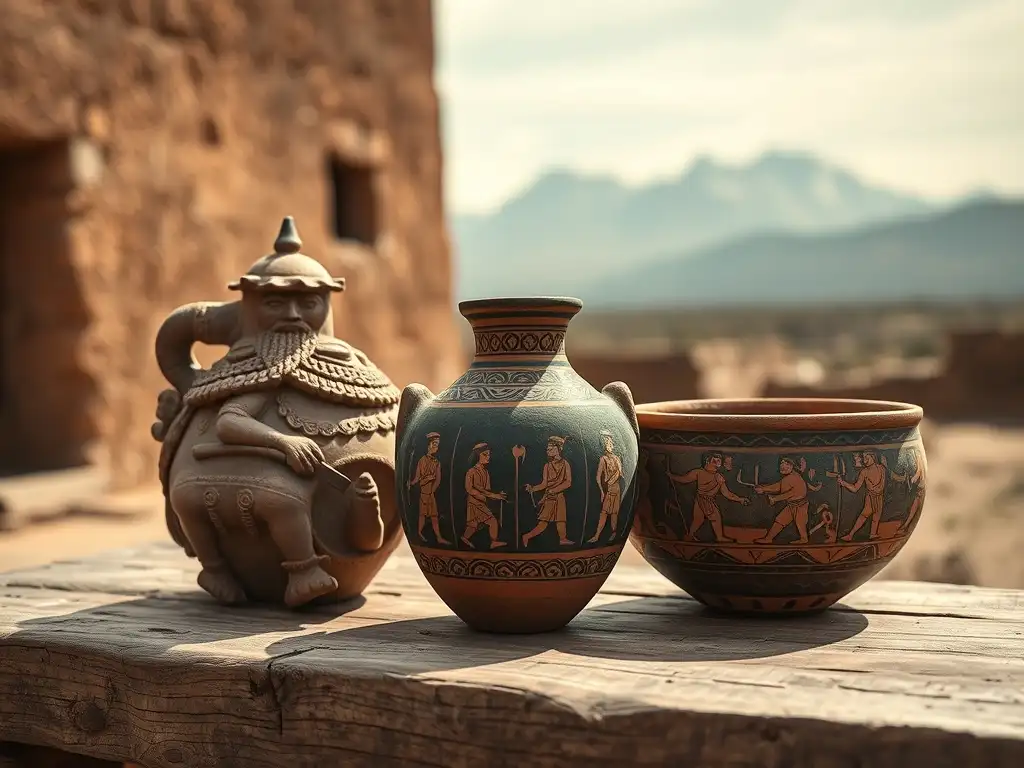
The Moche civilization, flourishing along the northern coast of Peru from approximately 100 to 800 CE, left behind a remarkable legacy: their exquisite pottery. More than mere vessels, these ceramics serve as invaluable primary sources, offering a unique window into the social structures, religious beliefs, and daily life of this sophisticated pre-Columbian culture. The intricate detail and stylistic variations found in Moche pottery styles in Peru provide compelling evidence of a society deeply invested in both the material and spiritual realms.
Analyzing these artifacts allows us to reconstruct aspects of their social hierarchy, religious practices, and communication systems, revealing a complex and fascinating civilization. The sheer volume of surviving pottery, coupled with its remarkable preservation, makes the Moche collection one of the richest and most informative in all of Andean archaeology.
The depiction of individuals in Moche pottery provides significant insights into the social stratification within the society. Elaborate headdresses, fine textiles, and jewelry worn by figures portrayed in the ceramics clearly indicate social status. For example, depictions of elite individuals often feature them seated on ornate thrones, surrounded by attendants, and engaging in activities reserved for the upper class, like feasting or ritual ceremonies.
Conversely, depictions of commoners are often simpler, lacking the elaborate adornments and showing them engaged in daily labor, such as farming or fishing. The size and quality of the vessels themselves also suggest social status. Larger, more intricately decorated pieces, often employing techniques like stirrup-spout vessels and intricate modeling, were likely reserved for the elite, while simpler, smaller vessels were more commonplace.
This differentiation in pottery styles highlights a clear social hierarchy, reflecting the unequal distribution of power and resources within Moche society. The careful examination of these differences in Moche pottery styles Peru offers a nuanced understanding of the social dynamics at play.
Moche Pottery and Religious Beliefs
Moche religion played a central role in their daily lives, and their pottery vividly reflects this. Many vessels depict deities, mythical creatures, and scenes from religious rituals, providing valuable clues about their cosmological beliefs and religious practices. The recurring motifs, such as the feline deity and the decapitated figures, suggest complex religious narratives and possibly human sacrifice.
The detailed representations of these ceremonies in Moche pottery styles in Peru, often involving elaborate costumes and symbolic objects, allow researchers to interpret the rituals and understand their significance within the broader Moche worldview. Furthermore, the careful craftsmanship and the use of specific colors and materials in the creation of these ritual vessels suggests a deep spiritual connection to the creation process itself. The intricate depictions, often showcasing supernatural beings and events, demonstrate the importance of religious beliefs in shaping Moche society and culture.
Moche Pottery as a Form of Communication
Beyond their social and religious significance, Moche ceramics also served as a powerful form of communication. The detailed depictions of various activities, from warfare and hunting to agricultural practices and daily life, provide a visual record of Moche society and its interactions with the environment. The use of symbolic imagery, often employing highly stylized figures and abstract representations, suggests a complex system of visual communication that went beyond simple narrative.
For example, certain motifs or colors might have held specific meanings, conveying information about social status, religious beliefs, or historical events. The stylistic variations across different regions and time periods also indicate a dynamic system of communication, reflecting changes in societal norms and beliefs. This rich visual language, evident in the diverse Moche pottery styles in Peru, offers a unique glimpse into the ways in which the Moche people communicated and recorded their history.
Deciphering these visual narratives is crucial to understanding the cultural complexity of this remarkable civilization. The detailed depictions and stylistic choices in Moche pottery transcend mere decoration; they represent a sophisticated form of visual communication, adding another layer to our understanding of this fascinating culture.
Preserving Moche Ceramic Heritage: Archaeological Discoveries
The study of Moche pottery styles in Peru relies heavily on the meticulous work of archaeologists who have unearthed countless examples of this remarkable art form. These discoveries, often painstakingly excavated from burial sites, temples, and even everyday living spaces, provide invaluable insights into the Moche worldview and daily life. The preservation of these fragile artifacts is crucial for understanding the past, and advancements in archaeological techniques are constantly improving our ability to protect and study them.
The sheer volume of Moche pottery discovered highlights the civilization's sophisticated ceramic production and its societal importance. It's not just the quantity, but also the quality and diversity of the pieces discovered that make these findings so significant.
From intricately decorated vessels depicting scenes of warfare and ritual to simpler utilitarian pots, each piece adds to our understanding of Moche society. The careful recording of the context of each discovery – its location, association with other artifacts, and stratigraphic position – is paramount in interpreting its significance.
Key Archaeological Sites Yielding Moche Pottery
Several key archaeological sites in Peru have yielded exceptionally rich collections of Moche pottery, contributing significantly to our understanding of Moche pottery styles. These sites, often located along the northern coast of Peru, provide a geographical context for understanding the stylistic variations and regional differences within Moche ceramics. Some of the most prolific sites include:
- Huaca de la Luna and Huaca del Sol: These monumental adobe pyramids near Trujillo, Peru, have yielded thousands of ceramic fragments and complete vessels, offering a glimpse into the religious and ceremonial aspects of Moche life. The sheer scale of these sites reflects the significant investment of resources in religious activities, as evidenced by the quantity and quality of the associated pottery.
- El Brujo: This site, also located near Trujillo, is known for its well-preserved tombs and associated grave goods, including a large number of finely crafted Moche ceramic vessels. The discovery of elaborate burial complexes at El Brujo provides insights into Moche social hierarchy and funerary rituals.
- Sipán: While famous for its royal tombs, Sipán also yielded significant numbers of Moche ceramic artifacts, providing valuable context for understanding the lives and beliefs of the Moche elite. The discovery of gold and silver artifacts alongside the pottery emphasizes the importance of these ceramic pieces within the Moche worldview.
The ongoing excavation and analysis of these sites continue to reveal new information about Moche pottery styles and their cultural significance, constantly refining our understanding of this remarkable civilization. The meticulous documentation and preservation of these discoveries are essential for future research and the ongoing appreciation of Moche artistic achievement.
The Importance of Conservation for Moche Ceramics
The preservation of Moche ceramics is a critical aspect of understanding their artistic and cultural significance. These delicate artifacts are susceptible to damage from a variety of factors, including environmental conditions, physical handling, and the passage of time. Therefore, careful conservation techniques are essential to ensure their long-term survival and accessibility for study and appreciation. The use of modern conservation methods, such as specialized cleaning techniques and environmental controls, is critical in mitigating the effects of deterioration.
This work often involves a team of specialists, including archaeologists, conservators, and scientists, working collaboratively to develop and implement effective preservation strategies. The challenge lies in balancing the need for preservation with the desire to make these artifacts accessible for study and public display. Finding the optimal balance between accessibility and preservation is a constant challenge for museums and research institutions working with Moche ceramics.
Moche Pottery: What Can we Learn Today?
Studying Moche pottery offers a unique window into the daily lives, beliefs, and social structures of this ancient civilization. The detailed imagery found on many vessels provides invaluable information about their social organization, religious practices, and daily activities. For example, depictions of warfare, hunting, and agricultural scenes offer insights into their economic activities and social hierarchies.
The vibrant colors and intricate designs are a testament to the artistic skill and sophistication of the Moche potters, and the diversity of styles reflects the regional variations and potential social stratification within Moche society. The analysis of the clay composition and the manufacturing techniques used in creating these vessels also provides valuable information about their technology and trade networks. By studying the chemical composition of the clay, researchers can trace the origins of the raw materials used in pottery production, shedding light on the extent of Moche trade and interaction with neighboring groups.
Furthermore, the study of Moche pottery continues to inspire contemporary artists and designers, demonstrating the enduring legacy of this remarkable artistic tradition. The detailed craftsmanship and innovative techniques used by Moche potters serve as a source of inspiration and a testament to their skill and creativity. The intricate designs and vibrant colors of Moche pottery continue to fascinate and inspire, showcasing the enduring power of art to transcend time and culture.
Frequently Asked Questions
What makes Moche pottery unique?
Moche pottery is renowned for its exceptional artistry and realistic depictions of daily life, ceremonies, and mythology. The use of vibrant colors and detailed modeling is also a hallmark of the style.
What were the common subjects depicted in Moche pottery?
Moche ceramics frequently portrayed portraits, ritual scenes, erotic imagery, and everyday activities, offering a unique glimpse into their society. Animals and mythological figures were also common themes.
What techniques did Moche potters employ?
Moche potters were masters of various techniques, including mold-making, hand-building, and slip painting. They were skilled in creating complex designs and three-dimensional forms.
Where can I find examples of Moche pottery today?
Examples of Moche pottery are found in museums worldwide, including the Larco Museum in Lima, Peru, and major institutions in the United States and Europe. Many pieces are also held in private collections.
How did Moche pottery influence later Peruvian art?
Moche pottery styles significantly impacted the development of subsequent Peruvian ceramic traditions. Their innovative techniques and artistic styles served as inspiration for generations of Andean artists.
Final Reflection: Echoes of the Moche: A Legacy in Clay
The vibrant artistry of Moche ceramics isn't merely a relic of the past; it's a powerful testament to the enduring human need for expression and the remarkable capacity of art to transcend time. These intricately crafted vessels, depicting scenes of daily life, ritual, and mythology, offer an unparalleled glimpse into a civilization that flourished centuries ago, yet continues to resonate with us today. Their enduring beauty and the stories they tell remain captivating, sparking curiosity and inspiring awe in viewers across the globe.
The influence of Moche pottery extends far beyond the dusty archaeological sites of Peru. Its impact on modern art, design, and our understanding of ancient cultures is undeniable. The bold colors, dynamic forms, and intricate details continue to inspire contemporary artists and designers, while the narratives embedded within the ceramics provide invaluable insights into the social structures, religious beliefs, and daily routines of the Moche people. As the renowned archaeologist, Michael E. Moseley, once stated: The Moche pottery is not just beautiful; it's a primary source for understanding their world.
This statement underscores the profound significance of these artifacts and their lasting contribution to our knowledge of pre-Columbian Peru.
Consider the intricate details you've explored within this article – the diverse styles, the symbolic imagery, the technical mastery. Now, I invite you to reflect on the power of art to connect us across time and cultures. How can we, in our own lives, create meaningful expressions that will resonate with future generations? What stories do you want to tell through your own actions and creations? Let the legacy of the Moche inspire you to find your own voice and leave your own indelible mark on the world.
Unlock the Secrets of Moche Culture Today!
Thank you for exploring the fascinating world of Moche ceramics and their insights into ancient Peruvian life. You've uncovered the stories embedded within these remarkable artifacts, and now it's time to build upon that knowledge!
Here are some ways to further connect with this rich culture:
- Take a pottery class and create your own interpretations of Moche artistic styles.
- Share your discoveries with friends through a casual discussion or themed gathering focused on pre-Columbian art.
- Visit museums or explore online exhibits showcasing Moche artifacts to deepen your appreciation of this captivating civilization.
What aspects of Moche daily life most intrigue you, and how do you see their artistic traditions influencing contemporary art?