
Potatoes Beyond the Ordinary: The Surprising Diversity of Andean Tubers

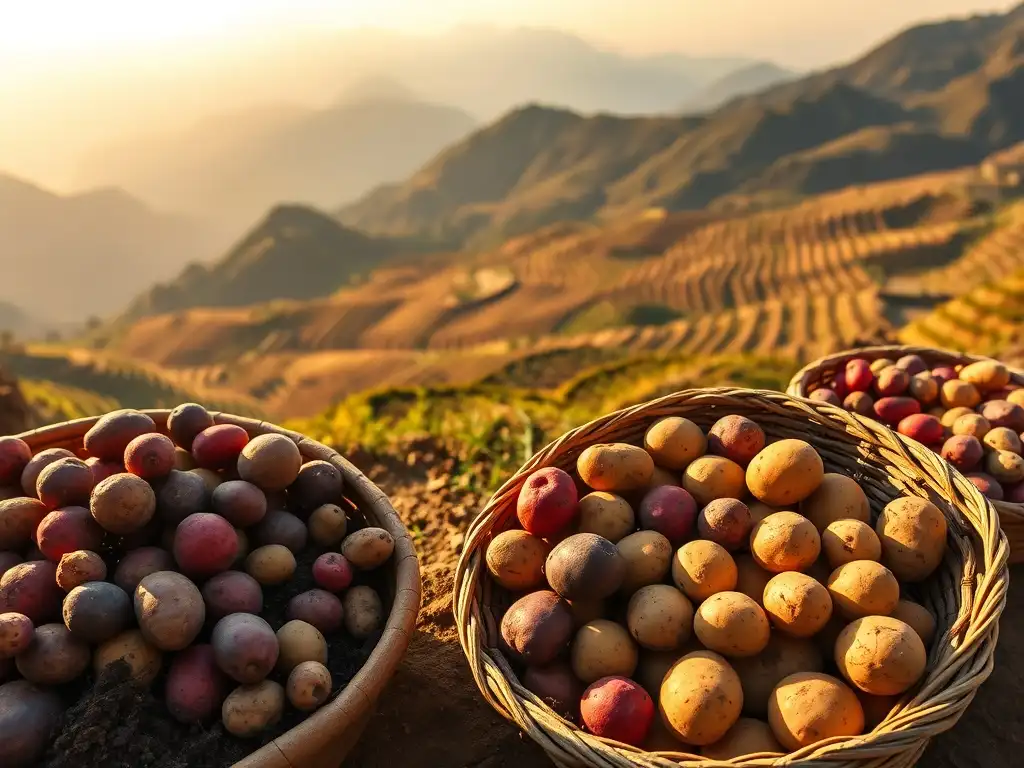
Step into a world lost to time, yet echoing with vibrant life. Imagine a landscape sculpted by ancient hands, where towering mountains cradled civilizations far more advanced than you might believe. The Andean Civilizations website unveils the secrets of these remarkable cultures, from their breathtaking artistry to their ingenious innovations. But prepare to be astonished: our journey begins with the Andean potato varieties history, revealing a diversity of tubers far beyond the spud you know. Dare to uncover the untold stories of these remarkable plants—and the civilizations they sustained.
- Andean Agriculture: Potatoes Beyond the Ordinary
- The Rich History of Andean Potato Varieties
- Exploring the Diversity of Andean Potato Types
- The Nutritional Value of Andean Potatoes
- Preserving Andean Potato Biodiversity
- The Future of Andean Potatoes
- Frequently Asked Questions
- Final Reflection: Unearthing the Legacy of Andean Potatoes
- Unleash the Flavor: Dive into the World of Andean Tubers!
Andean Agriculture: Potatoes Beyond the Ordinary
The Andes Mountains, a spine of towering peaks stretching along the western coast of South America, are not just a breathtaking landscape; they are also the birthplace of an astonishing agricultural diversity. For millennia, Andean civilizations have cultivated a remarkable array of crops, adapting ingenious farming techniques to the challenging terrain and varied climates. While the potato ( Solanum tuberosum) is arguably the most globally recognized Andean contribution to agriculture, its story is far from simple.
This article delves into the surprising diversity of Andean tubers, exploring their history, the staggering number of varieties cultivated, and their enduring significance to the region's culture and cuisine. We'll uncover why understanding the history of Andean potato varieties is crucial to appreciating the ingenuity of past Andean societies and the ongoing importance of these crops in modern Andean life.
This exploration will shed light on the sophisticated agricultural practices that allowed these civilizations to thrive, highlighting the profound connection between the people and their environment. We'll uncover the fascinating history of how these crops shaped civilizations and continue to shape the culinary landscape of the Andes today.
Introduction to Andean Tubers and Their Importance
The Andes are a treasure trove of tuberous crops, with potatoes being only one piece of a much larger, more complex puzzle. Beyond the familiar potato, a vast array of other tubers, including oca ( Oxalis tuberosa), mashua ( Tropaeolum tuberosum), ulluco ( Ullucus tuberosus), and arracacha ( Arracacia xanthorrhiza), have played – and continue to play – vital roles in the Andean diet and economy. These crops, often overlooked in global discussions of agriculture, exhibit incredible genetic diversity and remarkable adaptability to diverse altitudes and climates.
Their cultivation reflects a deep understanding of Andean ecosystems and a sophisticated knowledge of agricultural practices passed down through generations. The sheer number of Andean potato varieties alone is astounding, with estimates ranging into the thousands, each adapted to specific ecological niches and possessing unique culinary properties. This incredible biodiversity is a testament to the ingenuity and resilience of Andean farmers.
Understanding the history of these crops is not only a journey into the past but also a crucial step towards ensuring their survival and appreciation in the future. The cultivation and preservation of these diverse tubers are essential for food security and the maintenance of vital cultural traditions.
The following sections will explore the history and diversity of several key Andean tubers, highlighting their cultural significance and ecological importance. We will also examine the challenges facing these crops today and the efforts being made to preserve this remarkable agricultural heritage. The information presented will demonstrate the deep connection between Andean culture, history and the remarkable biodiversity found within its agricultural landscape.
The Rich History of Andean Potato Varieties
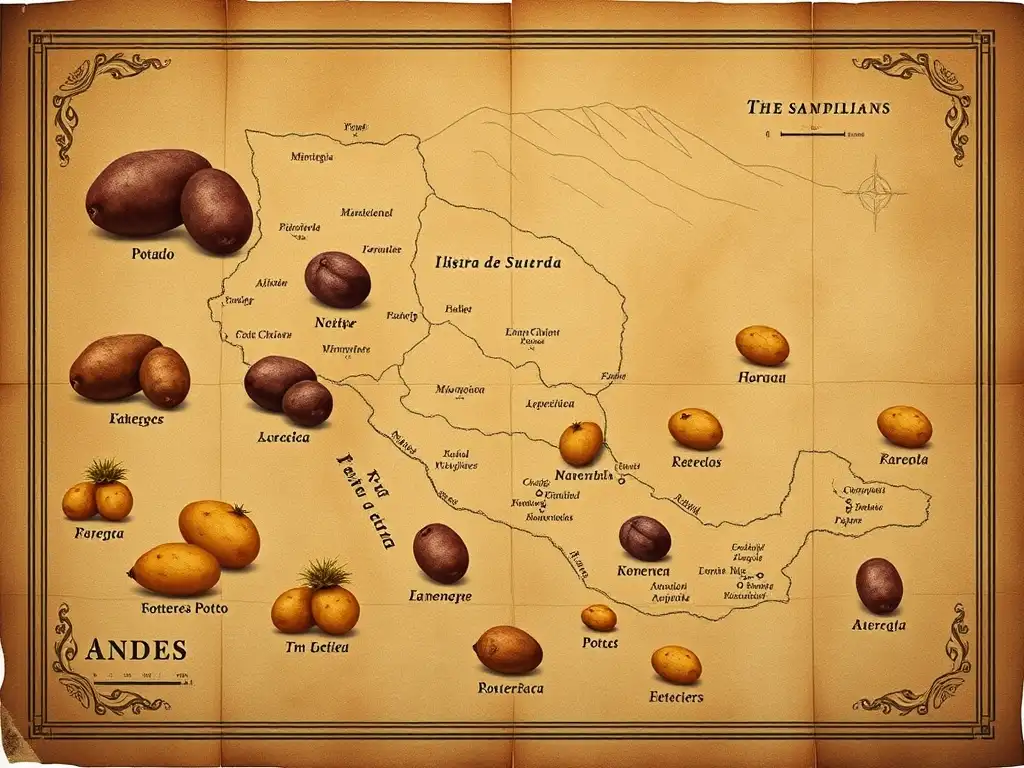
The Andean region, a cradle of agricultural innovation, boasts an unparalleled diversity of potato varieties, a testament to millennia of careful selection and adaptation by Andean farmers. Understanding the history of these varieties is crucial to appreciating the ingenuity and resilience of these ancient cultures and to safeguarding this vital genetic resource for the future. The term "Andean potato varieties history" itself encapsulates the rich tapestry of human interaction with this remarkable crop, a relationship that has shaped both the landscape and the culture of the Andes.
Origin and Domestication of the Andean Potato
The potato's ( Solanum tuberosum) journey began in the high altitudes of the Andes Mountains, specifically in the region of southern Peru and northern Bolivia. Archaeological evidence suggests that potato domestication occurred between 7,000 and 10,000 years ago, a process significantly predating the arrival of European crops in the Americas. Early farmers meticulously selected and cultivated desirable traits, leading to the astonishing array of potato types we see today.
This wasn't a single event, but rather a continuous process of adaptation to diverse environmental conditions, resulting in potatoes suited to various altitudes, climates, and soil types. The genetic diversity of Andean potatoes is breathtaking, with thousands of varieties exhibiting a remarkable range of sizes, shapes, colors, and flavors. Some varieties, like the small, intensely flavorful papa negra, thrive in harsh, high-altitude conditions, while others, like the larger, milder papa amarilla, flourish in lower, warmer regions.
This incredible diversity reflects the complex interplay between human ingenuity and the natural environment. It is a powerful example of in situ conservation, where the plant's genetic diversity is maintained within its natural habitat.
Ancient Andean Farming Techniques for Potato Cultivation
Ancient Andean farmers developed sophisticated techniques to cultivate potatoes in challenging environments. Their knowledge of soil types, water management, and crop rotation was remarkable. They employed techniques such as waru waru agriculture, a system of raised beds and irrigation channels that helped regulate water and improve drainage, particularly beneficial in the frequently waterlogged Andean soils.
This sophisticated system allowed them to maximize yields even in areas with limited rainfall. Furthermore, they implemented crop rotation, intercropping potatoes with other crops like quinoa and beans, to maintain soil fertility and reduce pest and disease pressure. The use of organic fertilizers, such as manure and compost, further enhanced soil health and crop productivity.
These practices demonstrate a deep understanding of ecological principles and a sustainable approach to agriculture that remains relevant today. Understanding these ancient methods is crucial for developing modern sustainable agricultural practices that are sensitive to the unique challenges of Andean farming. The historical techniques provide valuable insights into climate-resilient agriculture that can be adapted to the challenges of modern climate change.
The Cultural Significance of Potatoes in Andean Societies
Potatoes were not merely a staple crop; they were deeply interwoven into the fabric of Andean societies. Their significance transcended mere sustenance, encompassing religious beliefs, social structures, and artistic expression. Many Andean cultures held ceremonies and rituals dedicated to the potato harvest, expressing gratitude for the bounty and ensuring a successful future harvest.
The potato's importance is reflected in Andean mythology and folklore, with numerous stories and legends surrounding its origins and powers. Moreover, potatoes featured prominently in artistic representations, including textiles, ceramics, and sculptures, showcasing their cultural prominence. Today, many traditional Andean dishes still feature a wide array of potato varieties, highlighting the enduring legacy of this remarkable crop and the cultural practices built around its cultivation.
The enduring cultural significance of the potato in the Andes underscores the deep historical connection between people and their environment, a bond that has shaped the cultural landscape for millennia. The rich tapestry of Andean potato varieties history is a testament to this enduring connection, and the ongoing efforts to conserve and celebrate this heritage should be recognized and supported.
Exploring the Diversity of Andean Potato Types
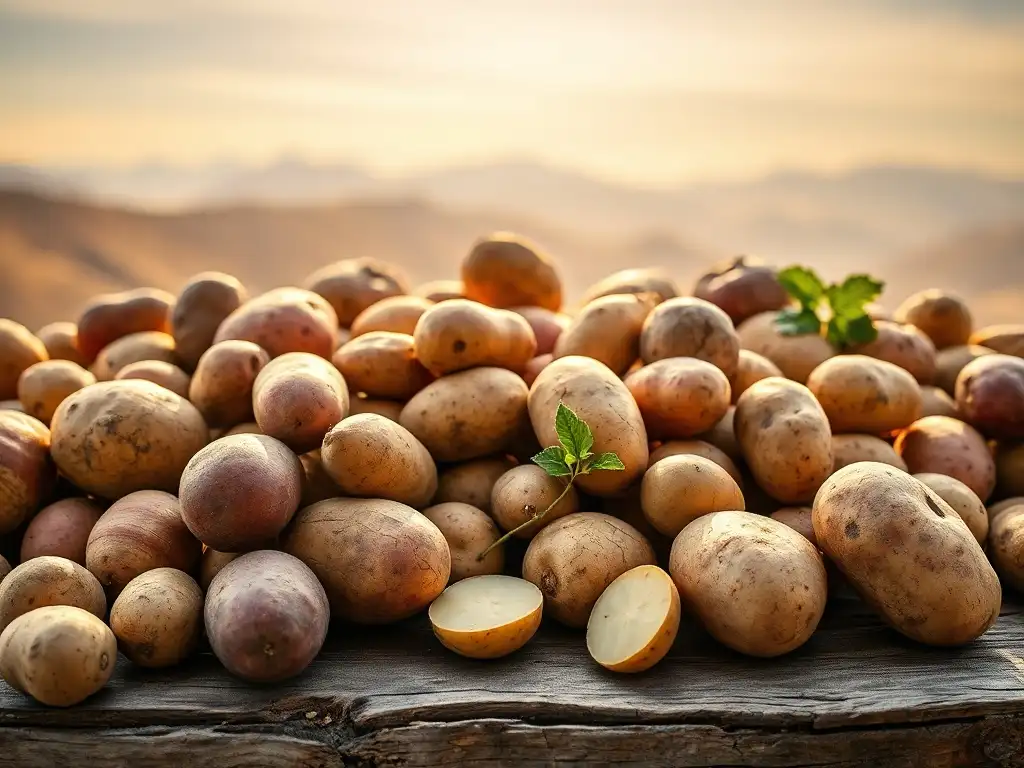
The Andes Mountains are renowned for their incredible biodiversity, and the potato, Solanum tuberosum, stands as a prime example. Far from the uniform spuds found in supermarkets globally, the Andean region boasts a staggering array of potato varieties, a testament to centuries of careful selection and adaptation by indigenous communities. Understanding this diversity is crucial to appreciating the depth of Andean agricultural practices and their enduring legacy.
The sheer number of cultivars, estimated to be in the thousands, showcases the ingenuity and intimate knowledge of the land possessed by Andean farmers. This incredible genetic wealth represents a vital resource for food security and future agricultural innovation, particularly in the face of climate change. The history of Andean potato varieties is intrinsically linked to the history of the Andean civilizations themselves, with each variety reflecting a unique adaptation to specific ecological niches.
Different Shapes and Sizes of Andean Potatoes
Andean potatoes defy the typical image of a uniformly oblong tuber. Their shapes and sizes are astonishingly varied. Some varieties are small and round, resembling marbles, while others are long and slender, almost like carrots. Still others are irregularly shaped, exhibiting bumps, ridges, and fascinating curves. This morphological diversity is a direct result of natural selection and human intervention over millennia. For example, the papa negra (black potato) is typically small and round, while the papa huayro (a type of elongated potato) is known for its length and thinness. Consider this table illustrating the diversity:
| Potato Variety | Shape | Size (Approximate) | Color |
|---|---|---|---|
| Papa Negra | Round | Small | Dark Purple/Black |
| Papa Huayro | Elongated | Medium to Long | Yellowish/Brown |
| Papa Amarilla | Oval | Medium | Yellow |
| Papa Puka | Irregular | Medium | Reddish |
The variations in size and shape are not merely aesthetic; they often correlate with different culinary uses and storage capabilities. Smaller potatoes might be ideal for boiling, while larger ones are better suited for roasting or mashing. The shape also influences the potato's ability to withstand harsh environmental conditions.
Unique Colors and Textures of Native Andean Potatoes
The spectrum of colors and textures found in Andean potatoes is equally remarkable. Beyond the familiar browns and yellows, you'll find vibrant reds, purples, oranges, and even near-black hues. The textures range from smooth and waxy to rough and mealy. This incredible diversity is a result of the wide range of climates and soil types found throughout the Andes, as well as the meticulous selection practices of Andean farmers.
The color is often an indicator of the potato's nutritional content. Purple potatoes, for instance, are rich in anthocyanins, powerful antioxidants associated with various health benefits. The texture, on the other hand, influences how the potato is best prepared. Waxy potatoes hold their shape well when boiled, making them ideal for salads, while mealy potatoes are better suited for mashing or frying.
The visual appeal alone is striking. Imagine a vibrant mix of colors and textures – a true feast for the eyes and palate. This visual diversity is a testament to the incredible genetic resources inherent to the region.
Specific Uses of Different Potato Varieties in Andean Cuisine
Andean cuisine demonstrates a deep understanding of the diverse properties of different potato varieties. Each type is often used in specific dishes, reflecting a sophisticated culinary tradition honed over centuries. For instance, certain varieties are better suited for making chuño (freeze-dried potatoes), a staple in Andean diets, while others are preferred for making papa a la huancaína (potatoes in a creamy, spicy sauce). Some varieties are better for boiling, others for frying, and still others for making various stews and soups.
The use of specific potato varieties in Andean cuisine is not simply a matter of convenience; it's a reflection of a deep cultural and ecological knowledge. The choice of potato often depends on factors like altitude, soil type, and the season. This intricate relationship between the potato, the environment, and the culinary traditions of the Andes highlights the profound connection between humans and nature in this region.
The knowledge of which potato to use for which dish is often passed down through generations, reflecting the importance of this crop in Andean culture and identity. The diversity of uses underscores the importance of preserving this invaluable genetic heritage for future generations.
The Nutritional Value of Andean Potatoes
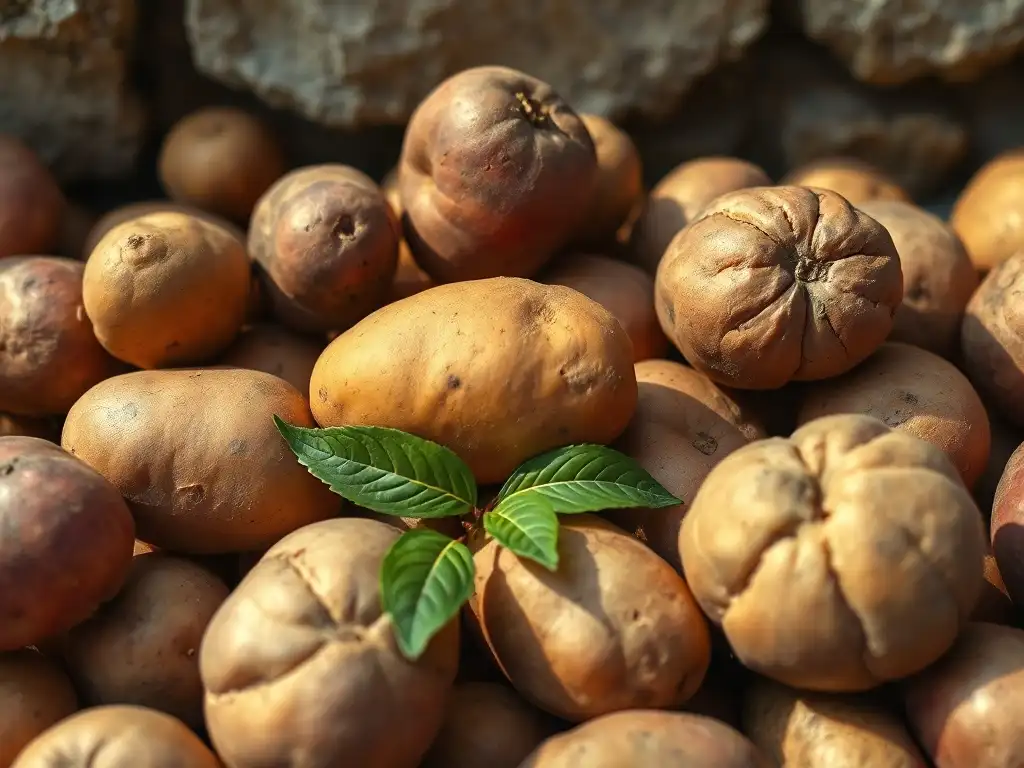
The Andean region boasts an incredible diversity of potato varieties, each possessing a unique nutritional profile. While the common potato ( Solanum tuberosum) is a staple worldwide, its Andean relatives offer a wider spectrum of nutrients and beneficial compounds. Understanding this nutritional richness is crucial to appreciating the historical and ongoing significance of these crops in Andean diets and beyond.
The nutritional value varies significantly depending on the specific variety, soil conditions, and cultivation practices. However, general trends reveal a higher concentration of certain vitamins and minerals compared to their more widely known counterparts. This section delves into the specific health benefits and nutritional composition of these remarkable tubers, highlighting their contribution to a balanced and healthy diet.
Health Benefits of Consuming Andean Tubers
Andean potatoes are not just a source of carbohydrates; they are packed with essential nutrients that contribute to overall well-being. Many varieties are rich in vitamin C, a powerful antioxidant crucial for immune function and collagen production. Others are excellent sources of vitamin B6, vital for brain development and function.
Furthermore, several Andean potato varieties contain significant amounts of potassium, an electrolyte essential for maintaining healthy blood pressure and muscle function. The high fiber content contributes to digestive health, promoting regularity and preventing constipation. Some varieties even exhibit higher levels of antioxidants than common potatoes, potentially offering enhanced protection against cell damage and chronic diseases.
Research continues to uncover the full spectrum of health benefits associated with the diverse array of Andean potato cultivars, revealing their potential as functional foods. For example, certain purple varieties are particularly rich in anthocyanins, potent antioxidants linked to reduced risk of heart disease and certain cancers. The diverse range of phytochemicals present in these tubers contributes to their impressive nutritional profile.
Comparison of Nutritional Content with Common Potatoes
| Nutrient | Common Potato (per 100g) | Andean Potato (per 100g - Average) | Notes |
|---|---|---|---|
| Vitamin C (mg) | 17 | 25-40 | Varies greatly depending on variety and growing conditions. |
| Potassium (mg) | 420 | 450-600 | Higher levels in many Andean varieties. |
| Fiber (g) | 2.0 | 2.5-4.0 | Higher fiber content promotes digestive health. |
| Carbohydrates (g) | 15 | 12-18 | Can vary significantly depending on the variety. |
| Protein (g) | 2.0 | 1.8-2.5 | Slight variation depending on variety. |
| Anthocyanins (mg) | Low | Moderate to High (in purple varieties) | Significant difference in antioxidant content in certain varieties. |
The table above presents a generalized comparison, highlighting the potential differences. Note that the nutritional content of Andean potatoes can vary significantly depending on the specific cultivar and growing conditions. More detailed research is needed to provide precise nutritional data for each individual variety. However, the table clearly indicates that many Andean potato varieties offer a richer nutritional profile than commonly consumed potatoes, particularly concerning vitamin C, potassium, and fiber content.
The Role of Andean Potatoes in a Balanced Diet
Incorporating Andean potatoes into a balanced diet offers numerous benefits. Their nutritional density contributes to a variety of dietary needs, providing essential vitamins, minerals, and fiber. The diverse range of flavors and textures offered by different varieties adds culinary versatility, enriching meals and promoting dietary diversity.
The high fiber content aids in digestion and promotes satiety, potentially contributing to weight management. The significant levels of antioxidants in many varieties offer potential protection against chronic diseases. From a culinary perspective, their versatility allows for diverse preparation methods, from boiling and mashing to roasting and frying.
Their adaptability makes them an integral component of traditional Andean cuisine and an increasingly popular ingredient in modern gastronomy worldwide. Further research into the specific nutritional profiles of individual Andean potato varieties is crucial for fully understanding their potential contribution to health and well-being, reinforcing their importance in both historical and modern diets. The ongoing exploration of these amazing tubers continues to reveal their profound value and significance.
Preserving Andean Potato Biodiversity
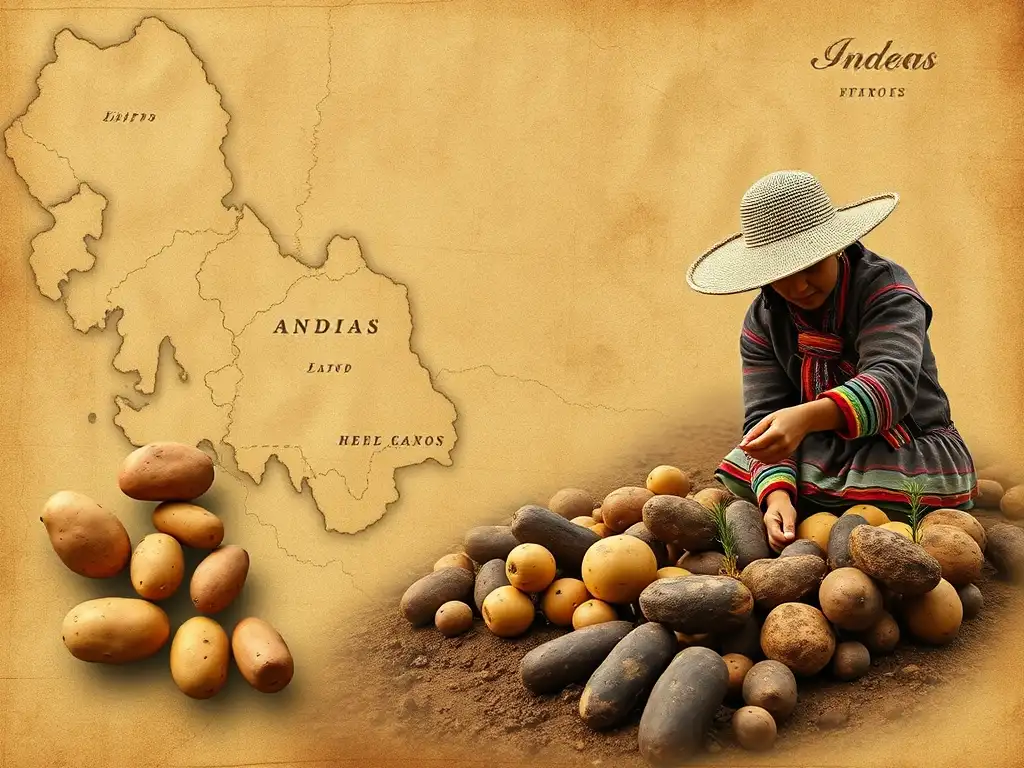
The incredible diversity of Andean potato varieties, a legacy of millennia of human selection and adaptation, faces unprecedented threats. Understanding the history of Andean potato varieties reveals a complex interplay of environmental pressures, agricultural practices, and socio-economic factors that have shaped this rich heritage. The sheer number of Solanum tuberosum cultivars – exceeding 4,000 – represents a remarkable feat of agricultural ingenuity, each variety uniquely adapted to specific altitudes, climates, and soil conditions.
However, this very diversity is now jeopardized by several interconnected factors, demanding urgent conservation strategies. The history of these varieties is intrinsically linked to the survival of the communities that cultivated them, a history that must be actively preserved. Losing these varieties is not only a loss of culinary heritage but also a loss of genetic resources crucial for food security in a changing world.
Challenges Facing Traditional Potato Cultivation
Traditional Andean potato farming practices, often passed down through generations, are facing significant challenges in the modern era. These challenges threaten the very existence of many unique potato varieties.
- Climate Change: Increasingly unpredictable weather patterns, including droughts, floods, and frost, are devastating potato crops. Varieties adapted to specific microclimates are particularly vulnerable to these changes. For instance, a variety thriving at a specific altitude might be unable to survive if the temperature range shifts.
- Disease and Pests: The spread of new and aggressive potato diseases and pests, often exacerbated by climate change, poses a substantial threat. Traditional varieties, lacking the genetic resistance of some modern hybrids, are particularly susceptible. The loss of genetic diversity makes it harder to find resistant varieties naturally, highlighting the importance of preserving existing ones.
- Market Pressures: The globalized food system often favors a few high-yielding, uniform potato varieties, pushing out traditional cultivars from the market. This reduces the economic incentive for farmers to cultivate the diverse range of local varieties. Farmers are increasingly pressured to adopt monocultures, which are more vulnerable to disease outbreaks and climate shocks.
- Land Use Changes: Urban sprawl, deforestation, and the conversion of agricultural land for other purposes are reducing the area available for potato cultivation, particularly in the Andean highlands. This loss of land directly impacts the cultivation and survival of many unique potato varieties.
Conservation Efforts for Endangered Potato Varieties
Recognizing the critical need to safeguard Andean potato biodiversity, several conservation efforts are underway. These efforts involve both in situ (on-farm) and ex situ (off-farm) strategies.
- In Situ Conservation: This involves supporting and empowering local farming communities to continue cultivating traditional potato varieties. This approach emphasizes the importance of traditional knowledge and practices in preserving biodiversity. Initiatives often include providing farmers with improved seeds, disease-resistant varieties, and training on sustainable farming techniques. This approach directly combats the loss of traditional varieties by keeping them actively cultivated.
- Ex Situ Conservation: This involves preserving potato genetic resources outside of their natural environment, mainly through seed banks and germplasm collections. These repositories safeguard valuable genetic material, ensuring that even if a variety is lost in the field, it can be recovered and potentially reintroduced. These collections are essential for future breeding programs aiming to develop new, resilient potato varieties.
- Community-Based Seed Banks: These initiatives work directly with local communities to establish and manage their own seed banks. This empowers communities to own and manage their genetic resources, ensuring the long-term preservation of their unique potato varieties. This participatory approach is crucial for the success of long-term conservation.
- Research and Development: Ongoing research focuses on understanding the genetic diversity of Andean potatoes and identifying varieties with desirable traits, such as disease resistance and climate resilience. This research informs breeding programs and supports the development of new varieties adapted to changing environmental conditions. This is crucial in adapting to the changing climate and preserving the most resilient varieties.
The Importance of Seed Banks and Local Farming Communities
The success of Andean potato conservation hinges on a collaborative approach that integrates both ex situ and in situ strategies. Seed banks serve as vital repositories for preserving the genetic diversity of endangered potato varieties, providing a safety net against loss. However, seed banks alone are insufficient.
The active participation of local farming communities is essential for maintaining the dynamic interplay between humans and their environment that has shaped this incredible biodiversity over centuries. The preservation of these varieties is not merely a scientific endeavor; it is a cultural imperative, inextricably linked to the livelihoods and traditions of Andean communities. Therefore, supporting local farmers, promoting sustainable agricultural practices, and recognizing the value of traditional knowledge are crucial for the long-term preservation of Andean potato biodiversity – a treasure trove of genetic resources and cultural heritage.
The future of Andean potato varieties depends on this collaborative effort, safeguarding both the genetic resources and the cultural heritage they represent. This integrated approach is vital for ensuring that the vast array of Andean potato varieties continues to thrive for generations to come.
The Future of Andean Potatoes
The incredible diversity of Andean potato varieties, a legacy of millennia of careful selection and adaptation by Indigenous communities, faces unprecedented challenges in the 21st century. Climate change, shifting agricultural practices, and the encroachment of globalized food systems threaten the survival of many unique and valuable cultivars. Understanding this precarious situation is crucial to ensuring the continued existence of this vital crop and its associated cultural heritage. The future of Andean potatoes hinges on proactive strategies that balance tradition with innovation. This requires a multi-pronged approach involving both local communities and international organizations.
Promoting Sustainable Practices for Potato Farming
Sustainable farming practices are paramount to the long-term health of Andean potato production. This means moving beyond high-input, environmentally damaging methods towards approaches that prioritize biodiversity, soil health, and water conservation. Traditional Andean agricultural techniques, often employing crop rotation, intercropping, and minimal chemical use, offer valuable lessons. For example, the waqta system, a form of terraced farming prevalent in the Andes, demonstrates the effectiveness of managing water resources efficiently.
Further research and dissemination of these methods, combined with the development of climate-resilient potato varieties, are essential. This includes promoting the use of organic fertilizers, reducing reliance on synthetic pesticides, and implementing water-harvesting techniques. Investing in training programs for farmers on sustainable agricultural practices will be key to their widespread adoption. The success of these initiatives can be measured by increased yields, improved soil fertility, and reduced environmental impact, ultimately securing the future of Andean potato varieties.
Exploring New Culinary Uses for Andean Tubers
Beyond their nutritional value, Andean potatoes offer a wealth of culinary possibilities. Many varieties possess unique flavors, textures, and colors, offering exciting opportunities for chefs and food innovators. Promoting the use of these diverse tubers in modern cuisine can increase demand, driving production and supporting the farmers who cultivate them.
This could involve collaborations between chefs and Andean communities to develop new recipes and dishes showcasing the unique qualities of different potato varieties. Food festivals and culinary competitions featuring Andean potatoes can raise awareness and interest among consumers. Marketing campaigns emphasizing the nutritional benefits and culinary versatility of these tubers could also play a significant role in boosting demand.
Moreover, exploring the potential for processed products, such as unique potato flours or specialty snacks, can broaden the market reach and create new income streams for farmers. The development of innovative culinary applications for Andean potatoes will be crucial to their economic viability and cultural preservation.
Connecting Andean Potatoes with Global Food Systems
Integrating Andean potato varieties into global food systems requires a strategic approach that balances the preservation of biodiversity with the demands of a global market. This involves creating robust supply chains that can efficiently connect farmers with consumers while ensuring fair prices and sustainable practices. Developing effective storage and transportation methods is essential to minimizing post-harvest losses.
International collaborations are crucial to facilitate the exchange of knowledge and resources, fostering research and development of new varieties and improved cultivation techniques. Moreover, promoting certification schemes that guarantee the authenticity and quality of Andean potatoes can enhance their market value and appeal to consumers seeking premium products. Creating a global market for these unique tubers not only ensures their survival but also offers economic opportunities for Andean communities, fostering sustainable development and cultural preservation.
This requires careful consideration of ethical sourcing, fair trade practices, and the equitable distribution of benefits along the entire supply chain. The successful integration of Andean potatoes into global food systems will require a collaborative effort between farmers, researchers, policymakers, and consumers.
Frequently Asked Questions
How many potato varieties originated in the Andes?
The Andes are the center of origin for potatoes, boasting an astonishing diversity of varieties, with thousands of unique types cultivated throughout history. Many are still grown today.
What makes Andean potatoes unique compared to others?
Andean potatoes exhibit an incredible range of shapes, sizes, colors, and flavors, far exceeding the limited selection found in most supermarkets. Their adaptability to high-altitude environments is also remarkable.
How did the Incas contribute to potato cultivation?
The Inca Empire developed sophisticated agricultural techniques, including terracing and irrigation, to maximize potato production. They also preserved and diversified the many existing varieties.
What is the history of Andean potato cultivation?
Potato cultivation in the Andes dates back thousands of years, predating the Inca civilization. Early cultivation involved selective breeding leading to the vast genetic diversity we see today.
Are all Andean potato varieties still cultivated today?
While many are still grown locally, many ancient varieties face the threat of extinction due to modern agricultural practices favoring a few commercially successful types. Efforts are underway to preserve this genetic heritage.
Final Reflection: Unearthing the Legacy of Andean Potatoes
The incredible diversity of Andean potatoes isn't just a historical curiosity; it's a vital resource for the future of food security. The resilience and adaptability of these ancient crops, honed over millennia by Andean farmers, offer invaluable lessons for navigating the challenges of climate change and ensuring global food sustainability. Their story is a testament to human ingenuity and the power of biodiversity.
The enduring legacy of Andean potato varieties continues to shape not only culinary traditions but also agricultural practices worldwide. Their remarkable genetic diversity represents a treasure trove of potential for breeding new, climate-resistant crops. As we face increasing threats to food production, understanding and protecting this heritage becomes paramount. The potato is not just a food; it is a symbol of resilience, adaptation, and the enduring relationship between humans and nature.
This quote encapsulates the profound significance of these tubers, extending far beyond their nutritional value.
Consider, for a moment, the vast potential locked within the genetic code of these ancient potatoes. What innovative solutions might they hold for future food production? How can we, as individuals and as a global community, work to protect and celebrate this invaluable agricultural heritage? Let the story of the Andean potato inspire you to explore the rich tapestry of biodiversity around us and to champion the preservation of our planet's invaluable resources. The future of food security may well depend on it.
Unleash the Flavor: Dive into the World of Andean Tubers!
Thank you for exploring the rich tapestry of Andean tubers with us! You've uncovered the incredible diversity and culinary potential of these fascinating vegetables. Now, it’s time to take the next step and experience their unique flavors in your own kitchen. Let's explore some exciting ways to use them.
Here are some ideas to embrace the versatility of Andean tubers:
- Experiment with Recipes: Choose one or two Andean tubers that appeal to you and try incorporating them into a new recipe. The possibilities are endless, from hearty stews to creative side dishes. For example, you could try roasting oca with herbs or adding mashua to a potato salad for a unique twist.
- Share Your Experience: Document your culinary journey by sharing photos and your results on social media. Tag us so we can connect with others who are exploring these vibrant ingredients!
- Join a Local Cooking Class: Look for a class focusing on Andean cuisine. Hands-on learning and the opportunity to connect with your community will enhance your experience.
What delicious dish will you create with these extraordinary tubers? Share your thoughts and recipes in the comments below!