
The Unheard Voices: The Perspective of Andean Women During the Spanish Invasion

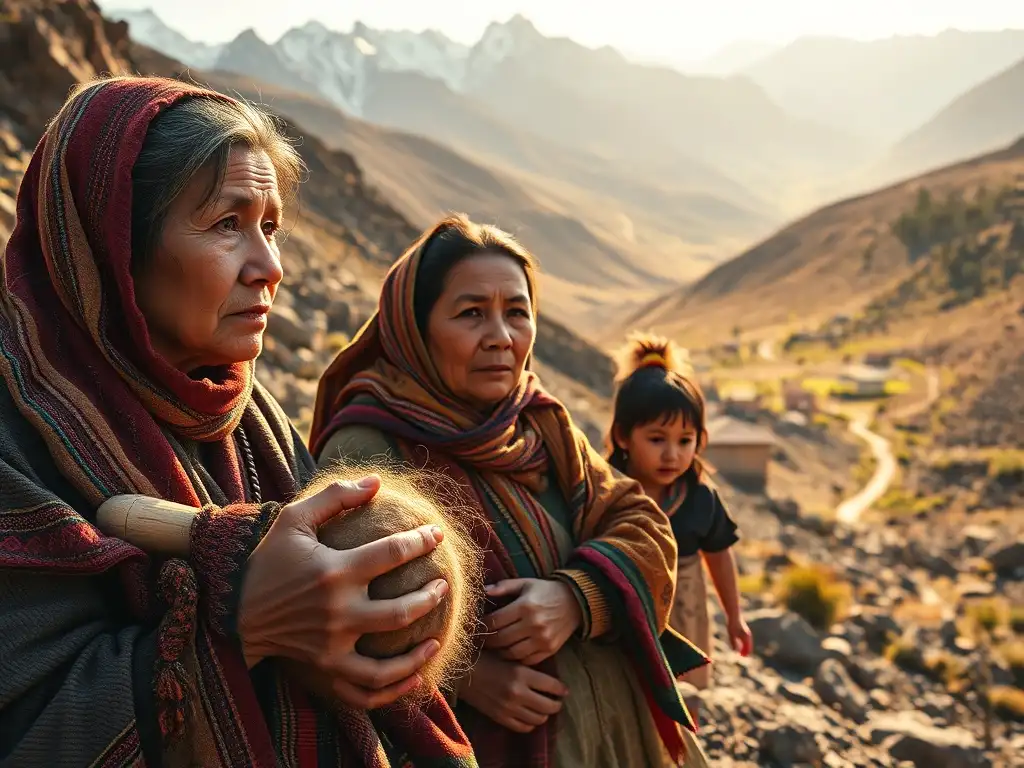
Uncover the secrets whispered through generations. For centuries, their stories remained hidden within the Andes' majestic peaks. Now, delve into the unparalleled history of Andean women and their experiences during the brutal Spanish conquest. Their resilience, their strength, their contributions – a perspective often overlooked – awaits you. Prepare to be captivated by the untold narratives of " Andean women's history Spanish conquest"—a journey that will challenge your understanding of this pivotal era.
The Spanish conquest of the Andes, often recounted through the lens of military campaigns and political machinations, obscures the experiences of a significant population: Andean women. This article aims to reclaim their narratives, exploring the profound impact of the Spanish invasion on their lives, social structures, and roles within their communities.
We will delve into the pre-invasion world to understand the status of Andean women, then examine how the Spanish conquest drastically altered their lives, leading to significant social, economic, and cultural upheaval. By focusing on the perspectives of Andean women, we gain a more complete and nuanced understanding of this pivotal period in Andean history, enriching our comprehension of the "Andean women's history Spanish conquest."
This exploration challenges the traditional, often male-centric, accounts of the conquest, providing a vital perspective frequently overlooked in historical narratives. We will uncover the resilience, adaptation, and resistance of Andean women in the face of overwhelming change, revealing the untold stories that deserve to be heard.
Introduction: Reclaiming Andean Women's Narratives
For centuries, the narratives surrounding the Spanish conquest of the Andes have largely centered on the actions of Spanish conquistadors and the Inca elite. The voices of Andean women, however, have remained largely unheard, their experiences relegated to the margins of historical accounts. This silence is a significant omission, as women constituted a substantial portion of Andean societies and played crucial roles in their economies, social structures, and spiritual life.
Reclaiming their narratives is essential to building a more complete and accurate picture of this transformative period. This article seeks to address this historical imbalance by exploring the lives of Andean women before, during, and after the Spanish invasion, shedding light on their resilience, agency, and the enduring impact of colonization on their lives and communities.
By examining available historical sources and anthropological research, we strive to unveil the complexities of their experiences and to give voice to those often silenced by history. The impact of the Spanish conquest on Andean women's lives was profound and multifaceted, affecting their social status, economic roles, and cultural practices in ways that continue to resonate today.
Understanding the position of Andean women before the Spanish arrival is crucial to comprehending the profound changes brought about by the conquest. The social structure and roles of women varied across different Andean cultures, but certain commonalities existed. While patriarchal structures were present, the roles and influence of women were often more significant than traditional Eurocentric narratives suggest.
Andean Women's Roles in Pre-Columbian Society
Andean women were actively involved in various aspects of societal life. They were not merely confined to domestic roles; instead, they participated in agriculture, textile production, trade, and religious practices. Specific roles varied depending on the region and the social hierarchy, with women in elite classes potentially holding more power and influence. For example, in some Andean societies, women held positions of authority within religious contexts, acting as priestesses or participating in rituals. Their contributions were integral to the functioning of their communities.
Gender Dynamics and Power Structures before the Spanish Arrival
While patriarchal elements existed, the gender dynamics of pre-Columbian Andean societies were far more complex than simple hierarchies. Women held significant economic power through their involvement in agriculture and textile production, two pillars of Andean economies. Their control over these crucial aspects of life granted them a degree of autonomy and influence within their families and communities. Furthermore, evidence suggests that women participated in political decision-making processes, although the extent of their influence remains a subject of ongoing scholarly debate. The concept of "gender complementarity" rather than strict hierarchy better reflects the nuanced relationships in many Andean societies.
The Importance of Women in Andean Agriculture and Textile Production
Andean agriculture relied heavily on women's labor. They were responsible for cultivating crops, managing irrigation systems, and processing agricultural products. Their expertise in these areas was vital for the survival and prosperity of their communities. Similarly, textile production, another crucial element of the Andean economy, was predominantly a female domain.
Women were skilled weavers, creating intricate textiles used for clothing, ceremonial purposes, and trade. The economic power derived from these activities contributed significantly to their social standing. The intricate designs and techniques employed in Andean textile production demonstrate a high level of skill and artistry, underscoring the women's significant contribution to Andean culture and economy. The economic independence afforded by their skills contrasted sharply with the subjugation they would later experience under colonial rule.
- Introduction: Reclaiming Andean Women's Narratives
- The Pre-Invasion Andean World: Social Roles and Status of Women
- What roles did Andean women play before the Spanish conquest?
- How did the Spanish conquest impact the lives of Andean women?
- What were the forms of resistance employed by Andean women against the Spanish?
- How did the Spanish conquest affect Andean women's access to resources and power?
- Where can I find more information about the history of Andean women during the Spanish conquest?
The Impact of the Spanish Conquest on Andean Women
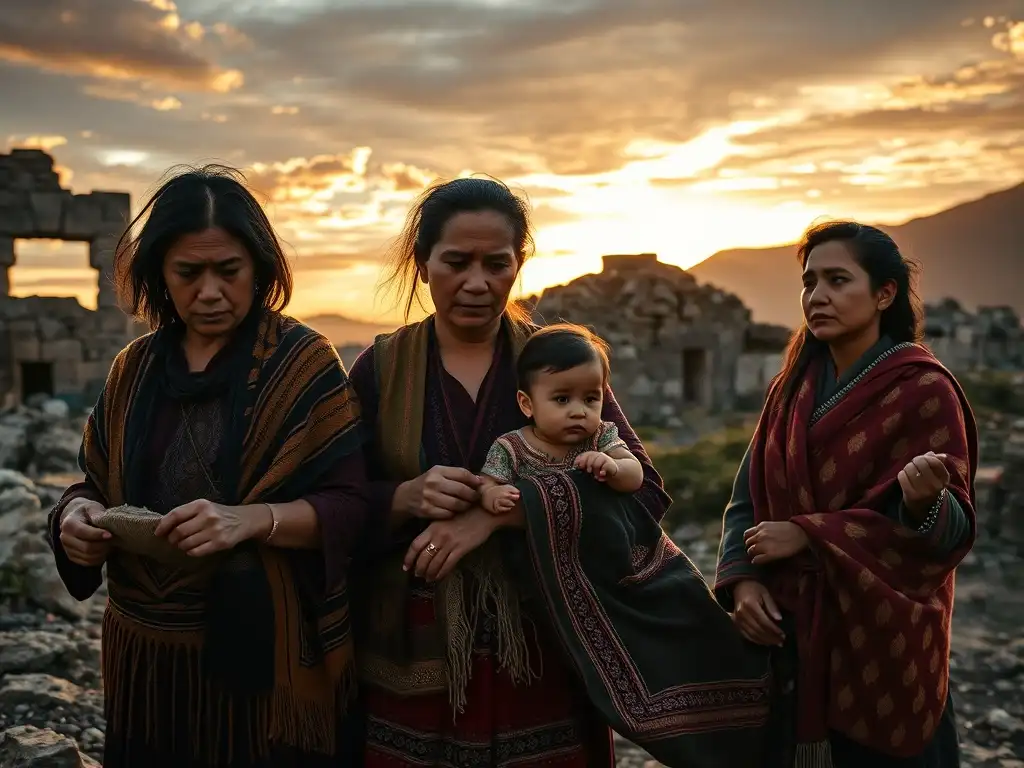
The Spanish conquest of the Andes drastically altered the lives of Andean women, profoundly impacting their social structures, spiritual practices, and economic independence. Understanding this impact requires moving beyond the dominant narratives of the conquest to uncover the experiences and agency of Andean women themselves. The arrival of the Spanish marked a brutal shift, disrupting established social orders and forcing women into new, often subjugated, roles.
This section explores the multifaceted consequences of the conquest, focusing on the specific challenges faced by Andean women and their remarkable resilience in the face of overwhelming adversity. The keyword phrase "Andean women's history Spanish conquest" is central to understanding this transformative period.
The Initial Shock: How the Invasion Disrupted Andean Life
The arrival of the Spanish conquistadors in the Andes was a catastrophic event that irrevocably altered the lives of Andean women. The initial shock involved not just the violence and brutality of the invasion itself, but also the systematic dismantling of existing social structures. This disruption had far-reaching consequences, impacting every aspect of women's lives.
The Disruption of Ayllu and Kinship Systems
The ayllu, the foundational social and economic unit in Andean society, was severely disrupted by the Spanish conquest. This system, based on kinship and reciprocal obligations, provided Andean women with a strong sense of community and social support. The Spanish dismantled the ayllu system through forced labor, resettlement, and the imposition of European administrative structures.
This led to the breakdown of traditional support networks, leaving women vulnerable and isolated. The loss of collective land ownership and the disruption of kinship ties significantly weakened the position of Andean women within their communities. Specific data on the precise number of ayllus destroyed or fragmented is [specific information pending], but anecdotal evidence from colonial accounts points to widespread devastation.
The Forced Conversion to Catholicism and Its Impact on Women's Spirituality
The Spanish imposed Catholicism through forceful conversion, suppressing indigenous religious practices and beliefs. This had a profound impact on Andean women, who played significant roles in pre-Columbian religious rituals and ceremonies. The suppression of their spirituality, including the destruction of sacred sites and the banning of traditional ceremonies, represented a profound loss of cultural identity and spiritual autonomy. The imposition of the Catholic doctrine, with its emphasis on female subservience, further marginalized Andean women within the newly imposed religious hierarchy. [Specific examples of the suppression of Andean women's religious practices are pending].
Loss of Land Rights and Control over Resources
Before the conquest, Andean women held significant rights and responsibilities related to land and resources. Their roles in agriculture, textile production, and food preparation were integral to the economic well-being of their communities. The Spanish conquest resulted in the systematic dispossession of indigenous lands, significantly reducing or eliminating women's access to resources.
The encomienda system, which granted Spanish conquistadors control over indigenous labor and resources, further exacerbated this problem, leaving Andean women vulnerable to exploitation and economic hardship. The precise extent of land loss experienced by Andean women is [specific information pending], but it's clear that their economic independence was severely compromised.
Andean Women's Resistance and Agency During the Conquest
Despite the overwhelming challenges they faced, Andean women demonstrated remarkable resilience and agency during the Spanish conquest. Their resistance took many forms, from subtle acts of defiance to open rebellion. Their ability to adapt and maintain aspects of their culture is a testament to their strength and determination.
Acts of Rebellion and Resistance by Women
While often overlooked in historical accounts, Andean women actively participated in resistance against the Spanish. Their contributions ranged from providing logistical support to rebellions to engaging in direct acts of defiance. [Specific examples of women's participation in rebellions are pending], but evidence suggests that women played crucial, albeit often unacknowledged, roles in resisting colonial rule. This included disrupting Spanish supply lines, providing shelter and support to rebel fighters, and even leading armed resistance in some instances.
Preserving Weaving Traditions and Knowledge
Weaving was a central aspect of Andean women's lives, representing not only economic activity but also a powerful means of cultural expression and social identity. Despite the Spanish attempts to suppress indigenous traditions, Andean women persevered in maintaining their weaving skills and knowledge. The intricate designs and techniques employed in Andean textiles continued to reflect their cultural heritage, serving as a form of silent resistance and a testament to their enduring cultural identity. The symbolic power of these textiles became a powerful tool for preserving Andean cultural memory.
The Role of Kurakas' Wives in Maintaining Indigenous Leadership
The wives of kurakas (indigenous leaders) played a crucial role in maintaining indigenous leadership and cultural continuity during the conquest. They often acted as intermediaries between the Spanish authorities and their communities, using their influence to protect their people and preserve indigenous traditions. While their role was often complex and fraught with challenges, their agency in navigating the tumultuous period of the conquest cannot be ignored.
[Specific examples of kurakas' wives' roles in maintaining indigenous leadership are pending]. Their actions highlight the significant influence Andean women held, even within the constraints of the colonial system. The resilience and adaptability of these women contributed significantly to the survival of Andean culture in the face of Spanish domination.
The Long-Term Consequences for Andean Women
The Spanish conquest of the Andes irrevocably altered the lives of Andean women, leaving a legacy of hardship and oppression that resonates even today. While the immediate impact involved violence, displacement, and forced labor, the long-term consequences were far-reaching, fundamentally reshaping gender roles, social structures, and women's access to power and agency. Understanding these lasting effects requires examining the imposition of colonial gender norms, the creation of new social hierarchies, and the persistent challenges faced by Andean women in navigating a drastically altered world. The keyword phrase "Andean women's history Spanish conquest" is central to understanding this profound transformation.
The Imposition of Colonial Gender Norms
The Spanish conquistadors brought with them a rigid patriarchal system that clashed sharply with the existing gender dynamics in Andean societies. Pre-Columbian Andean cultures, while diverse, often displayed a more fluid understanding of gender roles than the rigid binary imposed by the Spanish. Women held significant positions in many Andean communities, participating in economic activities, religious ceremonies, and political decision-making.
The Spanish conquest systematically dismantled these established roles, confining women to the domestic sphere and limiting their public participation. This process involved the suppression of indigenous religious practices, which often empowered women, and the replacement of these with Catholicism, which largely relegated women to subordinate roles.
Voices of Andean Women: Testimonies and Historical Records
Reconstructing the experiences of Andean women during the Spanish conquest presents significant challenges due to the limitations of historical sources. While official colonial records often overlook or minimize women's contributions, glimpses into their lives can be gleaned from various avenues. These fragmented accounts provide invaluable insights into the resilience, resistance, and agency of Andean women in the face of overwhelming adversity. Analyzing these diverse sources critically allows us to approach a more nuanced understanding of their experiences and challenges.
Analyzing Legal Records and Colonial Chronicles for Women's Perspectives
Legal documents, though often biased, offer some clues. Court records, wills, and land disputes occasionally reveal women's involvement in economic activities, property ownership, and legal battles. These records, however, rarely reflect the full picture, often omitting the perspectives of indigenous women who lacked access to the formal legal system.
Colonial chronicles, written by Spanish officials and missionaries, provide another, albeit often skewed, perspective. While often paternalistic and Eurocentric, they occasionally contain details about women's roles in daily life, their participation in rebellions, or their responses to colonial policies. Careful analysis of these sources, considering their inherent biases, is crucial for extracting meaningful information about Andean women's lives.
Oral Histories and the Transmission of Women's Experiences
Oral histories, passed down through generations, represent a crucial, though often overlooked, source of information. These traditions, while not formally documented, preserve memories and narratives that offer valuable insights into Andean women's resilience and adaptation to colonial rule. Unfortunately, many of these oral traditions were suppressed or lost during the colonial period. Efforts to recover and document these oral histories are essential for a more complete understanding of Andean women's experiences during and after the conquest. The preservation and study of these oral traditions are crucial for countering the biases present in written colonial sources.
Bartolina Sisa: A Leader of Indigenous Rebellion
Bartolina Sisa stands as a powerful example of Andean women's resistance to Spanish rule. A Quechua woman from the Bolivian Andes, Sisa emerged as a prominent leader during the Túpac Amaru II rebellion in the late 18th century. Her role as a military strategist and organizer challenges the common narrative that depicts indigenous women solely as victims of conquest.
Sisa's leadership highlights the active participation of Andean women in organized resistance movements and their crucial role in challenging colonial authority. Her story, though often marginalized in official histories, serves as a testament to the strength and agency of Andean women in the face of oppression. Further research is needed to fully uncover the contributions of other women leaders like Bartolina Sisa.
The Double Burden of Forced Labor and Colonial Patriarchy
Andean women faced a “double burden” under colonial rule: they were subjected to the demands of forced labor imposed by the Spanish while simultaneously bearing the weight of a newly imposed patriarchal system. The mita, a system of forced labor, required women to work in mines, textile workshops, and agricultural fields, often under brutal conditions. This system was further compounded by the Spanish imposition of a patriarchal structure that placed women in a subordinate position within the family and community.
This meant that women's already demanding workload was increased by the expectations of domestic labor and childcare, with little or no respite. The combination of these factors resulted in extreme hardship and exploitation for Andean women.
The Erasure of Pre-Columbian Gender Roles
The Spanish colonization systematically erased and replaced pre-Columbian gender roles and social structures. Indigenous women, who held various positions of power and influence in their communities before the conquest, were stripped of their authority and relegated to subordinate roles within the colonial system. This process involved the suppression of indigenous religious practices, the imposition of Catholic beliefs, and the restructuring of social hierarchies to reflect Spanish patriarchal norms.
This resulted in a significant loss of women's agency and autonomy within their own societies. The cultural destruction that followed the Spanish conquest significantly impacted the lives of Andean women and their ability to maintain their traditional roles and societal standing.
The Creation of Casta Systems Affecting Women's Status
The Spanish colonial system introduced complex casta systems that categorized individuals based on their racial and ethnic origins. These systems profoundly impacted the status and opportunities available to Andean women. Women of mixed-race heritage (mestizas, mulatas, etc.) often experienced discrimination and limited social mobility, facing prejudice and exclusion from both indigenous and Spanish communities.
Their social position was often precarious and subject to the whims of colonial authorities and social norms. The creation of these rigid social hierarchies further marginalized Andean women, limiting their access to resources and opportunities. The long-term effects of these casta systems are still felt in modern Andean societies.
Reinterpreting Andean Women's History in the Spanish Conquest
The Spanish conquest of the Andes drastically altered the lives of Andean women, yet their experiences have often been marginalized or overlooked in traditional historical accounts. These narratives, frequently told from a Eurocentric perspective, often fail to capture the complexity and resilience of Andean women during this tumultuous period. A critical reinterpretation of Andean women's history requires a shift in methodology and perspective, moving away from the dominant narratives that center on the actions of Spanish conquistadors and focusing instead on the lived experiences of Indigenous women.
This involves acknowledging the diverse roles Andean women played within their communities – as farmers, weavers, healers, religious figures, and political actors – and how these roles were impacted by the arrival of the Spanish. We must also consider the varied responses of Andean women to the conquest, recognizing that their experiences were not monolithic.
Some may have collaborated with the Spanish, others resisted, while many navigated the complexities of survival in a rapidly changing world. Understanding these nuances is crucial to developing a more complete and accurate understanding of the period.
The Importance of Indigenous Feminist Perspectives in Historical Studies
To truly understand the impact of the Spanish conquest on Andean women, it's vital to incorporate Indigenous feminist perspectives into historical analyses. Traditional historical narratives often lack the voices and insights of the women who lived through the conquest. Indigenous feminist scholarship offers a powerful counterpoint to these narratives, providing a framework for understanding the experiences of Andean women on their own terms.
This approach prioritizes the agency and resilience of Andean women, highlighting their resistance strategies, their adaptations to colonial rule, and their continued contributions to their communities. By incorporating Indigenous methodologies and knowledge systems, we can move beyond the limitations of Eurocentric approaches and gain a richer, more nuanced understanding of Andean women's history. This means actively seeking out and amplifying the voices of Indigenous scholars and community members, engaging with their interpretations of the past, and acknowledging their expertise in shaping historical narratives.
Challenging Eurocentric Narratives of the Conquest
Eurocentric narratives of the Spanish conquest often depict Andean women as passive victims, neglecting their agency and resilience. These narratives frequently focus on the actions of Spanish conquistadors and the resulting political upheavals, overshadowing the profound social and economic transformations that impacted the lives of Andean women. For instance, the introduction of new forms of labor, the disruption of traditional social structures, and the imposition of new religious beliefs all significantly impacted women's roles and status within their communities.
Challenging these Eurocentric narratives requires a critical examination of the sources used in historical research. This includes questioning the biases inherent in colonial documents and seeking out alternative sources of information, such as oral histories, archaeological findings, and Indigenous artistic expressions. By actively seeking out diverse perspectives and challenging the dominant narratives, we can create a more accurate and inclusive understanding of the Spanish conquest's impact on Andean women.
Recovering and Amplifying Andean Women's Voices
Recovering and amplifying the voices of Andean women during the Spanish conquest is a crucial step towards a more complete and accurate historical understanding. While many primary sources from Andean women themselves may be scarce or lost, there are avenues for recovery. Archaeological evidence, such as textiles and pottery, can offer valuable insights into the lives and experiences of Andean women.
Analyzing these artifacts, along with oral histories passed down through generations and the careful interpretation of colonial documents (acknowledging their inherent biases), can help us piece together a more complete picture. Furthermore, employing interdisciplinary approaches, incorporating anthropology, archaeology, and literature alongside traditional historical methods, is essential. This interdisciplinary approach allows for a richer and more nuanced understanding of the lives and experiences of Andean women, moving beyond the limitations of solely relying on written texts produced by the colonizers.
The process is ongoing and requires sustained effort to unearth, interpret, and share these stories effectively. This effort is essential to ensure that the experiences of Andean women are not only recognized but also celebrated as a testament to their strength, resilience, and enduring legacy.
Conclusion: A Legacy of Strength and Resilience
This exploration of Andean women's experiences during the Spanish conquest reveals a complex tapestry of resilience, adaptation, and resistance. While the historical record often silences their voices, piecing together fragmented accounts from colonial documents, archaeological findings, and oral traditions allows us to glimpse the profound impact of the invasion on their lives. The conquest dramatically altered the social fabric, economic structures, and spiritual beliefs of Andean societies, profoundly affecting women's roles and status within their communities.
It is crucial to remember that the narrative of the Spanish conquest is not a monolithic one; rather, it's a multifaceted story shaped by diverse experiences and perspectives, many of which remain largely untold. The experiences of Andean women during this period highlight their agency and capacity for survival even in the face of immense hardship.
The Enduring Impact of the Conquest on Andean Women
The Spanish conquest irrevocably altered the lives of Andean women. The introduction of new social hierarchies, the imposition of the encomienda system 1 , and the disruption of traditional agricultural practices significantly impacted their economic independence and social standing. Many women lost their land and access to resources, becoming vulnerable to exploitation and forced labor. The destruction of traditional religious practices and the imposition of Catholicism further eroded their spiritual autonomy and social roles. Furthermore, the high mortality rates among the indigenous population, exacerbated by disease and warfare, disproportionately affected women, leaving them to bear the burden of caring for families and communities under increasingly challenging circumstances. The changing family structures, often characterized by the disruption of kinship ties and the introduction of new patriarchal norms, further exacerbated their vulnerability. This period marked a profound shift in the power dynamics, diminishing the influence and visibility of Andean women in public life and decision-making processes. The effects of this are still felt today.
1 The encomienda system was a labor system instituted by the Spanish Crown in the Americas, granting Spanish colonists the right to demand tribute and labor from indigenous populations.
The Ongoing Struggle for Indigenous Rights and Gender Equality
The legacy of the Spanish conquest continues to shape the lives of indigenous women in the Andes today. The struggle for land rights, economic justice, and cultural preservation remains a central challenge. Many indigenous communities continue to face systemic discrimination and marginalization, compounding the historical injustices inflicted during the colonial period.
The fight for gender equality within indigenous communities is also a complex and ongoing process, as traditional patriarchal structures often intersect with the enduring impacts of colonialism. Advocacy groups and indigenous organizations work tirelessly to promote women's rights, access to education, and economic empowerment, striving to redress historical imbalances and create a more equitable future.
This ongoing struggle underscores the importance of understanding the historical context of Andean women's experiences and the need for continued efforts to address the systemic inequalities that persist to this day. The struggle for indigenous rights and gender equality is intrinsically linked, highlighting the need for intersectional approaches to social justice.
Continuing the Work of Recovering Andean Women's History
The recovery and dissemination of Andean women's history remain crucial tasks. Historians and researchers continue to work diligently to unearth and analyze primary sources, challenging dominant narratives and giving voice to those who have been historically marginalized. This involves meticulous archival research, archaeological investigations, and the careful documentation of oral histories and traditions passed down through generations.
By amplifying the voices of Andean women, we gain a more nuanced understanding of the past and contribute to a more just and equitable future. This work requires a collaborative and interdisciplinary approach, engaging scholars from diverse fields, indigenous communities, and community-based organizations. The recovery of Andean women's history is not merely an academic exercise; it is a vital step toward recognizing their contributions, acknowledging their resilience, and promoting social justice.
The goal is to ensure that their stories, their struggles, and their triumphs are not only heard but also celebrated and remembered for generations to come. The keyword "Andean women's history Spanish conquest" is central to this continued effort.
Frequently Asked Questions
What roles did Andean women play before the Spanish conquest?
Andean women held diverse and significant roles in pre-Columbian societies. They were involved in agriculture, textile production, and religious practices, often holding positions of power and influence within their communities. Their contributions were vital to the social and economic fabric of their societies.
How did the Spanish conquest impact the lives of Andean women?
The Spanish conquest drastically altered the lives of Andean women. They faced forced labor (mita), sexual exploitation, and the disruption of traditional social structures. Their roles were redefined and often marginalized within the colonial system.
What were the forms of resistance employed by Andean women against the Spanish?
Andean women engaged in various forms of resistance, including subtle acts of defiance, participation in rebellions, and the preservation of their cultural traditions. They maintained their identities and cultural practices despite immense pressure to assimilate.
How did the Spanish conquest affect Andean women's access to resources and power?
The conquest severely limited Andean women's access to land, resources, and political power. The Spanish colonial system favored men, relegating women to subordinate roles and stripping them of their previous influence within their communities.
Where can I find more information about the history of Andean women during the Spanish conquest?
Further research can be found in academic journals focusing on Andean history, gender studies, and colonial Latin America. Museums and archives also hold valuable primary sources shedding light on the experiences of Andean women during this period.
Final Reflection: Echoes of Resistance: Amplifying Andean Women's Stories
The silencing of Andean women during the Spanish conquest continues to resonate today, a stark reminder of the power imbalances that persist in narratives of historical trauma. Their stories, often relegated to the footnotes of history, are crucial to understanding the true cost of colonization and the enduring strength of indigenous communities. Ignoring their experiences is not only a historical injustice but a continued erasure of their invaluable contributions and resilience.
The impact of the Spanish conquest on Andean women extended far beyond the immediate violence and exploitation. Their roles as agricultural producers, healers, and spiritual leaders were systematically undermined, yet their resistance, though often unseen, was unwavering. They adapted, they persevered, and they found ways to maintain their cultural identity in the face of overwhelming oppression. The past is never dead. It's not even past.
– William Faulkner. This quote powerfully encapsulates the enduring legacy of these women and the importance of continuing to uncover and share their stories. Their experiences continue to shape the social and political landscape of the Andes today, influencing everything from land rights to cultural preservation efforts.
You, the reader, now hold a piece of this reclaimed history. Consider how the narratives presented here challenge your own understanding of the Spanish conquest. Take a moment to reflect on the power of storytelling and the responsibility we all share in ensuring that the unheard voices of the past are finally heard and honored. Let this reflection inspire you to seek out other marginalized voices in history, to actively challenge dominant narratives, and to contribute to a more inclusive and accurate understanding of our shared past.
Embrace Their Stories and Take Action Today!
Thank you for exploring the powerful narratives of Andean women during the Spanish conquest. Your interest in their often-overlooked stories is crucial to preserving their legacy. Now, let's turn that interest into action.
Here are some ways you can help honor and amplify their voices:
- Educate Yourself and Others: Learn more about Andean history through books, documentaries, and reputable online resources. Share your knowledge with friends, family, and colleagues to raise awareness of this important chapter in history.
- Support Indigenous Communities: Support organizations dedicated to empowering Andean women and preserving their cultures. Consider volunteering your time or donating to help protect their traditions and human rights.
- Join the Conversation: Connect with others who share a passion for history and social justice. Discussion groups and online forums can be excellent places to exchange ideas and learn about ongoing efforts to amplify these marginalized voices.
How will you help ensure the stories of Andean women become a more prominent part of our collective understanding of history?