
Unveiling Andean Lineages: How Ancestry Shaped Ancient Societies

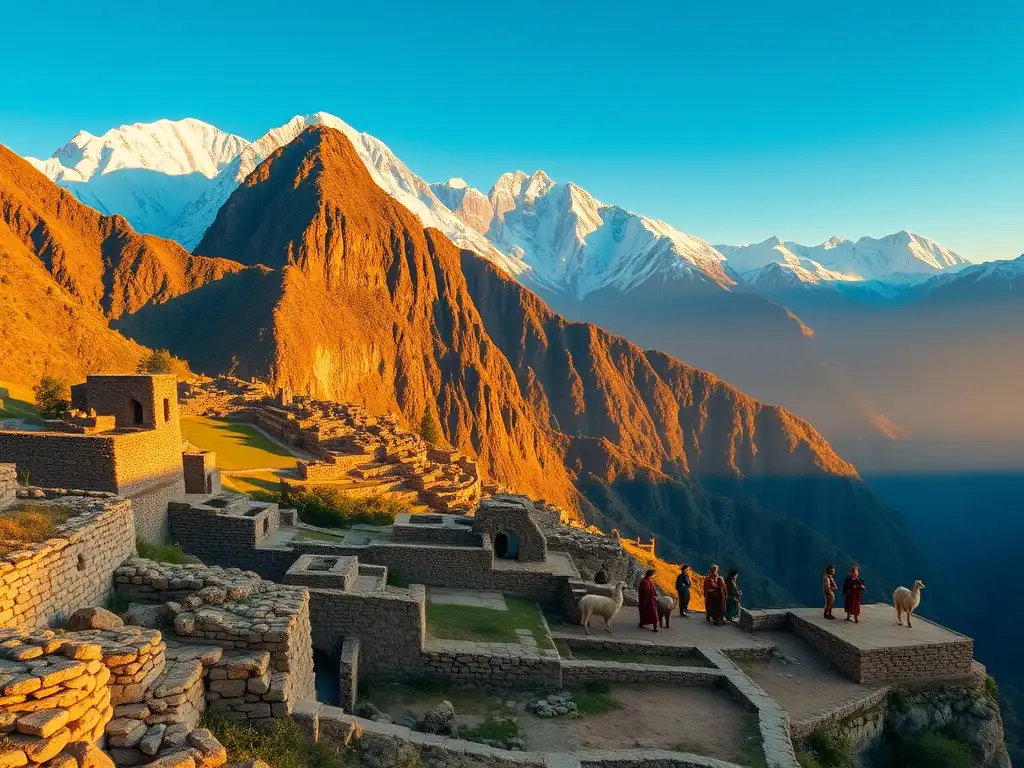
Step into a world lost to time, yet echoing with the power of Ancient Andean lineage impact. Imagine societies sculpted by intricate kinship ties, where mountains held sacred secrets, and ingenuity blossomed in the face of unforgiving landscapes. This is the story of the Andean civilizations – Inca, Moche, Nazca, and Tiahuanaco – and their remarkable legacy. Dare to uncover the threads of their ancestry and witness how it shaped their extraordinary societies. Explore the intricate tapestry of their lives, and discover the enduring influence of their Ancient Andean lineage impact – a journey awaits.
The intricate tapestry of Andean civilizations, renowned for their breathtaking architectural feats and sophisticated agricultural practices, was fundamentally woven from the threads of lineage and kinship. Understanding the impact of ancestry on these ancient societies is crucial to unlocking the complexities of their social structures, political systems, and even their artistic expressions.
This article delves into the multifaceted roles of lineage in shaping the lives of Andean peoples, exploring how ancestral ties influenced everything from daily routines to the very fabric of power and authority. We will examine the diverse approaches to lineage across various Andean cultures, highlighting the unique ways in which ancestry shaped their identities, social hierarchies, and interactions with their environment.
From the meticulously recorded genealogies of the Inca to the symbolic representations of ancestry in Nazca art, we will uncover the profound and lasting legacy of Andean lineages. The exploration of "Ancient Andean lineage impact" reveals a fascinating interplay between social organization, religious beliefs, and the very definition of community in these remarkable civilizations.
The Inca's Imperial Lineage: A Foundation of Power
The Inca Empire, at its zenith, controlled a vast territory encompassing much of the Andes. Their success was inextricably linked to their sophisticated system of lineage and inheritance. The Sapa Inca, the emperor, was considered a direct descendant of the sun god Inti, bestowing upon him divine authority and consolidating his power.
This carefully constructed lineage wasn't merely symbolic; it determined access to high offices, land ownership, and privileges within the empire. The intricate ayllu system, based on kinship and shared ancestry, formed the backbone of Inca society, providing a framework for social organization, labor mobilization, and resource distribution. Detailed genealogical records were maintained, ensuring the purity and legitimacy of the royal bloodline and reinforcing the emperor's divine right to rule.
The meticulous tracking of lineage wasn't limited to the royal family; it extended to all levels of Inca society, influencing social standing and responsibilities. This hierarchical system, based on kinship and ancestry, allowed for efficient administration and social cohesion across vast distances and diverse populations. The Inca’s emphasis on lineage was a cornerstone of their imperial success, demonstrating the potent influence of ancestry on political power and social stability.
Beyond the Inca: Lineage in other Andean Societies
While the Inca's emphasis on lineage is well-documented, other Andean cultures also placed significant value on ancestral ties, albeit in diverse ways. The Moche, known for their elaborate funerary practices, often included elaborate grave goods reflecting the deceased's social standing and lineage. These burials, meticulously crafted and richly adorned, serve as tangible evidence of the importance placed on ancestral connections and the continuity of family lines.
Similarly, the Nazca, famed for their enigmatic geoglyphs, incorporated symbolic representations of ancestry and lineage into their art and religious practices. [Specific examples of Nazca art depicting lineage pending]. The Tiahuanaco culture, with its monumental architecture and complex social organization, also likely had a system of lineage that influenced social stratification and political power, although the specifics remain a subject of ongoing research.
[Data on Tiahuanaco lineage systems pending]. These examples illustrate the widespread significance of lineage across different Andean cultures, highlighting the diverse ways in which ancestry shaped their societies and worldviews. The common thread across these diverse cultures underscores the fundamental importance of ancestry in the Andean worldview.
The impact of lineage on Andean social structures was profound and far-reaching. It shaped access to resources, determined social status, and influenced political power. In many Andean societies, land ownership and inheritance were closely tied to lineage, creating a system of social stratification based on ancestry. This system often reinforced existing power structures and contributed to social stability.
Furthermore, lineage played a crucial role in religious practices, with ancestral veneration and ancestor worship being common features of many Andean cultures. The belief in the continued influence of ancestors on the living world further solidified the importance of lineage within Andean societies. The intricate relationship between lineage, social structure, and religious beliefs highlights the deep-seated importance of ancestry in shaping the lives and worldview of Andean peoples. The study of these intricate connections provides crucial insights into the dynamics of power, social organization, and spiritual beliefs within ancient Andean societies.
- The Inca's Imperial Lineage: A Foundation of Power
- Beyond the Inca: Lineage in other Andean Societies
- The Impact of Lineage on Andean Social Structures
- How did ancestry influence social structures in ancient Andean societies?
- What role did lineage play in Inca imperial expansion?
- How did different Andean cultures record and trace their lineage?
- Did beliefs about ancestry influence Andean religious practices?
- How did the concept of lineage impact technological advancements in the Andes?
The concept of lineage played a pivotal role in shaping the social fabric of ancient Andean societies. Unlike many other ancient civilizations that emphasized individual achievement, Andean societies often prioritized collective identity and ancestry. This emphasis on lineage profoundly impacted social organization, political power structures, and even religious practices. Understanding the nuances of Andean kinship systems is crucial to grasping the complexities of their civilizations.
The weight of ancestral heritage determined access to resources, social standing, and even the possibility of political advancement. This wasn't merely a symbolic connection; it was a deeply ingrained system that permeated every aspect of daily life. The impact of ancient Andean lineage on their societies was profound and far-reaching, influencing everything from agricultural practices to warfare strategies. The strength of a lineage directly correlated to its influence and power within the community.
This system fostered strong community bonds and a deep sense of shared identity, but it also created hierarchies and inequalities. The study of ancient Andean lineage reveals a sophisticated and complex system of social organization that continues to fascinate and inspire researchers today. Analyzing the impact of ancient Andean lineage requires exploring its multifaceted influence across various societal aspects.
Understanding the Role of Kinship in Andean Civilizations
Andean kinship systems were not simply based on blood relations; they incorporated a complex web of alliances and obligations that extended beyond immediate family. These systems varied across different Andean cultures, but common threads existed. For instance, the Inca Empire, known for its sophisticated administrative structures, utilized a system of ayllus, which were kinship-based communities that formed the foundation of their social organization. These ayllus were not just geographical units; they were also crucial for labor mobilization, resource allocation, and social control.
Membership in an ayllu provided individuals with a sense of belonging and access to communal resources. Furthermore, the Inca system meticulously recorded genealogies, linking individuals to their ancestors and reinforcing the importance of lineage. This meticulous record-keeping allowed the Inca to efficiently manage their vast empire and maintain social order. Other Andean cultures, like the Nazca and Moche, also had intricate kinship systems, although their specifics differed from the Inca model.
Archaeological evidence suggests a strong emphasis on ancestor veneration in these cultures, indicating the enduring importance of lineage in their beliefs and practices. The impact of ancient Andean lineage is evident in the enduring legacy of these kinship systems. Many aspects of contemporary Andean communities still reflect the influence of these ancient traditions.
Tracing ancestral roots was not merely a historical exercise for ancient Andean societies; it was a fundamental aspect of their social organization. The ability to trace one's lineage often determined one's social standing and access to resources. Elite lineages, those who could boast a long and unbroken line of ancestors holding positions of power, enjoyed significant privileges. Their ancestry provided them with legitimacy and authority. This emphasis on ancestry is visible in the elaborate burial practices of many Andean cultures.
Elaborate tombs, filled with precious artifacts and offerings, were constructed to honor important ancestors, further reinforcing their significance in the social structure. The meticulous record-keeping of genealogies, as seen in the Inca Empire, allowed for the precise tracking of lineage and the maintenance of social hierarchies. This system ensured social stability and facilitated the efficient administration of the empire. The impact of ancient Andean lineage is evident in the enduring legacy of these practices.
Even today, many Andean communities maintain strong connections to their ancestors, reflecting the enduring influence of these ancient traditions. The precise methods of lineage tracing varied across different cultures, but the underlying principle – the importance of ancestry – remained consistent throughout the Andean region. Understanding this aspect is key to deciphering the complex social dynamics of these ancient civilizations. The importance of lineage in ancient Andean societies underscores the profound impact of ancestry on their social, political, and religious lives.
The Impact of Ancient Andean Lineage on Societal Hierarchy
The concept of Ancient Andean lineage impact profoundly shaped the social fabric of Andean civilizations. Lineage, far from being a mere genealogical record, served as the bedrock of social stratification, political power, and religious authority. Understanding the intricacies of these kinship systems is crucial to comprehending the complexities of Andean societies.
The influence of ancestry wasn't uniform across all cultures; however, a common thread linked them: the belief that lineage dictated access to resources, prestige, and ultimately, power. This wasn't simply a matter of birth order; rather, it was a sophisticated system involving meticulous record-keeping, elaborate rituals, and a deeply ingrained cultural understanding of ancestry's significance.
The weight given to lineage varied depending on the specific civilization – the Inca Empire, for example, placed a far greater emphasis on royal lineage than did smaller, less centralized societies like the Nazca. Yet, the fundamental principle remained consistent: one's ancestry determined one's place in society.
In many Andean societies, access to land, a primary source of wealth and sustenance, was directly tied to lineage. Membership in an ayllu, a community-based kinship group, granted individuals rights to cultivate specific parcels of land inherited through generations. This inheritance wasn't simply a matter of passing down property; it was a transmission of social standing and responsibilities within the community.
Individuals with longer, more prestigious lineages often held positions of authority within the ayllu, acting as leaders, mediators, or religious figures. Their ancestry provided them with the legitimacy and respect necessary to exercise power. This system reinforced social hierarchies, creating a clear distinction between those with established lineages and those without.
Detailed genealogical records, often kept by designated keepers of lineage (specific roles varied across cultures), meticulously documented these hereditary claims, ensuring that social standing remained stable across generations. The meticulous tracking of lineage was not just for administrative purposes; it was a powerful tool for maintaining social order and preventing disputes over land and resources. This is evidenced by the archaeological discoveries of quipu, knotted strings used for record-keeping, which frequently contained genealogical information.
The Role of Ayllus and Extended Families in Andean Society
The ayllu system played a central role in shaping Andean social structures. These extended family groups were not merely social units; they were the fundamental building blocks of Andean society, encompassing a wide range of functions. Beyond land ownership and inheritance, ayllus were responsible for collective labor, religious ceremonies, and the distribution of resources.
Lineage within the ayllu determined an individual's role and responsibilities. Elderly members of established lineages often held positions of authority, guiding younger generations and resolving conflicts. The strength and stability of an ayllu were directly tied to the strength and continuity of its lineage.
A strong lineage meant a strong ayllu, capable of withstanding external pressures and ensuring the well-being of its members. Conversely, a weak or fractured lineage could lead to the decline and fragmentation of the ayllu. The importance of the ayllu is reflected in the archaeological record, which reveals evidence of communal living structures, shared agricultural practices, and intricate systems of social organization based on kinship.
The Inca Empire presented a unique case study of the impact of lineage on power. The Sapa Inca, the emperor, was not merely a political leader; he was considered a divine figure, a descendant of the sun god Inti. His legitimacy as ruler stemmed directly from his unbroken lineage tracing back to the mythical origins of the Inca people. This divine ancestry granted him absolute authority, allowing him to control vast resources, command armies, and enforce laws throughout the empire.
The Inca royal lineage was meticulously documented and preserved, with elaborate rituals and ceremonies designed to reinforce its sacred nature. The succession to the Sapa Inca's throne was strictly hereditary, passed down within the royal family according to established rules of succession (specific rules varied by period and circumstance). This emphasis on royal lineage ensured the continuity of Inca power and prevented challenges to the emperor's authority.
Maintaining the purity of the royal bloodline was paramount, and any deviation from this strict hereditary system could have significant political consequences. The Inca’s meticulous attention to royal lineage stands as a powerful testament to the profound influence of ancestry on power dynamics within a complex, hierarchical society. The symbolic and practical weight of their lineage ensured the stability and longevity of the empire, albeit for a limited historical period.
Lineage and Land Ownership in Andean Communities
The concept of "Ancient Andean lineage impact" is profoundly intertwined with land ownership and resource control. Understanding the intricate relationship between ancestry and access to vital resources is crucial to grasping the complexities of Andean social structures. This section explores how lineage directly influenced land ownership and access to resources within various Andean societies, highlighting the enduring connection between ancestry and the very fabric of their communities. The impact of this system extended far beyond simple property rights; it shaped political power, social hierarchies, and even spiritual beliefs.
Ancestral Territories: The Connection Between Lineage and Land Rights
The connection between lineage and land rights in the Andes was deeply rooted in a cosmology that saw the land as an ancestral inheritance. Land wasn't merely a commodity; it was a tangible link to the past, embodying the spirits of ancestors and the collective memory of the community. Each lineage, tracing its descent from a common ancestor, claimed specific territories passed down through generations.
This inheritance wasn't solely based on biological kinship; it also encompassed spiritual and ritualistic connections to the land, solidifying the lineage's claim. Evidence suggests that maintaining these ancestral territories was vital for the continuity of the lineage, its social standing, and its access to essential resources.
The meticulous record-keeping methods employed by some Andean societies, though often debated by scholars, likely served to maintain these complex land ownership patterns, ensuring that each generation understood its ancestral inheritance. The loss of ancestral lands often meant the loss of identity and status for a lineage, highlighting the profound significance of this connection.
How Lineage Determined Access to Resources in Ancient Andes
Access to vital resources, such as fertile agricultural land, water sources, and mineral deposits, was directly correlated to a lineage's standing within the community. Lineages with established ancestral claims to particularly productive lands held a significant advantage, enjoying greater economic prosperity and social influence. This system wasn't static; shifts in population, environmental changes, and conflicts could lead to adjustments in land ownership and resource allocation.
However, the underlying principle of lineage-based access remained a constant. For example, the Incas, while implementing a centralized system, still recognized and often incorporated pre-existing lineage-based land tenure systems into their administrative structure. This demonstrates the deep-rooted nature of this practice within Andean societies.
The unequal distribution of resources, stemming from lineage-based claims, invariably led to social stratification and the emergence of elite lineages that controlled vast territories and resources. Archaeological evidence, such as the distribution of elite burials and the location of agricultural terraces, corroborates this connection between lineage, land ownership, and social hierarchy.
The Ayllu System and Communal Land Management in the Andes
While lineage played a pivotal role in land ownership, it's crucial to recognize the existence of communal land management systems, particularly within the ayllu. The ayllu, a fundamental social and economic unit in many Andean societies, operated on a principle of reciprocal obligations and shared resources. While land was often associated with specific lineages, the ayllu ensured that resources were distributed equitably among its members, preventing extreme disparities and fostering collective well-being.
The ayllu system demonstrated a remarkable balance between lineage-based claims and communal responsibility. This system, far from being a static entity, adapted to changing circumstances, adjusting land allocation and resource distribution based on the needs of the community. The management of communal lands involved intricate social mechanisms, including communal labor, redistribution of surpluses, and conflict resolution systems that aimed to maintain social harmony within the ayllu.
This complex interplay between lineage, land, and communal management underscores the nuanced nature of "Ancient Andean lineage impact" on the social and economic fabric of Andean societies. The ayllu system offers a compelling counterpoint to the notion of solely lineage-based control, highlighting the sophisticated strategies employed by Andean communities to manage resources and maintain social cohesion.
The Influence of Lineage on Andean Religious Beliefs
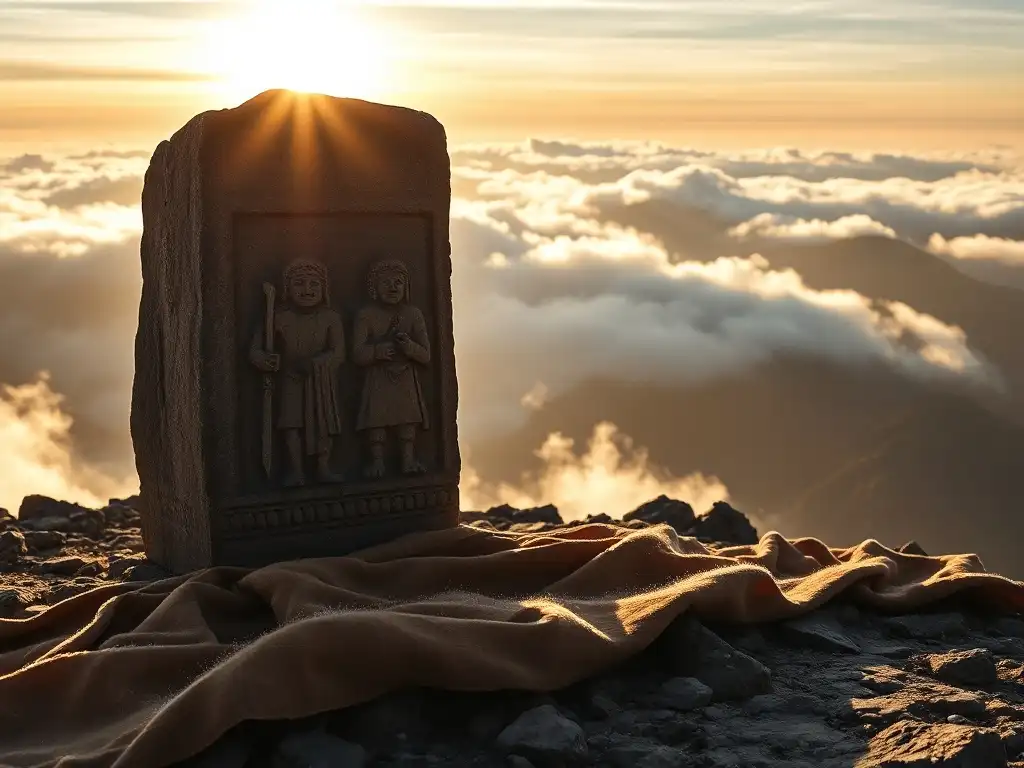
The concept of Ancient Andean lineage impact profoundly shaped religious beliefs and practices across various Andean cultures. Lineage wasn't merely a genealogical record; it formed the bedrock of spiritual identity, influencing everything from daily rituals to elaborate ceremonies and funerary practices. Understanding this intricate relationship between ancestry and spirituality is crucial to grasping the complexities of Andean societies.
The weight of ancestral legacy permeated every aspect of life, defining social hierarchies, access to resources, and even one's relationship with the supernatural. This section will explore how lineage directly impacted the religious landscape of the Andes, focusing on ancestor veneration, lineage-based rituals, and the significant role of mummified ancestors.
Ancestor Veneration: The Spiritual Significance of Lineage
Ancestor veneration was central to Andean religious life. The belief that ancestors continued to exert influence on the living world after death fostered deep respect and reverence for one's lineage. Ancestors weren't simply remembered; they were actively incorporated into the daily lives of their descendants.
This wasn't a passive remembrance but an ongoing, dynamic relationship. Families maintained close ties with their deceased relatives, regularly offering food, drink, and other offerings at designated ancestral sites or within the home. These offerings weren't simply symbolic gestures; they were believed to sustain the ancestors' spiritual well-being and, in return, secure their continued protection and blessings for the living.
The strength of one's lineage was directly correlated to the power and influence of their ancestors, impacting the family's social standing and fortune. For example, the Inca nobility meticulously traced their lineage back to the mythical founders of the empire, bolstering their claims to power and legitimacy.
Lineage-Based Rituals and Ceremonies in Andean Cultures
Many Andean rituals and ceremonies were explicitly structured around lineage. These weren't simply communal events; they were deeply personal experiences, strengthening the bonds between the living and their ancestors. Specific rituals, often involving offerings and prayers, were performed at significant junctures in a person's life – birth, marriage, and death – solidifying their place within the lineage. The continuity of these rituals across generations emphasized the enduring power of ancestral influence.
Furthermore, certain ceremonies were reserved for specific lineages or clans, reinforcing social distinctions and hierarchies. Access to these exclusive rituals conferred prestige and privilege, underscoring the importance of one's ancestral heritage. Data from archaeological excavations often reveals evidence of these lineage-based ceremonies, such as the presence of specific artifacts or the arrangement of burial sites that reflect family structures and ancestral connections.
The Cult of the Mallqui and the Importance of Mummified Ancestors
The mummification practices of several Andean cultures, most notably the Inca, highlight the profound significance of lineage and ancestor veneration. The mallqui, or mummified ancestor, wasn't simply a relic of the past; it was considered a living presence, actively participating in the lives of its descendants. Mallquis were often kept within the home, dressed in fine clothing and adorned with jewelry, treated with the same respect and deference as living family members.
They were consulted on important decisions, believed to offer guidance and protection. The elaborate rituals surrounding the mummification process and the subsequent care of the mallqui demonstrate the enduring power of ancestral lineage. The preservation of the body ensured the continued presence and influence of the ancestor, solidifying their role within the family and community.
The condition of the mallqui also reflected the well-being of the lineage; a neglected or damaged mummy was seen as a sign of misfortune or impending trouble, underscoring the crucial connection between the living and the dead. The Ancient Andean lineage impact on the cult of the mallqui is undeniable, highlighting the deeply spiritual and practical implications of lineage in Andean societies.
Ancient Andean Lineage Impact: Legacy and Modern Understanding
The impact of ancient Andean lineage on the development and structure of these societies is profound and continues to resonate in contemporary Andean communities. Understanding the intricacies of lineage systems – the ways in which ancestry determined social standing, access to resources, and political power – is crucial to grasping the complexities of pre-Columbian Andean civilizations.
This section delves into the archaeological evidence used to reconstruct these systems, explores how this knowledge shapes our understanding of Andean history, and examines the enduring relevance of lineage in modern Andean life. The concept of "Ancient Andean lineage impact" is central to appreciating the enduring legacy of these sophisticated social structures.
Reconstructing Andean Lineage Systems through Archaeological Evidence
Archaeological excavations offer invaluable insights into ancient Andean lineage systems. Evidence, while often fragmented, is remarkably diverse. For instance, the meticulous burial practices of the Moche civilization reveal a strong emphasis on ancestry. Elaborate tombs, often containing rich grave goods reflecting the deceased's social status, provide crucial clues about kinship structures. The arrangement of bodies within these tombs, the inclusion of specific artifacts, and the overall design of the burial complex all contribute to our understanding of family relationships and social hierarchy.
Furthermore, analysis of textiles and ceramics, particularly those bearing iconographic representations of ancestors or lineage symbols, provides additional evidence. The Nazca culture, famous for their geoglyphs, also left behind intricate textiles displaying complex patterns that may represent lineage markers or clan affiliations. These patterns, often repeated across numerous textiles found in specific geographic areas, suggest a strong connection between textile design and social organization based on kinship.
The study of monumental architecture also sheds light on lineage. The massive structures of Tiahuanaco, for example, likely served not only as religious centers but also as symbolic representations of power and lineage. The precise placement of buildings, their size, and the elaborate carvings found on their surfaces may reflect the hierarchical structure of the society and the relative status of different lineages.
Detailed analysis of these architectural features, combined with careful excavation and mapping, helps us to piece together a clearer picture of how lineage influenced the layout and function of these sites. Careful consideration of these multiple sources, including [specific examples of radiocarbon dating pending], is crucial for accurate reconstruction.
How Knowledge of Lineage Informs Our Understanding of Andean History
Understanding ancient Andean lineage systems dramatically enhances our comprehension of Andean history. The concept of ayllu, a complex system of kinship and land tenure, was central to the social and political organization of many Andean societies, including the Inca. Knowing the importance of lineage allows historians to interpret political alliances, conflicts, and successions to the throne in a more nuanced way. For example, royal marriages and the strategic distribution of land and resources can be better understood as mechanisms for solidifying power and maintaining lineage dominance.
Moreover, the study of lineage helps us to understand the dynamics of social mobility (or the lack thereof) within Andean societies. While some individuals may have achieved higher status through military prowess or religious authority, the inherited privileges associated with lineage often played a significant role in determining social standing. This understanding challenges simplistic narratives of social fluidity and highlights the persistence of inherited inequalities.
Analyzing the role of lineage in Andean warfare also provides crucial insights. Conflicts were often not simply battles between states but also struggles between competing lineages vying for power and resources. The study of warfare through the lens of kinship dynamics helps us to better understand the motivations, strategies, and consequences of these conflicts. This understanding also allows for a more nuanced interpretation of [specific Andean war accounts pending] and the motivations behind them.
The Enduring Relevance of Lineage in Contemporary Andean Communities
The influence of ancient Andean lineage systems extends far beyond the pre-Columbian era. Many contemporary Andean communities continue to recognize and value lineage in various aspects of their lives. Concepts of ancestry and kinship remain deeply embedded in social structures, land ownership, and spiritual practices. Traditional practices, such as communal work projects and ceremonies celebrating ancestral figures, emphasize the ongoing importance of lineage bonds.
The significance of lineage in these communities is not simply a matter of historical continuity; it also plays a vital role in maintaining social cohesion and identity in the face of modernization and globalization. Lineage provides a sense of belonging, a framework for social organization, and a connection to the rich cultural heritage of the Andes. However, the precise nature and extent of this influence varies significantly across different communities, reflecting the diversity of Andean cultures and their adaptations to changing circumstances.
Further research is needed to fully document and understand the [specific variations in lineage practices across contemporary Andean communities pending]. The study of these contemporary practices offers invaluable insight into the enduring legacy of ancient Andean social structures and the resilience of Andean traditions.
Frequently Asked Questions
Ancestry played a crucial role, determining social standing and access to resources. Lineage often dictated roles within the community, from leadership positions to specialized crafts. This system impacted everything from daily life to religious practices.
What role did lineage play in Inca imperial expansion?
The Inca cleverly used ancestry claims to legitimize their conquests and integrate new populations. They often incorporated conquered elites into their system, forging alliances through strategic marriages and shared lineage narratives. This strategy aided in the consolidation of their vast empire.
How did different Andean cultures record and trace their lineage?
Methods varied across cultures. The Inca utilized quipus (knotted strings) and oral traditions, while other groups like the Moche and Nazca relied on elaborate iconography in their art and architecture to represent ancestral figures and lineages.
Did beliefs about ancestry influence Andean religious practices?
Absolutely. Ancestor veneration was central to many Andean religions. Rituals, offerings, and monumental architecture were all connected to honoring and appeasing ancestral spirits, believed to possess significant power and influence.
How did the concept of lineage impact technological advancements in the Andes?
The transmission of specialized knowledge and skills often followed established lineages. This ensured the continuity of craft traditions and advancements in areas like agriculture, textiles, and metallurgy across generations, shaping technological progress.
Final Reflection: The Enduring Legacy of Andean Ancestry
The intricate tapestry of Andean lineages, woven through millennia of cultural exchange and adaptation, continues to resonate powerfully in the modern world. Understanding these ancestral threads is not merely an academic exercise; it's crucial for comprehending the complexities of contemporary Andean societies and their ongoing struggles for self-determination. The echoes of past power structures, innovative agricultural practices, and spiritual beliefs still shape the region's identity and its relationship with the global community.
The impact of Andean lineage extends far beyond the archaeological record; it's deeply embedded in the social fabric of the region. The resilience and ingenuity of these ancient cultures serve as a powerful testament to human adaptability and the enduring strength of community. As the renowned anthropologist, Maria Rostworowski, once observed, The Andean world is not a static entity, but a dynamic process of continuous creation and recreation.
This quote encapsulates the ongoing evolution of Andean identity, a process inextricably linked to its rich and complex ancestral heritage. It reminds us that the past is not simply a collection of artifacts, but a living force that continues to shape the present.
Consider the ways in which your own lineage has shaped your identity and worldview. How do the stories of your ancestors inform your present actions and aspirations? Let the legacy of the ancient Andean civilizations inspire you to explore your own roots, to appreciate the diversity of human experience, and to work towards a future where the voices and perspectives of all cultures are heard and valued. The threads of history connect us all; by understanding the past, we can better navigate the challenges and opportunities of the present and build a more equitable and just future.
**Embrace Your Ancestry and Shape Your Future! **
Thank you for exploring the fascinating world of Andean civilizations! Understanding how ancestry shaped these ancient societies provides valuable insight into the enduring power of heritage. Now, let's put this knowledge to work.
Here are a few ways to strengthen your connection to your roots and engage with the Andean community:
- **Begin your own genealogical research:** Utilize online resources or collaborate with local historical societies to trace your lineage and understand its place within the broader historical context.
- **Share your discoveries:** Create a visual family tree, write a blog post, or develop a personal narrative to share your unique story and inspire others to explore their own heritage.
- **Connect with others:** Join online forums, attend local events, or participate in community discussions to exchange information and celebrate Andean heritage with fellow enthusiasts.
How has discovering more about your ancestry influenced your sense of self? We'd love to hear your story!