
Challenging the Narrative: Reinterpreting Women's Roles in Andean History

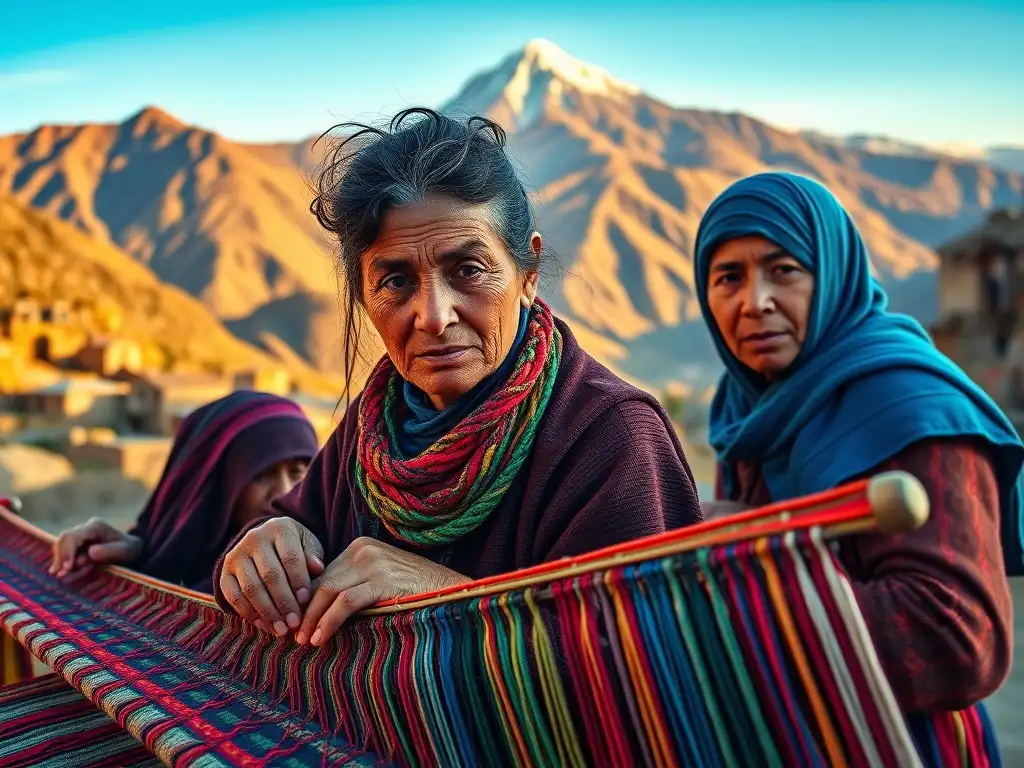
Step into a world lost to time, yet echoing with untold stories. For centuries, the narrative of Andean civilizations has minimized the contributions of its women. But what if the history books are wrong? Prepare to challenge your perceptions as we delve into the fascinating and often overlooked Andean women's historical roles, uncovering a legacy far richer and more complex than previously imagined. Discover the untold truths behind their power, influence, and resilience in this exploration of Key Figures in Andean History.
The history of Andean civilizations is often told through a lens that prioritizes the accomplishments of male rulers and warriors, leaving the significant contributions of women largely obscured. This article challenges that traditional narrative, exploring the multifaceted roles Andean women played in their societies, from political influence and economic power to religious leadership and technological innovation.
By examining archaeological evidence, analyzing historical accounts (while acknowledging inherent biases), and incorporating the perspectives of contemporary Andean scholarship, we aim to unveil a more complete and nuanced understanding of women's roles in shaping the vibrant tapestry of Andean history. We will investigate how prevalent misconceptions have distorted our understanding of Andean women and how a critical reassessment is essential to achieve a more accurate and inclusive historical narrative that truly reflects the complexity of Andean societies.
This exploration directly addresses the crucial keyword phrase "Andean women's historical roles," providing valuable insights into a previously under-represented aspect of Andean civilization.
Introduction: Unveiling the Overlooked Contributions of Andean Women
For too long, the narrative of Andean civilizations has centered on male figures, overlooking the crucial contributions of women. This omission is not accidental; it's a consequence of historical biases, colonial perspectives, and a lack of critical analysis of existing evidence. However, recent archaeological discoveries, along with a renewed focus on indigenous perspectives and methodologies, are revealing a far more complex and empowering reality.
Andean women were not merely passive participants in their societies; they were active agents of change, playing vital roles in various spheres of life—political, economic, religious, and social. This section will serve as an introduction to the multifaceted roles women held in different Andean societies, from the Incas to the pre-Inca cultures, highlighting their agency and challenging the simplistic and often inaccurate portrayals found in traditional historical accounts.
We will explore examples of women who held positions of power, contributed to economic activities, and played significant roles in religious practices. The aim is to establish a foundation for a more nuanced understanding of Andean women’s historical roles, going beyond the limited and often stereotypical depictions that have long dominated the historical record.
The Traditional View: Limited Roles and Misconceptions about Andean Women
The traditional understanding of women's roles in Andean societies is often characterized by limitations and misconceptions, largely stemming from biased historical sources. These narratives frequently portray women as primarily confined to domestic spheres, lacking significant political or economic influence. This skewed perspective is a direct result of several factors, which will be analyzed in detail in the following sections.
This limited view not only fails to acknowledge the full spectrum of women's contributions but also actively perpetuates harmful stereotypes that have long overshadowed their true historical impact. By critically examining these traditional interpretations, we can begin to understand how they have shaped our understanding of Andean history and what steps are needed to correct these inaccuracies. The goal is to pave the way for a more inclusive and accurate portrayal of Andean women's roles, enriching our comprehension of these fascinating and complex societies.
The Eurocentric Lens: How Colonial Perspectives Shaped Understanding of Andean Societies
The colonial period significantly impacted the interpretation of Andean societies, often imposing a Eurocentric framework that marginalized indigenous perspectives, including those of women. Colonial chroniclers, frequently biased by their own cultural norms and patriarchal structures, often filtered their accounts through a lens that emphasized male dominance and minimized the roles of women. Their writings, though valuable sources of information, must be critically examined, taking into account their inherent biases and limitations.
This critical analysis is crucial to understand how colonial perspectives distorted the historical record and led to the perpetuation of misconceptions about Andean women's roles and contributions. We will explore specific examples of how colonial accounts skewed the portrayal of women, highlighting the need for a decolonial approach to the study of Andean history. Understanding this bias is vital to accurately reassess the historical record and uncover the true complexity of Andean women's lives.
Domesticity and Subordination: The Prevailing Stereotypes of Women in Andean History
A persistent stereotype portrays Andean women as primarily confined to domestic roles, subservient to men, and lacking agency. This image, often perpetuated by biased historical accounts and a lack of thorough archaeological investigation, significantly underrepresents the diverse roles women played in Andean societies.
This section will directly challenge this misconception by providing evidence to demonstrate women’s active participation in various aspects of Andean life beyond the domestic sphere. We will investigate the evidence that contradicts the notion of universal subordination, exploring examples of women's economic activities, political influence, and religious leadership.
By showcasing the complexity and diversity of women's experiences, we aim to dismantle the simplistic and often inaccurate stereotype of domesticity and subordination, revealing a more complete and nuanced picture of Andean women's lives and contributions to their societies. The analysis will highlight the need for a critical reassessment of the historical evidence and the development of more inclusive methodologies to accurately represent the experiences of Andean women.
Re-evaluating the Evidence: New Perspectives on Andean Women's Historical Roles
The traditional narrative surrounding Andean women's historical roles often relegates them to domestic spheres, portraying them primarily as wives, mothers, and weavers. However, recent scholarship, fueled by new archaeological discoveries and a critical re-examination of existing sources, is challenging this limited perspective.
This reassessment considers the limitations of past interpretations, acknowledging the biases inherent in colonial accounts and the patriarchal lenses through which much of the historical record was created. A more nuanced understanding emerges when we consider the diverse experiences of women across different Andean societies and time periods, recognizing their contributions extended far beyond the domestic realm.
The shift is from a monolithic view of "Andean women" to a more complex understanding of the diverse roles and agency women held within their communities. This necessitates a careful and critical engagement with all available evidence, including both material culture and textual sources, to construct a more accurate and representative picture of their lives.
Archaeological Findings: Unearthing the Material Culture of Andean Women
Archaeological discoveries are playing a crucial role in challenging the traditional narratives. Excavations at sites across the Andes have unearthed a wealth of artifacts that reveal the diverse activities and social standing of women. For example, the discovery of female burials with elaborate grave goods, including gold ornaments and fine textiles, challenges the notion that women held solely subordinate positions.
These findings suggest that certain women held significant economic and social power within their communities. Furthermore, the analysis of textile production techniques and the discovery of specialized tools used in weaving and other crafts provides evidence of women's skilled labor and its significant contribution to the Andean economy. The intricate designs and the high quality of some textiles indicate a level of expertise and creativity that deserves greater recognition.
Similarly, the discovery of female figurines and artifacts depicting women in roles of authority further substantiates this new perspective. These material remnants paint a far richer and more complex picture of Andean women’s lives than previously imagined.
Ethnohistorical Records: Deciphering Indigenous Accounts of Women's Lives
While colonial records often distort or omit the roles of women, ethnohistorical research, which involves analyzing indigenous accounts and oral traditions, provides crucial alternative perspectives. These sources, often passed down through generations, offer invaluable insights into the daily lives, social structures, and beliefs of Andean communities. By carefully analyzing these narratives, scholars can gain a deeper understanding of the diverse roles women played within their societies, including their participation in political decision-making, religious ceremonies, and economic activities.
However, it's crucial to approach these sources critically, acknowledging potential biases and limitations, considering the passage of time and cultural transformations. Careful cross-referencing with archaeological data helps in verifying and contextualizing these accounts, creating a more robust and comprehensive understanding of Andean women's historical experiences. The careful study of these interwoven sources allows for a more complete and accurate picture of Andean women’s historical roles.
Challenging Gender Binaries: Exploring the Diversity of Gender Roles in Andean Cultures
The traditional Western binary understanding of gender roles, which often limits women to the domestic sphere, fails to adequately capture the complexity of gender roles in Andean societies. Evidence suggests a far more fluid and nuanced understanding of gender and sexuality existed in Andean cultures. Archaeological and ethnohistorical data reveal the existence of diverse roles and identities that challenge simple male/female dichotomies. Some scholars suggest the existence of gender fluidity and the recognition of multiple genders within certain Andean communities.
This challenges the simplistic application of Western gender binaries to interpret Andean societies. Further research is needed to fully explore the diverse expressions of gender and sexuality in these cultures, acknowledging the limitations of imposing contemporary frameworks onto past societies. Understanding Andean conceptions of gender is key to a more comprehensive and accurate understanding of women's roles within their societies.
Contrary to the often-simplified narratives, Andean women held positions of significant power and authority in various societies. This power manifested in various ways, challenging the traditional view of women's roles as purely domestic.
Female Rulers and Governors: Examining the Evidence for Women's Political Power
While the evidence is often fragmentary and subject to interpretation, several cases suggest women held positions of political leadership in various Andean societies. While specific examples might be debated, the very existence of this debate illustrates a shift in perspective. The presence of female imagery on ceremonial objects and the possibility of female rulers in certain lineages, though requiring further investigation, suggests that women’s influence extended beyond the domestic sphere into the realm of political governance.
This requires a careful analysis of iconography, textual records, and archaeological context to understand the full extent of their power and influence. Further research is crucial to establish the prevalence and extent of female political leadership in different Andean societies.
Priestesses and Ritual Specialists: The Spiritual Authority of Andean Women
In many Andean cultures, women held significant spiritual authority as priestesses and ritual specialists. Their roles involved conducting ceremonies, interpreting religious beliefs, and mediating between the human and supernatural worlds. Archaeological evidence, such as the discovery of female burials associated with ritual objects, supports this assertion.
Ethnohistorical accounts also mention the prominent roles of women in religious practices, highlighting their expertise in ritual knowledge and their influence on community life. The spiritual authority held by these women indicates a significant level of social influence and respect. Further research is needed to fully understand the diversity of roles and responsibilities of female religious leaders in different Andean cultures.
Women as Diplomats and Negotiators: Their Role in Inter-Community Relations
Beyond political and religious roles, Andean women played crucial roles in inter-community relations. Their participation in diplomatic missions and negotiations highlights their agency and influence in shaping the political landscape. While specific documented instances might be limited, the evidence suggests that women's roles were not limited to the domestic sphere, but extended to the broader social and political interactions between communities.
Further research focusing on the analysis of diplomatic practices and the roles of women in inter-community interactions is needed to fully understand this dimension of their influence. This investigation should consider both material evidence and the interpretation of historical accounts.
Economic Contributions: Andean Women as Essential Pillars of Society
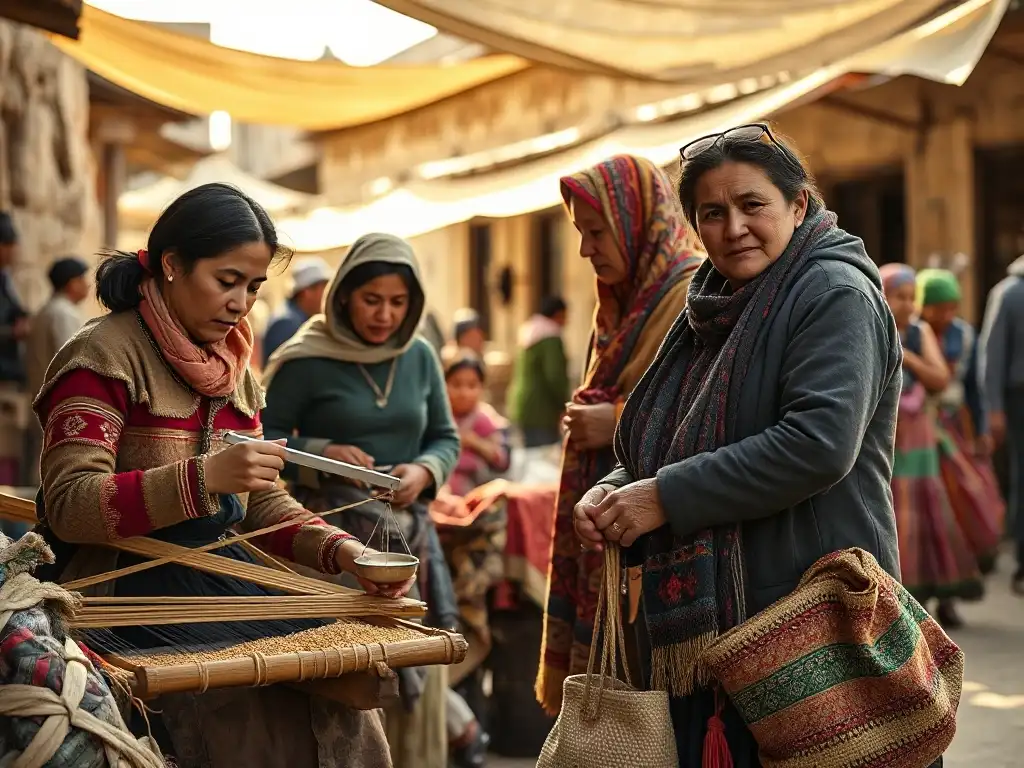
Andean women were not merely passive participants in their societies; they were active contributors to the economic well-being of their communities. Their roles extended far beyond the domestic sphere, encompassing crucial agricultural practices, sophisticated craft production, and participation in vibrant market networks. This section will explore the multifaceted economic contributions of Andean women, challenging the traditional narratives that often minimize or overlook their significance. Their economic power was intrinsically linked to their social standing and cultural influence, shaping the very fabric of Andean societies. Understanding their economic roles is crucial to comprehending the complexities of these ancient civilizations.
Agriculture and Craft Production: Women's Vital Role in the Andean Economy
Archaeological evidence overwhelmingly demonstrates the vital role Andean women played in agriculture and craft production. From cultivating crops like potatoes, maize, and quinoa – staples of the Andean diet – to tending livestock like llamas and alpacas, women's labor formed the backbone of food production. Their expertise in agricultural techniques, including terracing and irrigation, ensured the sustainability of their communities.
Furthermore, women were skilled artisans, producing textiles, pottery, and other crafts essential for both domestic use and trade. The intricate details found in preserved textiles and pottery showcase their exceptional skill and artistry, underscoring their significant economic contributions. The intricate weaving techniques, for example, often took years to master, demonstrating a level of specialized knowledge and skill that commanded respect and economic value within their communities.
Market and Trade Networks: Andean Women as Active Participants in Commerce
Contrary to common misconceptions, Andean women were not confined to the domestic sphere. They actively participated in market and trade networks, exchanging goods and interacting with people from diverse regions. The vibrant marketplaces that flourished throughout the Andes were spaces where women played a crucial role, selling their agricultural produce, crafts, and other goods.
Their participation in these networks demonstrates their economic independence and their ability to navigate complex social and economic systems. While the exact nature of their trading activities varies across different Andean cultures and time periods, the evidence suggests a significant and active female presence in the Andean economy that extended beyond the immediate community. The extent of their involvement in long-distance trade networks requires further research, but preliminary findings suggest a more substantial role than previously acknowledged.
Textile Arts and Weaving: The Economic and Symbolic Power of Women's Craftsmanship
Textile production was a particularly significant area of economic activity for Andean women. Weaving was not merely a craft; it was a powerful symbol of social status, cultural identity, and economic power. The intricate designs and techniques employed by women reflected their deep understanding of their culture's history, beliefs, and traditions.
The textiles they produced were not only used for clothing and household items but also served as valuable trade goods, demonstrating their economic importance. The high value placed on certain textiles, especially those with complex designs and rare materials, suggests that women’s craftsmanship held significant economic weight. The mastery of these techniques often passed down through generations, reinforcing the importance of women's roles within their communities and families.
Beyond their economic contributions, Andean women played a crucial role in shaping the social and cultural fabric of their societies. Their influence extended to family structures, the transmission of knowledge, and the practice of medicine and healing. These roles were vital to maintaining social cohesion and cultural continuity across generations. Their influence is often overlooked in traditional historical narratives, which frequently focus primarily on male rulers and warriors. A more nuanced understanding of Andean history requires recognizing the significant contributions of women in these crucial spheres.
Family and Kinship Structures: Women's Role in Maintaining Social Cohesion
Women were central to the social cohesion of Andean communities. Their roles within family and kinship structures were fundamental to maintaining social order and stability. They played a crucial role in transmitting cultural values, traditions, and social norms to younger generations.
Their influence within family structures extended beyond the domestic sphere, influencing decision-making processes and the overall well-being of their families and communities. The strength of Andean kinship systems, characterized by complex networks of family and community ties, relied heavily on women's active participation. Understanding the intricacies of family and kinship structures reveals the significant social influence of Andean women.
Oral Traditions and Storytelling: The Transmission of Knowledge through Women
Oral traditions and storytelling played a vital role in preserving and transmitting cultural knowledge within Andean societies. Women were key players in this process, acting as storytellers, keepers of history, and transmitters of cultural values. Through narratives, songs, and rituals, they passed down knowledge of their history, beliefs, and practices from one generation to the next.
This oral tradition was essential to maintaining cultural continuity and identity. Their role in preserving cultural knowledge underscores their importance as custodians of Andean heritage and traditions. The detailed nature of these oral traditions often revealed social structures and practices that were otherwise undocumented.
Medicine and Healing Practices: Andean Women as Traditional Healers
Andean women played a significant role in the practice of medicine and healing. They possessed extensive knowledge of medicinal plants and healing techniques, and they served as traditional healers within their communities. Their expertise was crucial in providing healthcare and addressing the health needs of their families and communities.
Their knowledge encompassed a wide range of therapeutic practices, from herbal remedies and massage to spiritual healing and rituals. This demonstrates that women’s expertise extended beyond the domestic domain and held a critical role within the social and health fabric of Andean societies. The understanding of their medicinal practices reveals a sophisticated system of knowledge and healing that is still being studied today.
Specific Examples of Powerful Andean Women: Case Studies
This section delves into the lives of several remarkable women who challenged traditional narratives and exerted significant influence within their societies. Their stories highlight the diversity of roles and power dynamics experienced by Andean women, moving beyond simplistic stereotypes. We will explore both legendary and historical figures to illustrate the breadth of their contributions.
Mama Ocllo: A Legendary Figure of Inca Origin
Mama Ocllo, a foundational figure in Inca mythology, is often depicted as the wife or sister-wife of Manco Cápac, the legendary founder of the Inca Empire. While her historical existence is debated, her symbolic significance is undeniable. Mama Ocllo is frequently portrayed as a powerful and resourceful figure, instrumental in establishing Inca society.
Narratives describe her involvement in establishing agricultural practices, weaving techniques, and social structures. These accounts, even if mythical, reflect a cultural understanding of women's vital role in the creation and sustenance of Inca civilization. The enduring presence of Mama Ocllo in Inca legends speaks volumes about the importance attributed to women, even within a patriarchal system.
Further research could examine the evolution of her legend across different Inca regions and time periods to better understand the shifting perceptions of her role. The persistence of her story suggests a deep-seated recognition of female agency and contribution, even if filtered through a mythological lens.
Bartolina Sisa: An Aymara Leader in the Anti-Colonial Rebellion
Bartolina Sisa stands as a powerful example of an Andean woman's active participation in resistance against colonial oppression. A leader in the Tupac Amaru II rebellion in the late 18th century, Sisa was a key organizer and strategist. Her role extended beyond simply supporting her husband, Túpac Catari. Historical accounts depict her as a skilled military leader, mobilizing Aymara communities and coordinating rebel actions.
Her defiance of Spanish colonial authorities demonstrated exceptional courage and leadership. Sisa's execution by the Spanish further underscores her significance as a symbol of resistance and a powerful figure in Aymara history. Understanding her contributions requires analyzing primary sources like colonial records and oral traditions, which often downplayed or ignored women's roles in such movements. By acknowledging her leadership, we challenge the colonial narrative that minimized Indigenous women's agency during the struggle for independence.
Conclusion: The Ongoing Importance of Reclaiming Andean Women's History
The stories of Andean women, both legendary and historical, deserve a prominent place in our understanding of the past. Their contributions have been consistently overlooked or marginalized by historical accounts, often shaped by patriarchal biases and colonial perspectives. Reclaiming their narratives is crucial for a more comprehensive and accurate understanding of Andean civilizations.
Moving Beyond Stereotypes: A Call for Inclusive Historical Narratives
Traditional historical accounts frequently confined Andean women to stereotypical roles as wives, mothers, or weavers. This limited perspective erased the agency and power they demonstrably held in various aspects of Andean life. A more inclusive approach demands a critical examination of existing sources and a dedicated search for new evidence.
This includes exploring less frequently studied areas like textile production, agricultural practices, and religious rituals, where women played significant, yet often unrecognized, roles. By actively seeking out and interpreting these narratives, we can create a richer, more nuanced understanding of Andean societies and challenge the enduring biases that have shaped our perceptions. The process requires a collaborative effort between historians, archaeologists, and local communities to ensure that the voices of Andean women are finally heard.
The Significance of Andean Women's Contributions to our Understanding of History
Reinterpreting the roles of Andean women is not merely an exercise in correcting historical inaccuracies; it is essential for gaining a fuller comprehension of Andean societies. Their contributions to agriculture, textile production, religious practices, and political structures were integral to the success and resilience of these civilizations. By acknowledging their multifaceted roles, we gain a more accurate and complete picture of Andean social structures, power dynamics, and cultural practices.
Ignoring their experiences is to fundamentally misunderstand the complexities and richness of Andean history. The inclusion of women's perspectives enriches our understanding of the past and allows for a more nuanced and comprehensive interpretation of historical events.
Future Research Directions: Exploring the Unwritten Histories of Andean Women
Future research must focus on uncovering the unwritten histories of Andean women. This requires a multi-pronged approach, involving the analysis of archaeological evidence, the careful interpretation of colonial documents (with a critical eye towards bias), and the incorporation of oral histories and traditions. Further investigation into the lives of women from different social classes and ethnic groups is crucial to understanding the diversity of their experiences.
Employing interdisciplinary methods, including anthropology, archaeology, and gender studies, will provide a more holistic and nuanced understanding of Andean women's roles. This comprehensive approach is essential to ensure that the full story of Andean women is finally told. The exploration of previously overlooked archives, both public and private, will also be key in unearthing these hidden narratives.
- Introduction: Unveiling the Overlooked Contributions of Andean Women
- The Traditional View: Limited Roles and Misconceptions about Andean Women
- Re-evaluating the Evidence: New Perspectives on Andean Women's Historical Roles
- Power and Authority: Andean Women as Political and Religious Leaders
- Economic Contributions: Andean Women as Essential Pillars of Society
- Social and Cultural Impact: Andean Women as Bearers of Tradition and Knowledge
- Specific Examples of Powerful Andean Women: Case Studies
- Conclusion: The Ongoing Importance of Reclaiming Andean Women's History
- What were the common misconceptions about Andean women's roles in history?
- What evidence challenges the traditional narrative of Andean women's roles?
- How did Andean women participate in the economy?
- What was the role of women in Andean religious practices?
- How did the Spanish conquest impact the roles of Andean women?
Frequently Asked Questions
What were the common misconceptions about Andean women's roles in history?
Many historical accounts have underrepresented or minimized the roles of Andean women, portraying them primarily as homemakers. This ignores their significant contributions to agriculture, textile production, and religious life. A more nuanced understanding is needed.
What evidence challenges the traditional narrative of Andean women's roles?
Archaeological findings, such as textile production tools and elaborate burial sites containing women's artifacts, suggest a higher social standing and more diverse roles than previously assumed. Analysis of colonial-era accounts, when critically examined, also reveals more complex realities.
How did Andean women participate in the economy?
Andean women played a crucial role in the economy through agriculture, textile production, and trade. They were not just passive participants but active agents in the economic life of their communities, often controlling significant resources.
What was the role of women in Andean religious practices?
Women held important religious roles in various Andean cultures, serving as priestesses, healers, and participants in rituals. Archaeological evidence supports their involvement in religious ceremonies and their connection to sacred spaces.
How did the Spanish conquest impact the roles of Andean women?
The Spanish conquest significantly altered the social structures and roles of Andean women. The imposition of colonial systems often marginalized them, although women continued to adapt and resist in various ways. Their traditional roles were disrupted and often exploited.
Final Reflection: Weaving a New Tapestry of Andean Women's History
The erasure of women's contributions from historical narratives is not merely an academic oversight; it's a profound injustice that continues to shape our understanding of the past and, consequently, our present. By reclaiming and reinterpreting the roles of Andean women, we challenge dominant narratives and uncover a richer, more nuanced understanding of Andean civilizations. This re-evaluation is crucial for achieving true equity and justice today.
The impact of this historical revisionism extends far beyond the academic sphere. It challenges ingrained societal biases that continue to limit opportunities for women globally. The stories of Andean women – their resilience, their ingenuity, their leadership – offer powerful counter-narratives to patriarchal structures that persist. As the scholar Silvia Federici eloquently stated, The struggle for women's liberation is not just a women's issue; it is a fundamental struggle for the transformation of society.
This quote underscores the interconnectedness of historical injustices and the ongoing fight for gender equality.
You, the reader, now hold the threads of a newly woven tapestry. Consider the implications of this reinterpreted history. How does it shift your perception of power dynamics, both past and present? How can you actively contribute to a more inclusive and equitable future, where the voices and contributions of all women are not only heard but celebrated? Let the stories of Andean women inspire you to challenge narratives in your own life and work towards a world where every individual's potential is fully realized.
Reimagine Women's Impact in Andean History!
Thank you for exploring the remarkable roles women played in Andean history. Your interest highlights the vital need to recognize the often-overlooked contributions that shaped these vibrant cultures for centuries. Let's work together to deepen our understanding and inspire others.
- Dive deeper: Explore the wealth of resources available on women's history in Andean civilizations. Discover fascinating stories and perspectives often absent from traditional narratives.
- Share your insights: Discuss this topic with friends, family, or online communities. Invite others to join the conversation and broaden our collective understanding of women's influence in history.
- Engage with your community: Participate in local events, workshops, or online forums focused on gender studies and Andean history. Connect with others passionate about uncovering and celebrating the contributions of women.
What story about a prominent Andean woman resonates most with you, and why?