
Preserving the Inca Roads: Challenges and Discoveries in Modern Times

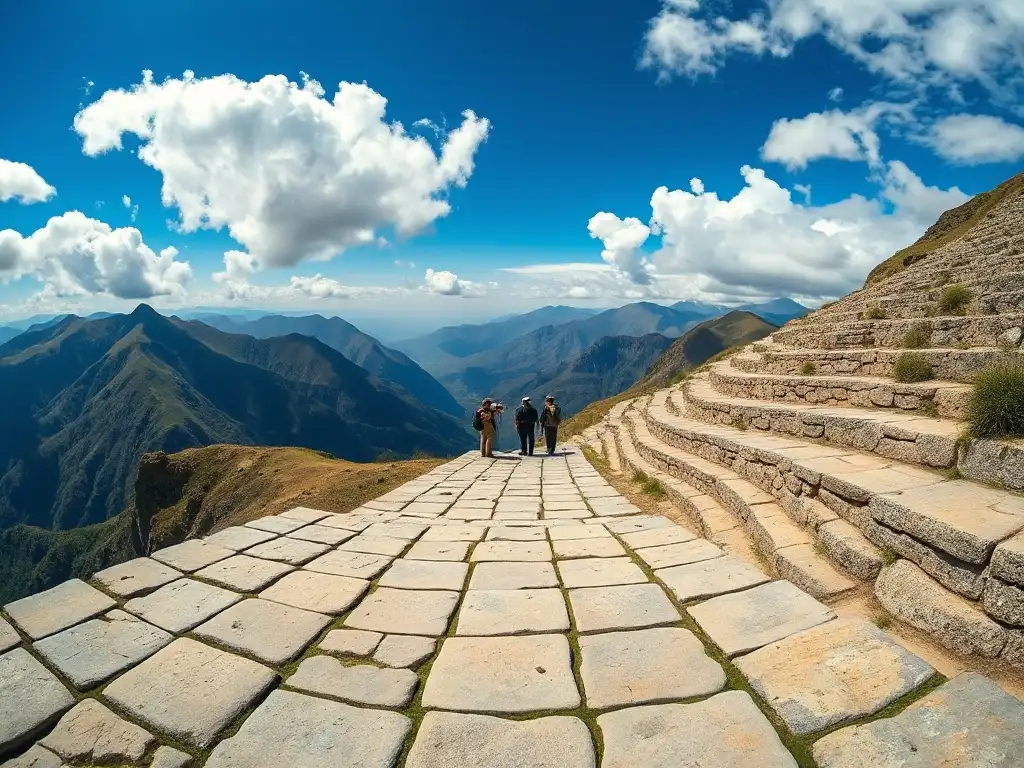
Step into a world lost to time, yet echoing with the ingenuity of giants. Imagine a civilization that carved an empire from the Andes, leaving behind a legacy of breathtaking artistry and unparalleled engineering. Here, on Andean Civilizations, we unravel the mysteries of cultures like the Inca, Moche, and Nazca. But today, we delve into the fascinating challenge of Inca road system preservation, a testament to their remarkable skill and a crucial task for our times. Are we truly understanding the secrets embedded within these ancient pathways? Discover the answer, and more, within.
The Inca road system, a marvel of ancient engineering spanning thousands of miles across the Andes Mountains, stands as a testament to the ingenuity and organizational prowess of the Inca Empire. This intricate network of pathways, meticulously constructed to traverse treacherous terrain and connect distant communities, played a vital role in the empire's administration, military operations, and cultural exchange.
However, the passage of centuries, coupled with the impact of modern development and the forces of nature, has presented significant challenges to the preservation of this invaluable historical legacy. This article delves into the multifaceted efforts underway to protect and understand the Inca road system, highlighting both the obstacles encountered and the remarkable discoveries being made in modern times.
We will explore the complexities of Inca road system preservation, examining the strategies employed to combat erosion, the impact of tourism, and the crucial role of archaeological research in unveiling the secrets of this ancient infrastructure. The preservation of these roads is not merely about safeguarding physical structures; it's about preserving a vital piece of human history and understanding the innovative engineering that allowed the Inca to thrive in one of the world's most challenging environments.
The Perils of Time and Nature: Degradation of Inca Roads
The Inca road system, while remarkably resilient, is constantly battling the relentless forces of nature. Erosion, caused by rainfall, wind, and freeze-thaw cycles, is a major concern, particularly in higher altitudes. Landslides, triggered by heavy rains or seismic activity, can obliterate sections of the road in a matter of hours. Furthermore, the use of traditional materials like stone and earth, while ingenious for their time, makes these roads susceptible to the weathering effects of time.
Specific examples of significant degradation include [specific location and details of road degradation pending], illustrating the scale of the problem. The challenges are compounded by the remoteness of many sections of the road, making access for maintenance and repair difficult and expensive. Detailed surveys and assessments are crucial to understand the extent of damage and prioritize conservation efforts. This requires specialized techniques and equipment, often necessitating international collaboration and funding.
The Impact of Modern Development and Tourism: A Double-Edged Sword
While tourism provides crucial funding for preservation efforts, its uncontrolled growth can also contribute to the degradation of Inca roads. Increased foot traffic, especially in popular areas, accelerates erosion and damages the original paving. The construction of new roads and infrastructure near Inca routes can also disrupt the delicate ecosystem and compromise the structural integrity of the ancient pathways.
For instance, [Specific example of modern development impacting an Inca road pending]. Sustainable tourism practices are paramount, requiring careful management of visitor numbers, the construction of alternative pathways, and educational initiatives to raise awareness among tourists about the importance of preserving these historical sites. Balancing the economic benefits of tourism with the need for conservation requires a delicate and well-planned approach.
Archaeological Discoveries and Technological Advancements: Unraveling the Inca's Secrets
Recent archaeological investigations have yielded significant insights into the construction techniques and logistical planning of the Inca road system. Advanced surveying technologies, such as LiDAR and drone imagery, are proving invaluable in mapping and documenting large stretches of the roads, revealing previously unknown sections and providing detailed information about their layout and condition. These discoveries are not only enriching our understanding of Inca engineering but also informing modern preservation strategies.
For example, [Specific example of an archaeological discovery impacting preservation strategies pending]. The combination of traditional archaeological methods with cutting-edge technologies is essential for a comprehensive understanding and effective preservation of this remarkable ancient infrastructure.
Collaborative Preservation Efforts: A Global Responsibility
Preserving the Inca road system is not a task for a single nation or organization; it requires a collaborative, global effort. International organizations, government agencies, and academic institutions are working together to share knowledge, resources, and expertise. These collaborations are crucial for developing effective conservation strategies, securing funding, and implementing sustainable tourism practices. Successful examples of international collaboration include [Specific examples of international collaborations in Inca road preservation pending].
The shared responsibility for preserving this global heritage underscores the interconnectedness of our world and the importance of protecting our shared past for future generations. The ongoing efforts to preserve the Inca road system highlight the importance of understanding, respecting, and protecting our shared heritage. The challenges are considerable, but the rewards – a deeper understanding of Inca civilization and the preservation of a unique and invaluable historical resource – are immeasurable.
- The Perils of Time and Nature: Degradation of Inca Roads
- The Impact of Modern Development and Tourism: A Double-Edged Sword
- Archaeological Discoveries and Technological Advancements: Unraveling the Inca's Secrets
- Collaborative Preservation Efforts: A Global Responsibility
- What is the significance of the Inca road system?
- What are the main challenges in preserving the Inca road system?
- How is modern technology aiding in the preservation of the Inca roads?
- What role does community involvement play in Inca road preservation?
- What are some examples of successful Inca road preservation projects?
The Legacy of the Inca Road Network: A Historical Overview
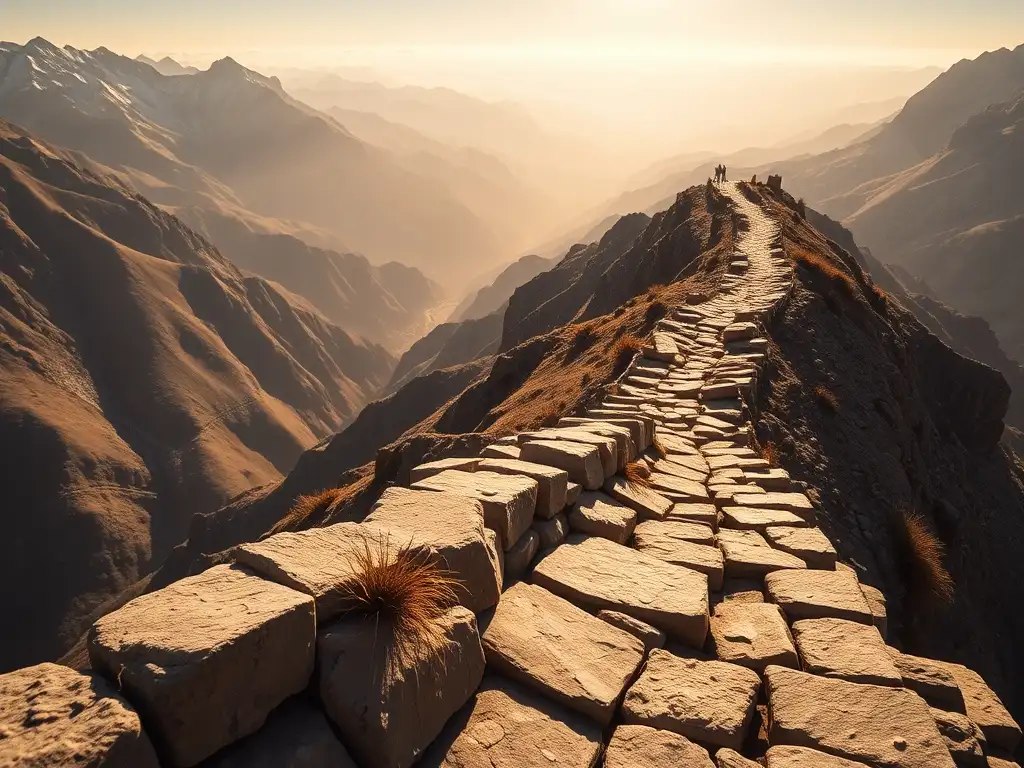
The Inca road system, known as the Qhapaq Ñan, stands as a testament to the ingenuity and organizational prowess of the Inca Empire. Its preservation presents significant challenges in the 21st century, demanding a multifaceted approach that blends modern technology with a deep understanding of its historical context. This section delves into the historical significance of the Qhapaq Ñan, examining its construction, purpose, and lasting impact on Andean culture and Inca road system preservation efforts. Understanding this legacy is crucial for effective conservation strategies.
Understanding the Qhapaq Ñan: An Ancient Engineering Marvel
The Qhapaq Ñan wasn't merely a network of paths; it was a sophisticated system of roads, bridges, and resting places spanning thousands of miles across diverse and challenging Andean terrain. Inca engineers demonstrated remarkable skill in adapting their construction techniques to the varied landscape. They utilized stone paving, suspension bridges, and sophisticated drainage systems to create durable and functional roadways.
The roads weren't simply straight lines; they followed the contours of the land, utilizing existing natural features to minimize construction time and effort. This approach, combined with their mastery of stonework, resulted in a network that withstood centuries of wear and tear. The Inca road system preservation efforts today grapple with replicating this level of ingenuity and understanding the materials used.
For example, the precise composition of the mortar used in many sections remains a subject of ongoing research, influencing modern conservation techniques. The integration of local knowledge and traditional building methods with modern preservation strategies is essential for successful Inca road system preservation.
The Extent and Purpose of the Inca Road System
The Qhapaq Ñan stretched over approximately 40,000 kilometers, connecting the far-flung corners of the Inca Empire. Its reach extended from present-day Colombia to central Chile and Argentina, facilitating communication, trade, and military movements across vast distances. This extensive network wasn't solely for transportation; it served crucial administrative and religious purposes as well.
The roads facilitated the efficient movement of goods, including food, textiles, and precious metals, supporting the empire's economic strength. They also allowed for the rapid deployment of troops, ensuring the empire's military dominance. Furthermore, the Qhapaq Ñan played a vital role in religious practices, with specific routes connecting important pilgrimage sites and facilitating the movement of religious leaders and artifacts.
The sheer scale and multifaceted purpose of the Qhapaq Ñan highlight the sophisticated level of Inca organization and planning, underscoring the importance of Inca road system preservation for understanding the complexities of the Andean civilization. The precise mapping and documentation of the entire network remains a challenge, adding complexity to Inca road system preservation projects.
Historical Significance of Inca Roads for the Andean Empire
The Inca road system was intrinsically linked to the empire's power and stability. Its construction and maintenance required a massive coordinated effort, showcasing the Inca's ability to mobilize resources and manpower on an unprecedented scale. The Qhapaq Ñan facilitated the efficient administration of the empire, allowing for the rapid transmission of information and the movement of officials.
This efficient communication system was crucial for maintaining control over such a vast and geographically diverse territory. The roads also played a key role in the integration of different Andean cultures into the Inca Empire. The movement of people and goods along these routes fostered cultural exchange and facilitated the spread of Inca beliefs and practices.
The historical significance of the Qhapaq Ñan extends beyond its purely practical functions; it stands as a symbol of Inca ingenuity, power, and the lasting impact of their civilization. Preserving this legacy is not merely about conserving infrastructure; it is about safeguarding a crucial element of Andean cultural heritage and enhancing our understanding of Inca road system preservation techniques. The ongoing efforts to protect and restore sections of the Qhapaq Ñan are therefore vital for future generations.
Challenges in Inca Road System Preservation Today
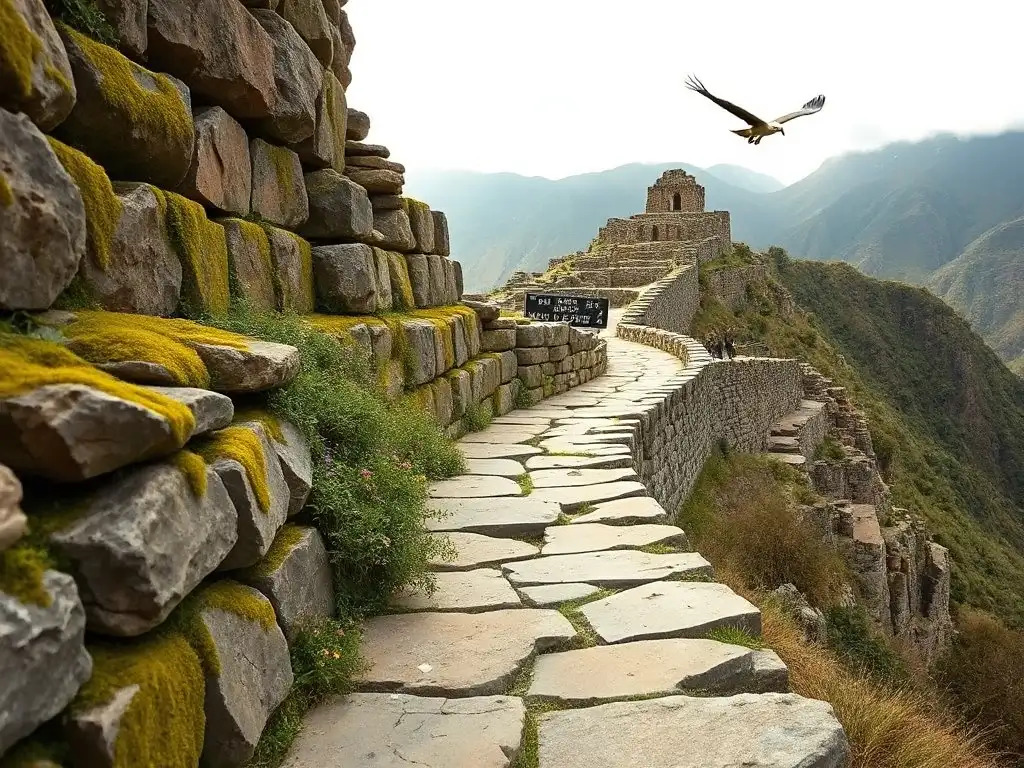
Preserving the Inca road system, a marvel of ancient engineering, presents significant challenges in the 21st century. The intricate network, stretching thousands of kilometers across diverse and often treacherous Andean terrain, faces threats from a multitude of sources. Effective preservation requires a multifaceted approach, balancing the needs of modern development with the imperative to protect this invaluable historical legacy. Successful Inca road system preservation hinges on understanding and addressing these complex issues. This section will delve into some of the most pressing challenges.
Threats to the Inca Roads: Environmental Factors and Natural Disasters
The Andes are a region of dramatic environmental dynamism. The Inca road system, built to withstand the rigors of its natural setting, is now increasingly vulnerable due to the amplified impact of climate change and natural disasters.
Several environmental factors pose significant threats. Erosion, fueled by intense rainfall and shifting soil patterns, gradually degrades the road surfaces. Landslides, particularly frequent in mountainous areas, can completely obliterate sections of the ancient pathways. Freezing and thawing cycles, common at high altitudes, contribute to the disintegration of stonework. The increased frequency and intensity of these events, linked to climate change, exacerbate the already considerable challenges.
Furthermore, specific natural disasters pose acute threats. Earthquakes, common in the Andean region, can cause catastrophic damage to the infrastructure. Flooding, often triggered by extreme rainfall events, can wash away sections of the roads and damage supporting structures. The unpredictable nature of these events makes proactive preventative measures crucial for Inca road system preservation. Detailed geological surveys and risk assessments are paramount in identifying vulnerable sections and implementing targeted mitigation strategies. For example, retaining walls and improved drainage systems can help to minimize the impact of landslides and erosion. These strategies require substantial investment and ongoing maintenance.
Impact of Modern Development on Inca Trail Infrastructure
The encroachment of modern development poses a substantial challenge to Inca road system preservation. The construction of roads, pipelines, and other infrastructure often disrupts or destroys sections of the ancient pathways. Illegal mining activities, often resulting in deforestation and soil erosion, further compromise the integrity of the road system. Urban sprawl, expanding into areas historically occupied by Inca trails, leads to the loss of significant archaeological sites and associated pathways.
The impact of modern development is not simply physical. The construction of new roads, often built for ease of access rather than historical preservation, can divert traffic away from the Inca trails, leading to their neglect and eventual decay. This neglect can accelerate the deterioration of the roads, making restoration more difficult and expensive.
A lack of awareness and understanding of the historical significance of the Inca trails among local communities and developers also contributes to the problem. Effective Inca road system preservation requires integrating heritage preservation into planning and development policies. This necessitates stricter regulations, robust environmental impact assessments, and comprehensive public awareness campaigns.
The Challenge of Balancing Tourism and Conservation of Inca Roads
Tourism, while offering opportunities for economic development and raising awareness of the Inca road system, also presents a significant challenge to its preservation. The influx of tourists, particularly along popular trekking routes like the Inca Trail to Machu Picchu, can lead to significant wear and tear on the ancient pathways. Unsustainable tourism practices, such as littering, vandalism, and the erosion of trails due to increased foot traffic, contribute to the degradation of the system.
Balancing the benefits of tourism with the need for conservation requires a careful and strategic approach. This includes implementing sustainable tourism practices, such as limiting the number of visitors, establishing well-maintained trails, and providing education to tourists about the importance of responsible travel. Investing in infrastructure improvements, such as better signage, rest areas, and waste management systems, can also help to minimize the negative impacts of tourism.
Crucially, local communities must be actively involved in the management and preservation of the Inca road system, ensuring that tourism benefits directly support conservation efforts and improve the lives of those living near these historic sites. This participatory approach is crucial for long-term Inca road system preservation and fostering a sense of shared responsibility for this invaluable cultural heritage.
Illegal Activities and Their Detrimental Effects on Inca Trails
The Inca road system, a marvel of ancient engineering, faces significant threats from illegal activities. These activities not only damage the physical infrastructure but also undermine efforts to preserve the historical and cultural significance of these trails. One of the most pressing issues is the illicit trafficking of artifacts.
Looters, driven by profit, excavate sites along the Inca roads, removing invaluable archaeological pieces that provide crucial insights into Inca life and technology. This looting not only destroys irreplaceable historical context but also destabilizes the very structures of the trails themselves. The removal of stones, for example, weakens the trail's integrity, making it more vulnerable to erosion and collapse.
Furthermore, illegal mining poses a substantial threat. The allure of valuable minerals often leads to unauthorized mining operations near or even directly on Inca trails. These operations often involve heavy machinery and explosives, causing catastrophic damage to the fragile ancient pathways.
The resulting scars on the landscape are not only visually jarring but also irrevocably alter the historical integrity of the sites. The environmental consequences are equally devastating, with soil erosion, water contamination, and habitat destruction compounding the damage to the Inca roads. The impact extends beyond the immediate vicinity of the mining operations, affecting surrounding ecosystems and potentially jeopardizing water sources for nearby communities.
Beyond mining and looting, illegal settlements and encroachment also contribute significantly to the degradation of the Inca road system. The construction of unauthorized structures along the trails leads to habitat destruction, soil erosion, and the alteration of ancient landscapes. These settlements often lack proper sanitation systems, further contributing to environmental pollution and damage to the historical sites. The increased human traffic associated with these settlements also increases the wear and tear on the trails, accelerating their deterioration.
Furthermore, the construction of roads and other infrastructure to service these settlements often cuts across and damages the original Inca routes, irrevocably disrupting the historical continuity of the system. Effective management and enforcement of regulations are crucial to mitigate these threats and preserve this invaluable heritage for future generations. The successful preservation of the Inca road system requires a multi-faceted approach, combining strong legal frameworks with community engagement and sustainable tourism practices.
Modern Preservation Efforts for the Inca Road Network
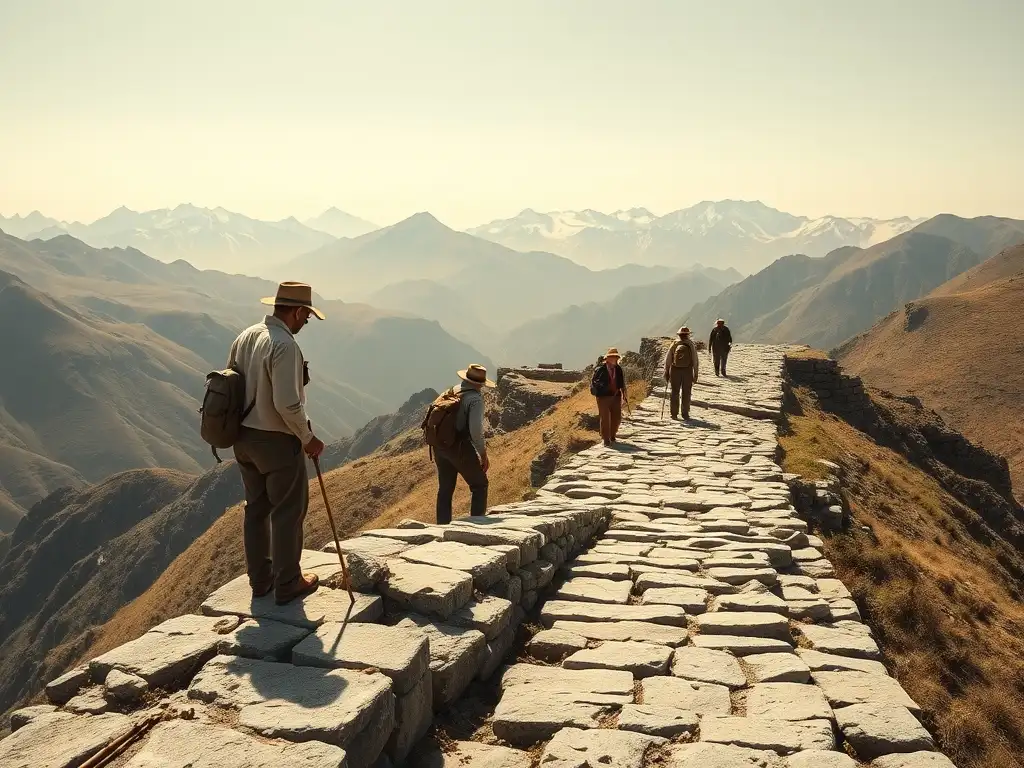
The Inca road system, a marvel of ancient engineering, faces numerous challenges in the 21st century. From erosion and natural disasters to the pressures of tourism and development, preserving this vital part of Andean heritage requires a multifaceted approach. Modern preservation efforts are increasingly focusing on sustainable practices, incorporating both traditional knowledge and cutting-edge technology.
The goal isn't simply to maintain the status quo, but to ensure the Inca road system's longevity while fostering a deeper understanding and appreciation of its historical significance for future generations. This involves a complex interplay of international cooperation, technological innovation, and community engagement. Effective Inca road system preservation depends on a holistic strategy that considers all these elements.
International Collaboration for Inca Road System Conservation
International collaboration is paramount in Inca road system preservation. Many organizations and governments are actively involved, sharing resources, expertise, and funding. For instance, UNESCO's World Heritage designation for certain sections of the network provides crucial international recognition and facilitates access to funding for conservation projects. These collaborative projects often involve archaeologists, engineers, historians, and local communities working together to develop and implement sustainable preservation strategies.
The sharing of best practices and lessons learned across different sites is crucial, avoiding costly mistakes and ensuring a standardized approach to conservation techniques. This international cooperation allows for a more comprehensive understanding of the challenges and opportunities presented by the unique characteristics of different sections of the Inca road system, leading to more effective and targeted preservation efforts. The exchange of data and research findings also contributes to a broader scientific understanding of Inca engineering and construction methods.
Technological Advancements in Archaeological Research on Inca Roads
Technological advancements have revolutionized the study and preservation of Inca roads. Techniques like LiDAR (Light Detection and Ranging) allow for high-resolution mapping of the road network, even in challenging terrain, revealing previously unknown sections and offering a detailed understanding of its overall extent and complexity. This is crucial for prioritization of preservation efforts.
Furthermore, ground-penetrating radar (GPR) helps to identify subsurface features, such as buried sections of the road or associated structures, without causing damage to the visible parts. Drone technology provides high-resolution aerial imagery, useful for monitoring erosion, identifying areas requiring immediate attention, and documenting the overall condition of the roads over time.
These technologies, coupled with GIS (Geographic Information Systems) for data management and analysis, provide a powerful toolkit for researchers and conservationists. The integration of these digital tools greatly enhances the efficiency and accuracy of Inca road system preservation, supporting data-driven decision-making and enabling more effective allocation of resources.
Community Involvement in the Preservation of Inca Paths
Successful Inca road system preservation relies heavily on the active participation of local communities. These communities are often the custodians of traditional knowledge about the roads, including their historical significance, construction techniques, and traditional maintenance practices. Their involvement ensures that preservation efforts are culturally sensitive and sustainable.
Community-based tourism initiatives, for example, can provide economic incentives for local residents to participate in the preservation of the roads while simultaneously promoting sustainable tourism practices. Training programs that equip local communities with the skills necessary for road maintenance and conservation are also crucial. By empowering local communities, we ensure not only the physical preservation of the Inca road system, but also the preservation of its cultural heritage and the transmission of traditional knowledge to future generations.
This participatory approach leads to a more holistic and effective preservation strategy, ensuring the long-term sustainability of the Inca road network and its cultural significance. It is essential to recognize and value the vital role local communities play in the ongoing preservation of this remarkable legacy.
Sustainable Tourism Initiatives and Inca Trail Management
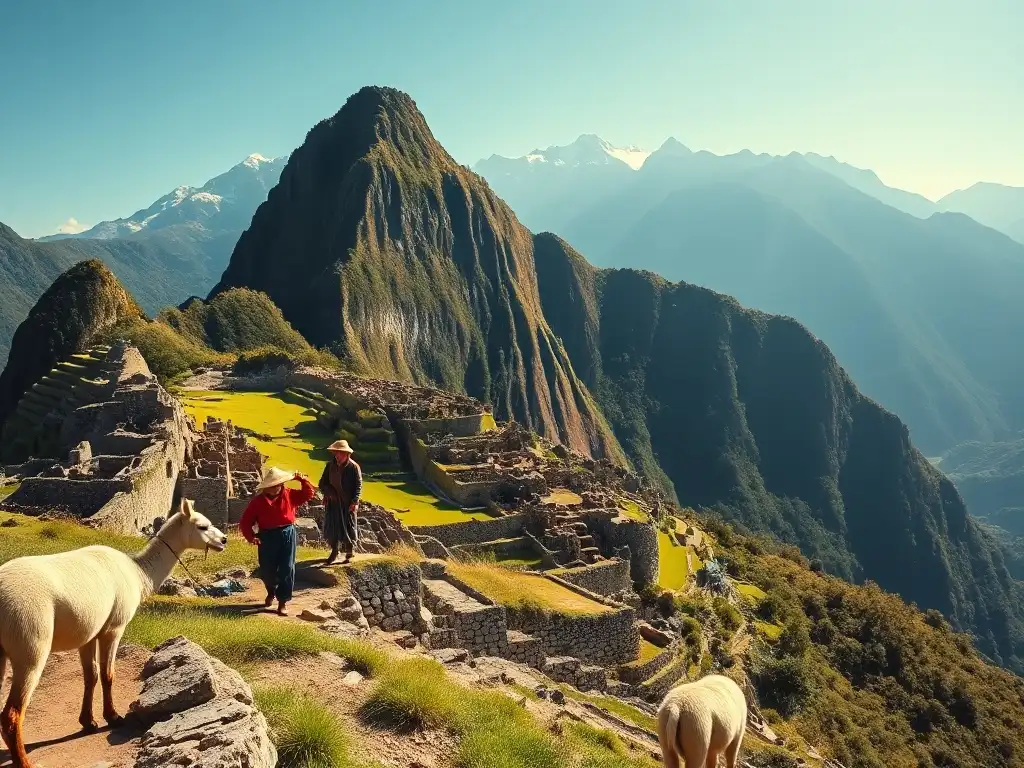
Sustainable tourism is crucial for the long-term preservation of the Inca road system. The sheer volume of tourists trekking the Inca Trail to Machu Picchu, for example, has placed immense pressure on the ancient pathways and surrounding environment. Overcrowding leads to trail erosion, damage to archaeological sites along the route, and increased waste generation. To mitigate these issues, initiatives focusing on limiting the number of daily permits, implementing stricter waste management protocols, and promoting responsible tourism practices are vital.
This includes educating tourists about the fragility of the ecosystem and the importance of minimizing their impact. Furthermore, the implementation of alternative trekking routes, less frequented but equally impressive, helps to distribute the tourism pressure and reduce the strain on the most popular trails. These alternative routes, often showcasing different aspects of Inca ingenuity and landscape, offer a more sustainable and enriching experience for travelers while simultaneously contributing to the preservation of the wider Inca road network. Successfully managing sustainable tourism requires a collaborative effort between government agencies, local communities, tour operators, and individual tourists themselves.
A key component of this involves investing in infrastructure improvements outside the main trails, reducing the pressure on the original pathways. This might involve building well-maintained alternative access roads or improving existing trails using sustainable materials and techniques. The ultimate goal is to balance the economic benefits of tourism with the imperative of safeguarding this precious historical heritage for future generations. Careful monitoring and evaluation of these initiatives are also essential to ensure their effectiveness and to adapt strategies as needed.
Legal Frameworks Protecting the Inca Road Network
The protection of the Inca road network relies heavily on robust legal frameworks. Peru, as the primary location of the majority of the Inca infrastructure, has implemented various laws and regulations aimed at preserving these historical sites. These legal frameworks encompass a range of measures, including the designation of protected areas, restrictions on construction and development near Inca roads, and penalties for damaging or destroying these historical assets. Enforcement of these laws, however, remains a significant challenge. Limited resources and the vastness of the Inca road network often hinder effective monitoring and prosecution of offenders.
Furthermore, the involvement of local communities is crucial for the success of these legal frameworks. Their traditional knowledge and stewardship of the land are invaluable in protecting the Inca roads. Therefore, legislation often incorporates provisions for community participation in conservation efforts and benefit-sharing from tourism revenue. International collaborations and agreements also play a crucial role. UNESCO's World Heritage status for sites associated with the Inca road network provides a layer of international protection, encouraging international cooperation and funding for preservation projects.
However, challenges remain in coordinating efforts across national borders where portions of the Inca road system extend into other countries. A crucial aspect is the continuous refinement and adaptation of these legal frameworks to address emerging challenges. For instance, the increasing impact of climate change requires the inclusion of measures to address the vulnerability of the Inca roads to natural disasters and environmental degradation. Strengthening legal protections and ensuring effective enforcement are paramount in safeguarding this invaluable legacy for future generations. This includes not only the physical preservation of the roads themselves, but also the protection of the associated cultural and natural heritage within the surrounding landscapes.
Discoveries and Insights from Recent Inca Road Research
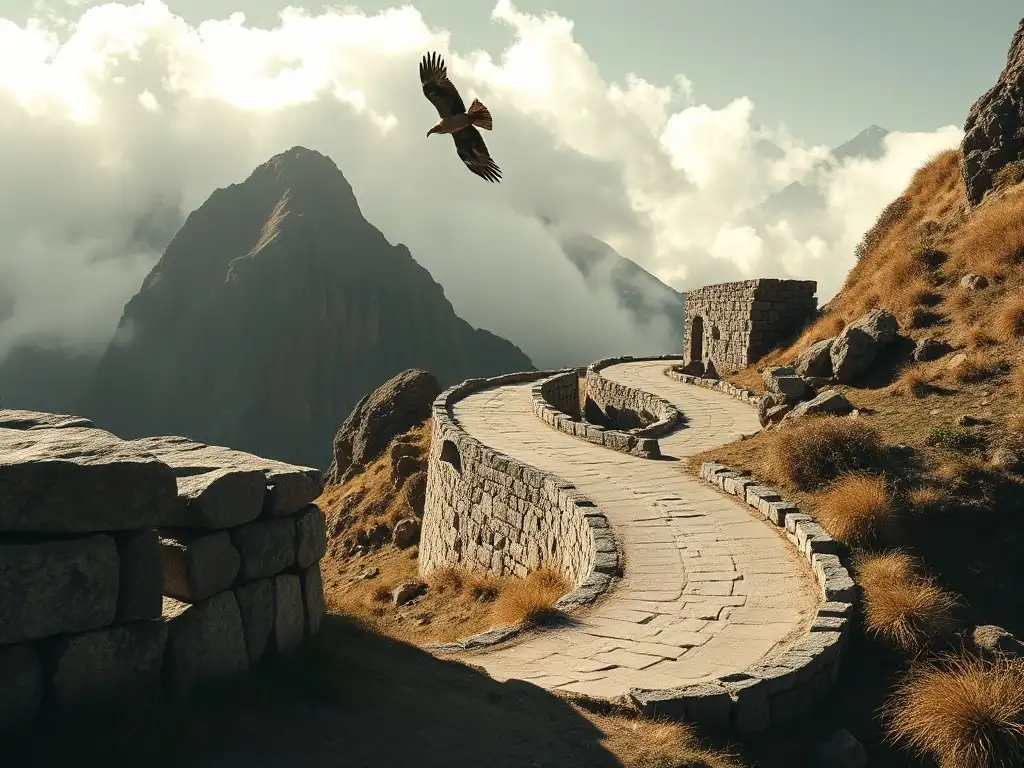
This section delves into recent breakthroughs in our understanding of the Inca road system, focusing on archaeological discoveries, engineering insights, and the analysis of Inca travel patterns. The meticulous preservation of these ancient pathways is crucial for understanding Inca civilization and its remarkable achievements in infrastructure development. The keyword, "Inca road system preservation," is central to this discussion, highlighting the importance of ongoing research and conservation efforts.
New Archaeological Findings along the Inca Road System
Recent archaeological expeditions have unearthed compelling new evidence regarding the Inca road network’s extent and complexity. For example, the discovery of previously unknown chasquis (relay runner) stations in [Specific location pending] sheds light on the logistical intricacies of the Inca communication system. These findings challenge previous assumptions about the spacing and distribution of these vital waypoints along the routes, suggesting a denser network than previously thought.
Furthermore, excavations have revealed sophisticated drainage systems integrated into the road construction, demonstrating the Inca's advanced understanding of hydraulic engineering and their commitment to maintaining the roads year-round. The uncovering of artifacts—such as pottery shards, tools, and even remnants of textiles—along these routes also provides invaluable insights into the daily lives of those who travelled and maintained the Inca road system.
This data significantly enhances our understanding of the social and economic dynamics linked to this crucial infrastructure. The careful documentation and preservation of these findings are paramount for future research and contribute significantly to the overarching goal of Inca road system preservation.
Insights into Inca Engineering and Construction Techniques
Analysis of the Inca road system reveals remarkable engineering prowess. The Inca's mastery of stonework is evident in the precision and durability of the roads. They employed a variety of techniques, including dry-stone masonry—fitting stones together without mortar—demonstrating a deep understanding of structural mechanics and the properties of local materials.
The use of different types of stone, depending on their availability and properties in a given area, reflects a sophisticated approach to material selection. Detailed studies of road sections have highlighted the use of techniques like pirca, a type of dry-stone wall construction, which allowed for flexibility and resilience in the face of seismic activity and weathering. The Inca's ability to adapt their construction techniques to diverse terrains, from mountainous regions to coastal plains, is a testament to their engineering expertise.
This innovative approach to road building is a key component of Inca road system preservation efforts, informing modern restoration and conservation strategies. Understanding these techniques is crucial for the responsible and sustainable maintenance of these invaluable historical assets.
Understanding Inca Travel Patterns Through Road Analysis
Analyzing the layout and characteristics of the Inca road system provides valuable insights into Inca travel patterns and the organization of their empire. The network's radial design, emanating from Cusco, highlights the city's central role as the administrative and ceremonial heart of the empire. The strategic placement of roads connecting major population centers, agricultural regions, and resource-rich areas indicates a well-organized system for facilitating trade, communication, and the movement of troops.
The presence of multiple routes between important locations suggests redundancy and resilience in the face of natural disasters or disruptions. Furthermore, the varying widths and surfaces of different road sections suggest that certain routes were designed for specific purposes, such as the transport of goods versus the movement of people. By meticulously mapping and analyzing these routes, researchers can reconstruct Inca travel patterns, unveiling the logistical complexities and administrative capabilities of this remarkable civilization.
This research is directly relevant to Inca road system preservation because it allows for the prioritization of conservation efforts and the informed management of these historical resources. The more we understand about the use of the roads, the better equipped we are to protect them for future generations. Careful analysis of the Inca road system's layout contributes significantly to the overall goal of Inca road system preservation, providing a deeper understanding of its significance within the context of Inca civilization.
The Role of Inca Roads in Cultural Exchange and Trade
The Inca road system wasn't merely a logistical network; it was a vital artery for cultural exchange and trade across the vast empire. Its strategic placement facilitated the movement of goods, ideas, and people, fostering a unique blend of Andean cultures. The efficient transportation network allowed for the rapid dissemination of agricultural techniques, religious beliefs, and artistic styles, creating a unified, albeit diverse, imperial identity.
This interconnectedness is evident in the similarities observed in pottery styles, textile designs, and architectural features across geographically disparate regions within the Inca Empire. For example, the distinctive Inca style of stonework, characterized by its precise fitting and meticulous craftsmanship, can be found in structures along the entire length of the Qhapaq Ñan. This suggests a standardized approach to construction, likely disseminated through the road system by skilled masons and architects traveling between different parts of the empire.
The roads also played a crucial role in facilitating trade. High-altitude products like alpaca wool from the Andes highlands were transported to coastal regions, exchanged for fish and other coastal goods. This intricate system of exchange supported the empire's economic stability and contributed to its overall prosperity.
The efficient movement of goods ensured that resources were readily available throughout the empire, minimizing the risk of shortages and fostering economic growth. Archaeological evidence, such as the discovery of diverse artifacts at various points along the Inca roads, further supports the significant role of the road system in facilitating trade and interaction between different regions. The presence of exotic materials, such as shells from the coast in highland settlements, underscores the far-reaching impact of the Inca road system on the empire's economic and social fabric.
The careful management of this network ensured not only the efficient movement of goods but also the maintenance of social order and political control throughout the vast and diverse territories under Inca rule. The Qhapaq Ñan itself was a symbol of the Inca's power and their ability to unite such a diverse population through sophisticated infrastructure and economic policy. Understanding this aspect of the Inca road system is vital to appreciating the empire's remarkable achievements in governance and economic management.
The Future of Inca Road System Preservation
The preservation of the Inca road system is not merely a matter of historical preservation; it's a multifaceted challenge demanding innovative solutions and a long-term vision. Successfully safeguarding this remarkable feat of engineering for future generations necessitates a concerted effort encompassing technological advancements, community involvement, and a profound understanding of the delicate balance between conservation and sustainable development. The Inca road system, a testament to the ingenuity of Andean civilizations, offers invaluable insights into their societal structure, engineering prowess, and resource management.
Its continued existence is crucial for enriching our understanding of this significant chapter in human history and contributing to cultural tourism. Effective strategies must consider not just the physical structures but also the surrounding ecosystems and the cultural significance embedded within these ancient pathways. The future of Inca road system preservation hinges on addressing these interconnected elements effectively.
Failure to do so risks irreversible damage and the potential loss of irreplaceable knowledge. This section will delve into specific strategies for ensuring the long-term survival of these vital historical assets.
Long-term Strategies for the Protection of Inca Trails
Long-term strategies for Inca trail preservation must be proactive and adaptive, acknowledging the dynamic nature of both the environment and societal needs. This requires a multi-pronged approach:
- Advanced Monitoring Technologies: Implementing advanced monitoring systems, such as remote sensing technologies and drone surveys, allows for early detection of erosion, landslides, and other environmental threats. This proactive approach enables timely intervention, minimizing damage and reducing the need for extensive, costly repairs. Data collected can be used to create predictive models, forecasting potential risks and informing preventative measures.
- Sustainable Tourism Management: Regulating tourist traffic along popular Inca trails is crucial. Implementing sustainable tourism practices, such as limiting the number of visitors, enforcing strict guidelines regarding waste disposal, and promoting responsible travel, can significantly reduce the impact of human activity on the trails' integrity. This requires collaboration with tourism operators and local communities.
- Community Involvement: Engaging local communities in preservation efforts is paramount. Their intimate knowledge of the trails and the surrounding environment provides invaluable insights. Empowering local communities through job creation in trail maintenance and tourism-related activities fosters a sense of ownership and encourages active participation in conservation initiatives. This fosters a sense of stewardship and ensures the long-term sustainability of preservation efforts.
- Climate Change Adaptation: The Inca road system is vulnerable to the impacts of climate change, including increased rainfall, extreme temperatures, and more frequent landslides. Developing climate change adaptation strategies is essential to mitigate these risks. This could involve reinforcing vulnerable sections of the trails, implementing erosion control measures, and restoring degraded ecosystems.
- Research and Development: Continuous research into Inca construction techniques and materials provides valuable insights into the best preservation methods. This research should focus on developing sustainable and environmentally friendly materials and techniques for repairing and maintaining the trails. Understanding the original construction techniques allows for more informed and effective restoration efforts.
The Importance of Education and Awareness for Inca Road Conservation
Raising public awareness about the significance of the Inca road system and the challenges it faces is critical for successful preservation. Education plays a crucial role in fostering a sense of responsibility and promoting responsible behavior among visitors and local communities alike. Effective educational initiatives should:
- Integrate Inca road system preservation into school curricula: Educating future generations about the historical, cultural, and environmental importance of the Inca road system is vital. This should be incorporated into history, geography, and environmental studies classes, fostering a sense of national pride and responsibility towards heritage preservation.
- Develop public awareness campaigns: Utilizing various media channels, including social media, documentaries, and museum exhibits, to disseminate information about the Inca road system and the importance of its preservation. These campaigns should highlight the beauty and fragility of these ancient pathways, encouraging responsible tourism and highlighting the threats they face.
- Train local guides and tourism professionals: Equipping local guides and tourism professionals with the knowledge and skills necessary to educate visitors about the Inca road system and promote responsible tourism practices. This ensures that visitors are aware of the importance of preserving these historical sites and understand how their actions can impact their longevity.
- Promote citizen science initiatives: Engaging local communities and volunteers in data collection and monitoring efforts. This fosters a sense of ownership and provides valuable data for conservation planning. Citizen science projects can also help raise awareness and educate the public about the challenges faced in preserving the Inca road system.
Balancing Modern Needs with the Preservation of Inca Heritage
The challenge lies in striking a delicate balance between meeting modern infrastructural needs and preserving the integrity of the Inca road system. This requires careful planning and innovative approaches:
- Sustainable Infrastructure Development: When new infrastructure projects are necessary, careful consideration must be given to their potential impact on the Inca road system. This requires thorough environmental impact assessments and the implementation of mitigation measures to minimize disruption. Prioritizing sustainable infrastructure designs that respect the surrounding environment is essential.
- Adaptive Reuse: Exploring opportunities for the adaptive reuse of sections of the Inca road system, such as incorporating them into hiking trails or developing sustainable tourism initiatives, can help to generate revenue for preservation efforts. This requires careful planning and management to avoid damaging the historical integrity of the trails.
- Technological Innovations: Utilizing advanced technologies, such as 3D modeling and virtual reality, can allow for the creation of digital replicas of the Inca road system, providing opportunities for research, education, and tourism without impacting the physical sites. This can reduce the pressure on the physical trails and provide a valuable resource for future generations.
- Collaborative Governance: Establishing a collaborative governance framework that involves government agencies, local communities, researchers, and tourism operators is essential for ensuring the long-term preservation of the Inca road system. This framework should facilitate communication, coordination, and resource sharing, fostering a unified approach to preservation. Effective communication and collaboration are key to successful preservation strategies.
The preservation of the Inca road system is a continuous process requiring ongoing commitment, innovation, and collaboration. By implementing these strategies, we can ensure that this remarkable legacy endures for generations to come, serving as a testament to the ingenuity and resilience of the Andean civilizations and a source of inspiration and knowledge for the future.
The Continuing Importance of the Inca Road System for Andean Culture
The Inca road system, a marvel of ancient engineering, continues to hold immense cultural significance for Andean communities today. Far from being a mere relic of the past, the Qhapaq Ñan—as it's known in Quechua—remains a vibrant thread connecting communities, traditions, and identities across the Andes. Its preservation is not simply an archaeological endeavor; it's a vital act of cultural safeguarding. Many communities still utilize sections of the original pathways for everyday travel, particularly in remote areas where modern infrastructure is limited or nonexistent.
These routes are not just pathways; they are living conduits of history, carrying with them the echoes of generations past. The annual pilgrimages and ceremonial events that take place along sections of the Inca road further underscore its enduring cultural relevance. These gatherings often involve traditional practices, music, and storytelling, all deeply intertwined with the historical significance of the path itself. Furthermore, the Inca road system serves as a powerful symbol of Andean resilience and ingenuity, inspiring pride and a sense of shared heritage among the diverse populations of the Andes.
The ongoing efforts to preserve the Qhapaq Ñan are therefore not just about protecting ancient stones but about preserving the living cultural landscape they represent. The preservation of the Inca road system is intrinsically linked to the preservation of Andean cultural identity itself. This connection is crucial to understanding the importance of ongoing conservation efforts. The road system is more than just a network of paths; it is a living testament to the enduring spirit of the Andean civilizations, a tangible link to their ancestral past.
The continued use of the Inca road system by local communities also provides valuable insights for its preservation. Traditional practices, such as the use of local materials for repairs and maintenance, offer sustainable and culturally sensitive approaches to conservation. By working closely with these communities, archaeologists and preservationists can learn valuable lessons about the long-term sustainability of the road system and integrate this knowledge into modern preservation strategies.
Understanding how the roads have adapted and endured over centuries provides crucial information for future conservation efforts. This collaboration is not only essential for the physical preservation of the Qhapaq Ñan but also for the preservation of traditional knowledge and practices associated with it.
It represents a powerful synergy between modern conservation science and indigenous knowledge systems, creating a more holistic and effective approach to preserving this invaluable cultural heritage for future generations. The ongoing dialogue and collaboration between Andean communities and preservationists are crucial for the long-term success of Inca road system preservation efforts.
Frequently Asked Questions
What is the significance of the Inca road system?
The Inca road system, or Qhapaq Ñan, was a masterpiece of engineering vital for communication, trade, and military control across a vast and challenging Andean landscape. Its preservation is crucial for understanding Inca civilization.
What are the main challenges in preserving the Inca road system?
Preservation faces challenges from natural disasters like earthquakes and erosion, as well as human activity such as urban development and tourism. Funding limitations also hinder conservation efforts.
How is modern technology aiding in the preservation of the Inca roads?
Modern technologies like LiDAR scanning and GIS mapping are used to create detailed maps and assess the condition of the roads. This helps prioritize conservation efforts and inform restoration projects.
What role does community involvement play in Inca road preservation?
Local communities are integral to successful preservation. Their traditional knowledge and active participation in monitoring and maintenance are vital for long-term sustainability.
What are some examples of successful Inca road preservation projects?
Several projects demonstrate successful preservation. These include restoration efforts focused on specific sections of the road combined with community-based tourism initiatives that generate income and raise awareness.
Final Reflection: Echoes of the Inca: A Legacy Worth Preserving
The Inca road system, a marvel of ancient engineering, remains a potent symbol of human ingenuity and interconnectedness, yet its preservation faces unprecedented challenges in our rapidly changing world. The delicate balance between respecting this historical treasure and facilitating modern development necessitates a careful and considered approach, one that prioritizes both cultural heritage and sustainable progress. The very survival of these remarkable pathways depends on our collective commitment to their future.
The Inca road system's influence extends far beyond its physical presence; it represents a profound connection to the past, a testament to the ingenuity and societal structure of a remarkable civilization. Its enduring legacy shapes our understanding of ancient cultures and continues to inspire awe and wonder. The past is never dead. It's not even past.
– William Faulkner. This quote resonates deeply, reminding us that the Inca roads are not simply relics of a bygone era, but living threads connecting us to a rich and complex history that deserves to be understood and protected for generations to come. Their preservation is not just an act of historical preservation, but a commitment to our shared human heritage.
Consider the impact of your own actions. What role can you play in ensuring the long-term survival of the Inca road system? Perhaps it's supporting organizations dedicated to its preservation, advocating for sustainable tourism practices, or simply raising awareness among your friends and family.
Let the echoes of the Inca inspire you to act, to become a guardian of this extraordinary legacy, and to ensure that these ancient pathways continue to resonate through time. The future of the Inca roads rests not only in the hands of archaeologists and governments, but in the hearts and minds of all who appreciate the enduring power of human history.
Unveil the Journey of Preservation
Thank you for exploring the fascinating world of the Inca Roads with us! By learning about the challenges and triumphs in understanding these ancient pathways, you've gained valuable insight into their historical importance and the ongoing efforts to preserve them. Now, it's time to get involved and become a part of this crucial mission!
Here are some ways you can contribute:
- **Join a heritage preservation organization**; your voice and support can make a real difference.
- **Share this article** with friends and family, or post it on social media to raise awareness about the importance of protecting the Inca Roads.
- **Consider a trip to the Andes** to experience the breathtaking beauty of the Inca trails firsthand and support local conservation efforts.
What innovative approaches could ensure the Inca Roads remain intact for future generations? We'd love to hear your ideas in the comments!