
Comparing Leadership: Pizarro's Ruthless Efficiency vs. Atahualpa's Divine Rule

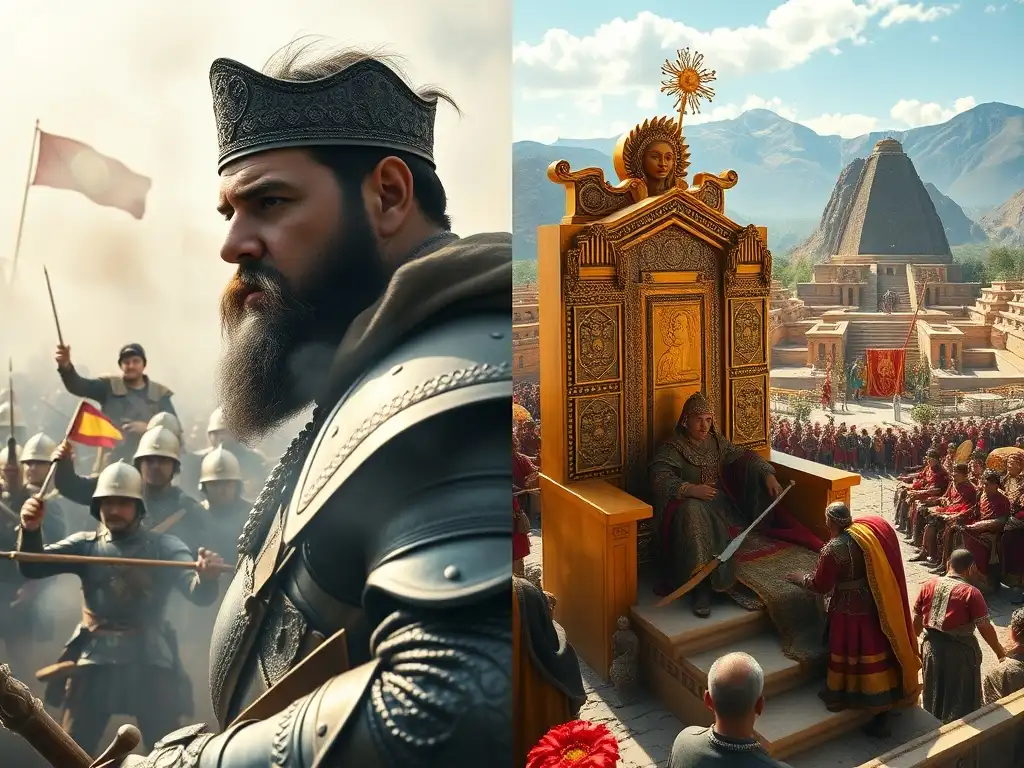
Step into a world lost to time, yet echoing with the power of empires. Andean Civilizations unveils the fascinating tapestry of ancient Andean cultures, from the intricate artistry of the Nazca to the sophisticated engineering of the Incas. But what happens when these worlds collide?
This exploration begins with a pivotal clash: a comparison of leadership styles – the ruthless efficiency of Pizarro versus the divine authority of Atahualpa. Their contrasting approaches to power shaped the fate of an entire civilization. Dare to delve into the intriguing complexities of their legacies and discover the untold story of the Spanish Conquest.
- Pizarro Atahualpa Leadership Comparison: A Clash of Styles in the Andes
- The Contrasting Leadership Styles of Pizarro and Atahualpa
- A Detailed Comparison of Pizarro and Atahualpa’s Leadership
- Analyzing the Effectiveness of Each Leader's Style
- Pizarro vs. Atahualpa: A Final Leadership Assessment
- Conclusion: Lessons from the Leadership Clash
-
Frequently Asked Questions
- What were the key differences in leadership styles between Pizarro and Atahualpa?
- How did Pizarro's leadership contribute to the Spanish conquest?
- What were the strengths of Atahualpa's leadership before the Spanish arrival?
- How did the contrasting leadership styles affect the outcome of the encounter between Pizarro and Atahualpa?
- What lessons can be learned from comparing Pizarro and Atahualpa's leadership?
- Final Reflection: The Enduring Legacy of Conquest and Governance
- **Leadership Lessons from the Andes**
Pizarro Atahualpa Leadership Comparison: A Clash of Styles in the Andes
The Spanish conquest of the Inca Empire remains a pivotal moment in history, a dramatic collision of two vastly different cultures and leadership styles. This article delves into a comparative analysis of the leadership of Francisco Pizarro, the ruthless Spanish conquistador, and Atahualpa, the last Sapa Inca, whose divine right to rule clashed violently with Pizarro's pragmatic ambition.
We'll explore their contrasting approaches to governance, military strategy, and the ultimate consequences of their leadership during this pivotal period, examining how their differing styles contributed to the dramatic downfall of a powerful empire and the rise of Spanish colonial rule in the Andes. We will analyze their strengths and weaknesses, exploring how their leadership philosophies shaped the events leading to the conquest and its lasting impact on the region.
This comparison will illuminate not only the historical context but also offer insights into the broader dynamics of leadership, power, and cultural conflict. Understanding the contrasting leadership styles of Pizarro and Atahualpa is crucial to grasping the complexities of the Inca conquest and its enduring legacy.
Pizarro's Pragmatic and Ruthless Leadership
Francisco Pizarro's leadership was characterized by ruthless pragmatism and a relentless pursuit of power. Unlike Atahualpa's divinely ordained authority, Pizarro's legitimacy stemmed from his military prowess and his ability to exploit internal divisions within the Inca Empire. He was a master strategist, adept at forging alliances, manipulating his opponents, and leveraging superior weaponry to achieve his goals. His leadership style can be described as:
- Highly centralized: Pizarro maintained absolute control, delegating tasks sparingly and making crucial decisions independently.
- Opportunistic and decisive: He seized opportunities swiftly and decisively, adapting his strategies to changing circumstances. The infamous capture of Atahualpa is a prime example of this.
- Merciless and brutal: Pizarro showed little mercy to his opponents, employing brutal tactics to subdue resistance and consolidate his power. The infamous massacre of Cajamarca stands as a testament to this.
- Effective in exploitation: Pizarro expertly exploited the Inca's internal conflicts and weaknesses, using these to his advantage. He skillfully played factions against each other and sowed discord amongst the Inca leadership.
Atahualpa's Divine Right and Inca Governance
In stark contrast to Pizarro's pragmatic approach, Atahualpa's authority rested on the concept of divine kingship. He was considered the Sapa Inca, a direct descendant of the sun god Inti, and his rule was imbued with religious significance. This divine legitimacy shaped his leadership in several ways:
- Centralized but less efficient: While Atahualpa enjoyed absolute authority, the intricate bureaucracy of the Inca Empire sometimes hindered swift decision-making. The extensive communication networks, while impressive, could be slow and susceptible to manipulation.
- Emphasis on ritual and tradition: Atahualpa's reign was deeply rooted in Inca traditions and religious practices. This emphasis, while providing social cohesion, potentially hampered his ability to quickly adapt to the unprecedented threat posed by the Spanish.
- Less adaptable to external threats: The Inca system, accustomed to internal stability and control, was ill-equipped to handle the unexpected and technologically superior Spanish invasion. Atahualpa's reliance on traditional methods proved insufficient against the Spanish conquistadors.
- Internal conflicts weakened his position: Atahualpa's ascension to power followed a civil war with his half-brother Huáscar, leaving the empire fractured and vulnerable to external threats. This internal strife significantly weakened the Inca's ability to resist the Spanish conquest.
Comparing Military Strategies: Conquest and Resistance
The contrasting leadership styles of Pizarro and Atahualpa are vividly reflected in their respective military strategies. Pizarro's forces, though numerically inferior, possessed superior weaponry (guns, cannons, steel armor) and employed disciplined tactics. Atahualpa, relying on the Inca army's strength in numbers and traditional weaponry, initially underestimated the Spanish capabilities. This miscalculation, compounded by internal divisions and the element of surprise employed by Pizarro, led to the catastrophic defeat at Cajamarca.
The contrasting strategies highlight the importance of technological advancement and adaptability in warfare. The Inca's highly organized and effective military system, while powerful within its context, proved no match for the superior weaponry and tactics of the Spanish. The difference in military technology played a crucial role, showcasing the impact of technological disparity on the outcome of the conquest.
The Legacy of Contrasting Leaderships: A Lasting Impact
The contrasting leadership styles of Pizarro and Atahualpa had a profound and lasting impact on the Andes region. Pizarro’s ruthless efficiency led to the conquest and the establishment of the Spanish colonial empire, while Atahualpa’s divine rule ultimately contributed to the downfall of the Inca Empire. The consequences of this clash of leadership styles continue to shape the cultural, political, and social landscape of the Andes to this day.
The legacy of both figures remains a complex and multifaceted topic, prompting ongoing historical debate and analysis. The comparison underscores the significance of understanding leadership's role in shaping historical outcomes and the enduring consequences of cultural clashes.
The Contrasting Leadership Styles of Pizarro and Atahualpa
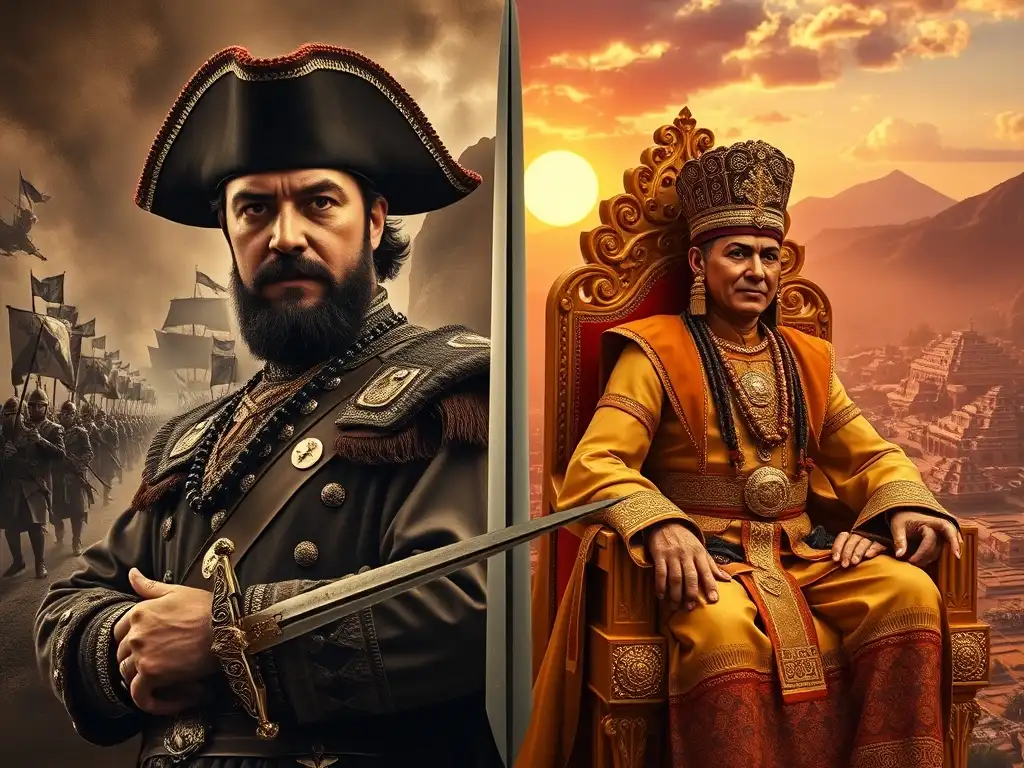
Introduction to the Leadership Dynamics of the Conquest
The Spanish conquest of the Inca Empire was not merely a clash of armies, but a confrontation of fundamentally different leadership styles. On one side stood Francisco Pizarro, a pragmatic and ruthless conquistador driven by ambition and a thirst for gold. Opposing him was Atahualpa, the Sapa Inca, whose authority rested on a divinely ordained system of power and a complex web of Andean social structures.
Understanding the contrasting leadership approaches of these two figures is crucial to comprehending the swift and devastating success of the Spanish conquest. This section will delve into the distinct characteristics of Pizarro's and Atahualpa's leadership, analyzing their strengths, weaknesses, and ultimately, their impact on the fate of the Inca Empire.
The contrasting styles of Pizarro and Atahualpa offer a compelling case study in the dynamics of power, conquest, and cultural collision. Analyzing their approaches provides valuable insights into the complexities of leadership in times of profound societal change.
Francisco Pizarro: Ruthless Efficiency and Military Command
Pizarro's leadership was characterized by a ruthless efficiency and a singular focus on conquest. Unlike Atahualpa's divinely sanctioned authority, Pizarro's power stemmed from his military prowess and his ability to exploit the internal divisions within the Inca Empire. His leadership style was pragmatic, adaptable, and utterly devoid of sentimentality when it came to achieving his objectives.
This section will explore the key aspects of Pizarro’s leadership, focusing on his strategic thinking, use of force, and ultimately, his ambition for material gain. The comparison of Pizarro and Atahualpa's leadership styles reveals a fascinating contrast between divinely ordained authority and ruthless pragmatism.
Pizarro's Military Prowess and Strategic Thinking
Pizarro wasn't simply a brute force leader; he possessed considerable military acumen. His strategic thinking, though often brutal, was effective. He understood the importance of surprise attacks, exploiting weaknesses in enemy lines, and leveraging superior weaponry. The conquest of the Inca Empire wasn't a matter of sheer numbers; Pizarro's smaller, but technologically superior, force, skillfully deployed, consistently outmaneuvered the larger Inca armies.
This strategic advantage, coupled with his ruthless determination, was a cornerstone of his success. He carefully studied Inca weaknesses, exploiting internal conflicts and using deception to achieve his goals. For example, [Specific example of Pizarro's strategic military maneuver pending]. His skill in deploying his forces, combined with the element of surprise, proved crucial in several key battles.
The Use of Force and Intimidation in Pizarro’s Leadership
Pizarro's leadership relied heavily on the calculated use of force and intimidation. The Spanish conquistadors were notorious for their brutality, using violence not only in battle but also as a tool to subdue and control the native population. This terror tactic, coupled with the psychological impact of superior weaponry like firearms and horses, effectively demoralized the Inca forces. The psychological warfare employed by Pizarro was as effective as any direct military engagement.
The systematic terror inflicted by the Spanish army played a significant role in breaking the Inca resistance. This approach, while morally reprehensible, was undeniably effective in achieving Pizarro's objectives. [Data on the psychological impact of Spanish brutality on Inca morale pending].
Pizarro's Focus on Conquest and Material Gain
The driving force behind Pizarro's actions was a relentless pursuit of conquest and the acquisition of wealth. The lure of gold and silver fueled his ambition, shaping his decisions and justifying his brutality. While he presented himself as a representative of the Spanish crown, his personal enrichment was a primary motivation.
This focus on material gain significantly influenced his strategic choices, prioritizing the accumulation of treasure over the long-term stability of the conquered territories. The sheer amount of gold and silver plundered from the Inca Empire underscores the extent of Pizarro's avarice and the role it played in his leadership. [Specific data on the amount of gold and silver acquired by Pizarro pending].
Pizarro’s Pragmatic Approach to Governance
Pizarro's approach to governance after the conquest was similarly pragmatic and focused on maintaining control and extracting resources. He established a system of control that exploited the existing Inca infrastructure while simultaneously suppressing any resistance. His administration was characterized by a ruthless efficiency in extracting wealth and consolidating power, demonstrating a clear understanding of how to manage a conquered population for maximum profit.
He adapted his methods to the local context, using both coercion and collaboration to maintain his authority. [Specific details on Pizarro's governance strategies pending]. This pragmatic approach, while effective in the short term, ultimately laid the groundwork for future conflicts and instability.
Atahualpa’s Claim to Divine Mandate and Power
Atahualpa's claim to the Inca throne rested heavily on his perceived divine right to rule. Inca ideology deeply intertwined political power with religious authority. The Sapa Inca, the emperor, was considered a descendant of the sun god Inti, a direct link to the cosmos. Atahualpa, through his lineage and perhaps strategic manipulation of religious narratives, solidified this claim.
While his ascension wasn't entirely without challenge—his brother Huáscar also held a strong claim—Atahualpa successfully presented himself as the divinely chosen ruler, a crucial factor in consolidating his power, at least initially. The Inca belief system provided a powerful tool for legitimizing his authority and securing the loyalty of his subjects. This divine mandate, however, proved ultimately insufficient against the technologically superior Spanish forces and internal divisions within the Inca empire itself. The concept of divine kingship, while potent for internal control, offered little defense against external threats.
The Inca System of Centralized Authority and Administration
The Inca empire was a marvel of centralized administration. Atahualpa inherited a sophisticated system of governance characterized by a hierarchical structure, intricate communication networks (the chasquis relay system), and a highly efficient bureaucracy. This system, built over centuries, allowed for effective resource management, taxation, and the mobilization of labor for large-scale projects like road construction and agriculture. Provinces were meticulously organized, with appointed governors and officials responsible for collecting tribute and maintaining order.
This centralized system, while beneficial for internal stability and large-scale projects, also presented vulnerabilities. Over-reliance on a centralized command structure made the empire susceptible to disruption when the central authority was compromised, as was the case with Atahualpa's capture. The swift collapse of the empire following Atahualpa’s imprisonment demonstrates the fragility of this highly centralized system in the face of external aggression.
Atahualpa's Diplomacy and Political Maneuvering
Atahualpa's reign, though relatively short, was marked by significant political maneuvering. His victory over his brother Huáscar in the Inca civil war showcased his strategic acumen and ability to consolidate power. He skillfully used alliances, military might, and perhaps even propaganda to achieve his goals. However, his diplomatic skills were severely tested by the arrival of Pizarro.
While accounts vary, it's clear that Atahualpa initially underestimated the Spanish threat and perhaps misjudged their intentions. His initial attempts at diplomacy, including gifts and offers of negotiation, ultimately proved ineffective against Pizarro's ruthless ambition. The contrasting approaches to diplomacy highlight a crucial difference between the two leaders: Atahualpa's relatively cautious approach versus Pizarro's aggressive strategy. Atahualpa's reliance on established Inca protocols may have been a disadvantage when facing an adversary who played by entirely different rules.
Atahualpa’s Leadership in a Hierarchical Society
Atahualpa ruled over a deeply hierarchical society. The Inca social structure was rigidly defined, with the Sapa Inca at its apex, followed by a complex system of nobles, priests, commoners, and those at the bottom of the social hierarchy. Atahualpa's leadership style reflected and reinforced this hierarchy. He commanded respect and obedience through his divine status and the established social order.
However, this rigid structure also limited his ability to adapt quickly to the unexpected challenges posed by the Spanish conquest. The lack of flexibility in the Inca system, coupled with the profound cultural differences between the Inca and Spanish, contributed to the Inca's ultimate defeat. The hierarchical structure, while effective for maintaining internal order, proved detrimental when confronting a radically different power structure and military technology. The inability to adapt to the changing circumstances highlights a crucial weakness in Atahualpa’s leadership in the context of the Spanish conquest.
A Detailed Comparison of Pizarro and Atahualpa’s Leadership
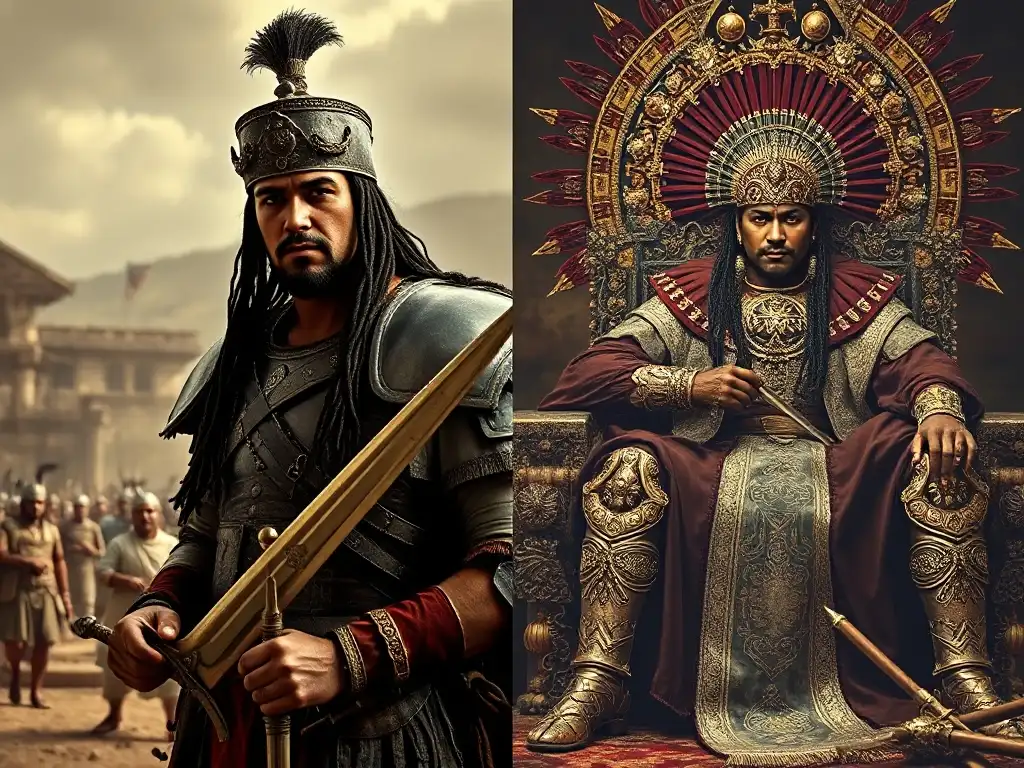
This section delves into a comparative analysis of the leadership styles of Francisco Pizarro and Atahualpa, focusing on their distinct approaches and the impact these had on the Spanish conquest of the Inca Empire. We will examine Pizarro's ruthless efficiency alongside Atahualpa's divinely-ordained authority, exploring the strengths and weaknesses of each leadership style in the context of their respective societies and the dramatic events of the conquest. The "Pizarro Atahualpa leadership comparison" reveals fascinating insights into the clash of cultures and the factors that contributed to the fall of the Inca Empire.
Pizarro’s Leadership in the Context of Spanish Conquest
Pizarro's Leadership Skills and Their Impact on the Conquest
Pizarro's leadership was characterized by a ruthless pragmatism and unwavering ambition. Unlike many of his contemporaries, Pizarro possessed exceptional organizational skills, effectively managing the logistical challenges of a long and arduous campaign across treacherous terrain. His ability to inspire loyalty, despite the harsh conditions and high mortality rates, was crucial to his success.
He fostered a sense of shared purpose among his men, promising riches and glory to those who remained steadfast. This was particularly important given the high desertion rates common in early colonial expeditions. The success of the conquest hinged not only on military prowess but also on Pizarro's ability to maintain morale and discipline within his ranks, even in the face of setbacks.
His strategic acumen, evident in his choice of battle locations and deployment of troops, further cemented his reputation as a skilled military commander. For example, his strategic use of cavalry at the Battle of Cajamarca effectively surprised and overwhelmed the Inca army.
The Role of Pizarro's Ambition in His Leadership Style
Pizarro’s ambition was a defining characteristic of his leadership. It wasn't merely a desire for wealth and power; it fueled his relentless pursuit of the Inca Empire. This ambition manifested in his unwavering determination to overcome obstacles, his willingness to take calculated risks, and his capacity for ruthless decision-making. He was not afraid to betray allies or utilize deception when it served his purposes.
While ethically questionable, this ruthless pragmatism was instrumental in his conquest. His ambitious nature also contributed to his ability to secure funding and support for his expeditions from the Spanish crown, even after initial failures. The combination of ambition, strategic thinking, and a willingness to exploit weaknesses in his opponents proved to be a potent formula for success in the brutal context of the conquest.
How Pizarro Maintained Control Over His Troops
Maintaining control over his troops was paramount to Pizarro's success. He employed a combination of rewards, punishments, and carefully cultivated loyalty to achieve this. The promise of immense wealth upon conquest served as a powerful motivator, outweighing the dangers and hardships. Conversely, Pizarro was swift and harsh in dealing with insubordination or desertion. This firm hand ensured discipline within his ranks.
Furthermore, Pizarro understood the importance of cultivating personal relationships with key members of his army. He fostered a sense of camaraderie and shared purpose, recognizing that a cohesive and loyal force was essential for navigating the complexities of the conquest. This multifaceted approach to leadership ensured that his army remained a formidable and controllable force throughout the campaign. He understood that a disciplined army was far more effective than a large, undisciplined one.
Atahualpa’s Leadership within the Inca Empire
Atahualpa’s Ability to Maintain Power in a Vast Empire
Atahualpa inherited a vast and complex empire, characterized by a sophisticated bureaucracy and intricate social hierarchy. His ability to maintain control over this sprawling domain was remarkable, particularly considering the ongoing civil war that preceded his ascension to power. He demonstrated effective strategies for consolidating his power, including strategic alliances and the suppression of dissent. The Inca system, with its established administrative structures and communication networks, provided a solid foundation for his rule. His success in quelling rebellion and maintaining internal stability speaks volumes about his political acumen and leadership capabilities. [Specific data on Atahualpa's administrative reforms pending].
The Impact of Inca Traditions on Atahualpa’s Leadership
Atahualpa's leadership was deeply rooted in Inca traditions and beliefs. His authority was considered divinely ordained, a concept that profoundly influenced his interactions with his subjects and his approach to governance. The Inca worldview emphasized the Sapa Inca's role as a mediator between the divine and the human realms.
This divine legitimacy underpinned his power and allowed him to command unquestioning obedience from his people. Religious rituals and ceremonies reinforced his authority, further solidifying his position. However, this reliance on divine right, while effective within the Inca framework, ultimately proved to be a vulnerability when confronted with the vastly different worldview and military power of the Spanish conquistadors.
How Atahualpa Managed Political and Social Issues
Atahualpa’s management of political and social issues within the Inca Empire was a complex undertaking. He inherited a state grappling with the aftermath of a civil war, a situation that required skillful diplomacy and decisive action. [Specific examples of Atahualpa's political and social reforms pending]. While the Inca system provided a robust structure for governance, Atahualpa’s leadership was crucial in navigating internal conflicts and maintaining the stability of the empire.
The Inca system relied heavily on a complex system of tribute and redistribution of resources, and Atahualpa's role was to oversee this intricate network, ensuring the smooth functioning of the empire's economy and social order. His ability to manage these aspects, before the arrival of Pizarro, showcased his skill in governance. However, the abrupt arrival and overwhelming power of the Spanish disrupted the existing social and political order, severely challenging his ability to effectively address these issues.
Analyzing the Effectiveness of Each Leader's Style
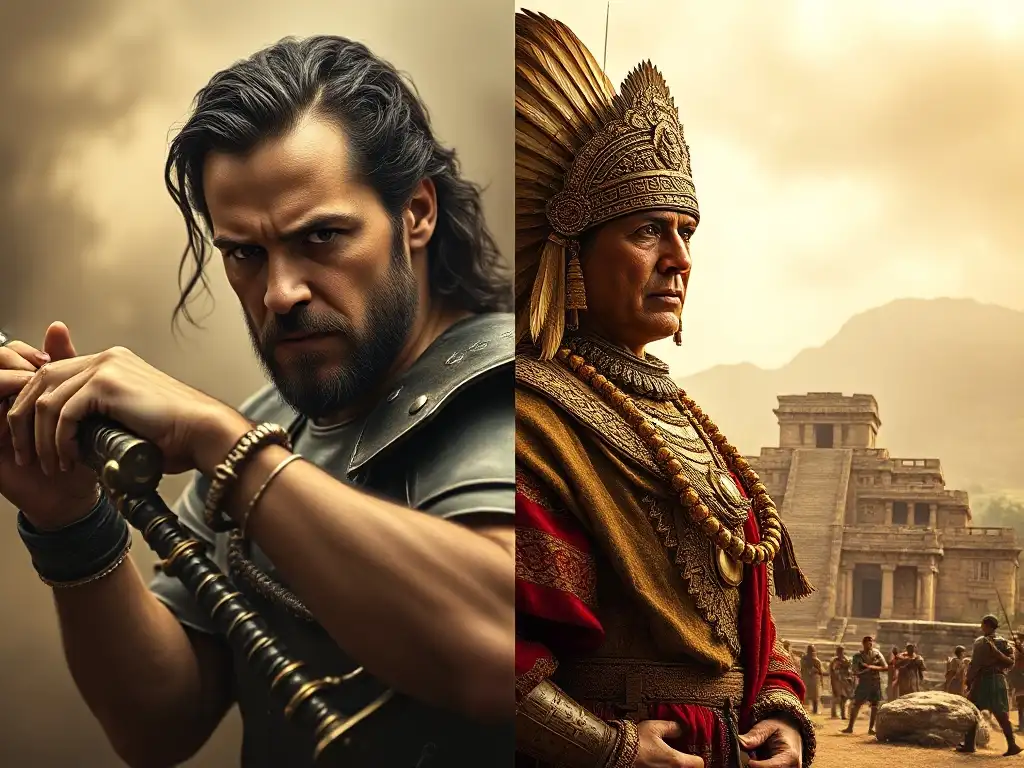
This section delves into a comparative analysis of Francisco Pizarro's and Atahualpa's leadership styles, examining their successes and failures in the context of the Spanish conquest of the Inca Empire. The contrasting approaches – Pizarro's ruthless efficiency versus Atahualpa's divinely ordained authority – offer a fascinating case study in leadership during a period of immense upheaval and societal transformation. We will explore the specific strategies employed by each leader, analyzing their effectiveness and ultimately contributing to the outcome of the conquest.
Understanding these contrasting leadership styles provides crucial insight into the complexities of the Spanish conquest and the fall of the Inca Empire. The keyword "Pizarro Atahualpa leadership comparison" is central to this analysis.
The Successes and Limitations of Pizarro’s Ruthless Approach
Pizarro's leadership was characterized by a brutal pragmatism, a willingness to employ deception and violence to achieve his objectives. This ruthless efficiency, however, came with significant limitations.
Pizarro's Strategies That Led to Conquest
Pizarro's conquest wasn't solely based on superior military might. He expertly exploited internal Inca conflicts, leveraging existing rivalries among Atahualpa and his half-brother Huáscar to weaken the empire. His meticulous planning, including securing alliances with disgruntled Inca factions and carefully studying Inca terrain and customs, proved invaluable.
The strategic use of superior weaponry, including firearms and horses, also significantly contributed to his success. Pizarro's ability to adapt his strategies based on available intelligence, such as accurately assessing the Inca army's vulnerabilities at the Battle of Cajamarca, was a key factor in his victories. His ruthless efficiency in consolidating power after the capture of Atahualpa cemented his control over the conquered territory.
The Weaknesses and Vulnerabilities of Pizarro’s Leadership
Despite his successes, Pizarro's leadership had inherent weaknesses. His brutality alienated many, leading to widespread resistance and rebellion against Spanish rule. His reliance on deception and betrayal fostered mistrust among his own men, occasionally leading to internal conflict and challenges to his authority.
His ambition often outweighed his prudence, as evidenced by his underestimation of Inca resilience in the face of oppression. His lack of long-term vision for governing the conquered territory beyond immediate exploitation of resources contributed to the instability of the Spanish colonial regime in the years following the conquest. Furthermore, his focus on immediate gains often overshadowed considerations of long-term sustainability and the welfare of the conquered population.
The Strengths and Vulnerabilities of Atahualpa's Divine Rule
Atahualpa's leadership was rooted in the Inca concept of divine kingship, where the Sapa Inca was considered a descendant of the sun god Inti. This bestowed upon him immense authority, but also created significant vulnerabilities.
Atahualpa's Leadership Strengths in the Inca Context
Within the Inca system, Atahualpa's divine status provided unquestioned legitimacy and ensured obedience. His ability to maintain control over a vast and diverse empire, despite the ongoing civil war with Huáscar, speaks to his administrative prowess. The intricate Inca road system and administrative structure facilitated efficient communication and resource management, showcasing Atahualpa's effective use of existing infrastructure.
His role as a religious figurehead strengthened his political authority and fostered a sense of unity among his subjects, at least before the arrival of the Spanish. He successfully utilized existing channels of power to manage the vast empire, demonstrating an understanding of the intricacies of Inca governance.
Factors That Contributed to Atahualpa's Downfall
Atahualpa's divine rule, while effective within the Inca framework, proved disastrous when confronted with Pizarro's vastly different approach. His belief in his own invincibility and his underestimation of the Spanish threat contributed heavily to his capture at Cajamarca. The internal divisions within the Inca Empire, exacerbated by the civil war, severely weakened his position and prevented a unified response to the Spanish invasion. His reliance on traditional warfare tactics proved ineffective against Spanish weaponry and tactics.
The Inca's lack of understanding of Spanish motivations and strategies hampered their ability to effectively resist the conquest. Ultimately, Atahualpa’s divine authority, while powerful within his own context, proved no match for Pizarro's pragmatic and ruthless approach to conquest. The contrasting leadership styles highlight the crucial role of adaptability and strategic thinking in the face of unprecedented challenges.
Pizarro vs. Atahualpa: A Final Leadership Assessment
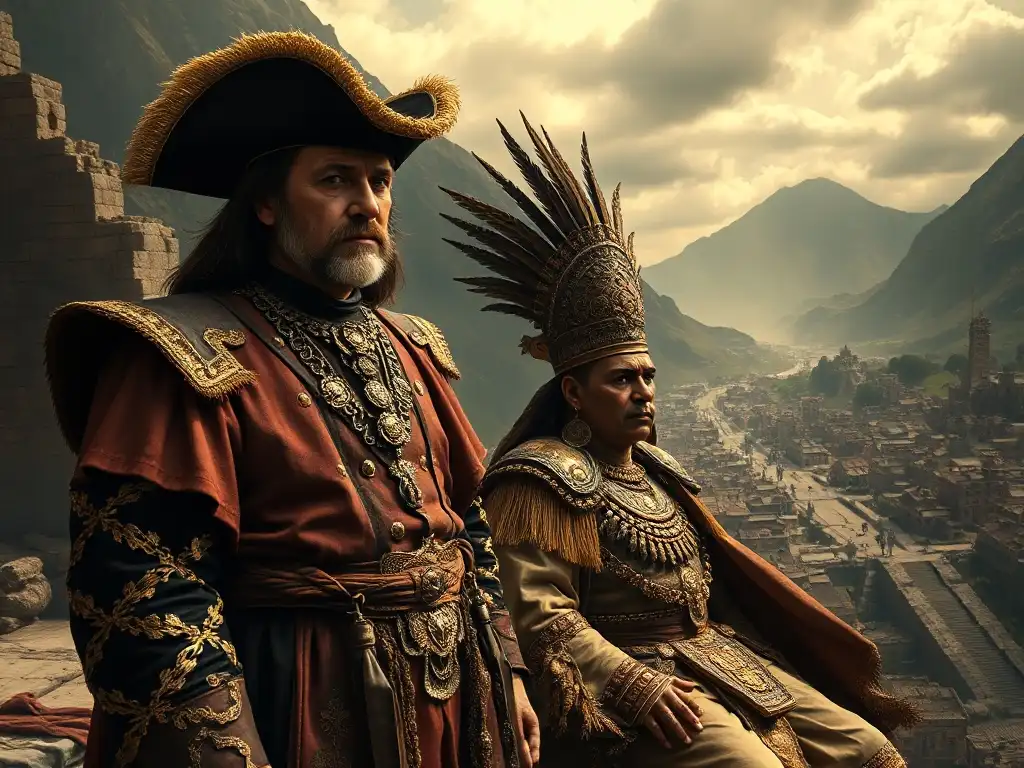
This section offers a concluding comparison of Francisco Pizarro and Atahualpa's leadership, considering their contrasting approaches and ultimate impacts on the Inca Empire and the course of history. While both men possessed strong leadership qualities, their styles, motivations, and consequences differed drastically. A thorough examination reveals the complexities of their respective reigns and the lasting implications of their choices. The contrast between Pizarro's ruthless efficiency and Atahualpa's divinely-ordained authority offers a fascinating case study in leadership during a period of immense societal upheaval. This "Pizarro Atahualpa leadership comparison" highlights the diverse factors influencing leadership success and failure.
The Impact of Differing Cultural Backgrounds on Leadership Styles
Pizarro's leadership stemmed from a European, specifically Spanish, context steeped in military conquest and religious zeal. His style was characterized by pragmatism, ruthlessness, and a willingness to exploit vulnerabilities. He understood the power of deception and intimidation, effectively employing both to subdue the Inca. His background instilled in him a belief in his own inherent superiority, fueling his ambition and justifying his actions in his own eyes.
Conversely, Atahualpa's leadership was rooted in the Inca worldview, where the Sapa Inca's authority was divinely sanctioned. His leadership emphasized ritual, tradition, and the maintenance of cosmic order. While possessing military prowess, his approach was less focused on aggressive expansion and more on consolidating power and maintaining the existing social structure.
This fundamentally different cultural context shaped his decision-making processes and ultimately contributed to his downfall in the face of Pizarro's more adaptable and aggressive tactics. The contrasting leadership styles highlight the significant role of cultural background in shaping approaches to governance and conflict resolution. Understanding these differences is crucial for a nuanced understanding of the events surrounding the Spanish conquest.
The Long-Term Consequences of Pizarro's and Atahualpa's Actions
Pizarro's actions had devastating long-term consequences for the Inca Empire. His conquest led to the collapse of a sophisticated civilization, the destruction of its infrastructure, and the decimation of its population through disease and violence. The introduction of European diseases alone had a profoundly negative impact, far exceeding the immediate effects of warfare. The introduction of European diseases, like smallpox, ravaged the Inca population, weakening their ability to resist conquest. The long-term effects of Pizarro’s actions continue to shape the political and social landscape of South America to this day.
Atahualpa's reign, while ultimately short-lived due to his capture and execution, indirectly contributed to the empire's vulnerability. Internal conflicts and power struggles within the Inca royal family, possibly exacerbated by Atahualpa's own actions, weakened the empire's defenses against the Spanish. While not solely responsible for the empire's downfall, his leadership during a period of internal strife undoubtedly played a role in the ease with which Pizarro was able to conquer. A thorough analysis of the long-term consequences emphasizes the interconnectedness of events and the lasting impact of leadership choices on entire societies.
Legacy of Pizarro's Military Leadership
Pizarro's military leadership is often studied as a model of effective, albeit brutal, conquest. His strategic planning, his ability to exploit internal divisions within the Inca Empire, and his ruthless efficiency in overcoming numerically superior forces are frequently highlighted. However, it's crucial to acknowledge the ethical implications of his methods. His legacy is deeply tainted by the violence and exploitation that characterized his conquest.
He remains a controversial figure, admired for his military acumen while simultaneously condemned for his cruelty and disregard for human life. Analyzing Pizarro's military achievements requires a critical examination of the context and consequences of his actions, acknowledging both the tactical brilliance and the moral failings inherent in his leadership. His legacy serves as a complex and cautionary example of the multifaceted nature of military leadership. The "Pizarro Atahualpa leadership comparison" therefore requires a detailed consideration of Pizarro's military strategies and their lasting consequences.
Legacy of Atahualpa and Inca Divine Rule
Atahualpa's legacy, despite its brevity, is profoundly intertwined with the Inca concept of divine rule and its ultimate downfall. His reign, though short-lived, marked a pivotal moment in Inca history. He inherited a vast empire, already facing internal tensions and challenges to its authority. His leadership style, characterized by both decisive action and a reliance on traditional Inca power structures, ultimately proved insufficient against the technologically superior Spanish conquistadors. However, his story continues to resonate because it represents the clash between two fundamentally different worldviews: the Inca belief in a divinely ordained emperor and the Spanish ambition for conquest and wealth.
The immense ransom he offered – a room filled with gold and twice as much with silver – highlights the Inca belief in the power of their Sapa Inca and the value they placed on their ruler. Even in death, Atahualpa became a symbol of Inca resistance and a martyr for their cause. His execution served as a catalyst for further resistance against the Spanish, fueling the ongoing struggle for independence that would last for decades. The narrative of Atahualpa's betrayal and execution continues to shape Peruvian national identity, serving as a reminder of a lost empire and a powerful symbol of indigenous resilience in the face of colonial oppression. His story remains a crucial part of the historical narrative of the Inca empire, highlighting the complexities of his leadership and the catastrophic consequences of the Spanish conquest.
The mythos surrounding Atahualpa, fueled by his tragic end and the immense wealth associated with his name, solidifies his position as a pivotal figure in Andean history. His story continues to be reinterpreted and reassessed, prompting ongoing discussions about the nature of power, colonialism, and the lasting impact of the Spanish conquest on the Inca civilization. The legacy of Atahualpa's divine rule is not merely one of defeat, but one of enduring resistance and a powerful symbol of Inca identity. His story serves as a constant reminder of the cultural and political upheaval caused by the arrival of the Spanish and the subsequent dismantling of the Inca empire.
Conclusion: Lessons from the Leadership Clash
Summarizing the Key Differences in Leadership Approaches
The contrasting leadership styles of Francisco Pizarro and Atahualpa ultimately determined the fate of the Inca Empire. Pizarro's leadership, characterized by ruthless efficiency and strategic pragmatism, proved devastatingly effective against the Inca's more traditional, divinely-ordained authority. While Atahualpa's leadership relied on a system of inherited power and religious legitimacy, bolstering his authority through Inca cosmology and ritual, this system proved ill-equipped to counter Pizarro's technologically superior and brutally efficient military machine.
A crucial difference lay in their approaches to information gathering and response. Pizarro meticulously cultivated informants within the Inca court, exploiting internal divisions and rivalries for his own gain. This intelligence network provided him with crucial insights into Inca politics, allowing him to anticipate Atahualpa's movements and exploit weaknesses. Conversely, Atahualpa, despite his access to vast resources and a sophisticated communication network (the chasquis relay system), seemed less adept at recognizing the true threat posed by the Spanish conquistadors. His initial underestimation of their capabilities, fueled perhaps by a belief in his own divinely-appointed authority, proved fatal.
We can analyze their strategic decision-making through a comparative lens. Pizarro’s actions, though morally reprehensible, demonstrate a clear understanding of military strategy and logistics. His ability to maneuver his forces, exploit weaknesses, and utilize deception highlights a calculated approach to warfare. Atahualpa, on the other hand, while possessing considerable power and resources, seemed to rely more on tradition and ritual.
His response to the Spanish often lacked the decisive, swift action that could have potentially altered the course of events. This difference in strategic acumen underscores the contrasting nature of their leadership styles and ultimately explains the outcome of their conflict. The Pizarro-Atahualpa leadership comparison reveals a stark contrast between pragmatic, adaptable leadership and a system of power based on inherited authority and religious belief.
The Enduring Relevance of Studying Pizarro and Atahualpa
The study of Pizarro and Atahualpa's leadership styles remains relevant today, offering valuable insights into the dynamics of power, conflict, and cultural clash. Examining their differing approaches provides a compelling case study in leadership effectiveness, showcasing how different leadership styles can lead to vastly different outcomes, even when facing similar challenges. The Pizarro Atahualpa leadership comparison transcends historical analysis; it offers contemporary lessons in adaptability, strategic foresight, and the crucial role of information in decision-making.
Understanding Pizarro's manipulative tactics and brutal efficiency serves as a cautionary tale against unchecked ambition and the dangers of prioritizing expediency over ethical considerations. Conversely, Atahualpa's reliance on traditional authority highlights the potential vulnerabilities of systems resistant to change and adaptation. Both leaders' stories serve as powerful examples of the complex interplay between leadership style, cultural context, and historical outcomes.
By examining their strengths and weaknesses, we can develop a more nuanced understanding of effective leadership, the challenges of managing power, and the enduring impact of cultural encounters. The legacy of their conflict continues to shape discussions on colonialism, cultural preservation, and the enduring tension between tradition and progress.
This detailed analysis of their contrasting approaches to leadership provides a rich tapestry for understanding the complexities of a pivotal moment in history. The enduring relevance of studying these figures lies not only in understanding the past, but in applying the lessons learned to navigate the complexities of leadership in the present day.
Frequently Asked Questions
What were the key differences in leadership styles between Pizarro and Atahualpa?
Pizarro's leadership was characterized by ruthless efficiency and strategic cunning, prioritizing conquest and control. Atahualpa, on the other hand, relied on a divine right to rule, fostering a system based on religious authority and inherited power.
How did Pizarro's leadership contribute to the Spanish conquest?
Pizarro's military prowess, strategic alliances, and exploitation of internal Inca conflicts were crucial factors in the Spanish conquest. His decisive actions and brutal tactics effectively overwhelmed the Inca Empire.
What were the strengths of Atahualpa's leadership before the Spanish arrival?
Atahualpa's leadership, despite its reliance on divine legitimacy, maintained a vast and complex empire. His ability to centralize power and manage resources across diverse regions suggests considerable administrative skill.
How did the contrasting leadership styles affect the outcome of the encounter between Pizarro and Atahualpa?
Atahualpa's underestimation of Spanish military technology and reliance on traditional methods of warfare, coupled with Pizarro's strategic deception and superior weaponry, decisively tipped the scales in the Spanish favor.
What lessons can be learned from comparing Pizarro and Atahualpa's leadership?
Comparing these leaders highlights the impact of adaptability versus tradition, strategic planning versus divine authority, and the consequences of underestimating an opponent. It underscores the importance of understanding diverse leadership styles in shaping historical outcomes.
Final Reflection: The Enduring Legacy of Conquest and Governance
The clash between Pizarro's ruthless pragmatism and Atahualpa's divinely-ordained authority remains a chillingly relevant study in leadership, a stark reminder that power, wielded without ethical consideration, can lead to catastrophic consequences. The methods employed by both men, though vastly different, ultimately resulted in the subjugation of a civilization and the reshaping of a continent, a legacy that continues to resonate in the complexities of modern power dynamics.
The contrast between these two leaders underscores the enduring tension between might and right, a tension that continues to shape global politics and social structures. The very act of comparing their leadership styles forces us to confront uncomfortable truths about the nature of power and the potential for its abuse. The price of apathy towards public affairs is to be ruled by evil men.
– Plato. This quote rings particularly true when considering the devastating impact of Pizarro's ambition and the tragic downfall of Atahualpa's empire. The lasting effects of this historical encounter serve as a potent warning against unchecked power and the importance of ethical leadership.
Consider the choices made by both Pizarro and Atahualpa, and how those choices shaped not only their own destinies but the destinies of millions. Reflect on the leadership styles you encounter in your own life, both in the public sphere and in your personal relationships. Ask yourself: What defines effective leadership?
Is it efficiency at any cost, or is it a leadership that prioritizes the well-being and dignity of all those it governs? The answers to these questions hold the key to building a more just and equitable future, a future where the lessons learned from the tragic encounter between Pizarro and Atahualpa are not forgotten, but actively used to shape a better world.
**Leadership Lessons from the Andes**
Exploring the contrasting leadership styles of figures like Pizarro and Atahualpa in the Andean civilizations reveals fascinating insights into the impact of different approaches on history and society. Pizarro's pragmatic approach stands in stark contrast to Atahualpa's divinely ordained authority, highlighting how diverse leadership styles can shape outcomes. Let's apply these lessons to our own leadership journeys.
Here's how you can delve deeper and make a meaningful impact:
- **Reflect on your leadership style:** Consider whether your leadership leans towards a results-oriented or an inspirational approach. What adjustments might enhance your effectiveness?
- **Engage with the community:** Share your thoughts and insights from this exploration in our forum. Let's discuss how these historical leadership styles relate to contemporary challenges.
- **Expand your knowledge:** Explore related resources on Andean civilizations to gain a broader understanding and further refine your perspective.
What leadership qualities do you consider most crucial in today's world? Share your thoughts and join the discussion!