
The Tiahuanaco Enigma: How its Disappearance Influenced the Rise of Later Andean States

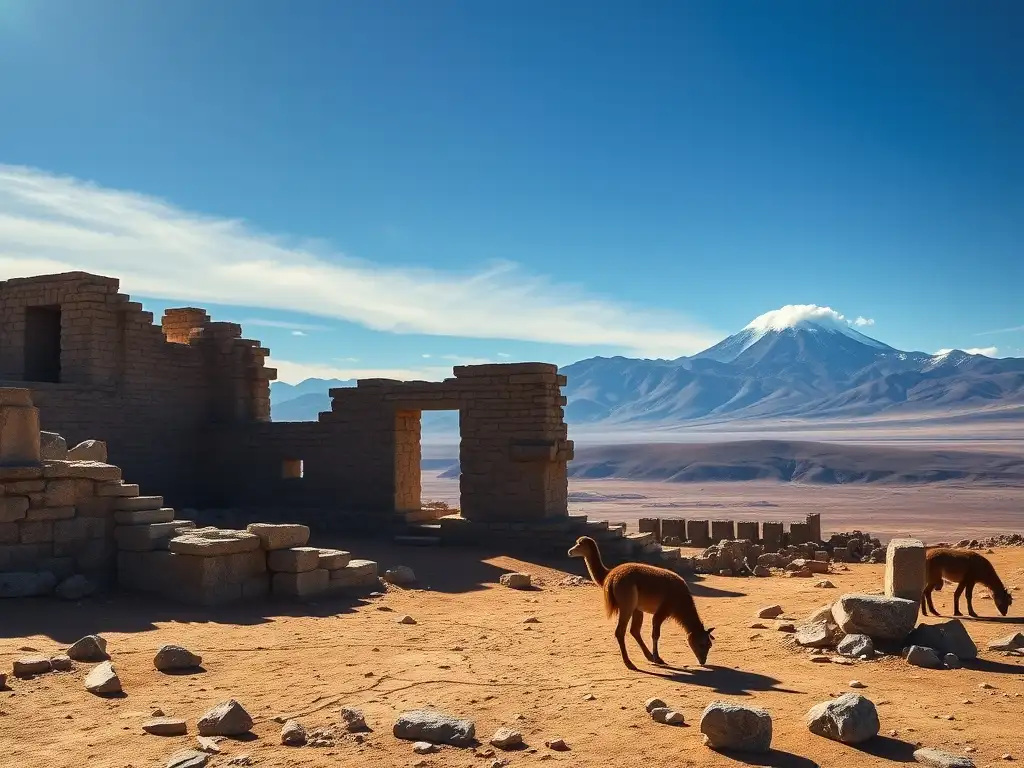
Step into a world lost to time, yet echoing in the Andes' majestic peaks. For centuries, the enigmatic Tiahuanaco civilization thrived, leaving behind a legacy of breathtaking artistry and sophisticated engineering. But what caused its sudden collapse? Discover the shocking impact of the Tiahuanaco civilization collapse on the rise of subsequent Andean states – a story of upheaval, adaptation, and the enduring power of cultural inheritance. Unravel the mystery and explore the fascinating consequences in our in-depth analysis.
The collapse of the Tiahuanaco civilization, a powerful Andean empire flourishing between approximately 500 and 1000 CE, remains one of the most intriguing mysteries of pre-Columbian history. Its sudden decline wasn't a simple event; rather, it was a complex process unfolding over decades, potentially involving a confluence of factors.
Understanding this collapse is crucial, as it profoundly impacted the political landscape of the Andes, directly influencing the rise and development of subsequent Andean states, including the Inca. This article delves into the various theories surrounding the Tiahuanaco civilization collapse and explores its significant impact on the trajectory of later Andean cultures, examining the effects on societal structures, technological advancements, and artistic expressions.
We'll analyze how the power vacuum left by Tiahuanaco's demise shaped the political and social fabric of the region, paving the way for new power structures and the eventual emergence of the Inca Empire. The keyword, "Tiahuanaco civilization collapse impact," will be central to our exploration of this pivotal moment in Andean history.
Environmental Factors and the Tiahuanaco Decline
The environmental conditions of the altiplano, the high-altitude plateau where Tiahuanaco thrived, played a significant role in its eventual decline. Evidence suggests a period of prolonged drought and climate change around the 10th century CE. This environmental stress likely impacted agricultural production, a cornerstone of Tiahuanaco's economy. The reduced availability of crucial resources like water and fertile land would have led to food shortages, social unrest, and ultimately, weakened the empire's ability to maintain its vast infrastructure and control its territory.
Furthermore, the reliance on sophisticated irrigation systems, which were vulnerable to the effects of prolonged drought, contributed to the severity of the crisis. The impact of this environmental stress was felt across the entire Tiahuanaco state, leading to widespread instability and ultimately, its fragmentation. Detailed analyses of pollen and sediment cores from the region offer compelling evidence supporting this hypothesis.
Internal Conflicts and Societal Instability
While environmental pressures undoubtedly played a role, internal conflicts and societal instability within Tiahuanaco itself likely exacerbated the situation. Evidence suggests a possible shift in power dynamics, perhaps stemming from internal rebellions or challenges to the ruling elite. The complexity of Tiahuanaco's social organization, with its stratified society and potential internal power struggles, may have contributed to the empire's vulnerability during a period of environmental stress.
Archaeological findings, such as changes in burial practices and the distribution of artifacts, hint at potential social upheaval and a breakdown of the established social order. The absence of a unified response to the environmental challenges further weakens the empire's resilience, suggesting internal divisions hindered effective crisis management.
The Rise of New Power Structures in the Post-Tiahuanaco Andes
The collapse of Tiahuanaco did not lead to a complete power vacuum. Instead, smaller regional states and kingdoms emerged from the ashes of the former empire, often inheriting aspects of Tiahuanaco culture and technology while adapting to the new circumstances. These successor states, such as the Wari and the later Inca, benefited from the pre-existing infrastructure and knowledge base developed by Tiahuanaco, but also adapted and modified them according to their specific needs and contexts.
The legacy of Tiahuanaco's sophisticated agricultural techniques, for example, was adopted and refined by subsequent Andean cultures. This process of adaptation and innovation demonstrates the enduring influence of Tiahuanaco despite its demise. The study of these successor states provides valuable insights into how societies respond to major societal disruptions and the ways in which cultural legacies are both preserved and transformed.
The Long-Term Impact on Andean Art and Technology
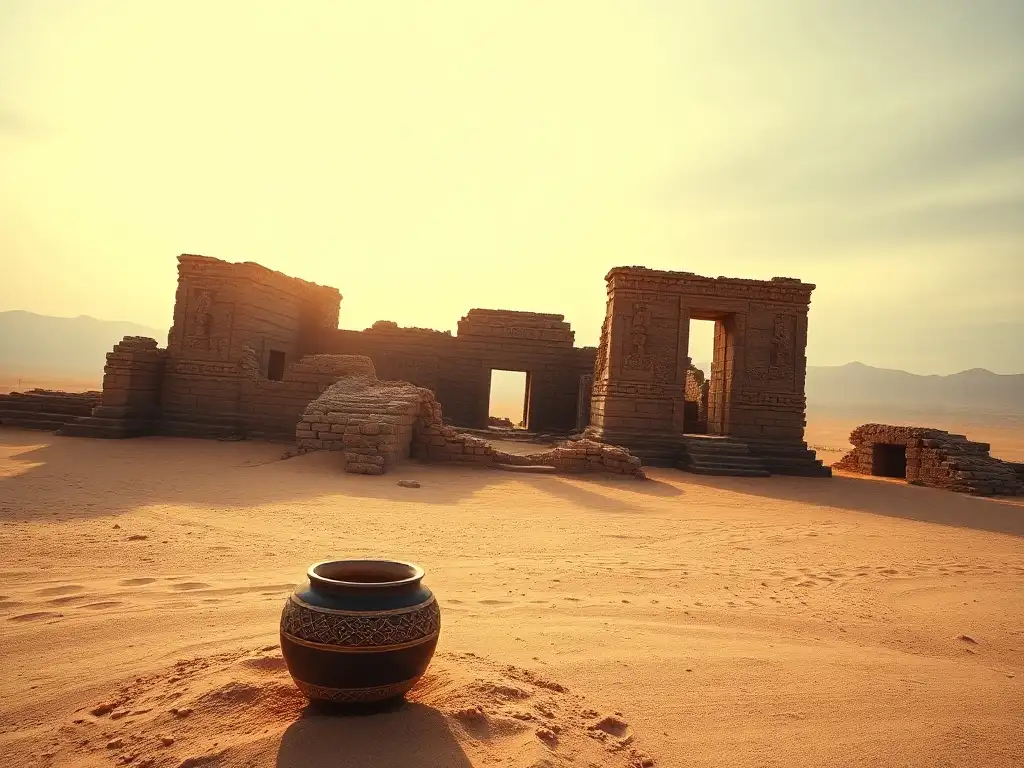
The Tiahuanaco civilization's artistic and technological innovations left an indelible mark on subsequent Andean cultures. The distinctive Tiahuanaco style, characterized by its monumental architecture, intricate textiles, and sophisticated metalworking techniques, influenced the artistic production of later Andean societies. Moreover, its advanced agricultural techniques, including sophisticated irrigation systems and terracing, were adopted and adapted by subsequent civilizations, shaping their agricultural practices for centuries to come.
This technological and artistic legacy is visible in the architecture, pottery, and metalwork of later Andean cultures, demonstrating the enduring impact of Tiahuanaco’s achievements. The continuity and adaptation of these elements highlight the long-term influence of Tiahuanaco on the artistic and technological landscape of the Andes.
Conclusion: A Legacy of Resilience and Adaptation
The disappearance of the Tiahuanaco civilization was not a simple event but a complex process shaped by environmental pressures, internal conflicts, and the inherent challenges of maintaining a large, geographically dispersed empire. However, its collapse did not signify the end of Andean civilization. Instead, it triggered a period of significant change and adaptation, paving the way for the rise of new power structures and the evolution of Andean cultures.
The enduring legacy of Tiahuanaco in the art, technology, and societal structures of later Andean states, including the Inca, underscores its profound and lasting impact on the region's history. The study of the Tiahuanaco civilization collapse impact remains a crucial aspect of understanding the complexity and resilience of Andean societies.
- Environmental Factors and the Tiahuanaco Decline
- Internal Conflicts and Societal Instability
- The Rise of New Power Structures in the Post-Tiahuanaco Andes
- The Long-Term Impact on Andean Art and Technology
- Conclusion: A Legacy of Resilience and Adaptation
- What caused the collapse of the Tiahuanaco civilization?
- What was the impact of Tiahuanaco's decline on the surrounding populations?
- How did the decline of Tiahuanaco affect the Inca civilization?
- What lasting legacies did the Tiahuanaco civilization leave behind?
- Where can I learn more about the Tiahuanaco civilization and its collapse?
The Fall of Tiahuanaco: A Turning Point in Andean History
The collapse of the Tiahuanaco civilization, a pivotal moment in Andean history, remains shrouded in mystery, sparking countless debates among archaeologists and historians. Its decline, spanning several centuries, wasn't a sudden cataclysm but a gradual process of weakening, ultimately leading to its fragmentation and the rise of successor states. Understanding this intricate process is crucial to grasping the subsequent trajectory of Andean societies and the lasting impact of Tiahuanaco's legacy. The "Tiahuanaco civilization collapse impact" is a significant area of study, revealing crucial insights into the dynamics of power, adaptation, and resilience in pre-Columbian South America.
Understanding the Tiahuanaco Civilization's Decline
Several interconnected factors contributed to Tiahuanaco's gradual decline. Environmental changes played a significant role. Evidence suggests a period of prolonged drought and climate instability, severely impacting agricultural production, the backbone of Tiahuanaco's economy. This agricultural crisis likely led to food shortages, social unrest, and ultimately, a weakening of the centralized state's control. The sophisticated irrigation systems that had once sustained the civilization may have been overwhelmed by the severity and duration of the drought. Furthermore, soil erosion and salinization, likely exacerbated by intensive agriculture, further reduced arable land.
Beyond environmental pressures, internal factors also contributed to Tiahuanaco's downfall. The sheer scale and complexity of the empire likely strained its administrative capabilities. Maintaining control over vast territories and diverse populations demanded considerable resources and logistical prowess.
Signs of internal conflict and power struggles are evident in the archaeological record, suggesting a potential weakening of the central authority and the emergence of regional factions vying for control. The exact nature of these internal conflicts remains unclear, but it's plausible that competition for resources, coupled with growing dissatisfaction among subject populations, contributed to the empire's instability. This internal fragmentation likely made the civilization more vulnerable to external pressures.
The Mysterious Collapse of the Tiahuanaco State
The precise timeline of Tiahuanaco's collapse is still debated, but the process appears to have unfolded over several centuries, rather than occurring suddenly. Archaeological evidence points to a gradual abandonment of key urban centers, indicating a slow decline rather than a complete, immediate collapse. The abandonment wasn't uniform; some settlements persisted longer than others, suggesting a complex process of regional adaptation and disintegration. This wasn't a simple case of a conquered empire; it was a more nuanced unraveling involving environmental stress, internal strife, and possibly external pressures from emerging regional powers.
The collapse of Tiahuanaco didn't lead to a complete societal vacuum. Instead, its disintegration fostered the emergence of new political entities and cultural expressions in the Andes. The legacy of Tiahuanaco's sophisticated technologies, artistic styles, and religious beliefs can be traced in the cultures that succeeded it.
These successor states, though distinct, often incorporated elements of Tiahuanaco's heritage, demonstrating the enduring influence of this once-powerful civilization. The study of these successor states and their relationship to Tiahuanaco provides crucial insights into the complexities of cultural transmission and adaptation in the Andean region. Understanding the "Tiahuanaco civilization collapse impact" is therefore essential to a complete understanding of later Andean civilizations.
The effects rippled outwards, shaping the political landscape and cultural identities of subsequent Andean societies for centuries to come. Further research, particularly in areas like detailed isotopic analysis of human remains to track dietary shifts and advanced dating techniques, is needed to refine our understanding of this crucial period in Andean history.
Tiahuanaco's Legacy: Impact on Subsequent Andean Cultures
The collapse of the Tiahuanaco civilization, a pivotal moment in Andean history, didn't mark an end but rather a transformation. Its disintegration profoundly impacted subsequent Andean cultures, leaving an undeniable legacy across various aspects of life. Understanding this impact is crucial to comprehending the rise and development of later Andean states, such as the Wari and Inca empires. The Tiahuanaco civilization collapse impact reverberated throughout the region, shaping political structures, religious beliefs, and artistic styles for centuries. The extent of this influence is a subject of ongoing scholarly debate, but several key areas clearly demonstrate its significance.
Tiahuanaco's Cultural and Political Influence
Tiahuanaco's sophisticated political organization, characterized by its extensive road network and centralized administration, served as a blueprint for later Andean empires. The Wari, for example, adopted and adapted many of Tiahuanaco's administrative techniques, creating a vast, interconnected state that controlled a significant portion of the central Andes. Evidence suggests the Wari actively incorporated elements of Tiahuanaco's administrative practices, possibly even adopting aspects of their bureaucratic structures.
This isn't to say that the Wari simply copied Tiahuanaco; rather, they selectively integrated features that suited their own context and needs. The Tiahuanaco civilization collapse impact on administrative systems is evident in the Wari's efforts to maintain regional control through similar, though not identical, methods.
Furthermore, Tiahuanaco's artistic and religious traditions left an enduring mark. The iconic Tiahuanaco style, characterized by its distinctive ceramics, monumental architecture, and intricate iconography, influenced subsequent artistic productions across the Andes. Many of the stylistic conventions and motifs found in Tiahuanaco art reappear in the art of later cultures, albeit often adapted and modified to reflect the evolving cultural landscape. The persistence of these stylistic elements highlights the enduring power of Tiahuanaco's cultural influence.
For example, certain ceramic styles and religious iconography show a clear lineage connecting Tiahuanaco to later Andean artistic traditions. This continuity in artistic expression points to a sustained cultural memory, even after the collapse of the Tiahuanaco state. The Tiahuanaco civilization collapse impact on art is demonstrably visible in the adaptations and transformations of its unique artistic style across succeeding cultural periods.
The Tiahuanaco Collapse Impact on Regional Power Dynamics
The disintegration of the Tiahuanaco state created a power vacuum in the central Andes, triggering a period of intense competition and conflict among various regional groups vying for dominance. This struggle for power profoundly shaped the political landscape of the region, leading to the emergence of new political entities and the restructuring of existing ones. The collapse did not lead to a simple return to smaller, independent polities.
Instead, it spurred a period of intense competition and reorganization, ultimately resulting in the rise of successor states like the Wari. The Tiahuanaco civilization collapse impact on regional power dynamics was a complex and multifaceted process, not a simple transition.
The vacuum left by Tiahuanaco's decline provided opportunities for ambitious regional leaders to expand their influence and consolidate power. The ensuing competition resulted in a period of instability and conflict, but also facilitated the development of new political and military strategies. The Wari, for instance, emerged from this turbulent period as a powerful state, likely capitalizing on the weakened position of other groups.
Analyzing the distribution of Wari sites reveals a deliberate strategy of territorial expansion, suggesting an opportunistic response to the collapse of Tiahuanaco. The Tiahuanaco civilization collapse impact on the regional political order was a catalyst for transformation, fostering competition and ultimately leading to the rise of a new dominant power.
The precise mechanisms of this transition are still being researched, but the overall impact is undeniable. Further research, particularly focusing on archaeological evidence from the period immediately following Tiahuanaco's decline, is needed to fully understand the complex interplay of factors that shaped this pivotal era.
The Rise of New Powers: Post-Tiahuanaco Andean States
The collapse of the Tiahuanaco civilization, a pivotal moment in Andean history, didn't result in a power vacuum. Instead, a complex interplay of factors led to the rise of several new Andean states, each building upon, adapting, and reacting to the legacy of Tiahuanaco. Understanding the impact of Tiahuanaco's decline is crucial to grasping the subsequent development of Andean societies, including the eventual rise of the Inca Empire. The "Tiahuanaco civilization collapse impact" reverberated across the region, shaping political landscapes and cultural practices for centuries.
Emergence of Local Chiefdoms After Tiahuanaco
The disintegration of the vast Tiahuanaco empire didn't lead to immediate chaos. Instead, a period of fragmentation saw the emergence of numerous smaller, localized chiefdoms. These entities, often based on pre-existing regional identities and power structures, filled the void left by the central authority of Tiahuanaco.
While some adopted aspects of Tiahuanaco culture, such as architectural styles or religious practices, they also developed unique characteristics reflecting their specific environments and traditions. Archaeological evidence suggests a diverse range of responses, with some regions experiencing a relatively smooth transition, while others faced significant upheaval and conflict.
The exact nature of this transition varied considerably across the Andean landscape, making it a complex and fascinating area of study for researchers focusing on the "Tiahuanaco civilization collapse impact". For example, the Huari, a powerful state that emerged in the south, clearly integrated elements of Tiahuanaco's cultural and political systems, while other groups demonstrated a more distinct divergence.
The Wari and Tiahuanaco: A Complex Relationship
The Wari state, flourishing in the central Andes between approximately 600 and 1000 CE, presents a compelling case study in the complexities of the post-Tiahuanaco era. The relationship between the Wari and Tiahuanaco remains a subject of ongoing debate among scholars. While some argue for a direct lineage, suggesting that the Wari inherited and expanded upon Tiahuanaco's administrative and cultural systems, others propose a more nuanced interaction.
Evidence suggests that the Wari adopted and adapted certain Tiahuanaco architectural styles and religious motifs, but they also developed unique administrative and political structures. This suggests a process of selective adoption rather than direct succession.
Furthermore, the Wari's expansion and consolidation of power likely involved both cooperation and conflict with other regional groups, influencing their cultural development and leaving a distinct mark on the Andean landscape. The Wari's success underscores the multifaceted "Tiahuanaco civilization collapse impact" and the dynamic processes of state formation in the Andes.
The Rise of the Inca Empire: Building on Tiahuanaco's Foundations
The Inca Empire, the most extensive and powerful pre-Columbian state in the Andes, ultimately emerged centuries after the fall of Tiahuanaco. However, the influence of Tiahuanaco on the Inca is undeniable. While separated by considerable time and distance, the Inca inherited and adapted numerous aspects of Tiahuanaco's legacy.
This influence is evident in Inca administrative systems, religious practices, and architectural styles. The Inca's sophisticated road network, for instance, may have drawn inspiration from earlier Andean road systems, possibly including those developed by Tiahuanaco. Furthermore, the Inca's centralized control and imperial organization might be seen as an evolution of earlier Andean state structures, including those that emerged in the aftermath of Tiahuanaco's decline.
The Inca's adoption and adaptation of these elements underscore the enduring and far-reaching "Tiahuanaco civilization collapse impact" on the trajectory of Andean civilization. The Inca Empire's success, in part, can be attributed to its ability to integrate and build upon the foundations laid by previous Andean societies, including the significant legacy of Tiahuanaco.
Tiahuanaco's Influence on Inca Culture and Administration
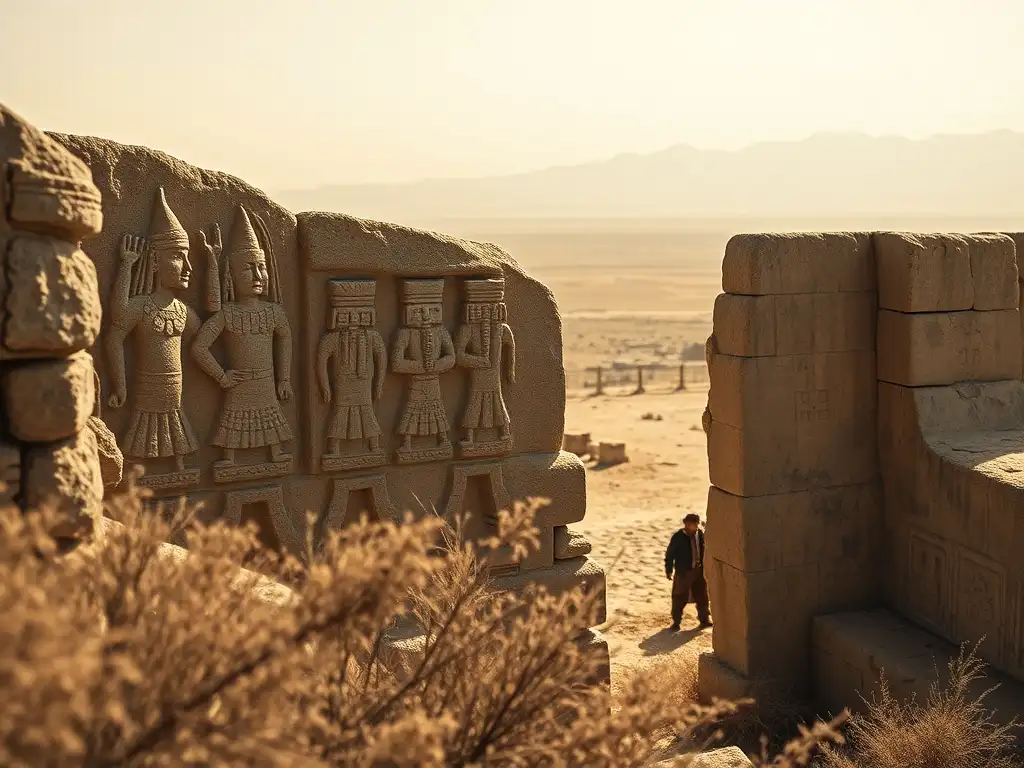
The collapse of the Tiahuanaco civilization, a pivotal moment in Andean history, left a profound impact on subsequent cultures, particularly the Inca. While the exact nature of the relationship remains a subject of ongoing scholarly debate – encompassing theories ranging from direct conquest to cultural diffusion – the evidence suggests a significant inheritance of Tiahuanaco's sophisticated systems of administration, religious beliefs, and agricultural practices by the burgeoning Inca empire.
Analyzing the Tiahuanaco civilization collapse impact on Inca society reveals a complex interplay of continuity and adaptation. The Inca, far from simply rejecting their predecessors, selectively adopted and modified aspects of Tiahuanaco culture to suit their own imperial ambitions.
This selective appropriation is a key factor in understanding the Inca's remarkable success in consolidating power and building a vast empire. The "Tiahuanaco civilization collapse impact" is therefore not solely about destruction, but also about cultural transformation and the emergence of new forms of power.
Tiahuanaco Architectural and Engineering Knowledge
The Incas, renowned for their impressive stonework, undoubtedly benefited from the advanced architectural and engineering techniques developed by the Tiahuanaco. The precise stone fitting, monumental structures, and sophisticated water management systems evident in Tiahuanaco sites like Puma Punku served as a blueprint, inspiring—or perhaps directly informing—Inca constructions. Consider the meticulous precision of Inca masonry, often cited as unparalleled in its era.
The mastery of complex stone-cutting and fitting techniques, including the use of sophisticated tools and methods for shaping and joining massive blocks, bears a striking resemblance to Tiahuanaco's architectural legacy. While the Inca certainly refined and adapted these techniques to their own needs, the foundational knowledge undoubtedly originated from, or at least was heavily influenced by, the Tiahuanaco civilization.
The impact of the Tiahuanaco's advanced engineering skills is clearly visible in the Inca's impressive infrastructure projects, from their intricate road networks to their robust irrigation systems. Further research into the specific tools and techniques used in both civilizations could reveal even stronger links.
Tiahuanaco's Impact on Inca Religious Beliefs
The religious beliefs of the Inca Empire show clear evidence of Tiahuanaco's lasting influence. While the Inca pantheon differed significantly from that of Tiahuanaco, certain symbolic motifs, ritual practices, and even the very structure of religious authority appear to have been inherited or adapted. For example, the veneration of certain deities and the use of specific ritual objects – like specific types of ceramics or textiles – reveal potential connections.
The Inca's emphasis on ancestor worship, a central tenet of their religious system, also suggests a possible connection to Tiahuanaco's own complex funerary practices and beliefs about the afterlife. Furthermore, the Inca's use of specific astronomical observations for religious and agricultural purposes may have roots in the sophisticated astronomical knowledge attributed to Tiahuanaco.
While separating indigenous Inca beliefs from Tiahuanaco influence is challenging, the similarities are striking enough to suggest a significant cultural legacy. Further investigation into Inca mythology and religious texts could reveal more subtle connections and offer a more nuanced understanding of this cultural inheritance.
Tiahuanaco's Legacy in Inca Agricultural Techniques
The Inca's mastery of agriculture, particularly their sophisticated terracing techniques and advanced irrigation systems, owe a significant debt to the Tiahuanaco civilization. The Tiahuanaco people developed remarkable agricultural techniques adapted to the challenging Andean environment, including raised fields and intricate canal systems. These innovations allowed them to cultivate crops efficiently in high-altitude regions.
The Inca, inheriting these techniques, further refined and expanded upon them, creating extensive agricultural terraces that transformed the landscape and supported their growing population. The remarkable productivity of Inca agriculture is partially attributable to the technological advancements inherited from, or inspired by, the Tiahuanaco.
The similarities in agricultural practices, particularly the use of raised fields and sophisticated irrigation systems, strongly suggest a direct lineage, although the precise mechanisms of this transfer remain to be fully elucidated. The study of agricultural practices in both civilizations, combined with archaeological evidence, holds the key to understanding the full extent of this legacy and the influence of the "Tiahuanaco civilization collapse impact" on subsequent agricultural innovations.
Long-Term Effects of the Tiahuanaco Civilization Collapse
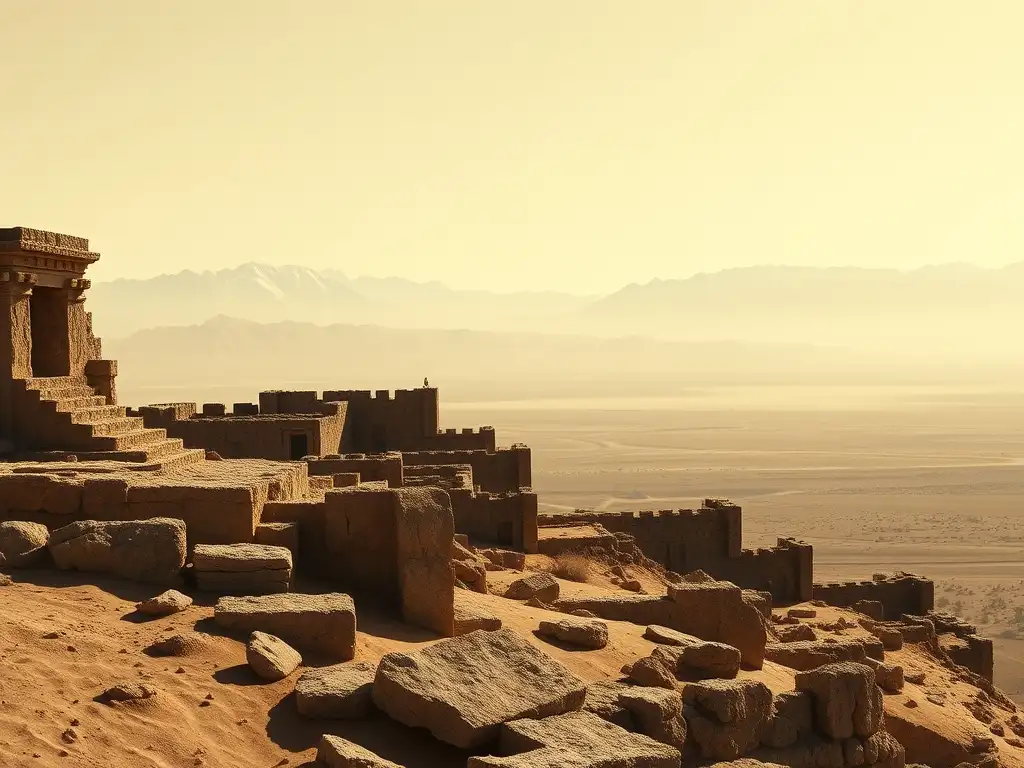
The collapse of the Tiahuanaco civilization, a pivotal moment in Andean history, wasn't simply a localized event; its repercussions reverberated across the region for centuries, profoundly shaping the trajectory of subsequent Andean states. Understanding the long-term effects requires examining not only the immediate consequences of its decline – such as societal upheaval and population displacement – but also the subtle, enduring legacies that influenced the cultural, political, and technological development of successor cultures.
The impact of the Tiahuanaco civilization collapse was multifaceted, leaving a complex tapestry of influence woven into the fabric of later Andean societies. This impact is a crucial element in understanding the "Tiahuanaco civilization collapse impact" on the broader Andean world.
Analyzing the Tiahuanaco Collapse Impact on Andean Societies
The disintegration of the Tiahuanaco state created a power vacuum in the southern Andes, triggering a period of fragmentation and competition among various regional groups. This wasn't a complete societal breakdown, however. Many aspects of Tiahuanaco culture – its sophisticated irrigation systems, its monumental architecture, and certain religious beliefs – continued to influence successor societies.
For instance, the Wari and Huari cultures, emerging in the central Andes around the same time, adopted and adapted several Tiahuanaco architectural styles and administrative strategies. The extent to which this was a direct result of the Tiahuanaco collapse or simply a shared cultural heritage remains a subject of ongoing debate among scholars studying the "Tiahuanaco civilization collapse impact."
We can analyze this impact through several lenses:
- Political Fragmentation: The centralized Tiahuanaco state fractured into smaller, independent polities. This led to increased warfare and competition for resources, a dynamic that characterized the Andean region for several centuries following the collapse.
- Economic Disruption: The sophisticated trade networks maintained by Tiahuanaco were disrupted, leading to localized economic hardship and the emergence of new trade routes and patterns. This shift affected the distribution of goods, including essential resources like food and textiles.
- Cultural Transformation: While elements of Tiahuanaco culture persisted, they were often reinterpreted and adapted by successor groups. Religious beliefs, artistic motifs, and architectural styles were selectively incorporated into new cultural expressions, resulting in a complex blend of continuity and change. This process of cultural adaptation reflects the lasting "Tiahuanaco civilization collapse impact" on Andean identity and artistic expression.
The precise timeline and causes of the Tiahuanaco decline are still being investigated, but the consequences are undeniably profound. The absence of a dominant power created an environment of intense competition and innovation, ultimately shaping the emergence of later powerful Andean states like the Inca. The study of this period provides critical insights into the resilience and adaptability of Andean societies in the face of significant societal upheaval.
The Enduring Tiahuanaco Influence in the Andes
Despite its decline, the legacy of Tiahuanaco resonates powerfully throughout the Andes. Many subsequent cultures borrowed and modified elements of Tiahuanaco technology, religious practices, and artistic styles. The impact of Tiahuanaco's sophisticated water management systems, for example, is evident in the irrigation techniques employed by later Andean societies. This technological inheritance facilitated agricultural production and supported population growth.
Furthermore, the religious iconography and cosmological beliefs of Tiahuanaco found their way into the belief systems of later cultures. While the exact nature of this transmission is not fully understood, the presence of similar motifs and symbolic representations in subsequent Andean art suggests a significant cultural continuity. The enduring influence of Tiahuanaco art is particularly visible in the stylistic features of ceramics, textiles, and monumental architecture found in later Andean sites. This points to a complex interplay of cultural exchange and adaptation, highlighting the long-term consequences of the "Tiahuanaco civilization collapse impact."
The Tiahuanaco civilization's influence extended beyond its immediate geographical area. The spread of its cultural traits through trade and migration contributed to a broader cultural exchange across the Andes, enriching the cultural landscape of the region. This long-lasting impact underscores the significance of Tiahuanaco as a pivotal civilization in Andean history and the enduring relevance of studying its collapse and its lasting effects. Understanding the "Tiahuanaco civilization collapse impact" allows us to appreciate the dynamic and interconnected nature of Andean societies and their capacity for both innovation and adaptation.
Conclusion: Reflecting on the Tiahuanaco Enigma
The collapse of the Tiahuanaco civilization remains a compelling enigma, prompting ongoing scholarly debate and fueling our fascination with this once-powerful Andean state. While the precise causes remain elusive, a confluence of factors – including climate change, internal strife, and perhaps overextension of resources – likely contributed to its decline. Understanding this decline is not merely an academic exercise; it offers crucial insights into the broader dynamics of societal collapse and resilience in the Andean region, and more broadly, in human history.
The impact of Tiahuanaco's fall reverberated throughout the Andes, shaping the trajectory of subsequent cultures and leaving an indelible mark on the region's cultural landscape. The study of this civilization's demise is, therefore, vital to a complete understanding of Andean history. The disappearance of Tiahuanaco presents a compelling case study in the fragility of even the most sophisticated societies and the unpredictable nature of historical change.
The lessons learned from its collapse can inform our understanding of contemporary societal challenges and offer valuable perspectives on sustainable development and social stability. Further research into the Tiahuanaco civilization collapse impact, encompassing detailed climatic data, archaeological excavations, and sophisticated modeling techniques, is crucial to piecing together a more complete and nuanced understanding of this pivotal moment in Andean history.
The Importance of Understanding Tiahuanaco's Decline
Understanding the Tiahuanaco civilization collapse impact is paramount for several reasons. First, it allows us to refine our understanding of societal resilience and vulnerability. The factors contributing to Tiahuanaco's downfall—environmental stress, internal conflicts, and potential economic pressures—are not unique to this civilization. By studying its decline, we gain insights into the complex interplay of factors that can lead to the disintegration of even highly organized societies.
This knowledge holds relevance for understanding modern societal challenges, including climate change adaptation and conflict resolution. Second, the collapse of Tiahuanaco directly impacted the development of subsequent Andean civilizations. The power vacuum created by its decline led to a period of fragmentation and competition, ultimately shaping the rise of new states and empires, such as the Inca. Understanding this transition is crucial to comprehending the broader trajectory of Andean history and the complex interplay between continuity and change.
Finally, the study of Tiahuanaco's decline highlights the importance of considering long-term environmental and social factors in the assessment of societal stability. Ignoring these factors can lead to an incomplete and potentially misleading interpretation of historical processes. The Tiahuanaco case demonstrates the crucial need for a holistic, interdisciplinary approach to understanding the rise and fall of civilizations.
Tiahuanaco's Lasting Contribution to Andean Civilization
Despite its collapse, the Tiahuanaco civilization left a profound and lasting legacy on Andean culture. Its sophisticated agricultural techniques, advanced architectural skills, and intricate religious beliefs influenced subsequent Andean societies for centuries. The Tiahuanaco's influence can be seen in the adoption of their distinctive architectural styles, religious iconography, and agricultural methods by later cultures. For example, the use of raised fields, a sophisticated irrigation technique developed by the Tiahuanaco, was adopted and adapted by later Andean communities.
Similarly, certain stylistic elements in pottery and textiles from later cultures bear clear evidence of Tiahuanaco influence. Furthermore, the religious beliefs and cosmological worldview of Tiahuanaco likely played a significant role in shaping the religious practices and beliefs of succeeding Andean civilizations. The Tiahuanaco's legacy is not merely a matter of material culture; it extends to the realm of ideas and beliefs.
The widespread adoption and adaptation of Tiahuanaco's cultural practices across the Andean region underscore its significant and enduring impact on the development of subsequent Andean societies. The continued presence of Tiahuanaco-inspired motifs and practices in later Andean cultures provides tangible evidence of the civilization's enduring legacy, even after its decline. Analyzing this influence helps us understand the processes of cultural transmission and adaptation in the Andean world.
Further Research Areas
Future research should focus on:
- More detailed paleoclimatic data to refine our understanding of environmental pressures.
- Advanced isotopic analysis of human remains to explore dietary changes and migration patterns.
- Comparative studies of Tiahuanaco's administrative structures and those of its successor states.
Frequently Asked Questions
What caused the collapse of the Tiahuanaco civilization?
The precise cause remains debated, but likely involved a combination of factors: environmental changes (like drought), internal strife, and overextension of their resources and empire. No single factor is solely responsible.
What was the impact of Tiahuanaco's decline on the surrounding populations?
The collapse created a power vacuum in the Andean region. This led to fragmentation and the rise of new, smaller states vying for dominance in the subsequent centuries. Political and social upheaval followed.
How did the decline of Tiahuanaco affect the Inca civilization?
While the Inca emerged much later, the political landscape shaped by Tiahuanaco's fall likely influenced their expansion and development. They inherited and adapted elements of Tiahuanaco's infrastructure and culture, but also faced a different set of challenges.
What lasting legacies did the Tiahuanaco civilization leave behind?
Tiahuanaco left a significant architectural legacy, with impressive monumental structures still visible today. Their religious beliefs and artistic styles impacted later Andean cultures, leaving a lasting mark on the region's artistic traditions.
Where can I learn more about the Tiahuanaco civilization and its collapse?
You can explore further by researching academic journals and books focusing on Andean archaeology and history. Many museums also house artifacts and exhibits dedicated to the Tiahuanaco civilization and its rich heritage.
Final Reflection: Echoes of Tiahuanaco: A Legacy in Stone and Spirit
The collapse of the Tiahuanaco civilization wasn't merely a historical event; it was a seismic shift that reverberated through Andean history, shaping the political and cultural landscape of subsequent empires. The intricate web of power, trade, and religious belief that Tiahuanaco meticulously wove ultimately unravelled, leaving behind a legacy of both destruction and innovation that continues to fascinate and inform us today. Understanding this collapse is crucial to comprehending the complex tapestry of Andean history and the enduring power of cultural adaptation.
The impact of Tiahuanaco's decline is profoundly felt even now, not just in the archaeological record but in the very fabric of Andean identity. The fragmented remnants of its once-grand structures serve as a poignant reminder of the fragility of even the most sophisticated societies. The subsequent rise of states like the Wari and Inca, while distinct, undeniably bear the imprint of Tiahuanaco's legacy. Their innovations in agriculture, administration, and religious practices often echo, albeit transformed, the achievements of their predecessor. As the historian John Murra eloquently stated, The Inca Empire was not a sudden creation, but the culmination of a long process of Andean development.
This sentiment perfectly encapsulates the enduring influence of Tiahuanaco on the trajectory of Andean civilization.
Consider the lessons embedded within Tiahuanaco's rise and fall. What can we learn from its successes and failures? How can we, as individuals and societies, better understand the factors that contribute to both societal flourishing and decline? Take a moment to reflect on the interconnectedness of history and the enduring power of cultural legacies. Let the enigma of Tiahuanaco inspire you to explore the complexities of the past and to build a future informed by the wisdom—and the warnings—of civilizations that came before.
Unveil the Mysteries of Andean Heritage!
Thank you for exploring the fascinating enigma of Tiahuanaco with us. You've gained valuable insights into the significant impact of ancient Andean civilizations. Now, let's delve even deeper into the rich history of the region.
Here are some suggestions to further your exploration:
- Expand your knowledge: Explore additional resources on Andean civilizations to deepen your understanding of their cultural significance. Consider reputable academic journals, books, and documentaries.
- Join the discussion: Share your thoughts and questions in the comments below, or connect with other history enthusiasts on our social media platforms. We encourage lively and respectful conversations.
- Immerse yourself: If possible, plan a visit to a museum or historical site showcasing Andean artifacts and history. Experiencing these relics firsthand offers an unparalleled perspective.
What aspect of Andean history captivates you most, and how do you think it influences our understanding of contemporary societies?