
Paracas Mummies: Preserved Secrets of the Ancient Peruvian Coast

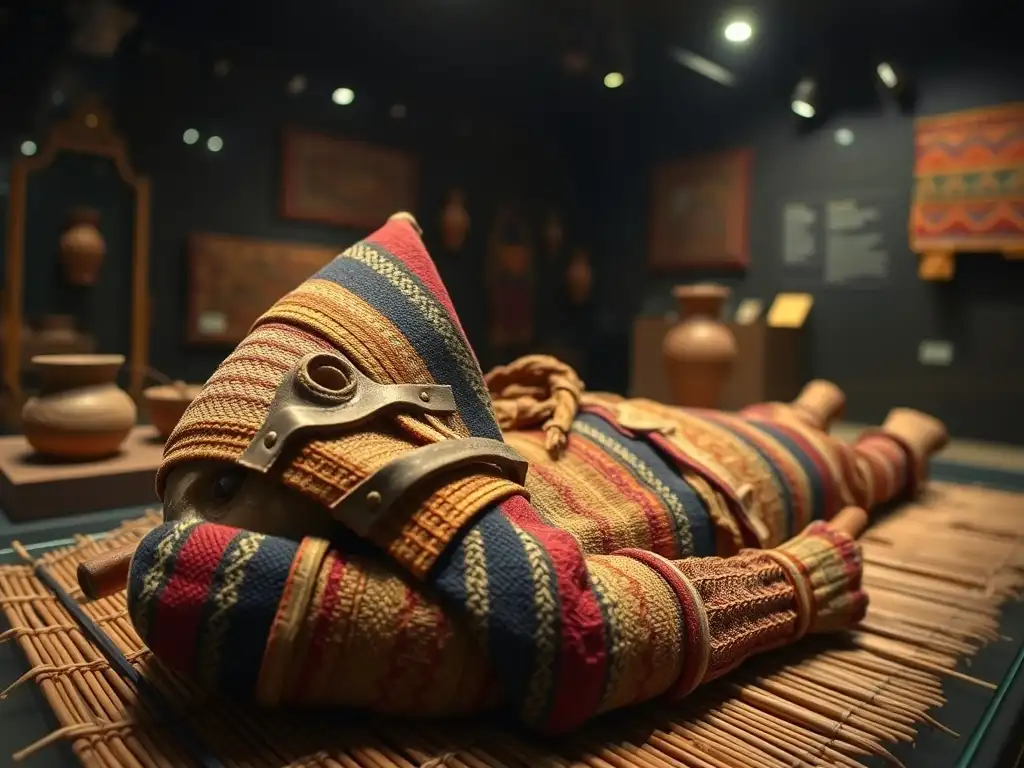
Dive into the enigmatic world of the Andean civilizations! From the towering heights of the Inca Empire to the breathtaking artistry of the Nazca lines, a tapestry of fascinating cultures awaits. But have you ever considered the chilling secrets held within the remarkably preserved Paracas mummies? Their silent stories whisper of advanced practices and a vibrant past—a journey into their mysteries begins now. Unravel the enigma and discover the astonishing truth behind the Paracas mummies' secrets.
The arid coastal plains of southern Peru hold a treasure trove of archaeological wonders, none more enigmatic than the Paracas mummies. These remarkably preserved remains, dating back to approximately 800 BCE to 100 CE, offer a unique window into the lives, beliefs, and practices of the Paracas culture, a sophisticated pre-Inca civilization that thrived along the Peruvian coast. This article delves into the captivating secrets revealed by these extraordinary mummies, exploring their distinctive cranial deformation, complex burial rituals, and the insights they provide into the Paracas understanding of life, death, and the afterlife.
Uncovering the mysteries surrounding the Paracas mummies helps us understand not only this specific culture but also the broader tapestry of Andean civilizations and their enduring legacy. The secrets locked within these ancient remains continue to fascinate and challenge archaeologists and historians alike, offering a compelling narrative of a people who left an indelible mark on Peruvian history.
We will explore the techniques used for mummification, the unique characteristics of Paracas mummies, and the ongoing research that continues to unveil new information about this captivating culture. Prepare to be amazed by the preserved secrets of the ancient Peruvian coast.
The Distinctive Cranial Deformation of Paracas Mummies
One of the most striking features of Paracas mummies is their elongated skulls. This intentional cranial deformation, achieved through tightly binding infants' heads for extended periods, was a common practice among the Paracas people, though the precise reasons remain a subject of ongoing debate. Some theories suggest it was a status symbol, signifying social rank or affiliation with a particular group. Others propose it was a ritualistic practice, linked to their beliefs about beauty, divinity, or even a connection to the supernatural.
The techniques used to achieve this cranial modification were surprisingly sophisticated, indicating a high level of understanding of cranial biomechanics and the ability to manipulate bone growth without causing significant harm. Archaeological findings suggest a wide range of deformation styles, varying in the degree and direction of elongation, potentially reflecting different social strata or clan affiliations within Paracas society. Further research is needed to fully understand the complexities of this practice and its significance within the broader context of Paracas culture. The sheer number of mummies exhibiting this deformation is itself a testament to the widespread nature of this cultural practice.
Unveiling the Secrets of Paracas Mummification Techniques
The exceptional preservation of Paracas mummies is a testament to the advanced mummification techniques employed by the Paracas people. Unlike the Incas, who primarily used desiccation, the Paracas developed a sophisticated process involving the removal of internal organs, careful cleaning and drying of the body, and the application of various substances, including plant resins and possibly even pigments, to preserve the remains.
This elaborate process, often taking several months to complete, resulted in an incredibly high level of preservation, allowing researchers to study not only the skeletal structure but also soft tissues, hair, and even remnants of clothing and adornments.
The precise ingredients and techniques used in Paracas mummification are still being investigated. Analyses of organic residues and pigments found on the mummies are slowly revealing the secrets of their preservation methods, shedding light on the advanced knowledge of botany and chemistry possessed by the Paracas culture. The level of detail and care demonstrated in the mummification process underscores the significance the Paracas placed on death and the afterlife. The mummies were not simply preserved; they were meticulously prepared for their journey into eternity.
Elaborate Burial Practices and Grave Goods
The discovery of Paracas mummies is often accompanied by an array of elaborate grave goods, providing further insights into their beliefs and social structures. These grave goods, ranging from intricately woven textiles and stunning pottery to precious metals and elaborate headdresses, reflect the wealth and sophistication of Paracas society. The careful placement of these objects within the tombs suggests a highly structured belief system, where the deceased were provided with the necessities and comforts needed for their journey into the afterlife.
The variety and quality of grave goods also hint at social hierarchies, with individuals of higher status receiving more elaborate burials than those of lower rank. The analysis of these grave goods continues to unveil new information about Paracas social organization, artistic expression, and their worldview. The sheer artistry and craftsmanship evident in these objects are a testament to the skilled artisans of the Paracas culture.
Ongoing Research and New Discoveries: The Enduring Mystery of Paracas Mummies
Research on Paracas mummies is an ongoing process, with new discoveries continually challenging and refining our understanding of this fascinating culture. Advanced techniques such as DNA analysis, radiocarbon dating, and isotopic studies are providing increasingly precise information about the Paracas people's origins, diet, health, and genetic relationships with other Andean populations. The analysis of textile samples reveals intricate weaving techniques and the use of rare dyes, highlighting the sophistication of Paracas craftsmanship.
Furthermore, ongoing excavations at Paracas burial sites continue to unearth new mummies and artifacts, promising further insights into this enigmatic civilization. The secrets of the Paracas mummies continue to beckon, promising a wealth of future discoveries that will further illuminate the rich tapestry of Andean history. The mysteries surrounding these ancient remains serve as a reminder of the enduring power of the past and the ongoing quest to understand our human heritage.
- The Distinctive Cranial Deformation of Paracas Mummies
- Unveiling the Secrets of Paracas Mummification Techniques
- Elaborate Burial Practices and Grave Goods
- Ongoing Research and New Discoveries: The Enduring Mystery of Paracas Mummies
Unveiling the Enigmatic Paracas Culture and Its Burial Practices
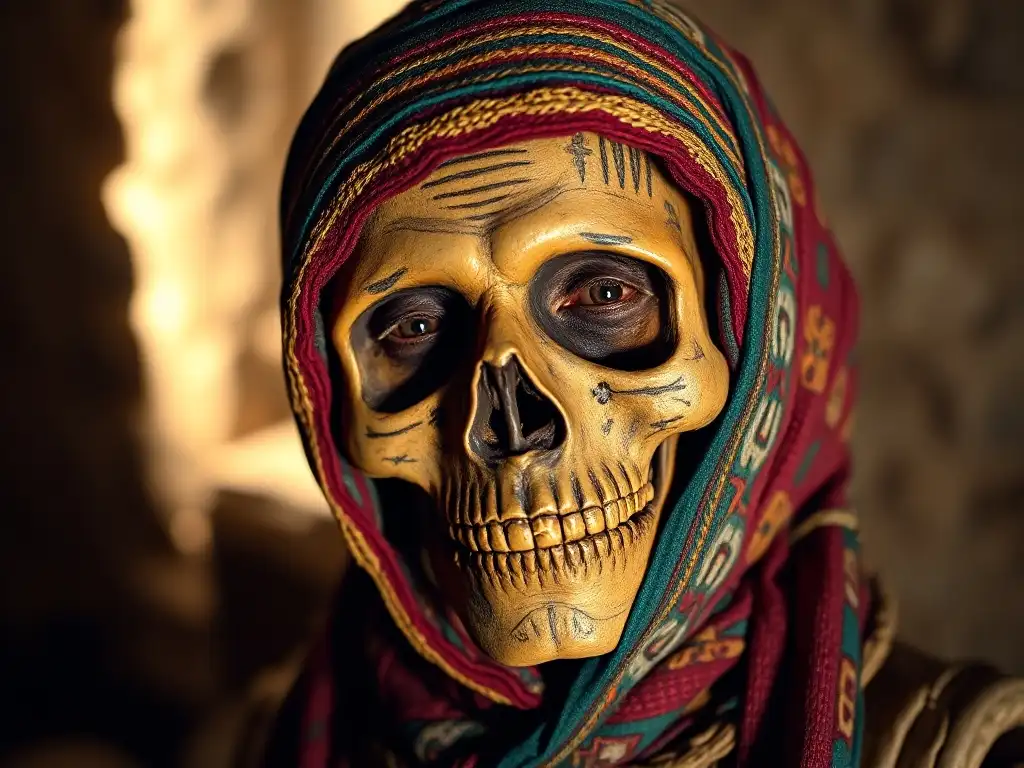
This section delves into the fascinating world of the Paracas culture, focusing on their unique burial practices and the secrets held within their extraordinary mummies. The Paracas, a pre-Inca civilization flourishing on the southern coast of Peru between 800 BCE and 200 CE, left behind a rich legacy of intricate textiles, impressive ceramics, and, most notably, their incredibly well-preserved mummies. Understanding their burial rituals provides invaluable insight into their beliefs, social structures, and worldview.
The sheer volume and quality of their mummification techniques and associated grave goods make the Paracas mummies secrets a compelling area of ongoing research for archaeologists and historians alike. Unlocking these secrets offers a glimpse into the complex lives of this remarkable ancient society. The Paracas mummies secrets are not just about preservation; they're a window into a lost world.
The Paracas Culture: A Coastal Civilization in Ancient Peru
The Paracas culture thrived along the arid, desert coastline of southern Peru, a region characterized by its harsh environment yet surprisingly rich in marine resources. Their mastery of fishing and agriculture, particularly the cultivation of cotton—a key element in their renowned textile production—allowed them to prosper in this challenging landscape. Evidence suggests a sophisticated social hierarchy, with distinct classes reflected in the quality and quantity of grave goods found in their burial sites.
Archaeological discoveries consistently reveal intricate textiles, finely crafted ceramics, and elaborate gold and silver ornaments, suggesting a complex social structure and a highly developed artistic sensibility. The Paracas also displayed advanced knowledge of surgery, as evidenced by trepanation (skull surgery) performed on some individuals, further highlighting their medical and technological prowess. The secrets of the Paracas mummies are intertwined with the secrets of this innovative and resilient coastal society.
Unique Burial Rituals of the Paracas People
Paracas burial practices were anything but ordinary. Unlike many other ancient cultures, the Paracas didn't simply bury their dead. They engaged in an elaborate process of mummification, often involving the removal of internal organs and the careful preservation of the body using a variety of techniques. The mummies were then adorned with elaborate textiles and placed in bundles, sometimes containing multiple individuals, within subterranean tombs.
The intricacy and scale of these burial sites speak volumes about the importance of funerary rites in Paracas society. These weren't mere burials; they were elaborate, carefully planned ceremonies reflecting a deep-seated belief system. Many Paracas mummies secrets lie in the careful study of these rituals and the artifacts found within the graves. The sheer quantity of textiles, often featuring vibrant colors and complex designs, suggests a deep reverence for the afterlife and a belief in the continued existence of the spirit.
- Tombs: Often found in subterranean chambers, sometimes containing multiple mummies.
- Textiles: Intricate and elaborate fabrics, demonstrating advanced weaving techniques.
- Grave Goods: Ceramics, gold and silver ornaments, and other artifacts reflecting social status.
- Mummification Techniques: A complex process involving organ removal and body preservation.
The Significance of Mummification in Paracas Society
The meticulous mummification process employed by the Paracas wasn't just a practical method of preservation; it held profound social and religious significance. The elaborate preparation of the bodies, the careful selection and placement of grave goods, and the construction of complex tombs all point to a deeply rooted belief system centered around ancestor veneration and the afterlife. The Paracas mummies secrets are closely tied to understanding their beliefs about death and the transition to the spirit world.
The sheer number of mummies discovered suggests that mummification was a widespread practice, accessible across different social strata, although the quality of the mummification and the accompanying grave goods would have varied depending on social status. The Paracas mummies secrets, therefore, are not simply about the techniques of preservation but also about the societal values and beliefs that shaped this practice. Further research into the chemical composition of the preservation materials and the isotopic analysis of the mummies may reveal additional details about their diet, health, and social practices, further unlocking the Paracas mummies secrets.
The exceptional preservation of these mummies provides a unique opportunity to learn more about the lives, health, and beliefs of this remarkable ancient civilization. The study of Paracas mummies secrets is an ongoing process, promising to reveal even more about this fascinating culture in the years to come.
The Astonishing Preservation of Paracas Mummies
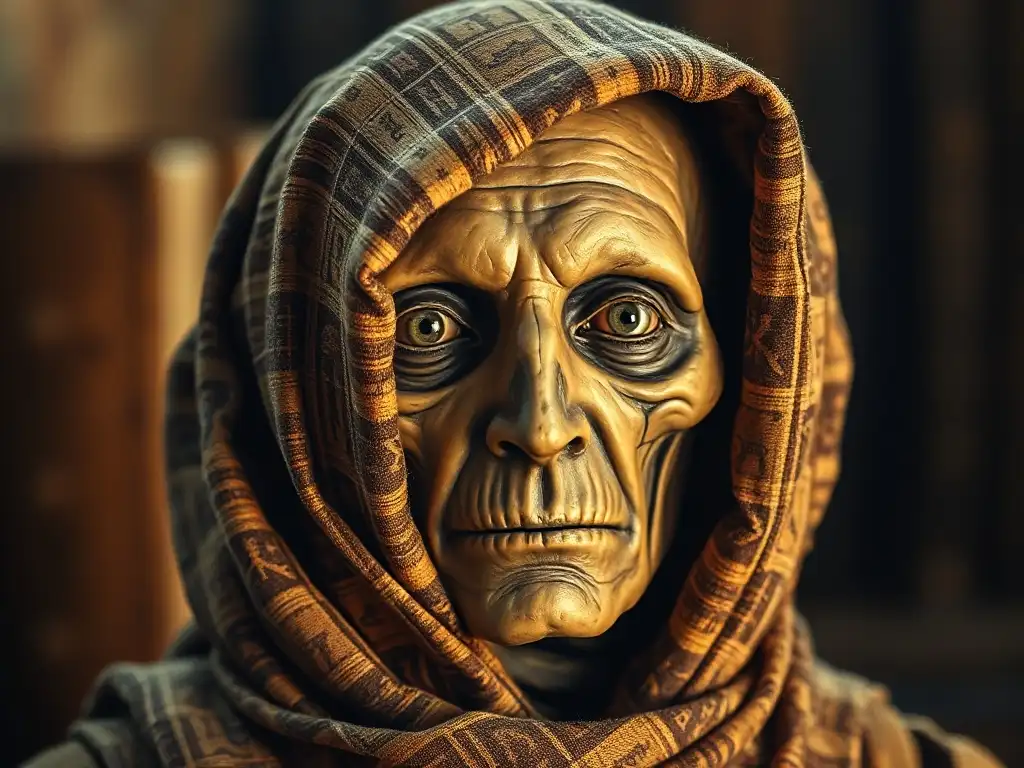
The Paracas culture, flourishing on the southern coast of Peru between 700 BCE and 200 CE, left behind a legacy unlike any other: remarkably well-preserved mummies. These aren't simply desiccated remains; they are often astonishingly intact, revealing intricate details about the individuals' lives, health, and even their final rites. The exceptional preservation of Paracas mummies, a key element of the "Paracas mummies secrets", is a testament to a combination of natural environmental factors and sophisticated intentional mummification techniques.
The unique conditions of the Paracas peninsula, coupled with the meticulous practices of the culture, resulted in some of the best-preserved mummies in the world, offering unparalleled insights into the Paracas people and their beliefs. Unraveling the secrets behind this preservation is crucial to understanding the broader context of their civilization and its place within the tapestry of Andean history.
Environmental Factors Contributing to Mummification
The arid climate of the Paracas peninsula played a pivotal role in the natural mummification process. The extremely low humidity and intense sun characteristic of the region created an environment hostile to microbial growth, significantly slowing down decomposition. The desert's dry air effectively drew moisture from the bodies, inhibiting the bacteria and fungi that typically cause decay.
Furthermore, the sandy soil acted as a natural insulator, protecting the bodies from extreme temperature fluctuations. This naturally arid environment provided the perfect foundation for the Paracas' mummification practices, significantly aiding the preservation process and enhancing the longevity of the remains. The specific combination of low humidity, high temperatures, and well-drained sandy soil created conditions uniquely suitable for natural mummification, a crucial component of the "Paracas mummies secrets".
Techniques Used in the Paracas Mummification Process
While the environment provided a natural advantage, the Paracas people didn't rely solely on nature. They employed sophisticated techniques to further enhance the preservation of their deceased. Evidence suggests a multi-step process, likely involving:
- Evisceration: While not always systematic, some mummies show signs of internal organ removal, potentially to further inhibit decay. The extent of this practice varies across individual mummies.
- Drying: After evisceration (if performed), the bodies were likely subjected to a drying process, perhaps through exposure to sun and wind, accelerating the natural desiccation process.
- Salting: The use of salt, a known preservative, may have been employed to further draw out moisture and inhibit microbial growth. This is supported by archaeological findings in certain burial contexts.
- Embalming: While the precise ingredients are unknown, the use of plant-based or other organic compounds as embalming agents remains a possibility, contributing to the remarkable preservation. Further research is needed to definitively identify the substances used.
The combination of these techniques, coupled with the naturally arid environment, resulted in the extraordinary preservation seen in many Paracas mummies, adding another layer to the "Paracas mummies secrets". The level of sophistication in their practices suggests a deep understanding of the processes of decay and preservation.
Elaborate Textile Wrappings and Burial Bundles
Beyond the mummification process itself, the elaborate textile wrappings and burial bundles further contributed to the preservation. The Paracas are renowned for their mastery of textile arts, and this skill was extended to the burial of their dead. Mummies were often wrapped in layers upon layers of finely woven textiles, creating a protective barrier against the elements and further inhibiting decomposition.
These textiles, often richly decorated with intricate designs and vibrant colors, formed elaborate bundles that served not only as protection but also as a visual testament to the individual's status and the Paracas' artistic prowess. The textiles themselves also offer valuable insights into the culture's artistic traditions and technological capabilities, enhancing our understanding of the "Paracas mummies secrets".
The meticulous craftsmanship evident in these wrappings highlights the importance placed on honoring the deceased and preserving their physical forms for posterity. The textiles, often showcasing vibrant colors even after centuries, are a testament to the remarkable durability of Paracas weaving techniques, adding another layer to the overall mystery and intrigue surrounding these ancient remains.
Decoding the Secrets Held Within Paracas Mummies
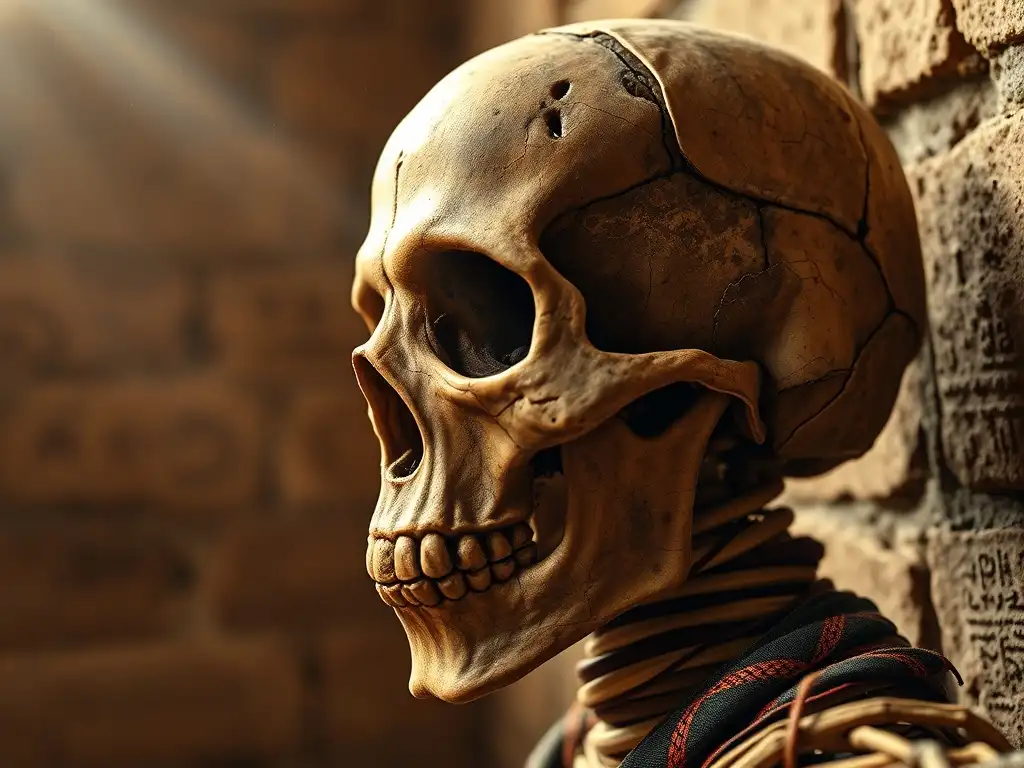
The Paracas culture, flourishing on the southern coast of Peru from roughly 800 BCE to 100 CE, left behind an enigmatic legacy, most notably their remarkably preserved mummies. These aren't just mummies; they are windows into a sophisticated society with unique burial practices and a complex worldview. The secrets held within these ancient remains continue to fascinate and challenge researchers today, offering glimpses into their medical practices, artistic talents, and genetic heritage.
The study of Paracas mummies provides invaluable insights into the "Paracas mummies secrets" that have captivated researchers for generations. Analyzing these secrets helps us understand the unique cultural practices and societal structures of this enigmatic civilization.
Cranial Deformation and Trepanation: Insights into Paracas Medical Practices
One of the most striking features of Paracas mummies is the intentional cranial deformation evident in many specimens. This wasn't a random occurrence; it was a deliberate practice, likely signifying social status or belonging to a specific group. The methods used to achieve this elongated skull shape remain a subject of ongoing research, but it involved applying pressure to the infant's skull during its formative years. The precision and consistency of the deformation across numerous mummies suggest a well-established and culturally significant practice.
Furthermore, a significant number of Paracas skulls exhibit evidence of trepanation—surgical intervention involving the removal of a portion of the skull. Analysis of these skulls reveals remarkably high survival rates, indicating a sophisticated understanding of surgical techniques and post-operative care. The tools used, often made of obsidian, were surprisingly advanced for the time.
While the reasons for trepanation remain debated—ranging from therapeutic interventions to ritualistic practices—the sheer number of successful procedures speaks to the advanced medical knowledge of the Paracas people. The success rate suggests a deep understanding of antiseptic techniques and the body's healing process, challenging our preconceived notions of ancient medical capabilities. The meticulous nature of the cranial modifications and trepanation procedures within the context of Paracas mummies secrets further solidifies the civilization's advanced medical knowledge.
Textile Artistry Found in Mummy Wrappings: A Cultural Treasure
Beyond the skeletal remains, the textiles used to wrap Paracas mummies represent a pinnacle of ancient Andean artistry. These intricately woven fabrics, often composed of cotton and camelid fibers, showcase an astounding level of skill and creativity. The vibrant colors, intricate designs, and complex weaving techniques are unmatched in their sophistication. Researchers have identified hundreds of different textile patterns and motifs, each possibly carrying symbolic meaning related to social status, religious beliefs, or clan affiliations. The discovery of these textiles within the context of Paracas mummies secrets expands our understanding of their social hierarchy and cultural beliefs.
The sheer quantity and quality of the textiles found with the mummies highlight the importance of textiles within Paracas society. The detailed designs and masterful weaving techniques suggest a specialized class of artisans dedicated to the creation of these beautiful and elaborate shrouds. The preservation of these textiles, despite centuries of burial, is a testament to both the quality of the materials and the careful preparation involved in the mummification process.
The diverse range of colors and patterns used in the textiles also suggests a complex social structure with a variety of social groups and roles. The intricate nature of these textiles is a testament to the artistic skill and cultural significance of the Paracas people.
Paracas Mummy DNA Analysis: Unlocking Ancestral Connections
Recent advances in DNA analysis have begun to shed light on the genetic origins and relationships of the Paracas people. Studies of DNA extracted from Paracas mummy remains have revealed a complex genetic profile, suggesting a mixture of ancestral lineages. This finding challenges previous assumptions about the population's homogeneity and indicates a greater degree of interaction and migration than previously thought.
The analysis of mitochondrial DNA, specifically, has provided insights into the maternal lineages and the potential movements of populations throughout the Andean region. The analysis of Paracas mummies secrets through DNA provides invaluable insights into the genetic origins of this civilization and its connections to other ancient cultures.
While research is still ongoing, preliminary findings suggest connections to other coastal and highland populations, emphasizing the interconnectedness of Andean societies. Further research, including comparative genomic analysis with other ancient Andean populations, is needed to fully unravel the complex genetic history of the Paracas people. The ongoing study of the Paracas mummies secrets through DNA analysis promises to further refine our understanding of their ancestral origins and migration patterns, contributing significantly to our overall understanding of the population dynamics in ancient Peru.
The Archaeological Significance of Paracas Mummy Discoveries
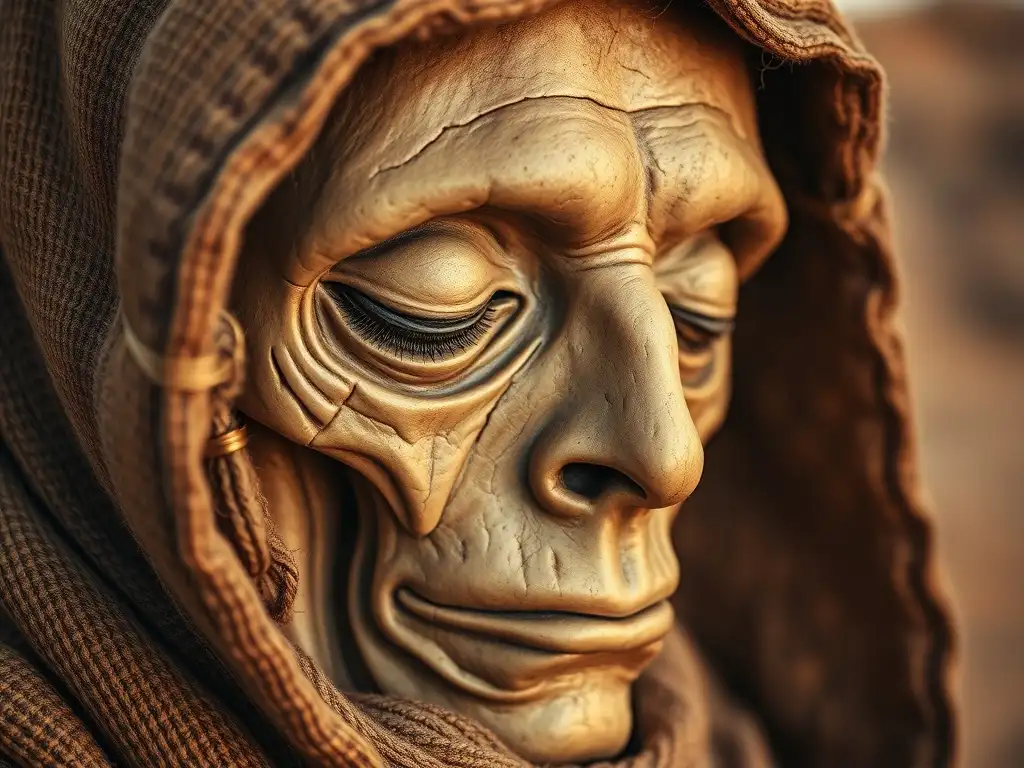
The discovery and study of Paracas mummies have revolutionized our understanding of pre-Columbian Andean societies, particularly concerning their funerary practices, social structures, and technological advancements. These remarkably well-preserved remains offer a unique window into the lives, health, and beliefs of the Paracas people, providing invaluable data for archaeologists and anthropologists. The sheer number of mummies found, often in elaborate burial contexts, indicates a sophisticated and ritualistic culture with a strong emphasis on ancestor veneration.
The exceptional preservation of organic materials, including textiles, hair, and even skin, allows for unprecedented analysis using modern scientific techniques. This enables researchers to glean insights into diet, disease, genetic makeup, and even the social status of individuals interred. The Paracas mummies represent a crucial piece of the puzzle in reconstructing the complex tapestry of Andean civilization, shedding light on cultural interactions and technological innovations that influenced subsequent cultures.
Analysis of the textiles, for example, reveals intricate weaving techniques and artistic styles that reflect a high level of craftsmanship and societal complexity, far surpassing previous expectations. The study of Paracas mummies continues to be a dynamic field, with ongoing research constantly refining and expanding our knowledge of this fascinating culture. The secrets held within these ancient remains continue to reveal themselves, offering new perspectives on the rich history of the Andean world.
Major Excavation Sites and Their Contributions to Paracas Studies
Several major excavation sites have significantly contributed to our understanding of Paracas culture through the discovery of numerous mummies and associated artifacts. The most well-known site is the Paracas Necropolis, a vast cemetery located near the modern-day town of Paracas. This site yielded thousands of mummies, many wrapped in elaborate textiles, revealing a complex funerary tradition. The sheer scale of the Necropolis points to a large, organized society with defined social hierarchies reflected in the varying richness of burial goods.
Another important site is Cerro Colorado, known for its unique elongated skulls and complex burial contexts. These discoveries have sparked intense debate about cranial deformation practices and the social significance of these distinctive features. [Specific information pending] regarding other lesser-known sites that have also contributed valuable data to the overall understanding of Paracas mummies.
Furthermore, the ongoing analysis of artifacts found alongside the mummies—such as pottery, tools, and ornaments—provides crucial context, enriching our interpretation of their social and religious lives. The meticulous documentation and analysis of these sites are essential to preserving the historical record and ensuring the ethical treatment of these fragile remains. The combined data from these sites provides a compelling narrative of the Paracas culture, highlighting its unique characteristics and its place within the broader Andean cultural landscape.
The Role of Paracas Mummies in Understanding Ancient Andean Life
Paracas mummies offer a multifaceted perspective on ancient Andean life, far beyond mere funerary practices. The remarkable preservation of these remains allows researchers to investigate various aspects of daily life, including diet, health, and social organization. Isotopic analysis of hair and bone samples provides insights into the diet of Paracas individuals, revealing information about their agricultural practices and food consumption habits. This data complements evidence from archaeological excavations of settlements and agricultural fields.
Furthermore, analysis of skeletal remains reveals information about the health and disease patterns of the Paracas population, including evidence of trauma, infectious diseases, and nutritional deficiencies. These findings offer crucial insights into the challenges and adaptations faced by this coastal society. The varying levels of elaborate burial goods associated with different mummies also shed light on social stratification within Paracas society. The presence of finely woven textiles, gold ornaments, and other valuable items suggests a hierarchical structure with distinct social classes.
These observations are further supported by the analysis of textile techniques, with some styles exclusively associated with elite individuals. The study of Paracas mummies is therefore crucial not only for understanding their funerary rituals but also for reconstructing the broader social, economic, and political aspects of their civilization. This holistic approach allows for a more nuanced and comprehensive understanding of this important Andean culture.
The Elongated Skulls and Complex Burial Contexts at Cerro Colorado
Cerro Colorado is particularly noteworthy due to the discovery of numerous mummies with elongated skulls. This unique cranial deformation, achieved through artificial means during infancy, has been a subject of much speculation and research. While the exact reasons for this practice remain debated, several hypotheses have been proposed, including social status markers, aesthetic preferences, and religious beliefs. [Specific information pending] regarding the most widely accepted theories and ongoing research in this area.
The complex burial contexts at Cerro Colorado further enhance the mystery surrounding these elongated skulls. Mummies are often found bundled together in groups, sometimes with multiple individuals interred within a single tomb. This suggests complex social relationships and possibly ritualistic practices associated with death and ancestor veneration. The presence of various grave goods, including textiles, pottery, and ornaments, varies significantly between burials, hinting at social distinctions even within the already unique population of Cerro Colorado.
The careful study of these burial contexts, in conjunction with the analysis of the elongated skulls themselves, is essential to understand the significance of these practices within the broader Paracas culture and their potential connections to other Andean societies. The secrets of Cerro Colorado continue to intrigue researchers, promising further breakthroughs in our understanding of the Paracas' fascinating history and beliefs. The unique characteristics of the mummies and their burial contexts make Cerro Colorado a crucial site for unraveling the mysteries of the Paracas culture and their unique approach to life and death.
The Legacy of Paracas Mummies: Continuing Research and Preservation
The discovery of the Paracas mummies, with their elongated skulls and elaborate textiles, has captivated researchers and the public alike for over a century. However, the legacy of these remarkable finds extends far beyond initial fascination. The ongoing study and preservation of Paracas mummies represent a continuous effort to unravel the mysteries of this ancient Peruvian culture while ethically safeguarding their cultural heritage.
Understanding the techniques used for mummification, analyzing their DNA, and interpreting their burial contexts are crucial steps in piecing together a comprehensive understanding of Paracas society, beliefs, and practices. This ongoing work contributes significantly to our understanding of "Paracas mummies secrets," revealing insights into their lives, deaths, and the enduring power of their cultural legacy.
Current Research Efforts Focused on Paracas Mummy Preservation
Current research on Paracas mummies focuses heavily on preservation and non-invasive analysis techniques. The delicate nature of these ancient remains necessitates careful handling and advanced scientific methods. Researchers employ techniques such as:
- X-ray and CT scanning: These methods allow for detailed examination of the mummy's internal structure without causing damage. This helps identify pathologies, dietary habits, and burial practices. Recent scans have revealed fascinating details about the health of individuals, including evidence of trauma and disease. For example, a recent study using CT scans revealed the presence of a previously unknown cranial deformation technique used in specific Paracas sub-groups. This challenges previous assumptions about the uniformity of Paracas cranial modification.
- DNA analysis: Advances in ancient DNA (aDNA) extraction and sequencing techniques are providing unprecedented insights into the genetic makeup of the Paracas people, their origins, and relationships with other Andean cultures. This research helps answer questions about population movements, genetic diversity, and the potential for intermarriage with neighboring groups. Further aDNA research is crucial to unlocking more "Paracas mummies secrets" related to their origins and migration patterns.
- Textile analysis: The intricate textiles found with the mummies are a rich source of information about Paracas artistry, social organization, and technological prowess. Researchers meticulously analyze the fibers, dyes, and weaving techniques to understand the symbolism, craftsmanship, and potential social significance of these remarkable artifacts. Analysis of dyes, for example, is providing insights into the plant resources available to the Paracas and their trade networks.
- Stable Isotope Analysis: This method examines the ratios of different isotopes in bone and hair to reconstruct diet and geographic mobility. This helps to determine if the Paracas people were primarily coastal dwellers, or if they had connections to inland regions. Preliminary results suggest a varied diet consisting of both marine and terrestrial resources, indicating a complex interaction with their environment.
The application of these diverse methodologies allows for a much more nuanced and comprehensive understanding of the Paracas culture than was previously possible, unveiling more of the "Paracas mummies secrets" year after year.
Ethical Considerations in Studying and Displaying Ancient Remains
The study and display of Paracas mummies raise important ethical considerations. Respect for the deceased and their cultural heritage is paramount. Researchers and museums must prioritize:
- Repatriation: The return of remains to their communities of origin is increasingly recognized as a crucial aspect of ethical research. Discussions on the repatriation of Paracas mummies are ongoing, with considerations for the best ways to ensure the long-term preservation and protection of these invaluable artifacts.
- Community engagement: Collaboration with descendant communities is essential. Their perspectives and knowledge are integral to interpreting the significance of the mummies and ensuring that research and display practices are culturally sensitive and respectful. This includes respectful consultation on research plans, exhibition designs, and the use of images and information.
- Minimizing damage: Non-invasive techniques are preferred to avoid further degradation of the mummies. Researchers must adhere to strict protocols to ensure that their investigations do not compromise the integrity of these fragile remains. The balance between scientific advancement and the preservation of cultural heritage is a delicate one that requires careful consideration.
- Transparency and public education: Open communication with the public about the research process, ethical considerations, and the significance of the findings is important to foster a respectful and informed appreciation of Paracas culture. This includes providing educational materials that accurately represent the history and context of the mummies and promote understanding of their cultural value.
Future Directions in Paracas Mummy Studies and Cultural Heritage
Future research on Paracas mummies will likely focus on:
- Advanced genomic analysis: Further exploration of aDNA will provide a more complete picture of the Paracas genome, helping to clarify their relationships with other ancient Andean populations and trace migration patterns. Improved sequencing technologies promise to reveal even more "Paracas mummies secrets" related to their genetic history.
- Integration of multiple data sources: Combining data from different analytical techniques (DNA, stable isotopes, textile analysis, etc.) will provide a more holistic understanding of Paracas lifestyle, social structure, and interactions with the environment. This integrated approach will offer a more nuanced narrative of the Paracas people and their place within the broader Andean context.
- Development of new preservation techniques: Ongoing research into innovative preservation methods will help ensure the long-term survival of these invaluable artifacts for future generations. This includes exploring environmentally controlled storage facilities and developing advanced materials for the conservation of textiles and organic materials.
- Digital preservation and accessibility: Creating high-resolution 3D models and virtual reconstructions of the mummies and their associated artifacts will enhance accessibility for researchers and the public while minimizing the risk of damage to the original remains. This digital approach supports the responsible dissemination of knowledge and enables broader participation in the study of Paracas culture.
The continued study and preservation of Paracas mummies represent a commitment to understanding the past while upholding ethical standards and safeguarding cultural heritage. By combining advanced scientific techniques with a deep respect for these ancient individuals and their culture, we can continue to unveil the "Paracas mummies secrets" and appreciate the remarkable legacy of this ancient Peruvian civilization.
Frequently Asked Questions
What makes the Paracas mummies so unique?
The Paracas mummies are renowned for their exceptional preservation, showing incredible detail of the individuals' features and even internal organs. Their elongated skulls also remain a subject of much debate and research.
How were the Paracas mummies preserved?
The Paracas people employed advanced mummification techniques, involving the removal of internal organs, desiccation, and wrapping in elaborate textiles. The exact methods and ingredients remain partially unknown, fueling ongoing research.
What can the Paracas mummies tell us about ancient Peruvian society?
The mummies provide valuable insights into Paracas culture, including their social structure, health, diet, and burial rituals. Analyzing their artifacts and textiles offers further clues to their beliefs and daily life.
What are the theories surrounding the elongated skulls of Paracas mummies?
While some suggest deliberate cranial deformation, others propose genetic anomalies or unknown diseases as explanations. The true cause of the elongated crania remains a point of ongoing scientific investigation and speculation.
Where can I learn more about the Paracas mummies and their secrets?
You can find further information at museums showcasing Paracas artifacts, academic journals dedicated to Andean archaeology, and reputable websites like "Andean Civilizations" which explore the rich history of ancient Peruvian cultures.
Final Reflection: Unraveling the Enduring Mystery of the Paracas Mummies
The secrets whispered from the sands of Paracas continue to resonate today, challenging our understanding of ancient civilizations and prompting us to reconsider our place within the grand tapestry of human history. These aren't just mummies; they are windows into a sophisticated society, a testament to human ingenuity, and a powerful reminder of the ephemeral nature of our own existence. Their elongated skulls, intricate textiles, and unique burial practices continue to fuel scientific inquiry and ignite the imagination.
The enduring fascination with the Paracas mummies speaks volumes about our innate curiosity and our desire to connect with the past. Their preservation, against all odds, allows us to glimpse a world lost to time, a world that challenges preconceived notions and expands our understanding of human potential. The past is never dead. It's not even past.
– William Faulkner. This quote perfectly encapsulates the power of these ancient remains to speak to us across millennia, forcing us to confront the complexities of our shared heritage and the enduring legacy of those who came before us.
Consider the implications of these discoveries. What can we learn from the Paracas people about resilience, innovation, and the enduring human spirit? You, the reader, are now part of this ongoing conversation. Take a moment to reflect on the mysteries that still surround these enigmatic figures. Let their story inspire you to seek out your own connections to the past, to appreciate the richness of human culture, and to champion the preservation of our shared heritage for future generations. The secrets of Paracas are not just for historians and archaeologists; they are for all of us.
Unveil the Mysteries of Paracas: Take Action Today!
Thank you for joining us on this fascinating journey into the world of the Paracas mummies! We've uncovered some intriguing secrets of this ancient Peruvian coastal culture. Now, let's put your newfound knowledge to good use!
Here's how you can further explore and connect with this incredible history:
- **Dive deeper:** Explore our dedicated sections for more information on Andean civilizations and other archaeological wonders.
- **Share the knowledge:** Share this article on social media and spark conversations about the ancient world with friends and family.
- **Join a community:** Connect with fellow history and archaeology enthusiasts by participating in local events or online forums.
What aspect of the Paracas mummies most surprised you, and how will you apply this newfound interest to your exploration of ancient civilizations?