
The Genesis of Andean Spirituality: Tracing the Roots of Belief Systems

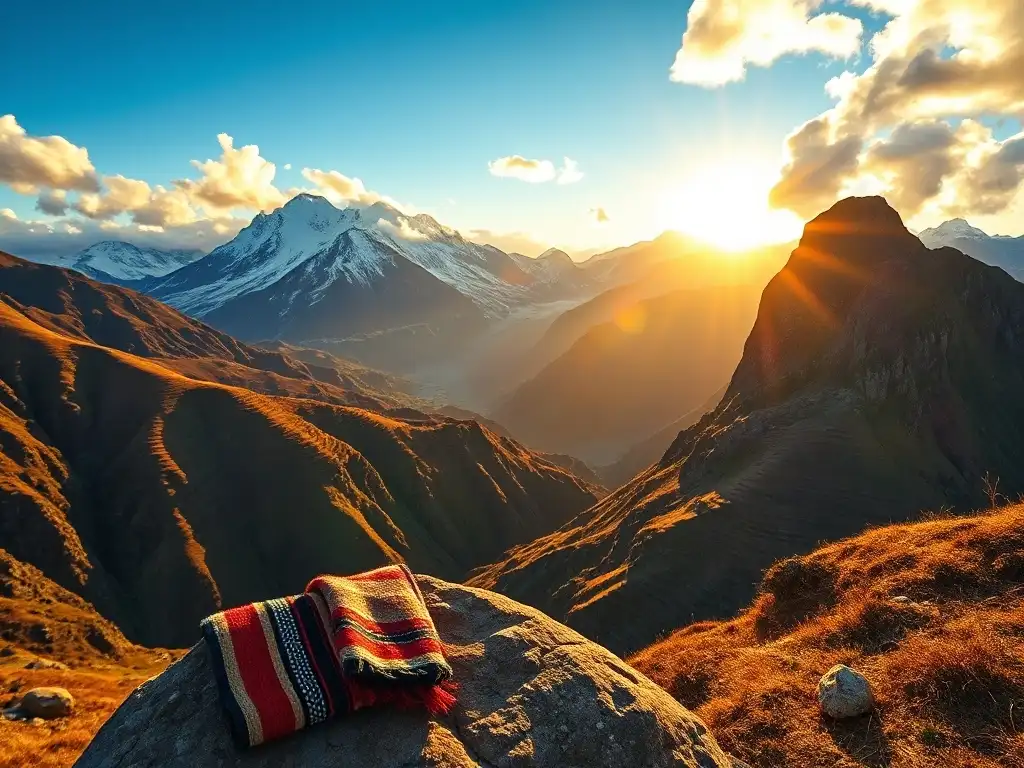
Step into a world lost to time, yet echoing with power and mystery. For centuries, the towering peaks of the Andes have guarded the secrets of remarkable civilizations. But what fueled their ingenuity, their artistry, and their breathtaking empires? Uncover the fascinating origins of Andean spirituality, a complex tapestry woven from celestial observations, nature worship, and potent rituals. Prepare to be captivated as we delve into the genesis of belief systems that shaped the destinies of the Incas, Moche, Nazca, and Tiahuanaco – a journey that will leave you questioning everything you thought you knew.
The Andes Mountains, a spine of colossal peaks running down the western edge of South America, have witnessed millennia of human history. Long before the Inca Empire rose to prominence, a rich tapestry of spiritual beliefs and practices flourished across this diverse landscape.
Understanding the origins of Andean spirituality requires delving into the pre-Inca periods, particularly the formative Pre-Ceramic era, to uncover the foundational elements that shaped later religious expressions. This exploration of "Andean spirituality origins" will trace the evolution of Andean worldview, examining the archaeological evidence that reveals the early roots of their complex belief systems, moving beyond simplistic narratives to explore the nuanced development of religious practices across diverse Andean societies.
We will investigate how these early beliefs laid the groundwork for the sophisticated spiritual landscapes seen in later Andean cultures, such as the Inca, Moche, and Nazca civilizations. The journey into Andean spirituality’s genesis is a journey into the heart of a civilization deeply connected to the land and its powerful forces.
Understanding the Ancient Andean Worldview
The Andean worldview was profoundly shaped by the environment. The towering mountains, fertile valleys, and unpredictable weather patterns fostered a deep reverence for nature's power. Evidence suggests a close relationship between humans and the natural world, with mountains, rivers, and celestial bodies playing significant roles in their cosmology.
Unlike many other cultures that emphasized a separation between the human and divine, Andean spirituality reflected a more interconnected perspective, where the sacred permeated everyday life. This integrated worldview is reflected in archaeological findings such as the careful selection of burial sites, often located in places of natural power, and the inclusion of grave goods reflecting the importance of both the earthly and spiritual realms. Early Andean societies didn't necessarily possess codified religious texts in the same way as some later civilizations; instead, their beliefs were likely passed down through oral traditions, rituals, and artistic expressions.
These practices, though intangible, left a significant mark on the landscape and the material culture discovered by archaeologists today. The intricate weaving techniques, sophisticated pottery designs, and carefully constructed ceremonial sites all speak to a complex and deeply held spiritual belief system.
Pre-Ceramic Foundations of Andean Religious Practices
The Pre-Ceramic period (before 3000 BCE), a time of significant cultural development in the Andes, provides crucial insights into the nascent stages of Andean spirituality. Archaeological discoveries from this era, such as the early cave paintings in places like [Specific location pending] and the development of sophisticated agricultural techniques, indicate a growing awareness of natural cycles and the forces that governed them. The appearance of early ceremonial structures, even in this early period, suggests the existence of organized rituals and communal practices centered around the worship of nature's deities.
While precise details of these rituals remain elusive, the careful construction and placement of these sites point to a planned and intentional approach to religious expression. Furthermore, the presence of early forms of art, such as painted stones and decorated ceramics, hints at a developing symbolic language used to express spiritual beliefs. These early artistic endeavors often feature geometric patterns and stylized representations of animals and possibly deities, suggesting a rich symbolic vocabulary that laid the foundation for later, more complex religious iconography.
The study of these artifacts, in conjunction with the analysis of settlement patterns, offers valuable clues to understanding the development of social hierarchies and the role of religious leaders in early Andean society. Further research, particularly focused on [Specific area of research pending], is necessary to fully grasp the complexity of pre-ceramic Andean spirituality.
The Emergence of Sacred Sites and Rituals in the Early Andes
The origins of Andean spirituality are deeply intertwined with the landscape itself. Long before the rise of the Inca Empire, early Andean societies developed a profound connection with their environment, leading to the establishment of sacred sites and the performance of rituals that reflect a complex worldview. The earliest evidence suggests a gradual evolution, with simple offerings evolving into elaborate ceremonies conducted in specially designated locations.
This process wasn't uniform across all Andean communities; instead, it varied based on local geography, resources, and social structures. The development of these practices laid the groundwork for the sophisticated religious systems that would characterize later Andean civilizations. The very act of selecting a particular site for ritual activity indicates a conscious effort to imbue specific places with spiritual significance, marking the beginning of a sacred geography that would be further developed over millennia.
Evidence of Early Ceremonial Centers
Archaeological excavations have unearthed compelling evidence of early ceremonial centers dating back to the Pre-Ceramic period. These sites, often located near sources of water or with commanding views of the surrounding landscape, frequently feature evidence of ritual activity. For example, [specific site name and location pending] exhibits evidence of early structures, possibly used for communal gatherings or ceremonies. These structures, though rudimentary compared to later constructions, demonstrate a clear intentionality in creating spaces dedicated to ritual practices.
The presence of artifacts such as painted pottery shards and meticulously crafted stone tools within these sites further supports the interpretation of these locations as early ceremonial centers. The careful placement of these objects suggests intentional offerings and the performance of ritualized acts. Analysis of these artifacts provides valuable insights into the beliefs and practices of these early Andean communities.
Initial Forms of Andean Worship and Offerings
The earliest forms of Andean worship likely involved simple offerings left at natural features like caves, springs, or mountain peaks. These offerings might have included food, such as maize or other cultivated crops, alongside tools or other personal items. The nature of these offerings suggests a desire to appease or connect with supernatural forces associated with these locations. As societies became more complex, these simple offerings evolved into more elaborate rituals, potentially involving communal participation and specialized roles.
This progression reflects a growing sophistication in Andean spiritual beliefs and practices. The transition from individual offerings to collective rituals marks a significant step in the development of organized religious systems. [Specific examples of early offerings and their interpretation pending]
Key Elements Shaping Early Andean Spirituality
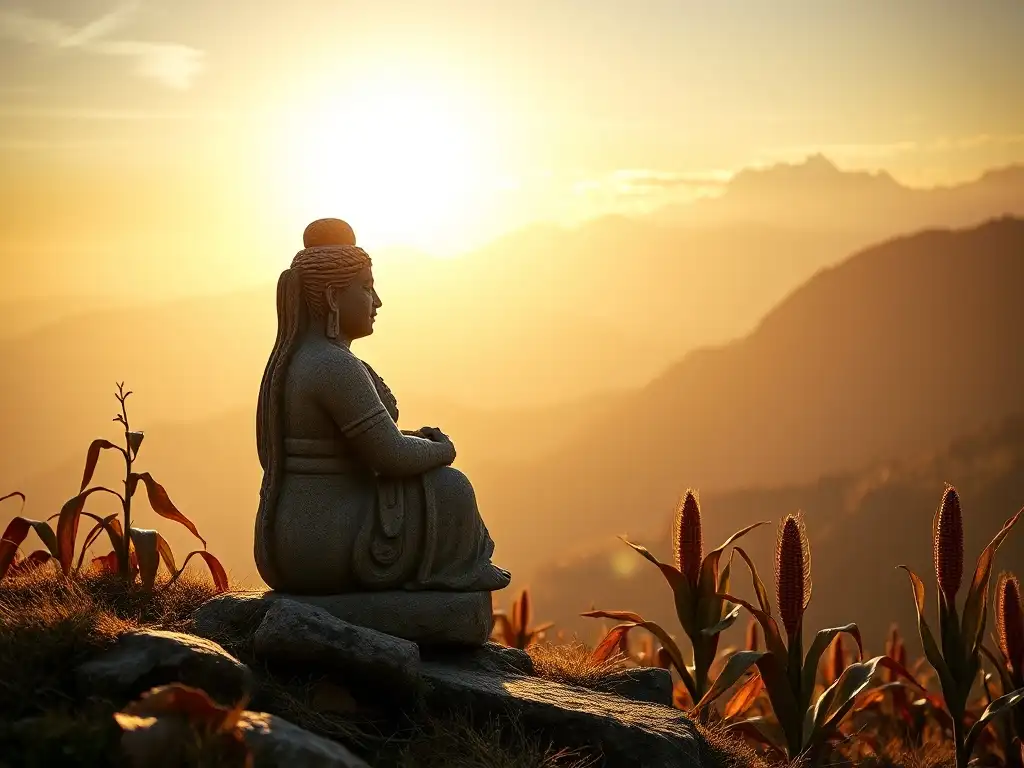
Several key elements coalesced to shape the unique character of early Andean spirituality. These elements, interwoven and mutually reinforcing, laid the foundation for the rich and complex religious systems of later Andean civilizations. The interplay between these factors created a dynamic and evolving spiritual landscape. Studying these foundational elements provides crucial context for understanding the later development of Andean religious practices.
The Role of Nature in Andean Beliefs
Nature played a central role in early Andean beliefs. Mountains, rivers, and other natural features were not merely physical entities but were imbued with spiritual significance. Mountains, in particular, were often considered sacred places, the abodes of powerful deities or spirits. This reverence for nature is evident in the selection of sites for ceremonial activities and in the themes depicted in early art.
The close relationship between humans and the environment fostered a deep understanding of the natural world and its cyclical rhythms, which became integral to Andean spiritual practices. The worship of nature wasn't merely a matter of superstition; it reflected a profound understanding of the interdependence between human societies and the natural world. The harmonious relationship with nature is a recurring theme in Andean spirituality, demonstrating a holistic worldview that valued the interconnectedness of all things.
The Significance of Ancestor Veneration
Ancestor veneration was another crucial element in early Andean spirituality. The belief that deceased ancestors continued to exert influence on the living world fostered practices aimed at honoring and appeasing them. This veneration manifested in various ways, from the careful burial of the dead with grave goods to the creation of effigies or representations of ancestors. The importance of ancestor veneration highlights the strong kinship ties and social structures within early Andean communities.
It also underscores the continuity of beliefs and practices across generations. The persistence of ancestor veneration in later Andean cultures testifies to its fundamental role in shaping Andean identity and spiritual worldview. [Specific examples of ancestor veneration practices pending]
The Development of Shamanic Traditions
Shamanic traditions emerged as an important aspect of early Andean spirituality. Shamans, individuals believed to possess special abilities to communicate with the spirit world, played a central role in ritual practices. Their expertise in healing, divination, and communication with the supernatural made them essential figures within their communities. The development of shamanic traditions reflects a growing understanding of the complexities of the human experience and the need for specialized individuals to navigate the spiritual realm.
The role of the shaman evolved over time, becoming increasingly complex and integrated into the social and political structures of Andean societies. The enduring legacy of shamanic traditions in the Andes highlights their profound impact on the development of Andean spirituality. [Specific examples of shamanic practices and their social impact pending]
Tracing the Lineage of Andean Deities and Supernatural Beings
The origins of Andean spirituality are deeply intertwined with the landscape and the people's intimate relationship with it. Understanding the lineage of Andean deities and supernatural beings requires exploring the archaeological record, interpreting iconography, and analyzing the complex interplay between mythology and lived experience. The earliest expressions of Andean spirituality are arguably not easily categorized as "deities" in the Western sense, but rather as powerful forces of nature and ancestral spirits.
These forces were not necessarily anthropomorphic; instead, they manifested in the natural world, in the movements of the sun and moon, the flow of rivers, and the fertility of the land. The concept of a supreme creator god, while present in later Andean pantheons, seems to have evolved over time, building upon a foundation of animistic beliefs and ancestor veneration.
The transition from a primarily animistic worldview to a more developed pantheon of gods and goddesses is a gradual process, reflecting the evolving social structures and cosmological understanding of Andean societies. This evolution is reflected in the changing styles and subject matter of Andean art and artifacts.
Early Depictions of Andean Gods and Spirits
Early depictions of Andean gods and spirits, dating back to the pre-ceramic period (before 1800 BCE), often feature stylized representations of animals, plants, and abstract symbols. These depictions, found on pottery shards, textiles, and rock art, suggest a close connection between the spiritual world and the natural environment. For example, the recurring motifs of snakes, condors, and jaguars likely represented powerful spirits associated with fertility, the sky, and the underworld, respectively.
The scarcity of clear, anthropomorphic representations in this early period suggests that the focus was more on the power and essence of these entities than on their physical form. As societies developed, so did the complexity of religious iconography.
The transition from abstract symbols to more clearly defined anthropomorphic figures reflects a growing sophistication in cosmological thought and a more structured religious hierarchy. The development of complex societies, with specialized roles and social stratification, likely played a crucial role in the evolution of Andean religious beliefs.
The Evolution of Religious Iconography
The evolution of religious iconography in the Andes is a fascinating testament to the changing beliefs and practices of Andean cultures. From the simple, abstract designs of the pre-ceramic period to the elaborate, detailed representations of later periods, the iconography reflects a growing complexity in religious beliefs and practices. The shift from stylized representations of animals and abstract symbols to anthropomorphic deities with distinct attributes suggests a growing understanding of a structured pantheon of gods and goddesses.
The use of specific colors, materials, and motifs served to differentiate various deities and their associated powers. For instance, gold was often associated with the sun god Inti, while silver might represent the moon.
Studying the evolution of religious iconography allows researchers to trace the development of Andean spirituality over millennia, revealing shifts in beliefs, power structures, and cosmological understandings. The changes in artistic style often correspond with changes in societal organization and political power.
Viracocha, Inti, and Pachamama
Viracocha, Inti, and Pachamama represent key figures in the Andean pantheon, each embodying different aspects of the natural world and spiritual power. Viracocha, often depicted as a creator god, is associated with the origin of the universe and humanity. Inti, the sun god, was a central figure in Inca religion, representing life-giving energy and power. Pachamama, the earth mother, embodies the fertility of the land and the cyclical nature of life and death. The prominence of these deities in later Andean cultures highlights the growing sophistication of religious thought and the integration of diverse spiritual beliefs into a more structured system. These three figures, while prominent in Inca religion, had predecessors and variations in earlier Andean cultures, demonstrating a continuity of spiritual themes and beliefs across different periods and regions. The worship of these deities involved elaborate rituals, sacrifices, and festivals, reflecting the central role of religion in Andean life.
The Influence of Geographic Diversity on Spiritual Practices
The Andes' diverse geography—from the arid coastal deserts to the high-altitude plains and the lush Amazonian rainforest— profoundly shaped the development of Andean spiritual practices. The environment didn't just provide the setting for religious rituals; it fundamentally influenced the beliefs themselves. The different challenges and opportunities presented by each environment led to unique adaptations in spiritual beliefs and practices. The relationship between the people and their environment was a reciprocal one, shaping both spiritual and material cultures. This interplay is clearly visible in the diverse array of religious practices found across different regions of the Andes.
Regional Variations in Andean Belief Systems
Regional variations in Andean belief systems reflect the diverse environments and social structures across the Andes. Coastal cultures, for instance, often focused on deities associated with the sea and marine life, while highland cultures emphasized deities related to agriculture and mountain spirits. Amazonian cultures, characterized by their dense forests and river systems, developed unique spiritual practices linked to the forest’s abundance and the power of the rivers.
These variations aren't simply isolated pockets of belief; they often interacted and influenced each other, creating a complex tapestry of Andean spirituality. The exchange of ideas and practices between different regions enriched the overall religious landscape, resulting in a dynamic and evolving system of beliefs.
Adaptation of Rituals to Diverse Environments
The adaptation of rituals to diverse environments is a key aspect of Andean spirituality. Agricultural practices, for example, were deeply intertwined with religious rituals designed to ensure successful harvests. In the highlands, where agriculture was often challenging due to altitude and climate, rituals focused on appeasing mountain spirits and ensuring the fertility of the land. Coastal communities, relying heavily on marine resources, developed rituals connected to the sea, seeking to ensure abundant harvests of fish and other marine life.
In the Amazon, rituals often focused on maintaining harmony with the forest and its diverse inhabitants. This shows a direct link between environmental factors, economic strategies, and spiritual practices. The adaptability of Andean spiritual practices reflects the ingenuity and resilience of Andean cultures in adapting to their diverse environments.
The Coastal, Highland, and Amazonian Variations
The coastal, highland, and Amazonian regions of the Andes each fostered distinct variations in Andean spirituality. Coastal societies, with their reliance on marine resources, often incorporated sea deities and rituals focused on fishing and maritime activities into their belief systems. Highland communities, dependent on agriculture at high altitudes, developed elaborate rituals centered on agricultural deities and the worship of mountain spirits, reflecting their challenging environment.
Amazonian cultures, characterized by their dense rainforests and river systems, developed unique spiritual practices centered on the forest's abundance and the power of the rivers, reflecting a different relationship with the environment. These regional variations demonstrate the adaptive nature of Andean spirituality and its deep connection to the physical environment. The diversity of spiritual practices across these regions highlights the complexity and richness of Andean religious traditions.
The Transition to Complex Religious Systems
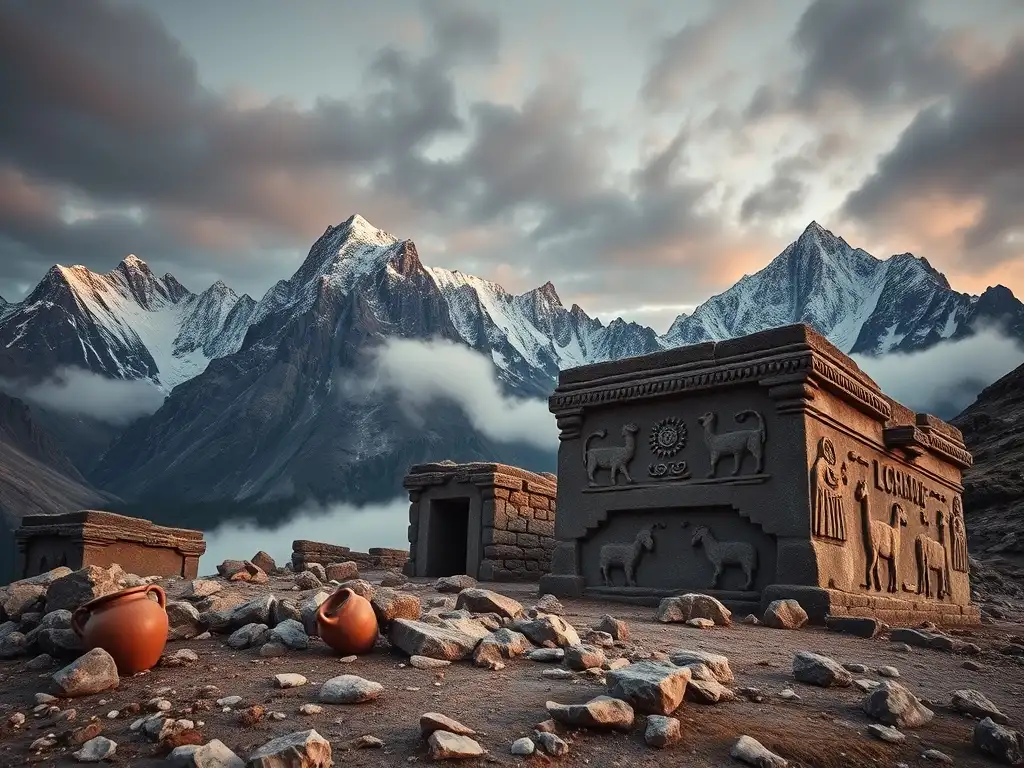
The development of complex religious systems in the Andes wasn't a sudden event, but rather a gradual process spanning millennia. Early evidence suggests a shift from simpler animistic beliefs—where spirits inhabited natural elements—to more structured pantheons of deities and elaborate rituals. This transition coincided with the growth of settled agricultural communities and the emergence of social hierarchies.
As societies became more complex, so too did their spiritual beliefs, reflecting the increasing sophistication of their social structures and technological advancements. The need to explain the mysteries of agriculture, the forces of nature, and the complexities of human existence fueled the creation of increasingly elaborate belief systems. The transition also saw the development of specialized roles within the community dedicated to religious practices, laying the groundwork for the emergence of organized priesthoods.
This shift from individualistic spiritual expression to organized religious practices marks a significant turning point in the evolution of Andean spirituality. Archaeological evidence, such as the increasing complexity of burial rituals and the appearance of specialized artifacts associated with religious practices, supports this transition.
The Development of Organized Priesthoods
The rise of organized priesthoods was a pivotal development in the evolution of Andean spirituality. These specialized religious figures acted as intermediaries between the people and the supernatural world, interpreting omens, conducting rituals, and maintaining the sacred order. Their authority stemmed from their perceived connection to the divine, and they often held significant social and political power within their communities.
The development of a formal priesthood required a complex social structure capable of supporting a specialized class of individuals dedicated to religious duties. This, in turn, suggests a level of societal organization and resource management far beyond that of earlier hunter-gatherer societies. The construction of large-scale religious structures, such as temples and shrines, also served as a testament to the growing power and influence of the priesthood.
These structures required significant manpower and resources, further emphasizing the priests’ control over both labor and resources within their societies. [Specific examples of early priestly roles and their associated artifacts pending].
The Construction of Larger Temples and Shrines
The construction of larger temples and shrines reflects the increasing importance of organized religion in Andean societies. These monumental structures served not only as places of worship but also as centers of social and political power.
Their scale and complexity suggest a significant mobilization of labor and resources, demonstrating a high level of societal organization and coordination. The architectural styles of these temples and shrines often incorporated astronomical alignments, suggesting a sophisticated understanding of the cosmos and its relationship to the human world.
Examples of such monumental architecture include the massive platforms and temples at Chavín de Huántar, the intricate stonework of Tiwanaku, and the awe-inspiring terraces and structures of Machu Picchu, each reflecting the unique spiritual beliefs and practices of its respective culture. The construction of these sites was a massive undertaking, requiring advanced engineering knowledge and a highly organized workforce, underscoring the power and influence of the religious elite in mobilizing such resources.
Chavín de Huántar, Tiwanaku, and Machu Picchu
Chavín de Huántar, Tiwanaku, and Machu Picchu represent three distinct yet interconnected stages in the development of Andean spirituality. Chavín de Huántar, with its iconic Lanzón monolith and labyrinthine architecture, is considered a pan-Andean religious center that influenced numerous cultures throughout the region. Tiwanaku, with its sophisticated urban planning and monumental architecture, developed a complex religious system centered around water and agricultural fertility.
Finally, Machu Picchu, as a sacred site of the Inca Empire, exemplifies the culmination of centuries of Andean spiritual traditions. The similarities and differences in the religious practices and beliefs of these sites highlight the dynamic and evolving nature of Andean spirituality, while also demonstrating the persistent themes of ancestor veneration, agricultural fertility, and the connection between the human and supernatural worlds. The remarkable preservation of these sites provides invaluable insights into the rich tapestry of Andean religious beliefs and practices.
Legacy of Early Andean Spirituality
The impact of early Andean spirituality resonates deeply throughout subsequent Andean cultures and even in contemporary Andean traditions. The fundamental beliefs and practices established during this formative period laid the groundwork for the religious systems of later civilizations. The reverence for nature, the veneration of ancestors, and the belief in a complex network of deities and spirits continued to shape Andean religious life for centuries to come.
This enduring legacy is a testament to the profound impact of these early belief systems. The persistence of certain rituals and symbols across various Andean cultures illustrates the interconnectedness and continuity of spiritual traditions across time and space.
The Continuity of Beliefs in Later Andean Cultures
The continuity of beliefs in later Andean cultures is evident in the persistence of certain themes and practices across different civilizations. While specific deities and rituals may have varied, the underlying principles of ancestor veneration, agricultural fertility, and the interconnectedness of the natural and supernatural worlds remained central to Andean spirituality. For example, the Inca's elaborate system of state religion drew heavily upon earlier traditions, incorporating and adapting pre-existing beliefs and practices into their own imperial ideology.
This process of cultural syncretism—the blending of different religious traditions—highlights the enduring influence of early Andean spirituality on later developments. [Specific examples of continuous beliefs and practices across different Andean cultures pending].
The Enduring Impact on Contemporary Andean Traditions
The enduring impact of early Andean spirituality is still visible in contemporary Andean traditions. Many indigenous communities in the Andes continue to practice rituals and beliefs that have their roots in these early systems. The veneration of mountains (Apus), the use of coca leaves in ceremonies, and the importance of shamanistic practices are just a few examples of the lasting legacy of this rich spiritual heritage.
While these traditions have evolved and adapted over time, they retain a strong connection to their ancient origins, demonstrating the resilience and enduring power of early Andean spiritual beliefs. The continuity of these traditions highlights the importance of understanding and preserving this rich cultural heritage. This cultural continuity serves as a powerful testament to the enduring influence of early Andean spirituality.
The Importance of Coca and Ayahuasca in Rituals
Coca and ayahuasca played, and continue to play, significant roles in Andean rituals and spiritual practices. Coca leaves, chewed for their stimulating and mildly euphoric effects, were (and are) used in ceremonies to connect with the spirit world and to enhance communication with deities. Ayahuasca, a powerful psychoactive brew, was (and is) employed by shamans to induce altered states of consciousness and to facilitate healing and divination.
The use of these substances underscores the importance of altered states of consciousness in Andean spiritual practices and highlights the close relationship between the natural world and the spiritual realm. The continued use of these plants in contemporary Andean traditions demonstrates the enduring significance of these substances in shaping Andean religious experience. The role of these sacred plants in shaping Andean worldview and religious practices deserves further study and appreciation.
Conclusion: A Journey Through the Origins of Andean Spirituality
Our exploration into the origins of Andean spirituality reveals a complex and fascinating tapestry woven from the threads of nature worship, ancestor veneration, and a profound connection to the land. The evidence, though fragmented by time and the challenges of archaeological interpretation, strongly suggests that the foundations of Andean belief systems were laid long before the rise of the Inca Empire. The pre-ceramic period, with its enigmatic cave paintings, sophisticated burial practices, and evidence of early ritualistic activities, provides crucial insights into the nascent stages of this rich spiritual landscape.
Understanding these early expressions of spirituality is key to unlocking the complexities of later Andean religions, highlighting the continuity and evolution of beliefs across millennia. The reverence for mountains, celestial bodies, and the forces of nature, evident in early Andean art and artifacts, became central tenets of later, more developed belief systems.
The enduring legacy of these early spiritual practices is undeniable. The intricate relationship between humans and the environment, a defining characteristic of Andean cultures, finds its roots in these early expressions of reverence for the natural world. This deep-seated connection to the Pachamama (Mother Earth) and the Apus (mountain spirits) continues to influence Andean communities today, demonstrating the remarkable resilience and enduring power of these ancient beliefs.
Further research, particularly focusing on advanced dating techniques and interdisciplinary approaches incorporating anthropological, ethnohistorical, and archaeological data, promises to shed even more light on the nuanced development of Andean spirituality. By continuing to unravel the mysteries of the pre-ceramic period, we can gain a more complete and accurate understanding of the rich and multifaceted spiritual heritage of the Andes.
The journey has just begun, and much remains to be discovered about the intricate origins of Andean spirituality, a testament to the enduring power of belief and the profound connection between humanity and the natural world. The study of "Andean spirituality origins" thus remains a vibrant and evolving field, continually revealing new facets of this ancient and compelling tradition.
- Understanding the Ancient Andean Worldview
- Pre-Ceramic Foundations of Andean Religious Practices
- The Emergence of Sacred Sites and Rituals in the Early Andes
- Key Elements Shaping Early Andean Spirituality
- Tracing the Lineage of Andean Deities and Supernatural Beings
- The Influence of Geographic Diversity on Spiritual Practices
- The Transition to Complex Religious Systems
- Legacy of Early Andean Spirituality
- Conclusion: A Journey Through the Origins of Andean Spirituality
Frequently Asked Questions
What are the origins of Andean spirituality?
Andean spirituality has ancient roots, predating the Inca Empire. Its development was influenced by diverse factors including the environment, agricultural practices, and the interaction of various cultures over millennia. These roots are deeply intertwined with the land and its natural forces.
How did the landscape influence Andean beliefs?
The challenging Andean geography, with its high altitudes and diverse ecosystems, profoundly shaped Andean worldviews. Mountains, rivers, and celestial bodies were viewed as powerful entities, influencing daily life and religious practices. This created a strong connection between the spiritual and physical realms.
What role did ancestor veneration play in Andean spirituality?
Ancestor veneration was and remains a central aspect of Andean spirituality. Ancestors were believed to continue influencing the living, requiring respect and offerings. This belief system fostered a strong sense of community and continuity across generations.
Were there common themes across different Andean cultures' belief systems?
While specific practices varied, common threads existed. Many Andean cultures shared a belief in powerful deities, shamanistic practices, and the importance of rituals connected to agriculture and the natural world. The concept of Pachamama (Mother Earth) is a particularly unifying element.
How did Inca rule influence existing Andean spiritual beliefs?
The Inca Empire synthesized and standardized existing Andean spiritual practices, incorporating them into their imperial ideology. While the Inca imposed their own beliefs and practices, they also adopted and adapted pre-existing traditions, creating a complex and layered system of belief.
Final Reflection: Echoes of the Andes: A Legacy of Spirituality
The enduring legacy of Andean spirituality continues to resonate in the modern world, a testament to the power of belief systems to transcend time and geography. Its intricate cosmology, deeply connected to the natural world and the cyclical rhythms of life and death, offers a powerful counterpoint to the often-linear and materialistic perspectives of contemporary society. Understanding its origins is not merely an academic exercise; it's a key to unlocking a richer understanding of human connection to the earth and to each other.
The profound influence of Andean spirituality on the cultural landscape of South America, and indeed the world, is undeniable. Its impact extends far beyond the Andes themselves, shaping artistic expression, social structures, and environmental ethics. The reverence for Pachamama, Mother Earth, serves as a potent reminder of our interconnectedness with the natural world, a message urgently needed in our era of environmental crisis. The mountains are not just stone; they are the bones of the world, and we are their children.
This sentiment, though paraphrased, encapsulates the deep spiritual relationship that Andean peoples have maintained for millennia, a relationship that holds valuable lessons for us all.
Consider the enduring wisdom woven into the fabric of Andean belief. How can you incorporate a deeper appreciation for the interconnectedness of all things into your own life? Embrace the cyclical nature of existence, finding balance and harmony within the rhythms of your own being. Let the echoes of the Andes inspire you to cultivate a more mindful and sustainable relationship with the earth and with the spiritual dimensions of your own existence. The journey of understanding Andean spirituality is a journey of self-discovery, a path towards a more meaningful and connected existence.
Unveil the Depths of Andean Spirituality Today!
Thank you for joining us on this insightful journey into the heart of Andean spirituality. We hope you've discovered the profound connections that shape these vibrant belief systems. Now, let's build on that knowledge and actively engage with this rich cultural heritage.
Here are some inspiring ways to deepen your exploration:
- Dive Deeper: Expand your understanding by reading a book or watching a documentary about Andean cosmology and spiritual practices. This will enrich your appreciation of the subject.
- Join the Conversation: Share your thoughts and insights in the comments below. We'd love to hear your reflections on this exploration of Andean spirituality.
- Engage with Tradition: Immerse yourself in the culture by attending a local event or workshop celebrating Andean traditions. Experiencing the spirituality firsthand will provide invaluable insight.
What aspects of Andean spirituality intrigue you most, and how will you integrate this knowledge into your life?