
The Sun God's Radiance: Symbolism of Inti in Andean Iconography

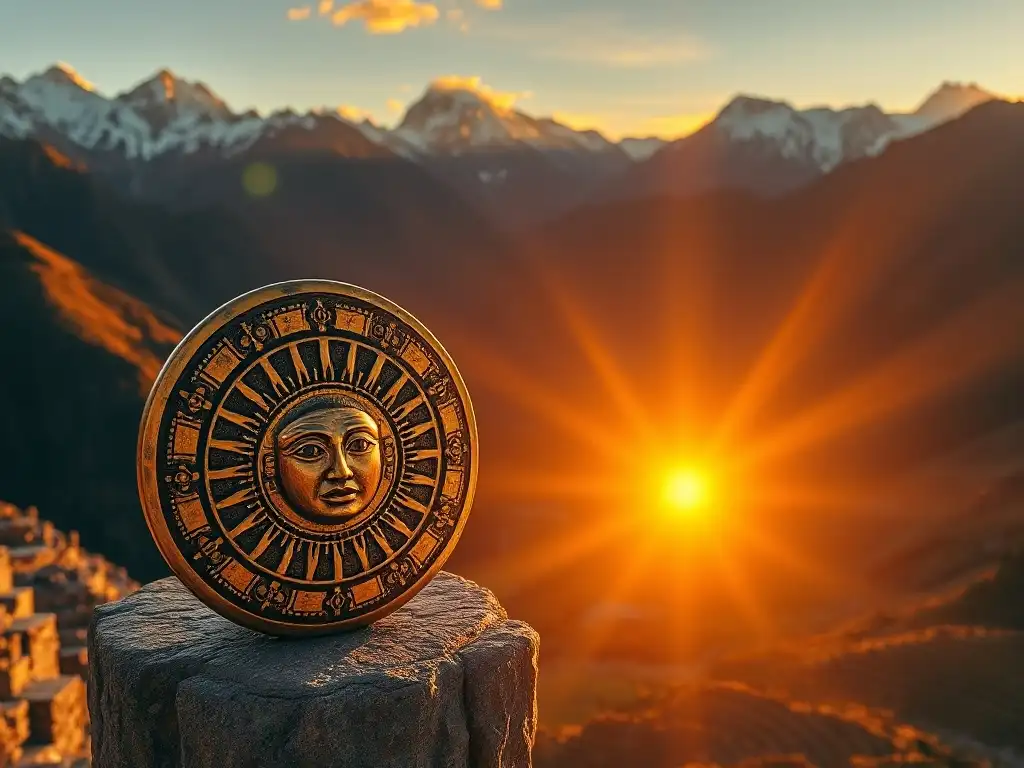
Unravel the mysteries of the Andes! Journey through time and discover a world brimming with vibrant cultures, breathtaking artistry, and advanced technologies. From the intricate textiles of the Nazca to the monumental architecture of the Incas, Andean Civilizations awaits. But what secrets does the Andean Inti symbolism hold? Prepare to be captivated by the sun god's radiant influence on Andean iconography – a story far richer and more complex than you ever imagined. Explore the depths of this fascinating subject and unlock the ancient wisdom encoded in its symbols.
The Andean world, a tapestry woven from the threads of diverse cultures across the vast mountain ranges of South America, reveals a profound reverence for the sun. This article delves into the rich symbolism of Inti, the Inca sun god, and its pervasive influence on Andean iconography.
We will explore how Inti's representation transcended mere religious iconography, becoming an integral part of the Inca worldview, influencing their societal structure, agricultural practices, and artistic expressions. From the intricate goldwork adorning royal regalia to the subtle carvings etched into everyday objects, Inti's radiant presence shines through, offering a captivating glimpse into the heart of Andean spirituality and the profound connection between the Incas and their environment.
Understanding Inti's symbolism provides a key to unlocking a deeper comprehension of Inca culture and its enduring legacy. This exploration will cover not only the Inca interpretation but also touch upon how the concept of a sun deity manifested in other Andean cultures, revealing fascinating parallels and variations.
Inti: The Heart of Inca Cosmology
Inca cosmology placed Inti at its very center. He wasn't merely a deity; he was considered the father of the Inca emperors, the source of life-giving energy, and the guarantor of prosperity and abundance. The emperor himself was considered a direct descendant of Inti, reinforcing the divine right to rule. This divine lineage profoundly impacted the Inca social structure, with the emperor's authority inextricably linked to the sun's power.
Royal ceremonies, agricultural cycles, and even daily life were meticulously aligned with the sun's movements, highlighting Inti's central role in the Inca worldview. Detailed chronicles [specific information pending] describe elaborate rituals dedicated to Inti, involving offerings of gold, silver, coca leaves, and llama sacrifices. These rituals were not merely acts of worship but vital components of maintaining cosmic balance and ensuring the continued well-being of the empire.
Manifestations of Inti in Andean Art
Inti's iconographic representation varied across different media and periods but consistently conveyed his power and significance. He was often depicted as a stylized human figure, sometimes adorned with a radiant crown or halo symbolizing the sun's rays.
- Goldwork: The Incas' mastery of goldsmithing is evident in the exquisite representations of Inti found in royal artifacts. Intricate designs, often depicting the sun god in conjunction with other deities or celestial bodies, showcase the high level of artistry and the immense value placed upon Inti. [Specific examples and details pending]
- Textiles: Textiles also served as powerful mediums for representing Inti. The vibrant colors and intricate weaving techniques used to depict the sun god in various contexts—from ceremonial garments to everyday clothing—demonstrate the pervasive presence of Inti in Inca life. [Specific examples and descriptions of textile patterns pending]
- Stone Carvings: Stone carvings, found in temples, palaces, and other significant sites, provide additional insights into the visual representation of Inti. These carvings often integrated Inti into larger narrative scenes, illustrating his role in myths and legends. [Specific examples and locations of carvings pending]
Beyond the Inca: Sun Gods in Other Andean Cultures
While Inti holds a prominent place in Inca iconography, the veneration of sun deities was a common thread across various Andean cultures. The Moche, Nazca, and Tiahuanaco civilizations, for example, also developed complex mythologies and artistic representations centered around sun gods, albeit with unique characteristics and interpretations. These variations reflect the diversity of Andean cultures while highlighting the shared importance of the sun as a life-giving force and a powerful symbol of cosmic order.
[Comparative analysis of sun god representations in different Andean cultures pending]. Understanding these variations allows us to appreciate the richness and complexity of Andean religious beliefs and artistic expressions. The similarities and differences in their representations reveal a fascinating interplay of shared beliefs and independent cultural development.
The Enduring Legacy of Inti Symbolism
The symbolism of Inti continues to resonate today, providing a powerful link to the rich history and cultural heritage of the Andes. Its enduring presence in Andean art and culture serves as a testament to the profound impact of the Inca civilization and the enduring power of its religious beliefs.
The study of Inti's symbolism offers not only a glimpse into the past but also an appreciation for the enduring spiritual and cultural values of the Andean world. Further research into [mention specific areas for future research, e.g., the influence of Inti symbolism on modern Andean art] will undoubtedly further enrich our understanding of this captivating subject.
- Inti: The Heart of Inca Cosmology
- Manifestations of Inti in Andean Art
- Beyond the Inca: Sun Gods in Other Andean Cultures
- The Enduring Legacy of Inti Symbolism
The Significance of Inti in Andean Culture
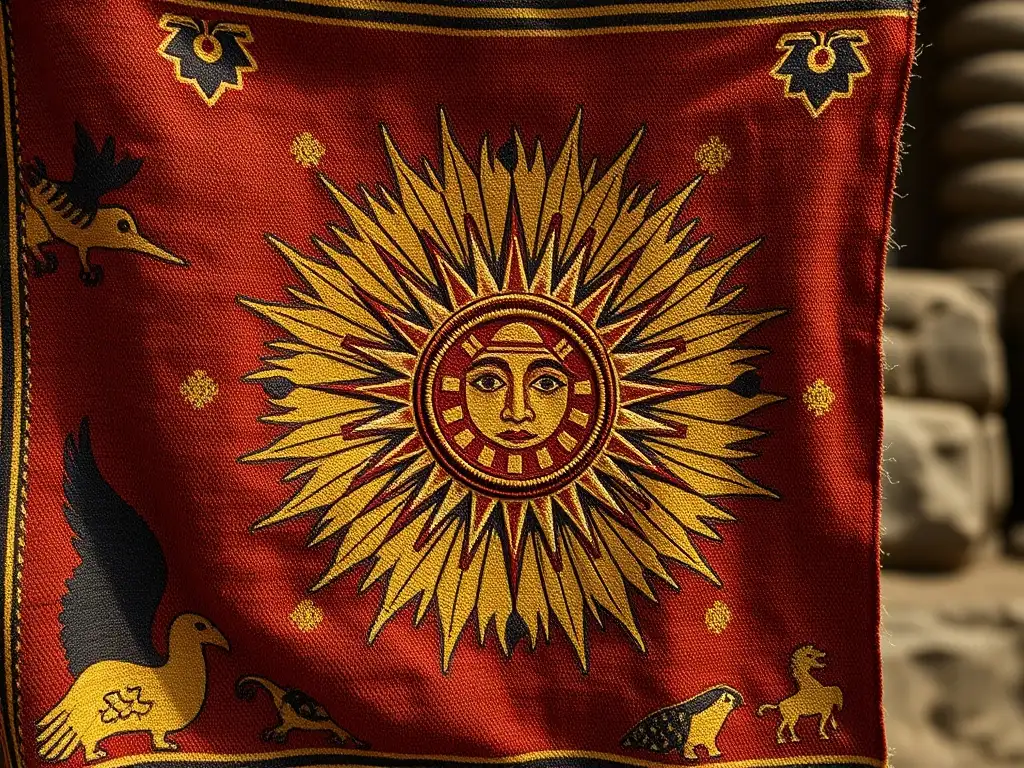
The Andean world, a tapestry woven from the threads of diverse cultures spanning millennia, placed immense importance on the sun, Inti. This wasn't merely a celestial body; Inti was a powerful deity, deeply entwined with the very fabric of Andean life, shaping their beliefs, rituals, and societal structures. Understanding Inti's significance requires delving into the rich tapestry of Andean cosmology and its profound influence on daily existence.
The reverence for Inti wasn't uniform across all Andean cultures; variations existed based on specific regional traditions and the unique interpretations of different ethnic groups. However, the central theme – the sun's vital role in sustaining life – remained consistently paramount. This central role is reflected in numerous aspects of Andean life, from agricultural practices to royal lineage and even artistic expression.
The prominence of Inti in Andean iconography serves as a powerful testament to this profound veneration, with representations appearing across various mediums and styles. Analyzing these visual representations allows us to gain a deeper understanding of the complex relationship between the Andean peoples and their sun god. The study of Andean Inti symbolism provides invaluable insights into the spiritual beliefs and social structures of these fascinating civilizations.
Inti's Role as a Supreme Deity
Inti, the sun god, held a position of supreme authority in the Inca pantheon, but his prominence extended far beyond the Inca empire. While specifics varied across different Andean societies, Inti consistently occupied a central role as the source of life, fertility, and power. He was often depicted as a majestic figure, radiating light and energy, sometimes adorned with golden ornaments reflecting his radiant power. The Inca, for example, considered the Sapa Inca (emperor) to be a direct descendant of Inti, further solidifying the sun god's supreme status and his connection to royal legitimacy.
This divine lineage was crucial for maintaining the Inca's authority and reinforcing their claim to rule. The annual Inti Raymi festival, a grand celebration honoring Inti, is a powerful example of the Inca's devotion, involving elaborate rituals, sacrifices, and feasts. These ceremonies served not only to appease the deity but also to reinforce social order and reaffirm the Inca's connection to the divine realm.
The careful preservation of Inti's image through intricate goldwork and monumental structures demonstrates the immense value placed upon this supreme being and the enduring power of his symbol. The sheer scale of the devotion to Inti across numerous Andean cultures underscores its profound and lasting impact on their worldview and social structures. It was more than worship; it was a fundamental element of their existence.
The Sun's Influence on Andean Cosmovision
Inti's influence permeated the Andean cosmovision, shaping their understanding of the universe and their place within it. The sun’s daily journey across the sky was seen as a reflection of the cyclical nature of life, death, and rebirth. The agricultural calendar was intimately linked to the sun's movements, with planting and harvesting times carefully synchronized with the solstices and equinoxes. The sun's energy was essential for agriculture, the very foundation of Andean societies.
This dependence fostered a deep spiritual connection between the people and Inti, where the sun god's benevolence directly impacted their survival and prosperity. Furthermore, the sun's power was not only associated with fertility and abundance but also with political authority. Rulers often claimed a divine right to rule, associating themselves with Inti's power and legitimacy. The intricate astronomical observations conducted by Andean cultures, reflected in their sophisticated calendar systems and monumental architecture, underscore their profound understanding of the sun's celestial movements and their integration into their daily lives.
The alignment of structures like Machu Picchu with the solstices demonstrates a deep understanding of celestial events and their significance in the Andean worldview. The sun, therefore, wasn't just a religious symbol but a powerful force shaping their social, political, and agricultural systems. The interconnectedness of Andean life with the sun's cycles is a testament to the profound influence of Inti on their cosmovision and their overall way of life.
Depictions of Inti in Ancient Andean Art
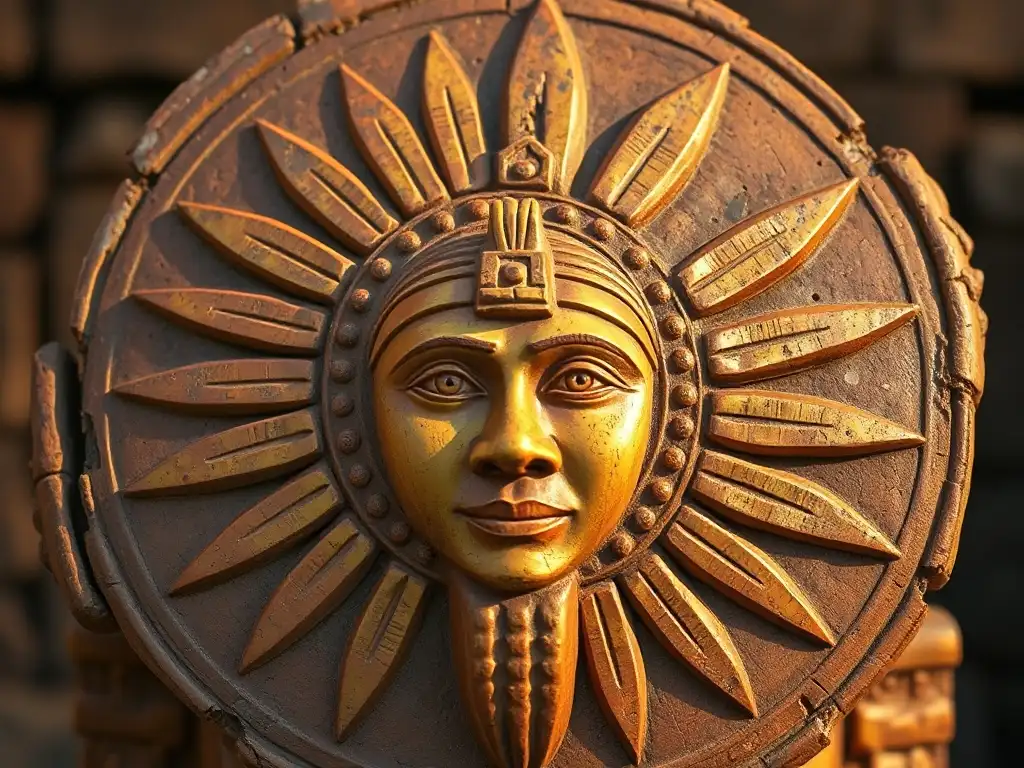
The sun god Inti held paramount importance in the cosmology and daily life of various Andean cultures. His presence permeates their art, manifesting in diverse styles and symbolic representations that reflect the unique beliefs and artistic sensibilities of each civilization. Understanding these depictions offers a crucial window into the religious, political, and social structures of these ancient societies.
Analyzing Andean Inti symbolism reveals a complex interplay of power, fertility, and cosmic order. The intensity of this symbolism is evident in the sheer volume and variety of artistic expressions dedicated to Inti, demonstrating his enduring influence on Andean artistic traditions. This section will explore the multifaceted ways Inti was portrayed, highlighting key motifs and variations across different Andean cultures.
Common Motifs and Representations of the Sun God
Inti, the Andean sun god, is frequently depicted in art as a humanized figure, often adorned with elaborate headdresses, jewelry, and clothing befitting his divine status. These representations often feature a radiant face, sometimes with stylized features, emphasizing his life-giving power. Common motifs include:
- Solar Disks: Circular representations of the sun, often embellished with rays or facial features, are ubiquitous in Andean art. These disks frequently appear as independent symbols or incorporated into larger compositions.
- Sun-like faces: These depictions emphasize the sun's life-giving aspect, often depicted with benevolent expressions.
- Concentric Circles: These symbolize the sun's cyclical nature and its influence on the agricultural cycle.
- Birds: Birds of prey, such as condors, are frequently associated with Inti, representing his power and dominion over the sky.
The prevalence of these motifs underscores Inti's central role in the Andean worldview, reflecting his influence on daily life, agriculture, and the cosmic order. The consistent use of these motifs across different cultures suggests a shared understanding of Inti's significance throughout the Andes.
Variations in Inti's Iconography Across Different Cultures
While common motifs unite the depictions of Inti, significant variations exist across different Andean cultures, reflecting their distinct artistic styles and religious beliefs. The specific attributes and symbolic elements associated with Inti varied depending on the cultural context, highlighting the diversity of Andean traditions. This variation is fascinating, revealing the ways in which each culture adapted and interpreted the sun god's image to suit their specific needs and beliefs.
Inti in Inca Art: Royal Patronage and Divine Power
In Inca art, Inti's depictions often emphasize his connection to royal power. He is portrayed as a majestic figure, reflecting the Inca emperors' claim to divine authority. Intricate goldwork, elaborate textiles, and monumental stone carvings depict Inti in regal attire, surrounded by symbols of imperial power and prestige.
The Inca's emphasis on Inti's role as a divine patron further reinforced their legitimacy and control. The grandeur of these depictions reflects the Inca's profound veneration of the sun god and his integral role in their imperial ideology. Specific examples include the use of gold and precious stones in Inti's representations, further highlighting his association with wealth and power.
Inti in Tiahuanaco Art: The Gateway of the Sun and Solar Deities
Tiahuanaco art presents a more complex portrayal of Inti, often interwoven with other solar deities and cosmological concepts. The famous Gateway of the Sun, a monumental stone structure, features a central figure, often interpreted as a representation of Inti or a related solar deity. The intricate carvings on the Gateway depict a complex array of figures and symbols, suggesting a sophisticated understanding of the cosmos and the sun's role within it.
Unlike the Inca emphasis on royal power, Tiahuanaco art focuses on the cosmic implications of the sun, emphasizing its role in the creation and maintenance of the universe. The style is distinct, characterized by its geometric precision and abstract representations.
Inti's Representation in Moche Ceramics: Warrior Figures with Solar Emblems
Moche ceramics provide a unique perspective on Inti's symbolism. While not always explicitly depicted as a human figure, solar emblems and motifs are frequently incorporated into scenes of warfare and ritual. Warrior figures often wear headdresses or garments adorned with solar disks or other sun-related symbols, connecting military prowess to the sun god's power. These depictions suggest that Inti was invoked as a source of strength and victory in battle.
The vibrant colors and dynamic compositions of Moche pottery bring to life the powerful symbolism of Inti within their culture. The detailed depictions in their ceramics provide valuable insights into the Moche's beliefs and practices. The integration of solar imagery within scenes of warfare and sacrifice highlights the importance of the sun god in their society.
The Solar Symbolism of Inti: Beyond the Literal
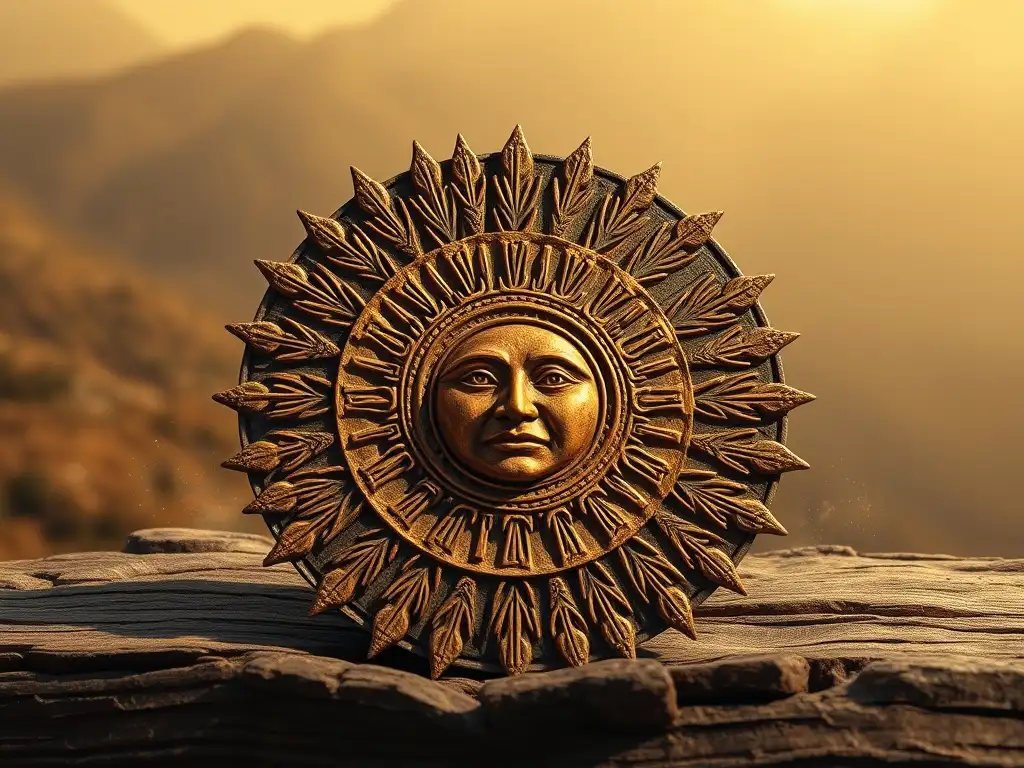
The Andean Inti, the sun god, transcended mere celestial observation; he became a potent symbol deeply woven into the fabric of Andean life and belief. His representation in art wasn't simply a depiction of the sun, but a complex expression of cosmological beliefs, social structures, and agricultural practices.
Understanding Andean Inti symbolism requires moving beyond the literal depiction of a radiant sun disc and delving into the multifaceted ways in which Inti manifested in Andean iconography. This involved a nuanced understanding of his power, influence over the natural world, and his role in the cyclical nature of life and death.
The sheer variety of Inti's representations across different Andean cultures – from the Incas to the Chimú and beyond – highlights the enduring and adaptable nature of this powerful deity. We'll explore several key aspects of Andean Inti symbolism, revealing the depth and complexity of this crucial element of Andean religious and artistic expression.
Inti's representation as a powerful and authoritative figure is evident across numerous Andean cultures. He was not merely a god; he was the Sapa Inca's divine ancestor, directly linking the ruler's legitimacy to the cosmic order. Depictions of Inti often show him adorned with elaborate headdresses, majestic robes, and symbols of power, reflecting his supreme status within the Andean pantheon. The Inca, for example, meticulously incorporated Inti's image into their architecture, textiles, and goldwork, emphasizing his importance in their imperial ideology.
The Temple of the Sun in Cusco stands as a prime example, showcasing Inti's central role in Inca state religion and the consolidation of political power. The use of gold, a material associated with the sun's radiance and divine power, further reinforced Inti's regal and authoritative image. The intricate detail and craftsmanship devoted to these representations underscore the profound reverence held for Inti as the ultimate source of authority.
This reverence manifested not only in grand scale architecture but also in smaller, more personal items. For instance, many smaller golden Inti figures have been found in tombs, suggesting a connection between the sun god's power and the status of the deceased. This connection suggests that the power and authority associated with Inti extended beyond the earthly realm.
Inti's Connection to Fertility and Agriculture
Beyond political power, Inti's symbolism encompassed the vital aspects of fertility and agriculture, the very lifeblood of Andean societies. As the sun, Inti was directly responsible for the success of agricultural harvests, the foundation of Andean economies. The annual solar cycle, marked by the solstices and equinoxes, was deeply entwined with agricultural cycles.
Many Andean ceremonies and rituals revolved around ensuring Inti's favor, thereby guaranteeing bountiful harvests. Iconographic representations often depict Inti alongside agricultural motifs – such as maize cobs, llamas, and other symbols of abundance – emphasizing this close relationship.
The intricate designs woven into textiles, for example, frequently incorporated both solar imagery and agricultural symbols, demonstrating the interconnectedness of these themes in Andean cosmology. The abundance of agricultural imagery alongside Inti in Andean art suggests that the sun god was not merely a distant deity, but an active participant in the everyday life of the Andean people, directly impacting their livelihoods.
Inti's Role in the Cycle of Life and Death
The Andean worldview emphasized the cyclical nature of life and death, a concept mirrored in Inti's symbolism. The sun's daily journey across the sky, its apparent death at sunset and rebirth at dawn, became a powerful metaphor for the cyclical nature of existence. This cyclical understanding is reflected in Andean burial practices and funerary art, where Inti’s image often appears alongside representations of death and rebirth.
While Inti represented life-giving energy, his association with the daily cycle also encompassed the inevitability of death, which was seen not as an ending but as a transition within a continuous cycle. This understanding is further reinforced by the presence of Inti's imagery in tombs and other funerary contexts. The inclusion of Inti's image in these contexts suggests that the sun god accompanied the deceased on their journey into the afterlife, offering a sense of continuity and hope for rebirth.
The Andean concept of pachakuti, a cyclical renewal of the world, is intrinsically linked to Inti’s cyclical journey, highlighting the sun god's role in the continuous process of creation and destruction. The representation of Inti in Andean art, therefore, becomes a visual manifestation of this complex cosmological understanding.
Interpreting Andean Inti Symbolism
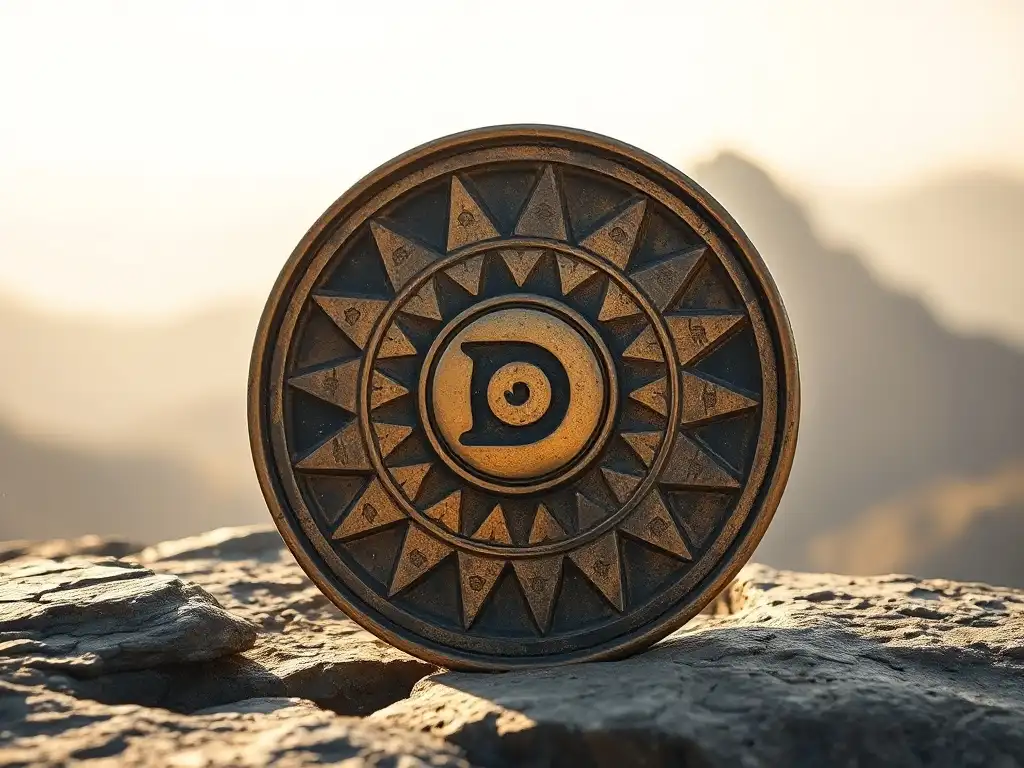
This section delves into the multifaceted symbolism of Inti, the Andean sun god, exploring its profound impact on the religious beliefs, social structures, and artistic expressions of various Andean cultures. Understanding Inti's symbolism requires moving beyond a simple "sun god" label; it involves recognizing the complex web of meanings associated with his representation in diverse iconographic forms across different Andean civilizations. We will examine how Inti's representation evolved over time and how his symbolism intertwined with other cosmological beliefs, agricultural cycles, and political power.
The analysis presented here focuses on the key elements consistently associated with Inti, allowing for a deeper appreciation of his pervasive influence on Andean worldview. The keyword "Andean Inti symbolism" is central to our exploration, as we unpack the nuances of this rich and complex subject.
The Spiritual Significance of Inti's Radiance
Inti's radiance wasn't merely a physical phenomenon for the Andean peoples; it held profound spiritual significance. The sun's life-giving energy was directly linked to the success of agricultural harvests, the very foundation of their existence. Depictions of Inti often feature him emanating rays of light, symbolizing his power to nurture and sustain life. This radiant energy wasn't just physical; it represented spiritual vitality, prosperity, and the cyclical renewal of nature.
The Inca, for example, saw Inti as the ultimate source of all creation, the father of their ruling lineage, and the guarantor of their empire's prosperity. Their elaborate festivals, such as the Inti Raymi, were dedicated to honoring Inti, ensuring his continued favor and a bountiful harvest. The meticulous alignment of Inca temples and cities with the sun's path further underscores the deep spiritual connection between the people and their sun god.
The radiant energy symbolized not only physical sustenance but also spiritual enlightenment and divine favor. The absence of the sun's radiance, conversely, represented chaos, hardship, and the potential for societal collapse. This inherent duality—life-giving energy and potential devastation—is a key aspect of understanding Andean Inti symbolism.
Deciphering the Messages Embedded in Inti's Depictions
The visual representation of Inti varied across different Andean cultures, yet certain recurring motifs reveal underlying commonalities in their symbolic understanding. Inti is often depicted as a human-like figure, sometimes adorned with elaborate headdresses and jewelry, reflecting his regal status and divine power. The presence of specific symbols, such as the sun disc (often with facial features), a staff or scepter, and associated animals (e.g., the condor), adds further layers of meaning. The precise arrangement and details within these depictions can convey specific messages or narratives.
For instance, the Moche culture, known for their intricate pottery, frequently depicted Inti in scenes of battle or triumph, reflecting his role as a protector and source of military strength. Nazca ceramics, on the other hand, often portray Inti in a gentler, more nurturing aspect, emphasizing his role in the agricultural cycle. These varied portrayals highlight the adaptability of Inti's symbolism across different cultural contexts, while still maintaining a core association with life, power, and cosmic order.
Careful study of these artistic representations is crucial for deciphering the subtle nuances in Andean Inti symbolism. Analyzing the specific artistic techniques, the chosen materials, and the context of the artwork itself provides a richer understanding of the message the creators intended to convey.
The Enduring Legacy of Andean Sun Worship
The worship of Inti and the associated symbolism didn't disappear with the decline of the Inca Empire. Elements of sun worship and the associated iconography persist in various Andean communities even today. While the formal rituals may have changed, the deep-seated reverence for the sun as a life-giving force and a symbol of power and cosmic order continues to resonate. This enduring legacy is evident in contemporary Andean art, folklore, and traditions. The sun continues to hold a significant place in the cultural identity of Andean peoples, reflecting the enduring power of Inti's symbolism.
The continued presence of Inti-related motifs in modern Andean textiles, ceramics, and religious practices demonstrates the persistence of this ancient symbolism. Understanding this enduring legacy helps to appreciate the continuous thread connecting past and present Andean cultures. It highlights the profound and lasting impact of Inti's symbolism on the spiritual and cultural landscape of the Andes. The study of Andean Inti symbolism, therefore, provides a compelling window into the enduring beliefs and values of Andean civilizations.
Andean Inti Symbolism: A Conclusion
Summarizing the Multifaceted Meanings of Inti
The sun god Inti, in Andean cosmology, transcended a simple celestial body; he represented the lifeblood of the Inca Empire and its predecessor cultures. Understanding Andean Inti symbolism requires acknowledging its multifaceted nature. Inti wasn't just a deity; he was a powerful force interwoven into the fabric of daily life, agriculture, and societal structure. His representation in iconography reflects this complexity.
From the shimmering gold discs adorning temples to the intricate weavings depicting his journey across the sky, Inti's image served as a constant reminder of his power and influence. The sun's cyclical nature – its daily rise and fall, its seasonal shifts – mirrored the cyclical understanding of life and death prevalent in Andean belief systems. This cyclical perspective is crucial to deciphering the symbolic meanings embedded in Inti's various representations.
For example, the depiction of Inti with human features, often holding a staff or accompanied by other deities, emphasizes his role as a divine ruler and protector. Conversely, representations of Inti as a radiant disc, devoid of human form, highlight his cosmic power and his connection to the natural world. These subtle variations in iconography reveal the nuanced understanding of Inti's multifaceted role within Andean culture.
Further research into regional variations in Inti's depictions could provide even more granular insights into the diversity of Andean beliefs and practices. The subtle differences in artistic style between the Inca, Moche, Nazca, and Tiahuanaco cultures, for example, offer a fascinating avenue for future investigation. Analyzing these differences will allow for a deeper understanding of how the concept of Inti evolved and adapted across different Andean societies.
The Importance of Preserving and Understanding Andean Heritage
The preservation and study of Andean Inti symbolism are not merely academic exercises; they are crucial for understanding the rich tapestry of Andean civilization. By carefully analyzing the surviving artifacts – gold ornaments, pottery shards, textiles, and monumental structures – we gain invaluable insights into the beliefs, values, and social structures of these ancient societies. The intricate details woven into these objects reveal a profound connection to the natural world and a sophisticated understanding of the cosmos.
The continued study of Andean Inti symbolism is vital for several reasons:
- Cultural preservation: Understanding Inti helps us appreciate the cultural heritage of Andean peoples and their enduring legacy.
- Historical context: Inti's symbolism provides crucial context for interpreting other aspects of Andean culture, such as agricultural practices, social hierarchies, and political systems.
- Modern relevance: The enduring power of Inti's symbolism resonates even today, offering insights into the human experience and our relationship with the natural world. The cyclical nature of Inti's journey, for instance, offers a powerful metaphor for the cyclical nature of life itself.
Ignoring or dismissing the significance of Andean Inti symbolism would be a profound loss. It is imperative that we continue to support research, protect archaeological sites, and promote the understanding of this vital aspect of Andean heritage. The meticulous cataloging and digital archiving of existing artifacts are crucial steps in ensuring the long-term preservation of this invaluable knowledge. Furthermore, collaboration between archaeologists, historians, and indigenous communities is essential for a respectful and accurate interpretation of Andean Inti symbolism.
This collaborative approach ensures that the voices and perspectives of those most directly connected to this cultural heritage are heard and honored. The study of Andean Inti symbolism is, therefore, not just an academic pursuit but a vital act of cultural preservation and a testament to the enduring legacy of Andean civilization. ☀️
Frequently Asked Questions
What is Inti?
Inti was the principal sun god in Inca mythology and religion. He was considered the source of life and energy, and held immense importance in their culture. His worship permeated all aspects of Inca society.
How was Inti represented in Andean art?
Inti is often depicted in Andean art as a human-like figure with sun rays emanating from his head or body. He's also symbolized by gold discs and other solar motifs. These representations can be found in textiles, ceramics, and metalwork.
What role did Inti play in Inca society?
Inti was not just a deity; he was considered the ancestor of the Inca royal family. His worship influenced agricultural practices, political structures, and daily life. Royal lineage was directly tied to his divine power.
How did Inti's symbolism differ among various Andean cultures?
While Inti held central importance across many Andean cultures, the specific nuances of his symbolism varied. For example, the Moche and Nazca cultures had their own sun deities, whose representation and significance may differ from the Inca's Inti.
Where can I find examples of Andean Inti symbolism?
Many examples of Inti symbolism are housed in museums around the world, particularly in South America. You can also find them in archaeological sites across the Andes region, showcasing the prevalence of Inti in Andean iconography.
Final Reflection: Inti's Enduring Legacy: A Light Across Time
The enduring symbolism of Inti, the Andean sun god, resonates far beyond the Inca Empire, illuminating our understanding of ancient Andean cosmology and its surprising relevance to contemporary discussions of power, nature, and spirituality. His image, woven into textiles, carved into stone, and painted onto pottery, continues to speak volumes about the ingenuity and profound connection to the natural world held by Andean civilizations. The legacy of Inti is not merely historical; it's a living testament to the enduring power of myth and its ability to shape cultural identity.
Inti's influence extends beyond the realm of academic study; his image and the stories surrounding him remain potent symbols in modern Andean culture, shaping artistic expression, religious practices, and even political discourse. His radiant presence continues to inspire awe and reverence. The sun is not merely a celestial body; it is the heart of the world, the source of life and energy.
This sentiment, though perhaps not directly from an Inca source, encapsulates the profound spiritual significance Inti held, a significance that continues to echo in the hearts and minds of many today. The vibrant tapestry of Andean culture is, in many ways, still woven with the golden threads of Inti's influence.
Consider, for a moment, the power of the sun in your own life. How does its presence affect your mood, your energy, your perspective? Inti's enduring legacy invites us to reconnect with the natural world, to appreciate the life-giving power of the sun, and to reflect on the enduring strength of cultural traditions that have survived the passage of time. Let the radiant image of Inti inspire you to find your own inner light, to embrace the power of nature, and to celebrate the rich tapestry of human history and its enduring myths. Let his legacy illuminate your path.
Embrace the Light of Inti: Take Action Today!
Thank you for exploring the rich symbolism of Inti and the vibrant legacy of Andean iconography! Understanding this cultural heritage enriches your knowledge and connects you to the profound history of the Andes. Now, let's put this newfound appreciation into action:
- Discover Local Andean Culture: Visit museums or attend cultural festivals celebrating Andean history and art. Engage with the community and share your insights about Inti!
- Create Inspired Artwork: Channel Inti's radiant energy into your own artistic expression. Explore various mediums, such as painting, sculpture, or textile arts, to bring your vision to life.
- Share Your Knowledge: Discuss this fascinating subject with friends, family, or online communities. Encourage others to explore the significance of Inti and learn more about Andean cultures.
How will you let the spirit of Inti illuminate your day?