
The Enduring Legacy: Modern Lessons from Ancient Andean Tools

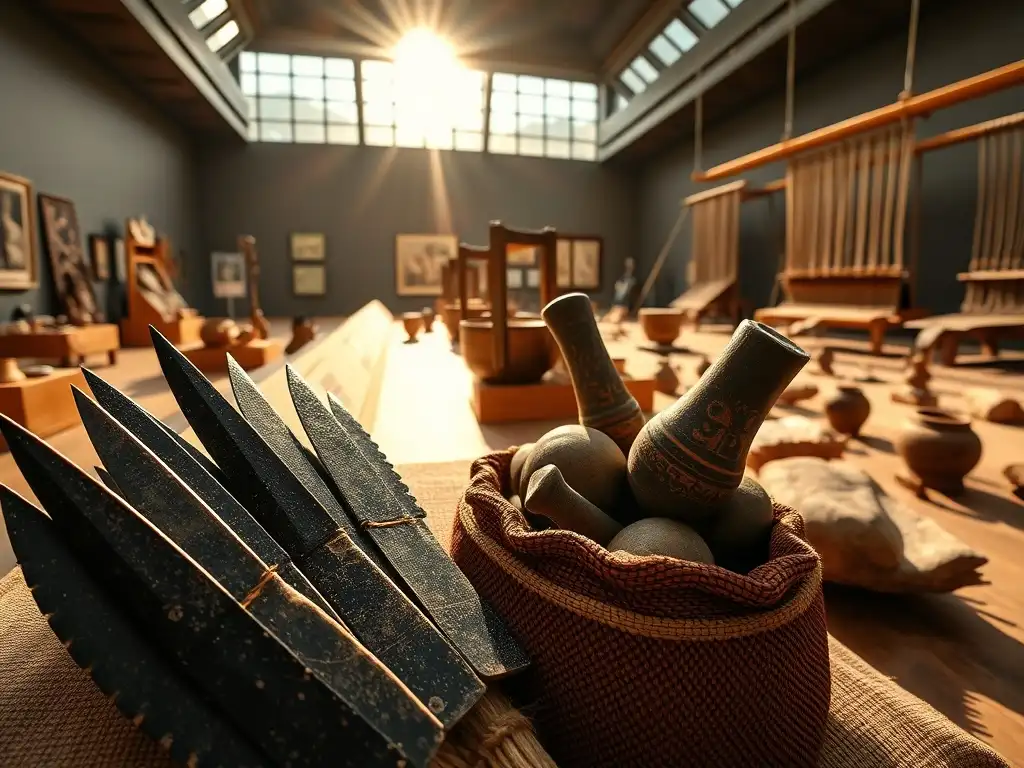
Step into a world lost to time, yet echoing with innovation. For centuries, the Andean civilizations—from the Incas to the Nazca—crafted a legacy of ingenuity that continues to fascinate and inspire. Discover the secrets behind their remarkable achievements, and prepare to be amazed by the surprising Ancient Andean tool technology lessons that still hold relevance today. Prepare to be challenged, intrigued, and ultimately, transformed by the enduring power of Andean innovation. Uncover the mysteries... read on.
The ingenuity of ancient Andean civilizations continues to fascinate and inspire. Their mastery of tool technology, developed within challenging geographical and environmental conditions, offers valuable lessons for modern engineering and sustainable practices. This article explores the remarkable achievements of Andean toolmakers, focusing on the practical applications and enduring relevance of their innovations.
We will delve into specific examples from various Andean cultures – including the Incas, Moche, Nazca, and Tiahuanaco – to highlight the ingenuity and resourcefulness that characterized their approach to tool design and manufacturing. By understanding the principles behind their tools, we can gain insights into sustainable resource management, efficient design processes, and the importance of adapting technology to specific environmental contexts. This exploration of "Ancient Andean tool technology lessons" will reveal how these ancient techniques continue to resonate in contemporary solutions to modern challenges.
Agricultural Innovations: Terracing and Irrigation
The Andean landscape, characterized by steep slopes and arid regions, presented significant challenges to agriculture. Andean civilizations overcame these obstacles through the development of sophisticated irrigation systems and terracing techniques. These were not simply rudimentary methods; they represent complex engineering feats that maximized arable land and water resources. For instance, the intricate canal systems of the Nazca culture, still visible today, demonstrate a profound understanding of hydraulics and water management. These systems, often built with meticulously cut stone channels and sophisticated diversion techniques, allowed for the cultivation of crops in otherwise inhospitable areas. Similarly, the terraced fields of the Inca empire, carved into mountain slopes, dramatically increased agricultural productivity by reducing erosion and optimizing sunlight exposure. These techniques, refined over centuries, demonstrate a deep understanding of environmental factors and a commitment to sustainable land management – lessons crucial for modern agriculture facing the pressures of climate change and population growth.
Metallurgy and Metalworking: Precision and Innovation
Andean metallurgy stands as a testament to the advanced technological capabilities of these civilizations. The ability to extract, refine, and work with metals like gold, silver, copper, and bronze was not merely decorative; it was essential for creating tools for agriculture, warfare, and daily life. The Moche culture, for example, is renowned for its sophisticated metalworking techniques, producing intricately designed tools and ornaments. Their mastery of lost-wax casting allowed for the creation of complex shapes and detailed designs.
The precision and artistry evident in their metalwork demonstrate a deep understanding of material properties and metallurgical processes. Furthermore, the recycling and reuse of metals highlight a sustainable approach to resource management, a concept gaining renewed importance in today's world. The development of alloys, such as tumbaga (a gold-copper alloy), showcases their experimental approach and understanding of material science.
Textile Production: Fiber Technology and Weaving Techniques
The Andean civilizations were also masters of textile production, developing sophisticated techniques for spinning and weaving various fibers, including cotton, wool, and camelid hair. Their intricate weaving patterns, often incorporating symbolic and narrative elements, demonstrate a high level of skill and artistic expression. The tools used in textile production, from spindles and looms to specialized needles, were carefully crafted to meet specific needs.
The design and functionality of these tools reflect an understanding of ergonomics and efficiency. The durability and complexity of Andean textiles highlight the quality and longevity of their production methods, offering valuable lessons in sustainable material use and efficient manufacturing processes. Moreover, the intricate designs and color palettes often reflect a deep connection to the natural environment and a rich cultural heritage.
Stonework and Construction: Precision Cutting and Engineering
The mastery of stonework evident in Andean architecture is truly remarkable. The precise cutting and fitting of massive stone blocks in structures like Machu Picchu and Sacsayhuamán showcase advanced engineering skills and a sophisticated understanding of structural mechanics. The tools used to achieve this level of precision, including copper and bronze chisels, hammers, and mallets, were carefully designed and employed with remarkable skill.
The construction techniques, which often involved the transportation and placement of enormous stones, demonstrate a deep understanding of engineering principles and a highly organized workforce. The enduring legacy of these structures, their resistance to earthquakes and other natural disasters, highlights the effectiveness and sustainability of ancient Andean building techniques. These accomplishments provide valuable insights into sustainable construction practices and the importance of adapting building techniques to specific environmental conditions.
- Agricultural Innovations: Terracing and Irrigation
- Metallurgy and Metalworking: Precision and Innovation
- Textile Production: Fiber Technology and Weaving Techniques
- Stonework and Construction: Precision Cutting and Engineering
- What makes Andean tool technology so significant?
- What types of materials did Andean civilizations utilize for their tools?
- How did Andean toolmaking techniques influence later cultures?
- Can we learn practical lessons from ancient Andean tool technology today?
- Where can I learn more about Ancient Andean tool technology?
Unveiling Ancient Andean Tool Technology
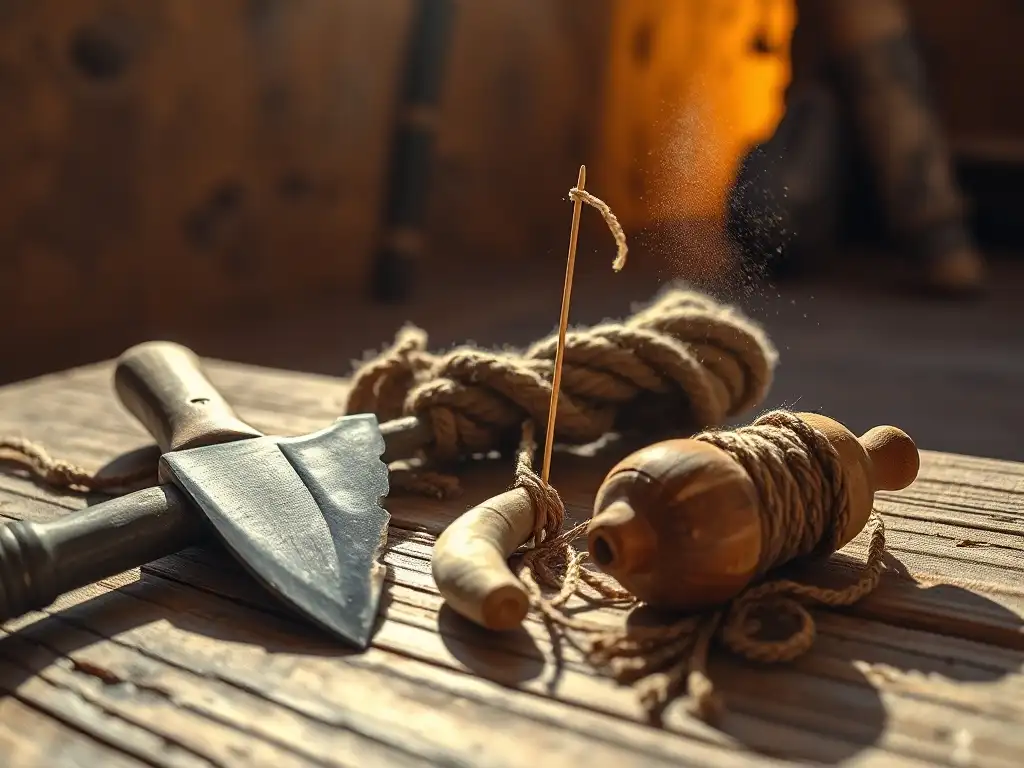
Introduction to Andean Ingenuity in Toolmaking
The ingenuity of Ancient Andean toolmaking is a testament to human adaptability and resourcefulness. Facing diverse and challenging terrains, from the high Andes mountains to the arid coastal deserts, these civilizations developed sophisticated techniques for crafting tools from readily available materials. Their mastery extended beyond simple utility; tools were often imbued with symbolic meaning, reflecting religious beliefs and social structures. This section delves into the fundamental principles underpinning Andean tool creation, highlighting the materials used and the innovative techniques employed.
The most common materials included obsidian, a volcanic glass prized for its sharpness, and various types of stone, such as andesite and diorite, selected for their durability. Copper, bronze, and gold were also utilized, though less frequently due to their scarcity, primarily for ceremonial or elite tools. The process often began with careful selection of raw materials, followed by shaping through techniques like pecking, grinding, and polishing.
Advanced techniques, such as lost-wax casting for metalwork, demonstrate a high level of metallurgical knowledge. The tools weren't just functional; their aesthetics often reflected the cultural values of their creators. Intricate carvings and polished surfaces suggest a keen attention to detail, exceeding mere practical requirements.
Analyzing these tools provides invaluable insight into the technological prowess and artistic sensibilities of these ancient societies. Further research into specific tool types and their regional variations would reveal a much richer understanding of Ancient Andean tool technology lessons.
The Significance of Tools in Ancient Andean Daily Life
Ancient Andean tools were not merely instruments; they were integral to the fabric of daily life, shaping the social, economic, and spiritual landscapes of these civilizations. Their importance transcended mere functionality, playing crucial roles in agriculture, construction, textile production, and religious practices. Understanding their significance requires examining their diverse applications and the profound impact they had on Andean societies.
Consider agriculture, the backbone of Andean economies. Tools like the chaquitaclla (a foot plow) and various types of hoes and digging sticks were essential for cultivating crops like potatoes, maize, and quinoa in challenging environments. The efficiency of these tools directly impacted food production and population density. Similarly, the construction of impressive structures, such as terraces and monumental architecture, relied heavily on sophisticated stoneworking tools, reflecting advanced engineering skills and collaborative efforts.
The creation of intricate textiles, renowned for their quality and artistry, depended on specialized tools like spindles, looms, and needles, showcasing the advanced technological capabilities of Andean women. Even religious rituals involved specialized tools, emphasizing their central role in Andean spirituality. The intricate designs on ceremonial tools and their use in rituals underscores their significance beyond mere practicality. To fully appreciate the impact of Ancient Andean tool technology, we need to consider the interconnectivity of these tools with their social and religious contexts.
Further research into the social organization of tool production and distribution would illuminate this aspect further. The study of Ancient Andean tool technology offers invaluable lessons in sustainable resource management, community collaboration, and adaptation to challenging environments. Understanding this legacy can provide us with valuable insights for addressing contemporary challenges.
Key Ancient Andean Tools and Their Function

This section delves into the ingenious tools employed by ancient Andean civilizations, highlighting their remarkable adaptability and enduring relevance even in modern contexts. Understanding the design and application of these tools offers valuable insights into the ingenuity and resourcefulness of these societies, providing lessons in sustainable practices and technological innovation that remain pertinent today. The analysis focuses on three key tools that exemplify the sophistication of Andean tool technology: the chakitaqlla, the macana, and the tumi. Analyzing these tools allows us to understand the "Ancient Andean tool technology lessons" that are still relevant today.
The Andean Chakitaqlla: A Precursor to the Plow
The chakitaqlla, a digging stick with a footrest, stands as a testament to the Andean peoples' practical approach to agriculture. Unlike simple digging sticks used in other parts of the world, the chakitaqlla's ingenious design significantly increased efficiency. The footrest allowed for leverage, enabling deeper penetration into the soil with less effort. This innovation was crucial in cultivating the challenging Andean terrain, characterized by steep slopes and rocky soil. The chakitaqlla's impact extended beyond mere agricultural productivity; it represents a fundamental step in the evolution of tillage technology, arguably a precursor to the modern plow.
Its widespread use across diverse Andean communities underscores its effectiveness and adaptability. Archaeological findings consistently reveal the chakitaqlla's presence in various contexts, further solidifying its importance in Andean agricultural practices. The simplicity of its design, combined with its remarkable efficiency, makes it a prime example of sustainable technology, minimizing environmental impact while maximizing yield. The chakitaqlla's enduring legacy lies not just in its historical significance, but also in the lessons it imparts regarding resourcefulness and sustainable agricultural practices. Even today, modified versions of the chakitaqlla are still used in some Andean communities, showcasing its enduring practicality.
The Versatile Andean Macana: Agricultural and Combat Applications
The macana, a club-like weapon made from wood or stone, served a dual purpose in Andean societies: agricultural tool and weapon. Its versatility highlights the pragmatic nature of Andean technology, where tools often fulfilled multiple functions. In agriculture, the macana was used to clear land, break up soil clods, and even thresh grains. Its weight and shape made it effective for these tasks, requiring less finesse than specialized tools. This functionality is a key lesson in efficient resource management, maximizing the utility of a single tool for diverse needs.
However, the macana's role extended beyond agriculture. Its effectiveness as a weapon in both warfare and self-defense is well-documented. Its solid construction and weight made it a formidable weapon, capable of delivering powerful blows. This dual functionality is a notable example of the strategic thinking embedded within Andean tool design. The macana represents a balance between practicality and necessity, reflecting the demands of a society grappling with both agricultural challenges and the realities of conflict. The macana’s story offers a compelling case study in "Ancient Andean tool technology lessons" regarding resourcefulness and adaptation to diverse needs.
The Importance of the Andean Tumis in Surgery
The tumi, a distinctive ceremonial and surgical knife with a crescent-shaped blade, showcases the advanced metallurgical skills and medical knowledge of the ancient Andean civilizations. Made from copper alloys, the tumi’s sharp blade, combined with its ergonomic handle, allowed for precise incisions. Archaeological evidence suggests its use in both ritualistic contexts and sophisticated surgical procedures, including trepanation (skull surgery). The precision required for trepanation, a complex procedure with high risk of infection, demonstrates a level of surgical skill that challenges preconceived notions about ancient medical practices.
The tumi’s intricate design and the advanced metallurgical techniques used in its creation highlight the sophistication of Andean metalworking. The ability to create such a precise and durable tool speaks volumes about the understanding of metallurgy and the level of technological advancement achieved by these societies. The tumi’s legacy is not just about surgical tools; it’s a testament to the sophisticated understanding of human anatomy, surgical techniques, and the advanced metalworking capabilities of the ancient Andeans.
Analyzing the tumi provides crucial "Ancient Andean tool technology lessons" regarding medical practices and metalworking. The tumi’s intricate design and the advanced metallurgical techniques used in its creation highlight the sophistication of Andean metalworking.
Andean Stone Tools: Mastery of Precision and Craftsmanship
Andean civilizations demonstrated exceptional skill in crafting stone tools, showcasing a deep understanding of material properties and advanced techniques. Their mastery extended beyond mere functionality; these tools often incorporated intricate designs and artistic elements, reflecting a sophisticated aesthetic sense. The precision achieved in their work is remarkable, especially considering the tools available to them.
For instance, the intricate carvings found on some ceremonial axes and adzes reveal an astonishing level of control and patience. The creation of such tools required specialized knowledge passed down through generations, highlighting the importance of apprenticeship and the transmission of cultural heritage within Andean societies.
The materials used varied greatly depending on availability and intended purpose. Obsidian, prized for its sharp edges and ease of shaping, was used extensively for knives, projectile points, and blades. Basalt, a harder and more durable stone, was favored for tools requiring greater resistance to wear and tear, such as grinding stones and manos (hand stones) used for processing grains.
Other materials, including andesite and quartzite, were also employed, demonstrating an adaptable approach to toolmaking based on regional resources. The selection of specific stone types for specific tools reveals a nuanced understanding of material science, far exceeding simplistic notions of primitive technology.
Furthermore, the techniques employed in shaping these tools were sophisticated and varied. Techniques like pecking, grinding, and polishing were combined to achieve the desired shape and finish. The precision of these techniques is evident in the finely crafted edges of blades and the smooth surfaces of polished ceremonial objects.
The creation of these tools wasn't a haphazard process; rather, it was a deliberate and skilled undertaking, reflecting a profound connection between the Andean peoples and their environment. The ability to extract, shape, and refine these materials to such a high degree of precision speaks volumes about their technological prowess and its lasting impact on subsequent cultures. The legacy of this precision continues to inspire modern artisans and engineers alike.
Careful examination of these tools reveals not only their practical use but also the rich cultural context in which they were created and used, offering invaluable insights into the lives and beliefs of the ancient Andean populations. Their enduring legacy serves as a testament to the ingenuity and artistry of these remarkable civilizations.
Lessons from Ancient Andean Tool Technology

This section explores the enduring legacy of Ancient Andean tool technology, examining how their innovative approaches to toolmaking offer valuable lessons for modern society. We will delve into the sustainable practices employed, the remarkable adaptability and resourcefulness demonstrated in their designs, and the seamless integration of technology with the natural world that characterized their tool production. Understanding these aspects provides critical insights into achieving sustainable development and innovative problem-solving today. The study of "Ancient Andean tool technology lessons" offers a wealth of knowledge for contemporary challenges.
Sustainable Practices in Ancient Andean Tool Production
Ancient Andean civilizations, despite lacking the industrial resources of modern societies, implemented surprisingly sustainable practices in their tool production. Their approach prioritized resource efficiency and minimized environmental impact, lessons that resonate strongly in our era of ecological concern. For example, the widespread use of readily available materials like obsidian, wood, bone, and stone significantly reduced the carbon footprint associated with tool manufacturing. Obsidian, in particular, was prized for its sharpness and ease of shaping, requiring less energy to transform into tools than metalworking.
Furthermore, evidence suggests a cyclical approach to material sourcing and tool disposal. Broken or worn-out tools weren't simply discarded; instead, many were repurposed or recycled. Smaller fragments could be used for smaller tools or as components in other artifacts. This circular economy approach minimized waste and maximized the utility of available resources.
The careful selection of materials, based on their durability and availability, further contributed to the sustainability of their tool production. For instance, the choice of specific woods for particular tools reflected a deep understanding of the material properties and their suitability for different tasks. This careful selection ensured that the tools were not only effective but also long-lasting, reducing the overall need for replacement. This contrasts sharply with the "take-make-dispose" model that dominates much of modern manufacturing.
Adaptability and Resourcefulness in Andean Tool Design
The ingenuity of Ancient Andean tool design is evident in their remarkable adaptability and resourcefulness. Facing diverse geographical landscapes and varying environmental conditions, Andean toolmakers demonstrated a keen ability to modify their designs and materials to suit specific needs and contexts. Consider the diverse array of tools used in agriculture: from sophisticated irrigation systems to specialized plows and harvesting implements, each tool was specifically tailored to the local environment and the crops being cultivated. The tools weren't standardized; instead, they reflected a deep understanding of local ecology and the specific challenges posed by the terrain and climate.
The use of composite materials also showcases their resourcefulness. Tools often incorporated multiple materials – wood handles combined with stone or obsidian blades, for example – maximizing the strengths of each component. This approach allowed for lighter, stronger, and more efficient tools than those made from a single material.
Moreover, this strategy reduced reliance on any one scarce resource, enabling them to adapt to fluctuations in material availability. The Inca chaquitakllay (a sophisticated technique of terracing agricultural land) is a testament to this adaptability, as it allowed them to cultivate even steep slopes, showcasing their remarkable ability to overcome environmental limitations through clever engineering and tool design. The ingenuity of their solutions offers a compelling example of how resourcefulness can lead to sustainable solutions.
The Integration of Technology and Nature in Ancient Andean Practices
Ancient Andean tool technology wasn't simply about creating tools; it was about integrating technology seamlessly with the natural world. Their understanding of materials, ecological processes, and environmental conditions informed every aspect of tool design and production. This holistic approach contrasts sharply with the often-disruptive nature of modern industrial processes. The use of organic materials, like wood and bone, demonstrates a deep respect for the natural environment and a recognition of the finite nature of resources. The careful selection of materials, based on their suitability for specific tasks and their renewability, further highlights this integration.
Furthermore, the design of many tools reflected an understanding of ergonomic principles and the human body. Tools were often shaped and sized to fit comfortably in the hand, maximizing efficiency and minimizing strain. This shows a remarkable understanding of human factors engineering. The integration of technology and nature is also evident in the sophisticated irrigation systems developed by various Andean cultures.
These systems, often incorporating canals, terraces, and aqueducts, demonstrated a deep understanding of water management and its crucial role in agriculture. The integration of these technological solutions with the natural landscape allowed them to maximize crop yields while minimizing environmental disruption. This approach provides a powerful model for sustainable development today, highlighting the importance of integrating technology with nature to create resilient and environmentally responsible solutions.
Modern Applications of Ancient Andean Tool Concepts

The ingenuity of ancient Andean tool technology continues to inspire innovation in the 21st century. By studying the design and functionality of tools used by civilizations like the Incas, Moche, and Nazca, modern engineers and scientists are finding solutions to contemporary challenges in agriculture, medicine, and construction. This section explores specific examples of how these ancient designs are being reinterpreted and applied to modern problems, demonstrating the enduring legacy of Andean technological prowess. The study of "Ancient Andean tool technology lessons" provides valuable insights for modern applications.
Modern Terracing Techniques Inspired by the Chakitaqlla
The chakitaqlla, a uniquely Andean agricultural tool, was crucial for creating and maintaining the extensive terraced farming systems found throughout the Andes Mountains. This ingenious digging stick, often featuring a footrest for leverage, allowed farmers to efficiently cultivate steep slopes. Its design minimized soil erosion and maximized water retention, vital for agriculture in a challenging environment.
Modern agricultural engineers are revisiting the chakitaqlla's principles for creating sustainable terracing systems in diverse regions. The ergonomic design, minimizing physical strain on the user, is being incorporated into new tools and techniques. Furthermore, research into the chakitaqlla's effectiveness in preventing soil erosion is informing the development of modern erosion-control methods. Studies have shown that replicating the carefully graded terraces and strategically placed water channels of ancient Andean farming systems leads to a significant reduction in soil loss compared to conventional methods.
This is particularly relevant in areas prone to landslides and desertification. For example, projects in the Himalayas are now adapting chakitaqlla-inspired techniques to improve the sustainability of hillside farming in this fragile ecosystem. The success of these initiatives underscores the timeless relevance of Andean agricultural wisdom.
Minimally Invasive Surgical Instruments Based on the Andean Tumis
The tumi, a distinctive ceremonial and practical knife with a crescent-shaped blade, used by several Andean cultures, is proving to be a surprising source of inspiration for modern medical technology. Its unique blade shape and carefully balanced design allowed for precision cutting and minimal tissue damage. This characteristic is now being investigated for its application in minimally invasive surgical techniques.
Modern surgeons are exploring the possibility of adapting the tumi's blade geometry to create new surgical instruments. The curved blade's ability to navigate complex anatomical structures with precision is particularly attractive. Initial simulations and preliminary studies suggest that a tumi-inspired blade could significantly reduce trauma during surgery, leading to faster recovery times and reduced risk of complications.
The potential applications range from neurosurgery to cardiovascular procedures, where precise cutting and maneuvering within confined spaces are paramount. Further research is needed to fully realize the potential of this ancient design, but the early results are promising and highlight the unexpected relevance of Andean technology to contemporary medicine. The exploration of "Ancient Andean tool technology lessons" continues to yield surprising results.
Earthquake-Resistant Construction Using Andean Stone Masonry Principles
Ancient Andean civilizations, particularly the Incas, mastered the art of stone masonry, constructing impressive structures that withstood earthquakes for centuries. Their techniques, which involved precisely cut stones fitted together without mortar, created incredibly strong and flexible structures capable of absorbing seismic energy.
Modern engineers are studying these techniques to improve earthquake-resistant building designs. The precise fitting of stones, the use of interlocking joints, and the incorporation of irregular stone shapes, all contribute to the seismic resilience of these ancient buildings. Researchers are analyzing the structural mechanics of Inca masonry to develop new construction methods that mimic these features.
For example, the use of dry-stone construction techniques in conjunction with modern materials could lead to more cost-effective and environmentally friendly earthquake-resistant buildings. Moreover, the understanding of how Inca structures absorbed seismic energy is informing the development of new damping systems for modern buildings. The application of "Ancient Andean tool technology lessons" in earthquake-resistant architecture is a testament to the enduring value of traditional knowledge.
The careful study of Andean building techniques offers valuable insights for modern construction practices, particularly in seismically active regions. This represents a significant contribution to global safety and infrastructure development.
The Enduring Influence of Andean Toolmaking
The ingenuity of ancient Andean toolmaking continues to resonate in modern society, offering valuable lessons in resourcefulness, sustainability, and adaptation. Their mastery of diverse materials, coupled with sophisticated techniques, resulted in tools that were not only functional but also aesthetically pleasing, reflecting a deep connection between humans and their environment. Understanding their techniques allows us to appreciate the complexity of their societies and to consider the potential for similar innovative approaches to contemporary challenges. This section will explore the specific examples of how ancient Andean tool technology continues to inspire modern innovation.
The Cultural Impact of Ancient Andean Tool Technology
Ancient Andean tool technology wasn't merely about practicality; it was deeply interwoven with the cultural fabric of these societies. The creation and use of tools were often imbued with ritualistic significance, reflecting a spiritual connection with the natural world. For example, the meticulous craftsmanship evident in many tools, such as finely crafted obsidian blades or intricately carved wooden implements, suggests a level of artistry beyond mere functionality.
These objects weren't just tools; they were expressions of cultural identity, reflecting social status, religious beliefs, and artistic sensibilities. The legacy of this cultural impact is visible in contemporary Andean art and craft traditions, where similar techniques and aesthetic sensibilities continue to be employed. Moreover, the sophisticated knowledge of metallurgy, evident in the production of bronze and gold artifacts, showcases their advanced understanding of material science and its integration with their cultural worldview.
The enduring appeal of these artifacts in museums and private collections worldwide is a testament to their enduring cultural significance. The study of these tools provides insight into their social structures, belief systems, and artistic expression, enriching our understanding of these fascinating civilizations far beyond the purely technological aspects.
Preserving and Learning from Andean Ingenuity
Preserving and studying ancient Andean tools is crucial for understanding their technological advancements and for drawing inspiration for modern applications. The meticulous documentation and analysis of these tools, through archaeological excavations and museum collections, provide invaluable data for researchers. This data can be used to reconstruct ancient techniques, understand material selection processes, and assess the effectiveness of different tool designs.
For instance, the study of ancient Andean agricultural tools, such as the chaquitaclla (a foot-powered plow), reveals ingenious solutions to the challenges of farming in mountainous terrain. This knowledge can inform the development of sustainable agricultural practices in similar environments today. Furthermore, the analysis of ancient Andean textile technologies, using techniques like spinning and weaving with llama and alpaca fibers, offers valuable insights into sustainable material use and textile production methods.
These techniques are being revived and adapted in modern contexts, promoting both economic development and cultural preservation. The careful preservation of these artifacts, coupled with ongoing research, ensures that the lessons learned from ancient Andean tool technology continue to benefit future generations. We can learn much from their resourcefulness and environmental consciousness.
Conclusion: The Timeless Relevance of Ancient Andean Tools
The study of ancient Andean tool technology offers a wealth of knowledge that transcends its historical context. The ingenuity and resourcefulness demonstrated by these ancient civilizations continue to inspire modern innovation in various fields, from agriculture and materials science to art and design.
Their mastery of diverse materials, coupled with their sophisticated techniques, highlights the importance of understanding the relationship between human ingenuity and the environment. By preserving and studying these tools, we not only gain a deeper appreciation for the achievements of ancient Andean cultures but also gain valuable insights that can contribute to the development of sustainable and innovative solutions for the challenges facing our world today.
The lessons learned from ancient Andean tool technology remain profoundly relevant in the 21st century, emphasizing the timeless value of ingenuity, resourcefulness, and a deep connection to the natural world. The legacy of their toolmaking continues to inspire and inform our understanding of human innovation.
Frequently Asked Questions
What makes Andean tool technology so significant?
Andean tool technology demonstrates remarkable adaptability and ingenuity. Ancient Andean peoples developed sophisticated techniques using readily available materials, leaving a lasting impact on engineering and design. Their innovations are still relevant today.
What types of materials did Andean civilizations utilize for their tools?
Andean civilizations expertly used locally sourced materials, including stone (obsidian, andesite), metals (copper, bronze, gold), wood, bone, and textiles. The choice of material depended on the tool's intended purpose and the resources available in their specific region.
How did Andean toolmaking techniques influence later cultures?
Andean toolmaking techniques significantly influenced subsequent cultures in the Americas. Their advanced metallurgical skills, for example, spread and evolved, impacting the development of tools and weaponry across vast regions. This cultural exchange is well-documented.
Can we learn practical lessons from ancient Andean tool technology today?
Absolutely! We can learn valuable lessons about sustainable resource management, innovative design, and problem-solving from studying ancient Andean tools. Their ingenuity in adapting tools to their environment offers valuable insights for modern engineering and design.
Where can I learn more about Ancient Andean tool technology?
You can explore further by researching specific Andean cultures (Inca, Moche, Nazca, Tiahuanaco) and their tools. Many museums and academic institutions hold extensive collections and research on the subject, providing detailed information and insights.
Final Reflection: Unearthing Wisdom from the Andes
The ingenuity of ancient Andean tool technology continues to resonate today, offering invaluable lessons in sustainability, resourcefulness, and the profound connection between humans and their environment. These weren't simply tools; they were expressions of a deep understanding of materials, a commitment to efficiency, and a respect for the delicate balance of nature – qualities desperately needed in our modern world grappling with environmental challenges and resource depletion.
The enduring impact of Andean craftsmanship is not merely historical; it's a living testament to human adaptability and innovation. Their mastery of materials like obsidian and copper, their sophisticated agricultural techniques facilitated by meticulously crafted tools, and their understanding of ecological principles all speak to a holistic approach to life that we can learn from. The past is never dead. It's not even past.
– William Faulkner. This quote rings true when considering the timeless wisdom embedded within these ancient artifacts, reminding us that the solutions to modern problems may lie hidden in the ingenuity of our ancestors.
Consider the implications of this legacy. How can we, in our technologically advanced society, rediscover the principles of sustainability and resourcefulness demonstrated by the ancient Andean peoples? You have the power to integrate these lessons into your own life, whether it's through mindful consumption, supporting sustainable practices, or simply appreciating the ingenuity and resourcefulness of past civilizations. Let the enduring legacy of Andean tool technology inspire you to build a more sustainable and responsible future.
Unveil the Wisdom of the Ancients!
Thank you for exploring the lasting impact of ancient Andean tools with us! We hope you've gained valuable insights into how these remarkable artifacts illuminate innovation, sustainability, and community. Now, let's put this knowledge into practice!
- Discover local artisans: Visit a local craft workshop or artisan fair to see how ancient techniques inspire modern creations.
- Share your discoveries: Connect with friends and fellow enthusiasts online—share your favorite insights on social media and tag us!
- Explore Andean culture further: Deepen your understanding by learning more about ancient Andean practices, or even try a DIY project inspired by their masterful craftsmanship.
What aspect of Andean toolmaking resonates most with you, and how will you apply those principles to your own life?