
The Rise and Fall of Empires: New Archaeological Insights into Andean Political Systems

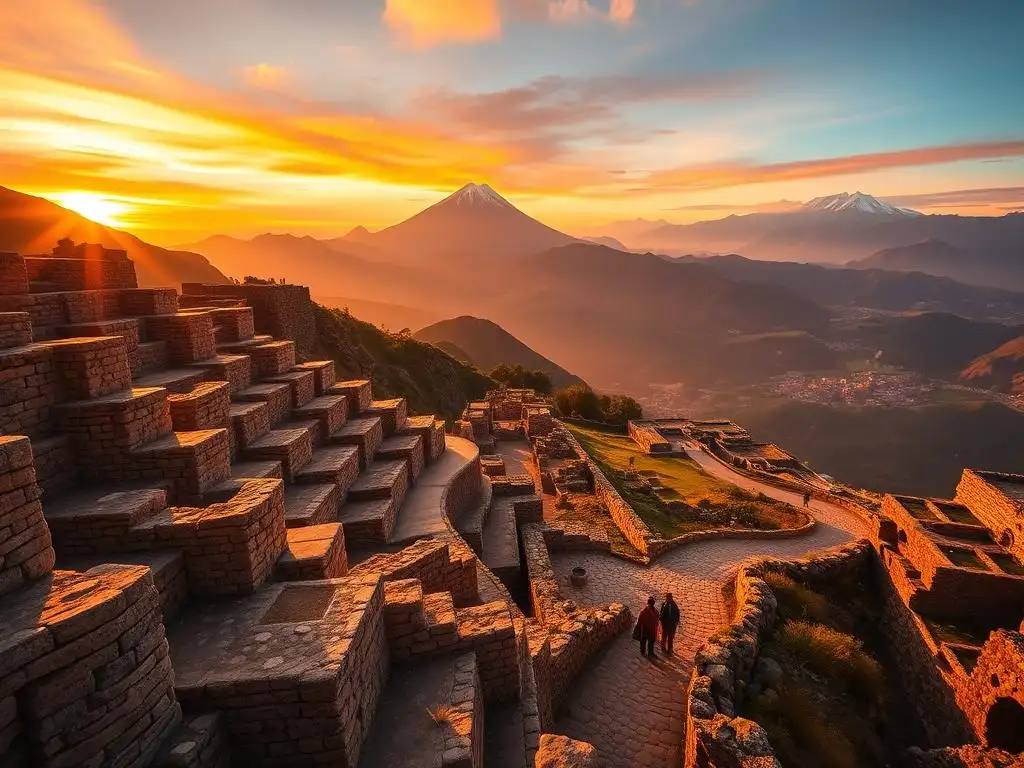
Step into a world lost to time, yet echoing with the power of Andean empires. Imagine colossal cities carved into mountainsides, intricate irrigation systems defying harsh landscapes, and the whispers of sophisticated political systems that shaped a continent. Unravel the mysteries surrounding Andean empires’ political systems in our latest article – a journey through archaeological discoveries that rewrite history. Prepare to be captivated by the rise and fall of these incredible civilizations. Dive in and discover more.
The Andes Mountains, a spine of colossal proportions running down the western edge of South America, have witnessed the rise and fall of some of the most fascinating and complex civilizations in human history. For centuries, scholars have grappled with understanding the intricate political systems that shaped these Andean empires, from the expansive Inca realm to the sophisticated societies that predated them.
This article delves into the latest archaeological discoveries that are reshaping our understanding of Andean political structures, offering new insights into the dynamics of power, governance, and the factors contributing to both the remarkable successes and eventual declines of these impressive civilizations. We will explore the evolution of Andean political systems, focusing on the key features that distinguished them and the processes that led to both their flourishing and their eventual collapse.
This exploration will not only enhance our understanding of the "Andean empires political systems" but also provide a richer appreciation for the ingenuity and resilience of the peoples who shaped the Andes. The journey will take us from the early chiefdoms to the complex bureaucratic structures of the Inca Empire, revealing a tapestry of political innovation and adaptation woven over millennia.
Understanding Andean Political Structures: An Overview
Understanding Andean political systems requires moving beyond simplistic notions of centralized empires. While the Inca Empire is often the primary focus, a nuanced picture emerges when considering the diverse political organizations that preceded and coexisted with it. These varied considerably, ranging from small-scale chiefdoms to large, regionally dominant states. Factors such as geography, resource availability, and social organization played significant roles in shaping these diverse political structures.
Archaeological evidence, including settlement patterns, monumental architecture, and burial practices, provides crucial insights into the social hierarchies, power dynamics, and forms of governance prevalent in different Andean societies. We will examine the key characteristics that defined Andean political structures, paying attention to the interplay between ideology, kinship, and economic control in maintaining social order and political power. The diversity of these systems is a testament to the adaptability and creativity of Andean societies in navigating complex social and environmental challenges.
Pre-Inca Andean Political Organizations
Before the Inca, the Andes were home to a vibrant tapestry of independent and interconnected societies. These groups, while exhibiting variations in scale and complexity, laid the foundation for the later imperial structures. Understanding these earlier political organizations is critical to fully grasping the Inca's achievements and the broader trajectory of Andean political development.
The evolution of political systems was a gradual process, marked by shifts in social organization, technological advancements, and increasing levels of integration across different regions. Examining these pre-Inca societies provides invaluable context for understanding the later rise of the Inca Empire and highlights the long-term processes of state formation in the Andes.
Early Chiefdoms and Regional Powers in the Andes
The early Andean societies were characterized by a range of political organizations, from small-scale village communities to more complex chiefdoms. These chiefdoms often controlled significant territories and exerted influence over neighboring groups. Archaeological evidence suggests that the development of irrigation systems, intensive agriculture, and specialized craft production played a significant role in the emergence of these early power structures.
The accumulation of wealth and the control of resources became crucial elements in consolidating political power, leading to the emergence of hierarchical social structures and the development of elaborate ritual practices that reinforced the authority of chiefs and elites. [Specific examples of early chiefdoms and their political structures pending].
The Development of Complex Societies and Governance
The period leading up to the Inca Empire witnessed the emergence of increasingly complex societies characterized by sophisticated forms of governance and extensive regional integration. States such as the Wari and Tiwanaku expanded their influence across vast territories, implementing innovative strategies for managing resources, organizing labor, and maintaining social order. These states developed intricate administrative systems, standardized iconography, and monumental architecture that served to consolidate power and project their authority.
[Specific examples of administrative systems and monumental architecture in Wari and Tiwanaku pending]. The rise of these complex societies demonstrates the capacity of Andean peoples to create sophisticated political systems capable of managing large populations and extensive territories, paving the way for the later dominance of the Inca Empire. The legacy of these pre-Inca states is evident in the Inca’s own political and administrative structures, underscoring the continuity and evolution of Andean political traditions.
The Emergence of Andean Empires: Case Studies
The study of Andean empires and their political systems reveals fascinating insights into the complexities of early state formation. Understanding their rise requires examining specific examples, highlighting the unique strategies and circumstances that contributed to their success. The Andes weren't unified under a single, overarching system; instead, a series of powerful states emerged, each with its own distinct organizational structure and methods of control. These varied approaches to governance, often intertwined with religious beliefs and sophisticated technologies, shaped the trajectory of Andean civilizations for centuries.
Analyzing these case studies allows us to better understand the broader trends and patterns in Andean political development. The diversity of approaches underscores the dynamic and ever-evolving nature of power in the region. We can see clear distinctions between the centralized authority of later empires like the Inca and the more decentralized, arguably less overtly imperialistic, structures of earlier states.
The Wari Empire: A Model of Early Andean Imperialism
The Wari empire, flourishing from approximately 600 to 1000 CE, represents a significant step in the development of Andean political systems. Archaeological evidence suggests a sophisticated system of urban planning, with strategically located administrative centers radiating influence across a vast territory.
These centers, characterized by monumental architecture and standardized building styles, served as hubs for the distribution of resources and the enforcement of Wari authority. Recent research focusing on ceramic styles and isotopic analysis of human remains provides compelling evidence of population movements and interactions across Wari territory, suggesting a system of control based on both coercion and integration.
The Wari state likely relied on a combination of military might and economic incentives to maintain control, creating a network of alliances and dependencies that facilitated expansion and long-term stability. The collapse of the Wari empire remains a topic of ongoing debate, with theories ranging from internal conflict to climate change playing a significant role.
The Tiwanaku State: Power and Religious Influence
The Tiwanaku state, contemporary with the Wari, presents a contrasting model of Andean power. Located on the shores of Lake Titicaca, Tiwanaku exerted its influence through a complex interplay of religious authority and economic control. The iconic monumental architecture, including the iconic Gateway of the Sun, served as powerful symbols of religious and political power, attracting pilgrims and reinforcing the state's legitimacy.
Unlike the Wari, Tiwanaku's control may have been less direct, relying more on the symbolic power of its religious institutions and the control of key resources, such as agricultural surpluses and access to vital trade routes. Archaeological investigations into Tiwanaku's extensive road network and irrigation systems reveal a sophisticated understanding of engineering and resource management, essential for maintaining control over a dispersed population.
The specific mechanisms by which Tiwanaku maintained control over its vast territory continue to be a subject of intense scholarly investigation, with ongoing debates about the nature and extent of its political influence. The interplay of religious and secular power is a key area of ongoing research.
The Inca Empire: Centralized Power and Expansion
The Inca empire, spanning from the 15th to the 16th centuries CE, represents the pinnacle of Andean political organization. Its highly centralized structure, sophisticated bureaucracy, and efficient military machine allowed for unprecedented expansion and control over a vast territory encompassing much of the Andes. The Inca's success stemmed from a combination of factors, including a highly effective administrative system, a strong military, and a sophisticated understanding of Andean geography and resource management. This empire's organization serves as a compelling example of a truly imperial political system in the Andes, unlike the arguably more regional influence of earlier states.
Inca Imperial Administration: A Bureaucratic System
The Inca empire's administrative system was remarkably advanced for its time. A complex network of officials, appointed by the emperor, oversaw various aspects of imperial life, from agriculture and infrastructure to taxation and religious practices. The mit'a system, a form of obligatory labor service, was crucial to the empire's infrastructure projects and agricultural production. This system, while demanding, ensured that the empire’s massive public works were constructed and maintained.
Detailed records, kept using quipus (a system of knotted strings), provided vital information for managing resources and tracking population movements. The Inca's ability to effectively administer such a vast and diverse empire highlights the sophistication of their bureaucratic system and its crucial role in maintaining imperial control. The efficiency of this system stands in stark contrast to the less developed administrative capabilities of earlier Andean states, showcasing a significant advance in governance.
Inca Military Power and Conquest Strategies
Inca military power was a key factor in the empire's expansion. A well-organized and disciplined army, equipped with advanced weaponry for the time, allowed the Inca to conquer and subdue neighboring populations. Inca military strategies included sophisticated siege warfare techniques and the effective use of psychological warfare. The Inca army's success was not solely attributable to its military prowess but also to its effective integration of conquered populations into the imperial system.
The Inca often offered incentives for cooperation, such as access to resources and opportunities for social mobility, alongside the threat of military force. This nuanced approach to conquest, combining military might with strategic diplomacy, allowed the Inca to expand their empire relatively rapidly and maintain control over a vast and diverse population. The Inca's military success was a crucial component of their ability to establish and maintain a large, centralized empire, which significantly shaped Andean political systems.
Archaeological Insights into Andean Political Systems
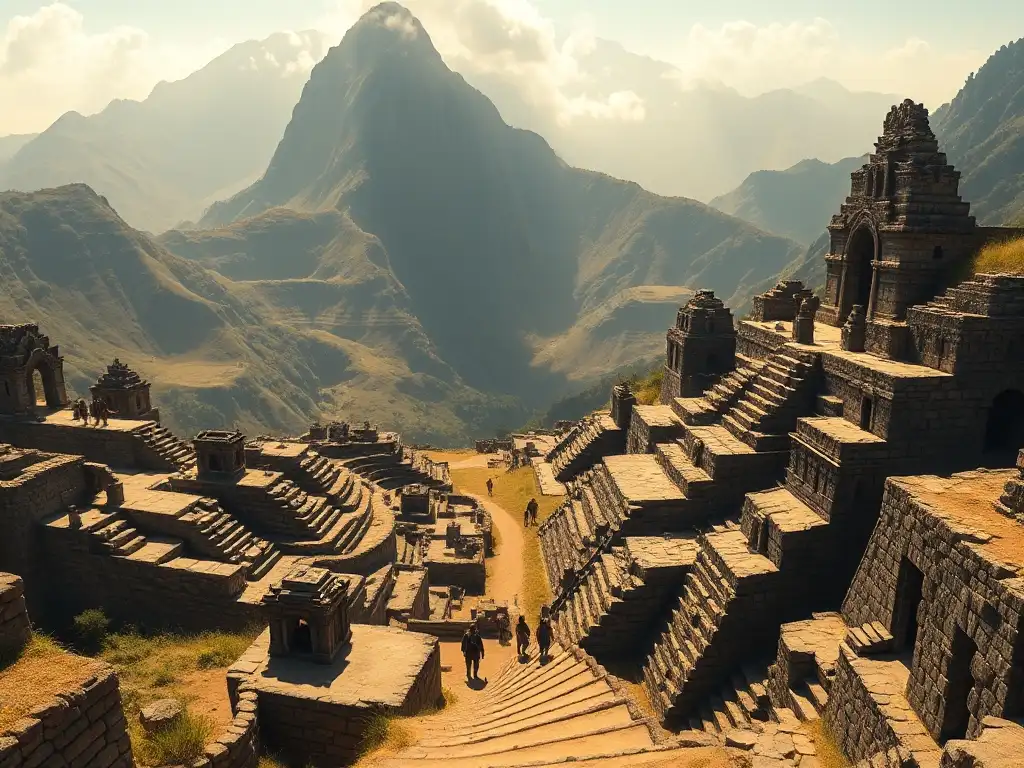
Archaeological investigations provide crucial insights into the complex political systems of Andean civilizations. By meticulously excavating sites and analyzing artifacts, researchers gain a deeper understanding of power structures, social hierarchies, and administrative practices. For instance, the discovery of elaborate palaces and monumental architecture at sites like Chan Chan (Chimor culture) reveals the centralized nature of their governance and the immense resources controlled by the elite.
The sheer scale of these constructions points to a highly organized workforce and a sophisticated system of resource mobilization, reflecting a powerful and centralized state. Furthermore, the careful study of iconography and inscriptions on ceramics, textiles, and stone carvings offers valuable clues about political ideology, royal lineage, and the symbolic representation of power. This detailed analysis helps reconstruct the narratives and beliefs that underpinned these societies' political structures.
The meticulous recording of spatial arrangements within settlements, such as the placement of elite residences relative to commoner dwellings, also helps in understanding social stratification and power dynamics. This approach goes beyond simply identifying artifacts; it involves interpreting the spatial context to understand the societal relationships they reflect. The integration of various archaeological methods, including geophysics, remote sensing, and bioarchaeology, enhances our understanding of Andean political systems by providing a multi-faceted perspective.
Recent Discoveries and Their Impact on Understanding Andean Governance
Recent archaeological discoveries have significantly reshaped our understanding of Andean governance. For example, the uncovering of extensive irrigation systems in the Nazca region has highlighted the crucial role of water management in maintaining political stability. The sophisticated engineering feats involved suggest a high degree of centralized planning and control over resources, indicating a complex bureaucratic apparatus capable of coordinating large-scale projects.
This challenges previous interpretations that emphasized a more decentralized political structure for the Nazca. Similarly, the discovery of new administrative centers in the Tiwanaku region provides evidence of a more extensive and interconnected political network than previously assumed. The presence of standardized weights and measures across the Tiwanaku empire suggests a degree of economic integration and control facilitated by a powerful central authority, fostering both economic stability and political cohesion.
The ongoing analysis of these discoveries continues to refine our understanding of how Andean societies organized and governed their populations. New dating techniques are also providing more accurate chronologies, enabling a more precise mapping of political developments and interactions between different Andean cultures.
Analyzing Material Culture for Political Clues
The analysis of material culture—artifacts, architecture, and other tangible remains—is paramount in deciphering the political dynamics of Andean civilizations. The careful examination of pottery styles, for example, can reveal regional variations reflecting different political entities or alliances. Changes in pottery styles over time can also indicate shifts in power or the adoption of new political ideologies.
Similarly, the study of textiles, often adorned with intricate designs and symbols, provides insights into social status, political affiliations, and the symbolic representation of power. The presence of specific motifs or colors on textiles worn by elite individuals, for instance, might signify their connection to the ruling class or their involvement in specific political rituals. The analysis of metalwork, particularly gold and silver objects, can also reveal much about political power and prestige.
The intricate craftsmanship and the use of precious metals often indicate the wealth and power of the ruling elite. The distribution of these objects across different regions can also help map political influence and control. By combining these various lines of material evidence, archaeologists can reconstruct a detailed picture of the political landscape of ancient Andean societies.
The Collapse of Andean Empires: Factors and Theories
The collapse of Andean empires is a complex issue, with no single explanation accounting for the demise of these powerful civilizations. Multiple factors, often intertwined, contributed to their decline. These factors can be broadly categorized into internal conflicts, environmental changes, and external pressures.
Understanding these interwoven elements is crucial for a nuanced understanding of the processes that led to the fall of these great empires. The intricate interplay of these factors underscores the importance of considering multiple perspectives when studying historical collapses. A holistic approach that considers both internal and external pressures, along with environmental factors, is essential for a comprehensive understanding.
Internal Conflicts and Political Instability
Internal conflicts and political instability played a significant role in the downfall of several Andean empires. Power struggles within the ruling elite, succession crises, and rebellions against centralized authority often weakened the state, making it vulnerable to external threats and environmental pressures. For example, the Inca Empire, despite its impressive administrative capabilities, faced significant internal challenges in its later years, including rebellions and disputes over succession. These internal divisions weakened the empire's ability to respond effectively to external threats and to manage its vast territories.
The fragmented nature of the empire after the death of Huayna Capac and the subsequent civil war between Huáscar and Atahualpa severely compromised its ability to resist Spanish conquest. Similarly, other Andean empires experienced periods of internal strife that contributed to their eventual collapse. The lack of cohesive succession plans and the resulting power vacuums often proved devastating for these societies.
Environmental Changes and Resource Management
Environmental changes and unsustainable resource management also contributed significantly to the decline of Andean empires. Changes in climate, such as droughts or floods, could have severely impacted agricultural production, leading to food shortages, social unrest, and ultimately, political instability. Overexploitation of resources, particularly water and timber, could have also strained the environment and contributed to societal collapse.
For instance, the depletion of fertile lands through intensive agriculture might have led to decreased productivity and increased competition for resources, potentially triggering conflicts and weakening the empire’s resilience. The intricate relationship between environmental factors and the political stability of Andean societies emphasizes the importance of sustainable resource management for long-term societal survival.
The Impact of External Forces and Conquest
External forces, including conquest by other Andean societies and ultimately by the Spanish, played a significant role in the decline and collapse of several Andean empires. Military invasions, often coupled with the disruption of trade routes and the imposition of new political structures, could severely destabilize existing power systems. The Spanish conquest of the Inca Empire, for example, marks a watershed moment in Andean history, leading to the dramatic downfall of a powerful and sophisticated civilization.
The introduction of new diseases, along with the disruption of traditional social and economic structures, contributed significantly to the decline of the Inca Empire and other Andean societies. The interaction between internal factors and external pressures highlights the complex interplay of forces that contributed to the downfall of Andean empires. The Spanish conquest, while a decisive event, unfolded against a backdrop of existing internal weaknesses and vulnerabilities.
Legacy and Ongoing Research on Andean Political Systems
The study of Andean political systems is a dynamic and ever-evolving field. Decades of research have yielded significant insights into the complex structures and hierarchies of civilizations like the Inca, Moche, and Tiwanaku. However, new archaeological discoveries and advancements in analytical techniques constantly challenge and refine our understanding.
The legacy of this research is a growing body of knowledge that continues to reshape our perception of these ancient societies, moving beyond simplistic narratives of centralized power and revealing the nuanced realities of governance and social organization. This ongoing work is crucial for a more complete and accurate understanding of Andean history. For example, recent excavations have unearthed evidence of previously unknown administrative centers, suggesting a more decentralized political structure than previously thought in certain periods and regions.
This challenges older models that emphasized solely the power of a central authority. The accumulation of data from various sites allows for comparative analysis, leading to a richer, more comprehensive picture of Andean political diversity. We are moving away from generalizations and towards a more nuanced understanding of the regional variations in political organization across the Andes.
Continuing Archaeological Excavations and Analysis
New archaeological excavations are constantly providing fresh data that enriches our understanding of Andean political systems. Sites like Machu Picchu continue to yield new information about Inca administrative practices and social stratification. Furthermore, ongoing excavations at lesser-known sites are revealing the complexities of regional power structures and their interactions with larger empires.
Sophisticated techniques like Geographic Information Systems (GIS) are being applied to analyze spatial patterns of settlement, infrastructure, and resource distribution, providing valuable insights into the ways in which power was exercised and resources managed. The analysis of artifacts, particularly those with symbolic or administrative significance, such as inscribed ceramics or metalwork, is also crucial. These objects often provide valuable clues about political ideology, ritual practices, and the social hierarchy.
By combining these different approaches, researchers can build a more comprehensive picture of the political landscape of the Andes. For instance, the meticulous study of Inca road systems and their strategic placement reveals not only logistical efficiency but also a sophisticated strategy of control and communication across vast territories.
Reassessing Previous Interpretations of Andean Political History
The ongoing research necessitates a reassessment of previous interpretations of Andean political history. Older models often presented a simplified view of these societies, frequently emphasizing a monolithic structure with a single, all-powerful ruler. However, recent findings highlight the complexity and diversity of Andean political systems.
Evidence suggests that power was often shared, negotiated, and contested among various groups and factions. The role of religious elites, local leaders, and kinship structures in shaping political dynamics is increasingly recognized as a crucial element. This revised understanding emphasizes the fluidity and dynamism of Andean political landscapes, acknowledging periods of both centralized control and decentralized governance.
For example, recent studies of the Wari empire challenge the traditional view of a highly centralized state, suggesting a more complex network of alliances and regional autonomy. This continuous reevaluation is essential for a more accurate and nuanced understanding of the intricate interplay of power and influence in the Andes.
The Importance of Studying Andean Political Systems for Modern Understanding
Understanding Andean political systems holds significant importance for contemporary society. The study of these ancient societies provides valuable insights into the complexities of governance, social organization, and the management of resources in diverse environments. By examining the successes and failures of past political systems, we can gain a deeper understanding of the factors that contribute to political stability and instability. The strategies employed by Andean civilizations for managing conflict, maintaining social order, and adapting to environmental challenges offer valuable lessons for modern societies facing similar issues.
Moreover, studying the diverse ways in which Andean societies organized themselves provides valuable perspectives on alternative models of governance and social organization. This can inspire innovative approaches to contemporary challenges in areas such as environmental sustainability, resource management, and conflict resolution. The study of Andean political systems is not merely an academic exercise; it offers critical insights applicable to contemporary global issues.
Conclusion: The Enduring Legacy of Andean Political Structures
The legacy of Andean political structures continues to resonate today. While these empires ultimately declined, their sophisticated systems of governance, infrastructure, and social organization left a profound mark on the region. The enduring impact is evident in the cultural practices, social structures, and even the physical landscape of modern Andean communities.
The meticulous research into these systems provides valuable insights into the complexities of power, governance, and social organization, offering lessons for contemporary societies. Ongoing archaeological excavations and analyses are continuously refining our understanding of these intricate societies, challenging preconceived notions and revealing the nuanced realities of their political lives.
The study of Andean political systems remains a vibrant and crucial area of research, offering important insights into both the past and the present. The continuing exploration of "Andean empires political systems" promises to further illuminate the rich tapestry of Andean history and its relevance to our understanding of human societies.
- Understanding Andean Political Structures: An Overview
- Pre-Inca Andean Political Organizations
- The Emergence of Andean Empires: Case Studies
- The Inca Empire: Centralized Power and Expansion
- Archaeological Insights into Andean Political Systems
- The Collapse of Andean Empires: Factors and Theories
- Legacy and Ongoing Research on Andean Political Systems
- Conclusion: The Enduring Legacy of Andean Political Structures
- What were the main Andean empires?
- How did Andean political systems differ from each other?
- What role did religion play in Andean political systems?
- What were some key factors in the rise and fall of Andean empires?
- What new archaeological insights are reshaping our understanding of Andean political systems?
Frequently Asked Questions
What were the main Andean empires?
The main Andean empires included the Inca, Moche, Nazca, and Tiahuanaco, each with unique political structures and levels of influence across varying periods. Their rise and fall significantly shaped the region's history.
How did Andean political systems differ from each other?
Andean political systems varied greatly. While some, like the Inca, had highly centralized bureaucratic systems, others, such as the Nazca, were likely more decentralized with less extensive control over vast territories. Technological advancements often correlated with political power and expansion.
What role did religion play in Andean political systems?
Religion played a crucial role, often intertwining with political power. Rulers were frequently seen as divine or linked to deities, legitimizing their authority. Religious rituals and ceremonies were essential tools for maintaining social order and control.
What were some key factors in the rise and fall of Andean empires?
The rise of Andean empires often involved military conquest, agricultural innovation, and the control of key resources. Their decline was frequently caused by internal strife, environmental factors, disease, or external pressures from rival groups.
What new archaeological insights are reshaping our understanding of Andean political systems?
Recent archaeological discoveries offer fresh perspectives on the complexity of Andean political systems. New findings are revealing more nuanced aspects of social organization, economic practices, and inter-regional interactions, challenging previous interpretations.
Final Reflection: Echoes of Power in the Andes
The intricate tapestry of Andean political systems, once woven with threads of gold and conquest, continues to resonate in the modern world. Understanding their rise and fall offers not just a historical account, but a crucial lens through which to examine the cyclical nature of power, the fragility of empires, and the enduring legacy of cultural innovation. The insights gleaned from recent archaeological discoveries challenge long-held assumptions and offer a more nuanced understanding of these complex societies.
The echoes of Inca ingenuity, the resilience of pre-Inca cultures, and the brutal realities of imperial expansion continue to shape the cultural and social landscape of the Andes. These ancient societies, with their sophisticated agricultural techniques, intricate social structures, and awe-inspiring monumental architecture, serve as a powerful reminder of human potential and the enduring impact of political choices. The past is never dead. It's not even past.
– William Faulkner. This quote rings particularly true when considering the enduring influence of Andean empires on contemporary Andean identities, political structures, and even environmental management practices.
Consider the lessons learned from the rise and fall of these empires. What can we, as individuals and as a global community, learn from their successes and failures? How can we build more sustainable and equitable societies, avoiding the pitfalls of unchecked power and embracing the principles of collaboration and inclusivity? Take a moment to reflect on the enduring power of human ingenuity and the importance of understanding our shared history. Let the echoes of these ancient empires inspire you to build a future shaped by wisdom, resilience, and a commitment to a more just and sustainable world.
**Unveil the Secrets of Andean Empires! **
Thank you for exploring the fascinating world of Andean civilizations with us! Your exploration of the rise and fall of these empires has undoubtedly revealed invaluable insights into the complex political systems that shaped the region. Let's continue this journey of discovery.
Here's how you can delve even deeper:
- **Expand your knowledge! ** Explore our recommended reading list for articles focusing on specific Andean cultures and their political structures.
- **Share the knowledge! ** Spread awareness of these captivating civilizations by sharing this article with friends and on social media.
- **Stay connected! ** Sign up for our newsletter to receive the latest archaeological discoveries and insights delivered directly to your inbox.
How might understanding the political systems of the Andean empires inform our perspectives on modern governance?