
Provenance and Authenticity: A Deep Dive into Reputable Andean Art Sources

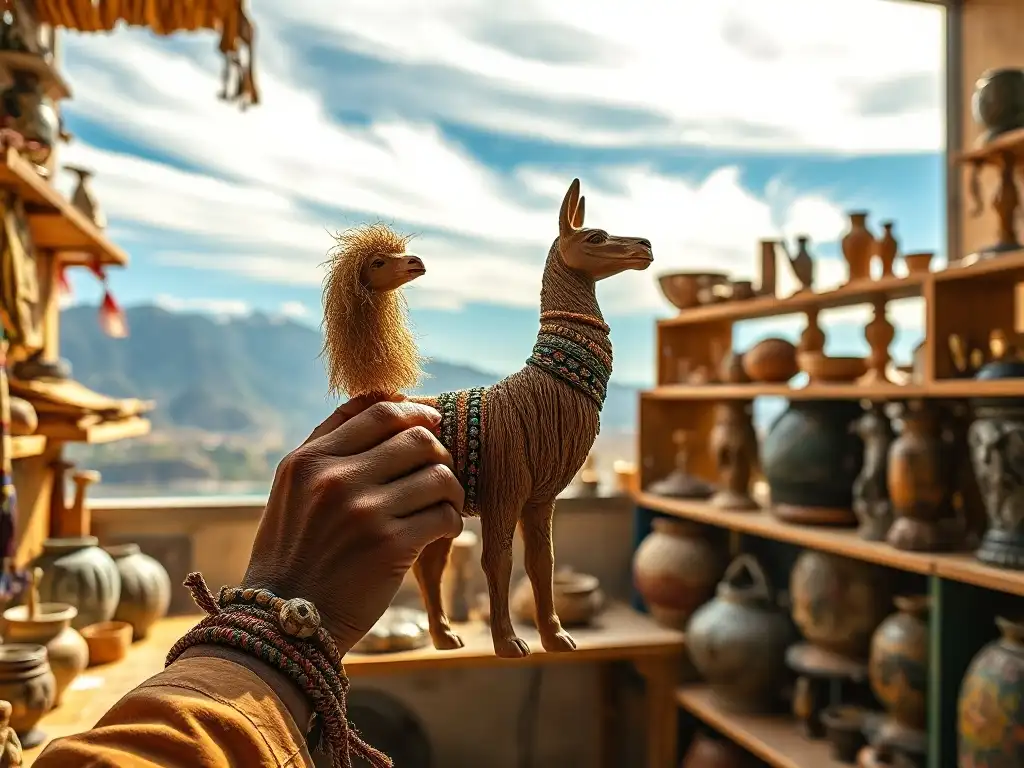
Step into a world lost to time, yet vividly echoing in the breathtaking artistry of the Andes. For centuries, the Incas, Moche, Nazca, and Tiahuanaco have captivated the world with their ingenuity and enigmatic legacy. But how can we truly distinguish authentic treasures from masterful imitations? This journey into Andean art provenance verification unveils the secrets behind discerning genuine artifacts, guiding you through the complexities of authentication and the fascinating world of reputable Andean art sources. Prepare to be amazed by what lies ahead in The World of Andean Artifacts.
The allure of Andean art—with its intricate textiles, captivating ceramics, and mesmerizing goldwork—draws collectors and enthusiasts worldwide. However, the beauty of these artifacts is inextricably linked to their history and origin.
Understanding the concept of provenance—the documented history of ownership and location of an artwork—is paramount when acquiring Andean art. This article delves into the critical importance of provenance verification in ensuring the authenticity and ethical acquisition of these invaluable cultural treasures, guiding you through the process of identifying reputable sources for Andean art and mitigating the risks associated with purchasing pieces of questionable origin.
We will explore the complexities of Andean art provenance verification, providing you with the knowledge to make informed and responsible purchasing decisions, contributing to the preservation of Andean cultural heritage. This exploration is vital for both seasoned collectors and newcomers alike, ensuring that the appreciation of Andean art is coupled with ethical and informed collecting practices.
Understanding the Importance of Andean Art Provenance
Provenance is more than just a list of previous owners; it's a crucial element in establishing the authenticity and value of an Andean artifact. A well-documented provenance provides a verifiable chain of custody, tracing the object's journey from its creation or discovery to the present day. This documentation helps authenticate the piece, confirming its age, origin, and cultural context.
For example, a meticulously documented Inca textile might include records detailing its discovery at a specific archaeological site, its subsequent acquisition by a reputable museum or collector, and any relevant scientific analyses performed on the piece. Without this documented history, even the most visually stunning piece may be difficult to authenticate, potentially rendering it worthless or even contributing to the illegal antiquities trade. The absence of clear provenance can raise serious red flags, signaling that the object may have been looted or illegally exported, undermining its cultural significance and ethical value.
Understanding this critical aspect empowers collectors to make responsible choices and support ethical practices within the Andean art market. The importance of a clear and verifiable provenance cannot be overstated; it is the cornerstone of responsible collecting and the preservation of cultural heritage.
Why Andean Art Provenance Verification Matters
The verification of Andean art provenance is not merely a matter of academic interest; it carries significant legal, ethical, and cultural implications. Many Andean countries have strict regulations regarding the export and sale of archaeological artifacts. Purchasing an object with unclear provenance could inadvertently involve you in illegal activities, leading to legal repercussions and the potential confiscation of the artifact.
Furthermore, the illicit trade in Andean artifacts fuels looting and the destruction of archaeological sites, irreversibly damaging invaluable cultural heritage. By demanding verifiable provenance, you actively discourage this destructive practice and support the preservation of these irreplaceable treasures. Moreover, a clear provenance enhances the value of an artifact.
A piece with a well-documented history commands a higher price and is more desirable among serious collectors, reflecting its authenticity and ethical acquisition. Therefore, provenance verification is not simply a due diligence measure; it's a moral imperative and a sound investment strategy that contributes to the long-term sustainability of the Andean art market. Understanding the implications of provenance ensures that your passion for Andean art aligns with ethical collecting practices.
The Risks of Purchasing Art with Questionable Origins
Purchasing Andean art with questionable origins carries numerous risks, extending beyond potential legal ramifications. The most significant risk is the possibility of acquiring a forgery or a piece with an artificially constructed provenance. Counterfeit Andean artifacts are increasingly sophisticated, making them difficult to distinguish from genuine pieces.
Purchasing a forgery represents a significant financial loss and undermines the integrity of your collection. Beyond forgery, acquiring looted or illegally exported artifacts supports criminal activity and contributes to the destruction of cultural heritage. Even if you are unaware of the illegal origin, the acquisition could still result in legal consequences and ethical concerns.
Moreover, the lack of provenance information limits the ability to understand the object's historical and cultural context, diminishing its value and significance. Thorough due diligence, including provenance verification and purchasing from reputable sources, is crucial to mitigate these risks and ensure ethical and responsible collecting practices. The potential consequences of ignoring provenance are far-reaching and underscore the importance of informed decision-making in the Andean art market.
What is Provenance in the Context of Andean Art?
Provenance, in the world of Andean art, refers to the documented history of ownership and custody of an artifact. It's essentially a detailed chain of custody, tracing the object from its point of discovery or creation to its current possessor. Understanding provenance is crucial for establishing the authenticity and legitimacy of an Andean artifact. A strong provenance demonstrates a clear and unbroken history, minimizing the risk of forgery or illicit acquisition.
This documentation often includes details such as the date and circumstances of discovery (if applicable), previous owners, exhibitions, publications where the piece has been featured, and any relevant scholarly research conducted on it. The more comprehensive and meticulously documented the provenance, the greater the confidence in the artifact's authenticity and ethical acquisition. Without a clear provenance, even a seemingly authentic-looking piece can be highly suspect, potentially originating from illegal excavations or clandestine markets. For collectors and museums alike, a robust provenance is paramount, assuring the ethical and legal acquisition of these invaluable cultural treasures.
The lack of proper documentation can significantly diminish the value and desirability of an Andean artifact, even if its aesthetic qualities are undeniable. Therefore, rigorous verification of provenance is a cornerstone of responsible collecting and scholarship in the field of Andean art. Collectors should always prioritize pieces with well-documented provenance, supporting ethical practices and preserving the cultural heritage of the Andean region.
How to Verify the Provenance of an Andean Artifact
Verifying provenance is a rigorous process requiring both historical research and scientific analysis, ensuring the authenticity and ethical acquisition of Andean artifacts. This diligent approach is essential for preserving the cultural heritage and promoting responsible collecting practices.
A combination of incomplete documentation, unusually low prices, inconsistencies in the artifact’s condition, and a lack of transparency from the seller should raise serious concerns about its provenance and authenticity. Thorough due diligence is paramount when acquiring Andean artifacts to ensure ethical sourcing and responsible collecting practices.
- Understanding the Importance of Andean Art Provenance
- Why Andean Art Provenance Verification Matters
- The Risks of Purchasing Art with Questionable Origins
- What is Provenance in the Context of Andean Art?
- How to Verify the Provenance of an Andean Artifact
Key Elements of Andean Art Provenance Documentation

Understanding Andean art provenance is crucial for establishing authenticity and ensuring ethical acquisition. Provenance, simply put, is the documented history of an artifact's ownership and custody from its creation to the present day. A strong provenance significantly enhances the value and credibility of an Andean artifact. Establishing verifiable provenance requires meticulous record-keeping and a deep understanding of the historical context surrounding the object. This process often involves careful examination of various documents and expert opinions, a process that can be time-consuming but ultimately rewarding for collectors and institutions alike.
The complexity involved underscores the importance of seeking guidance from reputable dealers specializing in Andean art provenance verification. This section delves into the essential elements required for building a robust and credible provenance record. Without thorough documentation, the risk of acquiring counterfeit or illegally obtained artifacts increases substantially. Therefore, meticulous attention to detail is paramount.
Essential Documents for Verifying Andean Artifact Authenticity
Verifying the authenticity of Andean artifacts necessitates a thorough examination of supporting documentation. The most crucial documents often include:
- Original excavation records: If the artifact was unearthed through an archaeological excavation, detailed records from the dig site are paramount. These records should specify the location, date of discovery, associated artifacts, and the names of the archaeologists involved. The absence of such records raises serious concerns about the artifact's legitimacy. Ideally, these records should be verified through reputable archaeological institutions.
- Museum acquisition records: If the artifact has been previously held by a museum or reputable institution, their acquisition records provide strong evidence of its history. These records should detail the date of acquisition, the seller, and any prior provenance information. The prestige and reputation of the institution are key factors in assessing the reliability of these records.
- Private collection records: If the artifact has passed through private collections, detailed records of past owners are necessary. These records should include dates of ownership, purchase agreements, and any accompanying documentation, such as appraisals or expert opinions. Each transfer of ownership should be clearly documented to create a continuous chain of custody. Gaps in this chain significantly weaken the provenance.
- Expert appraisals and reports: Reports from qualified experts in Andean archaeology and art are invaluable. These reports should detail the artifact's materials, techniques, style, and any stylistic or technological features that help date and place the artifact within its cultural context. These reports should be detailed and well-reasoned, providing a strong basis for authentication. The credentials of the expert are critical in evaluating the report’s credibility.
The presence of multiple, corroborating documents significantly strengthens the provenance. A single document, even if seemingly credible, is insufficient to guarantee authenticity. The comprehensive nature of the documentation is what truly matters in establishing a credible history for an Andean artifact.
Certificates of Authenticity and Their Limitations
While certificates of authenticity (COAs) are often presented as proof of an artifact's legitimacy, they should be treated with caution. A COA alone is insufficient to verify provenance. Many COAs are issued by individuals or organizations lacking the necessary expertise or objectivity. Their value depends entirely on the credibility of the issuer. A COA from a reputable museum or a recognized expert in the field holds significantly more weight than one from an unknown source.
The information contained within a COA should be carefully scrutinized. A well-written COA will typically include:
- A detailed description of the artifact
- The basis for the authenticity assessment
- The name and qualifications of the issuer
- The date of issuance
However, even a seemingly well-crafted COA can be misleading. It is crucial to remember that a COA is not a guarantee of authenticity. It’s merely one piece of evidence within a larger puzzle of provenance documentation. Therefore, relying solely on a COA without independent verification is risky. Always seek additional supporting evidence to confirm the claims made in the certificate. The absence of supporting documentation should raise immediate red flags.
Examination of Acquisition History: Tracing the Art's Journey
Tracing the acquisition history of an Andean artifact is a crucial step in provenance verification. This involves meticulously documenting the chain of ownership, from the artifact's creation or initial discovery to its current possessor. Each step in this journey must be supported by reliable documentation. This is where the challenges often arise, as gaps in the acquisition history can significantly weaken the provenance.
The process of tracing acquisition history often involves:
- Interviewing previous owners: Contacting former owners and obtaining their accounts of acquisition can provide valuable insights. However, this approach relies heavily on the reliability and accuracy of the information provided.
- Analyzing sales records and invoices: Examining past sales records, invoices, and purchase agreements can establish a chronological sequence of ownership. The details in these documents must be carefully examined for inconsistencies or discrepancies.
- Investigating the artifact's exhibition history: If the artifact has been exhibited in museums or galleries, records of these exhibitions can strengthen the provenance. However, the reputation of the exhibiting institution is crucial in assessing the reliability of this evidence.
Any inconsistencies or gaps in the acquisition history should be thoroughly investigated. A lack of clear documentation raises significant doubts about the artifact's authenticity and ethical acquisition. A robust and credible provenance requires a complete and transparent account of the artifact's journey through time. The meticulous examination of acquisition history, combined with other forms of documentation, is vital for establishing the provenance of Andean art and ensuring its authenticity.
The Role of Expert Appraisals in Provenance Assessment
Expert appraisals form a cornerstone of Andean art provenance verification. A qualified appraiser, specializing in pre-Columbian art and ideally with extensive experience in Andean artifacts, is crucial. Their role extends beyond simply assigning a monetary value. They meticulously examine the object, considering its material composition, stylistic features, and any visible signs of age and wear. This visual analysis is complemented by a thorough investigation of any accompanying documentation.
The appraiser will scrutinize certificates of authenticity, previous ownership records, and any historical information that sheds light on the object's journey. The expertise of the appraiser lies in identifying inconsistencies, detecting signs of forgery or restoration, and ultimately forming a reasoned opinion on the object's authenticity and age. A reputable appraiser will clearly articulate their methodology, detailing the specific techniques and standards employed in their assessment. This transparent approach provides a crucial layer of accountability and strengthens the credibility of their findings.
Furthermore, a detailed appraisal report, complete with high-resolution photography and a comprehensive written justification, serves as a vital component of the provenance documentation. The report's thoroughness and the appraiser's established reputation significantly influence the acceptance and weight given to the provenance claim. The cost of such a professional appraisal can vary depending on the object's complexity and the appraiser's experience, but it is an investment that protects buyers from potential fraud and adds significant value to legitimate pieces. Neglecting a professional appraisal significantly weakens the provenance case, especially for high-value artifacts or those intended for museum collections or serious private collections.
Provenance Research: Investigating the Art's Past
Investigating an Andean artifact's past is akin to piecing together a historical puzzle. Provenance research requires meticulous detective work, drawing upon a range of resources and techniques. The process begins with examining any existing documentation directly associated with the object. This could include invoices, sales records, letters of provenance from previous owners, exhibition catalogs, or even old photographs. These documents, if genuine and verifiable, provide crucial links in the object's chain of custody. However, gaps in documentation are common, necessitating a broader research approach.
Researchers delve into archives, consulting museum records, auction house catalogs, and private collections' databases. They may investigate historical accounts, archaeological reports, and ethnographic studies relating to the style and type of artifact in question. The geographical origin of the object is a key focus, requiring expertise in Andean geography, cultural practices, and archaeological sites. Researchers often utilize stylistic analysis, comparing the artifact to known examples from specific regions and time periods. This comparative approach helps pinpoint potential origins and narrows down the possibilities.
Furthermore, scientific analysis, such as thermoluminescence dating or material analysis, may be employed to verify the age and authenticity of the object. This multi-faceted approach ensures a comprehensive investigation, leaving no stone unturned in the pursuit of establishing a credible provenance. The more thorough and well-documented the provenance research, the stronger the claim of authenticity and the greater the confidence in the object's history. This rigorous process is essential for building trust and ensuring the ethical acquisition and preservation of Andean art. The complexity of this research often necessitates the involvement of a team of specialists, including art historians, archaeologists, and conservation scientists, to effectively analyze all aspects of the artifact and its history.
Identifying Reputable Sources for Andean Art
This section focuses on practical strategies for discerning trustworthy sources of Andean art, a crucial aspect of ensuring the authenticity and ethical acquisition of these invaluable cultural artifacts. Navigating the market requires careful consideration and a discerning eye, as the allure of ancient Andean treasures unfortunately attracts unscrupulous dealers. The following guidelines provide a framework for responsible and informed collecting.
The Andean art market, while offering breathtaking pieces, also presents significant challenges in terms of authenticity and ethical sourcing. Many dealers operate legitimately, possessing deep knowledge and a commitment to responsible practices. However, distinguishing them from those who traffic in forgeries or artifacts obtained illegally requires diligence. Several key indicators can help navigate this complex landscape.
Firstly, reputable dealers will readily provide detailed provenance documentation. This documentation should trace the artifact's ownership history back as far as possible, ideally to its initial discovery or excavation. The documentation should include photographic evidence, ideally showing the piece in its original context (if available), along with any relevant permits or export licenses.
The absence of such documentation should raise serious red flags. Furthermore, a reputable dealer will be transparent about the artifact's acquisition, openly discussing its history and any restoration work undertaken. They should be willing to answer any and all questions you pose about the piece's origin and history.
Secondly, a trusted dealer will possess a deep understanding of Andean art and archaeology. They should be able to provide detailed information about the artifact’s style, materials, and cultural context, going beyond superficial descriptions. This expertise should be evident in their communication, showcasing their passion for and knowledge of the subject matter. In addition, look for dealers who participate in academic conferences, collaborate with museums, or contribute to scholarly publications.
This involvement demonstrates a commitment to the field beyond mere commercial interests. Finally, seek out dealers who actively promote ethical sourcing practices and support preservation efforts. This commitment to the long-term well-being of Andean cultural heritage is a crucial indicator of trustworthiness. A good rule of thumb: if something seems "too good to be true," it probably is.
Reputable Auction Houses Specializing in Pre-Columbian Art
Auction houses represent a significant avenue for acquiring Andean art, but only when selecting those with established reputations and expertise in the field. These auction houses typically employ specialists who meticulously vet each item offered for sale, conducting thorough provenance research and authenticity checks. They often collaborate with leading experts in Andean archaeology to ensure the legitimacy of the pieces they handle.
Before bidding, it's crucial to review the auction house's catalog meticulously, paying close attention to the provided provenance documentation and any accompanying expert reports. Reputable auction houses will provide detailed descriptions, high-quality photographs, and clear statements regarding the artifact's condition and any restorations. They also often offer pre-auction viewing opportunities, allowing potential buyers to examine items in person before bidding.
Furthermore, a reputable auction house will readily provide contact information for their specialists, enabling buyers to ask questions and seek clarification on any aspect of the provenance or authenticity. Remember to carefully compare prices with similar pieces sold at previous auctions to gauge the item’s market value and avoid overpaying.
Established Galleries and Art Dealers with a Proven Track Record
Established galleries and art dealers with a long-standing presence in the Andean art market offer another reliable source for authentic pieces. These galleries often maintain close relationships with reputable collectors, museums, and archaeologists, providing them with access to a consistent stream of verified artifacts. Look for galleries with a documented history of exhibiting and selling Andean art, ideally with a track record spanning several decades.
Their websites and physical spaces should showcase a commitment to scholarship and accuracy. They should readily provide detailed provenance documentation for all items, and their staff should demonstrate a high level of expertise in the field. Moreover, established galleries often participate in international art fairs and exhibitions, furthering their reputation within the community and providing additional opportunities to verify their credibility.
Remember to check online reviews and seek recommendations from other serious collectors of Andean art to gauge the reputation and trustworthiness of a particular gallery or dealer. Building relationships with trusted dealers is key to successful and ethical acquisition of Andean art. It is a journey of learning and discernment, rewarding those who approach it with patience, research, and a commitment to responsible collecting.
Online Marketplaces and Due Diligence Practices
Navigating the online world of Andean art requires meticulous due diligence. While platforms offer access to a vast array of artifacts, they also present significant risks. Counterfeit items are prevalent, and unscrupulous sellers often obfuscate the provenance of their goods. Therefore, a thorough investigation is paramount before purchasing any piece. This involves more than simply examining photographs.
Begin by scrutinizing the seller's profile. Look for established sellers with a history of positive reviews and a demonstrable expertise in Andean art. Be wary of newly created accounts with limited information or vague descriptions. Check for multiple high-resolution images showcasing the artifact from various angles. Poor quality images often mask flaws or inconsistencies indicative of a forgery.
The description should provide detailed information about the artifact's material, dimensions, and any distinguishing features. Ambiguous or overly generalized descriptions should raise red flags. Furthermore, reputable sellers will readily provide provenance documentation, including certificates of authenticity and chain-of-custody records, tracing the artifact's history back to its origin. Request this information upfront; a reluctance to provide it is a major warning sign. Finally, compare the offered price to similar items sold by reputable dealers or auction houses.
Unusually low prices often signal a counterfeit or a piece with questionable provenance. Remember, investing in Andean art is a significant commitment, and thorough due diligence is crucial to protecting your investment and contributing to the responsible preservation of cultural heritage. The process may seem arduous, but it's the only way to ensure you are acquiring an authentic piece with a clear and documented history. The acquisition of an Andean artifact should be approached with the same diligence as acquiring any high-value collectible item. A rushed decision can lead to significant financial and ethical consequences.
Museums and Institutions: A Source of Reliable Information
Museums and academic institutions dedicated to Andean art and archaeology serve as invaluable resources for verifying authenticity and understanding provenance. While they may not directly sell artifacts, their collections and research offer crucial context and insights. These institutions possess extensive databases and archives containing detailed information on known artifacts, stylistic characteristics, and established dating methods. By studying their collections, you can gain a deeper understanding of authentic Andean art and learn to identify common characteristics of genuine pieces.
Many museums offer educational resources, including publications, online databases, and even workshops, providing invaluable knowledge to help you discern authentic artifacts from imitations. Furthermore, many museums have dedicated experts who can provide guidance and advice, although direct appraisal services may not always be offered. Contacting their curatorial staff or researchers can prove helpful in verifying certain aspects of an artifact’s authenticity, particularly if you have already acquired a piece and are unsure about its origins. Their expertise, combined with their access to specialized analytical techniques (like radiocarbon dating or material analysis), makes them a crucial resource in the authentication process.
Remember, consulting these institutions is not a substitute for professional provenance verification, but it significantly enhances your understanding and strengthens your ability to make informed decisions. Utilizing their resources can help you confidently navigate the complexities of the Andean art market and ensure you are supporting ethical practices within the field. By actively engaging with these institutions, you contribute to the preservation of Andean cultural heritage and promote responsible collecting practices.
Red Flags When Evaluating Andean Art Sources
This section focuses on identifying potential pitfalls when sourcing Andean art, crucial for ensuring authenticity and ethical acquisition. Understanding these red flags is paramount for anyone interested in building a reputable collection of Andean artifacts. Navigating the market for Andean art requires vigilance; a discerning eye can prevent costly mistakes and support ethical practices within the field of Andean art provenance verification.
Unreasonably Low Prices: A Warning Sign
An incredibly low price for an Andean artifact, especially one seemingly significant or well-preserved, should immediately raise suspicion. The market for authentic Andean art, particularly pieces with established provenance, is generally not characterized by bargain prices. While occasional sales or discounts may occur, a price significantly below market value is a major red flag. This often indicates that the piece is likely a forgery, a reproduction, or even looted. Legitimate dealers, committed to ethical sourcing and Andean art provenance verification, will price their items fairly, reflecting the object's age, material, condition, and historical significance.
For example, a purported pre-Columbian gold mask offered at a fraction of the price of similar authenticated pieces should be treated with extreme caution. Such discrepancies often point towards a lack of genuine provenance and a high likelihood of fraudulent activity. Always compare prices from multiple reputable sources before making any purchase. Remember, the old adage "if it seems too good to be true, it probably is" holds particularly true within the realm of Andean art. Thorough research and a healthy dose of skepticism are invaluable in avoiding such traps.
Lack of Documentation or Transparency
Reputable dealers of Andean art are transparent about the origin and history of their pieces. They will readily provide comprehensive documentation, including provenance research, ideally tracing the object's ownership back through time. This documentation might include certificates of authenticity from recognized experts, museum records, previous auction catalogs, or even historical photographs. A lack of this crucial information is a significant warning sign.
Absence of documentation could indicate several issues. The seller might be unaware of the artifact's history (suggesting a lack of expertise), or worse, they might be intentionally concealing its true origin, perhaps to mask illegal acquisition or fabrication. Insist on thorough documentation before committing to a purchase. The more complete and verifiable the provenance, the greater the confidence in the authenticity and ethical sourcing of the Andean art. This is a key element in successful Andean art provenance verification.
Pressure to Make an Immediate Purchase
Legitimate dealers understand that acquiring Andean art is a significant investment requiring careful consideration. They will not pressure you into making a hasty purchase. High-pressure sales tactics, such as limited-time offers or claims of imminent price increases, are often used to mask dubious practices. Such tactics aim to bypass thorough research and due diligence, which are essential for responsible Andean art acquisition.
These high-pressure situations often involve sellers who are less concerned with the ethical sourcing or accurate provenance of the pieces they are selling and more concerned with making a quick profit. If a dealer is applying undue pressure, it's best to walk away. Remember, purchasing Andean art should be a thoughtful process, guided by research and a commitment to ethical collecting. Taking your time will allow for appropriate Andean art provenance verification and safeguard your investment. Patience is key to acquiring authentic and ethically sourced Andean artifacts.
Inconsistent Provenance Information
Inconsistent provenance information is a major red flag when evaluating the authenticity and legitimacy of Andean art. Provenance refers to the documented history of ownership of an artifact, tracing its journey from its creation to the present day. A complete and consistent provenance should ideally include detailed records of each owner, the dates of acquisition, and any relevant documentation such as photographs, appraisals, or exhibition records. Gaps in this chain of custody are highly suspicious.
For example, a piece claiming a direct lineage from a specific archaeological excavation but lacking any supporting documentation from the institution responsible for that excavation should be viewed with extreme skepticism. Similarly, vague descriptions like "acquired from a private collection" without further details are insufficient. A reputable dealer will be transparent and provide comprehensive provenance documentation, demonstrating a clear and unbroken chain of ownership. The absence of such documentation is a strong indicator of potential illegality or fraudulence, making "Andean art provenance verification" crucial.
Remember, diligent research and a critical eye are your best defenses against acquiring a piece with a dubious past. The more inconsistencies you find, the greater the risk that the artifact's history has been fabricated or obscured. This is especially important when dealing with artifacts potentially looted from archaeological sites, where the lack of proper provenance is a clear indicator of illegal acquisition. Always request detailed provenance records and cross-reference the information provided with independent sources if possible.
The Case of "El Dorado Gallery" and its Questionable Practices
The now-defunct "El Dorado Gallery" serves as a cautionary tale in the world of Andean art acquisition. While initially presenting a veneer of legitimacy, inconsistencies in their provenance documentation eventually led to their downfall. Several collectors reported acquiring pieces from El Dorado Gallery that later proved to be forgeries or pieces with severely flawed provenance. Their claims of direct acquisition from reputable collectors or established archaeological institutions were often unsubstantiated, lacking the necessary documentation to support their assertions.
Furthermore, internal inconsistencies within their own records, such as conflicting dates of acquisition or discrepancies in descriptions of the artifacts, raised serious concerns. Investigations revealed a pattern of deliberately misleading customers, using vague or fabricated provenance information to sell pieces of questionable origin. The case of El Dorado Gallery highlights the importance of thorough due diligence when purchasing Andean art. It serves as a stark reminder that even seemingly reputable dealers can engage in deceptive practices.
This case underscores the need for independent verification of provenance claims and the importance of seeking expert opinions before making significant purchases. The fallout from El Dorado Gallery's activities significantly impacted the trust in the Andean art market, emphasizing the vital role of "Andean art provenance verification" in protecting both collectors and the integrity of the cultural heritage. The gallery's closure should serve as a warning to all potential buyers to be exceptionally cautious and thorough in their investigations before purchasing any piece of Andean art.
Case Studies: Real-World Examples of Provenance Issues
This section delves into specific instances where questions of provenance have arisen concerning Andean artifacts, highlighting the complexities and challenges involved in verifying authenticity and establishing a clear chain of custody. Understanding these real-world examples is crucial for anyone interested in acquiring or researching Andean art, emphasizing the importance of rigorous Andean art provenance verification.
The Case of the "Paracas Textile Fragment" with Disputed Provenance
One notable example involves a Paracas textile fragment, allegedly dating back to the Paracas Necropolis period (circa 200 BCE – 200 CE). The piece, featuring intricate embroidery and vibrant colors, surfaced at an auction house with a provenance that was, at best, incomplete. The accompanying documentation only traced the fragment's ownership back to a private collector in the 1980s, offering no information about its earlier history.
This lack of a clear chain of custody immediately raised red flags. Experts questioned whether the fragment could be definitively linked to its purported origin, leading to uncertainty about its authenticity and market value. The absence of archaeological context – crucial for establishing authenticity – further hampered verification efforts.
This case underscores the critical need for detailed and verifiable documentation, tracing the object's history from its discovery to its current ownership. Without such records, even seemingly genuine artifacts can fall under suspicion, highlighting the importance of thorough Andean art provenance verification.
How the Metropolitan Museum of Art Verifies the Provenance of its Collection
In contrast to the previous example, institutions like the Metropolitan Museum of Art (MET) employ rigorous procedures for verifying the provenance of their Andean art acquisitions. Their process often involves a multi-stage approach: first, a preliminary assessment of the object itself, analyzing its materials, style, and techniques to determine its likely age and origin. This is followed by an in-depth review of any accompanying documentation, scrutinizing every detail for inconsistencies or gaps.
The MET often consults with external experts, including archaeologists and art historians specializing in Andean cultures, to corroborate the information provided. Furthermore, they may cross-reference the object’s characteristics with existing museum records and scholarly publications. Their commitment to thorough research and collaboration ensures a higher level of confidence in the authenticity and provenance of their collection.
This meticulous approach serves as a benchmark for best practices in Andean art provenance verification, offering a model for private collectors and institutions alike. The MET's rigorous system demonstrates the significant investment required to guarantee the legitimacy of Andean artifacts within their collection.
Lessons Learned from Provenance Disputes in Andean Art
Several key lessons emerge from analyzing provenance disputes surrounding Andean art. Firstly, complete and verifiable documentation is paramount. This includes detailed records of the object's discovery, excavation (if applicable), previous owners, and any relevant scholarly studies. Secondly, independent expert analysis is crucial.
Multiple experts should examine the artifact, offering diverse perspectives and minimizing bias. Thirdly, transparency and collaboration are essential. Open communication among collectors, researchers, and institutions fosters a more informed and trustworthy market.
Finally, the ethical acquisition of Andean art should be a priority, discouraging the trade of artifacts obtained through illicit means. These lessons underscore the need for a collaborative and responsible approach to the study, preservation, and exchange of Andean art, ultimately strengthening the field of Andean art provenance verification and safeguarding cultural heritage. The ongoing dialogue surrounding these issues continues to shape best practices within the field, promoting greater accuracy and responsibility in the attribution and trade of Andean artifacts.
Tools and Resources for Andean Art Buyers
This section provides essential tools and resources to help discerning buyers navigate the world of Andean art and ensure the authenticity and ethical sourcing of their acquisitions. Understanding provenance is paramount; it's the documented history of an artifact, tracing its ownership and journey from its creation to the present day. Thorough research minimizes the risk of purchasing fakes or looted artifacts, contributing to the responsible preservation of Andean cultural heritage. The following resources are crucial for verifying Andean art provenance and ensuring ethical acquisition.
Online Databases for Researching Provenance
Several online databases offer valuable information for researching the provenance of Andean artifacts. While comprehensive, centralized databases specifically for Andean art are limited, resourceful buyers can utilize existing platforms and specialized collections to gather crucial data. Effective provenance research often requires a multi-pronged approach, combining information from multiple sources.
For example, academic databases like JSTOR and Project MUSE often contain scholarly articles and catalogues raisonnés that may include details on specific artifacts, their discovery contexts, and previous owners. These resources can be invaluable for tracing the history of well-documented pieces. However, be aware that accessing some of these resources may require subscriptions or institutional affiliations.
Furthermore, museum online collections, such as those maintained by institutions specializing in pre-Columbian art, can offer insights into similar artifacts and their documented histories. By comparing stylistic features, materials, and known provenances of museum pieces with those of potential acquisitions, buyers can improve their assessment of authenticity and ethical sourcing. Remember to carefully cross-reference information across multiple sources to build a robust understanding of an artifact's history. The process is meticulous, but essential for responsible collecting.
Organizations Dedicated to Preserving Andean Art Heritage
Several organizations globally are dedicated to the preservation of Andean art and cultural heritage. These organizations often play a critical role in verifying provenance, combating illicit trafficking, and promoting ethical acquisition practices. Engaging with these organizations can provide invaluable support for Andean art buyers.
Many reputable museums and research institutions maintain strict acquisition policies, including thorough provenance checks. Their expertise and resources can be invaluable for independent verification. Additionally, some organizations specialize in combating the illicit trade of cultural artifacts.
These groups often possess extensive databases and networks that can assist in tracing the history of an object and identifying any potential red flags. Their involvement in provenance verification adds a layer of assurance and ethical responsibility to the acquisition process. It is advisable to contact such organizations before purchasing any significant piece of Andean art to ensure compliance with ethical standards and legal requirements.
Experts in Andean Art Authentication and Provenance
Engaging independent experts in Andean art authentication and provenance is highly recommended, especially for significant acquisitions. These specialists possess in-depth knowledge of Andean art history, stylistic characteristics, materials, and techniques. Their expertise allows for a thorough assessment of an artifact's authenticity and the verification of its documented history.
While finding an expert specializing specifically in Andean art provenance may require some research, many art authentication experts with broad pre-Columbian expertise exist. Look for individuals with extensive academic credentials, publications, and a proven track record in the field. Their professional opinions can provide crucial evidence to support a piece's provenance and authenticity, mitigating risks associated with purchasing counterfeit or illegally obtained artifacts.
The cost of engaging such an expert is a worthwhile investment, particularly for valuable pieces, considering the potential financial and reputational consequences of acquiring a fake or looted artifact. Remember to always request detailed reports and documentation to support their findings. The value of their expertise is immeasurable in ensuring ethical and informed collecting.
Art Loss Register: A Resource for Verifying Provenance
The Art Loss Register (ALR) is a crucial tool in the quest for Andean art provenance verification. This international database catalogs stolen and lost artworks, providing a readily accessible resource for buyers and collectors to verify the legitimacy of potential acquisitions. While it doesn't directly authenticate pieces, its comprehensive records significantly reduce the risk of unwittingly purchasing stolen artifacts. The ALR's effectiveness stems from its global reach and collaboration with law enforcement agencies and museums worldwide.
Before purchasing any Andean artifact, cross-referencing it with the ALR's database is a vital due diligence step. This simple check can prevent the purchase of illicitly obtained pieces and contribute to the ethical preservation of cultural heritage. The process is generally straightforward, often involving submitting descriptions and images of the artifact for comparison against the register's entries. A match, or lack thereof, provides valuable information regarding the piece's history and potential legal issues.
Remember, even a negative result—meaning the artifact isn't listed as stolen—doesn't guarantee authenticity, but it does eliminate one significant risk factor in Andean art provenance verification. Using the ALR effectively requires clear and detailed descriptions of the artwork, including any identifying marks or unique features. High-quality images are also crucial for accurate comparison.
The ALR's significance in Andean art provenance verification cannot be overstated. It acts as a critical first line of defense against acquiring stolen goods, a problem that unfortunately affects the market for ancient artifacts. By utilizing this resource, buyers contribute to a more responsible and sustainable art market, supporting ethical practices and deterring illicit trafficking. The ALR's commitment to transparency and collaboration with various stakeholders makes it a highly valuable tool for anyone navigating the complexities of authentic Andean art acquisition.
Furthermore, the organization regularly updates its database, ensuring that it remains a current and reliable source of information for provenance verification. This continuous updating underscores the ALR's dedication to combating the illegal trade of cultural artifacts. Therefore, incorporating the ALR into your due diligence process is a critical step in ensuring ethical and responsible collecting.
Recommendations for Securely Acquiring Andean Art
This section focuses on practical steps to ensure the ethical and legal acquisition of Andean art, emphasizing the importance of provenance verification for responsible collecting. Understanding the provenance – the documented history of ownership – is crucial for establishing authenticity and avoiding the purchase of illicitly obtained artifacts. This process minimizes the risk of supporting illegal trafficking and contributes to the preservation of cultural heritage. The acquisition of Andean art should be approached with diligence and a commitment to ethical sourcing.
Conduct Thorough Research Before Making a Purchase
Before committing to a purchase, exhaustive research is paramount. This involves more than just admiring the aesthetic qualities of a piece. A responsible collector investigates the seller's reputation, seeking evidence of their adherence to ethical sourcing practices. Questions to consider include: How long has the seller been in business? Do they provide clear documentation of provenance? Are they members of any reputable art dealer associations? Do they participate in established art fairs and exhibitions?
Understanding the specific cultural context of the artifact is also vital. For example, a kero (drinking vessel) from the Inca period will possess distinct stylistic features compared to a kero from the Wari culture. Familiarity with these nuances helps in identifying potential inconsistencies or signs of forgery. Online resources, academic publications, and museum collections offer invaluable information for comparative analysis. Thorough research minimizes the chances of acquiring a piece with questionable provenance or an outright forgery. This diligent approach safeguards both the collector's investment and the integrity of the Andean art market. Remember, responsible collecting begins with informed decision-making.
Consult with Experts in Andean Art and Provenance
Engaging experts is a crucial step in verifying the authenticity and provenance of Andean art. Reputable experts, such as archaeologists, art historians specializing in Andean cultures, and experienced appraisers, possess the knowledge and experience to assess the piece's authenticity, identify potential red flags, and interpret the available documentation. Their expertise extends beyond mere visual inspection; they can analyze the materials, techniques, and stylistic elements to determine the artifact's age and origin.
Consider the credentials and experience of any expert you consult. Look for individuals with a proven track record in Andean art authentication and a strong academic background. A formal appraisal, including a detailed report outlining the assessment process and findings, provides valuable documentation for insurance purposes and strengthens the piece's provenance.
This professional consultation minimizes the risk of making a costly mistake and contributes to the responsible stewardship of cultural heritage. The cost of expert consultation is a small price to pay for the security and peace of mind it provides. Moreover, their insights can enrich your understanding and appreciation of the art itself.
Obtain Comprehensive Documentation of the Art's History
Complete and verifiable documentation is the cornerstone of establishing a clear provenance for any Andean artifact. This documentation should ideally trace the object's ownership from its discovery or creation to the present day. This might include invoices, receipts, certificates of authenticity, export permits, and any relevant scholarly publications mentioning the piece. Gaps in the provenance raise serious concerns; they can suggest illicit acquisition or a lack of transparency on the seller's part.
The documentation should be meticulously examined for inconsistencies or anomalies. Dates, names, and descriptions must align chronologically and logically. Any discrepancies should be thoroughly investigated. Photographs from different stages of the artifact's history can also be valuable, providing visual evidence of its condition and any restorations.
The more comprehensive the documentation, the stronger the provenance and the greater the confidence in the authenticity of the piece. Remember, a complete and transparent provenance is not just a desirable feature; it's a crucial element in responsible collecting and contributes significantly to the ethical Andean art market. The pursuit of detailed provenance is an investment in the preservation of cultural heritage.
Use Reputable Payment Methods for Secure Transactions
Securing your purchase of Andean art requires careful consideration of payment methods. Avoid cash transactions, especially for high-value items, as they offer little to no recourse in case of fraud or misrepresentation. Instead, prioritize methods that provide a verifiable transaction record and buyer protection. Wire transfers, while seemingly efficient, lack the same level of security and traceability as other options.
If a seller insists on a wire transfer for a significant purchase, proceed with extreme caution and consider seeking independent verification of the seller's legitimacy. Credit cards offer a degree of protection through chargeback options if the artwork received is not as described or if the transaction is fraudulent. Similarly, reputable online payment platforms such as PayPal offer buyer protection programs and dispute resolution mechanisms, providing an added layer of security for your transaction. Remember, a reputable seller will be transparent about their payment preferences and will not pressure you into using a method that makes you uncomfortable.
Always prioritize security and due diligence over expediency. The peace of mind gained from a secure transaction far outweighs any perceived time savings from using less secure methods. Understanding the risks associated with different payment methods is a crucial component of responsible Andean art acquisition, contributing significantly to the verification of the art's provenance and authenticity. The choice of payment method directly impacts your ability to resolve any disputes and protect your investment.
Escrow.com: A Secure Escrow Service
For high-value Andean art acquisitions, utilizing a reputable escrow service like Escrow.com is highly recommended. Escrow services act as a neutral third party, holding the payment until both the buyer and seller have fulfilled their obligations. This significantly mitigates the risk of fraud and ensures that you receive the artwork as described before the seller receives payment. With Escrow.com, you can safely transfer funds knowing that your money is protected until you've inspected the artwork and confirmed its authenticity and condition.
The platform provides a secure environment for communication between buyer and seller, facilitating a transparent transaction process. Before releasing the funds, you can thoroughly examine the artwork, verify its provenance documentation, and consult with experts if needed. This careful process minimizes risk and contributes to the successful verification of Andean art provenance.
While using an escrow service involves a small fee, the added security and protection it offers are invaluable, especially when dealing with potentially valuable and culturally significant pieces. The peace of mind afforded by Escrow.com ensures a smoother, safer transaction, promoting confidence in the authenticity and provenance of your Andean art acquisition. Choosing this method demonstrates a commitment to responsible collecting practices and underscores the importance of secure transactions in the world of Andean art.
The Future of Andean Art Provenance Tracking
The field of Andean art provenance verification is rapidly evolving, driven by technological advancements and a growing awareness of the ethical implications of acquiring and trading ancient artifacts. The future hinges on robust, transparent, and accessible systems that ensure the authenticity and ethical sourcing of Andean art. This requires a multi-faceted approach, encompassing technological innovation, strengthened legal frameworks, and enhanced collaboration among stakeholders.
Effective provenance tracking is not merely about verifying authenticity; it's about preserving cultural heritage and combating the illicit antiquities trade. The demand for Andean art, coupled with the potential for significant financial gain, fuels a market vulnerable to forgery and illegal trafficking. Therefore, the development of advanced provenance tracking systems is crucial for protecting this irreplaceable cultural legacy.
Emerging Technologies for Documenting Provenance
Several emerging technologies offer promising solutions for improving Andean art provenance tracking. Blockchain technology, for instance, provides a secure and transparent ledger for recording the ownership history of an artifact. Each transaction, from excavation to sale, can be immutably recorded on the blockchain, creating a verifiable chain of custody.
This significantly reduces the risk of fraudulent claims and enhances the confidence of buyers and collectors. Furthermore, advancements in imaging techniques, such as multispectral imaging and X-ray fluorescence (XRF) spectroscopy, allow for non-invasive analysis of artifacts, revealing hidden details about their materials, construction, and age, contributing to more accurate authentication. These technologies, when integrated into a comprehensive provenance database, can revolutionize the way we track and verify Andean art, making it far more difficult for forgeries and illegally sourced artifacts to enter the market.
The integration of AI and machine learning algorithms into these systems can automate aspects of the verification process, further improving efficiency and accuracy. The use of 3D scanning and modeling also allows for the creation of detailed digital records of artifacts, facilitating their study and preservation without risking damage to the original piece. The potential of these technologies to combat the illegal trade in Andean art is substantial, offering a powerful tool for safeguarding cultural heritage.
The Growing Importance of Ethical Acquisition Practices
Ethical acquisition practices are paramount in ensuring the long-term preservation of Andean art and its associated cultural heritage. This goes beyond simply verifying provenance; it encompasses a commitment to responsible sourcing and a recognition of the cultural significance of these artifacts. Ethical acquisition requires meticulous documentation of the artifact's history, including its discovery context, previous owners, and any conservation treatments undertaken.
It also involves a commitment to supporting sustainable archaeological practices and respecting the rights of indigenous communities whose cultural heritage is represented by these artifacts. The growing awareness of the ethical dimensions of the art market is leading to increased scrutiny of sourcing practices. Reputable dealers and collectors are increasingly prioritizing ethical acquisition, understanding that the long-term value of Andean art is inextricably linked to its ethical provenance.
This shift in perspective reflects a broader movement towards responsible collecting, where the focus is not solely on monetary value but also on the preservation of cultural heritage and the fostering of respectful relationships with the communities whose history is embodied in these artifacts. This transition necessitates transparency and accountability throughout the entire supply chain, from excavation to exhibition.
Collaborative Efforts to Protect Andean Art Heritage
Protecting Andean art heritage requires collaborative efforts among various stakeholders, including archaeologists, museums, governments, law enforcement agencies, and private collectors. International collaborations are particularly crucial, given the transnational nature of the illicit antiquities trade. The sharing of information, best practices, and technological resources is essential for effective provenance tracking and the prevention of illegal trafficking.
The establishment of centralized databases, accessible to all relevant parties, would significantly enhance the effectiveness of provenance verification efforts. Moreover, educational initiatives aimed at raising awareness among collectors and the general public about the importance of ethical acquisition and the dangers of the illicit antiquities trade are crucial. By fostering a culture of responsible collecting and promoting transparency, we can collectively work towards the preservation of this invaluable cultural legacy.
International treaties and agreements play a significant role in combating illicit trafficking, providing a legal framework for collaboration and information sharing between nations. Strengthening these legal mechanisms and increasing their enforcement is paramount to protecting Andean art from the devastating effects of the illegal antiquities trade. The future of Andean art provenance verification depends on a collaborative and multi-pronged approach, combining technological advancements with a strong ethical framework and effective international cooperation.
Blockchain Initiative "ArtChain Global" for Provenance Tracking
The burgeoning field of Andean art provenance verification is increasingly embracing technological solutions to combat forgery and ensure authenticity. One promising initiative is ArtChain Global, a blockchain-based platform designed to create a transparent and immutable record of an artwork's journey. This system utilizes blockchain's inherent security features to prevent tampering and provide verifiable proof of ownership and authenticity. By recording detailed information about each piece – from its origin and creation to subsequent sales and ownership transfers – ArtChain Global aims to build a comprehensive database of Andean artifacts.
This database would be accessible to researchers, collectors, and law enforcement, empowering them to verify the provenance of any given piece with greater confidence. The implications for Andean art are significant, as it could help to curb the illegal trafficking of artifacts and protect the cultural heritage of the Andean region. The platform's success, however, hinges on widespread adoption by dealers, collectors, and museums. While still in its developmental stages, the potential impact of blockchain technology on Andean art provenance tracking is undeniable.
Its decentralized nature and cryptographic security offer a powerful tool to combat the challenges of verifying the authenticity of Andean artifacts, potentially revolutionizing the market and safeguarding cultural heritage. The potential for integrating other data, such as high-resolution imagery and expert analysis, further enhances the system's capabilities, creating a robust and comprehensive record for each artifact. The long-term success of ArtChain Global will depend on factors like user participation, technological advancements, and the continued development of standardized data protocols within the Andean art community. The platform's ability to connect disparate stakeholders and create a unified system for provenance tracking represents a substantial leap forward in the fight against illicit trafficking and the preservation of Andean art.
The Role of Museums and Academic Institutions in Provenance Research
Museums and academic institutions play a crucial role in establishing and verifying the provenance of Andean art. Their extensive research capabilities, access to historical records, and established networks of experts contribute significantly to the field. Many prominent museums possess collections of Andean artifacts, some dating back to the early days of archaeological exploration. The meticulous documentation and research associated with these collections provide invaluable data points for establishing provenance. Furthermore, academic institutions, with their specialized researchers and access to archives, conduct extensive studies on Andean cultures, often uncovering crucial information about the origins and history of artifacts.
Their scholarly publications and databases serve as essential resources for verifying authenticity and tracing the movement of pieces throughout history. Collaboration between museums and academic institutions is vital. Shared databases, joint research projects, and the exchange of information are essential for advancing the field of Andean art provenance verification. This collaboration fosters a more comprehensive and accurate understanding of the historical context of these artifacts, strengthening the ability to identify forgeries and ensure the authenticity of pieces.
The expertise of curators, archaeologists, and art historians is indispensable in analyzing stylistic features, material composition, and historical context to determine the provenance and authenticity of Andean artifacts. Their rigorous methodologies and critical analysis contribute significantly to the ongoing efforts to protect Andean cultural heritage. The future of Andean art provenance tracking relies heavily on the continued commitment and collaboration of these institutions. Their resources and expertise are key to building a robust and reliable system for verifying the authenticity of Andean artifacts.
Frequently Asked Questions
How can I verify the provenance of an Andean artifact?
Verifying provenance requires meticulous research. Look for documented chain of ownership, ideally tracing back to the original excavation or acquisition. Consult with reputable experts in Andean art and archaeology.
What makes an Andean art piece authentic?
Authenticity hinges on several factors, including consistent stylistic elements, materials analysis, and a verifiable provenance. Expert appraisal is crucial in determining authenticity.
Are there any red flags to watch out for when buying Andean art?
Be wary of unusually low prices, lack of documentation, and vague descriptions of origin. Avoid pieces with suspicious repairs or inconsistencies in style or materials.
What resources are available for Andean art provenance verification?
Several resources exist, including museums, academic institutions, and reputable art dealers specializing in Andean art. Online databases and scholarly publications can also be invaluable.
Why is provenance verification important for Andean art?
Provenance verification protects cultural heritage by preventing the illegal trafficking of artifacts. It also ensures the authenticity and value of Andean art pieces, benefiting both collectors and researchers.
Final Reflection: The Enduring Legacy of Andean Art and the Pursuit of Authenticity
The quest for verifiable provenance in Andean art is not merely an academic exercise; it is a crucial battle against the erosion of cultural heritage and a fight for the preservation of truth. The illicit trade in looted artifacts continues to threaten the integrity of Andean cultures and their invaluable artistic legacy, demanding a vigilant and informed approach to collecting and appreciating these treasures.
The impact of understanding provenance extends far beyond the individual collector; it shapes our collective understanding of history, culture, and the very essence of Andean identity. The stories woven into each piece, from the intricate textiles to the powerful ceramics, are inextricably linked to their origins. Ignoring provenance is akin to silencing these voices, severing the connection between the past and the present. The past is never dead. It's not even past.
- William Faulkner. This quote resonates deeply, highlighting the ongoing relevance of understanding the history embedded within each Andean artifact.
Consider the implications of your choices as a collector, admirer, or simply someone interested in Andean art. You have the power to support ethical practices, to demand transparency, and to contribute to the preservation of a rich and vibrant cultural heritage. By actively seeking out reputable sources, verifying provenance, and educating yourself on the complexities of this field, you become a vital part of the solution. Let us all strive to ensure that the beauty and significance of Andean art are celebrated responsibly, for generations to come.
Unveil the Richness of Andean Artistry Today!
Thank you for exploring the fascinating world of Andean art. Your interest in provenance and authenticity demonstrates a deep appreciation for the region's cultural treasures. Now, let's put that knowledge to work!
Here are some ways to engage further:
- Deepen your understanding: Visit local museums and galleries showcasing Andean art. Engage directly with artists and curators to gain valuable insights.
- Share your passion: Educate your community about the importance of authentic Andean art. Host a discussion group or share your knowledge on social media.
- Support ethical practices: When acquiring Andean art, choose reputable sources and artisans. Research their backgrounds and methods to ensure your purchase supports the preservation of Andean culture.
What aspect of Andean art excites you most?