
Unseen Forces: Exploring the Supernatural in Andean Performances

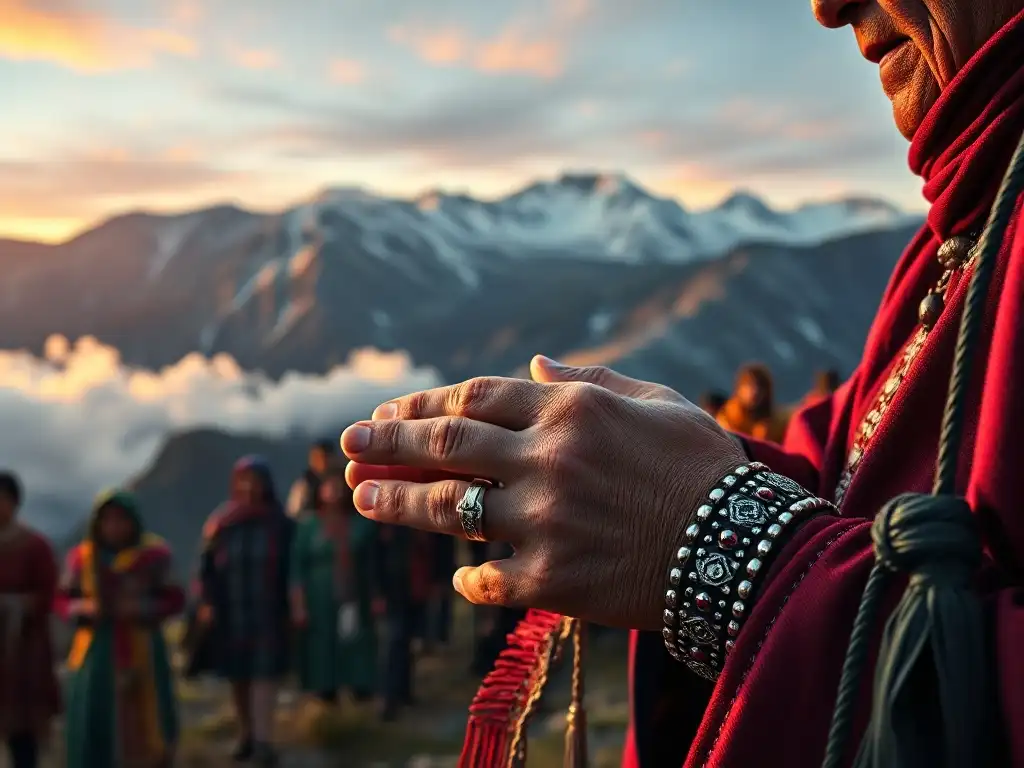
Step into a world shrouded in mystery and wonder, where the vibrant tapestry of Andean civilization intertwines with the unseen forces that shaped their lives. Journey with us as we delve into the captivating realm of Andean supernatural beliefs, exploring how these beliefs manifested in their mesmerizing music and dance. Prepare to uncover the hidden rituals and potent symbolism that fueled the spiritual heart of these ancient cultures – a story far more complex and intriguing than you ever imagined. Discover the secrets held within the rhythms and movements... Are you ready to unveil the truth?
The vibrant tapestry of Andean music and dance isn't merely a celebration of life; it's a powerful conduit to the supernatural, a realm deeply interwoven with the everyday lives of ancient and contemporary Andean communities. This article delves into the unseen forces that shape Andean performances, exploring the complex interplay between ritual, music, dance, and the belief systems that animate them.
We will journey through the rich tapestry of Andean supernatural beliefs, examining how these beliefs manifest in various performance traditions across different cultures, from the Inca empire to the diverse indigenous groups that continue to thrive in the Andes today. Understanding the role of the supernatural in Andean performances provides crucial insight into the profound spiritual and social significance these practices hold, offering a window into a worldview profoundly different from our own, yet deeply compelling.
This exploration will uncover the intricate relationship between the human and spiritual worlds as reflected in the captivating rhythms and movements of Andean music and dance, enriching our understanding of "Andean supernatural beliefs" and their lasting impact.
Introduction to Andean Supernatural Beliefs and Rituals
Andean supernatural beliefs are far from monolithic; they vary considerably across different ethnic groups and geographic locations within the Andes. However, common threads weave through these diverse belief systems. A pervasive belief in the huacas, sacred places or objects imbued with spiritual power, forms a cornerstone of many Andean cosmologies. These huacas could be mountains, rocks, springs, or even specific animals, each possessing unique spiritual energies and the capacity to influence human lives.
Rituals, often involving music and dance, are crucial for interacting with these huacas and maintaining a harmonious relationship with the supernatural world. These rituals aren't simply performances; they are vital acts of communication, seeking blessings, protection, or appeasement from the powerful entities believed to inhabit the Andean landscape. The use of specific instruments, costumes, and choreography often reflects the particular huaca or spirit being invoked, adding layers of symbolic meaning to the performance.
Many Andean cultures also believe in a complex pantheon of deities and spirits, some benevolent and others potentially malevolent. These supernatural beings influence everything from agricultural cycles to human health and fortune. Understanding this intricate web of supernatural forces is essential to interpreting the messages encoded within Andean music and dance.
For example, certain rhythmic patterns or dance movements might represent the actions of specific deities or spirits, or the cyclical nature of life, death, and rebirth. The use of specific colors in costumes or offerings can also hold deep symbolic meaning, reflecting the specific energies associated with different deities or spiritual forces. Detailed ethnographic studies are crucial for deciphering these complex symbolic systems, revealing the rich layers of meaning embedded within Andean performance traditions.
Further research is needed to fully understand the nuanced variations in beliefs and practices across different Andean communities. We will explore specific examples of these beliefs and rituals in subsequent sections, examining how they directly shape the nature and purpose of Andean performances.
- What role did supernatural beliefs play in Andean societies?
- How did Andean people interact with the supernatural world?
- What were some common supernatural beings in Andean mythology?
- How were Andean supernatural beliefs expressed in art and performance?
- How did Andean supernatural beliefs influence their technology and engineering?
The Role of Spirits and Deities in Andean Performances
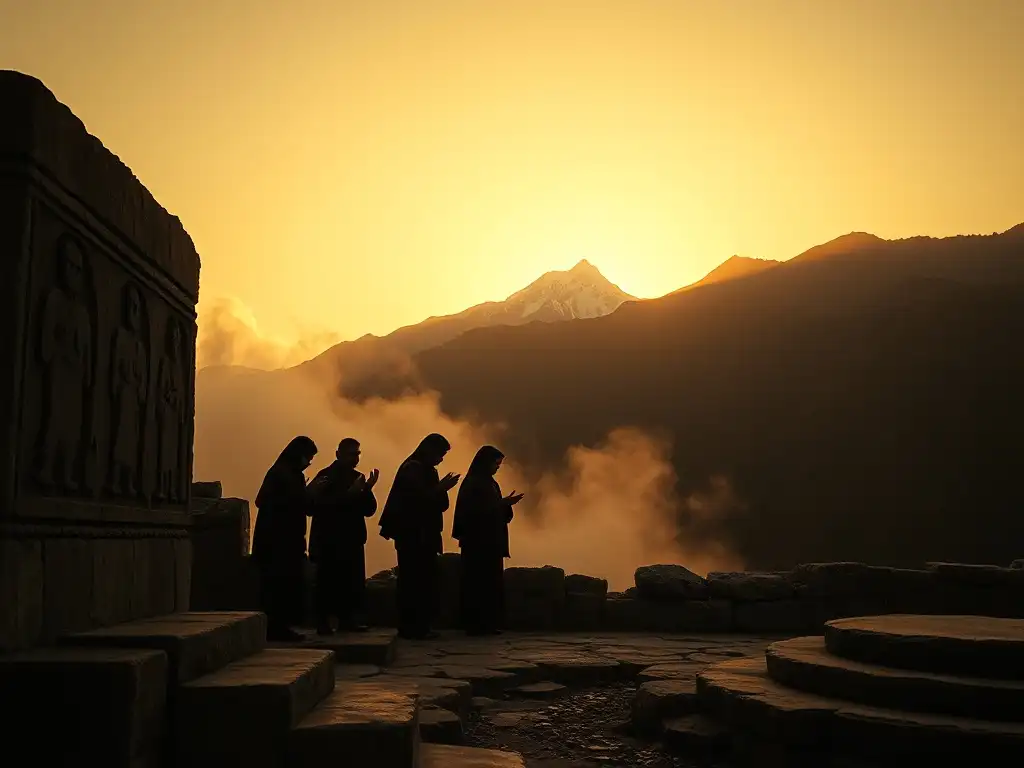
The vibrant tapestry of Andean music and dance isn't merely entertainment; it's a profound engagement with the supernatural realm, a living dialogue with the unseen forces that shape Andean worldviews. Understanding Andean supernatural beliefs requires acknowledging the central role played by spirits and deities in shaping performance traditions. These performances aren't simply aesthetic expressions; they are active rituals, designed to honor, appease, or communicate with powerful entities.
This interaction is not passive observation, but rather a dynamic exchange, influencing the choreography, instrumentation, and even the very purpose of the performance itself. The intensity and emotional depth of these performances stem directly from this deep-seated connection to the spiritual world.
Inti, Pachamama, and their Manifestations in Rituals
The sun god, Inti, and the earth mother, Pachamama, are arguably the most prominent deities in the Andean pantheon, their influence permeating every aspect of life, including artistic expression. Inti's power is often represented through vibrant, energetic dances, mimicking the sun's journey across the sky. The rhythmic drumming and bright costumes often symbolize the sun's radiant energy and life-giving properties.
Conversely, Pachamama's presence is often reflected in slower, more grounded movements, representing the earth's nurturing and enduring nature. Rituals involving offerings to Pachamama, such as coca leaves or chicha (fermented corn beer), are frequently incorporated into performances, solidifying the connection between the spiritual and the physical realms.
Specific examples include the Inti Raymi festival, a celebration of the winter solstice and Inti's power. The elaborate costumes, intricate choreography, and symbolic offerings all directly reflect a deep-seated belief in Inti's influence over the harvest and the well-being of the community. Similarly, ceremonies honoring Pachamama often involve dances focusing on fertility, abundance, and the cyclical nature of life and death.
These are not mere symbolic gestures; they are believed to directly influence the fertility of the land and the prosperity of the people. Further research is needed to fully understand the nuances of specific regional variations in these rituals and their accompanying performances, as regional interpretations of Andean supernatural beliefs can differ significantly.
The Influence of Apus on Andean Dance
Beyond Inti and Pachamama, the Apus, or mountain spirits, hold immense significance in Andean culture. These powerful entities are believed to guard the mountains and influence the weather, harvests, and the overall well-being of the communities living in their shadows. Andean dance often incorporates movements that mimic the majesty and power of the Apus, reflecting their revered status within the community. The dancers may use stylized gestures to represent the mountains' imposing forms, or their movements might reflect the wind or the flow of water down the mountain slopes.
The specific movements and rituals associated with the Apus vary greatly depending on the specific mountain and the community's traditions. For instance, dances dedicated to a particular Apu might incorporate specific instruments or musical styles that are believed to resonate with that mountain spirit. The costumes might also feature symbolic colors or designs representing the Apus's unique characteristics.
More detailed ethnographic studies are required to fully document the diversity of these practices across various Andean communities and their unique interpretations of Andean supernatural beliefs surrounding the Apus. This rich diversity highlights the importance of studying specific regions to gain a comprehensive understanding of these beliefs.
Spirits of Water and their Representation in Andean Music
Water, a life-giving force in the arid Andean landscape, is also deeply imbued with spiritual significance. The spirits inhabiting rivers, lakes, and springs are believed to possess immense power, capable of both blessing and cursing those who disrespect them. Andean music often reflects this reverence through the use of specific instruments and musical styles associated with water. The flowing melodies of panpipes, for example, often evoke the sound of rushing rivers, while the rhythmic splashing of water is sometimes mimicked through specific percussion techniques.
The use of water in rituals is also closely linked to musical performances. For instance, certain ceremonies might involve the pouring of water as an offering to the water spirits, accompanied by specific songs and dances designed to appease or honor them. These performances serve as a crucial link between the community and the spiritual world, reinforcing their respect for the life-giving power of water and the spirits that inhabit it.
Further research is needed to catalogue the variety of musical styles and instruments used across different Andean communities in their interactions with water spirits. This will provide a more complete picture of the diverse expressions of Andean supernatural beliefs related to this essential element.
Supernatural Elements in Andean Dance
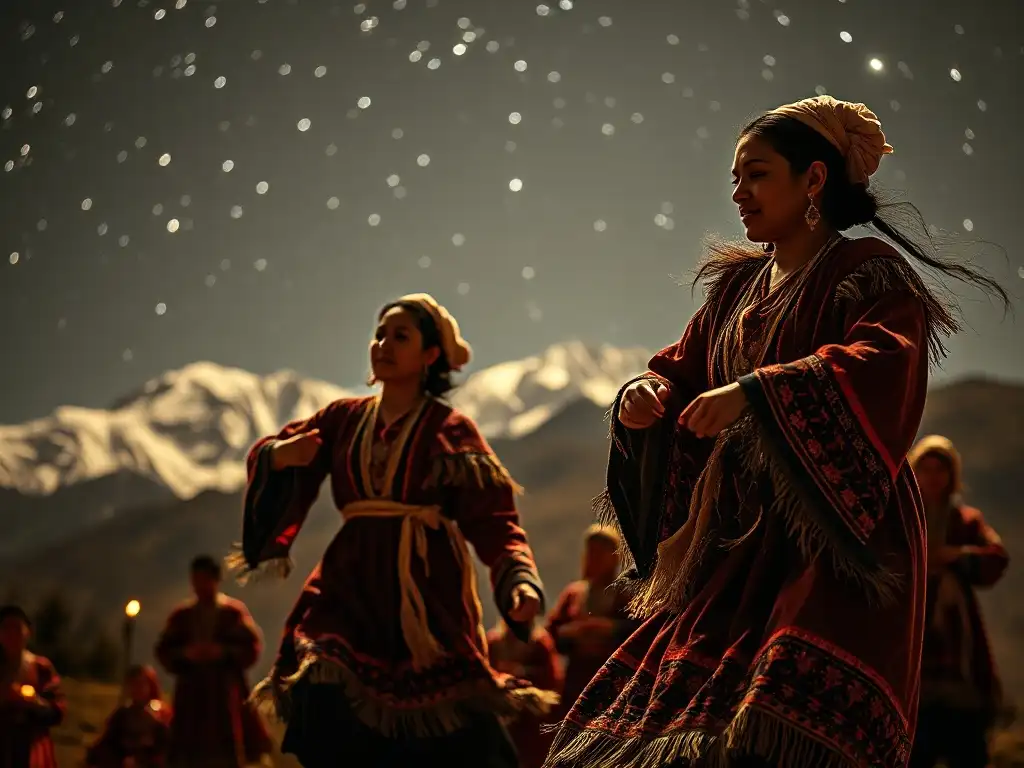
This section delves into the profound integration of supernatural beliefs within Andean dance traditions, exploring how these performances served not merely as entertainment, but as vital conduits to the spiritual realm. Understanding the Andean supernatural beliefs crucial to these rituals allows for a deeper appreciation of their complexity and significance. The dances weren't simply movements; they were carefully choreographed interactions with the unseen world, reflecting a worldview deeply intertwined with nature and spirituality.
The incorporation of symbolism, ritualistic objects, and specific movements all contributed to the powerful connection between the dancers, the spirits, and the community. This section will examine several key aspects of this fascinating interplay.
Symbolic Gestures of Offering in Dance
Many Andean dances incorporate symbolic gestures representing offerings to the supernatural forces, primarily Pachamama (Mother Earth) and the Apus (mountain spirits). These gestures are not arbitrary; they are meticulously crafted movements carrying specific meanings passed down through generations. For instance, the act of scattering grains of coca leaves during a performance symbolizes nourishment and appeasement of the spirits.
Similarly, specific hand movements, often mimicking the act of planting or harvesting, represent the cyclical relationship between humanity and the earth's bounty. The precision and repetition of these gestures underscore their ritualistic importance, ensuring the efficacy of the offering and the favor of the spiritual world. The dancers, therefore, act as intermediaries, facilitating communication and exchange between the human and spiritual realms.
Detailed ethnographic studies are needed to fully document the nuanced variations in gestures across different Andean communities, as these can differ significantly based on regional traditions and specific deities being honored. Variations in these gestures, even subtle ones, can significantly alter the meaning and intention of the offering.
Condor Masks and their Spiritual Significance
The condor, a majestic bird revered throughout the Andes, holds profound spiritual significance. In many Andean performances, dancers wear elaborate condor masks, transforming themselves into powerful intermediaries between the earthly and celestial realms. These masks are not mere costumes; they are sacred objects imbued with spiritual power.
The mask's construction, often involving intricate carvings and vibrant colors, reflects the bird's symbolic association with the sun, the heights of the mountains (the abode of the Apus), and the ability to transcend earthly limitations. Wearing the mask allows the dancer to embody the condor's power and facilitates a direct connection with the supernatural. The use of feathers, particularly those of the condor, further enhances the spiritual potency of the mask and the dance itself.
The specific designs and materials used in creating the masks often vary across different Andean regions, reflecting diverse beliefs and artistic styles. Further research is needed to fully catalog and analyze the iconography present in these masks, to better understand the intricate symbolism associated with them.
Ritual Dances as a Medium for Connecting with Pachamama
Pachamama, the Andean earth goddess, is a central figure in many Andean supernatural beliefs. Ritual dances frequently serve as a crucial means of communicating with and honoring Pachamama. These dances often involve specific movements that mimic the earth's processes, such as planting, harvesting, and the cyclical changes of seasons.
The dancers' movements are not merely imitative; they are believed to directly influence the fertility of the land and the well-being of the community. The use of offerings, such as coca leaves, chicha (a fermented corn beverage), and other agricultural products, further strengthens the connection with Pachamama. The rhythms and melodies accompanying these dances also contribute to the overall ritualistic experience, invoking a sense of reverence and harmony with the natural world.
The vibrant colors of the costumes worn by the dancers are often symbolic of the earth's bounty and the vibrant energy of Pachamama herself. The success of the harvest, the health of the community, and the overall balance of the ecosystem are believed to be directly influenced by the sincerity and precision with which these dances are performed. Further investigation is needed into the specific musical elements used in these dances and their correlation with different phases of the agricultural cycle.
Supernatural Elements in Andean Music
Andean music, far from being mere entertainment, served as a powerful conduit to the supernatural world, deeply intertwined with the spiritual beliefs and practices of various Andean cultures. The sounds, rhythms, and instruments themselves were imbued with symbolic meaning, acting as bridges between the human and spirit realms. This section explores the potent role of music in invoking and interacting with supernatural forces, focusing on specific examples that illustrate the profound connection between Andean supernatural beliefs and musical performance. The understanding of Andean supernatural beliefs is crucial to appreciating the full depth and complexity of their musical traditions.
The Use of Panpipes to Invoke Mountain Spirits
The panpipes, or antara, hold a particularly significant place in Andean spiritual practices. More than just instruments, they are believed to embody the voices of the apus, the powerful mountain spirits that are central to Andean cosmology. Different sizes and arrangements of antara pipes are believed to represent different apus, and the melodies played upon them are believed to communicate directly with these entities. For example, the high-pitched notes might represent the sharp peaks of the mountains, while the lower notes could symbolize the valleys and the earth below.
The playing of the antara is often accompanied by specific rituals and offerings, further enhancing the connection to the supernatural. Experienced musicians are often seen as intermediaries between the human and spirit world, able to channel the power of the apus through their music. The skill involved isn't just musical proficiency, but also a deep understanding of the spiritual context and the specific rituals associated with invoking particular mountain spirits.
The efficacy of the performance hinges on the musician's mastery of both the musical and the ritualistic aspects. Improvisation is common, allowing the musician to respond to the perceived presence of the apus and guide the ritual accordingly. This dynamic interplay between the human performer and the supernatural forces reveals the living, responsive nature of Andean supernatural beliefs.
Sacred Melodies of the Qhapaq Raymi
The Qhapaq Raymi, the Inca festival celebrating the winter solstice, featured elaborate musical performances that were integral to the ceremony's spiritual significance. These performances weren't simply celebratory; they were designed to honor the sun god, Inti, and ensure the continued prosperity and fertility of the land. The melodies themselves, often played on pututos (long trumpets) and drums, were believed to possess a sacred power capable of influencing the celestial bodies and the forces of nature.
Specific melodies, passed down through generations, were associated with specific rituals and prayers. The rhythms and pitches were not arbitrary; they were carefully crafted to evoke a sense of reverence and to connect with the divine. The musicians, often chosen for their lineage and spiritual aptitude, were considered vital participants in the sacred ritual.
Their performance wasn't merely entertainment; it was a critical element in ensuring the success of the Qhapaq Raymi and the continued well-being of the Inca empire. The meticulously preserved musical traditions surrounding this festival illustrate the enduring power of Andean supernatural beliefs in shaping cultural practices. The detailed choreography and musical arrangements, passed down orally, point to the deeply ritualistic nature of the event and the importance of maintaining these traditions to preserve the connection to the divine.
Vocalizations in Ayahuasca Ceremonies
Ayahuasca ceremonies, while not exclusively Andean, have found a prominent place within certain Andean spiritual practices. The use of ayahuasca, a powerful psychedelic brew, is often accompanied by intricate vocalizations and chanting, which serve to guide participants through their altered states of consciousness. These vocalizations, far from being random sounds, are highly structured and symbolic, believed to interact with the spiritual entities encountered during the ceremony. The chants can be seen as a form of communication with the spirit world, helping to navigate the visions and experiences induced by the ayahuasca.
The specific sounds and intonations are often believed to have specific effects, influencing the nature of the visions or interacting with particular spirits. Experienced shamans (or paqos) guide the ceremony, using their vocalizations to shape the experience and ensure the participants' safe passage. The power of the voice is seen as a tool for healing, divination, and communication with the spirit world, highlighting the profound importance of sound in the Andean worldview.
Further research is needed to fully document the diversity of vocalizations across different Andean communities and their specific functions within the ayahuasca ceremonies. The complexity and nuanced application of these vocal techniques demonstrate the sophisticated understanding of the relationship between sound, consciousness, and the supernatural within Andean cultures. The study of these vocalizations offers a fascinating window into the unique Andean approach to shamanistic practices and their underlying supernatural beliefs.
The Interplay of Music, Dance, and Andean Supernatural World
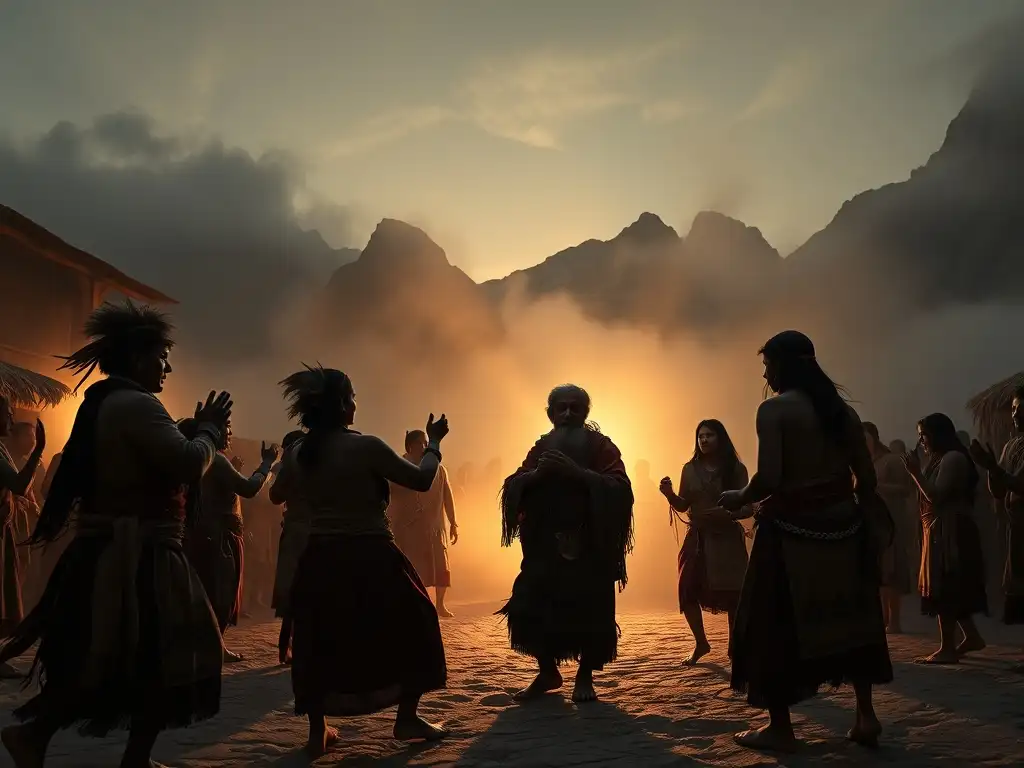
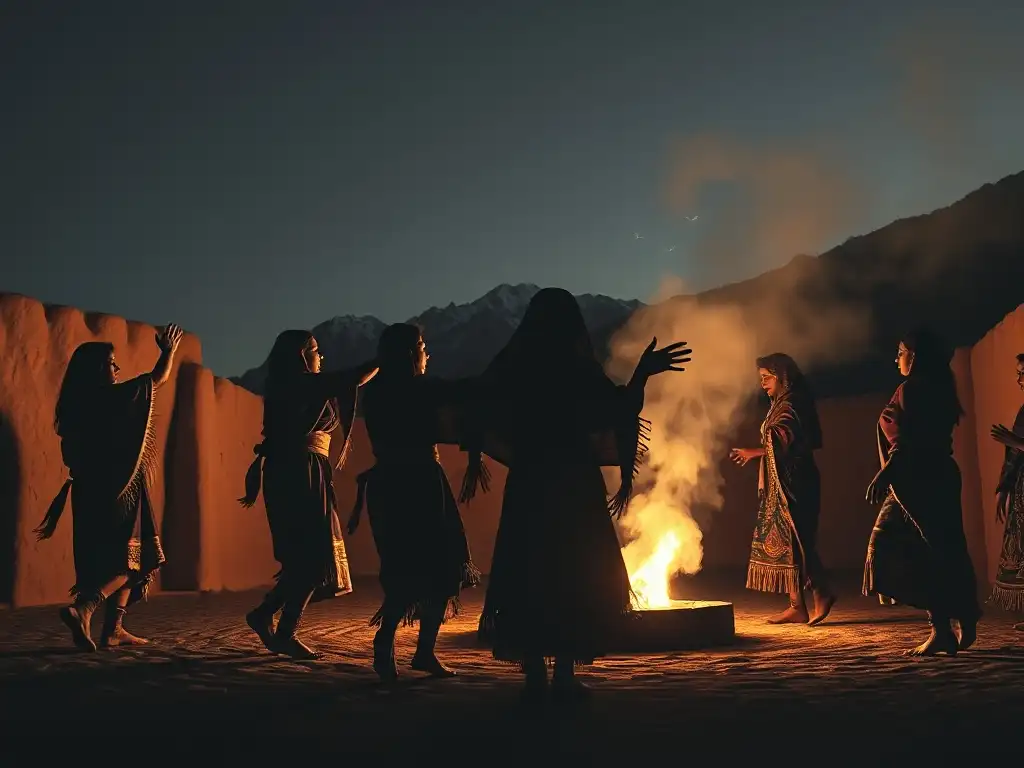
This section delves into the intricate relationship between music, dance, and the supernatural beliefs deeply ingrained in Andean cultures. We'll explore how these art forms weren't merely entertainment, but powerful tools used to connect with the spiritual realm, influence the natural world, and maintain social harmony. Understanding this interplay is crucial to appreciating the profound significance of Andean performance traditions and their enduring legacy. The Andean supernatural beliefs manifested in these practices offer a window into the cosmological worldview of these ancient societies. We will examine specific examples to illuminate this complex interaction.
The Combined Power of Music and Dance in the Inti Raymi
The Inti Raymi, the Inca festival celebrating the winter solstice and the sun god Inti, serves as a prime example of the combined power of music and dance in invoking the supernatural. The elaborate ceremonies involved intricate choreography, vibrant costumes, and music played on instruments like the pututu (a shell trumpet) and antara (panpipes). These weren't simply aesthetic elements; they were believed to directly influence the sun's power and ensure a bountiful harvest.
The rhythmic drumming, the soaring melodies, and the synchronized movements of the dancers were believed to create a conduit between the human and divine realms. The intensity of the performance, combined with the collective participation of the community, generated a powerful spiritual energy aimed at appeasing Inti and securing his continued benevolence.
Specific songs and dances were dedicated to different aspects of Inti, reflecting a detailed understanding of the sun god's multifaceted nature and the Andean supernatural beliefs surrounding him. Detailed accounts from Spanish chroniclers, while often biased, provide glimpses into the scale and intensity of these performances, highlighting their vital role in Inca society.
Achieving Trance Through the Tinku
The Tinku, a ritualistic Andean combat dance from the Bolivian Andes, provides a fascinating case study in achieving altered states of consciousness through performance. This isn't a mere display of aggression; it's a carefully choreographed ritual where participants, often masked, engage in symbolic combat to the rhythm of intense music.
The objective isn't to inflict harm, but to achieve a trance-like state, believed to facilitate communication with the spirit world. The pounding rhythm of drums, combined with the physical exertion and the emotional intensity of the event, creates a powerful atmosphere conducive to this altered state.
The masks themselves are significant, often representing supernatural beings or ancestral spirits, further blurring the line between the human and spiritual realms. Anthropological studies have documented the profound psychological and social effects of the Tinku, suggesting that the experience is not only physically demanding but also spiritually transformative, demonstrating the power of Andean supernatural beliefs manifested in ritualistic combat.
The Role of Ritualistic Performance in Maintaining Ayni
The concept of ayni, reciprocal exchange and mutual obligation, is fundamental to Andean social structures. Ritualistic performances played a crucial role in reinforcing and maintaining this system. Music and dance were used to celebrate harvests, commemorate ancestors, and solidify social bonds.
These performances weren't simply social gatherings; they were carefully orchestrated events that reaffirmed the principle of ayni through shared participation and collective experience. For instance, communal dances celebrating a successful harvest would not only express gratitude but also reinforce the communal responsibility for sharing the bounty. The music and dance acted as a powerful symbol of unity and interdependence, underscoring the social contract inherent in the ayni system.
The intricate patterns in the dances, often mirroring agricultural cycles or cosmological events, visually represented the cyclical nature of reciprocity and the Andean supernatural beliefs that underpinned it. The songs accompanying these dances often invoked deities associated with fertility and abundance, further solidifying the connection between the supernatural and the social order. The enduring presence of these traditions highlights the lasting impact of ayni and its intimate relationship with Andean performance arts.
Case Studies: Examples of Supernatural Beliefs in Andean Performances
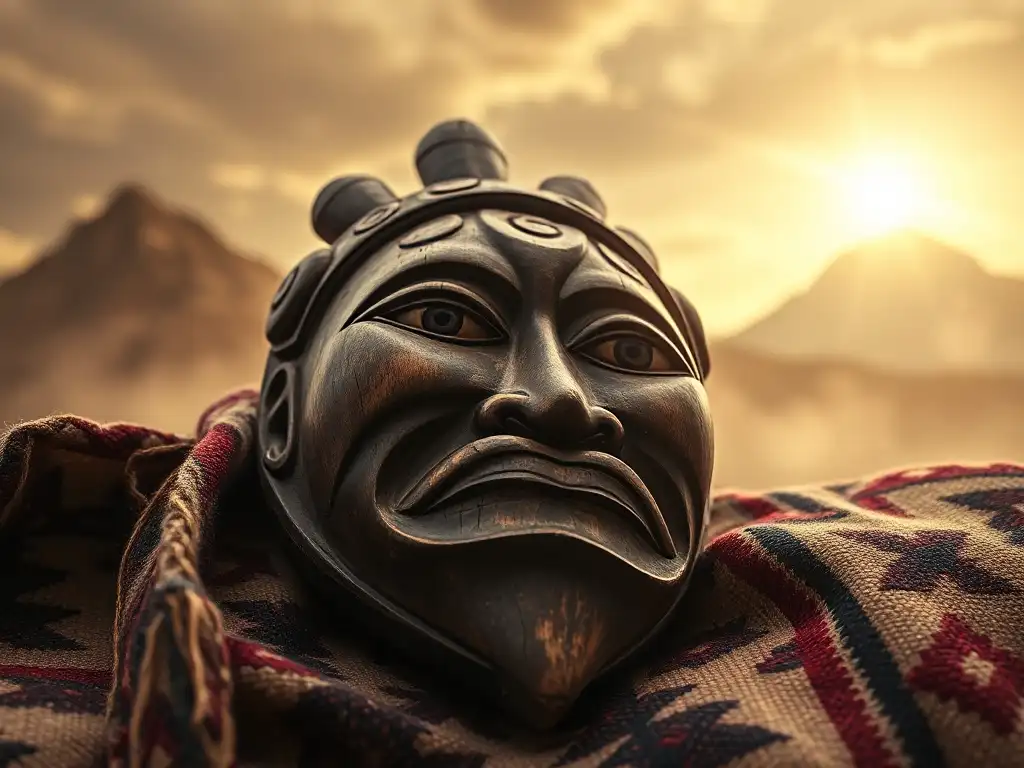
This section delves into specific examples of Andean performances deeply intertwined with supernatural beliefs, showcasing the profound influence of the spirit world on Andean culture and ritualistic practices. We will explore how these beliefs manifest in various performances, highlighting the complex interplay between the human and supernatural realms. Understanding these examples provides crucial insight into the rich tapestry of Andean supernatural beliefs.
The Diablada Dance and its Supernatural Significance
The Diablada, a vibrant and dramatic dance originating in Bolivia, vividly portrays the battle between good and evil, reflecting deeply ingrained Andean supernatural beliefs. This performance, often part of larger religious festivals, features costumed dancers representing devils (diablos), angels, and other supernatural beings. The devils, often depicted with elaborate masks and costumes, are not simply theatrical characters; they represent powerful, albeit malevolent, forces from the Andean spirit world.
The choreography itself is symbolic, representing the constant struggle between light and darkness, good and evil, a theme pervasive in Andean cosmology. The use of vibrant colors, dramatic movements, and the incorporation of musical instruments all contribute to the intense, almost spiritual, atmosphere of the performance. The dancers, through their movements and costumes, embody these supernatural forces, acting as conduits between the human and spirit worlds. This isn't merely entertainment; it's a ritualistic enactment of a cosmic struggle, a way to appease or confront the supernatural entities believed to influence daily life.
The Diablada demonstrates how Andean supernatural beliefs are not merely abstract concepts but actively shape cultural expressions. The dance provides a framework for understanding and interacting with the spirit world, allowing participants and observers to engage with these powerful forces in a controlled and ritualized manner. The detailed costuming, the specific choreography, and the overall narrative of the performance all serve to reinforce the significance of these beliefs within the Andean worldview.
The Huarochirí Manuscript and its Connection to the Spirit World
The Huarochirí Manuscript, a 17th-century Quechua text, offers invaluable insight into Andean supernatural beliefs and their influence on social life. While not a performance itself, its detailed descriptions of rituals, myths, and supernatural beings provide a rich context for understanding the spiritual underpinnings of many Andean performances. The manuscript depicts a world teeming with spirits, huacas (sacred places), and powerful supernatural beings that directly influence human affairs.
The manuscript narrates numerous stories involving interactions between humans and these supernatural entities, often highlighting the importance of ritual appeasement and respect. These narratives reveal the profound significance placed on maintaining a harmonious relationship with the spirit world, emphasizing the potential consequences of neglecting or disrespecting these supernatural forces. The text describes various rituals and ceremonies, many of which likely involved music and dance as essential components.
The Huarochirí Manuscript, therefore, acts as a crucial link between the written record and the lived experience of Andean supernatural beliefs. It illustrates the deep-seated nature of these beliefs and their influence on daily life, providing a framework for understanding the symbolic language and actions within Andean performances. The manuscript’s detailed descriptions of rituals and supernatural beings provide a deeper context for interpreting the symbolic elements often found in Andean music and dance.
The Yawar Fiesta and its Supernatural Elements
The Yawar Fiesta, a dramatic bullfight ritual practiced in some Andean communities, is a potent example of how Andean supernatural beliefs are integrated into public performances. This is not a mere spectacle; it's a complex ritual blending human action with supernatural forces. The bull, often seen as a powerful symbol, represents a supernatural entity, and its struggle with the human participants reflects the ongoing interaction between the human and supernatural worlds.
The event is not simply a contest of strength but a symbolic representation of the struggle between human determination and the unpredictable forces of nature and the spirit world. The ritual's dynamics, including the music, dance, and the specific actions of the participants, are all infused with symbolic meaning, reflecting the complex interplay between human agency and supernatural influence. The outcome of the bullfight, while seemingly determined by physical prowess, is also interpreted through the lens of supernatural intervention and the favor or displeasure of the spirit world.
The Yawar Fiesta highlights the deeply embedded nature of Andean supernatural beliefs in everyday life and cultural practices. It demonstrates how seemingly mundane events can be imbued with profound spiritual significance, reflecting a worldview where the human and supernatural are inextricably intertwined. The celebratory and ritualistic aspects of the Yawar Fiesta underscore the active role of supernatural beliefs in shaping Andean social structures and cultural expressions. Further research is needed to fully understand [specific details of regional variations in Yawar Fiesta rituals and their supernatural interpretations].
The Significance of Andean Supernatural Beliefs in Contemporary Performances
Andean supernatural beliefs remain a powerful force shaping contemporary performances, weaving a vibrant tapestry of tradition and innovation. Understanding this influence requires examining how these beliefs manifest in various art forms, from traditional festivals to modern theatrical productions. The enduring presence of these beliefs underscores their deep-rooted cultural significance and their continued relevance in modern Andean society.
The intricate interplay between the past and the present is particularly striking, demonstrating the adaptability and resilience of Andean cosmovision. The persistence of these beliefs is not merely a nostalgic clinging to the past; rather, it represents a dynamic process of cultural transmission and reinterpretation. This section delves into the specific ways Andean supernatural beliefs are manifested in contemporary performance, providing concrete examples and analysis.
The Continuity of Traditional Beliefs in Modern Andean Festivals
Many modern Andean festivals directly reflect ancient supernatural beliefs. For example, the Inti Raymi festival, celebrating the Inca sun god Inti, continues to feature rituals and performances that directly evoke pre-Columbian practices. Participants often wear traditional costumes representing deities and mythical figures, enacting narratives that revolve around themes of fertility, harvest, and the balance of cosmic forces.
The vibrant colors, intricate costumes, and symbolic gestures all contribute to a powerful performance that reinforces the importance of these beliefs within the community. Even in urban settings, these festivals maintain their spiritual core, adapting to modern contexts while retaining their essential character. The strong community participation underscores the enduring significance of these beliefs in shaping social cohesion and cultural identity.
Detailed ethnographic studies have documented the persistence of specific rituals and chants across generations, demonstrating a remarkable degree of continuity. These celebrations are not merely spectacles; they are active reaffirmations of a living cosmology. The use of specific offerings, such as coca leaves or chicha (fermented corn beer), further demonstrates the continuity of ritual practice.
The Reinterpretation of Supernatural Themes in Contemporary Andean Theater
Contemporary Andean theater frequently reinterprets supernatural themes, often blending traditional narratives with modern social commentary. Playwrights and directors draw inspiration from ancient myths and legends, reimagining them to address contemporary issues such as environmental degradation, social inequality, and political conflict. For instance, some plays explore the conflict between traditional Andean cosmovision and the impact of globalization, using supernatural elements to symbolize the forces of change and resistance.
This reinterpretation doesn't necessarily diminish the significance of the supernatural; instead, it expands its scope, using it as a powerful metaphor to explore complex social and political realities. The use of theatrical techniques, such as masks, music, and dance, further enhances the impact of these performances, creating immersive experiences that engage audiences on multiple levels.
The integration of modern theatrical elements with traditional narrative structures results in a unique and compelling form of artistic expression. The symbolic language of these plays often resonates deeply with Andean audiences, providing a platform for exploring sensitive issues within a culturally relevant framework.
The Cultural Importance of Preserving Andean Cosmovision
Preserving Andean cosmovision through performance is crucial for maintaining cultural identity and fostering a sense of continuity across generations. These performances act as repositories of knowledge, transmitting ancient beliefs and practices to younger audiences. The active engagement with these beliefs helps to sustain a connection to the past, providing a sense of belonging and shared identity.
Furthermore, the preservation of these traditions is essential for understanding the rich cultural heritage of the Andes and its continuing relevance in the modern world. The loss of these traditions would represent a significant cultural impoverishment, erasing a vital part of Andean history and identity. Efforts to document and preserve these performances, through research, archiving, and educational initiatives, are vital for ensuring their continued survival.
The active participation of communities in these preservation efforts is paramount, emphasizing the importance of cultural ownership and self-determination. The ongoing documentation and analysis of Andean performances are not only valuable for academic research but also for promoting cultural tourism and fostering cross-cultural understanding. The vibrant tapestry of Andean supernatural beliefs, as expressed through performance, deserves recognition and celebration.
Frequently Asked Questions
What role did supernatural beliefs play in Andean societies?
Andean societies deeply integrated supernatural beliefs into daily life. These beliefs influenced everything from agriculture and governance to warfare and artistic expression, shaping their worldview and social structures. Rituals and ceremonies were central to maintaining cosmic balance.
How did Andean people interact with the supernatural world?
Through elaborate rituals, offerings, and shamanistic practices, Andean people sought to communicate with and appease supernatural beings. They believed in the power of deities, spirits, and ancestors to influence their lives and the natural world. This interaction helped maintain order and prosperity.
What were some common supernatural beings in Andean mythology?
Andean mythology is rich with diverse supernatural beings. Gods like Viracocha and Pachamama (Mother Earth) held significant power, while local spirits and ancestral figures were also revered and feared. These beings were often linked to specific locations, natural phenomena, or social roles.
How were Andean supernatural beliefs expressed in art and performance?
Andean art and performance vividly depicted supernatural beings and beliefs. Textiles, ceramics, and monumental architecture featured iconography representing deities and rituals. Dramatic performances and festivals reenacted myths and sought to influence the supernatural world.
How did Andean supernatural beliefs influence their technology and engineering?
The construction of impressive structures like Machu Picchu was often linked to cosmological beliefs and the appeasement of supernatural forces. The precise alignment of sites with celestial events suggests a deep understanding of the cosmos and the desire to harmonize with the supernatural realm.
Final Reflection: The Enduring Power of Andean Supernatural Beliefs
The vibrant tapestry of Andean culture, woven with threads of ancient traditions and modern realities, continues to be profoundly shaped by its deeply rooted supernatural beliefs. These beliefs, far from being relics of the past, remain a potent force influencing daily life, artistic expression, and social structures across the Andes. Their enduring presence challenges simplistic narratives of modernization and highlights the complex interplay between tradition and change.
The exploration of Andean supernatural performances revealed a captivating world where the boundaries between the living and the spirit world are fluid and permeable. These performances are not mere entertainment; they are vital rituals that maintain social cohesion, address anxieties, and negotiate the ever-present influence of unseen forces. The power of these beliefs is palpable, resonating through generations. The mountains are not just rocks; they are living beings, filled with spirits and power,
a Quechua elder once told me, encapsulating the profound spiritual connection at the heart of Andean cosmology. This sentiment, echoed in countless stories and practices, underscores the enduring influence of these beliefs on the Andean worldview.
Consider, for a moment, the ways in which your own worldview is shaped by unseen forces, be they religious, spiritual, or simply deeply held beliefs. How do these beliefs influence your actions, your relationships, and your understanding of the world around you? I invite you to reflect on the parallels between your own experiences and the rich tapestry of Andean supernatural beliefs. By understanding and appreciating these diverse perspectives, we can foster a deeper understanding of the human experience and the enduring power of belief in shaping our lives and cultures.
Unveil the Mysteries of the Supernatural in Andean Performances!
Thank you for exploring the captivating world of supernatural themes in Andean performances! Your insights have illuminated the intricate relationship between culture and the unseen forces that shape our perceptions of reality. Let's delve deeper into this mystical journey.
Here are your next steps:
- Immerse yourself in the vibrant atmosphere of a local cultural festival showcasing Andean performances.
- Share your newfound understanding with friends and on social media, discussing the fascinating interplay between art and spirituality you've discovered.
- Deepen your knowledge by researching a specific Andean figure or legend that resonates with you. Consider creating a short presentation or blog post to share your insights and inspire others.
What aspect of Andean supernatural performances most intrigues you, and how do you see its reflection in contemporary culture?