
Unearth the Secrets of Pachamanca: A StepbyStep Guide to Andean Earth Oven Cooking

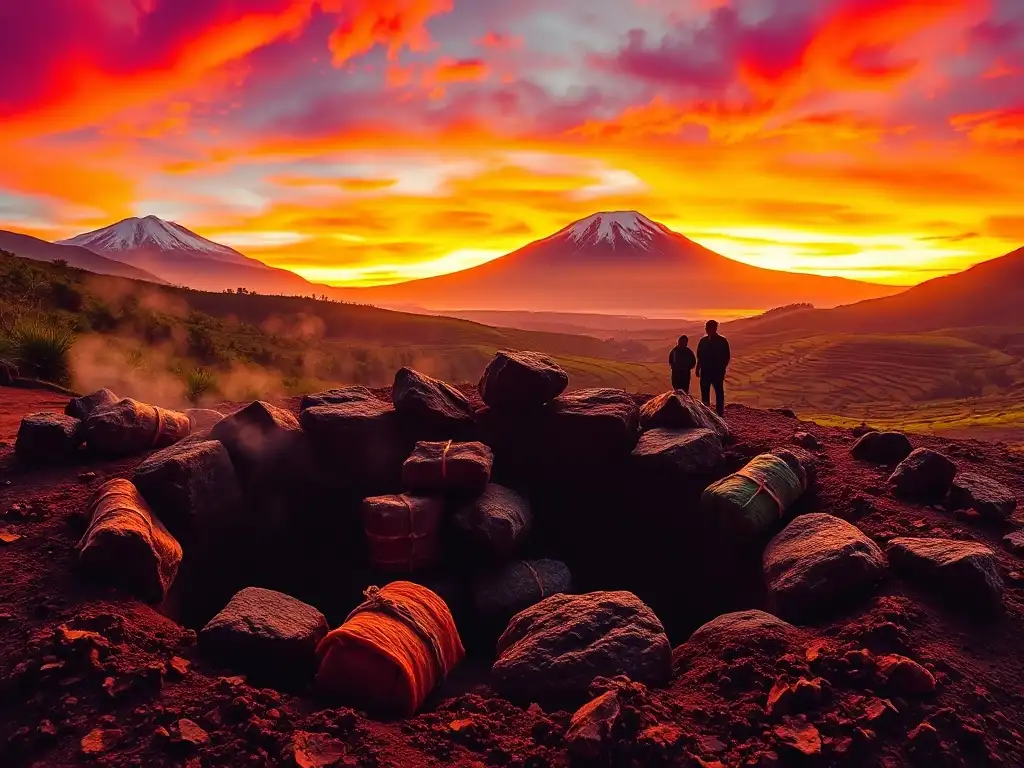
Step into a world lost in time, where the echoes of ancient empires still resonate. Journey with us through the heart of the Andes, uncovering the mysteries and marvels of the Incas, Moche, Nazca, and Tiahuanaco. But first, prepare to be captivated by a culinary secret passed down through millennia: the Andean Pachamanca cooking method. Discover the ancient techniques and rich flavors in our immersive guide—a taste of history you won't soon forget.
Pachamanca, an ancient Andean cooking method, offers a unique and flavorful culinary experience deeply rooted in the traditions of pre-Columbian civilizations. This time-honored technique, far more than just a cooking method, represents a connection to the land and a celebration of Andean ingenuity.
For centuries, communities across the Andes have utilized this earth oven to prepare feasts, preserving not only culinary traditions but also a rich cultural heritage. This comprehensive guide will take you on a journey through the process of creating your own Pachamanca, from selecting the perfect ingredients and tools to mastering the art of earth oven cooking.
We'll explore the historical significance of Pachamanca within Andean culture and provide a detailed, step-by-step approach to recreating this authentic Andean cooking experience in your own backyard, ensuring you achieve delicious and authentic results while understanding the cultural context of this unique culinary practice. Get ready to unearth the secrets of Pachamanca and embark on a culinary adventure that connects you to the heart of Andean cuisine!
Introduction to Pachamanca: The Ancient Andean Cooking Tradition
Pachamanca, meaning "earth oven" in Quechua, is a traditional Andean cooking method dating back centuries. It involves cooking food underground using heated stones within a pit lined with leaves and herbs. This method, far from being a simple cooking technique, is deeply intertwined with Andean cosmology and spiritual practices.
The earth itself becomes an active participant in the cooking process, imparting a unique earthy flavor to the food. Different Andean cultures, including the Incas, Moche, and others, each had their variations on the Pachamanca technique, showcasing the adaptability and enduring popularity of this ancient culinary tradition. The process is not only about preparing a meal; it's a communal experience, often involving family and friends in the preparation and sharing of the resulting feast.
The slow, even cooking within the earth oven produces incredibly tender meats and vegetables, imbued with the aromatic essence of the herbs and spices used. Learning to prepare Pachamanca is more than just learning a recipe; it's gaining access to a rich cultural heritage.
Preparing for Your Pachamanca: Essential Tools and Ingredients
Before embarking on your Pachamanca adventure, careful preparation is key. You'll need several essential tools and ingredients to ensure a successful and authentic experience. First, you'll need a suitable location – a space in your yard or garden with loose, well-draining soil is ideal. The pit itself should be approximately 3 feet in diameter and 2 feet deep, although this can be adjusted based on the amount of food you plan to cook.
Beyond the pit, you'll need a substantial amount of smooth, fire-resistant stones – these will be heated and used to cook the food. Crucially, you’ll need a selection of fragrant Andean herbs and spices, such as muña, huacatay, and oregano. These herbs play a critical role in flavoring the food and adding a distinctive Andean character to your Pachamanca. Finally, you'll need the food itself!
Traditional Pachamanca often includes a variety of meats, such as llama, alpaca, or chicken, alongside potatoes, sweet potatoes, and other Andean vegetables. The possibilities are vast, but choosing high-quality ingredients is paramount for achieving the best results. Remember, preparation is half the battle in creating a truly authentic Pachamanca experience.
Gathering Your Pachamanca Essentials: Stones, Herbs, and Meats
The selection of stones, herbs, and meats is crucial for a successful Pachamanca. Choosing the right stones is vital; they must be smooth, heat-resistant, and free of cracks to avoid shattering when heated. Avoid stones that might contain harmful minerals. Regarding herbs, the selection is largely dependent on personal preference and availability. However, some key Andean herbs to consider include muña (a minty herb), huacatay (black mint), and oregano.
These herbs not only add flavor but also contribute to the overall aromatic experience of the Pachamanca. The meats traditionally used in Pachamanca often depend on regional variations and availability, but popular choices include llama, alpaca, and chicken. However, other meats such as pork or beef can also be used, adapting the cooking time accordingly. Remember to choose high-quality, fresh meats to ensure the best flavor and tenderness.
When selecting your vegetables, consider a variety of Andean staples such as potatoes (various types! ), sweet potatoes, yuca, and maize. The combination of herbs, meats, and vegetables you choose will influence the overall flavor profile of your Pachamanca, allowing for a highly personalized culinary experience. Remember to prepare your ingredients in advance – chopping vegetables and marinating meats will streamline the cooking process significantly.
Essential Equipment for an Authentic Pachamanca Experience
Preparing for a traditional Pachamanca requires specific tools and materials to ensure a successful and authentic cooking experience. Gathering these items beforehand will streamline the process and allow you to focus on the culinary aspects. Beyond the obvious cooking ingredients, several key elements are crucial. Firstly, you'll need large, smooth stones. These are heated to incredible temperatures and used to cook the food.
The stones should be river rocks, ideally, as they are less likely to crack or explode under the intense heat. Avoid stones with visible cracks or imperfections. Secondly, you'll need substantial amounts of firewood. The type of wood will impact the flavor subtly; hardwoods like mesquite or quebracho are commonly used and provide a longer, more even burn. The quantity will depend on the size of your Pachamanca and the duration of cooking.
It's always better to have more than you need. Thirdly, you require heavy-duty canvas or burlap, or even thick layers of banana leaves, to cover the pit and trap the heat and steam. Finally, don't forget essential cooking tools such as a sturdy shovel or spade for digging, tongs for handling the hot stones, and perhaps a thermometer to monitor the pit's temperature for more precise cooking. Remember, safety is paramount; wearing thick gloves and protective eyewear is strongly recommended when handling the hot stones and managing the fire. A well-equipped Pachamanca preparation ensures a smooth and safe cooking process.
Building Your Andean Earth Oven: A Step-by-Step Guide
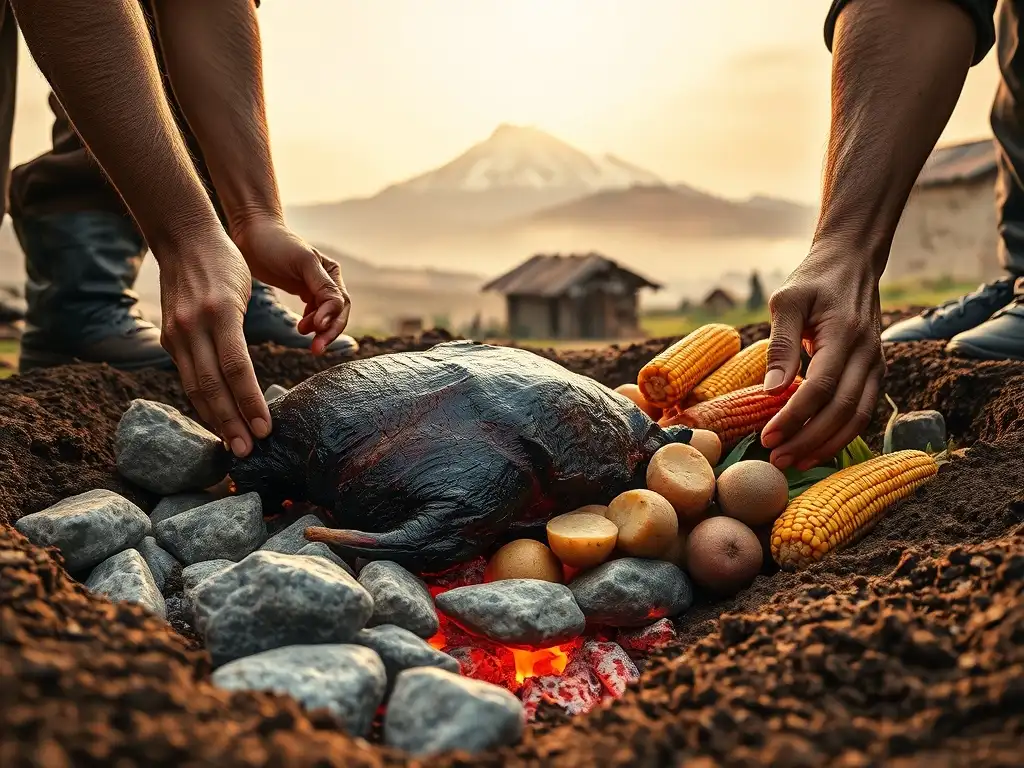
Constructing a Pachamanca is more than just digging a hole; it's a careful process that balances heat distribution and food preservation. The first step involves selecting a suitable location. Choose a flat area with access to ample firewood and away from any flammable materials. Next, dig a pit of appropriate size, depending on the amount of food you intend to cook. A pit roughly 3-4 feet deep and 4-6 feet in diameter is a good starting point for a medium-sized Pachamanca.
The pit's depth is crucial for maintaining consistent heat. The next phase is to carefully arrange the hot stones at the bottom of the pit, creating a layer approximately 6-8 inches deep. This stone bed forms the foundation of your Andean earth oven. It's crucial to ensure even distribution to maintain uniform cooking throughout. Once the stones are in place, carefully build a fire directly on top of the stones, allowing them to reach their peak temperature.
This heating process can take several hours, depending on the size of the stones and the wood used. The fire itself should be managed carefully, maintaining a consistent burn to heat the stones evenly. Accurate temperature control is key to perfect Pachamanca. Finally, once the stones are glowing red-hot, you're ready to add your food, wrapped in banana leaves or foil, to the pit.
Constructing the Pachamanca Pit: The Foundation of Your Earth Oven
The Pachamanca pit is the heart of the entire cooking process. Its construction directly impacts the quality and evenness of the cooking. The size of the pit must be carefully considered, as a pit too small will restrict the amount of food you can cook, while one too large might prove difficult to heat effectively. As mentioned previously, a pit roughly 3-4 feet deep and 4-6 feet in diameter is a good starting point for a medium-sized Pachamanca.
Before digging, clear the area of any debris, roots, or rocks that could interfere with the pit's construction. Digging should be done carefully and evenly, ensuring the pit's walls are as vertical as possible to maximize heat retention. The bottom of the pit should be relatively flat and level to ensure even heat distribution across the cooking stones. The shape of the pit can vary slightly depending on tradition and preference, but a roughly circular or square shape is most common.
After digging, the pit needs to be prepared. This might involve lining the pit with a layer of sand or earth to improve insulation and prevent the pit's walls from collapsing. A well-constructed pit, therefore, is not simply a hole in the ground; it is a carefully planned structure designed to optimize the Andean Pachamanca cooking method. The quality of the pit directly impacts the final result, ensuring a truly authentic and delicious Pachamanca experience.
Firing Up the Pachamanca: Preparing the Hot Stones
The heart of the Pachamanca experience lies in the carefully prepared hot stones. These aren't just any rocks; selecting the right stones is crucial for a successful cook. Ideally, you should gather river stones, as these are generally smoother and less likely to explode from the intense heat.
Avoid stones with cracks, as these can fracture and potentially contaminate your food. Size matters too; aim for stones roughly the size of a fist, ensuring even heat distribution throughout the earth oven. Smaller stones heat up faster but might not retain heat for as long, while excessively large stones can take an impractically long time to heat.
Before placing the stones in the fire, it's essential to thoroughly clean them. Scrub them with water to remove any dirt, debris, or potentially harmful substances. This meticulous cleaning ensures that no unwanted flavors or contaminants will affect the taste of your Pachamanca feast. After cleaning, allow the stones to completely dry before placing them in the fire. Wet stones can cause steam explosions when heated, leading to a potentially dangerous situation.
The process of heating the stones requires patience and careful monitoring. Build a bonfire separate from the Pachamanca pit, ensuring adequate airflow for optimal burning. Arrange the stones directly within the fire, ensuring they are evenly exposed to the flames.
The stones need to reach a glowing red-hot temperature, which can take several hours depending on the size of the stones and the intensity of the fire. Regularly rotate the stones to ensure even heating, preventing some from becoming too hot while others remain cool. This step demands careful observation; you'll know the stones are ready when they emit a radiant orange-red glow.
Using tongs, carefully remove the glowing hot stones from the fire, ready to be placed into the Pachamanca pit. The intense heat these stones retain is the key to perfectly cooking the food. Improper heating can result in undercooked or unevenly cooked food, so this stage requires diligence and attention to detail.
- Introduction to Pachamanca: The Ancient Andean Cooking Tradition
- Preparing for Your Pachamanca: Essential Tools and Ingredients
- Gathering Your Pachamanca Essentials: Stones, Herbs, and Meats
- Essential Equipment for an Authentic Pachamanca Experience
- Building Your Andean Earth Oven: A Step-by-Step Guide
- Constructing the Pachamanca Pit: The Foundation of Your Earth Oven
- Firing Up the Pachamanca: Preparing the Hot Stones
The Art of Layering: Cooking the Pachamanca
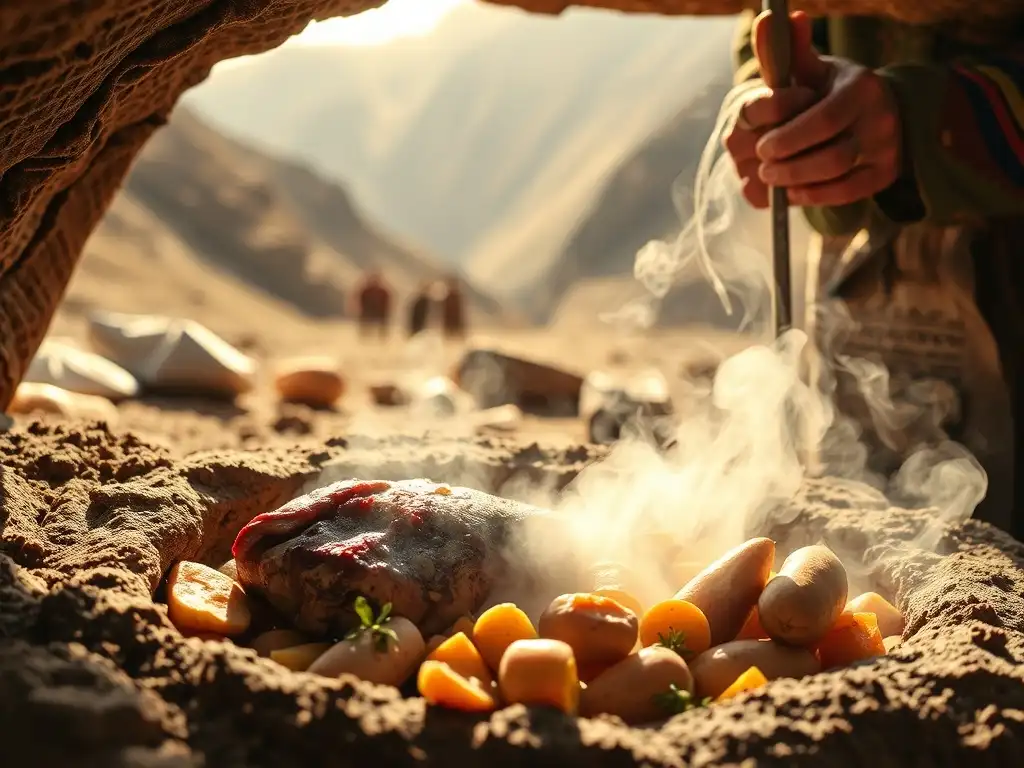
The Andean Pachamanca cooking method is more than just a recipe; it's a carefully orchestrated layering process that maximizes heat retention and flavor infusion. Understanding this layering technique is crucial to achieving a truly authentic Pachamanca experience. The success of your Pachamanca hinges on the precise arrangement of ingredients within the earth oven.
Think of it as a culinary symphony, where each layer plays a vital role in creating a harmonious and delicious finale. From the base layer of hot stones to the final covering of earth, each element contributes to the unique flavors and textures developed through this ancient cooking method. Incorrect layering can lead to uneven cooking, resulting in some parts being undercooked while others are burnt.
Mastering this aspect is key to unlocking the secrets of this traditional Andean culinary practice. We'll delve into the specifics of this process below, providing you with a detailed understanding of each layer and its importance. Remember, precision is paramount in Pachamanca cooking, reflecting the deep respect Andean cultures have for their food and the earth itself.
Arranging the Ingredients: The Pachamanca Sequence
The order in which you place the ingredients within the pit is paramount. It's not simply about throwing everything in; it's about creating a specific thermal gradient that ensures even cooking. A typical Pachamanca sequence might look like this:
- Hot Stones: The foundation of the Pachamanca. These superheated stones provide the radiant heat that cooks the food. The quantity and size of the stones will vary depending on the size of your pit and the amount of food you're cooking. Ideally, you want stones that retain heat well, like river rocks, avoiding those that might crack or explode under high temperatures.
- Lower Layer of Herbs and Spices: A fragrant bed of herbs and spices like huacatay, culantro, and aji amarillo (yellow chili pepper) is placed directly on the hot stones. This imparts a unique earthy and spicy aroma to the food. The quantity and type of herbs used can be adapted to personal preferences, creating a diverse range of flavors.
- Larger Cuts of Meat: Larger, tougher cuts of meat, such as llama, alpaca, or beef, are placed on top of the herb layer. These benefit from the longer cooking time and direct heat. The placement should allow for even heat distribution, avoiding overcrowding.
- Vegetables: Root vegetables like potatoes, yuca, and sweet potatoes are added next. Their density allows them to withstand the high heat. These vegetables absorb the flavors of the herbs and meat as they cook.
- Smaller Cuts of Meat and Seafood: More delicate cuts of meat, such as chicken or pork, and seafood are placed on top of the vegetables. This ensures they don't overcook.
- Smaller Vegetables: Smaller, more delicate vegetables, like corn on the cob, are placed on top of the smaller meat and seafood.
- Upper Layer of Herbs and Spices: Another layer of herbs and spices is added to infuse the upper layers with flavor. This layer can also incorporate aromatic leaves like banana leaves, which add moisture and prevent the food from drying out.
- Final Covering: Finally, the entire pit is covered with more banana leaves, followed by a thick layer of earth and/or sand to seal in the heat and steam. This final layer is crucial for maintaining the temperature and creating the unique steam-cooked environment.
Sealing the Pachamanca: Trapping the Heat and Steam
The final step in preparing your Pachamanca is crucial for its success: sealing the pit. The goal is to create an airtight environment that traps the heat and steam generated by the hot stones. This ensures even cooking and a tender, flavorful result. The art of sealing involves using a combination of materials that work together to create a barrier against heat loss and moisture escape.
The process begins with a layer of banana leaves placed directly on top of the food. These leaves help to create a barrier between the food and the earth, preventing the food from burning and adding a subtle sweetness and aromatic flavor. Next, a thick layer of earth or sand is carefully packed on top of the banana leaves.
The thickness of this layer is important; it needs to be substantial enough to retain heat effectively, but not so thick that it takes too long for the food to cook. The earth acts as an insulator, preventing the heat from escaping and ensuring that the cooking process continues evenly for several hours. The final layer is often a layer of damp soil, which helps to maintain moisture and temperature.
Think of it like a pressure cooker, but instead of a metal pot, you're using the earth itself. The trapped steam and heat slowly cook the food, resulting in tender, juicy meats and perfectly cooked vegetables. The careful sealing of the Pachamanca is a testament to the ingenuity and resourcefulness of Andean cultures, who developed this cooking method centuries ago.
The result is a truly unique culinary experience, a testament to the power of simple ingredients and techniques, enhanced by the earth's natural ability to cook. The perfectly sealed Pachamanca is a symbol of the harmony between humans and nature, a core principle of Andean culture.
Unveiling Your Pachamanca: The Delicious Result
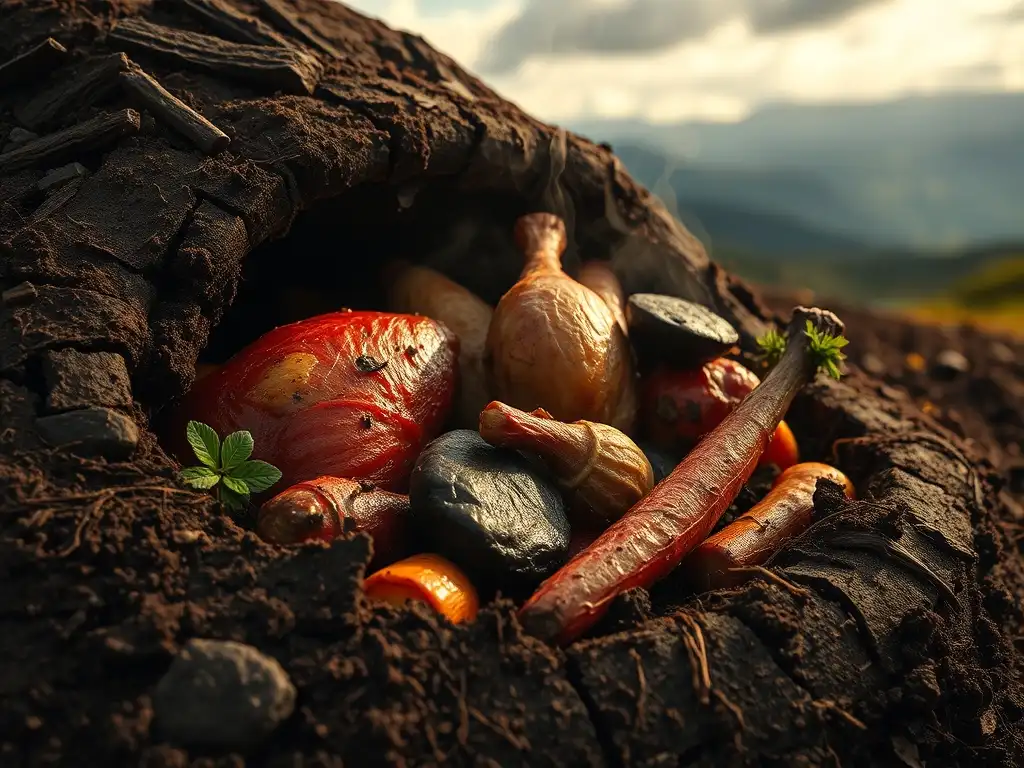
After hours of patient waiting, the moment has finally arrived: retrieving your culinary masterpiece from the earth. The aroma alone – a heady blend of smoky meats, roasted vegetables, and earthy herbs – is a testament to the Andean Pachamanca cooking method's unique charm. But before you dive in, remember that safety and patience are key to a successful excavation. Rushing the process could lead to burns or damaged food.
Retrieving Your Cooked Pachamanca: Safe Excavation Techniques
The earth surrounding your Pachamanca will be incredibly hot. Use heavy-duty oven mitts or thick gloves to protect your hands. Start by carefully removing the top layer of hot stones. These stones will retain significant heat for a considerable time after the cooking process is complete, so proceed slowly and deliberately.
A sturdy shovel or trowel can help you gently move aside the larger stones, but be mindful of the smaller, intensely hot rocks nestled amongst them. It's helpful to have a designated area nearby to safely set aside the hot stones as you work. Think of it as an archaeological dig, but with a far more delicious payoff! Once the stones are removed, you'll reveal the layers of food, carefully wrapped in leaves and possibly burlap.
Lift each package gently, again using protective gear. Assess the cooking progress by gently unwrapping a small portion. If it needs more time, carefully re-cover and allow for additional cooking (though this is rare with proper preparation).
Tips for a Successful Pachamanca: Troubleshooting and Best Practices
Even with meticulous preparation, unexpected challenges can arise. Understanding common pitfalls and implementing best practices can significantly enhance your Pachamanca experience. For example, uneven cooking can occur if the heat distribution within the pit isn't optimized. To avoid this, ensure a consistent layer of hot stones under and around the food. Consider using a thermometer to check the internal temperature of the meat before serving, ensuring it reaches a safe level.
Another common issue is the food sticking to the leaves. To mitigate this, use banana leaves – their smooth surface reduces sticking. Pre-soaking the leaves in water also helps. Finally, remember that the success of your Pachamanca is heavily dependent on the quality of your ingredients.
Choose fresh, high-quality meats and vegetables, and don't be afraid to experiment with different herbs and spices to create your unique flavor profile. Remember, the Andean Pachamanca cooking method is a journey, not a race. Enjoy the process and the incredible results! 🎉 The delicious aroma and the shared experience of preparing and enjoying this traditional Andean meal will create lasting memories.
Celebrating Andean Culture: Sharing Your Pachamanca Experience
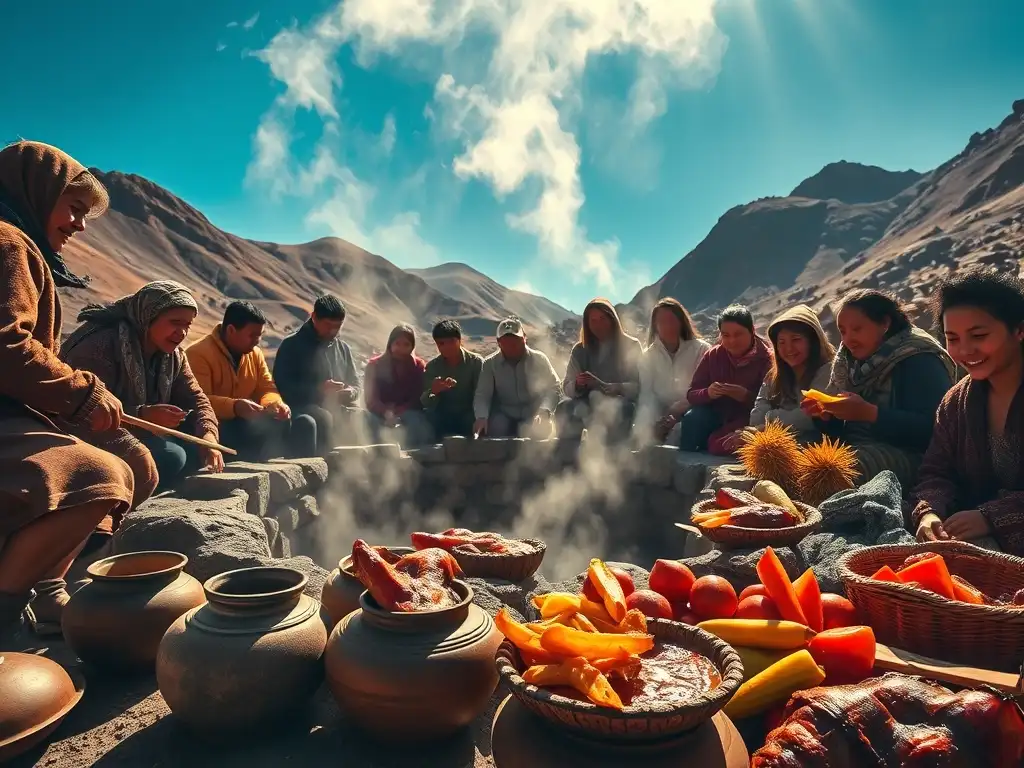
The Andean Pachamanca cooking method is more than just a way to prepare food; it's a vibrant expression of Andean culture and a testament to the ingenuity of its people. Preparing a Pachamanca is a communal activity, often a celebration involving family and friends.
By hosting your own Pachamanca, you’re not just cooking a meal; you're actively participating in a centuries-old tradition, fostering connection and sharing the rich heritage of the Andes. The aroma alone, a blend of earthy smoke and savory meats and vegetables, is enough to transport you to a mountain village, evoking the spirit of ancient feasts.
Hosting a Pachamanca Gathering: Sharing the Tradition
Hosting a Pachamanca gathering is a rewarding experience. It allows you to share the unique Andean Pachamanca cooking method with others, offering a truly immersive cultural experience. Careful planning is key to a successful event. Consider the following:
- Guest List: How many people will you be feeding? This will determine the size of your pit and the quantity of ingredients you need. Remember, Pachamanca is a communal affair, best enjoyed with a sizable group.
- Location: You need a suitable outdoor space with permission to dig a pit. Ideally, this should be a relatively flat area with access to firewood and water. Check local regulations regarding open fires.
- Timing: Pachamanca requires significant preparation and cooking time (several hours). Plan your event accordingly, ensuring ample time for each stage of the process. Consider starting early in the day to allow for a relaxed evening.
- Menu Planning: While traditionally featuring llama or alpaca, you can adapt the Pachamanca to include other meats like chicken, pork, or beef. Don't forget the variety of Andean vegetables like potatoes, sweet potatoes, yuca, and corn on the cob. Consider offering a selection to cater to different tastes.
- Ambiance: Create a festive atmosphere! Play traditional Andean music, decorate the area with vibrant textiles, and share stories about the history and significance of the Pachamanca. This elevates the experience beyond just a meal, transforming it into a cultural celebration.
The success of your Pachamanca gathering hinges on more than just the food; it's about the shared experience, the collaborative effort, and the joy of sharing a piece of Andean heritage with your loved ones. Remember to capture the memories – photos and videos will serve as lasting reminders of this unique and unforgettable event. The aroma of the cooking meat and vegetables, the warmth of the fire, and the laughter of your guests will create cherished memories of a truly authentic Andean experience.
The Andean Pachamanca cooking method is a gift to be shared, a tradition to be preserved, and an opportunity to connect with a rich and captivating culture. 🥂
Conclusion: Continuing the Andean Culinary Legacy
This exploration of the Andean Pachamanca cooking method reveals more than just a cooking technique; it unveils a profound connection to the land and a rich cultural heritage. Mastering Pachamanca isn't simply about preparing a meal; it's about participating in a centuries-old tradition, a testament to the ingenuity and resourcefulness of Andean civilizations.
The careful selection of ingredients, the meticulous preparation of the earth oven, and the communal aspect of the cooking process all contribute to a unique culinary experience that transcends mere sustenance. It's a journey through time, a taste of history, and a celebration of Andean culinary artistry.
The Enduring Appeal of Pachamanca: A Timeless Culinary Tradition
The enduring appeal of Pachamanca lies in its multifaceted nature. It's not merely a method of cooking; it's a powerful symbol of community and cultural identity. The process itself fosters a sense of togetherness, with families and communities collaborating in the preparation and sharing of the feast. This communal aspect is a crucial element of the Pachamanca experience, strengthening social bonds and perpetuating cultural traditions.
Beyond the social aspect, the unique flavors imparted by the earth oven create a distinctive culinary profile, unlike anything achievable through conventional cooking methods. The slow, even cooking in the earth produces incredibly tender meats and vegetables, infused with a subtle smoky aroma that is both earthy and captivating. This unique flavor profile is a significant factor contributing to the continued popularity of Pachamanca, even in the modern era.
Furthermore, Pachamanca offers a sustainable and environmentally friendly approach to cooking. Utilizing readily available natural resources minimizes environmental impact, aligning with the traditional Andean respect for the environment. This eco-conscious aspect is increasingly appealing to modern consumers who are seeking sustainable and ethical food choices. The use of local, seasonal ingredients further enhances the sustainability of the cooking method, promoting biodiversity and reducing reliance on processed foods.
This commitment to sustainability adds another layer of appeal to the Andean Pachamanca cooking method, making it a relevant and attractive culinary practice for the 21st century. The resurgence of interest in Pachamanca reflects a growing appreciation for traditional cooking methods, sustainable practices, and the unique cultural heritage of the Andean region. It’s a testament to the enduring power of culinary traditions and their ability to connect us to our past while enriching our present.
The Andean Pachamanca cooking method stands as a vibrant example of this enduring legacy, a culinary treasure that deserves to be preserved and celebrated for generations to come. The smoky aroma, the tender meats, and the communal spirit all contribute to a culinary experience that is both deeply satisfying and profoundly meaningful. It's a taste of history, a celebration of culture, and a reminder of the enduring connection between food, community, and the earth.
Frequently Asked Questions
What is Pachamanca?
Pachamanca is a traditional Andean cooking method that involves cooking food in an underground oven. It's a unique way to prepare meats and vegetables using heated stones and earth. The result is incredibly flavorful and tender food.
Which Andean cultures used Pachamanca?
Many Andean cultures, including the Incas, used Pachamanca. Evidence suggests its origins predate the Incas, with variations practiced by various groups throughout the Andes Mountains for centuries. It remains a popular cooking tradition today.
What kind of food is typically cooked using Pachamanca?
Traditionally, meats like llama, alpaca, and chicken are cooked, alongside various vegetables such as potatoes, sweet potatoes, and corn. Different herbs and spices are also used to infuse the food with unique flavors during the cooking process.
How long does it take to cook a Pachamanca meal?
The cooking time varies depending on the size of the pit and the food being cooked but generally takes several hours. The slow cooking process ensures the food is tender and infused with smoky flavors from the heated stones and earth.
Where can I experience authentic Pachamanca?
You can experience authentic Pachamanca in many Andean communities throughout Peru, Bolivia, Ecuador, and Colombia. Many restaurants also offer Pachamanca, providing a convenient way to try this traditional Andean dish. It's a great way to immerse yourself in the culture.
Final Reflection: Unearthing the Legacy of Pachamanca
The ancient Andean cooking method of Pachamanca remains remarkably relevant today, a testament to its ingenuity and enduring connection to the land. More than just a cooking technique, it represents a sustainable and deeply cultural approach to food preparation, offering a powerful counterpoint to modern, often wasteful, practices. Its resurgence in popularity speaks volumes about our growing interest in traditional foods and sustainable living.
Pachamanca's influence extends far beyond the delicious food it produces; it's a living embodiment of Andean traditions, a celebration of community, and a profound connection to the earth. The process itself, from gathering the stones to sharing the meal, fosters a sense of communal harmony and respect for nature. As the renowned Peruvian chef Gastón Acurio once said, Food is not just about sustenance; it's about culture, history, and identity.
Pachamanca embodies this sentiment perfectly, weaving together culinary artistry with ancestral wisdom.
You, the reader, now hold the knowledge to embark on your own Pachamanca journey. Consider the deeper meaning behind this ancient technique: the patience required, the respect for the ingredients, and the joy of sharing a meal prepared in such a unique and meaningful way. Will you unearth the secrets of Pachamanca and share its rich heritage with others? The experience awaits, ready to connect you to a culinary tradition that transcends time and nourishes both body and soul.
Embrace the Art of Pachamanca Cooking Today!
Thank you for joining us on this culinary journey through the unique tradition of Pachamanca! By exploring this ancient Andean cooking method, you've discovered not just a recipe, but a vibrant piece of cultural heritage. Now, it's time to bring these flavors to life and share the joy of this experience.
Here's how you can further explore the world of Pachamanca:
- Host your own Pachamanca feast: Gather friends and family for an unforgettable outdoor cooking experience. Start planning your celebration today!
- Experiment with local and seasonal ingredients: Research and source fresh, regional produce to create your own unique variations on traditional recipes.
- Share your culinary adventure: Document your cooking journey on social media or in a food blog. Use the hashtag #PachamancaExperience to inspire others!
What exciting flavor combinations will you create when you try Pachamanca? Share your thoughts and discoveries below!