
Ancestral Echoes: Symbolism of the Dead in Andean Iconography

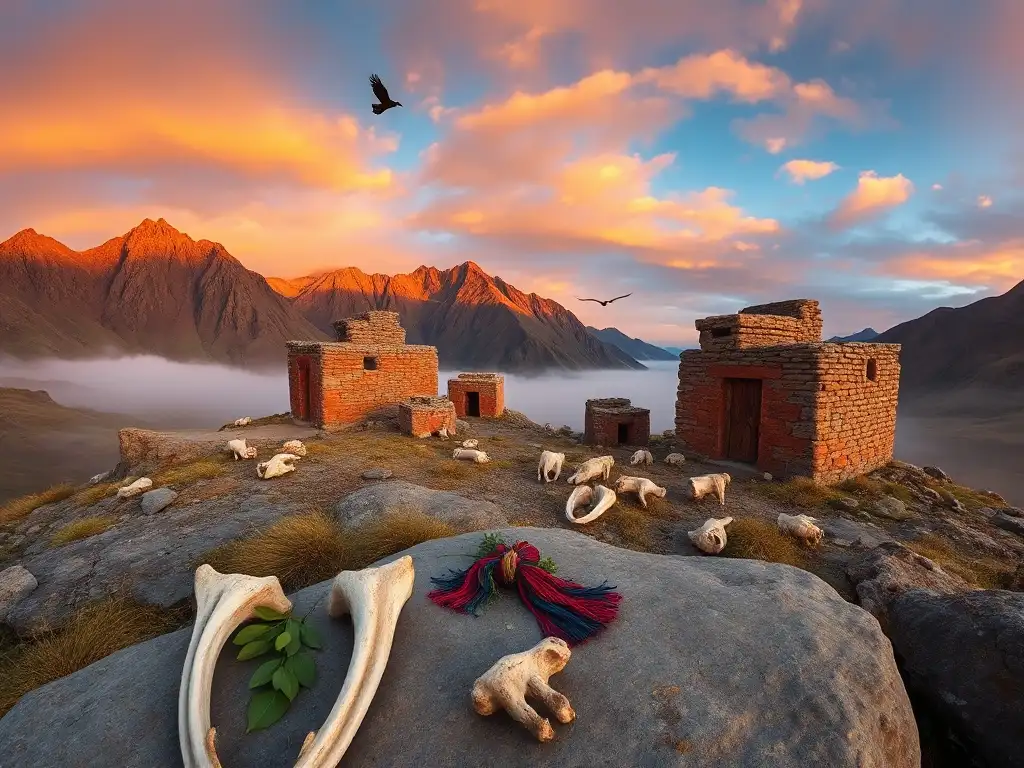
Step into a world lost to time, yet echoing with vibrant life. Unravel the mysteries of the Andes, where mountains whisper secrets and ancient stones hold the key to understanding a civilization’s profound relationship with death. Prepare to be captivated by the Andean symbolism of death, a complex and mesmerizing tapestry woven into the very fabric of their art and beliefs. Dive into the intricacies of their iconography and discover what these powerful symbols reveal about their spiritual world – a journey waiting to begin.
The Andean region, a breathtaking expanse stretching along the western coast of South America, is renowned for its rich tapestry of ancient civilizations. From the towering heights of the Andes Mountains to the arid coastal plains, these cultures – including the Incas, Moche, Nazca, and Tiahuanaco – left behind a legacy of intricate art and complex belief systems.
This article delves into a particularly fascinating aspect of Andean iconography: the symbolism surrounding death and the afterlife. We will explore how these societies, through their masterful craftsmanship in textiles, ceramics, and metalwork, expressed their profound understanding of mortality and their beliefs about the journey beyond life.
Understanding the Andean symbolism of death provides crucial insights into their worldview, social structures, and spiritual practices, revealing a sophisticated cosmology that continues to resonate today. We will examine specific examples, analyzing the recurring motifs and their interpretations, shedding light on the nuanced ways in which death was perceived and represented across different Andean cultures.
The Significance of Mummies and Funerary Practices
The meticulous mummification practices of the Andean cultures, particularly those of the Chinchorro and Inca, weren't simply a method of preserving the body; they were integral to the broader cosmology. Mummies were not merely inanimate remains; they were considered active participants in the ongoing life of the community, maintaining a connection between the living and the dead.
Elaborate funerary rituals, often involving intricate grave goods and offerings, further underscore the importance placed on the deceased and their continued presence within the social fabric. The placement of offerings, such as food, textiles, and tools, suggests a belief in the continued needs and activities of the deceased in the afterlife.
Archaeological evidence reveals the immense effort and resources invested in these rituals, highlighting the profound societal significance of death and its impact on the living. For example, the elaborate tombs of the Inca elite, filled with gold and silver artifacts, clearly demonstrate the power and prestige associated with death and the afterlife within their hierarchical society.
Iconographic Representations of Death: Skulls, Condors, and Jaguars
Several recurring motifs appear frequently in Andean art to symbolize death and the underworld. Skulls, for instance, are not always symbols of negativity but frequently represent ancestors and the cyclical nature of life and death. The condor, a powerful bird of prey, often embodies the connection between the earthly and spiritual realms, acting as a messenger between the living and the dead.
Similarly, the jaguar, with its nocturnal and predatory nature, often represents the mysteries and power of the underworld. These powerful animalistic symbols, often depicted alongside human figures or in funerary contexts, help us understand the Andean perception of death as a transformative process rather than a complete end. The use of these symbols varied across different cultures, reflecting regional variations in beliefs and artistic styles, but their common thread lies in their connection to the spiritual realm and the cyclical nature of existence.
Textiles and Ceramics: Narratives of Death and Rebirth
The intricate textiles and ceramics of the Andean cultures serve as powerful visual narratives, often depicting scenes of death, sacrifice, and rebirth. Detailed weavings showcase funerary processions, while pottery depicts scenes of ancestor veneration and ritualistic practices. These artifacts not only reveal the technical skill of Andean artisans but also provide valuable insights into their beliefs about the afterlife. The use of specific colors and patterns further adds layers of meaning, with certain colors associated with specific deities or spiritual realms.
For example, the use of black might represent the underworld, while red could symbolize blood, sacrifice, and life force. By meticulously analyzing these visual narratives, we gain a deeper understanding of the Andean worldview and their complex relationship with death. The intricate detail and symbolic richness of these artifacts highlight the profound spiritual significance of death within Andean cultures.
The Andean Symbolism of Death and its Modern Relevance
The study of Andean symbolism of death is not merely an academic pursuit; it offers valuable insights into human understanding of mortality across cultures and time. The sophisticated cosmology and spiritual practices of the ancient Andean civilizations continue to resonate with contemporary audiences, prompting reflection on our own relationship with death and the afterlife. The enduring power of Andean art and iconography serves as a testament to the enduring human need to understand and make sense of the mysteries surrounding mortality.
The exploration of this symbolism allows us to appreciate the rich diversity of human experience and the enduring power of cultural expression in confronting fundamental existential questions. The enduring legacy of these ancient cultures invites us to contemplate our own mortality and the ways in which we choose to remember and honor our ancestors.
- The Significance of Mummies and Funerary Practices
- Iconographic Representations of Death: Skulls, Condors, and Jaguars
- Textiles and Ceramics: Narratives of Death and Rebirth
- The Andean Symbolism of Death and its Modern Relevance
The Significance of Death in Andean Cultures
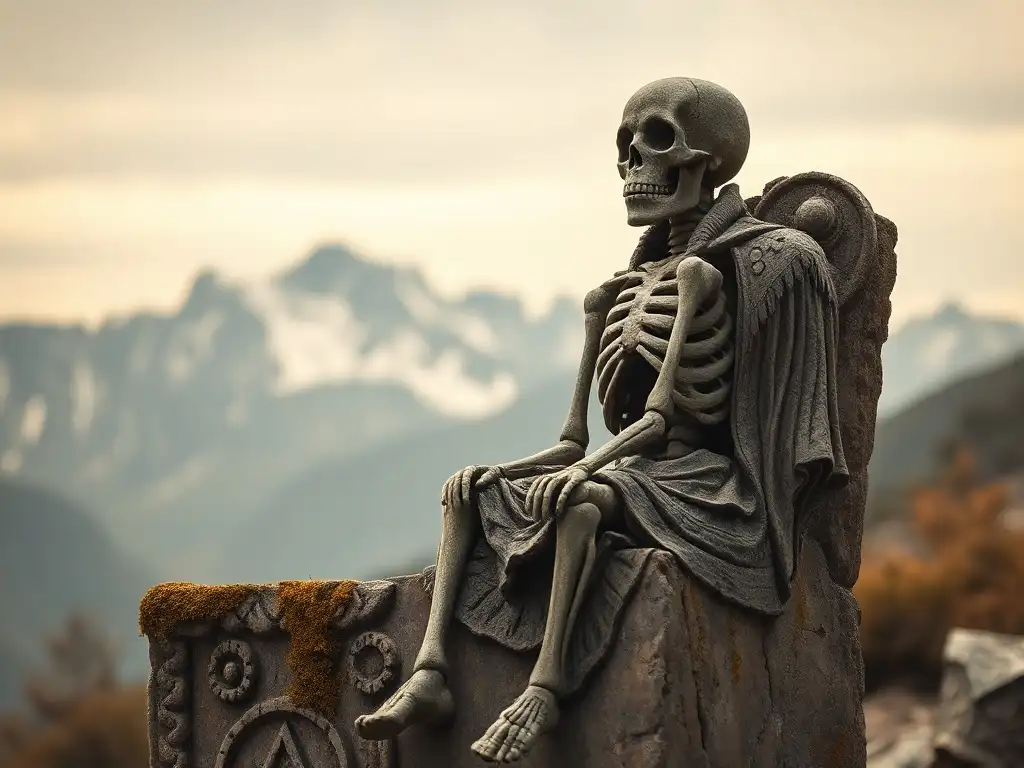
The Andean worldview profoundly shaped its understanding and representation of death. Unlike many Western perspectives that view death as an end, Andean cultures viewed death as a transition, a continuation of life in a different realm. This perspective is crucial to understanding the pervasive symbolism of death found throughout Andean art and iconography.
The deceased were not simply forgotten; they remained active participants in the community, albeit in a different form. This belief system fostered complex rituals and artistic expressions centered around honoring and communicating with ancestors. The integration of the living and the dead was not a morbid preoccupation but a fundamental aspect of Andean social structures and spiritual beliefs.
This deeply ingrained belief explains the prominent role of death imagery in their artistic output, from elaborate textiles to monumental architecture. The prevalence of funerary practices and the creation of elaborate tombs further underscore the importance attributed to death and the afterlife. Analyzing these aspects provides invaluable insights into the spiritual and social fabric of Andean societies.
Understanding the Andean View of the Afterlife
Andean beliefs about the afterlife varied across different cultures and time periods, but several common threads emerge. The concept of a "world below," often associated with the underworld or a subterranean realm, frequently appears in their mythology and iconography. This underworld wasn't necessarily a place of punishment but rather a continuation of life, albeit transformed. Some accounts suggest a cyclical view of life and death, with souls potentially returning to the world of the living in new forms.
This concept is reflected in their agricultural practices, where the cycle of planting, growth, and harvest mirrored the cyclical nature of life and death. Evidence from archaeological finds, such as grave goods and the careful preparation of mummies, indicates a belief in the continued existence and importance of the deceased. The rich offerings placed with the dead suggest a desire to equip them for their journey to the afterlife and ensure their continued well-being.
The careful preservation of mummies, particularly those of elite individuals, further emphasizes the enduring significance of the deceased within the community. This involved complex processes, including evisceration, desiccation, and wrapping, reflecting the profound respect and reverence accorded to the dead. These practices are not merely acts of preservation but are imbued with significant ritual and symbolic meaning.
The Role of Ancestors in Andean Societies
Ancestors held a position of immense power and influence in Andean societies. They were not merely remembered figures from the past but considered active participants in the lives of the living. It was believed that ancestors could intervene in the affairs of the living, providing guidance, protection, and even influencing harvests and other important events. This belief is reflected in numerous artistic representations, where ancestors are often depicted in positions of authority or power.
Communication with ancestors was considered vital, and rituals and ceremonies were performed regularly to maintain these connections. These rituals often involved offerings of food, drink, and other valuable items, placed in sacred sites or directly in tombs. The concept of ayni, a system of reciprocity and mutual obligation, extended beyond the living to encompass the deceased. This reciprocal relationship emphasized the ongoing responsibility of the living to care for their ancestors, ensuring their continued well-being in the afterlife in exchange for their continued support and protection.
The importance of ancestors is also evident in the lineage systems and kinship structures of Andean societies, where ancestry played a pivotal role in determining social status and power. The preservation of ancestral lineages and the commemoration of ancestors were not merely symbolic acts but were integral to the social and political fabric of Andean communities. This enduring connection between the living and the dead shaped social structures, religious practices, and artistic expressions, solidifying the pervasive influence of ancestral spirits in Andean life.
Andean Iconography and the Representation of Death
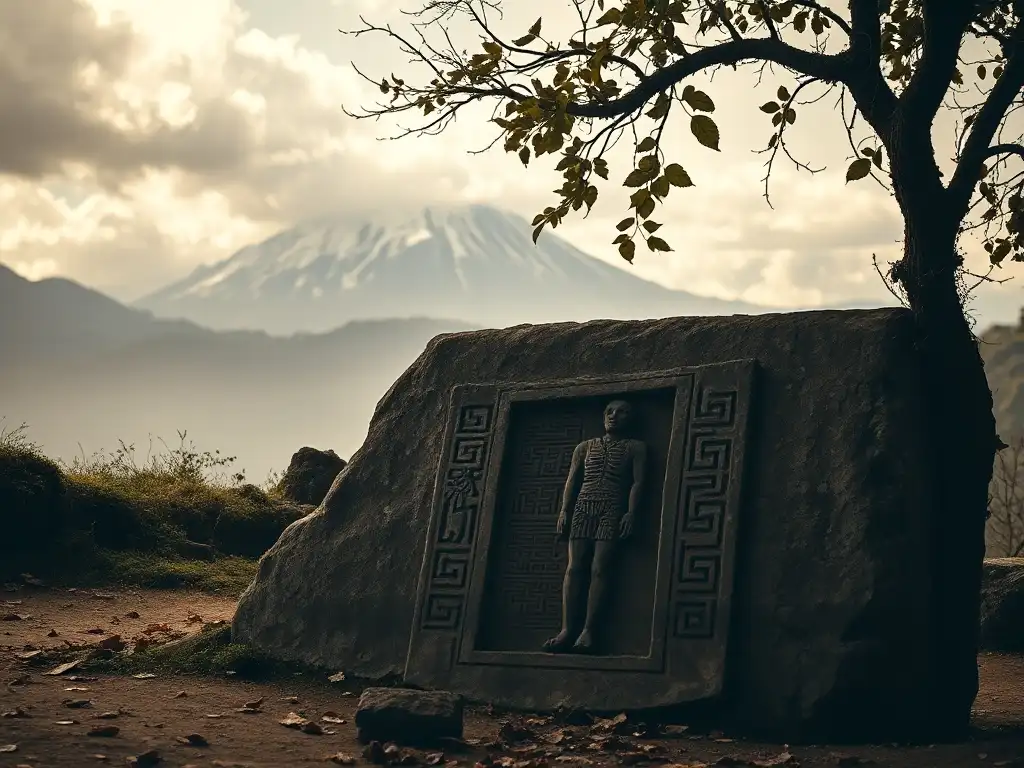
The Andean region boasts a rich and complex tapestry of funerary practices and beliefs, vividly reflected in its art. Understanding the symbolism of death in Andean iconography requires careful consideration of the diverse cultures that inhabited the region, from the pre-Inca societies to the Inca Empire itself. While specific representations varied across different groups and time periods, several recurring motifs and symbolic elements reveal a shared preoccupation with the afterlife and the cyclical nature of life and death.
This section will explore some of these key elements, focusing on the enduring power of imagery to convey the Andean worldview regarding mortality. The intricate details of these representations, often overlooked, provide crucial insights into the beliefs and rituals surrounding death in these ancient societies. This exploration of Andean symbolism of death will uncover the layers of meaning embedded within these captivating artifacts.
Common Motifs in Andean Funerary Art
Andean funerary art is characterized by a range of recurring motifs, each carrying significant symbolic weight. The most prevalent include:
- Textiles: Elaborately woven textiles, often featuring geometric patterns and zoomorphic designs, were frequently used to shroud the deceased. The intricate designs were not merely decorative; they held deep symbolic meaning, often representing the deceased's status, lineage, or connection to the spirit world. The use of specific colors, like deep reds and blacks, often associated with the earth and the underworld, further underscores this connection. For example, the use of khipus, knotted cords used for record-keeping, sometimes incorporated into funerary bundles, suggests a belief in the continuity of information and memory beyond death.
- Ceramics: Funerary pottery often depicts scenes of the afterlife, featuring deities, ancestors, and symbolic creatures. These vessels, frequently found in tombs, served both practical and symbolic purposes, containing offerings for the deceased or representing their journey to the otherworld. The style and decoration of these vessels varied greatly depending on the culture and time period. For instance, the Moche culture's ceramic representations of death often depict dramatic scenes of sacrifice and ritual, while the Nazca culture favored more stylized and abstract representations.
- Metalwork: Gold, silver, and copper objects, often crafted into intricate jewelry and ornaments, were frequently included in burials. These precious metals were believed to possess magical properties, and their inclusion in burials suggests a desire to provide the deceased with wealth and power in the afterlife. The craftsmanship involved highlights the high social status of the deceased and the importance placed on funerary rituals. For example, elaborate gold masks were often placed on the faces of elite individuals, signifying their continued importance in the spiritual realm.
Symbolic Meaning of Skulls and Bones in Andean Art
Skulls and bones, far from being solely representations of death, held complex symbolic meanings in Andean art. They were not simply symbols of mortality but also potent representations of ancestral power and continuity.
The presence of skulls in Andean funerary contexts often suggests a veneration of ancestors. Rather than representing a purely negative aspect of death, skulls frequently symbolized the enduring presence of the deceased within the community. This is particularly evident in the use of tumi (ceremonial knives) in certain rituals, where the skull was seen as a conduit to the spiritual world.
Furthermore, the use of bone in various artifacts, such as tools or ornaments, indicates a belief in the power inherent in these materials. The bones of animals, and sometimes humans, were carefully selected and worked into items of ritual and everyday use, demonstrating a respect for the life force that once inhabited them. This practice speaks to a complex relationship between life, death, and the cyclical nature of existence, central to Andean cosmology.
The careful treatment and preservation of these remains highlight the reverence held for ancestors and the enduring connection between the living and the dead. Further research is needed to fully understand the nuances of the symbolism associated with different types of bones and their placement within funerary contexts. [Specific information pending regarding regional variations in bone symbolism].
Specific Examples of Death Symbolism Across Andean Cultures
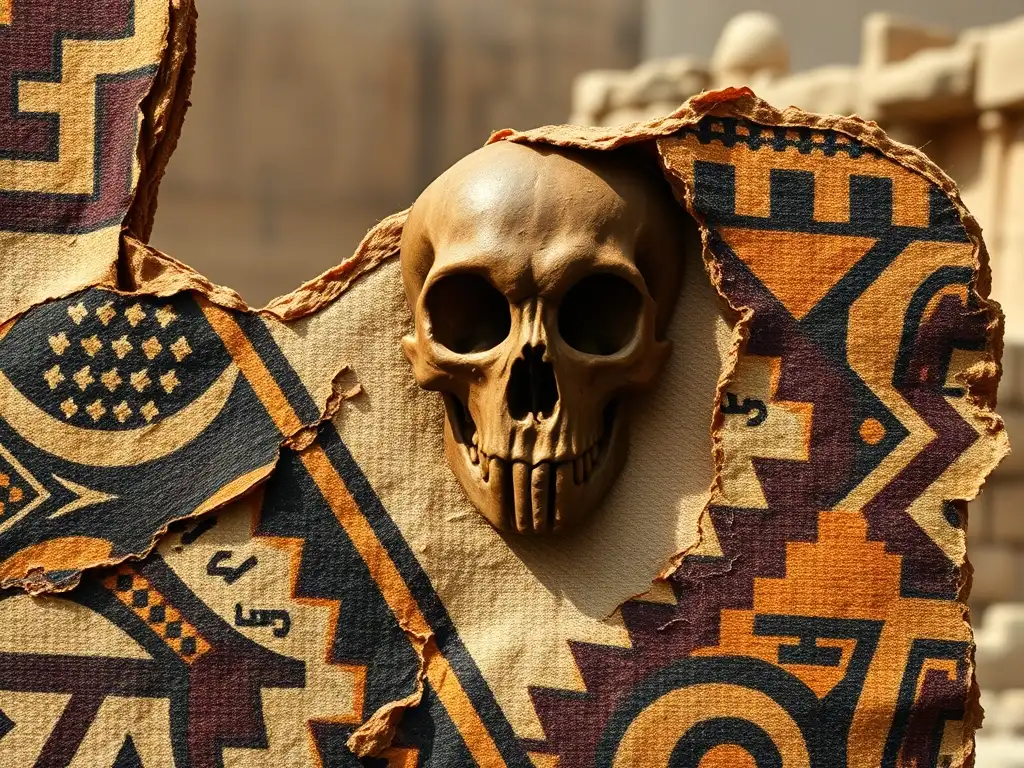
This section delves into the diverse ways Andean cultures represented death in their art and architecture, focusing on specific examples from the Moche, Nazca, and Tiahuanaco civilizations. Understanding these variations reveals a nuanced perspective on Andean beliefs surrounding death, afterlife, and the cyclical nature of life. The Andean symbolism of death wasn't monolithic; rather, it reflected the unique cosmologies and societal structures of each culture. Variations in iconography highlight the richness and complexity of their spiritual beliefs.
The Moche and Their Depictions of Death Rituals
The Moche civilization (c. 100-800 CE) left behind a remarkable visual record of their funerary practices through their intricate pottery. Their depictions of death are often graphic, showcasing both the brutality and ritualistic aspects of sacrifice and death. Many Moche vessels illustrate elaborate funeral ceremonies, complete with mourners, offerings, and the deceased often depicted in a state of decomposition or already mummified. These aren't simply depictions of death; they are representations of a complex system of beliefs surrounding ancestor veneration and the importance of maintaining the balance between the living and the dead.
The vibrant colors and detailed scenes on these ceramics provide invaluable insights into Moche society. For example, some vessels show individuals being sacrificed, highlighting the significance of human sacrifice in their religious practices. Others depict elaborate feasts held in honor of the deceased, suggesting the communal aspect of mourning and remembrance. This detailed imagery offers a unique window into the Moche understanding of the afterlife and the role of death in their social and political structures.
Analysis of these scenes reveals a sophisticated understanding of the human body and the transition from life to death, with particular attention often given to the skull and bones. The Moche's unflinching portrayal of death contrasts sharply with the more abstract representations found in other Andean cultures. This directness underscores the importance of death in their worldview.
Nazca Lines and Their Connection to Ancestral Veneration
While the Nazca Lines (c. 500 BCE – 500 CE) are renowned for their enigmatic geoglyphs, their connection to Andean symbolism of death is often overlooked. While not directly depicting death in the same manner as Moche pottery, the sheer scale and precision of these figures suggest a significant investment of time and resources, hinting at their religious importance.
The intricate designs, often depicting animals and mythical creatures, may represent deities or ancestral spirits crucial to maintaining cosmological harmony. This interpretation connects the lines to the broader Andean belief in the cyclical nature of life and death, where the ancestors continued to exert influence on the living.
Some scholars propose that the lines served as pilgrimage routes or ceremonial pathways, perhaps connected to specific funerary sites or rituals. The vastness of the geoglyphs, visible only from the air, suggests a connection to a wider, perhaps supernatural, realm.
Further research is needed to fully understand the precise meaning of each figure, but their scale and location strongly suggest a connection to broader cosmological beliefs, including the veneration of ancestors and the cycle of life and death. The Nazca's unique approach to representing death through monumental land art presents a different facet of Andean symbolism than the more directly representational style of the Moche.
Tiahuanaco's Gateway of the Sun and its Mortuary Associations
The Gateway of the Sun at Tiahuanaco (c. 500-1000 CE) is a monumental example of Andean architecture and a significant site for understanding the Andean symbolism of death within a broader cosmological framework. This impressive stone structure, adorned with intricate carvings, is often interpreted as a representation of the creator god Viracocha and the cosmos. However, its association with death is less explicit but equally crucial. The intricate carvings, featuring stylized figures and celestial motifs, likely played a role in rituals related to ancestor veneration and the passage to the afterlife.
The site's proximity to other Tiahuanaco structures, many of which are believed to have served funerary purposes, further reinforces its connection to death rituals and beliefs. The Gateway of the Sun may have served as a focal point for ceremonies related to the dead, acting as a symbolic gateway between the world of the living and the realm of the ancestors.
The meticulous craftsmanship and monumental scale of the structure underscore the importance of these beliefs within Tiahuanaco society. The precise symbolism of individual figures within the carvings remains a subject of ongoing research and debate, but their presence within this significant architectural structure confirms the importance of death and ancestor veneration in the Tiahuanaco worldview, adding another layer to the diverse expressions of Andean symbolism of death.
Inca Mummification Practices and their Visual Representations
Inca mummification wasn't merely a preservation technique; it was a deeply symbolic act reflecting their worldview and beliefs about the afterlife. The process was far from uniform, varying in complexity depending on the social status of the deceased. Elite individuals received the most elaborate treatment, often involving evisceration, desiccation, and the application of various resins and textiles.
These mummies weren't simply inert bodies; they were considered active participants in the community, even after death. They were often adorned with fine clothing, jewelry, and other grave goods, reflecting their status and possessions in life, and demonstrating the Incas' belief in the continued existence of the spirit. The carefully preserved bodies served as tangible links to ancestors, maintaining family lineage and social order.
The visual representations of Inca mummification practices are evident in both the mummies themselves and in associated artwork. Textiles, ceramics, and even stone carvings depict individuals wrapped in shrouds, often with their faces visible, subtly revealing the process. The rich colors and intricate designs of the textiles used in the mummification process speak volumes about the importance placed upon the ritual.
These textiles, often adorned with intricate patterns and symbols, further reinforced the idea of continuity between the living and the dead, and frequently incorporated themes related to the afterlife, fertility, and the cyclical nature of life and death. The attention to detail in these representations underscores the sacred nature of the mummification process and its profound symbolic significance within Inca culture. The careful preservation of these mummies, along with their accompanying grave goods, provides invaluable insight into the Inca understanding of death and the afterlife, and its integration into their daily life.
Archaeological discoveries continue to illuminate the complexity and artistry of these practices, revealing the depth of Andean symbolism of death. For instance, the discovery of [specific information pending] further exemplifies the intricate details of Inca mummification rituals.
The Enduring Legacy of Andean Death Symbolism
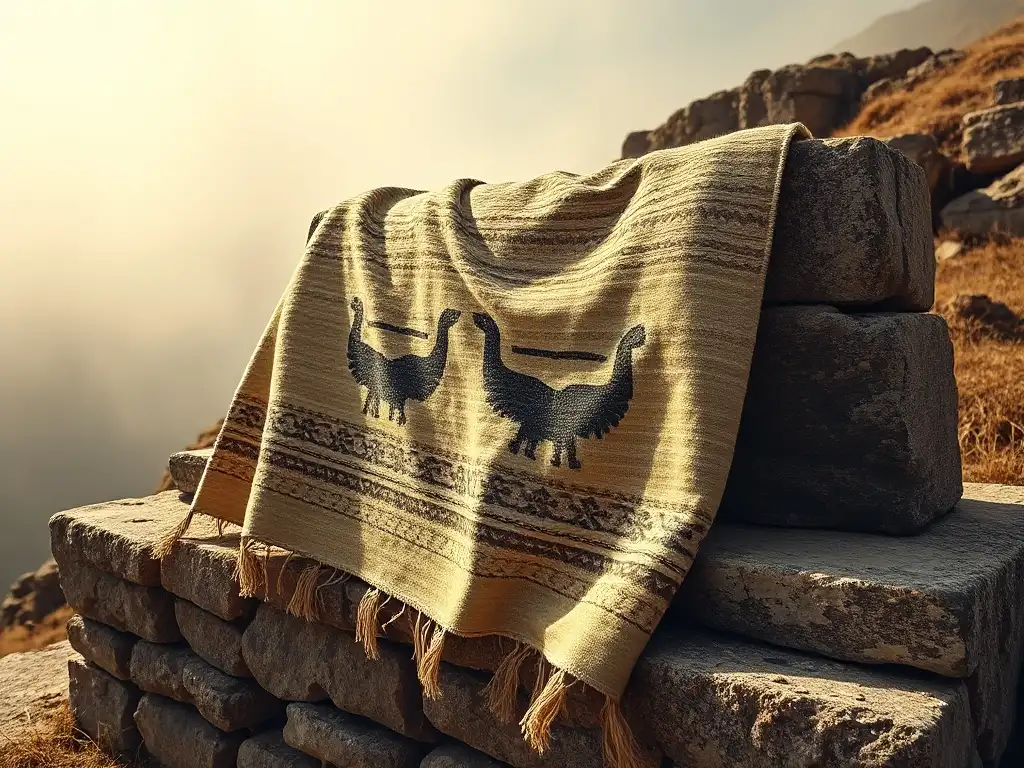
The Andean worldview fundamentally differed from many others, viewing death not as an end but as a transformation, a continuation of existence in another realm. This perspective profoundly shaped their artistic expressions, imbuing their iconography with a complex and nuanced symbolism surrounding death. Understanding this symbolism offers a crucial lens through which to interpret their art, beliefs, and societal structures.
The Andean symbolism of death wasn't solely about mourning; it was about remembrance, ancestor veneration, and the cyclical nature of life and renewal. This enduring legacy continues to resonate in modern Andean cultures, influencing their rituals and artistic practices to this day.
Analyzing the various motifs and representations allows us to unravel the intricate tapestry of their beliefs about the afterlife and the relationship between the living and the dead. The persistence of these themes across different Andean cultures – from the Nazca to the Inca – highlights their shared cosmological understanding and the deep-seated importance of death in their worldview.
Contemporary Interpretations of Ancient Andean Mortuary Art
Contemporary scholars and art historians continue to decipher the rich symbolism embedded within Andean mortuary art. The careful study of burial practices, grave goods, and the iconography adorning tombs provides invaluable insights into their beliefs about death and the afterlife. For example, the presence of specific ceramics, textiles, and tools within a burial site can indicate the social status of the deceased, their occupation, or their role within their community.
Furthermore, the positioning of the body, the inclusion of specific offerings, and the overall design of the tomb itself all contribute to a more comprehensive understanding of their mortuary rituals. Analyzing these elements allows researchers to reconstruct the complex social and religious dynamics that surrounded death in ancient Andean societies. The meticulous attention to detail in the creation of these artifacts underscores the importance placed upon the proper transition of the deceased into the afterlife.
The careful preservation of bodies through mummification, a practice prevalent across various Andean cultures, further emphasizes the reverence afforded to the deceased and their continued connection to the living. Recent archaeological discoveries continue to refine our understanding, adding new layers to the already intricate tapestry of Andean death symbolism. The ongoing research promises to reveal even more about the depth and complexity of their beliefs.
Modern Andean Rituals and their Roots in Ancestral Beliefs
Many modern Andean rituals retain echoes of their ancestors' beliefs about death and the afterlife. The Día de los Muertos (Day of the Dead), though celebrated across Latin America, takes on unique characteristics in the Andes, reflecting the region's distinct cultural heritage. Families often visit the graves of their departed loved ones, bringing offerings of food, drink, and flowers. These actions are not merely gestures of remembrance but reaffirmations of the continued bond between the living and the dead.
The belief in the enduring presence of ancestors, their influence on daily life, and their role in maintaining cosmic balance remains strong in many Andean communities. This is reflected in the ongoing practice of pachamama rituals, where offerings are made to the earth goddess as a way of showing respect and ensuring a bountiful harvest. These rituals often incorporate elements related to death and renewal, symbolizing the cyclical nature of life and the interconnectedness of all things. The vibrant colors and intricate designs found in contemporary Andean textiles and ceramics often incorporate motifs that directly relate to ancestral beliefs about death, demonstrating the ongoing influence of ancient traditions on modern artistic expressions.
The continuity of these practices across generations highlights the enduring power of Andean death symbolism and its profound impact on the cultural identity of the region. Further investigation into these contemporary rituals can help to illuminate the ways in which ancient beliefs continue to shape the lives and cultural expressions of modern Andean communities. The study of these practices offers a crucial link between the past and the present, bridging the gap between ancient Andean symbolism and its enduring legacy.
Analyzing the Andean Symbolism of Death: Key Themes
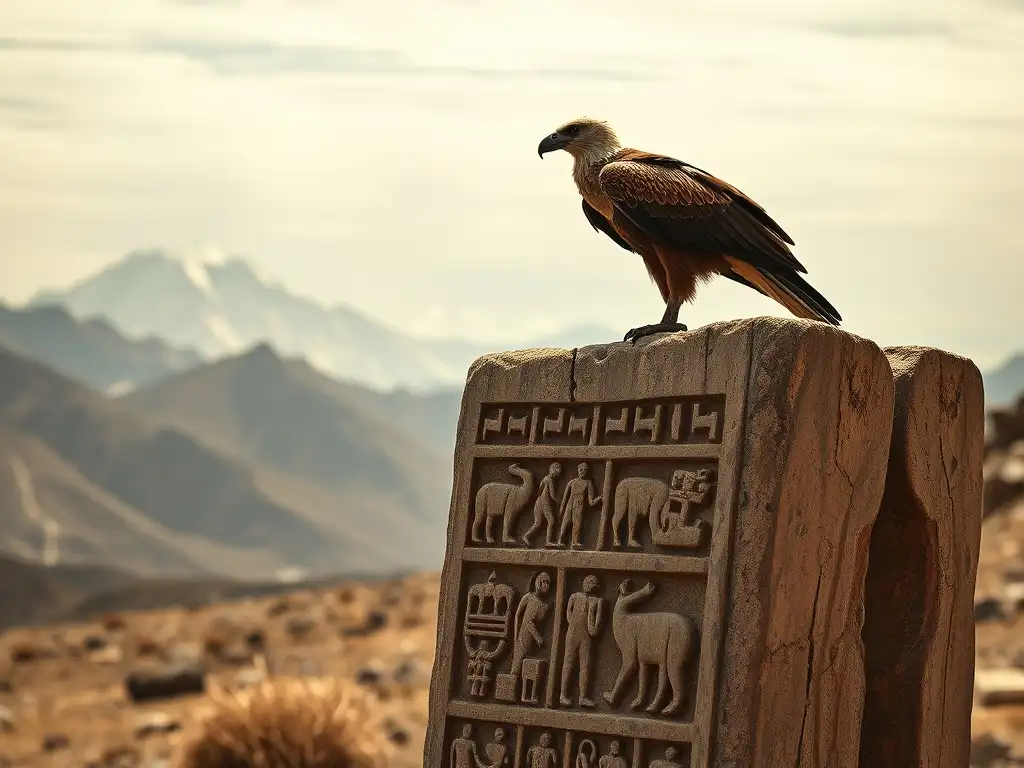
The Andean worldview, far from viewing death as an ending, embraced it as a crucial stage in a continuous cycle of life, regeneration, and transformation. Understanding Andean symbolism of death requires moving beyond a Western, linear perspective and embracing a cyclical, interconnected understanding of existence. This section will explore some key themes within this complex and nuanced system of beliefs.
The pervasive presence of death imagery in Andean art isn't a morbid obsession, but rather a reflection of this profound cosmological understanding. The vibrant colors, intricate designs, and careful craftsmanship applied to funerary objects and depictions of the deceased underscore the significance attributed to the afterlife and the ongoing relationship between the living and the dead.
This is reflected in the intricate textiles, ceramics, and metalwork often found in burial sites, providing rich visual evidence of these beliefs. The careful placement of grave goods, for instance, speaks volumes about the Andean understanding of the needs and desires of the departed in the afterlife.
Transformation and the Cycle of Life
The Andean concept of death wasn't simply cessation; it was a transformation, a passage to another state of being. This is vividly illustrated in numerous examples of Andean iconography. Frequently, depictions of death show figures not as skeletal remains, but as undergoing a metamorphosis.
Consider, for example, the frequent portrayal of deceased individuals merging with nature, becoming part of the landscape, or being reborn as plants or animals. This reinforces the notion of cyclical renewal inherent in Andean cosmology. The deceased did not simply disappear; they were reintegrated into the cosmic order, continuing their existence in a different form.
The imagery often showcased vibrant colors, even in depictions of death, highlighting the continuity of life rather than its stark ending. This dynamic interplay is a central tenet of Andean symbolism of death, suggesting that death is not an absolute end but a transition within a larger, ongoing cycle of life, death, and rebirth. This continuous cycle mirrors the agricultural rhythms so crucial to Andean life, where death and decay of the harvest are essential for the subsequent flourishing of new crops.
The process of mummification itself, practiced across various Andean cultures, further supports this idea of transformation. The meticulous preparation of the deceased, often adorned with elaborate clothing and jewelry, suggests a deliberate attempt to preserve and honor the individual's essence, ensuring their continued presence in the community. The act of mummification is not simply about preserving a body; it is a ritual transformation, ensuring the deceased's transition to the next stage of existence.
The Link Between Death and Fertility
A striking aspect of Andean symbolism of death is its close association with fertility and regeneration. This paradoxical connection reflects the cyclical nature of Andean cosmology. Death, as the end of one cycle, is simultaneously the seed for the next.
The earth itself, the source of life, also receives the dead, enriching its fertility. Many funerary rituals involved the burying of offerings, including food and drink, intended to nourish both the deceased and the earth itself. This intermingling of life and death is vividly illustrated in the iconography, where skeletal figures are often depicted alongside flourishing vegetation, symbolizing the cyclical renewal of life from death.
The use of specific motifs, such as the serpent or the hummingbird—symbols of regeneration and transformation—in funerary contexts further reinforces this connection. These creatures, capable of shedding their skin or undergoing metamorphosis, embodied the Andean concept of continuous renewal, mirroring the cyclical relationship between death and rebirth. Specific examples of this symbolism in ceramic art and textile designs are plentiful, showcasing the intertwined imagery of death and fertility as two sides of the same coin. Further research into specific regional variations in iconography could reveal more nuanced interpretations of this powerful connection.
The Importance of Ritual Offerings for the Deceased
Ritual offerings played a vital role in Andean funerary practices. These offerings, ranging from food and drink to textiles and precious metals, weren't merely gestures of respect; they were essential components of a complex system aimed at ensuring the well-being of the deceased in the afterlife and maintaining their continued connection with the living. The nature and quantity of the offerings often reflected the social status of the deceased, with elite individuals receiving far more elaborate and valuable items. However, even simpler offerings demonstrated the importance of providing for the departed in their journey to the next world.
The placement of offerings within burial sites also held significant symbolic meaning. The careful arrangement of objects, their proximity to the deceased, and the inclusion of specific items all contributed to a complex symbolic narrative.
This suggests a sophisticated understanding of the afterlife and a belief in the continued interaction between the living and the dead. Further investigation into specific types of offerings and their regional variations would illuminate the nuances of these practices and their connection to broader Andean beliefs.
The careful study of these grave goods reveals a depth of meaning far beyond simple material value, showcasing the Andean belief in the continued importance of the deceased and their ongoing connection to the community. Analyzing the specific objects found alongside the deceased, like intricately woven textiles or finely crafted ceramics, offers a unique window into their beliefs about the afterlife and the importance of maintaining a connection with their ancestors.
Conclusion: Reflecting on the Andean Perspective of Death
The Andean worldview, profoundly shaped by its challenging environment and intricate social structures, imbued its understanding of death with a unique complexity. Unlike many cultures that view death as a definitive end, Andean civilizations often perceived it as a transition, a continuation of existence within a broader cosmic framework. This perspective is vividly reflected in their art, where symbols of death are not merely representations of mortality, but rather powerful expressions of beliefs about the afterlife, ancestor veneration, and the cyclical nature of life.
The intricate iconography, far from being morbid, reveals a sophisticated cosmology and a deep respect for the continuity of life beyond the physical realm. Understanding this nuanced approach is key to unlocking the deeper meaning embedded within Andean funerary practices and artistic expressions.
Further research into specific regional variations within the Andean cultures would enrich our comprehension of this multifaceted subject. The careful study of Andean symbolism of death offers valuable insights into the spiritual and social fabric of these remarkable civilizations.
The Profound Impact of Andean Beliefs on their Art
Andean beliefs about death profoundly impacted their artistic output. The creation of elaborate funerary objects wasn't simply a practical matter; it was a ritualistic act reflecting their cosmology. For example, the intricate textiles found in Andean tombs weren't merely clothing; they were imbued with symbolic meaning, often depicting deities, animals, and geometric patterns representing the journey to the afterlife.
Similarly, the meticulous craftsmanship evident in pottery and metalwork, often featuring depictions of death imagery alongside symbols of renewal and fertility, suggests a belief in the cyclical nature of life and death. The sheer amount of resources dedicated to creating these objects underscores the importance of death rituals and the continued connection with ancestors in Andean society. Analyzing these artistic expressions provides valuable clues to understanding their complex spiritual beliefs and social structures.
The careful placement of grave goods, the orientation of bodies, and the types of artifacts included all contribute to a rich tapestry of information about Andean views on death and the afterlife. Even seemingly simple objects, like painted pebbles or intricately carved bones, can reveal profound insights into their worldview. The prevalence of such detailed artistry surrounding death signifies its central role in their lives and culture.
Understanding the Deep Meaning Behind the Symbolism of Death
The symbolism of death in Andean art is multifaceted and requires careful interpretation. Certain motifs frequently appear, each carrying its own weight of meaning. For instance, the recurring imagery of condors, often associated with the sun and the high altitudes of the Andes, frequently appears in funerary contexts, symbolizing the soul's ascent to the celestial realm. Similarly, the depiction of feline deities, such as the jaguar or puma, can represent power, transformation, and the underworld.
Geometric patterns, such as spirals and stepped pyramids, often symbolize the cyclical nature of life and the connection between the earthly and spiritual realms. Analyzing the specific context in which these symbols appear, alongside other elements in the artwork, is crucial for a complete understanding. For instance, the presence of specific plants or animals alongside death imagery might suggest offerings to the deceased or beliefs about the afterlife.
The Andean symbolism of death is not a monolithic entity; it varies across different cultures and time periods, reflecting the diversity and dynamism of Andean societies. Further research, particularly into specific regional variations and chronological developments in iconography, is needed to fully grasp the nuances of this complex subject. The meticulous study of individual artifacts, their context of discovery, and comparisons with similar pieces, allows for a more accurate and complete interpretation of the Andean understanding of death.
Frequently Asked Questions
Andean symbolism of death is multifaceted, focusing on the cyclical nature of life and death, continuity between the living and the dead, and the importance of ancestors in maintaining cosmic balance. It's not about fear, but about respect and connection.
How did the Andean people view death?
Death was not seen as an end but as a transition to another realm. Ancestor veneration was central; the deceased remained active participants in the community's life, influencing events from the spirit world. Rituals were key to maintaining this connection.
What are some common symbols used to represent death in Andean iconography?
Common symbols include skull imagery, condors (representing the intermediary between worlds), and specific geometric patterns associated with the underworld. Colors like black and white also held significant meaning in funerary contexts.
How did Andean burial practices reflect their beliefs about death?
Burial practices varied across different cultures but often included elaborate grave goods, reflecting the deceased's status and providing them with necessities for the afterlife. Mummification was practiced in some cultures, ensuring the preservation of the body for continued interaction with the living.
Where can I learn more about Andean symbolism of death?
To delve deeper, explore academic journals focusing on Andean archaeology and anthropology, visit museums with collections of Andean artifacts, and consult books specializing in Andean iconography and religious practices. Many online resources are also available.
Final Reflection: The Enduring Whispers of Andean Ancestors
The vibrant symbolism surrounding death in Andean iconography isn't a relic of the past; it's a potent reminder of our enduring connection to our heritage and the cyclical nature of life itself. These ancient images, far from being mere historical artifacts, offer a powerful lens through which to understand contemporary perspectives on mortality, community, and the enduring spirit of a people. Their continued relevance speaks volumes about the enduring power of cultural memory.
The intricate weaving of life and death in Andean cosmology continues to resonate deeply, shaping not only artistic expression but also social structures and spiritual beliefs. The profound respect for ancestors, evident in the meticulous detail of funerary objects and the enduring rituals surrounding death, challenges our often-individualistic Western approach to mortality. Death is not an ending but a transformation, a return to the source from which we came.
This sentiment, though not a direct quote from an Andean source, encapsulates the essence of the Andean worldview, highlighting the cyclical nature of existence and the ongoing connection between the living and the dead.
Consider the intricate details you've encountered in this exploration of Andean symbolism. How do these images challenge your own preconceptions about death and the afterlife? What echoes of your own ancestral heritage resonate with the themes explored here? I invite you to reflect on the enduring power of cultural memory and the ways in which understanding different cultural perspectives on death can enrich our own lives and deepen our appreciation for the human experience. Let the whispers of the Andean ancestors inspire you to connect more deeply with your own heritage and the cyclical journey of life and death.
**Unveil Your Ancestral Connections Today! **
Thank you for exploring the rich symbolism of death in Andean iconography. Your journey has deepened your understanding of Andean civilizations and the profound ways cultures honor their ancestors. Now, let's build on that knowledge.
Here's how you can continue exploring this fascinating topic:
- **Dive deeper:** Explore more articles on our site about the intricate relationship between heritage and identity in Andean cultures. You'll find a wealth of information waiting to be discovered.
- **Share your thoughts:** Discuss your newfound knowledge with friends, family, or online communities. Sharing your insights and hearing others' perspectives can enrich your understanding of ancestry and its impact.
- **Engage with the community:** Participate in workshops or cultural events focused on Andean traditions for a truly immersive experience. Connecting with others who share your interest will foster a deeper appreciation.
How do your ancestral roots resonate with you, and how have they shaped your life? We'd love to hear your reflections.