
The Silent Agreements: Understanding Barter Etiquette in the Andes

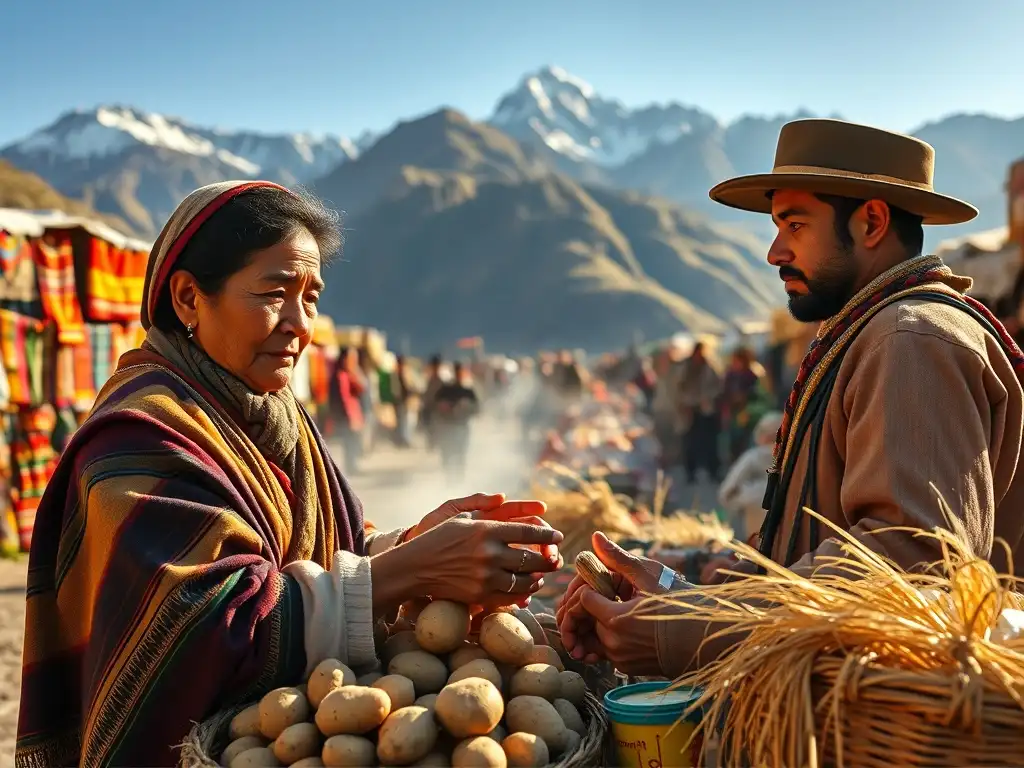
Step into a world lost to time, yet echoing with vibrant life. Imagine a society where words weren't always necessary, where the subtle art of exchange spoke volumes. This is the captivating realm of the Andean civilizations, and we invite you to uncover its secrets. Prepare to be amazed by the intricacies of Andean barter etiquette, a system far more complex than simple trade – a silent language woven into the very fabric of Andean society. Discover how these ancient cultures built empires on trust and shrewd negotiation, and prepare to be surprised by what you find.
- The Silent Agreements: Understanding Andean Barter Etiquette
- Key Principles of Andean Barter Etiquette
- Specific Bartering Practices Across Andean Regions
- Preparing for a Bartering Exchange in the Andes
- The Art of Negotiation in Andean Barter
- Post-Barter Etiquette and Maintaining Relationships
- The Future of Barter Systems in the Andes
- Frequently Asked Questions
- Final Reflection: Echoes of Exchange: The Enduring Power of Andean Barter
- Embrace the Spirit of Barter: Start Your Journey Today!
The Silent Agreements: Understanding Andean Barter Etiquette
The vibrant tapestry of Andean civilizations, renowned for their intricate artistry, sophisticated agricultural techniques, and impressive architectural feats, was woven together not just by threads of alpaca wool and gold, but also by a complex system of barter and exchange. This article delves into the nuanced world of Andean barter etiquette, exploring the unspoken rules, social dynamics, and cultural significance that governed economic transactions long before the arrival of European monetary systems.
Understanding these “silent agreements” provides crucial insight into the social structures, power dynamics, and overall economic prosperity of these remarkable societies. We will examine the practical aspects of barter, but also the deeper cultural layers embedded within each exchange, revealing the rich tapestry of social interaction and economic strategy that characterized Andean life.
This exploration will illuminate the sophisticated understanding of reciprocity and community that underpinned these ancient economies and continues to resonate in modern Andean cultures. We'll explore how understanding Andean barter etiquette offers a unique window into their worldview and societal values.
Introduction to Andean Barter and Its Significance
Barter, the direct exchange of goods and services without the use of money, was the cornerstone of Andean economies for millennia. Unlike modern transactional systems, Andean barter was deeply embedded in social relationships and reciprocal obligations. It wasn't simply a matter of exchanging goods; it was a complex performance involving intricate negotiations, carefully considered offerings, and an understanding of social hierarchies and reciprocal obligations.
The process often involved more than just the immediate exchange; it fostered long-term relationships and strengthened community bonds. The value of goods wasn't solely determined by their material worth but also by their symbolic significance and the social status of the individuals involved in the transaction. Consider, for instance, the exchange of finely crafted pottery for agricultural produce – the value extended beyond the utilitarian function of the items, encompassing cultural prestige and social standing.
This intricate system of exchange speaks volumes about the nuanced social structures and economic strategies of Andean societies. The absence of a standardized monetary system forced a deep understanding of relative value, negotiation skills, and a keen awareness of social context.
The Importance of Understanding Barter Practices in the Andes
Understanding Andean barter practices is crucial for several reasons. Firstly, it allows us to gain a deeper appreciation for the ingenuity and complexity of pre-Columbian economies. These societies developed sophisticated systems for managing resource allocation, distribution, and exchange in the absence of a formal monetary system. Secondly, studying barter reveals the intricate social fabric of Andean communities.
Transactions weren't isolated events but rather integral parts of social interactions, reflecting power dynamics, kinship ties, and reciprocal obligations. For example, the exchange of goods between different ethnic groups often served as a mechanism for maintaining peaceful relations and forging alliances. The careful consideration of offerings and the symbolic value of goods highlight the importance of social harmony and community cohesion. Furthermore, analyzing barter systems helps us understand the adaptive strategies employed by Andean communities in response to environmental challenges and resource scarcity.
The intricate networks of exchange facilitated the distribution of essential goods across diverse ecological zones, showcasing remarkable resilience and adaptability. Finally, understanding these ancient practices provides valuable insights into the enduring cultural values and social norms that continue to shape Andean societies today. Many aspects of traditional Andean exchange systems persist in contemporary practices, offering a tangible link to a rich and complex past. The legacy of Andean barter extends beyond mere economic activity; it's a testament to the enduring power of social interaction and community cooperation.
Key Principles of Andean Barter Etiquette
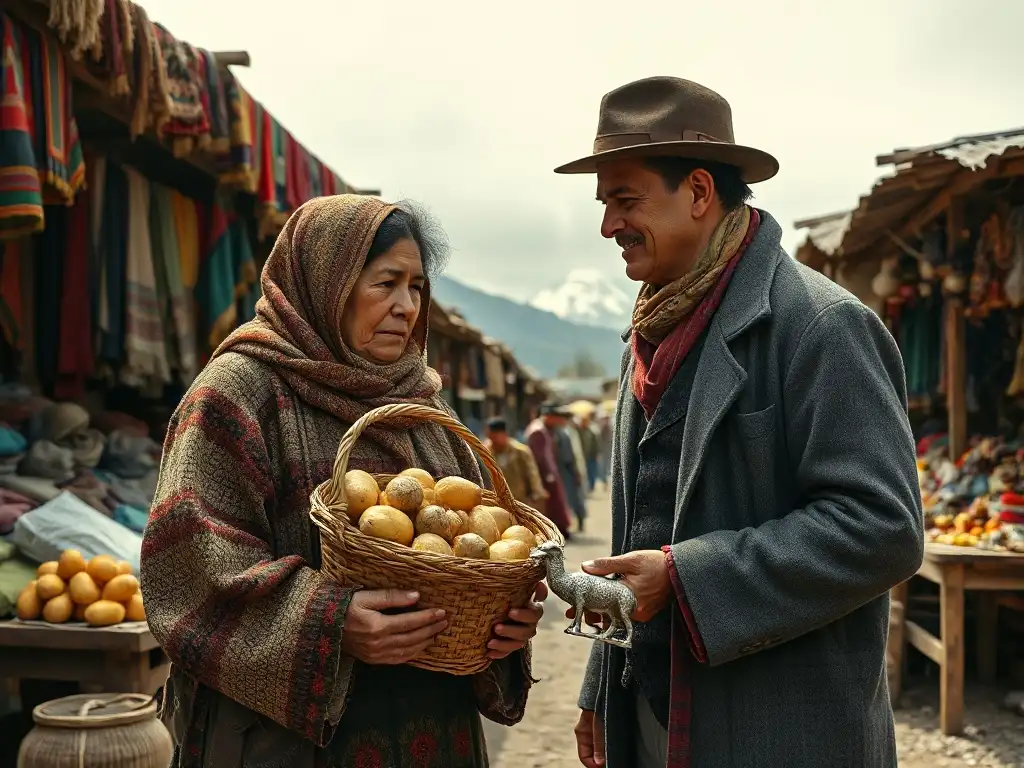
This section delves into the fundamental principles governing barter etiquette in the Andes, exploring the intricacies of a system deeply rooted in social harmony and reciprocal exchange. Understanding these principles is crucial to appreciating the complexities of Andean trade and its lasting impact on the region's cultural identity. Successful barter wasn't merely a transaction; it was a social interaction, cementing relationships and reinforcing community bonds. The emphasis wasn't solely on economic gain, but on the establishment and maintenance of ayni, a concept central to Andean societal structures.
The Concept of Ayni in Andean Reciprocity
Ayni, a Quechua word signifying reciprocity, was the cornerstone of Andean barter systems. It wasn't simply a matter of "I give you this, you give me that." Instead, ayni encompassed a broader system of mutual obligation and support, extending beyond immediate transactions. This principle fostered a strong sense of community and social cohesion.
The exchange of goods wasn't viewed as a purely economic act but as a social act that strengthened ties between individuals and groups. Failure to uphold ayni could result in social ostracism, highlighting the profound social implications of economic interactions. The concept of ayni is still present in many Andean communities today, demonstrating its enduring influence on Andean social structures.
Think of it as a social contract, where mutual support and balanced exchange were paramount, transcending simple commercial transactions. The expectation of future reciprocity was as vital as the immediate exchange itself, creating a network of ongoing obligations and mutual benefit. This system greatly reduced the need for formalized currency, as trust and social standing became the primary forms of capital.
Building Trust in Barter Relationships
Trust was, and remains, the bedrock of successful Andean barter. Establishing trust involved more than just evaluating the quality of goods. It entailed understanding the social standing, reputation, and history of the trading partner. Long-term relationships were highly valued, built on repeated exchanges and mutual respect. This emphasis on personal relationships often meant prioritizing strong, established networks over fleeting transactions with strangers. The duration of a relationship often dictated the terms of exchange, with long-standing partners often receiving more favorable deals. This underscores the importance of social capital in the Andean barter system, where reputation and trust were more valuable than any written contract. Furthermore, community elders often played a crucial role in mediating disputes and ensuring fair practices, adding another layer to the social dimension of these economic exchanges. The process of building trust involved careful observation, nuanced communication, and a deep understanding of social dynamics within the community.
Non-Verbal Communication and Gestures in Andean Trade
Beyond spoken language, non-verbal communication played a vital role in Andean barter. Gestures, facial expressions, and body language conveyed essential information, particularly in a region with a diverse linguistic landscape. A subtle nod, a knowing glance, or a slight shift in posture could signal agreement, disagreement, or a willingness to negotiate.
These non-verbal cues, often subtle and nuanced, were crucial for navigating the complexities of barter negotiations. Understanding these unspoken signals was essential for successful transactions, demonstrating the importance of cultural sensitivity and awareness. For example, a prolonged silence might indicate thoughtful consideration, rather than a rejection of the offer.
Similarly, the way goods were presented and received could convey respect and sincerity, contributing to the overall success of the exchange. The development of a shared understanding, often through years of interaction, was a vital component of this silent communication, solidifying the trust and mutual respect necessary for a successful and equitable exchange. This intricate system of non-verbal cues highlights the richness and sophistication of Andean barter practices, demonstrating that communication extended far beyond the spoken word.
Specific Bartering Practices Across Andean Regions
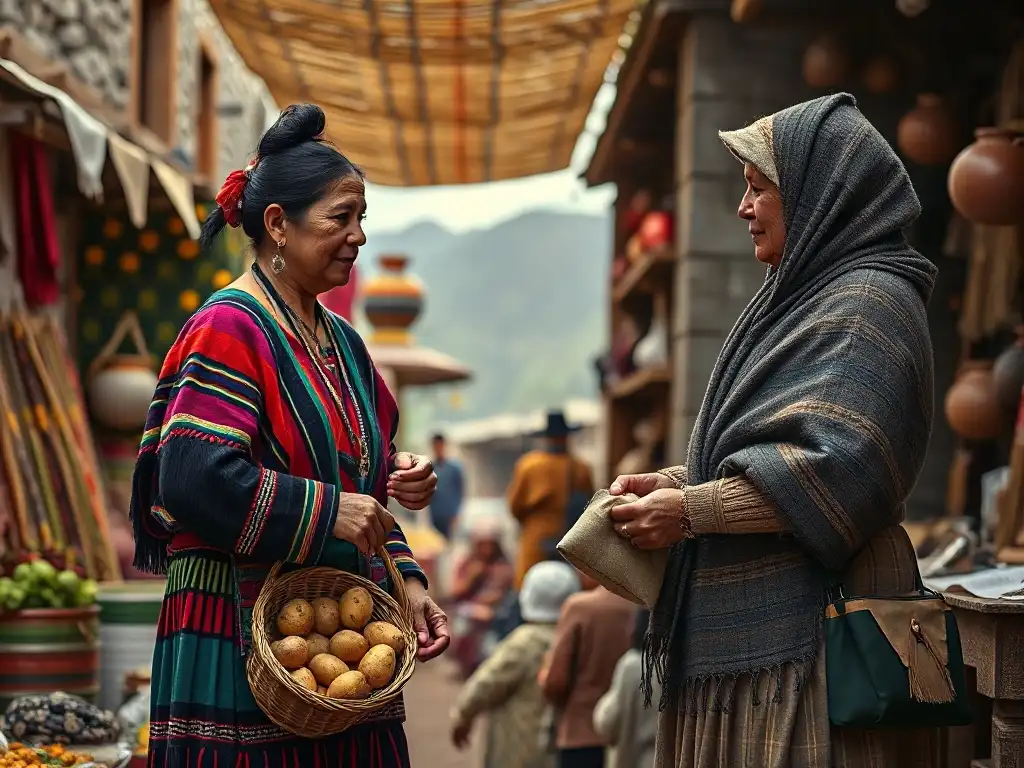
This section delves into the nuanced world of Andean barter, exploring the diverse practices that characterized different regions and communities. Understanding these variations is crucial to appreciating the complexity of Andean exchange networks and the sophisticated social structures they supported. The term "Andean barter etiquette" encompasses a broad spectrum of customs, reflecting not only economic transactions but also deeply ingrained social norms and cultural values. The following subsections will highlight key differences in bartering practices across various Andean regions.
Barter Customs in the Highland Communities
Highland Andean communities, often characterized by their agricultural economies and challenging terrain, developed unique barter systems. Exchange wasn't simply a matter of goods for goods; it involved intricate social protocols and established relationships. For instance, in the high-altitude valleys of the Andes, the exchange of chicha (a fermented corn beverage) for textiles wasn't a straightforward transaction. It involved ritualized presentations, specific timings, and often, reciprocal obligations extending beyond the immediate exchange.
The value of goods wasn't solely determined by their material worth but also by their symbolic meaning and the social standing of the parties involved. A finely woven textile, for example, held far greater value than its raw materials might suggest, reflecting the weaver's skill and the social prestige associated with such craftsmanship. This concept of "prestige goods" significantly influenced the dynamics of highland Andean barter, adding a layer of social negotiation to purely economic transactions. Failure to adhere to these customs could damage social relationships and hinder future exchanges.
Consider the exchange of potatoes, a staple crop. Different varieties, cultivated at varying altitudes and with distinct qualities, held different values. A rare, high-altitude potato might command a greater quantity of another good than a more common variety. This highlights the intricate knowledge of agriculture and the nuanced understanding of value embedded within the highland barter system. Detailed records of these specific potato exchanges, however, remain scarce, requiring further research to fully elucidate these practices.
Coastal Bartering Traditions and Regional Variations
Coastal communities, with their access to marine resources and diverse ecological zones, developed distinct bartering traditions. The abundance of fish, shellfish, and seabirds led to complex exchange networks connecting coastal settlements with highland communities. Unlike the highland focus on agricultural products and textiles, coastal bartering frequently involved the exchange of dried fish, salt, and specialized crafts like pottery and shell ornaments.
Regional variations were significant. For example, the Moche civilization, known for its sophisticated metalworking, engaged in extensive coastal trade, exchanging their exquisite gold and silver objects for goods from inland regions. The specific etiquette of these exchanges – including the use of intermediaries, the role of ritual, and the importance of reciprocal obligations – varied considerably along the coast, reflecting the diverse cultural landscape of the region. Further research is needed to fully understand the nuances of barter etiquette in various coastal communities and across different time periods. Specifically, [data on specific coastal barter rituals is pending].
Mountain Barter Exchanges and Their Unique Characteristics
Mountainous regions presented unique challenges and opportunities for barter. The difficult terrain limited access to certain resources, creating a high demand for goods from other areas. The exchange of goods in these regions often involved arduous journeys, and the establishment of trust was paramount. The system frequently relied on established trade routes and trusted intermediaries who facilitated exchanges between distant communities. These intermediaries, often holding considerable social influence, played a vital role in ensuring fair exchanges and resolving disputes.
One interesting aspect of mountain barter was the use of standardized units of exchange, such as bundles of coca leaves or specific quantities of salt. These standardized units helped to simplify transactions and reduce the need for complex negotiations. This contrasts with the more nuanced valuation systems observed in the highland and coastal regions.
While [data on the specific standardization methods is needed for a more detailed analysis], the existence of such units underscores the sophisticated economic strategies employed in these challenging environments. The combination of geographic constraints and the necessity for inter-community cooperation shaped the unique character of mountain barter, highlighting the adaptability and resilience of Andean exchange networks.
Preparing for a Bartering Exchange in the Andes
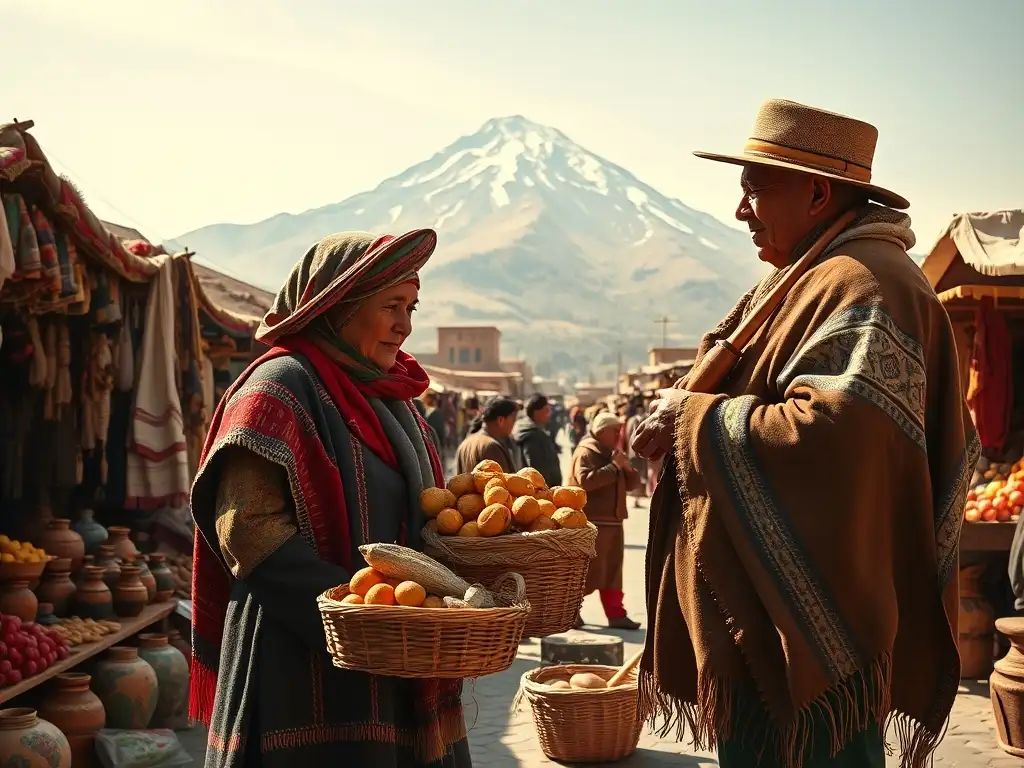
This section delves into the practical aspects of preparing for a successful barter exchange within the context of Andean cultures. Understanding the nuances of Andean barter etiquette is crucial for fostering positive interactions and achieving mutually beneficial outcomes. While specific practices varied across different Andean groups and time periods, common threads of respect, reciprocity, and fair assessment of goods underpinned all systems of exchange. Successfully navigating these customs required careful preparation, encompassing the selection of appropriate trade goods, a realistic assessment of their value, and thoughtful presentation.
Selecting Appropriate Goods for Trade
Choosing the right goods for a barter exchange in an Andean context wasn't simply a matter of possessing valuable items. It involved considering the needs and preferences of the potential trading partner, demonstrating an understanding of their social standing, and showcasing respect for their culture. Items with practical utility were highly prized. This could include:
- Agricultural products: Potatoes, maize, quinoa, coca leaves – staples of the Andean diet, their value fluctuated seasonally. A surplus of a particularly desirable crop during harvest time could be a powerful bargaining chip.
- Textiles: High-quality textiles, particularly those with intricate designs and weaving techniques, represented significant labor and skill. These were often used as gifts and in ceremonial contexts, thus holding considerable value.
- Tools and Crafts: Pottery, tools for agriculture, or finely crafted items like jewelry or ornaments could be exchanged, depending on their quality and artistry. The craftsmanship involved directly influenced the perceived value.
- Livestock: Llamas and alpacas, crucial for their wool, meat, and transport, were valuable assets, but their exchange was likely reserved for significant transactions.
The selection process also involved consideration of the reciprocity principle. The goods offered should ideally align with the expected return, reflecting a balanced exchange rather than exploitation. A thorough understanding of local customs and prevalent needs was paramount to navigating this aspect successfully. Failing to consider this could lead to offense and a failed exchange.
Assessing the Value of Your Items in an Andean Context
Determining the value of goods in Andean barter systems was a complex process that went beyond simple metrics of weight or quantity. It incorporated a multifaceted evaluation, factoring in:
- Labor and Skill: The time and effort invested in producing an item directly influenced its worth. Intricately woven textiles, for example, held greater value than simply spun cloth due to the skilled labor involved.
- Rarity and Quality: Unique or high-quality goods were naturally more valuable. A rare type of pottery or a particularly fine piece of alpaca wool would command a higher price (or equivalent exchange).
- Social Context: The social standing of both parties played a role. Exchanges between individuals of different social strata might involve different valuation criteria. A gift offered to a community leader would likely differ in value and type from an exchange between equals.
- Seasonal Variations: The value of goods like agricultural produce changed with the seasons. A surplus of potatoes during harvest held less value than during a lean period.
Understanding these factors was essential for successful negotiation. A fair assessment prevented misunderstandings and ensured a positive exchange. Moreover, an accurate valuation demonstrated respect for the trading partner and their goods. Failure to account for these aspects could lead to perceived unfairness and damage the relationship.
Presentation and Packaging of Goods for Barter
Even after selecting and evaluating goods, the manner of presentation was crucial in Andean barter etiquette. Respectful and thoughtful presentation enhanced the chances of a successful exchange.
| Aspect | Description | Example |
|---|---|---|
| Neatness and Order | Goods should be presented neatly and organized, reflecting care and respect for the trading partner. | Carefully bundled textiles, cleanly arranged pottery. |
| Appropriate Wrapping | Using appropriate wrappings, often natural materials, demonstrated respect and cultural sensitivity. | Goods wrapped in woven cloth or bundled with natural fibers. |
| Verbal Communication | Clear and respectful communication about the goods, highlighting their quality and utility, was essential. | "This textile is made with the finest alpaca wool, spun and woven by my family." |
| Nonverbal Cues | Body language played a role. A calm and respectful demeanor fostered trust and facilitated a successful exchange. | Maintaining eye contact, a relaxed posture, and avoiding aggressive gestures. |
The presentation of goods wasn't merely transactional; it was a social act reflecting respect and building relationships. A carefully considered presentation demonstrated not only the value of the goods but also the value placed on the relationship with the trading partner. A thoughtful approach could transform a simple exchange into a positive and mutually beneficial interaction, strengthening social ties within the Andean community. This careful attention to detail underscores the significance of understanding the broader cultural context of Andean barter systems.
The Art of Negotiation in Andean Barter
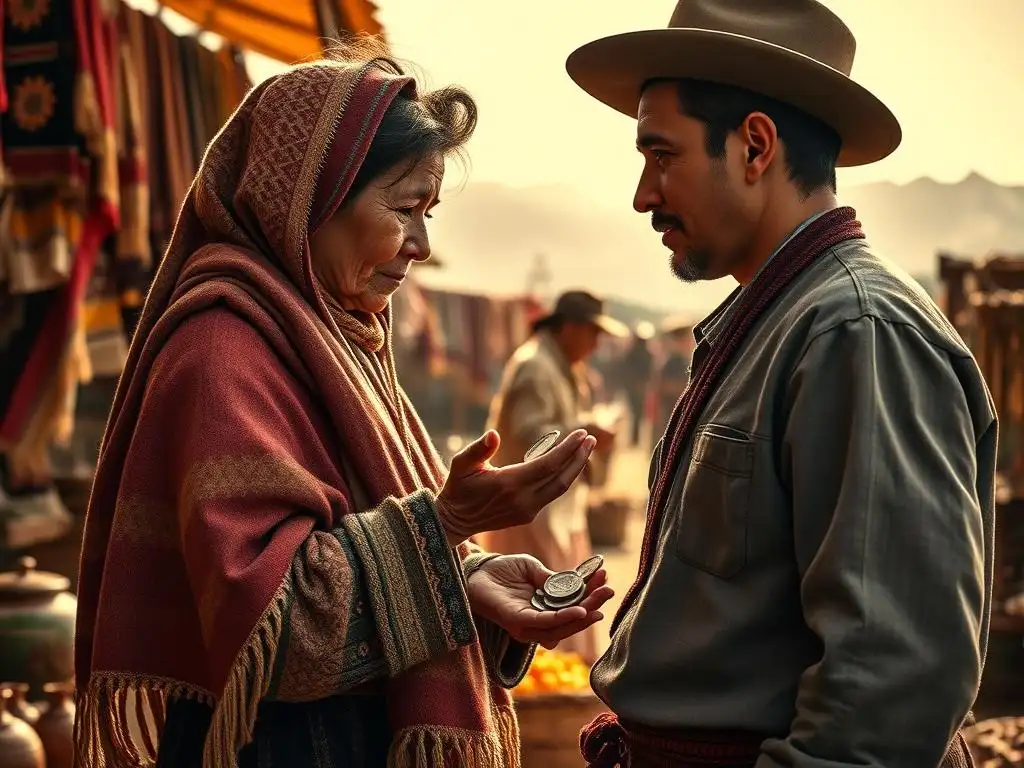
The Andean barter system, far from being a simple exchange of goods, was a complex social interaction governed by intricate unwritten rules. Understanding these nuances is crucial to appreciating the depth and sophistication of Andean economic practices. Successful bartering wasn't just about securing a good deal; it was about building relationships and maintaining social harmony.
This section delves into the subtle art of negotiation within the Andean context, focusing on the unspoken rules that shaped the process. Mastering these unwritten codes was key to achieving mutually beneficial outcomes and fostering strong social bonds. The concept of "Andean barter etiquette" encompassed far more than just the exchange of goods; it was a reflection of deeply ingrained cultural values.
Understanding the Unspoken Rules of Negotiation
Negotiation in Andean barter wasn't a confrontational process. Instead, it was a delicate dance of indirect communication, subtle gestures, and careful observation. Direct haggling, as understood in many modern market economies, was often considered rude and could damage the relationship between parties. Instead, subtle cues—a slight lowering of the head, a thoughtful pause, a shared glance—were used to indicate willingness to compromise.
The exchange often involved a period of social interaction, building rapport before any serious discussion of value took place. Think of it less as a transaction and more as a social ritual. For instance, sharing a coca leaf or a small drink before discussing the exchange signaled respect and laid the groundwork for a smoother negotiation.
The value of goods wasn't solely determined by their material worth but also by their social significance and the relationship between the traders. A handcrafted textile, for example, might hold a higher value if it was made by a respected artisan within the community. Furthermore, the perceived need of the other party played a significant role.
A farmer might be willing to exchange more maize for a tool during a time of drought, even if the tool’s intrinsic value was lower in normal times. This highlights the dynamic and contextual nature of Andean barter, showing how social factors intertwined with economic considerations.
Avoiding Cultural Missteps During Barter
Several behaviors could significantly hinder a successful barter exchange. Directly insulting the quality of someone's goods was a major faux pas. Openly expressing dissatisfaction or questioning the fairness of the proposed exchange could be perceived as disrespectful and could lead to the breakdown of the negotiation. Similarly, refusing an offer abruptly, without a polite explanation, was considered impolite. Even seemingly minor actions, like looking away frequently or failing to maintain eye contact, could be interpreted negatively. The subtle cues used in Andean barter required attentiveness and sensitivity to nonverbal communication.
Understanding the social hierarchy within the community was also crucial. Negotiating with an elder required extra deference and respect. Ignoring this could cause offense and jeopardize the entire transaction. Furthermore, the concept of ayni – reciprocal exchange – was central to Andean society. This implied an understanding of mutual obligation and a long-term perspective on relationships. A successful barter was not simply a one-off transaction but a step in building a lasting relationship based on trust and reciprocity. The success of the exchange was measured not only by the goods received but also by the strengthening of social bonds.
The Role of Patience and Respect in Bartering
Patience was a paramount virtue in Andean barter. Negotiations could be lengthy and involved, requiring a willingness to wait and observe. Impatience or a forceful approach could be detrimental. Respect for the other party, their time, and their goods was essential. This respect extended beyond the immediate transaction, reflecting the long-term view of social relationships in Andean communities. The process itself was valued, not just the outcome. A successful barter was seen as a demonstration of mutual respect and understanding, further strengthening the bonds within the community.
The emphasis on patience and respect underscores the social nature of Andean barter. It was not merely a commercial transaction, but a social interaction designed to foster community cohesion and mutual support. The successful negotiation was a testament to the ability of individuals to interact respectfully and collaboratively, reflecting the values of reciprocity and social harmony that underpinned Andean society.
This highlights the importance of considering the broader social context when studying Andean barter systems, going beyond the purely economic aspects to understand the cultural significance of this practice. The system, therefore, was a powerful tool for maintaining social equilibrium and reinforcing community bonds.
Post-Barter Etiquette and Maintaining Relationships

Successfully completing a barter exchange in the Andes was only half the battle. Maintaining positive relationships, crucial for future trade, demanded careful attention to post-exchange etiquette. The Andean worldview emphasized reciprocal relationships and community harmony, making proper conduct after a barter transaction paramount. Failure to adhere to these unspoken rules could severely damage one's reputation and future trading prospects. Understanding this "silent agreement" of post-barter etiquette is key to appreciating the complexities of Andean trade. This wasn't simply a transactional exchange; it was a social interaction solidifying community bonds.
Expressing Gratitude and Satisfaction
Expressing sincere gratitude was a cornerstone of post-barter etiquette. A simple "thank you" wasn't enough; the expression needed to be heartfelt and demonstrate genuine appreciation for the goods or services received. This could involve various gestures depending on the specific Andean culture involved.
For example, offering a small, symbolic gift in return, sharing a meal, or offering assistance with a future task were all common ways to show gratitude. The depth of the expression often reflected the value of the exchanged goods and the strength of the relationship between the parties involved. Failure to express gratitude could be perceived as disrespectful and could jeopardize future interactions.
The emphasis on ayni, the principle of reciprocity, extended beyond the immediate exchange to encompass ongoing expressions of thanks and goodwill. The act of expressing gratitude was not merely polite; it was a vital component in strengthening social bonds and ensuring continued cooperation within the community. A genuine display of satisfaction solidified the trust and mutual respect necessary for future successful bartering.
Maintaining Long-Term Barter Relationships
The Andean barter system wasn't just about immediate transactions; it was about cultivating lasting relationships. Successful bartering often led to ongoing exchanges and collaborations. Maintaining these relationships required consistent effort and attention. This involved remembering details about previous exchanges, showing continued interest in the other party's well-being, and being reliable and trustworthy in all future dealings. Regular social interaction, beyond the context of barter, played a significant role in strengthening these bonds.
Participation in community events, festivals, or simply engaging in casual conversation helped solidify trust and build rapport. Word-of-mouth played a crucial role in shaping reputations within Andean communities. A reputation for fairness, honesty, and reliability was invaluable in securing future barter opportunities. Conversely, a reputation for dishonesty or unreliability could significantly hinder one's ability to participate in the barter system. Building and maintaining these relationships was an investment in long-term economic and social success.
The Importance of Reciprocity in Future Exchanges
Reciprocity was the lifeblood of the Andean barter system. A successful exchange wasn't a one-time event; it established an expectation of future balanced exchanges. This wasn't necessarily about immediate repayment, but rather a commitment to future fairness and balance in the relationship. The principle of ayni, as mentioned earlier, guided this ongoing reciprocity.
While the specific goods or services exchanged might vary over time, the underlying principle of mutual benefit and balanced exchange remained constant. Delaying reciprocity wasn’t necessarily viewed negatively if there was a clear understanding and agreement. However, a consistent pattern of imbalance could damage the relationship and lead to the breakdown of future bartering opportunities.
The concept of reciprocity wasn't just about economic exchange; it was deeply embedded in the Andean social fabric, reflecting a broader understanding of interdependence and community responsibility. This ongoing reciprocity ensured the sustainability and stability of the Andean barter system, fostering cooperation and mutual benefit within the community. The system, therefore, relied on trust, mutual respect, and a commitment to fair and balanced exchange over time.
The Future of Barter Systems in the Andes
The enduring legacy of barter in the Andes presents a fascinating case study in the interplay between tradition and modernity. While formal monetary systems are increasingly prevalent, the spirit of direct exchange persists, albeit in evolving forms. Understanding this dynamic is crucial to predicting the future of Andean barter systems and ensuring their sustainable continuation. The question isn't whether barter will disappear entirely, but rather how its practices will adapt and what role it will play in the region's economic landscape.
Preserving Traditional Exchange Practices
Preserving the rich tapestry of Andean barter traditions requires a multifaceted approach. Simply documenting these practices is insufficient; active engagement and support are needed. This includes:
- Community-based initiatives: Empowering local communities to lead the preservation efforts is paramount. This might involve workshops on traditional barter techniques, the creation of community-managed exchange platforms, or the development of educational materials that highlight the cultural significance of barter. Successful examples already exist, demonstrating the effectiveness of this bottom-up approach.
- Governmental support: Governments can play a crucial role by recognizing the value of traditional exchange systems and incorporating their preservation into broader economic development strategies. This could involve financial support for community-led initiatives, the creation of protected areas where traditional barter practices are encouraged, or the development of policies that promote fair trade practices within these systems. Specific policies focusing on Andean barter etiquette could also be developed.
- Tourism's role: Ethically managed tourism can offer a sustainable avenue for preserving these traditions. By educating tourists about the cultural significance of Andean barter and encouraging respectful engagement, tourism can generate income for communities while simultaneously safeguarding their cultural heritage. However, this must be carefully managed to avoid commodifying or exploiting these practices.
The Impact of Modernization on Andean Barter
Modernization's impact on Andean barter systems is complex and multifaceted. While monetary systems have undoubtedly gained prominence, the influence of globalization and technological advancements has not necessarily led to the complete abandonment of traditional exchange. Instead, we are witnessing a fascinating blend of old and new:
- Hybrid systems: Many communities now utilize a combination of barter and monetary exchange, seamlessly integrating both systems into their daily lives. This often involves using money to supplement barter transactions, particularly for goods and services that are not easily exchanged directly. For instance, a farmer might barter potatoes for tools, supplementing the exchange with a small monetary payment to account for differences in value.
- Technological integration: The rise of mobile technology has offered new opportunities for facilitating barter exchanges. Apps and online platforms are emerging that connect individuals and communities for bartering, expanding the reach and efficiency of these systems. However, careful consideration must be given to the potential for digital divides and equitable access to these technologies. The digital divide could further marginalize communities already struggling with the transition to a more monetary-based economy.
- Shifting value systems: The introduction of market economies has altered perceptions of value and the relative worth of goods and services. Traditional forms of Andean barter etiquette, which were often based on intricate social relationships and reciprocal obligations, are being renegotiated in light of these changing dynamics. This requires careful study to understand how these shifts are influencing the broader social fabric.
The Significance of Barter in the Andean Economy Today
Despite the growing dominance of monetary systems, barter continues to play a significant role in the Andean economy, particularly in rural areas and among marginalized communities. Its significance extends beyond mere economic transactions:
- Social cohesion: Barter serves as a vital mechanism for fostering social cohesion and strengthening community ties. The act of exchanging goods and services builds relationships, reinforces mutual obligations, and fosters a sense of shared identity. This is particularly important in areas where social networks are crucial for survival and well-being.
- Economic resilience: Barter systems often provide a degree of economic resilience in the face of economic shocks and market volatility. In times of crisis, the ability to directly exchange goods and services can be a lifeline for communities that may lack access to formal financial institutions. This resilience is a key factor in understanding the continued importance of barter systems.
- Environmental sustainability: In many instances, barter systems promote sustainable practices. By fostering localized exchange networks, they reduce reliance on long-distance transportation and contribute to a more environmentally friendly economy. This is particularly relevant in light of growing concerns about climate change and its disproportionate impact on Andean communities. The future of Andean barter systems, therefore, is intricately linked to the future of sustainable development in the region.
Frequently Asked Questions
What is barter etiquette in the Andean region?
Barter etiquette in the Andes emphasizes respectful communication and fair exchange. Negotiations are often indirect, focusing on building a relationship rather than immediate price haggling. Trust and reciprocity are paramount.
How did the Andean civilizations use barter systems?
Andean civilizations relied heavily on barter for trade, exchanging goods like textiles, pottery, and agricultural products. The system wasn't solely based on direct exchange; complex social relationships and obligations played a significant role. Reciprocity was key.
What were some common goods bartered in the Andes?
Common bartered goods included textiles, particularly fine alpaca wool, pottery, agricultural products (like potatoes and maize), metals, and precious stones. The specific goods varied depending on regional specialization and availability.
Social status influenced barter transactions. Elite members might receive more favorable terms or trade in prestige goods, while commoners focused on everyday necessities. Reciprocal obligations also varied by social standing.
How did the Inca Empire influence Andean barter systems?
The Inca Empire, while implementing its own administrative system, didn't entirely eliminate barter. It integrated barter with its own tribute system, using state-controlled storage facilities and regulated distribution networks. Local barter continued alongside imperial control.
Final Reflection: Echoes of Exchange: The Enduring Power of Andean Barter
The intricate dance of Andean barter, far from being a relic of the past, remains a vibrant testament to the enduring power of community and reciprocal exchange. Its principles of trust, mutual respect, and unspoken agreements offer valuable lessons for a world increasingly focused on transactional relationships. Understanding this system reveals a deeper understanding of human interaction itself.
The subtle nuances of Andean barter etiquette, the unspoken cues and gestures that signal respect and intention, have profoundly shaped the social fabric of Andean communities for centuries. These practices, passed down through generations, demonstrate the strength of community bonds built on shared understanding and mutual benefit. The true wealth of a community is not measured in gold or silver, but in the strength of its ties and the generosity of its spirit.
This sentiment, though not directly from an Andean source, perfectly encapsulates the ethos underlying their barter system. The impact of this system extends beyond mere economic exchange; it fosters a sense of belonging and shared responsibility that is increasingly rare in our globalized world.
Consider the implications of this ancient practice in your own life. How can you cultivate a more reciprocal and respectful approach to your interactions, both personal and professional? Challenge yourself to move beyond transactional exchanges and embrace the spirit of genuine connection and mutual benefit. By understanding and appreciating the wisdom embedded within Andean barter etiquette, we can build stronger, more resilient communities, one meaningful exchange at a time.
Embrace the Spirit of Barter: Start Your Journey Today!
Thank you for exploring the fascinating world of barter in the Andes! You've discovered valuable insights into the unspoken agreements that shape these vibrant communities. Now, it's time to put your knowledge into practice and further your understanding of this rich cultural tradition.
Here are some meaningful ways to connect more deeply with the spirit of bartering:
- Engage with local artisans: Visit a local market or craft fair to barter directly with artisans, building relationships and supporting their craft.
- Start a barter group: Gather friends or community members interested in incorporating bartering into their daily lives. Exchange skills, services, or goods, creating a supportive local network.
- Share your knowledge: Host a discussion or workshop on the art of bartering, highlighting its importance in strengthening community ties.
What unique bartering experiences have you had, and how have they influenced your understanding of community connections?