
The Key to the Past: Unlocking Andean Secrets Through Spoken Narratives

Welcome to Andean Civilizations! Prepare to journey through time and unravel the mysteries of a captivating world. For centuries, the echoes of the Andes have whispered untold stories. Now, we delve into the heart of their legacy, exploring the power of Andean civilizations spoken narratives to unlock their secrets. Are you ready to hear their voices? Discover the fascinating insights awaiting you within.
The Andes Mountains, a majestic spine running down the western edge of South America, are home to a rich tapestry of ancient civilizations. For centuries, these cultures – including the Incas, Moche, Nazca, and Tiahuanaco – thrived, leaving behind a legacy of breathtaking architecture, intricate artwork, and sophisticated engineering.
But beyond the impressive ruins and artifacts, lies a treasure trove of knowledge preserved not in stone or clay, but in the spoken word. This article delves into the crucial role of oral traditions in understanding Andean civilizations, exploring how spoken narratives have served as the key to unlocking their secrets and preserving their vibrant cultural heritage for generations.
We will examine how these narratives illuminate aspects of Andean life, beliefs, and history often overlooked by traditional archaeological methods, highlighting the invaluable contribution of spoken accounts to our comprehension of these fascinating societies. Understanding Andean civilizations spoken narratives is vital for a complete and nuanced understanding of their history and lasting impact.
Exploring the Significance of Spoken Word in Andean Cultures
For many Andean communities, the spoken word wasn't merely a means of communication; it was the bedrock of their social fabric, their historical record, and their spiritual connection to the past. Unlike many societies that relied heavily on written records, Andean cultures developed sophisticated oral traditions that meticulously preserved their history, mythology, and knowledge across generations. This oral tradition wasn't simply a haphazard transmission of stories; it was a carefully cultivated system, often involving specialized storytellers ( yachaywasi in Quechua) who possessed extensive knowledge and skill in memorization and performance.
These individuals played a critical role in maintaining cultural continuity and social cohesion. Their narratives weren't static; they evolved and adapted over time, reflecting the changing circumstances and beliefs of their communities. This dynamic nature of oral tradition makes understanding their nuances crucial for accurate historical interpretation.
The stories themselves often encoded complex social structures, agricultural practices, astronomical knowledge, and spiritual beliefs, offering insights inaccessible through other means. The use of mnemonic devices, songs, and dramatic performances enhanced memory and ensured the accurate transmission of these vital narratives.
Andean Civilizations Spoken Narratives: A Window to the Past
The survival of Andean civilizations spoken narratives provides invaluable insights into aspects of their lives rarely documented elsewhere. For example, studying these narratives reveals detailed information about their cosmology, their understanding of the natural world, and their relationship with the supernatural. Many stories depict interactions with deities, spirits, and ancestral figures, illuminating their religious beliefs and practices.
Furthermore, these narratives often reveal the social hierarchy, economic systems, and political structures of these societies, offering a glimpse into their daily lives and social dynamics. Analyzing the language used in these narratives – including variations in dialect and vocabulary – can provide clues about geographical origins, migration patterns, and cultural interactions between different groups. The stories also offer valuable insights into their agricultural techniques, medicinal practices, and technological advancements, showcasing the ingenuity and adaptability of these civilizations.
The preservation and study of these spoken narratives are not merely academic exercises; they are essential for understanding the complexities and richness of Andean cultures and for honoring the legacy of these remarkable civilizations. The ongoing documentation and analysis of these oral histories remain a vital area of research, continuously enriching our understanding of the Andean past. The detailed study of these narratives allows researchers to reconstruct a more complete and nuanced picture of Andean life, challenging previous assumptions and revealing previously unknown aspects of their rich cultural heritage.
- Exploring the Significance of Spoken Word in Andean Cultures
- Andean Civilizations Spoken Narratives: A Window to the Past
- What are "spoken narratives" in the context of Andean civilizations?
- How important are spoken narratives for understanding Andean civilizations?
- Which Andean civilizations utilized spoken narratives extensively?
- How have spoken narratives survived to the present day?
- Where can I learn more about Andean spoken narratives?
The Power of Oral Tradition in Andean History
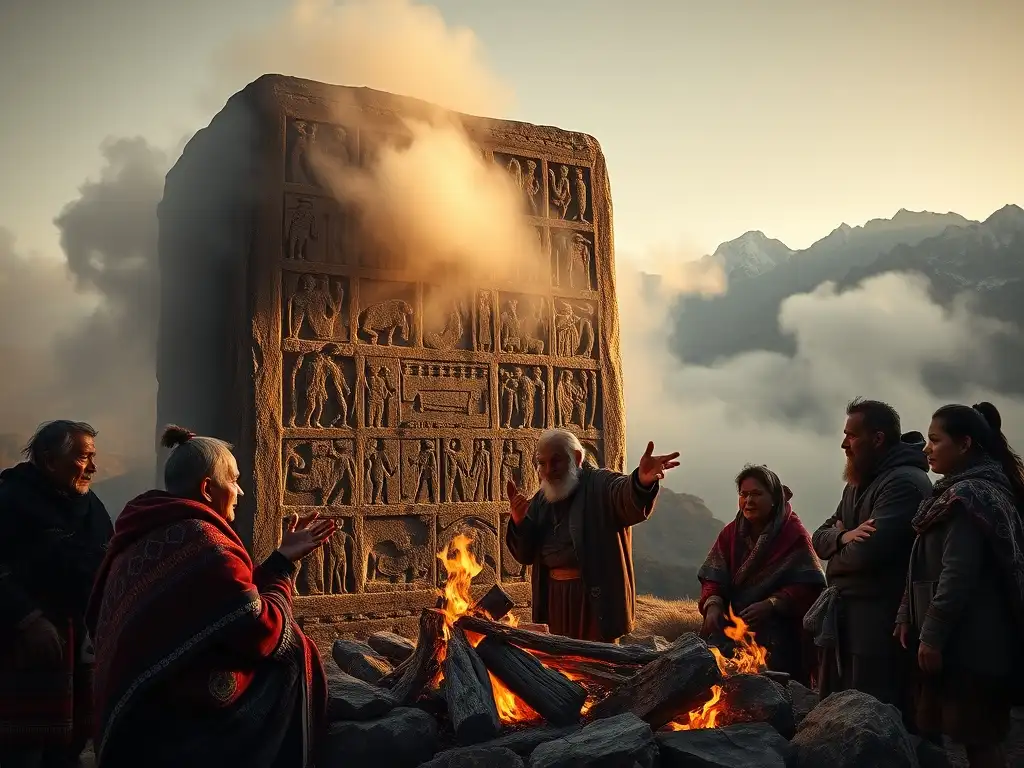
The Andes Mountains, a spine of towering peaks running down the western coast of South America, are not only a geographical marvel but also a cradle of rich and diverse cultures. For centuries, long before the advent of written records, the Andean civilizations—Inca, Moche, Nazca, Tiahuanaco, and many others—relied heavily on oral tradition to preserve their history, knowledge, and cultural identity. This intricate web of spoken narratives, passed down through generations, offers a unique and invaluable window into the lives, beliefs, and societal structures of these fascinating Andean civilizations spoken narratives.
Understanding this oral tradition is key to unlocking a deeper comprehension of their complex past. The sheer volume of information transmitted orally is staggering, encompassing everything from genealogical records and agricultural techniques to intricate mythological tales and cosmological beliefs.
The absence of widespread writing systems in many Andean cultures makes the study of their oral traditions even more crucial. The information contained within these narratives provides a counterpoint to the often biased or incomplete written accounts left by later colonizers.
Preserving Andean Heritage Through Storytelling
Storytelling wasn't merely entertainment in Andean societies; it was a vital mechanism for cultural preservation and transmission. Complex narratives, often interwoven with songs and rituals, served as repositories of ancestral knowledge, ethical codes, and historical events. These weren't simple fairy tales; they were carefully constructed narratives, laden with symbolic meaning and historical significance.
For example, the Inca quipus, knotted cords used for record-keeping, often served as mnemonic devices to aid storytellers in recalling lengthy genealogies or historical accounts. The accuracy and detail in these oral accounts are remarkable, considering the absence of a written script. Many stories emphasized the importance of community, reciprocity ( ayni), and respect for the natural world – core values that sustained Andean societies for centuries.
The meticulous transmission of these narratives across generations ensured the continuity of cultural identity and the preservation of vital knowledge related to agriculture, medicine, and social organization. The impact of this oral tradition is evident even today, with many Andean communities continuing to actively practice and preserve their storytelling traditions. The continued relevance of these stories underscores their enduring power and their vital role in maintaining cultural heritage.
The Role of Storytellers in Ancient Andean Societies
In ancient Andean societies, storytellers held positions of significant social and cultural importance. They were not simply entertainers; they were keepers of history, moral guides, and custodians of cultural knowledge. Often respected elders or individuals with specialized training, they were responsible for the accurate and faithful transmission of narratives across generations.
Their expertise extended beyond mere recitation; they were skilled performers, using dramatic techniques, vocal inflections, and mnemonic devices to engage their audiences and ensure the retention of complex information. Their social status varied across different Andean cultures, but their role in shaping social values and preserving cultural memory was universally recognized. The training involved in becoming a skilled storyteller was likely rigorous and lengthy, involving years of apprenticeship and memorization of extensive oral texts.
This process ensured the continuity and fidelity of the narratives, guaranteeing that essential cultural knowledge was accurately preserved and transmitted. Their role was crucial for maintaining social cohesion and transmitting important cultural values.
Spoken Accounts as Historical Records in the Andes
While written sources provide valuable insights, spoken accounts offer a unique perspective on Andean history, providing a nuanced understanding that written records often lack. These oral histories offer crucial details about daily life, social structures, and belief systems that are rarely captured in formal written documents. Consider, for example, the detailed accounts of agricultural practices, medicinal knowledge, and astronomical observations passed down through generations via oral traditions.
These narratives shed light on the sophisticated understanding of the natural world possessed by Andean civilizations. Furthermore, oral histories often preserve alternative perspectives and narratives that challenge or complement the official versions found in colonial-era documents. They provide a glimpse into the lived experiences of ordinary people, offering a richer and more complete picture of Andean history.
The integration of archaeological findings with oral traditions offers a powerful methodology for reconstructing the past, allowing for a more comprehensive and nuanced understanding of Andean civilizations spoken narratives. This interdisciplinary approach is vital for accurately interpreting the past and for ensuring that the voices of Andean communities are heard and respected.
Unveiling Andean Beliefs and Values Through Narratives
This section delves into the rich tapestry of Andean beliefs and values as revealed through their oral traditions. These spoken narratives, passed down through generations, offer invaluable insights into the worldview, social structures, and moral codes of these fascinating civilizations. Understanding these narratives is crucial to comprehending the complexities of Andean societies and their enduring legacy. We will explore how myths, legends, and everyday stories illuminate the core principles that guided Andean life. The study of Andean civilizations spoken narratives provides a unique window into a culture deeply connected to its environment and spiritual beliefs.
Andean Myths and Legends: Transmitting Cultural Knowledge
Andean myths and legends weren't merely entertaining stories; they served as vital tools for transmitting cultural knowledge, preserving historical memory, and reinforcing societal norms. For example, the stories surrounding the creator god Viracocha, common across various Andean cultures, explain the origins of the world and humanity, establishing a cosmological framework. These narratives often incorporated natural phenomena, like earthquakes or floods, into their explanations, demonstrating a close relationship between the supernatural and the physical world.
The detailed descriptions of rituals, social hierarchies, and the roles of different deities within these myths offer invaluable insights into the religious beliefs and practices of the time. Furthermore, the repetition and adaptation of these stories across generations ensured the continuity of cultural identity, even in the face of significant social and political changes.
The enduring power of these myths is evident in their continued relevance in modern Andean communities. Many contemporary Andean communities still incorporate elements of these ancient narratives into their daily lives and rituals.
The persistence of these narratives highlights their importance in shaping Andean identities and transmitting cultural heritage. Their detailed accounts of creation myths, heroic deeds, and moral dilemmas provide a rich resource for understanding the values and beliefs of past Andean civilizations. Analyzing the variations in these stories across different Andean groups also reveals the diverse cultural landscapes that existed within the broader Andean region.
Morality and Ethics in Andean Oral Traditions
Andean oral traditions are not simply repositories of fantastical tales; they also articulate a complex moral and ethical framework. Concepts like ayni (reciprocity) and minka (community labor) are frequently embedded within narratives, highlighting the importance of collective responsibility and mutual support in Andean society. Stories often feature characters who exemplify virtuous behavior, such as selfless acts of generosity or unwavering commitment to community, contrasting them with those who act selfishly or violate social norms.
These narratives served as powerful tools for socialization, teaching younger generations the values considered essential for a harmonious society. For instance, many stories emphasize the consequences of ignoring the Pachamama (Mother Earth), illustrating the interconnectedness between human actions and the natural world and the importance of respecting ecological balance. The consequences of violating these ethical codes are often depicted vividly, serving as cautionary tales.
Furthermore, the narratives often explored themes of justice and fairness, reflecting the societal mechanisms for resolving conflicts and maintaining social order. The exploration of these themes in Andean civilizations spoken narratives provides valuable insights into the social dynamics and legal systems that governed Andean life. Understanding these deeply embedded ethical principles is vital to understanding the social fabric of Andean societies.
Spoken Narratives as a Reflection of Andean Worldviews
Andean oral traditions provide a profound insight into the Andean worldview, revealing a complex understanding of the relationship between humanity, nature, and the supernatural. Narratives often depict a vibrant spiritual world, populated by a pantheon of deities, spirits, and ancestors who actively participate in human affairs. The concept of Pachakuti, a cyclical view of time and cosmic renewal, is frequently reflected in stories of creation and destruction, highlighting the Andean understanding of change and transformation.
These narratives also emphasized the interconnectedness of all living things, reflecting a holistic perspective on the world. The close relationship between humans and the natural world is a recurring theme, with stories often featuring animals, plants, and natural elements as integral parts of the narrative. The land itself, the Pachamama, is often personified as a living entity deserving of respect and reverence.
The use of metaphors and symbolism within these narratives further enhances their complexity. For instance, the recurring motif of the serpent often represents both fertility and danger, reflecting the dualistic nature of the Andean worldview. Understanding these symbolic representations is crucial for a complete interpretation of the narratives and the deeper meaning embedded within them.
The detailed analysis of Andean civilizations spoken narratives reveals a rich and multifaceted worldview, shaped by a deep connection to the land, a complex understanding of the spiritual world, and a strong emphasis on community and reciprocity. This worldview offers a valuable perspective on human relationships with nature and the spiritual realm.
Andean Languages and the Transmission of Knowledge
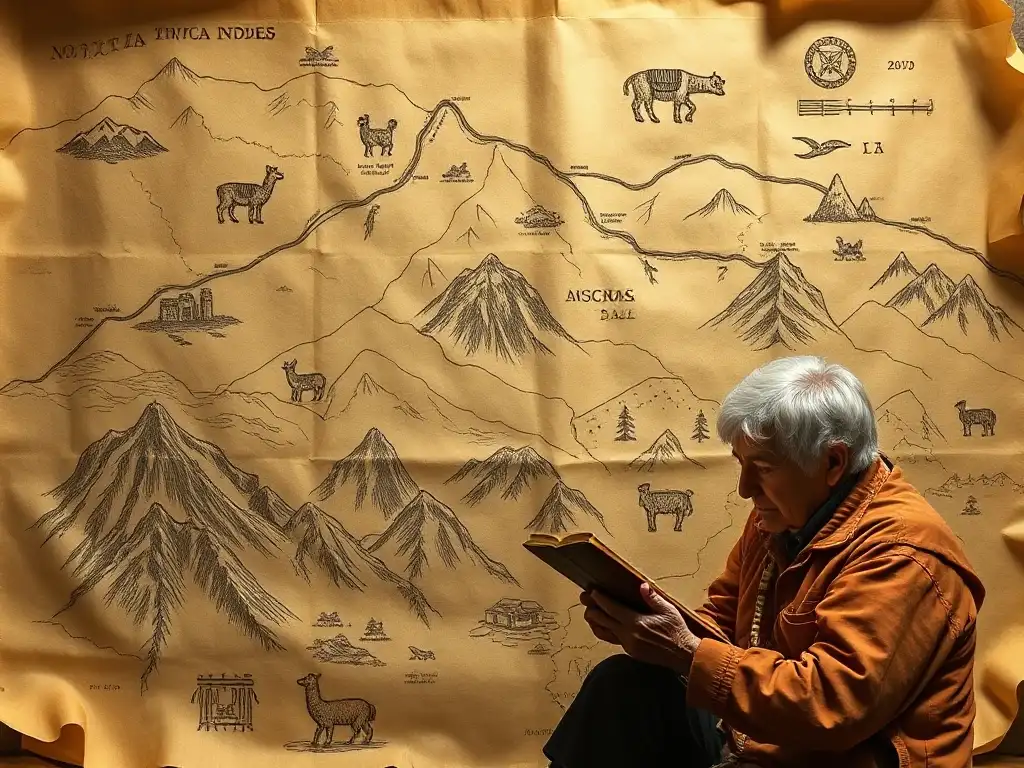
The vibrant tapestry of Andean civilizations wasn't woven solely on looms and in fields; it was also meticulously crafted through the spoken word. For centuries, before the advent of widespread writing systems, Andean languages served as the primary vehicle for transmitting knowledge, history, beliefs, and cultural practices across generations. This oral tradition, a powerful force shaping Andean societies, encompassed a vast repository of information, passed down through meticulously crafted narratives, songs, and rituals.
Understanding the role of these languages is crucial to unlocking the secrets of these remarkable civilizations and appreciating the depth and complexity of their cultural heritage. The enduring power of Andean spoken narratives offers a unique lens through which to examine the ingenuity and resilience of these ancient peoples.
Analyzing these narratives allows us to understand not only what they knew, but how they understood their world. This section explores the profound impact of Andean languages on the preservation and transmission of knowledge, emphasizing the importance of studying these oral traditions to gain a more complete understanding of Andean civilizations.
The Diversity of Andean Languages and their Oral Traditions
The Andes weren't a monolith; rather, a multitude of distinct ethnic groups, each with their own unique language and oral traditions, flourished across the region. The sheer diversity of Andean languages is staggering. While Quechua, with its various dialects, became dominant in certain areas, particularly during the Inca Empire, numerous other languages, such as Aymara, Shipibo-Konibo, and countless others, existed and continue to exist, each contributing to the rich linguistic landscape of the region.
These languages weren't merely tools for communication; they were integral to the cultural identity of each group. Each language carried within it a unique worldview, reflected in its storytelling styles, its vocabulary, and its grammatical structures. For example, the intricate kinship systems of some Andean communities were directly encoded in their language, influencing social structures and power dynamics.
The oral traditions associated with these languages were equally diverse, ranging from epic poems recounting the origins of the world to practical instructions for agriculture and medicine. These narratives were often interwoven with music, dance, and ritual, creating powerful and memorable experiences that ensured the transmission of knowledge across generations.
The loss of these languages represents an irreplaceable loss of cultural knowledge. Many traditional Andean narratives are deeply embedded within the specific linguistic structures and nuances of their respective languages. The translation of these narratives into other languages often results in a loss of meaning and cultural context, highlighting the importance of language preservation efforts. The survival of these languages is directly linked to the survival of a vital component of Andean cultural heritage.
How Andean Languages Shape Storytelling Styles
Andean languages profoundly influenced the way stories were told. The grammatical structures, the metaphorical expressions, and the narrative techniques employed in these languages shaped the very fabric of Andean storytelling. For instance, some Andean languages utilize complex grammatical structures that allow for the incorporation of multiple perspectives and voices within a single narrative, creating rich and layered accounts of events.
The use of metaphor and symbolism, prevalent in many Andean languages, added depth and meaning to stories, often encoding complex cultural beliefs and practices within seemingly simple narratives. These narratives weren't simply linear accounts of events; they were often cyclical, reflecting the Andean worldview's emphasis on the interconnectedness of time and space. Furthermore, oral performances played a crucial role; the rhythm, intonation, and body language of the storyteller were as important as the words themselves in conveying the narrative's meaning and emotional impact.
The performance itself became a vital part of the story's transmission and preservation. The style of storytelling also varied significantly across different Andean communities, reflecting the diverse linguistic and cultural landscapes of the region.
Consider the differences in narrative structure between, for example, Quechua and Aymara storytelling traditions. While both utilize oral narratives to transmit cultural knowledge, their approaches might differ significantly, reflecting the unique grammatical structures and cultural values embedded within each language. More research is needed to fully understand the nuances of these variations and their implications for our understanding of Andean cultures.
The Impact of Language Loss on Preserving Andean Narratives
The endangerment and loss of Andean languages pose a significant threat to the preservation of their rich oral traditions. As indigenous languages decline, so too does the capacity to fully understand and appreciate the narratives, songs, and rituals that have been passed down through generations. This loss isn't merely a matter of linguistic diversity; it represents a profound erosion of cultural memory and a significant obstacle to our understanding of Andean history and civilization.
Many invaluable narratives are inextricably linked to specific languages, and their translation can often fail to capture the full richness and complexity of the original. The disappearance of these languages silences the voices of the past and diminishes our ability to connect with the cultural heritage of the Andes.
This loss is particularly concerning given the wealth of knowledge embedded within these oral traditions. These narratives often contain invaluable information about traditional medicine, agricultural practices, cosmology, and social structures. The extinction of a language equates to the loss of irreplaceable knowledge, potentially impacting various fields of study, from anthropology and linguistics to history and ethnobotany.
Efforts to revitalize endangered Andean languages are therefore not only crucial for linguistic diversity but are also essential for preserving a vital part of humanity's cultural heritage. The preservation of Andean languages is a race against time, demanding urgent action and collaborative efforts to safeguard these invaluable oral traditions for future generations.
The Challenges and Preservation of Andean Spoken Narratives

The vibrant tapestry of Andean civilizations is woven not only from intricate textiles and monumental architecture but also from the rich threads of oral tradition. These spoken narratives, passed down through generations, hold the key to understanding the complexities of Andean societies, their beliefs, and their relationship with the natural world. However, the preservation of these invaluable narratives faces significant challenges in the modern era.
The very survival of these stories, integral to Andean identity, is inextricably linked to the survival of the languages themselves, demanding immediate and concerted efforts. Understanding these challenges is paramount to effective preservation strategies. The keyword "Andean civilizations spoken narratives" is central to this discussion.
Threats to Andean Oral Traditions in the Modern Era
Several factors contribute to the erosion of Andean oral traditions. The dominance of Spanish and other global languages poses a significant threat. Younger generations, increasingly exposed to these dominant languages through education and media, may find less incentive to learn and preserve their ancestral tongues. This linguistic shift directly impacts the transmission of oral narratives, as the stories are often intrinsically tied to the specific linguistic nuances and cultural contexts of the indigenous languages. The loss of these languages represents a profound loss of cultural knowledge encoded within the very structure of the language itself.
Furthermore, the rapid pace of modernization and urbanization has disrupted traditional social structures and community gatherings where these narratives were historically shared. The displacement of indigenous populations from their ancestral lands, often due to economic pressures or political instability, has fragmented communities and weakened the intergenerational transmission of oral history. This disruption disrupts the natural flow of knowledge transfer from elders to younger generations, leaving a crucial link in the chain of oral tradition broken.
The lack of adequate documentation and archiving of these spoken narratives further exacerbates the problem. While some efforts exist, a significant gap remains in systematically recording and preserving the diverse range of stories, songs, and myths that constitute the rich oral heritage of the Andean region. This lack of systematic documentation puts these invaluable cultural treasures at risk of being lost forever. Without proactive measures, the unique voices and perspectives embedded within these narratives risk fading into silence.
Efforts to Document and Revitalize Andean Spoken Narratives
Despite the considerable challenges, significant efforts are underway to document and revitalize Andean spoken narratives. Linguists, anthropologists, and community members are collaborating on various projects aimed at preserving these invaluable cultural resources. These projects often involve meticulous recording of oral narratives in their original languages, followed by transcription, translation, and analysis. This process not only creates a lasting record of these stories but also helps to understand their historical, social, and cultural significance.
Another crucial aspect of these preservation efforts involves the development of educational programs and community-based initiatives designed to promote the learning and use of indigenous languages. By empowering younger generations to speak and understand their ancestral tongues, these initiatives directly contribute to the revitalization of oral traditions. These programs often involve immersive language learning experiences, storytelling workshops, and the integration of indigenous languages into school curricula.
The aim is to foster a sense of pride and ownership in their linguistic and cultural heritage among young people. Many projects also emphasize the importance of community participation, recognizing that the preservation of oral traditions is ultimately a collective responsibility.
The Importance of Community Involvement in Preservation Projects
The success of any preservation project hinges on the active participation of the Andean communities themselves. These narratives are not merely historical artifacts; they are living expressions of cultural identity, deeply intertwined with the lives and experiences of the people who have passed them down through generations. Therefore, involving community members in every stage of the process – from the initial identification of key storytellers to the final dissemination and interpretation of the narratives – is essential.
Community-based initiatives often take the form of participatory research projects, where community members are actively involved in the research design, data collection, and analysis. This ensures that the narratives are recorded and interpreted in a way that is respectful of their cultural context and avoids misrepresentation or misinterpretation. Furthermore, such participatory approaches empower community members to take ownership of their cultural heritage and play an active role in its preservation.
This active engagement fosters a sense of cultural pride and ensures the sustainability of the preservation efforts long into the future. The active involvement of the community is therefore not just a desirable element, but a critical factor in the successful safeguarding of Andean civilizations spoken narratives.
Case Studies: Examples of Andean Spoken Narratives

This section delves into specific examples of Andean spoken narratives, showcasing the diversity and richness of oral traditions within different Andean civilizations. These narratives, passed down through generations, offer invaluable insights into the beliefs, values, and historical experiences of these fascinating cultures. Understanding these spoken narratives is crucial to unlocking a deeper appreciation for the complexities of Andean civilizations. The examples below highlight the enduring power of oral tradition in shaping Andean identity and worldview.
The Myth of Inkarrí: A Tale of Cultural Disruption and Hope
The myth of Inkarrí, a powerful example of Andean spoken narratives, speaks to the enduring hope for liberation and the resilience of indigenous cultures in the face of colonial oppression. This myth, prevalent amongst various Quechua-speaking communities, tells the story of a powerful Inca warrior who was seemingly defeated but not truly destroyed. Inkarrí, according to the narrative, remains hidden, awaiting the opportune moment to return and restore the Inca empire to its former glory.
The narrative's power lies not only in its fantastical elements but also in its symbolic representation of resistance. The continued telling of the Inkarrí myth serves as a potent symbol of hope and cultural continuity, reminding communities of their heritage and inspiring them to persevere. Variations of the myth exist across different regions, reflecting the adaptive nature of oral traditions and the unique cultural nuances of each community.
These variations often include detailed descriptions of Inkarrí's physical attributes, his magical powers, and the signs that foretell his return. The myth's enduring appeal highlights its ability to connect past experiences with present realities, fostering a sense of collective identity and shared purpose. The details of his eventual return, often tied to specific astronomical events or social upheavals, underscore the narrative's deep connection to the Andean cosmology and its ongoing relevance to contemporary life.
The Recounting of the Tupac Amaru II Rebellion: A Historical Perspective
The Tupac Amaru II Rebellion (1780-1783), a significant uprising against Spanish colonial rule, is not only documented in written historical accounts but also preserved through vibrant spoken narratives. These oral histories, passed down through generations, often provide perspectives that differ from the official, colonial records. They offer nuanced accounts of the rebellion’s causes, the motivations of its participants, and its impact on Andean communities.
For example, many spoken narratives emphasize the role of indigenous leaders and their strategies in mobilizing the population. They detail the use of traditional communication networks and methods to spread the rebellion's message, showcasing the effectiveness of oral communication in coordinating large-scale resistance. Furthermore, these narratives often include detailed accounts of specific battles, highlighting the bravery and resilience of the indigenous fighters.
They also offer intimate glimpses into the lives of ordinary people caught in the conflict, revealing the human cost of the rebellion and its lasting consequences. The differences between these spoken narratives and official colonial accounts highlight the importance of considering multiple perspectives when interpreting historical events, particularly in cases where power imbalances have shaped the historical record. The preservation and study of these oral histories are crucial for achieving a more complete and accurate understanding of this pivotal moment in Andean history.
The Ritualistic Narrative of the Yarqa Aspiy: Celebrating Water and Community
The Yarqa Aspiy, a ritualistic ceremony performed in various Andean communities, is accompanied by rich oral narratives that intertwine mythology, history, and practical knowledge. This ceremony, typically focused around water sources, involves the recitation of specific chants, prayers, and stories that celebrate the life-giving properties of water and its significance in Andean cosmology.
These narratives often include accounts of ancestral figures who interacted with water spirits and possessed the power to control water sources. They detail the importance of respecting water as a sacred element and maintaining its purity.
The stories also highlight the communal aspect of the ceremony, emphasizing the importance of collective action in ensuring the well-being of the community and its relationship with the natural world. The narratives are often accompanied by songs and dances, further enhancing their emotional impact and their role in reinforcing social bonds.
The Yarqa Aspiy, therefore, is not merely a ritual but a living embodiment of Andean oral tradition, demonstrating how spoken narratives can transmit vital cultural knowledge, reinforce social cohesion, and perpetuate a deep connection with the environment. The detailed descriptions of the rituals, the specific chants used, and the symbolic meanings attributed to different elements of the ceremony all contribute to a rich tapestry of oral tradition that continues to inform Andean life.
The Future of Andean Spoken Narratives
The survival and flourishing of Andean spoken narratives are intrinsically linked to their integration into modern society. The challenge lies not just in preserving these invaluable oral traditions but also in making them relevant and accessible to future generations. This requires a multifaceted approach, combining traditional methods with innovative technologies and a proactive engagement with education and cultural institutions.
The continued vitality of these narratives is crucial for maintaining cultural identity and understanding the rich tapestry of Andean civilizations. Ignoring this rich heritage would be a significant loss for global cultural understanding. The following sections explore key strategies for ensuring the future of Andean spoken narratives.
Integrating Oral Traditions into Education and Culture
Integrating Andean oral traditions into formal education is paramount. This isn't simply about adding a chapter on folklore; it's about fundamentally changing how history and culture are taught. Instead of relying solely on written texts (often biased towards colonial perspectives), educators can incorporate storytelling sessions, workshops led by native speakers, and interactive multimedia presentations that showcase the vibrancy of Andean spoken narratives. This approach fosters a deeper understanding and appreciation for the culture, moving beyond simple memorization to active engagement.
For example, incorporating traditional Andean songs and chants into music classes, or using narratives in language classes to teach Quechua or Aymara, can significantly improve student engagement and cultural understanding. Moreover, museums and cultural centers can play a vital role by hosting storytelling events, workshops, and exhibitions that actively involve community members. This participatory approach ensures that the narratives are not merely presented but actively experienced and shared, strengthening community bonds and fostering a sense of collective ownership.
The success of this integration hinges on collaboration between educators, community leaders, and cultural institutions. A well-structured curriculum, incorporating diverse pedagogical approaches, is essential for effectively transmitting these invaluable traditions. Furthermore, teacher training programs should prioritize the development of skills and resources necessary to effectively teach these narratives and engage students in a culturally sensitive manner.
The Role of Technology in Preserving and Sharing Andean Stories
Technology offers powerful tools for preserving and disseminating Andean spoken narratives. Digital archiving, using high-quality audio and video recording, allows for the creation of comprehensive digital libraries accessible worldwide. This is particularly crucial for languages facing endangerment. Furthermore, interactive platforms and mobile applications can make these stories easily accessible to a wider audience, transcending geographical limitations.
Consider the potential of developing an app that allows users to listen to stories in their native language, with translations and cultural context provided. This could revolutionize access to these invaluable narratives. Moreover, the use of virtual reality (VR) and augmented reality (AR) technologies opens up exciting possibilities for immersive storytelling experiences. Imagine using VR to recreate ancient Andean settings and allow users to virtually participate in traditional storytelling ceremonies.
Such innovative applications can make these stories more engaging and accessible to younger generations, fostering a deeper connection with their cultural heritage. However, the ethical implications of technological interventions must be carefully considered. It's crucial to involve community members in the design and implementation of these technologies, ensuring that traditional knowledge is respected and protected from exploitation. Proper consent and attribution are essential to uphold the integrity of these narratives and honor the contributions of the storytellers.
Ensuring the Legacy of Andean Spoken Narratives for Future Generations
The preservation of Andean spoken narratives is not merely an academic pursuit; it's a vital act of cultural preservation. To ensure their continued existence, a multi-pronged strategy is necessary. This includes supporting initiatives that document and archive these narratives, fostering language revitalization programs, and promoting intercultural dialogue. Financial support for research projects, community-based initiatives, and educational programs is crucial.
Moreover, governments and international organizations need to prioritize the recognition and protection of indigenous languages and oral traditions. This includes implementing policies that support language learning and promote the use of indigenous languages in education and public life. The empowerment of indigenous communities is paramount; they must be active participants in the preservation and dissemination of their own cultural heritage. This requires providing them with the resources and support they need to document and share their stories on their own terms.
A key element is establishing a collaborative network of researchers, educators, community members, and policymakers who are committed to working together to ensure the long-term survival of these invaluable narratives. This collective effort will be critical in safeguarding a rich and vibrant cultural heritage for generations to come. The future of Andean civilizations spoken narratives rests on this collaborative and proactive approach.
Frequently Asked Questions
What are "spoken narratives" in the context of Andean civilizations?
Spoken narratives refer to the oral traditions, stories, songs, and myths passed down through generations in Andean cultures. These weren't written down but preserved through storytelling and performance, offering invaluable insights into their worldviews and history.
How important are spoken narratives for understanding Andean civilizations?
They are absolutely crucial. Written records are limited, so spoken narratives provide primary source material on beliefs, social structures, and daily life, filling gaps left by archaeology.
Which Andean civilizations utilized spoken narratives extensively?
All Andean civilizations relied heavily on spoken narratives, including the Incas, Moche, Nazca, and Tiahuanaco. These traditions helped maintain cultural identity and transmit knowledge across generations.
How have spoken narratives survived to the present day?
Many narratives survived through continued oral transmission within indigenous communities. Ethnographic research and recordings have helped preserve and document these valuable stories for future generations.
Where can I learn more about Andean spoken narratives?
You can find information in academic journals, ethnographic studies, and books focusing on Andean history and anthropology. Many museums also host exhibits and presentations on the subject.
Final Reflection: Echoes of the Andes: A Legacy in Words
The power of spoken narratives to illuminate the past is undeniable, and nowhere is this more evident than in the rich tapestry of Andean oral traditions. These stories, passed down through generations, offer a vital counterpoint to the often incomplete and biased written records of colonial history, revealing a vibrant and complex civilization that continues to resonate today. The survival of these narratives, despite centuries of oppression and cultural upheaval, is a testament to the enduring spirit of the Andean peoples.
The impact of these oral histories extends far beyond academic circles. They are a living embodiment of cultural memory, shaping identities, fostering community, and providing a powerful framework for understanding the present. These stories are not merely historical artifacts; they are active forces, constantly evolving and adapting to new contexts. The past is never dead. It's not even past.
– William Faulkner. This quote perfectly encapsulates the enduring relevance of Andean oral narratives, which continue to inform and inspire contemporary Andean societies and offer valuable insights into the human experience across cultures and time.
Consider the stories you carry within your own family, the traditions you've inherited, the narratives that shape your understanding of the world. These are your own echoes of the past, just as the Andean oral traditions are echoes of theirs. I urge you to seek out and listen to these voices, to engage with the stories that connect us across time and space, and to recognize the profound wisdom held within the spoken word. Let the echoes of the Andes inspire you to explore your own heritage and to appreciate the power of storytelling to illuminate the human experience.
Unleash the Wisdom of the Ancients!
Thank you for exploring the rich tapestry of Andean history with us! We hope you gained valuable insights into the power of oral traditions in understanding the past. Now, it's time to continue your journey of discovery!
Here are some ways you can engage further:
- Explore local storytelling events: Attend storytelling events or workshops in your area that feature Andean narratives, or even organize one with friends to share these captivating stories.
- Share your newfound knowledge: Discuss the significance of Andean oral traditions with your community, perhaps on social media or within local groups. Your enthusiasm can inspire others to appreciate this vital cultural heritage.
- Visit a museum: Seek out museums and exhibitions showcasing Andean civilizations. Consider becoming a member or volunteer to help promote these ancient stories and their enduring impact.
What Andean story has resonated most with you, and how will you share its power with your community?