
Nazca Lines: Unveiling the Hidden Meanings of the Figures


Step into a world lost to time, where colossal figures etched into the desert floor whisper secrets of a vanished civilization. Imagine the scale, the ingenuity, the sheer mystery of the Nazca Lines. For centuries, their meaning has remained elusive, a puzzle that continues to captivate researchers and inspire awe. Unravel the enigma with us – discover the potential Nazca Lines meaning and delve into the captivating world of the Nazca civilization. Prepare to be amazed.
The Nazca Lines, etched into the Peruvian desert, stand as one of the world's greatest archaeological enigmas. These colossal geoglyphs, sprawling across hundreds of square kilometers, depict a bewildering array of figures: stylized animals like hummingbirds and monkeys, geometric shapes, and even human-like forms. For centuries, their purpose has remained shrouded in mystery, sparking countless theories and fueling the imagination of researchers and adventurers alike.
This article delves into the current understanding of the Nazca Lines meaning, exploring various interpretations and the ongoing efforts to unravel their secrets. We'll examine the leading theories surrounding their creation, their possible astronomical significance, and the cultural context within the broader Nazca civilization, ultimately aiming to provide a comprehensive overview of this captivating archaeological marvel. Understanding the Nazca Lines meaning provides crucial insights into the sophisticated worldview and technological capabilities of this remarkable ancient culture.
Theories Surrounding the Creation of the Nazca Lines
The creation of the Nazca Lines themselves is a testament to the ingenuity of the Nazca people. Evidence suggests that they were created by removing the reddish-brown surface stones to reveal the lighter-colored earth beneath. This painstaking process, carried out over centuries, involved immense labor and precision. But why were they created? Several prominent theories attempt to answer this question.
One theory posits that the lines served a ceremonial or ritualistic purpose. The scale and precision of the geoglyphs suggest a highly organized society capable of mobilizing large workforces for extended periods. The lines may have been integral to religious practices, possibly marking pilgrimage routes or acting as focal points for ceremonies. This is supported by the discovery of evidence of offerings and ceremonial sites near some of the lines.
Another leading theory suggests an astronomical connection. Some researchers believe that the lines align with specific celestial events, such as solstices and equinoxes. This hypothesis suggests that the Nazca people possessed advanced astronomical knowledge, using the lines as a giant calendar or observatory. However, this theory remains debated, as definitive proof of precise astronomical alignments is still lacking. Further research and analysis are needed to fully validate this interpretation.
The Symbolic Meaning of the Nazca Figures
The diverse range of figures depicted in the Nazca Lines adds another layer of complexity to their interpretation. The most commonly represented are animals, including birds (hummingbirds, condors), reptiles (lizards, snakes), and mammals (monkeys, llamas). The intricate details and realistic portrayal of these animals suggest a deep connection between the Nazca people and their environment.
The symbolic meaning of these animal figures remains a subject of ongoing debate. Some scholars believe that they represent deities or totems, reflecting the Nazca people's religious beliefs and worldview. Others suggest that they may have been used to mark territories, guide travelers, or even serve as markers for water sources in the arid landscape.
The geometric figures, on the other hand, are less easily interpreted. Their purpose remains largely unknown, although some researchers speculate that they could have been used for ritualistic purposes or as part of a larger, complex system of communication.
Further research into the Nazca culture's iconography and mythology is crucial to understanding the full significance of these intricate designs. Detailed studies of pottery, textiles, and other artifacts from the Nazca period may reveal additional clues about the meaning of these enigmatic figures.
Ongoing Research and Future Directions
Despite decades of research, the Nazca Lines continue to pose significant challenges to archaeologists and researchers. New technologies, such as aerial photography and satellite imagery, are providing unprecedented detail and allowing for a more comprehensive understanding of the lines. However, much work remains to be done.
Future research will likely focus on several key areas: further analysis of the lines' alignments, more detailed studies of the surrounding landscape, and a more comprehensive understanding of Nazca culture and society. Interdisciplinary approaches, combining archaeology, astronomy, anthropology, and other fields, are essential to unlocking the secrets of these remarkable geoglyphs. The ongoing efforts to understand the Nazca Lines meaning promise to continue to reveal new insights into this fascinating and enduring mystery. The quest to decipher the Nazca Lines meaning is a testament to the enduring power of human curiosity and our relentless pursuit of knowledge. 🧐
- Theories Surrounding the Creation of the Nazca Lines
- The Symbolic Meaning of the Nazca Figures
- Ongoing Research and Future Directions
- Astronomical Significance of the Nazca Lines
- Nazca Lines as Ritual Pathways and Ceremonial Sites
- Water and Fertility Rituals in Nazca Culture
- The Role of Nazca Lines in Social and Political Organization
- Astronomical Interpretations of the Nazca Lines
- The Lines as Ritual Pathways and Ceremonial Sites
The Mystery of the Nazca Lines: An Introduction
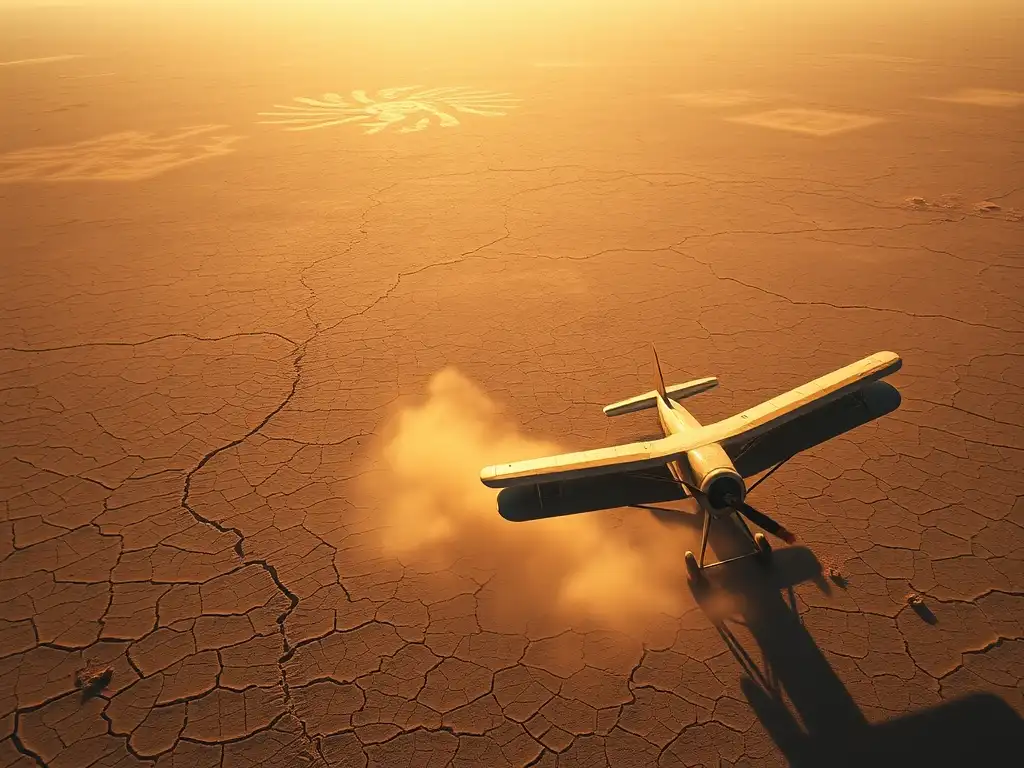
The Nazca Lines, etched into the arid plains of southern Peru, represent one of archaeology's most enduring enigmas. These colossal geoglyphs, visible only from the air, depict a bewildering array of figures: animals, plants, geometric shapes, and even humanoid forms. For centuries, their purpose has remained shrouded in mystery, sparking countless theories and fueling a fascination that continues to this day.
Understanding the Nazca Lines meaning requires examining their creation, their potential significance, and the broader context of Nazca culture. This exploration will delve into the intricate details of these enigmatic figures, attempting to shed light on their possible functions and the sophisticated knowledge of the Nazca people who created them.
The sheer scale and precision of the lines themselves point towards a highly organized society with advanced planning capabilities, far beyond what many initially assume about pre-Columbian cultures. The enduring mystery, however, is precisely what makes the Nazca Lines such a captivating subject of study, promising to continue to intrigue and challenge researchers for years to come.
Location and Discovery of the Nazca Geoglyphs
The Nazca Lines are located in the Nazca Desert of southern Peru, a vast, arid expanse characterized by its unique geological features. This hyper-arid environment, with minimal rainfall and wind erosion, has remarkably preserved the geoglyphs for centuries. The lines themselves are situated along a roughly 50-kilometer stretch of the Pampas de Jumana, a coastal plain. Their precise location, nestled within this geographically unique area, has played a significant role in both their preservation and their discovery.
The discovery of the Nazca Lines is a relatively recent event. While local populations had long been aware of their existence, it wasn't until the 1930s, with the advent of commercial air travel, that their true scale and complexity became apparent. Early aerial surveys revealed the breathtaking scope of the geoglyphs, sparking immediate international interest and initiating decades of research and speculation into their purpose.
This relatively late discovery highlights the limitations of ground-based observation in fully appreciating the magnitude of these monumental works. The sheer size of many figures meant that their true form could only be appreciated from a significant altitude. This fact alone emphasizes the advanced planning and coordination required for their creation.
The Scale and Complexity of the Nazca Lines
The sheer scale of the Nazca Lines is breathtaking. Many of the animal figures stretch for hundreds of meters, requiring immense planning and coordination to create. For example, the hummingbird geoglyph extends over 50 meters in length, a testament to the Nazca people's ability to conceive and execute projects on a monumental scale. The complexity goes beyond mere size; the intricate details within many of the designs demonstrate a remarkable level of precision.
The lines themselves are remarkably straight, some extending for kilometers without significant deviation. This level of accuracy, achieved using rudimentary tools, is a testament to the advanced surveying techniques employed by the Nazca. The creation of these figures must have involved a significant workforce and a sophisticated understanding of geometry and spatial relationships.
Consider the intricate details of the spider geoglyph, for instance. Its numerous legs, each precisely rendered, demonstrate a meticulous attention to detail that is rarely seen in ancient art. The smooth curves and fine lines of the designs suggest a careful and deliberate process of creation. The Nazca Lines meaning is further complicated by the sheer number of figures, estimated to be in the hundreds, each unique and possessing its own distinctive characteristics.
This vast collection of figures, along with their intricate details, represents a substantial artistic and engineering feat, further enhancing the mystery surrounding their purpose. The diversity in subject matter, ranging from simple geometric shapes to complex zoomorphic and anthropomorphic representations, only adds to the complexity and intrigue of this ancient marvel. Further research is needed to fully comprehend the scope of this remarkable achievement.
Exploring the Possible Nazca Lines Meaning

The Nazca Lines, a collection of geoglyphs etched into the Peruvian desert, remain one of archaeology's greatest enigmas. While their precise purpose continues to be debated, several compelling theories attempt to decipher the Nazca Lines meaning. These theories often intertwine, suggesting a complex interplay of astronomical observation, ritualistic practices, and a deep connection to the desert's scarce resources.
This section explores some of the most prominent interpretations, examining the evidence and considering their strengths and limitations. Understanding the potential meanings behind these colossal figures requires a multifaceted approach, incorporating anthropological, astronomical, and archaeological perspectives. The enduring mystery surrounding the Nazca Lines fuels ongoing research, promising further insights into this remarkable cultural achievement.
Astronomical Significance of the Nazca Lines
One prominent theory suggests a strong correlation between the Nazca Lines and astronomical events. Many lines and figures align with solstices and equinoxes, suggesting sophisticated astronomical knowledge amongst the Nazca people. For example, some researchers believe that specific lines might have been used to track the movements of the sun, moon, and stars, possibly for agricultural purposes or religious ceremonies. The precision with which some lines align with celestial bodies is remarkable, implying advanced observation techniques and a deep understanding of celestial mechanics.
This astronomical interpretation isn't without its critics, however. Some argue that the alignments are coincidental, or that the supposed alignments are based on insufficient data. Further research, incorporating advanced astronomical modelling and a more comprehensive survey of the lines, is needed to definitively establish the extent of astronomical significance. The debate over the astronomical Nazca Lines meaning continues to be a vibrant area of research.
Nazca Lines as Ritual Pathways and Ceremonial Sites
Another compelling theory proposes that the Nazca Lines served as ritual pathways and ceremonial sites. This interpretation suggests that the lines and figures were not merely decorative but integral to religious practices and ceremonies. Evidence supporting this theory includes the discovery of artifacts and evidence of ritual activity near some of the geoglyphs.
The sheer scale of some of the figures and the effort required to create them suggests a significant investment of time and resources, further supporting the idea of a religious or ceremonial purpose. The location of some lines along natural watercourses could also indicate a connection to water rituals, vital in the arid Nazca environment.
The precise nature of these rituals remains unknown, but the evidence suggests that the Nazca Lines played a significant role in the spiritual life of the Nazca people. This perspective adds another layer to the complex Nazca Lines meaning, emphasizing the importance of ritual and ceremony in their culture.
Water and Fertility Rituals in Nazca Culture
Given the arid nature of the Nazca region, water held paramount importance for survival and prosperity. Many scholars believe the Nazca Lines meaning is intrinsically linked to water and fertility rituals. The Nazca people developed sophisticated irrigation systems to manage their scarce water resources, highlighting their deep understanding of hydrology.
The lines themselves, particularly those depicting animals associated with water or fertility (like birds and snakes), could symbolize prayers for rain or successful harvests. This interpretation aligns with the broader context of Andean cultures, where water and fertility were central themes in religious beliefs and practices. Analyzing the iconography of the figures, particularly the recurring motifs of animals and plants, provides further insights into the potential water and fertility symbolism embedded within the Nazca Lines.
The Nazca Lines meaning, therefore, might not just be a visual representation, but a powerful ritualistic expression of the Nazca people's profound dependence on and respect for water. The intricate relationship between the Nazca Lines and their water management systems remains a key area for ongoing investigation.
The immense scale and precision of the Nazca Lines suggest a highly organized society capable of mobilizing significant resources and manpower. Creating these geoglyphs wasn't a simple task; it demanded meticulous planning, coordination, and a shared understanding of the project's purpose. The lines' construction likely involved a large workforce, perhaps organized through a hierarchical system mirroring the broader Nazca social structure. This organization could have been overseen by religious leaders, elites, or a combination of both, indicating the lines' importance in maintaining social order and political power.
The effort required to create the lines could have served as a form of communal labor, reinforcing social bonds and solidifying the authority of those responsible for their creation. Evidence suggests that the Nazca society had a complex social hierarchy, with specialized craftspeople and laborers working under the direction of ruling classes. This organizational capacity is crucial to understanding the creation of the Nazca Lines, as it demonstrates the society's ability to undertake large-scale projects requiring significant coordination and control.
We can hypothesize that the creation of the lines was a carefully planned and executed endeavor, reflecting the Nazca's mastery of social engineering and political organization. Further research into Nazca settlements and societal structures could shed more light on the specific mechanisms employed to organize the construction of the geoglyphs and their role in the broader social and political landscape. The lines may have served as a visual representation of this power structure, solidifying the authority of the ruling class and reinforcing social hierarchy.
Astronomical Interpretations of the Nazca Lines
Many scholars propose that the Nazca Lines have astronomical significance, aligning with celestial events like solstices and equinoxes. Some lines and figures appear to point towards specific constellations or celestial bodies, suggesting a deep understanding of astronomy and its connection to the Nazca worldview. This interpretation links the lines to a sophisticated calendrical system, potentially used for agricultural planning or religious rituals tied to the cycles of the sun and stars.
The precision of the alignments is striking, hinting at advanced observational techniques and a strong connection between the terrestrial world and the cosmos. The possible astronomical alignments are not always easily discernible, requiring advanced surveying techniques and careful analysis of satellite imagery to fully appreciate their complexity. This astronomical interpretation suggests that the Nazca Lines were not merely artistic expressions but also served as a sophisticated astronomical observatory, reflecting the advanced knowledge and understanding of the cosmos held by the Nazca people.
This interpretation complements other theories, suggesting a multi-faceted function for the lines, blending astronomical observations with ritualistic practices and social organization. The precise alignments, however, remain a subject of ongoing debate and research, requiring further investigation to definitively confirm the astronomical interpretations. The potential connection between the Nazca Lines and astronomical events underscores the advanced knowledge and technological capabilities of this ancient civilization.
The Lines as Ritual Pathways and Ceremonial Sites
The arrangement of the Nazca Lines suggests that they may have served as pathways for ceremonial processions or pilgrimages. Several lines converge at specific points, creating a network of routes that could have been used for ritualistic purposes. These pathways might have led to significant sites, perhaps temples or ceremonial centers, where rituals were performed.
The presence of other artifacts and structures near the lines further supports this hypothesis, suggesting a connection between the geoglyphs and larger ceremonial complexes. The lines themselves, with their scale and impressive nature, could have been a powerful element in these rituals, enhancing their impact and significance. Furthermore, the creation of the lines may itself have been a ritualistic act, reinforcing social bonds and solidifying the community's connection to its deities and ancestors.
This interpretation views the lines not simply as static images, but as dynamic elements within a larger ritual landscape, integral to the religious practices of the Nazca culture. Investigating the locations of these potential convergence points and associated sites could offer further insights into the ritualistic use of the Nazca Lines. The combination of the geoglyphs with other ceremonial elements would have created a powerful and awe-inspiring environment, conducive to ritual practices and reinforcing the community's shared beliefs and values.
Deciphering the Nazca Figures: A Closer Look
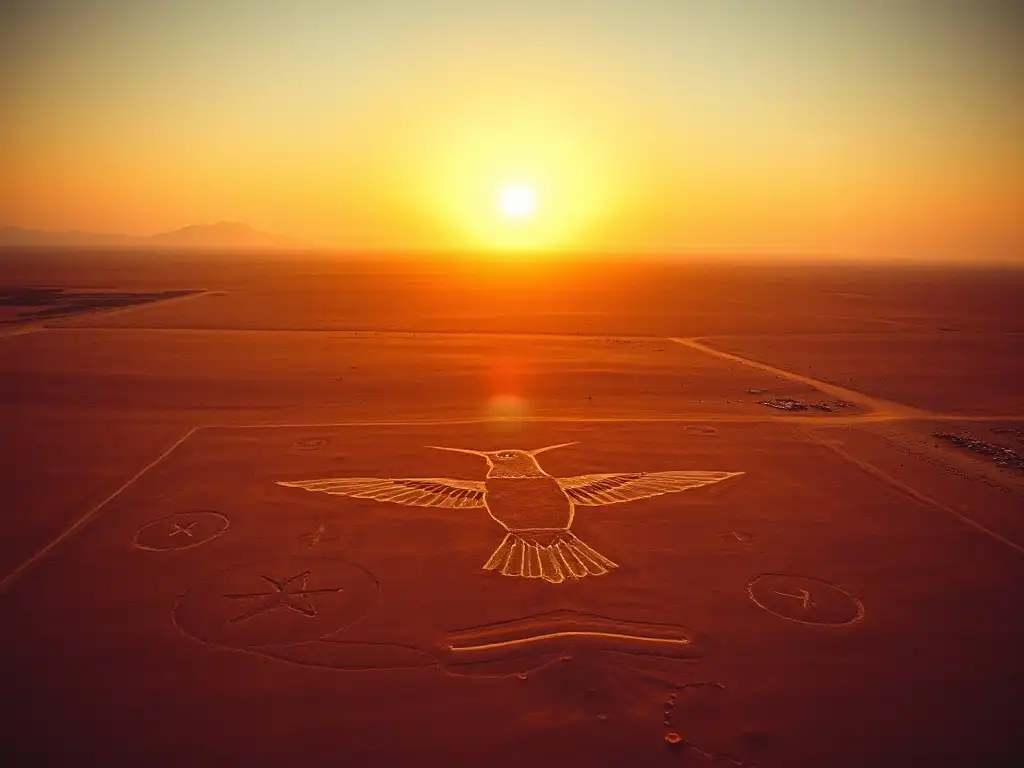
The Nazca Lines, etched into the Peruvian desert, remain one of archaeology's greatest enigmas. While their exact purpose continues to be debated, analyzing the figures themselves offers valuable insights into the Nazca worldview and cultural practices. Understanding the meaning behind these colossal geoglyphs requires a nuanced approach, considering the diverse range of representations—from intricate animal depictions to abstract geometric shapes and even humanoid figures. This section will delve into the interpretations of these various figure types, exploring the potential symbolic meanings embedded within them.
The sheer scale and precision of the Nazca Lines, combined with the limited historical records, present a unique challenge for researchers. However, through careful observation and interdisciplinary collaboration, we can begin to unravel the secrets hidden within these ancient masterpieces. The study of the Nazca Lines meaning continues to evolve as new technologies and analytical methods are employed.
Animal Representations: Symbolic Meanings
Animal figures constitute a significant portion of the Nazca Lines. These aren't simply realistic representations; rather, they often appear stylized and imbued with symbolic significance. Many depict animals native to the Nazca region, such as hummingbirds, monkeys, spiders, lizards, and various birds. The prevalence of these specific animals suggests a close connection to the Nazca people's environment and their understanding of the natural world.
For example, the hummingbird, a creature associated with speed and agility, might symbolize swiftness, communication, or even the spiritual realm. The spider, a creature often associated with weaving and creation, could represent the intricate network of life or the skillful craftsmanship of the Nazca artisans. The interpretation of these animal representations is often multifaceted, drawing upon anthropological studies of Andean symbolism and iconography, as well as comparative analysis of other pre-Columbian art forms.
Further research into the specific behaviors and cultural associations of these animals within Nazca society is crucial to fully understanding their symbolic weight within the geoglyphs. Detailed analysis of their postures and the surrounding lines could reveal even more subtle nuances in their meaning. The meticulous detail in some of these animal figures, for example the realistic depiction of feathers on the hummingbird, highlights the advanced artistic skills of the Nazca culture.
Geometric Shapes and Their Interpretations
Beyond the zoomorphic figures, the Nazca Lines also feature a significant number of geometric shapes. These include triangles, trapezoids, spirals, and lines of varying lengths and orientations. Unlike the animal figures, the meaning of these geometric shapes is even more elusive. Some theories suggest they may represent astronomical alignments, perhaps reflecting a sophisticated understanding of celestial movements and cycles. Others propose that these shapes are related to ritual practices, serving as pathways or markers for ceremonies. The precise arrangement and spatial relationships between these shapes and other figures remain a subject of ongoing investigation.
The complexity of some geometric designs, particularly the elaborate spirals, suggests a level of mathematical understanding beyond simple surveying techniques. The precise execution of these shapes, considering the limitations of the tools available to the Nazca, is a testament to their engineering prowess. Analyzing the relationship between these geometric forms and the surrounding landscape, as well as the broader context of Nazca cosmology, may provide clues to their function and meaning.
The use of advanced surveying techniques, including the alignment of lines with astronomical events, remains a topic of much debate and research. The potential link between the geometric shapes and the Nazca's understanding of water management systems is also worth investigating.
Humanoid Figures and Their Significance
Humanoid figures are less common than animal or geometric representations in the Nazca Lines, adding to their mystery. The few examples that exist are often stylized and lack the detail found in the animal depictions. These figures, often depicted in simple lines, raise questions about their role within the larger context of the geoglyphs. Were they representations of deities, ancestors, or perhaps even shamans? Their relatively small number compared to the other types of figures suggests a specific and potentially highly significant role.
The limited number of humanoid figures makes definitive conclusions difficult. Further research is needed to determine whether these figures represent specific individuals or social groups within Nazca society. The absence of detailed features, unlike the meticulously rendered animals, could indicate a different symbolic function or a deliberate choice to emphasize certain aspects of the human form.
The potential connection between these humanoid figures and other aspects of Nazca culture, such as their religious beliefs or social structures, requires further investigation. Perhaps a more detailed study of the surrounding landscape and other artifacts from the Nazca culture might provide valuable contextual information. The ongoing research into the Nazca Lines meaning promises to shed more light on these enigmatic figures in the future.
The Nazca Spider, Monkey, and Hummingbird: Detailed Analysis
The Nazca Lines' most iconic figures often spark intense debate regarding their purpose and meaning. Among the most captivating are the colossal representations of animals, including the spider, monkey, and hummingbird. These figures, far larger than any human creation of the time, present unique challenges to interpretation. Their sheer scale necessitates a multi-faceted approach to understanding their potential significance. Analysis must consider not only the visual representation itself but also the context within the broader Nazca Lines complex and the cultural practices of the Nazca people.
The Nazca spider, for example, is a striking image. Its eight legs splay outwards in a characteristic pattern, and its body is proportionally large, suggesting a specific type of arachnid prevalent in the region at the time. Some scholars propose a connection to a specific deity or mythological figure associated with fertility or the underworld.
Others suggest it may represent a shamanic archetype, given the significance of spiders in Andean mythology and their frequent association with weaving, a crucial craft for the Nazca. Detailed studies of the surrounding geoglyphs might offer further clues, revealing possible interactions or relationships between the spider figure and other nearby designs. The precise species of spider depicted, however, remains a subject of ongoing research.
Further analysis of the soil composition and the techniques used to create the geoglyph could reveal additional information about the time period and the methods employed during its construction. This could help refine our understanding of the cultural context of the creation of this particular geoglyph.
The Nazca monkey, another captivating figure, presents a similarly complex puzzle. Its posture, facial features, and the level of detail in its depiction all contribute to its unique character. The stylistic representation of the monkey differs from other depictions of primates found in Nazca artifacts, suggesting a potential symbolic distinction. Perhaps it represents a specific species of monkey found locally, or perhaps it holds a more significant symbolic meaning within the broader context of Nazca cosmology.
The orientation of the monkey relative to other geoglyphs, its proximity to water sources, and its possible association with other animal figures could provide valuable insight into its intended meaning. Analysis of similar monkey representations in other Nazca art forms, such as pottery and textiles, could help to shed further light on this particular figure. The careful examination of these additional sources could reveal subtle variations in style and symbolic meaning.
Finally, the hummingbird, known for its remarkable agility and vibrant colours, is a particularly noteworthy geoglyph. The hummingbird's depiction showcases its delicate features with surprising accuracy, given the immense scale of the figure. Its association with speed, grace, and the spirit world in many Andean cultures suggests a possible symbolic link to these concepts.
The hummingbird's unique flight pattern, its capacity for hovering, and its nectar-feeding habits could have resonated deeply with the Nazca, holding significant spiritual or ritualistic importance. The location of the hummingbird geoglyph within the broader landscape, its proximity to other figures, and any potential alignments with astronomical events are all important considerations in deciphering its meaning.
Further research into the specific species of hummingbird depicted, and its ecological role within the Nazca environment, could provide important contextual clues. The meticulous study of these details could help us to uncover the deeper cultural significance of this fascinating creature.
Theories and Interpretations of the Nazca Lines
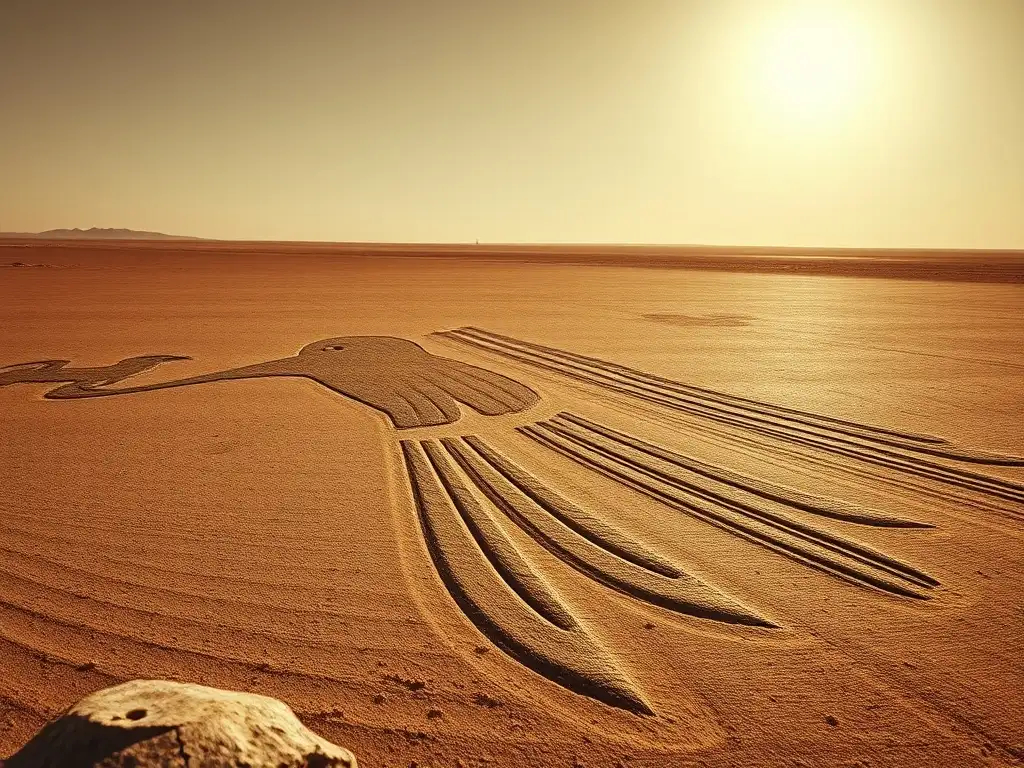
The Nazca Lines, sprawling geoglyphs etched into the Peruvian desert, continue to fascinate and puzzle researchers. Their sheer scale, intricate detail, and enigmatic nature have spawned countless theories attempting to decipher their meaning. While a definitive answer remains elusive, several compelling hypotheses attempt to explain the purpose and significance of these remarkable creations. Understanding these interpretations offers a deeper appreciation for the ingenuity and potential worldview of the Nazca culture, enriching our understanding of "Nazca Lines meaning."
The Calendar Theory: Nazca Lines as an Agricultural Tool
One prominent theory proposes that the Nazca Lines served as a sophisticated astronomical calendar, intricately linked to the agricultural cycle of the Nazca people. This hypothesis suggests that certain lines and figures align with celestial events, such as solstices and equinoxes. By observing the sun's position relative to specific geoglyphs, the Nazca could potentially predict crucial times for planting and harvesting, maximizing crop yields in the arid desert environment.
This theory gains credence from the precision of the lines and the apparent astronomical alignments identified by researchers. For example, some researchers have suggested that the hummingbird geoglyph might mark a specific point on the winter solstice sunrise. Further research is needed to definitively correlate all the lines to specific astronomical events, however, the potential link between the lines and agricultural practices offers a compelling explanation for their creation and purpose.
Detailed analysis of the geoglyphs' orientation in relation to the sun's path throughout the year is crucial to further validate this "Nazca Lines meaning" theory. The potential for further discoveries using modern astronomical tools and techniques remains high.
The Shamanic Flight Theory: Altered States of Consciousness
Another intriguing theory posits that the Nazca Lines were integral to shamanic rituals and practices involving altered states of consciousness. This hypothesis suggests that the lines were not simply observed from the ground, but were also experienced from above, perhaps during ritual flights. Some speculate that the Nazca used hallucinogenic substances to induce altered perceptions, enabling them to "fly" symbolically over the landscape and interact with the geoglyphs in a transcendent manner.
This theory draws parallels between Nazca iconography and shamanic practices documented in other Andean cultures. The depiction of stylized animals and human figures, often associated with mythical creatures and supernatural beings, strengthens this interpretation. Moreover, the immense scale of the lines could have served to amplify the ritualistic experience, creating a powerful and awe-inspiring environment for shamanic practices.
The precise "Nazca Lines meaning" in this context might involve communication with the spirit world or achieving a heightened state of spiritual awareness. While evidence remains largely circumstantial, the possibility of such ritualistic use adds another layer to the mystery surrounding these enigmatic figures.
The Textile Connection: Nazca Lines as Large-Scale Designs
A more recent theory connects the Nazca Lines to the intricate textile designs characteristic of the Nazca culture. Researchers have noted striking similarities between the motifs and patterns found in Nazca textiles and those depicted in the geoglyphs. This suggests that the lines might represent a monumental extension of the artistic and symbolic language expressed in their woven fabrics.
This theory proposes that the lines served as a large-scale canvas for expressing complex social, religious, and cosmological beliefs. The repetition of certain motifs across both textiles and geoglyphs supports this interpretation. For example, the frequent appearance of stylized birds, reptiles, and plants in both mediums suggests a consistent symbolic system.
This theory offers a different perspective on "Nazca Lines meaning," suggesting that the lines were not solely intended for astronomical observation or shamanic rituals, but also served as a powerful visual representation of Nazca identity and worldview. Further comparative studies of Nazca textiles and the geoglyphs are crucial to solidify this fascinating hypothesis. The potential for uncovering hidden correlations and deeper meanings through this approach is significant.
The Extraterrestrial Hypothesis
The most sensational, and arguably the most popular, theory surrounding the Nazca Lines posits an extraterrestrial origin. This hypothesis suggests that the lines, given their immense scale and apparent lack of practical purpose readily apparent to terrestrial observers, could only have been created by beings with advanced technology and a perspective beyond human comprehension. Proponents point to the precision and complexity of the geoglyphs, arguing that such accuracy would be impossible to achieve without aerial assistance, a technology unavailable to the Nazca people. The vastness of the figures, only truly appreciated from a significant altitude, further fuels this speculation.
The argument often hinges on the idea that the lines served as some form of landing strip or communication system for extraterrestrial visitors, although concrete evidence supporting this remains elusive. Critics, however, point to the lack of any other corroborating evidence of extraterrestrial contact in the Nazca region or elsewhere, and highlight the possibility of terrestrial explanations that remain unexplored or underappreciated. The captivating nature of this theory, however, continues to draw significant public interest, solidifying its place in popular discourse surrounding the Nazca Lines, even if lacking rigorous scientific backing.
The enduring mystery surrounding their creation continues to fuel speculation, making the extraterrestrial hypothesis a compelling, though ultimately unproven, explanation for the Nazca Lines meaning. The sheer scale of the figures, stretching for kilometers across the desert landscape, undoubtedly contributes to the allure of this theory, leading many to believe that only advanced technology could have created such a feat. This idea, while exciting, remains firmly within the realm of speculation until further, more conclusive evidence emerges.
Preservation and Future of the Nazca Lines
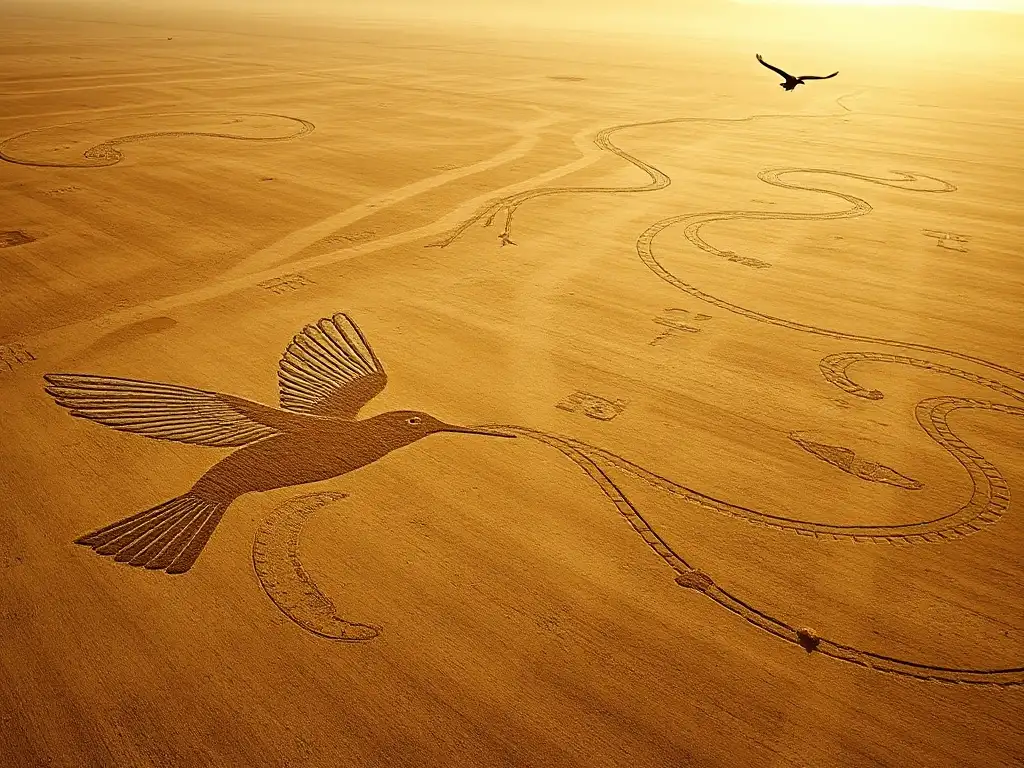
The Nazca Lines, a remarkable testament to the ingenuity and artistry of the Nazca culture, face significant challenges to their long-term survival. Understanding these threats and implementing effective preservation strategies are crucial to ensuring these iconic geoglyphs remain visible for future generations to appreciate and study. The ongoing research into their meaning and creation is equally important to fully grasp the cultural significance of this unique Andean heritage. This section will explore the current threats, ongoing conservation efforts, and promising avenues for future research.
Threats to the Nazca Lines: Erosion and Human Impact
The Nazca Lines, etched into the desert surface, are surprisingly vulnerable. Natural processes like wind erosion and occasional flash floods gradually wear away the surface, subtly altering the lines over time. The arid climate of the Nazca desert, while generally protective, can be unpredictable. Intense rainfall events can cause significant damage, washing away exposed surface material and blurring the delicate lines.
Furthermore, human impact poses a considerable threat. Illegal access to the protected area, often involving off-road driving, directly damages the geoglyphs. Foot traffic, even in designated areas, can contribute to erosion over time. Construction projects and agricultural activities near the site also pose indirect threats through soil disturbance and altered water runoff patterns.
For example, the construction of the Pan-American Highway near the Nazca Lines caused significant disruption to the fragile desert ecosystem, and its long-term effects are still being assessed. Precise data on the rate of erosion and the extent of damage caused by human activity is still being collected and analyzed, but the need for stringent protection measures is undeniable. The delicate balance of this unique environment needs careful monitoring and proactive intervention to mitigate these threats effectively.
Conservation Efforts and Protection Strategies
Recognizing the fragility and importance of the Nazca Lines, various conservation efforts are underway. These initiatives focus on several key strategies: Firstly, stricter regulations and enforcement against unauthorized access and activities within the protected area are paramount. This includes improved surveillance and increased penalties for violations. Secondly, sustainable tourism practices are being promoted, with an emphasis on educating visitors about the fragility of the site and encouraging responsible behavior.
This includes the development of designated viewing areas and the use of guided tours that minimize environmental impact. Thirdly, research efforts are focused on understanding the processes of erosion and developing effective mitigation techniques. This involves advanced surveying technologies, soil stabilization methods, and the development of protective barriers where necessary.
Furthermore, international collaboration plays a vital role, with organizations and experts from around the world contributing their expertise and resources to conservation projects. The successful long-term preservation of the Nazca Lines requires a multi-faceted approach, combining technological advancements, effective regulations, and a commitment to responsible tourism. The ongoing challenge is to balance the desire to share this incredible cultural heritage with the need to protect it for future generations.
Future Research and Exploration of the Nazca Geoglyphs
Despite decades of research, many mysteries surrounding the Nazca Lines remain. Future research will likely focus on several key areas: Firstly, more sophisticated imaging and remote sensing technologies can reveal further details about the geoglyphs, uncovering hidden figures or providing insights into their construction techniques. This could involve using drones equipped with high-resolution cameras, LiDAR scanning, or even satellite imagery analysis.
Secondly, further archaeological investigations in the surrounding areas could shed light on the social and cultural context of the Nazca Lines. This could involve excavations to discover settlements, workshops, or other artifacts that can help understand the purpose and meaning of the geoglyphs. Thirdly, the use of advanced dating techniques can help refine our understanding of the creation timeline of the lines, providing a more precise chronological sequence for their development.
This could involve radiocarbon dating of organic material found near the geoglyphs, or other geological dating methods. The continued exploration and study of the Nazca Lines promises exciting discoveries, gradually unraveling the secrets of this ancient Andean enigma and enhancing our appreciation for its cultural significance. The combination of technological advancements and archaeological investigation presents a promising future for understanding these remarkable geoglyphs.
The Legacy of the Nazca Lines: Concluding Thoughts
The Nazca Lines, sprawling across the Peruvian desert, stand as a testament to the ingenuity and artistic expression of the Nazca culture. Their creation, spanning centuries, presents a fascinating case study in ancient engineering, societal organization, and religious belief. Understanding their meaning, however, remains a complex and ongoing endeavor, fueled by ongoing research and interpretations.
While definitive answers may forever elude us, the very act of deciphering these enigmatic figures enriches our understanding of the Nazca people and their place within the broader tapestry of Andean civilization. The enduring mystery surrounding the Nazca Lines meaning continues to captivate archaeologists, historians, and the public alike, driving further exploration and investigation. The lines themselves are a powerful symbol, demonstrating the lasting impact of this remarkable culture.
The Enduring Enigma of Nazca Art
The Nazca Lines are not merely geoglyphs; they represent a sophisticated form of artistic expression deeply intertwined with the cosmology and worldview of the Nazca people. The precision and scale of these figures, some stretching hundreds of meters, are astonishing. The intricate details in some designs, such as the hummingbird or the monkey, suggest a level of planning and execution that speaks to a highly organized society.
The choice of figures themselves – animals, plants, geometric shapes – likely held profound symbolic meaning, possibly relating to religious rituals, astronomical observations, or water management practices. Many theories exist regarding their purpose, linking them to everything from ritualistic ceremonies to astronomical calendars. However, the lack of written records from the Nazca civilization leaves much to interpretation.
Further research, including advanced imaging techniques and analysis of the surrounding landscape, may one day shed more light on the artistic intent behind these remarkable creations. The very essence of the Nazca Lines meaning lies in the ongoing quest to understand the cultural and spiritual context of their creation. The debate continues, making the mystery all the more alluring.
Nazca Culture's Contribution to Andean History
The Nazca Lines represent a significant contribution to the broader history of Andean civilizations. They offer a unique glimpse into the technological capabilities, artistic sensibilities, and societal structures of a culture that flourished in a challenging desert environment. Their sophisticated irrigation systems, evidenced by the puquios (underground water channels), demonstrate an impressive mastery of water management, essential for survival in the arid landscape. The Nazca's expertise in ceramics, textiles, and metalwork also contributed significantly to the artistic and technological advancements of the Andean region.
Their contributions are often overshadowed by the later Inca Empire, but the Nazca civilization laid crucial groundwork for subsequent Andean cultures. Their innovative techniques and artistic styles influenced succeeding generations, demonstrating a significant legacy within the wider context of Andean history. The Nazca Lines meaning is therefore inextricably linked to the understanding of this remarkable civilization's place in the broader Andean narrative.
The Importance of Preserving the Nazca Lines for Future Generations
The preservation of the Nazca Lines is of paramount importance. These fragile geoglyphs are vulnerable to the elements, erosion, and human activity. The impact of climate change, particularly increased rainfall and wind erosion, poses a significant threat. Furthermore, uncontrolled tourism and off-road driving can damage the delicate lines.
Therefore, concerted efforts are crucial to ensure their long-term survival. These efforts include sustainable tourism practices, stricter regulations on access, and ongoing monitoring and conservation initiatives. The Nazca Lines are a priceless part of world heritage, representing a unique cultural and historical legacy. Their preservation is not only essential for understanding the past but also for inspiring future generations.
The ultimate Nazca Lines meaning lies in their enduring power to connect us to a rich past and inspire us to protect it for the future. Protecting this site ensures that the enigma of the Nazca Lines continues to fascinate and inspire for centuries to come. The lines are a shared heritage and their preservation is a global responsibility.
Frequently Asked Questions
What are the Nazca Lines?
The Nazca Lines are geoglyphs—large designs etched into the ground—located in the Nazca Desert of Peru. They depict various animals, plants, and geometric shapes, and their creation remains a mystery. They are best viewed from the air.
What is the most popular theory about the meaning of the Nazca Lines?
While no single theory is universally accepted, a prominent hypothesis suggests the lines served as a ceremonial or ritualistic purpose, possibly related to water and fertility in the arid desert environment.
When were the Nazca Lines created?
The Nazca Lines were created over several centuries, between 500 BC and 500 AD, by the Nazca culture. Precise dating continues to be refined through ongoing research.
How were the Nazca Lines created?
The Nazca people created the lines by removing the dark reddish pebbles and exposing the lighter subsoil, creating a contrast that makes the designs visible. The immense scale and precision are still remarkable.
Why are the Nazca Lines so significant?
The Nazca Lines are significant due to their scale, complexity, and enduring mystery. They represent a remarkable feat of engineering and artistry, and their purpose continues to fascinate and inspire researchers and visitors alike. They are a UNESCO World Heritage Site.
Final Reflection: Deciphering the Enigma of the Nazca Lines
The enduring mystery of the Nazca Lines continues to resonate today, a powerful testament to humanity's enduring quest for meaning and connection with the past. These colossal geoglyphs, etched into the Peruvian desert millennia ago, challenge our understanding of ancient civilizations and their capacity for monumental creation. Their very existence sparks a fundamental question: what drives a culture to undertake such an ambitious and seemingly inexplicable project?
The impact of the Nazca Lines extends far beyond the arid landscape of southern Peru; they represent a profound reflection on our own relationship with history and the enduring power of artistic expression. Their continued study forces us to confront our own biases and assumptions about ancient cultures, reminding us that there is always more to discover. The past is never dead. It's not even past.
– William Faulkner. This quote perfectly encapsulates the ongoing relevance of the Nazca Lines, as their secrets continue to be unearthed and reinterpreted by each generation. Their enduring mystery compels us to question our own understanding of the past and the motivations behind human actions.
Consider the scale of the undertaking, the dedication required, and the enduring legacy of these enigmatic figures. What can we learn from the Nazca people's commitment to their vision? What enduring messages are they trying to convey to us across the vast expanse of time?
I urge you, dear reader, to reflect on the profound implications of the Nazca Lines. Let their enigmatic presence inspire you to seek deeper meaning in the world around you, to appreciate the enduring power of human creativity, and to embrace the ongoing quest for knowledge and understanding. Let the mystery of the Nazca Lines fuel your own curiosity and inspire you to explore the hidden meanings in your own life and the world at large.
Unveil the Secrets of the Nazca Lines!
Thank you for joining us on this journey into the captivating world of the Nazca Lines! We hope you're inspired by the rich tapestry of meanings behind these monumental geoglyphs. To further deepen your understanding and share the wonder of the Nazca Lines, consider these suggestions:
- Explore further: Delve into the latest research and documentaries to uncover even more fascinating interpretations of these ancient mysteries. You might discover your new favorite documentary with a simple online search!
- Share your discoveries: Engage in conversations with friends, family, or online communities about what you've learned. Share this article, or create a post inviting others to discuss their own theories and appreciation for these incredible works of art.
- Plan a visit: For the adventurous, a trip to Peru to witness the Nazca Lines firsthand is an unforgettable experience. Imagine seeing these historical wonders up close!
What mysteries do you believe still lie hidden beneath the sands of Nazca? Let's discuss in the comments!