
The Surviving Elements of Inca Religion in Modern Andean Culture

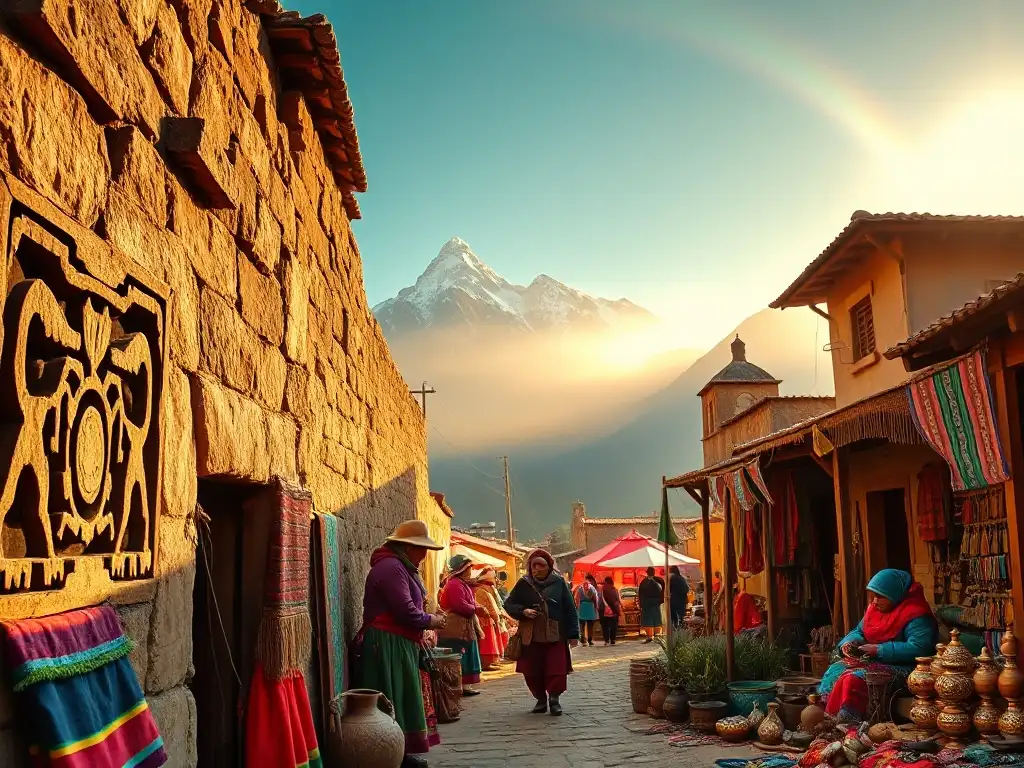
Dive into the enigmatic world of the Andes! For centuries, the echoes of ancient empires have resonated through the mountains, shaping the vibrant cultures we see today. But how much of the Inca religion persists in modern Andean life? Uncover the surprising ways Inca beliefs continue to influence traditions, shaping the landscape and the very soul of the region. Prepare to be amazed by the enduring legacy of the Inca, and the threads that connect their past to the present in our exploration of " Inca religion influence modern Andean culture".
- The Enduring Legacy: Inca Religion Influence on Modern Andean Culture
- The Influence of Inca Deities in Contemporary Andean Beliefs
- Surviving Inca Rituals and Ceremonies in Present-Day Andes
- Inca Cosmovision and Its Impact on Andean Worldview
- Transformations and Adaptations of Inca Religion
- The Significance of Inca Religious Heritage for Andean Identity
-
Frequently Asked Questions
- How did Inca religion influence modern Andean culture?
- What are some surviving Inca religious practices in modern Andean communities?
- Did the Spanish conquest completely erase Inca religious beliefs?
- What role does Pachamama play in modern Andean culture's connection to Inca religion?
- How does the study of Inca religion help us understand modern Andean culture?
- Final Reflection: Echoes of the Sun God in the Andes Today
- Embrace the Wisdom of the Ancients Today!
The Enduring Legacy: Inca Religion Influence on Modern Andean Culture
The Inca Empire, a civilization that once dominated the Andes Mountains, left behind a legacy far beyond its impressive architecture and sophisticated engineering. Its religious beliefs, a complex tapestry woven from nature worship, ancestor veneration, and a powerful imperial ideology, continue to resonate deeply within the modern Andean culture.
This article explores the surviving elements of Inca religion, examining how these ancient practices and beliefs have shaped and continue to inform the spiritual and cultural landscape of the Andes today. We will delve into core Inca religious concepts and trace their evolution and adaptation throughout the centuries, demonstrating the profound and lasting influence of Inca religion on the modern Andean world.
Understanding this connection provides crucial insight into the rich tapestry of Andean identity and the enduring power of cultural memory. The impact of Inca religious practices is not merely historical; it's a living, breathing aspect of contemporary Andean life, influencing everything from daily rituals to major festivals.
Introduction: Tracing the Echoes of Inca Beliefs
The Inca religion, far from being a relic of the past, subtly yet powerfully permeates various aspects of modern Andean life. While the formal structure of the Inca state religion collapsed with the Spanish conquest, its fundamental elements—the reverence for nature (especially mountains, apus, and rivers), the significance of ancestors, and the belief in a complex cosmology—found new expressions and adaptations within the syncretic religious practices prevalent today. This wasn't a simple replacement; rather, a complex process of blending and reinterpretation occurred.
Indigenous beliefs adapted to incorporate elements of Catholicism, resulting in a vibrant and unique spiritual landscape. The persistence of Inca religious influence is not simply a matter of tradition; it's a testament to the resilience of Andean culture and its ability to integrate ancient beliefs into a constantly evolving context. We will explore this cultural fusion, examining specific examples of how Inca religious concepts manifest in contemporary Andean society.
For example, the veneration of apus continues in many communities, albeit often intertwined with Catholic saints. This highlights the dynamic nature of cultural preservation and the enduring power of Inca religious ideas.
Core Inca Religious Concepts and Their Persistence
Several core concepts from Inca religion have demonstrably survived and adapted in modern Andean culture. These include:
- Apus (Mountain Gods): The Inca's deep reverence for apus, considered sacred mountains embodying powerful spirits, remains a central tenet in many Andean communities. While the specific rituals may have changed, the fundamental respect and offerings to these mountains persist. Many Andean communities still perform pagos (offerings) to appease the apus and ensure a good harvest or protection from natural disasters. These pagos often involve coca leaves, alcohol, and other symbolic gifts.
- Ancestor Veneration: The Inca placed immense importance on ancestor veneration, believing that the spirits of their ancestors continued to influence the living. This practice continues today, with families performing rituals and making offerings to honor deceased relatives. This is often intertwined with Catholic traditions, with prayers and masses held in conjunction with indigenous rituals.
- The Role of the Mamacocha (Mother of Water): The Mamacocha, the goddess of the sea and lakes, plays a crucial role in Inca mythology. This reverence for water sources persists, with many communities still performing rituals to ensure clean water and abundant rainfall. The Mamacocha is often linked to Catholic figures like the Virgin Mary, reflecting the syncretic nature of Andean religious practice.
- Cosmology and the Pachamama (Earth Mother): The Inca worldview was deeply connected to the cosmos and the Pachamama, the Earth Mother. This connection to nature and the cyclical rhythms of life continues to shape Andean agricultural practices and spiritual beliefs. The celebration of the Pachamama through festivals and offerings remains a central aspect of many Andean communities' religious life, illustrating the enduring power of this ancient cosmology.
The persistence of these core concepts demonstrates the profound and lasting influence of Inca religion on modern Andean culture. It's a testament to the enduring power of indigenous beliefs and their ability to adapt and evolve within a changing world. The blending of Inca traditions with Catholicism is not a sign of cultural loss, but rather a creative process of cultural preservation and adaptation, resulting in a rich and unique spiritual landscape.
The Influence of Inca Deities in Contemporary Andean Beliefs
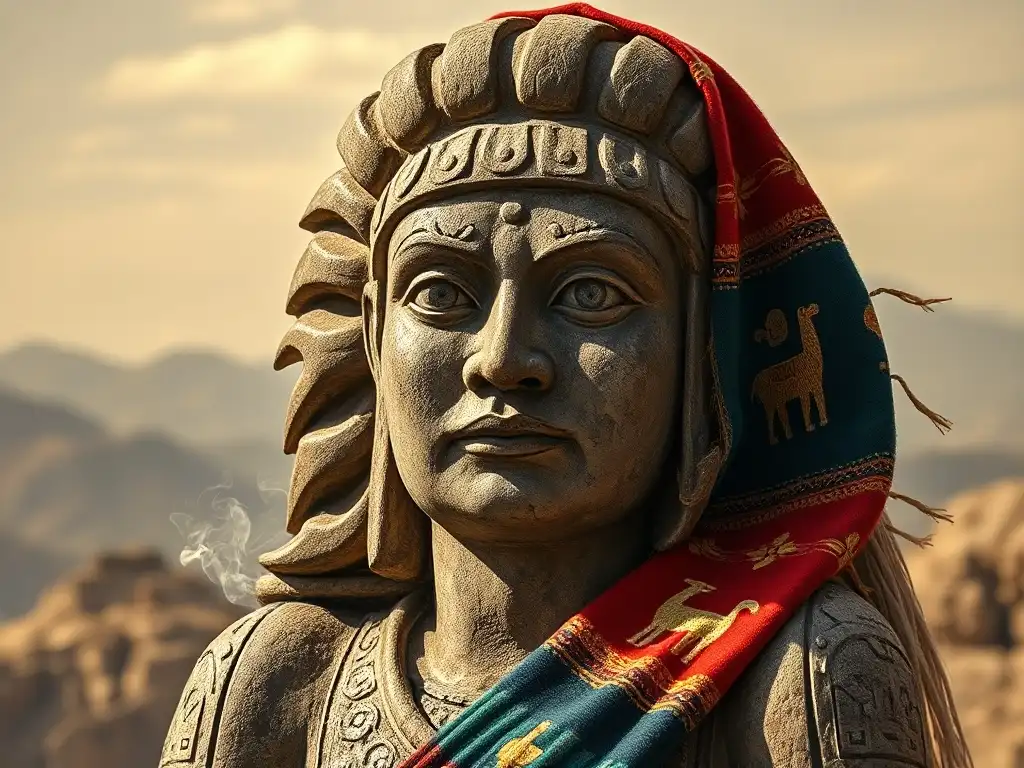
The Inca religion, a complex system of beliefs and practices centered around nature worship and ancestor veneration, left an indelible mark on the spiritual landscape of the Andes. While the Spanish conquest attempted to suppress indigenous faiths, many elements of Inca religion stubbornly persisted, subtly shaping and influencing modern Andean beliefs and practices. The enduring power of Inca deities, in particular, is evident in various contemporary practices, demonstrating the remarkable resilience of Andean cultural heritage.
This section explores the continued influence of key Inca deities on modern Andean spirituality, focusing on Inti, Pachamama, and Illapa. The enduring legacy of Inca religion showcases the deep-rooted connection between Andean people and their ancestral beliefs, providing a powerful example of cultural continuity amidst significant historical upheaval. Understanding this influence is key to comprehending the rich tapestry of modern Andean culture.
Inti, the Sun God: A Symbol of Life and Power Today
Inti, the sun god, held supreme importance in the Inca pantheon. He was considered the source of all life, power, and prosperity. His influence extended far beyond mere religious reverence; he was integral to the Inca social and political order. Even today, Inti's legacy remains potent. While the formal rituals and sacrifices of the Inca Empire are largely gone, the sun continues to hold a position of profound respect and reverence in many Andean communities.
The celebration of Inti Raymi, the Inca festival of the sun, is a powerful example of this enduring reverence. Though often adapted and syncretized with Catholic traditions, the core essence of honoring Inti—giving thanks for the sun's life-giving energy and praying for bountiful harvests—continues to resonate. Many Andean communities still perform smaller, more localized rituals acknowledging the sun's importance, often involving offerings of coca leaves, chicha (a fermented corn beverage), and prayers for good fortune.
The sun's position in the sky remains a significant factor in daily life, influencing agricultural practices and shaping the rhythm of daily activities, echoing the meticulous solar calendar used by the Incas. The sun's influence is not merely religious; it's interwoven into the fabric of daily Andean life.
The imagery of Inti, often depicted in gold and adorned with elaborate headdresses, continues to appear in modern Andean art and textiles, further demonstrating the enduring visual representation of this powerful deity. This persistent visual presence reinforces Inti's symbolic significance in contemporary Andean culture, reminding people of the continuing connection to their ancestors and their rich spiritual heritage.
Pachamama, the Earth Mother: Reverence and Offerings
Pachamama, the earth mother, represents another crucial figure whose influence permeates modern Andean culture. Representing fertility, abundance, and the interconnectedness of all living things, Pachamama was—and remains—a central figure in Andean spirituality. Unlike Inti, whose worship was largely centralized under the Inca state, Pachamama's veneration was, and continues to be, deeply rooted in local traditions and agricultural cycles.
The reverence for Pachamama manifests in various ways. Offering rituals, performed during planting and harvest seasons, are common. These offerings, often involving coca leaves, alcohol, food, and tobacco, are intended to appease Pachamama and ensure a successful harvest. The belief that Pachamama can both bestow blessings and inflict misfortune if neglected remains widespread, emphasizing the ongoing importance of maintaining a harmonious relationship with the land.
Furthermore, the concept of ayni, reciprocal exchange, is deeply intertwined with the veneration of Pachamama. This principle of mutual obligation and balance reflects the understanding that humans are part of a larger ecological system and must act responsibly to maintain its harmony. The continued emphasis on sustainable agricultural practices and respect for the natural environment in many Andean communities demonstrates the living legacy of Pachamama's influence on modern Andean values and worldview.
Illapa, the God of Thunder and Weather: Ancient Rituals, Modern Practices
Illapa, the god of thunder, lightning, and rain, held significant power in the Inca worldview. His control over the weather was crucial to agricultural success, thus making his favor essential to the Inca Empire's prosperity. The influence of Illapa continues to be felt in contemporary Andean beliefs and practices, particularly in relation to agriculture and weather forecasting.
While elaborate state-sponsored rituals dedicated to Illapa are no longer practiced, many Andean communities maintain traditions aimed at appeasing and honoring this powerful deity. These practices often involve specific prayers and offerings during times of drought or excessive rainfall. The use of traditional instruments and ceremonial dances also continues in some regions to invoke Illapa's benevolent influence and ensure a successful harvest.
The continued significance of weather patterns in shaping Andean life underscores the enduring relevance of Illapa in the region's cultural consciousness. The inherent unpredictability of weather, a constant factor in Andean agriculture, ensures that the legacy of Illapa, the powerful weather god, remains relevant and deeply ingrained in modern Andean culture. The ongoing connection highlights the deep-rooted relationship between Andean communities and the forces of nature, a connection that has persisted for centuries.
Surviving Inca Rituals and Ceremonies in Present-Day Andes
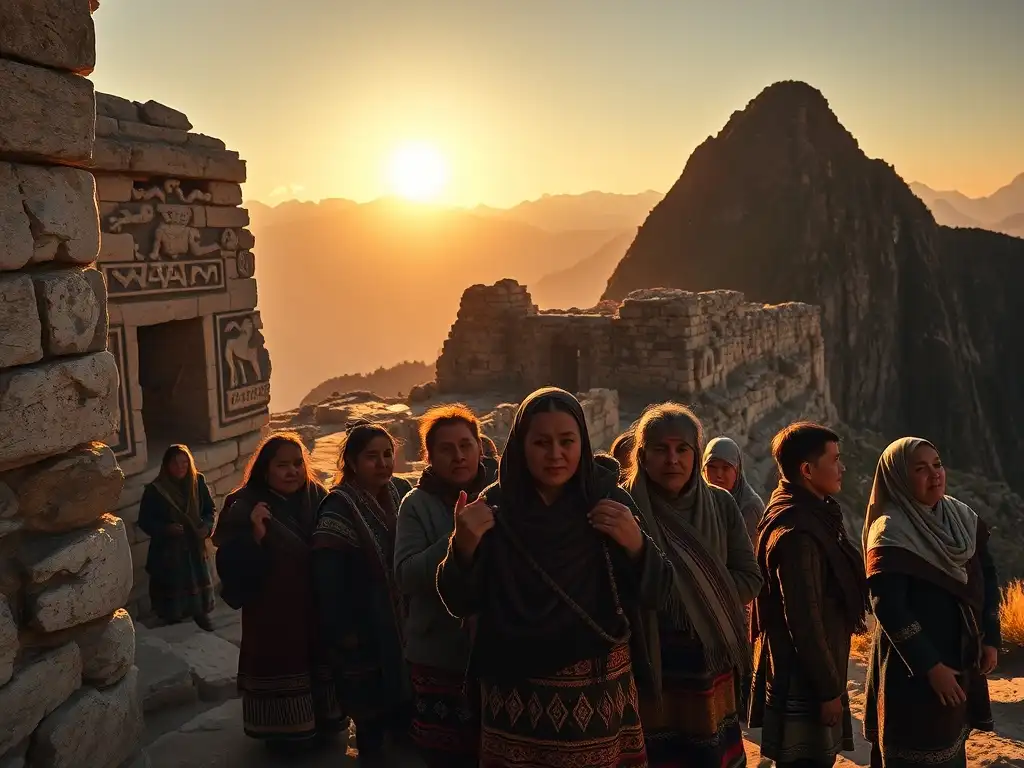
The influence of Inca religion on modern Andean culture is profound and multifaceted, extending far beyond mere historical echoes. Many rituals and ceremonies, adapted and transformed over centuries, continue to thrive in the daily lives of Andean communities. These practices demonstrate the enduring power of Inca religious beliefs and their seamless integration into the fabric of contemporary Andean society. Examining these surviving elements offers a unique lens through which to understand the continuity and evolution of Andean spiritual traditions. The persistence of these practices highlights the remarkable resilience of cultural heritage in the face of colonization and modernization.
Ayni, the principle of reciprocity and mutual exchange, formed the cornerstone of Inca social organization and religious ideology. It wasn't merely an economic system; it was a deeply ingrained spiritual practice reflecting the interconnectedness of all beings. The Inca believed that maintaining balance and harmony within the community was essential for appeasing the gods and ensuring a bountiful harvest.
This concept continues to resonate strongly in contemporary Andean communities. Farmers still exchange labor and goods with their neighbors, a practice rooted in the ancient principle of ayni. For example, during planting or harvesting seasons, communities collaborate, sharing resources and labor to ensure everyone's success.
This isn't solely driven by practical needs; it is viewed as a spiritual obligation, a way to maintain the cosmic balance and express gratitude to Pachamama (Mother Earth). The continued importance of ayni demonstrates how Inca social structures, deeply intertwined with their religious beliefs, have profoundly shaped modern Andean social dynamics. The exchange isn't just about material goods; it’s a reaffirmation of community bonds and a demonstration of respect for the interconnectedness of life, a direct legacy of Inca religious thought.
The Persistence of Offering Practices: Coca Leaves and Libations
Offering practices, central to Inca religious life, remain a vital aspect of Andean spirituality. Coca leaves, considered sacred, are still offered to apus (mountain spirits) and pachamama as a sign of respect and gratitude. These offerings aren't merely symbolic gestures; they are believed to establish a reciprocal relationship with the spiritual world, ensuring protection and prosperity.
The act of chewing coca leaves, often accompanied by prayers and blessings, continues to be a deeply spiritual experience for many Andean people. Alongside coca leaves, libations of chicha (a fermented corn beverage) are also offered during ceremonies and rituals. These libations, poured onto the earth or offered to deities, are intended to appease the spirits and maintain harmony within the natural world.
The precise rituals and offerings vary across different Andean communities, reflecting regional variations in beliefs and practices, but the core principle of offering remains consistent, demonstrating the enduring legacy of Inca religious traditions. The persistence of these practices highlights the deeply ingrained connection between Andean people and the spiritual world, a legacy directly inherited from Inca religious beliefs. The seemingly simple act of offering coca leaves or pouring chicha is, in fact, a powerful demonstration of faith and a tangible connection to ancient Inca traditions.
Traditional Music and Dance: Echoes of Inca Religious Expression
Music and dance played a crucial role in Inca religious ceremonies. These weren't simply forms of entertainment; they were vital components of rituals designed to honor deities, celebrate harvests, and commemorate important events. Many traditional Andean musical instruments, such as the panpipes and tarka, have direct lineages to Inca instruments. The melodies and rhythms of traditional Andean music often reflect ancient Inca musical styles, carrying echoes of their religious significance.
Similarly, traditional dances, performed during festivals and ceremonies, often depict stories from Inca mythology or reenact ancient rituals. These dances, accompanied by music and often involving elaborate costumes, serve as powerful expressions of Andean cultural identity and religious beliefs. The continued presence of these musical and dance traditions demonstrates the enduring influence of Inca religious expression on contemporary Andean culture.
While the specific meanings and contexts might have evolved over time, the fundamental role of music and dance in Andean spirituality remains deeply rooted in Inca religious traditions. The vibrant performance of these traditions today serves as a living testament to the enduring power of Inca religious practices. The preservation of these art forms is not just a cultural endeavor; it is a living expression of faith and a connection to the rich spiritual heritage of the Inca Empire.
Inca Cosmovision and Its Impact on Andean Worldview
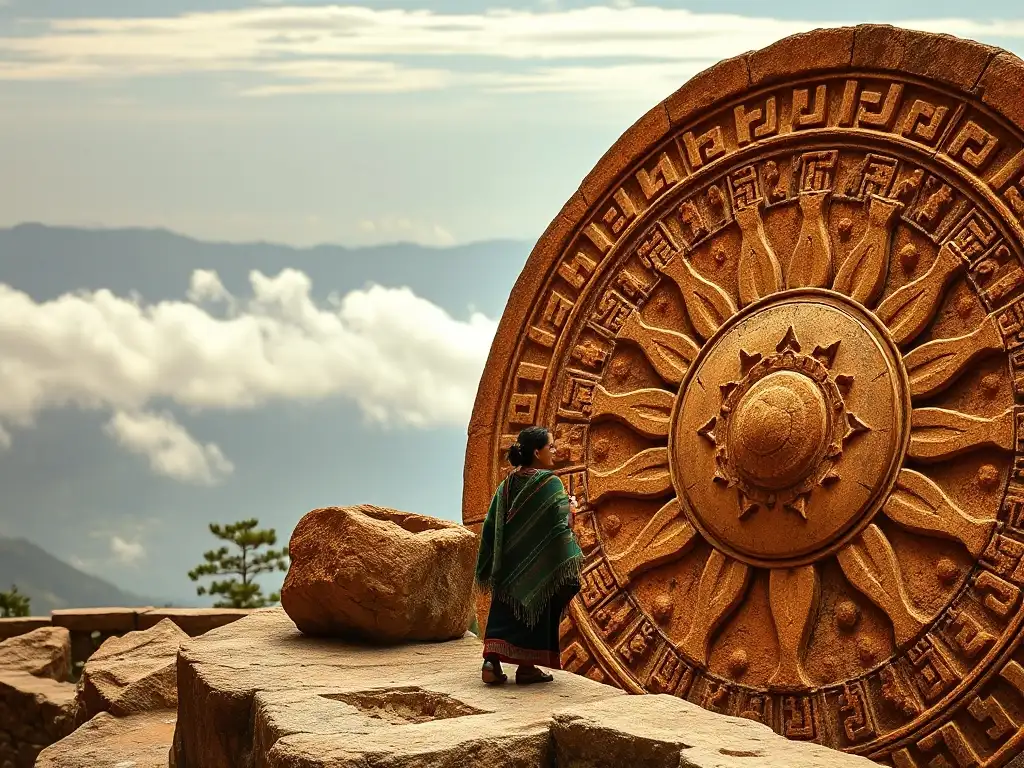
The Inca worldview, a complex tapestry woven from cosmology, ancestor veneration, and a deep connection with the natural world, continues to resonate profoundly in modern Andean culture. Understanding this enduring influence requires exploring the core tenets of Inca cosmovisión, its fundamental principles and beliefs about the universe and humanity's place within it. This deeply spiritual framework, far from being a relic of the past, informs many aspects of contemporary Andean life, from agricultural practices to healing rituals and social structures.
The Inca religion influence modern Andean culture in ways that are both subtle and strikingly apparent. The persistence of Inca religious beliefs demonstrates the remarkable resilience and adaptability of Andean spiritual traditions. Analyzing this continuity reveals much about the enduring power of cultural memory and the ways in which indigenous knowledge systems have persisted and evolved across centuries.
The Concept of Hanan Pacha, Kay Pacha, and Uku Pacha: A Tripartite Universe
The Inca concept of a three-tiered universe – Hanan Pacha (the upper world), Kay Pacha (the earthly world), and Uku Pacha (the underworld) – remains a vital component of the Andean worldview. Hanan Pacha, the celestial realm, was home to the sun god Inti, the moon goddess Mama Killa, and other celestial deities. Kay Pacha, the terrestrial plane, was where human life unfolded, intertwined with the natural world.
Uku Pacha, the subterranean realm, was associated with death, ancestors, and the earth's resources. This tripartite structure wasn't merely a geographical division; it represented a dynamic interplay of forces impacting all aspects of life.
Modern Andean communities continue to acknowledge this cosmological framework. For example, agricultural practices often reflect the cyclical nature of the universe, mirroring the movement of the sun and the earth's seasons. Festivals and rituals throughout the year mark significant points in the agricultural calendar, echoing the Inca calendar's connection to the celestial cycles.
Furthermore, many Andean communities maintain a deep respect for the earth and its resources, reflecting the Inca understanding of Uku Pacha as a source of life and sustenance. This reverence manifests in sustainable agricultural practices and a strong sense of stewardship of the land. The continued importance of ancestor veneration further emphasizes the enduring relevance of the Inca cosmological model.
The Role of Mountains and Sacred Places: Huacas and Their Significance
Mountains held immense significance in Inca religion, viewed as powerful entities, apu, connecting the three worlds. They were not simply geographical features but sacred sites, huacas, imbued with spiritual power. These huacas weren't limited to mountains; they included rocks, caves, springs, and other natural formations believed to be inhabited by spirits or to possess supernatural properties. The Inca meticulously maintained these sites, offering sacrifices and conducting ceremonies to maintain their sacred power and ensure the well-being of the community. This reverence for huacas extended beyond ceremonial practices, influencing settlement patterns and resource management.
This profound respect for sacred places persists in modern Andean culture. Many communities continue to regard mountains and other natural formations as sacred spaces, engaging in rituals and offerings to maintain a harmonious relationship with the spiritual world. The concept of huacas remains deeply embedded in the cultural consciousness, shaping landscape management and community identity. The continuing importance of these sites underscores the enduring legacy of Inca religious practices and their ongoing relevance in contemporary Andean society. The integration of ancient beliefs with modern practices highlights the adaptability and resilience of Andean spiritual traditions.
The Importance of the Apus: Mountain Spirits and Guardians
The apu, mountain spirits, are powerful deities in Andean cosmology, considered protectors and guardians of the land and its people. They were believed to influence weather patterns, agricultural yields, and the overall well-being of the community. Inca rulers often sought to establish a close relationship with the apu, offering sacrifices and conducting ceremonies to appease them and ensure their favor. The apu were not merely distant deities; they were active participants in the lives of the people, their influence felt in daily life.
This belief in the apu continues to hold significant sway in modern Andean communities. Many rituals and ceremonies are still performed to honor and appease these mountain spirits, seeking their protection and blessings. The apu are integral to the Andean worldview, embodying the powerful connection between the human and spiritual realms.
Their continued importance demonstrates the enduring influence of Inca religious beliefs on contemporary Andean culture. The persistence of these beliefs highlights the complex interplay between tradition and adaptation, showcasing the resilience of Andean spiritual practices. The profound respect for the apu continues to shape the relationship between Andean communities and their environment, reflecting a deep-rooted spiritual connection to the land.
Transformations and Adaptations of Inca Religion
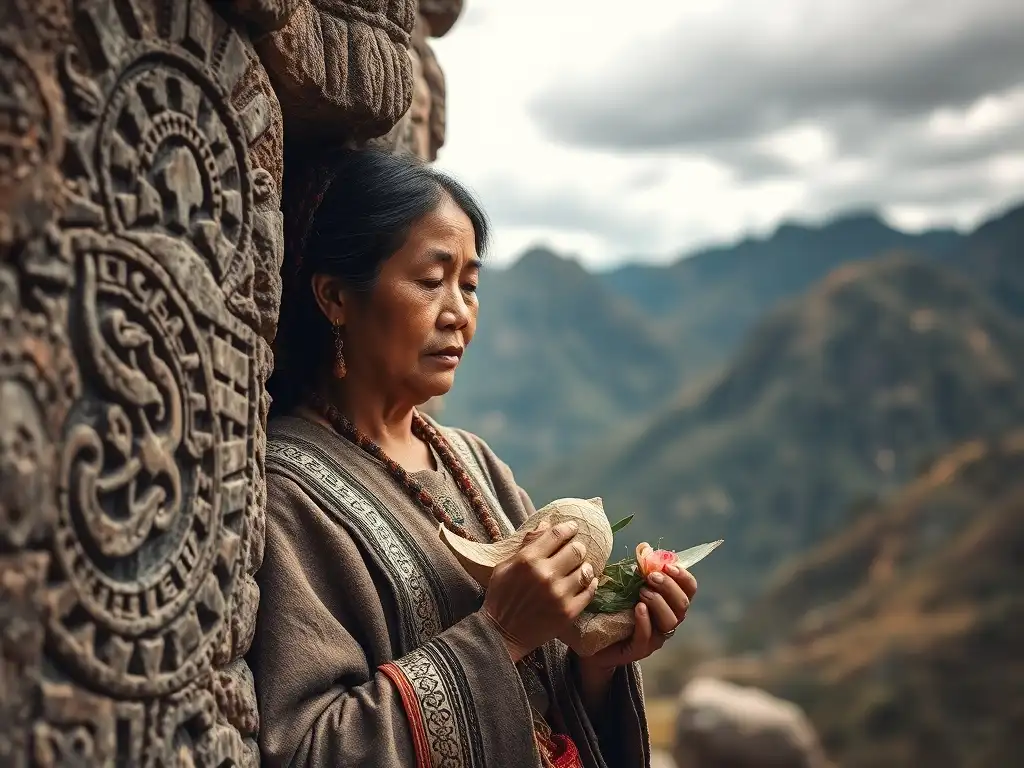
The influence of Inca religion on modern Andean culture is a complex and multifaceted phenomenon, far from a simple inheritance. While the Spanish conquest brutally suppressed many aspects of Inca religious practice, elements survived, adapting and transforming over centuries to integrate with both Catholicism and indigenous shamanistic traditions. This enduring presence demonstrates the resilience of Inca beliefs and their capacity to reshape themselves within new social and religious landscapes.
The keyword "Inca religion influence modern Andean culture" reflects the enduring power of these ancient spiritual systems. Understanding this influence requires examining the intricate processes of syncretism, the persistence of shamanistic practices, and the subtle yet significant ways Inca cosmology continues to inform daily life in the Andes.
Syncretism with Catholicism: A Blend of Traditions
The forceful imposition of Catholicism during the colonial era didn't eradicate Inca religious beliefs; instead, it spurred a process of syncretism. Indigenous populations skillfully blended Catholic practices with existing Inca traditions, creating a hybrid religious landscape. For example, the veneration of the Virgin Mary frequently overlaps with the worship of Pachamama, the Earth Mother, both seen as life-giving and nurturing deities.
Similarly, saints' days often coincide with traditional Inca festivals, incorporating elements of Inca rituals and offerings into Catholic celebrations. This syncretism isn't merely superficial; it represents a deep-seated adaptation, where Inca cosmological concepts were reinterpreted and re-expressed within the framework of Catholicism.
The blending isn't always explicit; sometimes, it's subtle, revealed in the choice of offerings, the timing of prayers, or the specific locations chosen for religious practices – all reflecting a continuity of belief systems. This careful blending allowed the preservation of core Inca religious ideas while simultaneously appeasing colonial authorities.
The persistence of certain Inca practices within the Catholic framework further demonstrates this syncretism. For instance, the use of coca leaves, a significant element in Inca rituals, continues in many Andean communities, often intertwined with Catholic prayers and blessings. This demonstrates the adaptability of Inca religious practices and their ability to coexist with, and even enrich, imported religious traditions. The integration wasn't a passive acceptance; it was an active process of negotiation and adaptation, resulting in a unique religious landscape that is distinctly Andean.
The Influence of Indigenous Shamanism: Healing and Spiritual Practices
Beyond the syncretism with Catholicism, indigenous shamanistic practices, rooted in pre-Inca traditions and further developed during the Inca Empire, continue to thrive in modern Andean culture. These practices often incorporate elements of Inca cosmology and mythology, demonstrating the ongoing influence of Inca religious thought. Yachaqs, Andean healers, maintain a crucial role in communities, employing traditional methods of healing that blend herbal remedies, spiritual cleansing, and divination techniques.
Their practices often draw upon Inca beliefs about the interconnectedness of the physical and spiritual worlds, employing rituals and ceremonies designed to restore balance and harmony. The Inca emphasis on the importance of ayni (reciprocity) and kapak (power) is reflected in these healing practices, where the healer seeks to restore balance not only within the individual but also within the community and the wider natural world.
Detailed accounts of yachaq practices often reveal specific references to Inca deities and cosmological concepts. For example, the use of specific herbs or the performance of rituals at particular times of the year may be linked to Inca beliefs about the cycles of nature and the influence of celestial bodies. This suggests that Inca religious ideas haven't simply been preserved; they've been actively integrated into contemporary healing practices, demonstrating their enduring significance. The continued prevalence of these shamanistic practices highlights the enduring power of Inca spiritual beliefs and their integration into the fabric of modern Andean life.
The Resilience of Inca Beliefs in the Face of Modernity
Despite centuries of colonization and the pressures of globalization, Inca religious beliefs demonstrate remarkable resilience. Many aspects of Inca cosmology, including the concept of Pachamama, the sacredness of mountains ( apus), and the importance of ancestral veneration, persist in contemporary Andean culture. These beliefs aren't merely relics of the past; they inform daily life, shaping social relationships, agricultural practices, and environmental stewardship.
The celebration of traditional festivals, often incorporating elements of Inca rituals and offerings, demonstrates the continued vitality of Inca religious traditions. These festivals are not merely historical reenactments; they are living expressions of faith, reaffirming the continuity of Inca religious beliefs across generations.
The ongoing relevance of Inca religious concepts is evident in the ways they are integrated into contemporary social and political movements. For instance, indigenous activists often invoke Inca symbolism and mythology to express their identity and to assert their rights. This use of Inca religious imagery and ideology in contemporary social and political contexts highlights the enduring power of Inca beliefs and their capacity to inspire and mobilize communities.
The persistence of these beliefs, despite significant historical and cultural shifts, underscores their profound and lasting influence on modern Andean culture. The continuing relevance of Inca religion shows the strength and adaptability of this ancient belief system in the face of modernity.
The Significance of Inca Religious Heritage for Andean Identity
The enduring influence of Inca religion on modern Andean culture is profound and multifaceted. It's not merely a historical curiosity; it's a living, breathing aspect of Andean identity, woven into the fabric of daily life, festivals, and spiritual beliefs. Understanding this influence requires moving beyond a simplistic view of religious conversion and acknowledging the complex syncretism that has shaped contemporary Andean spirituality.
The Inca's sophisticated cosmology, intricate rituals, and reverence for the natural world continue to resonate deeply within modern Andean communities, impacting everything from agricultural practices to artistic expression. This section will explore the specific ways in which Inca religious heritage continues to shape Andean identity, focusing on the resurgence of indigenous traditions and the ongoing role of Inca religious concepts in contemporary Andean life. The keyword, "Inca religion influence modern Andean culture," is central to this exploration.
Reclaiming Indigenous Traditions: A Movement of Cultural Pride
The late 20th and early 21st centuries have witnessed a powerful resurgence of indigenous Andean traditions, including a renewed interest in and practice of Inca religious beliefs and practices. This is not a simple revival but a conscious effort to reclaim and reinterpret cultural heritage in the face of historical oppression and assimilation. Many Andean communities are actively working to revive ancient rituals, ceremonies, and festivals, often blending them with elements of Catholicism and other belief systems.
This syncretism, far from being a dilution of Inca religious influence, represents a dynamic adaptation and a powerful assertion of cultural identity. For example, the celebration of Inti Raymi, the Inca festival honoring the sun god Inti, has experienced a significant revival, attracting thousands of participants and becoming a symbol of Andean pride and cultural resistance.
The revival isn't just about spectacle; it's about reaffirming a connection to ancestral knowledge and spiritual practices, strengthening community bonds, and fostering a sense of collective identity grounded in Inca heritage. This active reclamation demonstrates the powerful, ongoing influence of Inca religious concepts on modern Andean culture.
The Role of Inca Religion in Shaping Andean Identity Today
The influence of Inca religion extends beyond ceremonial practices. Inca cosmology, with its emphasis on the interconnectedness of the natural world and the spiritual realm, continues to inform Andean worldviews. The veneration of mountains ( apus), considered sacred entities, remains a central aspect of Andean spirituality, influencing agricultural practices, land management, and resource allocation.
Similarly, the Inca concept of ayni, reciprocal exchange and community cooperation, remains a fundamental principle underpinning social organization in many Andean communities. This principle, deeply rooted in Inca religious beliefs, fosters social cohesion and mutual support. Furthermore, traditional Andean medicine, drawing heavily on Inca knowledge of medicinal plants and healing practices, continues to thrive, demonstrating the enduring relevance of Inca religious beliefs to health and well-being.
The persistence of these practices, deeply intertwined with Inca religious heritage, underscores the enduring impact of Inca religious influence on modern Andean culture. This influence shapes not only spiritual life but also social structures, economic practices, and environmental stewardship.
Conclusion: The Enduring Spirit of Inca Beliefs
The influence of Inca religion on modern Andean culture is undeniable and far-reaching. It's not a relic of the past but a vibrant force shaping Andean identity, traditions, and spiritual practices today. The reclamation of indigenous traditions, the ongoing relevance of Inca cosmology and social principles, and the persistence of traditional practices demonstrate the enduring power of Inca religious beliefs. The syncretic nature of modern Andean spirituality, blending Inca traditions with other influences, represents a dynamic and resilient adaptation, a testament to the enduring spirit of Inca beliefs and their continued significance in shaping the cultural landscape of the Andes. The ongoing study of this complex interplay continues to reveal the depth and breadth of the "Inca religion influence modern Andean culture." Further research is needed to fully understand the nuanced ways in which Inca religious heritage continues to inform contemporary Andean life.
Frequently Asked Questions
How did Inca religion influence modern Andean culture?
Inca religious practices, particularly the worship of nature, ancestor veneration, and ceremonial rituals, continue to shape modern Andean spiritual beliefs and practices. Many traditions, though adapted, persist in contemporary Andean communities.
What are some surviving Inca religious practices in modern Andean communities?
Many Andean communities still celebrate Inca festivals adapted to Christianity, incorporating elements like Pachamama worship (Mother Earth) and offerings to mountains and other natural elements. Traditional healing practices and beliefs also reflect Inca influences.
Did the Spanish conquest completely erase Inca religious beliefs?
No, despite the Spanish efforts to suppress Inca religion, many beliefs and practices survived through syncretism, blending with Catholicism. Indigenous populations adapted and incorporated elements of their traditional faith into the new religious framework.
What role does Pachamama play in modern Andean culture's connection to Inca religion?
Pachamama, the Earth Mother, remains a central figure in modern Andean spirituality, reflecting the Inca reverence for nature. Offerings and ceremonies to Pachamama are common, demonstrating the enduring connection to pre-Columbian beliefs.
How does the study of Inca religion help us understand modern Andean culture?
Studying Inca religion provides crucial insight into the continuity of cultural values and practices in the Andes. It illuminates the ways indigenous populations have preserved and adapted their heritage despite historical pressures, showcasing resilience and cultural adaptation.
Final Reflection: Echoes of the Sun God in the Andes Today
The enduring legacy of Inca religion isn't merely a historical footnote; it's a vibrant, living tapestry woven into the very fabric of modern Andean life. The practices, beliefs, and spiritual landscape shaped by the Inca Empire continue to profoundly impact the daily lives, cultural expressions, and spiritual identities of millions across the Andes Mountains. This enduring influence challenges our understanding of religious continuity and the power of cultural memory.
The syncretism between Inca traditions and Catholicism, a hallmark of Andean spirituality, is a testament to the resilience and adaptability of indigenous beliefs. This fascinating blend, where ancient deities intertwine with Christian saints and rituals, speaks volumes about the enduring power of cultural identity. The past is never dead. It's not even past.
– William Faulkner. This quote perfectly encapsulates the persistent presence of Inca religious elements in contemporary Andean society, demonstrating how the past continues to shape the present in profound and unexpected ways. The vibrant celebrations, the reverence for sacred mountains (apus), and the enduring belief in the interconnectedness of nature and the spiritual realm all bear witness to this enduring legacy.
Consider the profound implications of this enduring legacy. How does the interplay between ancient and modern beliefs shape your own understanding of cultural preservation and religious evolution? I urge you to explore the rich tapestry of Andean culture, to seek out the echoes of the Inca past in the vibrant present, and to reflect on the enduring power of faith and tradition in shaping our world. Let the surviving elements of Inca religion inspire you to appreciate the resilience of human spirit and the enduring power of cultural memory.
Embrace the Wisdom of the Ancients Today!
Thank you for exploring the rich tapestry of Inca religion and its enduring influence on modern Andean culture. You've uncovered invaluable insights into the connection between past traditions and contemporary practices. Now, let's bring that knowledge to life!
Here are some meaningful ways to connect with these vibrant cultural elements:
- **Explore local Andean markets** to discover traditional crafts and experience the rituals that honor Inca heritage. You might find beautiful textiles, intricate silverwork, or even witness a ceremony.
- **Participate in community events** or festivals celebrating Andean spirituality. This is a wonderful opportunity to connect with like-minded individuals and deepen your understanding of the culture.
- **Share your newfound knowledge** with friends, family, or on social media. Inspire others to appreciate the beauty and enduring legacy of Incan traditions.
Which aspect of Inca religion resonates most with you, and how do you plan to integrate it into your daily life? Let's discuss!