
The Moche's Depictions of Ballgames in Ceramics

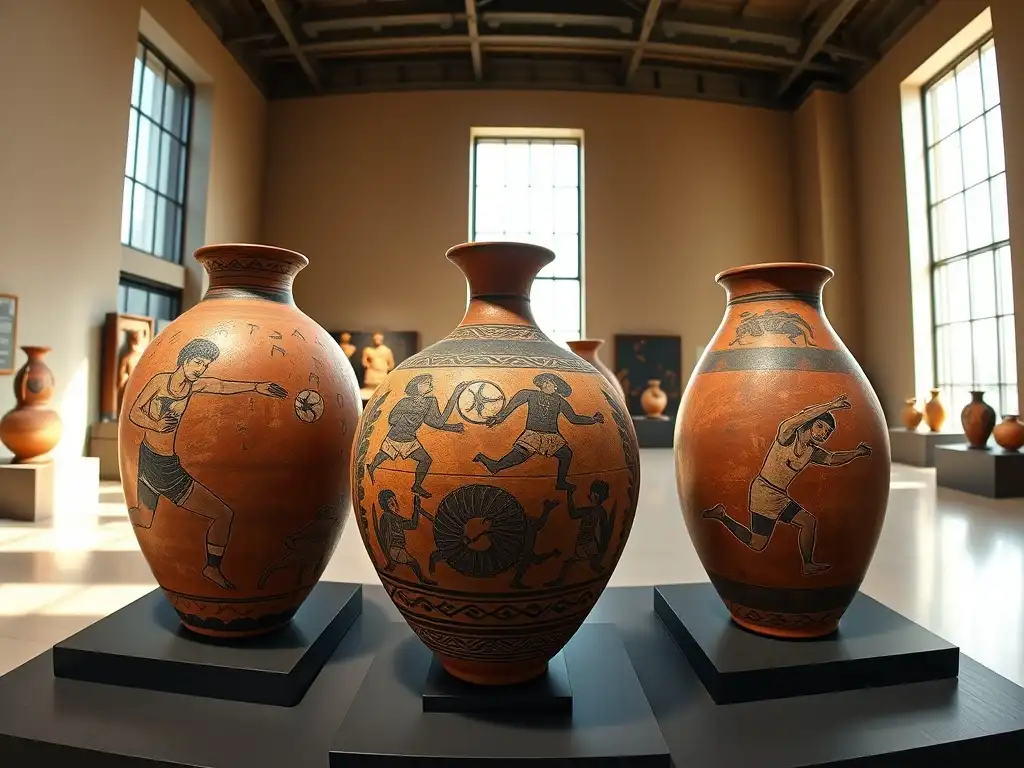
Step into a world lost to time, yet vividly preserved in clay. Imagine the vibrant energy of a Moche ballgame, not as a dusty relic, but as a breathtaking spectacle painted onto intricately crafted pottery. Our exploration of Andean civilizations begins with a captivating look at the Moche pottery ballgame scenes, revealing secrets of their complex society and rituals. Prepare to be amazed by the artistry and the untold stories waiting to be unearthed. Discover more about this fascinating culture and its legacy.
- Moche Pottery Ballgame Scenes: Depictions of Ritual and Sport
- The Significance of Ballgames in Moche Culture
- Moche Ceramic Vessels: A Window into Ballgame Practices
- Analyzing the Depictions of the Ballgame on Moche Pottery
- Variations in Moche Ballgame Depictions
- Interpreting the Moche Ballgame Scenes
- Moche Ballgame Ceramics: Artistic and Cultural Legacy
- Frequently Asked Questions
- Final Reflection: Echoes of the Moche Ballgame Across Time
- Unveil the Rich Heritage of Moche Ballgames!
Moche Pottery Ballgame Scenes: Depictions of Ritual and Sport
The Moche civilization (circa 100-800 CE), renowned for its sophisticated artistry and intricate societal structures, left behind a rich legacy of ceramic artifacts. Among these treasures, depictions of ballgames stand out as particularly compelling examples of Moche artistic skill and provide invaluable insights into their culture and worldview.
This article delves into the fascinating world of Moche pottery showcasing ballgame scenes, exploring their stylistic variations, symbolic interpretations, and the potential significance of these games within Moche society. We will examine how these ceramic representations illuminate the intersection of ritual, sport, and social dynamics within this remarkable ancient Andean civilization, enriching our understanding of "Moche pottery ballgame scenes".
The analysis will focus on the visual elements, the context of discovery, and the scholarly interpretations surrounding these captivating artifacts. By exploring these meticulously crafted scenes, we aim to unravel the complex layers of meaning embedded within them and appreciate the artistry and cultural significance of Moche pottery.
Stylistic Analysis of Moche Ballgame Pottery
Moche potters were masters of their craft, employing a variety of techniques and styles to depict ballgame scenes. The scenes themselves are often dynamic and full of movement, with players depicted in various poses, suggesting the intensity and physicality of the game. Detailed observations reveal that the ceramic representations frequently showcase:
- Detailed Figures: Individual players are often rendered with remarkable anatomical precision, including facial expressions and muscular definition. Clothing and adornments are also meticulously depicted, offering clues to social status and roles within the game.
- Dynamic Composition: The arrangement of figures within the scene is often carefully orchestrated to convey a sense of action and movement. The use of perspective and foreshortening, though not always realistic by modern standards, adds to the dynamism of the portrayal.
- Varied Settings: The background settings vary, sometimes showing a simple field, other times incorporating architectural elements or even supernatural beings. This variation suggests different contexts for the games, ranging from public spectacles to ritualistic events.
- Use of Color and Pigment: The Moche potters expertly used a range of colors and pigments, adding depth and visual interest to their depictions. These colors were not just decorative; they likely held symbolic meanings, contributing to the overall narrative of the scene.
We can observe a clear evolution in the stylistic choices across different Moche periods, reflecting the changing artistic trends and societal developments within the civilization. Further research into the specific clay types, firing techniques, and pigment compositions employed in the creation of these pieces will undoubtedly reveal further nuances in the artistic process.
Interpreting the Symbolic Meaning of Ballgame Depictions
The ballgame scenes on Moche pottery are not simply depictions of athletic contests; they carry significant symbolic weight, reflecting the Moche worldview and their understanding of the cosmos. Several interpretations have been proposed by scholars, suggesting that:
- Ritual Significance: The games might have held significant ritualistic importance, possibly acting as a means of communicating with the supernatural world or ensuring a bountiful harvest. The presence of supernatural beings or symbolic imagery in some scenes supports this hypothesis.
- Social Status and Power: The attire and status of the depicted players often suggest a link between the ballgame and social hierarchy. Certain individuals might have held privileged positions within society, indicated by their elaborate clothing and prominence within the scene.
- Fertility and Renewal: Some scholars interpret the ballgame as a representation of cycles of life, death, and rebirth, connecting it to themes of fertility and renewal within Moche cosmology. The often-violent nature of the games could symbolize the struggle between opposing forces in nature.
- Political Power and Warfare: The competitive nature of the ballgame might have served as a metaphor for political power struggles and warfare between different groups or factions within Moche society. The intensity of the depicted actions certainly lends itself to such interpretations.
Further research, including comparative studies with other Andean cultures and a more detailed analysis of iconographic elements, is needed to fully unlock the deeper symbolic meanings embedded within these fascinating depictions.
The Archaeological Context of Moche Ballgame Pottery
The discovery context of these ceramic pieces offers crucial information for understanding their significance within Moche society. Many examples have been unearthed from elite tombs and ceremonial contexts, supporting the notion of their association with high-status individuals and ritual practices. The careful placement of these artifacts alongside other grave goods further emphasizes their importance. Analyzing the location of these discoveries, alongside associated artifacts, allows for a more comprehensive understanding of their role within Moche culture.
For example, the proximity of certain pieces to other ritual objects might suggest their use in specific ceremonies or rituals. [Specific examples of archaeological finds and their locations pending]. A detailed cataloging of the contexts of discovery is crucial for future research and interpretation. The systematic recording of these data is essential to refine our understanding of "Moche pottery ballgame scenes" and their role within the broader Moche cultural landscape.
The Significance of Ballgames in Moche Culture
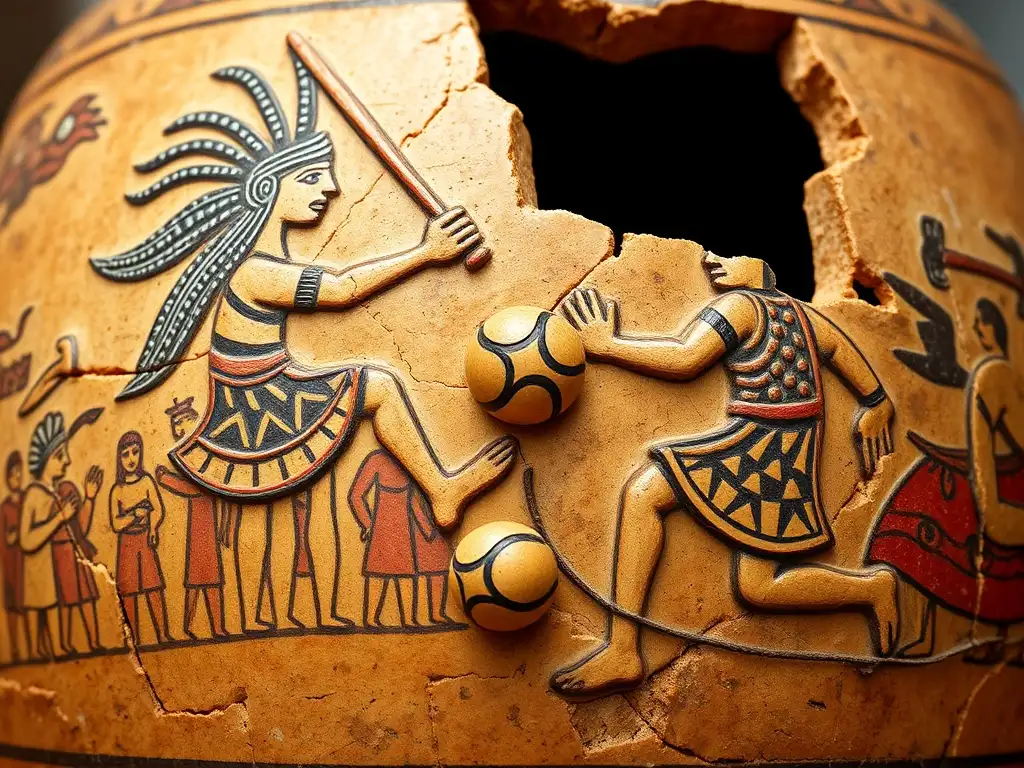
The Moche civilization (circa 100-800 CE), flourishing along the northern coast of Peru, left behind a remarkable artistic legacy, notably in their exquisite ceramics. Many of these pottery pieces depict scenes of intense physical activity, with ballgames featuring prominently. Understanding these depictions is crucial to comprehending the social, religious, and political complexities of Moche society.
The prevalence of ballgame imagery in Moche pottery – a significant portion of surviving artifacts – strongly suggests that these games held deep cultural significance, far beyond simple recreation. Analyzing these scenes provides valuable insights into the worldview and values of this fascinating ancient civilization. The meticulous detail and expressive style employed in these depictions reveal not only the technical skill of the Moche artisans but also the profound importance they placed on these athletic contests.
The recurring motifs and stylistic choices further underscore the ritualistic and symbolic nature of these events within Moche society. Analyzing the frequency and context of these depictions within the broader corpus of Moche pottery allows researchers to build a more complete understanding of the cultural significance of ballgames.
Ritualistic Importance of Ballgames in Andean Societies
Ballgames weren't merely recreational activities in Andean societies; they were deeply intertwined with religious beliefs and rituals. Evidence from various Andean cultures, including the Moche, suggests a strong connection between ballgames and the realm of the supernatural. These games were often associated with fertility rites, ancestor veneration, and appeals to deities for bountiful harvests or successful warfare.
The Moche, in particular, seem to have invested significant ritual meaning into their ballgames, as evidenced by the frequent appearance of these scenes in their elaborate funerary contexts and elite grave goods. The intensity depicted in the pottery scenes, coupled with the often-associated imagery of religious figures or supernatural beings, strongly supports this interpretation. Furthermore, the meticulous detail and the apparent effort invested in portraying these games on ceramic vessels suggest a deliberate attempt to document and perpetuate their ritual significance for future generations.
[Specific examples of Moche grave finds depicting ballgames pending]. The stylistic consistency across different pottery pieces further reinforces the notion of a codified ritualistic practice surrounding these games.
Moche Ballgame: More Than Just a Sport
While the precise rules of the Moche ballgame remain unknown, the depictions on pottery suggest a highly competitive and physically demanding activity. The players, often depicted with elaborate headdresses and body paint, are shown in dynamic poses, showcasing strength, agility, and skill. The intensity of the game is vividly portrayed, often suggesting a high level of physical exertion and possible risk of injury.
The ball itself, frequently depicted as a large, possibly heavy object, adds to the perception of a challenging contest. Some scholars suggest the ball might have been made of rubber, given the presence of rubber-producing plants in the region, but further research is needed to confirm this hypothesis. The use of specific gestures and body positions in the pottery scenes hints at a complex set of rules and strategies, implying a level of organization and training beyond casual play.
Analyzing the postures and actions of the players in various depictions provides clues about the gameplay mechanics, though the exact nature of the rules remains a subject of ongoing scholarly debate. The variations in the depicted clothing and adornments of the players might also indicate different teams or social standings.
The Role of Ballgames in Moche Society and Power Dynamics
The depiction of ballgames in Moche pottery also reveals insights into the social and political structure of the civilization. The often-elaborate attire of the players, along with the presence of spectators and officials in some scenes, suggests that these events were not simply informal gatherings but rather carefully orchestrated public spectacles. The prominence given to ballgames in elite contexts, such as tombs and ceremonial sites, further underscores their importance within the Moche hierarchy.
It is plausible that participation in, or patronage of, ballgames served as a way to display power, prestige, and social standing. The meticulous detail in depicting these games, combined with their frequent appearance in elite contexts, suggests a deliberate attempt to project the power and authority of the ruling class. [Further analysis of the social hierarchy depicted in ballgame scenes pending].
The potential use of ballgames as a means of social control or political maneuvering remains an area requiring further investigation. The study of Moche pottery ballgame scenes offers a fascinating glimpse into the complex interplay between sport, ritual, and power in this ancient Andean civilization.
Moche Ceramic Vessels: A Window into Ballgame Practices
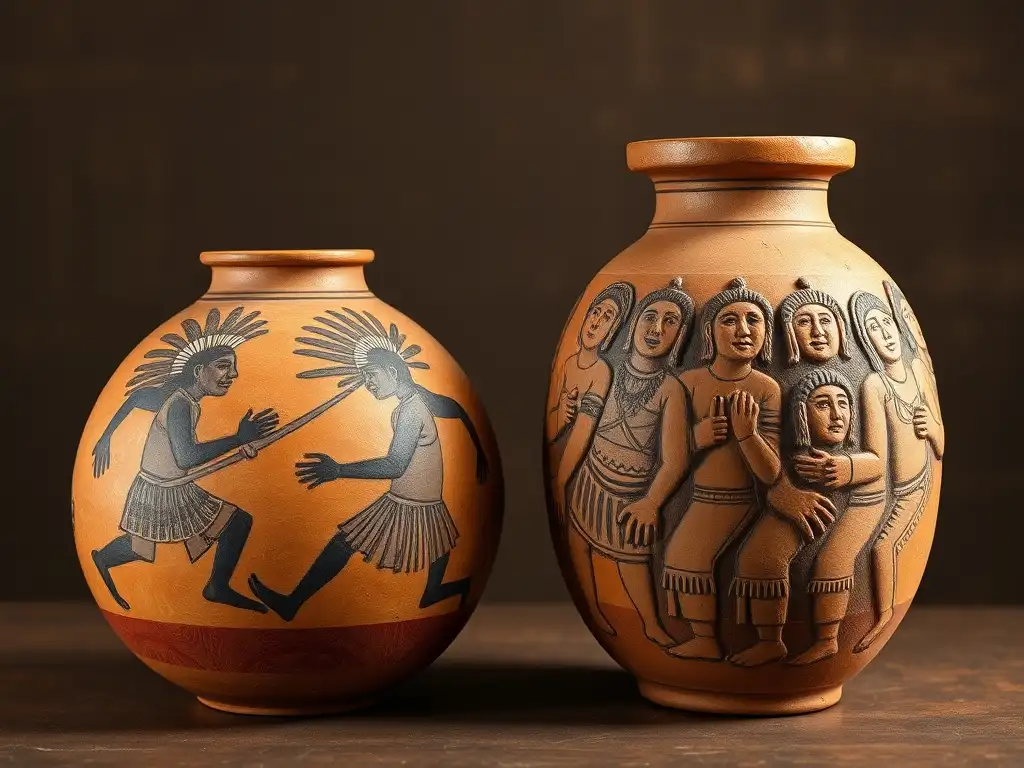
The Moche civilization, flourishing along the northern coast of Peru from approximately 100 CE to 800 CE, left behind a remarkable legacy of artistic expression, particularly in their exquisite pottery. These ceramic vessels, often intricately decorated with vibrant colors and detailed scenes, provide invaluable insights into various aspects of their daily life, religious beliefs, and social structures. Among the most captivating depictions are those portraying ballgames, offering a unique glimpse into this seemingly important aspect of Moche culture.
Studying these Moche pottery ballgame scenes allows us to reconstruct, albeit partially, the rules, rituals, and societal significance surrounding these athletic contests. The sheer variety of depictions across different vessels suggests the ballgame held a prominent place in Moche society, possibly linked to religious ceremonies or elite power displays.
The meticulous detail in these scenes, from the players' attire to the spectators' reactions, speaks volumes about the Moche's artistic skill and their keen observation of their own world. Analyzing the stylistic choices and recurring motifs in these Moche ballgame scenes helps us understand the evolution of the game itself and its place within the broader Moche worldview.
Moche Pottery as Historical Record: Depicting Ballgame Events
Moche pottery serves as a primary historical record for understanding their ballgame traditions. Unlike written accounts, which are absent for the Moche, these ceramic pieces provide visual narratives of ballgame events. The scenes depicted are not merely static images; they often convey a sense of dynamism and action.
We see players in intense physical exertion, spectators reacting with excitement or anticipation, and sometimes even referees or officials overseeing the game. For example, certain vessels show players in mid-action, their bodies contorted in a dynamic pose suggesting the intensity and physical demands of the game. Other vessels depict celebratory scenes following a match, suggesting the social importance and communal aspect of the event.
The careful observation of these details allows researchers to piece together a more complete picture of the Moche ballgame, including potential rules, strategies, and social context. The presence of specific iconography, such as certain attire or symbolic objects, further enriches our understanding of the game's rituals and significance within Moche society. The analysis of multiple Moche pottery ballgame scenes reveals a consistent set of visual elements, suggesting a standardized understanding of the game across different communities.
Iconography of the Moche Ballgame: Identifying Key Elements
The iconography associated with the Moche ballgame is rich and complex, offering clues to its deeper meaning and significance. Recurring motifs include specific types of attire worn by players, often elaborate headdresses and costumes. These garments might indicate social status, team affiliation, or even religious roles within the game.
Furthermore, the presence of specific objects, such as ritualistic paraphernalia or symbolic animals, suggests a connection between the ballgame and religious beliefs. Some vessels depict players with exaggerated features or supernatural attributes, hinting at a possible link between the game and the Moche pantheon of gods and deities. The balls themselves, often depicted as spherical objects, vary in size and material representation across different vessels, possibly indicating different types of games or variations in playing styles.
The meticulous attention to detail in these depictions, from the players' expressions to the surrounding landscape, highlights the importance placed upon the accurate representation of this cultural practice in Moche pottery ballgame scenes. Further research into the symbolic meaning of these elements is crucial for a comprehensive understanding of the Moche ballgame’s cultural significance.
Stirrup Spout Vessels and Ballgame Depictions
Stirrup spout vessels, a distinctive type of Moche pottery characterized by their unique spout shaped like a stirrup, are particularly valuable for studying ballgame depictions. A significant number of these vessels feature elaborate scenes of ballgames, often with a high level of detail. The three-dimensional nature of these vessels, coupled with the artists' mastery of perspective and composition, allows for a more dynamic and engaging representation of the game than found in other pottery styles.
Many stirrup spout vessels showcase not only the game itself but also the surrounding context, including spectators, officials, and even the environment in which the game was played. This holistic approach provides a richer understanding of the ballgame's social and cultural significance within Moche society. The prevalence of ballgame depictions on stirrup spout vessels suggests a possible connection between this specific pottery type and elite patronage or ceremonial contexts.
Analyzing the stylistic variations and iconographic elements across different stirrup spout vessels helps to trace potential regional differences in ballgame practices or variations in the game over time. The detailed Moche pottery ballgame scenes found on stirrup spout vessels provide invaluable insight into the Moche worldview and their sophisticated artistic techniques. The sheer number of these vessels depicting ballgames underscores the importance of this activity within the Moche civilization.
Analyzing the Depictions of the Ballgame on Moche Pottery
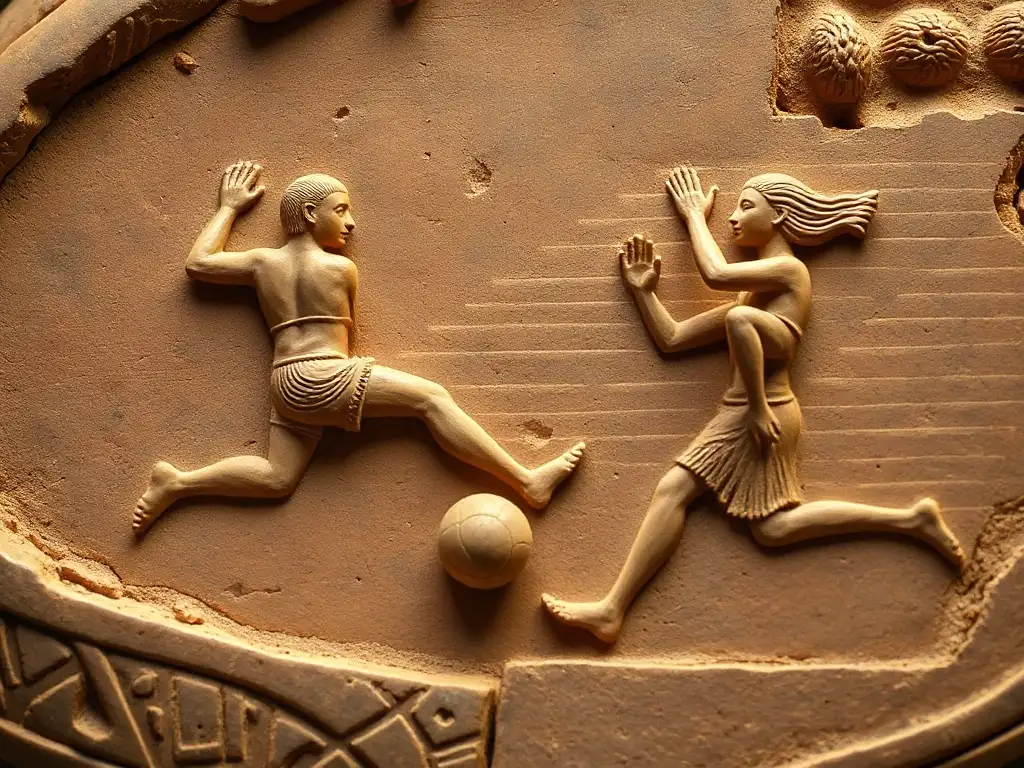
The Moche civilization, flourishing along the northern coast of Peru from approximately 100 to 800 CE, left behind a remarkable legacy of artistic expression, particularly in their sophisticated pottery. Among the numerous scenes depicted on their intricately painted vessels, depictions of ballgames stand out as significant representations of their culture, social structures, and possibly even religious beliefs.
Analyzing these "Moche pottery ballgame scenes" provides invaluable insights into the daily life and rituals of this fascinating ancient society. The vibrant colors, detailed figures, and dynamic compositions of these ceramic pieces offer a unique window into the past, allowing us to reconstruct aspects of their athletic competitions and their importance within Moche society.
The prevalence of these ballgame scenes in Moche art suggests that this activity held a prominent place in their cultural landscape. Further research into the variations in depiction across different pottery styles and time periods could offer even more detailed insights into the evolution of the game and its significance throughout the Moche era.
Players and Their Attire: Identifying the Participants in the Moche Ballgame
Moche pottery frequently portrays ballgame players with distinct characteristics, allowing for some degree of identification and potentially even social stratification. Players are often depicted wearing elaborate headdresses, sometimes adorned with feathers or other decorative elements. Their attire frequently includes elaborate loincloths and sometimes even specialized protective gear, suggesting a level of organization and ritual significance associated with the game. The differences in clothing and adornments between players may indicate distinctions in rank, skill level, or social standing within the Moche community.
For example, some vessels show players with more elaborate headdresses and clothing than others, suggesting a possible hierarchy within the ballgame participants. These differences might represent different roles within the game itself, or they could reflect social distinctions within Moche society more broadly. Further analysis of these variations, considering the context of each vessel and the overall artistic style, could yield a deeper understanding of the social dynamics surrounding the ballgame.
Detailed studies comparing the attire of players in different scenes across various pottery styles could reveal patterns and changes over time, offering valuable insights into the evolution of Moche society and its associated rituals. The intricate details of the clothing and adornments also provide valuable information about Moche textile techniques and artistry.
The Ballgame Equipment in Moche Art: Details on Balls, Protective Gear, and Goals
The Moche ballgame, as depicted on their pottery, involved specialized equipment. The ball itself appears to have been relatively small, judging from its depiction in relation to the players. Some vessels suggest the use of protective gear, possibly including padded arm guards or chest protectors, hinting at the physical nature of the game and the potential for injury.
The goals or boundary markers of the game are less clearly defined in the artwork, but some interpretations suggest the use of markers or designated areas. The level of detail in these depictions varies across different vessels, with some providing more information than others.
One intriguing aspect is the apparent lack of uniformity in the depiction of ball size and protective gear. This variation may reflect regional differences in the way the game was played, or it may simply indicate stylistic choices by the individual potters. Further research comparing the equipment depicted across different regions and time periods could shed light on these variations. Analyzing the materials potentially used for the balls (rubber, stone, etc.)
based on indirect evidence from the pottery requires further investigation. The detailed study of the artistic representation of the equipment could also offer insights into the materials and techniques used in its creation. This, in turn, could shed light on broader aspects of Moche technology and craftsmanship.
Analysis of Ballgame Depictions on Fineline Painted Vessels
The fineline painted vessels are particularly noteworthy for their detailed depictions of the Moche ballgame. The precise and delicate lines allow for a clear representation of the players' movements and interactions, providing a more dynamic and engaging visual narrative than is found on some other pottery styles. These vessels often depict multiple players engaged in intense action, suggesting the competitive nature of the game.
The fineline technique also allows for greater detail in the depiction of the players' attire and the ball itself, offering a more comprehensive understanding of the game's equipment and the social context in which it was played. The artistic skill involved in creating these pieces is remarkable, highlighting the importance of the ballgame within Moche culture.
The prevalence of the ballgame in fineline pottery suggests its significance within Moche society. A comparative analysis of ballgame scenes across different pottery styles – including those with less detail – could reveal how the depiction of the game evolved over time and how its representation changed according to the chosen artistic style.
Analyzing the composition and perspective used in these depictions could also reveal deeper insights into the Moche artistic techniques and their understanding of visual storytelling. The careful study of the color palettes and symbolic elements within these scenes could offer additional clues to the ritual or religious significance of the ballgame within Moche culture.
The intricate details captured in these fineline paintings offer compelling evidence of the sophisticated artistic abilities and cultural practices of the Moche civilization. Further research focusing on the stylistic variations within fineline pottery and their relationship to the depicted ballgame scenes could unlock further secrets of this ancient society.
Variations in Moche Ballgame Depictions
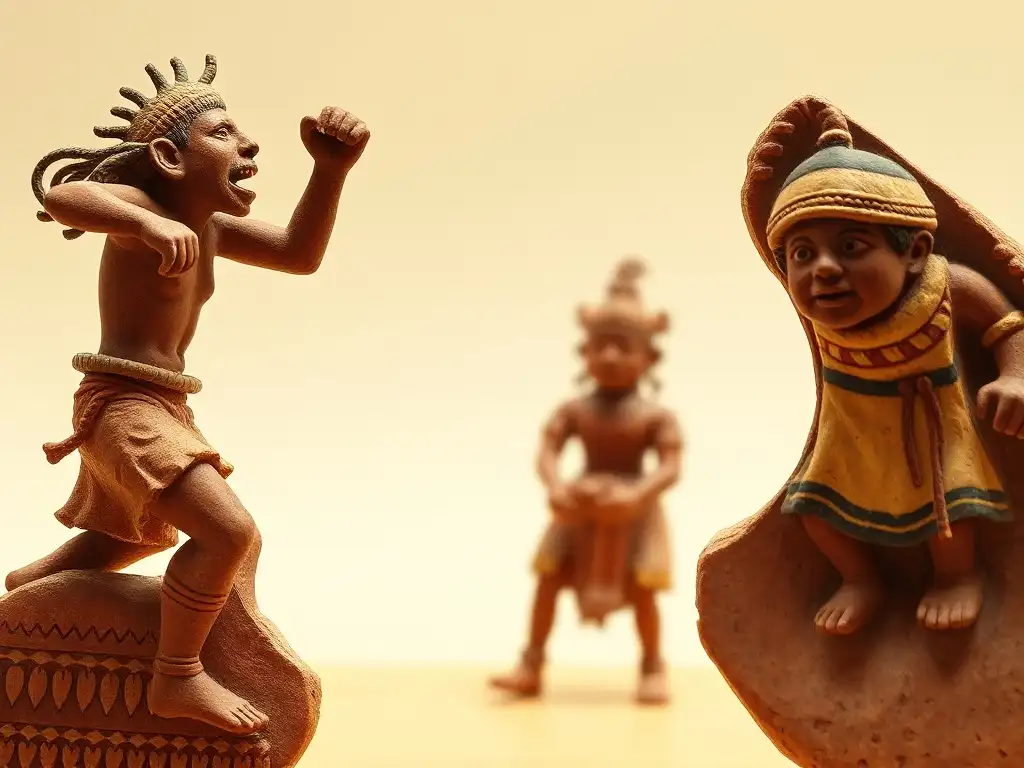
The Moche civilization, renowned for its sophisticated artistry and detailed ceramic work, left behind a rich visual record of its daily life and religious practices. Among the most intriguing aspects of Moche iconography are the depictions of ballgames, providing valuable insights into the social, ritualistic, and possibly even political significance of this activity within their society. Analyzing these scenes in Moche pottery reveals fascinating variations in style, regional differences, and the evolution of artistic representation over time.
Understanding these nuances allows us to build a more complete picture of the Moche ballgame and its place within their culture. The recurring theme of "Moche pottery ballgame scenes" in their artwork underscores its importance.
Different Ballgame Styles Evidenced in Moche Pottery
Moche pottery doesn't depict a single, uniform ballgame. Instead, careful examination reveals distinct stylistic variations, suggesting the possibility of different game types or perhaps variations in the same game played across different contexts. Some scenes show a game played with a single ball, while others seem to depict a game involving multiple balls, possibly thrown simultaneously or sequentially.
The players themselves are also depicted in diverse ways. Some ceramics show players with elaborate headdresses and costumes, implying a ritualistic or highly formalized game played by elite members of society. Other depictions show players in simpler attire, suggesting a more casual or perhaps even a training context.
The size and shape of the playing courts also vary across different ceramic pieces, ranging from small, enclosed spaces to larger, open areas. These differences hint at the complexity of Moche ballgame practices and their multifaceted role within the society. Further research into the specific attributes of these diverse styles could potentially illuminate the rules, social significance, and regional distinctions of the various Moche ballgames.
One particularly striking example shows a scene where players appear to be using specialized equipment, possibly gloves or protective gear, suggesting a more physically demanding and potentially dangerous variant of the game. Another depicts a game with multiple teams, each identifiable by distinct attire, potentially indicating a competitive aspect with organized teams.
Regional Variations in the Moche Ballgame Iconography
Geographical location appears to have played a role in shaping the iconography surrounding the Moche ballgame. While a comprehensive study mapping the precise distribution of ballgame scenes across different Moche sites is still needed [specific information pending], preliminary observations suggest regional variations in style and detail. For instance, ceramics unearthed in the northern Moche heartland may exhibit more stylized representations, emphasizing symbolic elements over realistic detail, compared to those from the southern regions, which might offer more naturalistic depictions of the game's actions.
This geographic variation in artistic style might reflect differences in local traditions, beliefs, or even the specific rules of the ballgame itself. The analysis of these regional differences in “Moche pottery ballgame scenes” provides critical clues to understanding the cultural diversity within the Moche civilization, highlighting the need for more geographically specific studies of their artistic output. Further research, including detailed cataloging and comparative analysis of ceramic finds from various Moche sites, is crucial to fully understand this regional dimension.
Evolution of Ballgame Representation Throughout the Moche Period
The representation of the ballgame in Moche pottery also evolved over time, reflecting broader changes within the Moche culture. Early Moche ceramics often depict the ballgame in a simpler, more schematic manner, focusing on the basic elements of the game—players, ball, and court—with less emphasis on detailed representation of the players' costumes or expressions. As the Moche period progressed, the depictions became increasingly sophisticated, showcasing more elaborate costumes, dynamic poses, and a greater focus on narrative detail. This evolution reflects a broader trend in Moche art towards greater realism and a more complex use of visual storytelling.
Later Moche pottery shows more complex scenes, sometimes integrating the ballgame into larger narratives depicting religious ceremonies or mythological events. These more complex narratives, often featuring figures with supernatural attributes, indicate that the ballgame may have held significant ritual importance, possibly connecting it to Moche religious beliefs and cosmology. The shift from simpler to more complex representations in “Moche pottery ballgame scenes” provides a fascinating window into the evolving significance of the ballgame within the Moche society.
A chronological study of ballgame depictions, correlated with other archaeological findings, could provide further insight into this evolution and its implications for understanding Moche society. The detailed analysis of such changes provides a valuable chronological marker within the Moche period itself.
Interpreting the Moche Ballgame Scenes
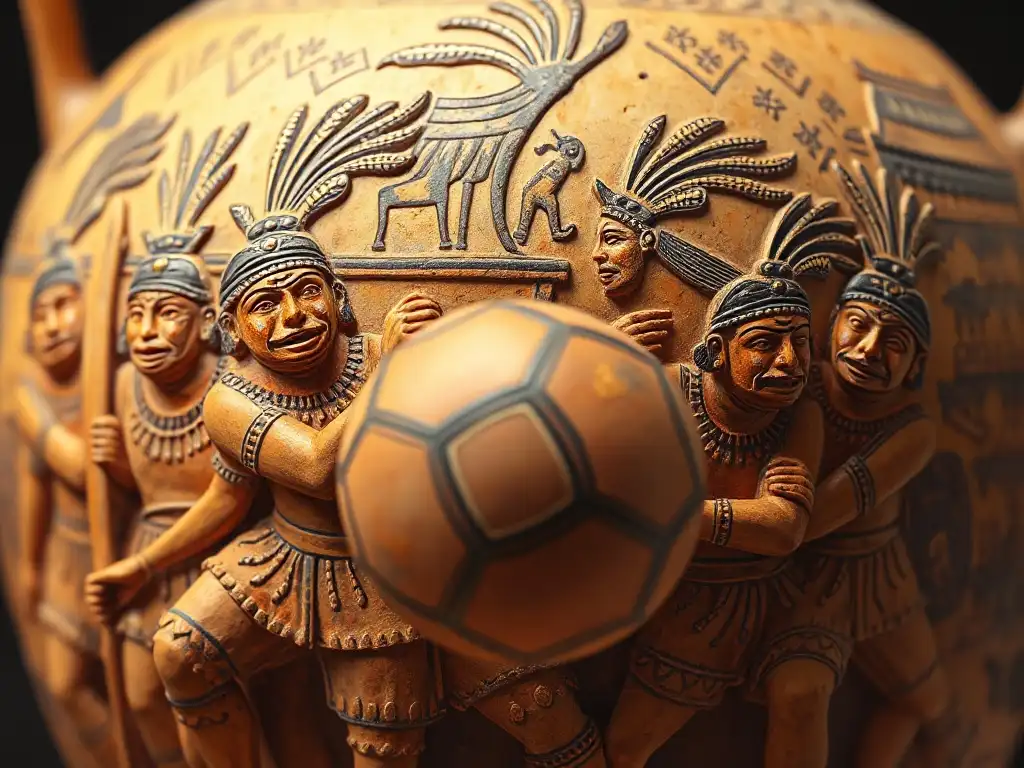
The vibrant and often brutal scenes depicted on Moche pottery offer a fascinating glimpse into the daily life and beliefs of this ancient Andean civilization. Among the most captivating motifs are those portraying ballgames, providing valuable insights into their social structures, religious practices, and worldview. The recurring presence of these ballgame scenes in Moche pottery, a significant aspect of their artistic output, suggests their profound importance within Moche society.
Analyzing these ceramic representations allows us to piece together a more complete understanding of their culture, even though many questions remain unanswered. The sheer variety of depictions – from seemingly casual matches to elaborate, ritualistic contests – highlights the multifaceted nature of this activity. This section will delve into various interpretations and theories surrounding the significance of these captivating scenes.
Theories about the Meaning of the Ballgame in Moche Culture
Several theories attempt to explain the meaning and function of the ballgame within Moche society. Some scholars suggest the game was primarily a form of entertainment, a popular pastime enjoyed by all social classes. Evidence for this includes depictions of seemingly informal matches, with players in various states of dress and varying levels of intensity. However, this theory alone fails to fully account for the more elaborate and ritualistic scenes frequently found on Moche pottery. Many of these scenes depict highly stylized games, with players adorned in elaborate headdresses and costumes, suggesting a more significant role than mere entertainment.
Another prominent theory links the ballgame to political and social power. The meticulous detail and high quality of some pottery depicting the ballgame suggest that these pieces were likely commissioned by elites, possibly showcasing their power and status through their association with this important activity. The size and scale of some depicted games also hint at public spectacles, used to reinforce social hierarchies and demonstrate the authority of the ruling class. The presence of spectators in some scenes further supports this hypothesis.
Finally, some researchers propose that the ballgame held a symbolic meaning, representing cosmic forces or mythological battles. This interpretation aligns with the broader context of Moche iconography, which often features supernatural beings and themes related to fertility, warfare, and the afterlife. This perspective suggests the ballgame was not simply a game, but a ritualistic performance with profound religious implications. Further research is needed to fully understand the precise nature of these symbolic associations.
Possible Ritualistic and Religious Significance of the Moche Ballgame
The recurring appearance of ritualistic elements in Moche ballgame depictions strongly suggests a religious dimension. Many scenes show players dressed in elaborate attire, including ceremonial headdresses and masks, reminiscent of religious figures or deities. The presence of priests or shamans officiating the game, sometimes depicted alongside the players, further reinforces this interpretation. The use of specific colors and symbols in these scenes also hints at a deeper, symbolic meaning associated with religious beliefs and practices.
Furthermore, the often violent and aggressive nature of the depicted games might symbolize cosmic struggles or battles between opposing forces. This interpretation aligns with other Moche artistic motifs that depict violent conflicts and supernatural beings. The outcome of the game, victory or defeat, could have been interpreted as a reflection of the success or failure of these cosmic battles, with significant implications for the community's well-being and prosperity. The meticulous detail and care put into creating these scenes in Moche pottery suggest that the religious aspects of the ballgame were deeply ingrained in the culture.
The connection between the ballgame and the Moche worldview remains a subject of ongoing research. However, the strong evidence suggests that this activity transcended mere recreation and held significant religious and ritualistic importance within their society. The exploration of these themes in future studies will shed more light on the intricate religious beliefs of the Moche.
The Relationship Between Ballgame Scenes and Moche Warfare Mythology
The aggressive nature of many Moche ballgame depictions often mirrors the violent imagery prevalent in their warfare mythology. The intensity of the game, the forceful movements of the players, and the sometimes bloody outcomes depicted on the pottery are evocative of the battles and conquests portrayed in other Moche artistic expressions. This suggests a potential connection between the ballgame and the ideological framework surrounding warfare and conquest within Moche society.
Some scholars propose that the ballgame functioned as a symbolic representation of warfare, a non-lethal arena for enacting the conflicts and struggles present in their society. The competition and struggle for dominance in the ballgame might reflect the power dynamics and rivalries that existed between different Moche groups or social classes. This interpretation is further supported by the presence of weaponry and military symbols in some ballgame depictions, subtly linking the game to themes of warfare and dominance.
The relationship between the ballgame and Moche warfare mythology is a complex area requiring further investigation. However, the overlapping imagery and themes strongly suggest a significant connection, reinforcing the idea that the ballgame was not just a game, but a culturally significant activity deeply embedded in the Moche worldview. The analysis of Moche pottery depicting ballgames continues to reveal fascinating insights into the diverse aspects of their culture, enriching our understanding of this remarkable civilization.
Moche Ballgame Ceramics: Artistic and Cultural Legacy
The Moche civilization, flourishing along the northern coast of Peru from approximately 100 CE to 800 CE, left behind a remarkable artistic legacy. Among their most captivating creations are intricately decorated ceramic vessels depicting scenes of daily life, religious rituals, and, significantly, ballgames. These Moche pottery ballgame scenes offer invaluable insights into the social, political, and religious significance of this sport within Moche society.
The detailed nature of the depictions, often showing players' attire, the playing field, and even spectators, provides a level of understanding unmatched by other sources. Analyzing these ceramics allows us to reconstruct aspects of Moche life that would otherwise remain shrouded in mystery. The vibrant colors, dynamic poses, and expressive faces of the figures captured in these scenes showcase the Moche's mastery of ceramic artistry and their keen observation of human activity.
The sheer number of surviving vessels depicting ballgames highlights the central role this activity played in their culture. This section will delve deeper into the specifics of these depictions, exploring their artistic merit and cultural implications.
Moche Ceramics: Preserving Knowledge of Ballgame Practices
Moche pottery provides irreplaceable evidence of Andean ballgame practices. Unlike other ancient cultures where information about games is limited to fragmented textual accounts or ambiguous iconography, the Moche left behind numerous ceramic representations that clearly illustrate the game's dynamics. These depictions frequently show players in action, using their hips and knees to propel a ball, often a rubber one. The style of play depicted suggests a competitive, perhaps even ritualistic, context. Some vessels illustrate teams facing off, emphasizing the competitive aspect. Others showcase players with elaborate costumes and headdresses, indicating the importance of the game within the social hierarchy.
The detailed portrayal of the playing field itself is noteworthy. Some ceramics show boundary markers, while others depict spectators lining the sides. This level of detail reveals a structured and organized sporting event, not simply a casual pastime. The inclusion of spectators, often depicted with varying expressions of excitement or anticipation, further underscores the game's importance as a community event.
These detailed observations, painstakingly rendered on fragile ceramic surfaces, offer a unique window into the daily lives and social structures of the Moche. The careful attention to detail in these Moche pottery ballgame scenes demonstrates the value placed on preserving accurate representations of these important cultural practices. Further research into the specific types of clay and pigments used could potentially provide additional insights into the social status of the artisans responsible for these exquisite pieces.
The Moche Legacy: Understanding Andean Ballgames Through Pottery
The Moche's artistic representations of ballgames are not isolated occurrences. While the specifics of the game might have varied across different Andean cultures and time periods, the enduring presence of ballgame imagery in various forms of Andean art suggests a shared cultural significance across different groups and centuries. The Moche ceramics serve as a crucial link in understanding this broader tradition. By comparing and contrasting the Moche depictions with those from other Andean cultures (such as the Inca or Nazca), researchers can trace the evolution of ballgames across the region and identify common themes and variations.
The Moche pottery provides a key to interpreting similar, but sometimes less explicit, representations in other artistic mediums. For instance, textiles, metalwork, and stone carvings from other Andean cultures often contain motifs that might represent aspects of ballgames, though perhaps less directly than the Moche ceramics. The Moche's detailed portrayals provide a framework for understanding these other, more ambiguous depictions.
This cross-cultural comparison highlights the enduring importance of ballgames in Andean culture, offering a deeper understanding of its social and religious functions over centuries. The impact of these Moche pottery ballgame scenes extends far beyond the Moche themselves, contributing significantly to our understanding of the broader Andean cultural landscape.
The Influence of Moche Ballgame Depictions on Andean Art
The influence of Moche ballgame depictions on subsequent Andean art is a subject worthy of further investigation. While direct stylistic links are difficult to definitively establish, the persistent presence of ballgame imagery in later Andean art suggests a continuation of the cultural significance associated with this activity. The Moche’s highly detailed and dynamic depictions likely served as a model or inspiration for later artists. The vibrancy and energy captured in their ceramic work could have influenced the style and composition of artistic representations of ballgames in later periods.
The prevalence of ballgame motifs in later Andean art, though perhaps less detailed than the Moche examples, suggests a shared cultural memory and a continuing association of ballgames with important social and religious aspects of life. Analyzing the evolution of these depictions across different Andean cultures and periods could reveal valuable insights into the changing social and religious contexts of ballgames. Further research into the stylistic similarities and differences between Moche ballgame depictions and those from later periods is needed to fully understand the extent of this influence.
This research could illuminate the continuity and transformation of Andean artistic traditions and their relationship to important cultural practices, such as the ballgame. The legacy of the Moche's artistic mastery, particularly in their depictions of ballgames, continues to resonate through subsequent Andean art, making their ceramics invaluable for understanding the broader cultural history of the region.
Frequently Asked Questions
What is the significance of ballgames in Moche culture?
The Moche people considered ballgames highly significant ritualistic events. Depictions in pottery suggest they were connected to religious ceremonies, social status, and possibly even warfare. The games held deep symbolic meaning.
How are ballgame scenes depicted in Moche pottery?
Moche potters masterfully illustrated ballgame scenes, showcasing dynamic action and detailed costumes. The ceramics often depict players, spectators, and elaborate settings, providing valuable insights into the games' context. These are highly detailed and expressive.
What materials did the Moche use for their pottery?
Moche pottery was primarily made from clay, often painted with vibrant pigments derived from natural sources. The high-quality craftsmanship is evident in the intricate details and preservation of many pieces.
Where can I find examples of Moche pottery depicting ballgames?
Examples of Moche pottery showing ballgame scenes are found in museums worldwide and in archaeological collections. Many are showcased in museums throughout Peru and in major institutions internationally.
What makes Moche pottery depicting ballgames so unique?
The uniqueness lies in the dynamic portrayal of movement and emotion, capturing the intensity of the games. The detailed artistry offers a glimpse into a lost culture and its unique perspectives on sports and rituals. This level of artistic skill is rarely seen elsewhere.
Final Reflection: Echoes of the Moche Ballgame Across Time
The vibrant depictions of ballgames on Moche pottery aren't just relics of a distant past; they are powerful windows into a society that valued athleticism, ritual, and perhaps even a complex understanding of the cosmos. These ceramic fragments, painstakingly preserved and studied, offer us a glimpse into a culture that thrived centuries ago, leaving behind a legacy far richer than mere artifacts. Their enduring presence continues to fascinate and inspire, reminding us of the enduring power of human creativity and the universality of play.
The Moche ballgame, as depicted in these ceramics, transcends its purely athletic context. It seems to have held deep symbolic meaning, possibly representing cosmic struggles or the interplay between life and death. The game itself may have been a microcosm of the universe, with the players enacting a cosmic drama.
This interpretation, while speculative, highlights the profound cultural significance embedded within these seemingly simple scenes. The enduring fascination with these pieces, evidenced by their continued study and exhibition, underscores the lasting impact of Moche artistry and the enduring human interest in understanding our shared past.
Consider, for a moment, the intricate detail and vibrant colors preserved on these ancient vessels. Imagine the skilled hands that shaped the clay, the artists who painstakingly rendered these scenes of athletic competition.
Let their artistry inspire you to appreciate the beauty and power of human expression, to seek out the stories hidden within the objects around you, and to recognize the enduring legacy of cultures that came before us. By understanding the Moche and their artistic achievements, we gain a deeper appreciation for the richness and complexity of human history, and the enduring power of art to connect us across time.
Unveil the Rich Heritage of Moche Ballgames!
Thank you for exploring the fascinating world of Moche ceramics with us! Your interest helps preserve and share the knowledge of this incredible ancient culture. Now, let's delve even deeper.
Here's how you can get involved:
- **Examine Moche artifacts** at your local museum or online collection to see firsthand how these ancient people depicted their ballgames.
- **Share this article** with friends and family who appreciate history and culture, sparking engaging conversations about ancient civilizations.
- **Join online communities** or social media groups dedicated to Andean history to connect with other enthusiasts and discuss the unique aspects of Moche ballgames.
What specifically about Moche ballgames captures your imagination, and how will you further explore this rich topic on your own?