
Inca Metalworking Techniques: Lost Processes Rediscovered

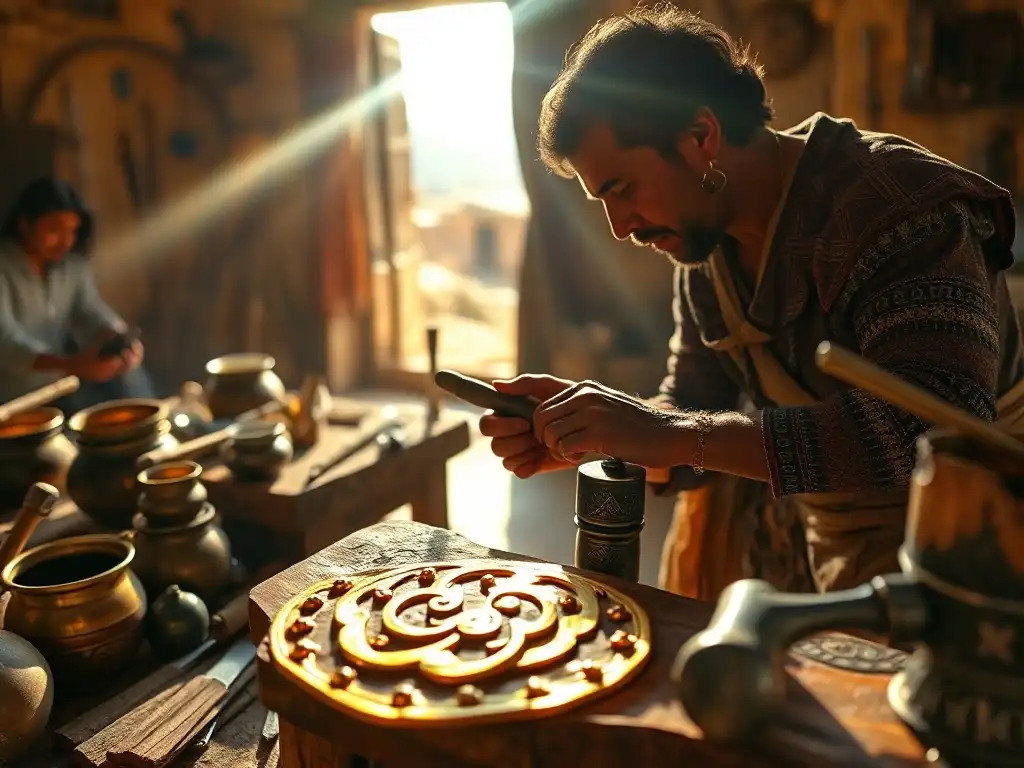
Dive into the mesmerizing world of the Andean civilizations! Journey through millennia of breathtaking artistry, ingenious engineering, and captivating cultures. But prepare to be astonished by something truly remarkable: the secrets behind Inca metalworking techniques—lost for centuries, yet now slowly being rediscovered. Uncover the intricate history and unparalleled skill behind these ancient masterpieces; the story is far more intricate than you might imagine... Explore the mysteries further.
The Inca Empire, renowned for its sophisticated engineering and intricate artistry, left behind a legacy of breathtaking metalwork. From shimmering gold ornaments to intricately crafted silver vessels, Inca artisans mastered techniques that have captivated and mystified researchers for centuries. This article delves into the fascinating history of Inca metalworking techniques, exploring the processes employed, the materials used, and the recent rediscoveries that shed light on these lost arts.
We will examine the ingenuity and skill involved in creating objects that remain testaments to the advanced metallurgical knowledge of the Inca civilization, a key aspect of their rich cultural heritage. Understanding these techniques helps us appreciate the complexity of Inca society and its mastery over its environment, contributing significantly to our understanding of "Inca metalworking techniques history."
The enduring allure of Inca metalwork lies not only in its aesthetic beauty but also in the secrets it holds about the technological prowess of this remarkable civilization. This exploration will reveal the meticulous processes behind their creations, from the sourcing of raw materials to the final polishing of the finished product, offering a glimpse into the lives and skills of the Inca artisans.
Sourcing and Preparation of Metals
Inca metalworkers primarily utilized gold, silver, copper, and bronze, sourcing these precious metals from various locations throughout their vast empire. Gold, often associated with the sun god Inti, held significant religious and symbolic importance. Silver, equally valued, was used in both utilitarian and ceremonial objects.
Copper and bronze, alloys of copper and tin, provided a range of colors and workability. The extraction and processing of these metals involved complex techniques, including sophisticated mining practices, smelting processes, and refining methods to achieve the desired purity and malleability. Detailed archaeological evidence suggests a well-organized system for metal extraction and distribution, showcasing the Inca's meticulous planning and resource management.
The sheer scale of their mining operations underscores their advanced understanding of geology and engineering, crucial elements in their mastery of metalworking. Further research continues to uncover new insights into the precise techniques utilized in the various stages of metal preparation, from initial extraction to the refined ingots ready for shaping.
Repoussé and Casting Techniques
Two prominent techniques employed by Inca metalworkers were repoussé and casting. Repoussé, a metalworking technique where the metal is shaped from the back using hammers and punches, allowed for the creation of intricate designs and three-dimensional forms. The artisans skillfully manipulated the metal, creating delicate reliefs and textures.
This method was particularly effective in producing thin sheets of metal, ideal for adornments and decorative elements. Casting, on the other hand, involved melting the metal and pouring it into molds to create specific shapes. The Inca developed sophisticated lost-wax casting techniques, allowing for the creation of highly detailed and complex objects.
This process involved creating a wax model, covering it in clay, melting out the wax, and pouring molten metal into the resulting mold. The complexity and precision of many Inca artifacts are a testament to their mastery of these advanced techniques. The skill required to create such intricate pieces highlights the high level of training and specialization within Inca metalworking communities.
Alloying and Surface Decoration
The Inca's skill extended beyond basic shaping; they were masters of alloying and surface decoration. By carefully combining different metals, they achieved a variety of colors and properties. The precise ratios of metals used in their alloys are still being studied, revealing the sophisticated understanding of metallurgy possessed by Inca artisans. Furthermore, Inca metalworkers employed various surface decoration techniques, including hammering, chasing, engraving, and gilding.
These techniques added intricate details and enhanced the visual appeal of their creations. The use of gilding, applying a thin layer of gold to other metals, was especially effective in creating a lustrous and visually striking effect. The combination of alloying and surface decoration showcases the Inca’s artistic flair and their ability to manipulate materials to achieve stunning aesthetic results, all contributing to the enduring beauty and historical significance of their metalwork.
Rediscovering Lost Knowledge: Modern Research
Modern research continues to unveil new insights into Inca metalworking techniques. The analysis of artifacts using advanced scientific methods, such as X-ray fluorescence and electron microscopy, provides crucial information about the composition of alloys, the techniques used in shaping and decorating metal, and the sources of raw materials. These studies are not only furthering our understanding of Inca technology but also helping to conserve and preserve these invaluable artifacts for future generations.
Ongoing research is also focusing on recreating Inca techniques, allowing modern artisans to experience the challenges and intricacies of these ancient processes firsthand. These efforts help to bridge the gap between ancient knowledge and modern understanding, fostering a deeper appreciation for the ingenuity and skill of Inca metalworkers. The ongoing discoveries underscore the enduring mystery and marvel surrounding this aspect of "Inca metalworking techniques history."
- Sourcing and Preparation of Metals
- Repoussé and Casting Techniques
- Alloying and Surface Decoration
- Rediscovering Lost Knowledge: Modern Research
- What made Inca metalworking so unique?
- What metals did the Inca primarily work with?
- How did Inca metalworkers achieve such fine detail in their work?
- What is the significance of Inca metalwork in understanding their culture?
- Were Inca metalworking techniques truly "lost," and if so, how were they rediscovered?
The Historical Significance of Inca Metalwork
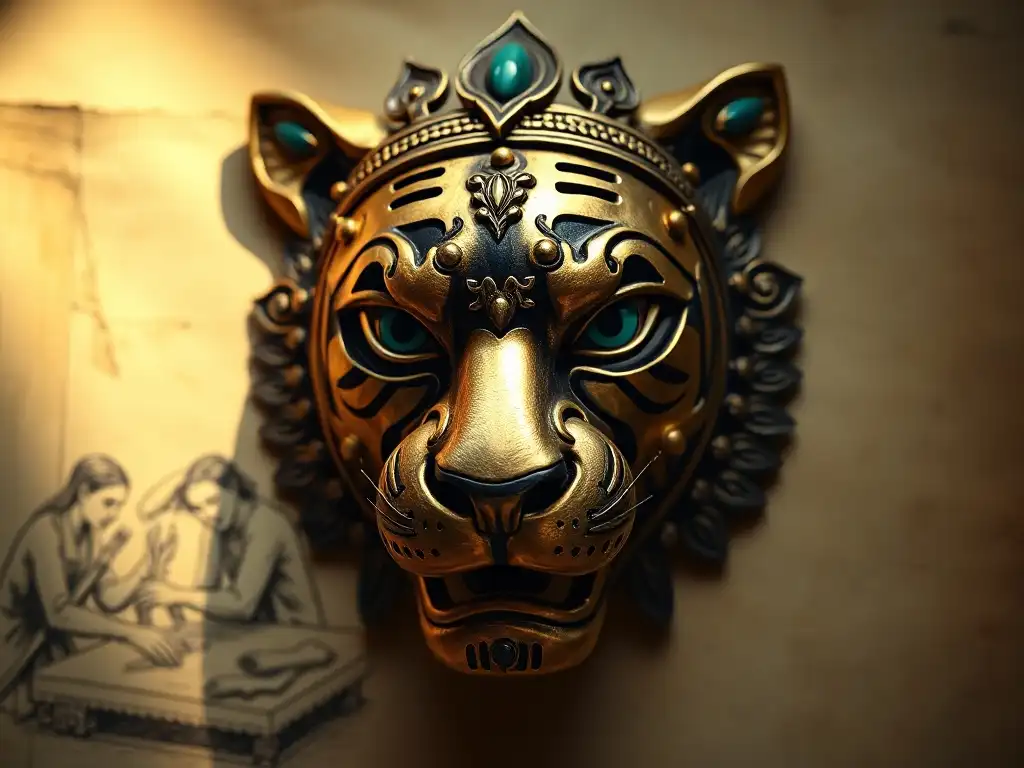
The Inca Empire, renowned for its sophisticated societal structure and impressive architectural feats, also possessed a remarkably advanced understanding of metalworking. This wasn't merely a craft; it was deeply intertwined with their religious beliefs, political power, and social hierarchy. Inca metalworking techniques history reveals a fascinating blend of technical skill and symbolic meaning, resulting in artifacts that continue to captivate and inspire awe centuries later. The mastery of metalworking served as a powerful symbol of Inca power and prestige, differentiating the elite from the common populace.
The sheer artistry and technical proficiency displayed in their metalwork stand as a testament to their ingenuity and cultural sophistication. Understanding the historical context of Inca metalworking is crucial to appreciating the artistry and the sophisticated technology behind it. This section will delve into the societal and cultural role of metal and the legacy of Inca metallurgical innovation.
The Role of Metal in Inca Society and Culture
Metal held a position of immense significance within Inca society, far beyond its purely utilitarian value. Gold, silver, and copper weren't simply resources; they were imbued with spiritual meaning, representing the sun, moon, and earth respectively. These metals were frequently incorporated into religious ceremonies and rituals, further emphasizing their sacred nature. Elaborate gold and silver objects, such as ceremonial vessels, adornments for statues of deities, and intricate jewelry, adorned temples and were used in rituals.
The use of these precious metals was strictly controlled, reinforcing the hierarchical structure of Inca society. Only the elite, including the Sapa Inca (emperor), nobility, and priests, had access to metal objects, showcasing their elevated status. The creation of these objects was not just a craft; it was a sacred act, performed by highly skilled artisans who held a respected position within Inca society. The intricate designs often featured symbolic motifs representing Inca mythology, cosmology, and agricultural practices.
For example, the depiction of the condor, a sacred bird, frequently appears in Inca metalwork, highlighting the Inca's reverence for nature and their belief in its power. These objects were more than just beautiful artifacts; they were powerful symbols of religious faith and royal authority. The careful selection of materials and the precise execution of designs underscore the profound cultural and religious significance imbued in Inca metalworking.
Inca Metallurgy: A Legacy of Innovation and Craftsmanship
Inca metallurgy represents a remarkable achievement in pre-Columbian technology. Their mastery of techniques such as hammering, casting, soldering, and gilding allowed them to create incredibly detailed and intricate pieces. While they didn't possess the same sophisticated furnaces as later civilizations, their ability to refine metals and achieve such high levels of craftsmanship is truly remarkable. The Inca developed unique alloys and techniques to achieve specific colors and textures.
For instance, they skillfully combined gold and copper to create a distinctive reddish-gold hue. This sophisticated understanding of metallurgy allowed them to create a diverse range of objects, from delicate jewelry to massive ceremonial items. The process often involved complex techniques like repoussé (hammering from the back to create relief designs) and chasing (smoothing and refining the surface details). The use of sophisticated tools, such as carefully crafted hammers and punches, facilitated the creation of precise and intricate designs.
The Inca's remarkable skill in metalworking is evident in the surviving artifacts, which demonstrate a high level of technical expertise and artistic expression. Archaeological findings continually reveal new insights into their innovative techniques and the complexity of their metalworking processes, further cementing their place as masters of pre-Columbian metallurgy. Their legacy continues to inspire and challenge modern metalworkers, highlighting the enduring impact of Inca ingenuity. The precision and artistry visible in their work remains a testament to their advanced knowledge and sophisticated techniques, further emphasizing the rich history of Inca metalworking techniques.
Pre-Inca Metalworking Influences on Inca Techniques
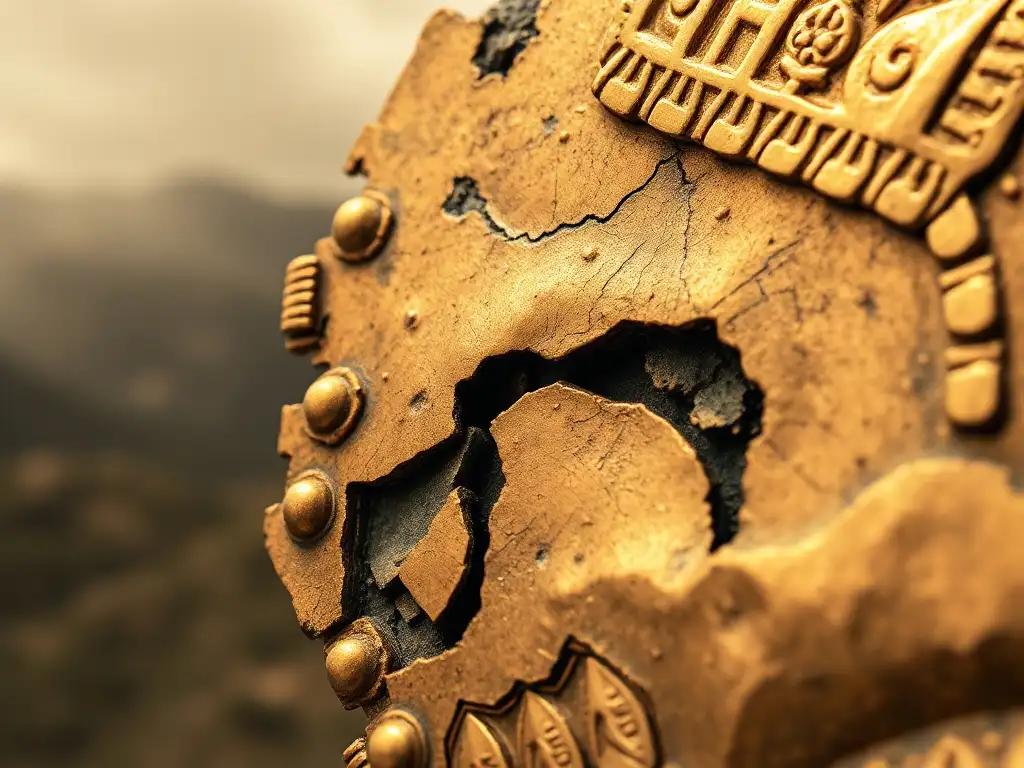
The Inca Empire's mastery of metalworking wasn't born in a vacuum. Their sophisticated techniques built upon centuries of experimentation and innovation by earlier Andean cultures. Understanding these pre-Inca influences is crucial to appreciating the full complexity and artistry of Inca metalwork. The Inca Empire inherited a rich legacy, adapting and refining existing practices to create their own distinctive style. Analyzing this historical progression reveals a fascinating story of cultural exchange and technological advancement, key to understanding the "Inca metalworking techniques history".
Metalworking Traditions of Earlier Andean Cultures
Long before the Inca rose to prominence, various Andean societies developed impressive metalworking skills. The earliest evidence of metalworking in the Andes dates back to around 1500 BCE, with the initial use of gold and copper. The Chavín culture (900-200 BCE), known for its iconic religious iconography, demonstrated a basic understanding of hammering and annealing techniques, primarily focusing on gold.
Subsequent cultures, such as the Moche (100-800 CE) and Nazca (100 BCE – 600 CE), significantly advanced these techniques. The Moche, for instance, are renowned for their intricate gold and silver castings, showcasing remarkable skill in lost-wax casting and repoussé (hammering from the back to create relief). Their artisans created intricate figures of animals, deities, and scenes of daily life, demonstrating a high level of technical proficiency and artistic expression.
The Nazca, while less known for their metalwork compared to their impressive textiles and geoglyphs, also produced finely crafted gold and copper objects, demonstrating a continuation and refinement of earlier techniques. These earlier Andean cultures laid the groundwork for the Inca's later achievements, providing a foundation of knowledge and skill upon which they built. The development of advanced metalworking techniques was a gradual process, a testament to the cumulative knowledge and innovation across generations.
Cultural Exchange and the Evolution of Inca Metal Craft
The Inca Empire, through conquest and assimilation, inherited and integrated the metalworking traditions of these preceding cultures. Rather than discarding existing practices, the Inca cleverly adapted and improved upon them, leading to a distinct Inca style. Evidence suggests that Inca metalworkers likely drew upon the expertise of conquered populations, incorporating diverse regional techniques and styles into their own production. This process of cultural exchange resulted in a flourishing of metalworking activity within the Inca Empire.
The Inca expanded the scale of metal production, establishing workshops and employing skilled artisans from various conquered regions. This centralized approach allowed for the standardization of some techniques while still permitting regional variations in style and design. The Inca also developed new alloys and techniques, such as the sophisticated use of tumbaga (a gold-copper alloy) and the mastery of intricate repoussé and chasing techniques, leading to extraordinarily detailed and lifelike representations in their metalwork.
This wasn't merely a technological leap; it was a cultural synthesis, a testament to the Inca's ability to integrate diverse cultural traditions into a cohesive and highly refined artistic expression. The resulting Inca metalwork stands as a powerful symbol of their imperial power and sophisticated technological capabilities, showcasing a culmination of centuries of Andean metalworking "Inca metalworking techniques history". The legacy of these techniques continues to inspire awe and wonder, highlighting the ingenuity and artistry of Andean civilizations.
Inca Metalworking Techniques: A Detailed Exploration
This section delves into the sophisticated techniques employed by Inca artisans in their renowned metalworking. Their mastery of metallurgy, a testament to their advanced technological capabilities, continues to fascinate and inspire researchers today. Understanding their processes provides invaluable insight into Inca ingenuity and their understanding of materials science. The Inca metalworking techniques history is rich and complex, revealing a civilization far ahead of its time.
Mining and Extraction of Metals by the Incas
The Inca Empire possessed a vast network for acquiring the raw materials crucial for their metalworking endeavors. Their mining operations, often located at high altitudes in challenging terrain, were remarkably organized and efficient, reflecting a deep understanding of geology and resource management. The Incas primarily mined gold, silver, copper, and bronze, along with lesser quantities of other metals like platinum and tin.
The extraction process likely involved a combination of techniques. For surface deposits, simple hand tools such as picks, shovels, and stone hammers would have been sufficient. However, for deeper veins, more sophisticated methods must have been employed.
Evidence suggests the use of fire-setting, a technique where fires were built against the rock face to cause thermal fracturing, making it easier to break away sections of the ore. Additionally, the Incas may have used rudimentary forms of water channeling to wash away loose soil and expose ore deposits. The precise details of these methods remain a subject of ongoing research, as many Inca mining sites are difficult to access and study.
Further investigation is needed to fully understand the scope and complexity of Inca mining operations, particularly concerning the logistical challenges of transporting the mined materials across vast distances and rugged landscapes. The scale of their mining efforts is a clear indicator of their advanced organizational skills and sophisticated societal structure.
Smelting Processes and Inca Metallurgy
Once mined, the Inca metal ores needed to undergo smelting to extract the pure metals. This process involved heating the ore to high temperatures in specially constructed furnaces, causing the metal to melt and separate from the impurities. While the exact construction of Inca smelting furnaces remains debated among scholars, archaeological evidence suggests the use of both open-air hearths and more enclosed structures. The use of bellows, possibly made from animal skins, likely provided the necessary airflow to maintain the high temperatures required for efficient smelting.
The Incas demonstrated a remarkable understanding of metallurgy, skillfully controlling the temperature and duration of the smelting process to achieve the desired purity and properties of the metal. Their mastery extended beyond simple smelting; they were able to create alloys by combining different metals to achieve specific properties. For example, they combined copper and tin to create bronze, a harder and more durable material than either copper or tin alone.
The precise ratios of the alloy components were carefully controlled to achieve the desired properties for specific applications, showcasing their advanced knowledge of material science. It is fascinating to note that the Inca's metallurgical achievements, considering the limited technology available to them, rival those of many other ancient civilizations. Their ability to consistently produce high-quality metal castings is a testament to their expertise and craftsmanship.
Shaping and Forming Metal: Inca Goldsmithing Techniques
The Inca's mastery of metalworking extended beyond smelting to encompass a wide range of shaping and forming techniques. Their artisans employed several methods to create intricate and highly detailed metal objects, including hammering, casting, repoussé, and chasing.
Hammering involved shaping the metal by repeatedly striking it with a hammer. This technique was used to create both simple and complex shapes, demonstrating significant skill in controlling the force and direction of each strike. Casting, on the other hand, involved melting the metal and pouring it into a mold to create a specific shape. This technique allowed for the creation of more intricate designs and larger objects than could be achieved through hammering alone. The Incas were highly skilled in creating complex molds, often using materials like clay or stone.
Repoussé and chasing are related techniques used to create three-dimensional designs on metal sheets. Repoussé involves hammering the metal from the back to create raised designs on the front, while chasing involves smoothing and refining the design from the front. These techniques were often combined to create highly detailed and visually stunning pieces.
The level of skill and precision required for these techniques is truly remarkable, highlighting the exceptional talent of Inca goldsmiths. Their intricate work reflects not only technical proficiency but also a deep understanding of artistic principles and aesthetics. The legacy of Inca metalworking continues to inspire awe and admiration, representing a pinnacle of ancient Andean craftsmanship.
The intricate designs and high quality of their work are a testament to their technical skills and artistic vision. Their techniques, while lost for many years, continue to be studied and rediscovered, revealing more about the sophisticated culture of the Inca Empire.
Inca Techniques for Creating Alloys and Metal Combinations
The Inca mastery of metalworking extended beyond simply shaping existing metals. Their sophisticated understanding of metallurgy allowed them to create unique alloys and metal combinations, resulting in objects of exceptional strength, durability, and aesthetic appeal. This wasn't achieved through trial and error alone; the Incas possessed a detailed knowledge of the properties of different metals and how they interacted when combined. Their techniques involved careful selection of base metals, precise control of smelting temperatures, and a thorough understanding of the resulting alloys' characteristics.
One remarkable example of Inca alloying is their use of tumbaga. This wasn't a single, precisely defined alloy, but rather a range of gold-copper alloys, varying in proportion depending on the desired properties and aesthetic effect. A higher copper content would result in a reddish hue, while a higher gold content would produce a richer, yellower tone.
The Incas expertly controlled the proportions to achieve a spectrum of colors and textures, ranging from deep oranges to pale yellows. This allowed them to create objects with striking visual contrasts, often within the same piece. The process required precise control over the smelting process, ensuring even distribution of the metals and avoiding impurities that could weaken the final product.
Evidence suggests they used crucibles made of refractory clay, carefully controlling the temperature and airflow to achieve the desired results. The precise techniques used for achieving the desired tumbaga composition are still being investigated by modern metallurgists, highlighting the sophistication of Inca metallurgical knowledge.
Beyond tumbaga, the Incas also experimented with other metal combinations, incorporating silver, tin, and even lead into their alloys. These combinations were likely used for specific purposes, such as enhancing the durability of tools or creating specific colors and textures in decorative objects. The use of tin, for instance, could have improved the casting properties of bronze alloys, making them easier to work with and resulting in more intricate designs.
The careful selection and combination of metals showcase the Incas' deep understanding of the material properties and their ability to tailor their alloys to specific needs, reflecting a level of technological sophistication rarely seen in other contemporary cultures. Further research into Inca metallurgical practices is ongoing, with ongoing efforts to fully understand the complexities and nuances of their alloying techniques. Analyzing surviving artifacts through modern techniques continues to reveal new insights into their remarkable expertise.
Types of Metal Artifacts Produced by the Incas
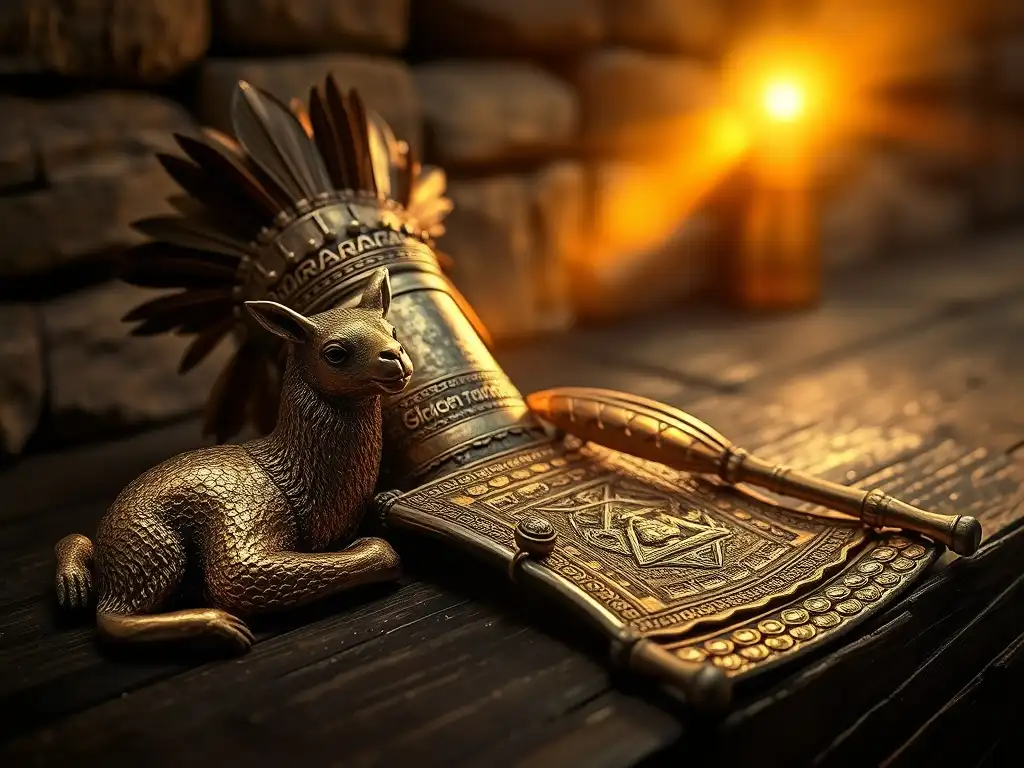
The Inca Empire, renowned for its sophisticated engineering and intricate artistry, left behind a remarkable legacy of metalwork. Their mastery of metalworking techniques, honed over centuries, allowed them to produce a diverse range of artifacts reflecting their religious beliefs, social structures, and technological prowess. This section delves into the various types of metal artifacts created by the Inca, highlighting the unique characteristics and purposes of each. Understanding the Inca metalworking techniques history is crucial to appreciating the ingenuity and artistry of this remarkable civilization.
The Inca's skill in manipulating metals wasn't just about creating beautiful objects; it was deeply intertwined with their worldview and power structures. Their metalwork served as a powerful means of expressing religious devotion, marking social status, and showcasing technological advancement. This section will explore this fascinating intersection of art, religion, and technology.
Inca Gold and Silver Artifacts: Religious and Royal Uses
Inca gold and silver artifacts were not merely decorative; they held profound religious and symbolic significance. Gold, considered the "tears of the sun," was associated with the Inca deity Inti, and silver, representing the "tears of the moon," was linked to Mama Killa. These precious metals were reserved primarily for religious ceremonies and royal adornment. The sheer quantity of gold and silver used in Inca artifacts reflects the importance placed on these metals within their culture.
The most impressive examples include:
- Royal Headdresses: Intricately crafted gold and silver headdresses adorned Inca rulers, symbolizing their divine connection and authority. Often incorporating feathers, precious stones, and other decorative elements, these headdresses were powerful symbols of power and prestige.
- Religious Vessels: Gold and silver vessels, such as kero (ceremonial cups) and aríbalo (water jars), were used in religious rituals and offerings. The intricate designs and craftsmanship of these vessels demonstrate the high level of skill possessed by Inca metalworkers. The detailed imagery often depicted mythological figures and scenes from Inca mythology, emphasizing their religious function.
- Figurines and Idols: Small gold and silver figurines representing deities, animals, and other important figures were used in religious ceremonies and as offerings. These figurines, often exquisitely detailed, demonstrate the Inca’s ability to work with delicate materials and create miniature masterpieces.
- Funeral Adornments: Members of the Inca elite were often buried with elaborate gold and silver ornaments, demonstrating the belief in an afterlife and the importance of these metals in the transition to the next world. These artifacts provide invaluable insights into Inca burial practices and beliefs.
The production of these artifacts required sophisticated techniques, including hammering, annealing, soldering, and gilding. The sheer scale of some gold and silver objects suggests a well-organized and highly skilled workforce dedicated to metalworking.
Copper and Bronze Tools and Weapons of the Inca Empire
While gold and silver were largely reserved for religious and royal use, copper and bronze played a vital role in the Inca's daily life. Copper and bronze were used extensively to produce tools and weapons, reflecting the practical application of Inca metalworking techniques. The widespread use of copper and bronze tools indicates their importance in agriculture, construction, and warfare.
Examples include:
- Agricultural Tools: Axes, adzes, and chisels were crucial for cultivating the land and constructing irrigation systems, vital components of the Inca's agricultural success. The durability and sharpness of these tools indicate the effectiveness of Inca bronze-casting and metalworking techniques.
- Weapons: Mace heads, knives, and spear points were crafted from copper and bronze, showcasing the Inca's ability to create effective weaponry. The design and construction of these weapons indicate a high level of skill and understanding of metallurgy.
- Household Tools: Various household items such as needles, pins, and awls were also produced from copper and bronze, highlighting the versatility of these metals in everyday life. The prevalence of these objects demonstrates the widespread use of metal in Inca society, even beyond the elite.
The Inca’s mastery of copper and bronze alloying allowed them to produce tools and weapons that were both durable and effective. Analysis of these artifacts reveals the consistent quality and uniformity of Inca metalworking, indicating a standardized process across different regions of the empire.
Decorative Metalwork: Adornments and Jewelry
Beyond religious and utilitarian objects, Inca metalworkers created a vast array of decorative items, including adornments and jewelry. These pieces showcased the Inca's artistic skill and their ability to create intricate and visually stunning works of art. These artifacts, often incorporating gold, silver, copper, and other materials, were worn by individuals of different social standing and served as symbols of status, identity, and cultural expression.
Some notable examples include:
- Ear Spools and Nose Rings: These were common adornments, often crafted from gold, silver, or copper. Their diverse styles and designs reflect regional variations and individual preferences. The size and intricacy of these pieces also often indicated social status.
- Necklaces and Pendants: Necklaces were made from various materials, including precious metals, beads, shells, and stones. Pendants often featured animal or human figures, demonstrating the Inca's artistic creativity and symbolic representation.
- Breastplates and other body ornaments: Elaborate breastplates and other body ornaments were often crafted for ceremonial purposes or worn by high-ranking individuals. These items, frequently adorned with intricate designs and precious stones, further highlight the Inca's skill in metalworking and their use of precious materials.
The creation of these decorative items required a high level of artistry and precision. Inca metalworkers used techniques such as repoussé (hammering from the back), chasing (hammering from the front), and filigree (delicate wirework) to create intricate designs and patterns. The enduring beauty of these pieces speaks to the skill and artistry of Inca metalworkers and their lasting contribution to the history of Andean art.
Lost Techniques and Recent Discoveries in Inca Metalworking
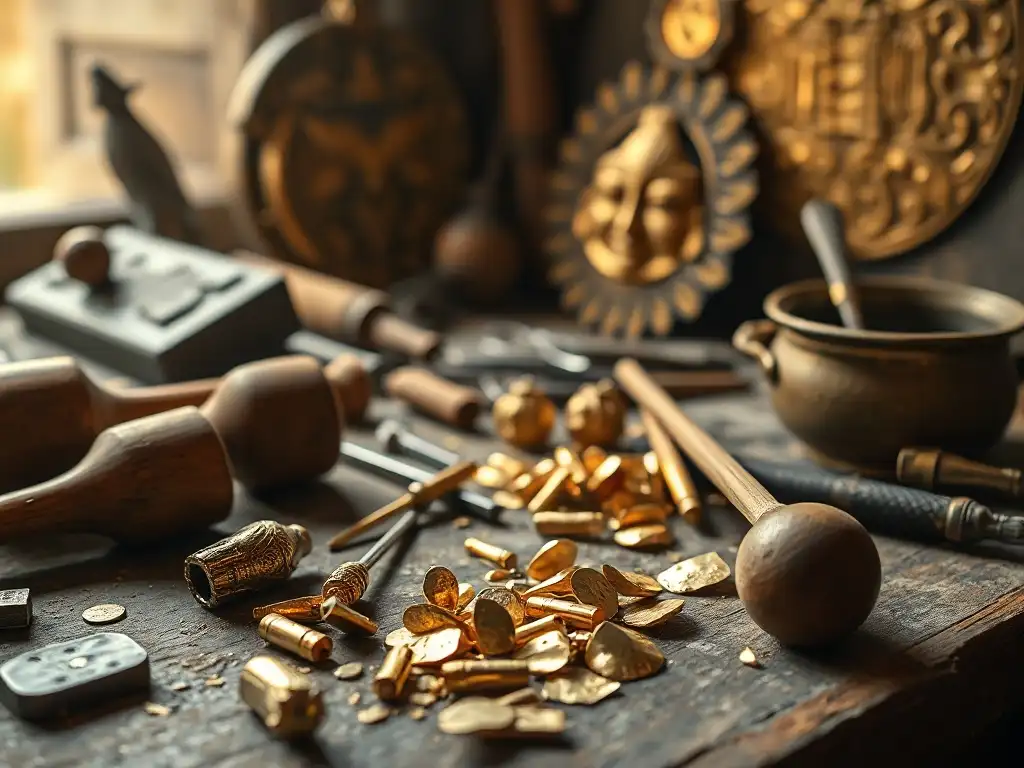
The Inca Empire, renowned for its sophisticated artistry and engineering prowess, left behind a legacy of breathtaking metalwork. From intricate gold and silver jewelry to massive ceremonial objects, Inca artisans demonstrated unparalleled skill in manipulating precious metals. However, the precise techniques employed by these master craftsmen remained largely shrouded in mystery for centuries. Understanding Inca metalworking techniques history requires delving into both the archaeological record and the ongoing efforts of modern researchers to unravel these ancient secrets.
This section explores the lost techniques and recent discoveries that are shedding new light on this fascinating aspect of Inca civilization. The ingenuity and precision displayed in their metalwork continue to inspire awe and admiration, even today. The intricate details found in surviving artifacts suggest a high level of specialized knowledge passed down through generations.
The Mysteries of Inca Lost-Wax Casting
Lost-wax casting, a sophisticated method of metalworking, was a cornerstone of Inca artistry. This technique involves creating a wax model of the desired object, covering it in a clay mold, melting out the wax, and then pouring molten metal into the resulting cavity. The complexity of many Inca pieces, particularly those involving intricate designs and delicate details, points to a mastery of this process that surpasses many other contemporaneous cultures.
For example, the incredibly fine details found on some gold figurines, such as the miniature llamas and other animals, showcase an astonishing level of control over the molten metal and the ability to accurately reproduce minute features. However, the exact composition of the Inca's casting molds, the types of waxes utilized, and the specific furnace temperatures employed remain areas of active research. Archaeological evidence suggests variations in techniques across different regions of the empire, hinting at regional specializations and possibly the transmission of knowledge via trade networks.
Further research is needed to fully understand the nuances of this process and its regional variations. The survival of a relatively small number of complete molds further complicates the study, emphasizing the importance of preserving and carefully analyzing any newly discovered artifacts.
Reconstructing Inca Metalworking Processes through Archaeological Finds
Archaeological excavations have yielded invaluable insights into Inca metalworking practices. The discovery of workshops and smelting sites, along with the uncovering of discarded tools and partially finished objects, provides tangible evidence of the processes used. For example, the discovery of various types of crucibles and bellows at sites like Cerro Baúl has helped researchers understand the smelting processes used to extract metals from ores.
Analysis of these tools, combined with metallurgical studies of the finished artifacts, allows for a detailed reconstruction of the entire production chain, from ore extraction to the final polishing of the finished piece. The presence of different types of hammers, chisels, and other tools indicates a level of specialization within Inca workshops, with specific artisans focused on particular stages of the production process. Furthermore, the discovery of molds and castings in various stages of completion reveals the step-by-step process of lost-wax casting and other techniques.
This detailed understanding, gleaned from archaeological context, provides a crucial framework for further research and interpretation. The careful documentation and analysis of these findings are crucial for building a comprehensive picture of Inca metalworking techniques history.
Modern Research and the Rediscovery of Ancient Inca Skills
Modern researchers, employing advanced techniques like X-ray fluorescence spectroscopy and electron microscopy, are able to analyze the composition of Inca metalwork with unprecedented precision. This allows them to identify the specific alloys used, the sources of the metals, and the techniques employed in their processing. This is crucial for understanding the trade networks that facilitated the acquisition of raw materials and the spread of metalworking techniques across the empire.
Furthermore, experimental archaeology, which involves replicating ancient techniques using only the tools and materials available to Inca artisans, is playing a vital role in verifying hypotheses and gaining a deeper understanding of the challenges and intricacies involved. These experiments often reveal unexpected complexities, highlighting the ingenuity and skill required to master these processes. For instance, recent experiments have shed light on the sophisticated techniques used in creating the intricate gold and silver sheets employed in Inca jewelry, demonstrating the high level of craftsmanship involved.
The ongoing research, combining archaeological discoveries with advanced analytical techniques and experimental archaeology, is steadily revealing the secrets of Inca metalworking, enriching our understanding of this remarkable civilization. The continued investigation and collaboration between archaeologists, metallurgists, and other specialists are essential to further unravel the mysteries of Inca metalworking techniques history.
The Impact of Inca Metalwork on Andean Art and Culture
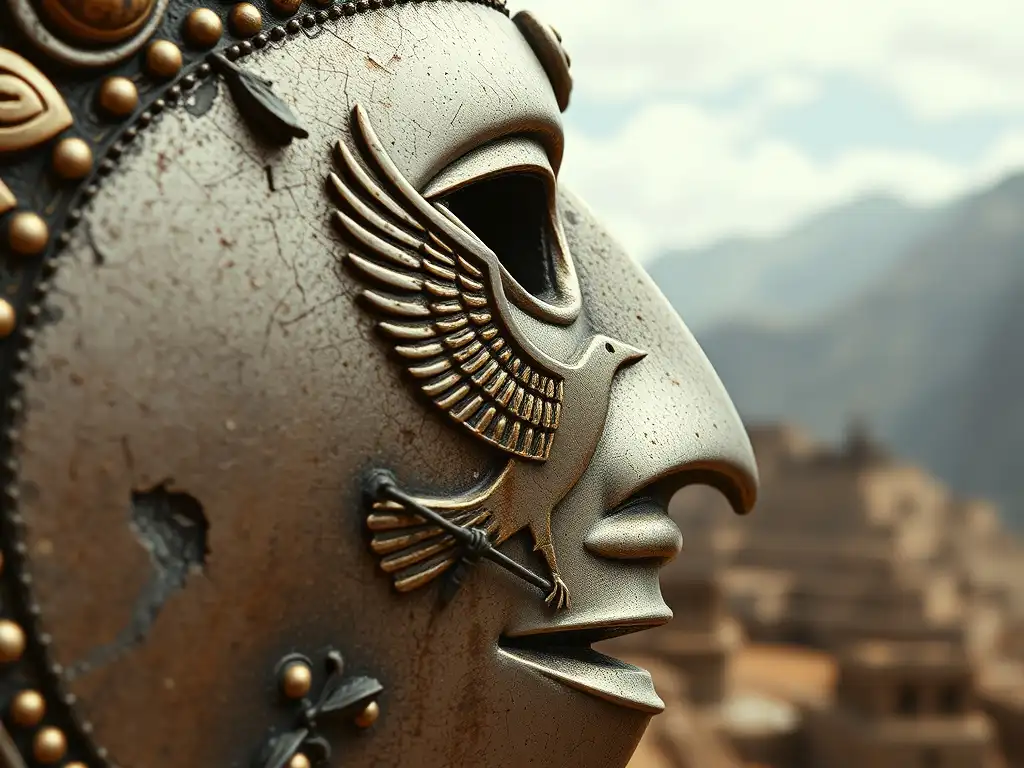
The Inca Empire's mastery of metalworking wasn't merely a technological achievement; it profoundly impacted Andean art and culture, leaving an indelible mark on subsequent artistic expressions and societal structures. The sheer scale of Inca metal production, coupled with its sophisticated techniques, cemented its position as a symbol of power and prestige. This wasn't just about creating beautiful objects; it was about forging a visual language that reinforced imperial authority and religious beliefs.
The intricate designs, often featuring symbolic motifs like the puma, condor, and snake, served as powerful visual reminders of Inca dominance and cosmological ideologies. The use of precious metals like gold and silver, selectively reserved for elite members of society, further emphasized the hierarchical structure of Inca society. This carefully controlled access to luxury metalwork solidified the emperor's position at the apex of the social pyramid.
Legacy of Inca Metalworking in Later Andean Traditions
The impact of Inca metalworking techniques extends far beyond the empire's collapse. While the precise methods were partially lost after the Spanish conquest, the aesthetic principles and symbolic vocabulary of Inca metalwork continued to influence Andean artistic production for centuries. Later Andean artisans, though lacking the empire's centralized organization and resources, adapted and reinterpreted Inca styles, incorporating them into their own creations.
This is evident in the continued use of characteristic Inca motifs and techniques, albeit often simpler in execution, in post-conquest silver and gold objects. The legacy is not only stylistic; the very act of metalworking, the knowledge and skill passed down through generations, represents a continuity of Andean cultural identity. For example, the use of hammering and repoussé techniques, central to Inca metalworking, can be traced in various forms throughout the colonial and post-colonial periods, demonstrating the enduring influence of Inca craftsmanship.
Even today, many contemporary Andean artists draw inspiration from the rich heritage of Inca metalwork, maintaining a connection to their ancient past. Analyzing these later works reveals a complex interplay between tradition and innovation, where Inca aesthetics are reinterpreted and adapted to new contexts and materials.
The Enduring Fascination with Inca Metalworking History
The study of Inca metalworking techniques continues to fascinate historians, archaeologists, and art historians alike. This enduring interest stems from a number of factors. Firstly, the sheer technical skill involved in creating such intricate and delicate objects is astounding, particularly considering the tools and technologies available to the Inca. The precision and artistry displayed in Inca metalwork represent a pinnacle of pre-Columbian craftsmanship.
Secondly, the objects themselves—from intricately crafted gold and silver vessels to finely detailed figurines—provide invaluable insights into Inca religion, cosmology, and social structures. The symbolic imagery embedded in these artifacts offers a window into the beliefs and worldview of the Inca people. Thirdly, the process of uncovering and interpreting these objects is an ongoing journey of discovery. New findings and advancements in scientific analysis continue to shed light on the techniques employed by Inca artisans, revealing the complexity and sophistication of their metalworking practices.
The ongoing research into Inca metalworking techniques reveals not only the ingenuity of the Inca but also the resilience and enduring impact of their artistic and cultural legacy. The meticulous reconstruction of lost processes, often involving painstaking experimentation and analysis, allows us to better understand and appreciate the artistry and skill of these ancient masters. The quest to understand "Inca metalworking techniques history" is, therefore, a journey into the heart of Andean civilization.
Conclusion: The Enduring Legacy of Inca Metalworking
The mastery of Inca metalworking techniques represents a significant achievement in pre-Columbian technology and artistry. Their intricate designs, innovative techniques, and the sheer quality of their finished products continue to fascinate and inspire researchers and artisans alike. From the delicate hammered gold sheets adorning ceremonial objects to the robust bronze tools used in daily life, Inca metalwork provides invaluable insights into their sophisticated social structures, religious beliefs, and technological prowess.
The legacy of Inca metalworking extends far beyond mere aesthetic appreciation; it offers a window into a complex civilization that thrived in the challenging Andean environment. Understanding their processes allows us to better appreciate the ingenuity and resilience of the Inca people, and to learn from their achievements in material science and craftsmanship.
The Inca's understanding of metallurgy, particularly their ability to work with alloys and achieve high levels of purity, remains a testament to their advanced knowledge and skill. Their techniques, while largely lost to time, are slowly being rediscovered and reinterpreted, revealing ever more about this remarkable civilization.
The Importance of Preserving Inca Metallurgical Knowledge
The preservation of Inca metallurgical knowledge is crucial for several reasons. Firstly, it safeguards a unique cultural heritage. These techniques represent a significant part of Inca identity and cultural expression, and their loss would represent an irreplaceable void in our understanding of pre-Columbian history. Secondly, understanding Inca metallurgical practices can inform modern material science and engineering.
Their innovative approaches to alloying, casting, and finishing offer potential insights that could lead to breakthroughs in contemporary technologies. For example, studying their techniques for creating corrosion-resistant alloys could have implications for modern materials science. Finally, preserving this knowledge promotes cultural tourism and economic development in the regions where Inca artifacts are found.
The study and appreciation of Inca metalworking attract researchers, tourists, and artisans, contributing to the economic well-being of local communities. Active preservation efforts, such as careful excavation and conservation of artifacts, as well as the documentation and dissemination of research findings, are essential to ensure the long-term survival of this invaluable heritage. The ongoing effort to understand and replicate Inca techniques is not simply an academic exercise; it is a vital contribution to cultural preservation and technological advancement.
Future Research and the Potential for New Discoveries
Despite significant progress in understanding Inca metalworking techniques, much remains unknown. Future research should focus on several key areas. Firstly, more detailed analysis of existing artifacts using advanced non-destructive techniques, such as X-ray fluorescence (XRF) and scanning electron microscopy (SEM), is needed to further elucidate the specific compositions of Inca alloys and the precise methods used in their production.
Secondly, further investigation of Inca mining practices and the sourcing of raw materials will enhance our understanding of their logistical capabilities and economic systems. Thirdly, archaeological excavations at Inca metallurgical workshops could unearth new tools, byproducts, and other evidence that could shed light on the manufacturing process. The potential for new discoveries is significant.
New archaeological findings, advancements in analytical techniques, and interdisciplinary collaborations between archaeologists, metallurgists, and historians promise to further illuminate the intricacies of Inca metalworking and its contribution to the rich tapestry of Andean civilization. The ongoing exploration of Inca metalworking techniques ensures that the legacy of this remarkable civilization will continue to inspire and inform future generations. The possibilities for uncovering new insights and refining our understanding are immense, promising a continued flourishing of knowledge regarding "Inca metalworking techniques history."
Frequently Asked Questions
What made Inca metalworking so unique?
Inca metalworking was unique due to its masterful techniques in alloying, hammering, repoussé, and gilding. They also demonstrated incredible skill in creating intricate designs and realistic depictions.
What metals did the Inca primarily work with?
The Inca primarily worked with gold, silver, copper, and bronze, often combining them to create alloys with specific properties and colors. They also utilized platinum and meteorite iron in some instances.
How did Inca metalworkers achieve such fine detail in their work?
Inca artisans achieved incredible detail through a combination of hammering, casting, and repoussé. They used specialized tools and possessed a deep understanding of metal properties to create their intricate designs.
What is the significance of Inca metalwork in understanding their culture?
Inca metalwork offers crucial insights into their religious beliefs, social hierarchy, and artistic achievements. The objects themselves served ceremonial, decorative, and practical purposes, reflecting their complex society.
Were Inca metalworking techniques truly "lost," and if so, how were they rediscovered?
While some techniques were lost to time, many were not. Modern researchers have reconstructed many lost techniques through careful study of surviving artifacts and experimentation, leading to a greater understanding of their processes.
Final Reflection: The Enduring Legacy of Inca Metalworking
The intricate artistry of Inca metalworking, once thought lost to time, continues to resonate today, reminding us of the ingenuity and cultural depth of a civilization that thrived centuries ago. The rediscovery and ongoing study of these techniques not only illuminate the past but also offer valuable insights into material science, artistic innovation, and the enduring power of human creativity. We are not simply observing artifacts; we are witnessing the echoes of a sophisticated society that mastered techniques still admired and studied today.
The impact of Inca metalworking extends far beyond the realm of archaeology. It serves as a powerful testament to the human capacity for innovation and the enduring beauty of handcrafted artistry. The meticulous detail and sophisticated techniques employed by Inca artisans continue to inspire contemporary artists and craftspeople. The past is never dead. It's not even past.
– William Faulkner. This quote perfectly encapsulates the ongoing relevance of Inca metalworking, as its influence reverberates through time, shaping our understanding of history and inspiring future generations of creators.
Consider the intricate details, the masterful control of materials, and the sheer artistry displayed in Inca metalwork. Now, consider how these qualities might inspire your own creative endeavors, your approach to problem-solving, or even your appreciation for the beauty found in meticulous craftsmanship. Let the legacy of Inca metalworking inspire you to explore your own potential for innovation and excellence, to appreciate the artistry in the world around you, and to strive for mastery in your own chosen field. The echoes of their skill remain – let them resonate within you.
Unveil the Secrets of Inca Metalworking!
Thank you for exploring the fascinating world of Inca metalworking techniques! You've discovered how these innovative processes were revolutionary for their time and continue to offer valuable insights today. Now, let's delve deeper and explore ways to engage further with this rich history and craftsmanship.
- Get hands-on! Experiment with a simple metalworking project inspired by Inca techniques. Use readily available materials to create your own piece of art or tool, applying the knowledge you've gained.
- Join our community! Share your creations and discoveries on our Andean Civilizations forum. Connect with fellow enthusiasts, exchange ideas, and learn from one another.
- Spread the word! Help preserve this rich heritage by sharing this article with friends and family who appreciate history and skilled craftsmanship. Encourage them to explore the wonders of Inca innovation!
What aspect of Inca metalworking most captivates you, and how do you plan to incorporate these ancient techniques into your life?