
The Impact of the Environment on Daily Life in the Andes

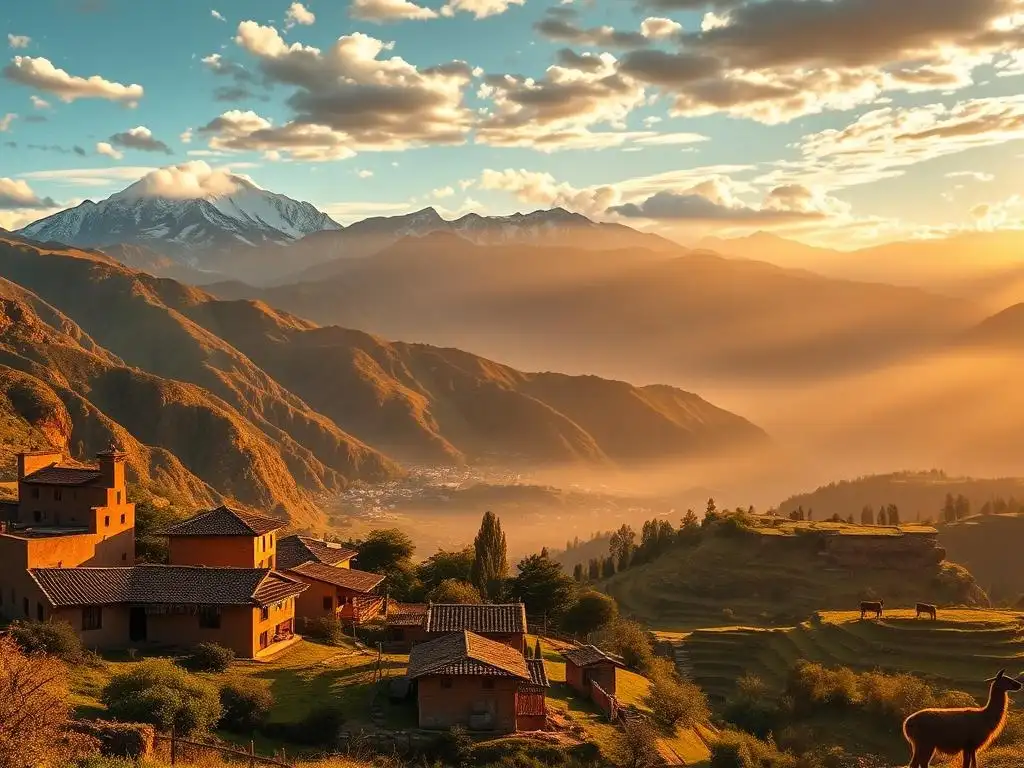
Welcome to Andean Civilizations, where the echoes of a lost world whisper secrets of ingenuity and resilience. Journey with us through the breathtaking landscapes of the Andes, and discover how these magnificent cultures, from the Incas to the Nazca, shaped – and were shaped by – their environment. But the story goes deeper than majestic ruins; prepare to be captivated by the Andean civilizations' environmental impact, a complex interplay of adaptation and innovation that will reshape your understanding of these remarkable societies. Uncover the secrets hidden within the mountains... delve into the details now!
The towering Andes Mountains, a formidable yet life-giving force, profoundly shaped the daily lives of the ancient Andean civilizations. From the Inca Empire's sophisticated agricultural terraces to the intricate irrigation systems of the Nazca, the environment wasn't merely a backdrop; it was the very foundation upon which these societies built their complex cultures.
This article explores the multifaceted ways in which the challenging yet rewarding Andean environment influenced everything from food production and settlement patterns to social structures and religious beliefs. Understanding this intricate relationship is key to appreciating the ingenuity and resilience of these remarkable Andean civilizations and their enduring legacy.
We will delve into specific examples showcasing how these communities adapted, innovated, and thrived in one of the world's most geographically diverse and challenging regions. The keyword "Andean civilizations environmental impact" highlights the central theme of this exploration, revealing how environmental factors directly impacted the daily rhythms and long-term development of these fascinating societies.
Understanding the Andean Environment's Influence on Ancient Civilizations
The Andes Mountains present a diverse array of ecological zones, from arid coastal deserts to high-altitude grasslands (puna) and lush cloud forests. This verticality, known as verticality, created a unique challenge and opportunity for Andean peoples. The dramatic changes in altitude, temperature, and rainfall dictated agricultural practices, settlement locations, and resource management strategies.
For example, the Incas, masters of adaptation, developed ingenious agricultural techniques like terracing to maximize arable land on steep slopes. This wasn't simply a matter of farming; it was a crucial element of their social and political organization, with access to fertile land playing a significant role in power dynamics.
Furthermore, the availability of water, often scarce in certain regions, drove the development of sophisticated irrigation systems, demonstrating a deep understanding of hydrology and engineering. The impact of the environment wasn't limited to agriculture; it also influenced aspects such as clothing, shelter, and transportation, requiring constant innovation and adaptation to survive and thrive.
Agricultural Practices and Environmental Adaptation
Agricultural practices in the Andes were not only crucial for survival but also deeply intertwined with the spiritual beliefs of these societies. The Inca, for instance, worshipped the sun and practiced a form of ancestor veneration, often incorporating agricultural rituals into their religious ceremonies. The precise cultivation of crops like potatoes, maize, and quinoa, each suited to specific altitudes and microclimates, was a testament to their profound understanding of their environment.
This knowledge, passed down through generations, allowed them to cultivate a diverse range of crops, ensuring food security even in the face of environmental challenges like droughts or frosts. The Moche civilization, known for its elaborate irrigation systems, showcased an impressive capacity for water management, enabling them to cultivate fertile lands in otherwise arid coastal regions. Their mastery of hydraulic engineering allowed them to thrive in a challenging environment, providing a foundation for their flourishing civilization.
Settlement Patterns and Resource Management
The distribution of resources directly influenced settlement patterns in the Andes. Coastal communities, for example, relied heavily on fishing and maritime resources, while highland communities focused on agriculture and pastoralism. The varied topography dictated the types of settlements that were constructed, ranging from small, dispersed villages in the highlands to larger, more centralized urban centers along the coast. The management of resources, especially water, was a critical aspect of Andean societies.
The construction of canals, reservoirs, and aqueducts demonstrates a sophisticated understanding of water management and the need for sustainable resource use. This awareness of environmental limitations and the need for careful resource management highlights the long-term vision and practical ingenuity of these ancient Andean communities. Evidence suggests a strong sense of community responsibility in ensuring the equitable distribution of resources, highlighting the social importance of environmental stewardship.
The Role of the Environment in Andean Religion and Cosmology
The Andean worldview was deeply intertwined with the natural environment. Mountains were considered sacred, and the landscape itself was imbued with spiritual significance. Many religious practices were directly related to agricultural cycles, reflecting the fundamental importance of agriculture to their survival. The Inca, for example, had a complex system of beliefs and rituals centered around the sun, mountains, and water, all crucial elements of their environment.
The worship of deities associated with specific ecological zones further emphasizes the integral role of the environment in their religious beliefs. This deep connection between the natural world and the spiritual realm underscores the profound influence the environment had on all aspects of Andean life, shaping not only their daily routines but also their fundamental worldview and social structures. This spiritual connection fostered a sense of respect and responsibility towards the environment, a concept essential for their long-term sustainability.
- Understanding the Andean Environment's Influence on Ancient Civilizations
- Agricultural Practices and Environmental Adaptation
- Settlement Patterns and Resource Management
- The Role of the Environment in Andean Religion and Cosmology
- How did the environment influence Andean agricultural practices?
- What role did llamas and alpacas play in Andean societies' relationship with their environment?
- How did the Andes' varied climates affect the development of different Andean cultures?
- What environmental challenges did Andean civilizations face, and how did they overcome them?
- What is the evidence of the Andean civilizations' impact on their environment?
Geographical Challenges and Adaptations in Andean Societies
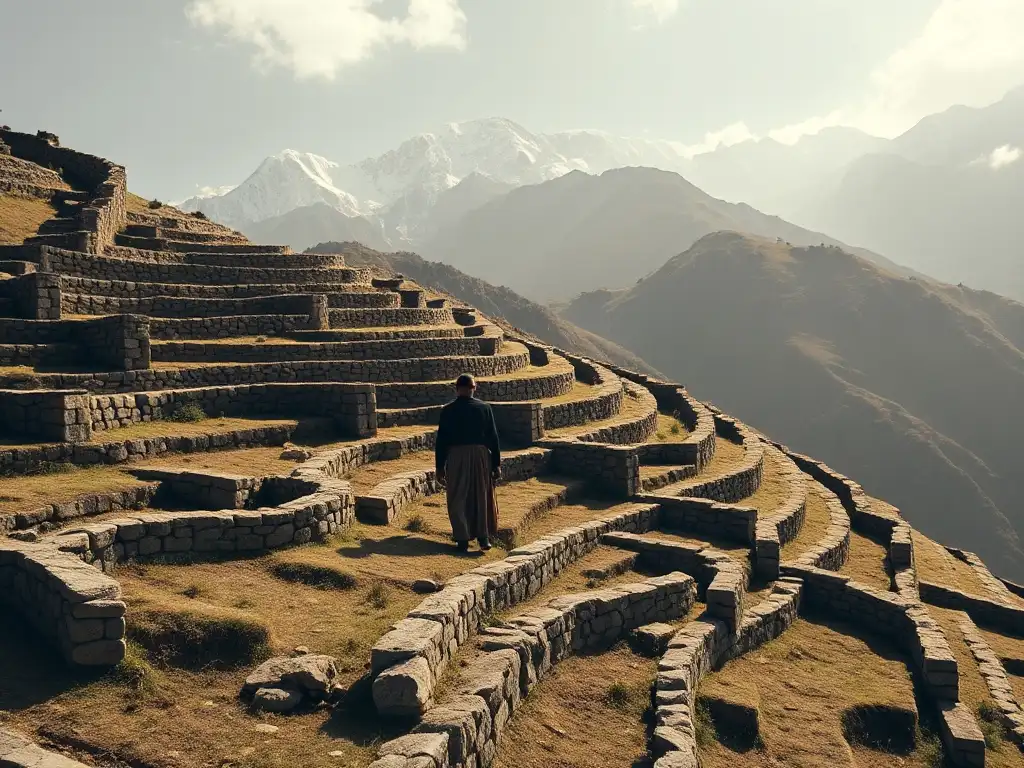
The Andean region, stretching along the western coast of South America, presented significant geographical challenges to its inhabitants. Understanding the impact of this environment on daily life is crucial to appreciating the ingenuity and resilience of Andean civilizations. The "Andean civilizations environmental impact" wasn't just about shaping the environment; the environment profoundly shaped the societies that thrived (and sometimes struggled) within it. This section explores the diverse landscapes and the remarkable adaptations made by Andean peoples to survive and flourish in these demanding conditions.
The Diverse Andean Landscape: From Coast to Highlands
The Andean landscape is far from homogenous. It encompasses a breathtaking variety of environments, from the arid coastal deserts to the towering peaks of the Andes Mountains and the lush Amazonian foothills. This diversity dictated the lifestyles and societal structures of different Andean groups.
The coastal regions, characterized by deserts like the Atacama, presented challenges of water scarcity and limited arable land. In contrast, the highlands offered fertile valleys, but these were often at high altitudes, imposing physiological challenges and influencing agricultural practices. The transition zones between these extremes, such as the puna (high-altitude grasslands), provided unique opportunities and constraints.
The dramatic variation in altitude created distinct ecological niches, each supporting a specific flora and fauna. This resulted in a complex interplay between different Andean communities, with specialized knowledge and resources exchanged across diverse environments. For example, coastal communities often traded fish and sea salt for highland agricultural products like potatoes and quinoa. This intricate network of exchange highlights the profound impact of the diverse Andean landscape on the region's social and economic structures. Understanding this dynamic is key to grasping the complexity of "Andean civilizations environmental impact".
Adapting to Altitude: Life in the High Andes
Life at high altitudes in the Andes presented significant physiological challenges. The thin air resulted in lower oxygen levels, impacting physical endurance and requiring adaptations in daily routines and agricultural practices. Andean populations developed physiological adaptations over generations, such as increased lung capacity and higher red blood cell counts. However, they also developed ingenious cultural and technological solutions to mitigate the effects of altitude sickness.
For instance, the construction of terraced agriculture allowed for efficient use of limited arable land on steep slopes. These terraces also helped to regulate water flow and reduce soil erosion, crucial aspects of sustainable living in a challenging environment. The cultivation of altitude-tolerant crops like quinoa and potatoes was paramount, demonstrating a deep understanding of the environment and its limitations.
The Inca Empire, in particular, excelled at managing high-altitude environments, using sophisticated irrigation systems and building impressive infrastructure to support their populations. The impact of altitude on daily routines, diet, and social structures significantly shaped the lives of Andean peoples, underscoring the importance of considering "Andean civilizations environmental impact" in a nuanced way.
Coastal Environments and Resource Management
The coastal desert regions of the Andes, while seemingly inhospitable, supported thriving communities through careful resource management. The scarcity of freshwater necessitated innovative techniques for water collection and storage. Andean cultures developed sophisticated systems of canals and underground aqueducts to capture and distribute scarce water resources. The ability to effectively manage water was crucial for agriculture and sustaining large populations.
Coastal communities also developed expertise in fishing and marine resource management. Evidence suggests sophisticated knowledge of marine ecosystems and sustainable fishing practices. The abundance of marine life provided a vital source of protein and other nutrients, complementing the limited agricultural resources available in the arid coastal regions.
The Nazca culture, renowned for its intricate geoglyphs, also demonstrates remarkable adaptability to these harsh conditions, highlighting their mastery of water management and resource utilization. Their ingenuity in overcoming environmental challenges offers a compelling example of the reciprocal relationship between Andean societies and their environment; the environment presented challenges, and the societies responded with innovative solutions that further shaped their cultural and technological advancements, emphasizing the multifaceted nature of "Andean civilizations environmental impact".
The Role of Climate in Shaping Andean Life
The Andes Mountains present a dramatically varied climate, profoundly impacting the daily lives of Andean civilizations. Altitude played a crucial role, creating distinct ecological zones – from the hot, arid coastal deserts to the frigid, high-altitude puna. This verticality meant that different communities experienced vastly different conditions, necessitating unique adaptations in agriculture, housing, and social organization.
For instance, coastal communities relied on techniques like irrigation and fog harvesting to cultivate crops in arid environments, while those in the highlands adapted to colder temperatures and thinner air through specialized clothing and agricultural practices. The unpredictable nature of the climate, with its periods of drought and intense rainfall (often in the form of El Niño events), also significantly influenced agricultural yields and food security, shaping economic strategies and societal resilience. Understanding the climate's influence is key to comprehending the diverse strategies employed by Andean societies to thrive in these challenging environments.
The ingenuity of their adaptations, from terraced agriculture to sophisticated water management systems, showcases a remarkable understanding of their environment and its complexities. Archaeological evidence, such as the remains of irrigation canals and the distribution of settlements across different altitudes, offers powerful insights into the intricate relationship between Andean societies and their climate. Furthermore, the impact of climate variability on social structures and political organization is an area of ongoing research, highlighting the dynamic interplay between environment and society in shaping the trajectory of Andean civilizations.
The impact of specific climatic events, such as El Niño, was particularly significant. These periodic climate shifts brought devastating floods and droughts, severely affecting agricultural production and leading to food shortages and social unrest. Evidence suggests that Andean societies developed sophisticated systems for predicting and mitigating the effects of El Niño, including the construction of reservoirs and the implementation of flexible agricultural strategies.
However, the severity and unpredictability of these events still posed a constant challenge, shaping the social and political fabric of Andean societies and influencing their strategies for resource management and risk mitigation. For example, the development of complex social hierarchies and centralized political systems may have been partly driven by the need to coordinate responses to climate-related crises.
In essence, the climate was not simply a backdrop to Andean life but a fundamental force shaping its structure, its challenges, and its remarkable adaptations. The cyclical nature of El Niño and other climate patterns highlights the importance of long-term planning and adaptation for survival in the Andes.
Resource Management and Sustainability in Ancient Andean Civilizations
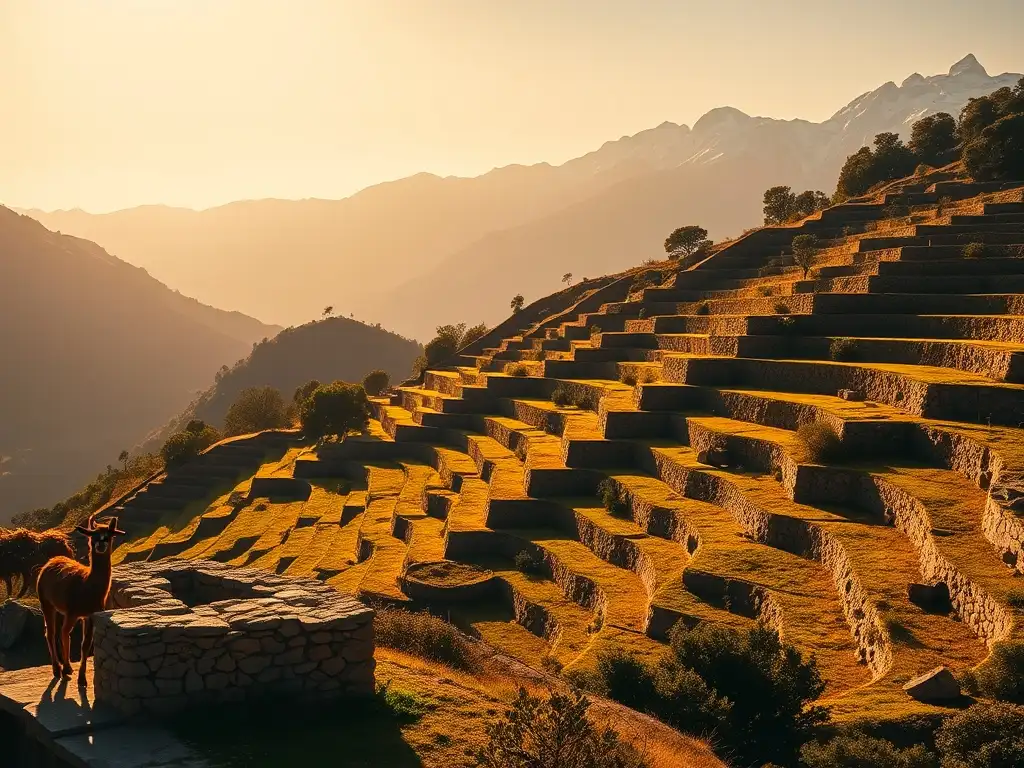
The harsh environmental conditions of the Andes Mountains—steep slopes, unpredictable weather patterns, and limited arable land—forced ancient Andean civilizations to develop sophisticated strategies for resource management and sustainability. Their survival depended on it, shaping their social structures, technologies, and belief systems in profound ways. Understanding their resource management is key to understanding the ingenuity and resilience of these remarkable Andean civilizations environmental impact.
These weren't simply societies reacting to their environment; they actively shaped and adapted it to their needs, creating remarkably sustainable systems that, in many ways, are still relevant today. The impact of these practices on the environment was significant, both in terms of modification and conservation.
Agricultural Innovations and Environmental Impact
Andean agricultural practices were not merely about producing food; they were a complex interplay of environmental adaptation and innovation. The challenges of cultivating crops at high altitudes and on steep slopes led to the development of ingenious techniques that minimized soil erosion and maximized yields. For example, the waru waru system, a raised-field agriculture technique, utilized shallow canals between raised beds to regulate water temperature and humidity, enabling year-round cultivation even in frost-prone areas.
This system not only increased crop yields but also had a positive environmental impact by reducing water loss through evaporation and improving soil fertility. Similarly, the use of fertilizers derived from guano (bird droppings) and other organic materials enriched the soil, further enhancing agricultural productivity.
The impact on the environment, however, wasn't always positive. Extensive cultivation, particularly in certain regions, could have led to deforestation and soil degradation in some areas, although the overall impact of Andean agricultural practices tended towards sustainability given the context of the environment and available technology.
Terracing Techniques for Sustainable Farming
Terracing, the creation of flat, step-like agricultural plots on slopes, is perhaps the most visually striking example of Andean ingenuity. This technique, used extensively by various Andean civilizations including the Incas, dramatically increased arable land and reduced soil erosion. The carefully constructed terraces, often reinforced with stone walls, allowed for efficient water management and prevented soil from being washed away by heavy rains.
The construction itself was a massive undertaking, requiring considerable labor and organizational skill, demonstrating the importance of agriculture to their societies. The environmental impact of terracing was largely positive: It enabled sustainable farming in challenging terrain, preventing widespread land degradation that might have occurred with less sophisticated methods.
The scale of terracing across the Andes is a testament to both the technological prowess and environmental consciousness of these ancient societies. Analysis of existing terraces reveals remarkable precision in their design and construction, showcasing a deep understanding of topography and hydrology.
Water Management Systems and Irrigation
Water was, and remains, a precious resource in the Andes. Ancient Andean civilizations developed sophisticated water management systems to ensure a reliable supply for agriculture and domestic use. These systems included canals, aqueducts, and reservoirs, some of which were incredibly complex and extensive.
The Nazca lines, for example, while famous for their enigmatic designs, are also believed to have played a role in water management, possibly guiding the flow of water to agricultural fields. The Inca Empire is renowned for its sophisticated irrigation systems, which utilized intricate networks of canals and channels to transport water from rivers and streams to distant fields, even across significant elevations. The environmental impact of these systems was multifaceted.
While they facilitated efficient irrigation and increased agricultural productivity, their construction could have involved significant labor and potentially some environmental modification, particularly in altering natural watercourses. However, the overall long-term effect was generally positive, allowing for sustainable agricultural practices in arid and semi-arid regions. The ingenuity of these systems is evident in their ability to adapt to diverse terrains and climatic conditions, highlighting the profound understanding of hydrology possessed by Andean engineers and farmers.
The Importance of Camelids in the Andean Ecosystem
Camelids, specifically llamas and alpacas, were integral to the survival and prosperity of Andean civilizations. Their importance transcended mere economic value; they represented a cornerstone of the Andean ecosystem and daily life. These animals provided a multitude of resources, shaping the very fabric of Andean society and its relationship with the environment.
The most obvious contribution of camelids was their role as pack animals. Their strength and endurance allowed for the efficient transport of goods across the challenging Andean terrain, facilitating trade and the movement of essential resources between communities. This was particularly crucial in regions with steep slopes and limited accessibility, where other modes of transportation were impractical.
The absence of wheeled vehicles meant that camelids were indispensable for moving building materials, agricultural produce, and even people over long distances. The efficiency of camelid transport significantly impacted the scale of Andean settlements and the extent of their trade networks. Without them, the economic and social development of these civilizations would have been severely constrained.
Beyond transportation, camelids provided essential fibers for textiles. Alpaca fleece, renowned for its softness and warmth, was highly valued for clothing and blankets, providing crucial protection against the harsh Andean climate. Llama fiber, though coarser, was also utilized for a variety of textiles and ropes, demonstrating the versatility of these animals. The production of textiles was a complex and highly skilled craft, employing sophisticated techniques that reflected a deep understanding of the animal's fleece and the environmental conditions. This textile industry not only provided clothing but also contributed significantly to the economic and social structure of Andean communities.
Furthermore, camelids were a primary source of meat and milk. While not the sole dietary staple, they provided a crucial source of protein and other essential nutrients, particularly in regions where agricultural yields were limited by altitude or harsh climate conditions. The sustainable management of camelid herds ensured a reliable food supply, minimizing the risk of famine and contributing to the stability of Andean communities.
The meticulous husbandry practices employed by Andean peoples demonstrate their profound understanding of animal husbandry and its role in maintaining ecological balance. This careful management ensured the long-term viability of camelid populations, a testament to their sophisticated agricultural techniques.
Finally, camelid dung served as a valuable fertilizer, enriching the soil and contributing to agricultural productivity. In the challenging Andean environment, where soil fertility could be limited, the use of camelid manure was crucial for maintaining crop yields and ensuring food security. This demonstrates a holistic approach to resource management, where every aspect of the camelid's life cycle contributed to the overall sustainability of the Andean ecosystem.
The ingenious integration of camelids into the agricultural system reveals the sophisticated ecological knowledge and sustainable practices of Andean civilizations. Their deep understanding of the interconnectedness of life within their environment ensured the continued flourishing of both humans and animals.
The Interplay Between Andean Culture and the Environment
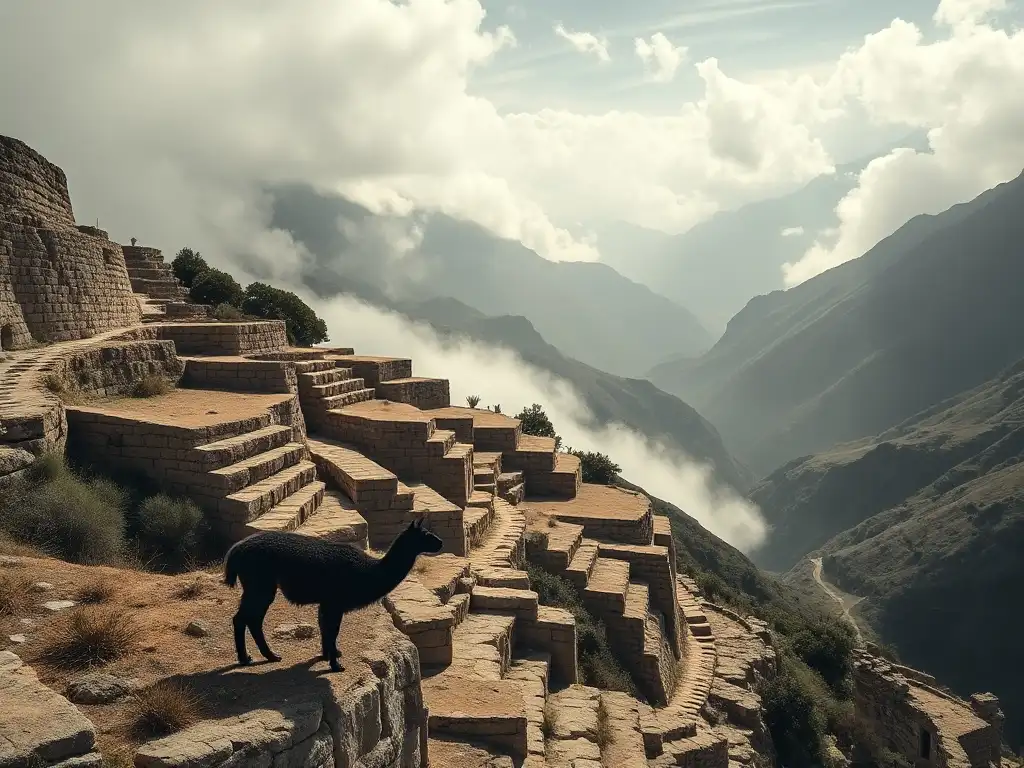
The Andean civilizations, renowned for their intricate social structures and impressive engineering feats, were profoundly shaped by their challenging environment. Understanding the impact of the Andes Mountains on daily life requires examining the deep connection between these societies and their surroundings, a relationship woven into the very fabric of their beliefs, art, and practices. This intricate interplay, a testament to human adaptability and ingenuity, offers valuable insights into how Andean civilizations not only survived but thrived in one of the world's most demanding landscapes.
The concept of "Andean civilizations environmental impact" needs to be understood in a two-way relationship: the environment's impact on the people and the people's impact on the environment. This section focuses on the former.
Religious Beliefs and the Natural World
Andean religious beliefs were deeply intertwined with the natural world. Mountains, rivers, and celestial bodies were not merely geographical features but powerful deities and ancestors, demanding respect and veneration. The Inca, for example, worshipped the sun god Inti, whose influence on agriculture was paramount. Their religious practices, including elaborate ceremonies and offerings, were directly linked to the agricultural cycle and the availability of resources. This deep-seated reverence for nature ensured the sustainable management of resources, as harming the environment was tantamount to offending the gods.
Furthermore, the worship of apus (mountain spirits) shaped the Inca's perception of their environment. Each mountain peak held spiritual significance, influencing land use and resource allocation. This spiritual connection extended to other natural elements, such as lakes and rivers, which were considered sacred and integral to the well-being of the community. Evidence suggests that Inca rituals involved appeasing the apus to ensure good harvests and protect against natural disasters, highlighting the direct link between religious belief and environmental stewardship. The concept of ayni, reciprocal exchange, extended beyond human relationships to encompass a reciprocal relationship with the environment.
Andean Art and the Representation of Nature
Andean art offers compelling visual evidence of the profound connection between these societies and their environment. Textiles, pottery, and metalwork frequently depict natural elements, showcasing a sophisticated understanding of the Andean ecosystem. The intricate designs woven into textiles often represent animals, plants, and celestial bodies, reflecting the importance of these elements in daily life. For example, the Nazca lines, though their exact purpose remains debated, are widely interpreted as representations of astronomical constellations and terrestrial features, demonstrating a deep understanding of the environment and its cycles.
The Moche culture, known for its elaborate ceramics, frequently depicted scenes of agriculture, fishing, and hunting, highlighting the importance of these activities to their survival. These depictions are not merely artistic representations but also provide valuable insights into the agricultural techniques, hunting strategies, and environmental knowledge of the Moche people. The realistic portrayal of animals and plants in Moche pottery underscores their keen observation of the natural world. This detailed representation, far beyond mere aesthetic appeal, demonstrates a deep understanding of the Andean ecosystem's biodiversity and its significance to their culture.
Traditional Knowledge and Environmental Practices
Andean civilizations developed sophisticated techniques for adapting to their challenging environment. Their knowledge of altitude, climate, and soil types allowed them to develop highly effective agricultural practices, such as terracing and irrigation. Terracing, for example, enabled them to cultivate steep slopes, maximizing arable land and reducing soil erosion. Irrigation systems, often complex and extensive, provided water to crops during dry seasons, ensuring consistent agricultural yields. This sophisticated understanding of environmental factors allowed them to cultivate diverse crops, ensuring food security even in challenging conditions.
Furthermore, the Andean people developed intricate systems for managing water resources. They constructed canals, reservoirs, and aqueducts to transport water over long distances, ensuring adequate water supply for agriculture and domestic use. These sophisticated water management systems were crucial for their survival in arid and semi-arid regions.
Their knowledge of water cycles and the careful management of water resources demonstrate their deep understanding of the environment and their ability to adapt to its challenges. This knowledge, passed down through generations, ensured the sustainability of their agricultural practices and their ability to thrive in a demanding environment. The integration of this traditional ecological knowledge with modern scientific approaches offers potential for sustainable development in the Andes today.
The Impact of Natural Disasters on Andean Societies
The Andes Mountains, a breathtaking yet unforgiving landscape, presented significant challenges to the inhabitants of ancient Andean civilizations. Natural disasters, ranging from earthquakes and volcanic eruptions to floods and droughts, profoundly impacted daily life, shaping societal structures, technological innovations, and even religious beliefs. The frequency and intensity of these events varied across different regions and time periods, but their overall effect was undeniable.
For example, the Moche civilization (100-800 CE), flourishing along the arid north coast of Peru, faced recurring challenges from El Niño events. These periodic climate shifts brought devastating floods that could wipe out entire settlements and agricultural fields, leading to widespread famine and societal disruption. Evidence suggests that the Moche developed sophisticated irrigation systems and water management techniques in response to these unpredictable floods, demonstrating remarkable adaptability in the face of environmental adversity. However, even these advanced systems were sometimes overwhelmed, resulting in periods of significant societal stress and potential population migration.
The Inca Empire (1438-1533 CE), with its vast territorial reach spanning diverse Andean ecosystems, also experienced a range of natural hazards. Earthquakes, a common occurrence in the Andes, frequently damaged Inca infrastructure, including roads, temples, and irrigation canals. Chronicles from the Spanish conquest period detail several major seismic events that caused significant loss of life and property. The Inca's sophisticated stonework, however, often proved resilient to these tremors, showcasing their engineering prowess and understanding of seismic activity. Their architectural techniques, including the use of interlocking stones and earthquake-resistant foundations, represent a remarkable adaptation to a seismically active environment.
Volcanic eruptions, too, posed a significant threat. The impact extended beyond immediate destruction, as ashfall could contaminate water sources and damage crops, leading to long-term food shortages. The eruption of [Specific volcano and date pending] for example, likely had a profound impact on [Specific Andean civilization impacted pending], causing widespread disruption and potentially contributing to the decline of the civilization. The effects of such events cascaded through the social and economic systems, affecting trade, agriculture, and overall societal stability. Archaeological evidence, such as layers of volcanic ash in settlements, provides crucial insights into the frequency and impact of these catastrophic events on Andean life. The response of Andean communities to these events, both immediate and long-term, reveals their remarkable resilience and capacity for adaptation in the face of environmental challenges. Further research is needed to fully understand the complex interplay between natural disasters and the trajectory of various Andean civilizations.
The Long-Term Environmental Legacy of Andean Civilizations
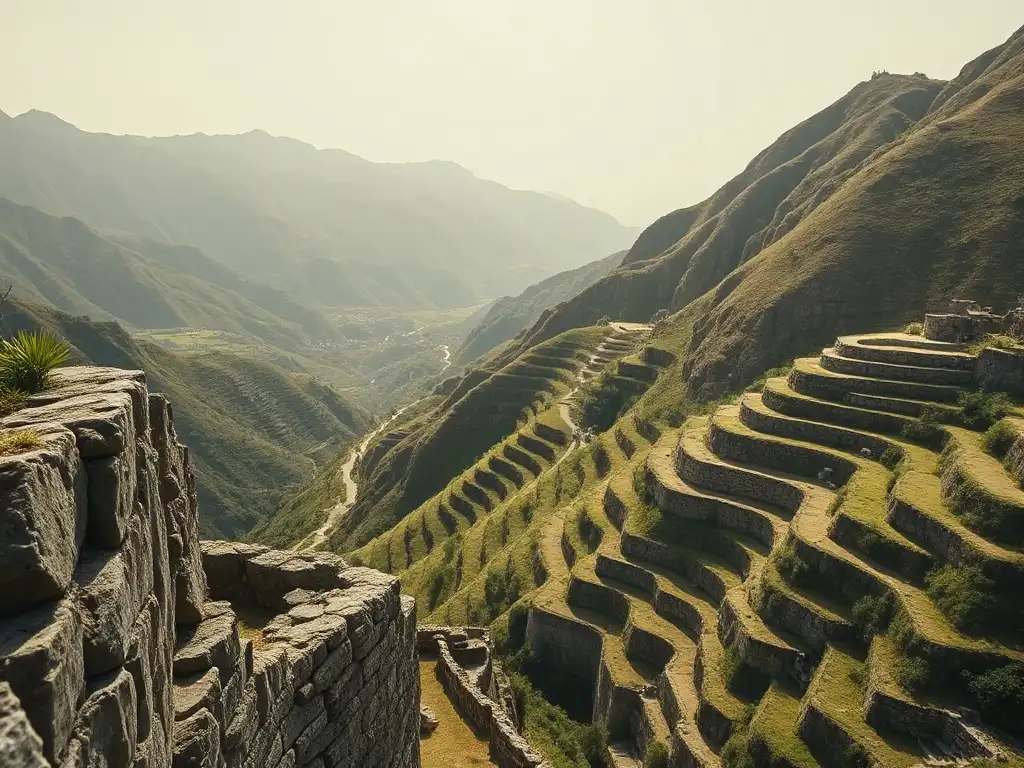
The Andean civilizations, renowned for their intricate social structures and impressive engineering feats, left behind a complex environmental legacy that continues to shape the region today. Understanding this legacy requires examining both the ingenious adaptations employed by these societies and the unintended consequences of their actions. The relationship between Andean civilizations and their environment wasn't simply one of exploitation; it was a dynamic interplay of adaptation, innovation, and, inevitably, impact.
This section delves into the long-term effects of their interactions with the challenging Andean landscape, highlighting both successes and failures in resource management. Analyzing this legacy provides valuable insights for contemporary environmental challenges facing the region.
Lessons from Ancient Andean Resource Management
Ancient Andean societies developed sophisticated strategies for resource management, reflecting a deep understanding of their environment. Their agricultural practices, for example, were remarkably sustainable. The development of terracing dramatically increased arable land, reducing erosion and maximizing water retention in steep slopes.
This technique, still visible in many parts of the Andes today, showcases a remarkable understanding of hydrology and soil conservation. Furthermore, the waru waru system, a type of raised-field agriculture, enhanced soil fertility and provided microclimates that extended the growing season. These techniques weren't just about maximizing food production; they were integral to the social and economic fabric of Andean life.
The effective management of water resources was another hallmark of Andean ingenuity. Complex irrigation systems, canals, and aqueducts channeled water from rivers and streams to agricultural fields, supporting dense populations in otherwise arid environments. These systems, often built collaboratively across communities, demonstrate the importance of social organization and collective action in resource management.
The Nazca lines, though their purpose remains debated, might also reflect an understanding of celestial cycles and their impact on agricultural planning. Their precision and scale suggest a sophisticated knowledge of astronomy and its practical applications. Analyzing these ancient practices offers valuable lessons for modern sustainable development initiatives.
The Environmental Footprint of Andean Societies
While Andean civilizations demonstrated remarkable ingenuity in adapting to and managing their environment, their activities inevitably left an environmental footprint. Mining, a crucial activity for obtaining metals like copper and gold, resulted in deforestation, soil erosion, and water pollution. The scale of some mining operations, particularly during the Inca Empire, was substantial, leaving lasting impacts on the landscape. Furthermore, the demand for fuelwood for smelting and domestic use contributed to deforestation in certain areas.
The expansion of agriculture, while innovative, also had consequences. Intensive farming practices, particularly in areas with fragile ecosystems, could lead to soil degradation and loss of biodiversity. While terracing mitigated some of these effects, the pressure to produce enough food for growing populations may have exceeded the carrying capacity of certain regions. The impact varied across different Andean societies and regions, depending on factors like population density, technological capabilities, and environmental conditions. A thorough assessment requires careful consideration of these regional variations and the complex interplay of factors influencing environmental change.
Modern Challenges and the Andean Environmental Legacy
Understanding the environmental legacy of Andean civilizations is crucial for addressing contemporary challenges in the region. The Andes today face issues such as deforestation, climate change, and water scarcity, many of which echo past environmental pressures. Modern agricultural practices, while more technologically advanced, can still lead to soil erosion and water pollution if not managed sustainably. Mining continues to be a significant economic activity, but its environmental impact remains a major concern.
The lessons learned from ancient Andean resource management practices offer valuable insights for developing sustainable solutions. Incorporating traditional knowledge and techniques into modern approaches could contribute to more environmentally responsible resource management. For instance, reviving and adapting traditional irrigation systems or integrating principles of waru waru agriculture could enhance resilience to climate change and improve food security.
By studying the successes and failures of past Andean societies, we can gain a deeper understanding of the intricate relationship between human activity and the environment, informing more sustainable practices for the future. This integrated approach, combining ancient wisdom with modern scientific understanding, is crucial for the long-term well-being of the Andean region.
Preserving Andean Environmental Wisdom for Future Generations
The ingenuity of Andean civilizations in adapting to their challenging environment offers valuable lessons for sustainable living in the 21st century. Their deep understanding of water management, terrace farming, and resource conservation, developed over millennia, provides a blueprint for modern approaches to environmental stewardship.
Understanding and applying these ancient techniques could significantly contribute to mitigating the effects of climate change and promoting sustainable development in the Andes and beyond. For example, the intricate canal systems used by the Inca, which efficiently channeled water to agricultural fields, demonstrate a profound awareness of water resource management—a crucial skill in regions facing water scarcity.
Similarly, the sophisticated terrace farming techniques, which prevented soil erosion and maximized agricultural yields on steep slopes, represent sustainable land management practices that remain relevant today. These practices, often passed down through generations via oral traditions and practical experience, were not simply technological achievements, but also integral parts of a holistic worldview that emphasized harmony between humans and nature.
The preservation of this invaluable knowledge requires a multifaceted approach. Firstly, it necessitates the support and collaboration of local communities, who are the custodians of this ancestral wisdom. Empowering them through educational initiatives and sustainable development projects ensures the continuity of traditional practices and knowledge transfer to future generations. Secondly, rigorous archaeological research and documentation of ancient agricultural and water management systems are crucial to understanding the intricacies of these technologies and their long-term impact.
This research must go beyond simple observation and involve collaboration with local communities to gather oral histories and traditional ecological knowledge, ensuring a complete and nuanced understanding of these practices. Finally, incorporating this knowledge into modern environmental policies and development strategies is essential. This could involve integrating traditional agricultural techniques into modern farming practices or using ancient water management systems as models for modern infrastructure projects. By acknowledging and integrating Andean environmental wisdom, we can build a more sustainable and resilient future for the region and the world.
Failure to do so risks losing invaluable knowledge and the opportunity to learn from the successes and failures of past civilizations in adapting to environmental challenges. The Andean experience serves as a powerful reminder that sustainable development is not merely an abstract concept but a practical necessity, rooted in a deep understanding and respect for the environment. The ongoing challenge lies in translating this historical knowledge into actionable strategies for today's environmental challenges.
Conclusion: The Enduring Connection Between the Andes and its People
The impact of the Andean environment on daily life wasn't merely a matter of survival; it was a fundamental shaping force that molded the very fabric of Andean civilizations. From intricate agricultural techniques like terracing and waru waru to the development of sophisticated irrigation systems, the ingenuity and resilience of these societies are undeniable testaments to their profound understanding and adaptation to their challenging surroundings. The Andean civilizations environmental impact, however, wasn't solely one of adaptation; their agricultural practices, while ingenious, also demonstrably altered the landscape.
Understanding this complex interplay—the constant negotiation between human needs and environmental constraints—is crucial to grasping the true complexity and richness of Andean history. The story isn't just one of survival against the odds, but of a dynamic, ever-evolving relationship between humans and their environment, a relationship that continues to resonate today.
The Legacy of Andean Environmental Adaptation
The legacy of Andean environmental adaptation extends far beyond the ruins of magnificent cities and intricate irrigation canals. The techniques employed by ancient Andean communities, honed over millennia, continue to inform sustainable agricultural practices in the region. For instance, the principles behind waru waru agriculture—a system of raised beds and canals—are being revived and applied in modern contexts to address issues of water scarcity and soil erosion.
This demonstrates the enduring relevance of ancient knowledge and the continued importance of understanding the sophisticated strategies developed by Andean civilizations to manage their resources. The ingenuity of their solutions serves as a powerful example for contemporary societies grappling with the challenges of climate change and resource management. The sophisticated understanding of microclimates, water management, and soil fertility, displayed by cultures like the Incas, Moche, and Nazca, offers valuable insights into sustainable living.
Their achievements are not merely historical artifacts; they are living lessons in environmental stewardship. Furthermore, the deep-rooted spiritual connection between Andean peoples and their environment, reflected in their cosmology and religious practices, continues to inspire contemporary efforts towards environmental conservation and responsible resource use. This enduring connection underscores the importance of recognizing and respecting the intricate relationship between culture and environment in the Andes.
Reflecting on the Interdependence of Culture and Environment
The study of Andean civilizations provides a compelling case study in the interdependence of culture and environment. The very structure of Andean societies—their social hierarchies, religious beliefs, and political systems—were profoundly shaped by the physical realities of the Andes Mountains. The challenges presented by the high altitude, steep slopes, and unpredictable weather patterns fostered innovation and resilience, leading to remarkable achievements in agriculture, engineering, and social organization. Conversely, the actions of Andean societies—their agricultural practices, mining activities, and urban development—had a significant impact on the Andean landscape.
The construction of vast terrace systems, for example, while demonstrating remarkable engineering prowess, also resulted in significant alterations to the natural environment. Understanding this reciprocal relationship—the dynamic interplay between human agency and environmental constraints—is essential for a nuanced understanding of Andean history and its lasting implications. Analyzing the Andean civilizations environmental impact requires a holistic approach, acknowledging both the ingenuity of human adaptation and the lasting consequences of human actions on the environment.
The story of the Andes is a reminder of the inextricable link between human societies and their environment, a lesson that remains profoundly relevant in the modern world. The study of their successes and challenges provides valuable insights for contemporary societies navigating similar environmental complexities. 🌎
Frequently Asked Questions
How did the environment influence Andean agricultural practices?
Andean civilizations developed sophisticated agricultural techniques like terracing and irrigation to adapt to the challenging mountainous terrain and varied climates. These methods maximized crop yields in diverse ecological zones.
What role did llamas and alpacas play in Andean societies' relationship with their environment?
Llamas and alpacas were crucial for transportation, textiles, and food. Their herding practices shaped the landscape and contributed to the sustainable use of resources in the Andes.
How did the Andes' varied climates affect the development of different Andean cultures?
The diverse geography of the Andes resulted in distinct regional cultures. Different environmental conditions led to specialized agricultural practices, technologies, and social structures.
What environmental challenges did Andean civilizations face, and how did they overcome them?
Andean civilizations faced challenges like altitude sickness, unpredictable weather, and limited arable land. They overcame these by developing ingenious adaptations in agriculture, architecture, and social organization.
What is the evidence of the Andean civilizations' impact on their environment?
Evidence includes terraced agricultural fields, extensive irrigation systems, and changes in vegetation patterns. The impact varied regionally and over time, with some practices being more sustainable than others.
Final Reflection: Echoes of the Andes: A Legacy of Environmental Interaction
The delicate balance between human life and the Andean environment remains a critical issue today, a stark reminder that our actions have profound and lasting consequences. The challenges faced by Andean communities – from climate change to resource depletion – are not isolated incidents; they serve as a potent warning for societies globally grappling with similar environmental pressures. Understanding this interconnectedness is crucial for building a more sustainable future.
The enduring legacy of Andean civilizations underscores the profound impact humans can have on their surroundings, a lesson both humbling and urgent. Their innovative agricultural techniques, while ingenious for their time, also highlight the potential for both harmony and discord between human development and the natural world. As the renowned anthropologist, Clifford Geertz, once observed, Man is an animal suspended in webs of significance he himself has spun.
This quote resonates deeply with the Andean experience, demonstrating how the webs of human activity, both positive and negative, have shaped – and continue to shape – the Andean landscape.
Consider the intricate relationship between the Andes and its people. What lessons can we learn from their successes and failures in managing resources? How can we apply this knowledge to our own lives, fostering a deeper appreciation for the environment and a commitment to sustainable practices? You have the power to make a difference. By embracing mindful consumption, supporting sustainable initiatives, and advocating for responsible environmental policies, you can contribute to a future where the echoes of the Andes inspire a harmonious coexistence between humanity and nature.
**Embrace Change: Take Action for Our Andean Environment! **
Thank you for exploring the profound connection between our daily lives and the Andean environment. Your interest is a vital first step towards creating positive change. Let's channel this understanding into meaningful action!
Here are some ways you can get involved:
- **Start a Local Eco-Project:** Organize a community clean-up or a tree-planting event to help restore the beauty of the Andes. Your efforts can inspire others to join the cause.
- **Educate and Share:** Share your knowledge about the Andean environment with friends and family, encouraging them to become involved. Raising awareness is crucial for widespread change.
- **Connect with Local Organizations:** Volunteer with local groups dedicated to environmental conservation in the Andes. Collaboration amplifies our impact and allows us to achieve more together.
What steps will you take today to help preserve the Andes for future generations? Share your ideas in the comments below!