
The Coca Controversy: Separating Myth from Reality

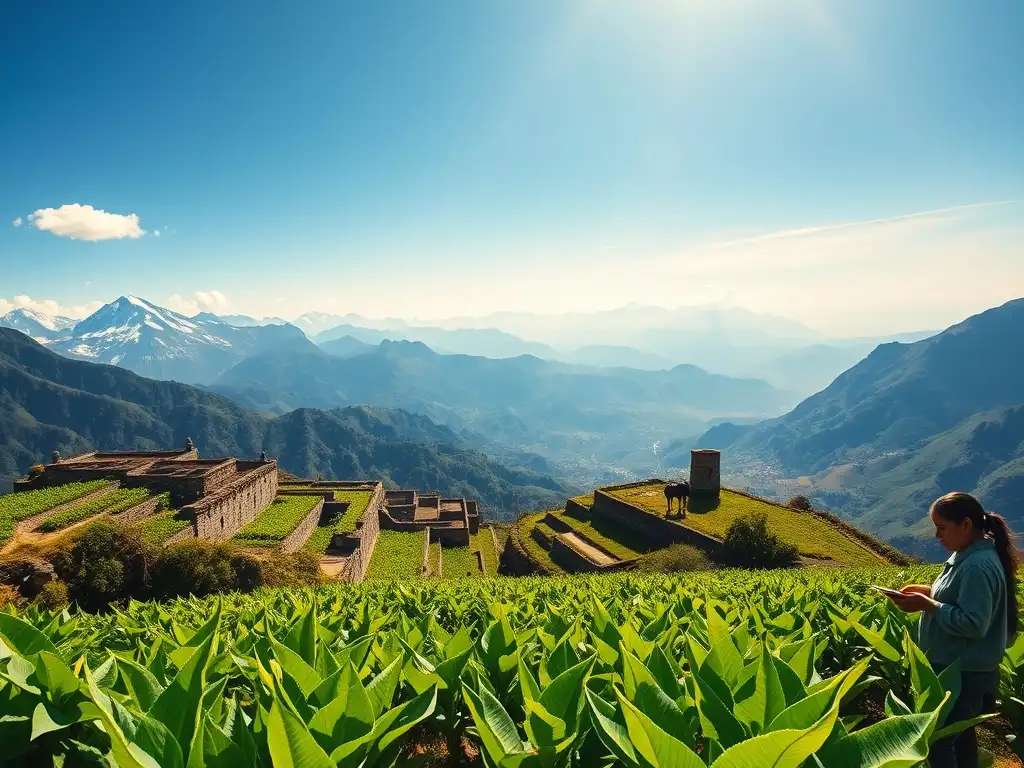
Dive into the enigmatic world of the Andean civilizations! For centuries, these societies thrived, leaving behind a legacy of breathtaking artistry and sophisticated engineering. But what secrets lie hidden beneath the surface? This journey begins with a closer look at the controversial coca leaf, a plant deeply intertwined with the daily lives, rituals, and even the very survival of these ancient cultures. Uncover the truth behind the myths surrounding coca leaf use in ancient Andean civilizations – and prepare to be amazed.
The coca leaf, Erythroxylum coca, holds a position of profound significance within the tapestry of Andean civilizations. For millennia, it has been far more than just a plant; it has been a cornerstone of social, religious, and economic life, deeply interwoven with the fabric of Andean culture. However, modern perceptions of coca are often clouded by misconceptions fueled by its association with cocaine, a highly addictive and dangerous drug.
This article aims to disentangle the complex history of coca leaf use in ancient Andean societies, separating the realities of its traditional applications from the myths perpetuated by contemporary narratives. We will explore the multifaceted role coca played in daily life, religious ceremonies, and economic systems, providing a nuanced understanding of its importance within the context of Andean agriculture and food production.
By examining archaeological evidence, ethnographic studies, and historical accounts, we strive to present a balanced and informed perspective on this fascinating and often misunderstood plant. Understanding the historical and cultural context of coca leaf use is crucial to appreciating its enduring legacy in Andean societies and dispelling harmful stereotypes.
Andean Agriculture and Food: Understanding Coca's Role
Coca's integration into Andean agriculture and food systems was not merely incidental; it was fundamental. Cultivation of the coca plant was carefully managed, often integrated into complex agricultural terraces that maximized yield and minimized environmental impact. 1 Archaeological evidence reveals sophisticated techniques for coca cultivation, including irrigation systems and specialized soil preparation methods. The coca plant wasn't just a crop; it was a vital element of a sustainable and resilient agricultural system that supported Andean communities for centuries. Beyond its agricultural importance, coca played a crucial role in the Andean diet. While not a staple food, coca leaves were regularly chewed, providing energy, suppressing hunger, and aiding altitude adaptation. This practice was integral to the daily routines of Andean peoples, contributing to their physical and mental well-being. The leaves were often mixed with an alkaline substance, such as lime, to enhance the release of its active compounds. This practice, still common today in many Andean communities, illustrates the plant's deep-seated importance within the cultural and nutritional landscape.
Further Details on Coca's Nutritional Value
While not a primary source of calories, coca leaves provide a small amount of nutrients, including vitamins and minerals. The exact nutritional composition can vary depending on factors such as soil conditions and altitude. [Specific nutritional data pending] However, its primary value to Andean communities lay not in its caloric content but in its social, cultural, and medicinal properties.
Coca in Andean Religious Practices and Ceremonies
The coca leaf's role transcended the purely practical; it occupied a central position within Andean religious beliefs and practices. From the earliest known Andean cultures to the Inca Empire, coca was an integral part of rituals and ceremonies. 2 It was offered to deities as a sacred offering, used in divination practices, and consumed during important social gatherings. The coca leaf was believed to possess spiritual power, acting as a conduit between the human and divine realms. Shamans, or religious leaders, often used coca to enter altered states of consciousness during healing rituals and ceremonies. The significance of coca in Andean religious life highlights its profound cultural and spiritual importance, extending far beyond its nutritional or economic value. Detailed accounts of these ceremonies are often found in colonial-era chronicles, though interpreting them requires careful consideration of the biases of the recorders.
The Inca Empire, at its zenith, controlled vast territories encompassing diverse ecological zones. Coca cultivation and trade were carefully regulated by the Inca state, reflecting its economic and social importance. The Inca implemented a system of tribute, whereby communities were required to contribute a portion of their coca harvest to the imperial administration. 3 This tribute system not only secured a supply of coca for the Inca elite but also served to reinforce imperial power and control. The distribution of coca was also strategically managed, with the Inca controlling access to this vital resource. This demonstrates the strategic importance the Inca placed on coca, which extended far beyond its simple economic value to become a crucial element of political and social control. The controlled distribution and taxation of coca underscore its significance as a valuable commodity within the Inca economy.
1 [Citation needed: Archaeological evidence of coca cultivation techniques]
2 [Citation needed: Sources detailing coca's role in pre-Inca religious practices]
3 [Citation needed: Inca tribute system and its relation to coca]
- Andean Agriculture and Food: Understanding Coca's Role
- Coca in Andean Religious Practices and Ceremonies
- The Coca Leaf in the Inca Empire: Economic and Social Significance
Coca Leaf Use in Ancient Andean Civilizations: A Historical Overview
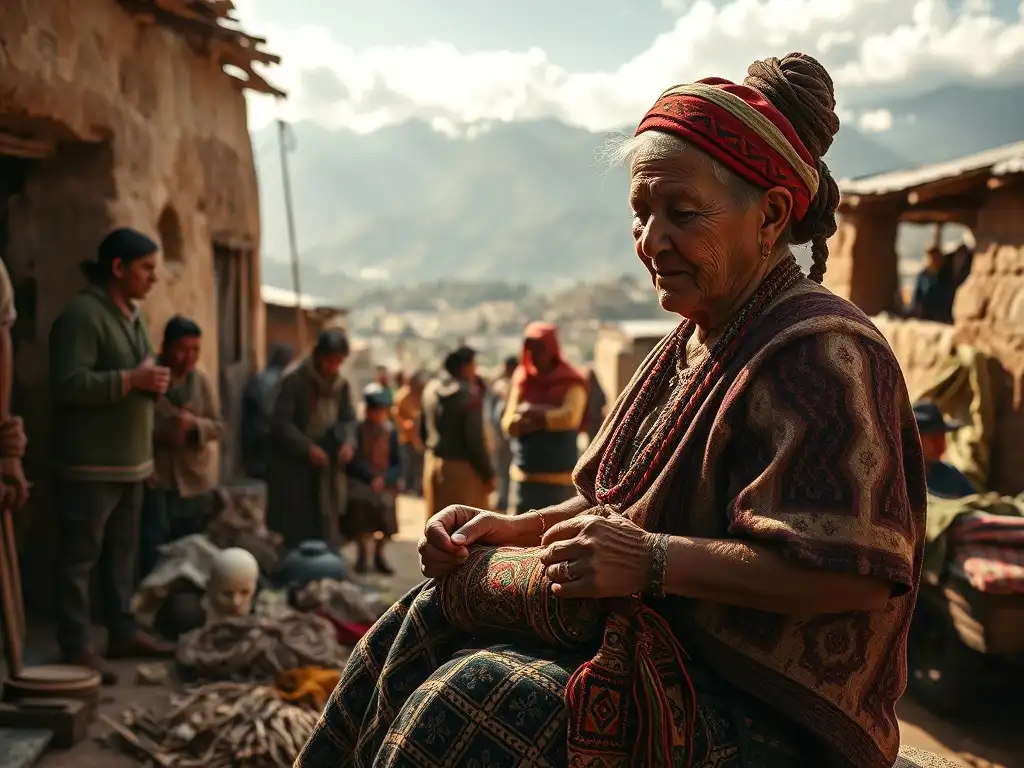
The coca leaf ( Erythroxylum coca) holds a central position in the history and culture of the Andean civilizations, far exceeding its modern, often controversial, association with cocaine. Understanding its historical role requires separating fact from the myths propagated by later colonial narratives and contemporary misconceptions. Archaeological evidence, coupled with ethnohistorical accounts, reveals a complex relationship between Andean societies and this significant plant, spanning millennia.
The coca leaf wasn't merely a stimulant; it was deeply intertwined with religious beliefs, social structures, and daily life, representing a vital component of Andean cosmology and material culture. This section will explore the diverse ways in which coca was utilized across different Andean cultures, highlighting its multifaceted significance.
Traditional Uses of Coca in Pre-Columbian Andes
Long before the Inca Empire, coca leaf use was widespread throughout the Andes. Evidence suggests its consumption dates back to at least 3000 BCE, with archaeological findings in the northern Andes revealing coca leaf remnants in pre-Inca sites. These early uses likely extended beyond mere stimulation. Early Andean societies, such as the Chavín and the Moche, likely integrated coca into their religious rituals and shamanistic practices. The coca leaf, with its perceived ability to enhance perception and induce altered states of consciousness, may have played a crucial role in communicating with the spirit world.
The pre-Columbian use of coca also encompassed medicinal applications. Evidence suggests its use in treating altitude sickness, fatigue, and various ailments. The leaves were chewed, brewed into teas, or used in poultices. This multifaceted approach to coca use underscores its importance as a fundamental resource within the pre-Columbian Andean pharmacopoeia. The plant's holistic integration into daily life reveals a deeply embedded relationship extending far beyond mere recreational use, a nuanced understanding often overlooked in modern discussions.
Coca Consumption in Inca Society: Rituals and Daily Life
The Inca Empire (1438-1533 CE) witnessed the coca leaf's elevation to a position of even greater prominence. Inca society incorporated coca into virtually all aspects of life, from religious ceremonies and royal rituals to everyday activities of the common people. Its distribution was carefully controlled by the state, with the Inca emperor holding ultimate authority over coca production and allocation. This control extended to the meticulous management of coca plantations, ensuring a steady supply for both religious and secular purposes.
The Inca considered coca a sacred plant, deeply connected to the gods and the cosmos. It was offered as a sacrifice in religious ceremonies and used by priests and shamans to achieve altered states of consciousness during divination and healing rituals. Beyond the religious sphere, coca was crucial in daily life. It was chewed by Inca soldiers to increase endurance, by workers to combat fatigue, and by the general population as a mild stimulant.
The Inca's sophisticated understanding of coca's properties is evident in their careful management and its prominent role in all facets of their society. The coca leaf was not merely a plant; it represented a cornerstone of the Inca worldview and social order. The meticulous organization surrounding coca cultivation and distribution showcases the plant's indispensable role in the functioning of the Inca Empire.
The Significance of Coca in Moche and Nazca Cultures
Before the Inca, other Andean cultures also integrated coca into their societies. The Moche (100-800 CE) and Nazca (100 BCE - 600 CE) civilizations, known for their distinctive artistic expressions and sophisticated technologies, also held the coca leaf in high regard. Moche iconography frequently depicts coca leaves and scenes of coca chewing, suggesting its importance in their religious and social practices. The precise nature of its use in these societies remains an area of ongoing research, but available evidence points to its integration into ritual contexts and its potential use in shamanistic practices.
The Nazca culture, famous for its enigmatic geoglyphs, also incorporated coca into their ceremonial practices. While direct evidence is less abundant than for the Moche, the presence of coca remains in some Nazca burials suggests its use in funerary rituals or as offerings to the deities. The consistency of coca's presence across different Andean civilizations, spanning centuries and diverse cultural expressions, underscores its enduring importance in the Andean world.
Further research, particularly in the areas of archaeological excavation and analysis of textile and ceramic artifacts, will continue to illuminate the multifaceted roles of the coca leaf within these fascinating societies. The ongoing study of these ancient cultures promises a richer and more comprehensive understanding of the coca leaf's deeply rooted significance in the Andean cultural landscape.
The "Coca Controversy": Examining Modern Perceptions
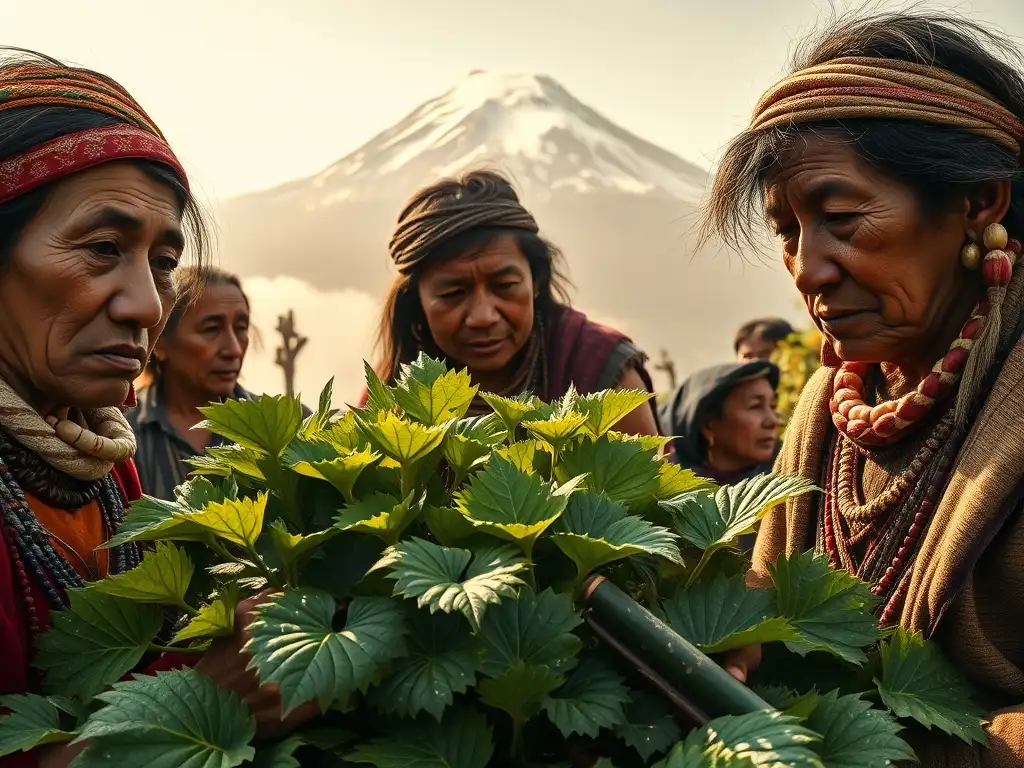
The coca leaf, Erythroxylum coca, holds a complex and often misunderstood place in the history and culture of the Andes. Modern perceptions are frequently skewed by the negative connotations associated with cocaine, a processed derivative of the coca leaf. This section aims to disentangle the myths surrounding coca leaf use from the reality of its historical and ongoing significance in Andean societies, focusing on coca leaf use in ancient Andean civilizations.
Understanding this distinction is crucial for appreciating the plant's multifaceted role in Andean culture and challenging inaccurate representations prevalent in modern discourse. The historical use of the coca leaf was profoundly different from the contemporary use of cocaine, a crucial point often overlooked.
The Misconception of Coca as Purely a Narcotic
A pervasive misconception surrounding the coca leaf is its categorization as solely a narcotic. While cocaine, a potent alkaloid extracted from the coca leaf, is a narcotic, the coca leaf itself possesses significantly different properties and effects. Traditional Andean use of the coca leaf never involved the extraction of cocaine in the manner associated with modern drug production.
Instead, the leaves were chewed, infused in beverages, or used in various ceremonies and rituals. The effects experienced through traditional consumption were primarily mild stimulation, appetite suppression, and alleviation of altitude sickness – effects far less potent and addictive than those of cocaine. Anthropological studies dating back to the early 20th century extensively document this practice, illustrating its integral role in daily life and social interactions.
The difference is akin to comparing the effects of eating poppy seeds versus consuming highly refined heroin. Both originate from the same plant, but their effects and potency differ dramatically. This fundamental distinction is often ignored, leading to inaccurate and harmful generalizations about coca leaf use in ancient Andean civilizations.
Coca and Cocaine: Understanding the Chemical Differences
The crucial difference between the coca leaf and cocaine lies in the chemical processing involved. Cocaine is a concentrated alkaloid extracted from the coca leaf through a complex chemical process involving the use of solvents and other chemicals. This process significantly increases the concentration of cocaine alkaloids, resulting in a vastly more potent and addictive substance.
The coca leaf itself contains a relatively low concentration of cocaine, along with other alkaloids and nutrients. Chewing coca leaves provides a gradual release of these alkaloids, resulting in a much milder and less intense effect than the rapid and intense high produced by cocaine. The chemical composition is dramatically altered during the processing of coca leaves into cocaine, transforming a relatively benign substance into a highly addictive and dangerous one.
This distinction is crucial to understanding the historical and cultural significance of the coca leaf, independent of its modern association with drug abuse. Scientific analysis of ancient coca leaf remnants supports this understanding, showing no evidence of the advanced chemical processing required for cocaine production.
Debunking Myths: Coca's Effects vs. Cocaine's Impact
The effects of chewing coca leaves are vastly different from those of ingesting cocaine. Traditional coca leaf chewing provides a gentle stimulant effect, helping to alleviate fatigue, hunger, and the symptoms of altitude sickness. It was, and continues to be, an important part of daily life for many Andean communities.
Conversely, cocaine produces a powerful and intense rush followed by a crash, leading to addiction, health problems, and significant social consequences. The long-term health effects of cocaine are well-documented and severe, including cardiovascular problems, respiratory issues, and psychological damage. These effects are absent in the traditional use of coca leaves.
The myth that equates the coca leaf with cocaine ignores this crucial distinction, perpetuating negative stereotypes and hindering a nuanced understanding of its historical and cultural significance in the context of coca leaf use in ancient Andean civilizations. The difference in potency and effect is not merely a matter of degree; it's a fundamental difference in the substance's impact on the human body and mind.
Realities of Coca: Nutritional and Medicinal Benefits

The coca leaf's significance in Andean cultures extends far beyond its controversial association with cocaine. For millennia, it served as a vital component of the Andean diet and a cornerstone of their sophisticated medical practices. Understanding its historical role requires separating the modern, often sensationalized, narrative from the nuanced realities of its traditional use.
The coca leaf, Erythroxylum coca, provided and continues to provide essential nutrients and medicinal benefits to Andean populations, profoundly shaping their agricultural practices and overall well-being. This section will delve into the leaf's nutritional value and its documented therapeutic applications within traditional Andean medicine. The enduring legacy of coca demonstrates its importance in the agricultural and food systems of the Andes, far exceeding its modern, often misunderstood, context.
Coca as a Source of Essential Nutrients for Andean People
Coca leaves are a surprisingly rich source of nutrients, crucial to the sustenance of Andean communities living at high altitudes. Analysis reveals significant levels of vitamins, minerals, and alkaloids which contribute to overall health and energy levels. Specifically, coca leaves contain notable amounts of Vitamin C, Vitamin E, calcium, iron, and protein. These nutrients are especially important in regions with limited dietary diversity or where soil conditions may restrict the availability of essential minerals.
The high altitude environment of the Andes presents unique physiological challenges, and coca's nutritional content helped ancient Andean people mitigate these challenges. For example, the iron content in coca leaves helped combat anemia, a common issue at high altitudes due to reduced oxygen levels. The sustained consumption of coca leaves provided a reliable source of these essential nutrients, supporting the health and stamina of those living in challenging environments.
The sustained availability of this nutritional supplement played a crucial role in the agricultural and food security of Andean societies. Furthermore, the readily available and easily cultivated nature of the coca plant contributed to its nutritional significance. This readily available source of nutrients contributed significantly to the overall health and resilience of Andean populations.
Traditional Andean Medicine: Healing Properties of Coca
Beyond its nutritional value, coca leaves held, and continue to hold, a central place in traditional Andean medicine. For centuries, coca has been employed to alleviate various ailments, often combined with other native plants to create complex remedies. Its medicinal properties are attributed to a diverse array of chemical compounds, including alkaloids beyond cocaine, such as ecgonine and benzoylmethylecgonine.
These compounds exhibit properties that are said to reduce fatigue, suppress hunger, and alleviate altitude sickness. Anecdotal evidence, supported by some preliminary scientific studies, suggests that coca leaf infusions can help with digestive issues, respiratory problems, and even certain types of pain. Traditional Andean healers utilized coca leaves in various forms, including chewing, infusions, and topical applications, tailoring their use to the specific needs of the patient.
The specific preparation and administration methods varied widely depending on the ailment and local traditions, highlighting the sophisticated knowledge of Andean pharmacopoeia. Further research is needed to fully understand the scope of coca's medicinal potential. However, its continued use in traditional Andean medicine, spanning centuries, speaks volumes about its perceived efficacy within these communities.
Coca Infusions and Other Traditional Preparations
The preparation and consumption of coca varied greatly throughout the Andes, reflecting regional differences in cultural practices and medicinal traditions. One of the most common methods was chewing the leaves, often combined with an alkaline substance like lime, to enhance the release of active compounds and provide a stimulating effect. This practice wasn't merely recreational; it provided physical and mental stamina, particularly crucial for arduous tasks at high altitudes. Beyond chewing, coca leaves were also used to create infusions or "mates" – a traditional beverage consumed for its medicinal and social benefits.
These infusions were prepared by steeping coca leaves in hot water, often with other medicinal herbs, resulting in a tea-like drink. Different combinations of herbs created unique remedies tailored to specific health concerns. Other traditional preparations included coca pastes used topically for wound healing or to alleviate pain and inflammation.
The versatility of the coca leaf in traditional Andean preparations underscores its deep integration into the fabric of their cultural identity and healthcare systems. The variety of preparations highlights the sophisticated understanding of the coca plant and its properties within Andean communities. The enduring practice of these traditional methods highlights the cultural and medicinal significance of this plant.
The Sustainable Cultivation of Coca: Andean Perspectives
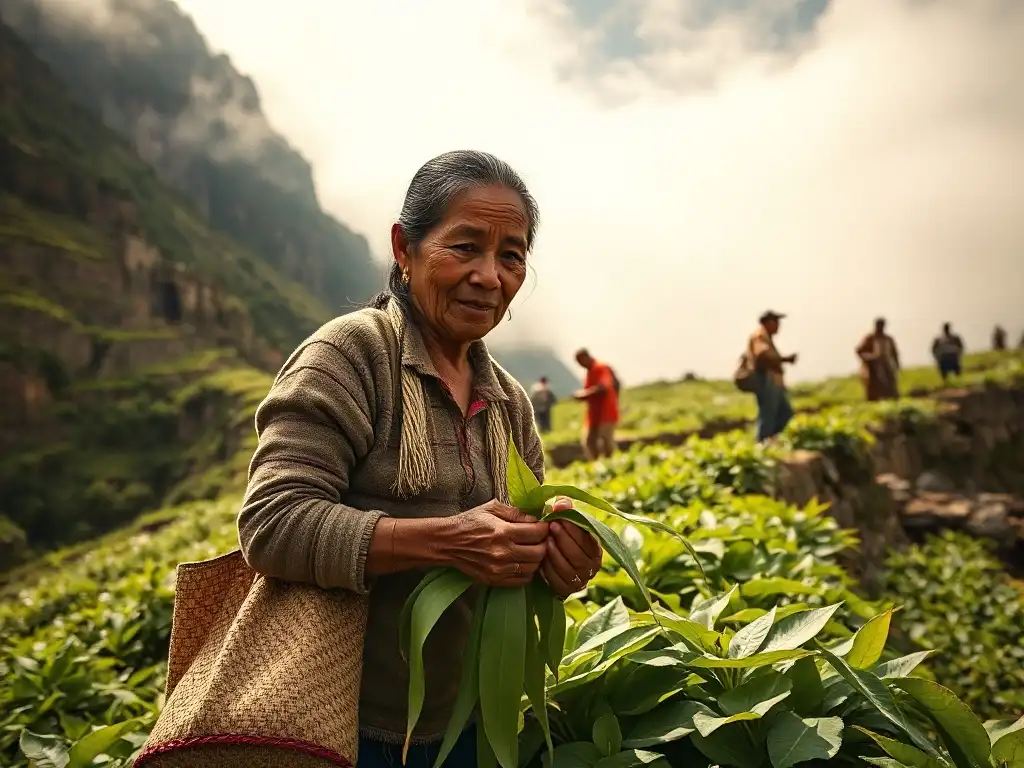
The narrative surrounding coca often overshadows the sophisticated and sustainable agricultural practices employed by Andean communities for millennia. Coca leaf use in ancient Andean civilizations wasn't merely a matter of consumption; it was deeply intertwined with their spiritual beliefs, social structures, and economic livelihoods. Understanding the historical context of coca cultivation is crucial to dispelling misconceptions and appreciating the intricate relationship between the plant and the people who cultivated it. This relationship, far from being reckless or exploitative, demonstrates a remarkable understanding of sustainable resource management and environmental stewardship.
Respecting the Sacred Nature of the Coca Plant
For Andean cultures, the coca plant was far more than a source of stimulant; it held profound spiritual significance. It wasn't simply harvested; it was revered. Traditional practices involved offerings and prayers to Pachamama (Mother Earth) before planting and harvesting, ensuring respect for the land and its bounty.
The coca leaf itself was often used in ceremonies and rituals, representing a connection between the human and spiritual realms. This reverence extended to the entire ecosystem, promoting a holistic approach to agriculture that minimized environmental impact. The sustainable practices weren't merely a byproduct of limited technology; they were rooted in a deeply held belief system that emphasized harmony with nature.
Evidence suggests that specific coca varieties were cultivated and conserved, reflecting a deep understanding of biodiversity and its importance to long-term sustainability. This respect for the plant and its ecosystem contributed to the long-term viability of coca cultivation, ensuring its continued presence in Andean societies.
Traditional Farming Practices for Coca Cultivation
Andean farmers developed ingenious techniques for coca cultivation, adapted to the challenging Andean terrain. Terracing, for instance, was employed to create level plots on steep slopes, minimizing soil erosion and maximizing water retention. This practice, still used today, showcases a profound understanding of water management and soil conservation.
Furthermore, the integration of coca cultivation into diverse agricultural systems – often alongside other crops and livestock – promoted ecological balance and resilience. This polyculture approach reduced the risk of crop failure and minimized the need for external inputs like fertilizers and pesticides. The use of organic fertilizers, derived from animal manure and composted plant matter, further enhanced soil fertility and reduced reliance on potentially harmful chemicals.
[Specific data on the types of organic fertilizers used pending]. The meticulous selection of planting sites, taking into account factors such as altitude, sunlight, and water availability, also demonstrates a deep understanding of the plant's specific needs.
The Economic Importance of Coca for Andean Communities
Beyond its spiritual and cultural significance, coca played, and continues to play, a vital economic role in Andean communities. For centuries, coca leaves have been a significant source of income for farmers, providing a livelihood for countless families. The coca trade, when managed sustainably and ethically, can contribute significantly to the economic well-being of Andean regions.
The leaves are used not only for chewing but also in various traditional medicines and ceremonies. This multifaceted use underscores the plant's importance to the overall economy, creating a resilient and diversified income stream for those involved in its cultivation and trade. However, the economic benefits are often overshadowed by the illicit coca trade, highlighting the need for sustainable and legal frameworks that support the legitimate coca industry and empower Andean communities.
[Data on the economic contribution of legal coca cultivation to Andean economies pending]. The sustainable cultivation and responsible trade of coca offer a path towards economic empowerment and environmental protection, ensuring the continued prosperity of Andean communities while preserving the rich cultural heritage associated with this remarkable plant.
Coca's Role in Modern Andean Culture and Identity

The coca leaf, far from being solely a controversial substance, remains deeply intertwined with the cultural identity and daily life of many Andean communities. Its significance transcends mere stimulant properties; it's a symbol of heritage, community, and spiritual connection. Understanding its contemporary role is crucial to disentangling the myths surrounding its historical use. The persistent, albeit often misunderstood, integration of coca into modern Andean society reveals a complex relationship shaped by centuries of tradition and adaptation. This section will explore the multifaceted role of coca in contemporary Andean life, moving beyond sensationalized narratives to highlight its enduring cultural significance.
Coca Use in Contemporary Andean Rituals and Ceremonies
Coca leaf chewing remains a central practice in numerous Andean rituals and ceremonies. It's not simply a recreational activity; it's an integral part of spiritual practices, social gatherings, and important life events. For example, in many communities, coca is offered to deities and ancestral spirits as a sign of respect and reverence.
The act of sharing coca leaves during ceremonies fosters a sense of community and shared experience, strengthening social bonds. These rituals often involve specific procedures and protocols, highlighting the deeply rooted spiritual significance of the plant. The preparation and offering of coca are often accompanied by prayers, songs, and other traditional practices, all contributing to a rich tapestry of Andean spiritual life.
The precise rituals vary significantly between different Andean groups, reflecting the diverse cultural landscape of the region. Further research is needed to fully document the myriad ways coca is used in contemporary Andean spiritual practices, particularly in less-studied communities. [Specific information pending on lesser-known rituals and ceremonies].
Beyond its ritualistic use, coca plays a vital role in the social fabric of Andean communities. It facilitates social interaction and strengthens community ties. The sharing of coca leaves is a common gesture of hospitality and friendship, a way of building rapport and fostering trust. In many social settings, the act of chewing coca together creates a shared experience that transcends social hierarchies.
It's a powerful symbol of unity and solidarity, especially in contexts where social inequalities might otherwise be pronounced. The economic importance of coca cultivation and trade should also be considered. For many Andean farmers, coca represents a crucial source of income, supporting their livelihoods and contributing to the economic stability of their communities. This economic dimension is inextricably linked to the plant's social and cultural significance, further emphasizing its multifaceted role in Andean society.
Coca's Role in Preserving Andean Traditions
The continued use of coca in contemporary Andean culture is a powerful testament to the resilience of Andean traditions in the face of external pressures. Despite attempts to suppress coca cultivation and consumption, the plant has stubbornly persisted as a central element of Andean identity. Its continued use represents a form of cultural resistance and a commitment to preserving ancestral knowledge and practices.
The passing down of coca-related traditions through generations ensures that this vital aspect of Andean heritage is maintained, contributing to the cultural continuity and diversity of the region. The integration of coca into various aspects of daily life, from social interactions to religious ceremonies, showcases its enduring importance in perpetuating Andean traditions and strengthening community bonds.
This persistent cultural relevance underscores the deep-seated connection between the Andean people and the coca leaf, a relationship that continues to evolve and adapt while maintaining its core significance. The preservation of this tradition is crucial for maintaining the unique cultural heritage of the Andes.
Conclusion: Reclaiming the True Narrative of Coca
The narrative surrounding coca leaf use in ancient Andean civilizations has been, for too long, dominated by skewed perspectives and harmful stereotypes. This has led to misunderstandings and misrepresentations of a plant deeply intertwined with the cultural, spiritual, and social fabric of Andean societies for millennia. By examining the historical and archaeological evidence, we can begin to reclaim the true narrative of coca, moving beyond simplistic and often prejudiced interpretations.
This necessitates a nuanced understanding of its multifaceted roles, from its medicinal and nutritional properties to its significance in religious ceremonies and daily life. Understanding the historical context of coca leaf use is crucial to fostering a more accurate and respectful appreciation of Andean culture and heritage. This involves recognizing the profound connection between the plant and the people who have cultivated and revered it for generations.
The Importance of Understanding Coca's Cultural Context
Coca leaf use in ancient Andean civilizations wasn't merely a matter of chewing leaves for stimulation; it was, and remains, deeply embedded in the cultural identity of the region. Archaeological findings consistently uncover evidence of coca's presence in tombs, religious sites, and everyday settlements, highlighting its integral role in various aspects of life. For example, the discovery of coca leaves alongside other offerings in Incan burial sites demonstrates its significance in funerary rituals and beliefs about the afterlife.
Furthermore, the intricate designs depicting coca leaves on textiles and pottery showcase its symbolic importance and cultural value. Understanding this profound cultural context is essential to challenging the simplistic and often negative perceptions that have been perpetuated. It is not simply a matter of acknowledging its historical use; it's about understanding its significance within the complex web of Andean beliefs, traditions, and social structures.
Ignoring this context leads to a superficial and ultimately inaccurate understanding of the plant and its role in Andean history. More research into specific cultural practices surrounding coca use in different Andean groups—from the Incas to the Moche and beyond—will further enrich our understanding of its multifaceted significance.
Dispelling Misconceptions and Promoting Accurate Information
One of the most significant challenges in understanding coca leaf use in ancient Andean civilizations is the pervasive misinformation that continues to circulate. The conflation of coca leaf with cocaine, a highly processed and addictive derivative, is a prime example of this harmful misconception. This conflation has led to the stigmatization of coca leaf and the perpetuation of harmful stereotypes.
The reality is that the coca leaf itself is not inherently dangerous; it possesses medicinal properties and has been used for centuries as a source of energy, nutrition, and medicinal relief. Promoting accurate information about the distinction between coca leaf and cocaine is vital in combating these misconceptions. Educational initiatives, aimed at both local populations and international audiences, are crucial in disseminating accurate information and challenging harmful stereotypes.
This includes promoting research that accurately reflects the diverse ways coca was (and is) used throughout the Andean region, avoiding generalizations and emphasizing the cultural specificity of various practices. Only through a concerted effort to disseminate accurate information can we hope to overcome the negative perceptions surrounding this culturally significant plant.
The Future of Coca in the Andean Region
The future of coca in the Andean region is inextricably linked to the preservation of its cultural heritage and the sustainable development of the communities that depend on it. Strategies that promote responsible coca cultivation, processing, and trade are essential in ensuring its continued role in Andean society. This involves supporting sustainable agricultural practices that protect biodiversity and minimize environmental impact.
Moreover, promoting fair trade practices and empowering local communities to control their own production and marketing of coca-derived products is vital in ensuring economic sustainability. The development of new, culturally sensitive, and economically viable coca-based products, beyond traditional uses, could also contribute to its sustainable future. This requires investment in research and development, alongside a commitment to preserving traditional knowledge and practices.
Ultimately, the future of coca depends on a collaborative approach that balances the preservation of cultural heritage with economic development and environmental sustainability. The continued stigmatization of the coca leaf hinders this progress and perpetuates economic hardship in Andean communities. A more nuanced and respectful understanding of its history and cultural importance is essential for its sustainable future.
Frequently Asked Questions
What was the primary use of the coca leaf in ancient Andean civilizations?
The primary use of the coca leaf was ceremonial and ritualistic. It was also used for medicinal purposes to alleviate hunger, fatigue, and altitude sickness. Its importance is reflected in Andean art and archaeology.
Was coca leaf use exclusive to the Incas?
No, coca leaf use predates the Inca Empire. Evidence suggests its use by various Andean cultures, including the Moche, Nazca, and Tiahuanaco, for centuries before the Inca's rise to power.
How did ancient Andean societies consume the coca leaf?
Coca leaves were typically chewed, often with an alkaline substance like lime to enhance the effects. They were also used in offerings and prepared as infusions.
What role did coca play in Andean religious beliefs?
Coca held a significant religious and spiritual role. It was offered to deities as a sacred substance and was viewed as a gift from the gods, connected to fertility, healing, and good fortune.
Was coca leaf use always viewed positively in ancient Andean societies?
While generally revered, its use wasn't uniformly positive. Some elite control over coca cultivation and distribution is evidenced, suggesting possible social stratification associated with access to this vital resource.
Final Reflection: The Enduring Legacy of the Coca Leaf
The coca leaf, far from being simply a controversial ingredient in a modern beverage, holds a history deeply intertwined with the cultural and spiritual fabric of the Andes, a history that continues to resonate today. Its enduring presence challenges our simplistic narratives of good and evil, forcing us to confront complex issues of cultural appropriation, economic exploitation, and the enduring power of tradition in a rapidly changing world.
The coca leaf's journey from sacred ritual to global commodity is a microcosm of the broader struggles faced by indigenous cultures in the face of globalization. Its continued use, despite centuries of attempts to suppress it, speaks volumes about its importance to Andean communities. The coca leaf is not just a plant; it is a part of our soul, our history, our identity,
a Quechua elder once told me. This statement encapsulates the profound connection between the people and the plant, a connection that transcends mere economic or medicinal value. The ongoing debate surrounding coca leaf use highlights the urgent need for respectful dialogue and a deeper understanding of indigenous perspectives.
Consider, for a moment, the implications of this history. How can we, as individuals and as a global society, better appreciate and protect the cultural heritage embedded within the coca leaf? How can we move beyond simplistic narratives and engage in a more nuanced understanding of its past, present, and future?
You have the power to challenge preconceived notions and advocate for a more just and equitable future, one that respects the rich tapestry of human cultures and their enduring traditions. Let the story of the coca leaf inspire you to seek deeper understanding and to champion the voices often marginalized in the global conversation.
Unveil the Truth: Take Action on the Coca Controversy!
Thank you for exploring the myths and realities surrounding coca. Your interest in this complex issue is crucial to understanding Andean cultures and their rich history. Let's use this knowledge to make a difference!
Here's how you can get more involved:
- **Educate Yourself:** Learn more about the cultural significance of coca in Andean civilizations by reading reputable articles or watching documentaries. Challenge the misinformation and broaden your understanding.
- **Join the Conversation:** Share your informed perspective on social media, discuss coca with friends and family, or participate in online forums to raise awareness.
- **Support Local Cultures:** Support Andean communities preserving their heritage by seeking out fair trade products or initiatives promoting sustainable coca cultivation.
What new perspectives on the coca plant have you gained that challenge your previous assumptions? Share your thoughts in the comments!