
The Importance of Quechua Education: Preserving Cultural Identity

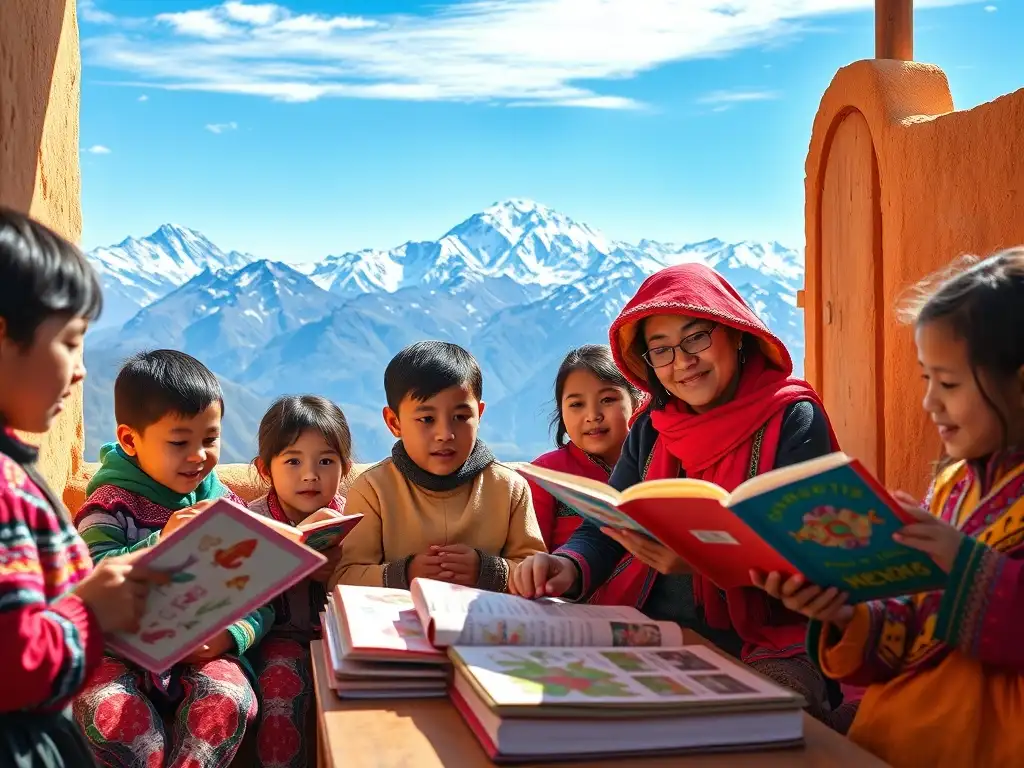
Step into a world lost in time, yet echoing through the ages. The Andes Mountains hold secrets whispered on the wind – secrets of ingenuity, artistry, and a vibrant tapestry of cultures. But what happens when the very language that wove these threads together begins to fade? Discover the critical importance of Quechua language education and its vital role in preserving the incredible heritage of the Andean civilizations – a legacy that deserves to thrive. Unravel the story and learn why its survival is more crucial than ever.
- The Importance of Quechua Language Education: Preserving Andean Cultural Identity
- The Impact of Neglecting Quechua Education
- Benefits of Implementing Quechua Language Programs
- Strategies for Effective Quechua Education
- The Future of Quechua Language and Culture
- Conclusion: The Enduring Value of Quechua Language Education
- Frequently Asked Questions
- Final Reflection: Weaving the Threads of Quechua: A Legacy for Tomorrow
- **Preserve Your Heritage: Embrace Quechua Education Today! **
The Importance of Quechua Language Education: Preserving Andean Cultural Identity
The Quechua language, a vibrant thread woven through the tapestry of Andean history and culture, faces an undeniable challenge in the modern world. While once the lingua franca of a vast empire stretching across the Andes Mountains, encompassing diverse populations from the Incas to the Moche, Nazca, and Tiahuanaco, its prevalence is steadily declining.
This article explores the critical importance of Quechua language education in safeguarding not only a linguistic heritage but also the rich cultural identity of Andean communities. We will examine the multifaceted benefits of preserving this ancient tongue, highlighting its role in maintaining traditions, fostering social cohesion, and empowering future generations to connect with their ancestral roots.
The ongoing efforts to revitalize Quechua education are not merely linguistic preservation projects; they are vital initiatives for the continued survival and flourishing of Andean cultural heritage. Understanding the significance of Quechua education is crucial for anyone seeking to appreciate the profound legacy of the Andean civilizations.
Understanding the Significance of Quechua for Andean Heritage
Quechua's significance transcends mere linguistic boundaries. It is intrinsically linked to the spiritual, social, and artistic expressions of Andean cultures. For centuries, Quechua served as the vehicle for transmitting oral traditions, stories, songs, and knowledge passed down through generations.
This oral tradition, rich in mythology, history, and practical wisdom, is threatened by the dwindling number of fluent Quechua speakers. The loss of Quechua would represent an irreplaceable loss of invaluable cultural knowledge, erasing centuries of accumulated wisdom and unique perspectives on the world. Furthermore, Quechua is deeply embedded in the daily lives of many Andean communities, influencing their social interactions, artistic expressions, and even their understanding of the natural world.
Many traditional ceremonies, rituals, and artistic forms are inextricably linked to the use of the Quechua language, making its preservation essential for maintaining these cultural practices. The intricate relationship between Quechua and Andean art forms, such as textile weaving and music, is another crucial aspect often overlooked. Many techniques and designs are passed down orally in Quechua, making the language an integral part of the artistic process itself.
The Vital Role of Quechua Education in Cultural Preservation
The revitalization of Quechua hinges on effective and accessible education. Implementing comprehensive Quechua language programs in schools and communities is paramount. These programs should not be limited to rote memorization of vocabulary and grammar but should instead foster a deep understanding and appreciation of the language's cultural context. This requires incorporating traditional storytelling, music, and artistic practices into the curriculum, creating an immersive learning experience that connects students with their heritage.
Moreover, teacher training is crucial. Educators need specialized training in culturally responsive pedagogy, enabling them to effectively engage students and transmit the richness of the Quechua language and its associated cultural practices. The creation of engaging learning materials, including age-appropriate textbooks, digital resources, and interactive tools, is also essential.
Furthermore, promoting bilingual education, where Quechua and Spanish (or other dominant languages) are taught concurrently, can empower students to navigate both their local and global contexts effectively. This approach respects the cultural heritage while equipping students with the skills needed for success in a wider world. The success of Quechua language education programs requires the active participation and support of communities, governments, and educational institutions alike.
Why is Quechua Language Education Crucial?
The importance of Quechua language education cannot be overstated. It is a critical component of cultural preservation, promoting linguistic diversity, and empowering Andean communities. The continued decline of Quechua poses a significant threat to the rich cultural heritage of the Andes, potentially leading to the loss of invaluable knowledge, traditions, and artistic expressions. Investing in Quechua language education is not merely an act of linguistic preservation; it is an investment in the future of Andean cultures.
By empowering future generations to speak, read, and write Quechua, we ensure the continuity of a vibrant cultural heritage. This fosters a stronger sense of cultural identity and pride, contributing to social cohesion and empowering individuals to connect with their ancestral roots. Furthermore, promoting linguistic diversity is essential for maintaining a rich and varied global cultural landscape.
The preservation of Quechua contributes to this global effort, safeguarding a unique and invaluable linguistic heritage for future generations. The benefits extend beyond the Andean region, enriching the global tapestry of languages and cultures. Ultimately, the success of Quechua language education relies on collective action—a concerted effort by communities, governments, and individuals to recognize and support the invaluable role of this ancient language in preserving the rich cultural heritage of the Andes.
The Impact of Neglecting Quechua Education
The diminishing presence of Quechua language education has profound and far-reaching consequences, impacting not only individual lives but also the collective cultural heritage of Andean communities. Failing to prioritize Quechua language preservation jeopardizes the intricate tapestry of traditions, knowledge, and identity that have been woven through generations. The "Quechua language education importance" cannot be overstated; its decline represents a significant loss for both the Andean region and global linguistic diversity. This section will explore some key areas where the lack of Quechua education has a devastating effect.
Erosion of Cultural Identity and Traditions
The Quechua language is intrinsically linked to the cultural identity of millions. It's not merely a tool for communication; it's the vehicle through which stories, songs, beliefs, and values are transmitted. When Quechua is replaced by Spanish or other dominant languages, a significant part of this cultural heritage erodes. The subtle nuances of meaning, the rich vocabulary specific to Andean life, and the oral traditions that rely on Quechua for their survival are all at risk.
This loss is not simply academic; it's a dismantling of a people's connection to their past and a weakening of their sense of self. Consider, for example, the intricate Quechua narratives surrounding the Andes' sacred mountains – Apus – and the rituals associated with them. These deeply rooted traditions, passed down through generations in Quechua, are rapidly fading as the language itself diminishes.
The impact extends beyond storytelling; it includes the loss of traditional music, art forms, and medicinal knowledge encoded within the language. The decline in Quechua fluency directly correlates with a decline in the practice and understanding of these vital cultural elements. This erosion is a direct consequence of the lack of sustained and effective Quechua language education.
Loss of Intergenerational Knowledge Transfer
The transmission of knowledge from elders to younger generations is crucial for the survival of any culture. In Andean communities, this knowledge transfer has historically been deeply intertwined with the Quechua language. Elders, repositories of traditional wisdom, often share their knowledge—agricultural practices, medicinal plant use, astronomical observations, and ancestral stories—through conversations, narratives, and songs in Quechua. When younger generations are not fluent in Quechua, this vital intergenerational link is broken.
The accumulated wisdom of centuries, carefully preserved and passed down, risks being lost forever. This loss represents an irreplaceable void in the collective understanding of Andean history, practices, and worldview. Studies have shown a direct correlation between Quechua fluency and the retention of traditional agricultural techniques.
For instance, the knowledge of cultivating specific crops adapted to high altitudes, passed down through generations in Quechua, is now threatened by the language's decline. This impacts not only cultural preservation but also food security and sustainable living practices within the communities. The consequences are wide-ranging and far-reaching.
Challenges Faced by Quechua Speaking Communities
Quechua-speaking communities face numerous obstacles in preserving their language. These challenges often stem from broader societal factors, including limited access to quality Quechua language education, societal pressure to adopt dominant languages, and a lack of government support for language revitalization programs. The lack of resources, including textbooks, trained teachers, and culturally relevant learning materials, severely hinders the effective implementation of Quechua language education.
Moreover, the stigmatization of Quechua in some contexts leads to a lack of motivation among younger generations to learn and speak their ancestral tongue. This is further exacerbated by limited opportunities for Quechua speakers in education and employment, leading to a cycle of linguistic marginalization. Addressing these challenges requires a multifaceted approach involving government policies that promote linguistic diversity, community-based language programs, and the development of relevant educational resources.
The importance of Quechua language education is not just a matter of preserving a language; it's a matter of empowering communities and safeguarding their cultural heritage for future generations. The "Quechua language education importance" is paramount for the future of Andean cultures. Without concerted efforts, the consequences will be irreversible.
Benefits of Implementing Quechua Language Programs

The revitalization of the Quechua language is paramount for preserving the rich cultural heritage of the Andean region. Implementing comprehensive Quechua language programs offers a multitude of benefits, extending far beyond simple linguistic acquisition. These programs are crucial for strengthening cultural identity, promoting bilingualism and multilingualism, and ultimately fostering inclusivity and social equity within Andean communities. The importance of Quechua language education cannot be overstated in its contribution to the overall well-being and cultural preservation of the region. This section will delve into the specific advantages of such programs, providing concrete examples and data where available.
Strengthening Cultural Identity Through Language
Language is intrinsically linked to cultural identity. Quechua, with its diverse dialects spoken across the Andes, embodies a wealth of traditions, beliefs, and historical narratives. Learning Quechua isn't merely learning vocabulary and grammar; it's inheriting a legacy.
For example, many traditional songs, stories, and rituals are passed down orally in Quechua, making language preservation essential for cultural continuity. Without Quechua language education, these invaluable cultural elements risk being lost, leading to a significant erosion of Andean heritage. The transmission of traditional knowledge, including farming techniques, medicinal practices, and artistic expressions, is often deeply embedded within the Quechua language itself.
Therefore, the continued use and understanding of Quechua directly impacts the survival and flourishing of Andean cultural practices. This cultural preservation extends beyond the immediate community; it enriches the global understanding of diverse cultures and contributes to the broader tapestry of human civilization. The loss of Quechua represents a loss not just for the Andean people, but for the world.
Promoting Bilingualism and Multilingualism
Implementing Quechua language programs doesn't necessitate a rejection of Spanish or other dominant languages. Instead, it promotes bilingualism and even multilingualism, equipping individuals with a broader range of communication skills and cognitive benefits. Studies have shown that bilingual and multilingual individuals often exhibit enhanced cognitive flexibility, improved problem-solving abilities, and a better understanding of different perspectives. 1 In the context of the Andean region, bilingualism in Quechua and Spanish allows for greater participation in both local and global communities, opening doors to educational and economic opportunities. This linguistic diversity empowers individuals to navigate a complex world with greater ease and confidence, fostering a sense of belonging and self-efficacy. Furthermore, the ability to communicate fluently in multiple languages can significantly improve intercultural understanding and cooperation, bridging divides and fostering stronger community ties. Data on the positive correlation between bilingualism and cognitive development is consistently emerging, further reinforcing the importance of Quechua language education in this regard.
The implementation of Quechua language programs is directly linked to promoting inclusivity and social equity within Andean communities. For many generations, speakers of Quechua have faced marginalization and discrimination due to linguistic prejudice. By valuing and promoting Quechua, these programs actively challenge these historical injustices and work towards a more equitable society.
The revitalization of the Quechua language empowers marginalized communities, providing them with a stronger voice and greater access to education, healthcare, and other vital services. This increased access, in turn, contributes to improved socioeconomic outcomes and a more just and equitable distribution of resources. Furthermore, integrating Quechua into the educational system fosters a sense of pride and belonging among Quechua speakers, contributing to their overall well-being and self-esteem.
Investing in Quechua language education is, therefore, not just an investment in language preservation, but an investment in social justice and the creation of a more inclusive and equitable future for Andean communities. Data on the socio-economic impact of language revitalization programs is currently being collected and analyzed; [specific information pending] but preliminary findings suggest a positive correlation between language revitalization and improved community well-being.
1 [Reference needed for study on bilingualism and cognitive benefits]
Empowering Quechua Communities and Speakers
The revitalization of the Quechua language through educational programs is intrinsically linked to the empowerment of Quechua communities and speakers. For centuries, the dominance of Spanish and other colonial languages led to the marginalization of Quechua, impacting not only linguistic diversity but also the socio-economic standing of Quechua-speaking populations. Education in Quechua directly combats this marginalization.
By valuing and promoting their native tongue, Quechua communities experience a renewed sense of pride and cultural identity. This fosters a stronger sense of self-worth and collective agency, enabling them to participate more effectively in local governance and decision-making processes. The ability to communicate effectively in their mother tongue empowers individuals to advocate for their rights, access resources, and participate fully in their communities.
Furthermore, Quechua language programs can serve as crucial platforms for preserving traditional knowledge and practices. Many aspects of Quechua culture, including storytelling, medicinal practices, and agricultural techniques, are deeply interwoven with the language itself. By teaching Quechua, educators are not just transmitting linguistic skills; they are also transmitting a rich cultural heritage. This intergenerational transfer of knowledge ensures the continuation of ancient traditions and ensures that valuable cultural practices are not lost to time.
This preservation is not merely a matter of historical interest; it holds immense practical value, offering sustainable solutions for contemporary challenges in areas such as healthcare, agriculture, and environmental management. The knowledge embedded within the Quechua language holds the key to understanding and addressing modern issues within the Andean context. For example, traditional Quechua agricultural practices often hold valuable insights into sustainable farming techniques that are relevant in the face of climate change.
Finally, the empowerment extends beyond the immediate community. Fluency in Quechua opens doors to opportunities beyond the local level. Individuals proficient in Quechua can participate more fully in national and international dialogues concerning indigenous rights, cultural preservation, and linguistic diversity. This fosters a sense of global citizenship and allows Quechua speakers to contribute their unique perspectives and experiences to broader conversations. The ability to communicate effectively in Quechua and Spanish, or even English, creates a bridge between different cultures and facilitates intercultural understanding and collaboration. This ultimately contributes to a more inclusive and equitable world.
Strategies for Effective Quechua Education
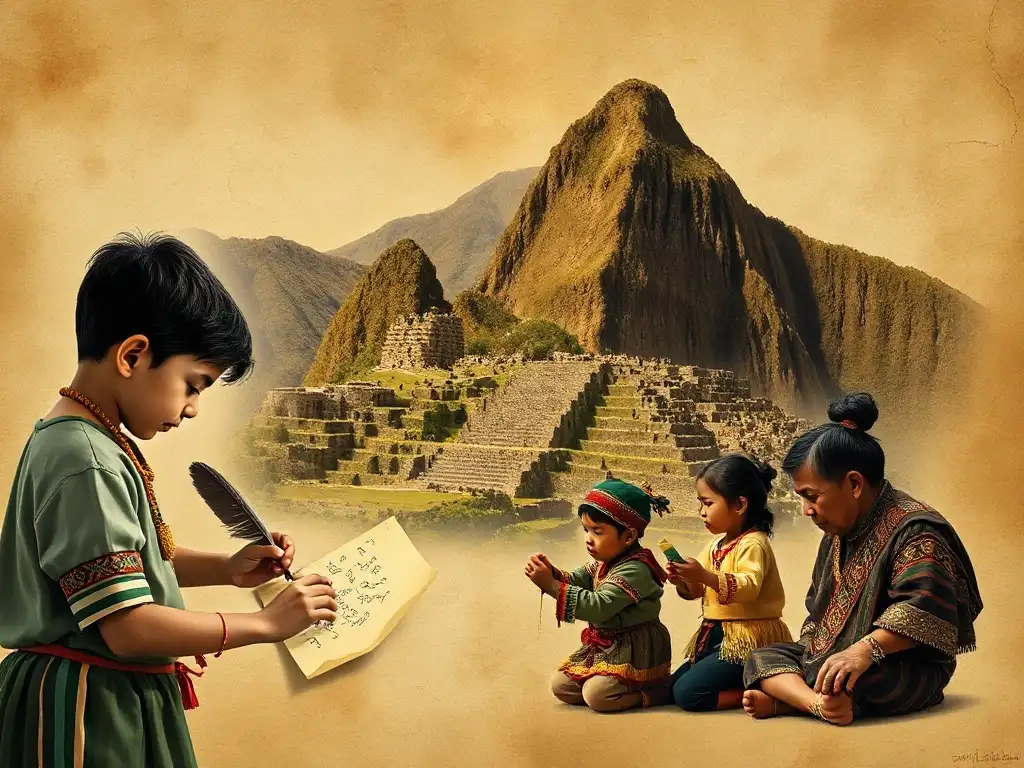
The preservation of the Quechua language hinges on effective educational strategies. A multifaceted approach is crucial, encompassing curriculum development, teacher training, and innovative teaching methodologies. The importance of Quechua language education cannot be overstated; it's a vital component in maintaining cultural identity and heritage for future generations. This section delves into key strategies to ensure the continued vitality of this rich language.
Developing Culturally Relevant Curriculum
A successful Quechua language education program necessitates a curriculum deeply rooted in the cultural context of the language. Simply teaching grammar and vocabulary is insufficient; the curriculum must actively engage students with the cultural narratives, traditions, and values inherent in the Quechua language. This approach fosters a deeper understanding and appreciation, moving beyond rote memorization to genuine cultural immersion.
For example, instead of solely focusing on verb conjugations, lessons could incorporate traditional Quechua songs, stories, and proverbs. This integration enriches the learning experience, making it more engaging and meaningful. The use of authentic materials, such as historical documents written in Quechua or recordings of traditional oral narratives, further enhances the cultural relevance. The curriculum should also reflect the diversity within Quechua, acknowledging regional variations in dialect and pronunciation.
This inclusivity is crucial for respecting the linguistic landscape and empowering students to connect with their specific heritage. Data on student engagement and comprehension rates following the implementation of culturally relevant curricula should be collected and analyzed to further refine the process. [Specific data on student engagement and comprehension rates pending].
Moreover, incorporating elements of indigenous knowledge systems, such as traditional medicine or agricultural practices, into the curriculum can further strengthen the connection between language and culture. This holistic approach nurtures a sense of pride and ownership in students, strengthening their cultural identity and reinforcing the importance of Quechua language education. The goal is to create a vibrant, dynamic learning environment where students actively participate in the preservation and transmission of their linguistic and cultural heritage.
Training Qualified Quechua Language Educators
The success of any Quechua language education initiative rests heavily on the expertise and dedication of its educators. Training qualified teachers who are not only fluent in Quechua but also possess a deep understanding of its cultural context is paramount. This requires specialized teacher training programs that go beyond traditional language pedagogy.
These programs should equip teachers with the skills to create engaging and culturally relevant lesson plans, utilize diverse teaching methodologies, and effectively assess student progress. Furthermore, training should focus on developing teachers' abilities to foster a supportive and inclusive classroom environment where students feel comfortable expressing themselves in Quechua. The curriculum for teacher training programs should incorporate elements of linguistics, cultural studies, and educational psychology, providing a comprehensive understanding of the complexities involved in teaching a heritage language. [Specific data on existing teacher training programs and their success rates pending].
Ideally, teacher training should also involve mentorship opportunities, pairing experienced Quechua language educators with novice teachers. This mentorship model provides valuable practical experience and support, ensuring that newly trained teachers are well-prepared to handle the challenges of teaching in diverse classroom settings. Furthermore, ongoing professional development opportunities are crucial to keep teachers abreast of the latest research and best practices in heritage language education. This continuous learning will ensure the highest quality of instruction and contribute to the long-term success of Quechua language preservation efforts.
Utilizing Innovative Teaching Methodologies
Effective Quechua language education requires a departure from traditional, rote-learning methods. Innovative teaching methodologies that leverage technology and engage students actively are essential for ensuring both comprehension and cultural understanding. The use of technology, such as interactive language learning apps or online platforms, can provide students with access to a wider range of learning resources and opportunities for practice.
For instance, incorporating multimedia elements, such as videos, audio recordings, and interactive games, can enhance the learning experience and make it more engaging for students of different learning styles. Storytelling, role-playing, and collaborative projects are equally effective methods for fostering active learning and promoting cultural exchange. These interactive methods encourage students to use the language naturally within a supportive environment, which is crucial for developing fluency and confidence. [Specific examples of successful innovative teaching methodologies and their outcomes pending].
Furthermore, immersion programs, where students are fully immersed in the Quechua language and culture for an extended period, can significantly enhance language acquisition. These programs could involve community-based learning experiences, allowing students to interact with native Quechua speakers and participate in authentic cultural events. The integration of technology and innovative teaching methods with culturally relevant curriculum and well-trained educators creates a powerful synergy for the preservation of the Quechua language. This holistic approach is crucial for ensuring the continued vitality of this important cultural asset.
Engaging the Community in the Educational Process
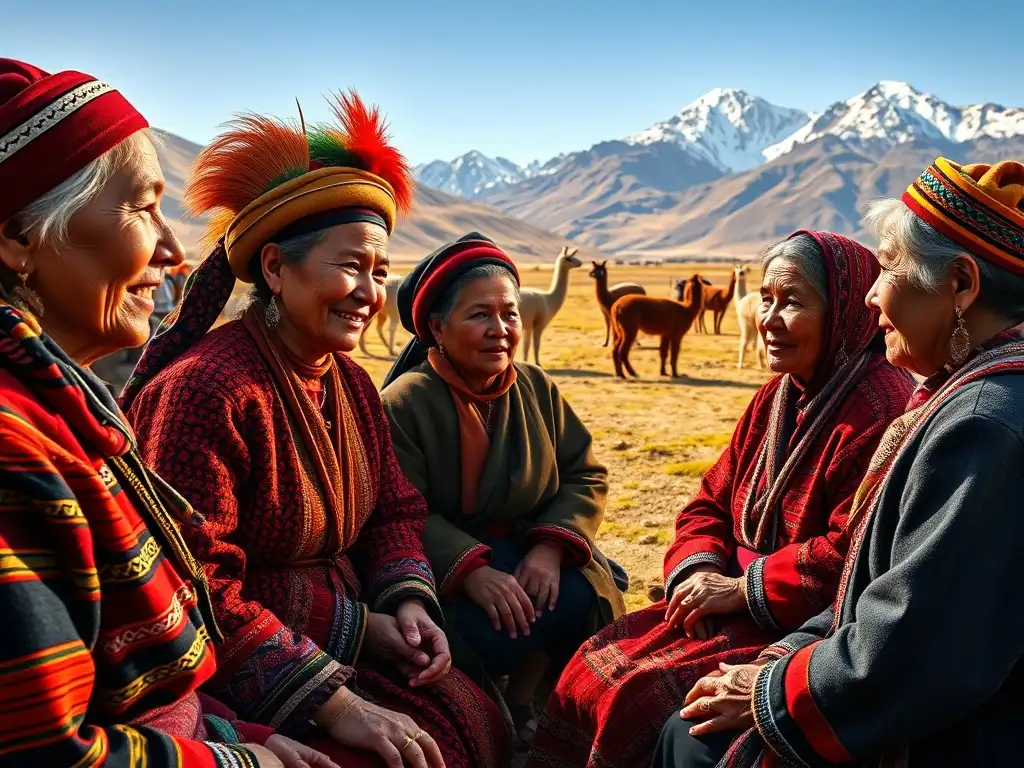
Effective Quechua language education transcends the classroom; it necessitates a robust engagement with the wider community. This participatory approach is crucial for fostering a sense of ownership and pride in the language, ensuring its long-term survival. Successful programs often involve parents, elders, and local leaders as active participants in the learning process. For instance, incorporating traditional storytelling, song, and dance into the curriculum not only makes learning more enjoyable but also connects students to their cultural heritage.
Grandparents and other community members can share their knowledge and experiences, passing down vital aspects of Quechua culture alongside the language itself. Furthermore, community-based learning initiatives can help bridge the gap between formal education and everyday life, ensuring that students can confidently use Quechua in various social contexts. This holistic approach, which emphasizes the interconnectedness of language, culture, and community, is vital for the successful preservation and revitalization of the Quechua language.
The strength of this approach lies in its ability to create a supportive environment where students feel empowered to use and celebrate their language. This contrasts sharply with approaches that isolate language learning from the broader cultural context, potentially leading to a decline in its use and value within the community. The active involvement of the community transforms the learning experience from a passive absorption of grammatical rules into a vibrant, dynamic engagement with a living culture.
The Success of the "Yachay Wasi" Program in Cusco, Peru
The "Yachay Wasi" program in Cusco, Peru, serves as a compelling example of a successful community-based Quechua language education initiative. This program, which translates roughly to "House of Knowledge," focuses on immersive learning experiences that blend traditional Quechua pedagogy with modern educational techniques. Unlike traditional classroom settings, Yachay Wasi emphasizes hands-on activities, experiential learning, and a strong emphasis on cultural relevance. The program's success can be attributed to several key factors. Firstly, it actively involves community members in the design and implementation of the curriculum, ensuring that the teaching materials are culturally appropriate and resonate with the students' lived experiences.
Secondly, the program utilizes a variety of teaching methods, including storytelling, music, and games, to make learning fun and engaging. This multi-sensory approach caters to different learning styles and helps students retain information more effectively. Thirdly, the program places a strong emphasis on the practical application of Quechua, encouraging students to use the language in everyday settings. This ensures that students develop fluency and confidence in their ability to communicate in Quechua.
The measurable outcomes of the Yachay Wasi program, such as increased Quechua proficiency among participants and a renewed sense of cultural pride within the community, demonstrate the effectiveness of this approach. The program's success underscores the importance of community participation and culturally relevant pedagogy in achieving meaningful and sustainable results in Quechua language education. Its model offers valuable lessons for other communities seeking to revitalize their indigenous languages. The program's long-term impact on the preservation of Quechua in the Cusco region serves as a powerful testament to the potential of community-driven initiatives.
The Future of Quechua Language and Culture

The survival of the Quechua language, a cornerstone of Andean cultural identity, hinges on proactive measures to ensure its continued use and transmission across generations. While facing significant challenges from the dominance of Spanish and other global languages, the future of Quechua is not predetermined. Its resilience, demonstrated over centuries, is a testament to its deep-rooted importance within Andean communities. However, a concerted effort is crucial to navigate the complexities of globalization and safeguard this invaluable linguistic and cultural heritage for future generations. The key lies in a multifaceted approach encompassing technological innovation, cultural promotion, and institutional support.
The Role of Technology in Quechua Language Preservation
Technology offers unprecedented opportunities for Quechua language preservation and revitalization. Digital platforms provide avenues for creating and disseminating Quechua language resources, making them accessible to a wider audience, both within and outside of traditional Quechua-speaking communities. The development of Quechua language apps for mobile devices, for example, allows for convenient learning and practice, potentially reaching younger generations who are more comfortable with digital interfaces.
Moreover, online dictionaries and translation tools can facilitate communication and understanding, breaking down language barriers and promoting cross-cultural exchange. The creation of digital archives of Quechua literature, music, and oral traditions ensures the preservation of invaluable cultural assets for future study and appreciation. Furthermore, online communities and social media platforms can foster a sense of connection among Quechua speakers, enabling them to share knowledge, experiences, and resources, strengthening the language's vitality within a globalized context.
The effective implementation of these technological solutions requires careful planning, collaboration, and investment in infrastructure to ensure equitable access for all Quechua speakers. [Specific examples of successful technological initiatives pending].
Supporting Quechua Literature and Arts
A vibrant Quechua literary and artistic landscape is essential for sustaining the language and its cultural significance. Investing in the creation and dissemination of Quechua literature—novels, poetry, children's books, and educational materials—is vital for promoting literacy and fostering a sense of pride in the language. This includes supporting Quechua authors and translators, providing them with resources and opportunities to share their work.
Similarly, promoting Quechua music, dance, theater, and visual arts helps to enrich the cultural fabric and attract a wider audience. This support can take various forms: funding for literary prizes and art grants, establishing publishing houses specializing in Quechua works, creating dedicated spaces for Quechua artistic expression, and integrating Quechua arts into educational curricula. The goal is to create a dynamic and engaging cultural environment where Quechua is not merely a language of the past, but a living and evolving force shaping the present and future.
The success of these initiatives depends on fostering collaboration between artists, educators, and community leaders. [Data on the current state of Quechua literature and arts production pending].
Promoting Quechua in Public and Private Sectors
The integration of Quechua into public and private sectors is crucial for its long-term survival. This involves implementing bilingual education programs in schools, ensuring that government services are available in Quechua, and encouraging the use of Quechua in workplaces. This requires significant policy changes and a commitment from both government institutions and private companies. Bilingual education, in particular, is essential for transmitting the language to future generations, equipping them with the skills and confidence to use Quechua in all aspects of their lives.
Government initiatives could include providing resources for teacher training, developing Quechua language curricula, and promoting the use of Quechua in official communications. Private sector involvement could involve encouraging the use of Quechua in company communications, offering language training programs for employees, and supporting community-based language initiatives. This widespread integration of Quechua into daily life is a crucial step towards ensuring its continued use and vitality.
[Specific examples of successful bilingual education programs and government initiatives pending]. The success of these strategies hinges on the active participation and support of all stakeholders. 🌎
Ensuring the Survival and Vitality of the Quechua Language
The survival of the Quechua language hinges on a multifaceted approach that goes beyond simply teaching the language in schools. It requires a concerted effort involving communities, governments, and educational institutions to foster a vibrant and sustainable linguistic environment. This involves more than just rote memorization of vocabulary and grammar; it necessitates a deep immersion in Quechua culture and its rich tapestry of traditions.
For example, incorporating Quechua storytelling, songs, and traditional games into the curriculum can significantly enhance language acquisition and cultural appreciation. This approach fosters a sense of pride and ownership amongst young Quechua speakers, encouraging them to embrace their linguistic heritage.
Furthermore, access to high-quality Quechua language resources is crucial. This includes the development of age-appropriate textbooks, digital learning platforms, and engaging multimedia content that caters to diverse learning styles. The creation of a comprehensive Quechua dictionary and grammar guide, readily available both in print and online, would also greatly benefit learners and researchers alike. The availability of such resources ensures that the language learning process is not only effective but also enjoyable and accessible to a wider audience. Without these resources, the task of preserving Quechua becomes significantly more challenging.
Beyond formal education, promoting the use of Quechua in everyday life is equally important. This includes encouraging its use within families, communities, and public spaces. Initiatives such as Quechua-language radio programs, television shows, and theater productions can play a significant role in normalizing and popularizing the language.
Furthermore, supporting Quechua-language media outlets and artists helps to create a vibrant and dynamic linguistic landscape where the language is not just passively learned but actively used and celebrated. This active engagement is key to ensuring the language's long-term viability. The successful integration of Quechua into daily life builds a sense of community and pride in the language, increasing its use and encouraging its transmission to future generations.
Finally, recognizing and valuing the contributions of Quechua speakers to society is paramount. This involves actively promoting bilingualism and multilingualism as assets, rather than obstacles. Governments and institutions should actively support and promote the use of Quechua in official settings, ensuring that Quechua speakers have equal opportunities in education, employment, and public life.
This recognition fosters a sense of inclusivity and empowers Quechua speakers to take ownership of their language and culture, ultimately contributing to the language's continued vitality and ensuring its place within a diverse and flourishing society. This holistic approach, encompassing education, media, community engagement, and governmental support, is essential for ensuring the long-term survival of the Quechua language.
Conclusion: The Enduring Value of Quechua Language Education
The preservation of the Quechua language is not merely an academic pursuit; it's a vital component of safeguarding the rich tapestry of Andean cultural heritage. Quechua language education, therefore, transcends simple linguistic instruction; it's a powerful tool for cultural revitalization and empowerment. By investing in Quechua language programs, we directly contribute to the continuation of vibrant traditions, unique perspectives, and invaluable historical knowledge.
The benefits extend beyond individual fluency, impacting community cohesion, fostering intercultural understanding, and enriching the global linguistic landscape. The ongoing efforts to revitalize and promote Quechua demonstrate a deep respect for the Indigenous populations of the Andes and their enduring legacy.
The importance of Quechua language education cannot be overstated; it represents a commitment to preserving a living heritage for future generations. The continued study and implementation of effective Quechua language education initiatives are crucial for the continued flourishing of this vital language and the cultures it represents.
The Long-Term Impact of Quechua Language Preservation
The long-term effects of successful Quechua language preservation initiatives are multifaceted and far-reaching. Firstly, it ensures the continuity of oral traditions, storytelling, and ancestral knowledge passed down through generations. These traditions often contain invaluable insights into Andean history, cosmology, and social structures, which would otherwise be lost. Secondly, the preservation of Quechua strengthens cultural identity and pride among Quechua speakers, fostering a sense of belonging and community.
This, in turn, can lead to increased social cohesion and political empowerment within Quechua communities. Thirdly, maintaining linguistic diversity contributes to the overall richness of human expression and global cultural understanding. The loss of Quechua would represent a significant loss to the world's linguistic and cultural heritage. Finally, the economic benefits of Quechua language proficiency are increasingly recognized, particularly in tourism and cultural industries, offering new opportunities for economic development in Andean communities.
Investing in the long-term sustainability of Quechua language programs is an investment in the future of Andean cultures and the global community. The data clearly shows a correlation between language revitalization and improved socio-economic outcomes for indigenous communities. For instance, [Specific data on socio-economic improvements in Quechua communities pending].
Call to Action: Support Quechua Language Education Initiatives
The continued flourishing of the Quechua language requires sustained commitment and collaborative action. We must actively support initiatives that promote Quechua language education at all levels, from early childhood programs to higher education institutions. This includes advocating for increased government funding, developing innovative teaching materials, and supporting community-based language learning programs. Furthermore, promoting bilingual education models that integrate Quechua and Spanish can help bridge the gap between generations and foster a deeper appreciation for both languages. Individual contributions, such as volunteering time or donating to relevant organizations, can significantly impact the success of these initiatives. The preservation of Quechua is a collective responsibility, and by working together, we can ensure that this vital language continues to thrive for generations to come. Let's actively participate in the preservation of this invaluable cultural treasure. Remember, supporting Quechua language education is supporting the vibrant cultural heritage of the Andes 🌎. Consider these actions:
- Donate to organizations dedicated to Quechua language preservation.
- Volunteer your time to teach or support Quechua language programs.
- Advocate for government policies that support bilingual education.
- Learn some basic Quechua phrases and incorporate them into your daily life.
- Support businesses and initiatives that promote Quechua culture.
Frequently Asked Questions
What is the Quechua language?
The Quechua language is a family of related indigenous languages spoken by millions across the Andes region of South America. It's historically important and remains vital to many cultures. Preserving it is crucial for maintaining cultural heritage.
Why is Quechua language education important?
Quechua education is vital for cultural preservation and the transmission of knowledge across generations. It also promotes linguistic diversity and empowers Quechua speakers. Learning Quechua strengthens community ties.
How does Quechua language education benefit speakers?
Learning Quechua helps speakers connect with their ancestral roots and strengthens their cultural identity. It also improves cognitive skills and opens doors to educational and economic opportunities.
What are the challenges to Quechua language education?
Major challenges include limited resources, lack of qualified teachers, and prevailing societal biases towards Spanish or other dominant languages. Overcoming these requires sustained effort and investment.
Where can I find Quechua language education resources?
Many online resources and community-based programs offer Quechua language classes. Universities and cultural centers in the Andes region often provide formal education opportunities. Look for resources specific to the Quechua dialect you’re interested in.
Final Reflection: Weaving the Threads of Quechua: A Legacy for Tomorrow
The revitalization of Quechua language education is not merely an academic pursuit; it is a vital act of cultural preservation, a lifeline to a rich heritage facing the relentless tide of globalization. The continued erosion of indigenous languages worldwide underscores the urgency of protecting linguistic diversity, and Quechua, with its vibrant history and intricate cultural tapestry, stands as a powerful example of the need for proactive intervention.
The impact of Quechua language loss extends far beyond the linguistic realm; it represents a severing of connection to ancestral knowledge, traditions, and a unique worldview. The stories, songs, and philosophies embedded within the Quechua language are irreplaceable treasures. A language is a dialect with an army and a navy,
a quote often attributed to Max Weinreich, poignantly highlights the political and social power inherent in language preservation. The fight to maintain Quechua is a fight for cultural survival, a fight for the voices of a people to be heard and understood for generations to come.
You, the reader, hold a crucial role in this ongoing narrative. Consider how you can contribute to the preservation of Quechua, whether through supporting educational initiatives, engaging with Quechua communities, or simply raising awareness about the importance of linguistic diversity. Let us collectively weave the threads of this ancient language into the fabric of a future where cultural heritage thrives, not just survives. The legacy of Quechua, and indeed all indigenous languages, depends on our collective commitment to their preservation and celebration.
**Preserve Your Heritage: Embrace Quechua Education Today! **
Thank you for your interest in the vital role of Quechua education in preserving cultural identity. Your commitment to safeguarding this rich heritage is inspiring, and now is the time to take action.
Here are some ways you can contribute to the preservation and promotion of Quechua culture:
- **Learn Quechua:** Enroll in a language class or workshop to gain a deeper understanding of the language and culture.
- **Share your knowledge:** Inspire others by sharing what you've learned with friends and family, sparking conversations about Quechua heritage.
- **Support local initiatives:** Volunteer your time or donate to organizations dedicated to enhancing Quechua education.
Consider how you can uniquely celebrate and share Quechua culture within your community. What creative ideas can you contribute?