
The Living Language: How Quechua and Aymara Thrive in the Modern Andes

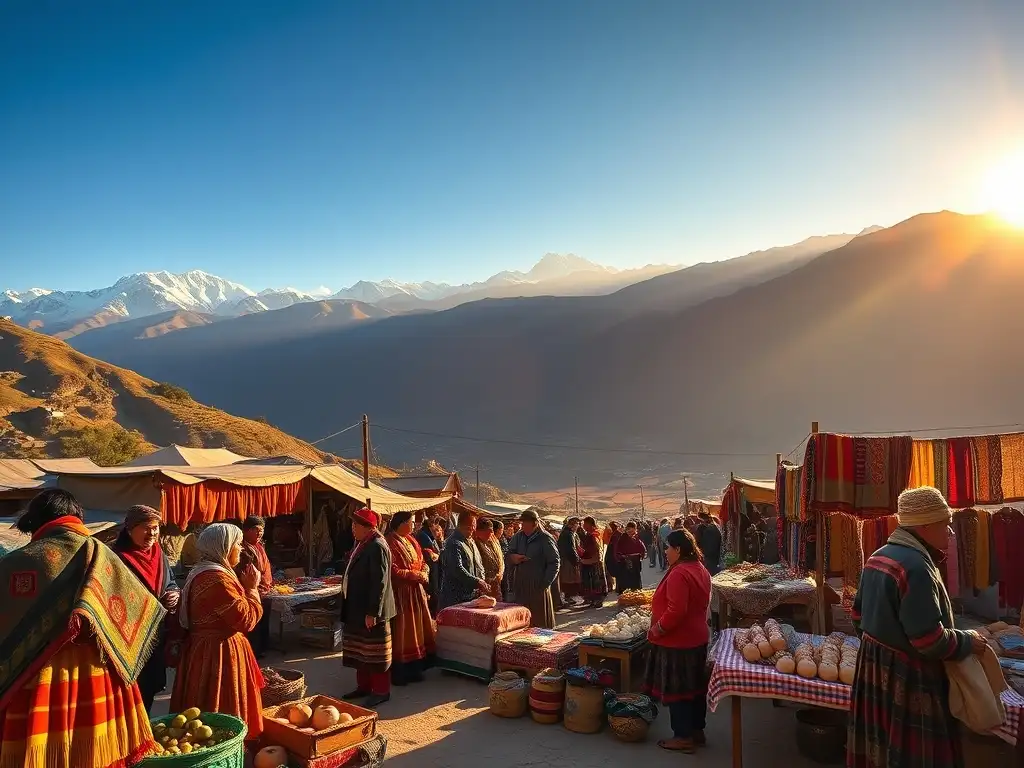
Step into a world lost to time, yet vibrantly alive. For centuries, the echoes of the Andean civilizations have resonated through the mountains, leaving behind a legacy as breathtaking as the landscapes themselves. But their story doesn't end in the past. Discover how the Quechua Aymara language continues to thrive in the modern Andes—a testament to the enduring spirit and rich cultural heritage of these remarkable people. Unravel the mysteries and immerse yourself in their captivating history; the journey begins now.
The Andes Mountains, a spine of towering peaks running down the western coast of South America, are home to a rich tapestry of cultures and histories. For centuries, the vibrant threads of indigenous languages have woven themselves into the fabric of Andean life, shaping its traditions, beliefs, and social structures.
This article delves into the enduring legacy of Quechua and Aymara, two languages that not only survived the colonial era but continue to flourish in the modern Andes, demonstrating the remarkable resilience and cultural importance of indigenous voices in a rapidly changing world. We'll explore their historical roots, examining their pre-Columbian origins and their evolution within the context of powerful empires like the Inca, and finally, we’ll look at their continued presence in contemporary Andean society, proving that these languages are far from relics of the past, but rather, living, breathing components of a dynamic cultural landscape.
Understanding Quechua and Aymara offers a crucial window into the heart of Andean identity and the ongoing struggle for linguistic and cultural preservation.
Introduction to Andean Languages: Quechua and Aymara
Quechua and Aymara are two of the most prominent indigenous languages still spoken in the Andes. While often grouped together due to their geographic proximity and shared history of resistance against colonial suppression, they are distinct linguistic families with unique grammatical structures and vocabularies. Quechua, a family of closely related languages, boasts a significantly larger number of speakers spread across a wider geographic area, a legacy of the Inca Empire's expansive reach.
Aymara, on the other hand, is concentrated primarily in the Altiplano region, encompassing parts of Bolivia, Peru, and Chile. Both languages, however, share a common thread: their deep connection to the land, the people, and the rich cultural heritage of the Andes.
The continued use of these languages represents a powerful assertion of indigenous identity in the face of globalization and the dominance of Spanish. Their survival is a testament to the strength of cultural memory and the enduring power of oral traditions.
Historical Roots of Quechua and Aymara
The history of Quechua and Aymara is deeply intertwined with the rise and fall of powerful Andean civilizations. Understanding their historical evolution provides crucial context for appreciating their contemporary significance.
The Pre-Incan Origins of Quechua
Evidence suggests that Quechua's roots predate the Inca Empire. While the exact origins remain a subject of ongoing linguistic research, scholars believe that various Quechua dialects existed across different regions of the Andes long before the Inca expansion. These early Quechua-speaking communities likely influenced the development of the language, contributing to its diverse dialects and regional variations that persist to this day. The Inca's later adoption and standardization of Quechua as their official language significantly impacted its spread and development, but it wasn't a creation of the empire itself.
The Development of Aymara in the Tiahuanaco Civilization
The Aymara language is strongly associated with the Tiahuanaco civilization, a powerful pre-Inca culture that flourished in the Altiplano region between approximately 500 and 1000 CE. While the exact relationship between the Tiahuanaco culture and the development of Aymara remains a topic of scholarly debate, the language's deep roots in the region suggest a strong connection. The Tiahuanaco's sophisticated social and political organization likely played a role in shaping the language, contributing to its complex grammar and rich vocabulary. The enduring presence of Aymara in the Altiplano testifies to the civilization's lasting cultural impact.
Quechua as the Lingua Franca of the Inca Empire
The Inca Empire's expansion across a vast territory resulted in the widespread adoption of Quechua as a lingua franca. This facilitated communication and administration across diverse regions and ethnic groups within the empire. The Inca rulers strategically promoted the use of Quechua, solidifying its position as a unifying language and a symbol of imperial power.
This standardization, while impacting the diversity of existing dialects, also contributed to Quechua's survival and spread, laying the groundwork for its continued use in the modern era. The legacy of Inca administration is still visible in the continued use of Quechua in many Andean communities.
Quechua and Aymara in the Post-Colonial Era
The Impact of Spanish Colonization on Indigenous Languages
The Spanish conquest of the Andes had a devastating impact on Quechua and Aymara, and indeed on all indigenous languages of the region. The colonial regime actively suppressed indigenous languages through policies that favored Spanish. Education, governance, and even religious practices were conducted almost exclusively in Spanish, creating significant barriers for Quechua and Aymara speakers. This resulted in a decline in the number of speakers, particularly among younger generations who were often discouraged from using their native tongues. The imposition of Spanish significantly altered social structures, diminishing the prestige and value associated with speaking Quechua and Aymara. This linguistic suppression was a key element of the broader colonial project aimed at cultural assimilation. The effects of this period are still felt today, highlighting the resilience of these languages in the face of centuries of oppression. The legacy of colonial language policies continues to shape the sociolinguistic landscape of the Andes.
Resistance and Survival of Quechua and Aymara
Despite the immense pressures of colonization, Quechua and Aymara demonstrated remarkable resilience. Their survival is a testament to the strong cultural identity and community ties within Andean societies. While the numbers of speakers decreased significantly during the colonial period, the languages persisted, largely due to their continued use within the family and community contexts. Indigenous communities maintained their cultural traditions, including the use of Quechua and Aymara in daily life, religious ceremonies, and storytelling.
This resistance was often subtle, but crucial in preserving these languages. Furthermore, the geographic isolation of some Andean communities helped protect Quechua and Aymara from complete eradication, allowing them to remain vibrant in specific regions. This resistance, though often quiet and embedded in daily life, represents a powerful act of cultural preservation. The persistence of these languages against the odds underscores their deep-rooted importance in Andean identity.
The Modern Use of Quechua and Aymara in the Andes
Quechua and Aymara Speakers Today: Demographics and Distribution
Today, millions of people still speak Quechua and Aymara, primarily in the Andean highlands of Peru, Bolivia, Ecuador, Colombia, and Argentina. Precise figures are difficult to obtain due to variations in census data and the fluidity of language use, but estimates suggest millions of Quechua speakers and a substantial number of Aymara speakers. Quechua, in particular, has several distinct dialects, reflecting the diverse geography and history of the Andes. The distribution of speakers is uneven, with some areas having a high concentration of indigenous language speakers while others have a much lower percentage.
These variations are influenced by factors such as urbanization, migration patterns, and government policies promoting bilingualism. Further research is needed to provide more precise demographic data, but the continued presence of these languages is undeniable. Understanding the distribution of speakers is crucial for implementing effective language revitalization programs.
The Role of Indigenous Languages in Andean Communities
Quechua and Aymara remain vital components of Andean communities, serving as more than just means of communication. They are integral to cultural identity, preserving traditional knowledge, values, and worldviews. These languages are often used in community gatherings, religious ceremonies, and traditional storytelling, transmitting cultural heritage across generations. Their use reinforces social cohesion and strengthens community bonds.
The continued use of Quechua and Aymara in these contexts demonstrates the enduring power of language in shaping cultural identity and fostering a sense of belonging. The preservation of these languages is essential for the preservation of the rich cultural heritage of the Andes. The languages are not merely tools for communication; they are living repositories of ancestral wisdom and traditions.
Quechua and Aymara in Education and Media
There is a growing movement to incorporate Quechua and Aymara into formal education and media. While progress has been slow and uneven, initiatives are underway in several Andean countries to promote bilingual education, allowing children to learn in both their native language and Spanish. This approach aims to improve educational outcomes and preserve indigenous languages. The development of media content in Quechua and Aymara, including radio programs, television shows, and online resources, is also gaining momentum.
This helps to increase the visibility of these languages and promote their use in a wider context. However, challenges remain, including a lack of resources, teacher training, and standardized materials. Despite these obstacles, the increasing presence of Quechua and Aymara in education and media represents a significant step towards language revitalization and the recognition of indigenous cultural heritage. The future of these languages hinges on continued efforts to integrate them into mainstream society.
Challenges and Opportunities for Andean Languages

The survival of Quechua and Aymara in the modern Andes faces significant challenges. The dominance of Spanish, fueled by globalization and historical power structures, poses a constant threat to the continued use of these indigenous languages. Many younger generations are more fluent in Spanish, leading to a decline in native speakers and a fear of linguistic homogenization.
This shift can lead to the erosion of cultural identity deeply intertwined with language. However, there are also significant opportunities for revitalization. Growing awareness of the importance of linguistic diversity, coupled with increased advocacy from indigenous communities, is fostering a renewed appreciation for Quechua and Aymara.
Government initiatives, though often inconsistent in their implementation, aim to promote bilingual education and cultural preservation. Furthermore, the rise of indigenous pride and activism has empowered communities to reclaim their linguistic heritage. The challenges are substantial, but the growing momentum for language preservation offers hope for the future of Quechua and Aymara.
Language Revitalization Efforts for Quechua
Numerous organizations and initiatives are dedicated to revitalizing the Quechua language. These efforts range from community-based language nests, where children are immersed in Quechua from a young age, to university programs offering Quechua language courses and research opportunities. Governmental support, although often inconsistent across different Andean nations, plays a vital role in providing resources and promoting the use of Quechua in official contexts.
Furthermore, the development of Quechua-language media, including radio stations, television programs, and online platforms, helps to normalize the language and make it more accessible to a wider audience. The effectiveness of these initiatives varies depending on local contexts and available resources, but collectively, they represent a significant push to ensure Quechua's survival for future generations. One notable example is the success of community-led initiatives in certain rural areas, where Quechua remains the dominant language, demonstrating the power of grassroots movements in language preservation.
Preserving Aymara in a Globalized World
The preservation of Aymara in a rapidly globalizing world presents unique challenges. The influx of Spanish-language media and the dominance of globalized communication networks pose a threat to the continued use of Aymara in daily life. However, similar to efforts to preserve Quechua, dedicated organizations and community groups are working tirelessly to counteract this trend.
These efforts include the creation of Aymara-language educational materials, the promotion of Aymara literature and art, and the development of digital resources to make the language more accessible. The strength of Aymara communities in certain regions of the Andes remains a critical factor in its survival. These communities often maintain strong cultural traditions, where Aymara continues to be used in social and religious contexts.
Furthermore, the growing recognition of Aymara as an important part of Bolivia's cultural heritage has led to government support for language preservation programs. The challenge lies in balancing the preservation of tradition with the integration of Aymara into the modern world.
The Importance of Bilingual Education in the Andes
Bilingual education, incorporating both Spanish and either Quechua or Aymara, is crucial for the long-term survival of these Andean languages. Such programs aim to equip children with the skills needed to succeed in a multilingual world while fostering a strong sense of cultural identity. A successful bilingual education system not only ensures language maintenance but also promotes cognitive development and enhances intercultural understanding.
However, the implementation of effective bilingual education programs faces various obstacles, including a shortage of trained teachers proficient in both languages and a lack of appropriate educational materials. Furthermore, the social stigma associated with speaking indigenous languages in some communities can hinder the acceptance and success of bilingual education initiatives. Overcoming these challenges requires a concerted effort from governments, educational institutions, and communities to create a supportive environment for bilingual learning.
Digital Platforms for Language Preservation
The internet and digital technologies offer unprecedented opportunities for language preservation. Online dictionaries, language learning apps, and digital archives of oral traditions and literature are making Quechua and Aymara more accessible to a wider audience, both within and beyond the Andes. Social media platforms are also being used to create online communities where speakers can connect, share knowledge, and promote the use of their languages.
However, the digital divide remains a significant barrier, particularly in rural communities with limited access to technology. Moreover, the dominance of Spanish and English online necessitates the creation of high-quality digital content in Quechua and Aymara to ensure their visibility and relevance in the digital sphere. The strategic use of digital platforms, coupled with efforts to bridge the digital divide, holds immense potential for the long-term preservation of these languages.
Quechua and Aymara Influence on Modern Andean Culture
The influence of Quechua and Aymara on modern Andean culture is profound and multifaceted, extending far beyond mere linguistic expression. These languages remain deeply embedded in the social fabric, shaping cultural identities, traditions, and artistic expressions. Their continued presence is a testament to the resilience of Andean cultures and their enduring connection to their ancestral heritage. The vibrant tapestry of modern Andean culture would be significantly diminished without the contributions of these living languages.
Cultural Expressions through Quechua and Aymara
Quechua and Aymara are not merely vehicles for communication; they are integral components of Andean cultural expression. Traditional storytelling, songs, and rituals are often conducted in these languages, preserving ancient knowledge and beliefs. Indigenous festivals and celebrations frequently incorporate Quechua and Aymara, highlighting their continued relevance in community life. The use of these languages in everyday interactions, from family gatherings to market transactions, reinforces their role as vital elements of cultural identity. The preservation of these linguistic traditions is essential for maintaining the cultural richness and diversity of the Andes.
The Influence of Andean Languages in Music and Art
The rhythms and melodies of Andean music are often intrinsically linked to Quechua and Aymara. Traditional songs frequently incorporate elements of these languages, reflecting the deep connection between music and language in Andean culture. Similarly, Andean art, including textiles, pottery, and painting, often features motifs and symbols that are deeply rooted in Quechua and Aymara vocabulary and imagery.
The use of these languages in artistic expressions contributes to the preservation of cultural heritage and fosters a sense of pride and identity among Andean communities. These art forms serve as powerful conduits for cultural transmission, carrying stories and traditions through generations.
Quechua and Aymara in Oral Traditions and Storytelling
Oral traditions remain a cornerstone of Andean culture, with Quechua and Aymara serving as the primary mediums for transmitting ancestral knowledge, historical accounts, and moral lessons. These oral narratives often contain rich metaphorical language, reflecting the unique worldview and cultural values of Andean communities. The preservation of these oral traditions is crucial for maintaining cultural continuity and ensuring the transmission of valuable cultural heritage to future generations. The vibrant storytelling traditions embedded within Quechua and Aymara are invaluable resources for understanding the complexities of Andean societies.
Contemporary Quechua and Aymara Poetry and Prose
Despite the challenges faced by these languages, contemporary Quechua and Aymara literature continues to flourish. A growing number of writers and poets are using these languages to express their creativity, exploring themes of identity, social justice, and cultural preservation. Their works often engage with contemporary issues while drawing upon the rich literary traditions of the Andes.
This contemporary literature plays a crucial role in revitalizing and modernizing these languages, demonstrating their ability to adapt to changing times while retaining their unique cultural significance. The emergence of a new generation of writers is a powerful testament to the resilience and vibrancy of Quechua and Aymara.
The Future of Quechua and Aymara in the Andes
The future of Quechua and Aymara in the Andes is a complex issue, intertwined with broader questions of indigenous rights, cultural preservation, and globalization. While the languages face significant challenges, including the dominance of Spanish and the migration of speakers to urban areas, there are also strong movements working to ensure their survival and revitalization. The continued use of Quechua and Aymara in daily life, particularly in rural communities, provides a vital foundation for their future.
However, sustaining this requires proactive strategies that address the specific needs and realities of each linguistic community. Factors such as access to education in indigenous languages, economic opportunities that value bilingualism, and the integration of Quechua and Aymara into media and technology are crucial for long-term sustainability. The success of these efforts will depend on the collaborative work of governments, indigenous communities, and international organizations.
Without concerted action, the risk of language loss remains significant, particularly for less-spoken dialects within the broader Quechua and Aymara families. The need to document and archive these diverse linguistic expressions is also paramount to prevent the erosion of invaluable cultural heritage.
Promoting Indigenous Language Rights
Promoting indigenous language rights is crucial for the survival of Quechua and Aymara. This involves advocating for legal recognition of these languages as official languages in relevant regions, ensuring access to bilingual education at all levels, and promoting the use of Quechua and Aymara in government and public services. Crucially, this also requires challenging discriminatory practices that marginalize speakers and actively promoting linguistic diversity as a source of national pride and cultural richness.
Many Andean countries have made strides in recognizing indigenous languages through legislation, but implementation remains a significant challenge. Effective enforcement of these laws and the allocation of sufficient resources to support language revitalization programs are essential. Furthermore, international organizations play a vital role in advocating for indigenous language rights on a global scale, promoting best practices, and providing technical assistance to Andean nations.
The struggle for indigenous language rights is fundamentally a struggle for cultural self-determination and the preservation of unique linguistic and cultural heritage. Success in this area will significantly influence the long-term health of Quechua and Aymara.
The Role of Youth in Language Transmission
The role of youth is paramount in ensuring the intergenerational transmission of Quechua and Aymara. Engaging young people in language learning and cultural activities is crucial for the languages' continued vitality. This requires creating appealing and relevant learning environments that go beyond traditional classroom settings.
Innovative approaches like incorporating technology, utilizing popular culture, and fostering a sense of community and pride in linguistic heritage are vital. Furthermore, supporting youth-led initiatives and providing opportunities for young speakers to share their language and culture with others can significantly boost language transmission. The involvement of elders as mentors and role models is also essential in bridging the generational gap and ensuring the continuity of cultural knowledge.
Creating spaces where young people can comfortably use Quechua and Aymara amongst themselves – in social media, music, and art – fosters confidence and normalizes the use of these languages in modern contexts. Without active engagement and empowerment of the younger generation, the future of Quechua and Aymara remains uncertain.
Ensuring the Vitality of Andean Languages for Future Generations
Ensuring the vitality of Quechua and Aymara for future generations requires a multifaceted approach. This includes not only promoting language learning and use but also addressing the socio-economic factors that contribute to language shift. Improving access to quality education in indigenous languages, fostering economic opportunities that value bilingualism, and promoting cultural pride are crucial steps. Furthermore, integrating Quechua and Aymara into all aspects of modern life, including media, technology, and public services, is essential.
This requires the development of resources, such as dictionaries, grammars, and educational materials in both languages. Moreover, supporting community-based language initiatives and empowering indigenous communities to lead their own language revitalization efforts is paramount. A holistic approach that addresses both linguistic and socio-economic factors is needed to ensure the long-term survival and flourishing of Quechua and Aymara in the Andes. This requires a long-term commitment from governments, NGOs, and the international community.
Conclusion: The Enduring Legacy of Quechua and Aymara
The enduring legacy of Quechua and Aymara in the modern Andes is a testament to the resilience of indigenous cultures and languages. Despite facing significant challenges, these languages continue to thrive, reflecting the deep connection between language, identity, and cultural heritage. The ongoing efforts to promote language revitalization, coupled with the active participation of indigenous communities and the support of various organizations, provide hope for the future. The preservation of Quechua and Aymara is not merely a matter of linguistic preservation but also a crucial aspect of safeguarding the rich cultural tapestry of the Andes.
Their continued presence ensures the transmission of valuable knowledge, traditions, and perspectives to future generations, enriching the cultural landscape of the region for years to come. The success of these efforts will depend on continued collaboration, innovation, and a commitment to linguistic diversity and cultural preservation. 🌍
- Introduction to Andean Languages: Quechua and Aymara
- Historical Roots of Quechua and Aymara
- Quechua and Aymara in the Post-Colonial Era
- The Modern Use of Quechua and Aymara in the Andes
- Challenges and Opportunities for Andean Languages
- Quechua and Aymara Influence on Modern Andean Culture
- The Future of Quechua and Aymara in the Andes
- Conclusion: The Enduring Legacy of Quechua and Aymara
Frequently Asked Questions
What are Quechua and Aymara?
Quechua and Aymara are two of the most prominent Indigenous languages still spoken in the Andes Mountains of South America. They represent a rich linguistic heritage and are vital parts of the cultural identity of many communities. They are not mutually intelligible.
How many people speak Quechua and Aymara today?
Millions of people across several countries still speak Quechua and Aymara. Exact numbers are difficult to determine due to varying census methodologies and the fluidity of language use. However, they remain significant and vibrant languages.
Where are Quechua and Aymara primarily spoken?
Quechua is spoken across a wider geographic area, including Peru, Bolivia, Ecuador, Colombia, and Argentina. Aymara is predominantly spoken in the Altiplano region of Bolivia and Peru. Smaller communities exist in other Andean countries.
How are Quechua and Aymara surviving in the modern world?
Despite the dominance of Spanish, language revitalization efforts and increasing indigenous pride are helping Quechua and Aymara thrive. These languages are being integrated into education systems and used in various media, ensuring their continued use.
What is the relationship between Quechua, Aymara and the Inca Empire?
While Quechua became the lingua franca of the Inca Empire, Aymara was also spoken in significant parts of the empire's territory. Both languages have persisted beyond the Inca's decline, demonstrating their cultural resilience and enduring importance.
Final Reflection: Echoes of the Andes: A Living Legacy
The resilience of Quechua and Aymara in the face of globalization is not merely a linguistic phenomenon; it's a testament to the enduring power of cultural identity in a rapidly changing world. These languages, far from being relics of the past, are vibrant threads woven into the rich tapestry of Andean life, actively shaping the present and future of the region. Their continued existence challenges the often-assumed narrative of linguistic homogenization, offering a powerful counterpoint to the dominance of global languages.
The interwoven stories of Quechua and Aymara speakers, their struggles, and their triumphs, deeply resonated with me throughout this exploration. Their ability to adapt and innovate, to integrate new technologies and ideas while preserving their linguistic heritage, is truly inspiring. Language is the road map of a culture. It tells you where its people come from and where they are going.
– Rita Mae Brown. This quote perfectly encapsulates the journey of these Andean languages, demonstrating how their evolution reflects the ongoing journey of their speakers.
Consider the impact of these languages on your own life, even if you are not an Andean speaker. What does the preservation of linguistic diversity mean to you? How can we, as global citizens, support the efforts to protect and promote endangered languages worldwide? Let the echoes of Quechua and Aymara inspire you to appreciate the richness of linguistic diversity and to champion the voices that often go unheard. Let us all work towards a future where the vibrant tapestry of human language continues to thrive.
Embrace the Richness of Andean Languages!
Thank you for exploring the vibrant world of Quechua and Aymara with us! Your interest not only deepens your understanding of these incredible languages but also contributes to their preservation. Let's translate that enthusiasm into action!
- Connect with local communities: Engage with Quechua or Aymara speakers in your area or online. Learning even a few basic phrases is a wonderful way to build connections and show your respect.
- Expand your learning: Explore books, podcasts, or language-learning apps to delve deeper into the intricacies of these languages. Your journey of discovery is ongoing!
- Share your passion: Discuss the importance of preserving indigenous languages with friends, family, or on social media. Your voice can help raise awareness and encourage others to learn more.
What Quechua or Aymara phrase are you most eager to learn and share? Let's continue the conversation!