
Social Tensions and Conflicts in Andean Societies: A Closer Look

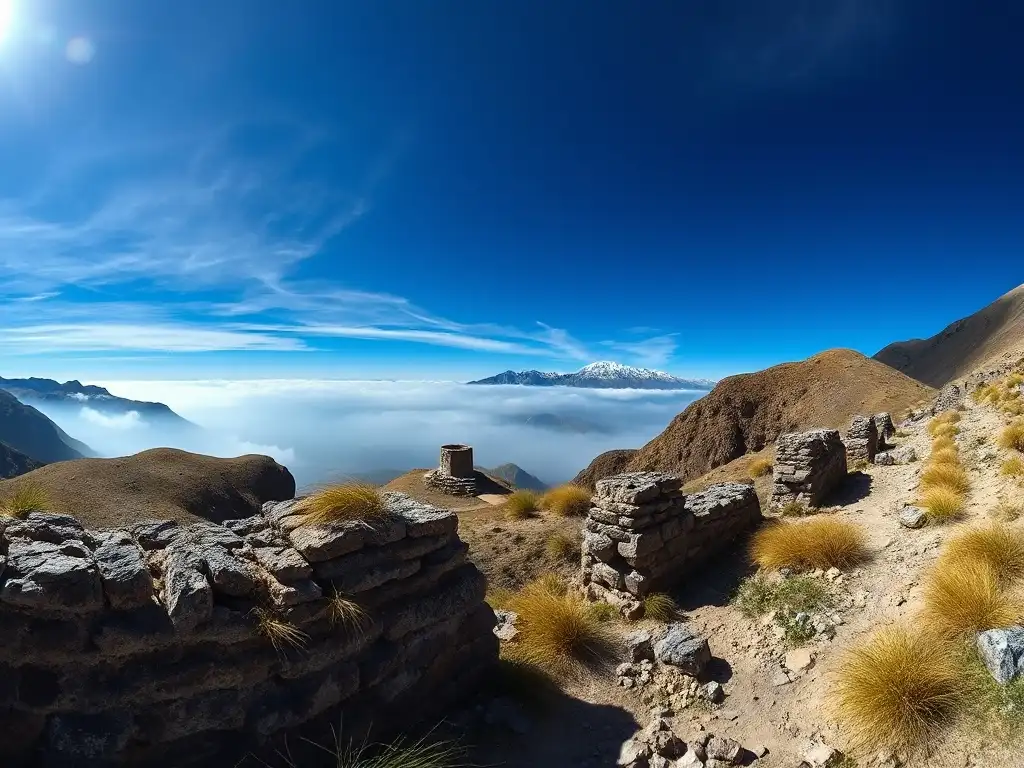
Unravel the mysteries of the Andes! For centuries, these majestic mountains have echoed with the stories of powerful civilizations. But beneath the surface of their breathtaking achievements lay a complex web of Ancient Andean social conflicts. Were these conflicts the seeds of their rise and fall? Dive into the fascinating world of the Incas, Moche, Nazca, and Tiahuanaco, and discover the surprising truths behind their social structures and the tensions that shaped their destinies. Explore the untold stories now, and prepare to be amazed.
The Andes Mountains, a spine of towering peaks and deep valleys stretching along the western coast of South America, cradled a vibrant tapestry of ancient civilizations. While often romanticized for their impressive architectural feats and sophisticated agricultural techniques, these societies, including the Inca, Moche, Nazca, and Tiahuanaco, were not immune to internal strife.
Understanding the social tensions and conflicts that shaped these cultures is crucial to gaining a complete picture of their complexities. This article delves into the various factors contributing to social unrest in Ancient Andean societies, examining the interplay between social hierarchy, economic disparities, religious beliefs, and political power struggles that fueled conflicts and ultimately impacted the trajectory of these remarkable civilizations.
We will explore how these conflicts, while often hidden beneath layers of archaeological evidence, reveal a dynamic and far-from-static social landscape. The study of "Ancient Andean social conflicts" provides invaluable insights into the human condition, revealing the enduring tension between power, privilege, and the aspirations of the common people across diverse cultures and time periods.
The rigid social hierarchies prevalent in Andean societies were a significant source of tension. Elite classes, often comprising priests, nobles, and military leaders, controlled vast resources and wielded considerable power. This concentration of wealth and authority created resentment among the lower classes, who bore the brunt of labor demands and often lived in precarious conditions.
Archaeological evidence, such as the lavish tombs of elite individuals contrasted with the simpler burials of commoners, vividly illustrates these disparities. The sheer scale of monumental architecture, like Machu Picchu, speaks to the immense labor extracted from the population, potentially fueling social unrest among those who toiled in its construction.
The system of mita, a form of mandatory labor service, while essential to the functioning of the state, likely also contributed to social tensions, particularly during periods of intense construction or agricultural demands. The lack of social mobility within this stratified system further exacerbated these inequalities.
Religion played a pivotal role in maintaining social order, but paradoxically, also contributed to social tensions. The Andean worldview incorporated a complex pantheon of deities and elaborate rituals, often used by the elite to legitimize their power and control the population. Religious beliefs, including those surrounding ancestor veneration and the significance of specific geographical locations, were often manipulated to reinforce the existing social order.
However, religious practices also provided avenues for resistance or subversion. Localized cults and alternative religious expressions, while often suppressed, could represent a challenge to the dominant religious ideology and the power structures it supported. The potential for religious syncretism, the blending of indigenous beliefs with those introduced by conquering groups, also introduced new sources of tension and conflict.
Economic Disparities and Resource Allocation
Unequal access to resources was another major source of conflict within Andean societies. Elite classes controlled access to fertile land, water resources, and valuable goods, creating significant economic disparities. The control over these essential resources translated directly into power and influence, further cementing the social hierarchy.
Archaeological studies of agricultural practices and settlement patterns reveal the uneven distribution of resources, suggesting that access to wealth and sustenance was far from equitable. The management of agricultural surpluses and the allocation of resources were likely sources of contention, potentially leading to conflicts over land ownership, water rights, and the distribution of food supplies, especially during periods of drought or famine. This unequal distribution of resources undoubtedly fueled social unrest and contributed to instability within these societies.
Political Power Struggles and Warfare
Competition for political power and territorial control frequently resulted in violent conflicts between different Andean groups and even within the same society. The rise and fall of various Andean empires were often marked by periods of intense warfare and political upheaval.
The expansionist ambitions of certain groups, coupled with the desire to control valuable resources and strategic territories, led to prolonged conflicts that devastated populations and reshaped the political landscape. Archaeological evidence, such as fortifications and weaponry, points to the widespread occurrence of warfare and the significant impact it had on the lives of individuals and communities.
The constant threat of conflict and the need for military preparedness created a climate of insecurity and contributed to social tensions within and between Andean societies. The legacy of these conflicts can still be observed in the archaeological record, offering a glimpse into the complex dynamics of power and violence in the ancient Andes.
- The Role of Social Hierarchy and Elites
- Religious Beliefs and Social Control
- Economic Disparities and Resource Allocation
- Political Power Struggles and Warfare
- What were some common causes of social conflict in ancient Andean societies?
- How did the Inca Empire manage social conflict within its vast territory?
- Did religious beliefs influence social conflicts in ancient Andean societies?
- How did warfare impact the social structures of Andean civilizations?
- What evidence do archaeologists use to study ancient Andean social conflicts?
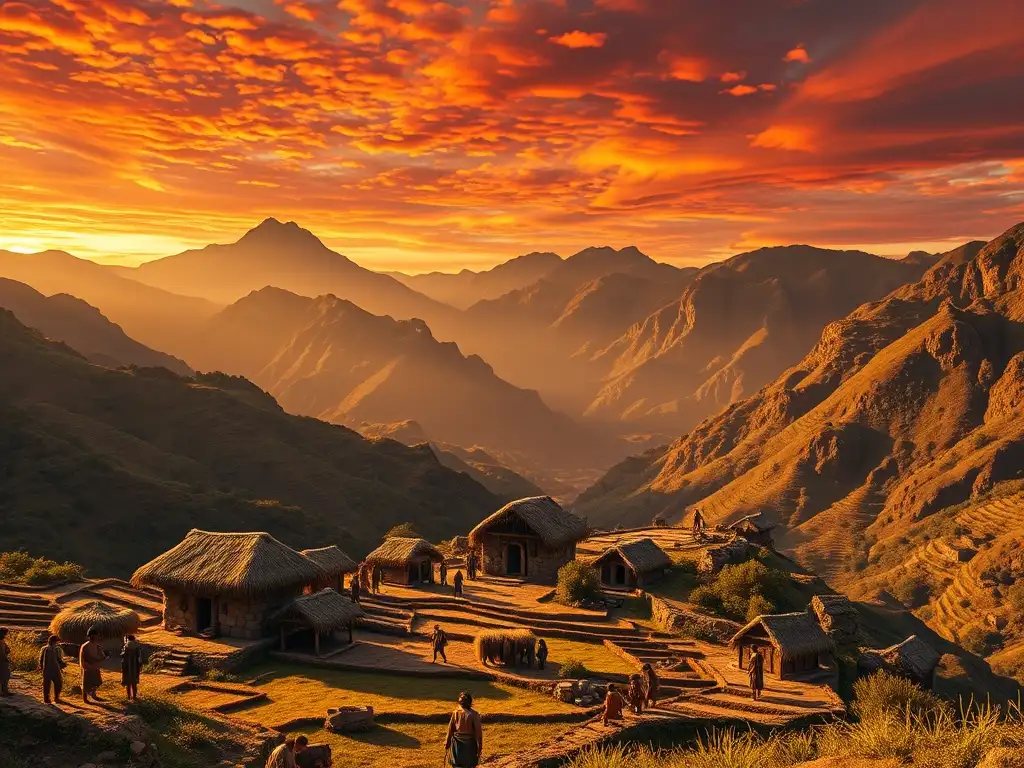
This section delves into the intricate social structures and the resulting tensions and conflicts that characterized various Andean civilizations. While each society possessed unique characteristics, common threads of social hierarchy, resource control, and power struggles weave through their histories. Analyzing these dynamics provides crucial insight into the complexities of Ancient Andean social conflicts and the factors that shaped their development and ultimate decline. Understanding these internal pressures is vital to a complete understanding of these fascinating cultures.
The Inca Empire, renowned for its vast territorial expanse and sophisticated administrative system, also exhibited a rigid social hierarchy. At the apex stood the Sapa Inca, the emperor, considered a divine figure and the ultimate authority. His power extended to all aspects of life, from religious practices to economic production. Below him were the curacas, local chiefs who governed provinces and collected tributes. These curacas, while powerful within their regions, were ultimately subordinate to the Sapa Inca, a dynamic that often led to subtle (and sometimes not-so-subtle) power struggles.
The vast majority of the population consisted of ayllus, kinship-based communities that formed the backbone of Inca society. These communities were responsible for agricultural production, construction projects, and providing labor for the state. While the ayllu system provided a sense of community and mutual support, it also created a system of obligations and responsibilities that could be exploited by those higher in the hierarchy. The potential for conflict arose from unequal distribution of resources, forced labor demands, and the potential for curacas to abuse their power over the ayllus.
Furthermore, the Inca Empire incorporated conquered peoples into its system, often leading to tensions and resistance. While the Incas implemented a policy of integration, maintaining distinct ethnic identities and local customs, the imposition of Inca rule and demands for tribute inevitably resulted in friction and sporadic uprisings. The empire's sophisticated system of mit'a (labor service) while effective in organizing manpower, also generated resentment and occasionally fueled rebellion, particularly in regions far from the imperial center. This highlights the delicate balance between centralized control and localized resistance that characterized Inca social dynamics.
The Moche civilization, flourishing on the northern coast of Peru between approximately 100 and 800 CE, presented a different, yet equally complex, social structure. Unlike the Inca's centralized empire, Moche society was organized around a powerful priestly elite and a warrior class. Archaeological evidence suggests a highly stratified society with significant disparities in wealth and status.
The Moche elite, likely composed of priests and rulers, controlled access to vital resources, including water and fertile land. Their power is evident in the elaborate tombs and monumental architecture discovered at Moche sites, showcasing their wealth and influence. The warrior class played a significant role, likely responsible for maintaining order, expanding Moche territory, and protecting the elite. This military strength contributed to the Moche's ability to control resources and maintain their power.
The vast majority of the Moche population consisted of farmers, artisans, and laborers who supported the elite and warrior classes through their work. While the specifics of their social organization remain debated, the significant differences in burial goods and the scale of monumental construction strongly suggest a pronounced social hierarchy and unequal distribution of resources. This inequality, combined with the power of the priestly and warrior classes, likely created tensions and potential for conflict within Moche society.
Evidence of warfare and human sacrifice suggests that these internal tensions sometimes manifested in violent expressions of power. The Moche case underscores the diversity of Ancient Andean social conflicts and how different power structures shaped internal dynamics. Further research is needed to fully understand the nuances of Moche social interactions and the extent of internal conflict within their society.
Ancient Andean social conflicts were multifaceted, stemming from a complex interplay of environmental pressures, religious beliefs, and economic structures. Understanding these tensions is crucial to grasping the dynamics of power and the fragility of even the most seemingly stable empires. The following sections delve into some key sources of unrest within these fascinating societies.
Competition for Water Resources and Agricultural Land
Access to water and fertile land was, and remains, a primary source of conflict in the Andes. The challenging geography, characterized by steep slopes, arid coastal deserts, and high-altitude plains, meant that arable land was a precious commodity. Competition for these resources intensified as populations grew and agricultural techniques improved.
For example, the intricate canal systems developed by the Nazca civilization, while marvels of engineering, likely also fueled tensions between different communities vying for control of water access. The scarcity of water, particularly during droughts, could lead to violent clashes between groups fighting for survival. Evidence suggests that disputes over irrigation rights and land ownership were a constant factor in Andean social dynamics, contributing to internal strife and even warfare between neighboring settlements.
The uneven distribution of resources, often controlled by elites, further exacerbated these tensions, creating a fertile ground for social unrest and rebellion. Archaeological investigations often reveal evidence of fortified settlements and defensive structures, hinting at the prevalence of conflict related to these essential resources. Further research into ancient Andean agricultural practices and land tenure systems is needed to fully understand the extent of these conflicts.
The Role of Shamanism and Political Control
Shamanism played a central role in ancient Andean societies, influencing not only religious beliefs but also political power structures. Shamans, considered intermediaries between the human and spirit worlds, held significant influence, often advising rulers and mediating disputes. However, this influence could also be a source of conflict.
Competition among shamans for prestige and power, coupled with the potential for manipulation and abuse of authority, created internal tensions within communities. The control of religious practices and rituals, often intertwined with political authority, became a powerful tool for maintaining social order but also a potential source of conflict. The claim to divine legitimacy by rulers, often reinforced by shamanistic pronouncements, could be challenged, leading to rebellions or power struggles.
The intricate iconography found in Andean artifacts, often depicting shamanistic figures and rituals, offers valuable clues to understanding the role of religion in shaping social relations and conflicts. The degree to which religious beliefs fueled social tensions remains an area of ongoing scholarly debate, requiring further investigation of religious texts, iconography, and archaeological evidence.
Tribute Systems and Economic Disparities in Tiwanaku
The Tiwanaku civilization, known for its sophisticated urban planning and extensive agricultural practices, relied on a complex tribute system to maintain its power. This system, while contributing to the empire's economic strength, also generated significant social inequalities and tensions. The extraction of resources and labor from conquered territories created resentment and fueled resistance among subjugated populations.
The concentration of wealth and power in the hands of the elite further exacerbated these tensions, leading to social unrest and potential uprisings. Archaeological evidence, including disparities in housing quality and burial practices, points to a significant gap between the ruling class and the common population. The precise mechanisms of the Tiwanaku tribute system and its social consequences remain a topic of ongoing research.
Analyzing the material culture, administrative records (if any survive), and the distribution of resources across Tiwanaku settlements is crucial to fully understanding the extent of economic disparities and their contribution to social conflicts within this influential Andean civilization. The study of ancient Andean social conflicts through the lens of economic disparity provides a crucial perspective on the fragility of even the most advanced empires.
Manifestations of Conflict in Andean History
This section delves into specific historical examples illustrating the pervasive nature of conflict within Ancient Andean societies. While cooperation and intricate social structures existed, tensions frequently erupted into open conflict, shaping the trajectory of these civilizations. Understanding these conflicts provides crucial insights into the complexities of Andean social organization and power dynamics. The keyword "Ancient Andean social conflicts" is central to this analysis, highlighting the recurring theme of societal unrest across different Andean cultures.
Inca Expansion and Conquest of Neighboring Groups
The Inca Empire's rise was marked by significant military campaigns and the forceful incorporation of numerous neighboring groups. This expansion, while ultimately leading to a vast and powerful empire, was fueled by constant conflict. The Incas employed sophisticated military strategies, including the use of chasquis (runners) for rapid communication and highly organized armies equipped with diverse weaponry.
The conquest wasn't a seamless process; resistance was widespread, with various groups fiercely defending their autonomy. For instance, the Chimú kingdom in the north posed a significant challenge, requiring prolonged warfare before finally succumbing to Inca rule. The accounts of chroniclers like Garcilaso de la Vega detail the brutality and scale of these conflicts, illustrating the significant social disruption caused by Inca expansionism.
Archaeological evidence, such as fortifications and weaponry found at sites across the empire, further corroborates these historical narratives. The Inca's success in conquering and integrating diverse populations, however, also highlights their adaptive capacity and ability to manage – albeit often forcefully – social tensions within their expanding domain. The constant need to quell rebellions and maintain control underscores the precarious nature of their power and the ever-present threat of “Ancient Andean social conflicts.”
Internal Revolts Against the Wari Empire
The Wari Empire, a powerful pre-Inca civilization, also faced significant internal challenges resulting in widespread conflict. While the exact nature and causes of these revolts remain subjects of ongoing research, evidence suggests that economic disparities and political instability played crucial roles. Archaeological findings reveal shifts in settlement patterns and changes in ceramic styles, possibly reflecting periods of unrest and the emergence of independent factions.
The lack of centralized, easily accessible written records from the Wari period makes reconstructing these conflicts challenging. However, analyzing the distribution of Wari administrative centers and the presence of defensive structures provides insights into the strategic responses to internal threats. The collapse of the Wari Empire is often linked to these internal conflicts, highlighting the vulnerability of even powerful empires to social unrest.
This demonstrates that "Ancient Andean social conflicts" were not limited to the Inca period but were a recurring feature of Andean history. Further research into Wari administrative practices and social stratification is crucial to better understanding the dynamics of these internal conflicts and their impact on the empire's decline.
Evidence of Ritual Combat in Nasca Pottery
Nasca pottery provides compelling visual evidence of ritual combat and potential social tensions within Nasca society (c. 100-800 CE). Depictions of warriors engaging in fierce battles, often wielding clubs and spears, are common motifs. These scenes aren't simply depictions of warfare; they're intricately detailed, suggesting ritualistic significance.
Some scholars interpret these portrayals as representations of ritualized combat, possibly used to settle disputes or reinforce social hierarchies. The vibrant colors and elaborate styles of the pottery suggest that these events held significant social and cultural importance. The recurring theme of conflict in Nasca pottery, alongside other archaeological evidence, points to a society where conflict, whether ritualized or actual warfare, played a significant role in shaping social dynamics and power structures.
The intensity and frequency of these depictions in Nasca art highlight the potential for underlying social tensions and the importance of understanding the role of violence, both symbolic and real, in shaping "Ancient Andean social conflicts." Further analysis of Nasca iconography, including the social status of depicted figures, can offer further insights into the social context of these violent representations.
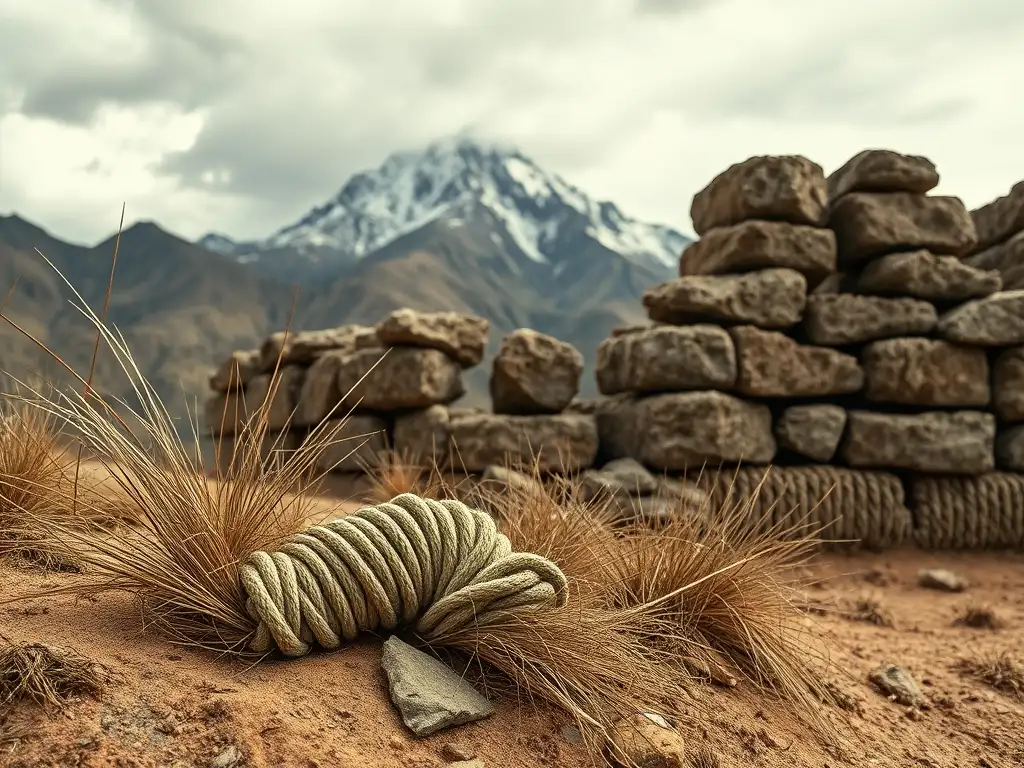
This section delves into specific instances of social conflict within ancient Andean societies, providing detailed analyses of their causes, consequences, and lasting impacts. Understanding these historical tensions offers crucial insights into the complexities of Andean social structures and the dynamics of power. We will explore key events that highlight the fragility of social order and the constant struggle for dominance within these fascinating civilizations. The study of these conflicts illuminates the nuanced ways in which social hierarchies were maintained, challenged, and ultimately reshaped. Analyzing these "Ancient Andean social conflicts" provides a richer understanding of the region's past.
The Chanka-Inca War
The Chanka-Inca War, a pivotal conflict in Inca history, represents a significant example of inter-societal conflict driven by territorial disputes and power struggles. The Chankas, a powerful and aggressive group inhabiting the Ayacucho region, posed a considerable threat to the expanding Inca Empire during its early stages. Their repeated incursions and raids into Inca territory destabilized the nascent empire and challenged the authority of the Inca rulers.
The war itself spanned several decades, marked by a series of brutal battles and shifting alliances. The Chankas' superior military tactics and knowledge of the terrain initially gave them a significant advantage. However, the Inca, under the leadership of Pachacuti Inca Yupanqui, eventually implemented innovative military strategies and consolidated their power, ultimately leading to the Chankas' defeat.
The consequences of the Chanka-Inca War were profound. The Inca victory solidified Pachacuti's position as a powerful ruler and propelled the Inca Empire towards its zenith. The conquered Chanka territories were integrated into the Inca administrative system, expanding the empire's reach and resources. This victory also served as a crucial stepping stone for future Inca military campaigns and territorial expansion, fundamentally altering the power dynamics within the Andes. The war’s legacy underscores the significant role of military conflict in shaping Andean social structures and the ongoing tension between centralized power and regional autonomy.
Analyzing the Causes and Consequences of the Chimor Conquest
The conquest of the Chimor kingdom by the Inca Empire showcases a different facet of Andean social conflict – the clash between two highly developed and organized societies. The Chimor, known for their sophisticated irrigation systems, urban planning, and intricate social hierarchy, presented a formidable challenge to the Inca expansion. Unlike the Chanka, the Chimor possessed a strong centralized state and a well-defined social structure, making the conquest more complex and protracted than many others.
The Inca conquest was not solely a military endeavor; it involved a complex interplay of military might, political maneuvering, and ideological influence. The Inca skillfully exploited internal divisions within the Chimor elite, weakening their resistance and facilitating the eventual takeover. The consequences of the conquest were far-reaching. The Inca absorbed Chimor's advanced technologies and administrative practices, integrating them into their own system.
However, the conquest also resulted in significant social upheaval, as the Chimor's existing social hierarchy was disrupted and replaced by the Inca's system of tribute and labor organization. This demonstrates the significant impact of conquest on the social fabric of Andean societies and the lasting consequences of imperial expansion on conquered populations. The integration of Chimor’s advanced technology illustrates the Inca’s pragmatic approach to conquest, absorbing useful elements from conquered societies to enhance their own power and efficiency.
The study of ancient Andean social conflicts reveals recurring themes: the constant struggle for power, the interplay between centralized authority and local resistance, and the enduring tension between different social groups. These conflicts weren't simply isolated incidents; they were integral to the evolution of Andean societies, shaping their political structures, economic systems, and cultural expressions.
Analyzing these conflicts helps us understand the dynamic nature of Andean social hierarchies and the mechanisms used to maintain or challenge them. The diverse responses to conflict – military conquest, political negotiation, religious syncretism – underscore the adaptive nature of Andean societies. Furthermore, understanding these historical tensions provides valuable insights into the complexities of social change and the enduring legacy of power struggles in shaping the historical narratives of the region.
The persistent nature of these conflicts highlights the importance of considering the ongoing processes of social and political negotiation within the context of “Ancient Andean social conflicts” when studying these fascinating civilizations. The study of these conflicts offers a powerful lens through which to understand the dynamism and resilience of Andean societies.
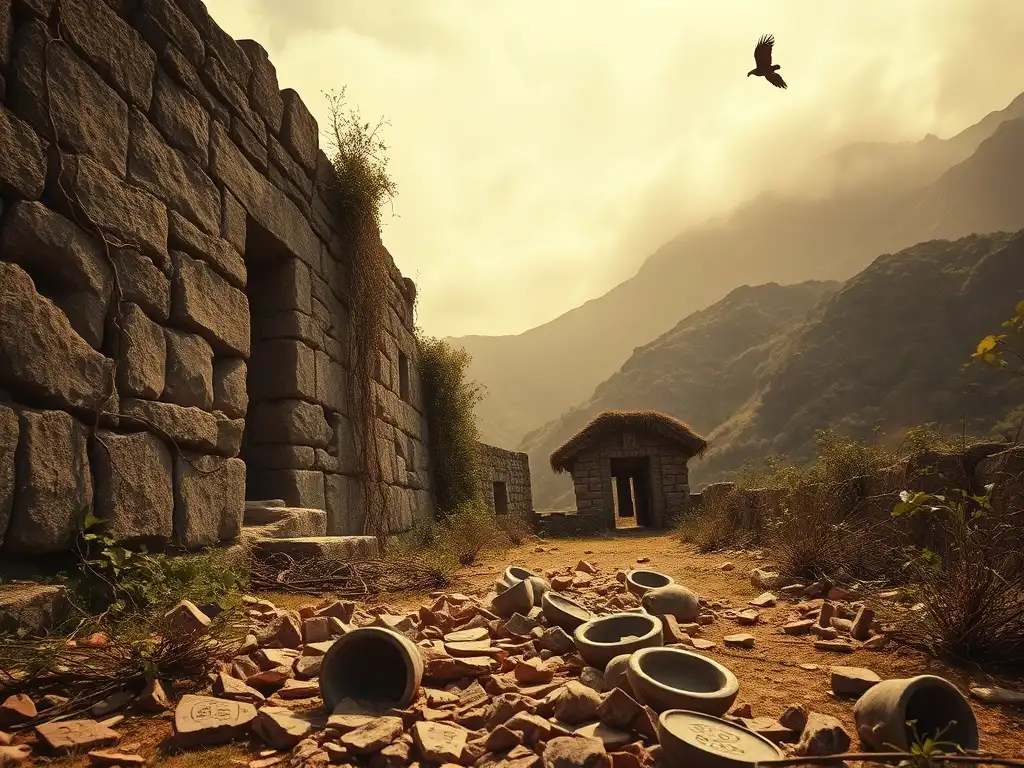
This section delves into the profound impact of social conflicts on the trajectory of Andean civilizations. Understanding these internal struggles is crucial to grasping the complexities of their rise and fall, as well as the lasting influence on their cultural practices. Analyzing Ancient Andean social conflicts reveals a recurring pattern: the tension between centralized power and local autonomy, often erupting into violent confrontations that reshaped the political landscape and societal structures. The consequences were far-reaching, impacting everything from economic systems to religious beliefs.
The Fall of the Huari Empire
The Huari Empire, a powerful Andean civilization flourishing between 600 and 1000 CE, provides a compelling case study of the devastating effects of internal conflict. While the exact causes remain debated among scholars, evidence suggests that prolonged social tensions significantly contributed to its collapse. These tensions stemmed from several factors, including:
- Unequal distribution of resources: Archaeological findings indicate a widening gap between the elite class and the common population. The elite enjoyed lavish lifestyles, supported by a complex system of tribute and labor extraction, while many communities suffered from economic hardship. This disparity fueled resentment and rebellion.
- Regional power struggles: The vast Huari Empire encompassed diverse ethnic groups and regions, each with its own distinct traditions and loyalties. Attempts by the central government to impose uniformity and control often met with resistance, leading to protracted conflicts and weakening the empire's cohesion.
- Overextension and logistical challenges: The immense size of the empire proved difficult to manage effectively. Maintaining control over distant provinces required substantial resources and military might. As internal conflicts drained resources and manpower, the empire became increasingly vulnerable to external threats and internal rebellions, ultimately leading to its fragmentation and decline.
The fall of the Huari Empire serves as a stark reminder of the fragility of even the most powerful empires when faced with persistent internal strife. The empire's disintegration created a power vacuum, paving the way for the rise of new kingdoms and a period of intense competition and warfare.
The Transformation of Andean Political Organization
The constant threat of Ancient Andean social conflicts forced Andean societies to adapt their political structures. The experience of empire collapse and subsequent fragmentation led to significant changes in the organization of power. For example, the rise of smaller, more decentralized states became a common trend following the disintegration of large empires like Huari. These smaller entities often exhibited greater flexibility and adaptability in response to local needs and pressures, reducing the potential for large-scale rebellion based on regional grievances.
However, this decentralization wasn't always peaceful. Competition for resources and territory between these smaller states frequently resulted in warfare and shifting alliances. This dynamic period saw the development of sophisticated military technologies and strategies, as each polity sought to gain an advantage over its rivals. The constant struggle for dominance led to a cyclical pattern of expansion, contraction, and realignment of power throughout the Andes. This turbulent era shaped the political landscape for centuries, influencing the subsequent development of major Andean states like the Inca Empire.
Long-Term Effects on Andean Cultural Practices
The enduring legacy of Ancient Andean social conflicts extends beyond the realm of politics. These internal struggles profoundly impacted Andean cultural practices, leaving indelible marks on their art, religion, and social norms. For instance:
- Religious Syncretism: The constant interaction and conflict between different ethnic groups led to a blending of religious beliefs and practices. This syncretism is evident in the archaeological record, where we find a fusion of iconography and rituals from various Andean cultures.
- Artistic Representations of Conflict: Andean art often depicts scenes of warfare and conflict, reflecting the realities of their social and political environment. These artistic representations provide valuable insights into the nature and intensity of these struggles, offering a visual narrative of the tensions that shaped Andean societies.
- Development of sophisticated legal systems: The need to manage and resolve conflicts led to the development of intricate legal systems within many Andean societies. These systems, often embedded within their religious and social structures, aimed to maintain order and prevent the escalation of disputes into widespread violence.
Understanding the impact of Ancient Andean social conflicts is crucial for a complete understanding of Andean history and culture. These internal struggles were not merely isolated events; they were integral forces shaping the trajectory of Andean civilizations, influencing their political organization, cultural practices, and ultimately, their legacy. Further research, particularly focusing on specific case studies and detailed analysis of archaeological evidence, is needed to fully illuminate this complex and fascinating aspect of Andean history.
The study of ancient Andean social conflicts offers a compelling lens through which to understand the complexities of these remarkable civilizations. While often romanticized for their impressive architectural feats and sophisticated agricultural techniques, Andean societies were far from monolithic. Internal tensions, power struggles, and resource competition were integral aspects of their daily lives, shaping their political landscapes and leaving behind a rich, albeit often fragmented, historical record.
Understanding these conflicts is crucial not only to appreciate the nuanced realities of the past but also to gain insights into broader themes of social inequality, political instability, and the enduring human quest for power. Analyzing the archaeological evidence, alongside ethnohistorical accounts and anthropological interpretations, reveals a tapestry of social interactions far more dynamic and volatile than previously imagined.
This section delves into the multifaceted nature of these conflicts, exploring their origins, manifestations, and lasting impacts. The keyword "Ancient Andean social conflicts" helps us understand the intricacies of these past societies and their enduring relevance to contemporary social issues.
Studying ancient Andean social tensions offers valuable insights into the enduring human challenges of social stratification, resource management, and power dynamics. The conflicts within these societies were not merely historical events; they reflect fundamental human tendencies and the ongoing struggle for power and resources. By examining the strategies employed by different groups to maintain or challenge existing social hierarchies – from ritual practices and symbolic displays of power to outright rebellion and warfare – we gain a deeper understanding of how societies grapple with inequality and its consequences.
Understanding how these ancient societies dealt with, or failed to deal with, internal strife has direct relevance to contemporary issues of social justice, political stability, and sustainable resource management. The lessons learned from the past can inform present-day strategies for addressing similar challenges in our own societies.
For example, studying the Inca's sophisticated system of tribute and redistribution, while acknowledging its inherent inequalities, can offer valuable insights into resource allocation and conflict mitigation in modern contexts. Moreover, analyzing the responses of marginalized groups within Andean societies can illuminate the resilience and agency of communities facing oppression.
Understanding the Roots of Inequality in the Andes
The roots of inequality in Andean societies were multifaceted and deeply intertwined with environmental factors, social organization, and ideological beliefs. Access to resources, particularly fertile land and water, played a crucial role in shaping social hierarchies. Control over these vital resources often translated into political power and social prestige.
Archaeological evidence suggests a complex interplay between environmental conditions and social stratification, with periods of environmental stress potentially exacerbating existing inequalities or even leading to social upheaval. Furthermore, the development of sophisticated agricultural techniques and irrigation systems, while contributing to overall societal prosperity, also concentrated wealth and power in the hands of those who controlled these technologies and the land they irrigated. Religious beliefs and cosmological ideologies also played a significant role in legitimizing existing power structures.
Elite groups often used religious narratives to reinforce their authority and justify their privileged position within society. This complex interplay of ecological, economic, and ideological factors contributed to the persistent inequalities that characterized many Andean societies, fueling social tensions and conflicts throughout their history. Analyzing these factors provides crucial context for understanding the nature and intensity of the conflicts that arose.
Further Research and Future Directions in Andean Studies
Future research on Ancient Andean social conflicts should prioritize interdisciplinary approaches, integrating archaeological data with ethnohistorical accounts, linguistic analysis, and anthropological perspectives. This integrated approach can offer a more holistic and nuanced understanding of the complexities of Andean societies. Furthermore, a focus on marginalized groups and their experiences is crucial to counterbalance traditional narratives that often center on elite perspectives.
Investigating the voices and agency of marginalized communities, through careful analysis of material culture and limited written sources, can reveal alternative perspectives on social dynamics and power relations. Advanced techniques in archaeobotany, archaeozoology, and isotopic analysis can shed further light on dietary patterns, economic activities, and social mobility within different segments of Andean populations.
By employing these innovative methods and perspectives, researchers can develop a more comprehensive and accurate understanding of the social tensions and conflicts that shaped the history of these fascinating civilizations. This will not only enhance our knowledge of the past but also contribute to a more nuanced understanding of the ongoing challenges of social inequality and conflict resolution in the world today.
Frequently Asked Questions
Ancient Andean societies experienced conflicts stemming from resource scarcity, power struggles between elites, and inter-group rivalries over territory and prestige. These tensions often manifested as warfare or internal unrest.
The Inca Empire employed a sophisticated system of administrative control and religious ideology to maintain social order. They also used strategies like resettlement and tribute collection to manage potential conflicts.
Yes, religious beliefs often played a significant role. Differences in religious practices or interpretations could exacerbate existing tensions, leading to conflict between groups with varying beliefs.
Warfare often resulted in significant social upheaval, including changes in leadership, the redistribution of resources, and the displacement of populations. It could also lead to the collapse of entire societies or the rise of new dominant groups.
Archaeologists use various sources, including material remains (e.g., fortifications, weaponry, burials), iconography, and written accounts (where available) to reconstruct the nature and impact of ancient Andean social conflicts.
Final Reflection: Echoes of the Andes: Understanding Conflict's Enduring Legacy
The echoes of ancient Andean social tensions resonate powerfully in our modern world. Understanding the intricate web of conflict that shaped these societies offers invaluable insights into the enduring challenges of power dynamics, resource management, and social inequality that continue to plague us today. The complexities of the past serve as a stark reminder that the human struggle for justice and equitable distribution of resources is a timeless theme.
The cyclical nature of conflict and cooperation within Andean societies, as revealed through archaeological evidence and historical accounts, profoundly impacted the trajectory of their civilizations, leaving an indelible mark on their cultural landscape. History does not repeat itself, but it often rhymes.
This quote, often attributed to Mark Twain, perfectly encapsulates the enduring relevance of studying past conflicts. We see similar patterns of social stratification, resource scarcity leading to conflict, and the constant negotiation of power in societies across time and geography, highlighting the universality of these challenges. The lessons learned from the Andes are not confined to the past; they offer a crucial framework for understanding and addressing contemporary societal issues.
Consider the intricacies of Andean social structures, the innovative solutions they devised, and the devastating consequences of their failures. You, the reader, are now equipped with a deeper understanding of these dynamics. Reflect on how these historical patterns might inform your own perspective on contemporary conflicts, both large and small. Engage with the complexities of power, inequality, and resource distribution in your own community. Let the echoes of the Andes inspire you to build a more just and equitable future, one where the lessons of the past guide us towards a more peaceful and prosperous tomorrow.
Unveil New Perspectives on Andean Societies!
Thank you for exploring the complex social dynamics and challenges within Andean societies. You've gained valuable insights into these vibrant cultures. Now, let's build on your knowledge!
Here are some ways to deepen your understanding and engage with the Andean community:
- Join a discussion group, either online or in your local area, focused on Andean cultures. Share your thoughts and learn from others.
- Visit a museum or cultural center showcasing Andean civilizations to experience their rich history firsthand.
- Consider volunteering with organizations that support Andean communities and work to address social issues.
What aspect of Andean society most captivates you, and how will you contribute to the ongoing conversation about these important social issues?