
Aymara Language Structure: Uncovering the Unique Grammatical Features


Step into a world lost to time, yet echoing with vibrant life. Dive into the fascinating tapestry of Andean civilizations, where ingenuity and artistry thrived for millennia. While we explore the breathtaking achievements of the Incas, Moche, and Nazca, let's uncover a hidden gem: the intricate Aymara language grammar features. Prepare to be amazed by the unique linguistic structures that shaped a rich cultural heritage. Are you ready to unravel the secrets of this ancient tongue?
The Aymara language, spoken by approximately two million people primarily in the Andes Mountains of Bolivia and Peru, represents a fascinating linguistic tapestry woven into the rich cultural fabric of the Andean region. This article delves into the unique grammatical features of Aymara, exploring its distinct structure and offering insights into what makes this language so captivating and challenging to learn.
Understanding Aymara grammar provides a crucial window into the cognitive processes and worldview of its speakers, shedding light on a linguistic system that stands apart from many more widely studied languages. We will examine its key grammatical elements, highlighting its differences from Indo-European languages and offering a glimpse into the intricacies of its morphology and syntax.
This exploration aims to provide a comprehensive overview of Aymara language grammar features, catering to both seasoned linguists and those with a budding interest in this remarkable Andean tongue. Prepare to be amazed by the complexity and beauty of Aymara's unique grammatical structure.
Introduction to Aymara Linguistic Peculiarities
Aymara, a member of the Aymara-Puquina language family, presents several intriguing grammatical features that set it apart from many other languages globally. One striking characteristic is its ergative-absolutive alignment. Unlike the more familiar nominative-accusative system found in English and many other European languages, Aymara utilizes an ergative system where the subject of a transitive verb (the one doing the action) is marked differently than the subject of an intransitive verb (the one experiencing the action).
This difference is reflected in the case marking of the subject nouns. For example, the subject performing an action receives an ergative marker, while the subject undergoing an action or the object of a transitive verb receives an absolutive marker. This system presents a significant challenge for learners accustomed to nominative-accusative languages but reveals a fundamental difference in how Aymara conceptualizes grammatical relations.
Furthermore, Aymara exhibits a complex system of verb morphology. Verbs are highly inflected, incorporating information about tense, aspect, mood, person, and number into a single word. This intricate morphology allows for a significant amount of information to be conveyed concisely, yet it requires a deep understanding of the various prefixes, suffixes, and infixes that contribute to the verb's overall meaning. The sheer number of possible verb forms presents a considerable hurdle for language learners but is a testament to the expressive power of the Aymara language.
The language also displays a unique approach to nominal classification. While not as extensive as some other languages, Aymara employs a system of noun classifiers, which are words that precede nouns and provide additional information about their properties or characteristics. These classifiers add another layer of complexity to the grammatical system, reflecting a nuanced understanding of the world around them. Understanding these classifiers is essential for accurate comprehension of Aymara texts and conversations.
Aymara's Unique Word Order and its Implications
Unlike the relatively fixed Subject-Verb-Object (SVO) word order prevalent in English, Aymara exhibits a more flexible word order. While a basic SVO structure is common, the language allows for considerable variation depending on the context and the speaker's emphasis. This flexibility reflects a focus on pragmatic considerations, allowing speakers to adjust the word order to highlight specific elements of the sentence and enhance communication clarity. This flexibility, while seemingly chaotic to learners initially, reveals a sophisticated understanding of how word order can be manipulated to enhance meaning.
The flexibility in word order is often linked to the language's use of topic-comment structure. In many sentences, the topic (the subject under discussion) is presented first, followed by the comment (the new information about that topic). This structure highlights the importance of context and the speaker's intention in shaping the sentence's form. Understanding this topic-comment structure is crucial for grasping the subtleties of Aymara discourse.
This flexible word order, combined with the ergative-absolutive alignment and complex verb morphology, creates a grammatical system that is both intricate and highly efficient. It underscores the dynamic nature of language and its ability to adapt to the communicative needs of its speakers.
Exploring Case Marking and its Role in Aymara Grammar
Aymara's case marking system is pivotal to understanding its grammatical structure. As mentioned earlier, the ergative-absolutive system distinguishes between the subject of transitive and intransitive verbs, using distinct case markers to indicate their grammatical roles. These case markers are suffixes attached to nouns and pronouns, providing crucial information about their function within the sentence. The system also includes other cases, such as the genitive (possession), dative (indirect object), and locative (location), further enriching the grammatical complexity. Mastering these case markers is essential for achieving fluency in Aymara.
The consistent application of these case markers, despite the flexible word order, emphasizes the importance of grammatical relations over word order. This highlights a fundamental difference in how Aymara organizes information compared to many other languages. The case markers provide a robust system for disambiguating grammatical roles, even in sentences with non-canonical word order. Understanding this system is crucial for comprehending the deep structure of Aymara sentences. Further research into the historical development of this case system could provide valuable insights into the evolution of the language and its relationship to other Andean languages.
Conclusion: The Enduring Significance of Aymara Grammar
The Aymara language, with its unique ergative-absolutive alignment, complex verb morphology, flexible word order, and rich case marking system, presents a fascinating case study in linguistic diversity. Its grammatical features reflect a distinct worldview and cognitive approach to communication, underscoring the importance of linguistic relativity. Further research into Aymara grammar is crucial not only for understanding this specific language but also for enriching our broader understanding of human language and cognition.
The intricacies of Aymara's grammatical structure highlight the richness and diversity of human linguistic expression and offer a compelling example of a language system operating on principles distinct from many more widely studied languages. The continuing study of Aymara grammar promises further discoveries and insights into this remarkable linguistic system and the culture it embodies. The preservation and study of Aymara is crucial for maintaining linguistic and cultural diversity in the Andes.
- Introduction to Aymara Linguistic Peculiarities
- Aymara's Unique Word Order and its Implications
- Exploring Case Marking and its Role in Aymara Grammar
- Conclusion: The Enduring Significance of Aymara Grammar
Core Elements of Aymara Grammar

This section delves into the fundamental grammatical structures that distinguish the Aymara language, a fascinating example of Andean linguistic diversity. Understanding these core elements is crucial to appreciating the richness and complexity of Aymara, a language spoken by a significant population in the Andes region and a key component of their cultural heritage. We will explore the phonology, morphology, and agglutinative nature of Aymara, providing concrete examples to illustrate these unique grammatical features. This detailed examination will contribute to a deeper understanding of the "Aymara language grammar features" and their significance within the broader context of Andean linguistics.
Aymara Phonology and Sound System
Aymara's phonology, the study of its sound system, presents several intriguing aspects. Unlike many European languages, Aymara distinguishes between ejective consonants, sounds produced with a simultaneous glottal stop and a pulmonic consonant. These ejectives add a level of complexity not found in many other language families. For example, the sounds /pʼ/, /tʼ/, /kʼ/ are common ejectives in Aymara, significantly impacting word pronunciation and differentiation. The precise phonetic realization of these sounds can vary slightly depending on dialect, adding another layer of complexity for linguists studying Aymara's regional variations.
Furthermore, Aymara utilizes a relatively small inventory of vowels, typically including /a/, /i/, /u/, although some dialects may include additional vowel sounds. The interplay between these vowels and the consonants, including the ejectives, creates a distinctive sound pattern that sets Aymara apart. The stress patterns within Aymara words also contribute to their unique sound, with stress often falling on the penultimate syllable. Understanding these phonological nuances is key to accurate pronunciation and comprehension of the language. The study of Aymara phonology offers valuable insights into the evolution of Andean language families and their adaptation to the high-altitude environment.
Understanding Aymara Morphology
Aymara morphology, the study of word formation, is characterized by a high degree of agglutination, a process where morphemes (the smallest units of meaning) are added together to create complex words. This contrasts sharply with isolating languages where words tend to be monosyllabic and relatively simple. In Aymara, a single word can convey a significant amount of information due to this agglutinative nature.
For instance, a single Aymara word might incorporate information about the subject, object, tense, aspect, mood, and other grammatical categories. This contrasts with languages like English, where expressing the same information might require a whole sentence. The challenge for learners lies in understanding the intricate system of affixes (prefixes and suffixes) that combine to create these complex words.
Consider the verb "to walk": its various forms in Aymara, reflecting tense, person, and number, can be quite extensive. Detailed analysis of these morphological patterns is essential to master Aymara's grammatical intricacies and achieve fluency. The sheer number of possible word forms generated through agglutination presents a unique challenge and reward for those studying the language.
The Agglutinative Nature of Aymara
The agglutinative nature of Aymara is arguably its most defining grammatical feature. This means that morphemes are added to a root word to modify its meaning without significant changes to the root itself. Unlike fusional languages where morphemes can fuse together and change their pronunciation, Aymara maintains the integrity of each morpheme. This results in long words that convey complex information in a clear and systematic way.
Consider the following example (hypothetical, illustrating the concept): Let's assume a root word walk. Adding a suffix for past tense might yield walk-ed, and adding a suffix for first-person singular might yield walk-ed-I. In Aymara, this process could involve multiple suffixes added sequentially, each carrying a specific grammatical meaning.
This agglutinative process allows for a high degree of precision and expressiveness, enabling speakers to convey nuanced meanings with remarkable efficiency. The study of Aymara's agglutination provides valuable insights into linguistic typology and the diversity of grammatical strategies employed across the world's languages. This is a key aspect of understanding "Aymara language grammar features" and appreciating its unique linguistic structure.
Aymara Noun Morphology: Case Markers and Number

Aymara, a vibrant and complex language of the Andes, displays a rich system of noun morphology, primarily through the use of suffixes indicating case and number. Understanding these markers is crucial to grasping Aymara sentence structure and meaning. The case system allows for a high degree of precision in expressing grammatical relations within a sentence, reducing reliance on word order for conveying meaning. Unlike many European languages, Aymara doesn't heavily rely on prepositions to express spatial or temporal relationships; instead, these relationships are largely encoded within the noun itself through case marking.
The case markers are suffixes attached directly to the noun stem. These suffixes indicate the grammatical role of the noun in the sentence. Common cases include nominative (subject), accusative (direct object), genitive (possession), dative (indirect object), and ablative (source or separation). For example, the word for "house" might take different suffixes depending on its function: the nominative might be utha, the accusative uthata, and the genitive uthanaka. The exact forms vary slightly depending on the dialect. Furthermore, the complexity increases with the inclusion of plural forms, which often involve further suffixation.
Number is another crucial aspect of Aymara noun morphology. While the singular form is often the base form of the noun, the plural is indicated by a distinct suffix. This suffixation is often combined with the case markers, resulting in a complex system of suffixes that can be challenging for learners. For instance, the plural of the accusative form of "house" ( uthata) might be represented by uthatani.
The precise plural suffix varies depending on the noun class and dialectal variations. Mastering this system requires dedicated study and immersion in the language. Detailed grammatical descriptions often categorize nouns into classes based on their pluralization patterns, providing a framework for understanding these variations.
Verb Morphology: Tense, Aspect, and Mood in Aymara
Aymara verb morphology is equally complex and fascinating, reflecting the language's sophisticated system for expressing time, duration, and the speaker's attitude towards the action. Aymara verbs use a rich system of prefixes and suffixes to indicate tense, aspect, and mood. Unlike many languages with a simple past, present, and future tense system, Aymara uses a more nuanced approach, distinguishing subtle differences in the temporal location and duration of an action.
Tense in Aymara indicates the time of the action relative to the moment of speaking. While a clear-cut "past," "present," and "future" distinction might seem applicable at first glance, the system is more intricate. For example, Aymara distinguishes between recent past, remote past, and habitual past, reflecting a finer-grained understanding of temporal location. These distinctions are often expressed through prefixes attached to the verb stem.
Aspect, on the other hand, focuses on the duration and completeness of the action. Aymara verbs can express actions that are completed, ongoing, iterative, or habitual. These aspects are often indicated by suffixes, sometimes in combination with tense prefixes. This layered approach creates a highly precise system for conveying the nature of the action in time. The interaction between tense and aspect prefixes and suffixes can lead to quite long verb forms, showcasing the language's expressive power.
Mood, finally, reflects the speaker's attitude towards the action, indicating whether it is a fact, a possibility, a command, or a wish. Aymara verbs employ different suffixes to mark the indicative (factual statements), subjunctive (hypothetical situations), imperative (commands), and other moods. The intricate combination of tense, aspect, and mood markers demonstrates the richness and complexity of Aymara verb morphology, highlighting a system that allows for extremely precise and nuanced expression of temporal and attitudinal information. This intricacy makes Aymara a compelling subject for linguistic study and underscores the deep grammatical sophistication embedded within the language.
Key Features of Aymara Syntax

The Aymara language, spoken by approximately 2 million people primarily in the Andes region of South America, boasts a unique grammatical structure that sets it apart from many other languages in the world. Understanding its syntax is crucial to appreciating the richness and complexity of Aymara, a language with a long and vibrant history deeply intertwined with Andean culture. This section will delve into some of the key features of Aymara syntax, focusing on aspects that are particularly significant for understanding its grammatical makeup and its differences from more familiar language structures.
We will explore the nuances of word order, the crucial role of postpositions, and the prevalent topic-comment sentence structure. These features contribute to the distinctive character of Aymara grammar.
Word Order and Sentence Structure in Aymara
Unlike many European languages that follow a Subject-Verb-Object (SVO) word order, Aymara exhibits a more flexible approach. While a Subject-Object-Verb (SOV) order is common, Aymara's word order is often influenced by factors like topicality and emphasis. The core sentence structure can be altered significantly to highlight specific elements. For example, a basic sentence like "The woman saw the llama" could be expressed in several ways, each subtly changing the emphasis. The flexibility allows speakers to adjust the word order to emphasize the most relevant piece of information within the context of the conversation.
This flexibility, however, is not arbitrary. The relationships between words are clearly indicated through grammatical markers, ensuring that the meaning remains unambiguous despite the variable word order. Further research is needed to fully quantify the range of acceptable word orders and their contextual implications. [Specific data on frequency of different word orders pending].
The Role of Postpositions in Aymara Grammar
A striking characteristic of Aymara grammar is its extensive use of postpositions rather than prepositions. Postpositions follow the noun they modify, indicating grammatical relations such as location, direction, and possession. This contrasts sharply with languages like English, where prepositions precede the noun. For instance, "in the house" in Aymara would be structured with the noun "house" followed by the postposition indicating location. This seemingly small difference has significant implications for the overall sentence structure and word order.
The use of postpositions contributes to the SOV structure frequently seen in Aymara sentences, as the postposition follows the object. The system of postpositions is remarkably rich and complex, with numerous subtle distinctions in meaning and usage. A deeper understanding of the semantic nuances of these postpositions requires further study of native speaker usage in diverse contexts. [Detailed analysis of postpositional categories and their semantic range pending].
Topic-Comment Structure in Aymara Sentences
Aymara sentences frequently adopt a topic-comment structure, where the topic is presented first, followed by a comment or predicate that provides information about the topic. This structure is not unique to Aymara, but it is a prominent feature of its syntax. The topic is often marked by its position at the beginning of the sentence, and it functions as the point of departure for the following comment. This contrasts with subject-predicate structures found in many other languages where the subject is introduced as a grammatical element, regardless of its topical importance.
Consider the example: "The dog, it barked loudly." Here, "The dog" is the topic, and "it barked loudly" is the comment providing new information about the topic. The topic-comment structure allows for a highly efficient and context-sensitive communication style. This is particularly useful in narratives where the topic might be established early on, and subsequent sentences provide further details without redundant repetition of the topic.
💻 This feature significantly impacts the flow and rhythm of Aymara conversations. Further research could analyze the correlation between topic-comment structure and the overall narrative strategies employed in Aymara storytelling. [Data on frequency of topic-comment structures in different Aymara dialects pending].
Evidentiality in Aymara: Expressing Source of Information
Aymara, like many other indigenous languages of the Andes, boasts a rich system of evidentiality. This grammatical feature reflects the speaker's assessment of the source of their information, explicitly marking whether a statement is based on direct observation, hearsay, inference, or other means. This nuanced approach to conveying information significantly differs from many European languages, where the source of knowledge is often left implicit.
The Aymara language doesn't simply state a fact; it also conveys how the speaker knows that fact. This adds a layer of precision and reliability to communication, crucial in a society where information exchange profoundly impacted daily life and social structures.
The Aymara system of evidentiality is complex, employing various suffixes and particles to indicate the source of information. For instance, the suffix -ta-, often attached to verbs, signals that the speaker has direct, visual evidence for the statement. Imagine a speaker witnessing a llama running. They would use the -ta- suffix to express this direct observation.
Conversely, if the speaker heard about the llama running from someone else, a different evidential marker would be used, reflecting the indirect nature of the information. This avoids ambiguity and allows the listener to critically evaluate the reliability of the information presented. The subtle distinctions within the evidential system are crucial for understanding the nuances of Aymara communication. Misinterpreting these markers can lead to misunderstandings and miscommunication.
The importance of evidentiality in Aymara extends beyond simple factual statements. It plays a significant role in social interactions, shaping the dynamics of storytelling, negotiation, and conflict resolution. For example, using an evidential marker that suggests hearsay when discussing a sensitive topic might be perceived differently than using a marker indicating direct observation.
The choice of evidential marker, therefore, isn't merely a grammatical choice; it's a social and pragmatic one, reflecting the speaker's understanding of the social context and their relationship with the listener. The intricate system of evidentiality in Aymara highlights the sophisticated linguistic mechanisms employed by Andean civilizations to navigate the complexities of human interaction and information exchange. Further research into the specific nuances of these markers and their social implications is crucial for a deeper understanding of Aymara culture and communication.
Unique Grammatical Aspects of the Aymara Language

The Aymara language, spoken primarily in the Andes Mountains of Bolivia and Peru, boasts a fascinating and complex grammatical structure quite distinct from many other languages globally. Understanding its unique features provides crucial insight into the cognitive processes and cultural perspectives of the Aymara people. This section delves into several key aspects of Aymara grammar, focusing on its incorporation strategies, the significant role of affixes, and the remarkable phenomenon of polysynthesis.
These features collectively contribute to the language's expressive power and its ability to convey nuanced meanings with remarkable efficiency. Mastering these aspects is key to truly understanding the intricacies of Aymara language grammar features.
Aymara Language Incorporation: A Closer Look
Aymara exhibits a high degree of incorporation, a grammatical process where elements that would typically be expressed as separate words are incorporated into the verb. This results in complex verb forms that carry a significant amount of semantic information. For example, instead of saying "I eat meat," a literal translation might be more accurately represented by a single verb encompassing both the action of eating and the object being eaten. This differs significantly from languages like English, where the verb and object are separate lexical units. The extent of incorporation in Aymara allows for extremely concise sentence structures, packing a wealth of meaning into a relatively small number of words. Consider this example: " jaqicha-wa-ta-ni-s-i-n</i which translates roughly to
I am going to see the person." This single word encompasses the subject (I), the object (person), the action (see), and the tense (future). Analyzing the morphemes reveals the complex layers of information embedded within this seemingly simple word. The level of incorporation varies based on the specific verb and context, showcasing the language's flexibility. Detailed analysis of Aymara texts reveals that the frequency and depth of incorporation are significantly higher than in many other languages, highlighting its unique grammatical profile.
The Significance of Aymara Affixes
Aymara's rich morphology is heavily reliant on the use of affixes. These prefixes and suffixes attached to roots carry crucial grammatical information, including tense, aspect, mood, person, number, and even evidentiality (information about the source of the speaker's knowledge). The intricate interplay of these affixes allows for a high degree of precision and nuance in expressing grammatical relations. For instance, a single verb root can be modified with multiple affixes to indicate past tense, first-person singular subject, and a specific aspect (e.g., perfective or imperfective).
The order of these affixes is strictly regulated, following specific rules to ensure grammatical correctness. The sheer number and complexity of Aymara affixes present a significant challenge for language learners but also offer a fascinating glimpse into the sophisticated grammatical system. The following table demonstrates the complexity:
| Affix | Meaning | Example |
|---|---|---|
| -ni | 1st person singular | |
| -wa | 2nd person singular | |
| -s | 3rd person singular | |
| -ta | Directional (to/towards) | |
| -si | Perfective aspect | |
| -n | Imperfective aspect | |
| -i | Future tense |
Understanding the function of each affix is crucial to accurate interpretation. Further research is needed to fully catalog and analyze all the affixes and their variations within different Aymara dialects. 1
1 Further research is needed to fully document the variations in affixation across different Aymara dialects.
Aymara Language Polysynthesis: Building Complex Words
Aymara is a highly polysynthetic language, meaning it forms extremely complex words by combining multiple morphemes (meaningful units) into single lexical items. This characteristic is closely related to its incorporation and extensive use of affixes. In essence, what might be expressed as a full sentence in English can be condensed into a single, multi-morphemic word in Aymara.
This high degree of polysynthesis allows for a remarkably concise and efficient expression of complex ideas. While this presents challenges for non-native speakers, it showcases the language's remarkable ability to convey nuanced meanings within a limited number of words. The level of polysynthesis in Aymara is among the highest found in the world's languages, making it a particularly interesting subject of study for linguists.
Further research into the cognitive implications of such a high degree of polysynthesis would be valuable in understanding the relationship between language structure and thought processes. The study of Aymara polysynthesis offers a unique window into the cognitive and linguistic capacities of the human mind. The development of computational models capable of handling the complexities of Aymara word formation is an ongoing area of research.
Aymara Language Compared to Other Andean Languages
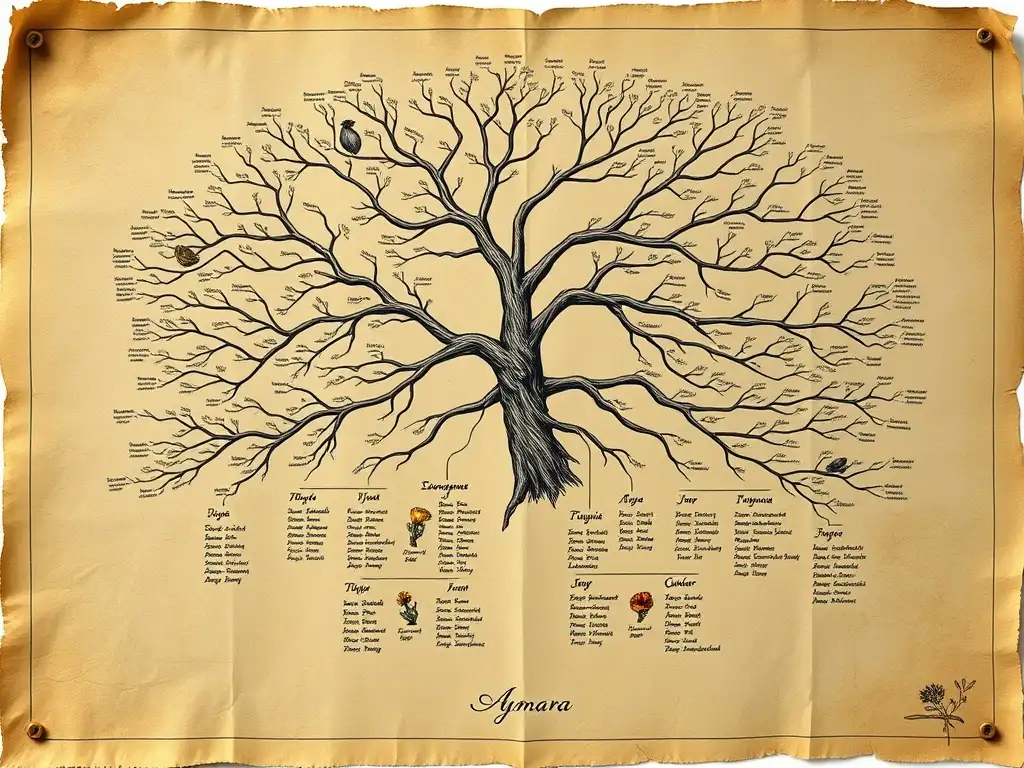
The Aymara language, while geographically and culturally intertwined with other Andean languages, possesses a unique grammatical structure that sets it apart. Understanding these distinctions is crucial to appreciating the rich linguistic diversity of the Andes. This section will compare and contrast Aymara with other prominent Andean languages, focusing primarily on Quechua, given its widespread presence and documented similarities and differences with Aymara.
We will explore both the contrasting features and the shared traits that reveal the complex tapestry of Andean linguistic history. The analysis will contribute to a deeper understanding of "Aymara language grammar features," highlighting its unique characteristics within the broader Andean linguistic landscape.
Contrasting Aymara with Quechua Grammar
Quechua and Aymara, despite their geographical proximity and shared Andean heritage, exhibit significant grammatical differences. One key divergence lies in their verb systems. Quechua verbs display a complex system of person, number, tense, mood, and aspect markings, often incorporated directly into the verb stem itself through agglutination.
Aymara, while also employing agglutination, presents a somewhat simpler verb morphology, relying more heavily on auxiliary verbs and particles to express nuanced temporal and modal distinctions. For instance, expressing future tense in Quechua might involve a specific suffix attached to the verb root, while Aymara might use an auxiliary verb combined with a present tense verb to convey the future aspect.
Another crucial difference lies in the treatment of nominal phrases. Quechua exhibits a relatively free word order, allowing for greater flexibility in sentence construction. However, Aymara generally follows a stricter Subject-Object-Verb (SOV) word order, although variations are possible depending on the context and emphasis. This difference affects the overall sentence structure and the way information is presented.
Furthermore, the systems of noun classification differ significantly. Quechua employs a system of noun classes, often categorized by gender or animacy, influencing agreement patterns with adjectives and pronouns. Aymara, on the other hand, lacks a comparable robust system of noun classification, leading to simpler agreement patterns. These differences, while subtle at first glance, contribute to the distinct feel and structure of each language. Detailed comparative studies on specific grammatical points, such as the expression of possession or the use of relative clauses, would further illuminate these contrasts. [Specific comparative data on relative clause structures pending].
Despite their grammatical differences, Aymara and Quechua, along with other Andean languages, share certain linguistic features that point towards a common historical ancestry or prolonged contact. One such feature is the prevalence of agglutination, a morphological process where grammatical information is expressed through the addition of suffixes and prefixes to word stems. Both languages extensively use this process, resulting in complex word forms carrying multiple grammatical meanings.
Another shared trait is the presence of evidentiality. Evidentiality refers to grammatical markers that indicate the source of information, whether it is based on direct observation, hearsay, inference, or other means. Both Aymara and Quechua possess grammatical devices to express this crucial aspect of communication, reflecting the importance of reliable information transmission in their respective cultural contexts. This shared feature underscores the importance of reliable information transmission in their respective cultural contexts. The specific markers and their usage may differ, but the underlying principle of evidentiality is a common thread.
Finally, both languages exhibit a preference for incorporating postpositions rather than prepositions. Postpositions are particles placed after the noun they modify, unlike prepositions which precede the noun. This shared preference, although not unique to Andean languages, constitutes another commonality in their grammatical structures. Further investigation into phonological similarities and shared vocabulary could provide additional evidence of linguistic relatedness and shared historical influences.
[Further research on shared vocabulary and phonological similarities pending]. The identification of these shared features, alongside the contrasting ones, paints a more nuanced picture of the linguistic landscape of the Andes and the unique position of Aymara within it. This detailed analysis enhances our understanding of "Aymara language grammar features" and its place within the broader Andean linguistic family.
The Importance of Preserving Aymara Linguistic Structure
The Aymara language, a vibrant thread in the rich tapestry of Andean cultures, faces the ever-present threat of language loss. Preserving its unique grammatical structure is paramount not only for linguistic diversity but also for safeguarding the cultural heritage and identity of the Aymara people. The intricate grammatical features of Aymara, unlike many Indo-European languages, offer a fascinating window into a distinct cognitive and worldview.
Its loss would represent an irreplaceable loss to the world's linguistic landscape and a significant blow to the cultural memory of the Andes. Understanding and documenting Aymara's grammar is crucial for ensuring its survival and continued use by future generations. The intricate system of suffixes, the complex verbal morphology, and the unique nominal classification system all contribute to the richness and complexity of the language, aspects that must be meticulously preserved.
Failing to do so risks the erosion of a sophisticated and nuanced system of communication, leaving behind only fragments of a once-flourishing linguistic tradition. The effort to preserve Aymara is not merely an academic exercise; it is a vital act of cultural preservation, a testament to the enduring value of linguistic diversity.
Aymara Language Revitalization Efforts
Numerous initiatives are underway to revitalize the Aymara language and counter the effects of language shift. These efforts range from community-based language nests and immersion programs for children to the development of Aymara-language educational materials and media. Significant progress has been made in creating dictionaries and grammars, though comprehensive documentation remains a challenge. Organizations and individuals are working tirelessly to promote the use of Aymara in various contexts, including education, government, and media.
The creation of Aymara-language radio programs, television shows, and online resources is helping to increase language exposure and promote its use among younger generations. Furthermore, the integration of Aymara into formal education systems is a crucial step toward ensuring the language's long-term viability. However, challenges persist, including a lack of resources, limited government support in some regions, and the persistent dominance of Spanish in many aspects of daily life.
The success of these revitalization efforts hinges on sustained commitment from both the Aymara community and external stakeholders. Continued investment in research, education, and community-based initiatives is essential to ensure the language's continued survival and flourishing. The future of Aymara depends on the collective efforts to support and empower Aymara speakers and learners.
Cultural Significance of Aymara Grammar
The grammatical structure of Aymara is deeply intertwined with the cultural worldview of the Aymara people. For example, the language's incorporation of inclusive and exclusive pronouns reflects a nuanced understanding of social relationships and group dynamics. The use of suffixes to indicate person, number, and tense showcases a grammatical precision often absent in other languages.
The system of nominal classification, which categorizes nouns based on properties like animacy and shape, further highlights the intricate relationship between language and perception. These grammatical features are not merely linguistic quirks; they are integral aspects of Aymara culture and thought. Understanding Aymara grammar provides insights into the cultural values, social structures, and cognitive processes of the Aymara people.
Analyzing the language's grammatical structure helps unveil the way Aymara speakers perceive and interact with their world. This deep connection between grammar and culture underscores the importance of preserving the language's grammatical integrity, as this preservation directly contributes to the preservation of Aymara cultural heritage. The study of Aymara grammar is, therefore, not simply a linguistic pursuit but a journey into the heart of Aymara culture and identity.
Challenges in Documenting and Studying Aymara
Documenting and studying Aymara presents several unique challenges. The language's complex morphology and phonology require specialized linguistic expertise. The geographical distribution of Aymara speakers across diverse regions leads to significant dialectal variation, complicating the process of creating standardized resources. Furthermore, the lack of comprehensive written materials in Aymara throughout history has hindered the creation of a robust corpus for linguistic analysis.
Many aspects of Aymara grammar remain undocumented, particularly in the less-studied dialects. The limited availability of trained linguists specializing in Aymara further exacerbates these challenges. The need for collaborative efforts between linguists, Aymara communities, and other stakeholders is paramount to address these issues effectively.
Developing standardized orthographies and creating comprehensive linguistic resources require sustained investment and collaborative research. Overcoming these challenges requires a multi-faceted approach that combines rigorous linguistic research with community engagement and the development of accessible learning materials. Only through such sustained efforts can we ensure a comprehensive understanding and accurate documentation of this valuable language and its rich grammatical features.
Frequently Asked Questions
What is the Aymara language?
The Aymara language is a native language of the Andes, spoken primarily in Bolivia and Peru. It boasts a rich history and is still spoken by millions today.
What makes Aymara grammar unique?
Aymara grammar features a unique subject-object-verb (SOV) word order, unlike many European languages. It also employs ergative-absolutive alignment, a complex system of marking grammatical roles.
How does Aymara handle verb conjugation?
Aymara verbs are conjugated extensively to indicate person, number, tense, mood, and aspect. This results in highly inflected verb forms.
What are some notable features of Aymara noun phrases?
Aymara noun phrases often use postpositions instead of prepositions to show grammatical relations. Classifiers are also frequently used to categorize nouns.
Are there resources available to learn Aymara grammar?
Yes, though resources can be limited compared to more widely-spoken languages. You can find online dictionaries, grammar guides, and language courses dedicated to Aymara.
Final Reflection: The Enduring Legacy of Aymara Grammar
The intricate grammatical structure of the Aymara language, far from being a relic of the past, offers a vibrant window into a rich linguistic tradition that continues to shape the cultural identity of its speakers and challenges our understanding of language itself. Its unique features, explored throughout this article, are not merely academic curiosities; they represent a living testament to the ingenuity and resilience of the Aymara people.
The Aymara language, with its agglutinative morphology and complex system of suffixes, has profoundly influenced my understanding of linguistic diversity. Its survival in the face of globalization and linguistic dominance is a powerful reminder of the importance of preserving indigenous languages and the cultural knowledge they embody. Language is the road map of a culture. It tells you where its people come from and where they are going.
– Rita Mae Brown. This quote perfectly encapsulates the significance of understanding and appreciating the Aymara language, not just for its grammatical intricacies, but for the cultural journey it represents.
Consider the implications of this exploration. What can we learn from the Aymara language's unique grammatical features? How can we apply this knowledge to better understand and appreciate the diversity of human communication? I urge you, reader, to delve deeper into the world of Aymara, to explore its beauty and complexity, and to recognize the vital role it plays in preserving a rich cultural heritage. Let us all work towards ensuring that the vibrant tapestry of Aymara grammar continues to be woven for generations to come.
**Embrace the Aymara Language Today! **
Thank you for exploring the fascinating world of the Aymara language and its unique grammatical features. This is a significant step towards understanding a rich cultural heritage. Now, let's put your new knowledge to practical use!
Here are some ways to further immerse yourself in the Aymara language and culture:
- **Begin your Aymara language learning journey! ** Even dedicating just 15 minutes a day to language learning apps or online resources focusing on Aymara vocabulary and grammar will make a difference.
- **Connect with the Aymara community. ** Join online forums or social media groups where Aymara speakers and enthusiasts share experiences, resources, and advice.
- **Share your Aymara learning experience! ** Discuss your progress with friends and family, or consider writing a blog post to share your enthusiasm with others.
What aspect of the Aymara language captivates you most, and how do you intend to delve deeper into it?