
The Mystery of Andean Underground Irrigation Systems

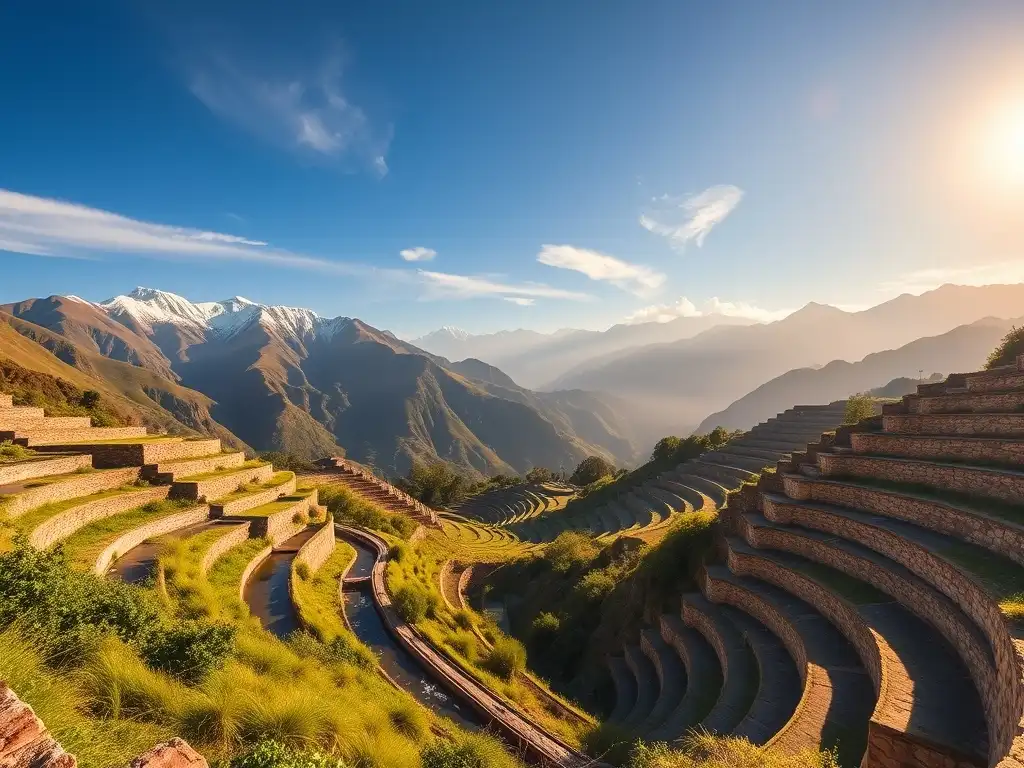
Step into a world lost to time, a world of breathtaking ingenuity and architectural marvels. Imagine civilizations flourishing in the harsh Andes, their survival intricately woven with a mastery of water unlike anything seen before. This is the story of the Andean pre-Inca irrigation systems, a network of underground channels that defied the very landscape itself. Prepare to uncover the secrets behind their construction and the profound impact they had on the rise and fall of mighty Andean empires. Dare to delve deeper and unravel the mysteries within.
- The Mystery of Andean Underground Irrigation Systems: Unveiling Pre-Inca Ingenuity
- Types of Andean Underground Irrigation Systems
- Specific Examples of Andean Pre-Inca Irrigation Systems
- The Significance of Andean Pre-Inca Irrigation
- Challenges in Studying Ancient Andean Water Systems
- The Enduring Relevance of Pre-Inca Irrigation Techniques
- Frequently Asked Questions
- Final Reflection: The Enduring Legacy of Andean Water Wisdom
- Unveil the Secrets of Andean Irrigation Today!
The Mystery of Andean Underground Irrigation Systems: Unveiling Pre-Inca Ingenuity
The Andes Mountains, a formidable natural barrier stretching along the western coast of South America, presented ancient civilizations with a unique challenge: harnessing scarce water resources in a diverse and often arid landscape. This article delves into the fascinating world of Andean pre-Inca irrigation systems, exploring the ingenuity and technological prowess that allowed these cultures to thrive in seemingly inhospitable environments. We will uncover the secrets behind their remarkable subterranean canal networks, examining their construction, functionality, and lasting impact on Andean societies.
From the intricate systems of the Nazca to the sophisticated designs of the Tiahuanaco, we will unravel the mysteries surrounding these remarkable feats of ancient hydraulic engineering, highlighting their significance in shaping the cultural and agricultural landscapes of the Andes. Understanding these pre-Inca irrigation systems offers crucial insights into the resourcefulness and adaptability of these ancient civilizations, and their enduring legacy on modern water management techniques.
This exploration will showcase the incredible achievements of Andean engineers long before the Inca Empire, showcasing the ingenuity that allowed these societies to flourish in a challenging geographical setting. The keyword "Andean pre-Inca irrigation systems" will be explored in detail, revealing the sophisticated techniques and societal structures that made these systems possible.
Introduction to Ancient Andean Water Management
Ancient Andean societies developed sophisticated water management techniques to overcome the challenges of a highly variable climate and diverse topography. Their strategies weren't limited to surface irrigation; they also mastered the art of channeling water underground, creating extensive networks of subterranean canals. These systems, often built with remarkable precision, allowed for efficient irrigation even in areas with limited rainfall or steep slopes.
The success of these systems was not simply a matter of engineering skill but also involved a deep understanding of hydrology, geology, and the local environment. The development and maintenance of these systems required significant collective effort and social organization, reflecting the complex social structures and collaborative spirit of these ancient communities. The ingenious methods employed highlight the advanced knowledge and adaptability of Andean civilizations in managing their most precious resource: water.
This understanding of water management is crucial to appreciating the broader context of Andean agricultural practices and societal development. Understanding the intricacies of their water management systems reveals much about their societal organization, resource allocation, and overall resilience.
The Enigma of Subterranean Canals in the Andes
The construction of subterranean canals in the Andes presents a remarkable engineering feat. These canals, often built using stone and other locally available materials, were meticulously designed to channel water underground, minimizing evaporation and protecting the water supply from the harsh Andean climate. The precise methods used to excavate, align, and maintain these canals remain partially shrouded in mystery, although archaeological evidence suggests the use of advanced tools and techniques.
Many of these canals were remarkably long and complex, extending for kilometers across challenging terrain. The precise alignment and gradient of these canals ensured a consistent flow of water, illustrating the advanced understanding of hydraulic principles possessed by Andean engineers. Furthermore, the durability of these systems, with some canals still functioning in modified forms today, speaks volumes about their sophisticated design and construction.
The exact techniques used for surveying, excavation, and maintenance remain an area of ongoing research, constantly revealing new insights into the sophistication of these pre-Inca engineering marvels. The discovery of new canals and further research continues to shed light on the complexity and scale of these underground networks.
Pre-Inca Hydraulic Engineering: A Legacy of Innovation
The pre-Inca Andean irrigation systems represent a significant contribution to hydraulic engineering. Their innovative approaches to water management laid the groundwork for later Inca advancements and continue to inspire modern water resource management strategies. The enduring legacy of these systems is not only seen in their physical remains but also in the cultural practices and knowledge systems that sustained them.
These systems highlight the importance of community involvement, sustainable resource management, and a deep understanding of the natural environment. The sophisticated techniques employed in the construction and maintenance of these canals demonstrate the advanced technological capabilities and organizational skills of pre-Inca societies. Their ingenuity in adapting to the challenges of their environment is a testament to their resourcefulness and resilience.
The study of these systems provides valuable lessons for contemporary societies facing similar challenges in water resource management, particularly in arid and semi-arid regions. Their legacy serves as a powerful reminder of the importance of sustainable practices and community collaboration in managing vital resources. The ingenuity and foresight displayed in these ancient systems provide a valuable model for sustainable development in the modern era.
Types of Andean Underground Irrigation Systems
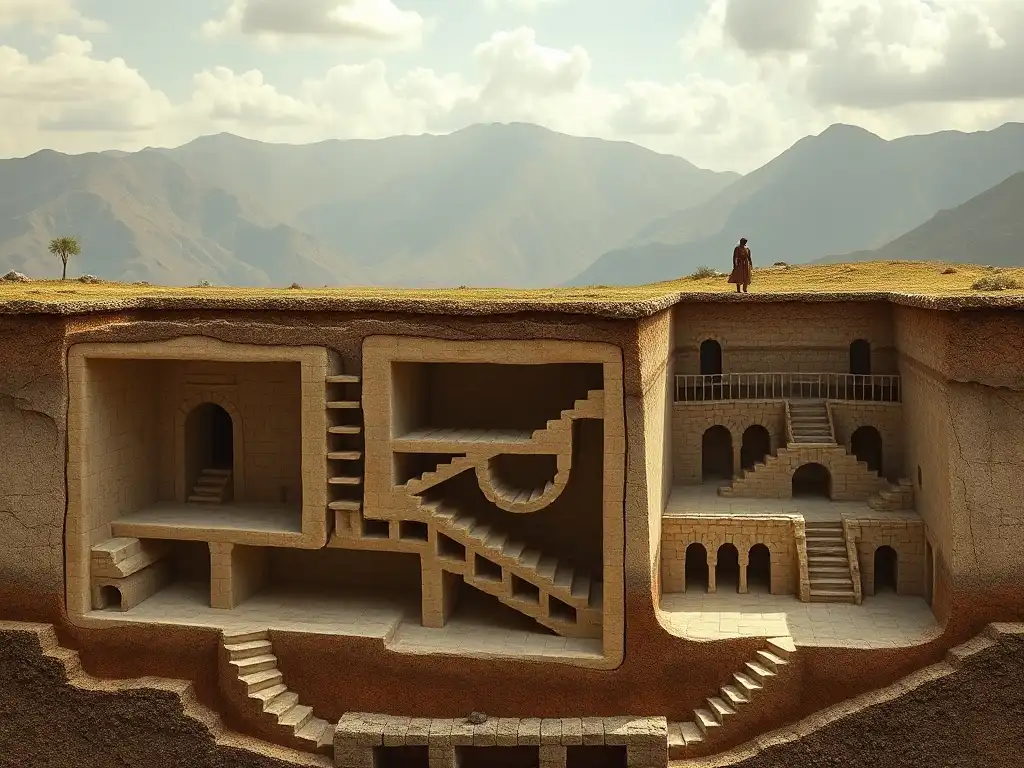
The ingenuity of Andean civilizations in harnessing water resources is truly remarkable, particularly their mastery of underground irrigation systems. These weren't simply rudimentary canals; they represented sophisticated engineering feats, adapted to the diverse and challenging Andean landscape. Understanding these systems requires appreciating the variety of techniques employed, each tailored to specific geographical and hydrological conditions.
This section explores some key types of Andean pre-Inca irrigation systems, demonstrating the remarkable water management skills of these ancient societies. The development of these intricate systems allowed for sustained agricultural production, supporting large populations and complex social structures across millennia. The sheer scale and complexity of these projects underscore the advanced technological capabilities and organizational prowess of Andean cultures.
Filtration Galleries: Capturing Subsurface Water
Filtration galleries represent a particularly clever approach to water acquisition in the Andes. Unlike surface canals vulnerable to evaporation and seasonal fluctuations, these systems tapped into underground water sources, providing a more reliable water supply. These galleries were essentially tunnels, often built of stone, dug into the ground to intercept subsurface water flows.
The construction involved careful selection of locations with high water tables and permeable soils. The tunnels were often lined with stones to prevent collapse and to filter out sediment, ensuring a cleaner water supply for irrigation. Evidence suggests that the galleries were often equipped with strategically placed drainage systems and even rudimentary filtration mechanisms.
The construction of these filtration galleries demanded significant labor and expertise. The precise location of the galleries was crucial, requiring a deep understanding of the local hydrology. Furthermore, the construction itself would have involved specialized tools and techniques, reflecting a high level of technological sophistication.
While the exact methods employed remain partially shrouded in mystery, archaeological findings provide valuable clues about the materials and techniques used. For example, [specific examples of materials and techniques used in filtration gallery construction pending]. Analysis of these findings allows us to reconstruct a clearer picture of the engineering prowess involved in creating these vital water infrastructure components.
Qochas: Artificial Ponds for Water Storage
Beyond capturing water, Andean civilizations also developed ingenious methods for storing it. Qochas, artificial ponds, played a crucial role in supplementing water supplies during dry seasons. These weren't simple excavations; they were carefully designed and constructed reservoirs, often integrated into complex irrigation networks. The construction involved selecting suitable locations, often utilizing natural depressions in the landscape. The ponds were then lined and sealed to prevent water leakage, using materials like clay, stones, and even plant materials. The size and shape of the qochas varied depending on the available space and the water requirements of the surrounding agricultural lands.
The creation of qochas not only provided a crucial buffer against drought but also contributed to a more regulated water flow for irrigation. By storing excess water during the rainy season, the qochas ensured a consistent supply throughout the year, improving crop yields and enhancing food security. The careful management of these water reservoirs further demonstrates the advanced understanding of hydrology and water resource management possessed by Andean societies. [Specific examples of Qocha construction techniques and their regional variations pending]. The impressive scale and longevity of many qochas stand as a testament to the enduring impact of Andean engineering.
Underground Aqueducts: Transporting Water Efficiently
The efficient transport of water over long distances was another significant challenge addressed by Andean engineers. They constructed elaborate networks of underground aqueducts, channeling water from distant sources to agricultural fields. These aqueducts were not simply straight tunnels; they often involved complex systems of channels, siphons, and even pressure regulators to manage water flow.
The construction of these aqueducts required a deep understanding of hydraulic principles and an ability to work with varying terrains and geological formations. The use of stone, clay, and other materials allowed for the creation of durable and watertight channels capable of transporting large volumes of water over considerable distances.
The precise techniques used in the construction of Andean underground aqueducts vary depending on the specific location and the geological conditions. However, [specific examples of construction techniques and materials used in Andean underground aqueducts pending]. These systems are a testament to the engineering sophistication of Andean societies and their ability to adapt to the unique challenges of their environment.
The effectiveness of these aqueducts contributed significantly to the success of Andean agriculture and the development of complex urban centers. The legacy of these underground aqueducts continues to inspire modern engineering practices, highlighting the enduring relevance of Andean innovations in water management.
Specific Examples of Andean Pre-Inca Irrigation Systems
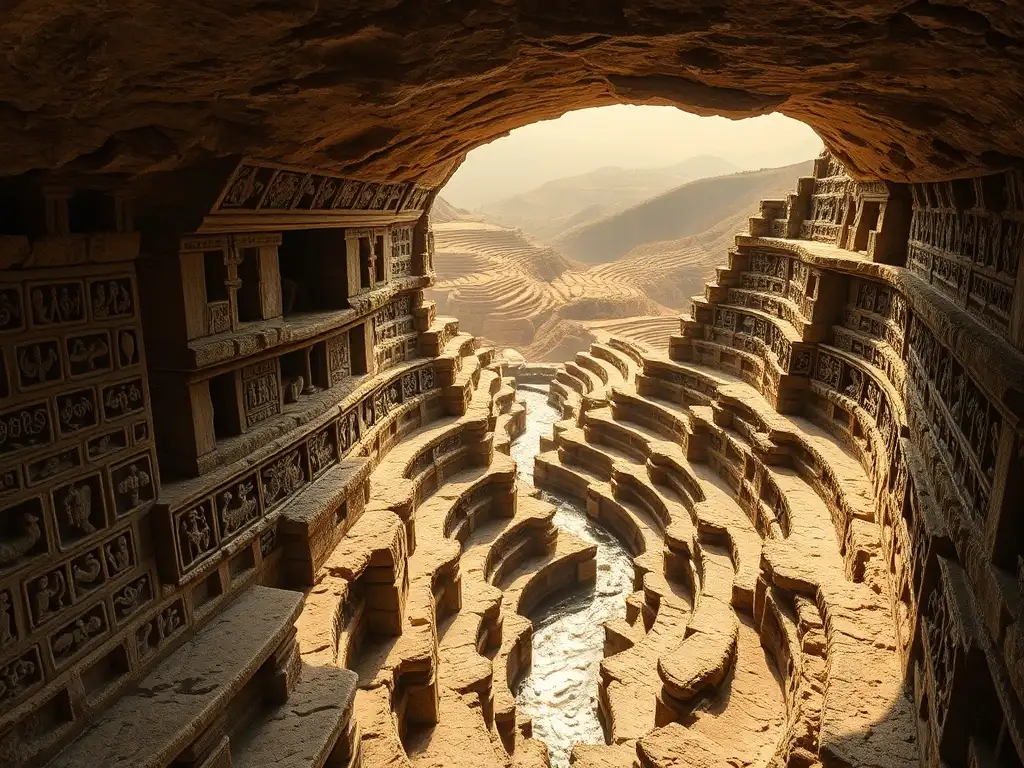
The ingenuity of Andean civilizations in harnessing water resources is a testament to their advanced understanding of hydraulic engineering. Long before the Inca Empire, sophisticated irrigation systems were developed, showcasing remarkable adaptation to diverse terrains and climates. These pre-Inca Andean irrigation systems played a crucial role in supporting thriving agricultural societies and continue to fascinate researchers today. Understanding these systems offers valuable insights into the resourcefulness and resilience of these ancient cultures. This section will explore two prominent examples: the Nazca puquios and the Waru Waru system.
The Nazca Puquios: A Network of Underground Water Sources
The Nazca people, known for their enigmatic geoglyphs, also mastered a complex system of underground water channels known as puquios. These weren't simply wells; they were intricate networks that tapped into aquifers, bringing water to the surface for irrigation and domestic use in the arid coastal region of southern Peru. Their construction demonstrates a deep understanding of hydrology and engineering principles. The puquios represent a sophisticated approach to water management, reflecting the Nazca's ability to adapt to a challenging environment. This ingenious system allowed for sustainable agriculture in a region where surface water was scarce.
How the Puquios Functioned
The Nazca puquios involved digging vertical shafts down to the water table, followed by horizontal tunnels that channeled water towards the surface. These tunnels were often lined with stones to prevent collapse and maintain water flow. Ingeniously, vertical shafts, sometimes spaced kilometers apart, were connected by a network of subterranean channels.
The system relied on gravity to transport water, with strategically placed shafts and tunnels maximizing efficiency. The precise construction techniques, including the use of specific stone types and the careful planning of the network layout, remain a subject of ongoing research. Evidence suggests that the Nazca regularly maintained and repaired these systems, ensuring their longevity.
The Purpose of Nazca Puquios
While primarily used for irrigation, supporting the cultivation of crops like cotton and maize, the Nazca puquios also served domestic purposes. The availability of a reliable water source contributed significantly to the development of Nazca settlements and their flourishing society. The strategic placement of puquios near settlements suggests their importance in daily life.
The puquios represent more than just a technological achievement; they were integral to the social and economic fabric of Nazca society. Further research is needed to fully understand the extent of their societal impact. The intricate network, the precision of construction, and their enduring effectiveness are testament to the advanced engineering capabilities of the Nazca people.
The Waru Waru System: Raised Fields and Canals
The Waru Waru system, prevalent in the altiplano region of the Andes, is another remarkable example of pre-Inca irrigation. Unlike the Nazca puquios, Waru Waru involved creating raised fields separated by canals. This ingenious system not only provided irrigation but also enhanced agricultural productivity through improved soil drainage, temperature regulation, and frost protection. The system's effectiveness in the harsh high-altitude environment showcases the Andean people's deep understanding of their environment and their ability to adapt agricultural practices to challenging conditions.
Techniques Used in Waru Waru Construction
The construction of Waru Waru fields involved meticulous planning and labor. The raised fields were created by digging canals and using the excavated soil to build the platforms. The canals served not only as irrigation channels but also as drainage systems, preventing waterlogging and optimizing soil conditions.
Organic matter, often from lake sediments, was incorporated into the raised fields, enriching the soil and improving its fertility. The precise techniques used in constructing and maintaining these fields remain a subject of ongoing research, with evidence suggesting sophisticated knowledge of soil science and hydrology. The longevity of these systems is a testament to the sustainable practices employed by the builders.
The Impact of Waru Waru on Agriculture
The Waru Waru system significantly increased agricultural yields in the challenging altiplano environment. The raised fields provided better drainage, reducing the risk of frost damage and improving soil aeration. The canals provided a reliable source of irrigation, enabling the cultivation of a wider range of crops.
The system’s effectiveness allowed for increased food production, supporting larger and more stable populations. The Waru Waru system is not merely a relic of the past; it's a sustainable agricultural model that continues to inspire modern agricultural practices, demonstrating the enduring relevance of Andean ingenuity. The system's success highlights the importance of understanding and adapting to local environmental conditions, a lesson applicable to contemporary agriculture in similar environments.
The Significance of Andean Pre-Inca Irrigation
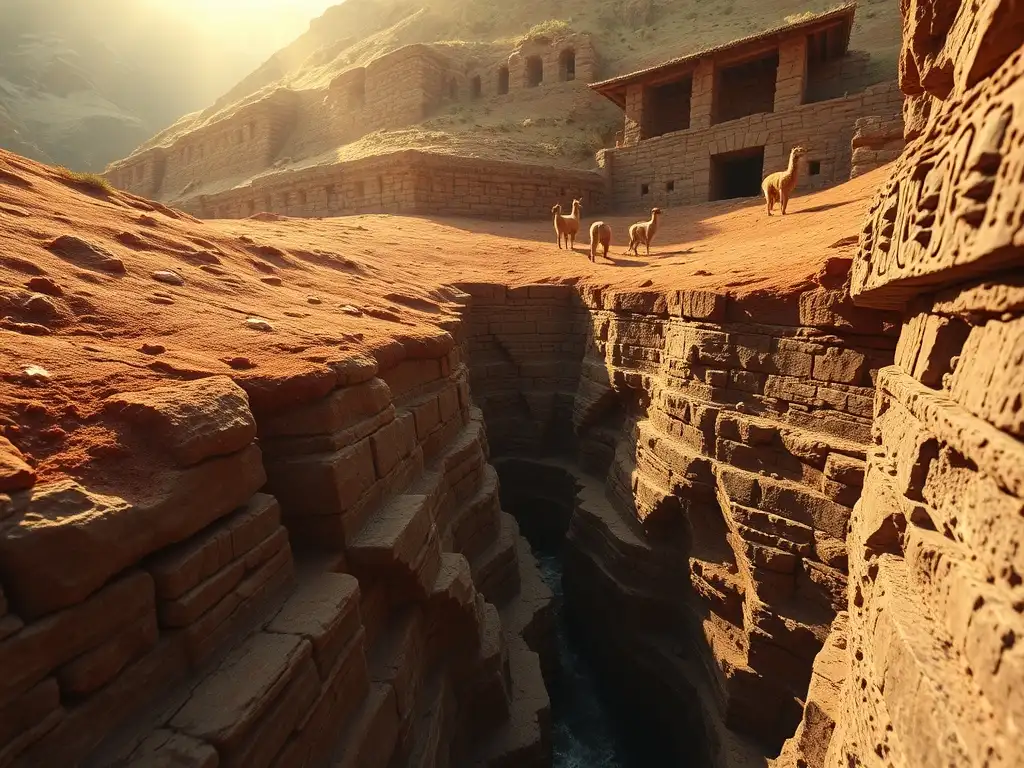
The mastery of water management was crucial for the survival and prosperity of Andean civilizations long before the Inca Empire. Understanding Andean pre-Inca irrigation systems is key to appreciating the ingenuity and resilience of these cultures. These sophisticated systems, developed over centuries, allowed for intensive agriculture in challenging, often arid, environments, supporting dense populations and complex societal structures.
The ingenuity demonstrated in these systems significantly impacted the development of Andean societies, influencing their social organization, religious beliefs, and artistic expressions. The study of these pre-Inca systems offers valuable insights into sustainable water practices, relevant even today in the face of climate change and growing water scarcity. Analyzing their construction, design, and societal impact reveals a profound understanding of hydrology and engineering far exceeding what was previously assumed.
The scale and complexity of some of these systems are truly remarkable, demonstrating a deep knowledge of the Andean landscape and its unique water resources. We can see evidence of this in the remarkable preservation of some of these systems, even after centuries of neglect.
Adapting to Arid Environments: Sustainable Water Practices
The Andean region presents significant challenges for agriculture. High altitudes, steep slopes, and unpredictable rainfall patterns create an environment where water scarcity is a constant concern. Pre-Inca societies overcame these obstacles through the development of ingenious irrigation techniques. These weren't simply canals diverting surface water; they involved a sophisticated understanding of water infiltration, aquifer recharge, and water storage.
For example, the canales subterráneos (underground canals) of the Nazca culture are a testament to this expertise. These intricate networks, often carved into the bedrock, tapped into underground water sources, ensuring a reliable water supply even during dry periods. This highlights their sustainable approach to water management, minimizing water loss through evaporation and maximizing water availability throughout the year.
Furthermore, the integration of terraced farming into these systems increased the effective land area available for cultivation, optimizing water use and mitigating soil erosion on steep slopes. These practices demonstrate a deep understanding of the delicate balance between human needs and environmental sustainability, a lesson relevant for modern agriculture. Detailed studies of these ancient systems are revealing ever more sophisticated techniques, such as the use of porous materials to filter and regulate water flow.
The Role of Underground Systems in Andean Agriculture
Underground irrigation systems played a pivotal role in Andean agriculture, enabling the cultivation of crops requiring significant water resources in otherwise arid regions. These systems, often built using sophisticated techniques of stonework and channeling, allowed for controlled water delivery directly to the roots of plants, minimizing water loss through evaporation and seepage. This is particularly important considering the high levels of solar radiation in the Andes.
The scale of these systems varied greatly depending on the specific needs of the community and the availability of water resources. Some systems were relatively small, serving individual plots of land, while others were extensive networks that irrigated vast agricultural areas. Evidence suggests that these systems were not static; they were adapted and modified over time to account for changes in climate and population density.
This adaptability speaks to the flexibility and resilience of Andean agricultural practices. The use of underground channels also protected the water supply from contamination and evaporation, ensuring a consistent and high-quality water source for crops.
Control over water resources had profound social and cultural implications for Andean societies. The construction and maintenance of complex irrigation systems required significant cooperation and labor, fostering social cohesion and strengthening community bonds. The management of these systems often involved specialized knowledge and expertise, leading to the emergence of a class of water managers or priests who played important roles in society. Water control also had religious significance.
Many Andean cultures viewed water as a sacred element, and irrigation systems were often integrated into their religious beliefs and practices. The construction of these systems could be seen as a form of religious ritual, reinforcing social hierarchies and reinforcing community identities. The distribution of water resources also had important implications for power structures within Andean societies.
Those who controlled access to water held significant influence and power, shaping social and political dynamics. Furthermore, the success of these irrigation systems contributed to the overall prosperity and stability of Andean societies, allowing for the development of complex social structures and urban centers. The legacy of these systems continues to influence the cultural landscape of the Andes today.
Challenges in Studying Ancient Andean Water Systems
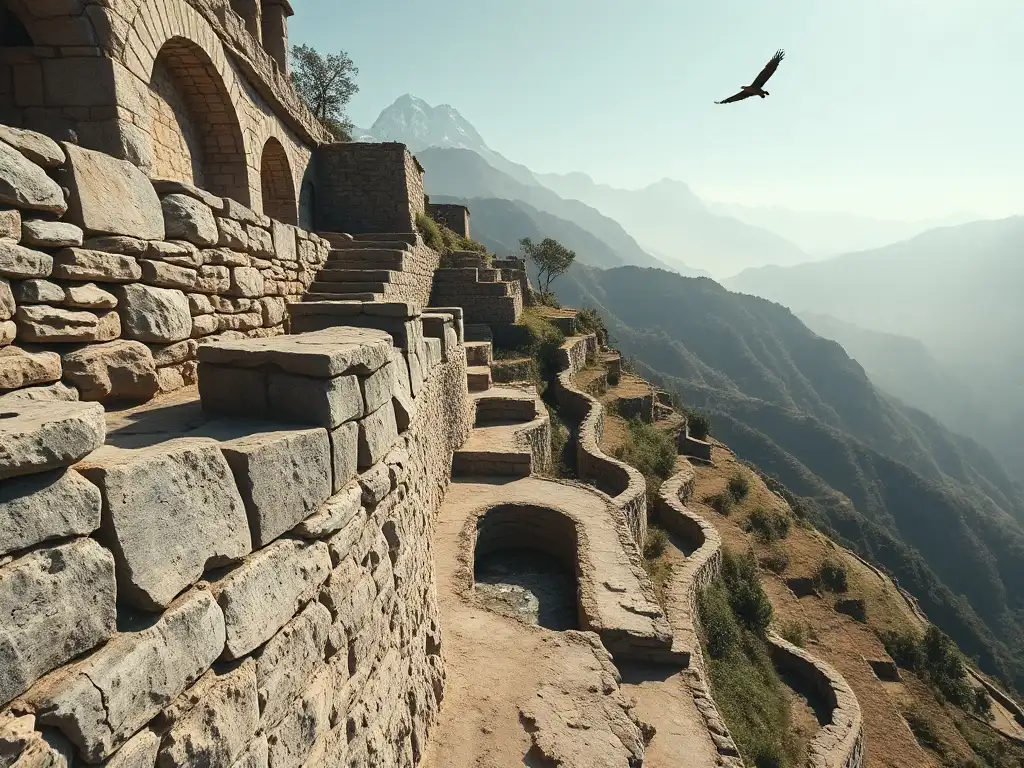
Understanding the intricacies of Andean pre-Inca irrigation systems presents significant hurdles for researchers. The passage of centuries, coupled with environmental factors and later human interventions, has obscured much of the original infrastructure. This section explores some of the key challenges faced when attempting to reconstruct a comprehensive picture of these remarkable feats of engineering.
The sheer scale of the systems, spread across diverse and often inaccessible terrains, adds to the complexity. Many sites are located in remote, high-altitude regions, making access difficult and expensive. Furthermore, the lack of detailed written records from the pre-Inca periods necessitates reliance on archaeological evidence, which can be fragmented and open to multiple interpretations.
The degradation of materials over time, due to erosion, seismic activity, and agricultural practices, further complicates the task of accurate reconstruction. Finally, the interpretation of the available data requires a multidisciplinary approach, integrating expertise in archaeology, hydrology, anthropology, and even geophysics to understand the full scope of these ancient water management systems. The successful study of Andean pre-Inca irrigation systems requires careful planning, extensive fieldwork, and a sophisticated understanding of the challenges involved.
Archaeological Research and Dating Methods
Archaeological investigation of Andean pre-Inca irrigation systems relies heavily on careful excavation and the application of robust dating techniques. The identification of canal segments, aqueducts, and other water management structures is crucial, but often hampered by the fragmentary nature of the surviving remains. The use of geophysical survey methods, such as ground-penetrating radar (GPR) and electrical resistivity tomography (ERT), can greatly assist in locating buried structures and mapping their extent. However, these methods require careful interpretation and often need to be complemented by traditional excavation techniques.
Dating the structures presents further challenges. While radiocarbon dating can provide chronological information for organic materials found in association with the canals, such materials are not always readily available. Other dating methods, such as thermoluminescence dating (TL) applied to fired clay artifacts found in the vicinity, may provide valuable chronological context but are not always directly applicable to the irrigation structures themselves.
The integration of multiple dating methods, alongside detailed stratigraphic analysis, is essential to build a coherent chronological framework for the development and evolution of these ancient water management systems. Accurate dating is paramount to understanding the technological advancements and societal changes that influenced their construction and use. For example, comparing the construction techniques and materials used in different periods can reveal important information about the evolution of engineering practices and the level of sophistication achieved by different Andean cultures.
Preserving the Legacy of Pre-Inca Hydraulic Works
The preservation of Andean pre-Inca irrigation systems is crucial not only for understanding the past but also for informing sustainable water management practices in the present and future. Many of these systems, while remarkably resilient, are increasingly threatened by factors such as climate change, unsustainable agricultural practices, and urbanization. Erosion, particularly in mountainous regions, poses a significant risk to the integrity of the canals and aqueducts. Furthermore, the construction of modern infrastructure, including roads and buildings, can damage or destroy important archaeological sites.
Effective preservation requires a multi-pronged approach, combining careful archaeological monitoring with community engagement and sustainable resource management. Educating local communities about the historical significance of these systems and their role in shaping the landscape is essential for fostering a sense of ownership and responsibility. The implementation of sustainable agricultural practices that minimize erosion and water depletion is crucial for preserving the long-term viability of the existing infrastructure.
Moreover, the development of appropriate conservation strategies that balance the needs of preservation with the demands of modern development is essential. This requires collaboration between archaeologists, engineers, government agencies, and local communities to ensure the responsible management and protection of these invaluable cultural and historical resources. The challenge lies in finding a balance between preservation and development, a delicate task requiring careful planning and community participation.
Ongoing Investigations and Future Discoveries
Research into Andean pre-Inca irrigation systems is a vibrant and ongoing field. New discoveries and technological advancements continue to shed light on the sophistication and complexity of these ancient water management systems. The application of advanced geophysical techniques, such as LiDAR (Light Detection and Ranging), is providing high-resolution maps of the landscape, revealing previously unknown features and expanding our understanding of the spatial extent of these irrigation networks.
Furthermore, the integration of GIS (Geographic Information Systems) allows for the creation of detailed digital models that facilitate the analysis of spatial patterns and the identification of relationships between different components of the irrigation systems. Future research will likely focus on understanding the social and political structures that underpinned the construction and maintenance of these systems. The role of labor organization, resource allocation, and inter-community cooperation in the successful management of water resources remains a key area of investigation.
Furthermore, the study of climate variability and its impact on the design and operation of these systems will provide valuable insights into the resilience and adaptability of ancient Andean societies. The ongoing exploration and analysis of these fascinating systems promise to reveal further insights into the technological ingenuity and societal organization of the Andean civilizations, enriching our understanding of their remarkable achievements in water management. The potential for new discoveries and a deeper understanding of this important aspect of Andean history is immense.
The Enduring Relevance of Pre-Inca Irrigation Techniques
This section delves into the surprising continued applicability of ancient Andean irrigation methods, specifically focusing on their potential to address contemporary water scarcity challenges. While the Inca Empire undoubtedly made significant advancements in irrigation, the sophisticated systems developed by pre-Inca cultures like the Nazca and Moche laid the groundwork and offer valuable lessons for sustainable water management in the 21st century. Understanding these techniques is crucial for developing resilient strategies against drought and climate change, particularly in arid and semi-arid regions globally. The ingenuity of these Andean preInca irrigation systems deserves far more recognition than it currently receives.
Lessons for Modern Water Management
Modern water management often relies on energy-intensive technologies like large-scale pumping and extensive canal networks. These approaches can be unsustainable in the long term, especially in regions facing water stress. Pre-Inca Andean irrigation, however, prioritized efficiency and minimized environmental impact. Techniques like the use of qanats (underground channels) minimized evaporation and reduced water loss through seepage.
The careful terracing of hillsides, another hallmark of pre-Inca engineering, slowed water runoff, allowing for better infiltration and groundwater recharge. These methods, while seemingly simple, offer crucial lessons for modern agricultural practices and water conservation strategies. For instance, modern implementations of subsurface drip irrigation systems draw inspiration from the principles of water distribution found in ancient qanats.
Consider the Nazca Lines—a stunning example of advanced surveying and engineering capabilities. The precision required to create these geoglyphs suggests a deep understanding of hydrology and land management. While the lines' primary function remains debated, their construction likely involved careful consideration of water resources, further highlighting the sophistication of Nazca irrigation practices.
Analysis of these ancient systems reveals a profound understanding of water flow dynamics and soil properties, which contemporary engineers can leverage to design more efficient and sustainable irrigation networks. Moreover, the integration of these systems into the broader landscape—their connection to agricultural practices and social structures—provides valuable insight into holistic water resource management. The study of Andean preInca irrigation systems thus offers a powerful model for integrated water resource management, combining technological innovation with a deep respect for the environment.
The Importance of Traditional Knowledge
The knowledge behind Andean preInca irrigation systems wasn't simply a matter of technical skill; it was deeply intertwined with cultural practices and traditional ecological knowledge (TEK). This knowledge, passed down through generations, included a nuanced understanding of local climates, soil types, and water availability. It encompassed not only the technical aspects of building and maintaining irrigation systems but also the social structures and customs that governed their use and allocation. Ignoring this traditional knowledge in favor of solely modern approaches risks overlooking valuable insights and potentially leading to unsustainable outcomes.
For example, the intricate system of water rights and community management that accompanied many pre-Inca irrigation systems ensured equitable access to water resources and prevented overuse. These systems often incorporated mechanisms for conflict resolution and community participation, demonstrating a sophisticated understanding of social-ecological systems. The preservation and integration of this traditional knowledge is crucial for developing truly sustainable water management strategies, ensuring that both modern technology and ancient wisdom are leveraged to address current water challenges.
The role of community-based management in the successful implementation of these irrigation projects offers a model for participatory approaches in contemporary water governance. Further research into the social structures that supported these systems is needed to fully understand their long-term success and applicability in modern contexts.
Connecting the Past to the Present
The study of Andean pre-Inca irrigation systems offers a compelling case study in sustainable water management. By examining these ancient technologies, we can glean valuable insights into efficient water use, the importance of traditional knowledge, and the need for integrated approaches that consider both ecological and social factors. The lessons learned from these systems are particularly relevant in the face of growing water scarcity and the challenges of climate change.
These systems represent not just engineering marvels, but also a testament to the ingenuity and resilience of Andean cultures. Understanding and applying the principles embedded within these Andean preInca irrigation systems can contribute significantly to the development of more sustainable and equitable water management practices worldwide, benefiting communities and ecosystems alike.
Further research focusing on the specific materials and construction techniques employed by these ancient civilizations could unlock even more valuable lessons for modern engineering. The preservation of these sites is crucial for continued research and the dissemination of this vital knowledge.
Conclusion: The Ingenuity of Andean Civilizations
The sophisticated irrigation systems developed by pre-Inca Andean civilizations stand as a testament to their remarkable engineering prowess and deep understanding of their environment. These weren't simply canals; they were complex, integrated systems reflecting centuries of observation, experimentation, and adaptation to the challenging Andean terrain. The ingenuity displayed in their construction, maintenance, and ongoing adaptation to changing climatic conditions is truly awe-inspiring. Their mastery of water management allowed for the flourishing of complex societies, supporting significant population centers and agricultural surpluses that fueled cultural and technological advancements.
The legacy of these pre-Inca irrigation systems continues to influence modern water management practices, highlighting the enduring value of traditional knowledge and sustainable resource management. Understanding these systems not only deepens our appreciation for Andean ingenuity but also offers valuable lessons for addressing contemporary challenges in water resource management, particularly in arid and semi-arid regions worldwide. The study of Andean pre-Inca irrigation systems provides a compelling case study in sustainable development, demonstrating the remarkable ability of ancient societies to thrive in challenging environments through innovative and environmentally conscious practices. Their achievements serve as a powerful reminder of the importance of respecting and learning from the wisdom of past civilizations.
The enduring relevance of these techniques underscores the need for continued research and preservation of these invaluable historical sites, ensuring that future generations can benefit from the knowledge embedded within them. Furthermore, the study of these systems offers valuable insights into the cultural and social structures of these ancient societies, revealing intricate networks of cooperation and community involvement necessary for the successful implementation and maintenance of such large-scale projects. The intricate interplay between technology, environment, and social organization in the development and utilization of Andean pre-Inca irrigation systems offers a rich area for continued scholarly investigation and interdisciplinary collaboration.
Frequently Asked Questions
What were Andean pre-Inca irrigation systems?
Andean pre-Inca civilizations developed sophisticated underground canal systems (canales subterráneos) to transport water for agriculture. These systems, often built using stone and intricate techniques, allowed for efficient water management in challenging terrains.
How did these systems work?
The systems relied on gravity to move water from mountain sources to fields. Water flowed through underground channels, often lined with stones, minimizing evaporation and maximizing efficiency. Sophisticated drainage and filtration techniques were also employed.
Which cultures used these underground irrigation systems?
Many Andean cultures utilized these systems, including the Nazca, Moche, and Wari. Each culture developed its own unique techniques and adaptations based on the local environment and needs. The Incas inherited and expanded upon these pre-existing systems.
Why were underground irrigation systems important?
These systems were crucial for supporting large populations and intensive agriculture in arid and semi-arid regions. They allowed for year-round crop production, fostering economic stability and societal development. They also conserved water efficiently.
What is the current state of these systems?
Many of these ancient systems remain partially intact and are still studied today. Archaeologists and engineers continue to uncover and analyze their remarkable engineering, providing insights into the ingenuity of Andean civilizations. Some sections are still in use.
Final Reflection: The Enduring Legacy of Andean Water Wisdom
The ingenious pre-Inca irrigation systems of the Andes remain a testament to human ingenuity and a stark reminder of our ongoing need for sustainable water management. Their sophisticated design, built centuries ago with limited technology, continues to offer valuable lessons for modern-day challenges like climate change and water scarcity. The echoes of this ancient knowledge resonate powerfully in a world grappling with increasingly complex environmental issues.
The impact of these systems extends far beyond their impressive engineering; they represent a profound connection between people and their environment, a deep understanding of the delicate balance of nature. These systems weren't just about survival; they were integral to the social fabric, shaping communities and cultural practices for generations. Water is life, and without it, there is no life.
This simple truth, understood so deeply by the Andean cultures, holds even greater significance today as we face the consequences of unsustainable practices.
Consider the ingenuity of these ancient builders, their intimate knowledge of their land, and their commitment to long-term sustainability. You too can apply this spirit of thoughtful planning and resourcefulness to your own life. Think about your own water consumption, your relationship with the environment, and the legacy you wish to leave behind. Let the enduring legacy of the Andean irrigation systems inspire you to act responsibly and sustainably, ensuring a future where water is a source of life, not a cause for conflict.
Unveil the Secrets of Andean Irrigation Today!
Thank you for exploring the fascinating world of Andean underground irrigation systems! Your curiosity is a testament to the ingenuity of ancient engineers. Now, let's delve even deeper into these remarkable systems.
Here are some ways to continue your exploration:
- **Investigate** local water management practices—you might discover surprising parallels to ancient Andean techniques.
- **Connect** with fellow history enthusiasts through local historical societies or online forums dedicated to Andean civilizations.
- **Share** your newfound appreciation for Andean engineering with friends and on social media.
What aspects of ancient civilizations' water resource management most captivate you? Let's discuss!