
Valdivia's Legacy in Ecuadorian Archaeology: Ongoing Discoveries

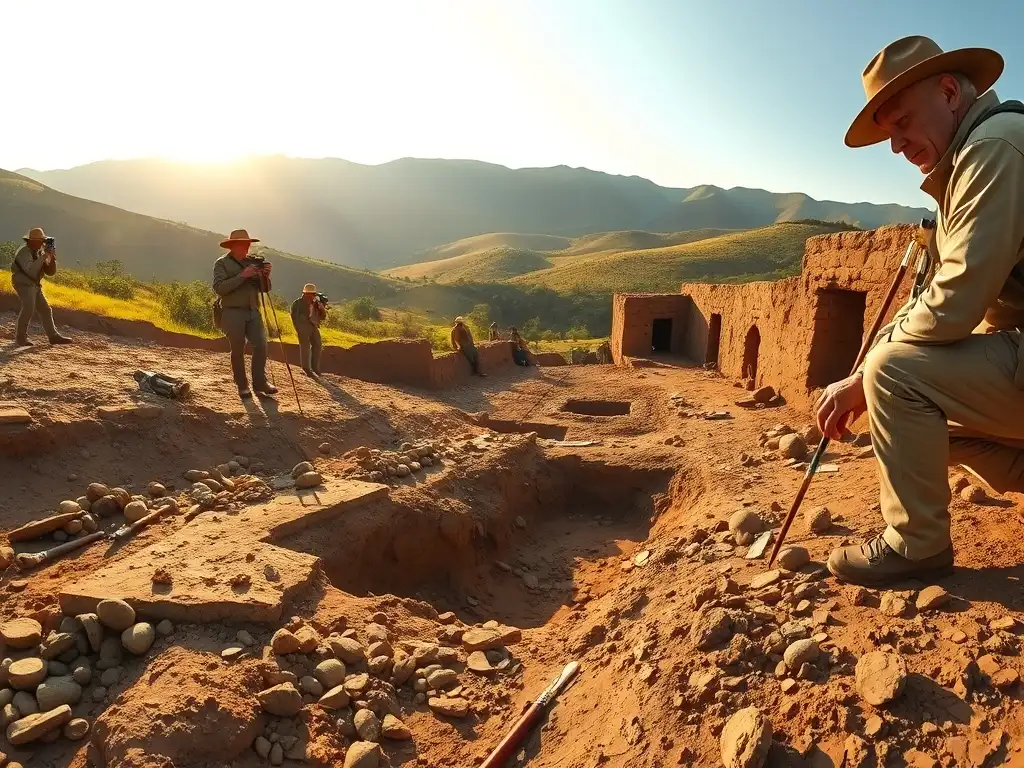
Uncover the secrets whispered by the wind across the Andes... Journey back in time to a world where ingenuity flourished and empires rose from the dust. For centuries, the Andean civilizations have captivated the world, their legacy etched in stone and woven into vibrant textiles. But what if the most astonishing discoveries are yet to be unearthed? Prepare to delve into the fascinating world of Valdivia culture, a pivotal chapter in Ecuadorian archaeology that challenges our understanding of Andean origins and rewrites the narrative of early civilization. Discover the groundbreaking revelations waiting for you within.
The Valdivia culture, flourishing along the coast of Ecuador from approximately 3500 to 1800 BCE, represents a cornerstone of Ecuadorian archaeology and a fascinating chapter in the broader narrative of South American prehistory. This culture, predating even the rise of the Inca Empire by millennia, left behind a remarkable legacy of artistic expression, sophisticated societal structures, and technological advancements that continue to captivate and inform researchers today.
Its significance lies not only in its chronological position as one of the earliest known complex societies in South America, but also in its unique artistic style, its contributions to the development of pottery, and the insights it provides into the early development of agriculture and social organization along the Ecuadorian coast. This article explores the enduring impact of the Valdivia culture on Ecuadorian archaeology, highlighting recent discoveries and ongoing research that continues to reshape our understanding of this pivotal civilization.
The keyword "Valdivia culture Ecuadorian archaeology" will be explored throughout the article to showcase its importance in the field.
Introduction to the Valdivia Culture and its Significance
The Valdivia culture is renowned for its exquisite ceramic artistry. Unlike many other early cultures in the region that primarily produced utilitarian pottery, Valdivia artisans created intricately decorated figurines and vessels, demonstrating a sophisticated level of skill and aesthetic sensibility. These artifacts, often depicting human figures, animals, and abstract designs, provide invaluable insights into the culture's beliefs, social structures, and daily life. The development of pottery itself represents a significant technological achievement, marking a crucial step in the evolution of human societies.
The Valdivia culture's mastery of this craft laid the groundwork for future ceramic traditions in the Andes, influencing subsequent cultures and leaving an enduring mark on the artistic landscape of the region. Further, evidence suggests a surprisingly complex social organization for a culture of its time, evidenced by the size and layout of some settlements, hinting at social stratification and specialized labor. The discovery of elaborate burial sites also adds to the complexity, indicating a possible belief system and ritual practices.
Ongoing research is focused on understanding the intricacies of Valdivia social organization and its relationship to environmental factors. The detailed analysis of Valdivia ceramics continues to yield new insights into the culture's symbolism and worldview. For example, recent studies have identified recurring motifs in the pottery that may represent celestial bodies or agricultural cycles, suggesting a sophisticated understanding of astronomy and agriculture.
Early Valdivia Settlements: Unveiling the Origins of Ecuadorian Coastal Cultures
Early Valdivia settlements, often located near abundant resources like rivers and shellfish beds, reveal a fascinating picture of the culture's adaptation to its coastal environment. Archaeological excavations have unearthed evidence of early agricultural practices, including the cultivation of plants such as squash and beans, suggesting a transition from a purely foraging lifestyle to a more settled, agricultural-based economy. The size and complexity of some of these settlements, such as those found at Real Alto and La Playa, suggest a degree of social organization and planning previously unexpected for this early period. Analysis of the spatial distribution of houses and artifacts within these settlements indicates possible social hierarchies and specialized activities.
For example, certain areas may have been dedicated to pottery production or food processing, suggesting a division of labor within the community. Furthermore, the discovery of sophisticated tools and technologies, including finely crafted stone implements and specialized fishing gear, highlights the Valdivia people's ingenuity and adaptability. The ongoing research into these early settlements aims to further illuminate the transition from nomadic hunter-gatherer societies to settled agricultural communities along the Ecuadorian coast, a critical stage in the development of complex societies in the Andes.
The study of the Valdivia culture's interaction with its environment provides a valuable case study for understanding the dynamics between human societies and their natural surroundings in early South America. The meticulous excavation and analysis of these sites promise to yield even more information on the origins of Ecuadorian coastal cultures and their relationship to the broader Andean context. The discovery of new sites and the application of advanced analytical techniques continue to provide crucial data for a more complete understanding of this pivotal period in Ecuadorian prehistory.
Key Archaeological Sites of the Valdivia Culture in Ecuador
The Valdivia culture, flourishing along the coast of Ecuador from approximately 3500 to 1800 BCE, left behind a rich archaeological record. Numerous sites offer invaluable insights into their daily lives, social structures, and artistic achievements. These sites, scattered along the Ecuadorian coast, are vital for understanding the complexities of this early Andean civilization.
Careful excavation and analysis of these locations continue to reveal new information, challenging existing theories and expanding our knowledge of the Valdivia people. The meticulous work of archaeologists has uncovered evidence of sophisticated settlements, intricate burial practices, and a vibrant artistic tradition. Their discoveries are constantly reshaping our understanding of the Valdivia's place in the broader context of early South American development.
The ongoing research in these sites highlights the enduring significance of the Valdivia culture in Ecuadorian archaeology. Each site tells a unique story, contributing to a more complete picture of this fascinating society. Further research is crucial to unraveling the remaining mysteries of this pivotal culture.
Real Alto: A Major Valdivia Ceremonial Center
Real Alto stands out as a significant ceremonial center of the Valdivia culture. Excavations have unearthed evidence of large-scale public structures, suggesting a complex social organization and potentially a centralized form of governance. The discovery of numerous elaborate burials, containing prestigious grave goods, points to a stratified society with distinct social hierarchies. The artifacts found at Real Alto, including finely crafted pottery and intricately carved ornaments, showcase the high level of artistic skill achieved by the Valdivia people.
The layout of the site itself, with its carefully planned plazas and monumental architecture, indicates a deliberate and sophisticated design, reflective of a society with complex social and religious practices. The ongoing research at Real Alto promises to further illuminate the social and religious life of this fascinating early Andean society. Analysis of the architectural remains and artifacts continues to provide valuable information about Valdivia cosmology and social structures.
Loma Alta: Insights into Daily Valdivia Life
In contrast to the monumental structures of Real Alto, Loma Alta offers a glimpse into the daily lives of ordinary Valdivia individuals. This site reveals the domestic architecture of the culture, providing insights into their housing, food preparation, and daily routines. The discovery of numerous domestic artifacts, such as cooking pots, grinding stones, and tools, allows archaeologists to reconstruct the daily activities of the Valdivia people.
The analysis of organic remains found at Loma Alta, such as plant and animal remains, helps us understand their diet and subsistence strategies. Loma Alta's importance lies in its ability to complement the information gleaned from larger ceremonial centers like Real Alto, providing a balanced perspective on Valdivia society. The contrast between the two sites highlights the complexity of the culture, showing both the grandeur of its public life and the ordinariness of its daily routines.
San Isidro: A Coastal Settlement with Evidence of Trade
San Isidro, a coastal settlement, provides compelling evidence of trade networks connecting the Valdivia culture to other regions. The presence of exotic materials, such as obsidian and certain types of shells not native to the immediate area, suggests extensive trade relationships. These findings support the theory that the Valdivia culture was not isolated but actively engaged in exchange networks with other coastal and possibly inland communities.
The analysis of these materials helps archaeologists trace the routes and extent of Valdivia trade, shedding light on the culture's interaction with its neighbors. Further research at San Isidro is likely to uncover even more evidence of trade connections, further illuminating the Valdivia's role within a broader network of early Andean societies. The discovery of unique pottery styles at San Isidro, potentially influenced by external contacts, further emphasizes the importance of trade in shaping Valdivia culture.
Valdivia Pottery: An Icon of Early Andean Art
Valdivia pottery is considered a hallmark of early Andean art, renowned for its exquisite craftsmanship and distinctive stylistic features. The pottery's remarkable artistry, including its elegant forms, refined surface treatments, and intricate decorations, showcases the advanced technological skills and aesthetic sensibilities of the Valdivia people. The discovery of numerous pieces of Valdivia pottery at various archaeological sites across the Ecuadorian coast has provided a comprehensive understanding of their artistic achievements.
The analysis of these artifacts continues to reveal new insights into their symbolic meanings and social significance. The remarkable preservation of many pieces, despite their age, allows for detailed study of the techniques employed by Valdivia artisans.
The Evolution of Valdivia Ceramics
The evolution of Valdivia ceramics reveals a gradual development of techniques and styles over time. Early Valdivia pottery is characterized by simple forms and plain surfaces, while later periods show a significant increase in complexity, with the introduction of more elaborate designs and decorative techniques. This evolution reflects the changing social and cultural dynamics within the Valdivia society.
The stylistic changes observed in Valdivia pottery provide valuable chronological markers, helping archaeologists to establish a more precise timeline for the culture's development. The study of ceramic technology reveals advancements in firing techniques and the use of different clays and pigments over time. The progression from simple to more complex forms reflects not only technological advancement but also the development of artistic expression and social complexity.
Iconography and Symbolism in Valdivia Pottery
The iconography and symbolism found on Valdivia pottery offer valuable insights into the beliefs and worldview of this early Andean culture. The recurring motifs, such as stylized human figures, animals, and geometric patterns, are thought to represent important aspects of their religious beliefs and social organization. The interpretation of these symbols remains a subject of ongoing research, with scholars debating the meaning and significance of different motifs.
The study of Valdivia iconography contributes to a broader understanding of early Andean cosmology and the development of religious practices in the region. The stylistic variations in iconography across different sites and periods may reflect regional differences or changes in beliefs over time. The continued investigation of Valdivia pottery promises to further illuminate the rich symbolism and complex worldview of this fascinating culture.
Valdivia Agriculture and Subsistence Strategies
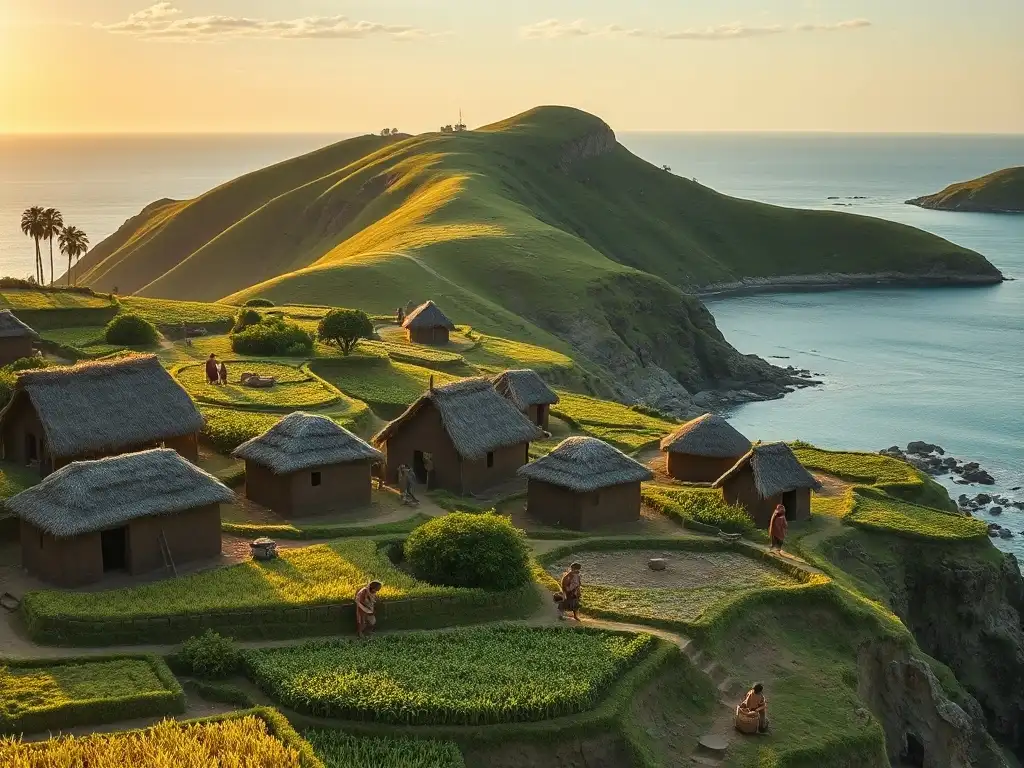
The Valdivia culture, flourishing along the coast of present-day Ecuador from approximately 3500 to 1800 BCE, developed sophisticated subsistence strategies based on a combination of agriculture, fishing, and gathering. Their agricultural practices, while not as extensive as those of later Andean cultures, played a vital role in their societal development. Evidence suggests the cultivation of various crops, though the exact extent and intensity of agricultural production remain areas of ongoing research.
Archaeological findings indicate the presence of domesticated plants, and the analysis of plant remains from Valdivia sites is crucial to understanding their agricultural techniques and the role of cultivation in their diet. Further research into soil samples and the identification of ancient irrigation systems could reveal more precise details about the scope of Valdivia agriculture.
The interplay between agricultural production and other subsistence activities, such as fishing and gathering, needs further investigation to fully understand the complexity of their food security. Understanding their agricultural practices allows us to better appreciate their adaptation to the coastal environment and their contribution to the development of later Andean agricultural systems.
The Importance of Maize in Valdivia Society
While maize (corn) is strongly associated with later Andean civilizations, its role in Valdivia society is a subject of ongoing debate among archaeologists. Early findings suggested a limited presence of maize, leading some to believe it was a relatively minor crop compared to other plants.
However, more recent excavations and analyses of plant remains have yielded evidence suggesting a more significant role for maize in the Valdivia diet than previously thought. The exact extent of maize cultivation and its importance relative to other crops are still being explored, with ongoing research focusing on the identification and analysis of maize pollen and phytoliths from various Valdivia sites.
The discovery of even small quantities of maize pollen could indicate cultivation, even if it wasn't a staple crop. Further research will help clarify the exact role of maize in the Valdivia economy and society, providing valuable insights into the early stages of maize cultivation in the Andes.
Fishing and Gathering Practices
The coastal location of Valdivia settlements strongly influenced their subsistence strategies. Fishing played a crucial role, with evidence suggesting the use of various fishing techniques adapted to the marine environment. Archaeological discoveries of fishing hooks, nets, and other tools provide insights into their fishing practices. The types of fish consumed and the techniques used reflect their adaptation to the coastal ecosystem.
In addition to fishing, gathering of shellfish, other marine resources, and wild plants provided a significant portion of their diet. The abundance of shellfish middens at Valdivia sites underscores the importance of these resources. Analyzing the remains of shellfish and other gathered resources offers valuable information about their dietary habits and the seasonality of their food procurement. The balance between fishing, gathering, and any early agricultural practices reveals a nuanced understanding of resource management within the Valdivia culture.
The social organization and ritual practices of the Valdivia culture are complex subjects that are still being actively investigated by archaeologists. While the absence of monumental architecture typical of later Andean societies initially suggested a less complex social structure, recent discoveries have challenged this assumption. The careful analysis of artifacts, settlement patterns, and burial practices is crucial to reconstructing their social structure and understanding their belief systems.
The evidence suggests a more nuanced social organization than previously imagined, with potential indications of social stratification or leadership structures. The distribution of artifacts and the size and layout of settlements could offer clues to social hierarchy.
Evidence of Social Hierarchy
While the Valdivia culture lacked the large-scale monumental architecture often associated with complex societies, subtle hints of social hierarchy are emerging from archaeological investigations. The variation in the size and quality of houses within settlements, the distribution of certain types of artifacts, and the presence of elaborate burials all suggest potential social differentiation. However, the degree of social stratification and the mechanisms that maintained it remain subjects of ongoing debate and research.
Further analysis of the material culture and settlement patterns is needed to fully understand the nature and extent of social inequality within Valdivia society. Careful excavation and analysis of sites with potentially elite burials are crucial for refining our understanding of social hierarchy. The development of sophisticated analytical techniques to study material remains is essential for uncovering more subtle indicators of social status.
Burial Rituals and Beliefs
The Valdivia burial practices offer valuable insights into their beliefs and worldview. Archaeological excavations have revealed both simple and more elaborate burials, suggesting potential variations in social status or ritual importance. The presence of grave goods, such as pottery and ornaments, provides clues about their beliefs regarding the afterlife and the social status of the deceased.
The careful study of the orientation of burials, the presence of specific artifacts, and the skeletal remains themselves can reveal details about their funerary rituals and cosmological beliefs. The analysis of the placement of bodies, the inclusion of grave goods, and any evidence of ritualistic practices provides a window into their spiritual world.
The ongoing excavation and study of Valdivia burial sites are essential for a deeper understanding of their religious beliefs and social structure. The careful analysis of human remains, combined with the study of artifacts found in burials, is crucial to reconstructing their beliefs and practices.
Recent Discoveries in Valdivia Archaeology
The study of the Valdivia culture, a significant early formative period society in Ecuadorian archaeology, is constantly evolving thanks to ongoing archaeological investigations. New excavations and re-evaluations of existing collections are providing fresh insights into the daily lives, social structures, and technological advancements of this fascinating civilization. Researchers are employing increasingly sophisticated techniques, leading to a more nuanced understanding of Valdivia's place within the broader context of Ecuadorian prehistory. The discovery of new settlements, previously unknown burial sites, and artifacts is continually reshaping our understanding of Valdivia's geographical extent and cultural complexity.
This ongoing research is crucial for piecing together a more complete picture of this foundational culture. The meticulous documentation of these discoveries and the application of modern analytical methods are essential for preserving and interpreting the fragile remains of this ancient society. This work ensures that future generations can benefit from a richer understanding of Valdivia’s legacy.
New Findings at the Santa Elena Peninsula
The Santa Elena Peninsula, a crucial location for Valdivia settlements, continues to yield significant archaeological discoveries. Recent excavations have unearthed remarkably well-preserved ceramic fragments exhibiting intricate designs and previously unseen stylistic variations. These findings challenge existing typologies and suggest a greater degree of regional diversity within the Valdivia culture than previously assumed.
Furthermore, the discovery of new habitation sites on the peninsula expands our understanding of the population density and settlement patterns of the Valdivia people. The ongoing work at Santa Elena is contributing to a more detailed picture of the daily lives of Valdivia inhabitants, shedding light on their social organization, economic activities, and interaction with the environment.
This detailed study of the peninsula is crucial for understanding the cultural and environmental factors that influenced Valdivia's development and eventual decline. The meticulous recording of stratigraphic data and the careful analysis of recovered artifacts provide a wealth of information that helps refine our understanding of Valdivia chronology and cultural evolution.
Advanced Research Methods in Valdivia Studies
Modern scientific techniques are revolutionizing Valdivia studies. The application of techniques like radiocarbon dating provides more precise chronological frameworks, allowing researchers to better understand the temporal relationships between different Valdivia sites and phases. Similarly, advanced ceramic analysis, including petrographic studies and elemental analysis, helps in tracing the origins of clay sources and identifying trade networks. Furthermore, the use of GIS (Geographic Information Systems) facilitates the spatial analysis of archaeological data, leading to a better understanding of settlement patterns and landscape use.
The integration of these sophisticated methodologies with traditional archaeological excavation and analysis techniques is crucial for a comprehensive and accurate interpretation of the Valdivia culture. These advancements are essential for moving beyond descriptive accounts to develop more sophisticated models of Valdivia society and its interactions with its environment. The ongoing development and application of these methods promise further significant breakthroughs in our understanding of this pivotal culture.
The Valdivia Culture and its Influence on Later Ecuadorian Civilizations
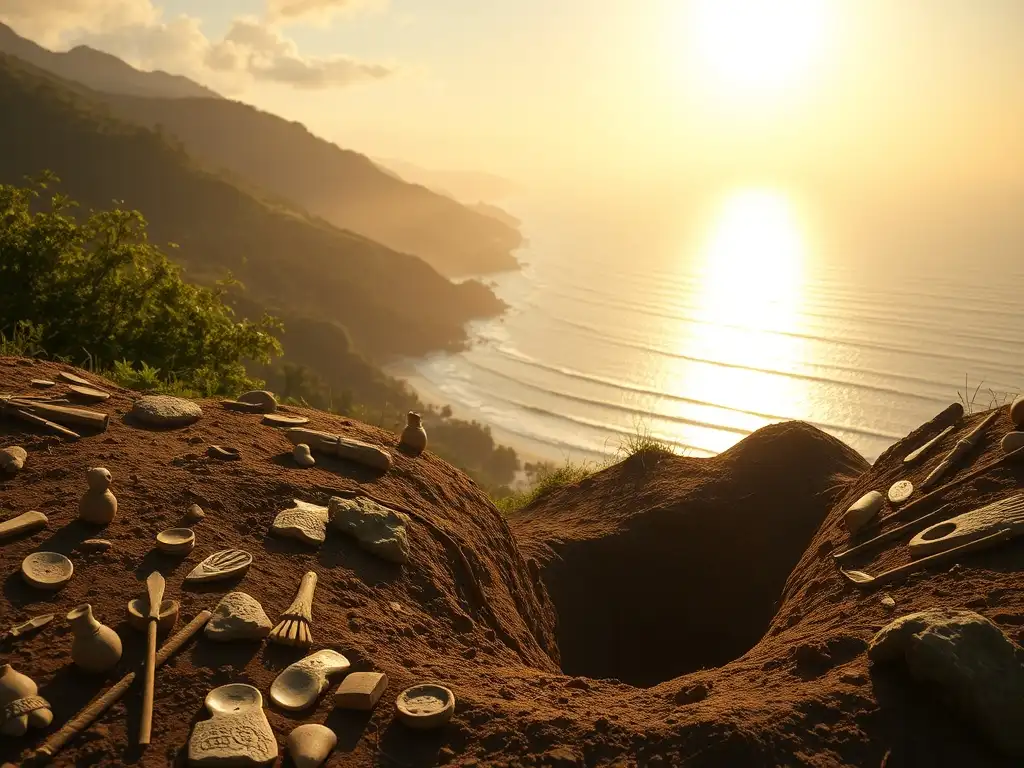
The Valdivia culture, despite its relatively early position in Ecuadorian prehistory, left an indelible mark on subsequent civilizations. Its influence is evident in the development of ceramic technologies, artistic styles, and perhaps even social structures of later cultures. The sophisticated pottery production techniques of the Valdivia, characterized by their finely crafted figurines and intricate vessel designs, were undoubtedly influential in the development of ceramic traditions in later periods. The distinctive styles and iconography of Valdivia ceramics can be traced, albeit often in modified forms, in subsequent Ecuadorian cultures.
This suggests a continuity of cultural practices and potentially a transmission of knowledge across generations. Understanding this cultural inheritance is key to comprehending the evolution of Ecuadorian art and technology. The legacy of Valdivia extends beyond mere aesthetics; it may also reflect the transmission of social and religious beliefs, although further research is needed to solidify these assertions.
Connections to the Machalilla and Chorrera Cultures
The relationships between the Valdivia culture and later cultures such as Machalilla and Chorrera are subjects of ongoing debate and research. While clear lines of direct influence are difficult to establish definitively, certain stylistic similarities and technological parallels suggest a degree of cultural continuity. For example, certain ceramic forms and decorative motifs found in Valdivia pottery reappear, albeit modified, in the later Machalilla and Chorrera traditions.
This continuity could suggest either cultural diffusion or a shared ancestry, but more research is needed to determine the exact nature of the relationship. The investigation of these connections is crucial for understanding the evolutionary trajectory of Ecuadorian pre-Columbian societies.
The analysis of stylistic elements, technological innovations, and settlement patterns in these cultures can shed light on the processes of cultural change and adaptation in the region. Further studies focusing on comparative analyses and detailed chronologies are needed to establish the precise nature of these connections.
The Enduring Legacy of Valdivia in Ecuadorian Archaeology
The Valdivia culture holds a unique position in Ecuadorian archaeology as one of the earliest known complex societies in the Americas. Its legacy extends far beyond its relatively short chronological span, influencing the development of subsequent cultures and providing invaluable insights into the early stages of human settlement and societal development in the region.
The remarkable achievements of the Valdivia in pottery production, agriculture, and social organization laid the groundwork for later developments. The ongoing research into the Valdivia culture continues to refine our understanding of this crucial period in Ecuadorian prehistory and its wider implications for the study of early complex societies in the Americas.
The Valdivia culture serves as a testament to the ingenuity and adaptability of early human populations and provides a crucial foundation for understanding the rich tapestry of Ecuadorian pre-Columbian history. The ongoing discoveries and research into the Valdivia culture ensure that its legacy will continue to inspire and inform future generations of archaeologists and historians.
Challenges and Future Directions in Valdivia Research
The study of the Valdivia culture, while incredibly rewarding, faces several significant challenges. One major hurdle is the preservation of fragile archaeological sites. The coastal environment of Ecuador, characterized by high humidity, erosion from both wind and water, and fluctuating sea levels, poses a constant threat to the integrity of Valdivia settlements and artifacts. Many sites are located in areas experiencing rapid urbanization and agricultural expansion, further jeopardizing their survival.
The looting of archaeological sites, a pervasive problem across many parts of the world, also significantly impacts the availability of data for researchers. This illicit activity not only destroys invaluable context but also removes artifacts from scientific study, hindering our understanding of Valdivia society and culture. Furthermore, the sheer age of the sites makes them inherently vulnerable to degradation. The materials used in Valdivia pottery, for example, are susceptible to weathering and decay over millennia.
Another significant challenge is the limited accessibility of some sites. Many Valdivia settlements are located in remote or difficult-to-reach areas, making fieldwork expensive and logistically complex. This limits the frequency and scope of archaeological investigations, slowing the pace of discovery and hindering comprehensive analysis.
Finally, the relatively small number of specialists actively working on Valdivia research compared to other Andean cultures is a limiting factor. More investment in training and research opportunities is needed to attract and retain qualified researchers dedicated to unraveling the mysteries of this fascinating culture. This scarcity of researchers also affects the speed at which findings can be analyzed, published, and disseminated to a wider audience.
Preservation of Valdivia Archaeological Heritage
The preservation of Valdivia archaeological heritage requires a multi-pronged approach. This includes strengthening legal frameworks to protect sites from looting and unauthorized excavation. Effective legislation must be coupled with robust enforcement mechanisms and increased public awareness campaigns to educate local communities about the importance of preserving their cultural heritage.
Investing in site stabilization and conservation techniques is crucial. This could involve building protective structures, implementing erosion control measures, and developing appropriate methods for the preservation of delicate artifacts. Moreover, collaboration between archaeologists, local communities, and government agencies is essential to ensure the long-term protection of Valdivia sites.
Community involvement in preservation efforts fosters a sense of ownership and responsibility, ensuring the sustainability of conservation initiatives. Finally, the development of comprehensive site management plans, incorporating detailed inventories and risk assessments, will be vital for the long-term survival of Valdivia's legacy. Without such plans, the rich history of this culture will continue to be threatened.
Future Research Priorities for Valdivia Studies
Future research on the Valdivia culture should focus on several key areas. Further investigation into the social organization of Valdivia communities is needed to better understand their social structures, kinship systems, and power dynamics. This could involve detailed analysis of settlement patterns, grave goods, and ceramic styles.
Research into Valdivia trade networks and interactions with neighboring cultures is crucial to understand the scope of their influence and the exchange of goods and ideas across the region. Understanding their subsistence strategies requires further investigation into their agricultural practices, dietary habits, and resource management techniques. This would shed light on their adaptation to the coastal environment and their level of technological sophistication.
Finally, advanced analytical techniques, such as isotopic analysis and archaeobotanical studies, should be employed to gain a more detailed understanding of Valdivia diet, environment, and origins. The use of these cutting-edge methods promises to reveal further insights into the complexities of this foundational Ecuadorian culture. The integration of these diverse research strands will undoubtedly enrich our understanding of the Valdivia culture and its place within Ecuadorian prehistory.
Conclusion: Understanding the Valdivia Culture's Place in Ecuadorian Prehistory
The Valdivia culture represents a significant milestone in Ecuadorian prehistory, demonstrating remarkable advancements in pottery technology and social organization for its time. Its legacy extends far beyond its impressive ceramic production; it laid the groundwork for subsequent coastal cultures and contributed significantly to the development of Andean civilization. Despite the challenges inherent in researching such an ancient and fragile culture, ongoing research continues to reveal new insights into the Valdivia people's lives, social structures, and interactions with their environment.
By addressing the challenges outlined above and prioritizing future research directions, we can significantly enhance our understanding of this pivotal culture and its enduring contribution to Ecuadorian heritage. The Valdivia culture's story is far from complete; ongoing discoveries promise to further illuminate its place within the broader tapestry of Andean prehistory, enriching our understanding of this fascinating and foundational civilization. 🌎
- Introduction to the Valdivia Culture and its Significance
- Early Valdivia Settlements: Unveiling the Origins of Ecuadorian Coastal Cultures
- Key Archaeological Sites of the Valdivia Culture in Ecuador
- Valdivia Pottery: An Icon of Early Andean Art
- Valdivia Agriculture and Subsistence Strategies
- Social Organization and Ritual Practices of the Valdivia Culture
- Recent Discoveries in Valdivia Archaeology
- The Valdivia Culture and its Influence on Later Ecuadorian Civilizations
- Challenges and Future Directions in Valdivia Research
- Conclusion: Understanding the Valdivia Culture's Place in Ecuadorian Prehistory
Frequently Asked Questions
What is the Valdivia culture?
The Valdivia culture represents the earliest known complex society in South America, flourishing along the coast of present-day Ecuador from approximately 3500 to 1800 BCE. It's renowned for its remarkable ceramic artistry.
How significant is the Valdivia culture to Ecuadorian archaeology?
The Valdivia culture is extremely significant, marking a pivotal point in the development of Andean civilizations. Its discoveries significantly reshape our understanding of early societal development in the region. It provides crucial insights into the origins of Andean culture.
What are some of the key characteristics of Valdivia pottery?
Valdivia pottery is characterized by its elegant simplicity and refined techniques. Common features include small, delicately crafted figurines, often depicting human and animal forms, and unique decorative styles.
What makes Valdivia's ceramics so unique?
Valdivia ceramics stand out due to their early development and sophisticated artistry, predating many other known ceramic traditions in the Americas. The finely polished surfaces and intricate designs are particularly noteworthy.
Further research on the Valdivia culture and its ongoing discoveries can be found through academic journals focusing on Ecuadorian archaeology and Andean civilizations. Museums in Ecuador also often feature Valdivia artifacts and exhibits.
Final Reflection: Unearthing Valdivia's Enduring Legacy
The echoes of the Valdivia culture resonate powerfully in contemporary Ecuadorian archaeology, reminding us that the past is not merely a collection of artifacts, but a living dialogue with the present. The meticulous excavation and analysis of Valdivia sites continue to reshape our understanding of early Andean societies, challenging preconceived notions about societal development and technological innovation in the region. This ongoing work underscores the vital importance of preserving and interpreting these invaluable historical records.
The impact of the Valdivia culture extends far beyond the realm of academic research; it profoundly shapes Ecuadorian national identity and cultural pride. The sophisticated artistry and complex social structures evidenced by Valdivia remains offer a powerful counter-narrative to simplistic interpretations of pre-Columbian societies. Their legacy serves as a testament to human ingenuity and resilience. The past is never dead. It's not even past.
– William Faulkner. This quote perfectly encapsulates the enduring relevance of the Valdivia culture, its influence still shaping our understanding of Ecuadorian history and its place within the broader narrative of human civilization.
Consider, for a moment, the implications of these discoveries. What does the ingenuity of the Valdivia people, their artistic expression, and their complex social organization tell us about the potential of human societies? You, the reader, are now part of this ongoing conversation.
By engaging with the legacy of the Valdivia culture, you contribute to a deeper understanding of our shared human heritage and inspire future generations to continue uncovering the secrets buried beneath the Ecuadorian earth. Let us all strive to protect and celebrate these invaluable cultural treasures, ensuring that the voices of the past continue to speak to us, informing and inspiring our present and future.
Discover the Future of Ecuadorian Archaeology!
Thank you for exploring the fascinating legacy of the Valdivia culture in Ecuadorian archaeology! Your interest highlights the vital importance of preserving and understanding our rich heritage. Now, let's explore further!
Here are some ways you can deepen your understanding and connection to this significant period:
- Join a local archaeological society or community group. This offers a fantastic opportunity for hands-on experience and connecting with fellow enthusiasts.
- Visit a museum showcasing Valdivia artifacts. Witnessing these remarkable pieces firsthand brings their beauty and historical significance to life.
- Share your discoveries! Discuss Ecuador's archaeological wonders with friends, family, or online communities – helping to spread awareness and appreciation.
What aspect of the Valdivia culture most intrigues or challenges your understanding of ancient Ecuadorian societies? Share your thoughts below!