
The Footprints of Giants: Tracing the Routes of Ancient Andean Builders

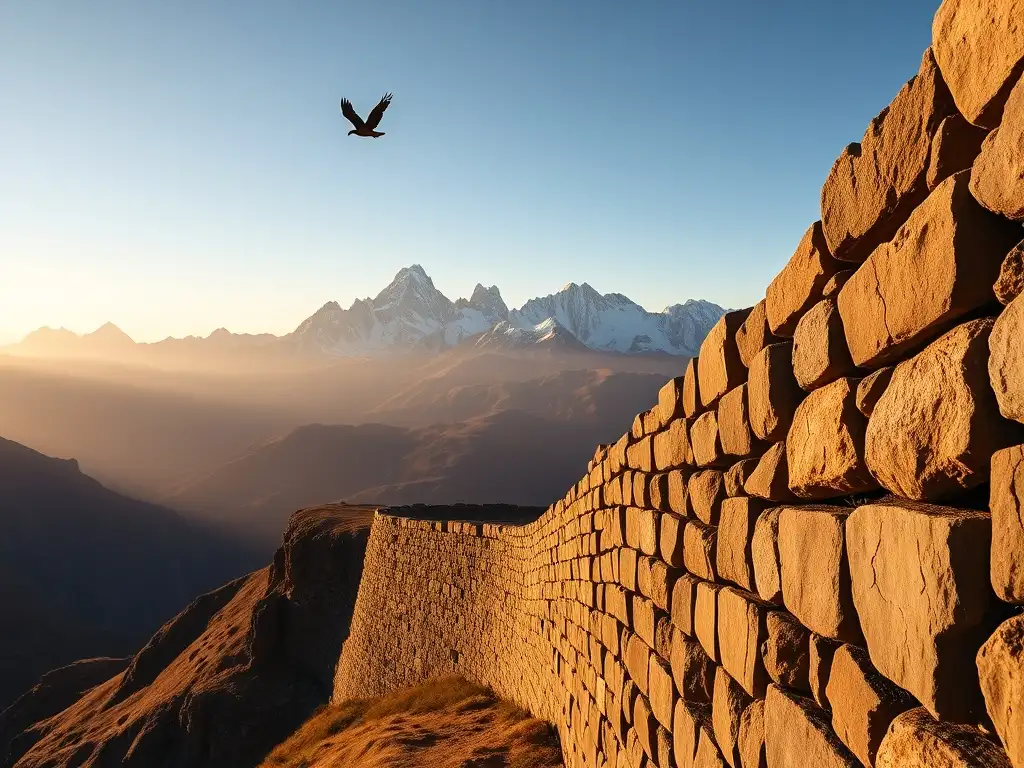
Step into a world lost to time, where ingenuity sculpted mountains and artistry defied gravity. Imagine colossal structures rising from the Andes, testaments to civilizations whose mastery of Ancient Andean building techniques remains a source of wonder and debate. Uncover the secrets behind their architectural marvels – from the precise stonework of Machu Picchu to the intricate designs of Nazca lines – and prepare to be amazed. Explore the breathtaking legacy of the Andean people and their profound impact on the world; your journey into their fascinating history begins here.
The Andes Mountains, a spine of towering peaks running down the western coast of South America, are not just a geographical feature; they are a testament to human ingenuity and resilience. For millennia, sophisticated Andean civilizations, including the Incas, Moche, Nazca, and Tiahuanaco, carved out lives and empires in this challenging terrain.
Their achievements were remarkable, particularly in the realm of architecture and engineering. This article delves into the fascinating world of Ancient Andean building techniques, exploring the innovative methods and materials these cultures employed to construct awe-inspiring structures that still stand—or in some cases, lie buried—as a testament to their skill and knowledge.
We will unravel the secrets behind their impressive feats, examining their mastery of stonework, earthworks, and hydraulic systems, and highlighting the ingenuity that allowed them to overcome the limitations of their environment and create enduring legacies. Understanding these techniques offers a profound insight into the complexity and sophistication of these ancient societies and their deep connection to the landscape.
Mastering Stonework: Precision and Innovation in Andean Construction
Andean builders demonstrated an unparalleled mastery of stonework, exhibiting remarkable precision and innovative techniques. Their ability to shape and fit stones with such accuracy that mortar was often unnecessary is a testament to their advanced understanding of geometry and engineering. Consider the iconic walls of Sacsayhuamán near Cusco, where massive stones, some weighing over 100 tons, are interlocked with breathtaking precision.
The sheer scale of these projects, combined with the sophisticated techniques used, highlights the organizational capabilities and advanced knowledge of the Inca civilization. Furthermore, the use of different types of stone, carefully selected for their properties and durability, demonstrates a deep understanding of the local geology and its impact on construction. Different regions employed unique stone types, reflecting both local availability and specific building needs.
For example, the use of volcanic rock in some regions offered superior durability compared to sedimentary stones prevalent in other areas. This careful selection, combined with sophisticated cutting and fitting techniques, speaks volumes about the advanced knowledge and planning that went into these monumental projects. The meticulous craftsmanship evident in these structures continues to inspire awe and wonder centuries later.
Earthworks and Terracing: Shaping the Landscape to Support Life
Beyond their mastery of stone, Andean civilizations were also experts in earthworks, transforming the challenging Andean landscape to support agriculture and settlements. Extensive terracing systems, carved into the steep slopes of mountainsides, are a hallmark of Andean ingenuity. These terraces not only increased arable land but also helped to prevent soil erosion and regulate water flow.
The construction of these terraces required immense labor and sophisticated engineering knowledge, demonstrating a deep understanding of hydrology and soil mechanics. The scale of these projects, often spanning vast areas and incorporating thousands of individual terraces, is truly impressive, reflecting the collective effort and organizational prowess of these ancient societies. Furthermore, the construction of raised fields, particularly in wetland areas, showcases another innovative approach to agriculture.
These raised fields created fertile plots above the water table, maximizing agricultural productivity in challenging environments. The creation of these intricate systems, often involving complex canal systems for irrigation and drainage, provides further evidence of the sophisticated engineering and agricultural expertise of Andean civilizations.
Hydraulic Systems: Harnessing Water for Life and Power
The mastery of water management was crucial for the survival and prosperity of Andean civilizations. They developed sophisticated hydraulic systems, including canals, aqueducts, and irrigation networks, to harness water resources for agriculture, domestic use, and even ceremonial purposes. The ingenuity of their designs is evident in the intricate networks that channeled water across vast distances, overcoming significant topographical challenges.
The construction of these systems required a deep understanding of hydrology, topography, and engineering principles. For instance, the intricate canal systems of the Nazca culture, which were crucial for their agricultural practices, are a testament to their advanced understanding of water management. Similarly, the sophisticated aqueducts of the Inca empire, which supplied water to cities and settlements located at high altitudes, demonstrate their remarkable engineering capabilities.
These impressive feats of engineering not only facilitated agricultural productivity but also played a vital role in the social and political organization of these societies. The construction and maintenance of these systems required substantial collective effort and demonstrates the importance of water management in shaping Andean societies.
The Legacy of Andean Building Techniques: Enduring Inspiration
The impressive architectural and engineering achievements of the ancient Andean civilizations continue to inspire awe and wonder. Their innovative techniques, honed over centuries, represent a unique blend of practical knowledge, artistic expression, and deep understanding of the natural environment. The legacy of these builders is not just in the structures they left behind, but also in the enduring lessons they provide about human ingenuity, resilience, and the power of collective effort.
The study of their building techniques offers valuable insights into the complexity and sophistication of these ancient societies, enriching our understanding of human history and inspiring future generations of architects and engineers. The precise methods used, the materials chosen, and the sheer scale of these projects continue to challenge and inspire researchers, demonstrating that even without modern technology, humanity has demonstrated extraordinary capacity for innovation and construction.
- Mastering Stonework: Precision and Innovation in Andean Construction
- Earthworks and Terracing: Shaping the Landscape to Support Life
- Hydraulic Systems: Harnessing Water for Life and Power
- The Legacy of Andean Building Techniques: Enduring Inspiration
- What innovative building techniques did the ancient Andean civilizations employ?
- How did the Incas transport massive stones for their constructions?
- What role did the environment play in shaping Andean building techniques?
- How did ancient Andean builders achieve such precise stone fitting?
- Besides the Incas, which other Andean cultures developed impressive building techniques?
Understanding Ancient Andean Construction: An Overview
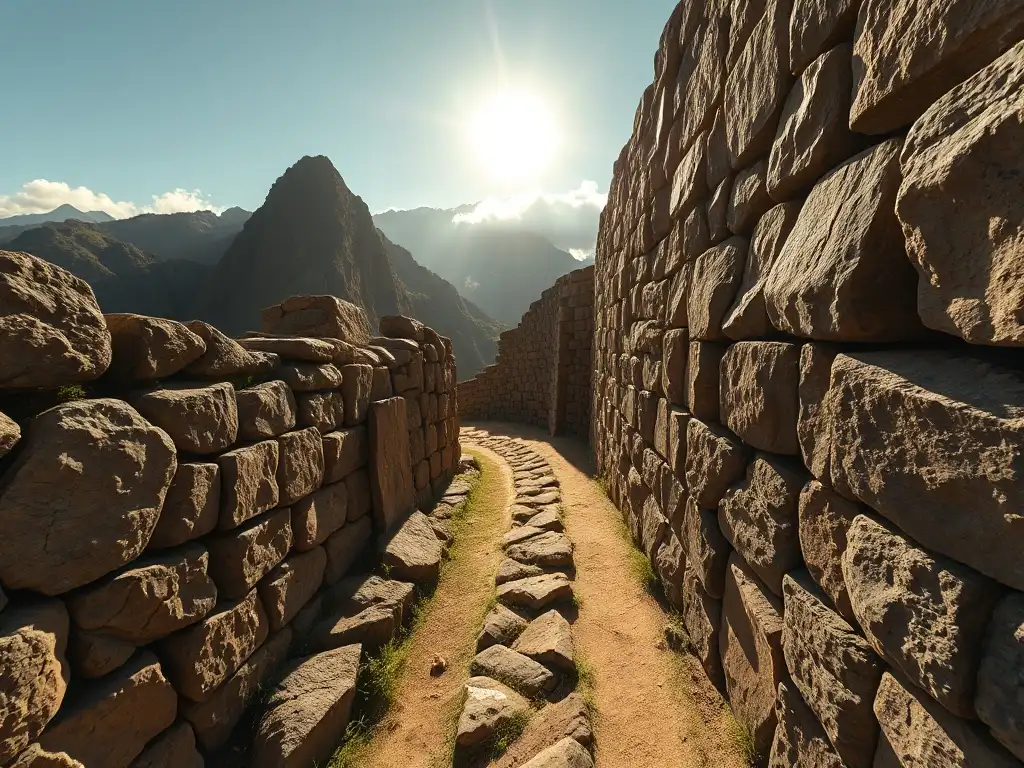
The Andes Mountains, a formidable natural barrier, presented unique challenges and opportunities for the ancient civilizations that thrived within its shadow. Understanding Ancient Andean building techniques requires appreciating the ingenuity and adaptability these cultures displayed in overcoming these environmental hurdles. Their mastery of stonework, their innovative use of materials readily available in their environment, and their sophisticated understanding of structural engineering resulted in breathtaking architectural marvels that continue to inspire awe and wonder.
From the intricate stonework of Machu Picchu to the monumental structures of Tiahuanaco, their constructions reflect a deep understanding of engineering principles and a profound connection to their environment. This section will delve into the core principles and specific techniques employed by these master builders, highlighting the remarkable achievements of Andean engineering.
The Ingenuity of Andean Civilizations in Building
Ancient Andean civilizations didn't possess the tools and technologies of later eras. Yet, they constructed impressive structures using locally sourced materials and remarkably precise techniques. Their ingenuity is evident in several key aspects:
- Stonework Precision: The precision of Andean stonework is legendary. Many structures, particularly those of the Inca, feature stones fitted together so tightly that a knife blade cannot be inserted between them. This wasn't mere aesthetics; it was crucial for seismic stability in a highly earthquake-prone region. The Incas, for example, utilized a technique known as ashlar masonry, which involved precisely cutting and shaping large blocks of stone to create incredibly strong and durable walls.
- Material Selection and Adaptation: Andean builders were adept at selecting and utilizing materials best suited to their environment. They employed granite, andesite, basalt, and other locally available stones, demonstrating a deep understanding of the properties of different materials. They also skillfully integrated wood, adobe, and thatch into their constructions, adapting their techniques to create structures appropriate to the specific climate and terrain. For instance, the use of adobe bricks, common in drier regions, shows their adaptation to local resources.
- Understanding of Structural Principles: Beyond mere craftsmanship, Andean builders demonstrated a profound understanding of structural principles. Their buildings were designed to withstand the harsh Andean climate and frequent earthquakes. The use of interlocking stones, strategically placed buttresses, and carefully engineered foundations ensured the longevity of their structures. This knowledge was passed down through generations, refining techniques and improving designs over time. The sophisticated drainage systems incorporated into many structures further highlight their understanding of engineering principles.
- Labor Organization and Community Involvement: The scale of many Andean constructions suggests a highly organized and collaborative workforce. The construction of sites like Ollantaytambo, with its massive stone blocks, required the coordinated efforts of a large number of individuals, indicating sophisticated social organization and project management. The construction itself was likely a communal effort, reflecting the importance of community participation in shaping their built environment.
Exploring the Architectural Legacy of the Andes
The architectural legacy of the Andes is vast and diverse, reflecting the unique characteristics of different cultures and regions. From the monumental platforms of Tiahuanaco to the intricate urban planning of Cusco, each civilization left behind distinct architectural styles and building techniques.
| Civilization | Notable Structures | Key Building Techniques | Notable Characteristics |
|---|---|---|---|
| Inca | Machu Picchu, Ollantaytambo | Ashlar masonry, dry-stone construction, intricate terracing | Precise stonework, adaptability to terrain, seismic resilience |
| Moche | Huaca del Sol, Huaca de la Luna | Adobe construction, rammed earth techniques | Monumental scale, elaborate ornamentation, religious significance |
| Nazca | Cahuachi, Nazca Lines | Adobe construction, intricate earthworks | Large-scale earthworks, geometric designs, ceremonial centers |
| Tiahuanaco | Kalasasaya, Akapana | Megalithic construction, precise stone fitting | Monumental scale, sophisticated engineering, religious significance |
The study of Ancient Andean building techniques reveals not only the remarkable engineering skills of these civilizations but also their deep understanding of their environment and their social organization. Their structures stand as testaments to their ingenuity, creativity, and enduring legacy. Further research is needed to fully unravel the complexities of their building methods and the social structures that supported them. The secrets held within these ancient stones continue to inspire researchers and fascinate the world.
Key Construction Techniques of Ancient Andes
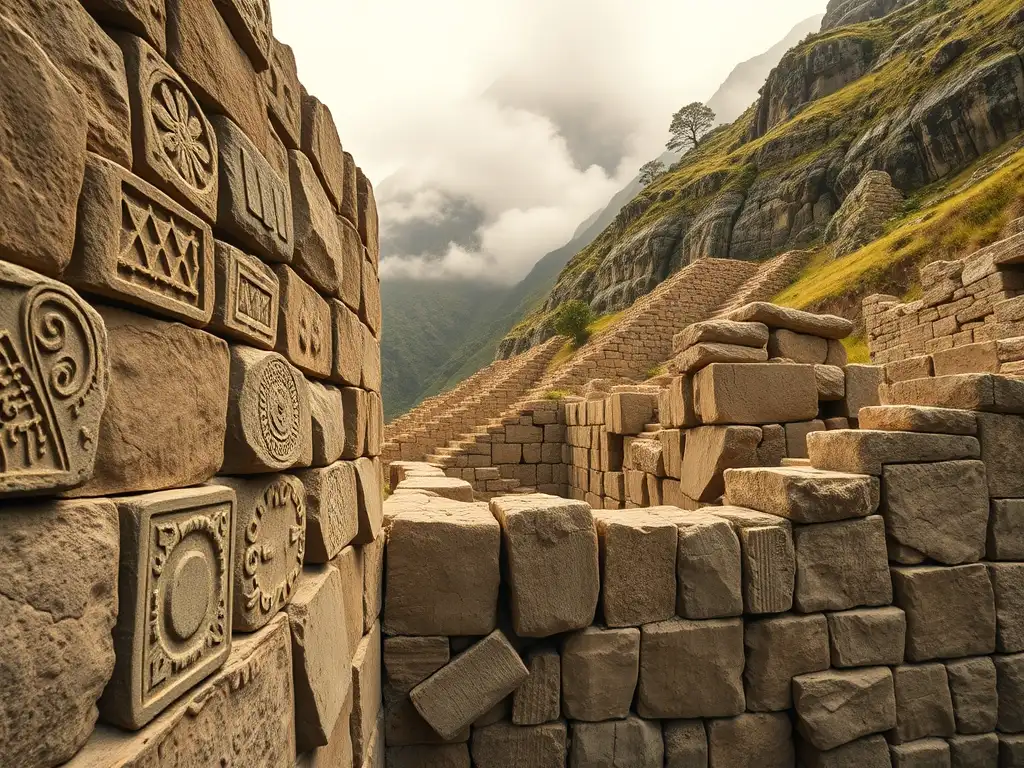
This section delves into the remarkable engineering prowess of ancient Andean civilizations, focusing on their innovative building techniques that allowed them to construct impressive structures across diverse and challenging terrains. Understanding these techniques provides invaluable insight into their societal organization, resource management, and technological advancements. We will explore key methods employed by cultures such as the Incas, Moche, Nazca, and Tiahuanaco, showcasing the ingenuity and skill behind their architectural achievements. The mastery of stone masonry, the ingenious use of adobe, and the sophisticated practice of terracing all contributed to the enduring legacy of Ancient Andean building techniques.
Mastering Stone Masonry: Precision and Durability
Ancient Andean builders were masters of stone masonry, demonstrating exceptional skill in shaping, fitting, and assembling stones without the use of mortar in many cases. This "dry-stone" construction, sometimes referred to as ashlar masonry, required precise planning and execution. The stones, often meticulously cut to fit together perfectly, were carefully selected and placed, creating structures of remarkable strength and durability that have withstood the test of time.
The level of precision varied depending on the culture and the purpose of the structure. For instance, Inca stonework, particularly in sites like Machu Picchu, is renowned for its incredibly tight-fitting stones, some so precisely cut that a knife blade cannot be inserted between them. This technique, sometimes described as perfectly fitted stonework, is a testament to the builders' skill and understanding of stone properties. In contrast, other Andean cultures, such as the Tiahuanaco, employed slightly less precise methods, though still impressive in their scale and longevity.
The choice of stone also varied regionally, reflecting the available resources. Andesite, basalt, and granite were common choices, selected for their strength and resistance to weathering. The process involved quarrying, shaping, transporting, and carefully placing the stones, a complex undertaking requiring considerable organization and manpower. Evidence suggests the use of various tools, including copper and stone chisels and hammers, to achieve the desired level of precision.
| Culture | Stone Type | Precision Level | Notable Examples |
|---|---|---|---|
| Inca | Andesite, Granite | Very High | Machu Picchu, Sacsayhuamán |
| Tiahuanaco | Andesite | High | Kalasasaya, Puma Punku |
| Moche | Various | Moderate | Huaca del Sol y de la Luna |
| Nazca | Various | Moderate | Cahuachi |
The Use of Adobe in Andean Structures
Adobe, a mixture of sun-dried earth and organic materials like straw or dung, was a widely used building material throughout the Andes. Its availability and relative ease of production made it a practical choice for constructing a wide range of structures, from houses and temples to storage facilities and even fortifications. The properties of adobe, including its excellent thermal insulation and its ability to blend seamlessly with the surrounding landscape, contributed to its widespread adoption.
The construction process involved mixing the earth, water, and organic materials to achieve the desired consistency. The mixture was then molded into bricks of varying sizes and shapes, left to dry in the sun, and finally assembled to create walls and other structural elements. While less durable than stone, adobe structures were often reinforced with wooden beams or other structural elements to increase their stability and lifespan. The use of adobe, therefore, demonstrates the ingenuity of Andean builders in adapting their construction techniques to the available resources and the specific environmental conditions.
The longevity of some adobe structures is a testament to the effectiveness of this building technique when properly implemented. Further research is needed to fully understand the variations in adobe construction techniques across different Andean cultures and regions. [Specific information pending on regional variations in adobe composition and construction techniques].
Understanding Andean Terracing and Land Management
Andean terracing represents a remarkable feat of engineering and agricultural ingenuity. The construction of terraces on steep slopes dramatically increased arable land, allowing for intensive agriculture in challenging terrains. These terraces were not simply level platforms cut into hillsides; they were carefully designed and constructed systems that incorporated sophisticated drainage and irrigation techniques.
The construction involved careful planning and surveying of the terrain to determine the optimal placement and orientation of the terraces. Stone walls, often built using dry-stone techniques, were used to retain the soil and create level platforms for planting. The walls also served to control water flow and prevent soil erosion. The terraces were often organized in a cascading pattern, creating a visually stunning landscape that also maximized agricultural productivity.
The effectiveness of Andean terracing is evident in its long-term sustainability. Many terraced landscapes remain productive even today, demonstrating the ingenuity and foresight of the ancient Andean builders. The integration of terracing with other agricultural practices, such as crop rotation and fertilization, further enhanced its effectiveness.
Andean terracing, therefore, stands as a powerful example of sustainable land management practices that are still relevant today, offering valuable lessons for modern agriculture in challenging environments. The precise techniques and materials used varied across different regions and cultures, highlighting the adaptability of this crucial agricultural innovation. [Further research is needed to fully document the regional variations in terracing techniques].
Diverse Building Materials in the Ancient Andes
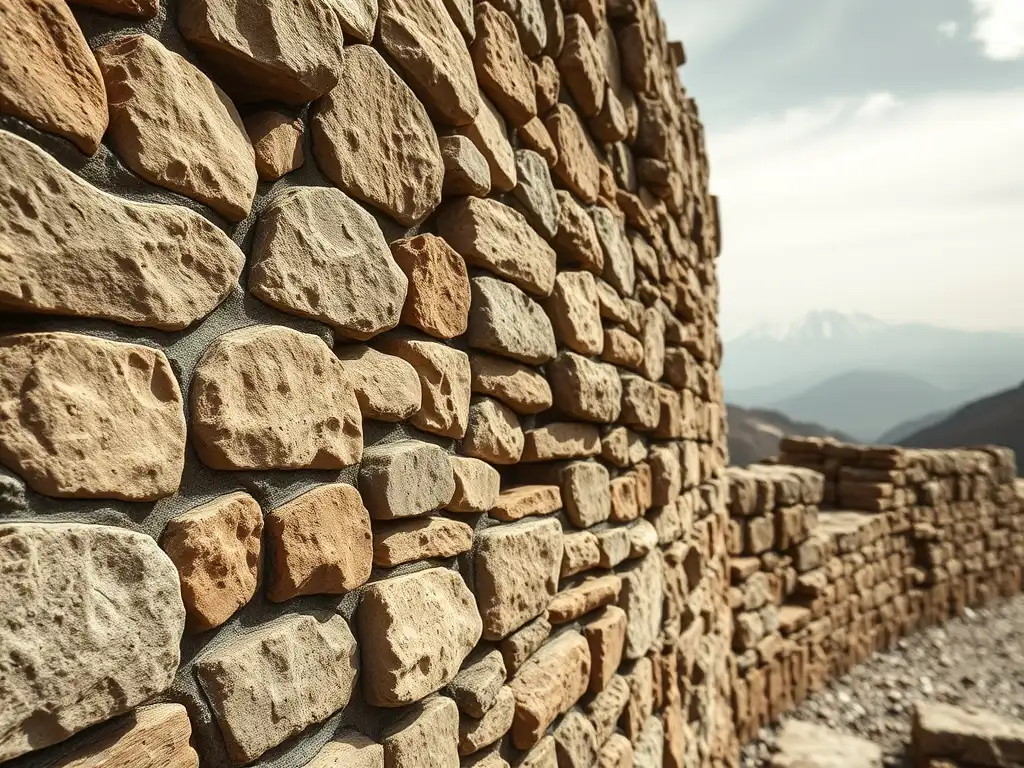
The ingenuity of Ancient Andean builders is profoundly evident in their masterful utilization of readily available materials. Their architectural achievements, from the imposing stone structures of Machu Picchu to the intricate adobe complexes of Chan Chan, stand as testaments to their sophisticated understanding of material properties and construction techniques. This section will delve into the diverse resources employed, highlighting the resourcefulness and adaptability of these ancient civilizations. Understanding their material choices is key to appreciating the remarkable achievements in Ancient Andean building techniques.
Sourcing Stone for Monumental Structures
The Andes Mountains provided a seemingly inexhaustible supply of stone, yet the selection and transport of these materials presented significant logistical challenges. Builders meticulously chose stone based on its durability, workability, and aesthetic qualities. Granitic rocks, for instance, were favored for their strength and resistance to weathering, as seen in many Inca structures. Andesite, another prevalent choice, offered a balance of strength and ease of carving, making it ideal for intricate stonework. The precise methods of quarrying remain a subject of ongoing research, but evidence suggests the use of stone hammers, wedges, and possibly fire-setting techniques to fracture large blocks. 1
The transportation of these massive stones, often over challenging terrain, is equally fascinating. While the exact methods remain debated, it's likely that a combination of strategies was employed, including the use of ramps, rollers, levers, and human power. The sheer scale of some projects, such as the transportation of enormous stones for the Sacsayhuamán fortress, speaks volumes about the organizational abilities and engineering prowess of the Andean societies.
The precision with which these stones were cut and fitted together, with minimal mortar, demonstrates an advanced understanding of geometry and engineering principles. This precision is a hallmark of Ancient Andean building techniques.
The Importance of Clay and Earth in Andean Construction
Clay and earth, readily available materials throughout the Andean region, formed the backbone of many architectural projects, particularly in regions where stone was less abundant. Adobe bricks, made from sun-dried clay mixed with organic materials like straw or dung, were a crucial building element. The quality of the adobe depended heavily on the type of clay and the mixing techniques. Properly constructed adobe structures could be remarkably durable, resistant to earthquakes, and capable of withstanding the test of time, as evidenced by surviving pre-Columbian structures.
Beyond adobe, various earth-based techniques were employed. Rammed earth, for instance, involved compacting layers of earth to create strong walls. This technique, still used today in some regions, allowed for the creation of substantial structures with relatively simple tools and techniques.
The use of wattle and daub, a method involving weaving branches and then plastering them with mud, was also common, particularly in less formal constructions. These techniques, reflecting a deep understanding of soil mechanics and construction principles, demonstrate the adaptability and resourcefulness inherent in Ancient Andean building techniques. The use of readily available materials minimized environmental impact and maximized the use of local resources.
Utilizing Plant Fibers and Timber in Building Techniques
While stone and earth dominated monumental architecture, plant fibers and timber played crucial supporting roles in Andean construction. Timber, often sourced from local forests, provided structural elements like beams, rafters, and posts. The selection of wood varied depending on its strength, durability, and availability. The Inca, for example, utilized various species of Polylepis trees for their strength and resistance to rot.
Plant fibers, such as those from the maguey plant and various grasses, served multiple purposes. They were used in rope-making, essential for lifting and transporting building materials. They also provided binding materials for adobe bricks and served as reinforcement in other construction techniques.
Thatch, woven from grasses and reeds, was extensively used for roofing, providing insulation and protection from the elements. The careful integration of these organic materials showcased a holistic approach to building, reflecting a deep understanding of the local ecosystem and its resources. This sustainable approach to Ancient Andean building techniques is noteworthy in its efficiency and harmony with the environment.
1 Further research is needed to fully understand the specific quarrying methods employed in different Andean regions.
The Engineering Marvels of Andean Architecture
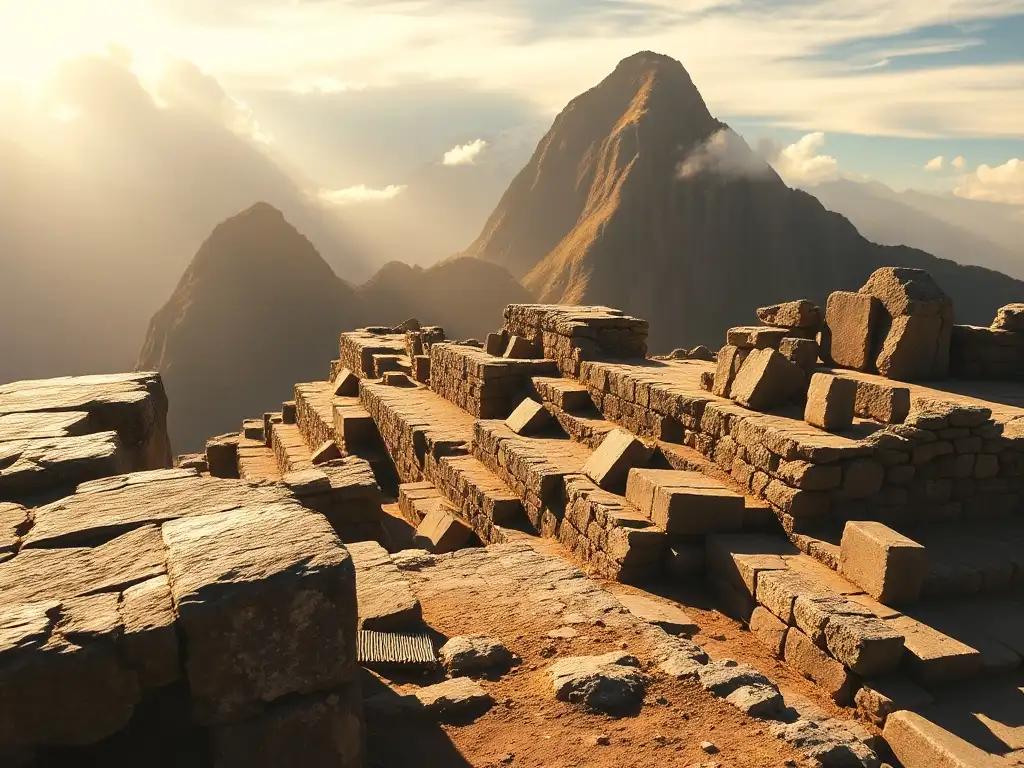
The ingenuity of Ancient Andean builders is undeniable. Their mastery of construction, considering the often treacherous terrain and limited resources, stands as a testament to their advanced understanding of engineering principles. This section delves into the specific techniques employed, highlighting the remarkable achievements of these ancient civilizations. Analyzing their methods offers valuable insights into their societal organization, resource management, and overall technological prowess, solidifying their place as pioneers of "Ancient Andean building techniques."
Foundations and Stability: Building on Challenging Terrain
Andean builders faced a significant challenge: constructing impressive structures on steep slopes, earthquake-prone zones, and uneven ground. They overcame this by employing sophisticated foundation techniques tailored to the specific geological conditions. One common approach involved creating terraced platforms, meticulously carved into hillsides. This not only provided level building surfaces but also minimized soil erosion and stabilized the slopes. The terraces themselves were often reinforced with retaining walls constructed from carefully fitted stones, demonstrating a deep understanding of load-bearing principles.
The choice of materials was crucial. Locally sourced stones, often expertly shaped and fitted together without mortar (a technique known as ashlar masonry), were preferred for their strength and durability. The precision of the stonework is astonishing; many structures stand to this day as a testament to the builders' skill and the effectiveness of their techniques. For example, the precise fitting of stones in Machu Picchu minimizes the need for mortar, showcasing an advanced understanding of structural integrity.
Furthermore, the use of qollqa (storage structures) integrated into the landscape further illustrates their understanding of stability. These structures, often built into hillsides, were designed to withstand seismic activity and provided essential storage space for food and supplies. Evidence suggests that the orientation of these structures, and indeed many Andean buildings, was carefully considered to minimize the impact of earthquakes. The exact methods used to achieve this level of seismic resistance are still being studied, but the impressive survival of many structures hints at a sophisticated understanding of engineering principles.
Water Management Systems in Andean Cities
Water management was paramount to the survival and prosperity of Andean civilizations. Their sophisticated systems, integral to their "Ancient Andean building techniques," were not merely functional; they were works of art and engineering. Cities like Cusco and Machu Picchu are prime examples of intricate water channels and fountains carved into stone, showcasing a mastery of hydraulics.
These systems involved diverting water from mountain springs and rivers, channeling it through carefully constructed canals and aqueducts. The canals were often lined with stones or coated with a waterproof sealant, preventing leakage and ensuring a reliable water supply. The design and construction of these systems required a deep understanding of topography, hydrology, and materials science.
The integration of water management into the overall urban design is remarkable. Fountains and bathing facilities were not just luxuries; they were integral parts of the city's infrastructure, reflecting the importance of water in daily life. The precision of the water channels, their ability to withstand the pressures of the water flow, and their integration into the overall city design highlight the advanced engineering skills of Andean builders. The sustainability of these systems, many of which functioned for centuries, is a testament to their ingenuity and understanding of environmental principles.
Innovative Construction Methods and Adaptations
The diverse geography of the Andes necessitated a wide range of building techniques. Andean builders were not limited to a single approach; instead, they adapted their methods to the specific challenges posed by the environment. This adaptability is a hallmark of their engineering prowess and a key component of understanding "Ancient Andean building techniques."
For instance, in areas with limited stone resources, adobe bricks, made from sun-dried mud and straw, were widely used. These bricks were often arranged in intricate patterns, creating strong and aesthetically pleasing structures. The construction of these structures required a deep understanding of the properties of the materials and the effects of the climate.
Furthermore, the use of different stone types and construction methods depending on the location further highlights their adaptability. In areas with plentiful stone, ashlar masonry was favored, while in other regions, techniques such as dry-stone walling, which involved stacking stones without mortar, were employed. The selection of the appropriate technique was not arbitrary; it was driven by a deep understanding of the local geology and environmental conditions. This adaptability showcases the resourcefulness and engineering skill of Andean builders. The survival of many of these structures, some thousands of years old, stands as a powerful testament to their enduring legacy.
Specific Examples of Andean Building Prowess
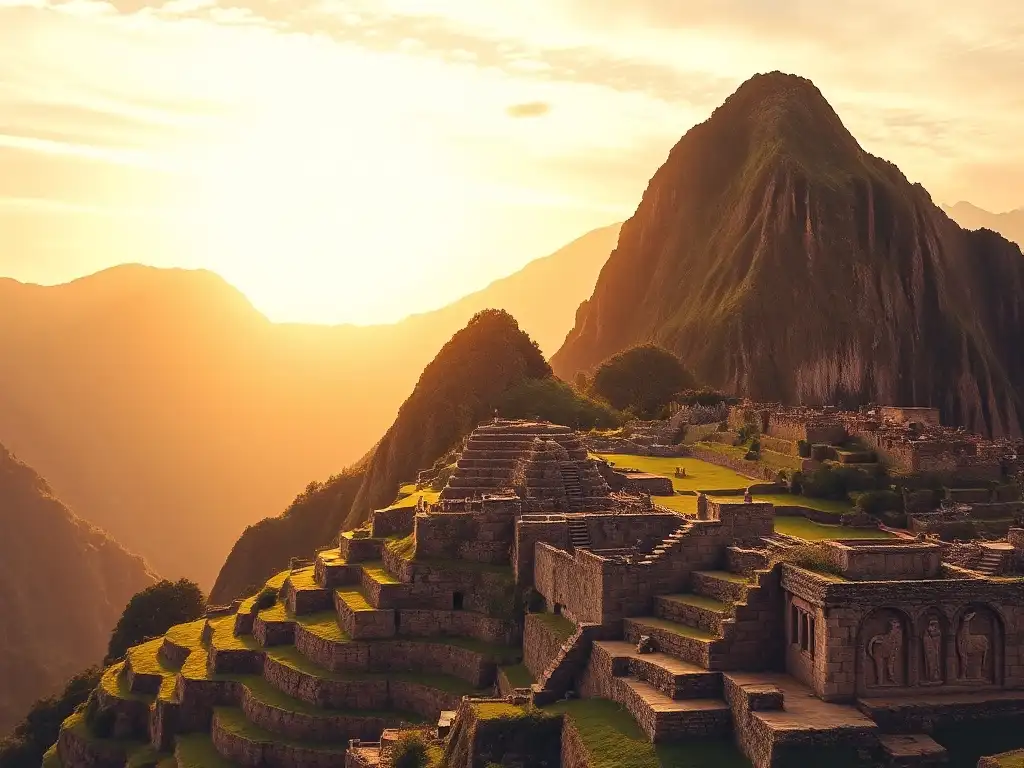
This section delves into the remarkable achievements of ancient Andean builders, showcasing their mastery of diverse techniques and materials. We will examine specific examples that highlight their ingenuity and understanding of engineering principles, providing concrete evidence of their advanced capabilities. Understanding these ancient Andean building techniques offers a window into their societal organization, resource management, and spiritual beliefs. The precision and scale of their projects continue to inspire awe and wonder.
The Stonework of Machu Picchu: A Masterpiece of Engineering
Machu Picchu, the iconic "Lost City of the Incas," stands as a testament to the sophisticated stonework of the Inca civilization. The precision with which the massive stones were cut, shaped, and fitted together without mortar is truly astonishing. This technique, known as ashlar masonry, involved creating incredibly tight-fitting joints, often thinner than a human hair. This wasn't just for aesthetic reasons; the intricate interlocking of the stones created a remarkably strong and earthquake-resistant structure.
The Inca's mastery extended beyond simple fitting. They employed a variety of techniques to ensure stability, including the use of different stone shapes and sizes to create interlocking patterns. They also skillfully utilized the natural contours of the landscape, integrating the buildings seamlessly into the mountainside.
This careful integration not only enhanced the aesthetic appeal but also minimized environmental impact and maximized structural integrity. The surviving structures at Machu Picchu demonstrate a deep understanding of both engineering principles and the properties of the local stone. This knowledge allowed them to create structures that have withstood the test of time, showcasing the enduring legacy of their ancient Andean building techniques.
The Pyramids and Temples of the Moche Civilization
The Moche civilization (circa 100-800 CE) in northern Peru developed impressive architectural skills, creating monumental adobe structures. Unlike the Inca's stonework, the Moche primarily used sun-dried bricks (adobe) to construct their pyramids and temples. This required a different approach to construction, focusing on the properties of adobe and its susceptibility to erosion and seismic activity.
The Moche cleverly addressed these challenges through innovative techniques. They built massive platforms and pyramids using a layered approach, often incorporating different types of adobe bricks and filling materials. The size and scale of these structures, such as the Huaca del Sol and Huaca de la Luna, are impressive, demonstrating the Moche's ability to organize large-scale labor forces and manage complex construction projects.
The intricate murals and reliefs adorning these structures also reveal sophisticated artistic capabilities, indicating a strong connection between artistry and architectural prowess. Archaeological evidence suggests sophisticated planning and understanding of load-bearing principles within their adobe construction, reflecting advanced ancient Andean building techniques for their time. Further research into the specific composition of their adobe and construction methods could reveal even more about their engineering skills.
Exploring the Structures of Tiwanaku and its Influence
The Tiwanaku civilization (circa 500-1000 CE), located on the shores of Lake Titicaca, created monumental structures that are equally impressive. Their architecture is characterized by the use of massive megalithic stones, carefully cut and precisely fitted together. Similar to the Inca, they employed advanced stoneworking techniques, but their style and scale differed significantly. The precision and scale of the stones used in structures like the Kalasasaya Temple and the Akapana Pyramid are remarkable, showing a sophisticated understanding of quarrying, transport, and construction.
The Tiwanaku builders demonstrated an advanced understanding of hydraulic engineering, evidenced by their sophisticated water management systems. Their complex networks of channels and reservoirs reveal a deep understanding of hydrology and the ability to harness water resources efficiently. This mastery of hydraulics was crucial for both agricultural purposes and the construction of their monumental structures.
The influence of Tiwanaku architecture and engineering can be seen in subsequent Andean cultures, highlighting the lasting impact of their innovative ancient Andean building techniques and their significant contribution to the region's architectural heritage. Further studies are needed to fully understand the logistics of moving and placing such massive stones, a feat that continues to puzzle and inspire researchers today.
Legacy and Influence of Ancient Andean Building Techniques
The ingenuity of Ancient Andean building techniques continues to resonate in modern construction practices, offering valuable lessons in sustainability, resilience, and resourcefulness. Their mastery of stonework, particularly in the context of seismic activity prevalent in the Andes, is a testament to their advanced understanding of engineering principles. While modern technology has advanced significantly, the core principles of utilizing locally sourced materials, adapting to the environment, and creating structures that withstand the test of time remain relevant today.
Lasting Impact on Modern Construction Practices
One of the most striking examples of the lasting impact of Ancient Andean building techniques is their influence on earthquake-resistant construction. The Inca's mastery of ashlar masonry, where precisely cut stones were fitted together without mortar, allowed their structures to absorb seismic energy more effectively than many modern methods. This technique, while labor-intensive, resulted in buildings that could withstand significant tremors. Modern engineers are increasingly studying these techniques to develop more resilient structures in seismically active regions. The intricate interlocking of stones, the careful consideration of weight distribution, and the use of natural materials all contribute to the remarkable stability of these ancient structures. This has led to a renewed interest in exploring and applying principles of ancient Andean construction in contemporary earthquake-resistant design. Furthermore, the sustainable use of local materials, minimizing environmental impact, is a principle gaining traction in modern green building practices, directly echoing the Ancient Andean approach.
Preserving and Studying Ancient Andean Architecture
Preserving and studying these architectural marvels is crucial for understanding the ingenuity of Ancient Andean builders and their lasting impact. However, the challenges are significant. The harsh Andean climate, natural disasters, and unfortunately, the impact of human activity all pose threats to these irreplaceable sites.
Careful documentation, using advanced techniques such as photogrammetry and 3D modeling, is essential for creating detailed records of these structures, even before they undergo restoration. This allows researchers to study the construction methods in detail, identifying the types of stone used, the tools employed, and the overall engineering principles involved. Additionally, ongoing conservation efforts are vital, employing techniques that respect the integrity of the original materials and methods while ensuring the long-term preservation of these historical treasures.
The development of sustainable conservation strategies that minimize environmental impact is also a key consideration. The preservation of these sites is not just about protecting physical structures; it’s about preserving a crucial part of human history and learning from the wisdom of past civilizations. Data on the specific conservation methods employed at various sites is [specific information pending].
The Ongoing Research and Discoveries in Andean Building
Research into Ancient Andean building techniques continues to yield fascinating discoveries, constantly refining our understanding of the sophistication of these civilizations. Recent archaeological excavations have uncovered new details about the tools used, the organization of labor, and the logistical challenges overcome during construction. The use of sophisticated surveying techniques, for instance, is increasingly evident in the precise alignment of many structures.
Further analysis of stone samples is revealing insights into the sourcing of materials and the techniques used to shape and fit them together. The application of cutting-edge technologies, such as ground-penetrating radar and advanced imaging techniques, allows researchers to uncover hidden features and gain a more comprehensive understanding of these remarkable constructions. These ongoing studies are not only enriching our knowledge of Andean history but are also providing valuable insights for modern engineering and construction practices.
The continuing discoveries underscore the complexity and sophistication of Ancient Andean building techniques and their enduring relevance to contemporary challenges. The potential for future discoveries in this field is immense, promising further insights into the ingenuity of these ancient builders.
Frequently Asked Questions
What innovative building techniques did the ancient Andean civilizations employ?
The Andean civilizations utilized remarkable techniques, including precise stonework without mortar, complex irrigation systems, and advanced terracing to adapt to the challenging Andean landscape. Their mastery of these techniques is evident in their monumental structures.
How did the Incas transport massive stones for their constructions?
The Incas employed a sophisticated system of rope and manpower, complemented by inclined ramps and possibly rollers, to transport huge stones across difficult terrain. Their organizational skills were crucial to this feat of engineering.
What role did the environment play in shaping Andean building techniques?
The steep slopes and seismic activity of the Andes heavily influenced their building techniques. Adapting to these challenges led to innovations like terracing and sophisticated drainage systems.
How did ancient Andean builders achieve such precise stone fitting?
The precision of their stonework is attributed to a combination of advanced quarrying techniques, skilled craftsmanship, and potentially sophisticated tools and methods we are still uncovering today.
Besides the Incas, which other Andean cultures developed impressive building techniques?
Many cultures, including the Moche, Nazca, and Tiwanaku, developed impressive building techniques. Each civilization adapted techniques to their specific environments and needs, resulting in diverse architectural styles and engineering marvels.
Final Reflection: Echoes of Stone, Whispers of Ingenuity
The ingenious building techniques of the ancient Andean civilizations remain a testament to human ingenuity and resilience, a legacy that continues to inspire awe and inform modern engineering. Their mastery of stonework, their understanding of seismic activity, and their profound connection to their environment offer invaluable lessons for sustainable construction and architectural innovation even today. These weren't just builders; they were architects of landscapes, leaving behind structures that defy time and challenge our assumptions about the capabilities of ancient societies.
The enduring impact of Andean architecture extends far beyond the physical structures themselves. Their sophisticated understanding of materials, their ability to adapt to challenging terrains, and their integration of building into the natural world offer a powerful counterpoint to modern, often unsustainable, construction practices. The mountains are our teachers; they show us how to build with respect and harmony.
This unspoken principle, woven into the very fabric of Andean construction, resonates deeply with contemporary concerns about environmental responsibility and the need for sustainable development.
Consider the ingenuity of these ancient builders, their resourcefulness, and their deep connection to their environment. You too can find inspiration in their legacy. Think about how you can incorporate principles of sustainability and mindful construction into your own life, whether it's through supporting ethical building practices, appreciating the craftsmanship of well-built structures, or simply taking a moment to marvel at the enduring power of human creativity. Let the echoes of their stone speak to you, and let their whispers of ingenuity guide your own path towards a more sustainable and thoughtful future.
Unveil the Legacy of Ancient Andean Builders!
Thank you for joining us on this exploration of the fascinating world of ancient Andean builders! Your interest in their remarkable achievements deepens our collective understanding of history. Let's delve further into this incredible legacy.
- Embark on a journey of discovery: Visit historical sites like Machu Picchu or explore virtual tours of ancient Andean cities to witness their architectural brilliance firsthand. Consider a visit to museums showcasing Andean artifacts for a deeper understanding.
- Share your newfound knowledge: Discuss your discoveries with friends, family, or online communities – spread the word and inspire others to learn more about this rich history.
- Connect with fellow enthusiasts: Join online forums, historical societies, or local groups dedicated to Andean history. Engaging with a community will enhance your learning experience and provide opportunities for collaboration and discussion.
What aspect of ancient Andean civilization captivates you most, and how would you like to explore it further? Let's begin a conversation!