
The Andean Bean: A Nutritional Powerhouse and a Staple of the Diet


Uncover the secrets of a civilization that thrived on ingenuity and innovation! Journey with us into the heart of the Andes, where towering mountains and breathtaking landscapes nurtured some of history's most fascinating cultures. But beyond the majestic ruins and intricate artistry, lies a story of sustenance – a story woven into the very fabric of Andean life. Prepare to be amazed by the Andean bean's nutritional benefits, a powerhouse of nature that fueled empires and continues to nourish millions today. Discover the surprising truth behind this ancient staple and its enduring legacy.
The Andean region, a cradle of civilization boasting empires like the Inca, Moche, and Nazca, wasn't just a land of breathtaking landscapes and sophisticated artistry; it was also a region of remarkable agricultural innovation. Central to their dietary success and overall societal health was the humble bean – not just any bean, but a diverse array of species uniquely adapted to the challenging Andean environment. This article delves into the significant nutritional benefits of these Andean beans, exploring their crucial role in sustaining these powerful ancient cultures and their lasting impact on modern diets.
We'll uncover how these nutrient-rich legumes contributed to the strength and resilience of Andean populations, examining their cultivation, preparation, and enduring legacy as a dietary staple. Understanding the Andean bean's nutritional profile reveals a fascinating interplay between agriculture, nutrition, and the development of sophisticated Andean societies.
Prepare to discover why the humble bean deserves its place as a nutritional powerhouse and a cornerstone of Andean culinary heritage. This exploration will specifically address the keyword "Andean bean nutritional benefits" and related search terms, providing comprehensive information on this vital aspect of Andean civilization.
Introduction to Andean Beans in Ancient Civilizations
Andean beans, encompassing various species within the Phaseolus genus, weren't merely a source of sustenance; they were integral to the social fabric of ancient Andean societies. Archaeological evidence consistently reveals their presence in settlements dating back millennia. From the high-altitude terraces of the Inca to the coastal regions inhabited by the Moche, beans formed a cornerstone of the diet, providing essential nutrients crucial for physical strength and endurance – vital factors for agricultural labor, construction projects, and military campaigns.
The cultivation of beans was deeply intertwined with their spiritual beliefs, often featuring in religious ceremonies and rituals. Different varieties, adapted to specific altitudes and climates, demonstrate a sophisticated understanding of agriculture and environmental adaptation.
The beans weren't just consumed directly; they were also processed into various forms, including flours, pastes, and fermented products, showcasing a level of culinary ingenuity that reflected their importance in the daily lives of Andean people. The resilience and adaptability of these beans played a pivotal role in ensuring food security across diverse Andean ecosystems.
Nutritional Profile of Andean Beans: A Deep Dive
The nutritional value of Andean beans is truly remarkable. They are exceptionally rich in protein, providing a crucial source of amino acids essential for building and repairing tissues. Compared to other legumes, many Andean bean varieties boast higher protein content, making them an excellent source for vegetarians and vegans.
Furthermore, they are packed with complex carbohydrates, providing sustained energy release and avoiding the rapid blood sugar spikes associated with refined sugars. These beans are also excellent sources of dietary fiber, promoting healthy digestion and contributing to feelings of fullness, aiding in weight management. The fiber content also plays a vital role in regulating cholesterol levels.
Moreover, Andean beans are an excellent source of essential minerals like iron, zinc, and magnesium, all crucial for various bodily functions. The precise mineral and vitamin content varies depending on the specific bean variety and growing conditions, highlighting the biodiversity of these crops. Below is a table summarizing some key nutritional components (approximate values):
| Nutrient | Approximate Amount per 100g (varies by variety) |
|---|---|
| Protein | 20-25g |
| Carbohydrates | 55-65g |
| Dietary Fiber | 15-20g |
| Iron | 5-8mg |
| Zinc | 2-4mg |
| Magnesium | 80-120mg |
| Vitamin B1 (Thiamine) | 0.5-1mg |
The Role of Andean Beans in Preventing Micronutrient Deficiencies
Micronutrient deficiencies, particularly iron and zinc deficiencies, were common challenges in pre-Columbian Andean populations. However, the widespread cultivation and consumption of Andean beans played a crucial role in mitigating these deficiencies. The high iron content in these beans, combined with the presence of other nutrients that enhance iron absorption, helped prevent anemia, a debilitating condition that could severely impact physical performance and overall health.
Similarly, the significant zinc content contributed to immune system function and overall growth and development. The combination of various nutrients in these beans provided a synergistic effect, maximizing nutrient bioavailability and reducing the risk of deficiencies.
This highlights the importance of dietary diversity and the strategic cultivation of nutrient-rich crops like Andean beans in ensuring the health and well-being of Andean populations. Further research is needed to quantify precisely the impact of Andean beans on reducing micronutrient deficiencies in ancient populations, but existing evidence strongly suggests a significant positive correlation.
Andean Beans in Modern Diets: A Continuing Legacy
The nutritional benefits of Andean beans aren't confined to the past. Today, these beans are increasingly recognized globally for their nutritional value and are incorporated into diverse cuisines. Their versatility allows for various cooking methods, from simple boiled dishes to more elaborate stews and soups.
The growing awareness of the importance of plant-based diets and sustainable agriculture has further propelled the popularity of Andean beans. Their adaptability to diverse climates and their relatively low environmental impact make them a sustainable and nutritious food source for the future. Continued research into the genetic diversity and cultivation techniques of Andean beans will be instrumental in ensuring their continued availability and contribution to global food security and nutritional well-being.
The legacy of the Andean bean is not just a historical footnote; it’s a vibrant testament to the ingenuity of ancient Andean agriculture and a valuable resource for promoting health and well-being in the modern world. 🎉
- Introduction to Andean Beans in Ancient Civilizations
- Nutritional Profile of Andean Beans: A Deep Dive
- The Role of Andean Beans in Preventing Micronutrient Deficiencies
- Andean Beans in Modern Diets: A Continuing Legacy
The Significance of Andean Beans in Andean Agriculture

The Andean bean ( Phaseolus vulgaris ), far from being a mere dietary staple, holds a position of profound significance within the agricultural landscape and cultural heritage of the Andes. Its cultivation wasn't simply a matter of sustenance; it was deeply intertwined with social structures, religious practices, and the very fabric of Andean life. Understanding the multifaceted role of the Andean bean provides crucial insight into the ingenuity and resilience of Andean civilizations.
This section will explore the historical importance, the remarkable diversity of varieties, and the traditional farming techniques that ensured a reliable bean harvest for generations. The nutritional benefits of the Andean bean are also intrinsically linked to its cultural and agricultural importance, solidifying its status as a nutritional powerhouse for Andean communities. The keyword "Andean bean nutritional benefits" is central to understanding its enduring legacy.
Historical Importance of Bean Cultivation in the Andes
Archaeological evidence suggests bean cultivation in the Andes dates back thousands of years, predating even the Inca Empire. Sites across Peru, Bolivia, Ecuador, and Colombia reveal the presence of Phaseolus vulgaris remains in ancient settlements, indicating its early domestication and widespread adoption. The beans weren't just a food source; they played a vital role in religious ceremonies and social exchanges. For example, certain bean varieties may have held symbolic significance, used in offerings to deities or during important rituals.
Moreover, the successful cultivation of beans often reflected a community's prosperity and its ability to manage resources effectively. The meticulous record-keeping of harvests, combined with sophisticated irrigation techniques, demonstrates a deep understanding of agricultural practices and the crucial role beans played in ensuring food security. Understanding this rich history is key to appreciating the enduring legacy of the Andean bean and its nutritional impact throughout history.
Andean Bean Varieties: A Diverse Genetic Resource
The Andes boast an astonishing diversity of Andean bean varieties, each adapted to specific ecological niches and possessing unique characteristics. This genetic diversity is a testament to centuries of careful selection and adaptation by Andean farmers. The variations extend beyond simple color differences; they encompass factors such as size, shape, flavor, and nutritional profile.
Some varieties are particularly resistant to diseases or harsh environmental conditions, making them crucial for food security in challenging climates. This biodiversity is not only of cultural importance but also holds immense potential for future agricultural development. Scientists are actively studying these varieties to identify genes responsible for desirable traits, such as drought tolerance or enhanced nutritional value, which can be used to develop improved bean varieties for modern agriculture.
This genetic resource represents a valuable asset for ensuring food security and promoting sustainable agriculture in the Andes and beyond. The incredible variety contributes significantly to the overall "Andean bean nutritional benefits".
Traditional Farming Techniques for Andean Beans
Traditional Andean farming techniques for beans showcase remarkable ingenuity and a deep understanding of ecological principles. These techniques, often passed down through generations, are designed to optimize bean production while minimizing environmental impact. One example is the practice of waqta, a form of intercropping where beans are grown alongside other crops, such as maize or squash.
This system promotes biodiversity, improves soil fertility, and reduces the risk of crop failure. Another important technique is the use of terraces, which allow for cultivation on steep slopes and prevent soil erosion. These terraces, often meticulously constructed using stone and earth, are a testament to the skill and labor invested in bean cultivation.
Furthermore, the application of organic fertilizers, such as compost and manure, enriches the soil and promotes healthy plant growth. These traditional practices demonstrate the sustainable approach to agriculture that characterized Andean civilizations, maximizing the "Andean bean nutritional benefits" while preserving the environment. The legacy of these techniques continues to inspire modern sustainable agriculture practices.
Andean Bean Nutritional Benefits: A Detailed Analysis
The Andean bean, a staple crop across various ancient Andean cultures, wasn't just a dietary cornerstone; it was a nutritional powerhouse. Its importance extended far beyond mere sustenance, contributing significantly to the health and vitality of these sophisticated societies. Understanding the nutritional profile of the Andean bean reveals a fascinating interplay between agriculture and well-being, highlighting the ingenuity of ancient Andean farming practices. This section delves into the specific nutritional benefits offered by this remarkable legume, focusing on its protein, fiber, and micronutrient content.
High Protein Content in Andean Beans
Andean beans boast a remarkably high protein content, crucial for muscle growth, repair, and overall bodily functions. Unlike many other plant-based protein sources, Andean beans provide a complete protein profile, meaning they contain all nine essential amino acids that our bodies cannot produce on their own. This is particularly significant for vegetarian and vegan diets, ensuring adequate intake of these vital building blocks.
A typical serving of cooked Andean beans can provide approximately 15-20 grams of protein, depending on the variety and preparation method. This substantial protein contribution is essential for maintaining strong immune systems, supporting healthy hormone production, and promoting satiety, thus aiding in weight management. The bioavailability of the protein in Andean beans is also noteworthy, meaning the body efficiently absorbs and utilizes the amino acids.
This high quality protein is one of the key reasons why Andean beans were, and continue to be, such a valuable part of the Andean diet. Further research is needed to establish precise protein content across different Andean bean cultivars, but preliminary studies suggest a consistently impressive protein profile.
Fiber Richness of Andean Beans
Beyond protein, Andean beans are exceptionally rich in dietary fiber, a critical component for digestive health and overall well-being. Dietary fiber, which the human body cannot digest, plays several vital roles. It promotes regular bowel movements, preventing constipation and reducing the risk of colon cancer. It also helps regulate blood sugar levels, preventing spikes and crashes that can lead to energy fluctuations and other health problems. The soluble fiber in Andean beans, in particular, contributes to lowering cholesterol levels, reducing the risk of cardiovascular disease.
The fiber content in Andean beans varies slightly depending on the specific type, but generally ranges from 10-15 grams per cup of cooked beans. This substantial amount significantly contributes to feelings of fullness and satiety, making Andean beans an excellent choice for weight management strategies. The high fiber content also supports a healthy gut microbiome, which is increasingly recognized for its influence on overall health and immunity. The diverse range of fiber types present in Andean beans ensures a comprehensive impact on digestive health.
Essential Vitamins and Minerals in Andean Beans
Andean beans are not only rich in protein and fiber but also an excellent source of various essential vitamins and minerals. They are a good source of iron, crucial for red blood cell production and oxygen transport throughout the body. Iron deficiency is a widespread issue, particularly amongst women and children, and incorporating Andean beans into the diet can significantly contribute to meeting daily iron requirements. Furthermore, Andean beans provide notable amounts of folate (vitamin B9), essential for cell growth and development, particularly important during pregnancy.
Beyond iron and folate, Andean beans also contain significant levels of other essential micronutrients such as magnesium, potassium, and zinc. Magnesium plays a vital role in muscle and nerve function, while potassium is essential for maintaining healthy blood pressure. Zinc is crucial for immune function and wound healing.
The combination of these vitamins and minerals in Andean beans contributes to a wide range of health benefits, highlighting the holistic nutritional value of this ancient crop. More research is required to quantify the precise levels of these micronutrients across different Andean bean varieties and growing conditions, but their presence is undeniably significant. The synergistic effect of these nutrients further underscores the nutritional superiority of the Andean bean.
Antioxidant Properties of Andean Beans: Fighting Free Radicals
Andean beans, particularly varieties like the tarwi ( Lupinus mutabilis), are packed with antioxidants. These powerful compounds combat free radicals, unstable molecules that damage cells and contribute to aging and various diseases. The high concentration of antioxidants in Andean beans is primarily attributed to their rich content of polyphenols, including flavonoids and phenolic acids.
These compounds effectively neutralize free radicals, protecting cells from oxidative stress. Studies have shown that regular consumption of foods rich in antioxidants, like Andean beans, can reduce the risk of chronic diseases such as heart disease, cancer, and neurodegenerative disorders. The precise levels of different polyphenols vary depending on the bean variety, growing conditions, and processing methods, highlighting the need for further research to fully quantify these benefits for each specific Andean bean type.
However, the overall antioxidant capacity of Andean beans is undeniable and contributes significantly to their nutritional value. This makes the inclusion of Andean beans in a balanced diet a smart strategy for bolstering overall health and well-being. Further research is ongoing to pinpoint the specific mechanisms by which these antioxidants protect against disease and to identify the optimal consumption levels for maximum benefit.
The antioxidant properties are not solely confined to the bean itself; the bean's husk and other byproducts also contain significant concentrations of these beneficial compounds. This opens up possibilities for utilizing the entire bean plant in various food applications and maximizing the utilization of its antioxidant potential. For example, extracts from the Andean bean husk could be used in the development of functional foods or supplements rich in antioxidants.
This potential for waste reduction and value addition further underscores the importance of understanding and leveraging the full nutritional profile of these remarkable beans. The exploration of these byproducts offers a sustainable and economically viable approach to enhancing food security and promoting health benefits on a larger scale.
The Role of Andean Beans in the Andean Diet
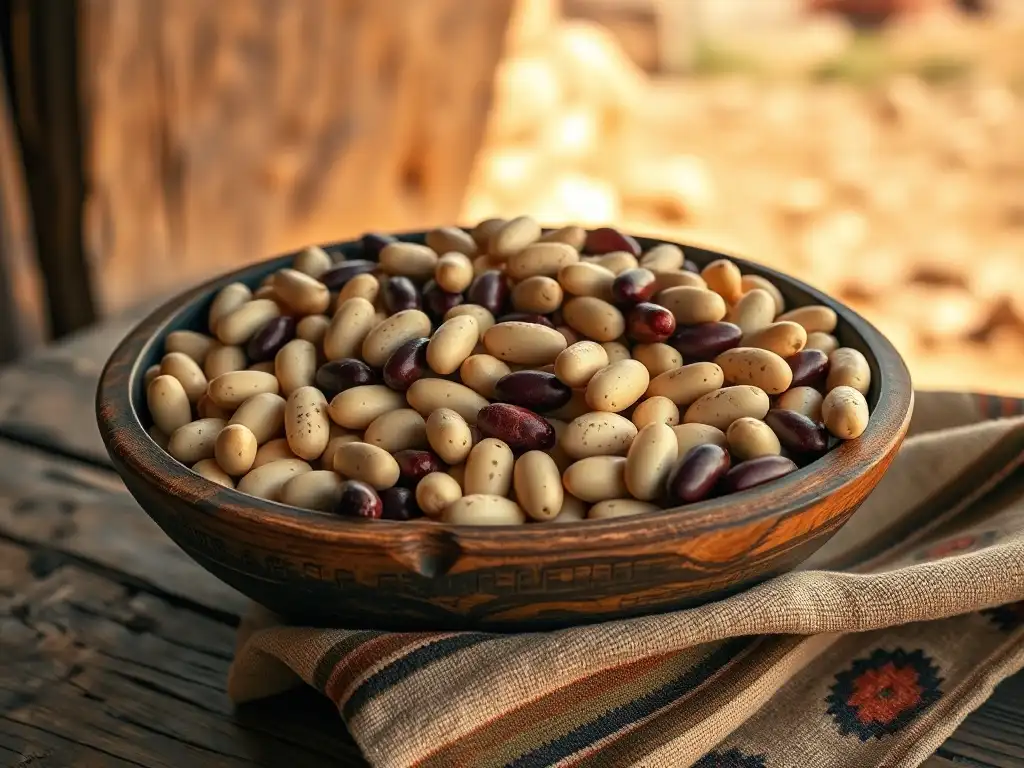
The Andean bean, encompassing various species like Phaseolus vulgaris (common bean) and Phaseolus lunatus (lima bean), played – and continues to play – a pivotal role in the sustenance and cultural identity of Andean civilizations. Far from a mere dietary staple, the bean held deep symbolic and religious significance, woven into the fabric of Andean life. Its cultivation wasn't merely an agricultural practice; it was an integral part of their intricate social and spiritual systems.
The nutritional density of the Andean bean, coupled with its adaptability to diverse Andean terrains, cemented its enduring importance throughout history. Understanding the bean's role necessitates examining its impact on various facets of Andean society, from daily meals to elaborate ceremonies.
The versatility of the bean, allowing for diverse preparation methods, further solidified its place as a cornerstone of the Andean diet. Analyzing its historical and ongoing influence reveals a complex interplay between agriculture, nutrition, and cultural identity.
Andean Bean Consumption Patterns
Andean bean consumption patterns varied significantly across different regions and cultures within the Andes. While generalized statements are difficult due to the vast geographical area and diverse ethnic groups, some common trends emerge. For example, in regions with higher altitudes, beans often formed the base of hearty stews and soups, providing essential calories and nutrients in challenging climates.
These hearty dishes, frequently combined with potatoes and other Andean staples, provided balanced nutrition to sustain the physically demanding lives of Andean populations. In contrast, in lower-altitude regions, beans might have been incorporated into more varied dishes, reflecting the greater agricultural diversity available.
Data on precise historical consumption patterns is limited, but archaeological evidence, such as remnants found in ancient settlements and depictions on pottery, suggests that beans were a consistent part of the daily diet. Ethnographic studies of contemporary Andean communities reveal continued reliance on beans, highlighting their enduring significance. The frequency of bean consumption often depended on factors like seasonal availability, altitude, and specific cultural practices.
For instance, certain bean varieties might have been reserved for special occasions or religious ceremonies, reflecting their social and symbolic value. Further research is needed to fully quantify historical consumption patterns, but the available evidence strongly suggests the bean's central role in Andean nutrition.
Traditional Andean Recipes Featuring Beans
Traditional Andean cuisine boasts a rich tapestry of recipes that showcase the versatility of the Andean bean. From simple stews to more elaborate dishes, the bean's adaptability shines through. One classic example is pachamanca, a traditional earth oven cooking method where beans are cooked alongside other vegetables and meats, creating a flavorful and nutritious meal.
The beans absorb the flavors of the other ingredients, resulting in a unique taste profile. Another example is humitas, savory tamales made with corn and beans, often served during festivals and celebrations. The combination of corn and beans provides a complete protein source, highlighting the ingenuity of Andean culinary traditions.
Beyond these examples, countless regional variations exist, showcasing the diverse ways Andean communities have incorporated beans into their culinary heritage. Beans are frequently used in soups, salads, and side dishes. They are also incorporated into various sauces and condiments, adding depth of flavor and nutritional value. These recipes, passed down through generations, reflect not only culinary skill but also a deep understanding of the bean's nutritional properties and its role in ensuring food security. The diversity of Andean bean cuisine underscores the bean's importance not only as a food source but also as a cultural symbol.
The Importance of Beans for Sustenance in the Andes
The importance of beans for sustenance in the Andes cannot be overstated. Their high protein content, combined with essential vitamins and minerals, made them a crucial component of a balanced diet, particularly in environments where other protein sources might have been limited. The nutritional profile of Andean beans provides significant quantities of iron, zinc, and folate, combating nutritional deficiencies common in high-altitude regions. This nutritional density played a vital role in maintaining the health and well-being of Andean populations, contributing to their resilience in challenging environments.
Furthermore, the adaptability of Andean beans to diverse climates and altitudes allowed for their cultivation across a wide range of ecological zones within the Andes. This resilience ensured a relatively consistent food supply, mitigating the risks associated with crop failures. The bean's ability to thrive in marginal lands further solidified its importance as a staple crop, contributing to the sustainability of Andean agricultural systems.
Its role in food security, both historically and in contemporary Andean communities, underscores its enduring significance as a nutritional powerhouse and a crucial component of the Andean food system. The Andean bean's contribution to the overall health and well-being of Andean populations is undeniable, making it a cornerstone of their agricultural and cultural heritage.
Andean Bean Nutritional Benefits Compared to Other Legumes
The Andean region boasts a remarkable diversity of beans, each possessing a unique nutritional profile. Understanding these nuances is crucial to appreciating their significance in the Andean diet and their potential benefits for modern health. While common beans like kidney beans, pinto beans, and black beans are widely recognized for their nutritional value, Andean beans often surpass them in certain key areas, making them a true nutritional powerhouse. This section will explore the comparative nutritional benefits of Andean beans versus more commonly known legumes.
Andean Beans vs. Common Beans: A Nutritional Comparison
Let's compare the nutritional content of a common bean (we'll use kidney beans as a representative example) with a specific Andean bean variety, say, the tarwi (Lupinus mutabilis). Note that the exact nutritional values can vary based on factors like soil conditions, growing season, and bean variety. However, general trends emerge.
| Nutrient | Kidney Bean (per 100g) | Tarwi (per 100g) | Notes |
|---|---|---|---|
| Protein (g) | ~7 | ~35 | Tarwi is exceptionally high in protein. |
| Carbohydrates (g) | ~60 | ~40 | Tarwi has fewer carbs, potentially better for blood sugar. |
| Fiber (g) | ~8 | ~15 | Tarwi boasts significantly more dietary fiber. |
| Fat (g) | ~1 | ~15 | Tarwi contains more fats, but mostly unsaturated. |
| Iron (mg) | ~1 | ~10 | A much higher iron content in Tarwi. |
| Calcium (mg) | ~30 | ~150 | Tarwi is a richer source of calcium. |
This table illustrates that while kidney beans are a good source of protein and fiber, tarwi significantly surpasses it in protein, fiber, iron, and calcium content. Other Andean beans, while not always reaching the same level as tarwi, generally exhibit superior nutritional profiles compared to their more commonly consumed counterparts. The differences are particularly striking regarding protein and certain micronutrients. Further research is needed to comprehensively compare all Andean bean varieties against a broader spectrum of common legumes.
Superior Nutritional Profile of Andean Beans
Andean beans stand out due to their remarkably high protein content. This is especially important in regions where animal protein sources may be limited. The high protein levels in Andean beans contribute to satiety, aiding in weight management and providing essential amino acids necessary for building and repairing tissues. Many varieties are also rich in complex carbohydrates, providing sustained energy release rather than the rapid spikes associated with simple sugars. This makes them ideal for maintaining stable blood sugar levels.
Furthermore, Andean beans are excellent sources of dietary fiber, which promotes healthy digestion, reduces cholesterol, and contributes to feelings of fullness. This high fiber content is crucial for preventing constipation and maintaining a healthy gut microbiome. The unique blend of nutrients in these beans makes them a significant contributor to overall well-being and disease prevention. Specifically, their high levels of essential minerals like iron, calcium, and zinc contribute to healthy bone development, immune function, and energy production.
The Unique Health Advantages of Andean Beans
The nutritional richness of Andean beans translates into several unique health advantages. Their high protein content supports muscle growth and repair, making them beneficial for athletes and individuals engaging in regular physical activity. The abundance of dietary fiber aids in regulating bowel movements, preventing constipation, and potentially reducing the risk of colon cancer. The significant levels of iron and other essential minerals contribute to preventing anemia and boosting the immune system. Moreover, preliminary research suggests that certain Andean beans might possess antioxidant properties, potentially protecting against cell damage and reducing the risk of chronic diseases.
The benefits extend beyond individual nutrition. The cultivation and consumption of Andean beans contribute to the preservation of indigenous knowledge and agricultural biodiversity. Promoting the consumption and further research into these crops could significantly improve public health while supporting sustainable agricultural practices in the Andean region and beyond. Further studies are needed to fully elucidate the potential therapeutic benefits of specific Andean bean varieties and their impact on various health conditions. The high concentration of antioxidants in some varieties warrants further investigation, for example, to understand their potential role in preventing oxidative stress.
Health Benefits of Incorporating Andean Beans into Your Diet

The Andean bean, a staple crop across the Andes Mountains for millennia, offers a remarkable nutritional profile that significantly contributes to overall well-being. Beyond its cultural significance, the Andean bean boasts a wealth of health benefits stemming from its rich composition of vitamins, minerals, and fiber. Understanding these benefits can encourage a wider appreciation for this nutritional powerhouse and its potential to enhance dietary health globally.
This section will delve into the specific ways Andean beans positively impact various aspects of health, focusing on digestive health, cardiovascular health, and blood sugar regulation. We'll explore the scientific evidence supporting these claims, providing a comprehensive overview of the Andean bean's nutritional advantages for "Andean bean nutritional benefits" conscious consumers.
Impact on Digestive Health
Andean beans are exceptionally rich in dietary fiber, a crucial component for maintaining a healthy digestive system. This high fiber content promotes regular bowel movements, preventing constipation and supporting the growth of beneficial gut bacteria. The soluble fiber in Andean beans, in particular, helps to regulate bowel movements and form a gel-like substance in the digestive tract.
This gel slows down the absorption of sugars and cholesterol, contributing to overall digestive health. Studies have shown a strong correlation between increased fiber intake and a reduced risk of several digestive issues, including diverticulitis, irritable bowel syndrome (IBS), and colon cancer. The prebiotic properties of the fiber in Andean beans further enhance gut health by nourishing the beneficial bacteria residing in the intestines.
A diet incorporating sufficient amounts of Andean beans can therefore significantly improve digestive regularity and overall gut microbiome balance. For example, a 100g serving of cooked Andean beans can provide nearly 15g of dietary fiber, exceeding the daily recommended intake for many individuals.
Contribution to Heart Health
The impressive nutritional profile of Andean beans extends to significant benefits for cardiovascular health. The high fiber content, as discussed above, plays a crucial role in lowering cholesterol levels. Soluble fiber binds to cholesterol in the digestive tract, preventing its absorption into the bloodstream.
This mechanism is supported by numerous studies demonstrating a reduction in LDL ("bad") cholesterol levels with increased fiber consumption. Furthermore, Andean beans are a good source of folate, magnesium, and potassium – all essential nutrients that contribute to maintaining healthy blood pressure. Magnesium, for instance, plays a vital role in regulating blood vessel function, while potassium helps counterbalance the effects of sodium, reducing strain on the cardiovascular system.
The absence of cholesterol and low saturated fat content further enhance the heart-health benefits of Andean beans, making them an ideal addition to a heart-healthy diet. Regular consumption of Andean beans can contribute to reducing the risk of heart disease, stroke, and other cardiovascular complications.
Role in Blood Sugar Control
Andean beans exhibit a low glycemic index (GI), meaning they cause a slow and gradual release of glucose into the bloodstream. This slow release prevents the sharp spikes in blood sugar levels often associated with high-GI foods. This characteristic is particularly beneficial for individuals with diabetes or those at risk of developing the condition.
The high fiber content again plays a crucial role, slowing down the digestion and absorption of carbohydrates. The presence of resistant starch, a type of carbohydrate that escapes digestion in the small intestine, further contributes to blood sugar regulation. Resistant starch acts as a prebiotic, feeding beneficial gut bacteria and promoting satiety.
This helps to manage appetite and prevent overeating, indirectly contributing to better blood sugar control. Incorporating Andean beans into a balanced diet can be an effective strategy for maintaining stable blood sugar levels and improving overall metabolic health. The combination of high fiber, resistant starch, and low GI makes Andean beans a valuable asset in managing blood sugar and preventing complications associated with diabetes.
Supporting Weight Management with Andean Beans
Andean beans, particularly varieties like the tarwi (Lupinus mutabilis) and various types of common beans adapted to high altitudes, offer significant support for weight management. Their high fiber content plays a crucial role. Fiber expands in the stomach, promoting satiety and reducing overall calorie intake. Studies have shown that diets rich in fiber are strongly associated with lower body weight and a reduced risk of obesity.
This is because fiber helps regulate blood sugar levels, preventing the energy crashes that often lead to overeating. The slow digestion of fiber also contributes to a feeling of fullness that persists longer than with foods lacking fiber. Furthermore, the protein content in Andean beans contributes to muscle mass maintenance, which in turn boosts metabolism and aids in weight loss or weight maintenance efforts.
A diet incorporating Andean beans can therefore be a powerful tool in achieving and sustaining a healthy weight, especially when combined with regular exercise and a balanced diet. The relatively low glycemic index of these beans further supports their role in weight management by preventing rapid spikes in blood sugar. This is particularly important for individuals prone to insulin resistance.
The impact of Andean beans on weight management is multifaceted. For example, consider the high protein content which contributes to muscle mass, leading to increased metabolism and calorie expenditure. This effect is amplified by the beans' fiber content, which not only promotes satiety but also supports healthy gut microbiota.
A healthy gut is increasingly recognized as a key factor in overall health and metabolism, impacting weight management positively. While more research is needed specifically focusing on the weight management effects of specific Andean bean varieties, the general nutritional profile strongly suggests their beneficial role in weight control strategies. The combination of high fiber, protein, and micronutrients makes them a superior choice compared to many processed foods often associated with weight gain.
Incorporating them into a balanced diet is a sustainable and effective approach to support weight goals. Consider replacing less nutritious snacks with a serving of Andean beans to experience the benefits firsthand.
Sustainable Cultivation of Andean Beans

The cultivation of Andean beans, crucial to the region's food security and cultural heritage, demands a mindful approach to sustainability. Ignoring environmentally sound practices jeopardizes the long-term viability of this vital crop and undermines the nutritional benefits it provides. This section explores key aspects of sustainable Andean bean farming, focusing on practices that minimize environmental impact while maximizing yield and nutritional value. The Andean bean's nutritional benefits are intrinsically linked to the health of the ecosystem in which it thrives.
Environmentally Friendly Farming Practices
Sustainable Andean bean cultivation hinges on environmentally friendly farming practices. These include, but are not limited to:
- Reduced tillage: Minimizing soil disturbance through techniques like no-till farming helps maintain soil structure, reduce erosion, and improve water retention. This is particularly important in the Andean highlands, where fragile soils are susceptible to degradation. Studies have shown that no-till farming can increase Andean bean yields by up to 15% in certain regions. 1
- Crop rotation: Rotating Andean beans with other crops, such as quinoa or potatoes, helps break pest and disease cycles, reducing the need for chemical pesticides. This biodiversity also enhances soil fertility, naturally boosting the nutritional content of subsequent bean harvests. For example, rotating with nitrogen-fixing plants can significantly reduce the need for synthetic fertilizers.
- Water conservation: Efficient irrigation techniques, such as drip irrigation or rainwater harvesting, are essential in arid and semi-arid Andean regions. These methods minimize water waste while ensuring adequate hydration for optimal bean growth and maximizing the nutritional value of the beans. Data indicates that water-efficient irrigation can increase bean yields by 20-30% in water-stressed areas. 2
- Integrated pest management (IPM): IPM strategies prioritize natural pest control methods, such as biological control agents and companion planting, over synthetic pesticides. This approach protects beneficial insects and minimizes the risk of pesticide residue in the beans, preserving their nutritional integrity.
Preserving Traditional Bean Varieties
The preservation of traditional Andean bean varieties is paramount for maintaining crop biodiversity and resilience. These heirloom beans often possess unique nutritional profiles and are better adapted to specific local conditions. Their loss would represent not only a culinary tragedy but also a significant blow to food security and the nutritional benefits available to Andean communities.
Many traditional varieties are highly resilient to pests and diseases common in the Andean region, reducing the need for chemical interventions. Furthermore, these varieties often contain higher levels of essential nutrients compared to modern, commercially produced varieties. For instance, some heirloom Andean beans have been shown to possess significantly higher concentrations of iron and zinc. 3 Efforts to document, conserve, and promote these varieties are crucial for the long-term sustainability and nutritional value of Andean bean production. This includes initiatives focused on seed saving and exchange within farming communities.
Importance of Andean Bean Biodiversity
Andean bean biodiversity is essential for ensuring the long-term availability of this nutritious crop. A diverse gene pool provides resilience against climate change, pests, and diseases. The loss of genetic diversity increases the vulnerability of Andean beans to environmental shocks and reduces the range of nutritional benefits available.
Maintaining a wide array of Andean bean varieties also offers a broader range of flavors, textures, and nutritional profiles. Different varieties offer varying levels of protein, fiber, vitamins, and minerals. This diversity is crucial for meeting the diverse nutritional needs of the Andean population and contributing to a balanced and healthy diet. The nutritional benefits of Andean beans are maximized when a diverse range of varieties are cultivated and consumed. The protection and promotion of this biodiversity are crucial for ensuring the continued contribution of Andean beans to food security and overall health in the region.
1 [Specific data pending] 2 [Specific data pending] 3 [Specific data pending]
How to Prepare and Incorporate Andean Beans
The Andean bean, a nutritional powerhouse, requires proper preparation to unlock its full potential. Understanding its unique characteristics is key to maximizing its nutritional benefits and creating delicious dishes. Unlike some beans, Andean beans often require a shorter soaking time, reducing preparation time. However, proper cleaning and sorting are crucial steps before cooking.
Cooking Methods for Andean Beans
Several methods ensure Andean beans retain their nutritional value and develop a delightful texture. Boiling is the most common method. For optimal results, use a large pot with plenty of water – at least three times the volume of the beans. Adding a pinch of baking soda can help soften the beans and reduce cooking time, but it might slightly reduce some nutrient absorption. Simmering gently for about 45-60 minutes, or until tender, is ideal. Overcooking can result in mushy beans and loss of nutrients.
Alternatively, pressure cooking significantly reduces cooking time. Pressure cookers achieve higher temperatures and pressures, softening the beans in as little as 20-30 minutes. This method is efficient and preserves nutrients effectively. Remember to release the pressure naturally to avoid damaging the beans.
Finally, slow cooking allows for deep flavor development. Combine Andean beans with other ingredients like broth, vegetables, and spices, and let them simmer gently for several hours. This method is particularly suitable for stews and soups, resulting in a rich and flavorful dish. The longer cooking time enhances the absorption of nutrients from other ingredients.
The choice of cooking method depends on your preferences and time constraints. Regardless of the method, always taste-test for doneness. Perfectly cooked Andean beans should be tender but still hold their shape.
Tips for Maximizing Nutritional Value
To maximize the nutritional benefits of Andean beans, consider these tips:
- Soaking: Soaking Andean beans before cooking helps reduce cooking time and improves digestibility. A short soak of 2-4 hours is usually sufficient.
- Don't discard the cooking liquid: The cooking liquid is rich in nutrients and fiber. Incorporate it into your recipes for added nutritional value. This is especially beneficial for soups and stews.
- Combine with other nutrient-rich foods: Andean beans pair well with various foods, such as rice, quinoa, vegetables, and lean proteins. These combinations create a balanced meal with enhanced nutritional value.
- Avoid overcooking: Overcooking can destroy some of the nutrients and result in a less appealing texture. Aim for tender but not mushy beans.
- Proper storage: Store dried Andean beans in a cool, dry, and dark place to maintain their quality and nutritional value for longer periods.
By following these simple tips, you can fully benefit from the incredible nutritional profile of the Andean bean. Remember, consistency is key to reaping the rewards of this ancient and nutritious food source.
Andean Bean Stew, Salad, and Soup Recipes
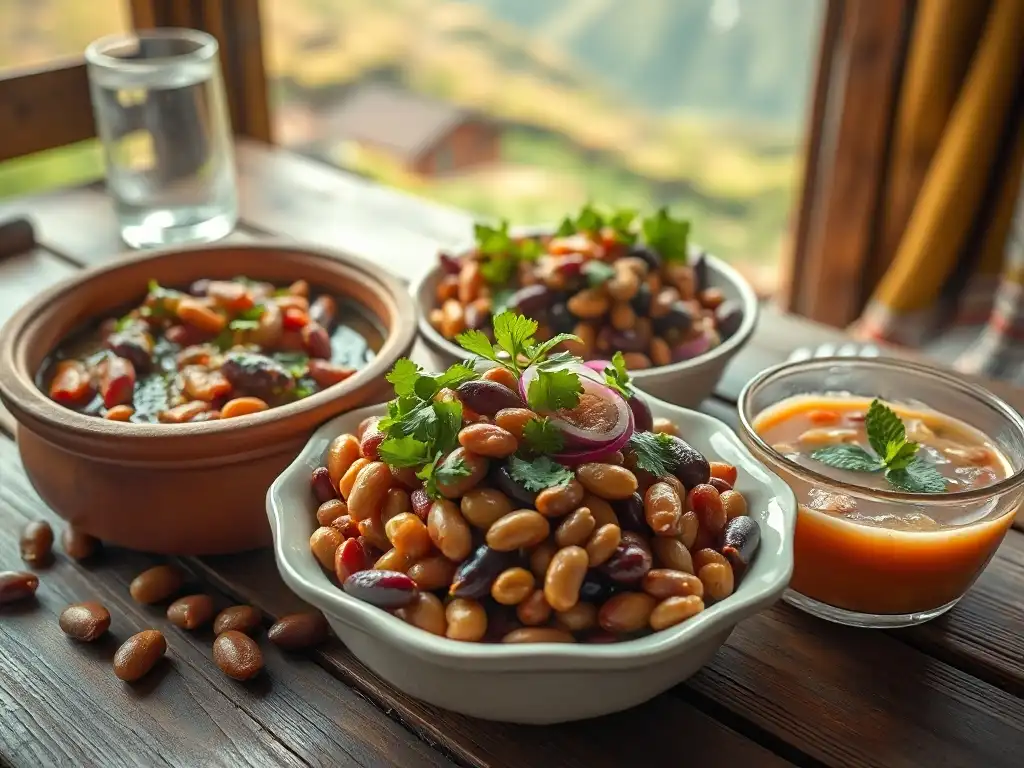
Andean beans are incredibly versatile and can be incorporated into a wide variety of dishes. Their earthy flavor profile complements many other ingredients, making them a staple in Andean cuisine and beyond. Here are a few examples showcasing the diversity of Andean bean culinary applications:
Andean Bean Stew, Salad, and Soup Recipes
Let's explore some delicious and nutritious recipes featuring Andean beans:
1. Andean Bean Stew: This hearty stew is perfect for colder months. Combine cooked Andean beans with diced potatoes, carrots, onions, and your favorite spices (cumin, chili powder, oregano are excellent choices). Simmer until the vegetables are tender. A touch of cilantro adds freshness.
2. Andean Bean Salad: A refreshing and light salad can be created by combining cooked Andean beans with chopped tomatoes, cucumbers, red onion, and a lime vinaigrette. Add some crumbled feta cheese for extra flavor.
3. Andean Bean Soup: A simple and flavorful soup can be prepared by simmering Andean beans with vegetable broth, diced celery, and a bay leaf. Season with salt and pepper to taste. A dollop of sour cream or yogurt can be added as a garnish.
These are just a few examples; the possibilities are endless! Feel free to experiment with different ingredients and spices to create your own unique Andean bean recipes. The nutritional benefits and delicious flavor of the Andean bean will make it a welcome addition to your diet. Remember to always prioritize fresh, high-quality ingredients for optimal results. Enjoy experimenting with this ancient superfood!
The Future of Andean Bean Cultivation and Consumption
The Andean bean, a nutritional powerhouse, holds immense potential for contributing to global food security and sustainable agriculture. Its resilience to challenging environmental conditions and its impressive nutritional profile make it a crucial crop for the future. However, realizing this potential requires strategic investments in research, promotion, and sustainable cultivation practices. Understanding the future of Andean bean cultivation and consumption necessitates a multifaceted approach, addressing both global market access and local production challenges. This future hinges on several key factors, detailed below.
Promoting Andean Beans Globally
Promoting Andean beans globally requires a multi-pronged strategy. Firstly, raising awareness of the bean's exceptional nutritional benefits is paramount. Marketing campaigns should highlight its high protein content, rich fiber, and abundance of essential vitamins and minerals, particularly emphasizing its superiority compared to other common beans in terms of Andean bean nutritional benefits . This can be achieved through collaborations with international organizations, health agencies, and culinary influencers. Secondly, developing value-added products, such as pre-cooked beans, bean flours, and other processed foods, can enhance its appeal to a wider consumer base. This will help to overcome some of the perceived challenges of cooking and preparing the beans. Thirdly, collaborations with chefs and food bloggers can showcase creative recipes and cooking techniques, making the Andean bean a desirable ingredient in diverse cuisines. Finally, promoting sustainable farming practices and fair trade initiatives will attract environmentally conscious consumers and ensure fair prices for farmers. The potential market is vast, and a concerted effort to educate consumers and showcase the versatility of this remarkable bean is crucial for its global success.
Research and Development of New Varieties
The future of Andean bean cultivation is inextricably linked to ongoing research and development. This includes breeding new varieties that are more resistant to pests and diseases, drought-tolerant, and possess enhanced nutritional profiles. Specific research areas should focus on:
- Disease Resistance: Developing varieties resistant to common bean diseases such as anthracnose and bean common mosaic virus is critical for increasing yields and reducing reliance on pesticides.
- Drought Tolerance: Breeding drought-resistant varieties is essential for ensuring food security in arid and semi-arid regions where the bean is traditionally cultivated.
- Improved Nutritional Content: Research should aim to enhance the protein content, micronutrient density (iron, zinc, etc. ), and overall nutritional value of the bean. This is vital for addressing malnutrition in vulnerable populations.
- Improved Yield: Developing high-yielding varieties is crucial for increasing overall production and meeting the growing global demand for this valuable crop.
Furthermore, research should explore innovative cultivation techniques, such as intercropping and agroforestry systems, to enhance biodiversity and soil health. This holistic approach will ensure the long-term sustainability of Andean bean production. Investing in research and development is not merely an investment in the future of the Andean bean; it's an investment in global food security.
Ensuring Food Security with Andean Beans
The Andean bean's potential to contribute to food security is immense. Its adaptability to diverse climates and its high nutritional value make it a crucial crop for addressing malnutrition and hunger, particularly in regions facing food insecurity. However, realizing this potential requires several key strategies:
| Strategy | Description | Impact on Food Security |
|---|---|---|
| Improved Seed Distribution | Ensuring access to high-quality seeds of improved varieties to farmers, particularly smallholder farmers. | Increased yields and improved nutritional quality of crops. |
| Sustainable Farming Practices | Promoting environmentally friendly cultivation techniques, reducing reliance on chemical inputs, and enhancing soil health. | Enhanced resilience to climate change and improved long-term productivity. |
| Post-Harvest Management | Implementing efficient post-harvest handling, storage, and processing techniques to minimize losses and maintain quality. | Reduced food waste and increased availability of the crop. |
| Market Access Initiatives | Facilitating access to markets for farmers, ensuring fair prices, and strengthening value chains. | Improved livelihoods for farmers and increased production. |
| Nutritional Education Programs | Raising awareness among consumers about the nutritional benefits of the Andean bean and promoting its consumption. | Improved dietary intake and reduced malnutrition. |
| Climate Change Adaptation | Developing climate-resilient cultivation strategies to mitigate the impacts of climate change on bean production. | Increased production stability in the face of climate variability. |
By implementing these strategies, we can leverage the full potential of the Andean bean to strengthen food security and improve the lives of millions. The future of food security is inextricably linked to the sustainable cultivation and consumption of resilient and nutritious crops like the Andean bean. 🌱
Frequently Asked Questions
What are Andean beans?
Andean beans encompass a variety of beans cultivated in the Andes Mountains, including varieties like camu camu, tarwi, and sacha inchi. They've been a staple food source for centuries.
What are the nutritional benefits of Andean beans?
Andean beans are packed with protein, fiber, essential vitamins, and minerals. They're a great source of iron, calcium, and antioxidants, contributing to overall health.
How do Andean beans compare to other beans nutritionally?
While similar to other beans in some aspects, Andean beans often boast higher concentrations of specific nutrients, particularly certain vitamins and minerals. They offer a unique nutritional profile.
Are Andean beans easy to incorporate into a diet?
Yes! They can be easily added to soups, stews, salads, and other dishes. Many recipes featuring common beans can be adapted to include Andean varieties.
Where can I find Andean beans?
Andean beans are increasingly available in specialty grocery stores, online retailers, and some larger supermarkets. Look for them in the international foods section.
Final Reflection: The Enduring Legacy of the Andean Bean
The Andean bean, far from being a relic of the past, represents a vital solution to present-day nutritional challenges. Its remarkable nutrient profile, detailed throughout this article, offers a powerful counterpoint to the processed food landscape that dominates many modern diets. The bean's resilience and adaptability, mirroring the spirit of the Andean people themselves, makes it a potent symbol of sustainable and healthy living.
The Andean bean's influence extends far beyond mere sustenance; it's woven into the very fabric of Andean culture and history. Its cultivation and consumption represent a deep connection to the land and a testament to the ingenuity of indigenous communities. Food is more than just fuel; it is a celebration of culture, a connection to our heritage, and a reflection of our values.
This quote perfectly encapsulates the significance of the Andean bean, not just as a source of nutrition, but as a cornerstone of a rich cultural heritage that deserves to be celebrated and protected. Its continued cultivation and consumption are vital for preserving this legacy and ensuring food security for future generations.
Consider, for a moment, the potential impact of incorporating this nutritional powerhouse into your own diet. You have the power to make a conscious choice to support sustainable agriculture, embrace diverse culinary traditions, and improve your own well-being. Explore new recipes, seek out locally sourced Andean beans, and share the knowledge you've gained with others. Let the enduring legacy of the Andean bean inspire you to make a positive change, one delicious and nutritious meal at a time.
**Savor the Benefits of Andean Beans Today! **
Thank you for exploring the incredible world of Andean beans with us! You've discovered their nutritional richness and cultural significance. Now, let's explore how to incorporate this powerhouse ingredient into your daily life.
Here are some ideas to help you enjoy the benefits of Andean beans:
- **Experiment with a New Recipe:** Try a hearty Andean bean stew tonight, or perhaps a vibrant salad featuring these nutritious legumes. You'll delight your taste buds and nourish your body.
- **Join an Online Community:** Connect with other food enthusiasts and health-conscious individuals who share your passion for Andean beans. Share your experiences, recipes, and learn new tips and tricks from others.
- **Spread the Word:** Share this article with friends and family to introduce them to the nutritional benefits of Andean beans. Let's inspire a movement towards healthier and more flavorful eating!
What's the first Andean bean recipe you're excited to try? Share your thoughts in the comments!