
The Significance of Andean Irrigation in the Growth of Empires

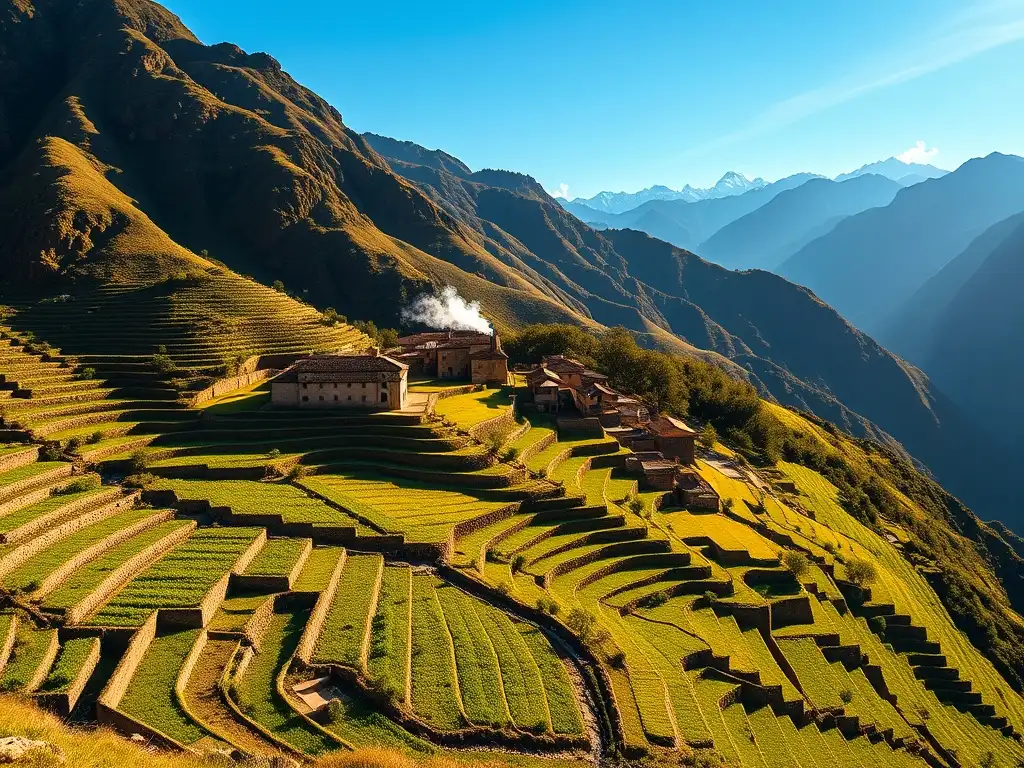
Uncover the secrets of empires built on ingenuity! Journey through time and discover how the remarkable Andean civilizations, including the Incas, Moche, and Nazca, harnessed the power of the Andes. Their mastery of water, as revealed in our exploration of Andean irrigation systems history, is a testament to their advanced engineering and a key to understanding their rise to power. Prepare to be amazed by the intricate details and far-reaching impact of their architectural achievements – a story waiting to unfold...
The Andes Mountains, a formidable yet breathtaking landscape, presented ancient civilizations with a unique challenge: harnessing the power of water in a region characterized by diverse altitudes and unpredictable rainfall. This article delves into the crucial role of Andean irrigation systems in the rise and growth of powerful empires like the Inca, Nazca, Moche, and Tiahuanaco. We will explore how sophisticated water management techniques not only ensured agricultural productivity but also underpinned social structures, economic prosperity, and ultimately, the very survival and expansion of these remarkable societies.
Understanding the ingenuity and impact of Andean irrigation systems provides invaluable insight into the remarkable achievements of these ancient cultures and their lasting legacy. This exploration of "Andean irrigation systems history" will reveal how their mastery of water shaped their world and continues to inspire awe today.
Understanding the Importance of Water Management in Ancient Andes
Water, the lifeblood of any civilization, held paramount importance in the arid and semi-arid regions of the Andes. Unlike societies blessed with consistent rainfall, Andean communities relied heavily on intricate systems to capture, store, and distribute water for agriculture. The scarcity of water meant that its control was not just a matter of survival; it was intrinsically linked to power, wealth, and social hierarchy.
The ability to manage water resources effectively directly translated into agricultural surplus, which, in turn, fueled population growth, enabled specialization of labor, and facilitated the development of complex social and political structures. Without effective water management, the growth of large-scale Andean empires would have been virtually impossible. This is vividly illustrated by the impressive scale of some of their irrigation projects, which often involved monumental engineering feats.
Consider, for example, the intricate canal systems that crisscrossed the valleys, defying the challenging terrain to deliver water to vast agricultural fields. These weren't simply ditches; they were carefully planned and maintained infrastructure crucial for the empires' prosperity.
The Crucial Role of Andean Irrigation Systems History
The history of Andean irrigation systems is a testament to human ingenuity and adaptability. Early systems, often simple channels carved into the landscape, gradually evolved into increasingly complex networks over centuries. The Nazca, for instance, are renowned for their extensive canal systems, some stretching for kilometers across the desert. These canals, built with remarkable precision, allowed them to cultivate crops in otherwise barren lands.
The Moche, another powerful Andean civilization, developed sophisticated techniques for water storage, including reservoirs and underground aqueducts, enabling them to withstand periods of drought. The Inca, known for their advanced engineering skills, inherited and expanded upon these pre-existing systems, creating an empire-wide network of canals, reservoirs, and terraces that supported a large and prosperous population. The construction and maintenance of these systems required massive coordinated labor efforts, highlighting the importance of community organization and social control within these societies.
The careful planning and execution of these projects reveal a deep understanding of hydrology, engineering, and the delicate balance between human needs and the environment. The legacy of these systems continues to be relevant today, offering valuable lessons in sustainable water management in challenging environments. The study of "Andean irrigation systems history" offers a fascinating glimpse into the ingenuity and resourcefulness of these ancient civilizations, demonstrating how their mastery of water played a pivotal role in shaping their empires.
- Understanding the Importance of Water Management in Ancient Andes
- The Crucial Role of Andean Irrigation Systems History
- What role did irrigation play in the development of Andean civilizations?
- How did the Andean people develop their sophisticated irrigation systems?
- Which Andean civilizations are most known for their irrigation achievements?
- What were some of the challenges in building and maintaining Andean irrigation systems?
- How did the Andean irrigation systems impact the environment?
Early Andean Civilizations and Their Water Management Techniques

This section delves into the ingenious water management strategies employed by pre-Inca Andean societies, laying the groundwork for the later, more expansive irrigation systems of the Inca Empire. Understanding these early techniques is crucial to appreciating the full scope of Andean irrigation systems history and their impact on the development of powerful empires. The ingenuity displayed in overcoming the challenges of the Andean landscape is a testament to the adaptive capabilities and advanced knowledge of these ancient cultures.
The arid and semi-arid conditions prevalent across much of the Andes demanded innovative solutions for agricultural sustainability. The success or failure of these early systems directly influenced population growth, societal stability, and ultimately, the rise and fall of civilizations.
Pre-Inca Irrigation Methods: Foundations of Andean Agriculture
Long before the Inca, Andean communities developed sophisticated techniques to harness scarce water resources. These methods, often adapted to local topography and rainfall patterns, laid the foundation for future, larger-scale projects. Evidence suggests the use of simple gravity-fed channels, diverting water from streams and rivers to irrigate smaller plots of land.
These early systems, though less complex than later Inca constructions, were remarkably effective in maximizing agricultural yields in challenging environments. Archaeological findings reveal the existence of rudimentary canals and ditches dating back millennia, showcasing a long history of experimentation and refinement in Andean water management. The precise techniques varied regionally, reflecting the diverse ecological conditions across the Andes.
For example, the use of waru waru (raised fields) in the Lake Titicaca region provided both irrigation and frost protection, demonstrating a deep understanding of local microclimates and their impact on crop production. This early mastery of Andean irrigation systems history is a testament to the people's profound connection with their environment and their ability to adapt to its challenges.
The Development of Canals and Terraces in Early Andean Societies
The increasing complexity of Andean societies necessitated more extensive irrigation systems. The development of canals, often carved into hillsides and mountains, allowed for the transport of water over longer distances, reaching previously inaccessible areas. Simultaneously, the construction of agricultural terraces transformed steep slopes into arable land, dramatically increasing the amount of cultivable area.
These terraces, meticulously built with stone retaining walls, not only provided level planting surfaces but also slowed water runoff, reducing erosion and improving water retention. The precise engineering involved in these projects, often incorporating sophisticated drainage systems, speaks volumes about the advanced knowledge of hydraulics possessed by these ancient Andean cultures.
The scale of some of these early canal and terrace systems is truly impressive, requiring substantial coordinated labor and a strong centralized authority, even before the Inca Empire emerged. We can see the early seeds of imperial organization in the collective effort required to build and maintain these vital irrigation infrastructure projects, a key component of Andean irrigation systems history.
Moche and Nazca Engineering: Examples of Sophisticated Irrigation
The Moche and Nazca cultures, flourishing centuries before the Inca, are particularly renowned for their advanced irrigation techniques. The Moche, known for their elaborate metalwork and intricate pottery, also constructed extensive canal systems that supported their large urban centers and intensive agriculture. Their mastery of hydraulic engineering is evident in the intricate network of canals that crisscrossed their territory, often diverting water from rivers and streams over significant distances.
Similarly, the Nazca, famous for their enigmatic geoglyphs, developed sophisticated irrigation systems, utilizing aqueducts and underground channels to transport water across arid landscapes. These puquios, as they are known, tapped into underground water sources and channeled water to the surface, providing a reliable source of irrigation even during periods of drought. The ingenuity and scale of these Moche and Nazca irrigation systems represent a high point in pre-Inca Andean water management and provide crucial insights into the development of Andean irrigation systems history.
These achievements highlight the profound technological advancements and organizational capacity of these civilizations long before the Inca Empire unified the region. The legacy of their engineering prowess continues to inspire awe and wonder, shaping our understanding of Andean irrigation systems history and the civilizations that built them.
The Inca Empire and the Apex of Andean Irrigation Technology

The Inca Empire, spanning across the Andes Mountains from the 15th to the 16th centuries, represents the pinnacle of Andean irrigation systems history. Their mastery of water management was crucial to their remarkable expansion and the sustenance of a large, complex population. Unlike previous Andean cultures, the Inca implemented a highly centralized and sophisticated approach to irrigation, reflecting their imperial power and administrative prowess.
This wasn't merely about providing water; it was a strategic tool for consolidating power and ensuring food security across a vast and diverse landscape. The sheer scale of their irrigation projects is testament to their advanced engineering skills and organizational capabilities.
Their understanding of hydraulic principles, combined with their ability to mobilize large workforces, allowed them to construct impressive canals, aqueducts, and reservoirs, transforming arid and semi-arid regions into fertile agricultural lands. This sophisticated system significantly increased agricultural productivity and supported the growth of the Inca Empire.
Inca Water Management: Centralized Systems and Control
Inca water management wasn't a haphazard affair; it was meticulously planned and centrally controlled. The mita, a labor tax system, was instrumental in the construction and maintenance of these vast irrigation networks. Specialized engineers and curacas (local leaders) oversaw projects, ensuring efficient resource allocation and consistent upkeep.
This centralized approach allowed for the rapid expansion of irrigation infrastructure and the efficient distribution of water resources across the empire. Records, though scarce due to the destruction of many Inca records by the Spanish conquistadors, indicate a system of detailed planning and surveying, enabling the precise channeling of water over considerable distances and across challenging terrain. The Inca also utilized advanced techniques like diverting glacial meltwater and constructing intricate systems of channels and reservoirs to manage water flow and storage efficiently.
This centralized control extended beyond construction; it included regulations governing water usage and conflict resolution, ensuring equitable access and preventing disputes among communities. The effectiveness of this system is evident in the impressive agricultural output that sustained the Inca Empire.
Expansion of Irrigation Networks under the Inca Empire
The expansion of the Inca Empire was inextricably linked to the expansion of its irrigation networks. As the Inca conquered new territories, one of their priorities was to develop or improve existing irrigation systems. This facilitated the cultivation of crops crucial to the Inca diet, such as potatoes, maize, and quinoa, ensuring food security for the growing population and the newly incorporated communities.
The Inca employed a strategy of strategically locating settlements near existing or newly constructed irrigation systems, further strengthening their control and integrating conquered regions into the empire's economic and political structure. This systematic approach to irrigation development is a key factor in understanding the Inca's remarkable success in conquering and consolidating such a vast and diverse empire. Examples of this expansion can be found in areas like the Cajamarca Valley and the Cuzco region, where extensive irrigation systems were built or significantly improved upon during the Inca period.
The scale and complexity of these projects highlight the sophistication of Inca engineering and their logistical capabilities. Their ability to coordinate such large-scale projects across diverse geographical landscapes is a testament to their organizational prowess.
Agricultural Productivity and the Sustenance of the Inca Population
The impact of Andean irrigation systems on the Inca population was profound. The improved water management techniques resulted in a significant increase in agricultural productivity, leading to food surpluses that supported a large and densely populated urban centers. This surplus not only sustained the population but also allowed for the development of a complex social hierarchy and a powerful centralized state.
The reliable food supply also facilitated the mobilization of labor for public works projects, further fueling the empire's expansion. The Inca's ability to manage water resources effectively enabled them to create a highly productive agricultural system, which was essential for the growth and stability of their empire. This surplus also allowed for trade and the development of specialized crafts and industries, contributing to the overall prosperity and complexity of Inca society.
Without the advanced irrigation systems, the Inca Empire's growth and longevity would have been severely hampered. The intricate relationship between water management and societal development is a critical aspect of understanding the Inca's success and the lasting legacy of their civilization.
Types of Andean Irrigation Systems and Their Function
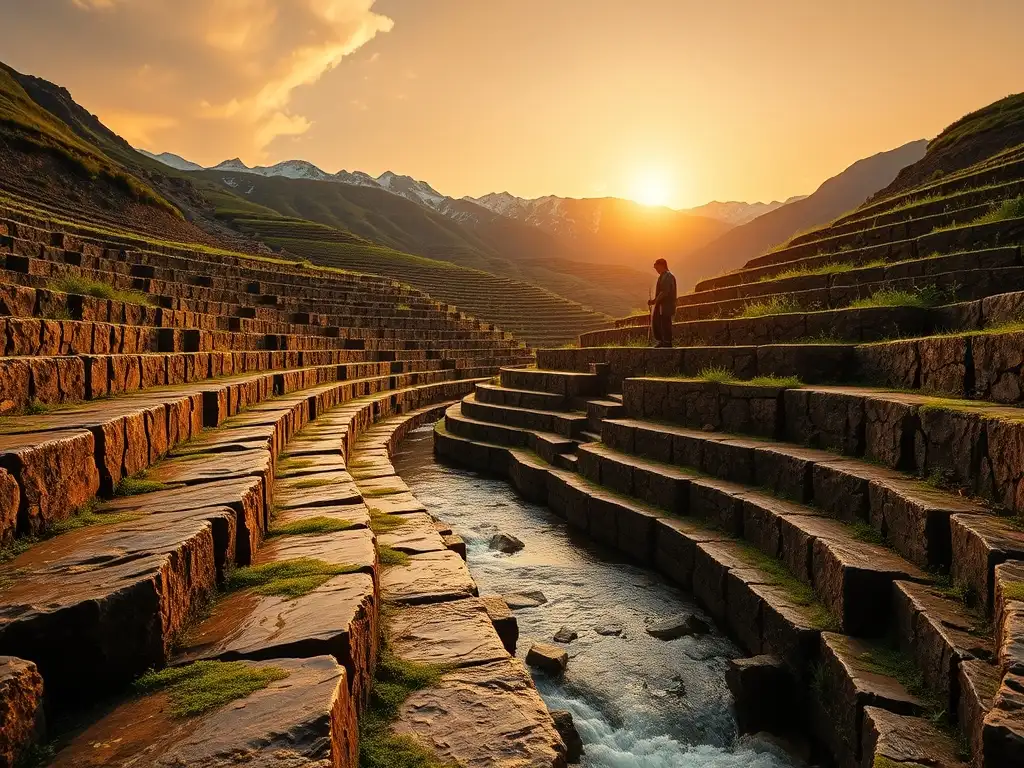
Andean irrigation systems history is a testament to the ingenuity and adaptability of ancient Andean civilizations. Their mastery of water management was crucial to their agricultural success and, consequently, the growth and stability of their empires. This section will explore the diverse types of irrigation systems employed, highlighting their functionality and significance in shaping Andean societies.
Understanding these sophisticated systems provides critical insight into the remarkable engineering feats and agricultural practices that sustained these powerful civilizations. The development of these systems wasn't merely a matter of practicality; they also reflected a deep understanding of the Andean environment and a profound connection to the life-giving water sources. The sophisticated techniques employed demonstrate a level of technological advancement often underestimated in discussions of pre-Columbian societies.
Canal Irrigation: The Backbone of Andean Agriculture
Canal irrigation formed the backbone of Andean agriculture. These weren't simple ditches; they were complex networks meticulously designed to channel water from rivers and streams across vast distances, often traversing challenging terrains. The construction involved careful surveying, precise grading, and the skillful use of stone and earth to create durable channels capable of withstanding the forces of erosion and seasonal fluctuations in water flow. The scale of these projects was truly impressive, with some canal systems extending for tens of kilometers, irrigating extensive agricultural lands.
The design of the canals often incorporated ingenious features to regulate water flow and prevent silting. These included strategically placed weirs, spillways, and sediment traps. Furthermore, the integration of canals with terraced farming systems maximized water efficiency and land utilization.
The precise alignment of canals, often following contours of the land, minimized water loss due to gravity and ensured equitable distribution across fields. Archaeological evidence suggests a sophisticated understanding of hydraulic engineering principles, allowing for the efficient management of water resources, even during periods of drought. The longevity of many of these canal systems, some of which remain in use even today, underscores their robust design and enduring impact on Andean agriculture.
Terraced Farming: Maximizing Land Use and Water Efficiency
Terraced farming, another crucial component of Andean irrigation systems, represented a remarkable adaptation to the mountainous terrain. By carving slopes into a series of level platforms, farmers created ideal conditions for cultivation, maximizing arable land and minimizing soil erosion. The terraced fields were often interconnected by a network of canals, allowing for the controlled distribution of water to each terrace.
This system not only increased agricultural productivity but also played a vital role in water conservation. The terraces acted as natural reservoirs, slowing down the flow of water and allowing it to seep into the soil, reducing runoff and increasing infiltration.
The construction of terraces was a labor-intensive undertaking, requiring significant community effort and expertise. The precise placement of retaining walls, often built from stone, was crucial to the stability of the terraces and the prevention of landslides. The size and shape of terraces varied depending on the slope of the land and the type of crop being cultivated.
The integration of terraces with canal irrigation systems created a synergistic relationship, enhancing both water efficiency and agricultural productivity. The ingenuity of terraced farming is evident in its widespread adoption across the Andes, showcasing its effectiveness in diverse ecological zones. This technique continues to be practiced in many Andean communities, highlighting its enduring relevance and sustainability.
Aqueducts and Reservoirs: Storing and Distributing Water
Beyond canals and terraces, Andean civilizations developed sophisticated aqueducts and reservoirs to manage water resources effectively. Aqueducts, often constructed from stone, channeled water over long distances, sometimes across valleys or over uneven terrain. These impressive structures demonstrated a deep understanding of hydraulics and engineering principles. They weren't just simple conduits; they incorporated ingenious features like siphons and pressure regulators to ensure a consistent flow of water.
Reservoirs, on the other hand, played a crucial role in storing water, especially during periods of drought. These were often created by damming streams or rivers or by excavating natural depressions. The construction of reservoirs was a significant undertaking, requiring considerable engineering skill and community participation. Their size varied considerably, ranging from small ponds to large artificial lakes.
The management of reservoirs was crucial for ensuring a steady supply of water for irrigation throughout the year, especially in regions with highly variable rainfall patterns. The combination of aqueducts and reservoirs created a resilient water management system capable of supporting thriving agricultural communities even in the face of environmental challenges. The impressive scale and sophistication of these water storage and distribution systems are a testament to the advanced engineering capabilities of Andean civilizations.
The Impact of Irrigation on Andean Societal Development

The development of sophisticated Andean irrigation systems was not merely a technological achievement; it was a cornerstone of societal evolution, profoundly impacting the trajectory of Andean civilizations. The ability to control water resources allowed for intensified agriculture, surplus food production, and the emergence of complex social structures. This section explores this crucial relationship, focusing on how irrigation fueled the growth and stability of these remarkable empires. Understanding the Andean irrigation systems history reveals a fascinating interplay between engineering prowess and societal advancement.
Irrigation and the Rise of Complex Andean Societies
The shift from simple, rain-fed agriculture to large-scale irrigation marked a pivotal moment in Andean history. Before sophisticated irrigation techniques, agricultural yields were inherently limited by rainfall patterns, resulting in fluctuating food supplies and relatively small, dispersed settlements. The construction of canals, terraces, and aqueducts, however, allowed Andean societies to cultivate larger areas of land, regardless of natural water sources. This increased productivity led to a surplus of food, which had cascading effects:
- Population Growth: Reliable food supplies supported larger and denser populations, leading to the growth of urban centers and the development of specialized labor.
- Social Stratification: The organization and management of large-scale irrigation projects required complex social structures, with specialized roles for engineers, administrators, and laborers. This inevitably led to the emergence of social hierarchies and elites who controlled access to vital resources.
- Economic Specialization: Food surpluses freed a portion of the population from constant agricultural labor, allowing for the development of specialized crafts, such as pottery, textiles, and metalworking. This specialization fostered trade and economic interdependence within and between Andean communities.
The Nazca culture, renowned for its intricate geoglyphs, also demonstrates the impact of irrigation on societal development. Their sophisticated canal systems, some stretching for miles across arid landscapes, provided the basis for a relatively large and complex society. The meticulous planning and execution of these projects highlight the advanced engineering skills and social organization of the Nazca people. The ability to harness water resources was inextricably linked to their cultural achievements.
The Relationship Between Water Control and Political Power
Control over water resources was not simply a matter of agricultural efficiency; it was a powerful tool for consolidating and maintaining political power in Andean societies. Those who controlled the water supply held significant influence over the lives and livelihoods of their subjects. This control manifested in various ways:
- Centralized Authority: The construction and maintenance of extensive irrigation networks required centralized planning and organization, strengthening the authority of ruling elites. The Inca Empire, for example, famously implemented a sophisticated system of water management that was integral to their imperial power.
- Tribute and Taxation: Access to water could be used as a lever for extracting tribute and taxes from farmers. Those who benefited from irrigation systems might be required to provide labor or resources to the ruling power in exchange for access to water.
- Conflict and Warfare: Control over vital water sources often became a source of conflict between different Andean communities. Wars were fought over access to irrigation canals and other water resources, highlighting their strategic importance.
The Inca's mit'a system, a form of mandatory labor service, was often deployed for the construction and maintenance of irrigation infrastructure. This highlights the direct link between water control and the Inca's ability to maintain their vast empire. The system ensured the continuous functioning of the vital irrigation networks, solidifying Inca dominance and providing a stable agricultural base for the empire.
Socioeconomic Effects of Advanced Andean Irrigation Systems
The long-term socioeconomic consequences of advanced Andean irrigation systems were profound and far-reaching. The consistent food production enabled by these systems fostered population growth, economic diversification, and the development of complex social structures. However, the benefits were not always evenly distributed.
- Social Inequality: While irrigation benefited society as a whole, it also contributed to social inequality. Those who controlled access to water and irrigation infrastructure often accumulated wealth and power at the expense of others. This led to a stratified society with significant disparities in wealth and status.
- Environmental Impact: The construction and maintenance of large-scale irrigation systems also had environmental consequences. Deforestation, soil erosion, and salinization were some of the unintended consequences of these ambitious projects. The long-term sustainability of these systems remains a topic of ongoing research and debate.
- Technological Innovation: The need to continuously improve and maintain irrigation systems spurred technological innovation in areas such as engineering, surveying, and materials science. Andean societies developed sophisticated techniques for canal construction, water storage, and water distribution, reflecting their remarkable adaptive capacity. This ongoing innovation is a testament to the ingenuity and resilience of Andean civilizations.
The study of Andean irrigation systems history reveals a complex picture of societal development, political power, and environmental impact. These systems were not simply engineering marvels; they were integral to the rise and fall of empires, shaping the cultural landscape of the Andes for millennia. The legacy of Andean irrigation continues to inspire awe and wonder, highlighting the enduring human capacity for innovation and adaptation in the face of challenging environments.
Legacy of Andean Irrigation: Lessons for Modern Water Management

The ingenuity of Andean irrigation systems, developed over millennia, offers invaluable lessons for contemporary water management strategies. These systems, far from being simple canals, represented sophisticated engineering feats adapted to diverse, challenging terrains and climates. Their success hinged on a deep understanding of hydrology, environmental factors, and community collaboration – aspects often overlooked in modern, large-scale projects.
Understanding the historical context of Andean irrigation systems history reveals a profound connection between water management and societal stability, highlighting the importance of sustainable practices for long-term prosperity. The remarkable longevity and effectiveness of many of these systems stand as a testament to their design and the societal structures that maintained them. Analyzing their successes and failures provides crucial insights for addressing present-day water scarcity and agricultural challenges globally.
The intricate network of canals, reservoirs, and aqueducts, meticulously planned and implemented, demonstrates a level of foresight that continues to inspire researchers and engineers today. The Andean experience underscores the need for integrated approaches, balancing technological advancements with traditional knowledge and community participation in modern water resource management.
Sustainable Practices in Ancient Andean Water Systems
Ancient Andean societies implemented remarkably sustainable water management practices. These weren't simply reactive responses to drought; they were proactive strategies integrated into their social and spiritual fabric. For example, the chayhuas, small-scale irrigation channels, were carefully designed to minimize water loss through evaporation and seepage. This was achieved through clever techniques such as lining channels with clay or stones and strategically placing them in shaded areas.
Furthermore, the integration of terraces into hillside agriculture dramatically reduced soil erosion and runoff, maximizing water retention and nutrient cycling. The use of water-efficient crops adapted to arid conditions further optimized water usage. The careful observation of seasonal rainfall patterns and the development of sophisticated water storage systems, like the qochas (reservoirs), demonstrate a deep understanding of hydrological cycles.
This holistic approach to water management ensured equitable distribution and reduced conflict over resources, fostering social cohesion and stability within communities. The success of these practices, evident in the flourishing civilizations they supported, underscores the importance of integrated and environmentally sensitive approaches to modern water resource management. Understanding how these ancient systems maximized water use efficiency, minimized environmental impact, and fostered social equity provides valuable lessons for contemporary challenges.
Applying Ancient Techniques to Modern Agricultural Challenges
The principles underpinning ancient Andean irrigation systems offer practical solutions to modern agricultural challenges, particularly in regions facing water scarcity. For instance, the integration of terraced farming techniques can significantly improve water retention in arid and semi-arid environments. These terraces, by reducing soil erosion and runoff, enhance the effectiveness of irrigation systems and minimize water waste.
Similarly, the use of water-efficient crops, many of which were cultivated by Andean civilizations, can significantly reduce water demand in agriculture. The adaptation and modernization of traditional Andean irrigation methods, such as the construction of small-scale, community-managed irrigation channels, can offer a more sustainable and equitable alternative to large-scale, centralized systems. Such smaller-scale systems are more adaptable to local conditions and less vulnerable to disruptions.
The focus on water conservation and efficient distribution, central to Andean techniques, can be applied to modern agricultural practices through improved irrigation technologies and water-wise farming practices. Furthermore, the integration of traditional knowledge with modern technology can lead to innovative and sustainable solutions for water management in agriculture. The study of Andean irrigation systems history provides a rich source of inspiration and practical solutions for improving agricultural productivity while minimizing environmental impact.
The Enduring Relevance of Andean Irrigation Engineering
The enduring relevance of Andean irrigation engineering lies not just in its historical significance but in its continuing applicability to contemporary challenges. The sophisticated engineering techniques employed by Andean civilizations, such as the construction of canals across challenging terrains and the development of intricate water storage systems, continue to inspire innovation in water resource management. The ability of Andean engineers to adapt their designs to diverse environments, using locally available materials and minimizing environmental impact, provides valuable lessons for modern engineering projects.
The emphasis on community participation and equitable water distribution, central to the success of Andean irrigation systems, is equally relevant today. In many parts of the world, conflicts over water resources are escalating, highlighting the need for collaborative approaches to water management. The Andean experience demonstrates the importance of incorporating social and environmental considerations into engineering projects, ensuring that these projects contribute to social equity and environmental sustainability.
The study of Andean irrigation systems history offers valuable insights into sustainable engineering practices that can inform the design and implementation of modern water infrastructure projects, promoting both technological advancement and social responsibility. The legacy of Andean irrigation engineering remains a powerful reminder of the enduring human capacity for ingenuity and adaptation in the face of environmental challenges.
Conclusion: The Enduring Impact of Andean Irrigation
The ingenuity of Andean irrigation systems stands as a testament to the advanced engineering capabilities of pre-Columbian civilizations. Their mastery of water management wasn't merely a technological achievement; it was fundamentally intertwined with the rise and sustenance of powerful empires, shaping their social structures, economic prosperity, and cultural development. From the intricate canal networks of the Nazca to the sophisticated hydraulic systems of the Inca, these achievements represent a profound understanding of hydrology, topography, and societal organization, demonstrating a sophisticated interplay between human ingenuity and environmental adaptation.
The legacy of these systems continues to resonate today, offering valuable lessons in sustainable water resource management and inspiring ongoing research and preservation efforts. Understanding the Andean irrigation systems history is crucial to appreciating the full complexity and impact of these remarkable civilizations.
The Key Role of Andean Irrigation in Shaping History
Andean irrigation systems played a pivotal role in the growth and stability of Andean empires. The ability to control water resources directly impacted agricultural productivity, leading to food surpluses that supported larger populations and enabled the development of complex social hierarchies. These surpluses freed individuals from constant subsistence farming, allowing for specialization in crafts, warfare, and religious activities – key factors contributing to the emergence of urban centers and powerful states.
For instance, the impressive agricultural output facilitated by the Inca's saywa system – a network of terraces, canals, and aqueducts – enabled the vast Inca Empire to flourish. Without such efficient water management, the population density and the scale of the empire would have been drastically limited. The intricate systems weren't merely functional; they were also deeply symbolic, reflecting the Andean worldview and their profound respect for water as a sacred element.
The careful planning and construction of these systems, often involving massive labor investments, also served as a powerful tool for social control and political consolidation, solidifying the power of ruling elites. Analyzing the Andean irrigation systems history reveals the crucial relationship between water control and imperial power.
Future Research and Understanding of Andean Water Management
Despite significant progress in understanding Andean irrigation, many questions remain. Future research should focus on several key areas. Firstly, a more detailed understanding of the social organization involved in the construction and maintenance of these complex systems is needed. Who were the engineers, laborers, and managers responsible for these monumental projects?
How did their skills and knowledge get passed down through generations? Secondly, more sophisticated hydrological modeling is required to fully grasp the long-term impacts of these systems on the environment and how they adapted to changing climatic conditions. Furthermore, a comparative analysis across different Andean cultures and time periods is necessary to identify commonalities and variations in their water management strategies.
This could reveal valuable insights into the evolution of these technologies and their adaptability to diverse environments. Finally, the integration of archaeological, ethnographic, and historical data is crucial for developing a holistic understanding of the social, economic, and environmental aspects of Andean water management. The study of Andean irrigation systems history is a continuously evolving field, promising further discoveries and a deeper appreciation for the achievements of these remarkable civilizations.
The Significance of Preserving Andean Engineering Heritage
Preserving the remaining vestiges of Andean irrigation systems is of paramount importance. These sites are not merely historical relics; they represent a significant part of global engineering heritage and offer invaluable lessons in sustainable water management. Many of these systems are facing degradation due to factors such as climate change, urbanization, and agricultural intensification.
Conservation efforts should prioritize the careful documentation of existing structures, the implementation of sustainable management practices, and public awareness campaigns to highlight the importance of protecting these irreplaceable resources. The preservation of these sites is vital not only for understanding the past but also for informing future approaches to water management in a world increasingly challenged by water scarcity.
Protecting the Andean irrigation systems history means safeguarding a crucial part of our shared human legacy and fostering a greater appreciation for sustainable practices. The task is urgent and requires collaboration between archaeologists, engineers, policymakers, and local communities.
Frequently Asked Questions
What role did irrigation play in the development of Andean civilizations?
Andean irrigation systems were essential for the growth of these empires. They allowed for intensive agriculture, supporting large populations and complex societies. Without them, the development of powerful states would have been severely limited.
How did the Andean people develop their sophisticated irrigation systems?
The Andean civilizations developed incredibly complex techniques, including canals, terraces, and aqueducts, adapted to the challenging terrain. Their knowledge of water management was crucial for success in a diverse environment. This knowledge was passed down through generations.
Which Andean civilizations are most known for their irrigation achievements?
Many Andean cultures excelled at irrigation, but the Inca, Nazca, and Wari are particularly well-known for their impressive systems. These systems varied in scale and complexity, reflecting the different needs and environments.
What were some of the challenges in building and maintaining Andean irrigation systems?
Building and maintaining these systems presented significant engineering challenges, including the mountainous terrain and unpredictable weather patterns. Labor organization and community cooperation were critical for successful implementation and upkeep.
How did the Andean irrigation systems impact the environment?
While supporting population growth, the extensive systems also had environmental consequences. Deforestation and soil erosion were potential issues, highlighting the need for sustainable water management practices.
Final Reflection: The Enduring Legacy of Andean Water
The ingenious irrigation systems of the Andes weren't merely feats of engineering; they were the lifeblood of powerful empires, and their impact resonates even today. Understanding their sophisticated design and societal implications reveals crucial lessons about resource management, societal organization, and the enduring power of human ingenuity in the face of challenging environments. The echoes of these ancient systems continue to shape modern approaches to water management in a world increasingly grappling with scarcity.
The intricate network of canals, terraces, and aqueducts built by Andean civilizations stands as a testament to their profound understanding of their environment and their ability to harness its resources for collective benefit. Their success wasn't solely about technological prowess; it was about a deeply ingrained cultural understanding of the importance of water, a respect that fostered cooperation and social stability. Water is life, and without it, nothing can grow. The Andean civilizations understood this truth profoundly, weaving it into the very fabric of their societies.
This understanding, though expressed in a modern context, encapsulates the core message of the article: the inextricable link between water management and societal flourishing.
Consider, for a moment, the challenges facing our world today. Climate change, population growth, and unsustainable practices are placing immense pressure on our water resources. The ingenuity and foresight of the Andean civilizations offer a powerful example of sustainable resource management, a model that we can and should learn from. Let the legacy of Andean irrigation inspire you to consider your own relationship with water, to advocate for responsible water management in your community, and to champion innovative solutions for a future where water security is a reality for all.
Unleash the Power of Andean Wisdom Today!
Thank you for exploring the fascinating history of Andean irrigation and its profound impact on the development of ancient empires. Your interest in this subject demonstrates a commitment to learning and highlights the ingenuity of past civilizations, whose solutions continue to offer valuable insights today. Ready to put this knowledge into action?
Here are some ways you can apply what you've learned and contribute to a more sustainable future:
- Explore how local farming practices might benefit from the adaptation of ancient techniques.
- Share this information with friends and family, sparking discussions about sustainable agriculture and water conservation within your community.
- Volunteer at a local farm that employs water-wise irrigation methods, gaining valuable hands-on experience with innovative approaches.
How will you use the principles of ancient Andean irrigation to promote sustainable practices in your life and community?