
The Woven World: Textiles and the Representation of Andean Time

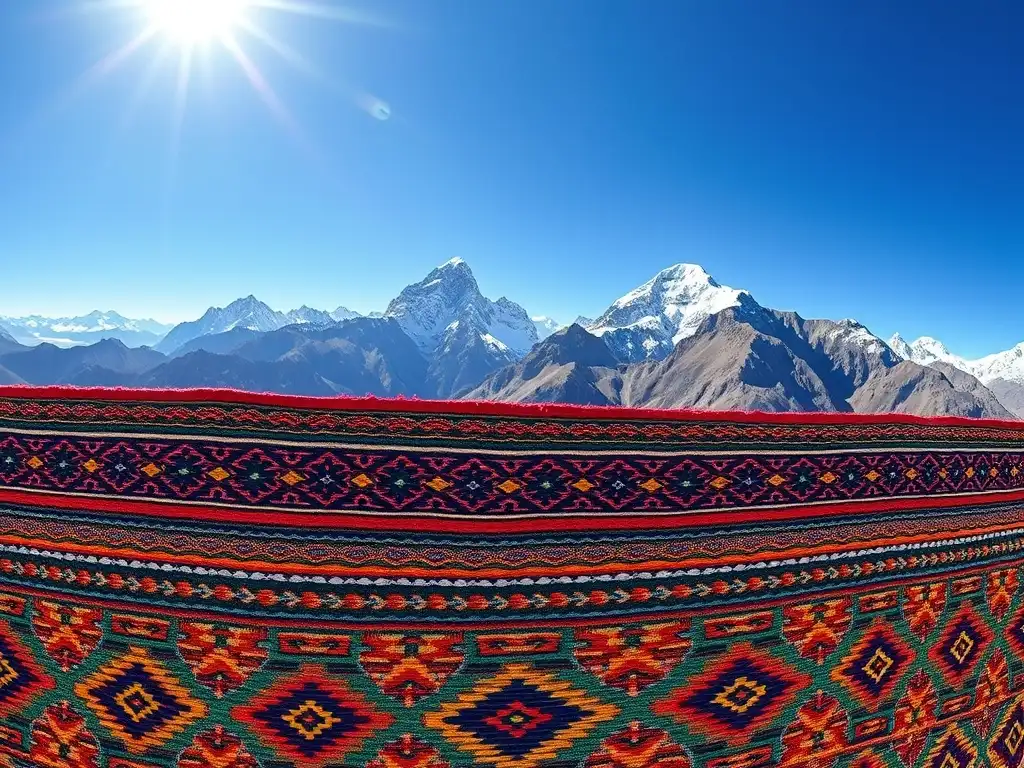
Unravel the mysteries of a world woven in time. Dive into the vibrant tapestry of Andean civilizations, where intricate textiles weren't mere clothing, but powerful expressions of cosmology and social status. Discover how Andean textiles history reveals profound insights into their worldview, a story richer and more complex than you ever imagined. Prepare to be captivated by the intricate artistry and hidden narratives embedded within the threads of Andean textiles, in "The Woven World: Textiles and the Representation of Andean Time."
The Andes Mountains, a spine of towering peaks stretching along the western edge of South America, have witnessed the rise and fall of some of the most fascinating civilizations in human history. For millennia, these cultures – from the early pre-ceramic societies to the Inca Empire – have developed sophisticated systems of belief and practice deeply intertwined with their environment.
This intricate relationship is nowhere more vividly expressed than in the realm of textiles, which served not merely as clothing or adornment, but as potent symbols carrying complex narratives of Andean time, cosmology, and social structure. This article delves into the rich history of Andean textiles, exploring how these woven masterpieces functioned as dynamic representations of the Andean worldview and their understanding of time itself.
We will examine the evolution of techniques, materials, and the symbolic meanings woven into the very fabric of Andean society, offering a unique perspective on "Andean textiles history" and its profound significance. Prepare to be captivated by the artistry and the profound cultural insights embedded within these remarkable artifacts.
Introduction to Andean Textiles and Time
Andean civilizations did not perceive time in a linear fashion, as is common in Western thought. Instead, they viewed time as cyclical, a continuous interplay between the earthly and spiritual realms, the past, present, and future interwoven like threads in a meticulously crafted textile. Their understanding of time was deeply connected to agricultural cycles, celestial movements, and the intricate social structures that governed their lives.
Textiles, with their repetitive patterns and intricate designs, became a powerful medium for representing this cyclical perception of time. The very act of weaving, a process of interlacing threads to create a cohesive whole, mirrored their understanding of the interconnectedness of all things within their cosmos. The use of specific colors, motifs, and techniques further encoded temporal and cosmological meanings, transforming everyday garments and ceremonial objects into potent visual narratives.
Andean Textiles: A Historical Overview
The history of Andean textiles is a vast and complex tapestry, spanning millennia and encompassing a remarkable diversity of styles and techniques. From the earliest evidence of fiber use to the sophisticated weaving traditions of the Inca Empire, Andean textiles offer a captivating window into the evolution of Andean societies and their worldview.
Early Textile Traditions in the Andes
The earliest evidence of textile production in the Andes dates back to the pre-ceramic period, with the discovery of fragments of woven textiles in caves and archaeological sites. These early textiles, often made from simple fibers like cotton and camelid wool, demonstrate a rudimentary understanding of weaving techniques but already exhibit a surprising level of artistry. [Specific information pending on the exact dating and characteristics of these early textiles]. The development of more complex weaving techniques, like tapestry and brocade, came later, reflecting advancements in technology and social organization.
The Evolution of Weaving Techniques
Over time, Andean weavers refined their techniques, developing increasingly sophisticated methods for creating intricate designs and textures. The backstrap loom, a portable device that allowed for flexibility and control, became a ubiquitous tool, enabling the creation of finely woven textiles of exceptional quality. The development of new techniques, such as the use of supplementary weft and various types of knotting, expanded the possibilities for artistic expression, allowing for greater complexity and detail in textile designs.
The evolution of these techniques is directly linked to the growing sophistication of Andean societies and the increasing importance of textiles in their cultural and religious practices. [Specific examples of the evolution of weaving techniques with dates and locations are needed here].
Materials and Dyes in Ancient Andean Textiles
The materials used in Andean textiles were as diverse as the landscapes themselves. Camelid fibers, such as alpaca and llama wool, were highly prized for their softness and warmth, while cotton provided a lighter and more breathable option. [Data on the specific types and proportions of fibers used in different periods and regions is needed]. The vibrant colors of Andean textiles were achieved through the use of natural dyes derived from plants, minerals, and insects. These dyes, often imbued with symbolic meaning, contributed significantly to the overall aesthetic and cultural significance of the textiles. For instance, the use of specific colors could indicate social status, religious affiliation, or even mark particular moments in time. [Specific examples of dyes, their sources, and their symbolic meanings need to be included here]. The meticulous preparation and application of these dyes demonstrate the high level of skill and artistry involved in Andean textile production.
Andean Textiles as Time Keepers
Andean textiles weren't merely clothing or decorative items; they served as intricate timekeepers, meticulously recording historical events, social structures, and cosmological beliefs. The creation of a textile itself represented a passage of time, from the shearing of the alpaca or llama, to the spinning, dyeing, and weaving processes, often spanning months or even years. This inherent temporal aspect is deeply interwoven with the Andean concept of cyclical time, making textiles potent historical documents.
The durability of the materials – particularly the high-quality camelid fibers – further contributed to their longevity, allowing these woven narratives to survive for centuries, providing invaluable insights into the past. Examining these textiles offers a unique perspective on how Andean societies perceived and documented the unfolding of time. The meticulous craftsmanship and the preservation of these artifacts highlight the significance placed on the transmission of knowledge across generations.
The Concept of Cyclical Time in Andean Cultures
Unlike linear conceptions of time prevalent in many Western cultures, Andean societies often viewed time as cyclical, a continuous renewal and repetition of life, death, and rebirth. This cyclical perspective is reflected in agricultural practices, religious rituals, and, significantly, in their textiles. The patterns and motifs found in Andean textiles often depict recurring themes of nature, such as the sun and moon cycles, agricultural seasons, and the life cycles of animals.
These repetitive motifs visually represent the cyclical nature of time, emphasizing the continuous flow and regeneration within the Andean worldview. The cyclical nature of time also influenced the way Andean communities viewed history; it wasn't a linear progression but a series of recurring events and processes, constantly influencing the present and shaping the future. This concept profoundly influenced their art and textile production, resulting in visually captivating representations of their understanding of time.
How Textiles Encoded Time and History
Andean weavers ingeniously encoded historical events and social structures into their textiles. Specific patterns, colors, and motifs served as visual shorthand for significant moments in a community's history. For instance, a particular pattern might commemorate a successful harvest, a military victory, or a significant religious ceremony.
The inclusion of these patterns in textiles meant that history was not only recorded in written form (where it existed), but also visually preserved and passed down through generations via the textiles themselves. This visual encoding of history ensured that knowledge and cultural memory were preserved even in the absence of a widely accessible written language. The complexity of some designs suggests a sophisticated system of visual encoding, demanding a deep understanding of the cultural context to fully decipher their meaning.
Textile Patterns and Their Temporal Significance
The intricate patterns in Andean textiles are far from arbitrary. They are laden with symbolic meaning, and their arrangement often reflects a temporal sequence or a narrative unfolding across the textile's surface. For example, a series of motifs might represent the stages of a ritual, or the progression of a harvest cycle from planting to reaping.
The careful placement of these patterns, their size, and their relationship to other elements create a visual timeline, conveying a complex narrative through a combination of symbolic elements and spatial arrangement. Analyzing these patterns provides clues to understanding Andean perceptions of time, their understanding of historical events, and their connection to the cosmos. Further research into specific textile patterns and their contexts is crucial for deciphering their full temporal significance.
The Symbolic Language of Andean Weaving
Andean textiles represent a rich and complex symbolic language, where every element – from the choice of fiber and color to the intricate weaving techniques and patterns – carries specific meaning. This symbolic language served as a powerful tool for communication, transmitting knowledge, beliefs, and social status across generations. Understanding this language requires careful examination of the cultural context in which the textiles were created and used.
The use of specific symbols, motifs, and color palettes allowed for the effective transmission of information, providing insights into the Andean worldview and their relationship with the natural and supernatural realms. The symbolic language of Andean weaving is a testament to the sophistication of their communication system.
Iconography and Narrative in Textiles
The iconography found in Andean textiles often tells stories, depicting mythological figures, historical events, or scenes from daily life. These narratives are woven into the fabric, creating visual accounts of their history, mythology, and social structures. The arrangement of figures and symbols within the textile's design creates a visual narrative, unfolding in a sequence that can be interpreted by those familiar with the cultural codes.
Often, these narratives are not linear but cyclical, reflecting the Andean worldview of time as a continuous process of renewal and regeneration. The integration of narrative within the textile itself highlights the interconnectedness of art, history, and storytelling within Andean culture.
Representing Ancestors and Deities through Cloth
Textiles served as important mediums for representing ancestors and deities in Andean cultures. Specific patterns and colors were associated with particular deities or ancestral figures, allowing for their symbolic representation in the woven fabric. These textiles were often used in religious ceremonies, reinforcing the connection between the living and the spiritual world.
The use of textiles in rituals and ceremonies underscores their significance as more than just clothing; they were powerful tools for communicating with the spiritual realm. The creation and use of these textiles were often highly ritualized, emphasizing the sacred nature of the process and the resulting artifacts.
The Role of Color in Conveying Meaning
Color played a significant role in the symbolic language of Andean weaving. Different colors were associated with specific meanings, often related to the natural world, such as the earth, the sky, or plants. The choice of color in a textile could convey a range of meanings, from social status and power to spiritual significance.
The use of specific dyes, often derived from natural sources, added another layer of complexity to the meaning conveyed by color. For example, certain colors might be associated with specific deities or events, providing further insights into the cultural context of the textiles. The symbolic use of color in Andean textiles reveals a sophisticated understanding of color symbolism and its power to communicate complex meanings.
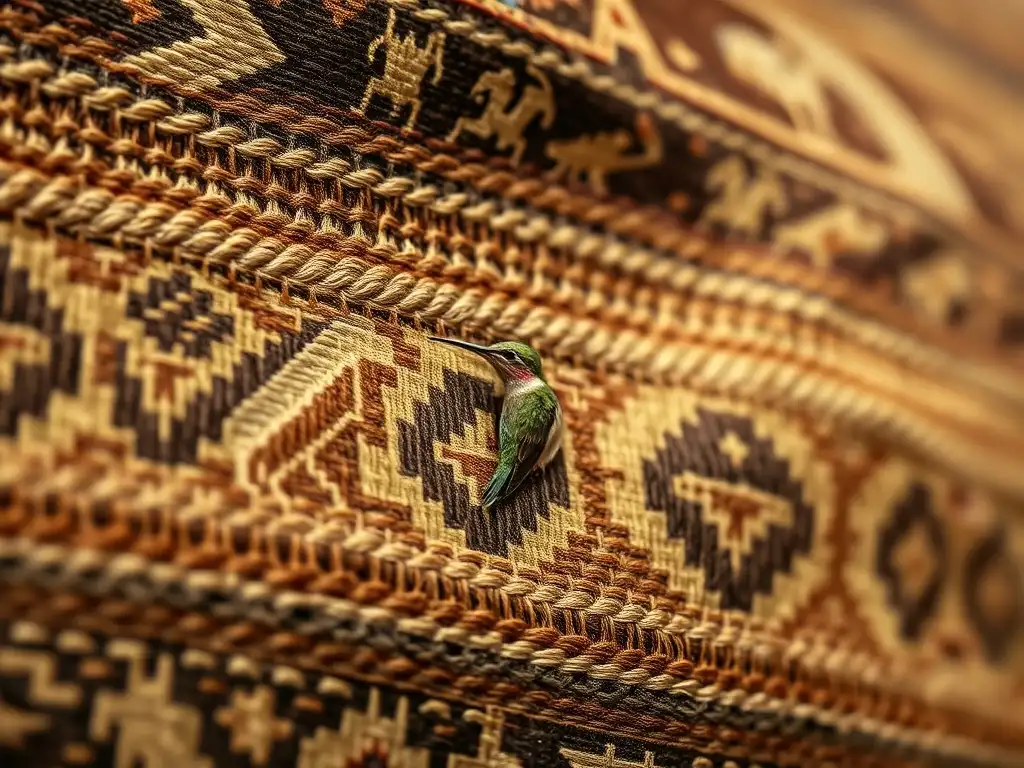
Andean textiles were far more than just clothing; they were powerful symbols of social status, political power, and religious beliefs. The intricate designs, the quality of the materials, and the techniques employed all conveyed specific messages about the wearer and their place within Andean society. The creation and ownership of elaborate textiles were often closely tied to access to resources and power structures.
The sheer amount of labor involved in producing high-quality textiles meant that only certain individuals or groups could afford to commission or create them. This created a system where textiles functioned as visual markers of social hierarchy, instantly communicating wealth, power, and prestige. The vibrant colors and complex patterns weren't merely aesthetic choices; they were carefully selected to represent specific clans, lineages, or even deities.
This complex system of visual communication allowed for the transmission of information and the reinforcement of social structures across generations. The use of textiles in ceremonies and rituals further solidified their role as powerful social and political tools.
Textiles as Status Symbols
The use of textiles as status symbols in Andean societies was pervasive and multifaceted. Elite members of society, such as chiefs, priests, and nobles, frequently wore garments made from the finest materials, such as vicuña or alpaca wool, adorned with intricate and elaborate designs. These designs often incorporated symbolic motifs that represented their lineage, power, or connection to the supernatural world.
The more elaborate the textile, the higher the social standing of the wearer. For example, certain patterns or colors might be reserved exclusively for royalty, indicating their divine right to rule. The sheer volume of textiles owned by individuals also served as a marker of status.
Large quantities of fine textiles demonstrated not only wealth but also the control over resources and labor necessary to produce them. This system of visual display solidified social hierarchies and reinforced the power of the elite. The meticulous craftsmanship and artistic skill displayed in these textiles further underscored their importance as symbols of power and prestige.
The Economic Value of Weaving
Weaving in the Andes was not merely a craft; it was a crucial component of the Andean economy. The production of textiles involved a complex network of labor, trade, and exchange. From the herding of animals that provided the wool to the skilled artisans who created the intricate designs, a vast workforce contributed to the textile industry.
This economic activity generated wealth and supported communities across the Andes. Textiles served as a form of currency, often used in exchange for goods and services. Their value varied depending on the quality of the materials, the complexity of the designs, and the skill of the weaver.
High-quality textiles, such as those made from vicuña wool, were particularly valuable and were often traded across vast distances. The control over the production and distribution of textiles was a source of power for elites and played a significant role in shaping economic relations within Andean societies. The economic significance of textiles is evident in archaeological findings, which reveal large quantities of textiles stored in temples and elite tombs.
Textiles and Ritual Practices
Textiles played a central role in Andean religious and ritual practices. They were used to adorn temples, statues, and mummies, and were often incorporated into ceremonies and offerings. The designs and colors of these textiles were carefully chosen to represent specific deities, spirits, or cosmological concepts.
Textiles served as a medium for communicating with the supernatural world, and their creation and use were often closely tied to shamanistic practices. The use of textiles in rituals helped to reinforce social cohesion and maintain the social order. For example, textiles might be used to create a symbolic link between the living and the dead, or to represent the cyclical nature of time and the cosmos.
The use of specific dyes and weaving techniques, often associated with specific rituals, further demonstrates the deep connection between textiles and Andean spirituality. The symbolic power of textiles continued to be relevant long after the Inca Empire, with many indigenous communities continuing to use textiles in their religious practices today.
Case Studies: Andean Textiles and Time
The relationship between Andean textiles and the representation of time is richly documented across various cultures and periods. Specific examples reveal how textile production and design were intricately linked to the understanding and recording of time, both cyclical and linear. The study of Andean textiles provides invaluable insights into the Andean worldview and their unique perception of the temporal dimension.
Paracas Mantles: Chronological and Symbolic Narratives
Paracas mantles, renowned for their exceptional artistry and intricate designs, offer a unique glimpse into the Andean concept of time. These large, richly decorated textiles are not merely decorative objects; they are complex narratives woven into fabric. The detailed iconography found on these mantles often depicts scenes of daily life, mythical beings, and cosmological events.
The arrangement of these scenes, along with the stylistic features of the weaving, allows researchers to establish a chronological sequence and trace the evolution of artistic styles and beliefs over time. These textiles serve as visual records of changing social structures, religious beliefs, and artistic traditions.
The consistent use of specific motifs across different mantles suggests a continuity of cultural practices and beliefs over generations, while variations in style and technique reveal shifts and adaptations over time. The Paracas mantles, therefore, provide a unique blend of chronological and symbolic information, offering invaluable insights into the Andean understanding of time and its representation.
Inca Khipus: Knotted Cords as Record Keepers
Inca khipus were not merely decorative cords; they were sophisticated recording devices used to store and transmit information. These knotted strings, with their complex system of knots, colors, and arrangements, served as a form of record-keeping that encoded numerical data, historical events, and potentially even narrative texts.
While the precise methods of decoding khipus remain a subject of ongoing research, their function as a record-keeping system is undeniable. The khipus provide a unique lens through which to understand the Inca perception of time, as they were used to record historical events, census data, and economic transactions, thus creating a chronological record of the empire's history and activities.
The use of khipus demonstrates the Inca's sophisticated understanding of quantitative data and their ability to organize and represent information in a systematic manner. The durability of the khipu material also contributed to the preservation of information over extended periods, highlighting the Inca’s focus on recording and transmitting information across generations.
Weavings of the Taquile Island: Cultural Identity and Continuity
The textiles of Taquile Island in Lake Titicaca exemplify the enduring link between Andean weaving and the representation of time and cultural identity. The intricate designs and techniques used by the Taquileños have been passed down through generations, maintaining a remarkable continuity of cultural practices. The specific patterns and colors used in their textiles are deeply symbolic, representing the community's values, beliefs, and social structures.
The use of traditional methods and materials underscores the community's commitment to preserving their cultural heritage. These textiles, therefore, serve as a powerful testament to the enduring nature of cultural identity and the transmission of knowledge across generations.
The continued practice of traditional weaving on Taquile Island showcases the ability of textiles to bridge the gap between past and present, maintaining a vital connection to ancestral traditions and reinforcing cultural continuity over time. The vibrant colors and intricate designs, passed down through generations, serve as a living record of the Taquileño people’s history and cultural identity.
The Legacy of Andean Textiles
Andean textiles represent a remarkable legacy, a tangible link to the past that continues to inspire and inform the present. The intricate techniques, vibrant colors, and symbolic designs woven into these fabrics tell stories spanning millennia, reflecting the evolving beliefs, social structures, and artistic sensibilities of Andean cultures. From the earliest examples found in pre-ceramic contexts to the sophisticated textiles of the Inca Empire and beyond, the continuity of textile production is striking.
This consistent thread through time underscores the enduring importance of textiles within Andean societies, serving not only practical purposes but also playing a pivotal role in ritual, social status, and the expression of cosmological beliefs. The artistry involved, often passed down through generations, ensured that each piece was imbued with meaning and history.
Master weavers meticulously crafted textiles using a diverse range of materials, including alpaca, llama, vicuña, and cotton, demonstrating a profound understanding of both natural resources and complex weaving techniques. The sheer diversity of styles, patterns, and techniques across different Andean cultures further highlights the rich tapestry of their shared heritage.
Contemporary Andean Weaving Traditions
Despite the passage of centuries, Andean weaving traditions remain remarkably vibrant. Contemporary artisans continue to practice ancient techniques, adapting them to modern contexts while preserving the essence of their cultural heritage. Communities throughout the Andes maintain active weaving workshops, passing down knowledge and skills from one generation to the next. This continuity is not merely a matter of preserving tradition; it's a dynamic process of cultural adaptation and innovation.
Modern Andean weavers often incorporate new materials and designs, reflecting contemporary influences while retaining the core elements of traditional styles. This blend of old and new ensures that Andean textiles remain relevant and sought-after, both within Andean communities and globally. The economic empowerment of women, often the primary weavers in many communities, is a significant positive outcome of the continued practice of these traditions. Their involvement ensures the survival and evolution of these invaluable techniques.
The Enduring Importance of Andean Textiles
The enduring importance of Andean textiles is multifaceted. Beyond their aesthetic appeal, they hold significant cultural, social, and economic value. Textiles serve as powerful symbols of identity, connecting individuals to their ancestral heritage and reinforcing community ties. The intricate designs often incorporate symbolic representations of Andean cosmology, reflecting beliefs about the relationship between humans, nature, and the supernatural.
Moreover, textiles play a crucial role in social status and ritual practices. Elaborately woven garments and ceremonial textiles were often reserved for elites, signifying their power and prestige. In contemporary society, Andean textiles continue to play a vital role in cultural celebrations and ceremonies, maintaining their connection to the spiritual and social fabric of Andean life. The economic significance of textile production should also be noted, providing livelihoods for numerous communities throughout the Andes.
Preserving the History of Andean Textiles
Preserving the history of Andean textiles requires a multi-pronged approach. Museums and archives play a crucial role in safeguarding significant examples of these artifacts, making them accessible for study and appreciation. However, equally important is the active support of contemporary weaving traditions. By promoting fair trade practices and supporting artisan communities, we can help ensure the continuation of these valuable skills and the preservation of cultural knowledge.
Furthermore, documentation projects—including photographic records, detailed descriptions of techniques, and anthropological studies—are essential for understanding the historical, social, and artistic contexts of Andean textiles. This comprehensive approach, encompassing both preservation of existing artifacts and support for continuing traditions, is crucial for ensuring that the rich history of Andean textiles remains a vibrant part of our collective heritage. The challenges of preserving these delicate textiles, from environmental factors to the ethical sourcing of materials, require ongoing attention and collaboration.
Conclusion: Time, Textiles, and Andean Culture
Andean textiles are far more than just beautiful fabrics; they are powerful representations of Andean time, reflecting the continuous evolution of culture, belief systems, and artistic expression. From the intricate designs that communicate cosmological ideas to the enduring techniques passed down through generations, Andean textiles offer a unique perspective on the relationship between humans, nature, and the passage of time. Their enduring legacy underscores the profound connection between Andean culture and its material heritage, a connection that continues to inspire and enrich our understanding of the past, present, and future.
The preservation of these textiles, both materially and through the continuation of weaving traditions, is paramount to safeguarding a vital aspect of Andean cultural identity and its unique perspective on the concept of time itself. The study of Andean textiles provides invaluable insights into the complex and fascinating world of Andean cosmology and worldview.
- Introduction to Andean Textiles and Time
- Andean Textiles: A Historical Overview
- Andean Textiles as Time Keepers
- The Symbolic Language of Andean Weaving
- The Social and Political Significance of Andean Textiles
- Case Studies: Andean Textiles and Time
- The Legacy of Andean Textiles
- Conclusion: Time, Textiles, and Andean Culture
Frequently Asked Questions
What role did textiles play in Andean societies?
Textiles were incredibly important, serving both practical and symbolic functions. They were used for clothing, shelter, and ritual objects, reflecting social status, beliefs, and cosmology. Their intricate designs told stories and preserved history.
How did Andean textile techniques differ across various cultures?
Different Andean cultures developed unique techniques. The Nazca were known for their complex tapestry weaving, while the Inca mastered knotted textiles (khipus). Each group's style reflected its specific artistic traditions and technological advancements.
What materials were commonly used in Andean textile production?
Cotton and camelid fibers (alpaca, llama, vicuña) were the primary materials. The quality and type of fiber often indicated the social standing of the wearer. Other materials, like feathers and precious metals, were also incorporated for decorative purposes.
How did Andean textiles represent the concept of time?
Textile designs frequently depicted cosmological views and historical events, weaving together past, present, and future. The patterns and colors held significant meaning, reflecting the cyclical nature of Andean time and their relationship with the natural world.
Where can I learn more about the history of Andean textiles?
You can explore museums with Andean collections, such as the Larco Museum in Lima or the American Museum of Natural History in New York. Academic journals and books dedicated to Andean archaeology and textile studies provide in-depth information.
Final Reflection: Unraveling the Threads of Andean Time
The vibrant threads of Andean textiles continue to speak volumes, not just about the past, but about our present understanding of time, identity, and cultural preservation. Their intricate designs, passed down through generations, are a powerful testament to the enduring legacy of Andean civilizations and a stark reminder of the importance of safeguarding cultural heritage in a rapidly changing world. The intricate narratives woven into these fabrics offer a unique perspective on how societies perceive and record their history, challenging linear Western notions of time.
The enduring power of Andean textiles lies not only in their aesthetic beauty but in their ability to bridge the gap between past and present. They are living archives, constantly reinterpreted and recontextualized within contemporary Andean societies. Their continued use in ceremonies, celebrations, and everyday life demonstrates their ongoing relevance and significance. The past is never dead. It's not even past.
- William Faulkner. This quote resonates deeply with the enduring presence of Andean textile traditions, proving that the stories woven into these fabrics remain powerfully alive.
Consider the intricate patterns, the symbolic colors, the techniques passed down through centuries. These are not merely decorative elements; they are the keepers of memory, the voices of ancestors whispering across time. You, the reader, are now part of this ongoing conversation.
Take a moment to reflect on the ways in which your own cultural heritage is preserved and transmitted. How can you contribute to the preservation of stories and traditions, ensuring that the threads of your own history remain vibrant and strong for generations to come? Let the woven world of the Andes inspire you to weave your own narrative, rich with meaning and connection to the past.
**Uncover the Threads of Andean Time! **
Thank you for exploring the fascinating world of Andean textiles and their unique representation of history and culture. You've discovered how these intricate weavings connect the past and present in extraordinary ways. Now, let's delve even deeper!
Here are a few ways to continue your exploration:
- **Learn more about Andean textiles** by visiting local artisans, exploring online museums and galleries, and researching the rich stories behind each piece.
- **Share your knowledge** with friends and family. Perhaps host a gathering or discussion focused on the artistry and cultural significance of Andean textiles.
- Connect with other enthusiasts by joining an online forum or community group dedicated to Andean culture. Sharing your insights and learning from others will enrich your understanding.
As you continue this journey, consider how the artistry and symbolism of Andean textiles have broadened your understanding of cultural history and its enduring power.