
The Valdivia Diet: What Did They Eat and How Did They Farm?

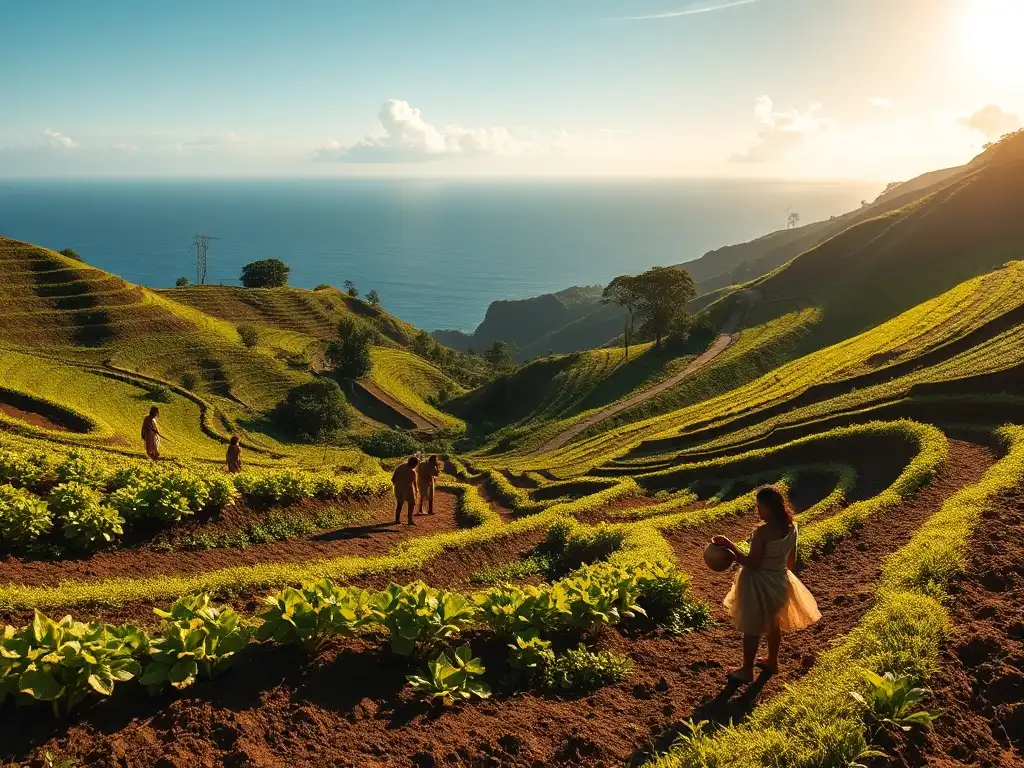
Dive into the enigmatic world of the Andean civilizations! From the towering heights of the Inca Empire to the coastal ingenuity of cultures like the Moche and Nazca, we uncover the secrets of their remarkable societies. But first, prepare to be amazed: Did you know that the Valdivia culture, long before the Incas, developed sophisticated farming techniques that shaped their diet and society?
Unravel the mysteries of Valdivia farming techniques and discover how this innovative approach to agriculture fueled one of the earliest known civilizations of the Andes in our exploration of the Pre-Incan Cultures of the Coast. Journey with us to uncover the fascinating details!
- The Valdivia Diet: Unearthing Ancient Coastal Farming and Cuisine
- Understanding the Valdivia Culture and its Coastal Adaptation
- Valdivia Dietary Habits: What Did They Eat?
-
Valdivia Farming Techniques: Cultivating the Coast
- Early Agricultural Practices of the Valdivia
- The Development of Valdivia Farming Systems
- Understanding Valdivia Agricultural Methods
- Key Crops Cultivated by the Valdivia People
- Irrigation Techniques and Water Management
- Evidence of Valdivia Agricultural Innovation
- Adapting to the Coastal Environment: Challenges and Solutions
-
Analyzing Valdivia Agriculture: A Deeper Look
- The Impact of Valdivia Farming on Society
- Comparing Valdivia Agricultural Methods to Other Cultures
- Sustainability Practices in Valdivia Agriculture
- The Significance of Valdivia Agriculture in Andean History
- Valdivia Farming Techniques: Irrigation and Water Management
- Crops Cultivated by the Valdivia: A Diverse Diet
- Conclusion: The Legacy of Valdivia Food and Farming
-
Frequently Asked Questions
- What farming techniques did the Valdivia culture use?
- What role did agriculture play in Valdivia society?
- What evidence exists to support our understanding of Valdivia farming?
- How did Valdivia farming compare to other Andean cultures?
- What crops were most important to the Valdivia diet, and how were they cultivated using Valdivia farming techniques?
- Final Reflection: Harvesting the Legacy of Valdivia Farming
- Unveil the Secrets of the Valdivia Diet Today!
The Valdivia Diet: Unearthing Ancient Coastal Farming and Cuisine
The Valdivia culture, flourishing along the coast of present-day Ecuador from approximately 3500 to 1800 BCE, represents one of the earliest known complex societies in South America. Remarkably, this pre-ceramic culture developed sophisticated farming techniques and a diverse diet, significantly impacting their societal development and cultural expression.
This article delves into the fascinating world of Valdivia sustenance, exploring their agricultural practices and the foods that sustained them, focusing specifically on the innovative Valdivia farming techniques that allowed them to thrive in a challenging coastal environment. We will uncover how their agricultural innovations contributed to their complex social structures and their lasting legacy in the Andean region.
Understanding the Valdivia diet provides crucial insights into their social organization, resource management, and overall adaptation to their unique environment. This exploration sheds light not only on their culinary practices but also on their ingenuity and resilience as pioneers of coastal agriculture in the Americas.
Valdivia Farming Techniques: Adapting to a Coastal Environment
The Valdivia people faced unique challenges in cultivating food along the Ecuadorian coast. Unlike the fertile highlands, the coastal region presented limitations in terms of freshwater availability and soil fertility. To overcome these obstacles, the Valdivia developed ingenious farming techniques. Evidence suggests they employed a combination of strategies, including:
- Terracing: While not as extensive as in later Andean cultures, some evidence points towards rudimentary terracing to create level planting surfaces on sloping land, maximizing usable space and improving water retention.
- Irrigation Systems: The Valdivia likely utilized simple irrigation channels to divert water from streams and rivers to their fields, especially during the dry season. These systems, while less sophisticated than those of later cultures, were essential for successful crop cultivation.
- Seed Selection and Crop Domestication: Archaeological findings indicate the Valdivia domesticated several crops, including various types of squash, beans, and possibly maize (though the evidence for early maize cultivation is still debated among scholars). Their careful selection of seeds over generations likely contributed to higher yields and adaptation to the coastal climate.
- Coastal Resource Management: Beyond agriculture, the Valdivia expertly exploited the marine resources available to them. Fishing and shellfish gathering played a crucial role in their diet, supplementing the agricultural yields and providing a reliable source of protein and other nutrients. This integrated approach to resource management showcases their understanding of their environment and their ability to optimize food production.
The Valdivia Diet: A Diverse Range of Foods
The Valdivia diet was surprisingly diverse, reflecting their sophisticated farming techniques and their mastery of coastal resources. Their food sources included:
- Cultivated Crops: Squash, beans, and possibly early forms of maize formed the backbone of their agricultural production. These provided essential carbohydrates, proteins, and vitamins.
- Marine Resources: A wide variety of fish, shellfish (such as mussels, clams, and oysters), and other seafood provided a significant source of protein and essential nutrients. Archaeological evidence clearly shows the importance of marine resources in their diet.
- Wild Plants and Foraging: The Valdivia also supplemented their diet by gathering wild plants, fruits, and nuts found in the surrounding environment. This foraging contributed to dietary diversity and provided additional nutrients.
- Evidence from Archaeological Remains: Analysis of human remains and the contents of ancient middens (garbage heaps) has provided valuable insights into the Valdivia diet. The presence of specific plant and animal remains helps to reconstruct their daily consumption patterns and preferences. Further research is needed to provide a more precise picture of the seasonal variations in their diet.
The Socioeconomic Implications of Valdivia Farming
The success of Valdivia farming techniques had profound socioeconomic implications. A stable food supply, resulting from their agricultural innovations and effective resource management, likely contributed to:
- Sedentary Lifestyle: The ability to consistently produce food allowed the Valdivia to settle in villages, fostering the development of more complex social structures and community organization.
- Population Growth: A reliable food supply supported population growth, leading to the expansion of Valdivia settlements and the emergence of larger, more interconnected communities.
- Social Stratification: While the extent of social stratification in Valdivia society is still debated, some evidence suggests the emergence of social hierarchies, potentially linked to control over resources and agricultural production. Further research is needed to fully understand the implications of their agricultural success on social dynamics.
- Trade and Exchange: Surplus agricultural products and specialized crafts could have been traded with neighboring groups, fostering economic interactions and cultural exchange within the region. This demonstrates the broader impact of their agricultural innovations on regional development.
The Valdivia culture's remarkable achievements in coastal farming laid the groundwork for subsequent Andean civilizations. Their ingenuity in adapting to a challenging environment and developing sustainable agricultural practices serves as a testament to their resilience and innovation.
Understanding the Valdivia Culture and its Coastal Adaptation
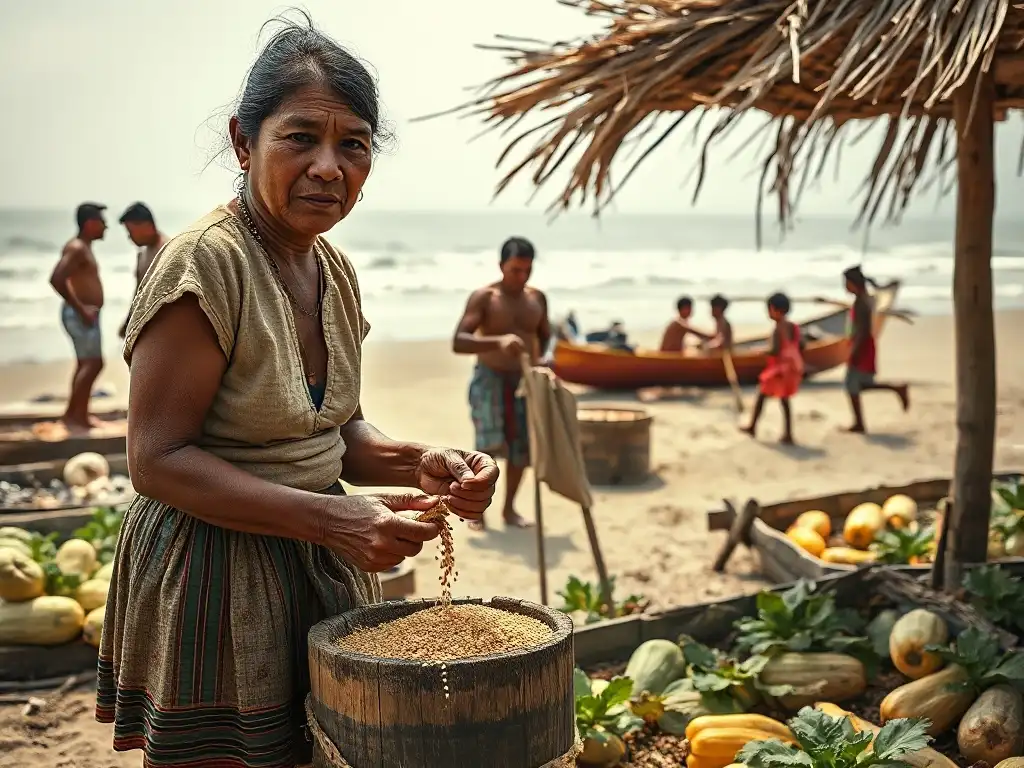
This section delves into the fascinating world of Valdivia farming techniques, exploring how this pre-Incan coastal civilization ingeniously adapted to its environment to produce food. The Valdivia people, inhabiting the coastal region of present-day Ecuador, developed sophisticated agricultural practices that allowed them to thrive in a challenging landscape. Their success wasn't merely about survival; it laid the foundation for a complex society with remarkable artistic and technological achievements. Understanding their agricultural methods provides crucial insights into their social structures, economic systems, and overall cultural development.
We'll explore the specifics of their farming techniques, the crops they cultivated, and the tools they utilized, painting a vibrant picture of Valdivia agricultural life. The ingenuity of their approach to agriculture is a testament to their adaptability and resourcefulness. Their innovations in coastal farming significantly impacted their cultural trajectory and represent a remarkable feat of early agricultural technology.
The Valdivia Civilization: A Pre-Incan Coastal Powerhouse
The Valdivia culture, flourishing from approximately 3500 to 1800 BCE, represents one of the earliest known complex societies in South America. Unlike many other contemporary cultures focused on highland agriculture, the Valdivia people skillfully adapted to the coastal environment, developing unique farming strategies to support their growing population. Their mastery of coastal agriculture allowed them to create a relatively stable food supply, facilitating the development of larger settlements and a more complex social hierarchy.
This success wasn't accidental; it was the result of meticulous planning, innovative techniques, and a deep understanding of their environment. Archaeological evidence points towards a well-organized system of resource management and distribution, suggesting a degree of social organization far beyond simple hunter-gatherer groups.
The sophistication of their pottery, the complexity of their settlements, and the evidence of extensive trade networks all underscore the importance of their agricultural productivity in shaping their cultural identity. Their advanced techniques in Valdivia farming techniques allowed for population growth and the development of a thriving civilization long before the rise of the Inca Empire.
Geographic Context: Coastal Ecuador and Resource Availability
The Valdivia civilization thrived along the coastal plains of present-day Ecuador, a region characterized by a diverse range of ecological niches. The climate was relatively mild, with a distinct wet and dry season, presenting both opportunities and challenges for agriculture. The fertile alluvial soils deposited by rivers provided ideal conditions for certain crops, while the proximity to the ocean offered access to marine resources that supplemented their agricultural production. However, the region also faced challenges, including periodic flooding and limited freshwater resources in certain areas.
The Valdivia people overcame these limitations through careful land management practices and the development of ingenious irrigation systems. Evidence suggests they utilized raised fields and drainage systems to manage water levels, ensuring optimal conditions for crop growth. Their understanding of the interplay between freshwater sources, marine resources, and the fertile coastal plains was critical to their agricultural success.
The strategic location of their settlements near rivers and estuaries further indicates their awareness of and dependence upon the available resources. The careful management of their coastal environment allowed for sustainable agriculture, ensuring the long-term viability of their culture. This strategic resource management is a key component of understanding their success in mastering Valdivia farming techniques.
Further Research Areas: Valdivia Farming Techniques
Further research is needed to fully understand the nuances of Valdivia agricultural practices. Specifically, more detailed studies of ancient irrigation systems, crop diversity, and soil management techniques are required. Analysis of pollen samples from archaeological sites could also provide further insights into the types of crops cultivated and their distribution across different regions. A more comprehensive understanding of their tools and methods will provide a richer picture of their agricultural knowledge and ingenuity.
This deeper understanding will allow us to better appreciate the complexity of their society and the sophistication of their early agricultural achievements. The study of ancient seeds and plant remains found in Valdivia settlements could also reveal valuable information about their agricultural practices and crop selection. Further research will shed more light on this fascinating aspect of Valdivia civilization.
Valdivia Dietary Habits: What Did They Eat?
The Valdivia culture, flourishing along the coast of present-day Ecuador from roughly 3500 to 1800 BCE, demonstrates a sophisticated understanding of resource management and a diverse diet reflecting their coastal environment. Understanding their dietary habits provides crucial insight into their societal structure, agricultural practices, and overall lifestyle.
While precise details remain elusive due to the limitations of archaeological evidence, careful analysis of existing data paints a compelling picture of the Valdivia people's nutritional landscape. Their diet wasn't simply about survival; it was a reflection of their ingenuity and adaptation to a specific ecological niche, showcasing remarkable agricultural practices, which we'll explore further in this section.
Staple Foods of the Valdivia People
The Valdivia people relied heavily on plant-based foods, showcasing early agricultural advancements in the region. Evidence suggests that Cucurbita (squash) and other types of gourds were significant components of their diet. These readily cultivated plants provided carbohydrates, vitamins, and minerals crucial for sustenance.
Archaeobotanical studies have uncovered remains of various types of beans, further contributing to their protein and nutrient intake. The cultivation of maize (corn), while perhaps not as dominant as in later Andean cultures, is also suggested by some findings, although more research is needed to confirm its prevalence in the Valdivia diet. The presence of grinding stones and other tools associated with food preparation indicates the processing of these crops into various forms, including possibly porridges or breads.
The successful cultivation of these crops demonstrates a level of agricultural sophistication and planning reflective of a settled, agrarian lifestyle. Furthermore, the discovery of various wild plants and fruits in archaeological contexts suggests that foraging played a supplementary role in their diet, providing seasonal diversity and additional nutritional benefits.
Evidence of Valdivia Diet: Archaeological Findings
Reconstructing the Valdivia diet relies heavily on archaeological evidence, primarily from shell middens and excavated settlements. Shell middens, essentially massive piles of discarded shellfish, provide compelling evidence of their seafood consumption (detailed in the next section). However, botanical remains, though less abundant, are equally crucial.
The careful excavation and analysis of sites have yielded charred plant remains, seeds, and pollen, offering valuable clues about cultivated and wild plants forming part of their diet. Microscopic analysis of dental calculus (hardened plaque on teeth) from skeletal remains can provide additional insights into dietary components, revealing the presence of specific plants and potentially even certain types of proteins. However, the preservation of organic materials in the humid coastal environment presents challenges, resulting in incomplete data.
Further research, including advanced techniques like phytolith analysis (studying microscopic silica bodies in plants), could significantly improve our understanding of the Valdivia diet. The current research, although limited, points toward a diet that was both diverse and well-adapted to their environment. Future excavation and analysis of Valdivia settlements may reveal more detailed information about the specific plants and plant processing techniques utilized.
Seafood Consumption in the Valdivia Diet
The Valdivia's proximity to the coast profoundly shaped their diet, making seafood a crucial component. Archaeological evidence overwhelmingly demonstrates significant consumption of shellfish, particularly various species of mussels, clams, and oysters. The abundance of shell middens, some reaching considerable size, testifies to the scale of shellfish harvesting.
The presence of specialized tools, such as shell hooks and possibly even rudimentary fishing equipment, suggests active participation in fishing and possibly the collection of other marine resources. The regular consumption of seafood provided a vital source of protein and essential nutrients, supplementing their plant-based foods. The size and distribution of shell middens also provide insights into settlement patterns and population density, as these sites are often closely associated with Valdivia settlements, indicating a high reliance on this crucial resource.
Analysis of shellfish remains can also shed light on seasonal variations in dietary patterns and resource availability, revealing the adaptability of the Valdivia people to the fluctuations of the marine ecosystem. The importance of seafood in the Valdivia diet highlights the close relationship between this early Andean culture and the coastal environment, a relationship essential to their survival and prosperity.
Plant-Based Foods: Cultivated and Wild Resources
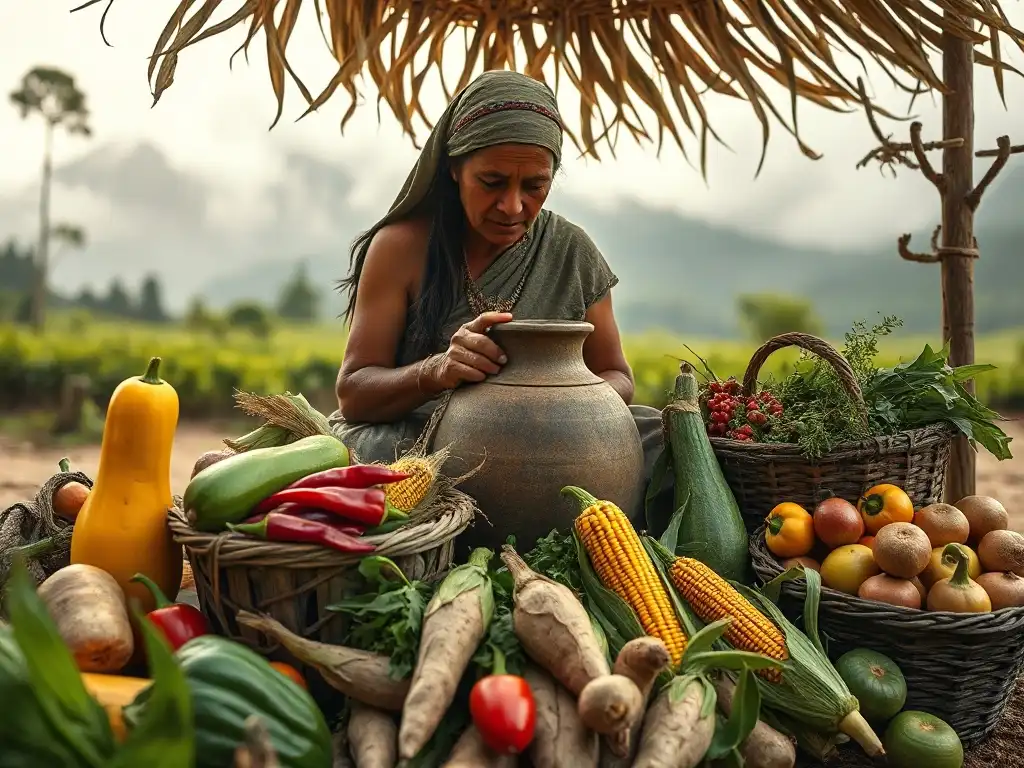
The Valdivia diet was heavily reliant on plant-based foods, a testament to their sophisticated agricultural practices and their ability to utilize both cultivated and wild resources. Archaeological evidence suggests a diverse range of plants formed the backbone of their sustenance. Cultivated crops included squash, including various types of gourds and pumpkins, which provided essential carbohydrates and nutrients. These were likely grown in carefully managed fields, irrigated where necessary, showcasing early forms of Valdivia farming techniques. The cultivation of these crops required a deep understanding of soil conditions, water management, and seasonal cycles, indicating a high level of agricultural knowledge.
Beyond cultivated crops, the Valdivia people skillfully harvested a variety of wild plants. These included various fruits, nuts, and tubers, which supplemented their diet and provided a crucial source of vitamins and minerals. The precise identification of many of these wild plants is still ongoing, as some seeds and plant remains are difficult to definitively classify. However, the presence of diverse pollen and plant microfossils at Valdivia sites strongly points to a varied and abundant wild plant resource base.
This combination of cultivated and wild resources suggests a resilient and adaptable food system, capable of weathering environmental challenges. The skillful exploitation of both cultivated and wild resources is a key indicator of the Valdivia people's sophisticated understanding of their environment and their ability to thrive within it. This highlights their advanced Valdivia farming techniques, especially considering the challenges of coastal agriculture.
The Role of Maize and Beans in the Valdivia Diet
While maize and beans became staples in later Andean cultures, their role in the early Valdivia diet is less clear. While some researchers suggest a limited presence of maize, it wasn't a dominant crop like it became in subsequent periods. The evidence for early maize cultivation in the Valdivia period is somewhat debated, with some arguing for its introduction only later.
This contrasts sharply with the later Andean civilizations where the "three sisters"—maize, beans, and squash—formed the core of their agricultural system. The relative scarcity of maize in the Valdivia archaeological record suggests that other crops played a more significant role in their daily caloric intake. Further research is needed to fully understand the transition and the eventual adoption of maize as a major crop in the Andean region.
The absence of widespread maize cultivation in the Valdivia period underscores the unique characteristics of their agricultural practices and their distinct dietary habits compared to later Andean cultures. This further emphasizes the importance of understanding the specific Valdivia farming techniques used in their time.
Meat Consumption: Hunting and Animal Domestication
While the Valdivia diet was primarily plant-based, meat did play a role, albeit a smaller one compared to the plant component. Evidence suggests that hunting was a significant source of protein. Archaeological findings include animal bones from various species, indicating a diverse hunting strategy targeting both land and marine animals. Coastal resources such as shellfish, fish, and marine mammals were likely important sources of protein and fats, supplementing the plant-based components of their diet. The evidence suggests the Valdivia people were skilled hunters and fishermen, adapting their techniques to the diverse environment surrounding their settlements.
The extent of animal domestication in the Valdivia period is less certain. While some evidence suggests the possible domestication of certain animals, it's not as widespread or clearly defined as in later Andean cultures. This contrasts with the later development of llama and alpaca herding which became integral to the Andean economy.
Further research is necessary to determine the precise role of animal domestication in the Valdivia food system, and to clarify whether any animals were actively domesticated or simply hunted. The current archaeological data indicates a mixed subsistence strategy, combining hunting and gathering with agriculture, highlighting the adaptability of the Valdivia people in securing a reliable food source. Understanding their hunting and fishing techniques, alongside their Valdivia farming techniques, provides a clearer picture of their resourceful lifestyle.
Valdivia Farming Techniques: Cultivating the Coast
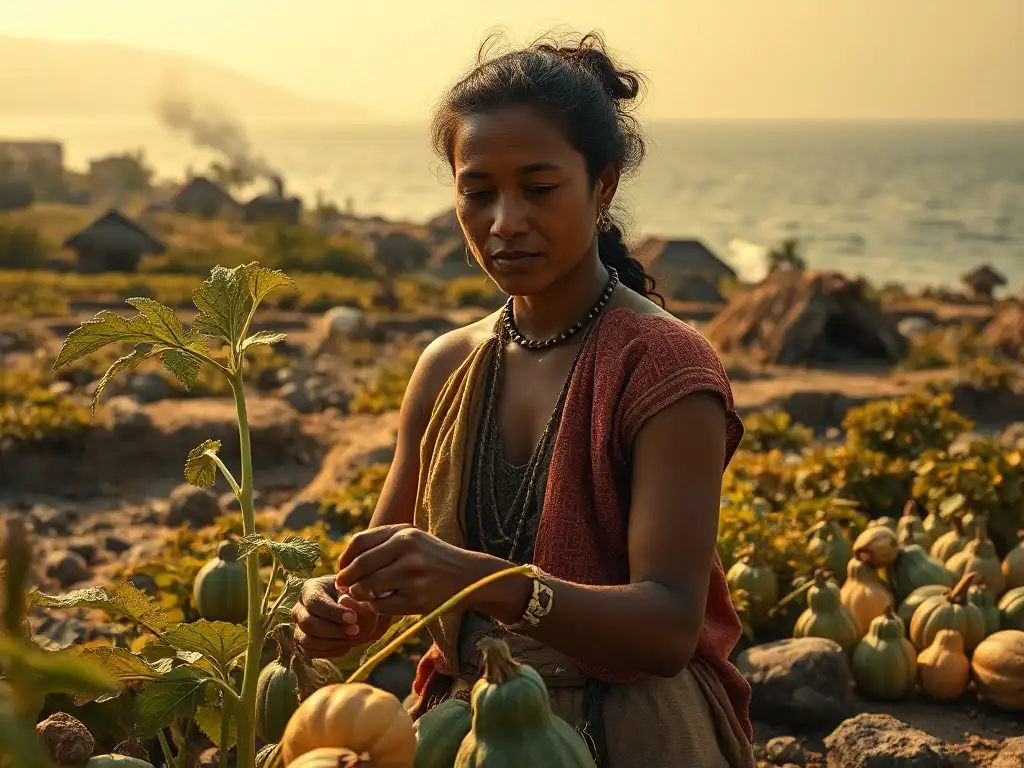
The Valdivia culture, flourishing along the coast of present-day Ecuador from approximately 3500 to 1800 BCE, developed sophisticated farming techniques to thrive in a challenging environment. Their agricultural practices, though distinct from those of later Andean civilizations, represent a significant early achievement in coastal agriculture. Understanding their methods provides crucial insight into the ingenuity and adaptability of these early peoples and contributes significantly to our understanding of the development of Andean agriculture as a whole.
The ingenuity of their farming techniques, particularly considering the coastal limitations, showcases their deep understanding of their environment and their ability to harness its resources. This section will delve into the specifics of Valdivia farming, focusing on their early practices and the evolution of their systems.
Early Agricultural Practices of the Valdivia
The earliest Valdivia farmers relied heavily on the naturally fertile alluvial soils deposited by rivers. This meant focusing on flood-plain agriculture, taking advantage of the seasonal flooding to irrigate their crops. Evidence suggests they cultivated a variety of crops, including:
- Squash: A staple food source, providing essential carbohydrates and nutrients.
- Beans: Another important legume, contributing protein to their diet.
- Peppers: Used for flavoring and possibly medicinal purposes.
- Cotton: Cultivated not only for its fiber but also potentially for its seeds, which could have been a food source.
- Gourds: Used for various purposes, including containers and utensils.
The absence of extensive irrigation systems in early Valdivia sites suggests a reliance on natural rainfall and river flooding for water. This dependence on natural cycles would have made their harvests susceptible to variations in rainfall, necessitating a keen understanding of seasonal patterns and environmental cues. Their success demonstrates a remarkable ability to work with nature rather than against it.
Further research is needed to fully understand the crop rotation practices and the extent of their reliance on wild plant gathering to supplement their cultivated food sources. Archaeological evidence suggests the use of simple tools, likely made from wood, stone, and bone, for tilling the soil and planting.
The Development of Valdivia Farming Systems
Over time, the Valdivia farming systems evolved in complexity. While early evidence points towards a more rudimentary approach, later Valdivia sites show signs of more organized agriculture. While the exact timeline remains a topic of ongoing research, the development likely involved:
- Improved soil management: Techniques such as terracing might have been employed in areas with sloping terrain to prevent soil erosion and optimize water retention. [Specific evidence of terracing pending]
- Development of rudimentary irrigation: Though not on the scale of later Andean civilizations, the possibility of small-scale irrigation systems, perhaps using canals or simple ditches, cannot be ruled out. [Further research is needed to confirm this hypothesis]
- Increased crop diversification: The range of cultivated plants might have expanded over time, reflecting a growing understanding of local ecosystems and agricultural possibilities.
- Improved tools: The development of more sophisticated tools, possibly including improved hoes or digging sticks, would have increased agricultural efficiency.
This evolution demonstrates a progressive adaptation to the environment and a growing mastery of agricultural techniques. The transition from purely relying on natural processes to implementing more controlled systems reflects a sophisticated understanding of agricultural principles and the needs of a growing population. The complexity of these later farming systems suggests a degree of social organization and collective effort, indicating a more structured societal framework.
Understanding Valdivia Agricultural Methods
The study of Valdivia agriculture offers invaluable insights into the early development of Andean farming practices. By examining archaeological remains, including plant remains, tools, and settlement patterns, we can gain a better understanding of their methods and the challenges they faced. The Valdivia's success in cultivating the coastal region, despite its limitations, stands as a testament to their resilience and ingenuity. Further research focusing on:
- Paleobotanical analysis: Detailed analysis of plant remains can reveal the specific types of crops cultivated, their genetic diversity, and the extent of human intervention in their cultivation.
- Soil analysis: Studying the soil composition in Valdivia sites can reveal information about soil management techniques and the impact of agriculture on the environment.
- Ethnoarchaeological studies: Comparing Valdivia farming techniques with those of contemporary indigenous groups in the region can provide valuable insights into their practices and the continuity of certain agricultural traditions.
will significantly enhance our understanding of Valdivia farming techniques and their contribution to the broader story of Andean agricultural development. The data gathered from these studies will allow us to paint a more complete picture of this remarkable early civilization and its profound impact on the cultural landscape of the Andes. The investigation of "Valdivia farming techniques" continues to be a vibrant area of research within Andean archaeology, constantly revealing new facets of this fascinating culture.
Key Crops Cultivated by the Valdivia People
The Valdivia people, known for their sophisticated coastal lifestyle, developed impressive agricultural practices to thrive in their environment. Their diet wasn't solely based on seafood; they cultivated a variety of crops, showcasing their adaptability and ingenuity. Archaeological evidence strongly suggests that squash, in various forms, was a staple.
The hardiness and adaptability of squash made it an ideal crop for the coastal climate, providing essential nutrients and calories. Furthermore, analysis of ancient plant remains points towards the cultivation of beans and possibly early varieties of maize, though the evidence for maize is less conclusive and requires further research to confirm its widespread cultivation during the Valdivia period. The presence of these crops indicates a diversified agricultural system, reducing reliance on a single food source and providing nutritional balance.
This careful selection of crops, adapted to the coastal environment, is a testament to the Valdivia people's deep understanding of their ecosystem and their ability to manipulate it for sustenance. The limited evidence concerning other crops highlights the need for further investigation and more detailed analysis of archaeological findings to fully understand the extent of their agricultural production. Further research into pollen analysis and phytolith studies could shed more light on the complete diversity of the Valdivia diet derived from agriculture.
Irrigation Techniques and Water Management
Given the coastal location of Valdivia settlements, water management was crucial for successful agriculture. While large-scale irrigation systems like those developed by later Andean civilizations weren't present, the Valdivia people employed sophisticated techniques suited to their environment. Evidence suggests that they utilized a combination of methods.
They likely relied heavily on rainfall, supplementing it with simple drainage systems to manage excess water during the rainy season and prevent crop damage. These drainage systems, likely consisting of carefully constructed channels and ditches, would have been crucial for protecting crops from waterlogging. Additionally, the proximity to rivers and streams would have allowed for supplementary irrigation using simple methods like diverting water from these sources to their fields.
The development of these strategies demonstrates a nuanced understanding of the local hydrology and a capacity to adapt agricultural practices to the unique challenges of the coastal environment. Further studies are needed to fully map the extent of these systems, but existing evidence points towards a practical and effective approach to water management that ensured sufficient hydration for their crops. The ingenuity displayed in these techniques is another aspect of Valdivia civilization often overlooked.
Evidence of Valdivia Agricultural Innovation
The Valdivia culture’s agricultural practices demonstrate a level of innovation remarkable for its time. The successful cultivation of crops in a relatively challenging coastal environment is in itself a testament to their ingenuity. The selection of drought-resistant crops such as squash shows careful consideration of environmental factors.
While the scale of their agricultural endeavors was likely smaller than those of later Andean civilizations, the sophistication of their techniques, including water management and crop diversification, is undeniable. The discovery of early evidence of plant domestication in the Valdivia region, particularly concerning squash and beans, points to a significant level of agricultural knowledge and manipulation of the natural world. This agricultural prowess likely contributed significantly to the Valdivia culture's success and prosperity.
Further research focusing on comparative analysis with other contemporary coastal cultures could provide a broader context for assessing the extent of Valdivia agricultural innovation within the larger Andean landscape. The Valdivia people's approach to farming is a powerful example of how human ingenuity can overcome environmental limitations, and its contribution to the understanding of early Andean agricultural development warrants further exploration. The careful study of Valdivia farming techniques offers valuable insights into the development of Andean agriculture and provides a compelling example of early agricultural innovation.
Adapting to the Coastal Environment: Challenges and Solutions
The Valdivia culture faced unique challenges in cultivating the coastal region of present-day Ecuador. Unlike the more predictable rainfall patterns of the Andean highlands, the coastal climate presented a variable and sometimes harsh environment. The primary challenge was the unpredictable nature of rainfall. While the region receives sufficient rainfall annually, the timing and intensity of the rainy season could vary significantly from year to year, leading to periods of drought or flooding that threatened crop yields. This variability necessitated the development of sophisticated water management techniques.
To overcome these challenges, the Valdivia people developed ingenious solutions. Evidence suggests they employed a combination of strategies to maximize their agricultural output. One crucial method was the careful selection of crops suited to the coastal environment.
They likely focused on drought-resistant plants and those capable of tolerating saline conditions near the coast. Archaeological findings of various plant remains offer clues to their dietary staples, though further research is needed to fully understand the extent of their cultivated crops. We know they cultivated various types of beans, squash, and possibly other root vegetables, which were well-suited to adapt to varying rainfall patterns.
Furthermore, the Valdivia people likely implemented rudimentary irrigation systems. While large-scale irrigation projects are not evident, smaller-scale systems, possibly utilizing canals or ditches to divert water from streams or rivers, may have been used to supplement rainfall during drier periods. This would have allowed for more consistent crop production, mitigating the risks associated with unpredictable rainfall.
The exact nature of these systems remains a topic of ongoing archaeological investigation, but the ingenuity of their solutions is undeniable. Their adaptation to the environment through careful crop selection and potential water management strategies exemplifies their remarkable agricultural expertise, a key factor in their survival and prosperity along the challenging coastal landscape.
The discovery of more sophisticated tools and artifacts related to water management would further solidify our understanding of their advanced techniques in addressing the challenges of coastal farming. The development of these techniques is a testament to their understanding of their environment and their ability to thrive in a relatively unpredictable climate.
Analyzing Valdivia Agriculture: A Deeper Look
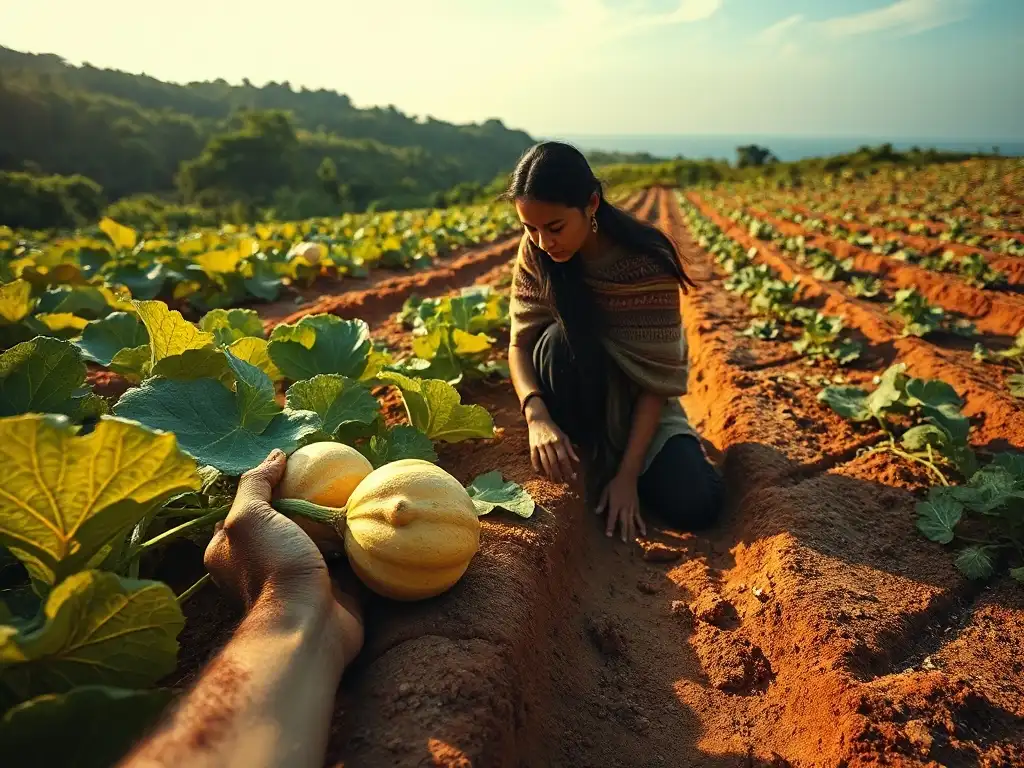
The Valdivia culture, flourishing along the coast of present-day Ecuador from approximately 3500 to 1800 BCE, developed sophisticated agricultural techniques crucial to their survival and societal development. Understanding their farming practices provides valuable insight into their ingenuity and adaptation to their environment. While precise details remain scarce due to the limitations of archaeological evidence, careful analysis of unearthed artifacts and environmental data allows us to reconstruct a compelling picture of their agricultural methods. The keyword "Valdivia farming techniques" highlights the innovative strategies employed by this early civilization.
The Impact of Valdivia Farming on Society
Valdivia farming techniques weren't merely about sustenance; they were fundamental to the social structure and prosperity of the culture. The ability to cultivate crops reliably fostered a sedentary lifestyle, leading to the development of larger, more permanent settlements. This shift from nomadic hunter-gatherer existence to settled agriculture had profound consequences.
Increased food security allowed for population growth and specialization of labor. Evidence suggests the emergence of social hierarchies and the development of craft production, as individuals were freed from the constant need to search for food. The surplus generated through successful harvests likely fueled the growth of trade networks, connecting Valdivia communities with other groups along the coast and potentially inland.
This interconnectedness further enriched their culture and facilitated the exchange of ideas and resources. The reliable food supply also contributed to the development of complex social structures and rituals, as evidenced by the elaborate burial practices and artistic creations associated with the Valdivia culture. The success of their farming influenced every aspect of their lives, shaping their social organization, economic activities, and cultural expressions.
Comparing Valdivia Agricultural Methods to Other Cultures
Comparing Valdivia farming techniques to those of contemporaneous or later cultures reveals both similarities and striking differences. While many early agricultural societies relied heavily on irrigation systems in river valleys, the Valdivia people adapted their techniques to the coastal environment. Unlike the large-scale irrigation projects of later Andean civilizations like the Nazca, Valdivia agriculture likely focused on smaller-scale methods, possibly utilizing raised fields or other techniques to manage water in the relatively arid coastal region.
Archaeological evidence suggests the cultivation of various crops, including maize (though possibly in limited quantities at this early stage), beans, squash, and possibly other root crops. This diversified approach to agriculture provided a degree of resilience against crop failure.
Compared to cultures further inland, who relied more heavily on rainfall, the Valdivia people's focus on managing limited water resources demonstrates remarkable adaptability and ingenuity in their agricultural strategies. The development of these unique "Valdivia farming techniques" showcases their innovative response to their specific environmental challenges.
Sustainability Practices in Valdivia Agriculture
While the full extent of their sustainable practices remains a topic of ongoing research, evidence suggests the Valdivia people employed methods that promoted long-term agricultural productivity. The careful management of water resources, likely through techniques like raised fields or terracing, would have been essential in the coastal environment. Furthermore, the diversification of crops would have lessened their reliance on any single species, reducing the risk of widespread crop failure.
The lack of evidence for large-scale deforestation suggests a relatively sustainable approach to land management. This contrasts with later Andean civilizations that sometimes engaged in more intensive agricultural practices that led to environmental degradation. While we don't have direct evidence of crop rotation or other specific sustainable techniques, the overall success and longevity of the Valdivia culture suggests a level of environmental stewardship that ensured the long-term viability of their agricultural system.
Further research, including detailed pollen analysis and soil studies, could shed more light on the specific sustainable practices employed by the Valdivia people and their overall impact on the environment. The study of their "Valdivia farming techniques" offers valuable lessons in sustainable agriculture for contemporary societies facing similar environmental challenges.
The Significance of Valdivia Agriculture in Andean History
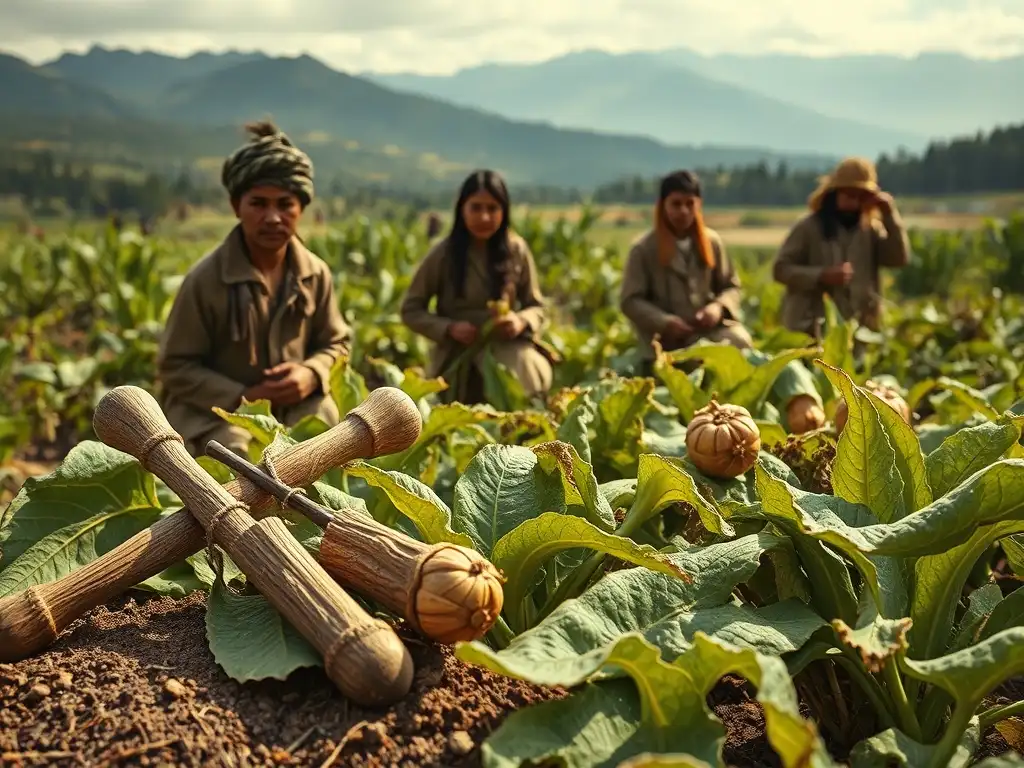
The Valdivia culture, flourishing along the coast of present-day Ecuador from approximately 3500 to 1800 BCE, holds a pivotal position in the history of Andean agriculture. Their achievements weren't merely localized; they represent a foundational stage in the development of agricultural practices that would later influence and shape the more complex systems of later Andean civilizations. The Valdivia people were among the earliest to cultivate crops in the region, demonstrating remarkable ingenuity in adapting to the challenging coastal environment. Their innovations in irrigation, crop selection, and land management laid the groundwork for subsequent agricultural advancements throughout the Andes.
Understanding their techniques is crucial to grasping the trajectory of Andean agricultural development and its impact on the social and political structures of the region. The Valdivia's success in cultivating crops in a relatively harsh environment provides valuable insights into the resilience and adaptability of early Andean societies. Their contributions were far-reaching, impacting not only their own cultural development but also serving as a significant stepping stone for future Andean civilizations.
Their legacy is etched into the very fabric of Andean agricultural history, a testament to their pioneering spirit and agricultural prowess. Further research into their specific farming methods could reveal even more about their sophisticated understanding of agricultural principles. The development of sophisticated agricultural practices allowed for a settled lifestyle, leading to population growth and the development of more complex social structures, setting the stage for the larger, more complex civilizations that followed.
Valdivia Farming Techniques: Irrigation and Water Management
The Valdivia people faced the challenge of cultivating crops in a region characterized by arid conditions and limited freshwater resources. To overcome this, they developed sophisticated irrigation techniques. While the precise details remain a subject of ongoing archaeological research, evidence suggests that they utilized a combination of methods to ensure a reliable water supply for their crops.
These likely included simple canals diverting water from nearby streams and rivers, as well as more complex systems involving the construction of reservoirs and terraces to capture and store rainfall. The ingenuity demonstrated in their water management is particularly noteworthy, especially considering the technological limitations of the time. The effectiveness of their systems is evident in the successful cultivation of crops in an environment that would otherwise have been unsuitable for agriculture.
The careful planning and execution of their irrigation projects speak to the advanced understanding of hydrology possessed by the Valdivia people. Analysis of the remaining archaeological evidence continues to reveal new details about the complexity and sophistication of their water management strategies, offering valuable insights into the practicality and efficiency of their approach to irrigation. Further study of Valdivia settlements and their proximity to water sources will undoubtedly shed more light on their water management techniques and their contribution to the success of their agriculture.
Crops Cultivated by the Valdivia: A Diverse Diet
The Valdivia diet was surprisingly diverse, considering the limitations of their environment and the relatively early stage of agricultural development. Archaeological evidence points to the cultivation of several important crops, including various types of squash, beans, and possibly maize, although the presence of maize remains debated among researchers. The cultivation of these crops provided a balanced diet, providing essential nutrients and carbohydrates.
Beyond cultivated crops, the Valdivia also relied heavily on marine resources, supplementing their agricultural production with a variety of seafood. This combination of farming and fishing ensured a reliable food source, contributing to the stability and success of their culture. The diversity of their diet demonstrates their adaptability and their ability to utilize a range of resources available in their environment.
This efficient use of available resources may have been a key factor contributing to their longevity and cultural success. Further research into the remains of Valdivia settlements, including analysis of plant and animal remains, will help refine our understanding of their diet and the importance of agriculture within their society. The discovery of new archaeological sites may also reveal further details about the crops they cultivated and the extent of their agricultural practices.
Conclusion: The Legacy of Valdivia Food and Farming
The Valdivia culture, despite its relatively early position in the timeline of Andean civilizations, left a significant mark on the region's agricultural practices and dietary habits. Their innovative farming techniques, particularly their mastery of irrigation and the cultivation of a diverse range of crops, laid the groundwork for future Andean societies. Understanding their agricultural achievements provides crucial insights into the development of complex societies in the coastal region and offers valuable lessons for modern sustainable agriculture.
The Valdivia's sophisticated understanding of their environment and their ability to adapt their farming practices to the challenges of the coastal climate represent a remarkable feat of human ingenuity. Their legacy extends beyond their immediate descendants, influencing the agricultural practices and dietary traditions of subsequent cultures in the Andean region. The echoes of their achievements resonate even today.
The Enduring Impact of Valdivia Farming
The Valdivia's impact on subsequent Andean agricultural practices is undeniable. Their advancements in irrigation, for example, were refined and expanded upon by later cultures. The careful management of water resources, a necessity in the arid coastal environment, became a defining characteristic of Andean agriculture.
Evidence suggests that the Valdivia's knowledge of crop diversification, including the cultivation of various types of squash, beans, and possibly maize (though this requires further investigation), directly influenced the dietary habits and agricultural strategies of succeeding cultures. The Valdivia's success in cultivating crops in a challenging environment set a precedent for resilience and adaptability that shaped the development of Andean agriculture for millennia. Their techniques, passed down through generations, contributed to the overall agricultural success of the Andean region, allowing for the growth of larger, more complex societies.
This enduring impact underscores the importance of studying the Valdivia's agricultural practices to fully understand the trajectory of Andean civilization. The sophisticated understanding of their environment and their ability to adapt their farming practices to the challenges of the coastal climate are a testament to their ingenuity.
Lessons from the Valdivia Diet and Agricultural Techniques
The Valdivia diet and farming techniques offer valuable lessons for contemporary agriculture and nutrition. Their focus on crop diversification, for instance, provides a model for creating resilient and sustainable food systems. By cultivating a variety of crops, they minimized their risk of crop failure due to environmental factors or pests.
This approach contrasts sharply with modern, often monoculture-based agricultural practices, which are highly vulnerable to such risks. Furthermore, the Valdivia's efficient irrigation systems demonstrate the importance of water conservation in arid and semi-arid regions. Their methods, while simple in technology, were highly effective in maximizing water use and crop yields.
Studying their techniques could inform the development of more sustainable and water-efficient irrigation systems in similar environments today. The Valdivia's success in creating a balanced and nutritious diet, based on locally sourced and diverse foods, also provides a model for promoting healthy eating habits and reducing reliance on processed foods. Their example highlights the value of a close relationship between people and their environment.
Further Research and Exploration of Valdivia Culture
Despite significant advancements in our understanding of the Valdivia culture, much remains to be discovered. Further research is crucial to fully elucidate their agricultural practices, dietary habits, and their overall impact on the subsequent development of Andean civilizations. Specifically, more detailed analysis of archaeological sites is needed to gain a clearer picture of their farming techniques and crop diversity.
Advanced techniques like isotopic analysis of human remains could provide more precise information about their diet and the extent to which they relied on marine resources alongside cultivated crops. Furthermore, comparative studies with other early coastal cultures can shed light on the unique aspects of Valdivia agriculture and the extent to which their innovations were shared or independently developed. Continued research into the Valdivia culture will not only enhance our understanding of this fascinating civilization but also provide valuable insights into the broader history of agriculture and the development of complex societies in the Americas.
The potential for discovery remains significant, promising to further enrich our knowledge of this pivotal early Andean culture. The detailed study of Valdivia farming techniques offers a rich field for future research. 🌱
Frequently Asked Questions
What farming techniques did the Valdivia culture use?
The Valdivia people employed advanced farming techniques for their time, including irrigation systems and the cultivation of various crops like squash, beans, and maize. Their agricultural practices were crucial to their survival and societal development.
What role did agriculture play in Valdivia society?
Agriculture was fundamental to Valdivia society, providing the basis for their diet and economic stability. It also shaped their social structures and religious beliefs.
What evidence exists to support our understanding of Valdivia farming?
Archaeological evidence, such as excavated agricultural tools, irrigation canals, and plant remains, provides strong support for our understanding of Valdivia farming practices. Pottery depictions also offer valuable insights.
How did Valdivia farming compare to other Andean cultures?
While less extensive than later Andean civilizations, Valdivia farming represented a significant early development in Andean agriculture. It laid the groundwork for the more complex systems seen in subsequent cultures like the Inca.
What crops were most important to the Valdivia diet, and how were they cultivated using Valdivia farming techniques?
Squash, beans, and maize were staple crops. Valdivia farming techniques, involving careful land management and likely rudimentary irrigation, ensured sufficient yields to sustain their population.
Final Reflection: Harvesting the Legacy of Valdivia Farming
The ingenuity of Valdivia farming techniques continues to resonate today, offering invaluable lessons in sustainable agriculture and resource management in the face of climate change. Their sophisticated understanding of their environment, demonstrated through diverse cropping and irrigation systems, stands as a powerful testament to human adaptability and resilience. We can learn much from their success in cultivating a thriving civilization in a challenging landscape.
The Valdivia's approach to agriculture wasn't merely about sustenance; it was deeply intertwined with their spiritual and social fabric. Their methods, passed down through generations, represent a profound connection to the land and a holistic understanding of ecological balance. The earth provides all things; it is the mother of all things.
This ancient wisdom, though expressed differently across cultures, speaks to the enduring importance of respecting and nurturing the resources that sustain us. Their legacy challenges our modern, often exploitative, agricultural practices, urging us to reconsider our relationship with the environment.
Consider the implications of the Valdivia's achievements. What can we learn from their commitment to biodiversity and sustainable resource management? How can we apply their innovative irrigation techniques to address modern water scarcity? You, the reader, hold the power to translate this knowledge into action. By embracing sustainable practices in your own life, whether through supporting local farmers, reducing food waste, or advocating for responsible land management, you can contribute to a future where agricultural innovation and environmental stewardship go hand in hand, echoing the enduring legacy of the Valdivia.
Unveil the Secrets of the Valdivia Diet Today!
Thank you for exploring the fascinating world of the Valdivia diet with us! You've gained insights into their remarkable agricultural practices and unique culinary traditions. Now, let's put that knowledge to practical use.
Here are a few ways you can connect with this ancient civilization and its sustainable practices:
- Explore Valdivia-inspired cuisine: Incorporate native South American crops like quinoa and amaranth into your meals for a taste of history.
- Share your newfound knowledge: Post about the Valdivia diet on social media and tag us! Let your friends discover this unique cultural heritage.
- Learn sustainable farming techniques: Attend workshops or events focused on sustainable agriculture, mirroring the Valdivia approach. This is a great way to learn and connect with others who share your interest.
What aspect of the Valdivia diet most intrigues you, and how will you incorporate it into your daily life?