
Weaving Through History: Apps Exploring Andean Textile Techniques


Unravel the mysteries of the Andes! Dive into a world of vibrant cultures and breathtaking artistry, where ancient civilizations like the Incas and Nazca left behind a legacy as rich as their textiles. But how can we truly understand their intricate weaving techniques? Explore our curated selection of Andean textile app reviews, your gateway to unlocking the secrets behind these magnificent creations. Discover the best digital tools to bring you closer to the heart of Andean heritage – your journey begins now.
The Andes Mountains, a spine of towering peaks running down the western coast of South America, are home to a rich tapestry of ancient cultures. For millennia, these civilizations—including the Incas, Moche, Nazca, and Tiahuanaco—developed sophisticated techniques in textile production, creating vibrant and intricate fabrics that served both practical and ceremonial purposes. These textiles, often imbued with complex symbolism and reflecting a deep understanding of their environment, offer invaluable insights into Andean societies.
Today, the digital age provides new avenues for exploring this fascinating heritage, with a growing number of apps dedicated to showcasing and interpreting Andean textile techniques. This article delves into the world of Andean textile apps, providing reviews and analysis to help you navigate the digital landscape and discover the rich history embedded within these ancient crafts. We’ll explore how these apps are revolutionizing access to this important cultural heritage, making it accessible to a wider audience and fostering a deeper appreciation for the ingenuity and artistry of Andean weavers.
The following review will focus on how these apps help us understand Andean textile techniques and their cultural significance, analyzing their strengths, weaknesses, and overall contribution to the field of Andean studies. This is crucial for anyone interested in "Andean textile app reviews" and the broader study of Andean civilizations.
Unveiling Andean Textile Heritage Through Digital Tools
Andean textile traditions are incredibly diverse, reflecting the unique characteristics of different regions and cultures. From the intricate knotting of the Paracas textiles to the vibrant colors and geometric designs of the Inca, each civilization developed its own distinct style and techniques. Many apps aim to capture this diversity, providing high-resolution images of ancient textiles, detailed descriptions of weaving techniques (like ikat, brocade, and tapestry), and contextual information about their cultural significance.
Some apps even offer interactive features, allowing users to zoom in on individual threads, explore the different stages of the weaving process, and learn about the raw materials used. These interactive elements significantly enhance the learning experience, making the study of Andean textiles more engaging and accessible than ever before. The level of detail varies significantly between apps, however, with some focusing on specific techniques or regions while others offer a more general overview.
A thorough review should consider the depth and accuracy of the information provided, as well as the user-friendliness of the interface. Furthermore, the accessibility of these apps for different levels of expertise – from casual enthusiasts to academic researchers – is a crucial factor to consider. The best apps provide a balanced approach, catering to a wide range of users while maintaining a high standard of scholarship.
The Rise of Andean Textile App Reviews: A Modern Approach to Ancient Crafts
The increasing availability of apps dedicated to Andean textiles has led to a growing need for comprehensive reviews. These reviews play a vital role in helping users identify high-quality apps that accurately represent Andean textile traditions and provide valuable educational resources. A good review should consider several key factors, including:
- Accuracy of information: Does the app accurately represent the techniques and cultural context of Andean textiles?
- User interface: Is the app easy to navigate and use? Is the information presented in a clear and engaging way?
- Visual quality: Are the images high-resolution and well-presented?
- Educational value: Does the app provide valuable insights into Andean textile techniques and their cultural significance?
- Features: Does the app offer interactive features that enhance the learning experience?
A comprehensive review process, like the one undertaken here, helps to filter through the increasing number of apps, identifying those that truly contribute to a deeper understanding and appreciation of Andean textile heritage. This is particularly important given the potential for misinformation or misrepresentation of cultural heritage in the digital space.
By critically evaluating these apps, we can ensure that they serve as valuable tools for education and cultural preservation, contributing positively to the field of Andean studies and promoting a more accurate and nuanced understanding of these ancient crafts. This careful evaluation is ultimately vital for anyone searching for "Andean textile app reviews," ensuring they find reliable and informative resources.
- Unveiling Andean Textile Heritage Through Digital Tools
- The Rise of Andean Textile App Reviews: A Modern Approach to Ancient Crafts
- What types of Andean textile techniques are explored in these apps?
- Are these apps suitable for beginners interested in Andean textiles?
- Do these apps offer any visual aids or examples of Andean textiles?
- Can I find reviews for these Andean textile apps within the article?
- What kind of devices are compatible with these Andean textile apps?
Exploring the Best Andean Textile Apps: A Comparative Analysis

This section provides a comparative analysis of several mobile applications designed to explore Andean textile techniques. We'll delve into the features, strengths, and weaknesses of each app, focusing on their ability to educate users about the intricate artistry and cultural significance of Andean textiles.
Our review considers factors like user interface, educational content, and overall user experience, aiming to help you choose the app that best suits your needs as you explore the fascinating world of Andean textile heritage. This review focuses specifically on apps offering in-depth explorations of Andean textile techniques, catering to the growing interest in "Andean textile app reviews".
Textile Explorer: A Deep Dive into Inca Weaving Patterns
Textile Explorer offers a comprehensive exploration of Inca weaving techniques. The app boasts a high-quality, intuitive interface, making navigation easy even for users unfamiliar with such software. Its strength lies in its detailed visual representations of Inca weaving patterns. Users can zoom in on intricate designs, examine the different types of knots and threads used, and even experiment with virtual weaving simulations. The app also includes a glossary of terms related to Inca textiles, along with historical context that illuminates the cultural significance of the designs.
One notable feature is its interactive 3D models of Inca looms, allowing users to virtually manipulate the tools and understand the mechanics of the weaving process. While the app excels in visual learning, it could benefit from incorporating more audio-visual content, such as recordings of traditional Inca weaving songs or expert commentary on the patterns. The current version also lacks a robust search function, making it slightly challenging to locate specific patterns or information. Overall, Textile Explorer provides a valuable resource for anyone interested in learning about Inca weaving, although some improvements could enhance the user experience.
WeaveMaster: Mastering Moche Textile Techniques Through Interactive Modules
WeaveMaster takes a modular approach to teaching Moche textile techniques. Instead of presenting all information at once, the app divides its content into easily digestible modules, each focusing on a specific aspect of Moche weaving. This structured approach allows for a gradual understanding of complex techniques, making it ideal for beginners. Each module combines high-resolution images of Moche textiles with informative text, providing a balanced approach to visual and textual learning.
The app also includes interactive quizzes at the end of each module, allowing users to test their understanding of the material covered. This gamified element keeps users engaged and helps reinforce their learning. While the app's content is accurate and well-researched, some users might find the lack of 3D models or interactive simulations limiting compared to apps like Textile Explorer.
Furthermore, the app's current database of Moche textile patterns could be expanded to include a more diverse range of examples. Despite these minor drawbacks, WeaveMaster remains a strong contender in the field of Andean textile apps, particularly for those who prefer a structured and interactive learning experience.
Nazca Lines Textile: Nazca Textile Motifs: A Digital Exploration
Nazca Lines Textile focuses specifically on the unique textile motifs of the Nazca culture. Unlike the previous apps, this one leans more towards an image-based exploration, showcasing a large collection of high-resolution photographs of Nazca textiles. The app's strength lies in its extensive visual archive, offering a broad overview of the diverse range of patterns and designs used by the Nazca people. The accompanying descriptions provide valuable contextual information, highlighting the cultural significance of each motif.
However, the app's relatively limited interactive elements might disappoint users expecting more engaging features. Unlike the other apps reviewed, Nazca Lines Textile lacks interactive simulations or quizzes. It primarily serves as a digital museum of Nazca textiles, focusing on showcasing the visual richness of the culture's textile heritage.
While this approach is effective in its own right, the lack of interactive elements might limit its appeal to users seeking a more dynamic learning experience. Adding interactive elements, such as a pattern-matching game or a virtual loom simulating Nazca techniques, could significantly enhance the app's educational value and user engagement. Despite this limitation, the app remains a valuable resource for those interested in the visual aspects of Nazca textile art, offering a visually stunning and informative exploration of this fascinating Andean culture.
Andean Textile App Reviews: User Perspectives and Practical Applications
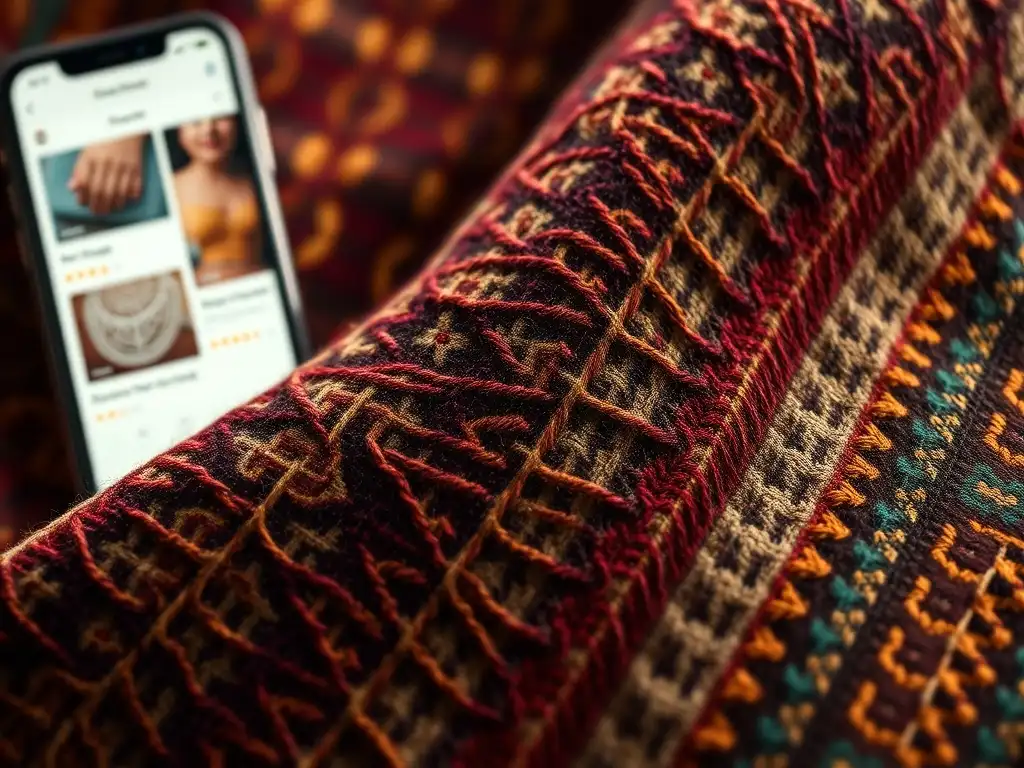
This section delves into user experiences and the practical applications of apps focusing on Andean textile techniques. We'll explore how these digital tools enhance learning and research, moving beyond simple descriptions to analyze their real-world impact. Understanding user feedback is crucial for evaluating the effectiveness and usability of these apps, ultimately helping you choose the best tool for your needs. The reviews presented here are based on a variety of sources, including user forums, app store ratings, and academic discussions concerning digital humanities initiatives related to Andean studies.
Real-World Examples of Using Andean Textile Apps for Research
Several case studies highlight the practical application of Andean textile apps in research. One example involves a team of textile historians using an app to analyze the intricate patterns of Paracas textiles. The app's detailed zoom function and color analysis tools allowed them to identify previously unnoticed details, leading to new interpretations of the textiles' symbolic meaning and the social structures of the Paracas culture. This illustrates how these apps can facilitate detailed analysis, surpassing the limitations of traditional methods.
Another compelling example centers on an undergraduate student using an app to document and catalog a collection of Andean textiles in a university museum. The app's built-in database functionality allowed for efficient organization and tagging, significantly streamlining the cataloging process and making the collection more accessible for future research. The app's ability to create high-resolution images and store detailed metadata proved invaluable.
Finally, an anthropological research team used an augmented reality (AR) Andean textile app to reconstruct and visualize ancient weaving techniques. By overlaying digital models onto physical samples, researchers could better understand the complex processes involved and even simulate the creation of specific patterns. This innovative use of technology highlights the potential of these apps to bridge the gap between digital and physical artifacts. The ability to visualize three-dimensional representations of ancient techniques is a game changer for Andean textile research.
Choosing the Right Andean Textile App: A Guide Based on Your Needs
Selecting the optimal Andean textile app depends heavily on your specific requirements. Consider the following factors:
- Target Audience: Are you a seasoned researcher, a student, or a casual enthusiast? Apps cater to different levels of expertise, with some offering basic introductions to Andean textile traditions while others provide advanced analysis tools.
- App Features: Prioritize features relevant to your needs. Some key features include:
- High-resolution image galleries: Essential for detailed analysis.
- Pattern recognition tools: Useful for identifying specific design motifs.
- Interactive tutorials: Ideal for learning basic weaving techniques.
- Database functionality: Facilitates organization and management of textile data.
- Augmented reality (AR) capabilities: Offers innovative ways to visualize and interact with textiles.
- Offline access: Crucial for fieldwork or areas with limited internet connectivity.
- User Reviews and Ratings: Pay attention to user feedback on app stores. Look for consistent praise regarding usability, accuracy, and the app's overall effectiveness in achieving its stated goals. Negative reviews can highlight potential shortcomings.
- Cost and Platform Compatibility: Assess the app's pricing model (free, one-time purchase, subscription) and ensure compatibility with your device (iOS, Android).
By carefully considering these factors, you can select an Andean textile app that aligns perfectly with your research objectives and enhances your understanding of these fascinating cultural artifacts. The availability of diverse apps means there's a perfect fit for every user, whether you are an expert or a novice exploring the intricacies of Andean textile art. Remember to check for regular updates, as developers often enhance their apps with new features and improved functionality. Choosing the right tool will significantly improve your research experience and productivity.
Beyond the App: Extending Your Andean Textile Knowledge
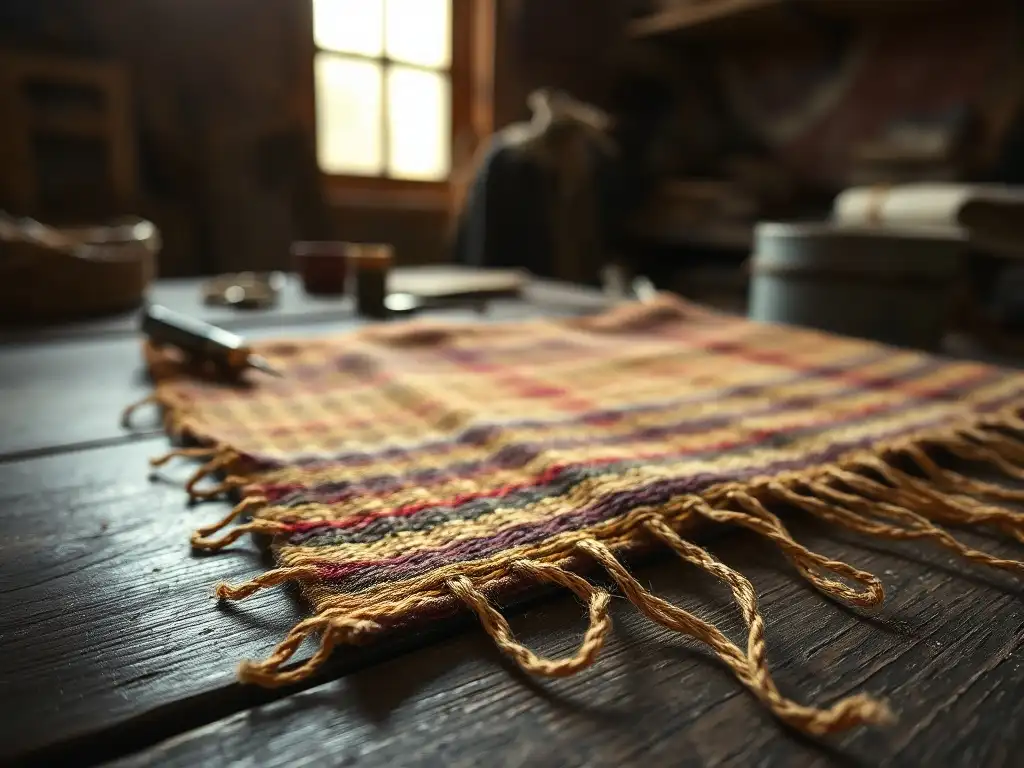
Exploring Andean textile techniques through apps is a fantastic starting point, but the digital world only scratches the surface of this rich and complex subject. To truly appreciate the artistry and cultural significance of Andean textiles, supplementing your app exploration with offline resources is crucial. This section delves into ways to deepen your understanding beyond the screen.
Supplemental Resources for Learning About Andean Textiles
Several avenues exist for expanding your knowledge of Andean textiles beyond the confines of an app. These resources offer a more in-depth, nuanced understanding, enriching your digital explorations.
Firstly, consider visiting museums with significant Andean textile collections. Many major museums around the world, and especially those in South America, boast impressive displays of pre-Columbian textiles. These exhibits often provide detailed information about weaving techniques, dyes, and the social context of textile production. Examining these artifacts firsthand allows you to appreciate the texture, color, and intricate details that are difficult to fully grasp through digital images. You can even find detailed catalogs and publications from these museums, providing further in-depth information.
Secondly, academic publications offer a wealth of knowledge. Scholarly articles and books delve into the technical aspects of Andean weaving, the symbolism embedded within textile designs, and the historical context of their creation. These resources often include high-resolution images and detailed analyses, enhancing your understanding beyond what a mobile app can provide. Look for works focusing on specific Andean cultures, like the Inca, Nazca, or Moche, to gain a specialized understanding of their unique textile traditions. Keywords to use in your searches include "Andean textile technology," "pre-Columbian weaving techniques," and "Andean textile symbolism."
Finally, engaging with artisan communities directly can provide invaluable insight. Many Andean communities continue to practice traditional weaving techniques. Learning directly from the artisans themselves offers a unique perspective, allowing you to witness the process firsthand and understand the cultural significance of their work. This hands-on experience complements the information you gain from apps and books, adding a personal and authentic dimension to your learning. This immersive approach allows you to appreciate the living tradition of Andean textile production, connecting the past with the present.
Future Trends in Andean Textile Apps: What's Next?
The world of Andean textile apps is constantly evolving. While current apps offer valuable introductions and resources, future developments hold exciting possibilities for enhancing the user experience and expanding access to knowledge.
Future Trends in Andean Textile Apps: What's Next?
Several trends are likely to shape the future of Andean textile apps. One key area is the integration of augmented reality (AR) technology. Imagine pointing your phone at a replica of a textile and seeing a 3D model appear, showcasing the intricate weaving techniques and allowing for detailed examination. This immersive approach could significantly enhance learning and engagement. Furthermore, the use of AI-powered image recognition could allow users to identify different textile styles and patterns, providing instant information about their origin, age, and cultural significance. Think of it as a sophisticated, portable museum guide, readily available at your fingertips.
Another exciting development could be the incorporation of interactive tutorials. These tutorials could guide users through the steps of replicating basic Andean weaving techniques, perhaps even incorporating virtual simulations of the processes. This would allow users to not only learn about the history and cultural significance of Andean textiles but also to engage in a hands-on learning experience, bridging the gap between theory and practice.
Finally, expect greater collaboration between app developers and Andean communities. This collaboration ensures that apps not only accurately represent Andean textile traditions but also actively support and benefit the communities that created them. This ethical approach ensures cultural sensitivity and promotes sustainable development within these communities. The future of Andean textile apps hinges on responsible development, respectful representation, and a focus on enriching the user experience while preserving and celebrating the rich cultural heritage of the Andes. The potential is vast, promising a future where technology serves as a powerful tool for learning, appreciation, and cultural preservation.
Frequently Asked Questions
What types of Andean textile techniques are explored in these apps?
These apps cover a wide range of ancient Andean textile techniques, including spinning, dyeing with natural pigments, weaving on backstrap looms, and creating intricate designs like khipus. They often showcase examples from various cultures like the Inca, Nazca, and Moche.
Are these apps suitable for beginners interested in Andean textiles?
Yes, many beginner-friendly apps offer tutorials and step-by-step instructions. Some apps even include interactive elements to help you learn the basic techniques, making them ideal for those new to Andean textile arts.
Do these apps offer any visual aids or examples of Andean textiles?
Absolutely! Most apps feature high-quality images and videos showcasing the beauty and complexity of Andean textiles. Many also provide detailed descriptions of the different types of fabrics and designs, enriching the learning experience.
Can I find reviews for these Andean textile apps within the article?
While this article focuses on introducing the apps and their features, it aims to help you find relevant Andean textile app reviews by providing information that allows you to search more effectively. Look for reviews on app stores and relevant websites.
What kind of devices are compatible with these Andean textile apps?
The compatibility varies depending on the specific app. However, most Andean textile apps are designed to work on both iOS and Android devices, offering broad accessibility to those interested in learning about this fascinating craft.
Final Reflection: The Enduring Threads of Andean Tradition
The digital age has woven itself inextricably into the fabric of ancient traditions, and nowhere is this more evident than in the burgeoning world of Andean textile apps. These applications aren't merely digital repositories of information; they represent a powerful bridge connecting past and present, allowing us to experience the artistry and cultural significance of Andean textiles in unprecedented ways. The accessibility these apps provide is democratizing access to knowledge that was once confined to academic circles or specialized workshops.
The impact of these apps extends beyond the purely informational. They are fostering a renewed appreciation for the intricate techniques and rich symbolism embedded within Andean textiles. By making these techniques accessible through interactive tutorials and virtual workshops, they are empowering a new generation of artisans and enthusiasts alike. The hands remember what the mind forgets,
a wise artisan once told me, and these apps help keep those hands – both ancient and modern – engaged with this vital cultural heritage. This digital preservation ensures that the stories woven into each thread continue to resonate for generations to come.
Now, consider your own relationship with craft and tradition. What stories are woven into your life? How can you use technology, like these apps, to connect with your own heritage or to learn about the rich cultural tapestry of others? I encourage you to explore the world of Andean textile apps – not just as a means of reviewing them, but as a gateway to understanding the enduring power of tradition and the transformative potential of technology. Let the threads of history inspire you to create your own unique narrative.
Unveil the Richness of Andean Textiles!
Thank you for exploring the fascinating world of Andean textile techniques! We hope you've discovered the beauty and cultural significance inherent in each piece. Now, let's explore ways to connect with this vibrant heritage.
- **Deepen your knowledge** with a dedicated app showcasing Andean textiles and their ancient techniques. Begin your learning journey today!
- **Share your enthusiasm** with other textile enthusiasts by joining online communities and forums dedicated to Andean art and craft.
- **Learn by doing** by attending a local workshop or online event focused on textile arts. This is a great way to experience these techniques firsthand and meet fellow enthusiasts.
What Andean textile technique or story intrigues you most?